
The first in a series introducing my new photo book “Return to Damascus: A Personal Journey.” This post is about my family’s long-term history in Syria and at least some of the story of how we ended up in America.
“He saved us with a single act of mercy.”
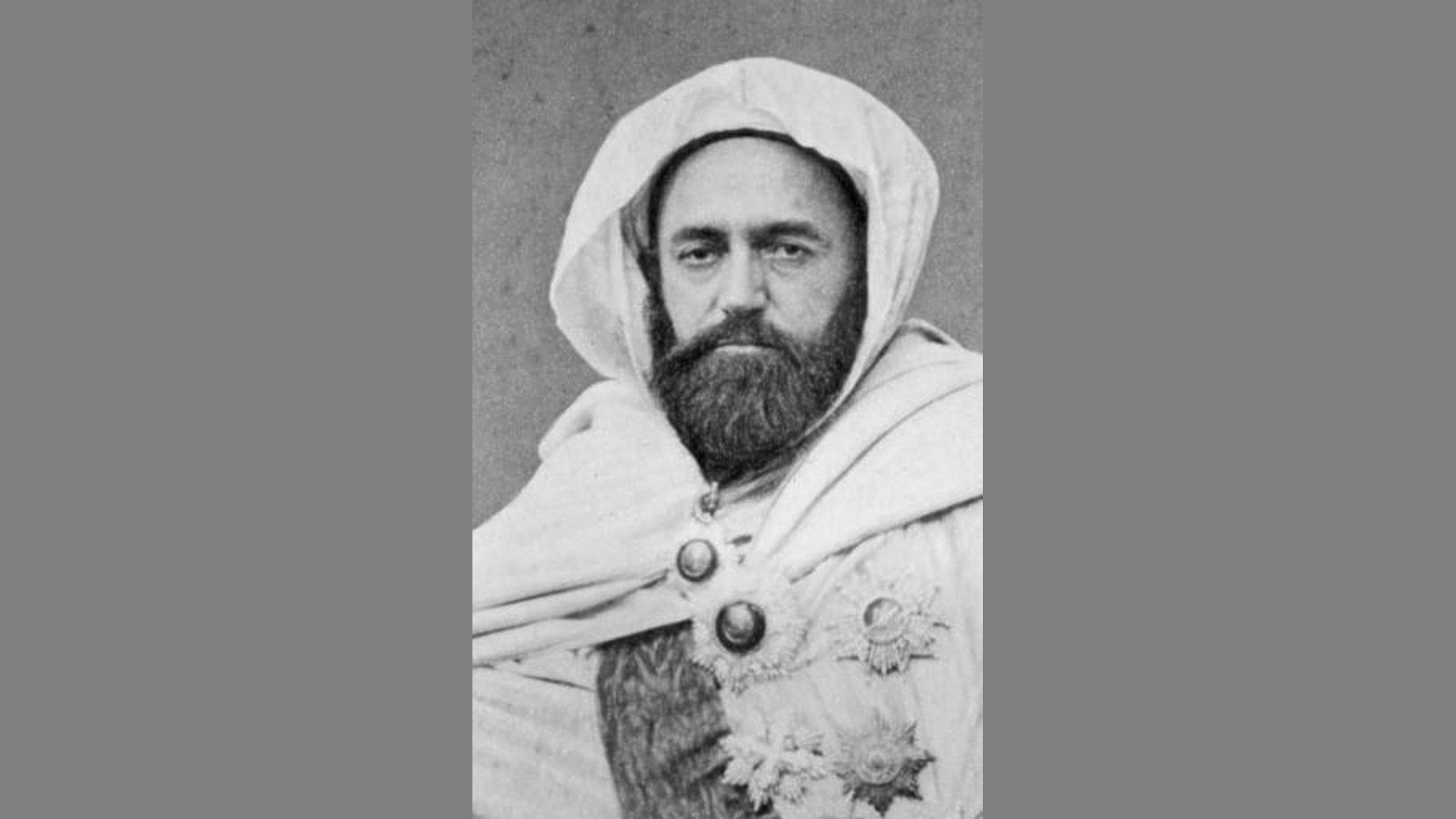
These words, spoken by my father, referred to Abd el-Qadir al-Jaza’iri’s heroic intervention in Damascus in 1860 – a moment that shaped my family’s destiny and countless others.
When I set out to understand my family’s roots, I discovered that the story of Levantine Christian migration is both a tale of lucky survival and and stubborn resilience. It stretches from the violence that erupted in Mount Lebanon and Damascus in 1860 to the streets of Montreal, Brooklyn, Detroit-Dearborne, Brazil, Argentina, and many other places today. Syrian Christians have forged new communities across the globe, carrying traditions, languages, and memories with them.
The 1860 Watershed
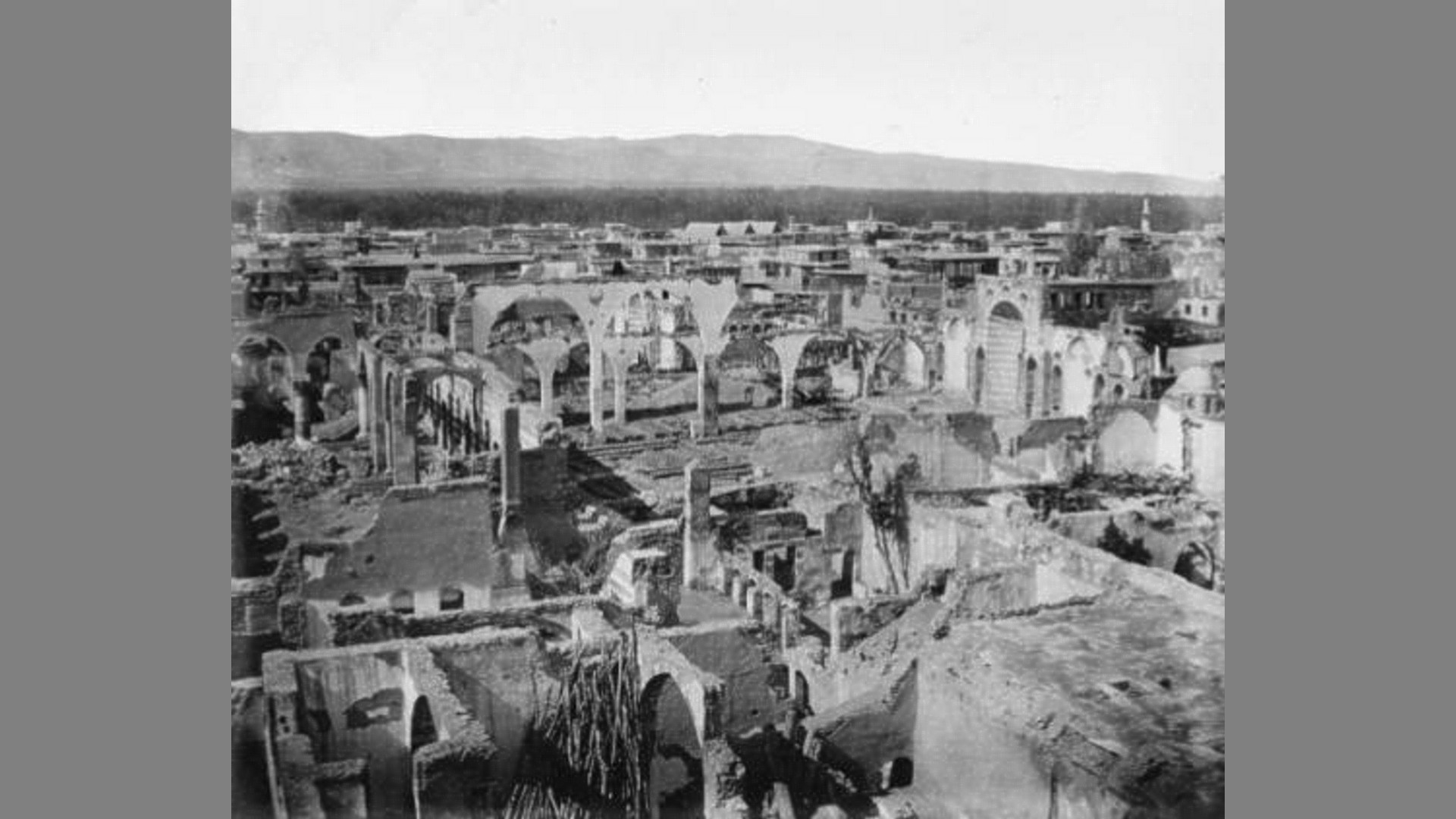
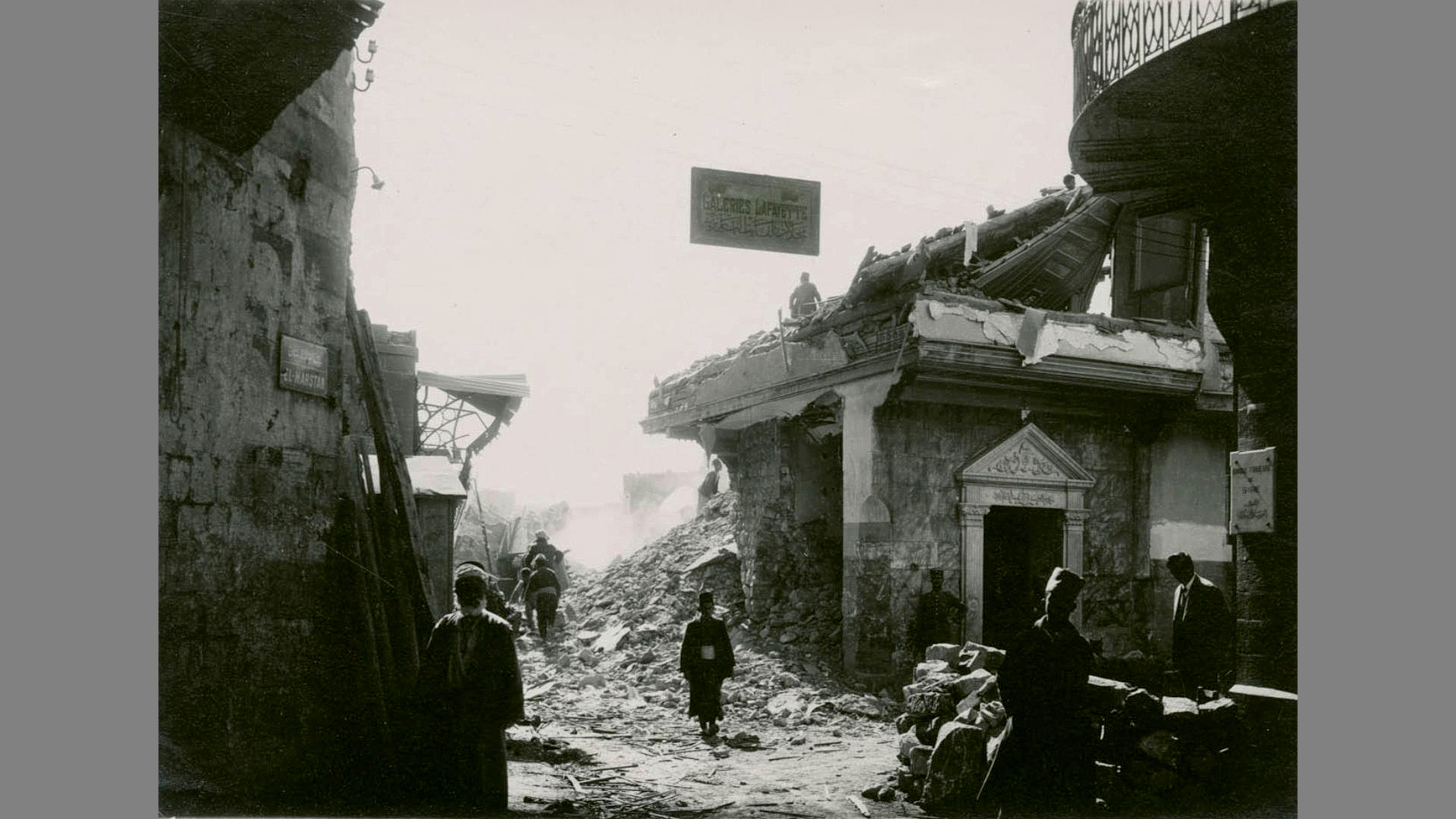
In the spring of 1860, centuries of relative coexistence between Christians and Muslims in the Ottoman Empire shattered. Economic tensions, administrative reforms, and armed conflicts in Mount Lebanon spilled into Damascus, where Druze militias and local mobs attacked Christian neighborhoods. Thousands were killed, and homes and churches were destroyed. It was a catastrophe that reverberated across the Mediterranean world.
Amid the chaos, one leader stood out: the Algerian-born Emir Abd el-Qadir. Living nearby, he intervened to protect Christian refugees – placing his family and followers between the mobs and Christians and personally leading women and children to safety.
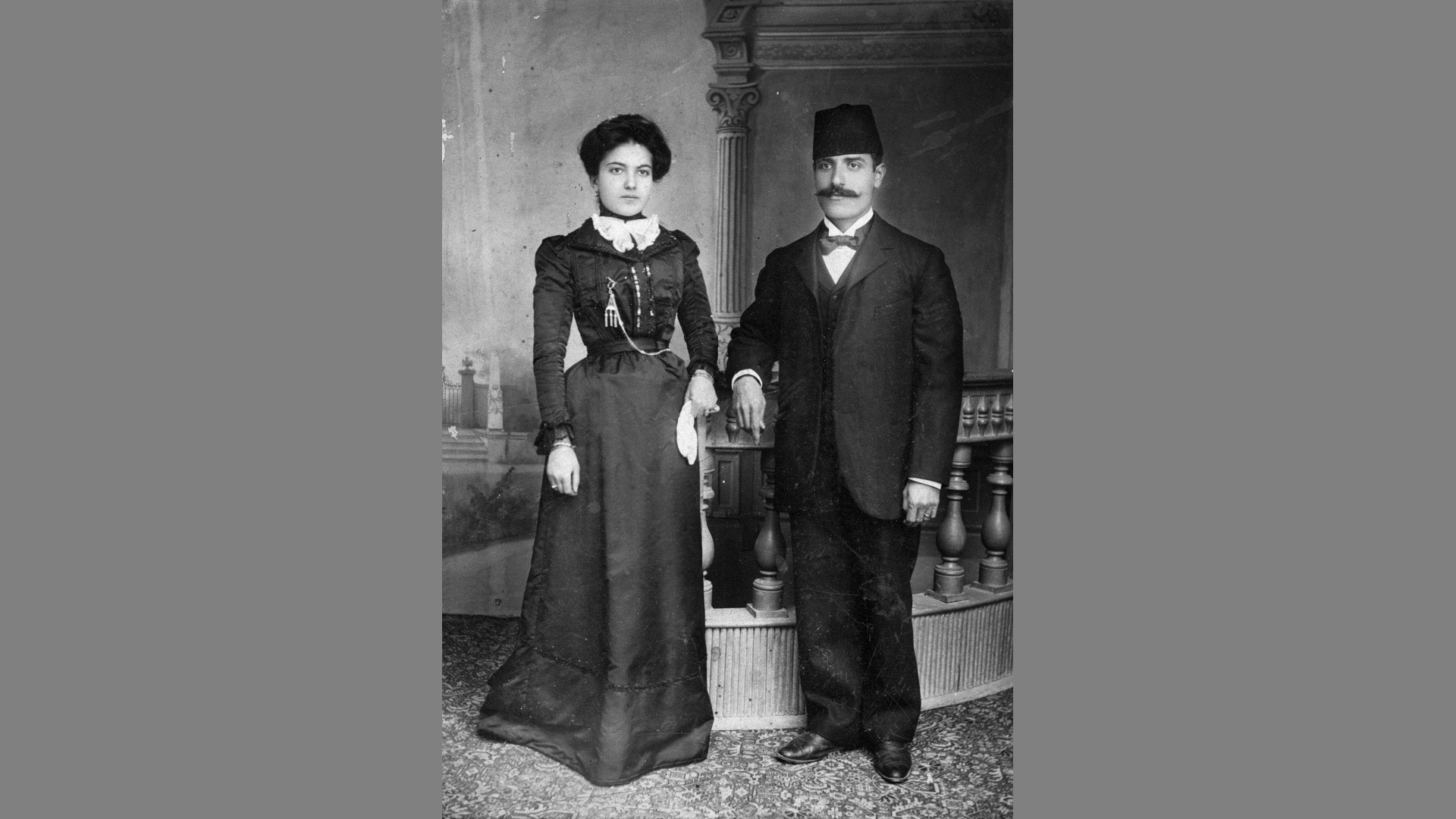
This 1860 violence triggered the first large wave of Christian emigration. Families, traumatized by the massacres and fearful of a repeat, turned their eyes westward.
Pioneers to Canada
The earliest Levantine Christian settlers in Canada arrived in New Brunswick in 1879. Unlike the later urban enclaves in Montreal and Toronto, these pioneers ventured into small towns – opening general stores and peddling goods across rural routes. They etched their names into local histories as hardworking merchants who bridged cultural divides. Many never expected to settle permanently. They did though, building homes, marrying local partners, and raising children who knew their Syrian history only through photographs and stories passed down at the dinner table.
America’s Mass Migration
Simultaneously, a much larger exodus was underway to the United States. Steamship companies marketed opportunities in Philadelphia, Chicago, and New York – highlighting factories hungry for labor and the potential for a better life. Between 1860 and 1914, nearly half of Mount Lebanon’s Christian population emigrated, with Syrians joining the ranks of what was referred to at the time as “the new Americans.”
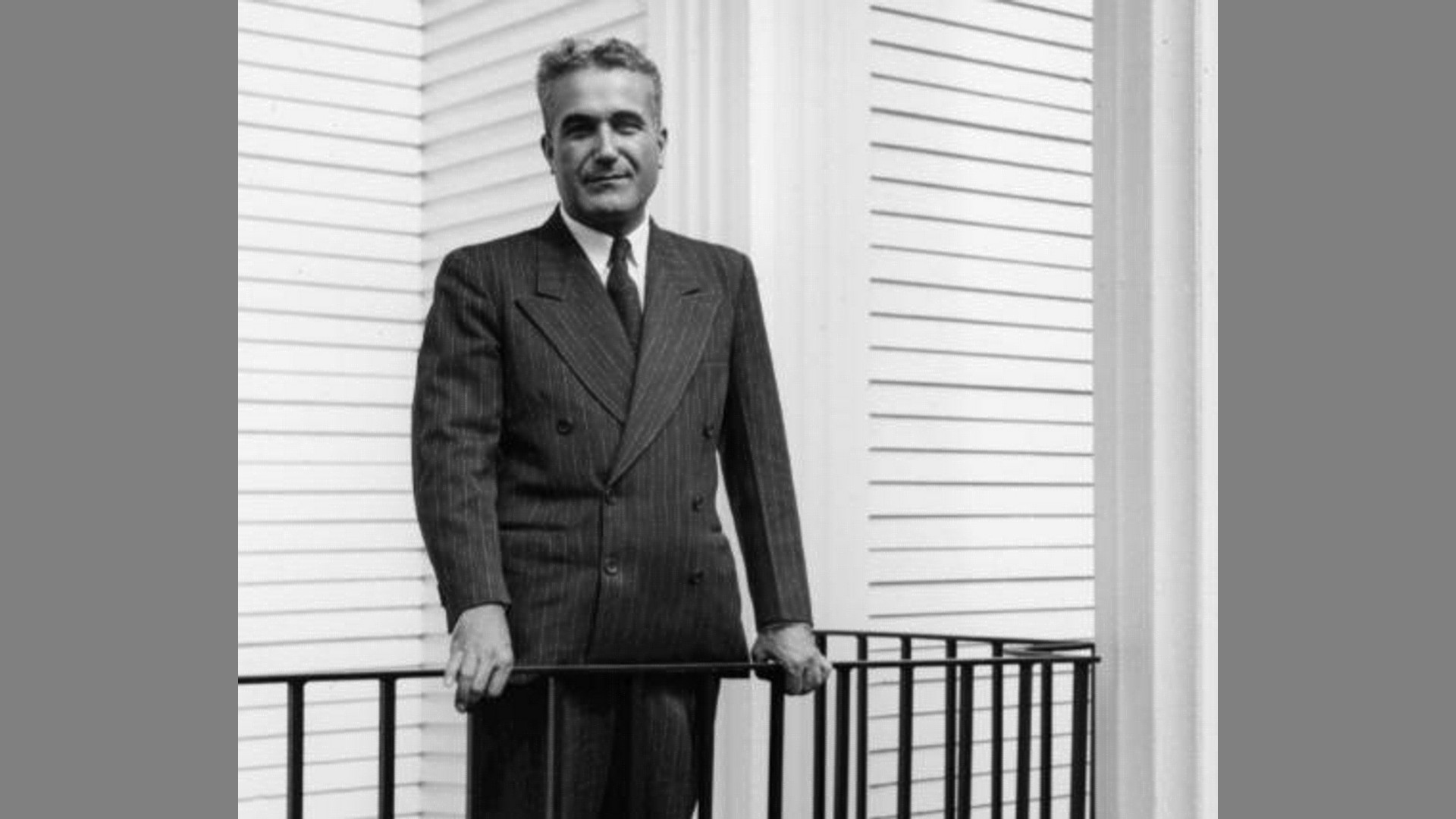
In Philadelphia, Syrian entrepreneurs opened fruit stands and textile shops. In Chicago, they staffed steel mills during the city’s rapid expansion. My father, who left Damascus in the 1920s for Beirut and later America, found work in a Vermont school teaching Arabic and in a couple of nearby churches as an Universalist minister. Like many, he sent letters back home – describing snowdrifts blocking roads and the smell of pine forests in ways that made our family’s memories of olive orchards and souks feel like distant dreams.
A Special Bond with France
Across the Atlantic, France held a unique allure for Levantine Christians. The French “Protectorate” over Lebanon and Syria (1920-1946) created educational, linguistic, and administrative ties, making Paris a natural destination for students and professionals. Catholic missions in Beirut and Aleppo funneled promising young Christians into French universities, where they studied law, medicine, and literature.
After graduation, some returned home; others remained in France, blending into Parisian neighborhoods. Their emigration differed from North America’s because they often enjoyed closer political ties and shared religious networks – and yet, they encountered challenges of assimilation and identity that echoed those of their North American counterparts.
Economic and Social Drivers
These early migrants were motivated by more than fear. Steamship agents sold tales of golden opportunities, churches organized sponsorships, and community letters home detailed business successes. Young men also sought to avoid Ottoman military conscription, which often meant years of service under harsh conditions.
This “emigration fever” spread quickly. Prosperity stories – of peddlers returning with wagons full of cash – encouraged others to risk the voyage. Similar stories were repeated by migrants to Mexico and South America. Families pooled savings to buy single tickets, hoping to reunite later. Missionaries and diaspora societies provided lodgings, language lessons, and job placement assistance.
Preserving Culture in the Diaspora
Diaspora communities across Canada, the United States, and France worked hard to preserve their culture. Churches taught Arabic and Aramaic liturgies; social clubs hosted dance nights; local grocers sold za’atar and ma’amoul; newspapers in Arabic bridged generations. Families celebrated Christmas with mezze spreads, blending Levantine recipes with North American traditions.
Through these practices, they maintained a strong sense of identity – one that connected them to the villages of Mount Lebanon, the courtyards of Damascus, and the stone village of Ma’lula. Yet, each new homeland shaped them in turn, creating unique hybrid cultures that were neither fully Syrian nor completely Western.
Weaving Family and Diaspora
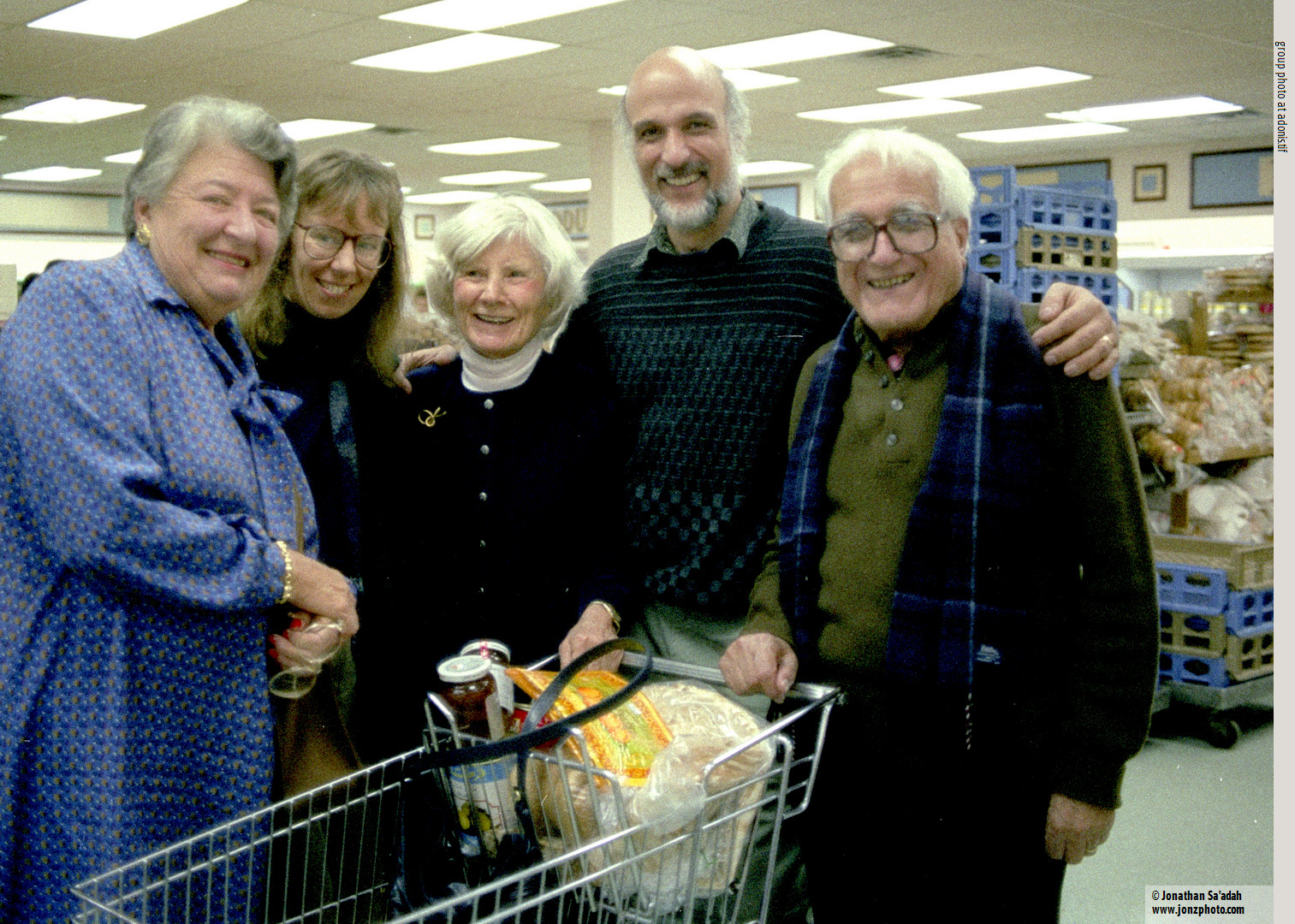
My own family’s journey followed these patterns. My paternal grandparents remained in Damascus where my father was born in 1909, later attending the American University in Beirut. In 1946, he and my mother traveled to Vermont. After departing the Middle East, he never returned for any extended period, yet It remained a strong part of him.
My mother, who was not Syrian but Armenian, had three children with my father, of which I was in the middle. The book “Return to Damascus” is loosely about my father’s own pilgrimage to Damascus in 2000 when he was ninety years old and where he retraced his arc: from the United States back to the streets he had grown up on.
Setting the Stage for Cultural Preservation
History plays an important role in my photography book. The images of Ma’lula, the candid portraits along with the streets and places of Damascus, carry deeper meaning for me because of the family diaspora story. But our stories are by no means unique. My family’s history reminds me that many family photo albums hold stories of departure and return, of belonging and loss. But for me the journey from Damascus to Montreal is not just geographical – it is a testament to the enduring spirit of Levantine Christians who carried their heritage across oceans and generations.
“Return to Damascus: A Personal Journey” can be pre-ordered from Phoenicia Publishing at a discount for delivery in November.
What a wonderfully evocative post! It brings me straight into a past I knew little to nothing about. This is such a valuable record. I look forward to reading more…
Michele
I’d like to purchase the book. Is it possible to avoid shipping by getting it directly from you?
I love reading your posts, and learning so much about your family’s history – thank you for sharing!!
I also love reading your posts Jonathan and learning more about your family and their history. So wonderful you are writing this book, thank you!! xxxxooooo
Thank for this history lesson, about which I know precious little. Amazing to think that on the eve of the American Civil War all this violence was happening in Damascus. And then to see the photo from 1920! Folks in power sure have a propensity to blow things up. Love the wedding photo of your grandparents, and the photo with you and Beth and your folks! A little birdry told me that today is your birthday. May this be your best year yet!
I’m reading this aloud to my dad and very grateful for your work, photos, writing, gift of this to your family past, present and future, and to the world.