
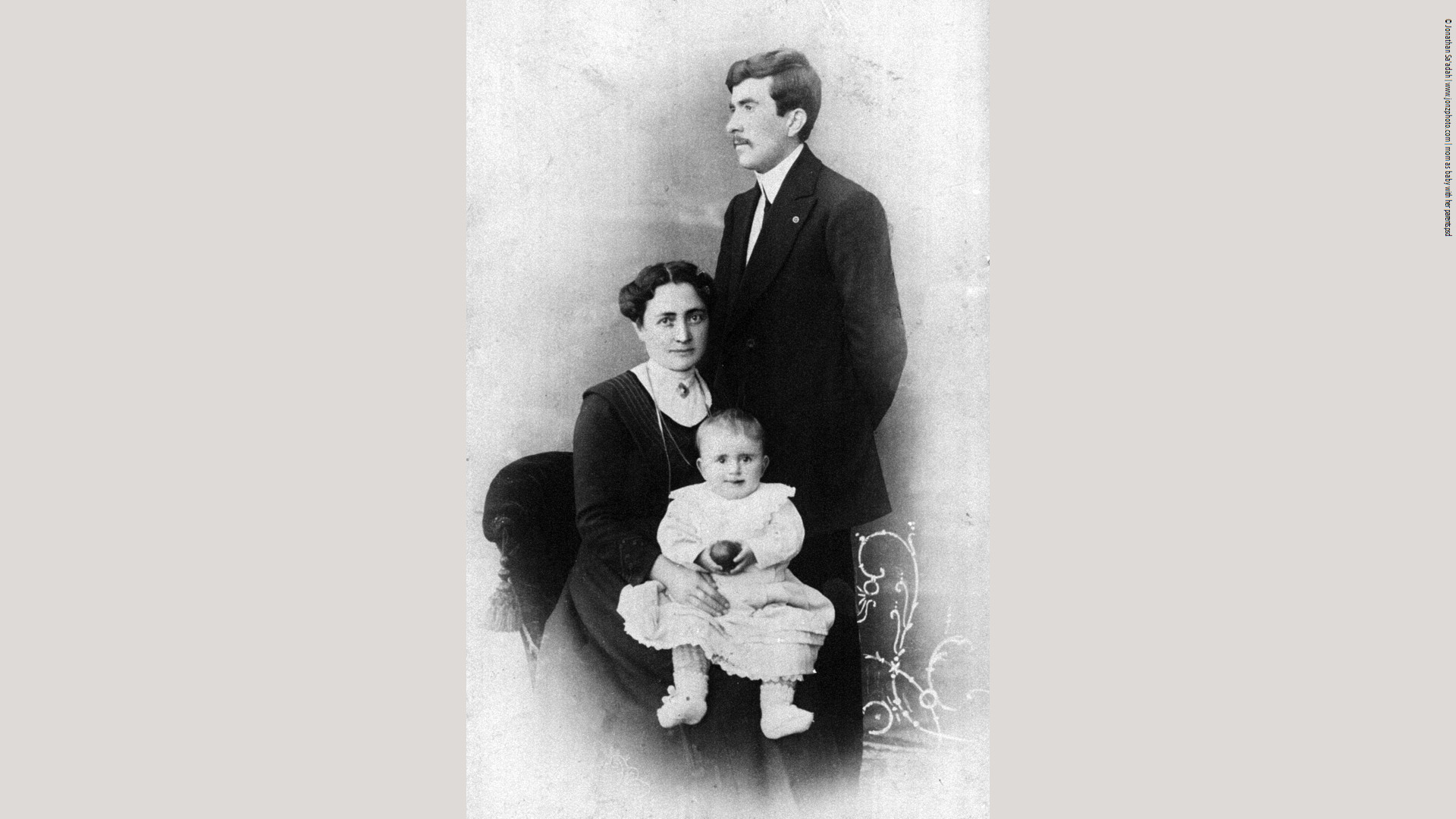
My mother experienced the Armenian genocide as a young child. It never really left her. She was born in 1915, the oldest of three children. To us, her children, she was not open about her early life as an Armenian growing up in the Anatolian highlands. Under sustained questioning she would say that she didn’t want to pass on ethnic hatred to her children, which we took as a reasonable rational for her silence. Nevertheless, after her death in 2002 we have pieced together some of her past. In spite of our efforts at historical reconstruction much has been lost through war and intentional erasure. Some windows into that past still remain, however, stored in archives, personal histories, and academic research. My mother’s history intersects some of those sources, but it’s hard to tell exactly how closely. The recollections she did share were those of a young child – loss, fear and perceived safety. She was not a factual witness. Nevertheless, the facts are available and some stories remain.
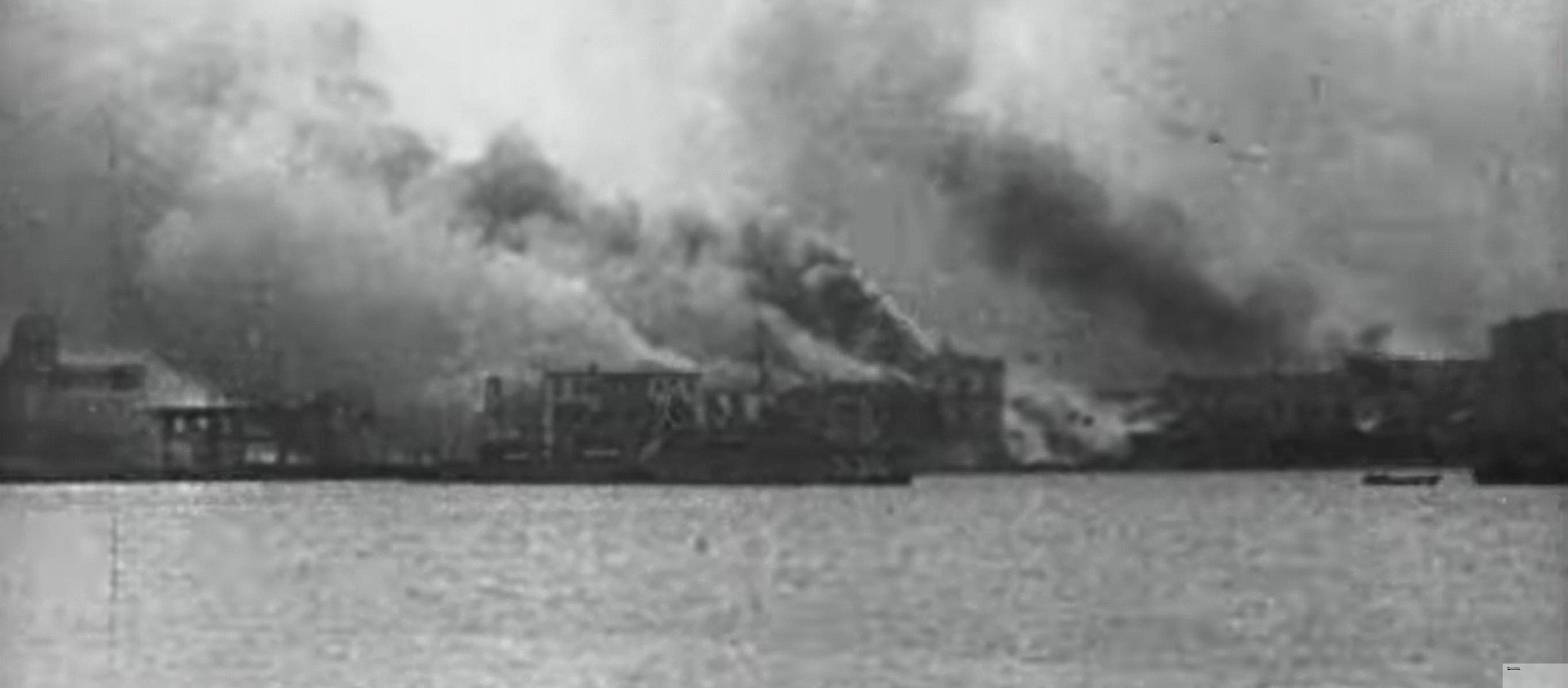
Smyrna in flames
In September 1922 my mother would have been about six. Her father, a German-trained doctor, had already been killed in the genocide. Her mother and two brothers were marched under the protection of an American humanitarian organization to the seacoast. The area, indeed the whole highlands of Turkey, was in chaos. The Greek army, with strong encouragement from Britian, invaded the old Ottoman Empire in an attempt to carve out a “Greater Greece” that would incorporate historically Greek or Byzantine territories, including western Anatolia and Constantinople. The Greeks failed, and the war was ending in a Turkish victory. Nationalist forces under Mustafa Kemal’s command were entering Smyrna (now Izmir), a cosmopolitan port where Greeks and Armenians formed a large majority. Within days, organized looting, rape, and massacres erupted targeting Greek and Armenian neighborhoods, culminating in a great fire on September 13 that destroyed much of the city and drove hundreds of thousands of people onto a narrow strip of quay between the flames and the sea. It’s not completely proven that my family was in the city but if not it was nearby. The six-year old remembered a piano with gold hidden inside dropping into the ocean, and crying, as people were rowed out to ships. Looking at >>newsreels<< from the time it’s easy to understand why a child would have erased the memories.
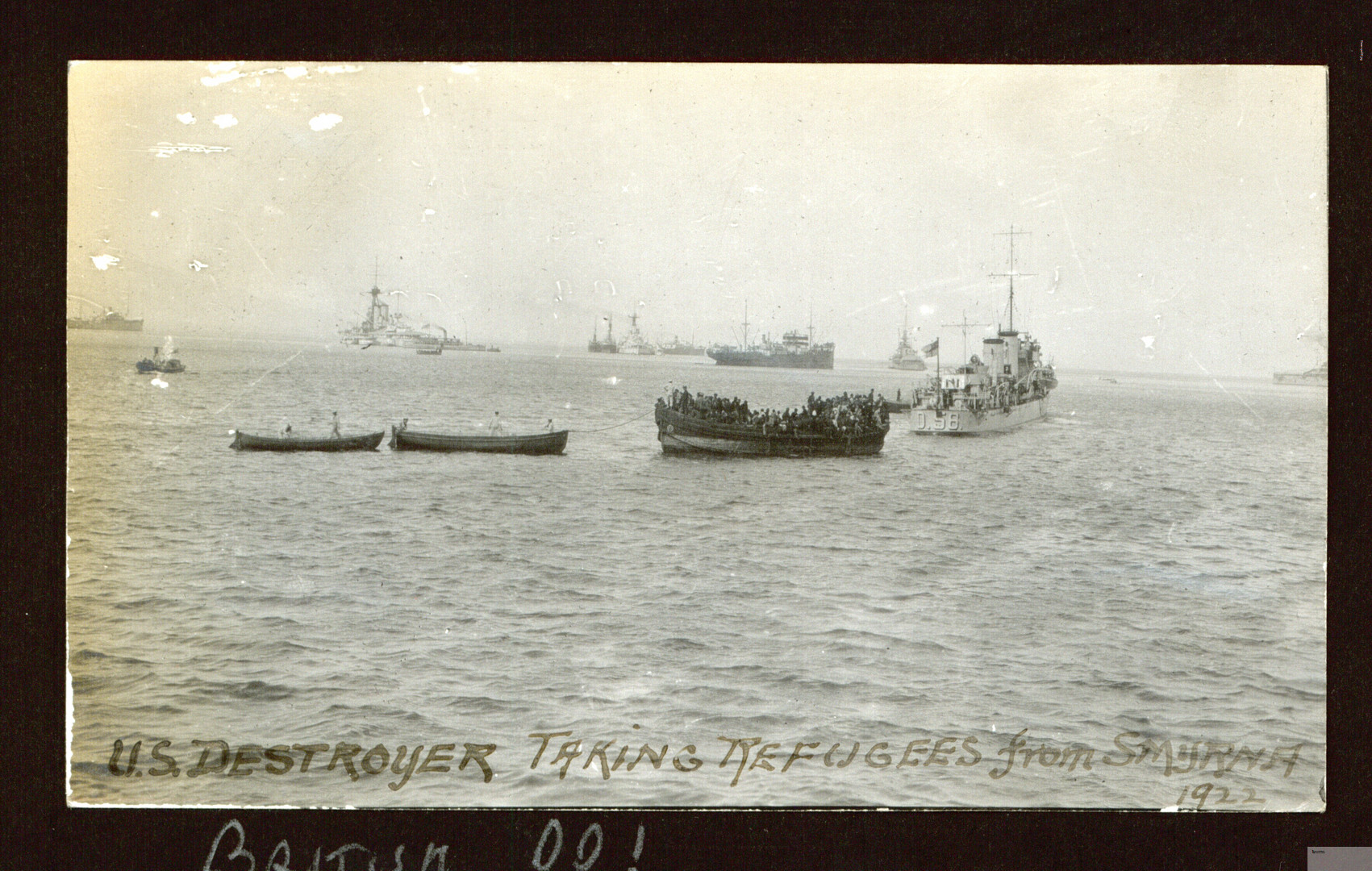
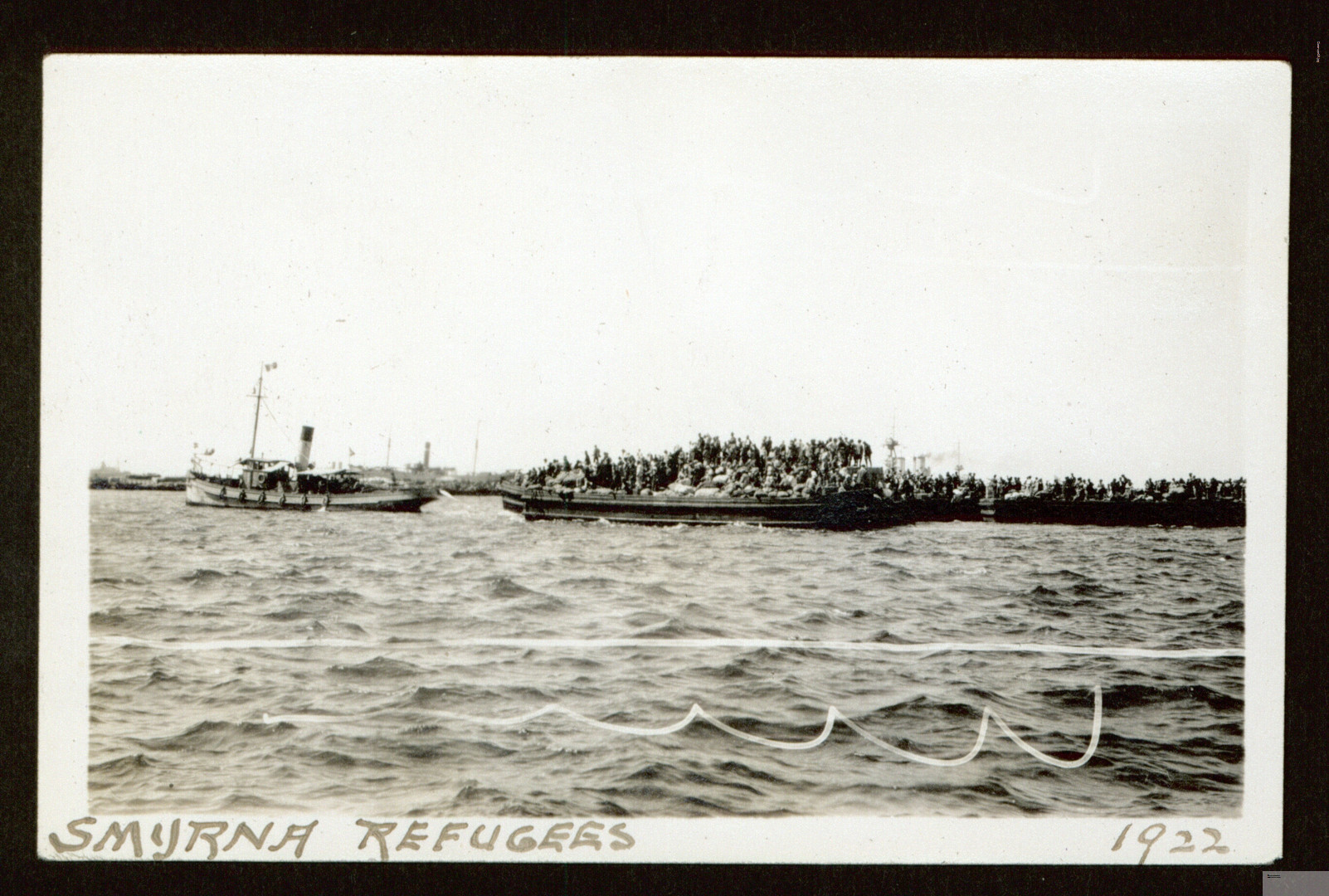
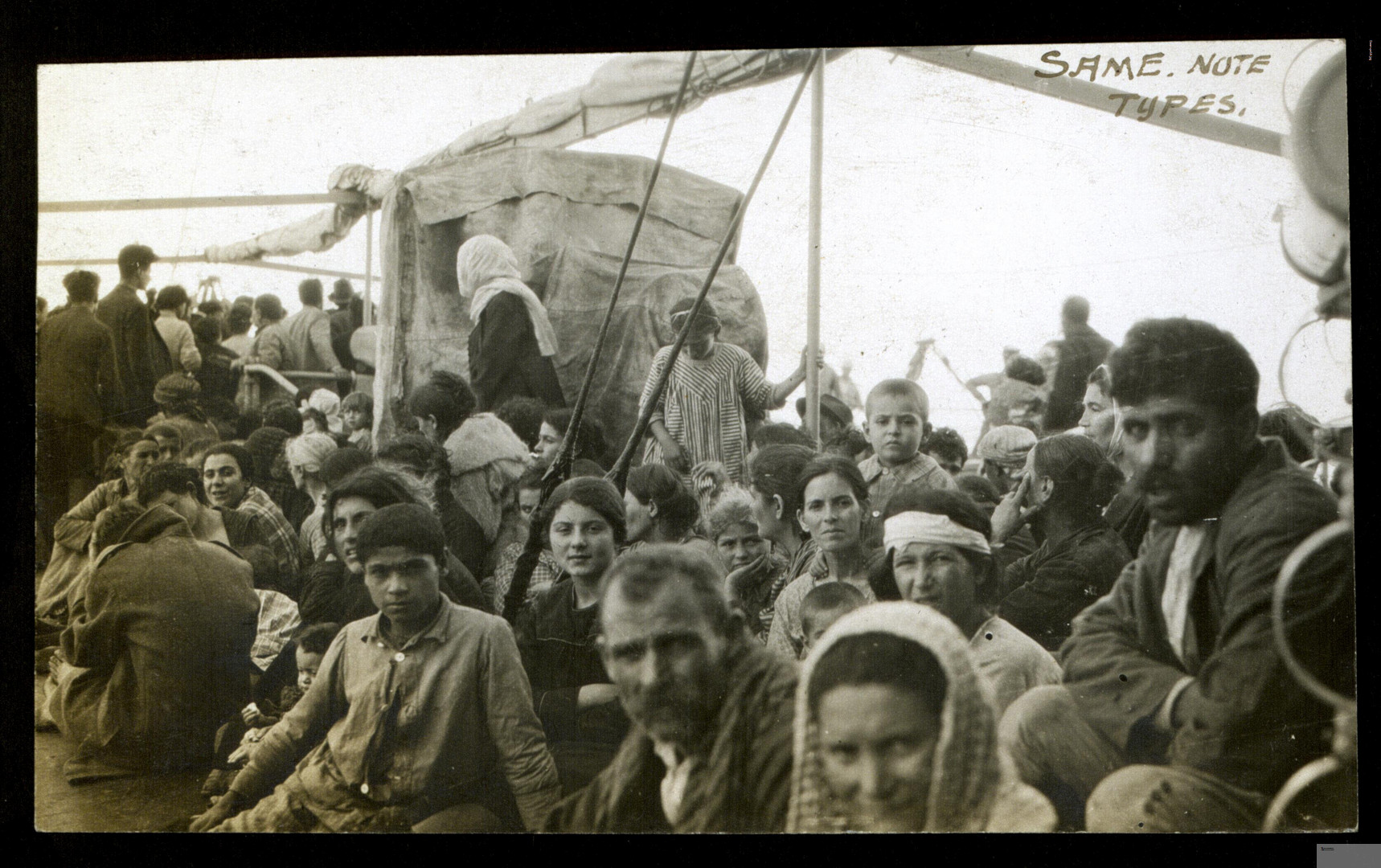
Refugees – Greeks, Armenians, Assyrians and others – crowded the waterfront for miles, unable to move inland without risking murder or deportation, and unable to leave by sea without ships. Allied warships from Britain, France, Italy, and the United States lay at anchor in the harbor, close enough to hear screams and smell burning flesh, but initially under strict orders not to intervene beyond protecting their own nationals and property.
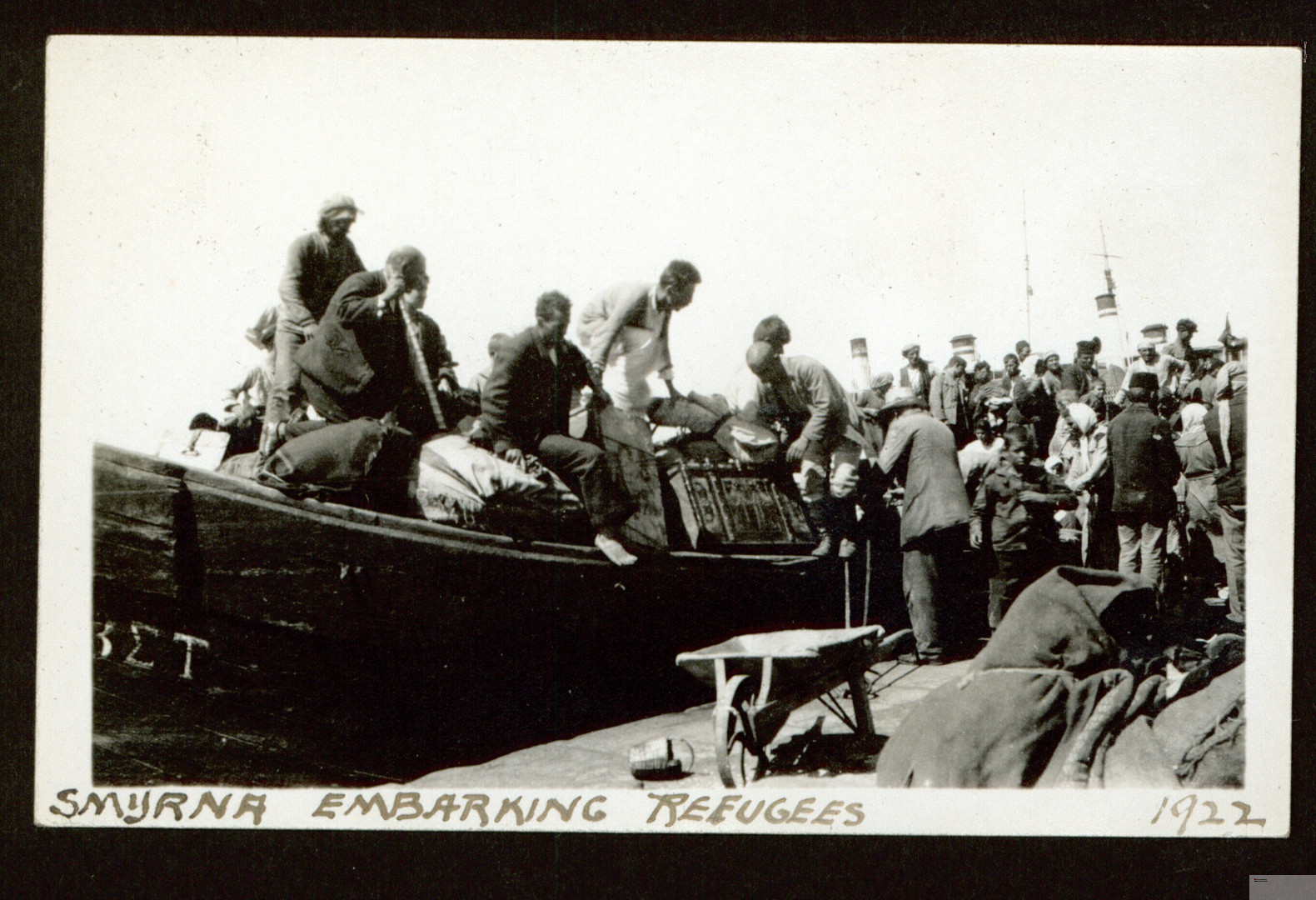
Asa Jennings and the improvised rescue
Into this paralysis stepped >>Asa Kent Jennings<<, a five‑foot‑two Methodist minister from – of all places – upstate New York, who had recently arrived in Smyrna as a YMCA worker. Jennings had no official rank, chronic health problems, and no authority beyond his wits and his willingness to take personal risks on behalf of strangers.
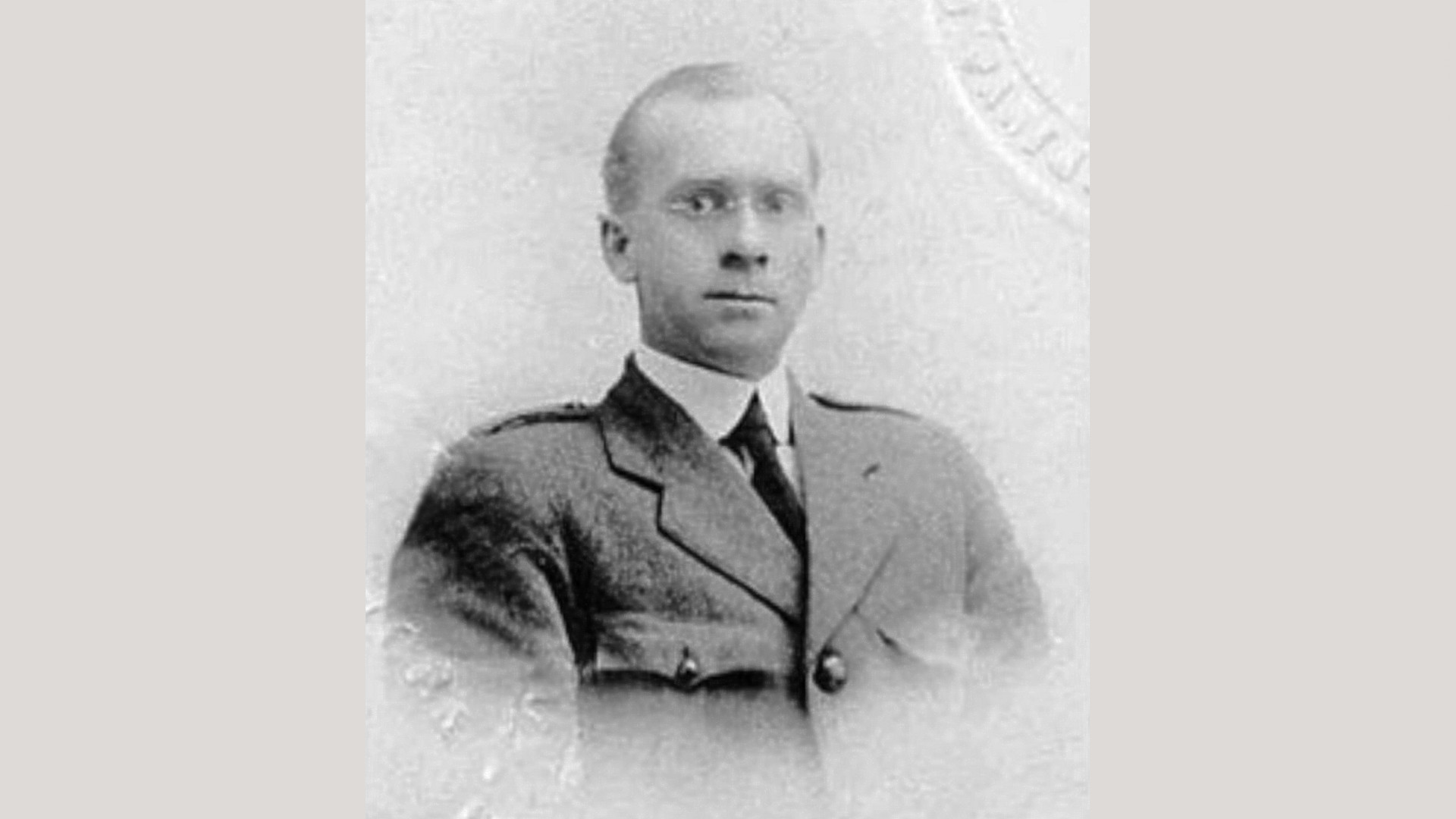
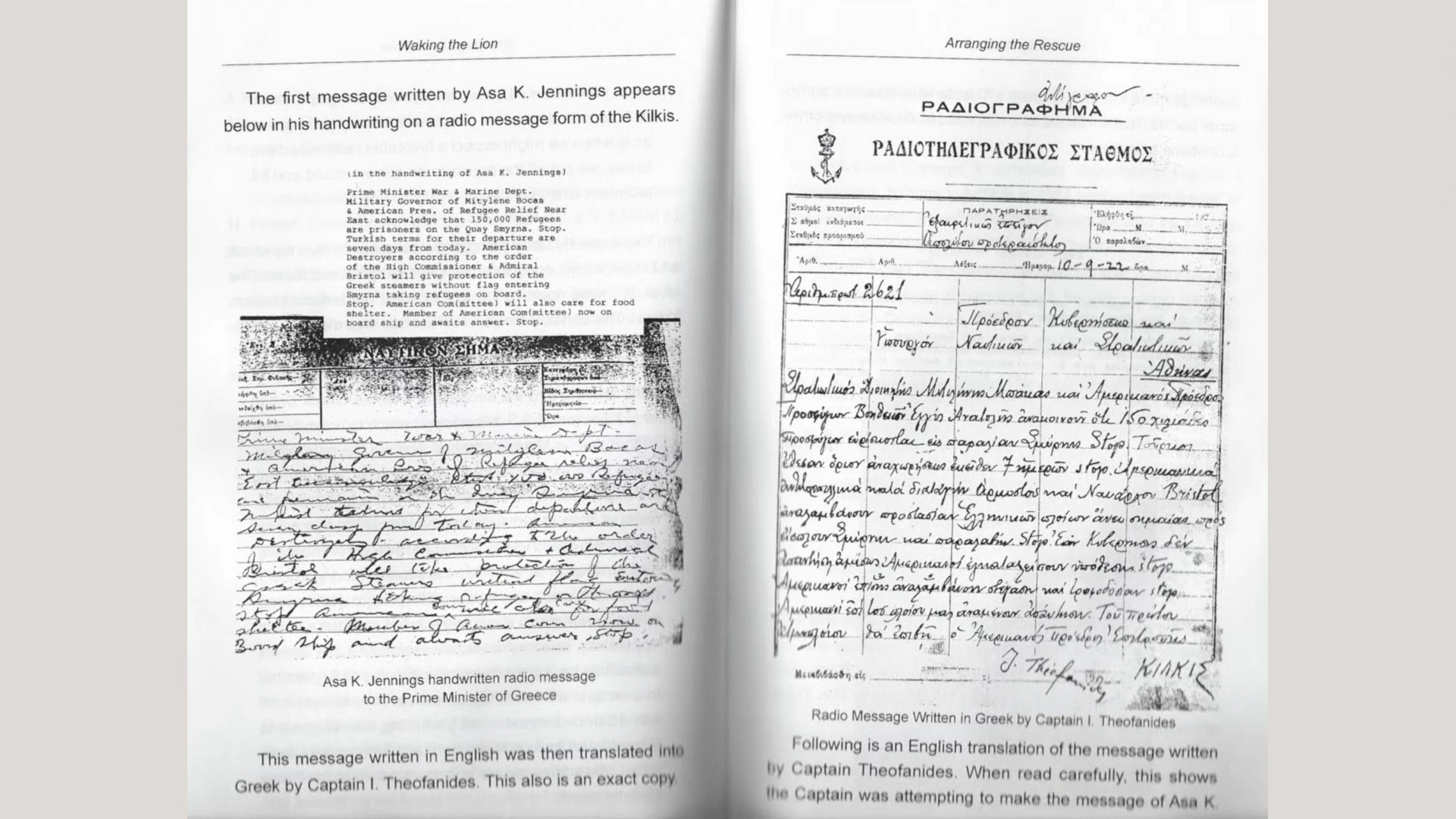
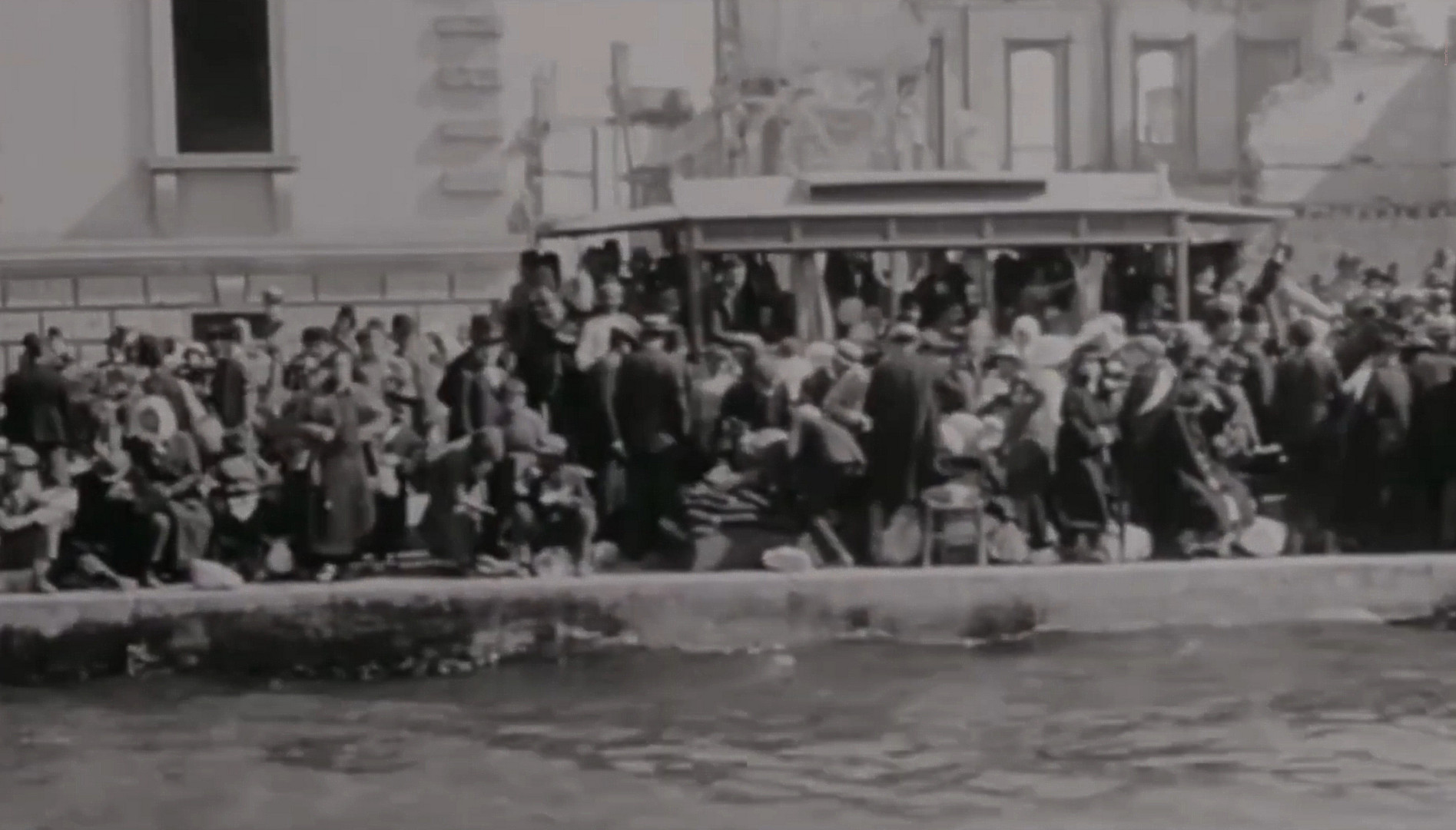
As the city burned and refugees packed the quay, Jennings quietly began to organize an evacuation by sea, working around the hesitations, and even opposition, of the great powers. Drawing on contacts with the Greek government and merchant marine, and leaning heavily on the moral pressure created by western aid agencies and sympathetic U.S. naval officers, he helped assemble a flotilla of Greek vessels that could shuttle refugees to safety across the Aegean.
U.S. ships, Near East Relief, and the flotilla
Jennings’ efforts only mattered because some American military officers chose to bend their orders in humane directions. U.S. destroyer captains in the harbor had been instructed to remain neutral, but regardless (or perhaps in willful defiance of the orders) several ships moved closer to the quay, took on refugees in limited numbers, and used their presence – and their searchlights – to deter attacks in small sections of the waterfront.
Near East Relief, an American humanitarian organization created during the First World War, was already deeply involved in feeding and sheltering Armenian and Greek refugees across the region, and used its network to coordinate information, negotiate with Turkish authorities, and press Allied governments for evacuation. Once Jennings had secured permission and cooperation from the Turkish command and the British admiral in charge of the destroyers, the first Greek ships of his improvised flotilla entered Smyrna harbor on September 24 to begin mass embarkations.
Over the following weeks, this ad‑hoc system of Greek ships, U.S. and British naval cover, and American relief workers evacuated hundreds of thousands of Greeks and Armenians from Smyrna and nearby ports – estimates range from roughly a quarter‑million to more than 350,000 people who were saved. There were about 1.5 million people killed in the genocide, but the evacuation saved a significant number of souls.
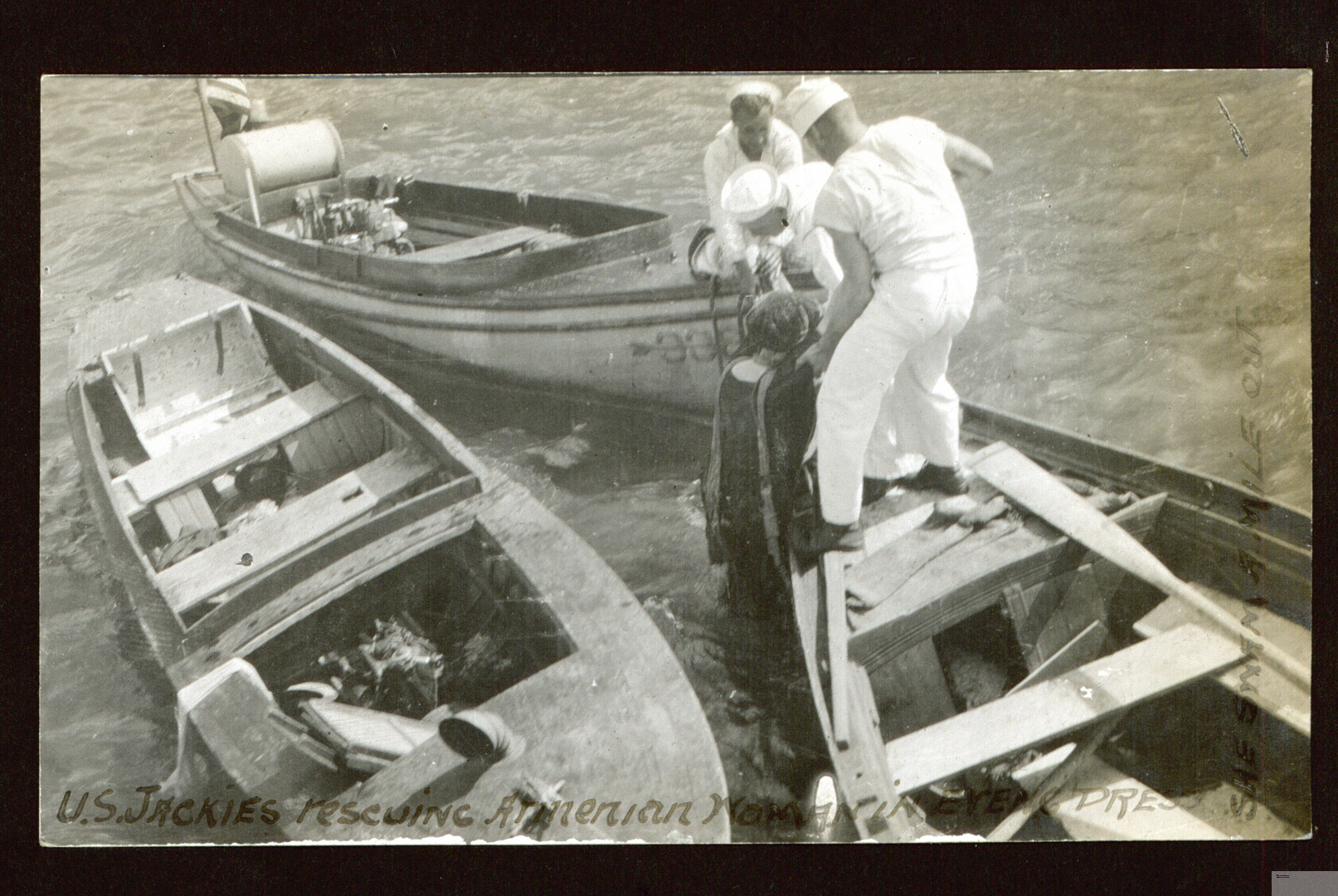
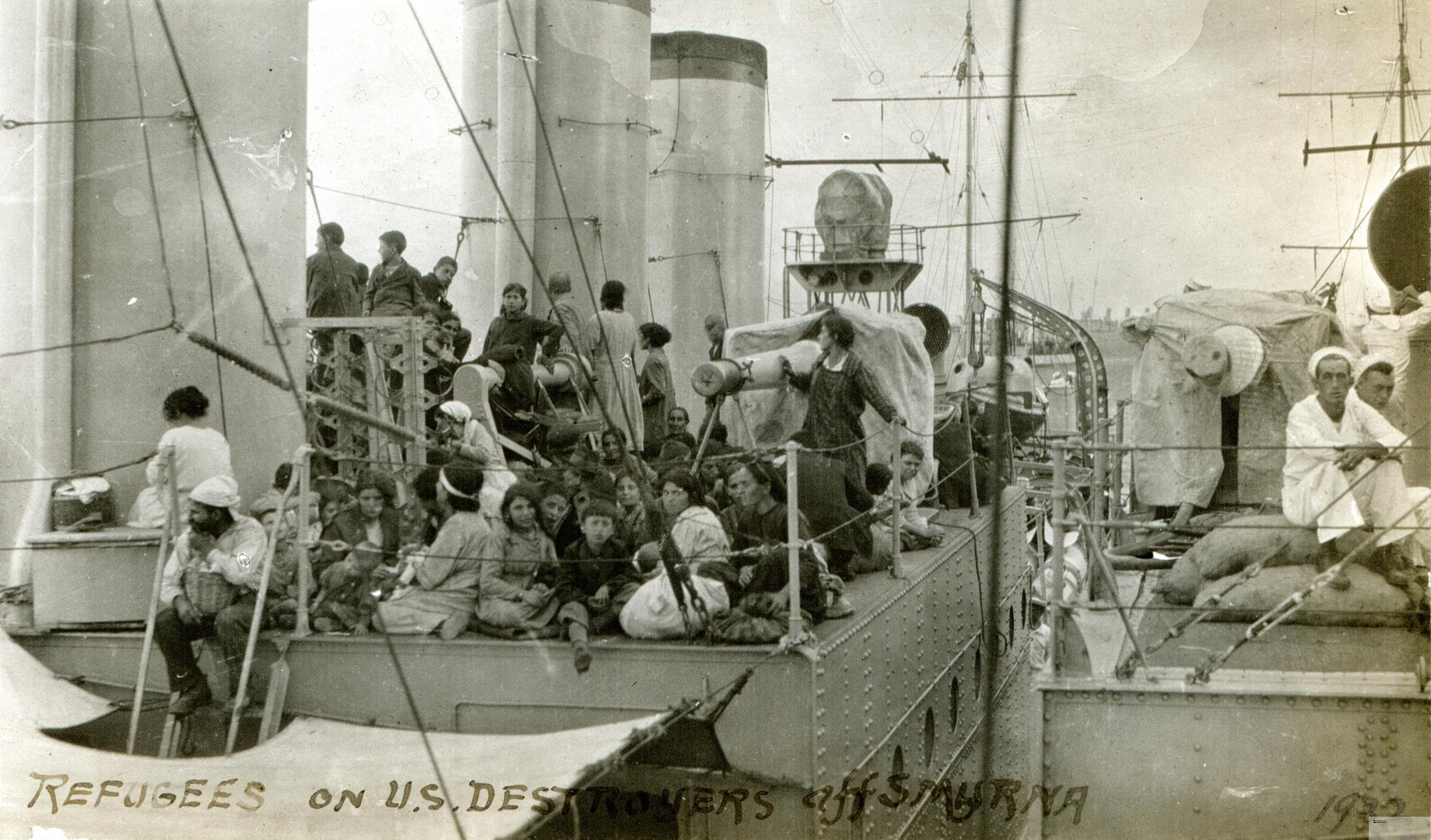
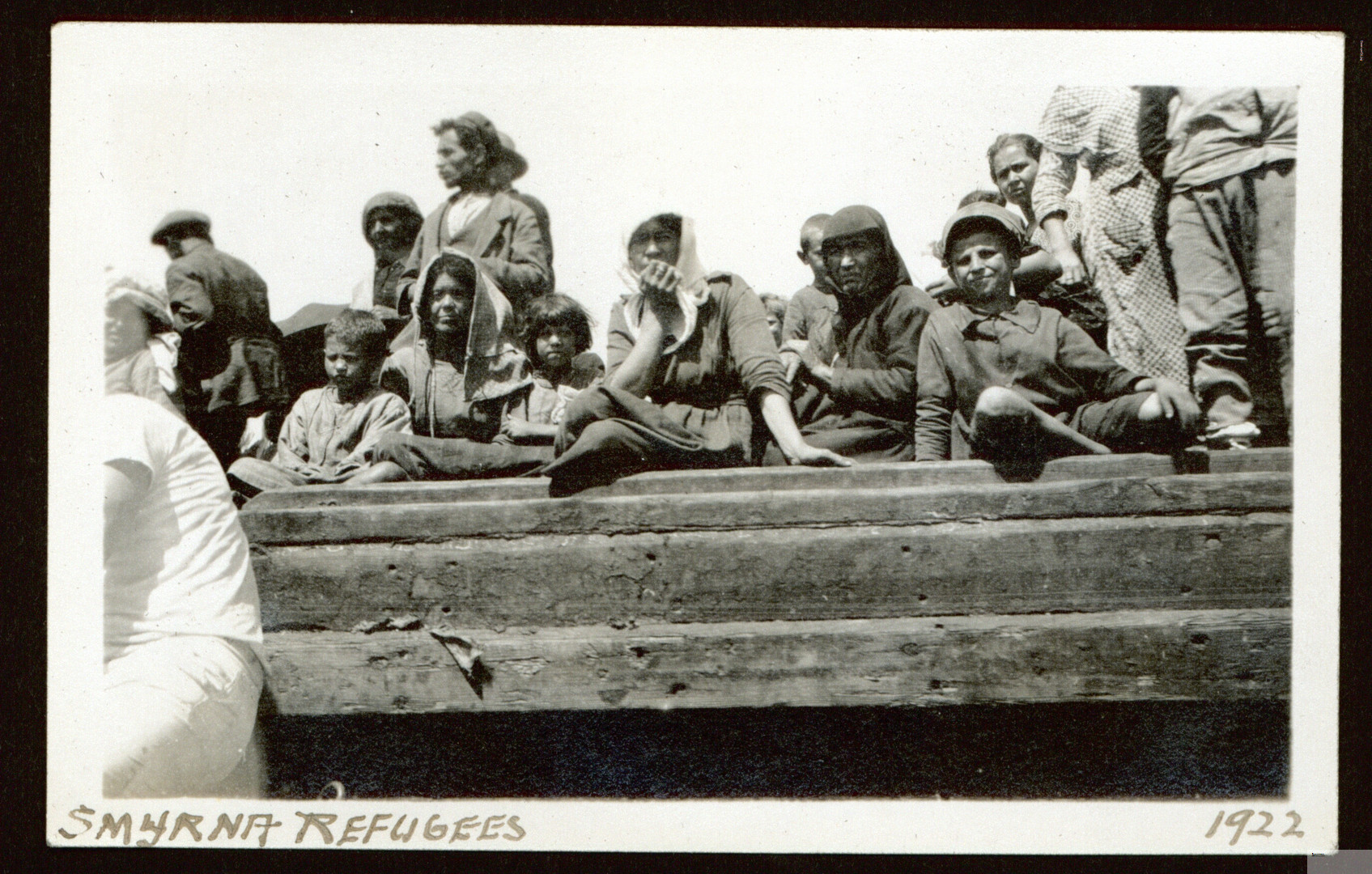
I often wonder what my mother would have thought about the present. One way to contrast the two times is to imagine two harbor scenes. In 1922, terrified Greeks and Armenians crowd the Smyrna quay while American destroyers sit offshore, their captains torn between orders and conscience, until a minor YMCA worker bullies and cajoles a flotilla into existence. In 2026, equally terrified families from Sudan, Syria, or Honduras crowd land borders and airports, falling into a system of bio-metric screening, quotas, and policy experiments where the decisive factor is not one person’s courage, but the political calculus of Washington.
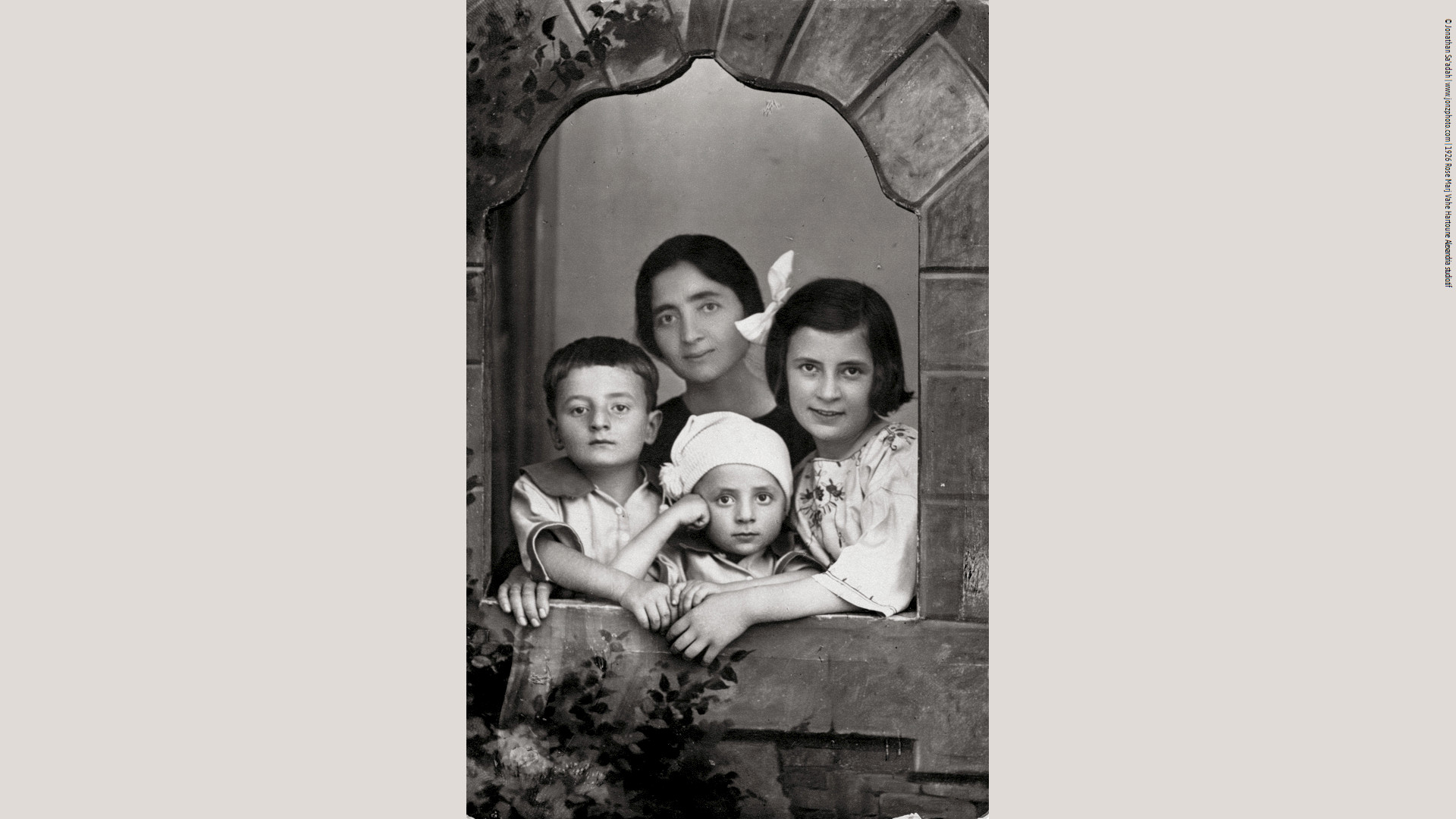
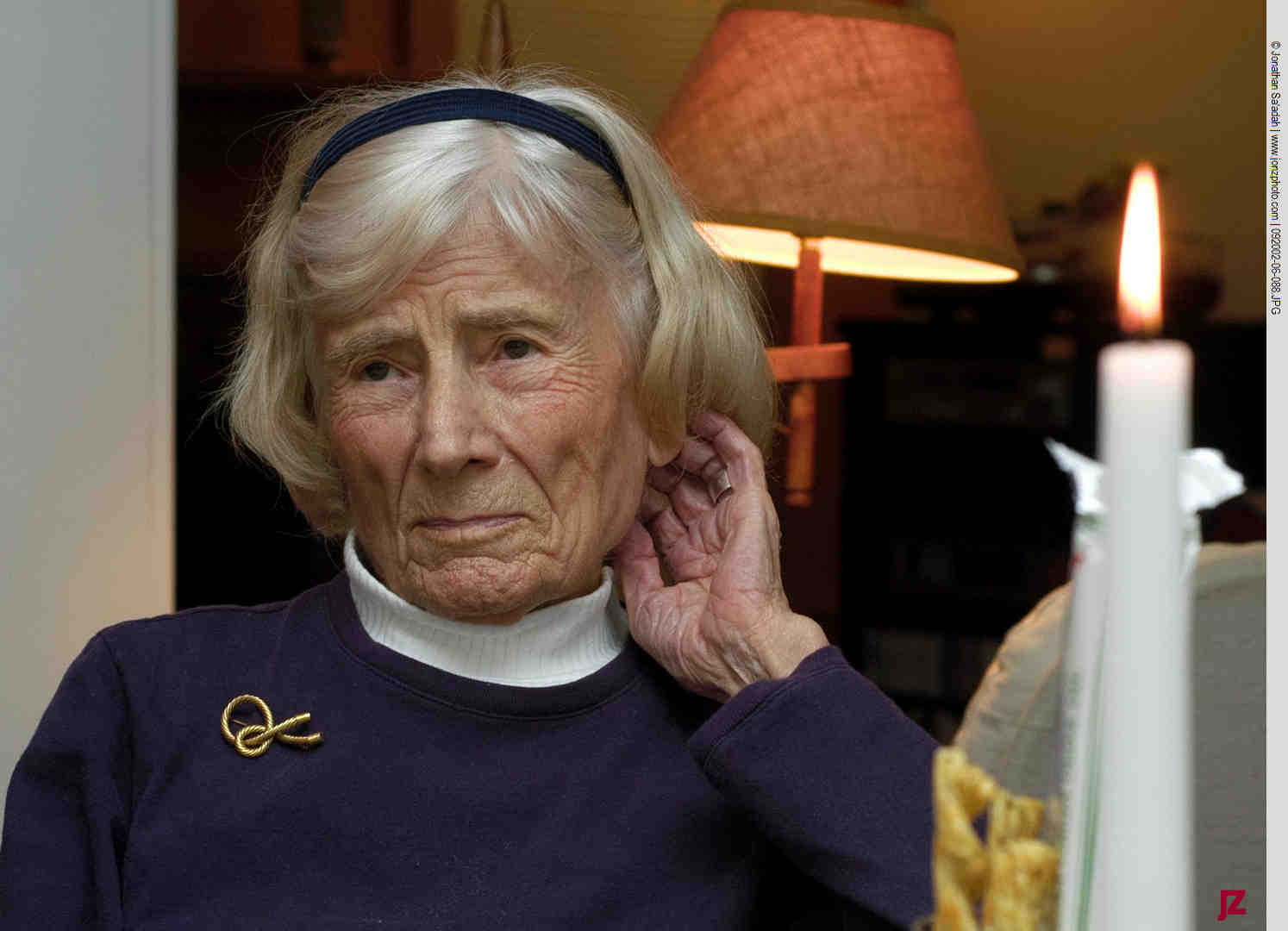
Both worlds show how nations are capable of generosity and of indifference, sometimes at the same moment. The Smyrna rescue happened because of individual Americans who took action, acting through ships, churches, and charities. Such actions can save vast numbers of lives even when official policy opposes them – while the present shows how law can be used either to scale up that spirit or to cage it behind ever‑lowering ceilings and ever‑narrowing doors.
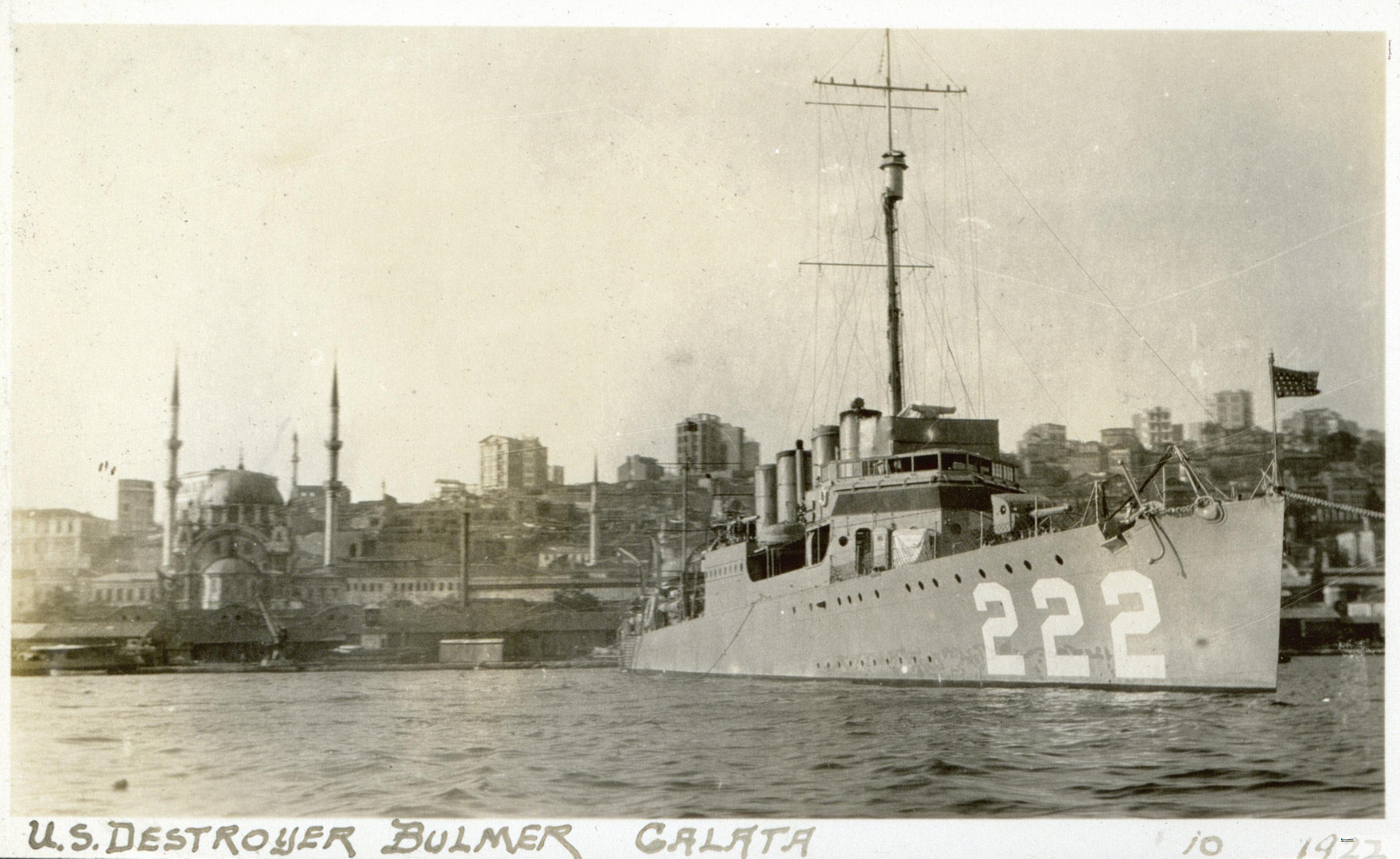
The naval pictures were found by my brother, David, in the US Navy archive.
A story both heartbreaking and inspiring. We are so lucky to live in a time and place that is safe and at peace, at least for now, though war feels as if it’s coming closer and closer. You have a remarkable family.
What an epic, tragic story. The family portrait, and the photo of your mother, are particularly striking. But the historical photos too. This whole human-made catastrophe casts a deep dark shadow over generations. It boggles my mind how taboo it is to speak of this genocide and the level of denial that folks in Turkey are committed too. But then I look at the US erasing its own history and it’s not much different. It’s because of the help of a true Christian that your mother was able to survive, and that kind of help seems to be on the decline today. I want to be wrong. And I hope Sam K gets to see this.
I’ve heard this story many times, from different voices in the family, but reading it here, accompanied by the pictures from Smyrna that David found, brought tears to my eyes. How people with resources can fail to help other human beings who are trapped and desperate is totally beyond me.
Thank you so much for sharing this, and on this day, too, Jonathan.