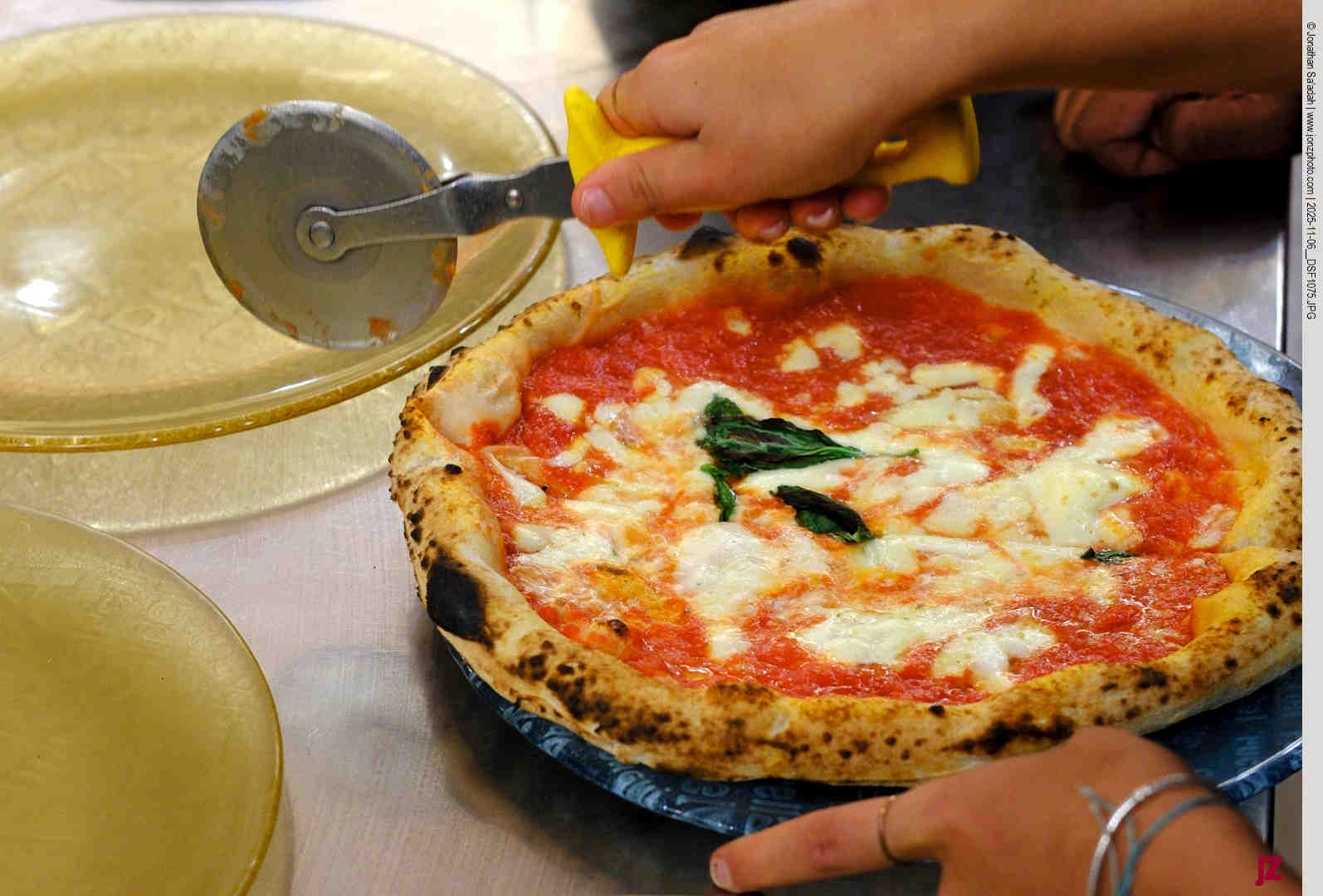
One of the reasons, maybe even the main reason – I wanted to go to Naples, was to eat Neopolitan pizza on its home turf. I was surprised how my priority faded away as I jumped into this truly rich and alive city. I was also surprised at how, instead of me leading the pizza eating, it was Beth clamouring for more. Some days we’d eat pizza twice – considerably up from the tolerance level at home. Part of the difference, of course, has something to do with my pizza not being on the level of Napoli pizza. Napoli pizzas are so light as to be almost ethereal. It feels and tastes like a divine combination of melted hot mozzarella, tomato and warm soft dough dancing in a steam cloud. At home Beth will usually leave the edges of my pizzas on the plate. In Naples I had to protect my own slices from my ravenous partner.
Even with our enthusiastic approach we weren’t able to come close to covering the list of pizzerias I wanted to visit. But three places stood out. It’s almost not fair to highlight them because even the worst pizza we had in Naples still approached a work of art. That’s how good Naples pizza was, so it certainly didn’t disappoint either one of us. This essay is about Starita, one of those places.
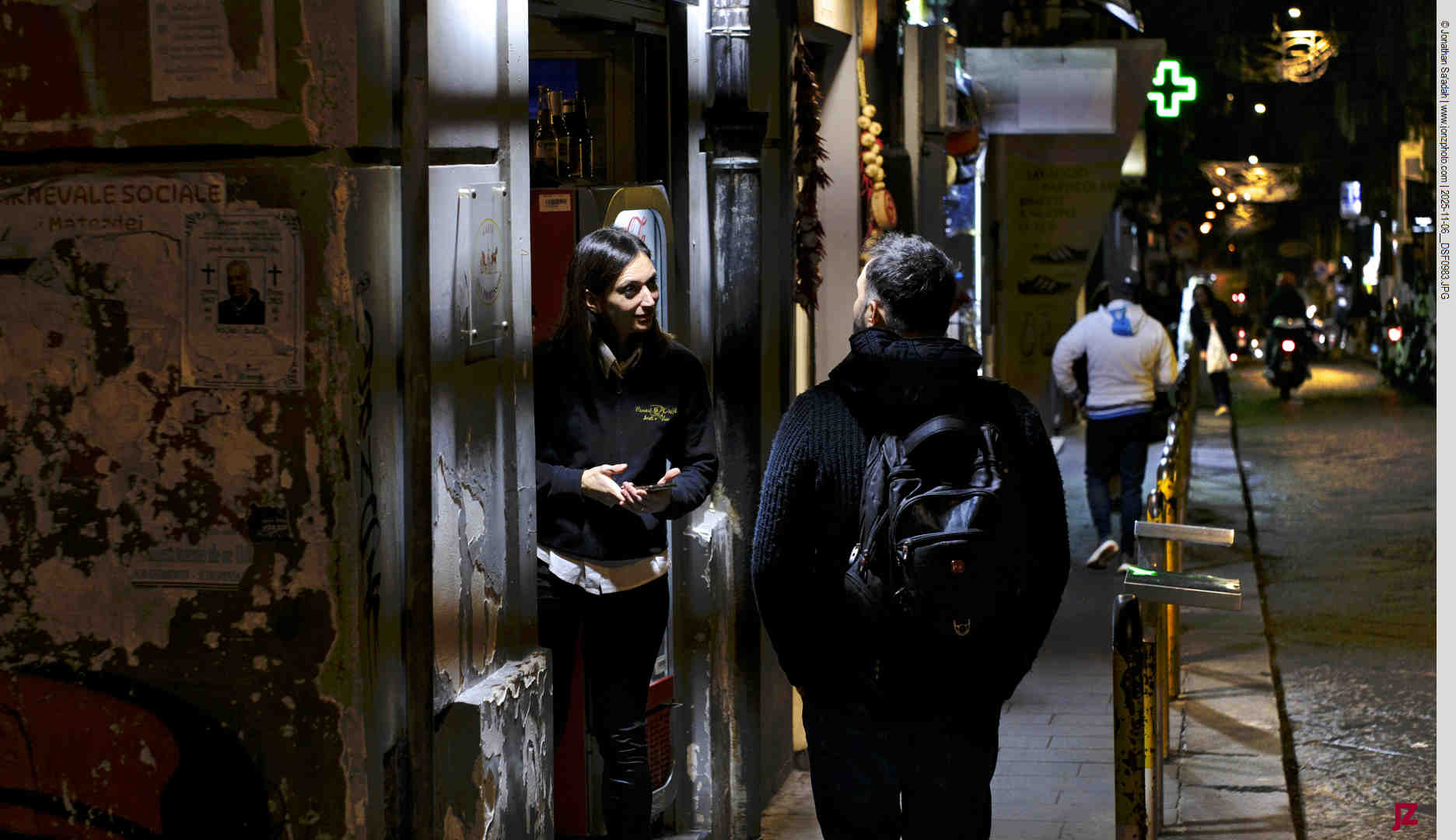
I did get the impression that pizza has become big business in Naples. A lot of people – tourists from all nations (including Italy) – come to Naples expecting to eat pizza and serving them in large numbers generates good cash. So many of the pizzerias have expanded their seating capacity, either by renovating their existing premises, buying adjacent properties and serving there too, or opening up other pizzerias at other locations under their name. Pizza in Naples isn’t expensive – it costs about half of what we pay in Montreal – but a successful pizzeria can be a lucrative enterprise.
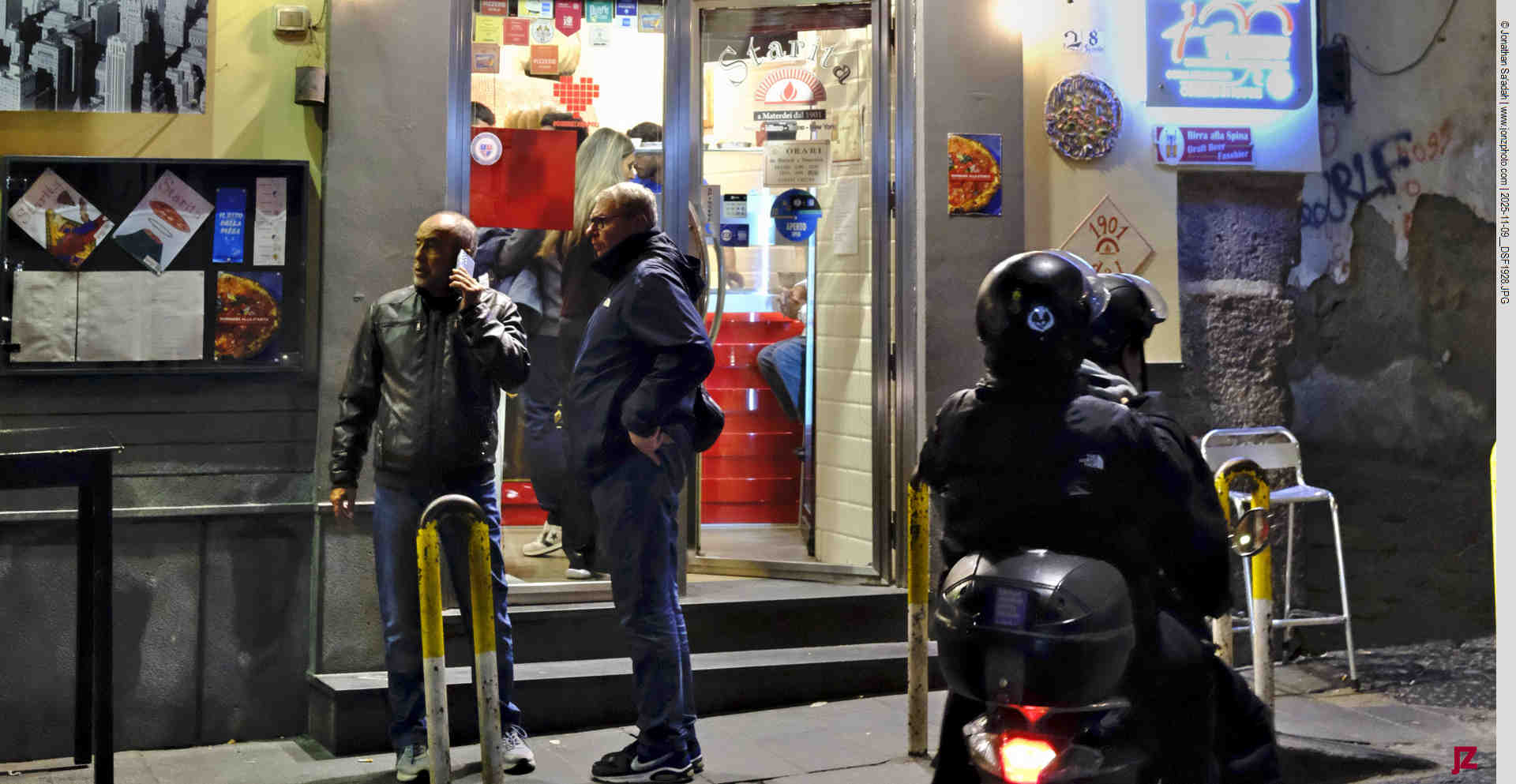
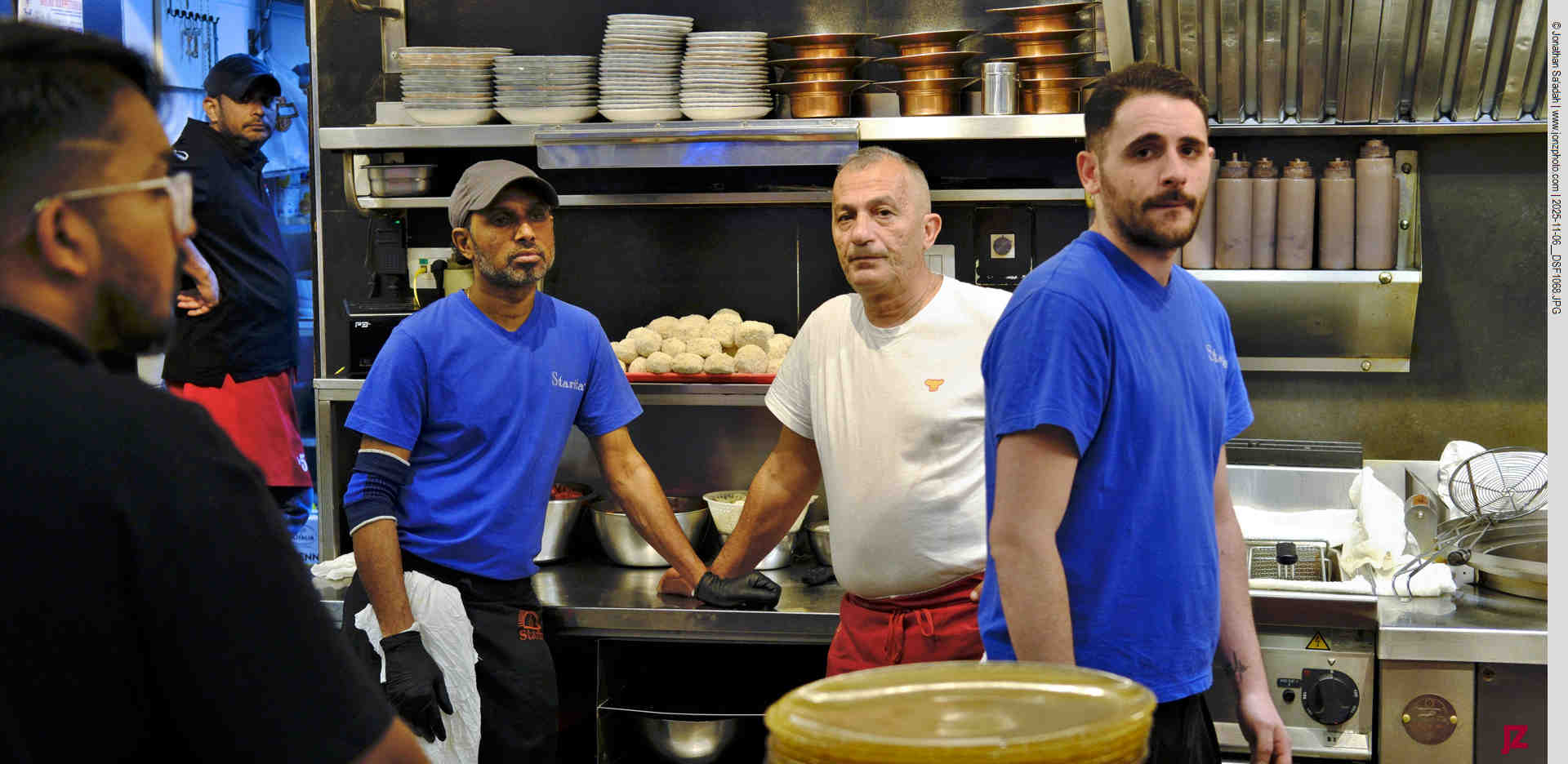
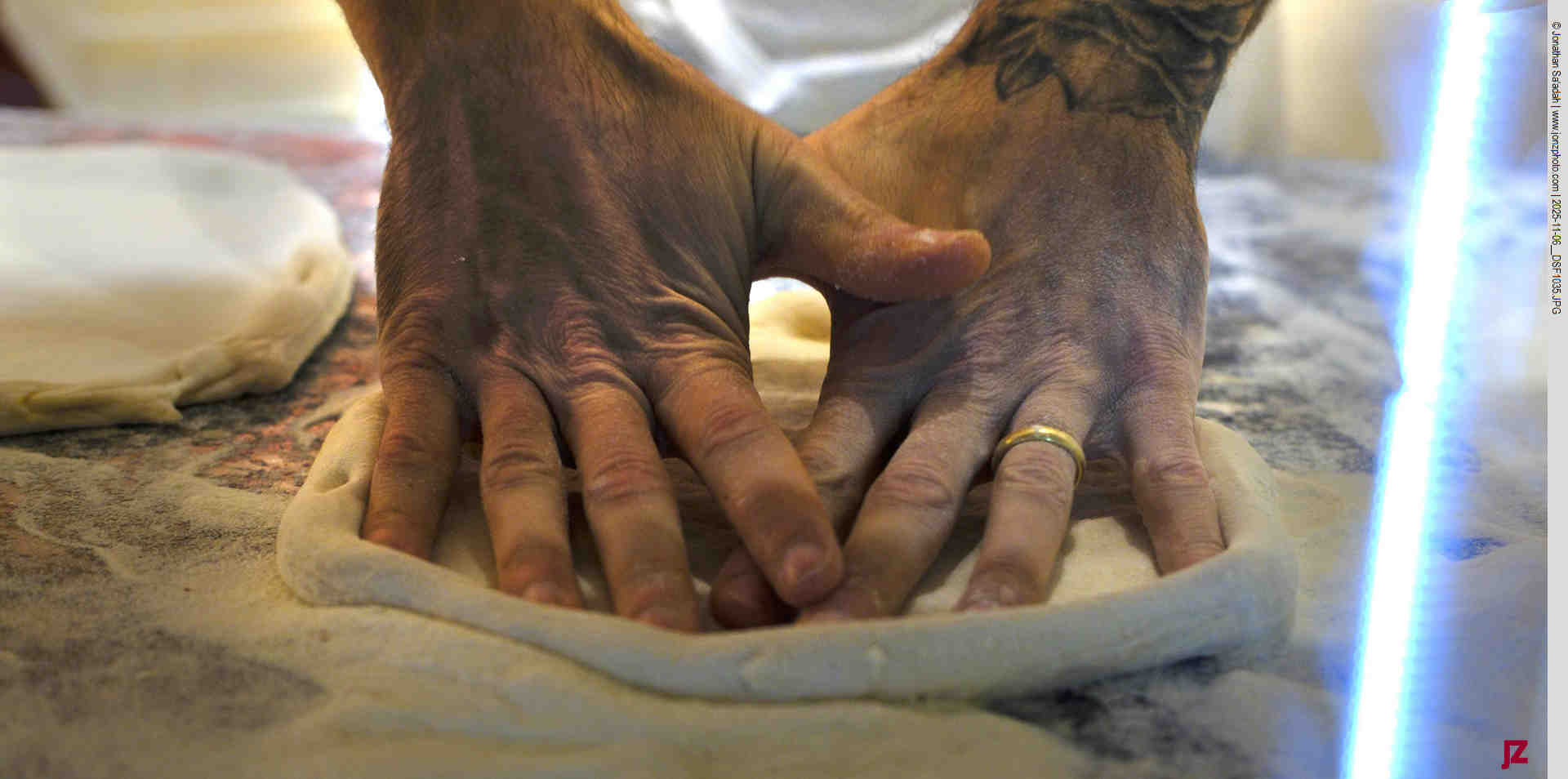
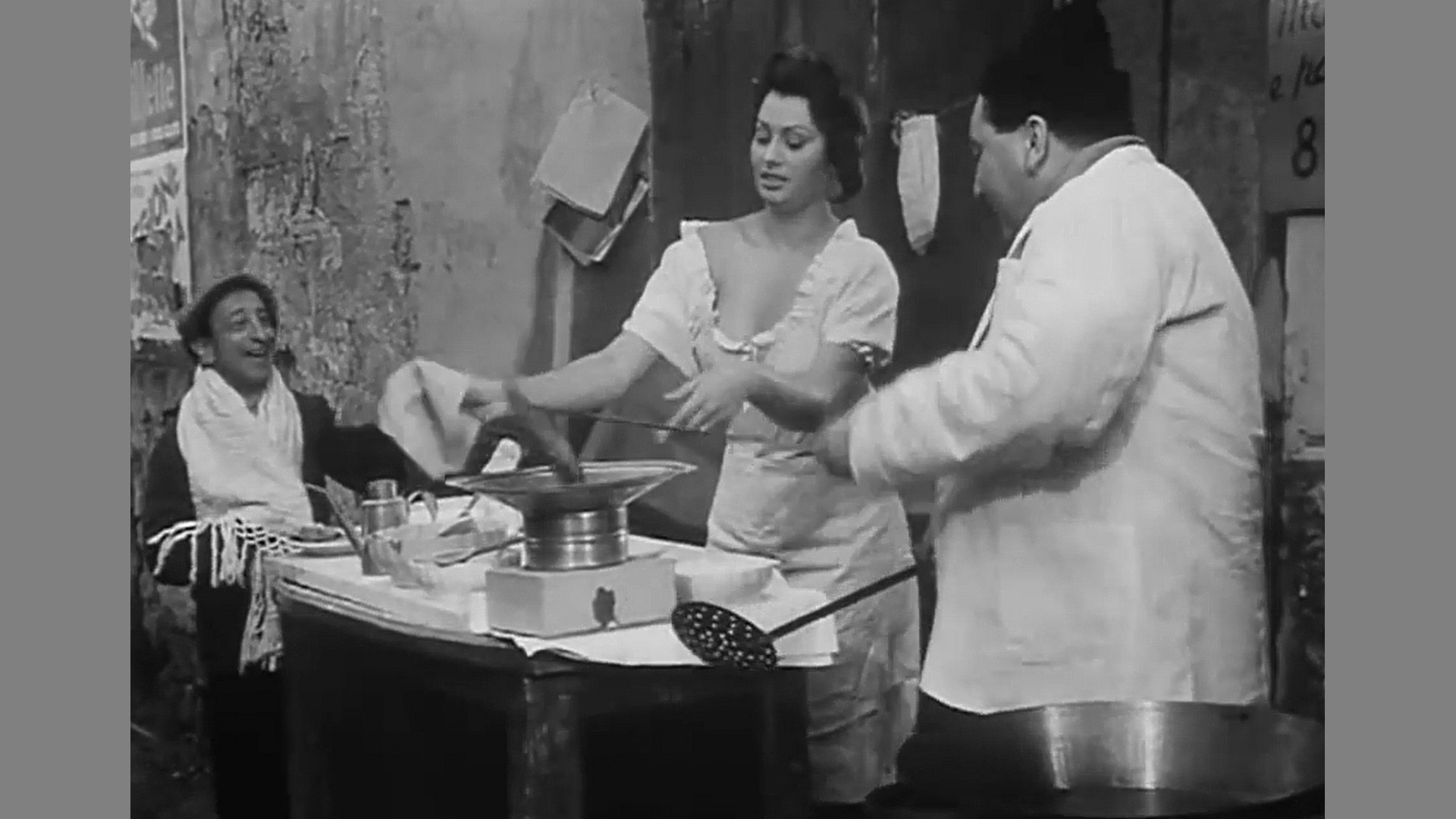
Starita is up a narrow stony lane in a working-class neighbourhood. The street it’s on – Via Materdei – climbs up out of Naples’ historic center. Starita began life in 1901 as a cantina, serving local wines. The original founder – Alfonso Starita – stuck to the simple formula serving wine to working-class residents of the neighborhood. It was one of his children who in 1933 expanded the operation, serving utilitarian Neapolitan dishes – bean soup, fried anchovies, fried baccalà, tripe, and fried pizzas. It wasn’t until 1948 that Starita became a pizzeria friggitoria – a fried food shop and pizzeria. A few years later its fame was sealed by a bodacious Sophia Loren, who in the 1954 film L’Oro di Napoli, played a sexy, beautiful and adulterous pizza seller. Starita was used in the film as a hole-in-the-wall shop selling fried street food. Instantly, the film put Starita on the map. The connection between Starita and Sophia Loren has become inseparable from the pizzeria’s identity. But the depiction in the film of pizza being the food of the poor, with pizza being sold on credit, was real and was drawn from the economic conditions of postwar Naples, experiences that the Starita family had lived through firsthand.
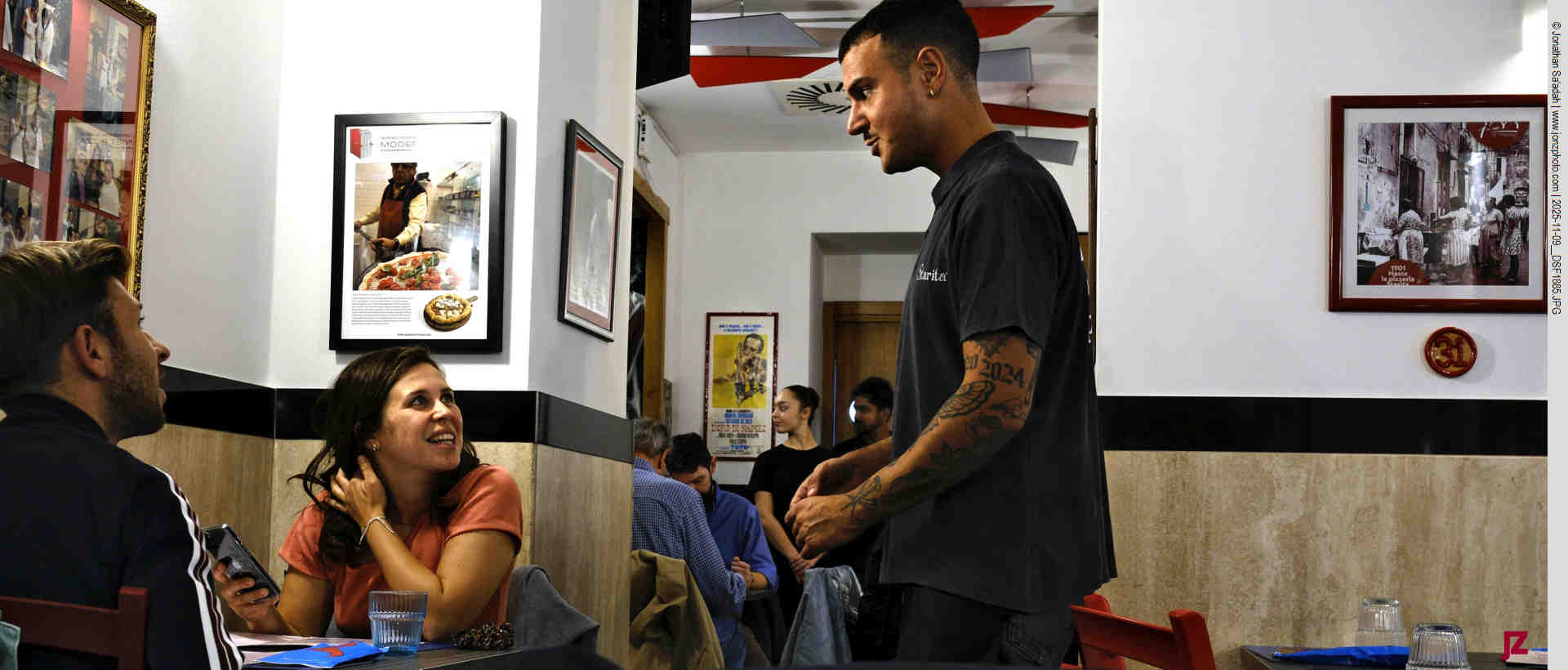
I wasn’t prepared for how friendly it would be to eat there. We probably didn’t appear to be anything more than English-speaking tourists, albeit both with a pizza-based enthusiasm (probably not rare either), but we were treated well. The experience is that your order is placed and a couple of minutes later the pizza is before you – it’s literally that fast. There’s an immediacy to eating that makes it quite satisfying! As well, none of the pizzerias in Naples are shy about having pictures taken – they invite it – and some even have carefully thought out angles they try and encourage you to show. Starita doesn’t go that far. It is a pizzeria confident of its position and concentrates on making great pizza, and providing an environment that makes eating those pizzas a memorable experience. For us they succeeded. Even though we were trying to eat in as many places as we could manage, we still came back a second time.
From its modest days as a neighborhood cantina Starita has expanded. Well reviewed versions of the pizzeria have opened in Manhattan’s Hell’s Kitchen (2012), Milan (2016), Turnin (2018) and Florence (2021). Despite the growth, the Materdei original remains the beating heart of the operation. The pizzas are what count, and they are what will draw me back there over and over.
For more:
YouTube video of how they make their dough link (this will make you hungry!)
YouTube video of the Sophia Loren scene from L’Oro di Napoli link link2 (both worth watching!)


Leave a Reply