
This is the lead post for a detailed series exploring the making of Joseph Losey’s M Klein. Each post reveals new layers of this remarkable collaborative achievement – from the personal journeys of its creators to the technical innovations that brought their vision to life, from the political courage required to tell unpopular truths to the artistic strategies that made those truths unforgettable. Jump to Table of Contents
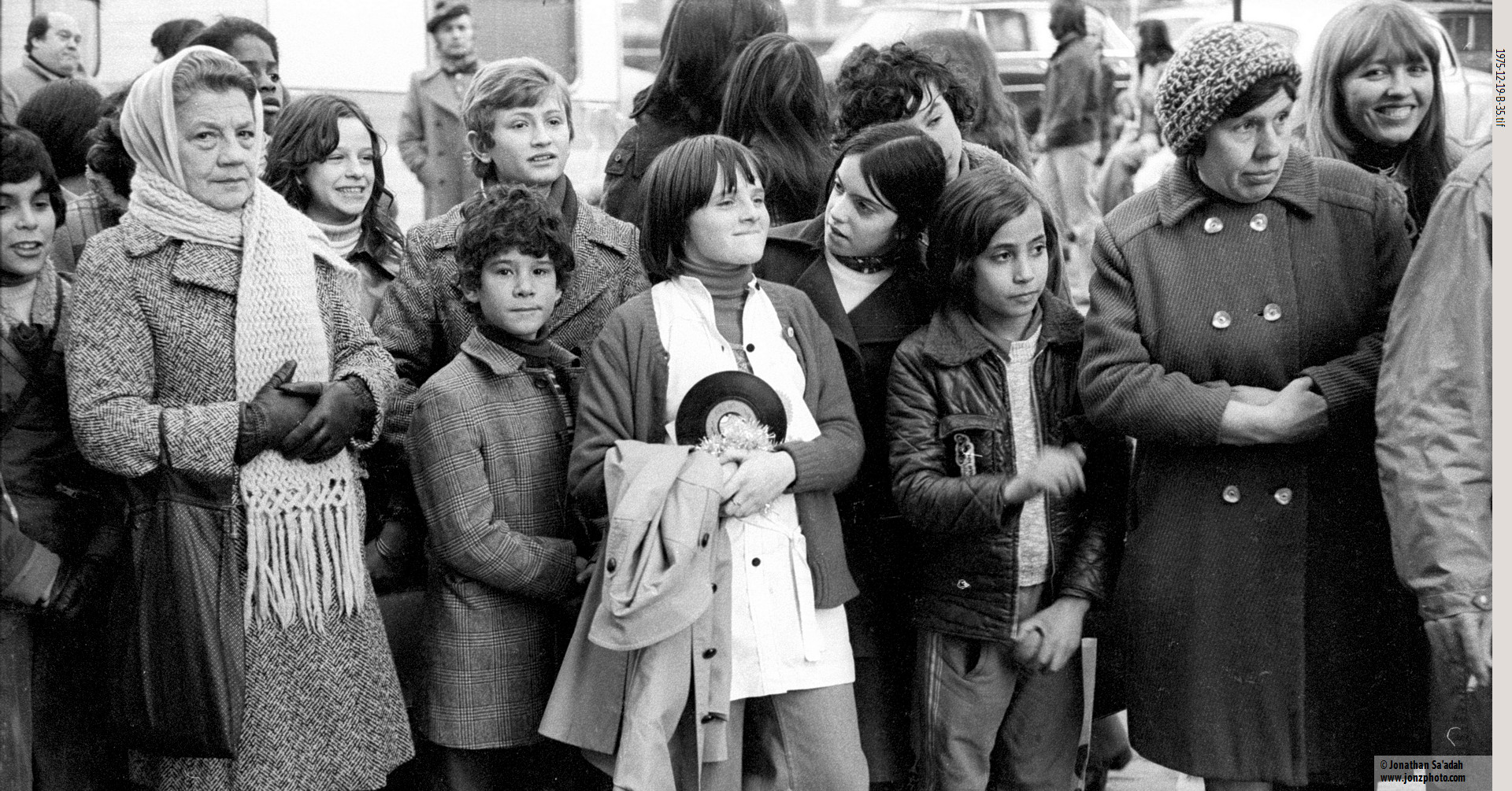
When Joseph Losey set out to make M Klein in 1975, he wasn’t just directing another film about wartime France – he was orchestrating a deeply personal project that brought together artists and professionals who had lived through the very persecution they were depicting on screen. The behind-the-scenes story of this masterpiece reveals how committed professionals transformed their own trauma into cinematic truth, creating one of cinema’s most powerful explorations of identity and complicity.
When the Persecuted Make Films About Persecution
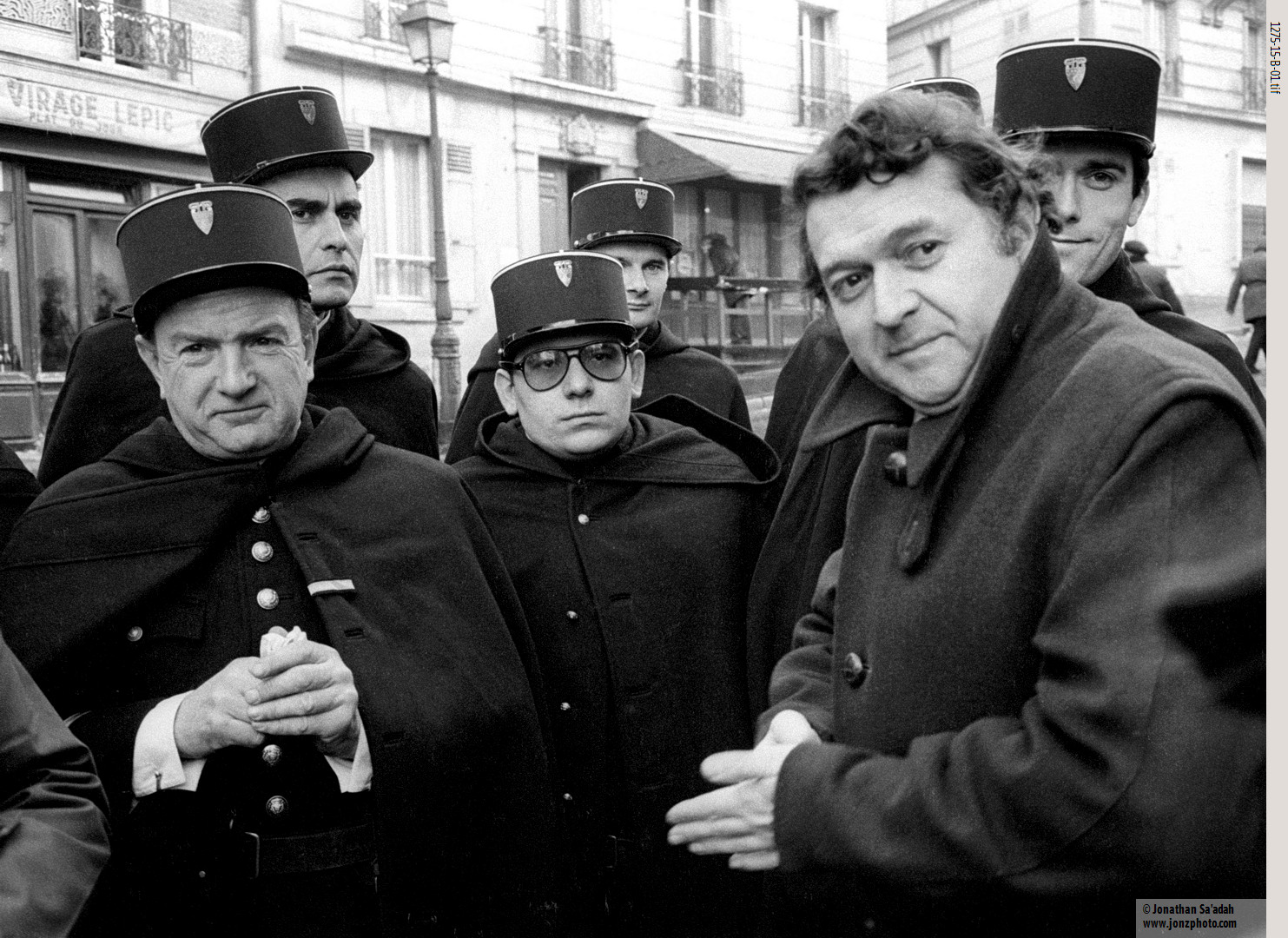
The most remarkable aspect of M Klein‘s production wasn’t its star power or budget – it was the extraordinary convergence of people whose lives had been shaped by the events they were recreating. Margot Capelier, the Casting Director, was born into a Jewish family in Paris and had lived through the Nazi occupation, losing family members in the Holocaust. Alexandre Trauner, the Art Director, was a Hungarian Jew living in Paris who had fled to southern France to escape the occupation, working clandestinely in the underground resistance. Lucie Lichtig, the Continuity Director, was Jewish and active in the Alliance branch of the Resistance. Finally, Claude Lyon, the head of the film lab (LTC) used by Losey, lost his mother.
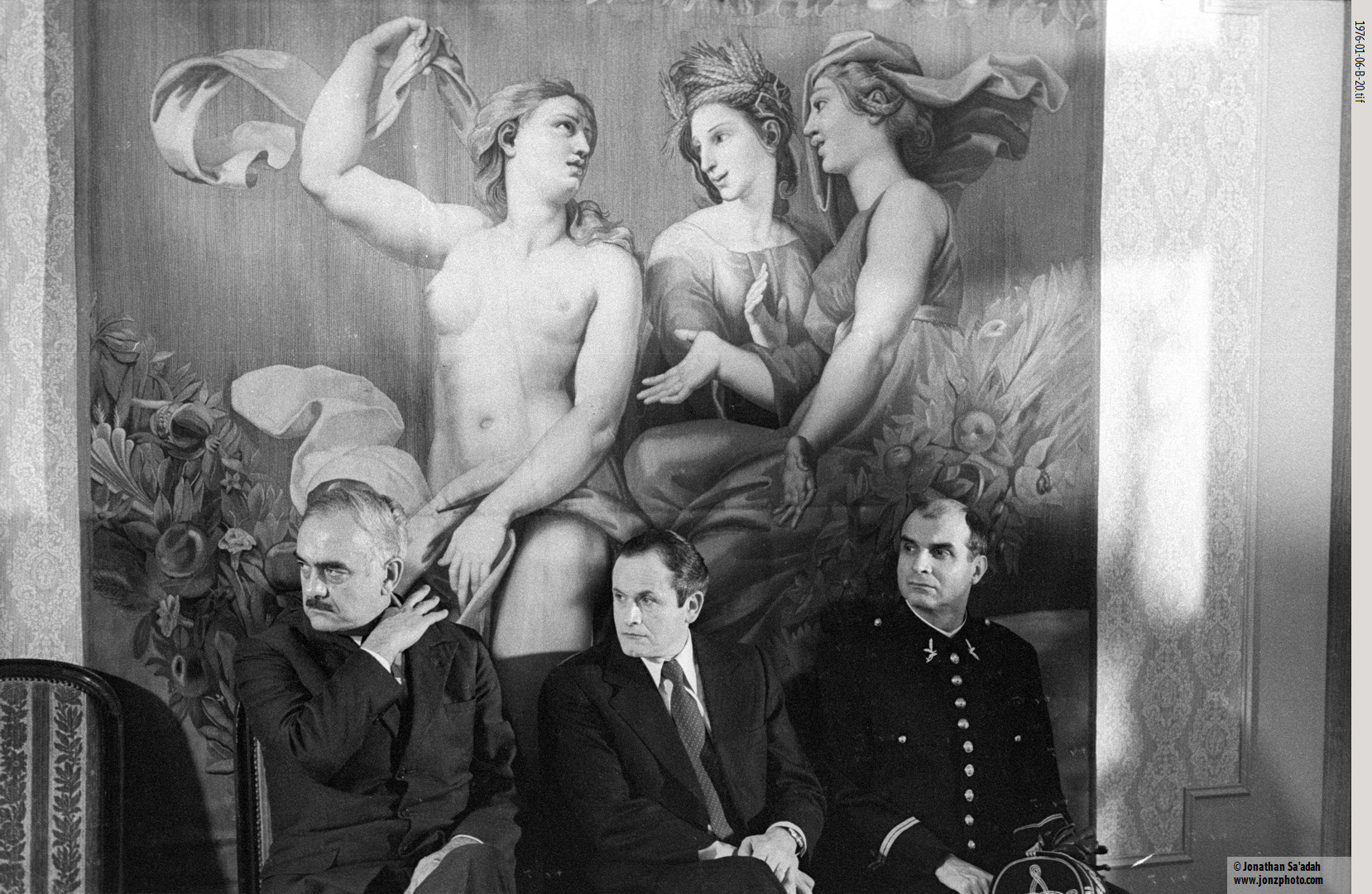
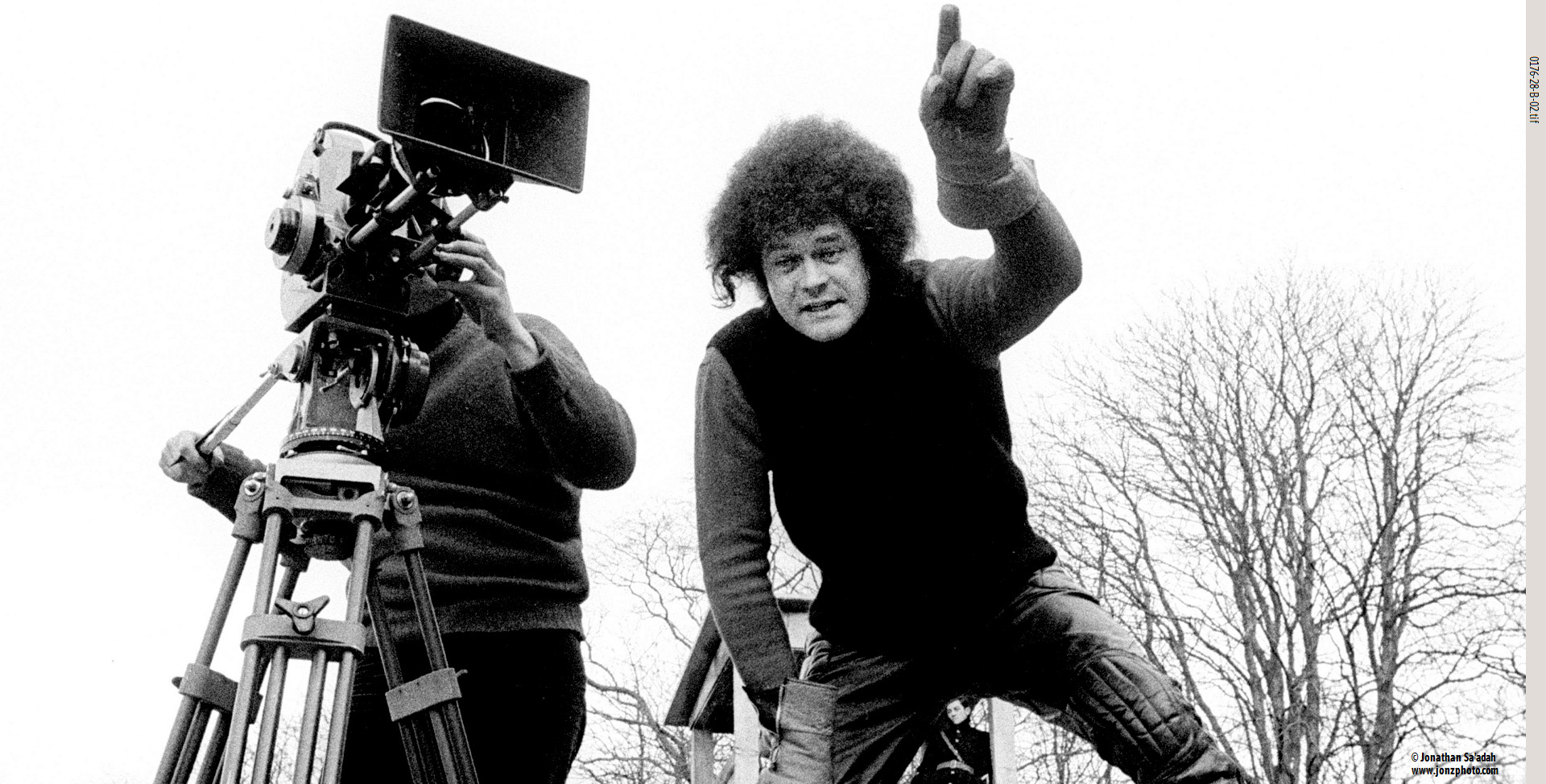
Even Joseph Losey himself brought personal understanding of persecution, having been blacklisted from Hollywood during the McCarthy era and forced into European exile. This wasn’t just professional film-making – it was a gathering of survivors using their craft to ensure these stories would never be forgotten.
The Challenges That Created Cinema Magic
M Klein was notorious for its production challenges, but these obstacles also created camaraderie and a feeling of accomplishment. Some of the film’s most memorable moments came out of pure chaos. When rare snow began falling in Paris – the entire crew had to scramble to protect the equipment and the day had to be rescheduled, turning what should have been a routine day into a logistical nightmare. The awful, insect and rodent infested building on 42 rue des Panoyaux, where Klein searches for his Jewish double, was so unstable that the city required engineering work just to make it safe to enter – not that anyone wanted to. Still, getting the work done at that location was another credit to everyone, and contributed to the film.
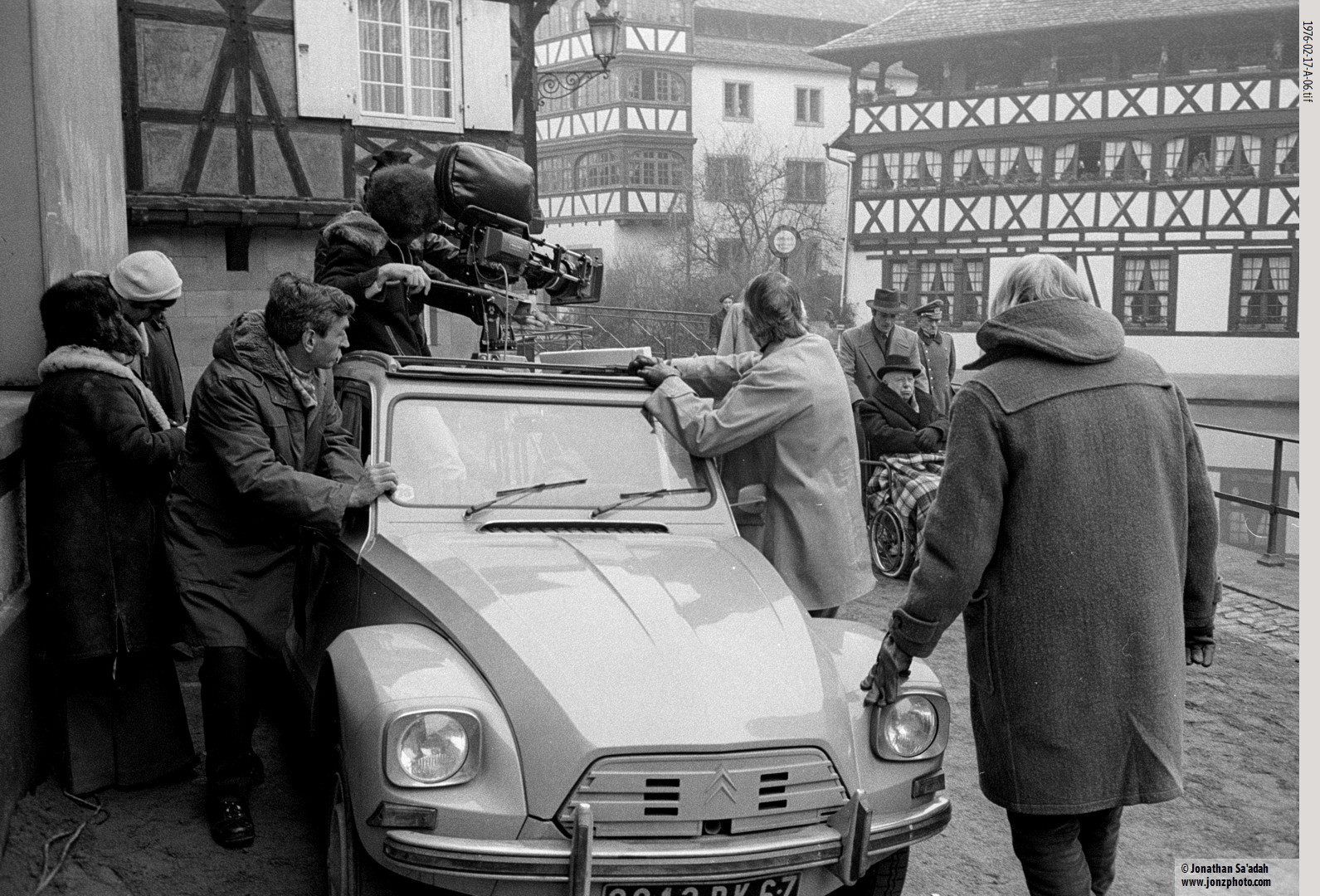
In Strasbourg, the canal location that had been carefully scouted proved impossible for the planned tracking shots due to rough cobblestone surfaces, forcing the crew to hastily “modify” a Citroën Deux Chevaux with a camera mounted through its sunroof. These weren’t just production problems – they were challenges that the team reacted to – and they elevated the production by requiring creative teamwork to find solutions.
The Invisible Artisans Who Helped Shape a Masterpiece
Behind every great film are the craftspeople whose contributions often go unrecognized. Reginald Beck, who had edited eighteen of Losey’s films, couldn’t even receive proper screen credit for M Klein due to British union regulations, despite being the actual editor of the film. Gerry Fisher, the cinematographer on his sixth collaboration with Losey, had developed such an intuitive understanding with the director that they barely needed to speak during setups.
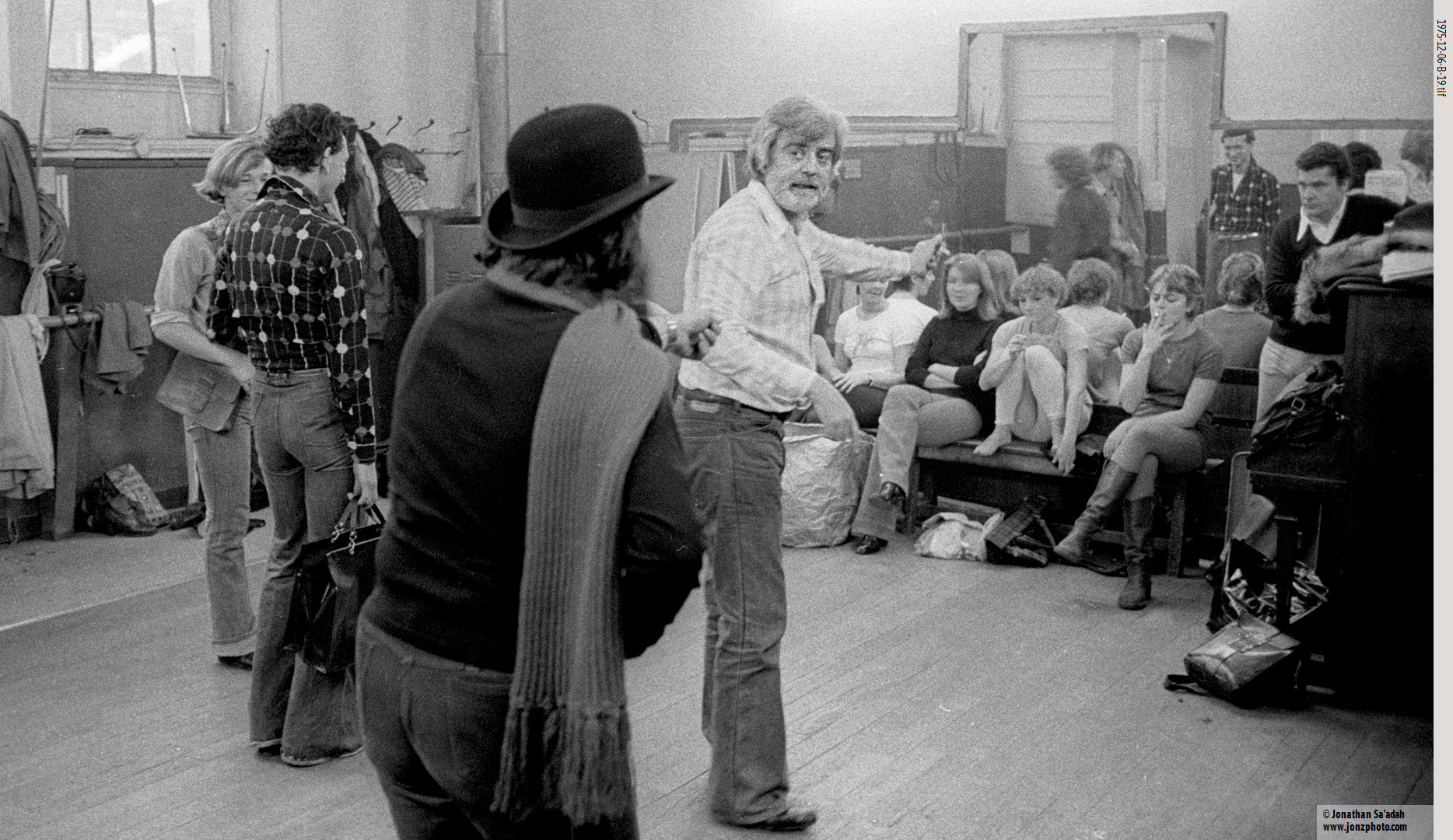
Frantz Salieri, the multi-discipline artist who created the film’s pivotal cabaret scene, brought his own radical theatrical background to ensure the anti-Semitic content would be read as critique rather than endorsement – using male actors in female roles to prevent actual racists from finding the performances appealing.
The Art of Turning Constraint into Creativity
The most fascinating aspect of M Klein‘s production was how limitations became opportunities. When star Alain Delon walked off the set in anger on January 20, 1976, threatening the film’s completion, Losey’s professional integrity and honest communication brought him back. When the cramped quarters of La Nouvelle Eve cabaret made filming nearly impossible, the tight spaces actually enhanced the claustrophobic atmosphere the scene required.
The decision to use thirty-two locations throughout Paris, despite production company resistance about costs and complexity, gave the film a level of authenticity that studio work could never achieve. Each challenge became part of the film’s DNA, contributing to its lasting power and relevance. They were intangibles that were created through Losey’s intransigence, and they made a big difference.
Why These Stories Matter
The making of M Klein reveals something profound about the relationship between art and history. This wasn’t just a film about the Holocaust – it was created by people who had lived through persecution, who understood from experience what it meant to be suddenly classified as “other,” to have your identity questioned, to become a stranger in your own country.
Every aspect of the production – from Margot Capelier’s casting choices informed by her own survival, to Alexandre Trauner’s intimate knowledge of wartime Paris, to Losey’s understanding of what it meant to be politically exiled – was shaped by lived experience of the themes the film explored.
The complete story of M Klein‘s creation offers a masterclass in how artists can transform personal trauma into universal truth, how technical challenges can become creative opportunities, and how the most powerful cinema often emerges from the most difficult circumstances.
Links to all the posts in this series
Some other sources about Joseph Losey
Barthel, Joan. “I’m an American, for God’s Sake!” New York Times (1923-), March 26, 1967. ProQuest Historical Newspapers: The New York Times.
Caute, David. Joseph Losey: A Revenge on Life. New York: Oxford University Press, 1994.
Film Director Joseph Losey and Playwright Harold Pinter Discuss “Accident”, 1967, 2024. https://www.youtube.com/watch?v=hhQQ-wBSQkI.
Joseph Losey : Je n’irai Pas En Angleterre, 2012. https://www.youtube.com/watch?v=gTLxYCVUfSU.
Joseph Losey Tribute, 2018. https://www.youtube.com/watch?v=IMNxtkGpWtc.
Losey, Joseph. Conversations with Losey. Edited by Michel Ciment. London ; New York: Methuen, 1985.
A fascinating exploration of the past! Especially in this time as we slide inexorably backwards towards the future…
Great photos as always! I find this whole film project inspiring, and also your photographic and journalistic account of it. Artistic courage is needed right now, from people who know history, and what lurks below its surface, and understand what they’re talking about. Unfortunately this is all too relevant for our times as Michele indicates. I forget who said that history never exactly repeats itself, but it often rhymes. Looking forward to seeing the film and reading your book!
This was a great summary of the way the film was created and the photographs are breathtaking. I spent a long time looking at the expressions on people’s faces. I can’t wait to buy your book and am looking forward to seeing the dvd.
Thanks for all this excellent background and contextual information about the film. We watched the re-mastered version on Criterion recently and wow, it really is a special film and a real masterpiece. Having this additional information makes it even more powerful.