
The third in a series introducing my new photo book “Return to Damascus: A Personal Journey.” This post exploring Syria’s Christian heritage and linguistic treasures in the Qalamoun Mountains.
From Damascus, the Qalamoun Mountains rise like ancient guardians along the Lebanese border, harboring some of the most unusual Christian cultural and religious treasures in the Middle East. Our journey through these mountains revealed communities that have maintained their distinct identities for over fifteen centuries, preserving traditions that connect directly to the earliest days of Christianity.
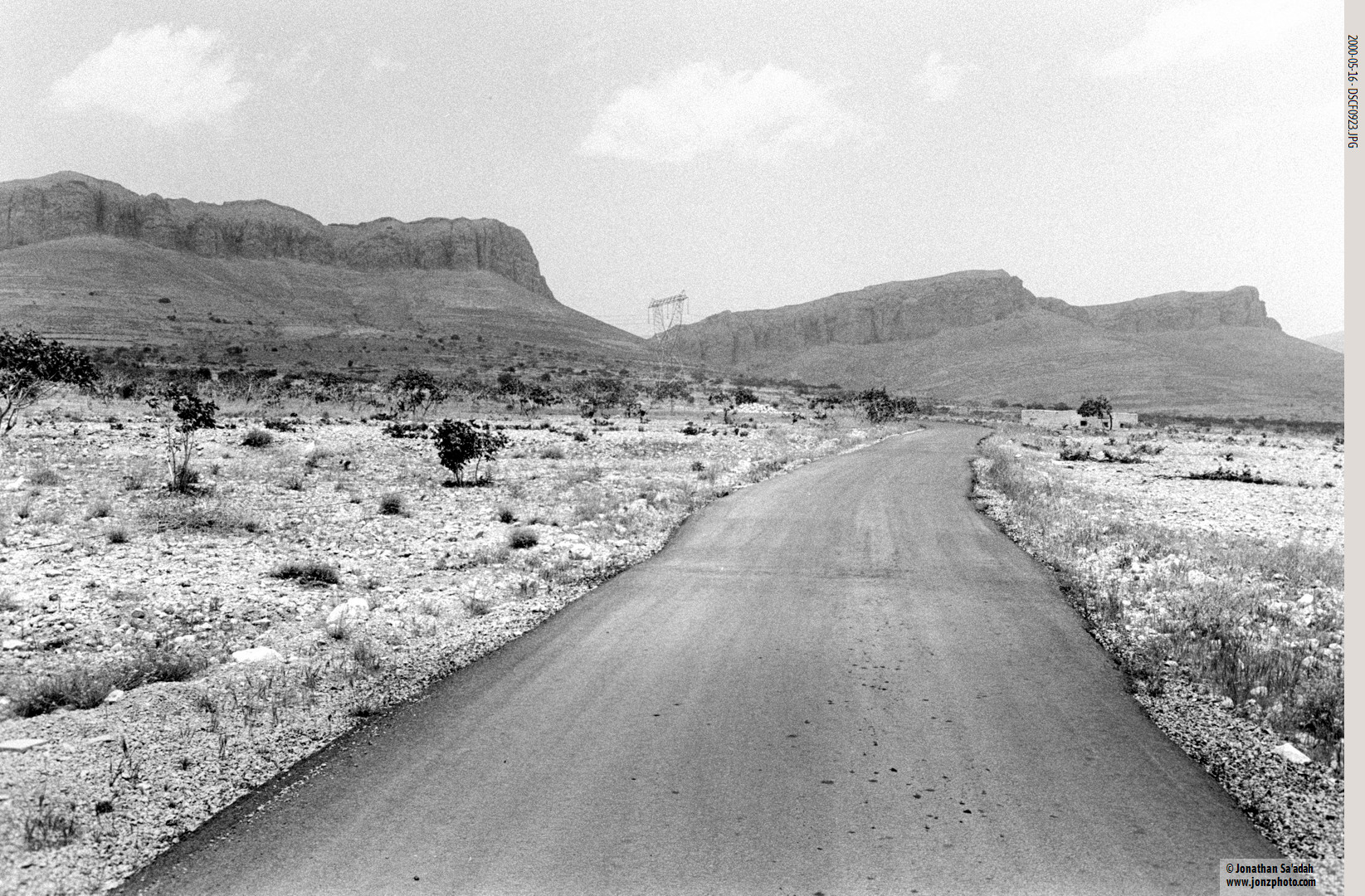
The Qalamoun region, the northeastern portion of the Anti-Lebanon Mountains, stretches from the Barada River Valley southwest of Damascus to the city of Hisyah in the northeast. While we didn’t visit my paternal grandmother’s hometown of Yabrud during our stay in Syria, we made an unforgettable day trip to two of the region’s most significant pilgrimage destinations: Seidnaya and Ma’lula. What we discovered in these mountain communities challenges the widespread stereotypes about religious coexistence in the Middle East.
Seidnaya: Where Faith Transcends Boundaries
Our first stop was Seidnaya, a major pilgrimage destination about 20 miles north of Damascus that exemplifies an interfaith reverence that might surprise many people. The Convent of Our Lady of Seidnaya, founded in 547 AD, sits atop a steep hill requiring a challenging climb on foot. According to legend, the Virgin Mary appeared to the Byzantine Emperor Justinian I, first as a beautiful gazelle and then as an icon, asking him to found the monastery in her honor.
What makes Seidnaya truly remarkable is not just its ancient Christian heritage, but the fact that both Christians and Muslims have venerated this site for centuries. The monastery houses the miraculous icon of the Virgin Mary known as the Shaghoura, which legend attributes to Saint Luke the Evangelist. This icon, kept in a dimly lit chamber adorned with silver and gold offerings from pilgrims, draws thousands of visitors annually on September 8th, the Feast of the Nativity of Mary.
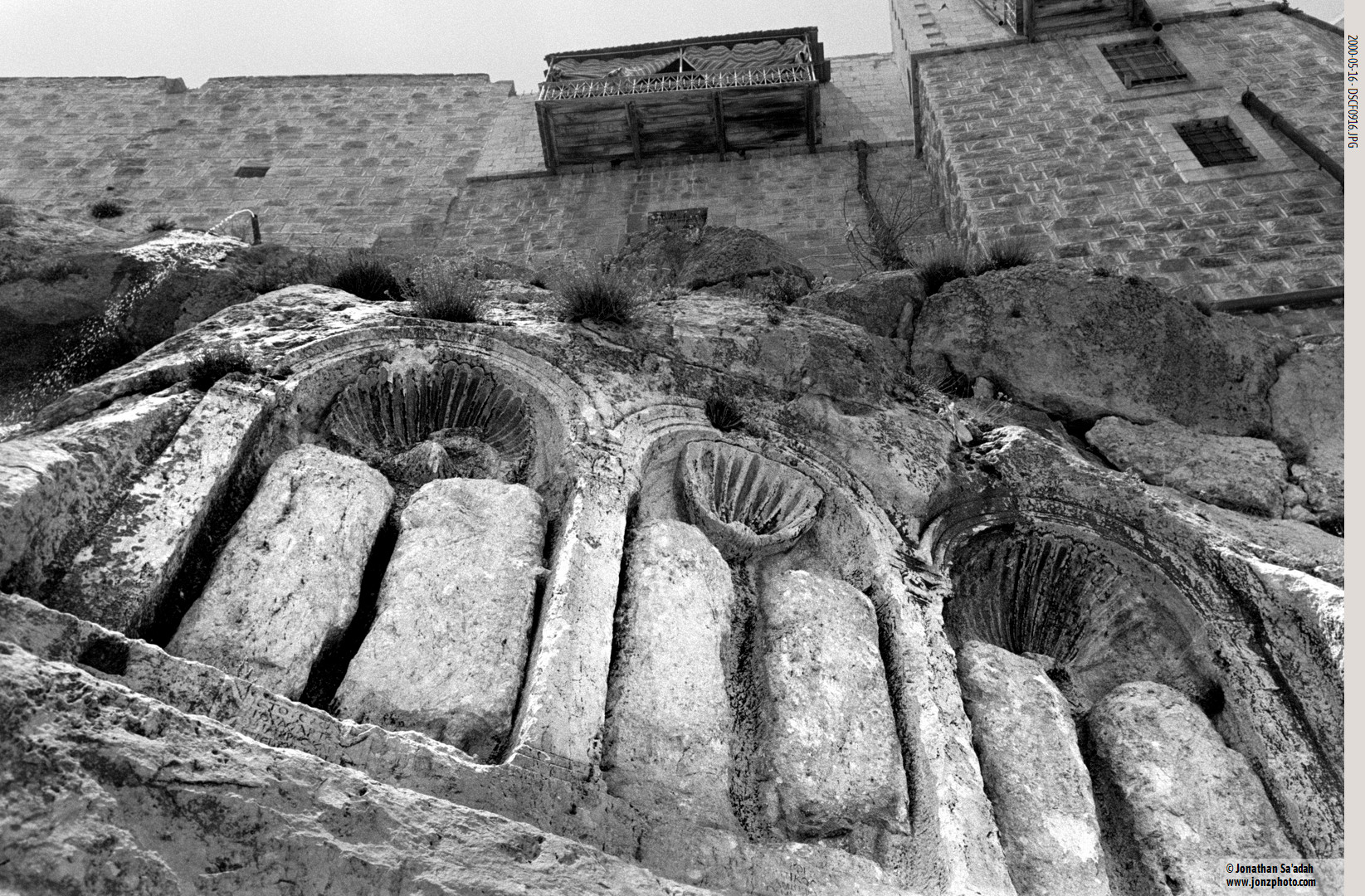
The sight of Muslim pilgrims seeking blessings alongside Christian worshipers, sometimes having their children baptized in gratitude for answered prayers, is an example of the religious tolerance that characterized much of Syria’s history and is struggling to reassert itself now after the civil war. This shared spiritual space represents something that many might find difficult to imagine: a place where religious differences fade before common human yearning for the sacred.
About 50 nuns lived in the convent when we visited, presided over by an abbess, and the site was bustling with pilgrims from across the region. The monastery’s architecture reflects its layered past, with medieval elements incorporated into later Ottoman and modern reconstructions. Despite the turbulent events that have shaped Syria over the centuries, the convent has continuously served as a center for Orthodox monasticism, maintaining its religious traditions since antiquity.
For visitors unfamiliar with Eastern Christianity, Seidnaya offers an introduction to Orthodox monasticism that differs significantly from Western Christian traditions. The nuns’ daily rhythm of prayer, the elaborate iconography, and the mystical atmosphere of the ancient buildings create an experience unlike any typically found in North American Christianity. The monastery’s survival through various conquests, political upheavals, and social transformations testifies to the deep roots and resilience of Syria’s Christian communities.
Ma’lula: The Last Echo of Jesus’s Voice
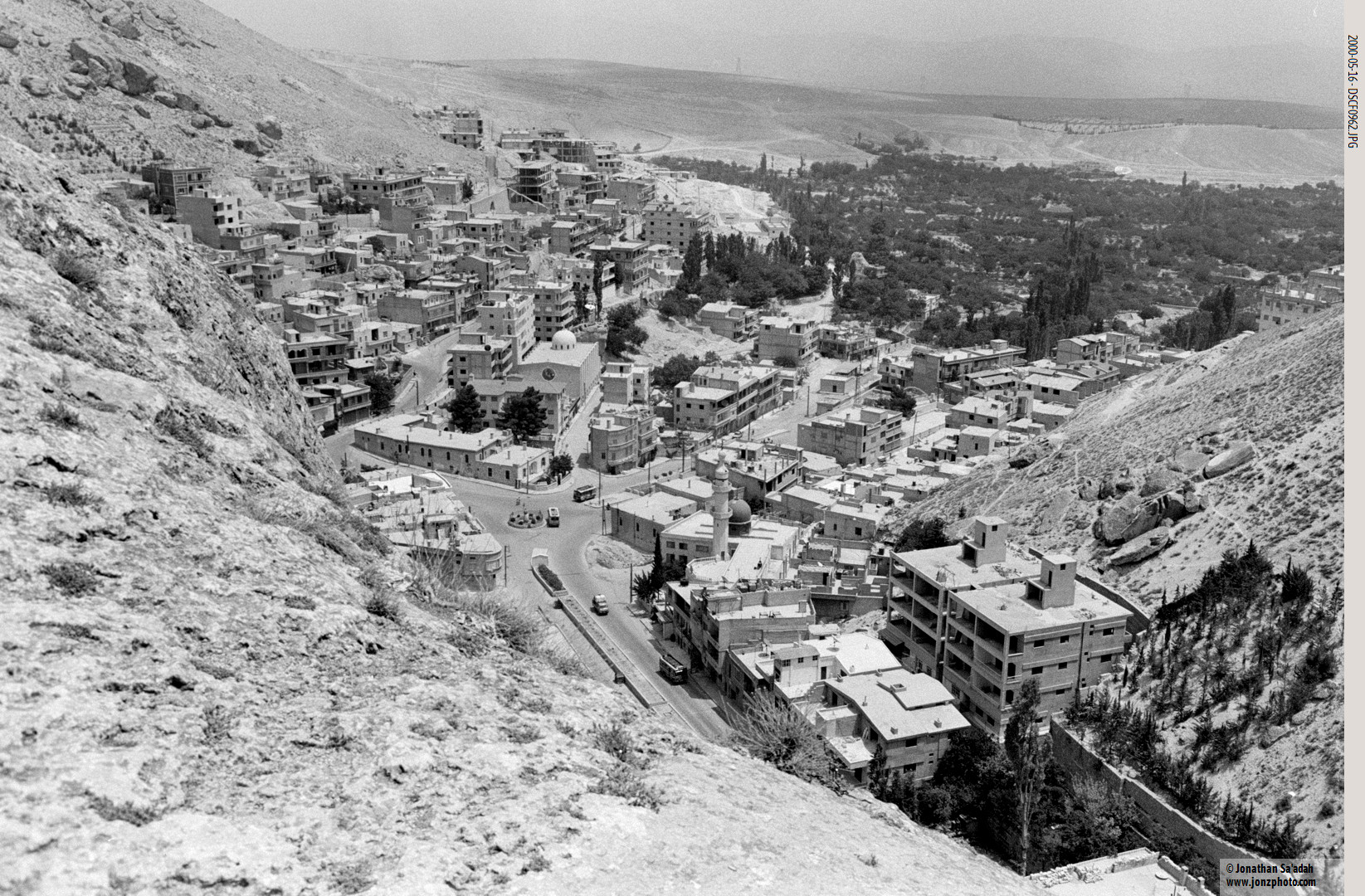
From Seidnaya, we continued to Ma’lula, a village that represents an extraordinary linguistic and cultural survival story. Located about 56 kilometers northeast of Damascus and perched 4,500 feet above sea level amid towering cliffs, Ma’lula is one of only remaining places (the other is a small nearby village) in the world where Western Neo-Aramaic is still spoken as a living language – the closest surviving connection to the language Jesus Christ spoke nearly two thousand years ago.
The village’s very name, derived from the Aramaic word “maʿəlā” meaning “entrance,” reflects its position at the opening of a narrow mountain pass between two steep cliffs. This natural gateway has not only shaped the village’s physical character but has also contributed to its cultural preservation. The dramatic landscape, with houses built directly into the steep mountainside and seemingly stacked upon one another, creates a beehive-like structure attached to the edge of the precipice.
For a visitor such as me, hearing elderly residents greet each other with “Shlomo” (peace) or listening to children recite prayers in Aramaic provides an almost mystical connection to biblical times. The village’s isolation, protected by its challenging geography and distance from major urban centers, allowed this ancient tongue to survive when it disappeared elsewhere. Ma’lula’s residents can still recite the Lord’s Prayer in Aramaic, offering visitors a direct auditory link to the earliest Christian communities.
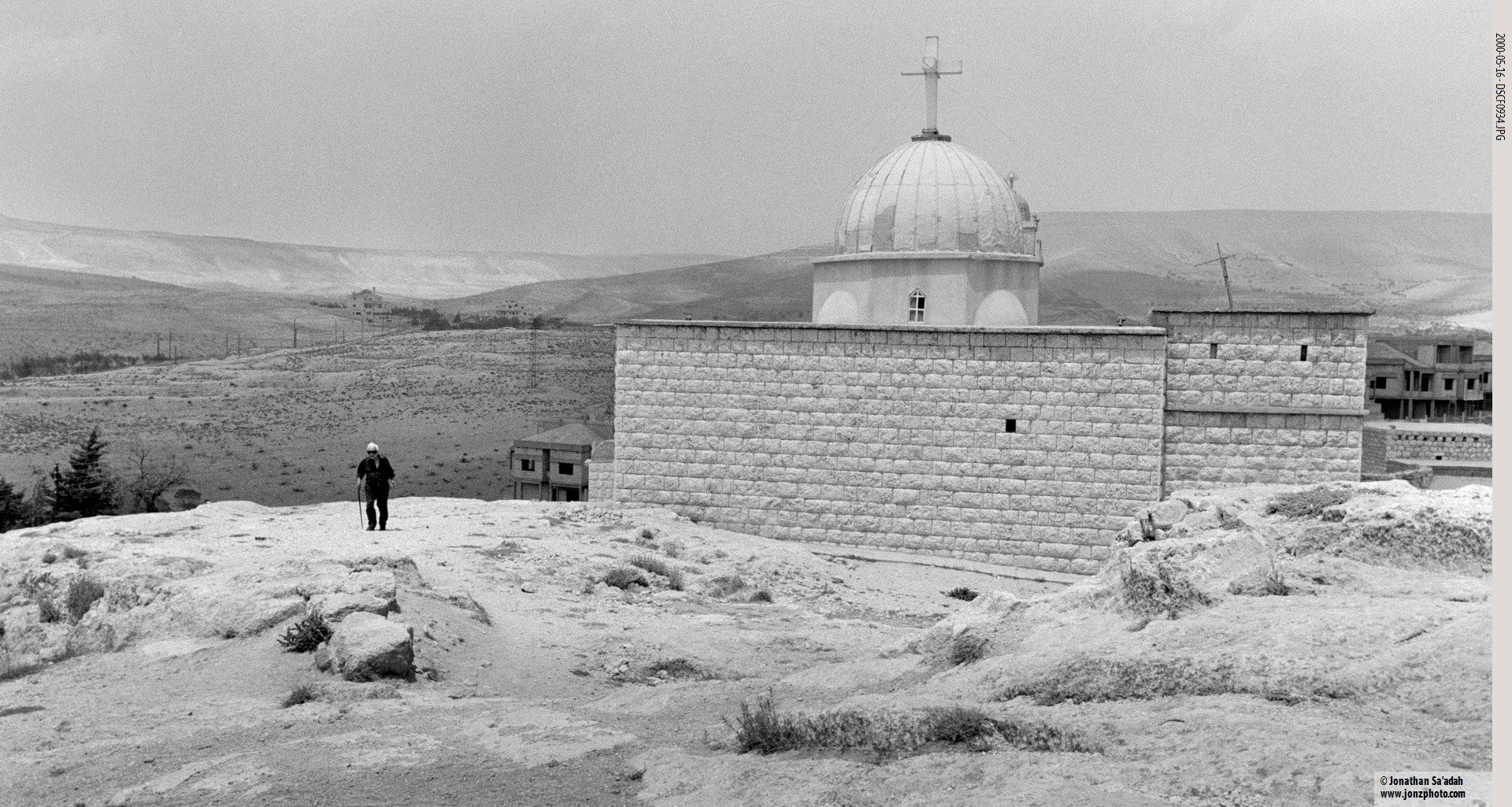
The religious significance of Ma’lula extends beyond its linguistic heritage. The village is home to two Christian religious sites that have served as pilgrimage destinations for centuries. The Greek Orthodox Convent of Saint Thecla, built around the grotto where the legendary saint is said to have lived and died, houses what believers consider to be sacred healing waters. According to tradition, Saint Thecla was an 18-year-old Christian convert who fled from an arranged marriage to a pagan. When Roman soldiers pursued her to the rocky heights near Ma’lula, she prayed for divine intervention, and the mountain miraculously split open, allowing her to escape into the grotto where she spent the rest of her 90-year life.
The second major religious site is the Monastery of Mar Sarkis (Saint Sergius), a Greek Catholic church that contains what is believed to be one of the oldest Christian altars still in use. Built in the fifth century on the remains of a pagan temple, this monastery features a rare horseshoe-shaped altar table that may date to pre-Constantinian times – before Christianity became the official religion of the Roman Empire.
A Linguistic Treasure Under Threat
What many might not realize is how precarious the survival of Aramaic has become. UNESCO classifies Aramaic as a “severely endangered” language, part of the more than 40% of the world’s languages at risk of extinction. Ma’lula’s population, which once numbered around 10,000, had been reduced to approximately 3,300 inhabitants even before the Syrian Civil War further depleted the community.
The challenge of language preservation in Ma’lula reflects broader patterns affecting indigenous and minority languages worldwide. Young people often leave the village after completing high school to study in Damascus or abroad, seeking opportunities unavailable in their mountain home. Each departure represents a potential loss for the linguistic community, as Aramaic transmission depends entirely on family and community usage rather than formal education systems.
The linguistic situation in Ma’lula also reflects the complex religious and ethnic identity of the region. Both Christian and Muslim residents identify ethnically as Arameans, maintaining this ancient identity rather than adopting an Arab ethnic identity like most other Syrians. This shared ethnic identification across religious lines provides another example of how Syrian communities have maintained distinct identities while participating in the broader national culture.
Religious Coexistence in Practice
Ma’lula’s population demonstrates the kind of religious diversity that characterized much of pre-war Syria. The village included Antiochian Greek Orthodox Christians, Melkite Catholics, and a minority of Sunni Muslims, all sharing the common Aramaic language and Aramean ethnic identity.
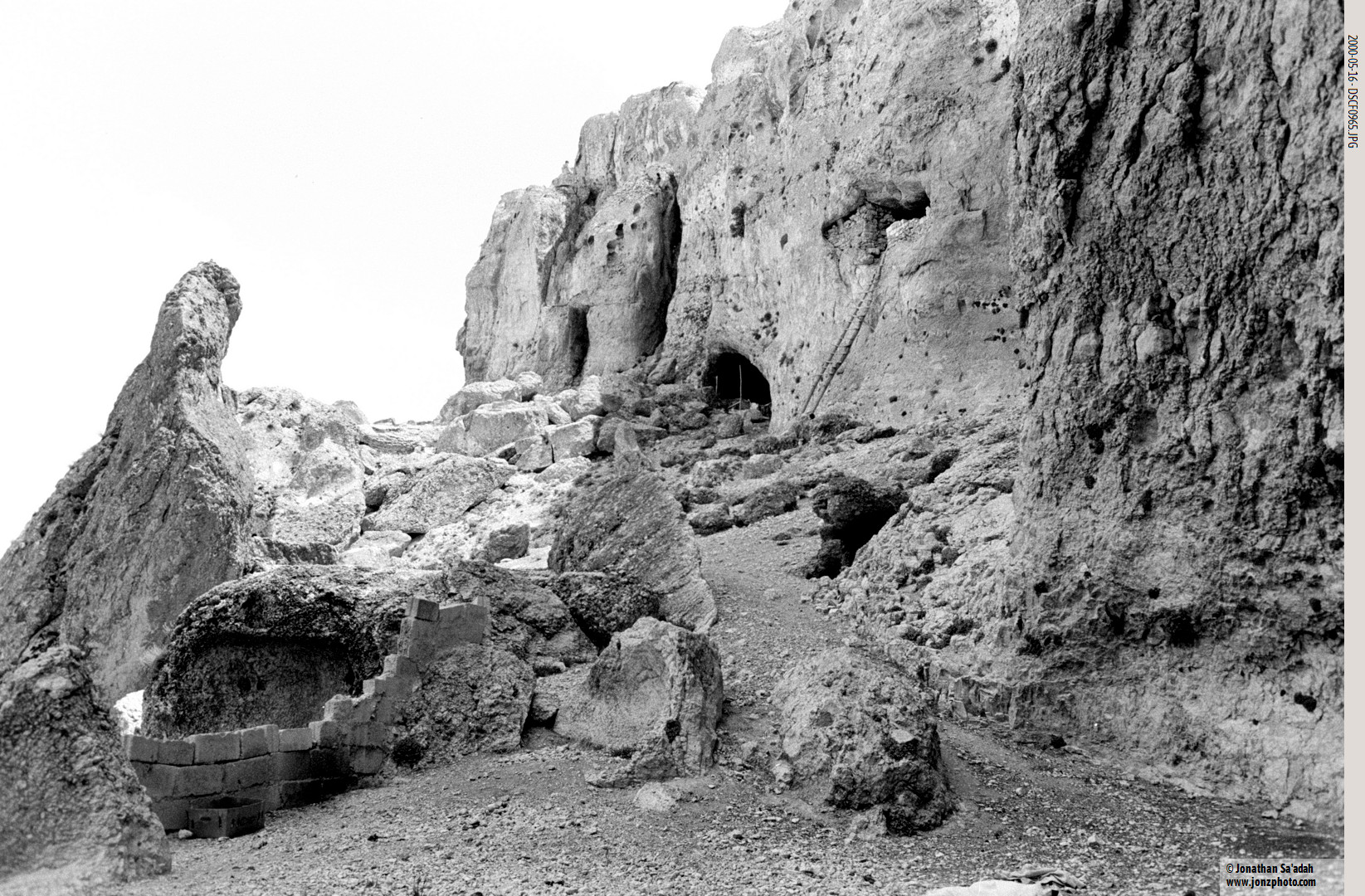
This religious coexistence wasn’t merely tolerance but represented genuine spiritual sharing that transcended sectarian boundaries. The landscape itself tells a story of human adaptation and spiritual resilience, with numerous caves and rock shelters that have provided refuge for Christian martyrs throughout history. The terraced slopes supporting figs, grapevines, and other crops have sustained the community for generations, creating an integrated relationship between human settlement and natural environment.
For visitors accustomed to more rigid religious boundaries, Ma’lula’s example of interfaith reverence might seem almost impossible. Yet this pattern of shared sacred spaces and mutual respect characterized much of Syria’s religious landscape for centuries. The village represents not an exception but rather a surviving example of the pluralistic traditions that once existed, at times unsteadily, throughout the region.
A Personal Spiritual Awakening
While my father rested with our driver below, I climbed one of the rock mountains overlooking Ma’lula. The ascent was challenging but rewarding, offering panoramic views of the ancient settlement with its houses painted in shades of blue and white, clinging to the mountainside like something from a fairy tale. From the summit, I could hear the bells from churches below echoing off the cliff walls.
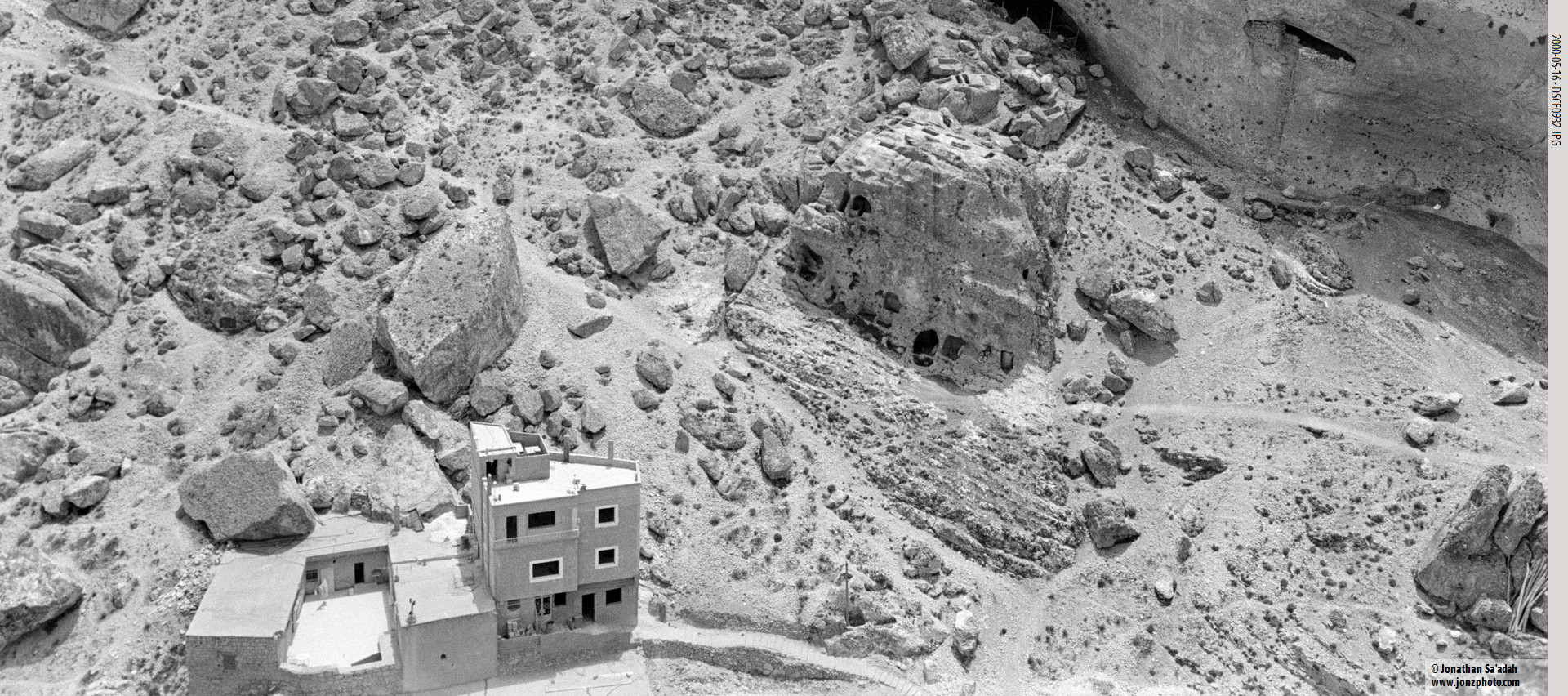
Sitting on that summit, surrounded by the dramatic landscape and listening to the ancient sounds of worship, I experienced what I can only describe as a visceral connection with Christianity unlike any I had felt before. This wasn’t the intellectual appreciation of religious history or architectural beauty, but something more fundamental – a sense of spiritual continuity that spanned nearly two millennia.
The experience was particularly meaningful because it occurred in a place where Christianity has maintained an unbroken presence since the earliest centuries of the faith. Unlike many historical Christian sites that have become museums or archaeological curiosities, Ma’lula remains a living religious community where the ancient and contemporary coexist naturally. The prayers I heard were not performances for tourists but part of the ongoing spiritual life of people whose ancestors had worshiped in these same places for over 1,500 years.
This moment of spiritual recognition occurred in a landscape that itself tells the story of religious persistence. The caves and rock formations that provided shelter for early Christian hermits and martyrs remain visible throughout the area. The integration of human settlement with natural environment creates a sense of organic belonging that connects the present community with its ancient predecessors.
The War’s Impact and Uncertain Future
The Syrian Civil War brought devastating challenges to Ma’lula, testing the survival of both its linguistic heritage and religious traditions. In September 2013, the village became a battleground when al-Qaeda-linked jihadist groups, including the al-Nusra Front, attacked the town following a suicide bombing at a government checkpoint. The subsequent battles saw the village change hands multiple times, with reports of churches being burned, looting of religious sites, and threats of forced conversion directed at Christian residents.
Twelve nuns from the Greek Orthodox monastery were kidnapped in November 2013 and held for two months before being released in a prisoner exchange. The conflict forced most of the village’s approximately 3,300 inhabitants to flee, with only 50 remaining during the heaviest fighting. When Syrian government forces eventually regained control in April 2014, the damage was extensive – monasteries, churches, shrines, and much of the old town had suffered damage, looting, and vandalism.
Even after the recent fall of the Assad regime in December 2024, the few Christian residents remaining continue to live in fear and uncertainty, reluctant to resume their normal activities. Many have permanently left, joining the broader pattern of Christian emigration from Syria that has reduced the Christian population from approximately 10% before 2011 to less than 3% today.
Looking Ahead
The 88 photographs in “Return to Damascus” capture Ma’lula and Seidnaya during a happier time when these communities could pursue their spiritual and cultural traditions without fear. The images document the physical beauty of these mountain settlements and preserve a record of communities that are important cultural treasures.
In my final blog post, I’ll explore the story of Abd el-Qadir al-Jaza’iri, the Algerian Muslim exile who saved thousands of Damascus Christians during the 1860 massacre – including my own ancestors. This story of courage and humanitarian intervention across religious lines provides another example of the moral complexity and human dignity that have characterized Syrian history, offering a different perspective on the Middle East.
Through these glimpses into Syria’s cultural and religious heritage, I hope I’ve not just shown the beauty of ancient traditions but also the universal human values of courage, compassion, and spiritual seeking that transcend national and religious boundaries. The story of Ma’lula and Seidnaya is ultimately about the enduring power of place and faith, about communities that have maintained their identity while contributing to the broader human story of spiritual and cultural development.
“Return to Damascus: A Personal Journey” can be pre-ordered from Phoenicia Publishing at a discount for delivery in November.
These are fascinating posts. I visited many of these places in December 2010–without our father, who died in 2008, but also after a decade of significant social change in Syria and on the cusp of the protests whose brutal repression would plunge the country into a devastating war. For me, these photos and the accompanying prose powerfully evoke many lost worlds. I look forward to the book!
Just wow. This is truly mind-blowing. What a unique place. Such photos too. O for a time machine! I would like to eavesdrop on that 4th century Christian community.