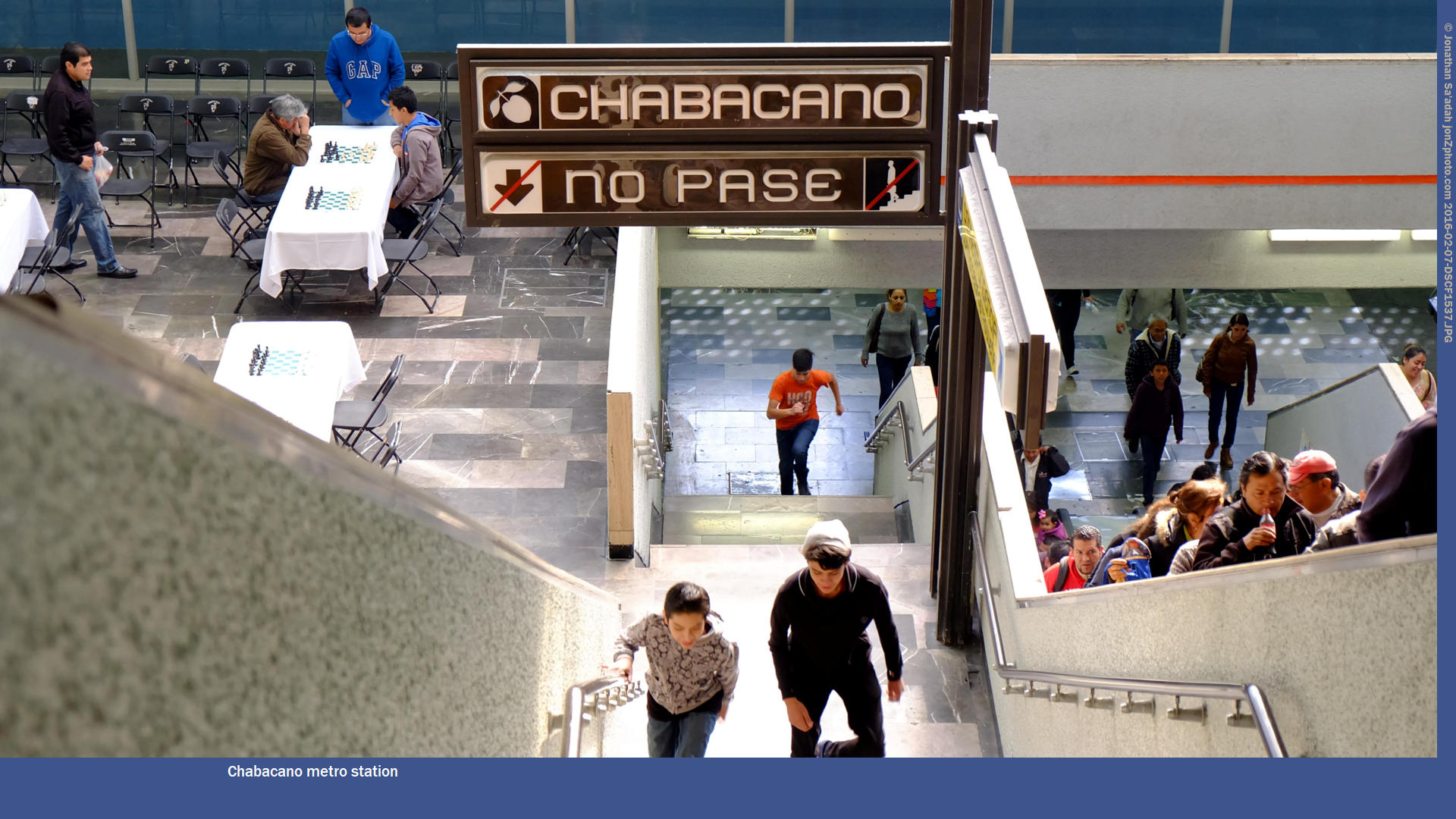
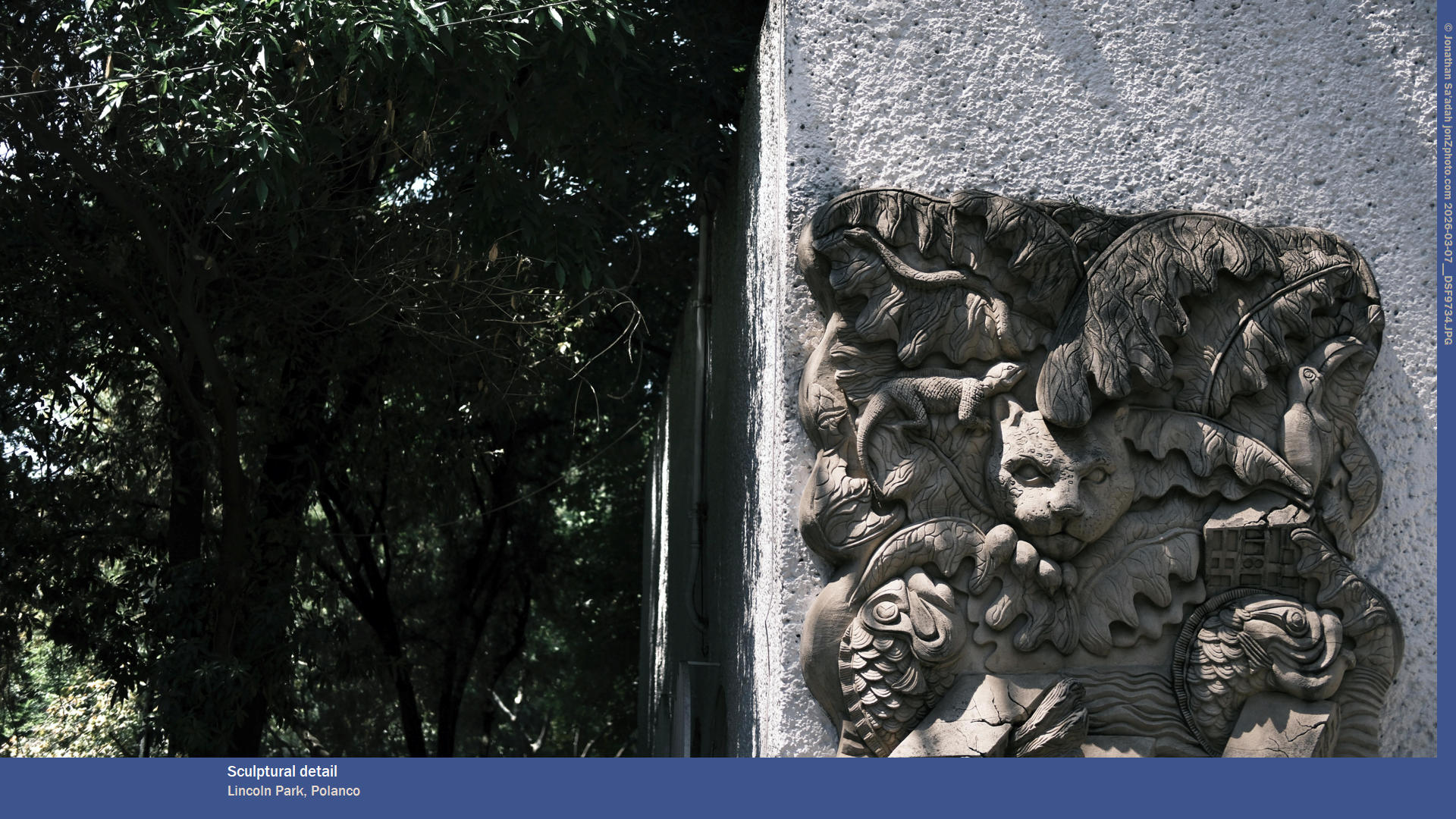
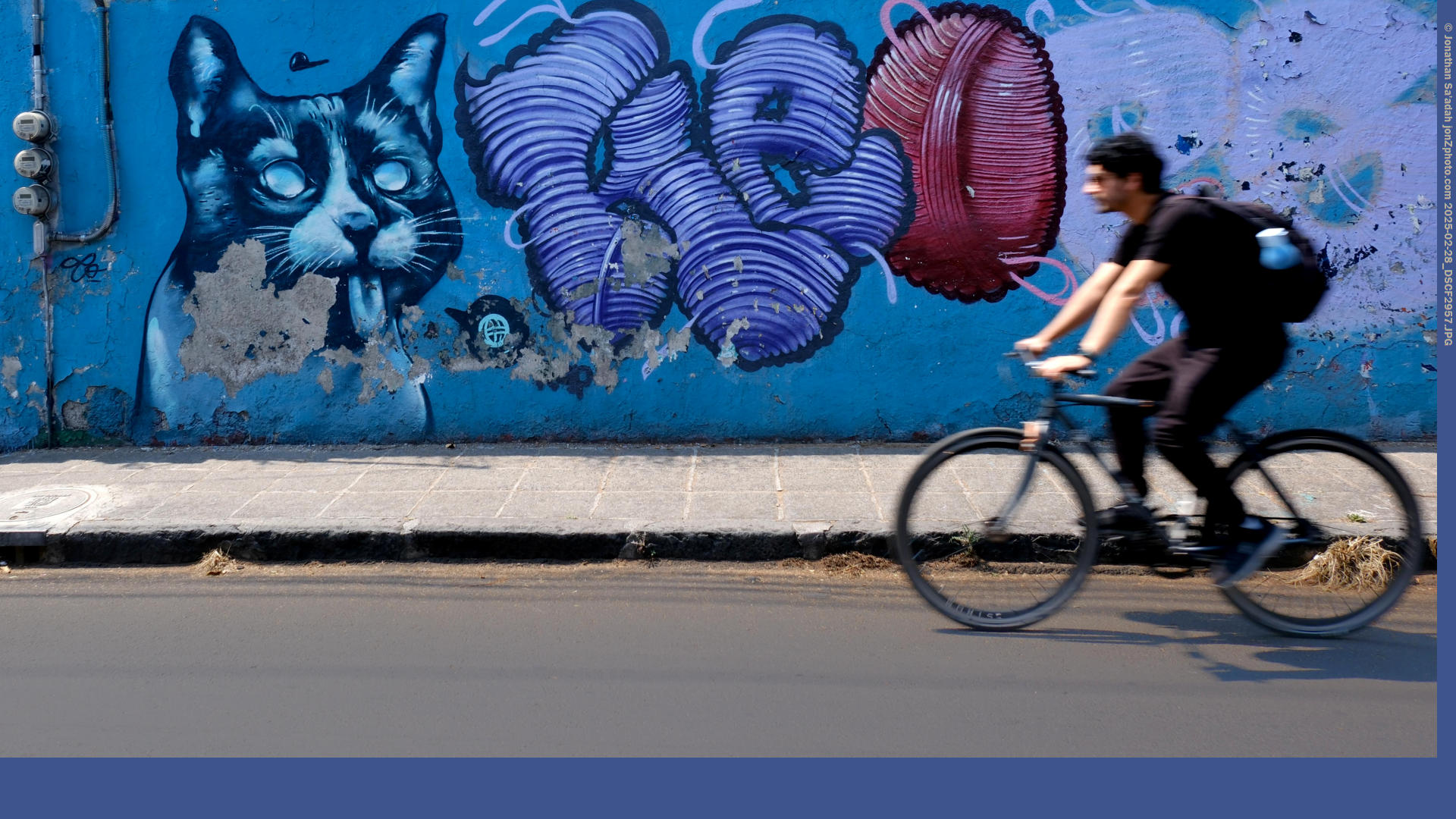
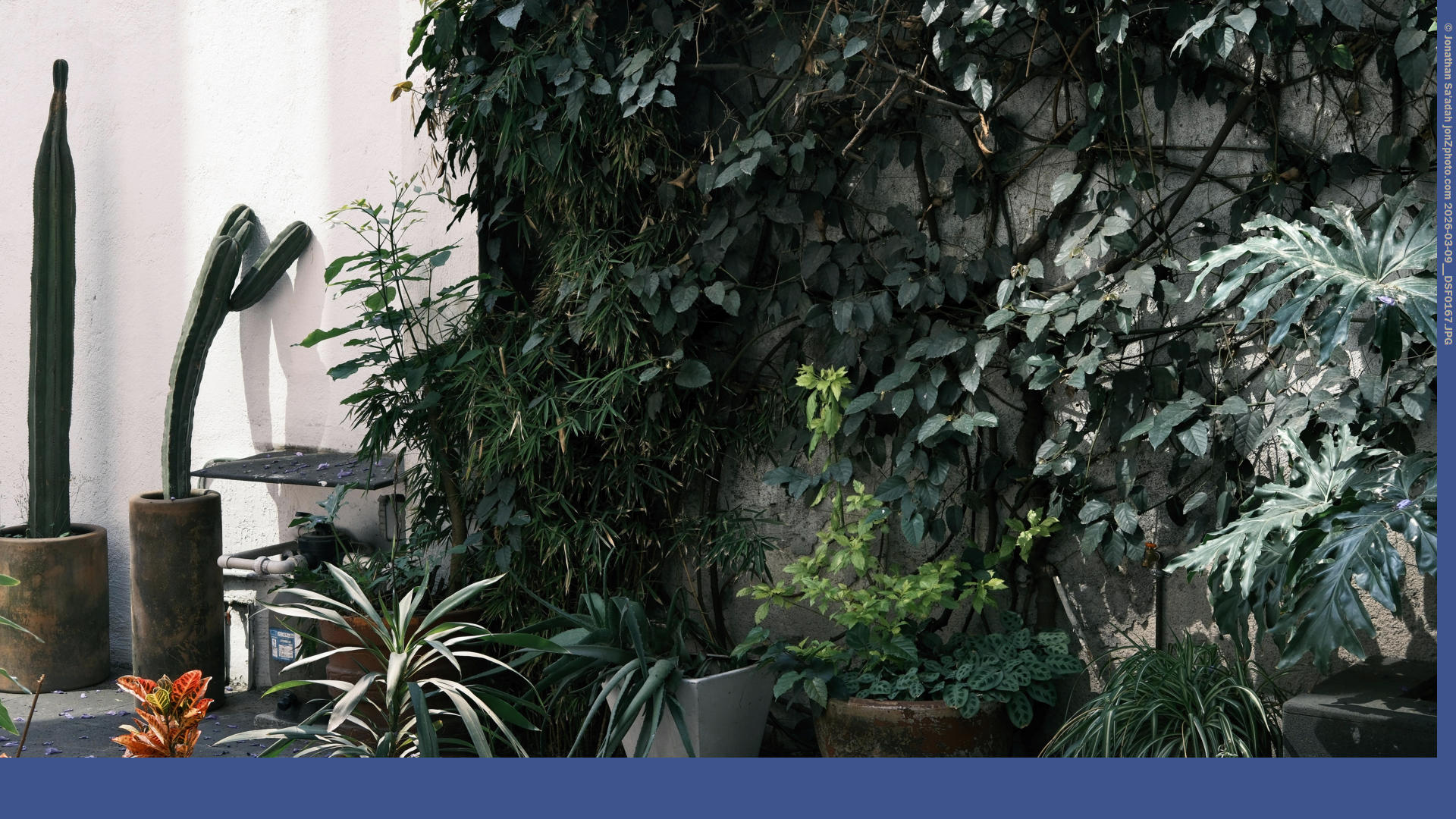
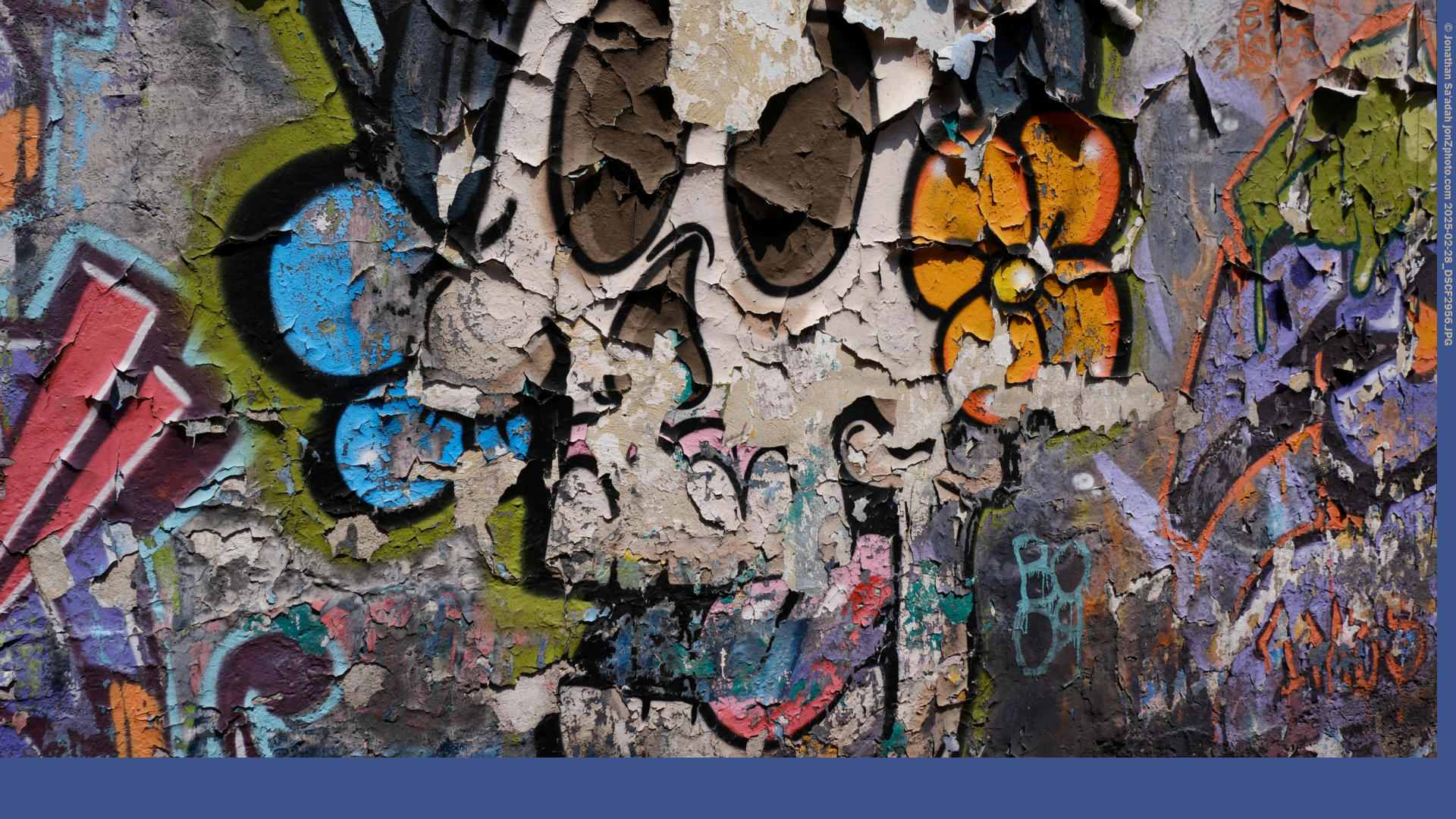
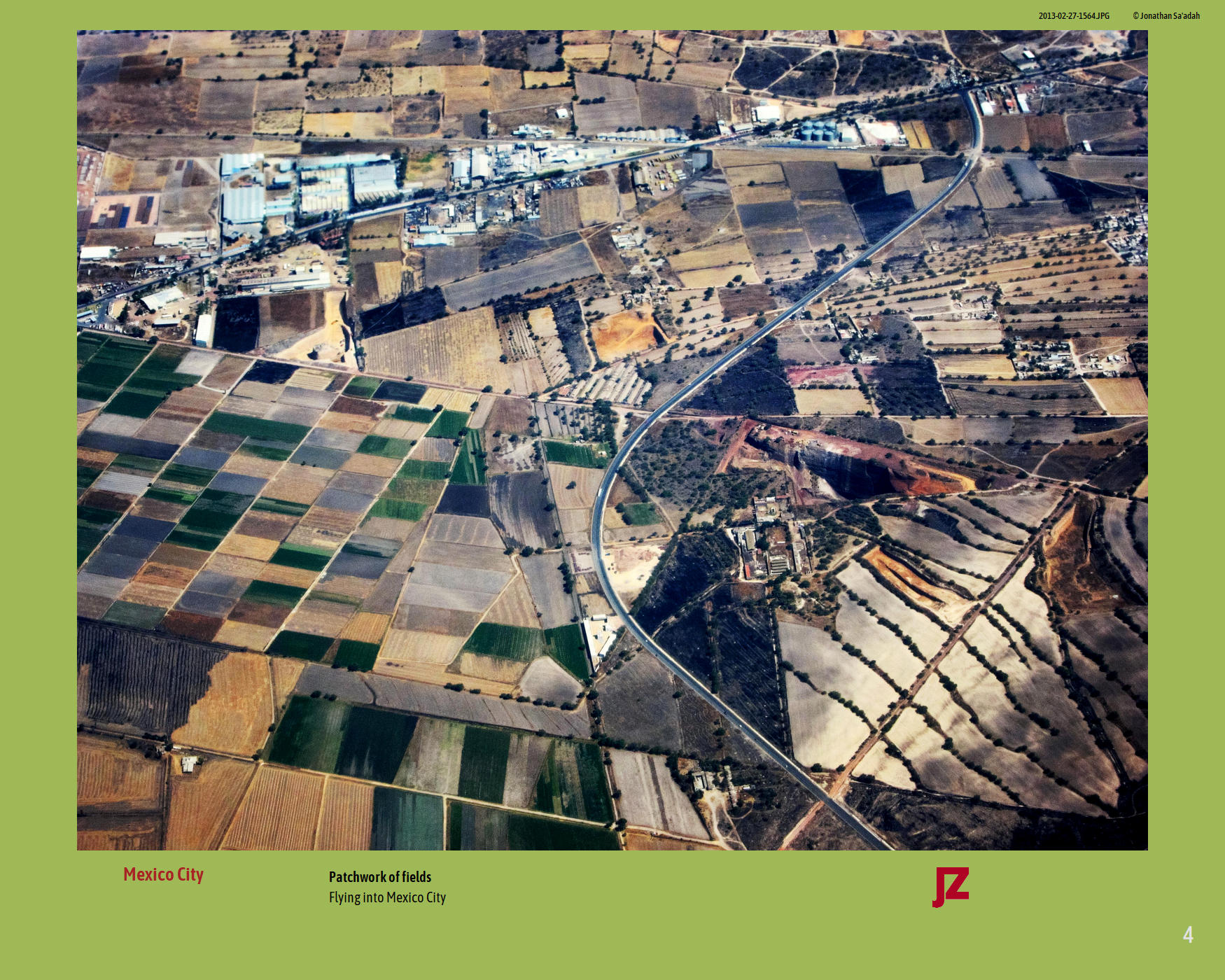
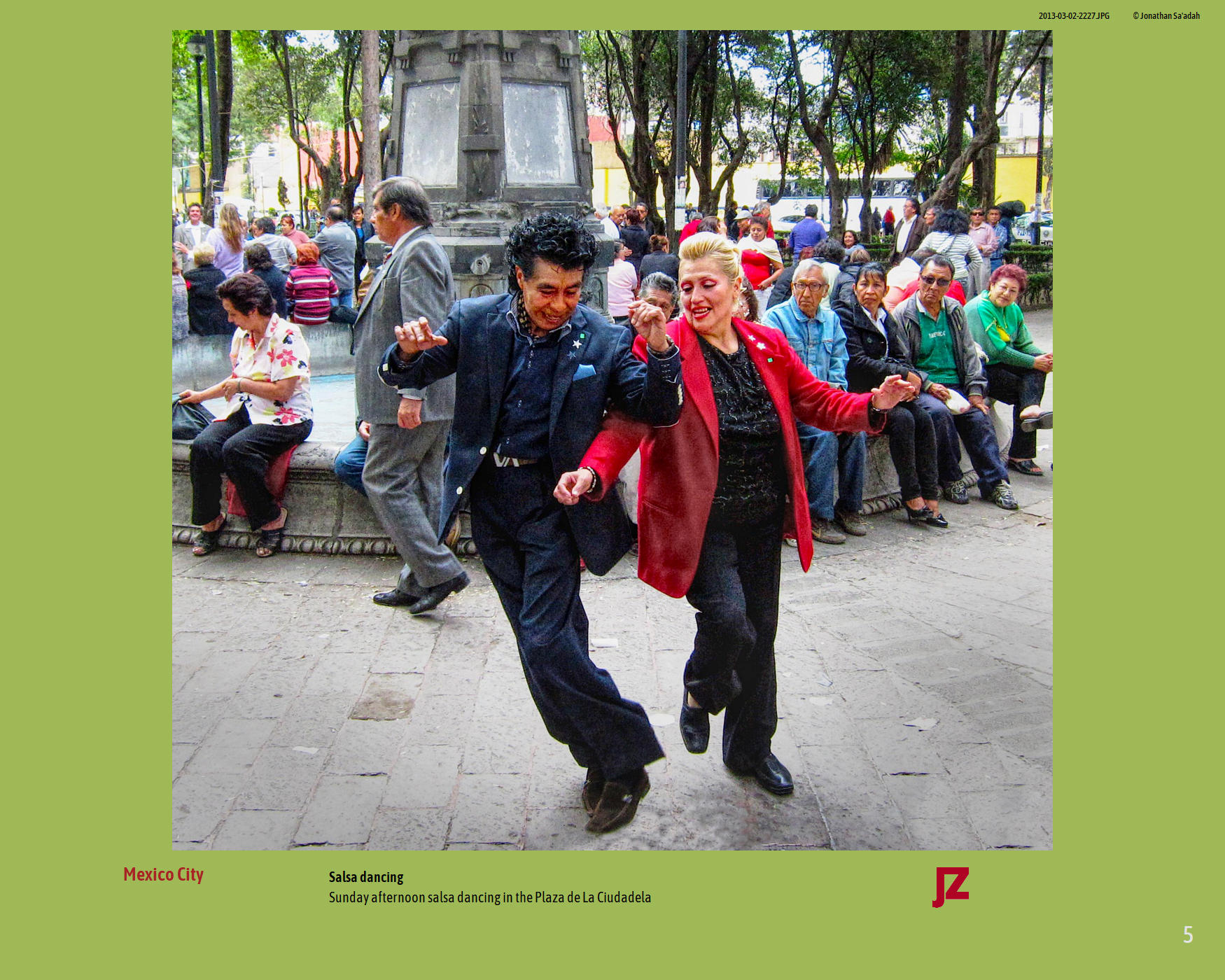
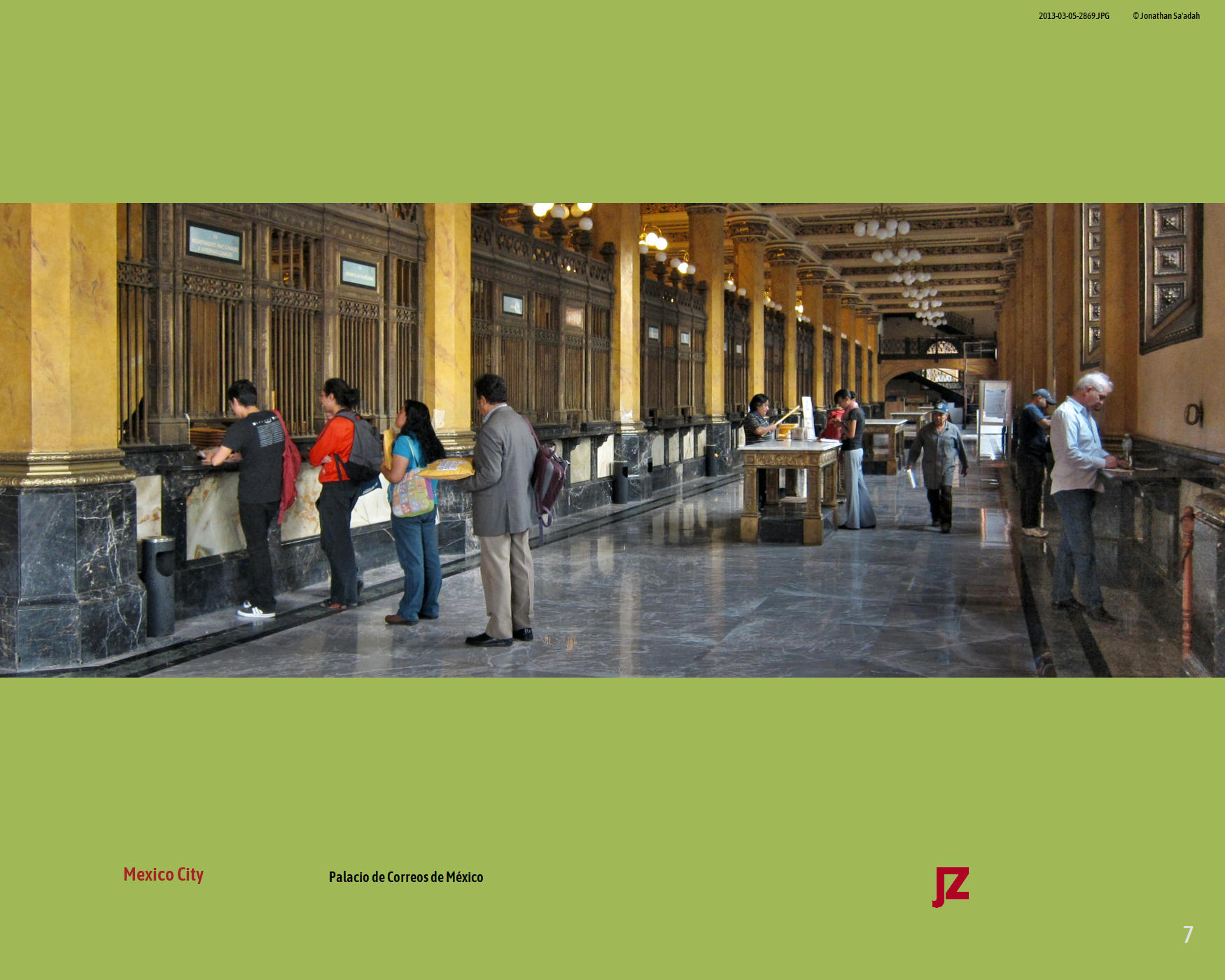
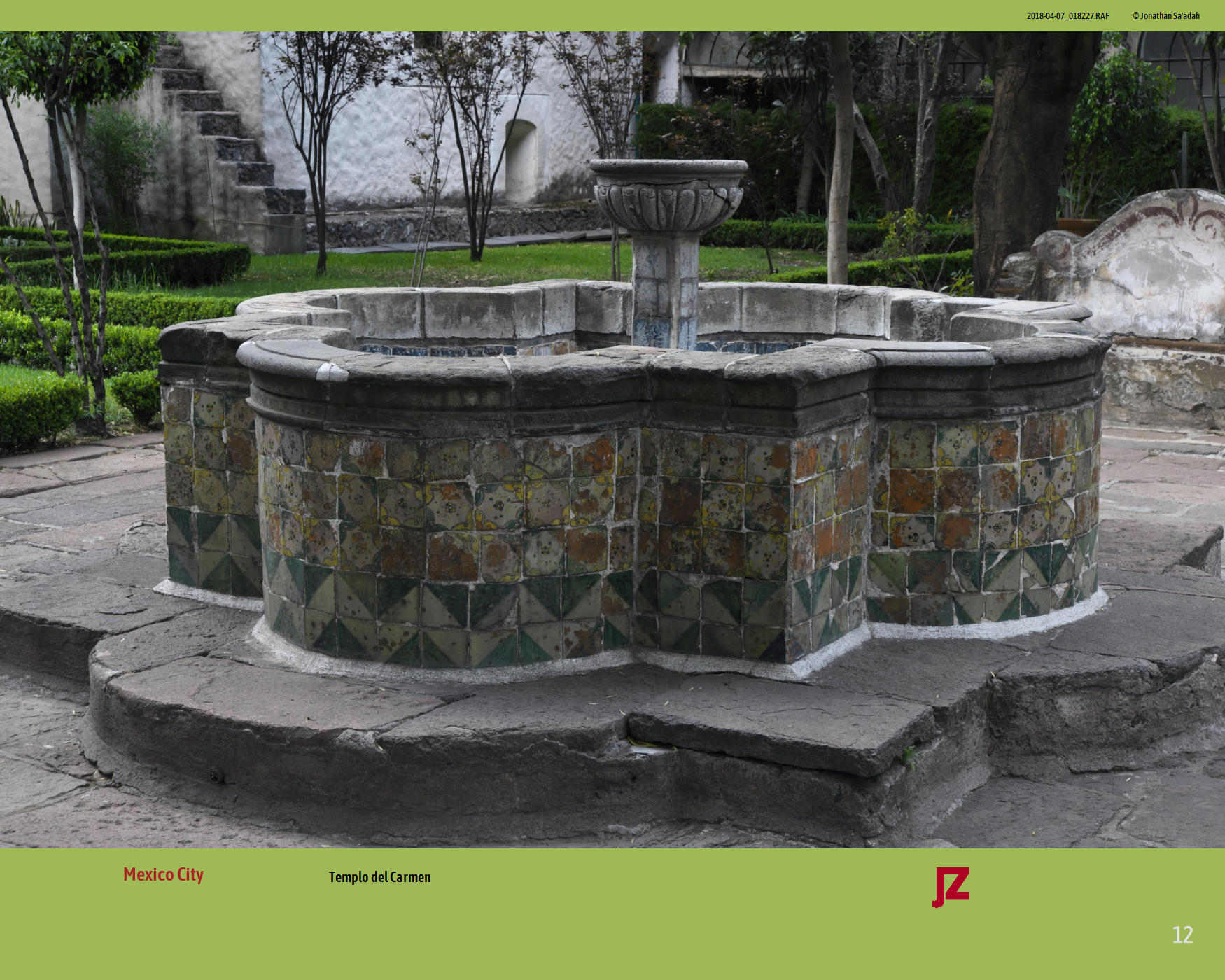
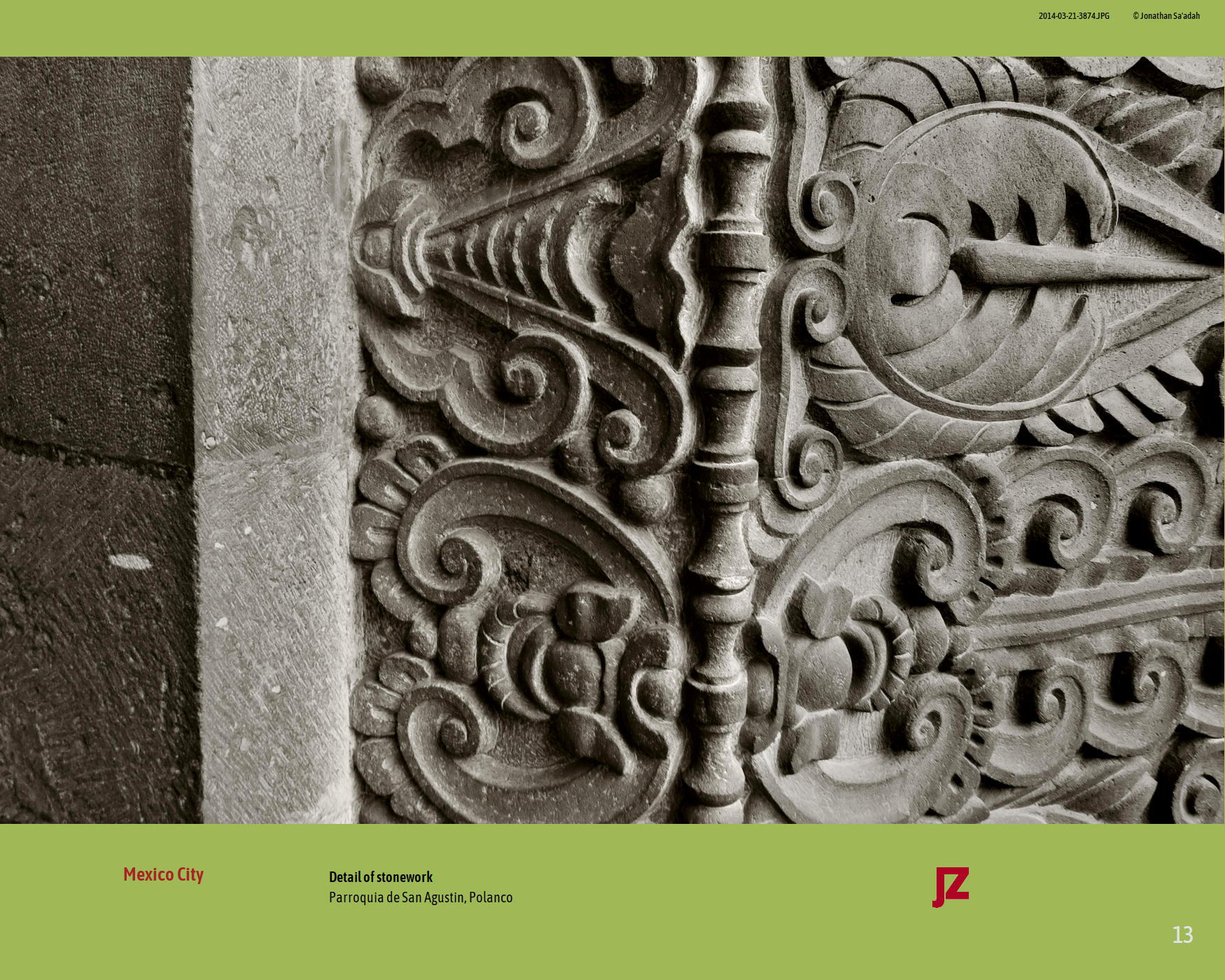
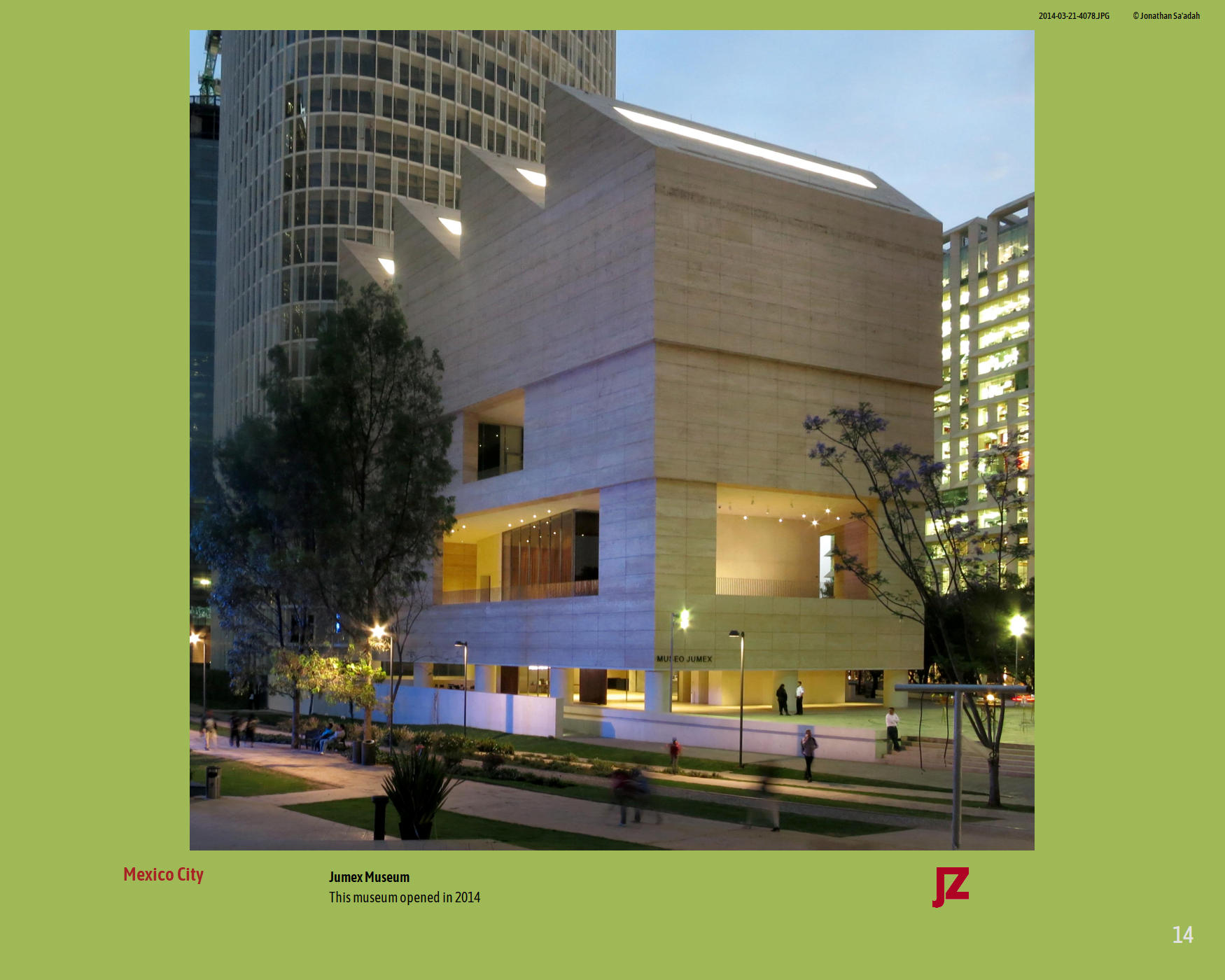
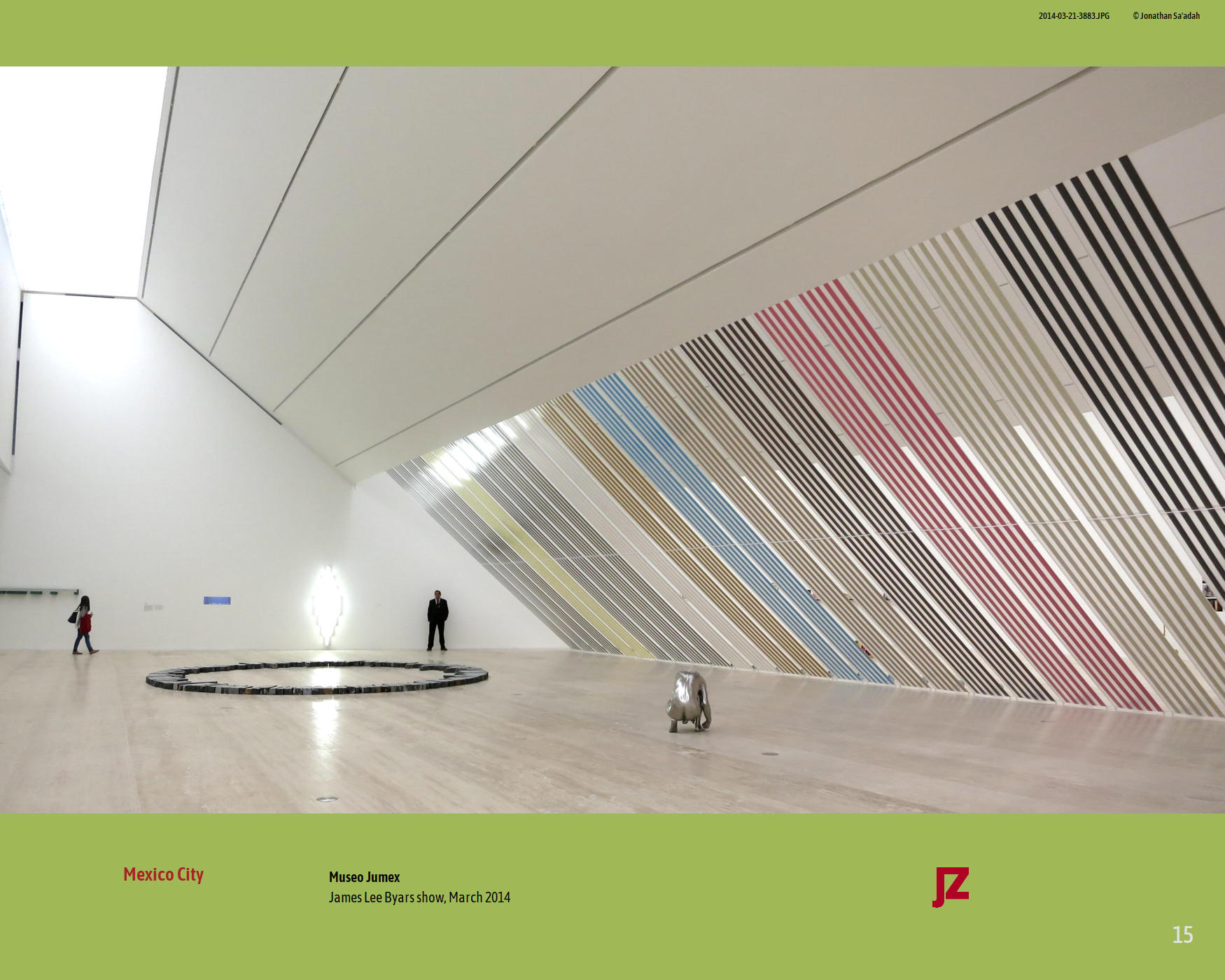
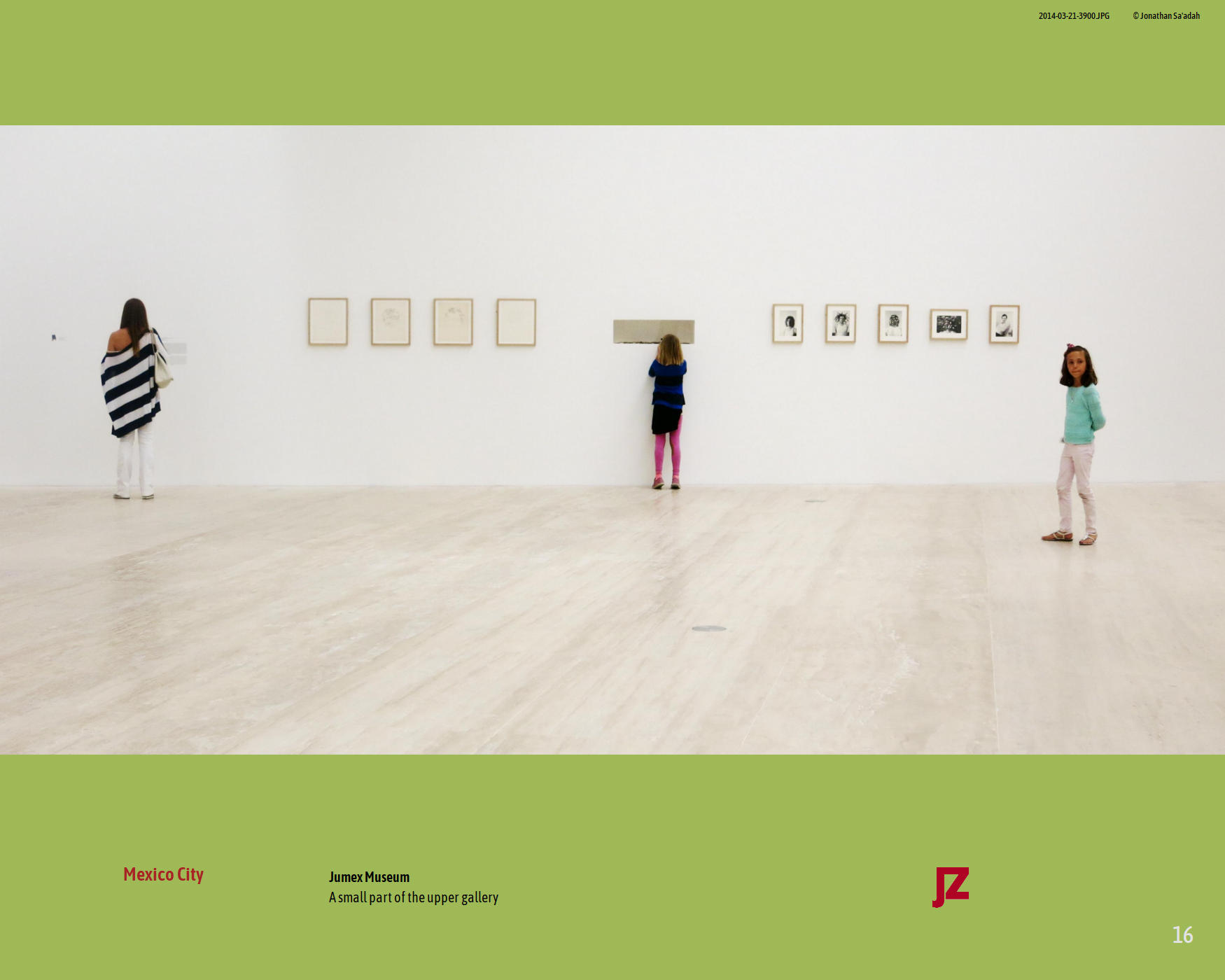
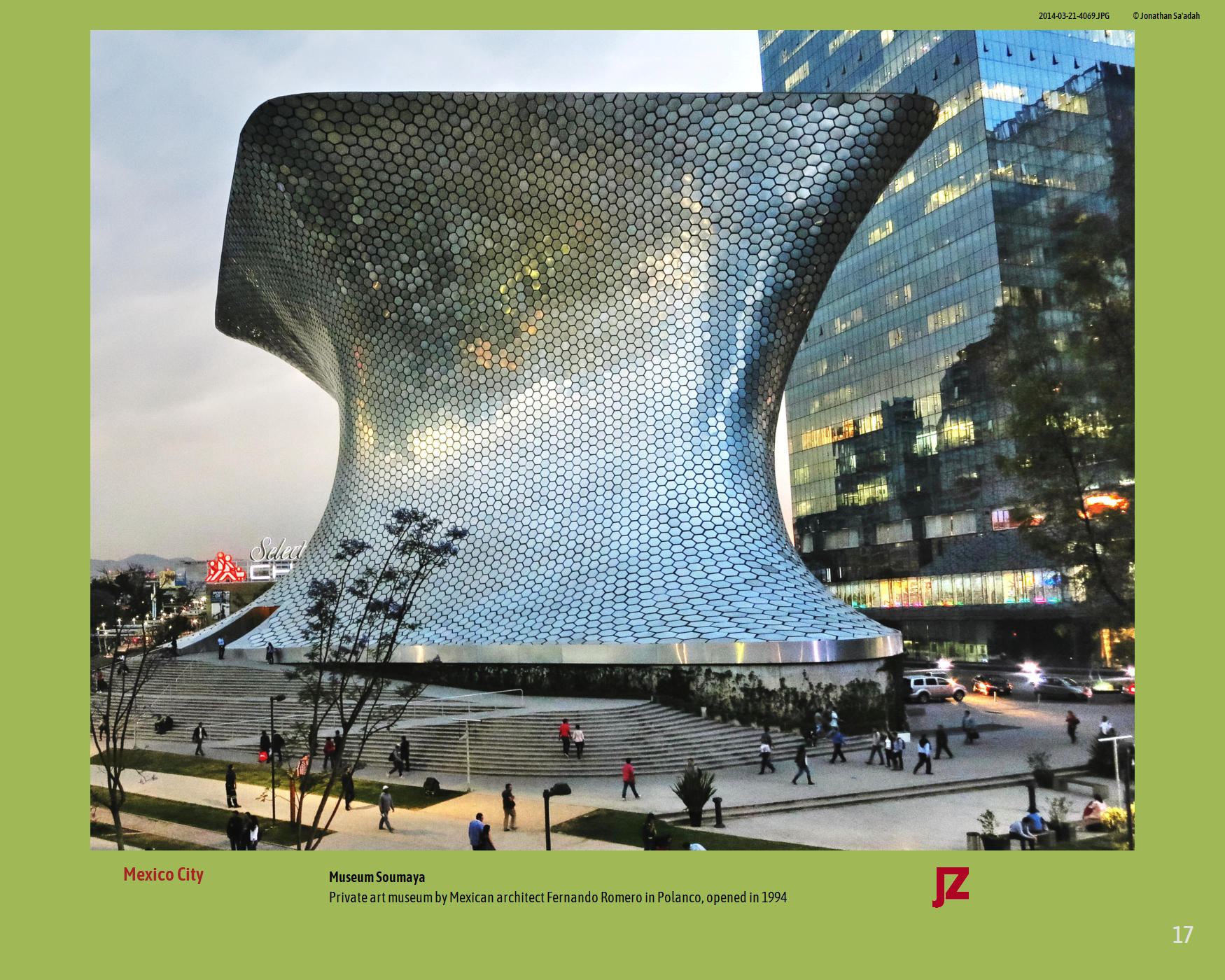
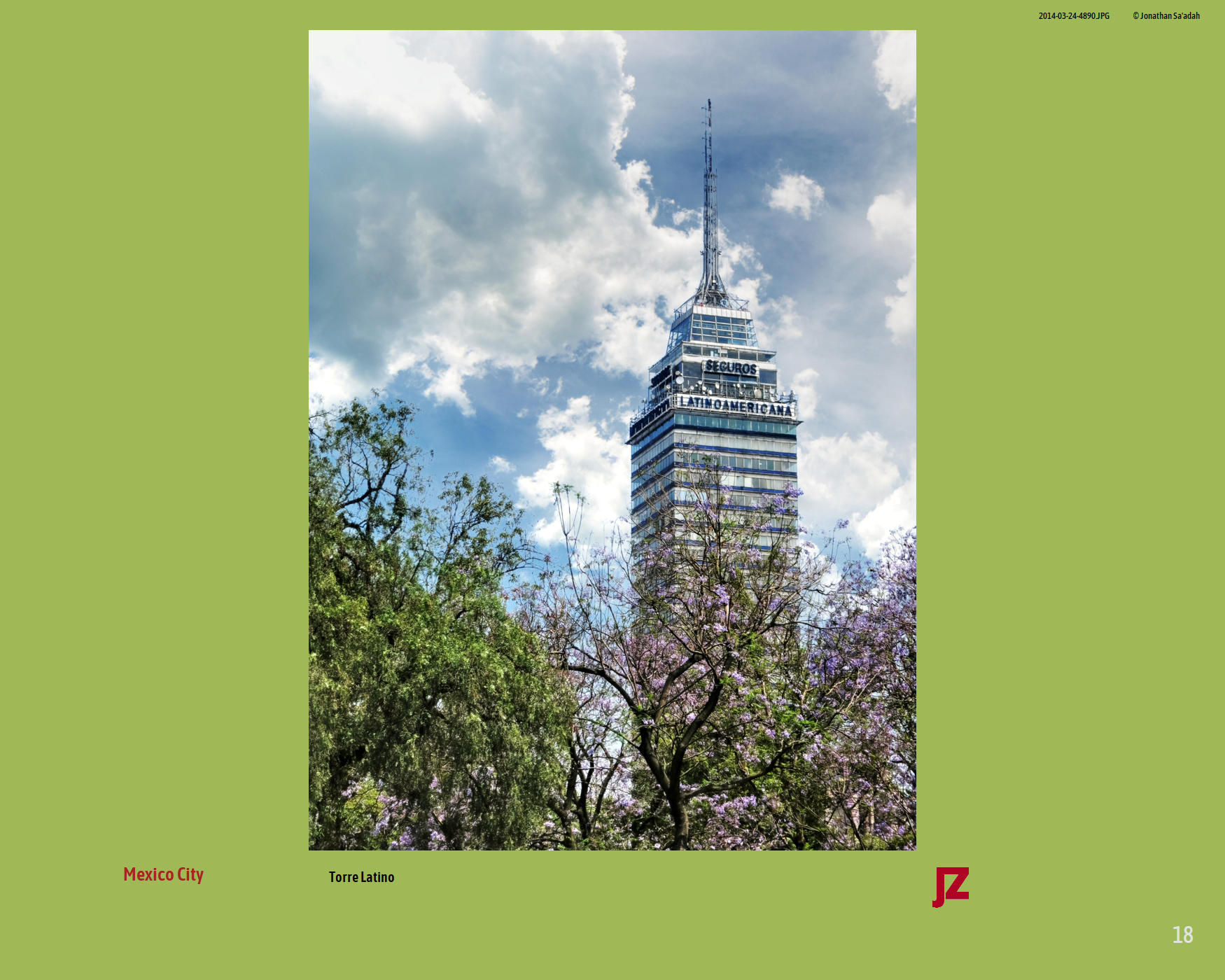
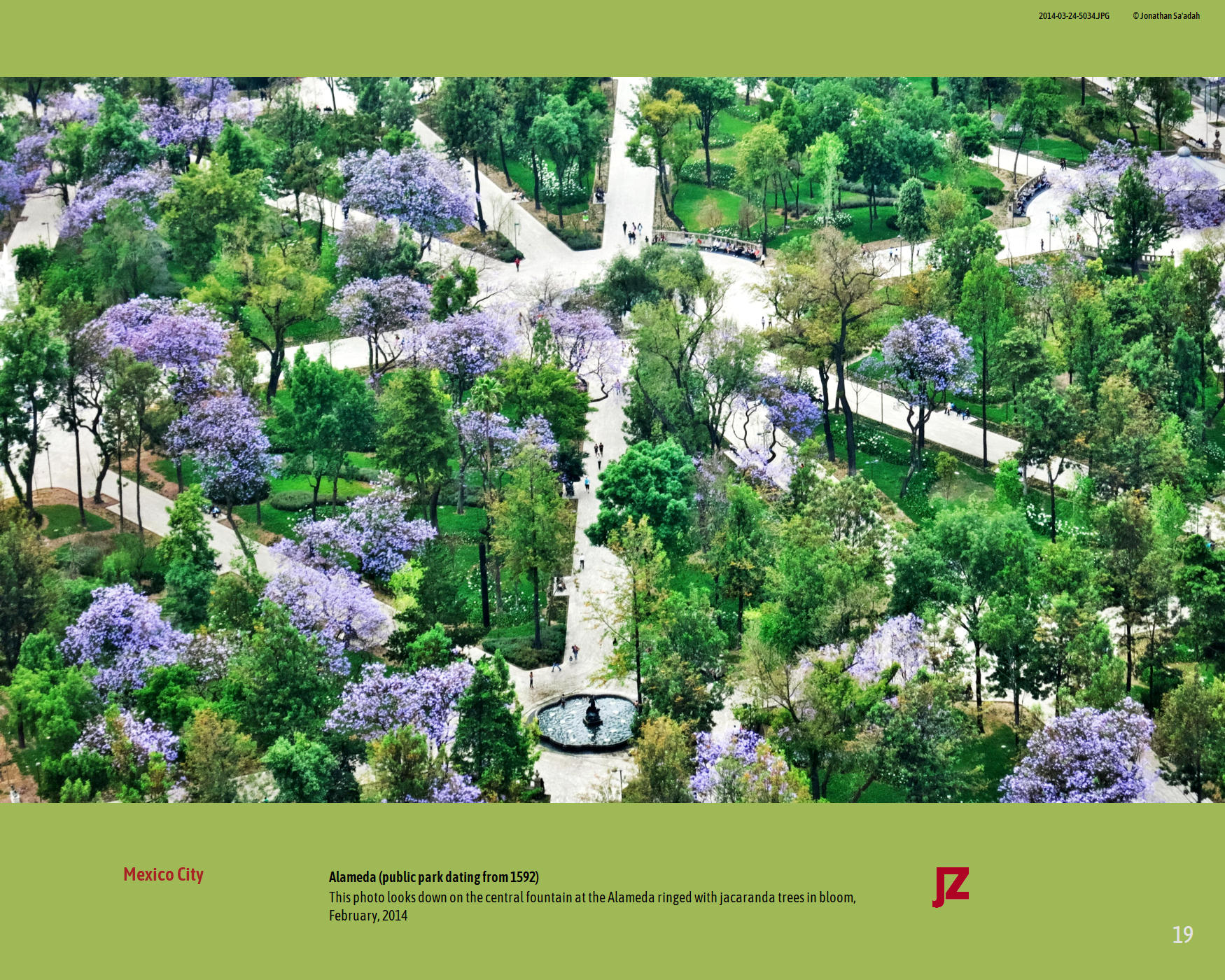
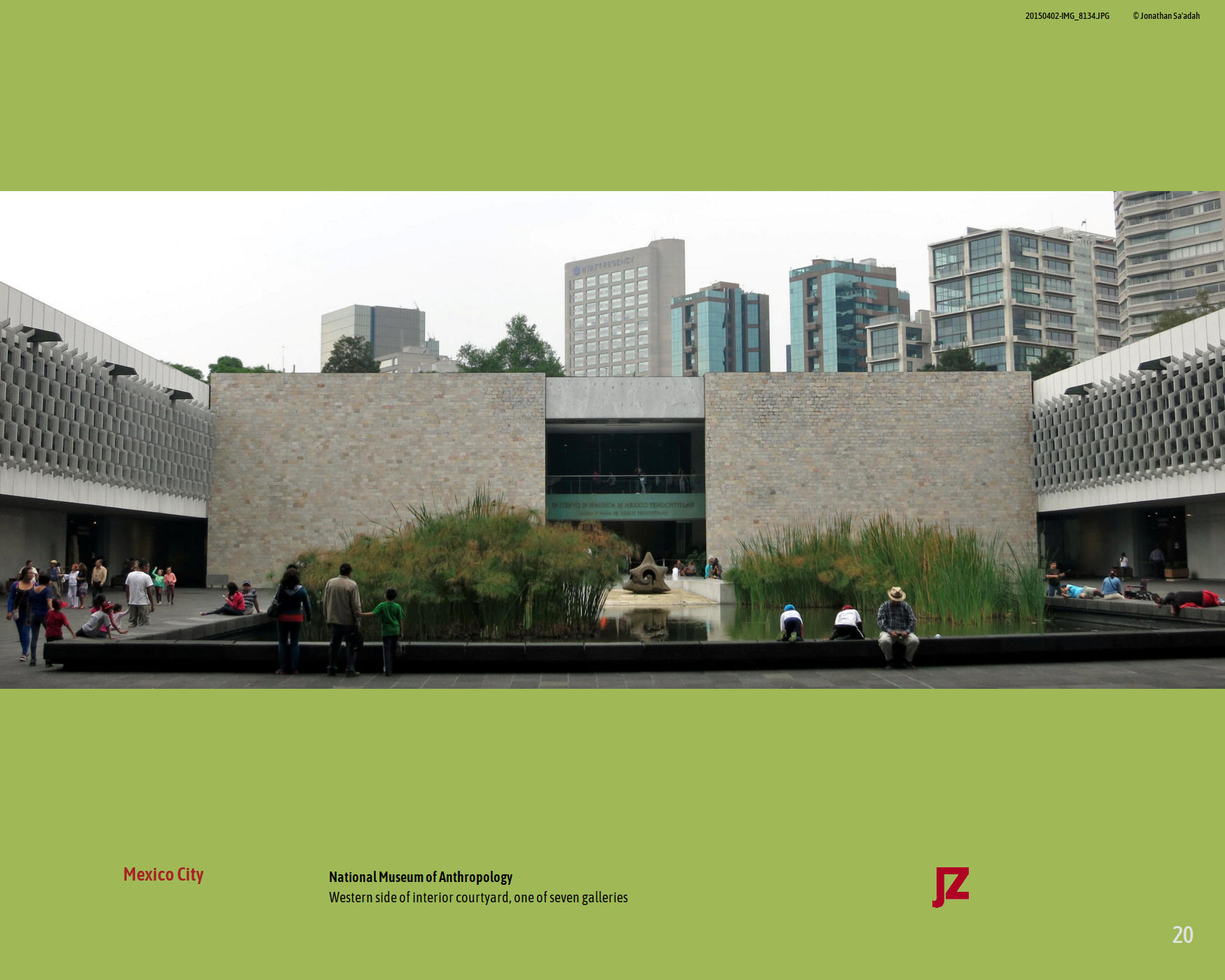
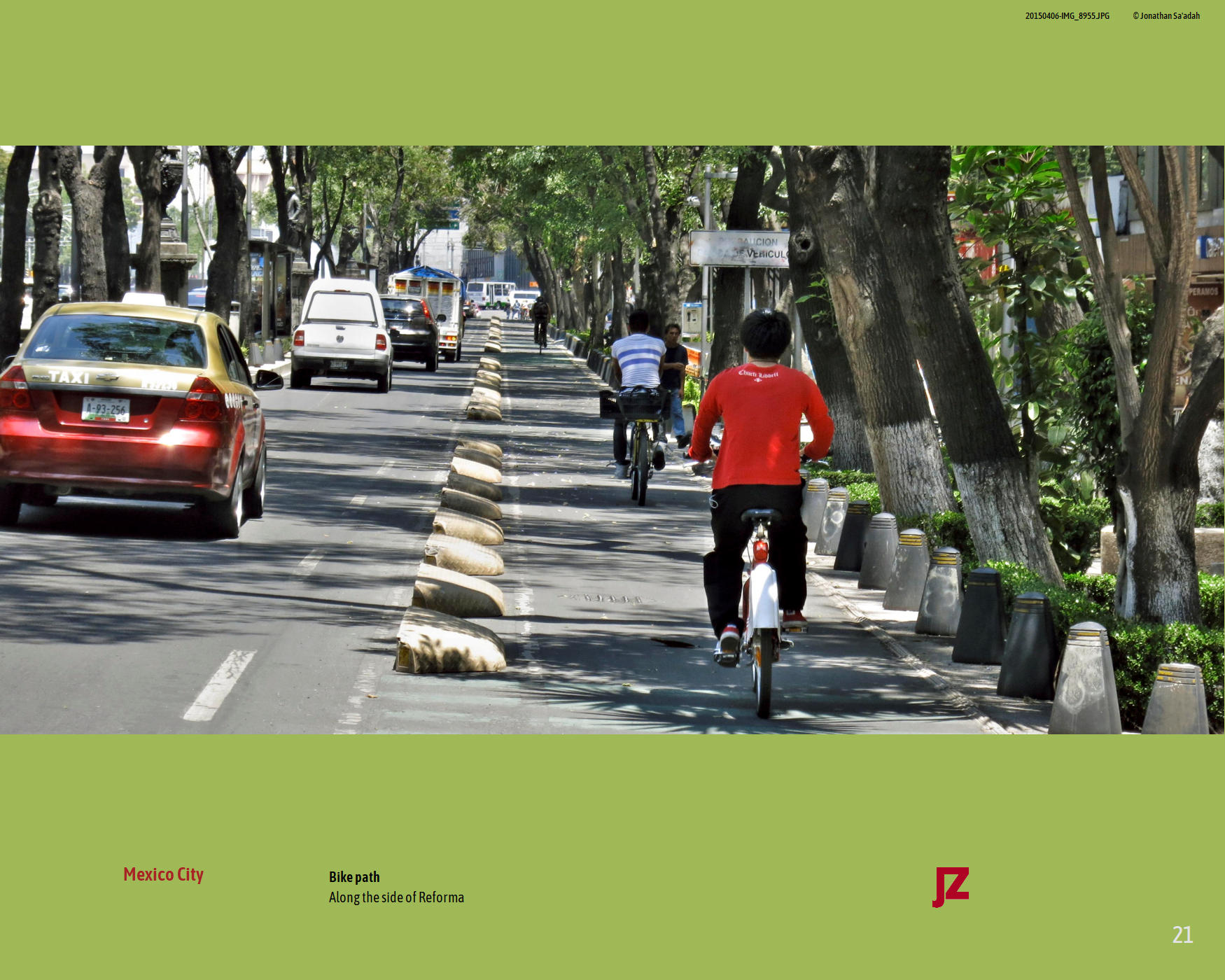
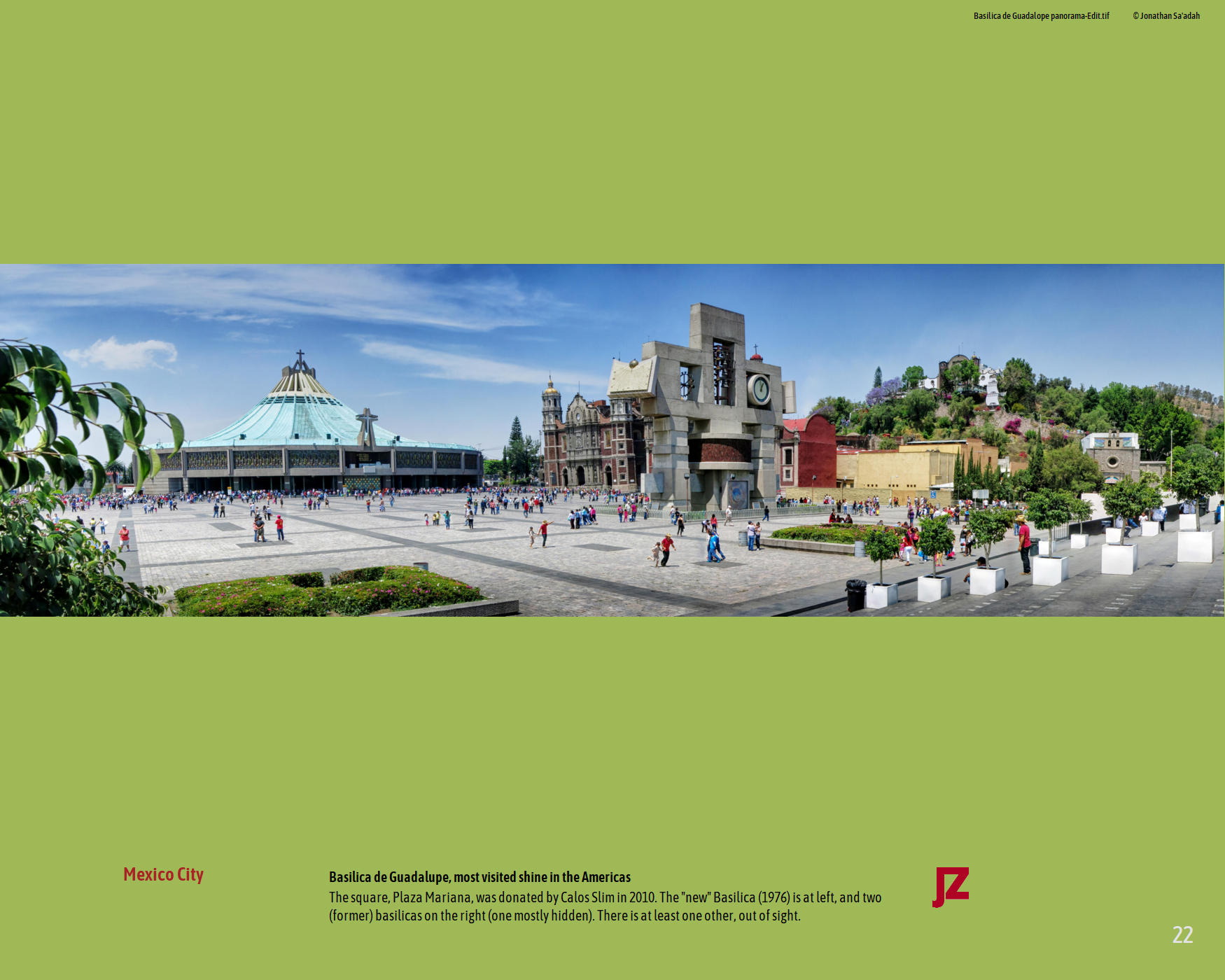
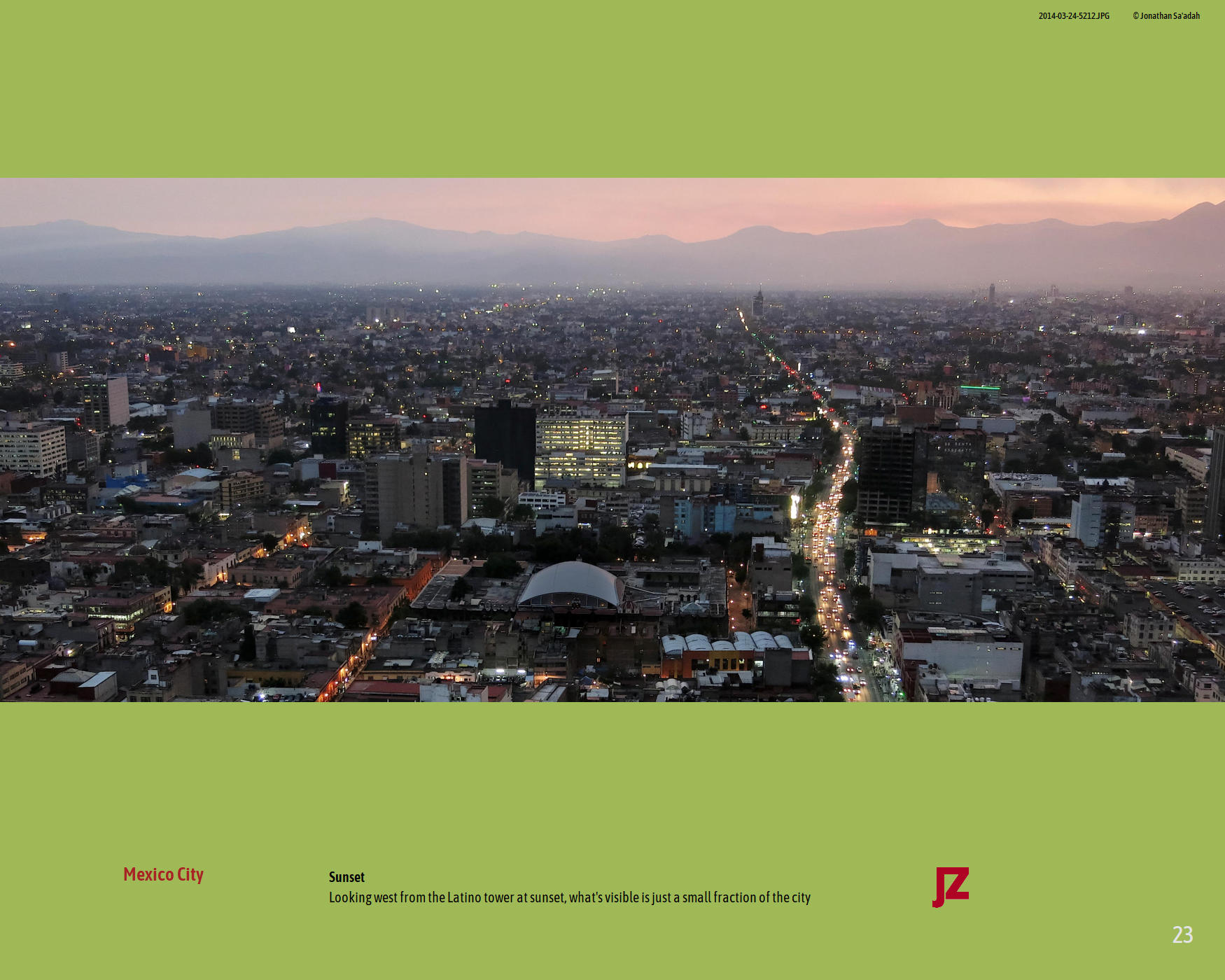
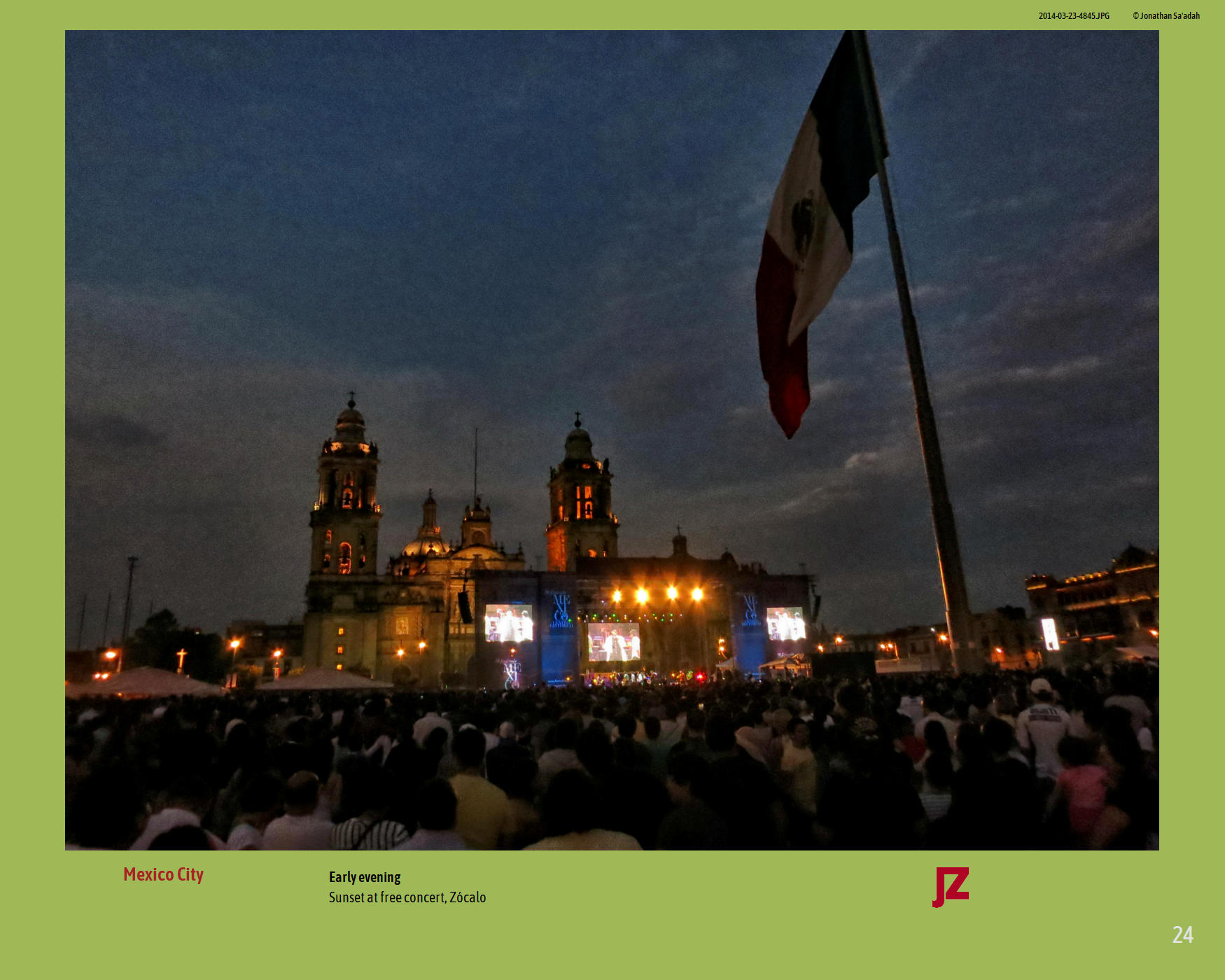
When I was in my twenties I used to ride the metro there with a good friend who was French, and she always was annoyed (“Why do you care?”) with my habit of choosing which car of the train to board so I’d be lined up with where I was going. I still do it, and I’d say honestly that it’s probably a marker of a certain type of obsessive personality which I now understand and confess to.
Like my friend, Mexico too is the opposite of that personality. A few nights ago I rode the metro back to our rental and across from me was a family, three generations riding together. A couple with what looked like the woman’s mother, and her two children. Her husband held an oversized girl (probably about five) in his arms as she slept and the mother read her other younger daughter from a paperback book. I almost stayed on the train past Tacuba (where I needed to transfer) just because I was enjoying watching them. If I really knew how to live slow I probably would have stayed on the train.
A couple of days ago I received a screed from a good friend asking “Why should it be more difficult to turn on a TV today than it was 50 years ago?” I think that’s a good question. I’ve spent several days trying to craft a workaround so I can import captions into the picture galleries on this blog, almost a complete waste of time since I never got it working. I still position myself on trains, and am still hyper-aware of timings that most people hardly pay attention to.
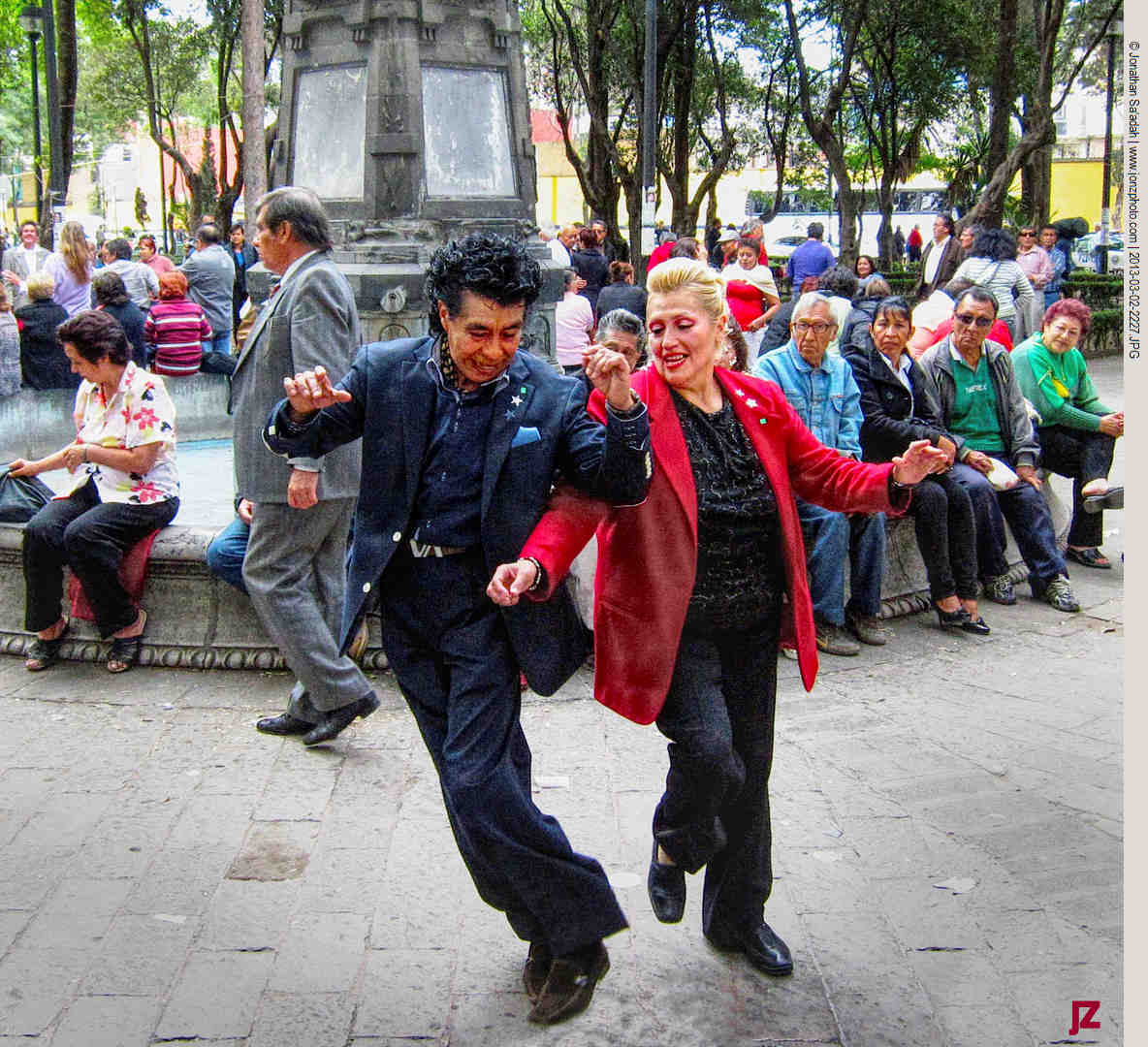
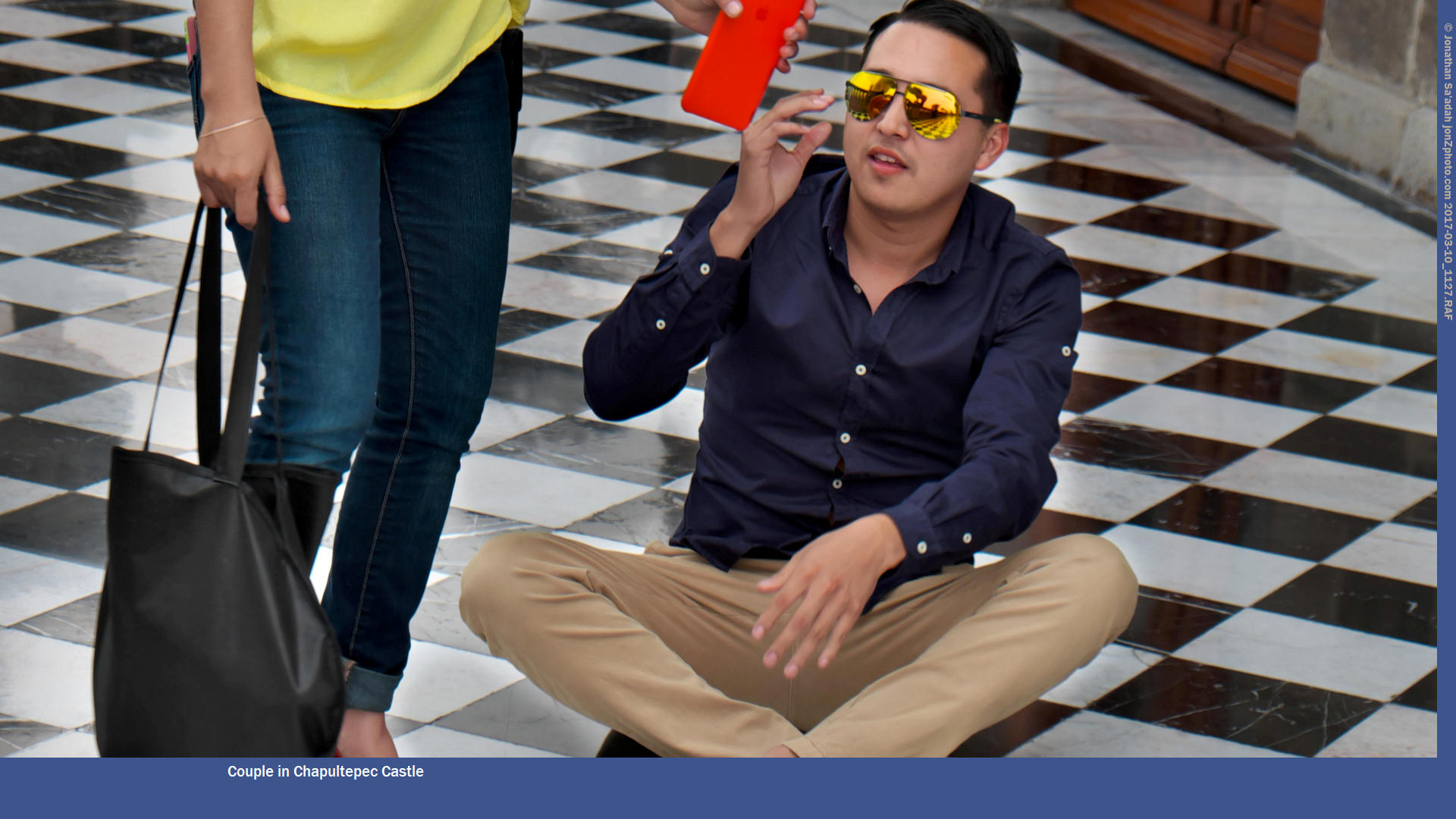
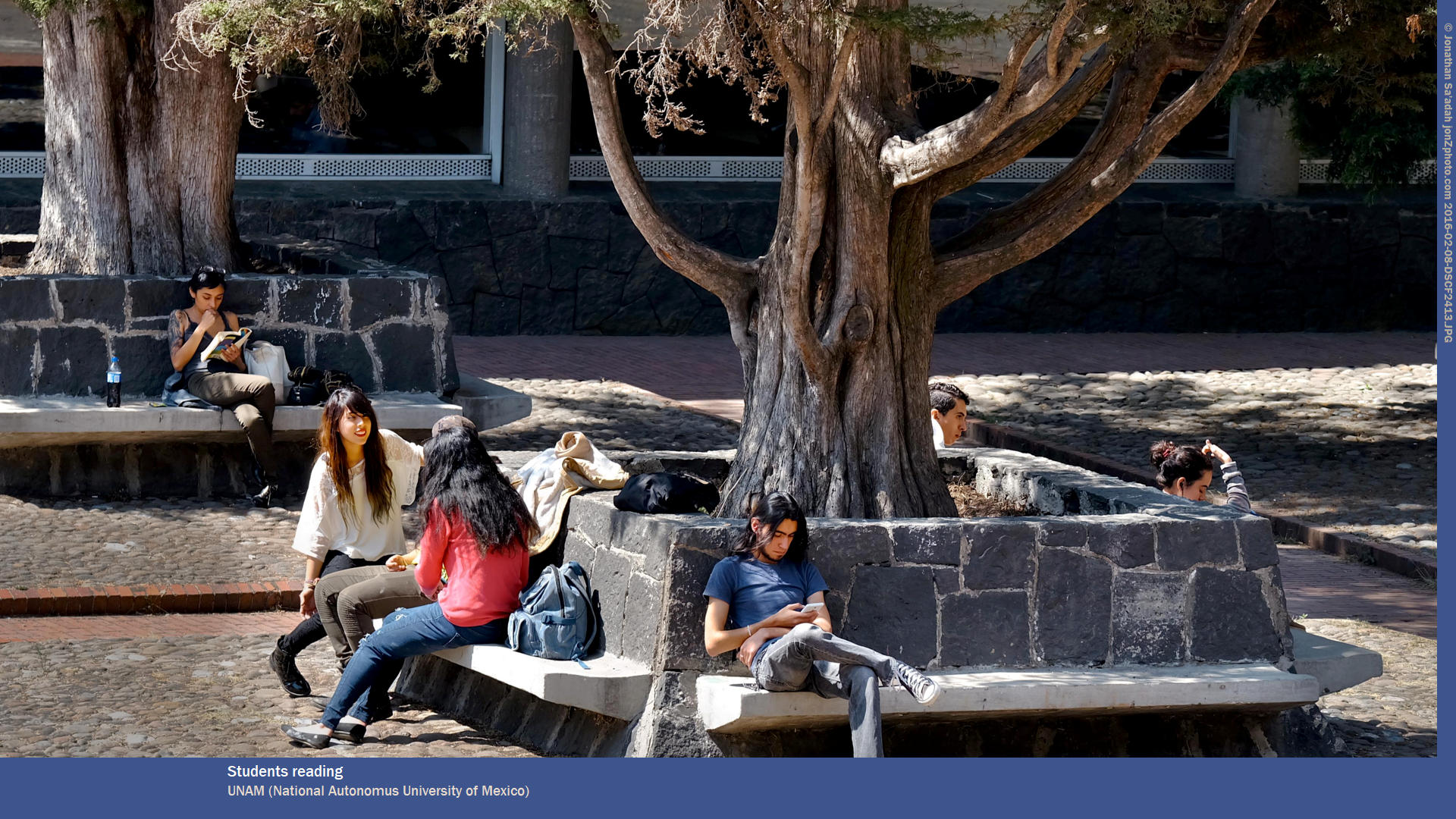
Sometimes it’s good to be in a place that’s just the opposite of who you are. I’d like to think I share some characteristics with the people in Mexico City – and that’s true – but there’s certainly a lot of foreign territory.
Sadly, I’m not still friends with the woman from my twenties. Her email address hides behind multiple layers of verification codes, and I’ve never been willing to jump through the hoops. But I actually would like to compare notes and see where she ended up too.
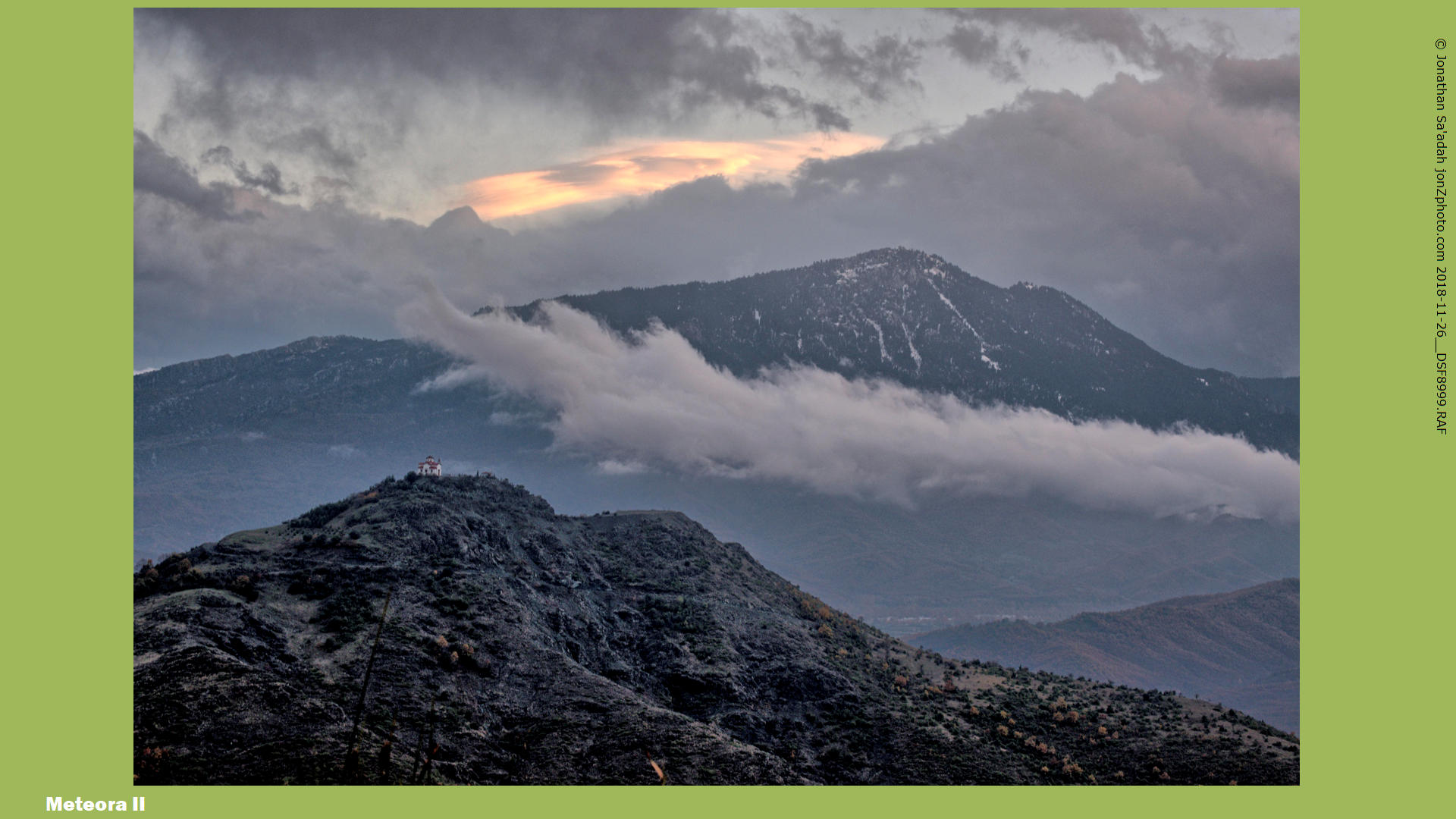
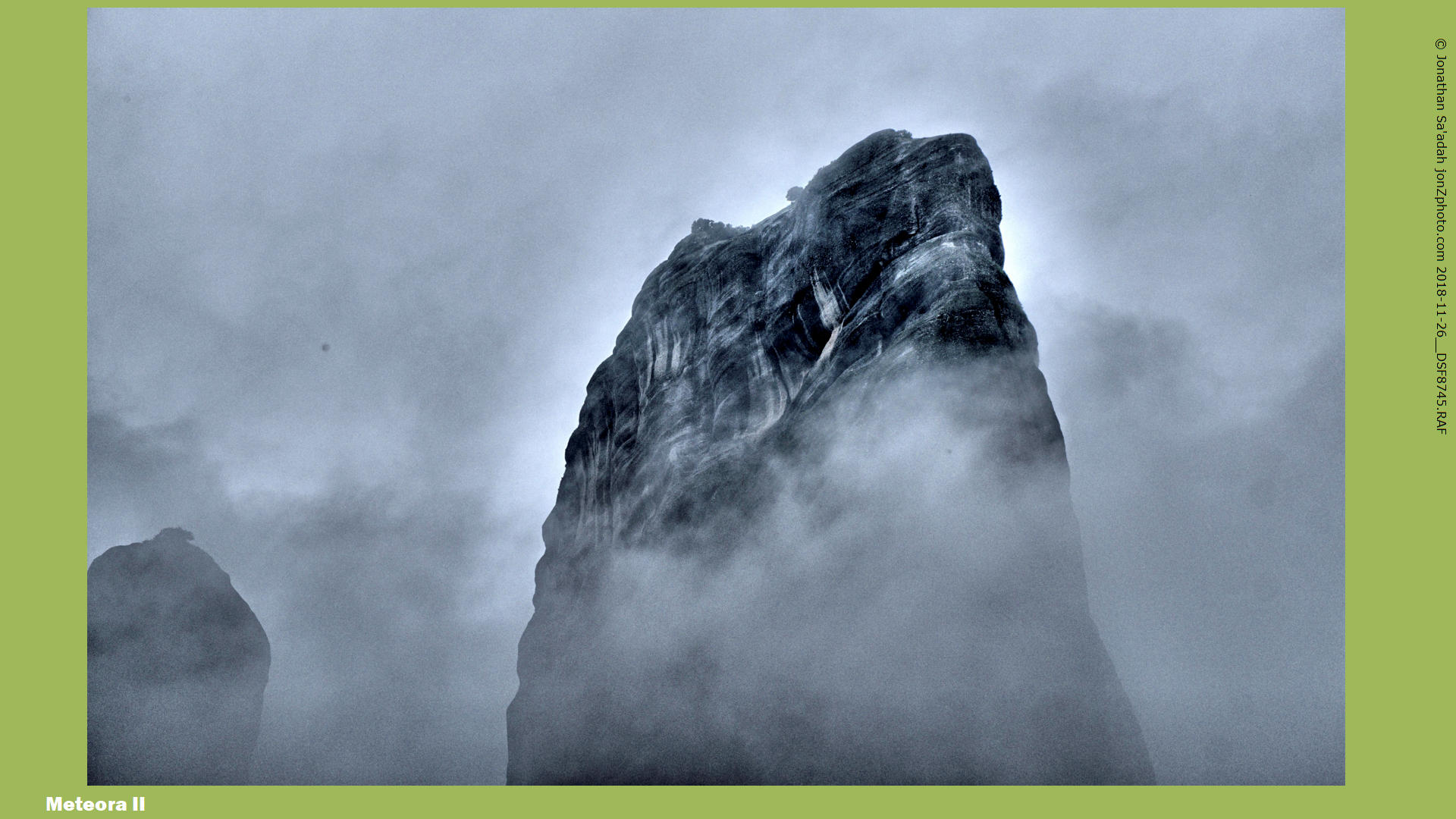
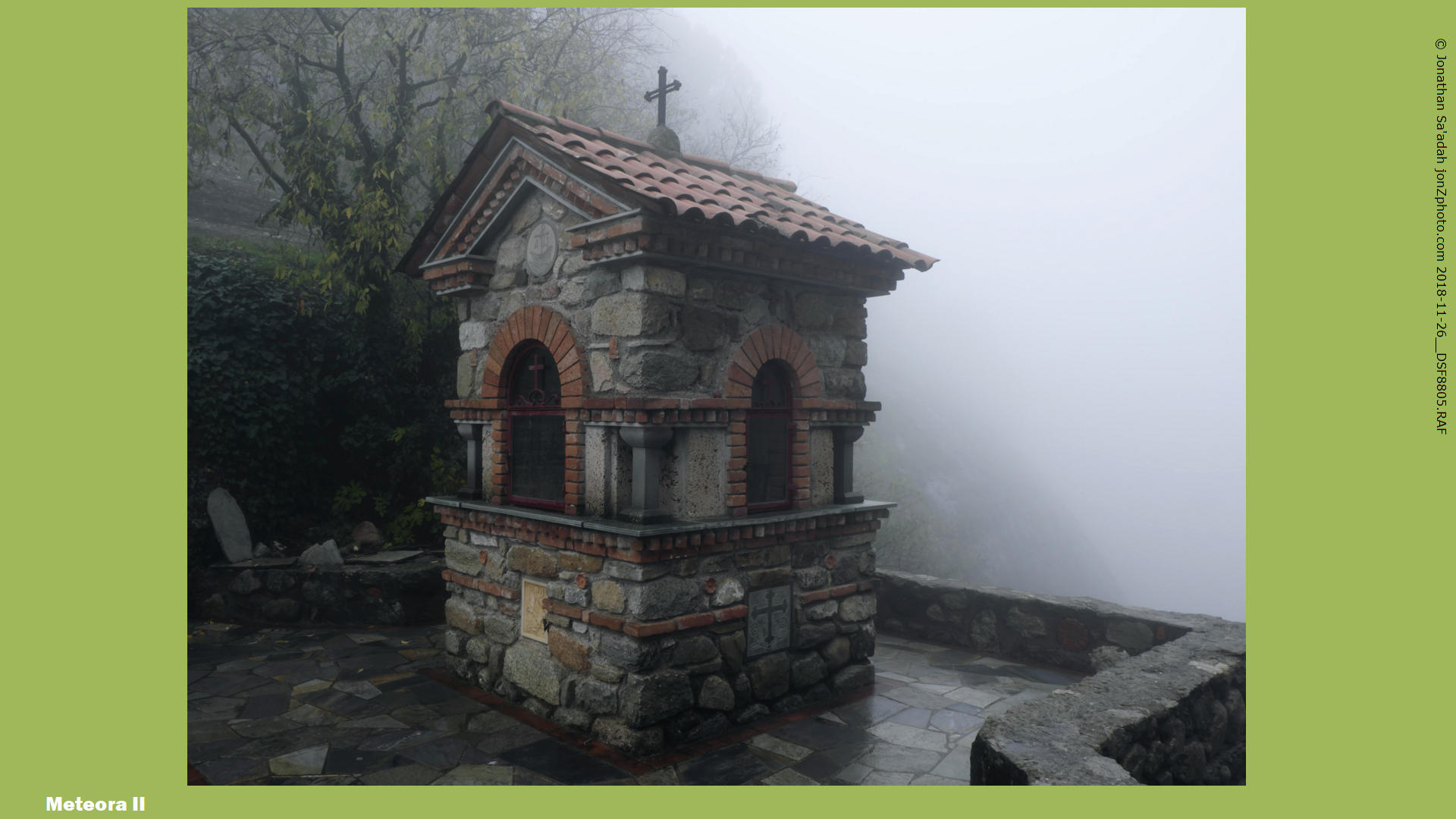
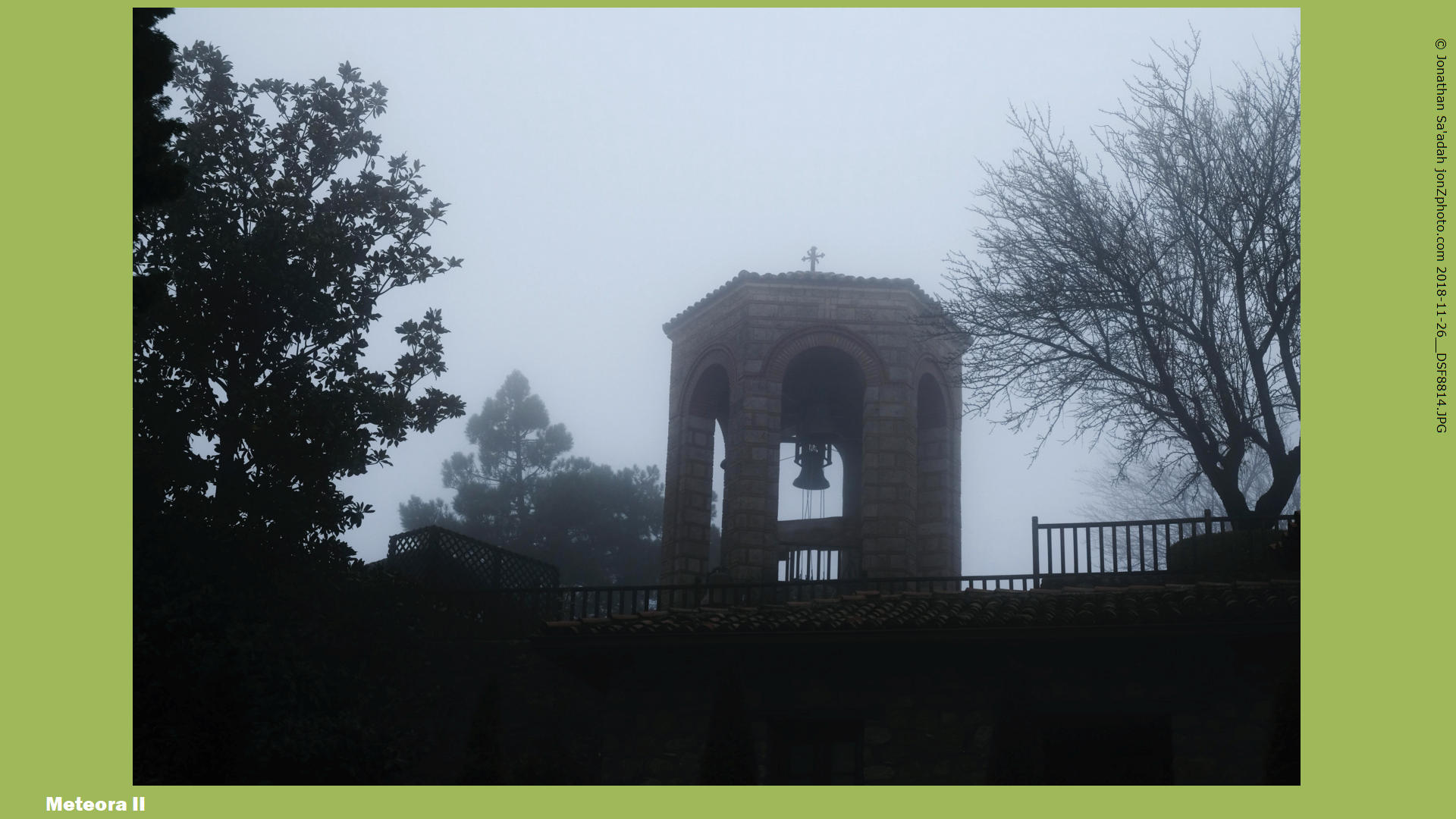
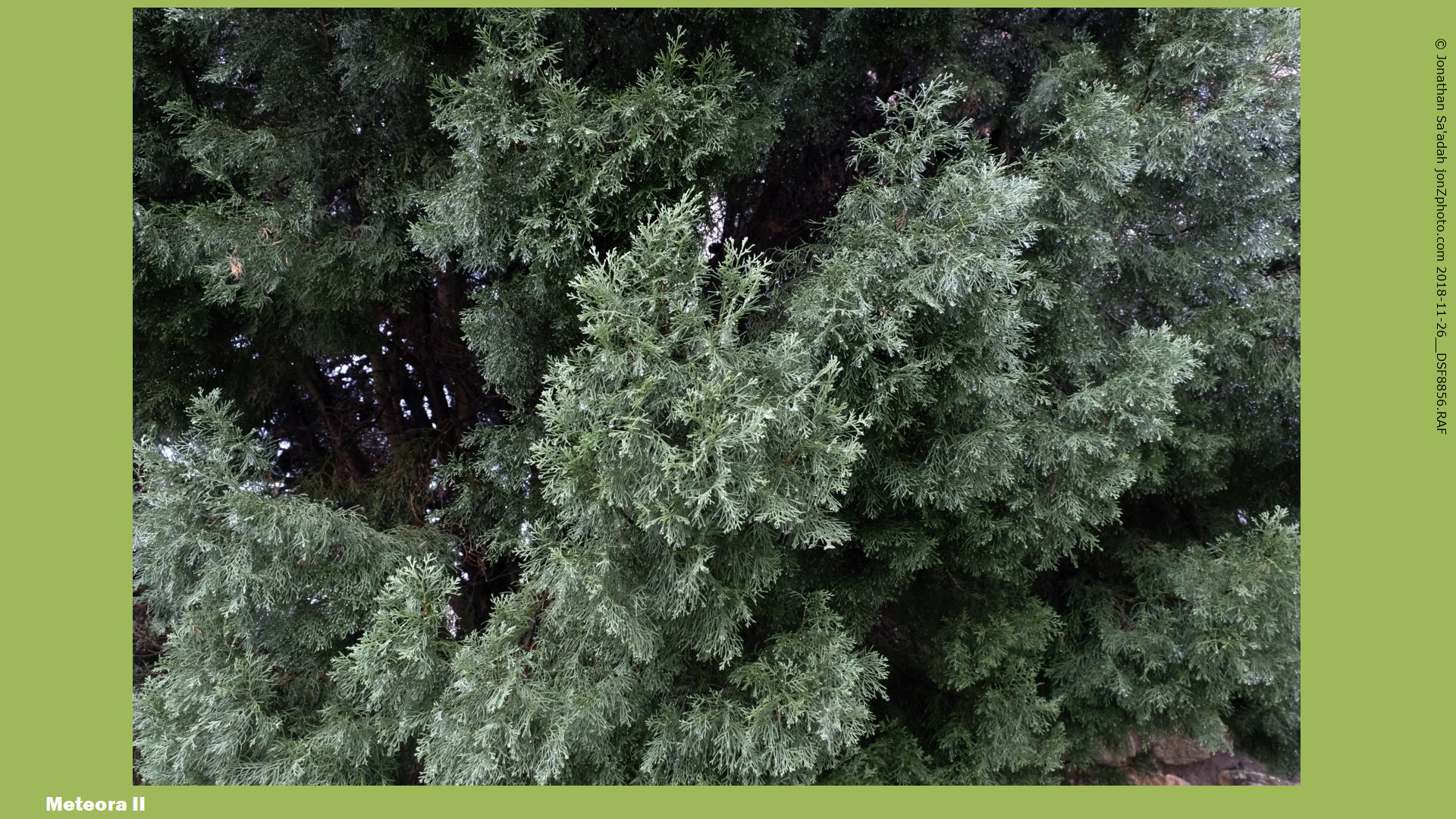
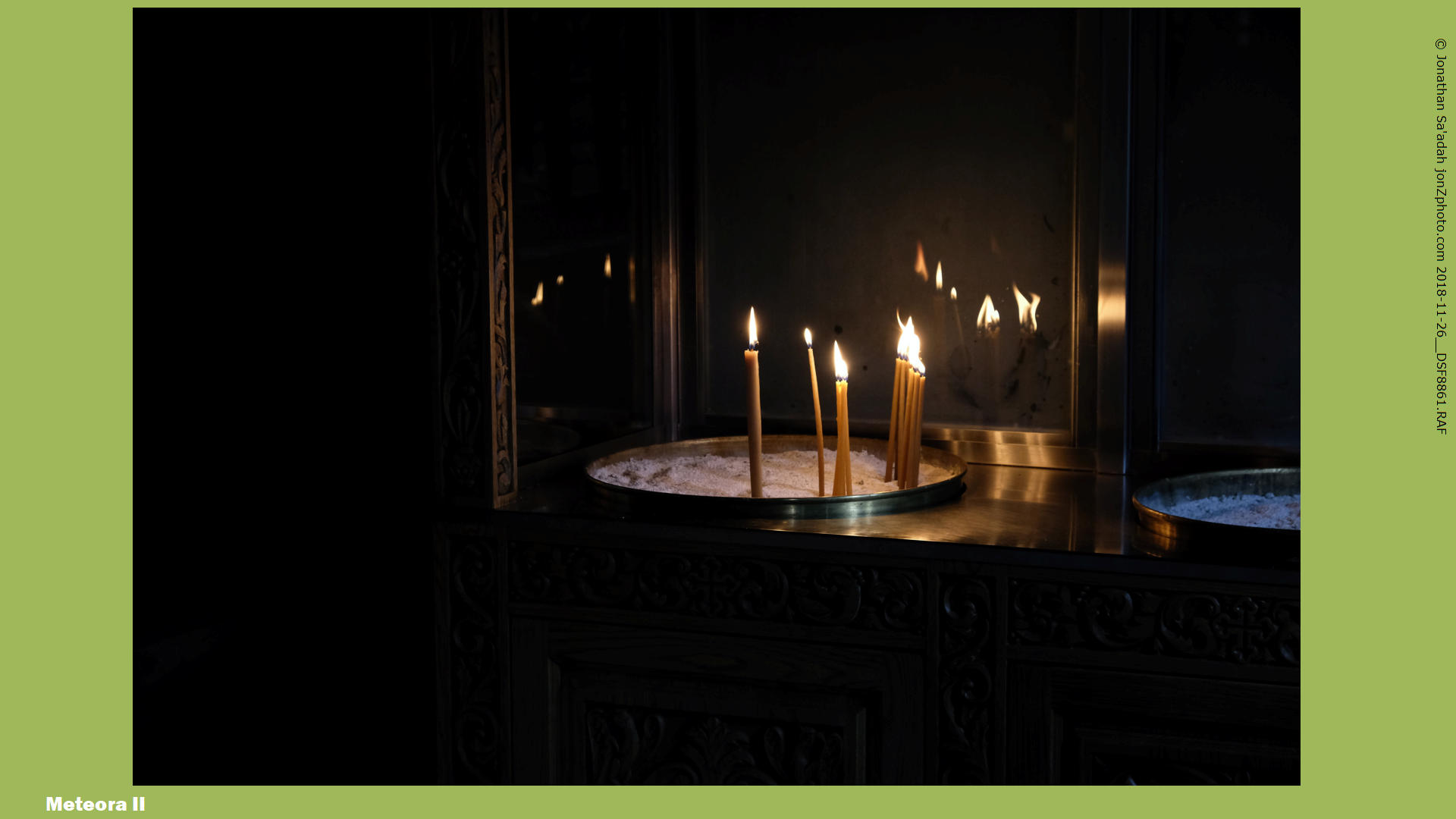
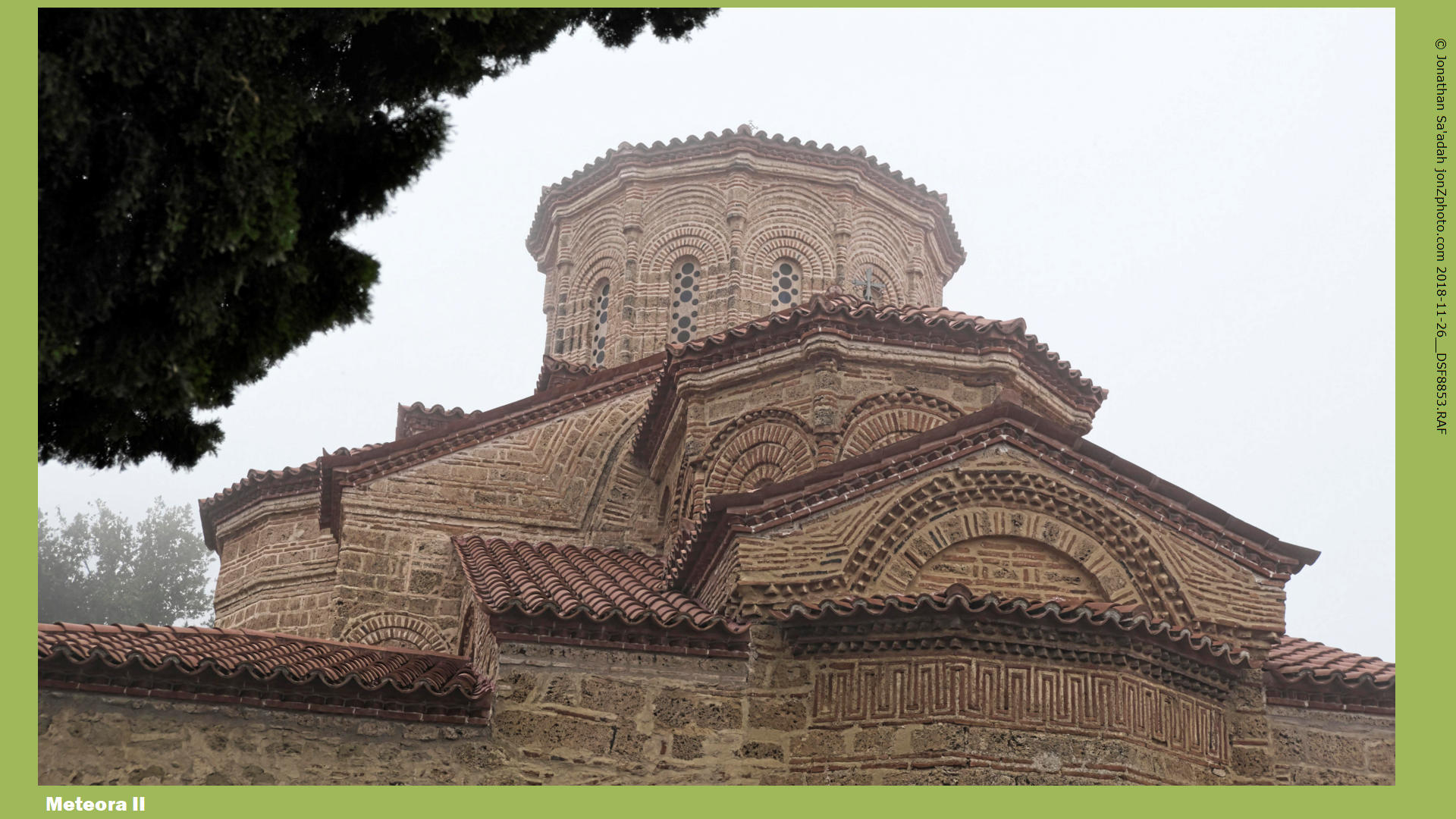
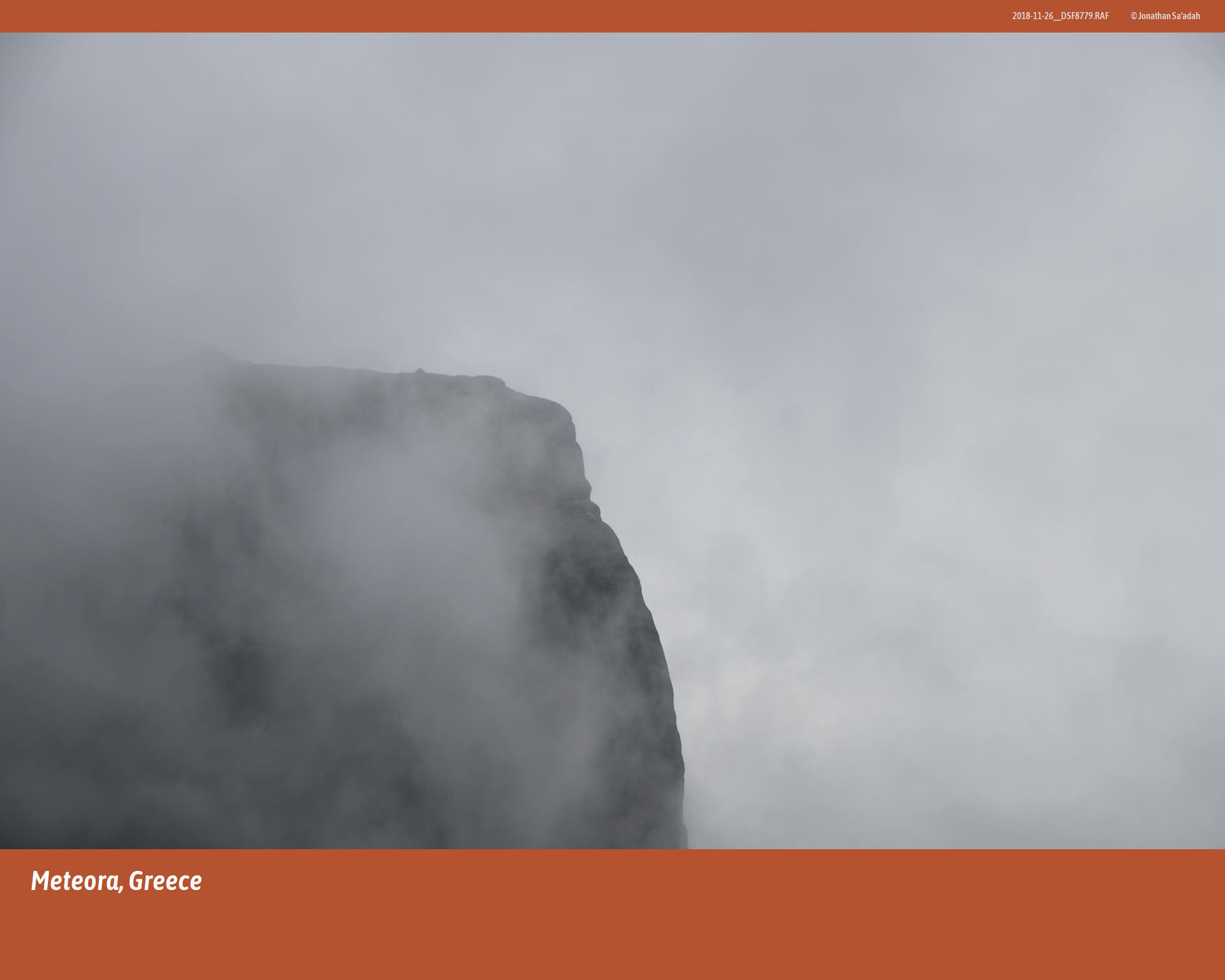
The fog rolls in before dawn, thick as wool and heavy with moisture. It slides down the stone towers of Meteora, wrapping itself around ledges, dripping from the pine needles, muting the world into a hush. The monastery bells sound closer in this weather, their slow toll absorbed by the air before it can echo off the cliffs.
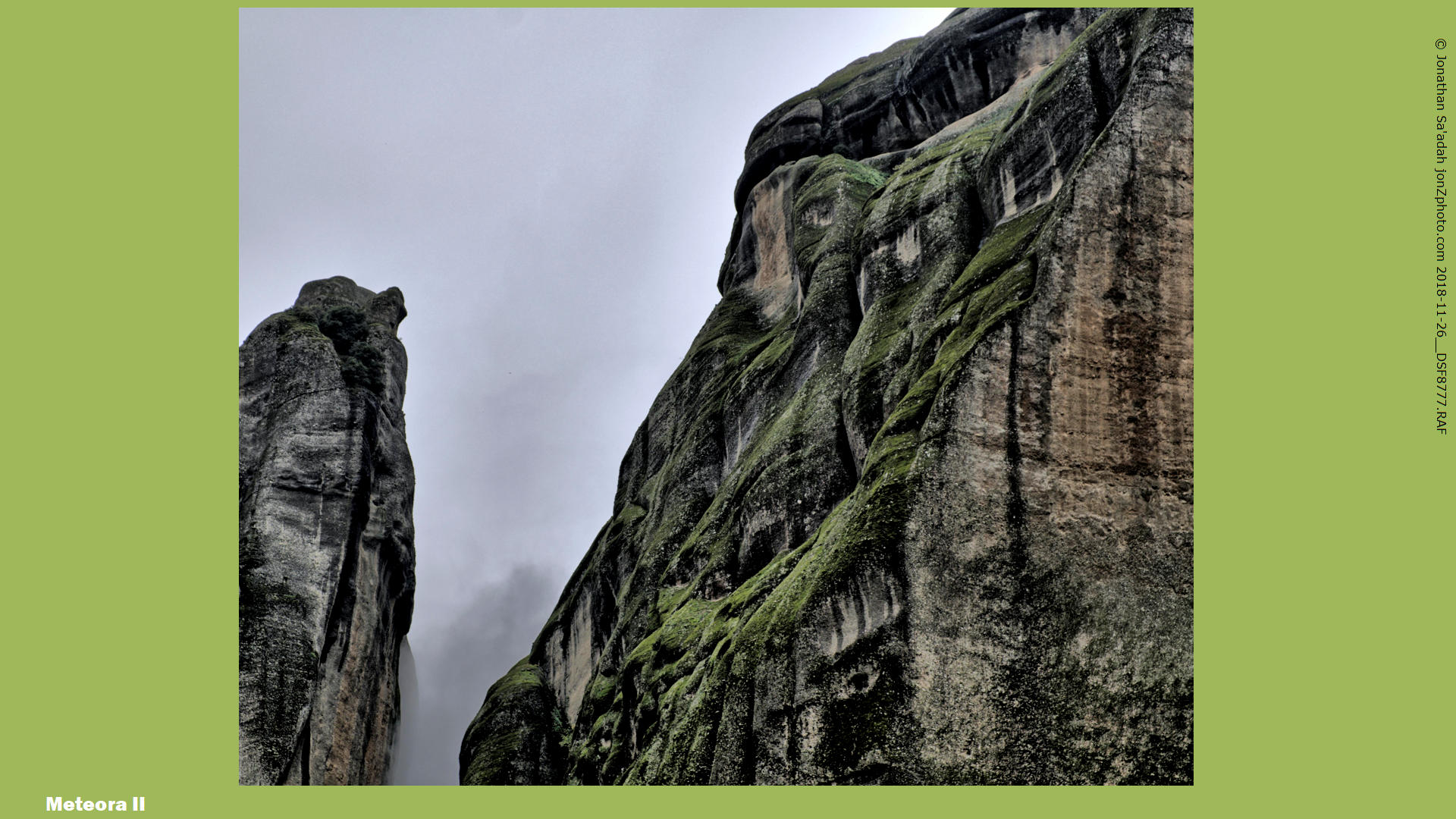
The sandstone smells damp and raw, its ancient layers darkened almost to bronze. Steps cut into the rock are slick; your hand finds the cold iron of the rail, wet to the touch. Even your breath feels visible here, joining the drifting mist that curls across the paths. From below, the valley disappears entirely—there is no distance, only the whiteness that erases edges and scale.
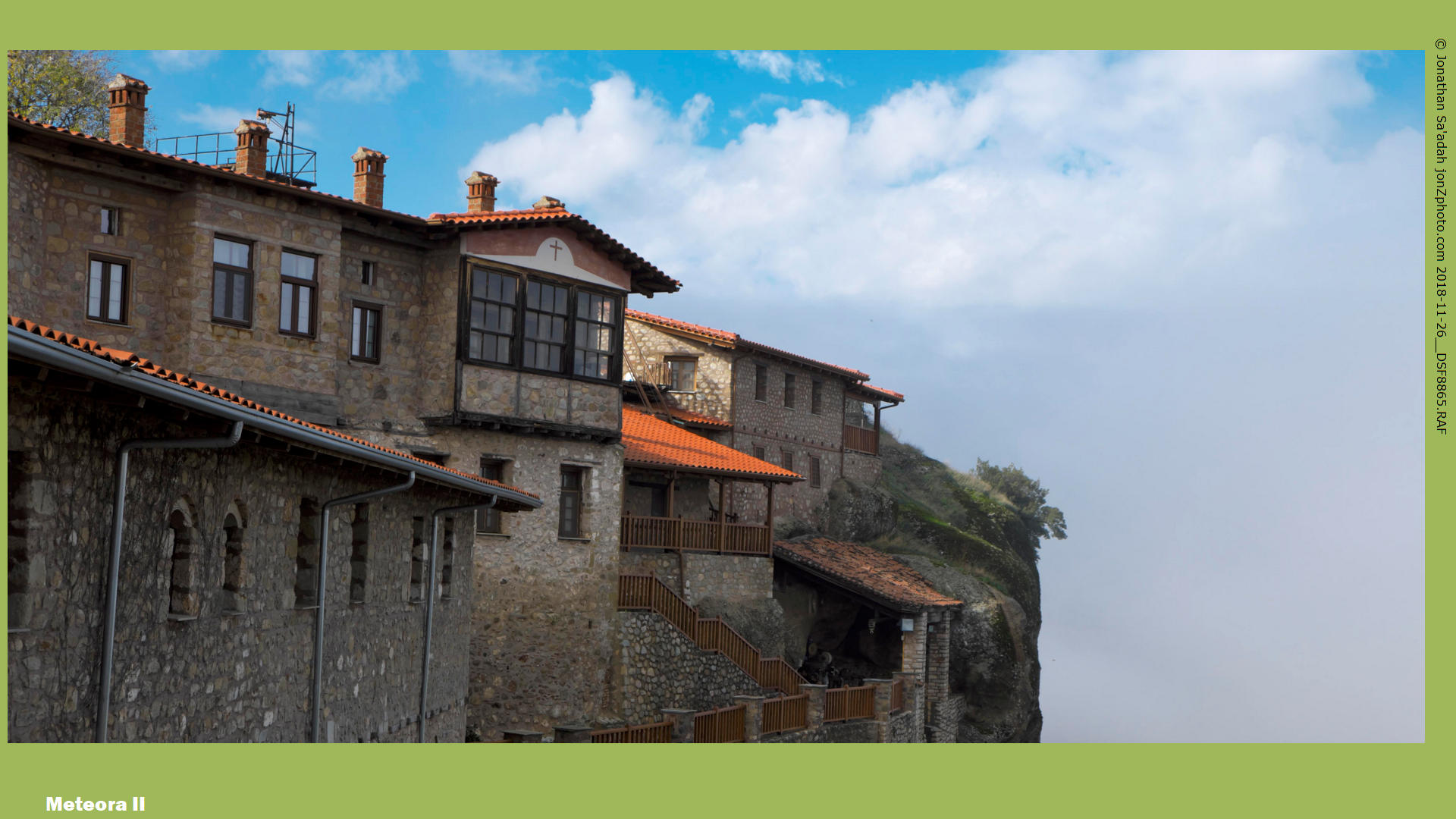
When the fog begins to thin, it leaves beads of water on every surface: railings, ferns, camera lenses. A patch of blue cracks open above one monastery roof, sudden and startling. For a few seconds, the whole landscape gleams—stone, sky, and lingering veil of fog turning silver together, as if the world were exhaling after holding its breath all morning.
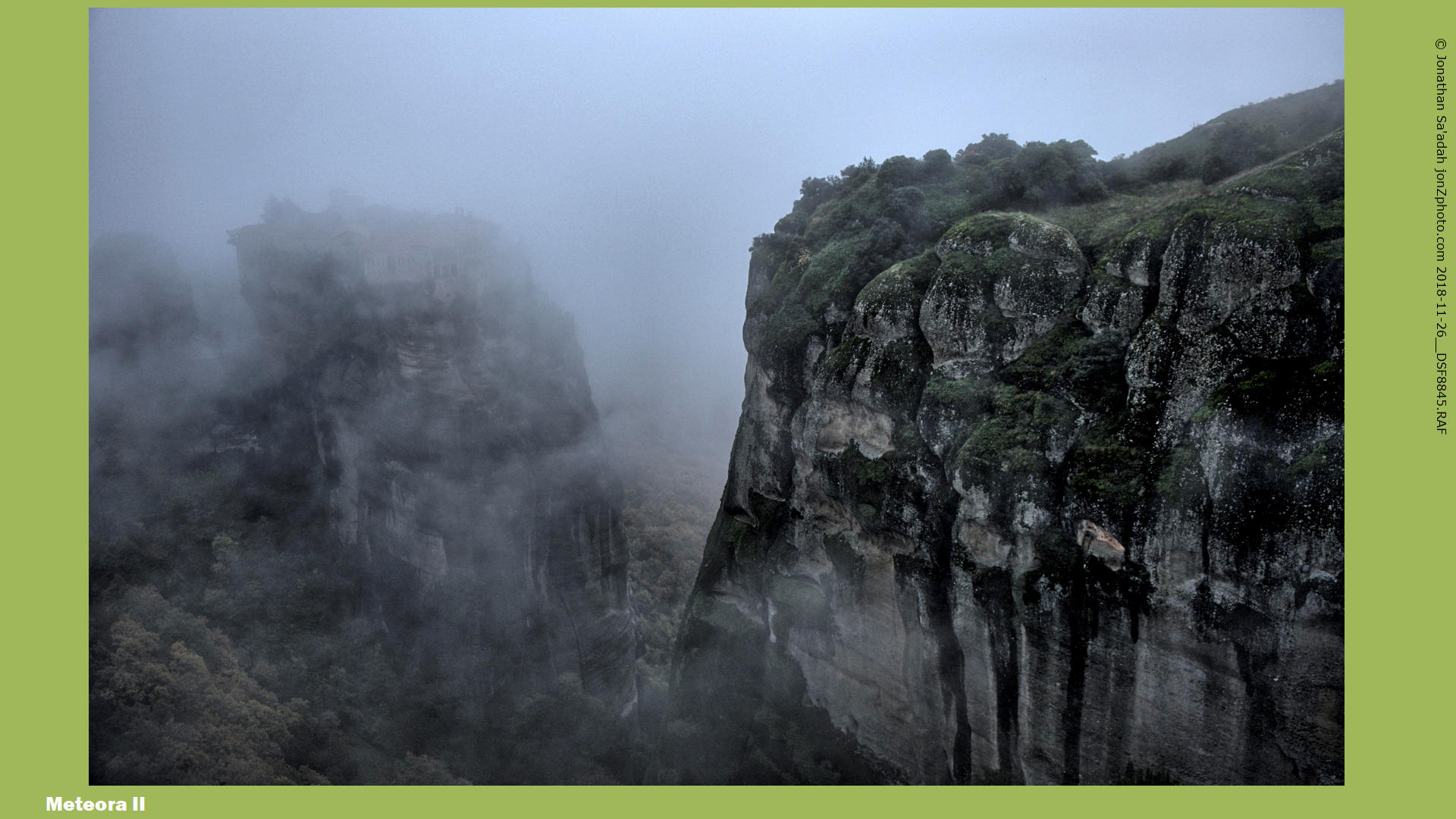
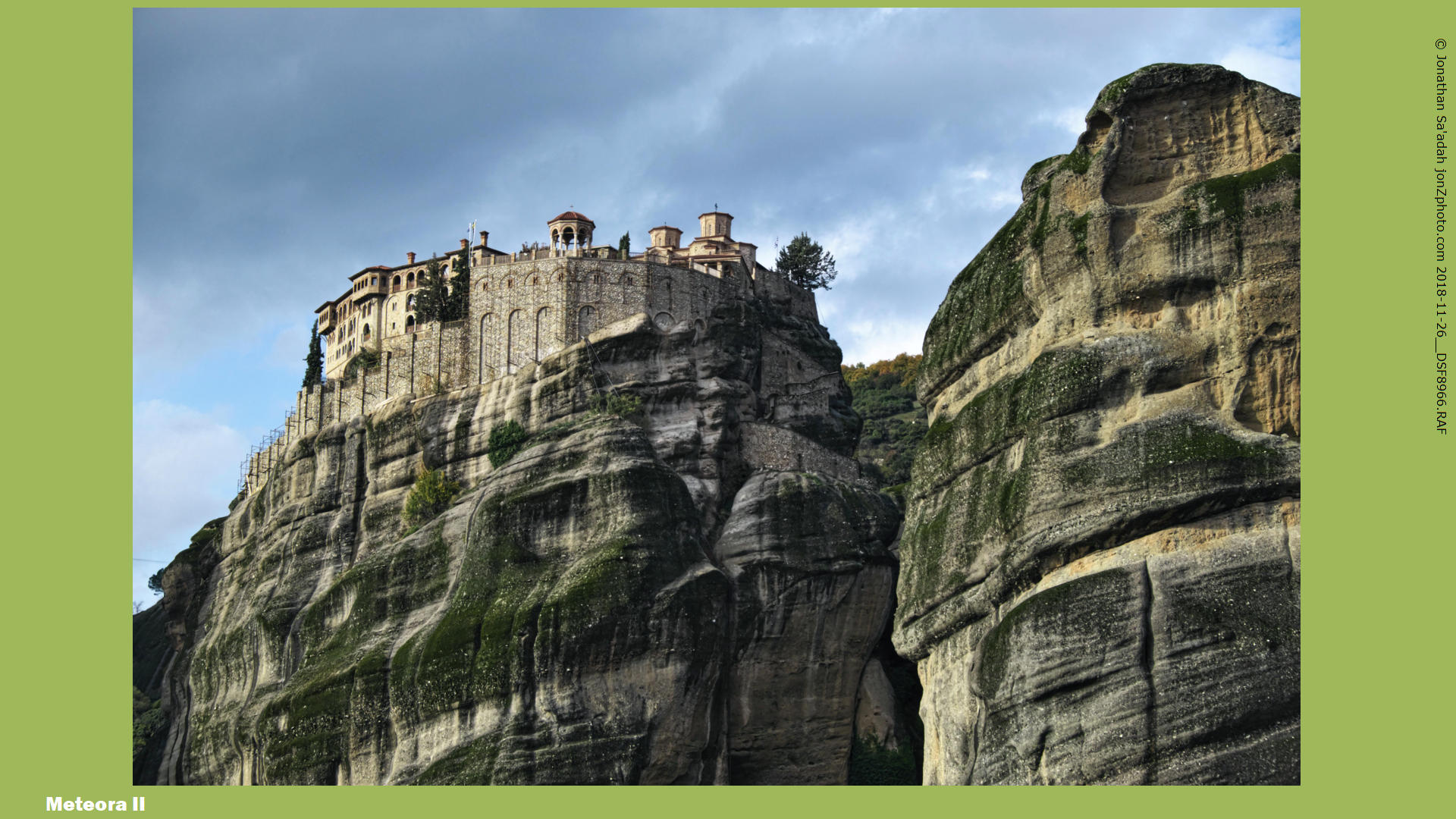
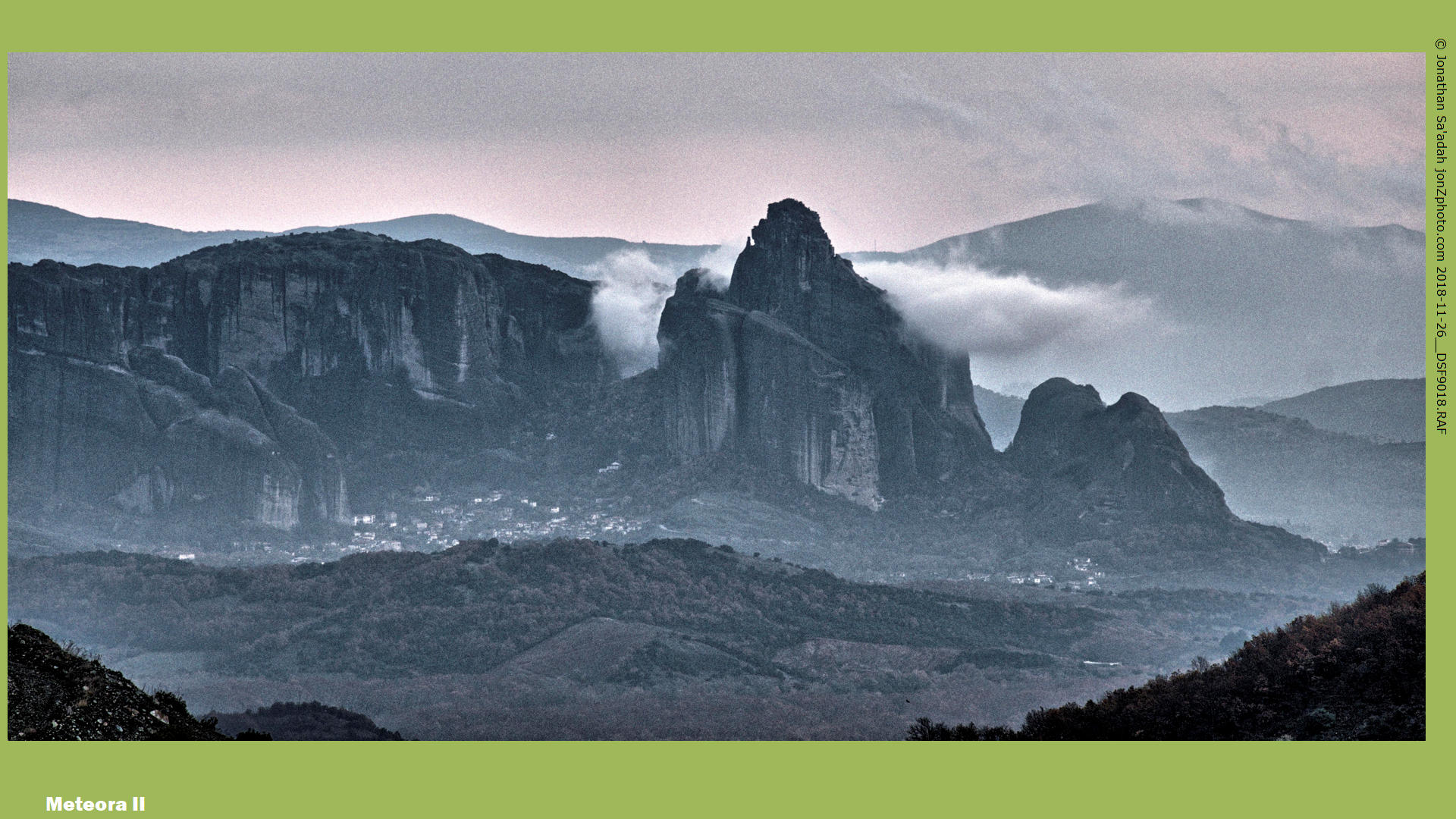
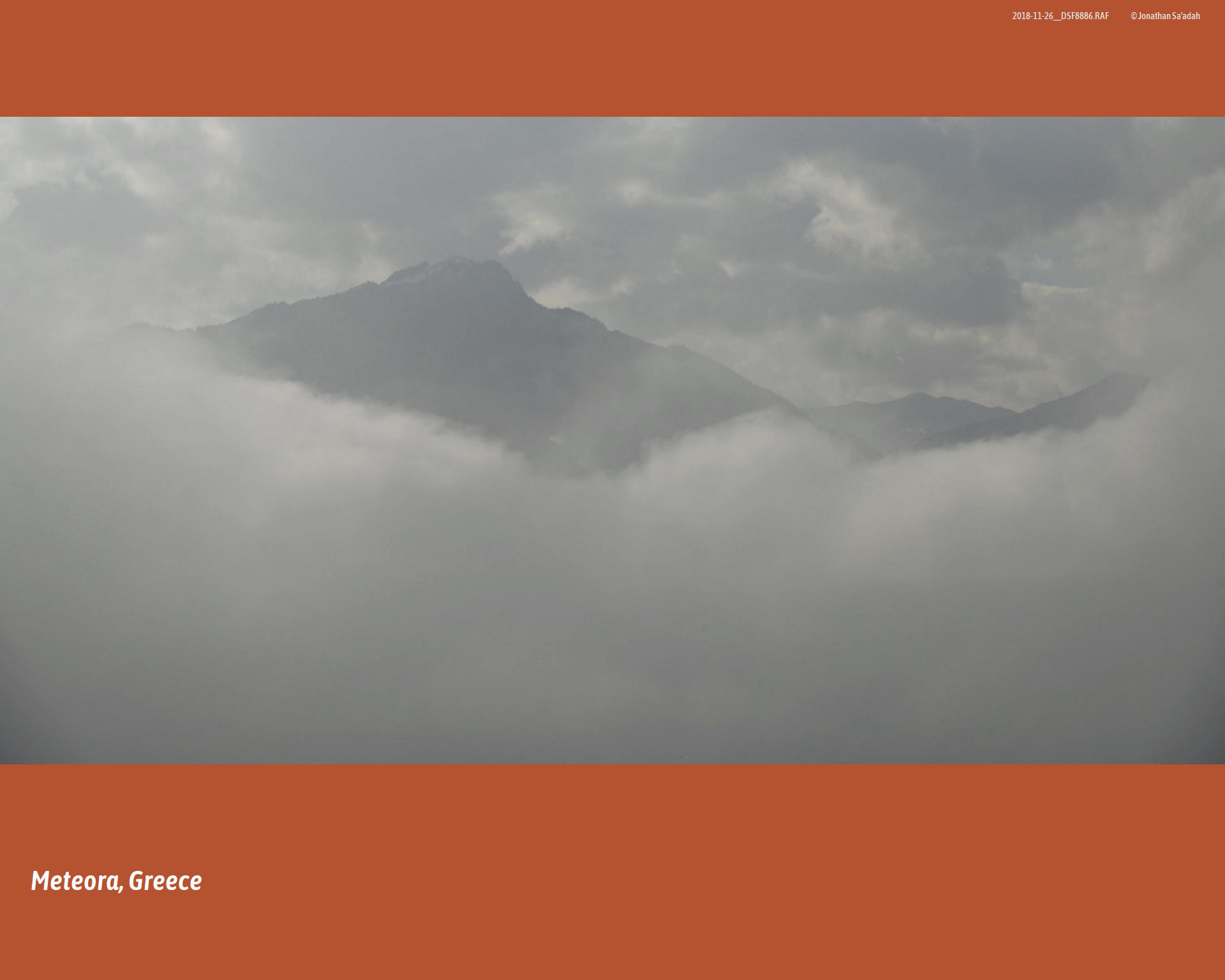
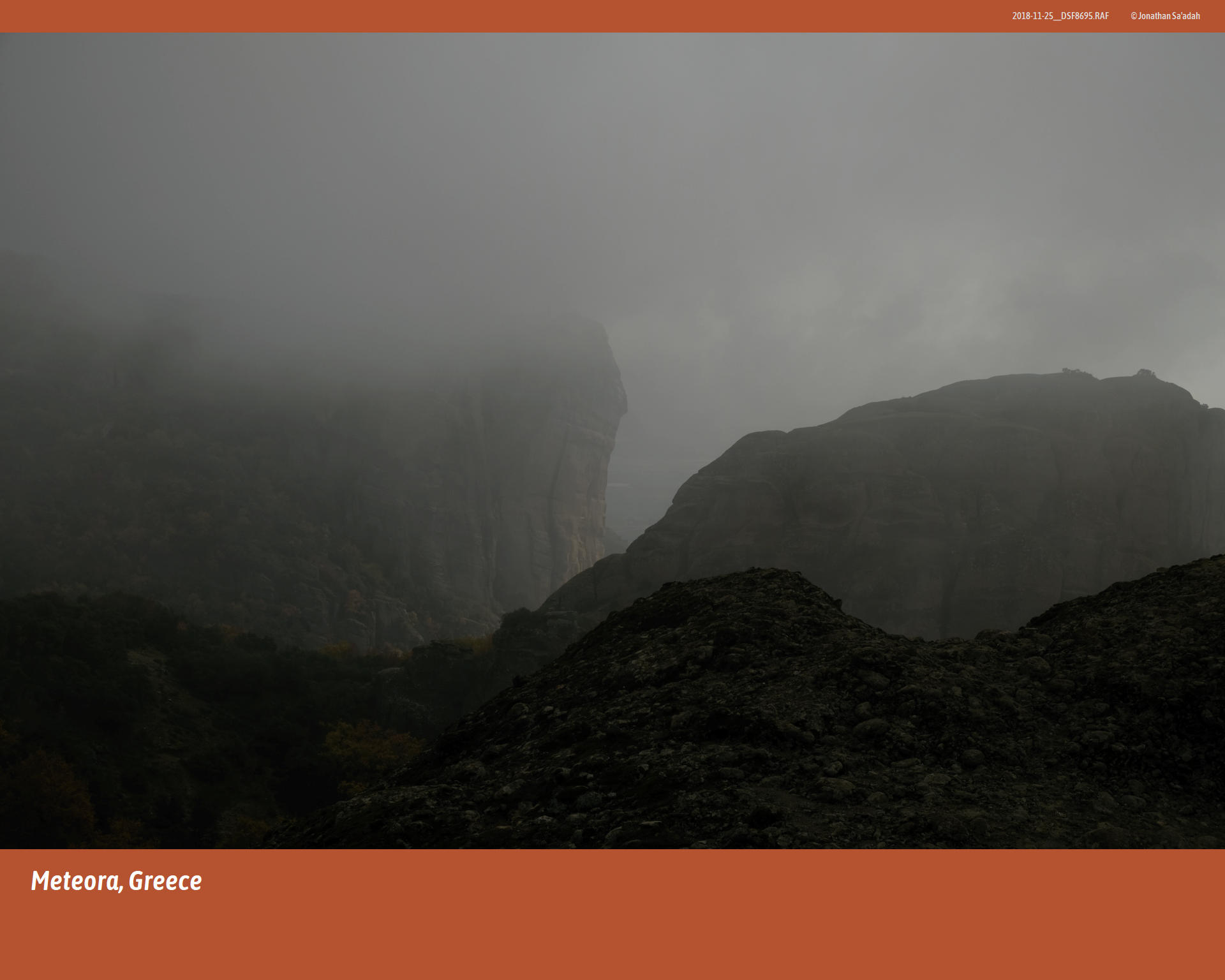
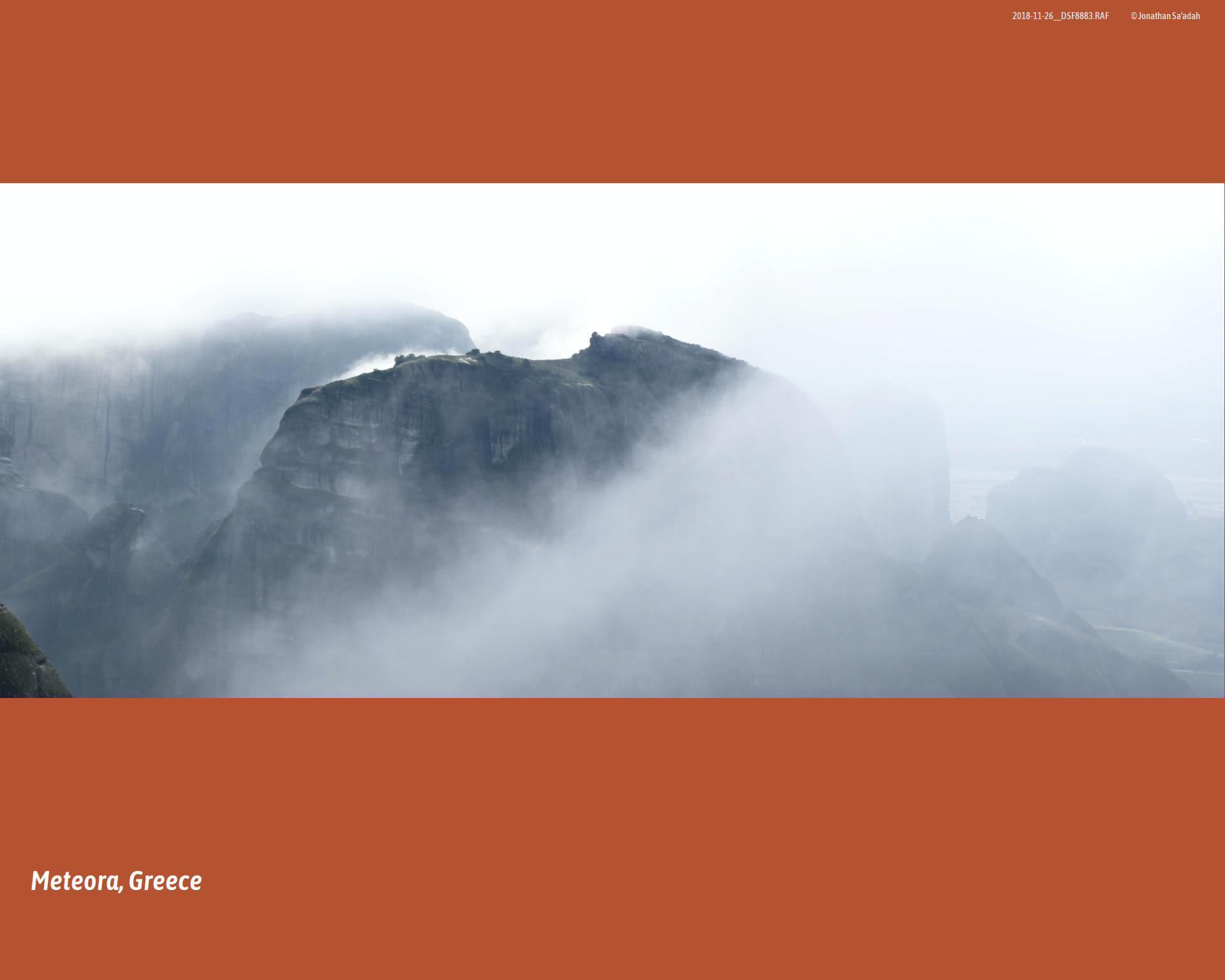
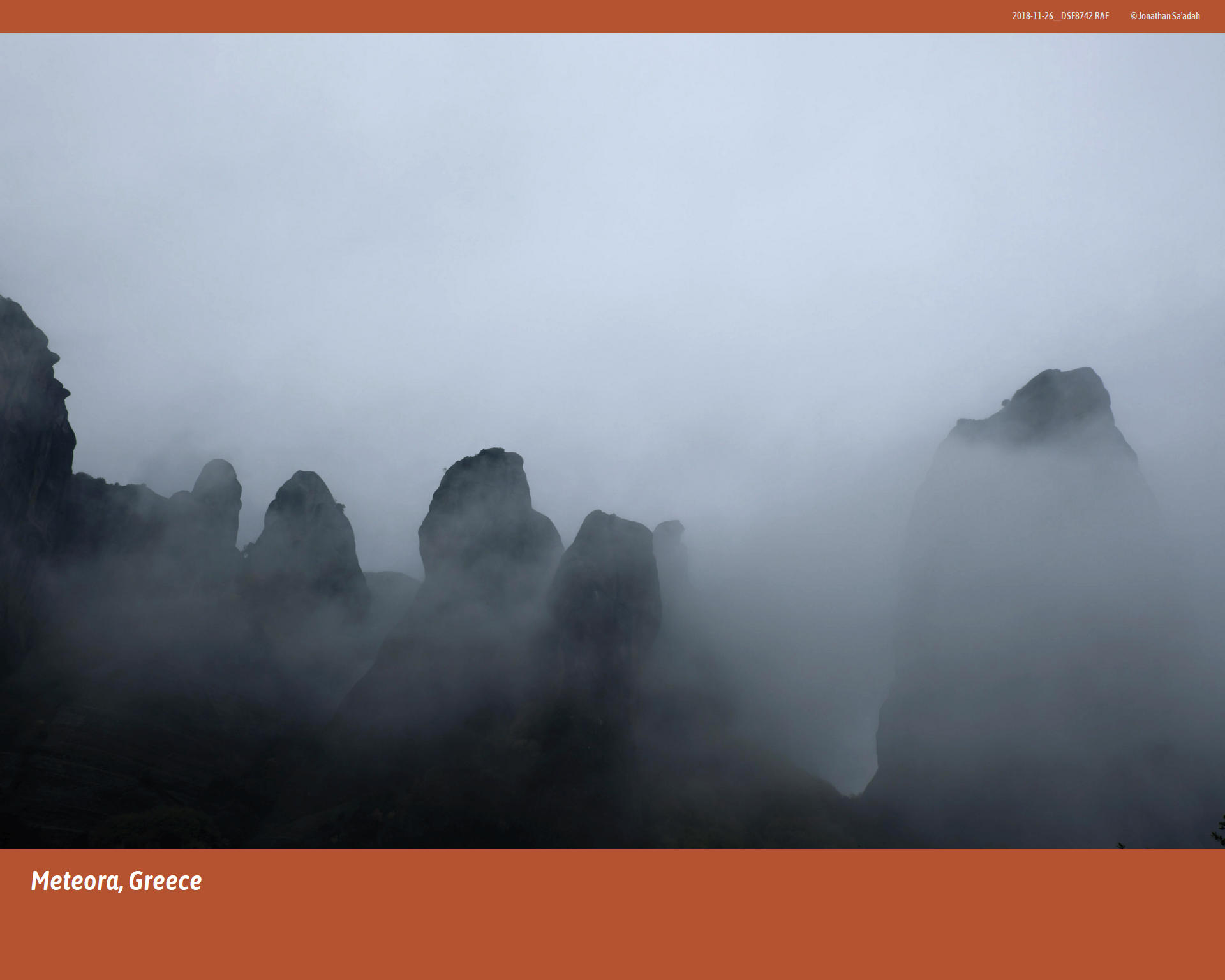
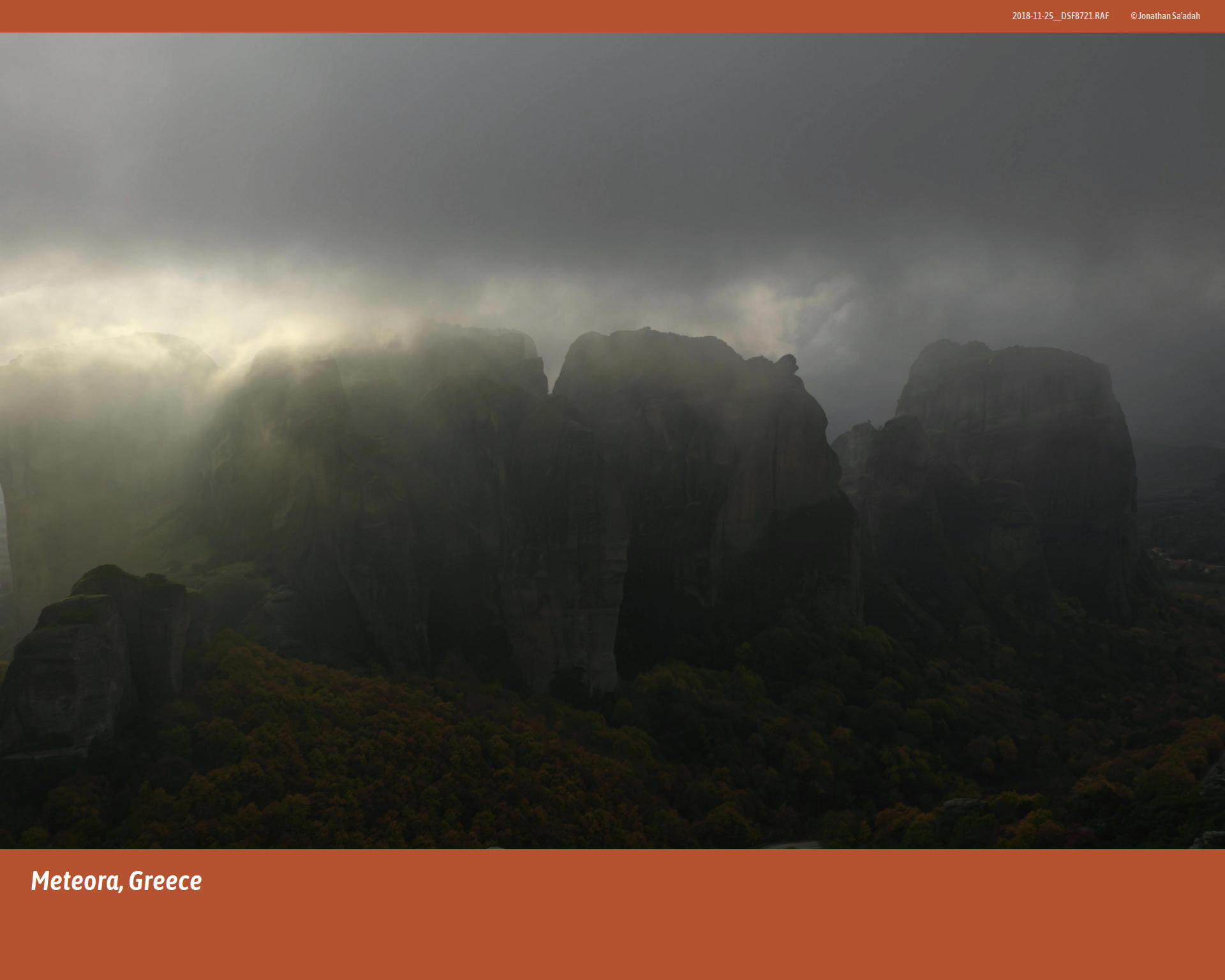
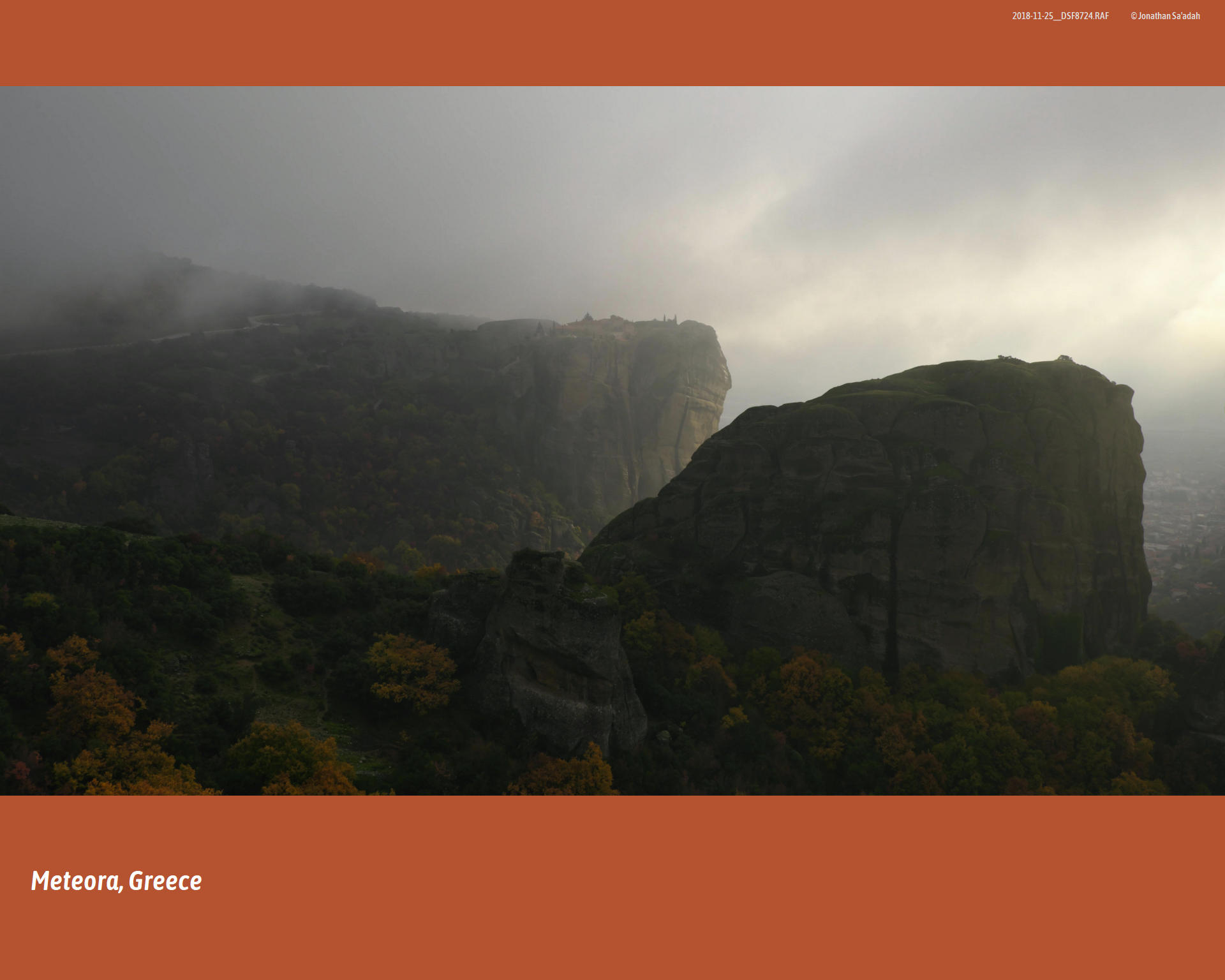
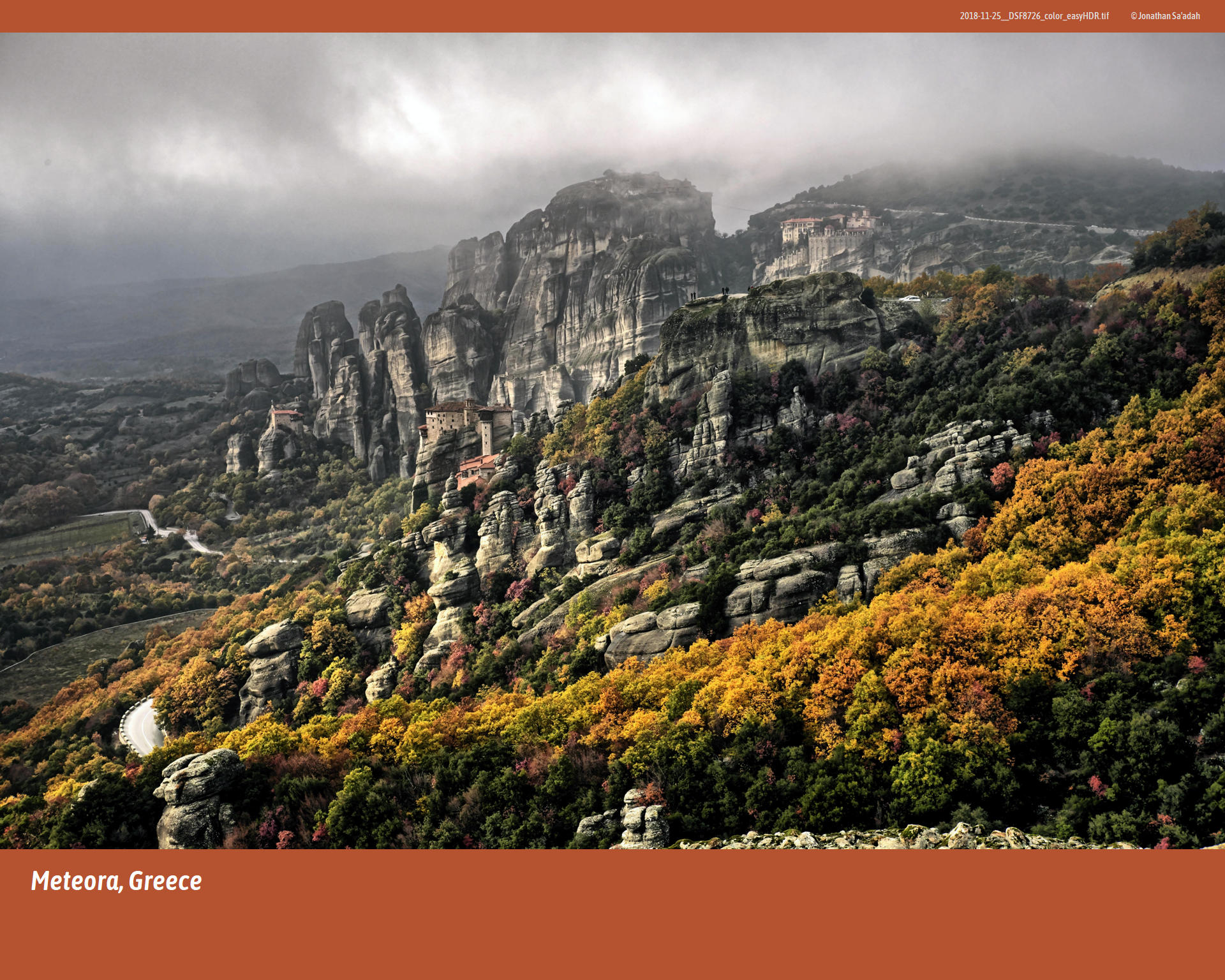
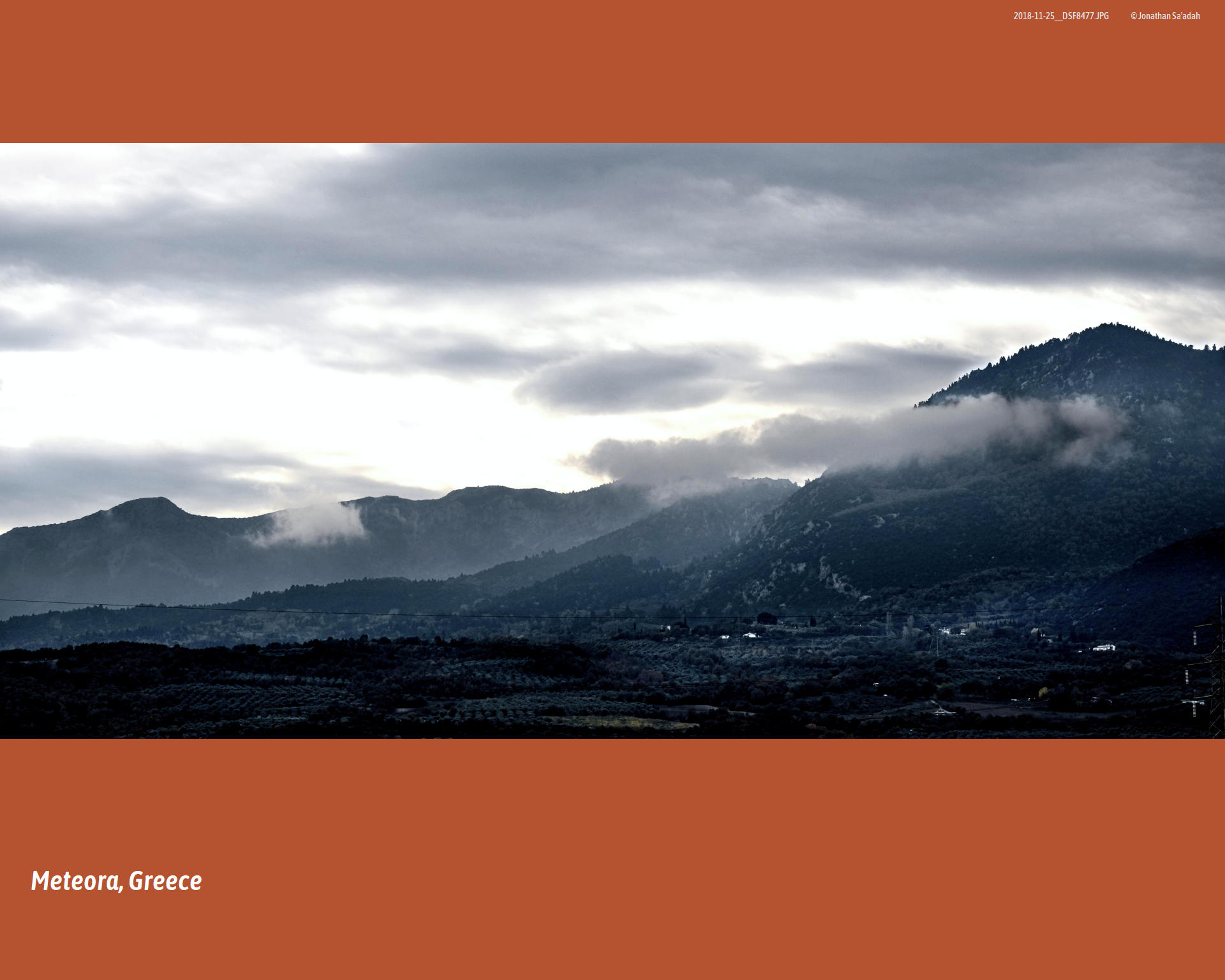
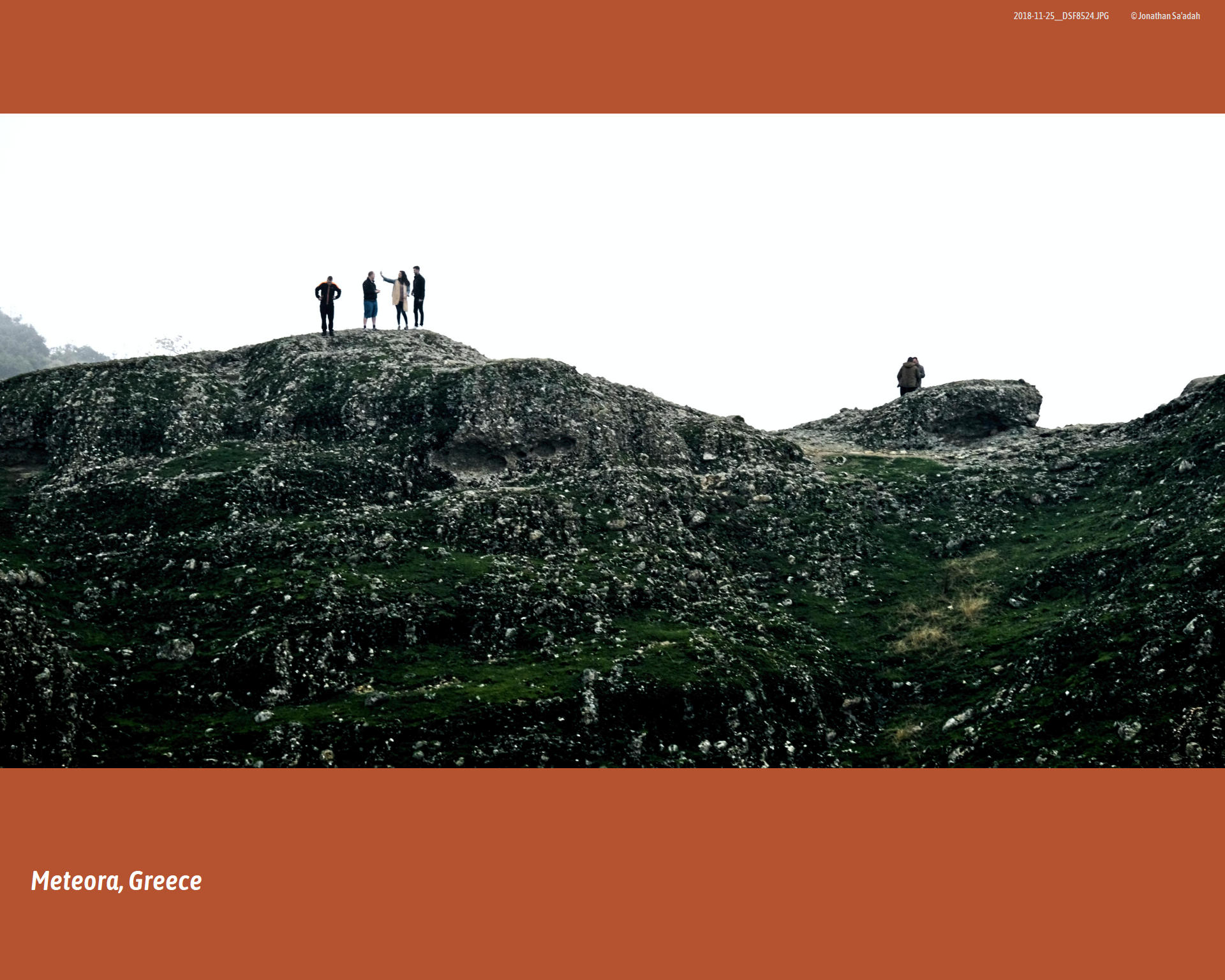
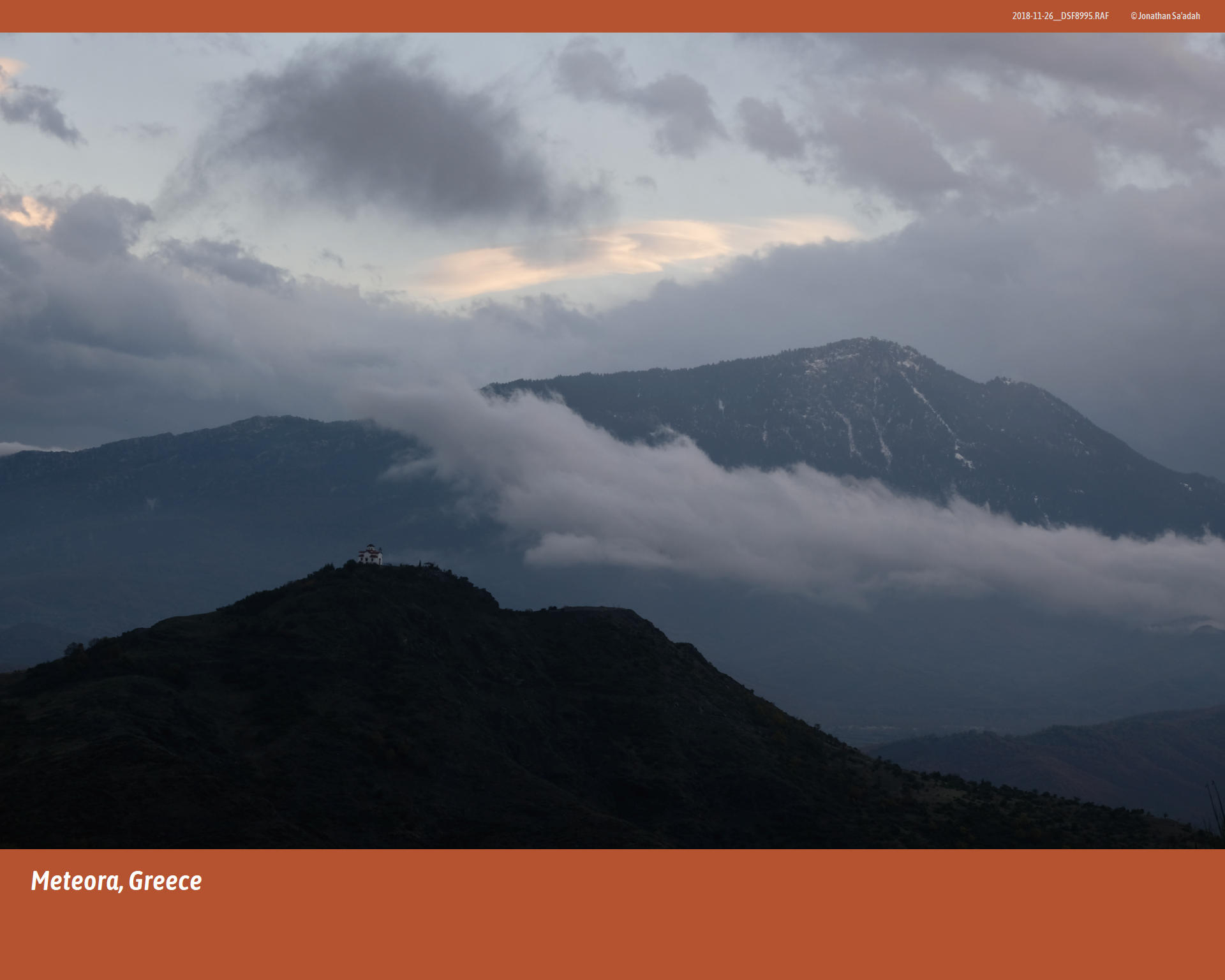
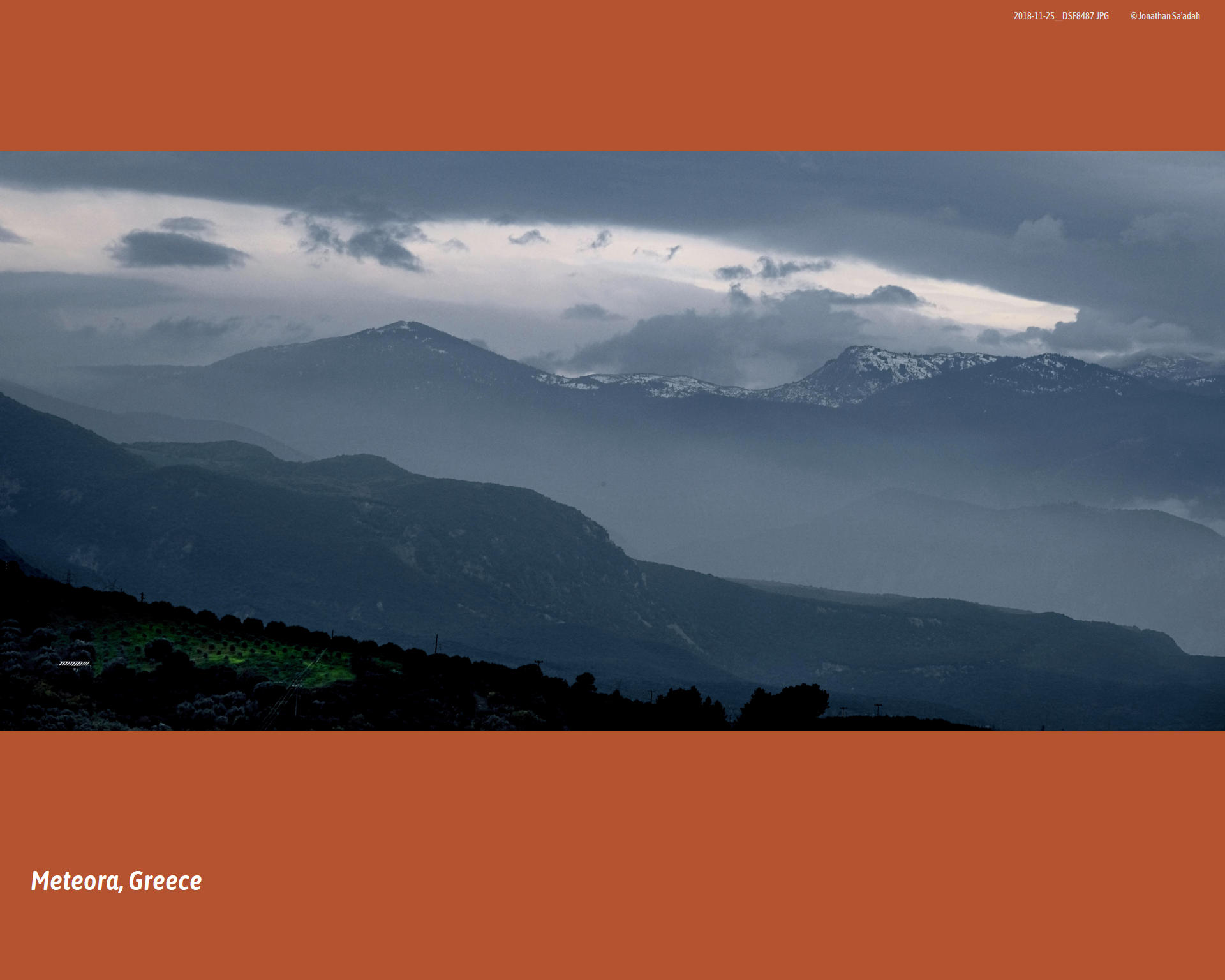
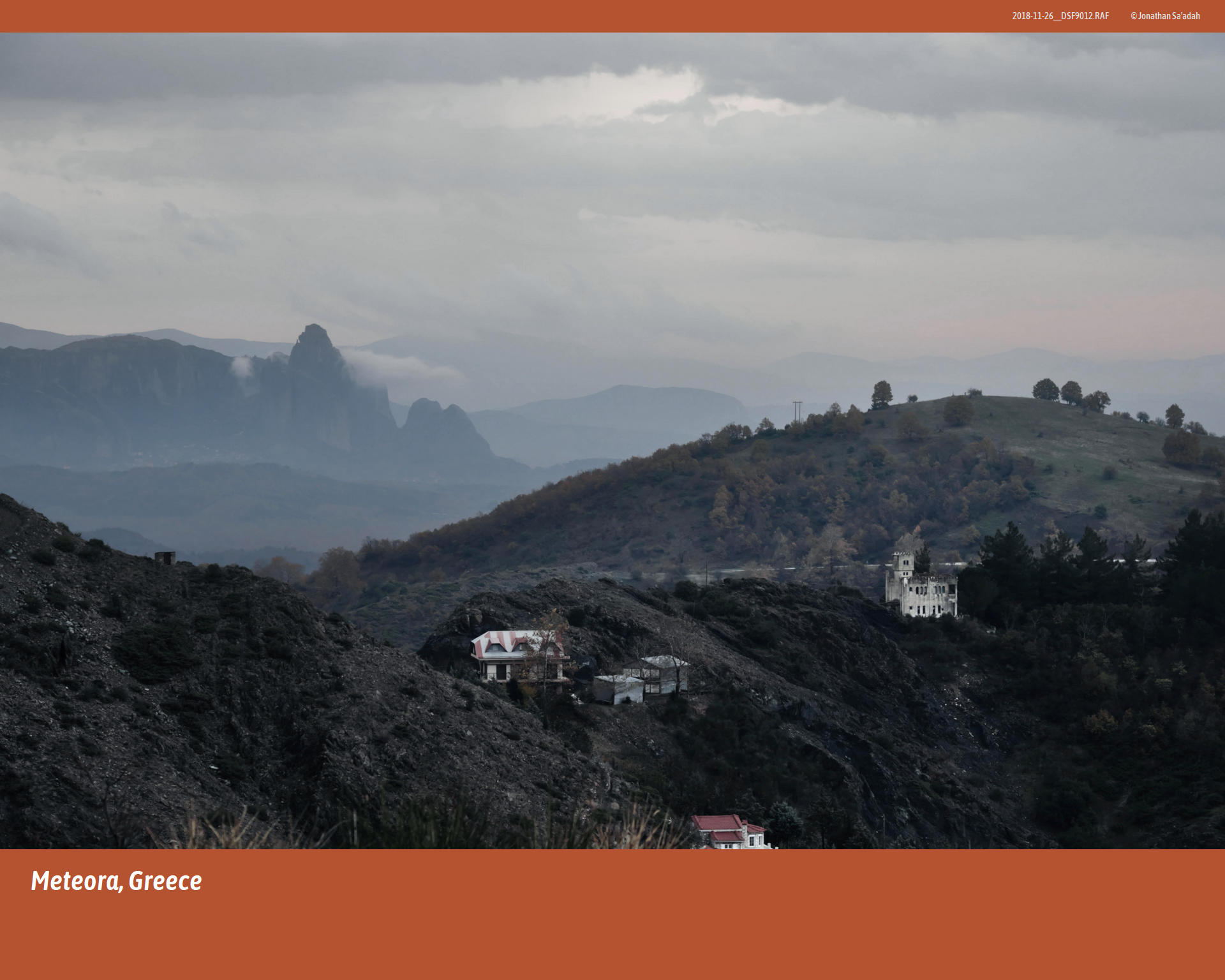
We had come to see Meteora on a misty morning in November, 2018. The ground-hugging fog drifted like a low cloud across the Thessalian plain, swallowing the road ahead and the hulking silhouettes of rock that we knew were there but could not yet see. Somewhere above, the monasteries of Meteora – “suspended in the air,” as their name has been translated for centuries – waited in the whiteout, as they have since the first hermits began climbing into caves up there in the 11th century.
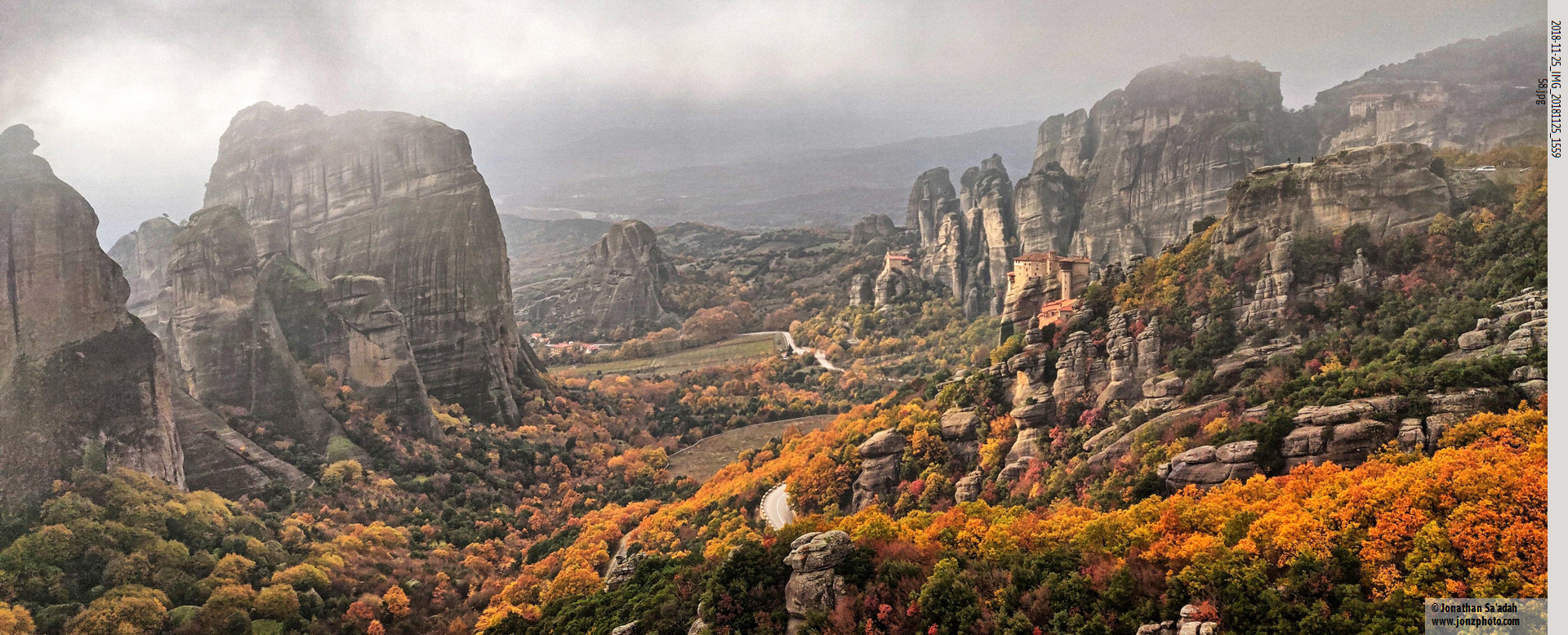
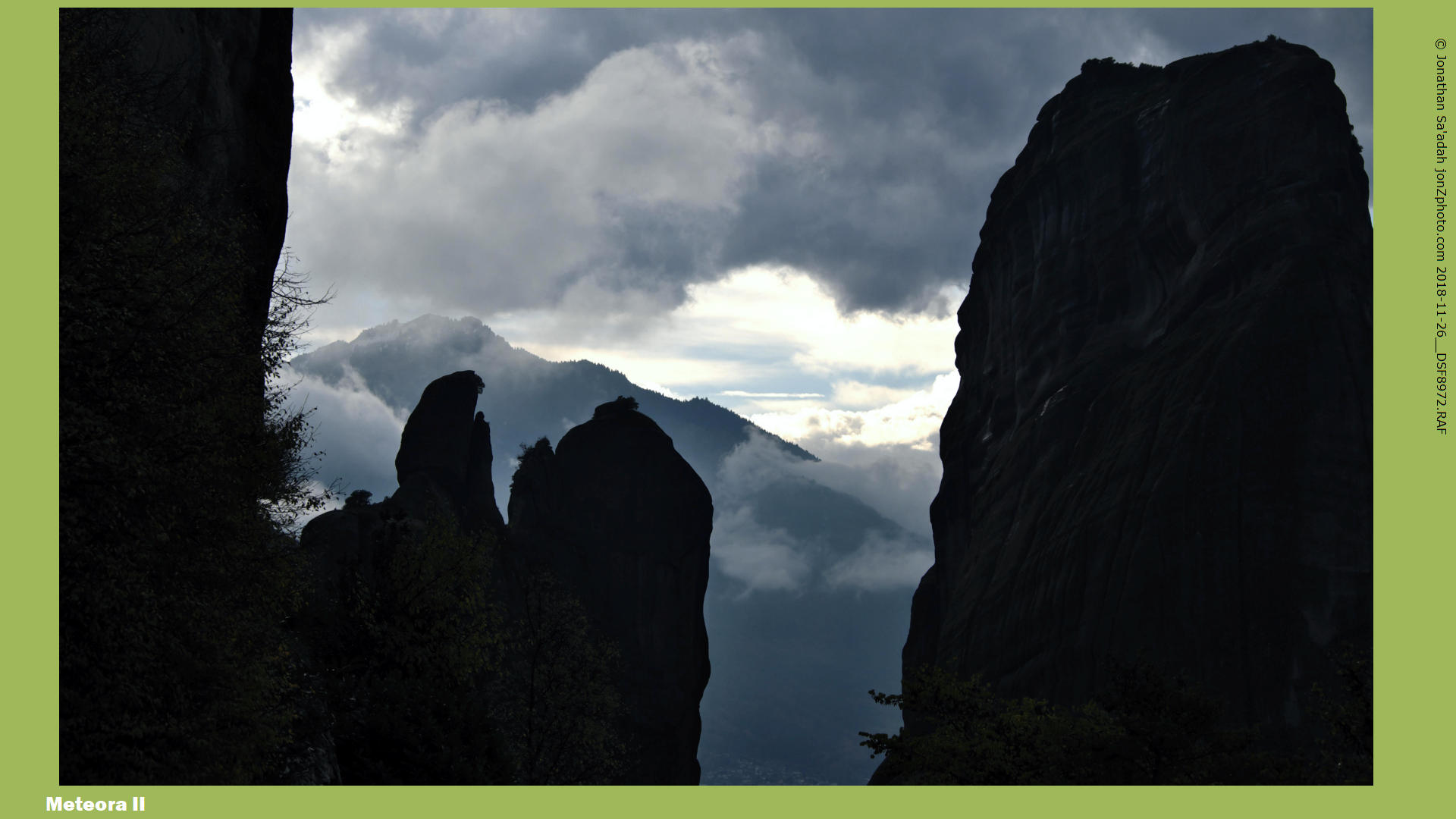
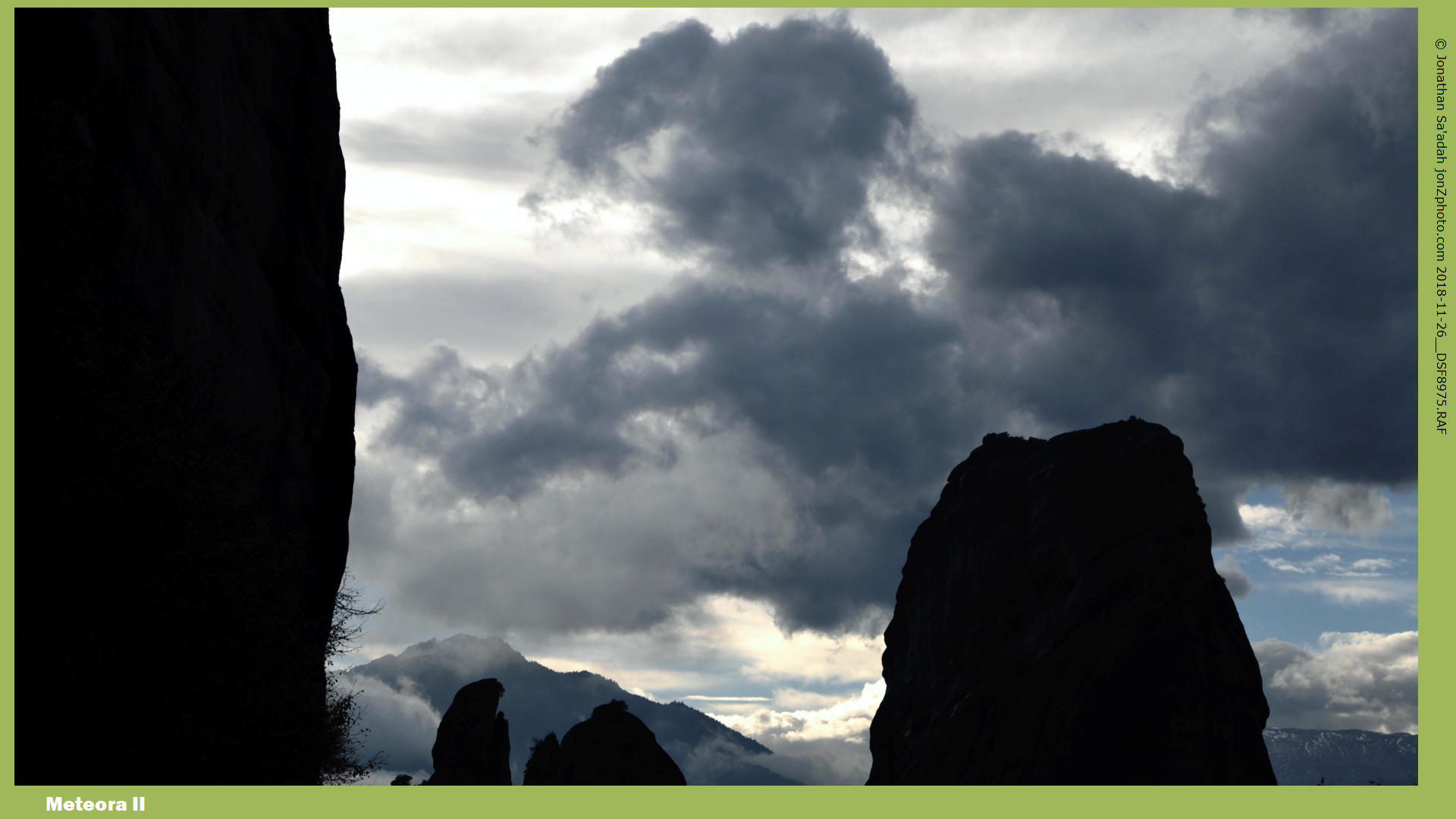
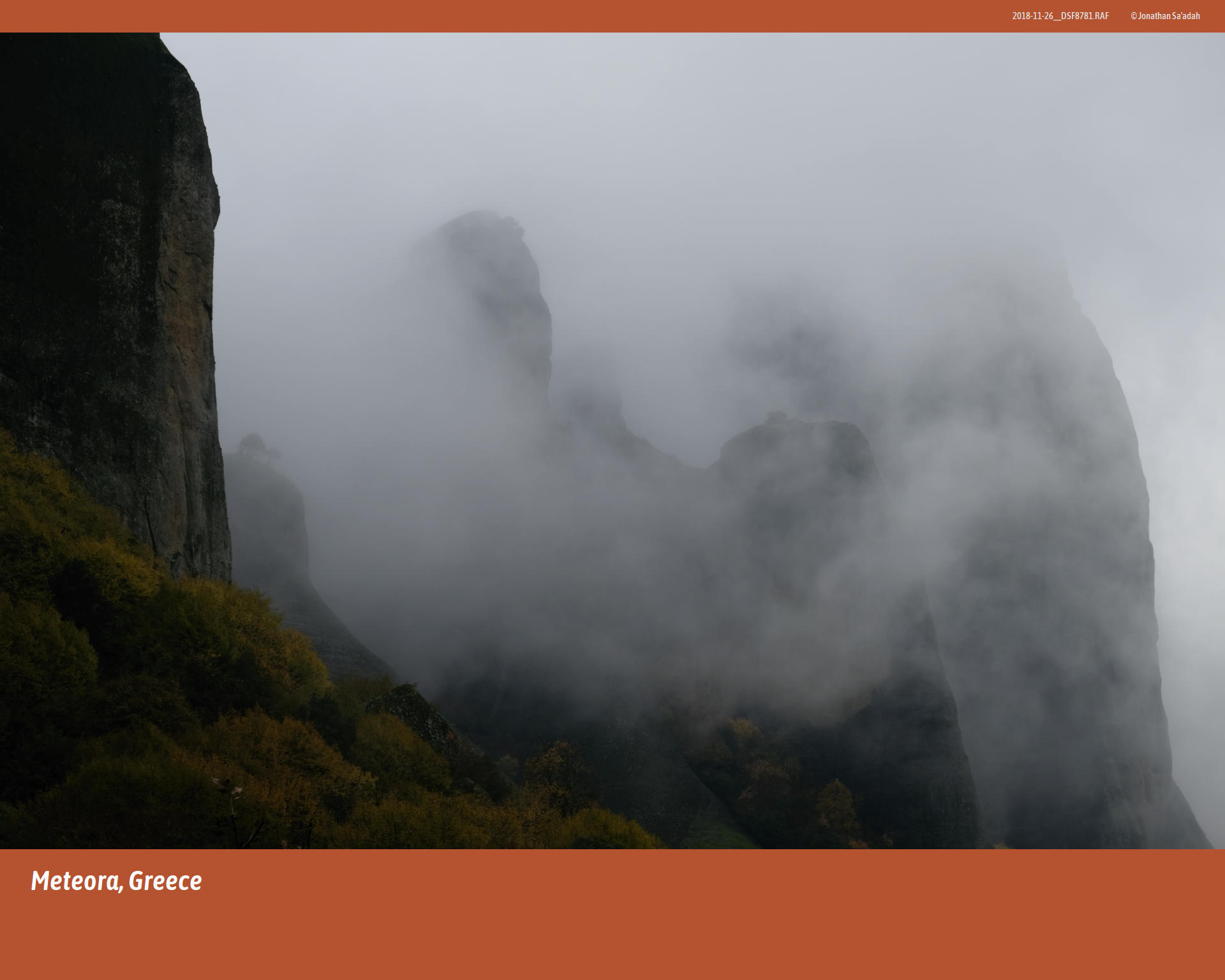
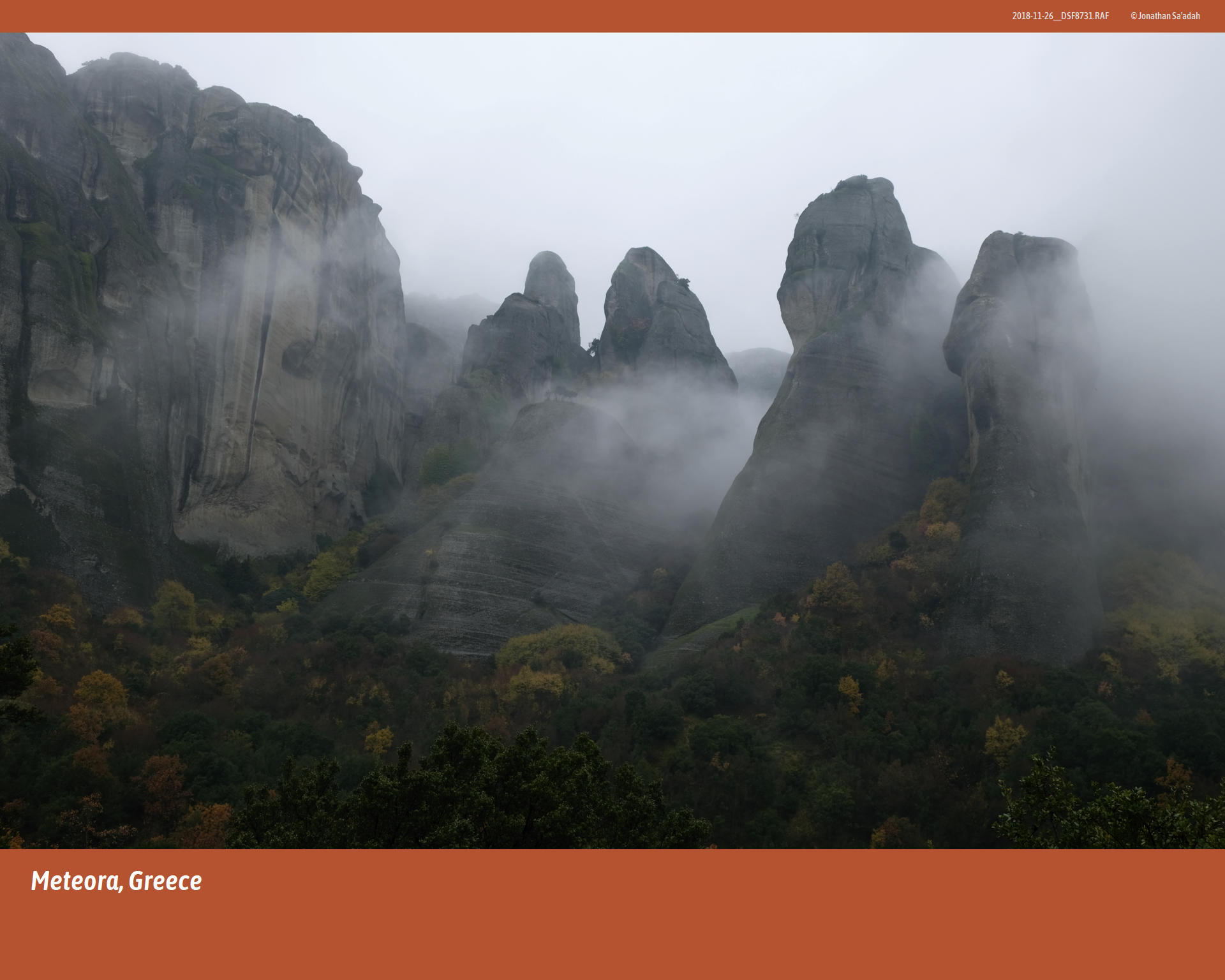
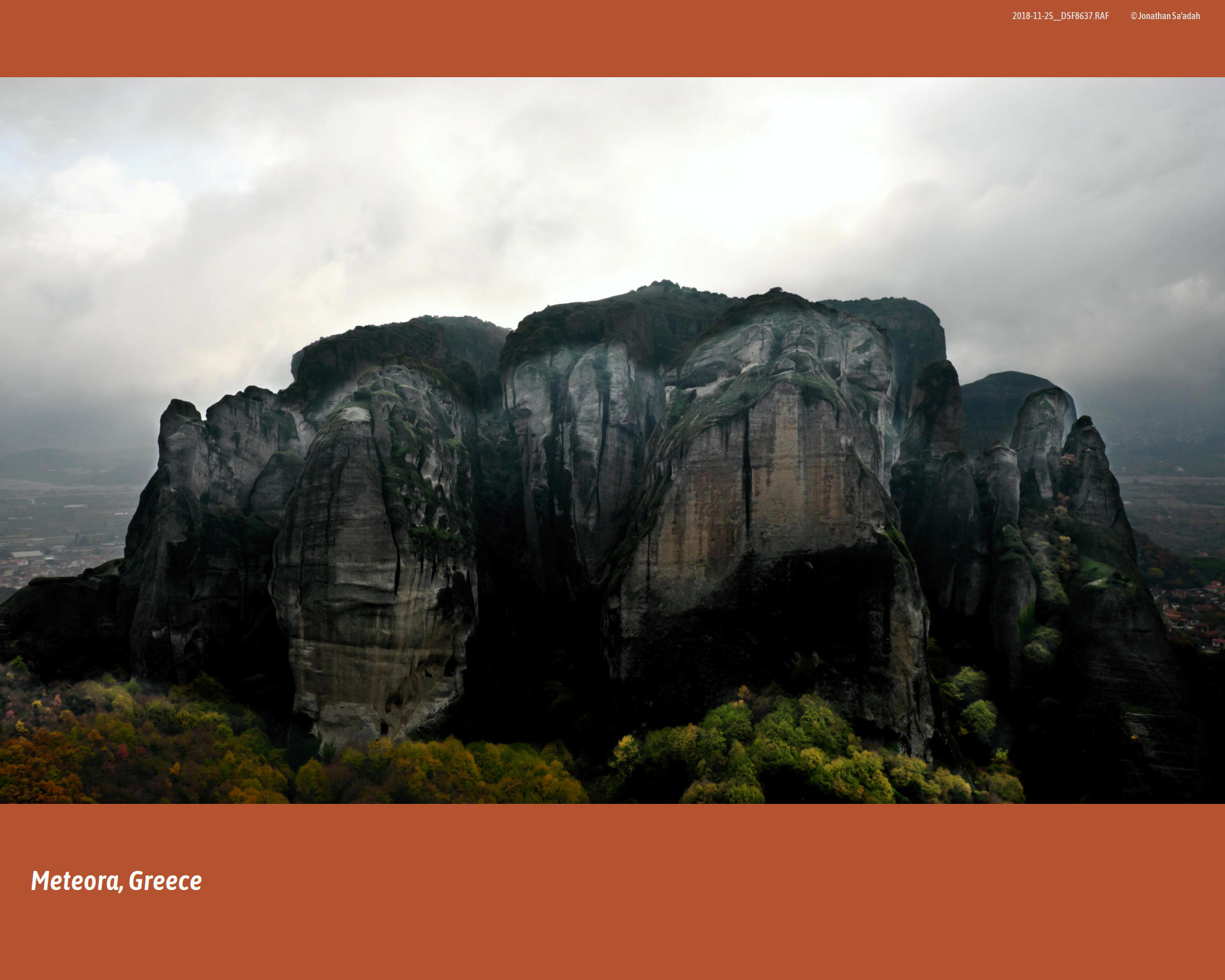
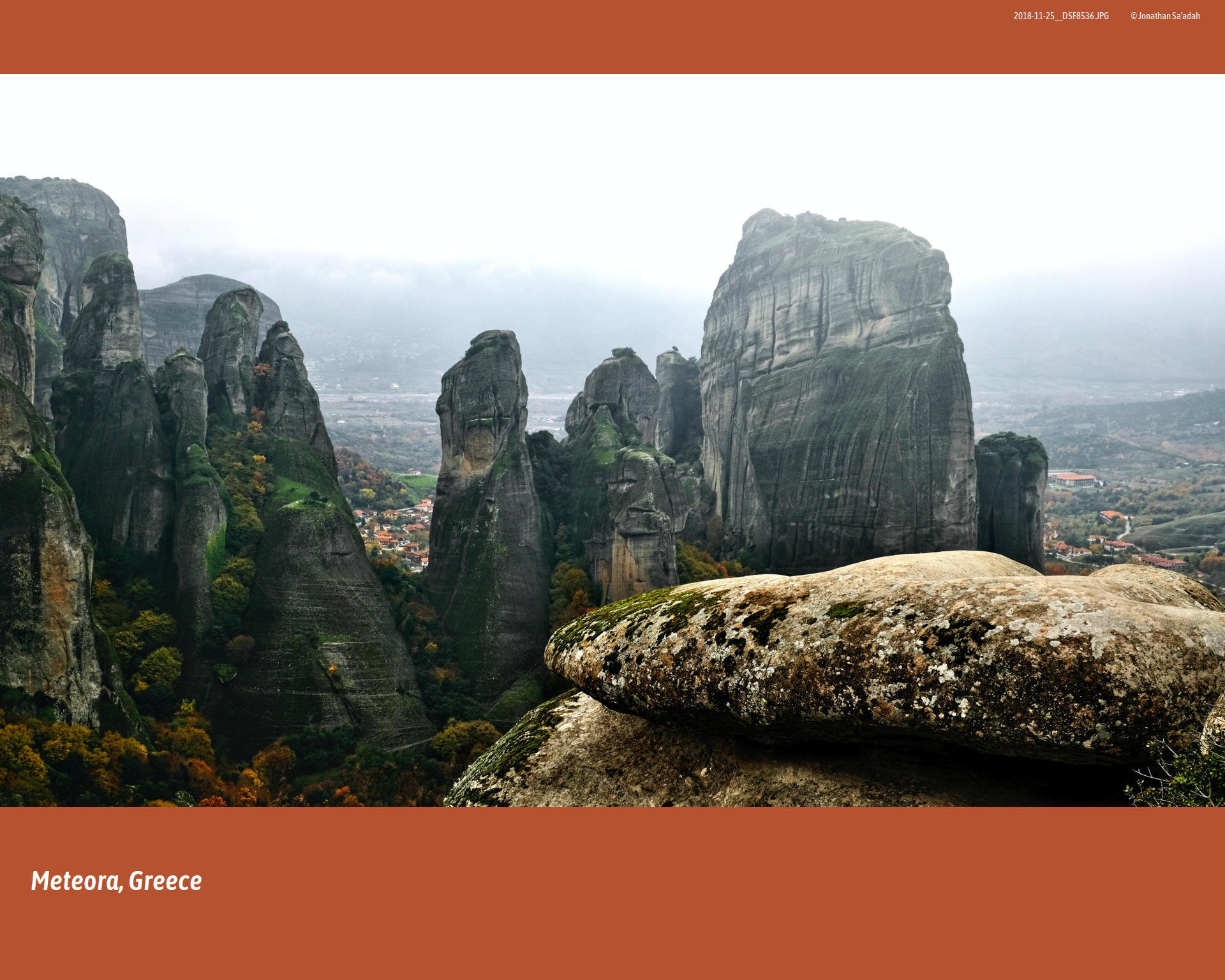
As the sun rose higher, the fog began to thin, tearing open in slow, luminous veils that revealed vertical sandstone columns, their flanks slick and dark from the night’s moisture.
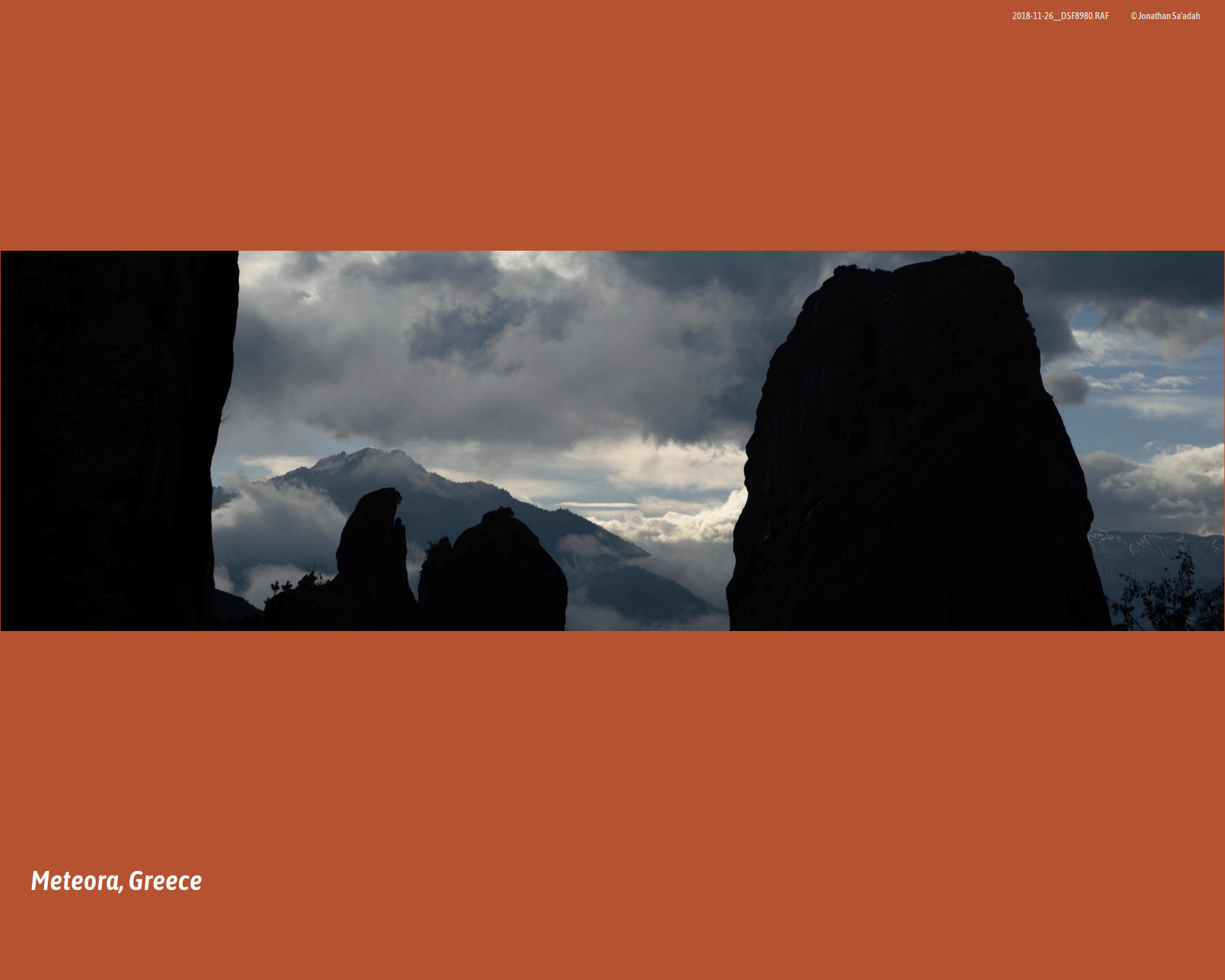
These towers were born some 60 million years ago, when a vast river emptied into an inland sea and left behind a thick delta of sand and stone that erosion later carved into cliffs and pinnacles. In that shifting light, each rock appeared to detach from the earth itself, justifying the medieval monks’ sense that this was not simply landscape, but a kind of natural ladder between ground and sky.
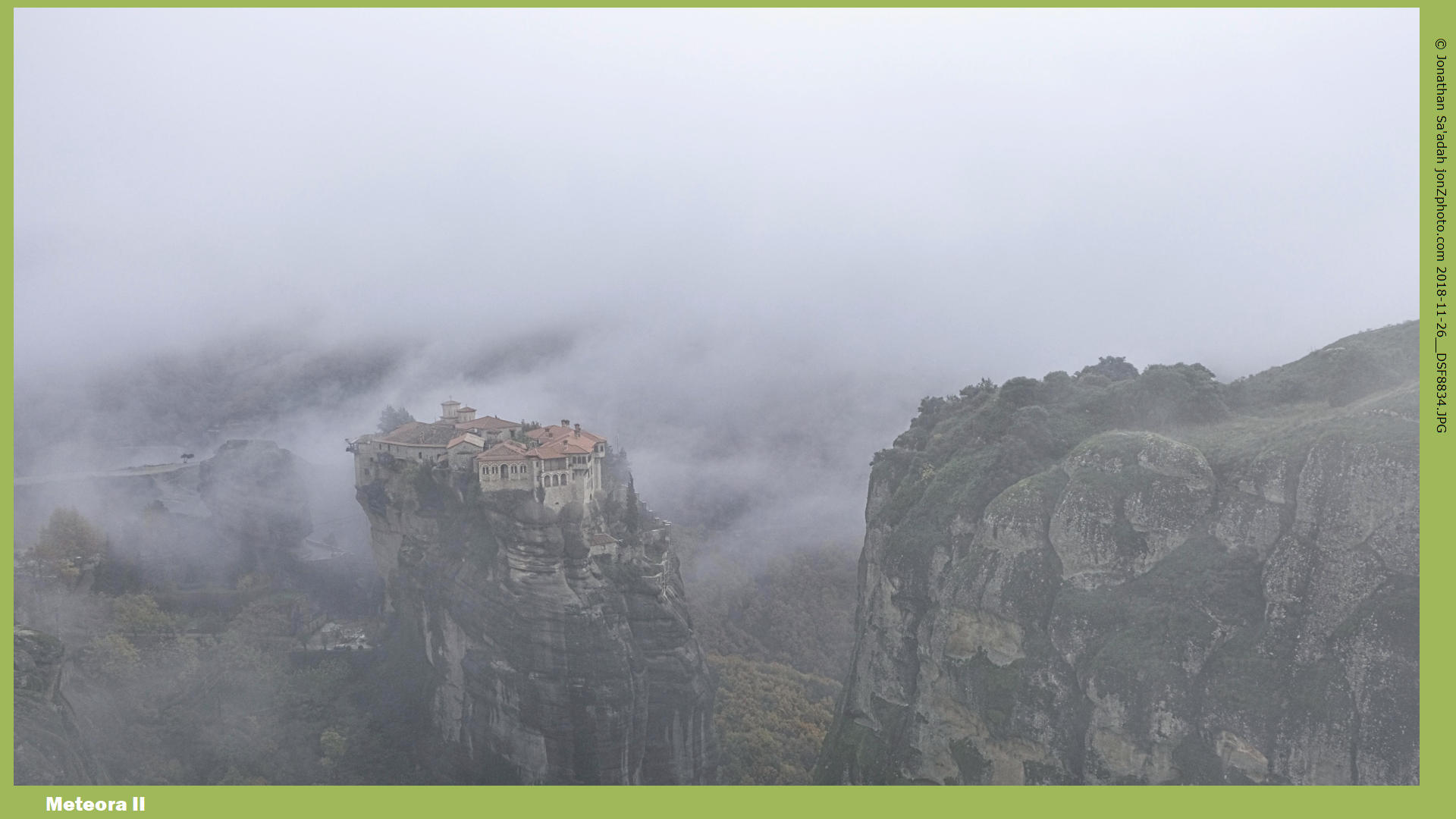
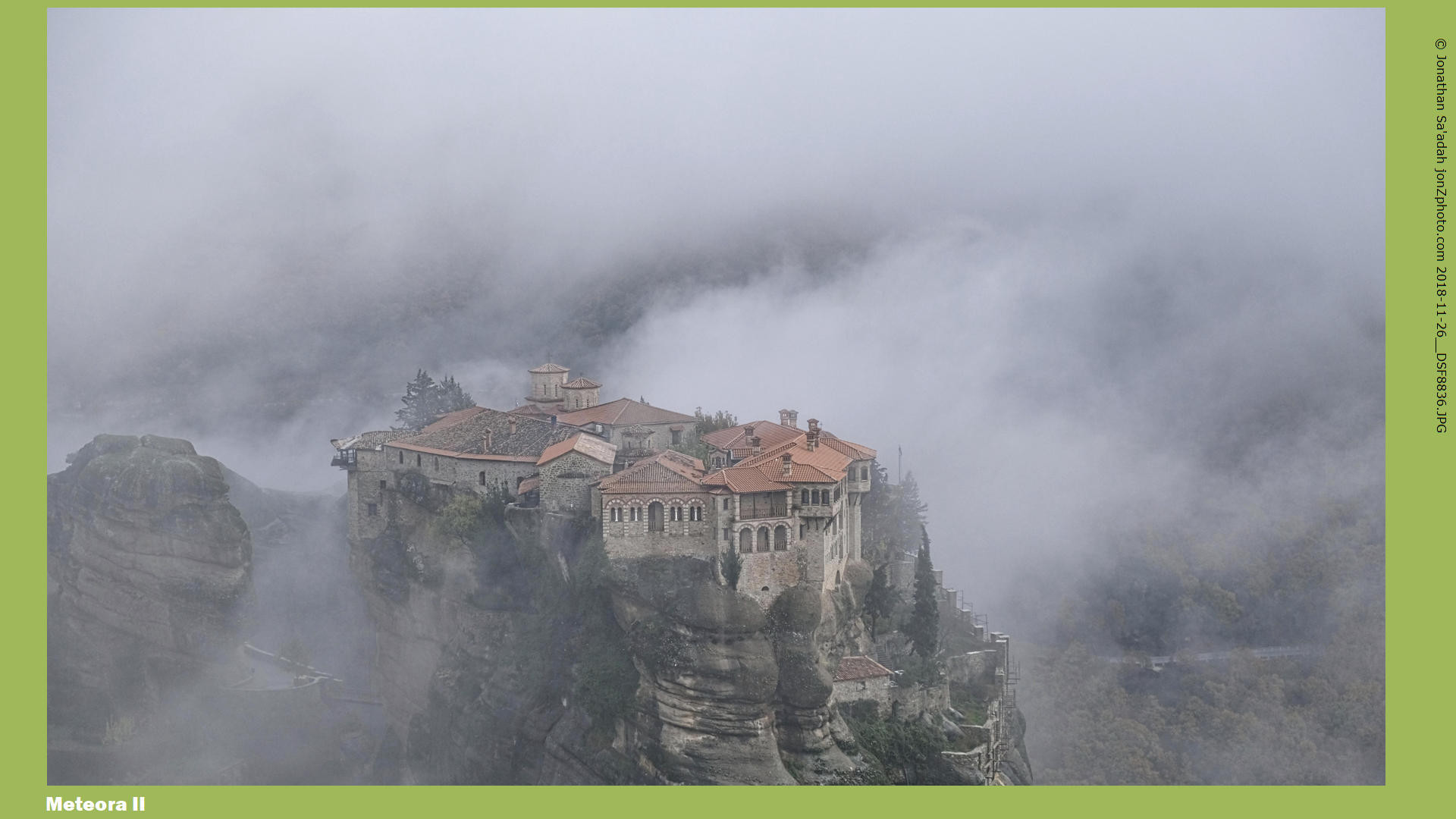
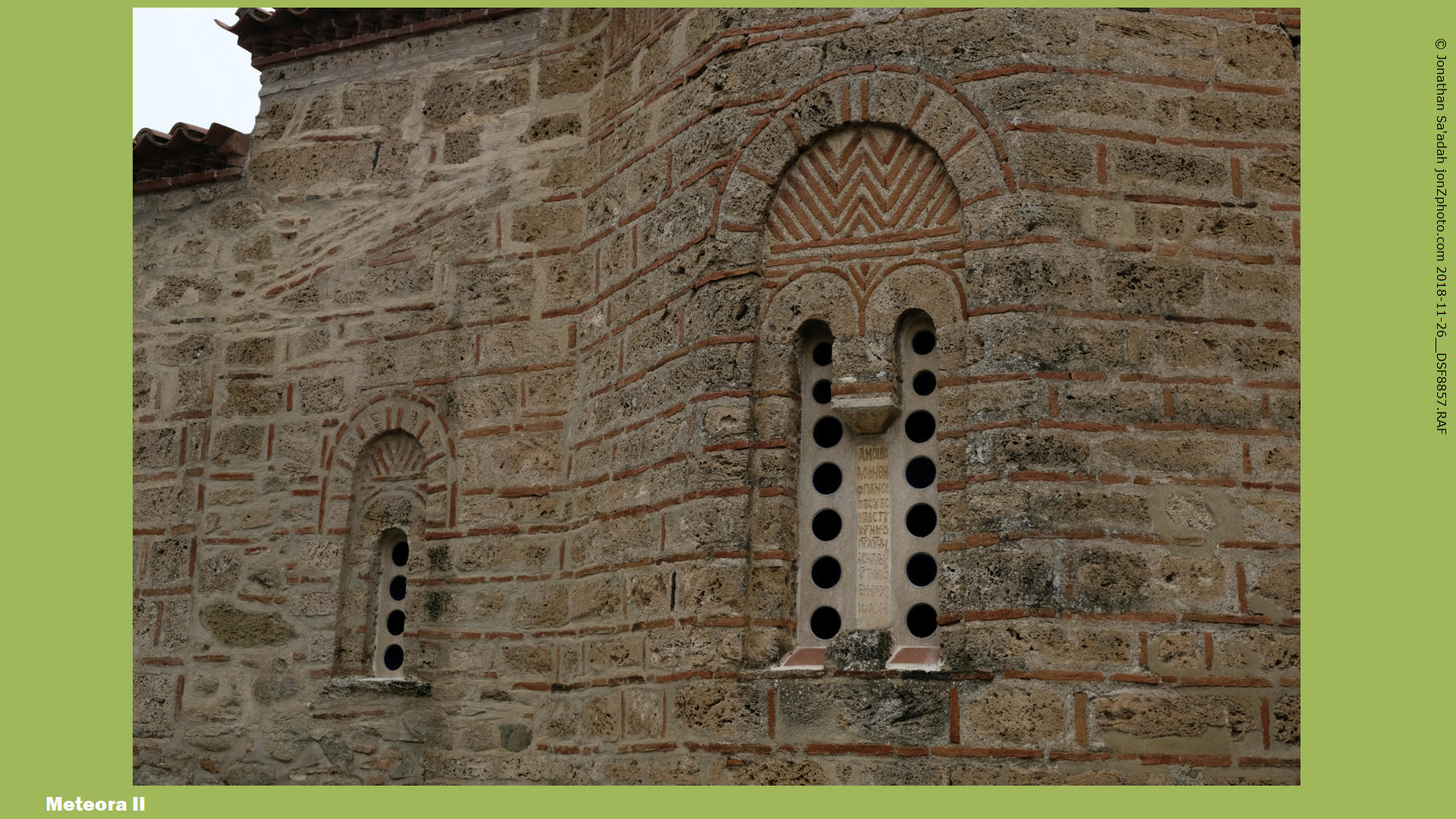
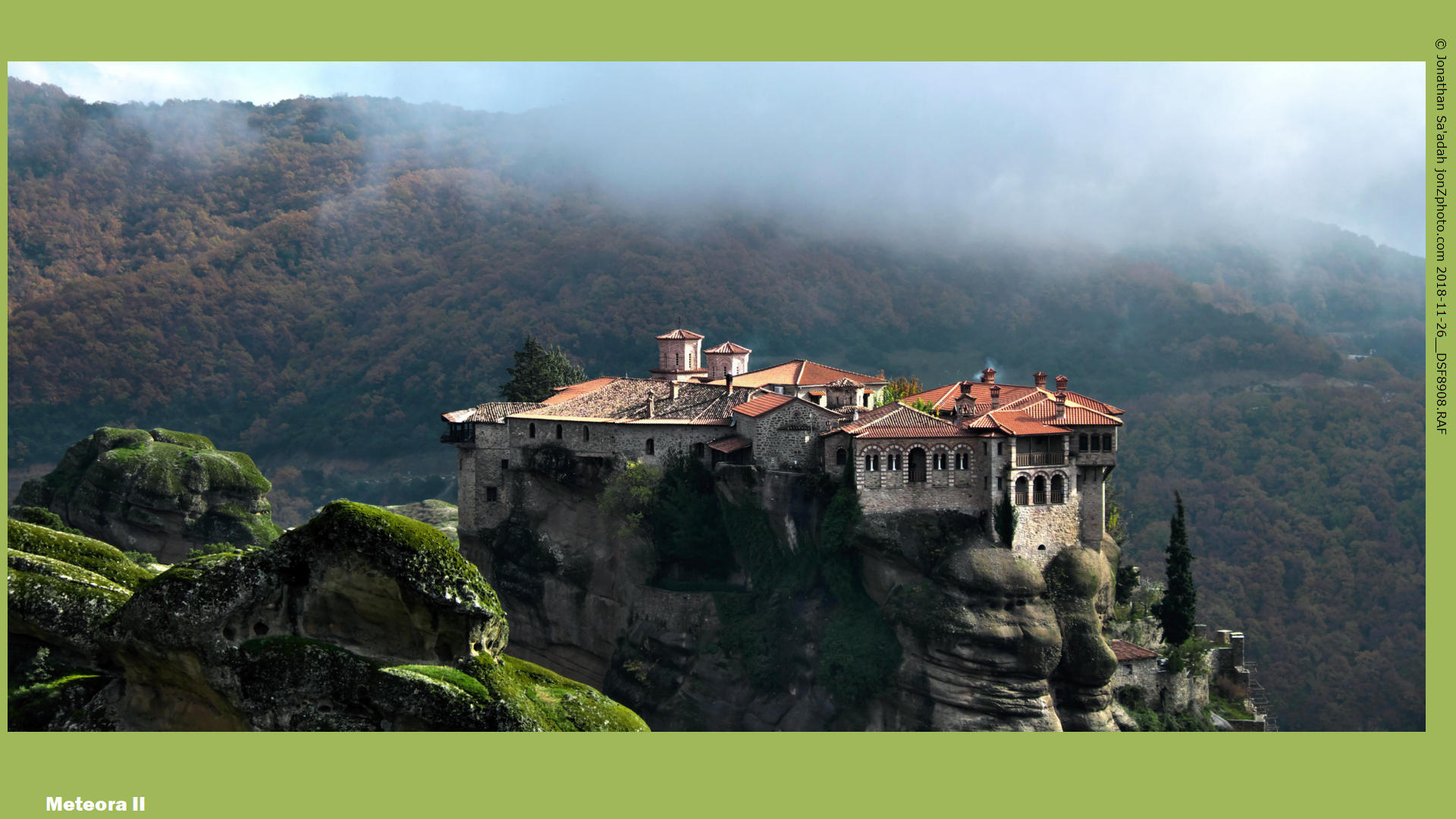
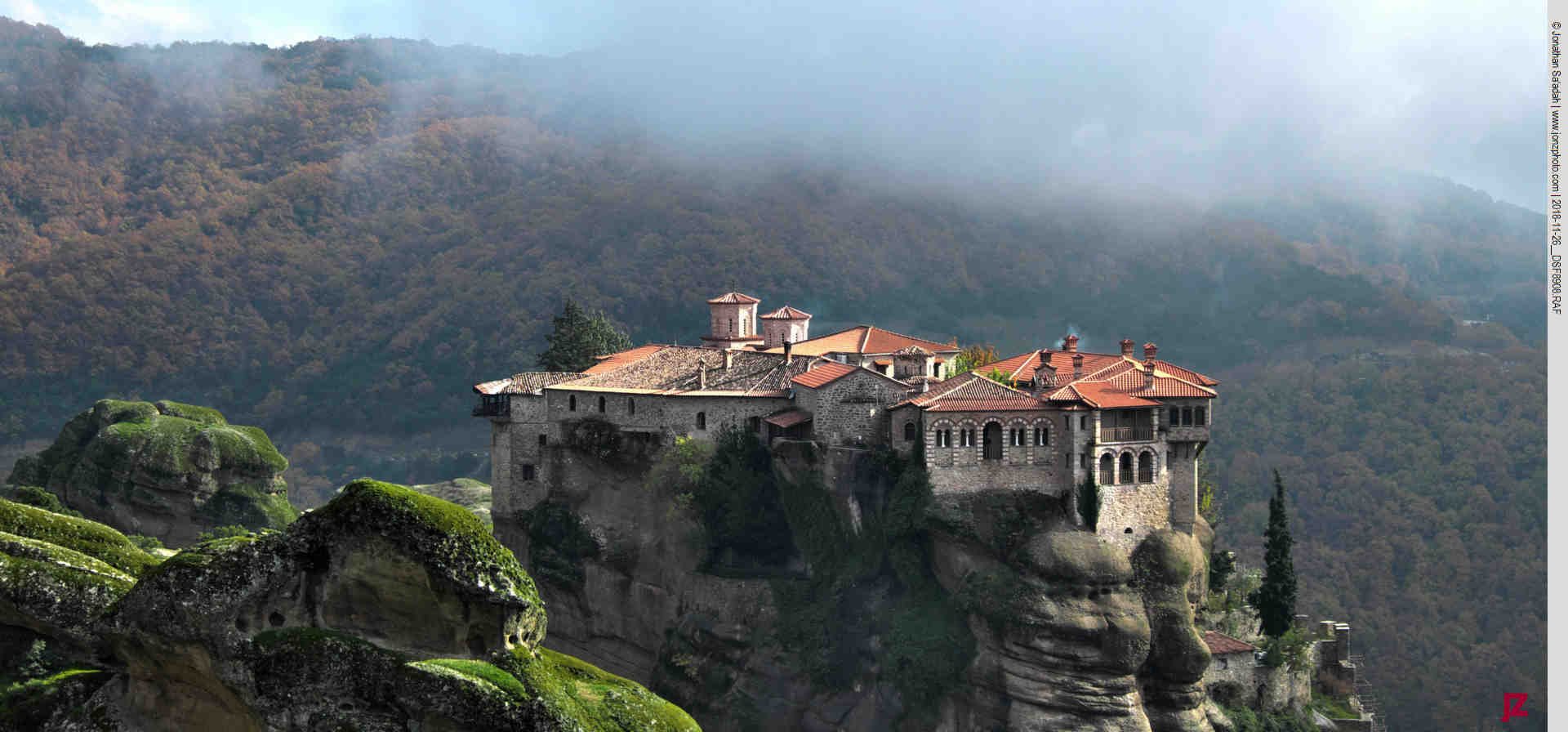
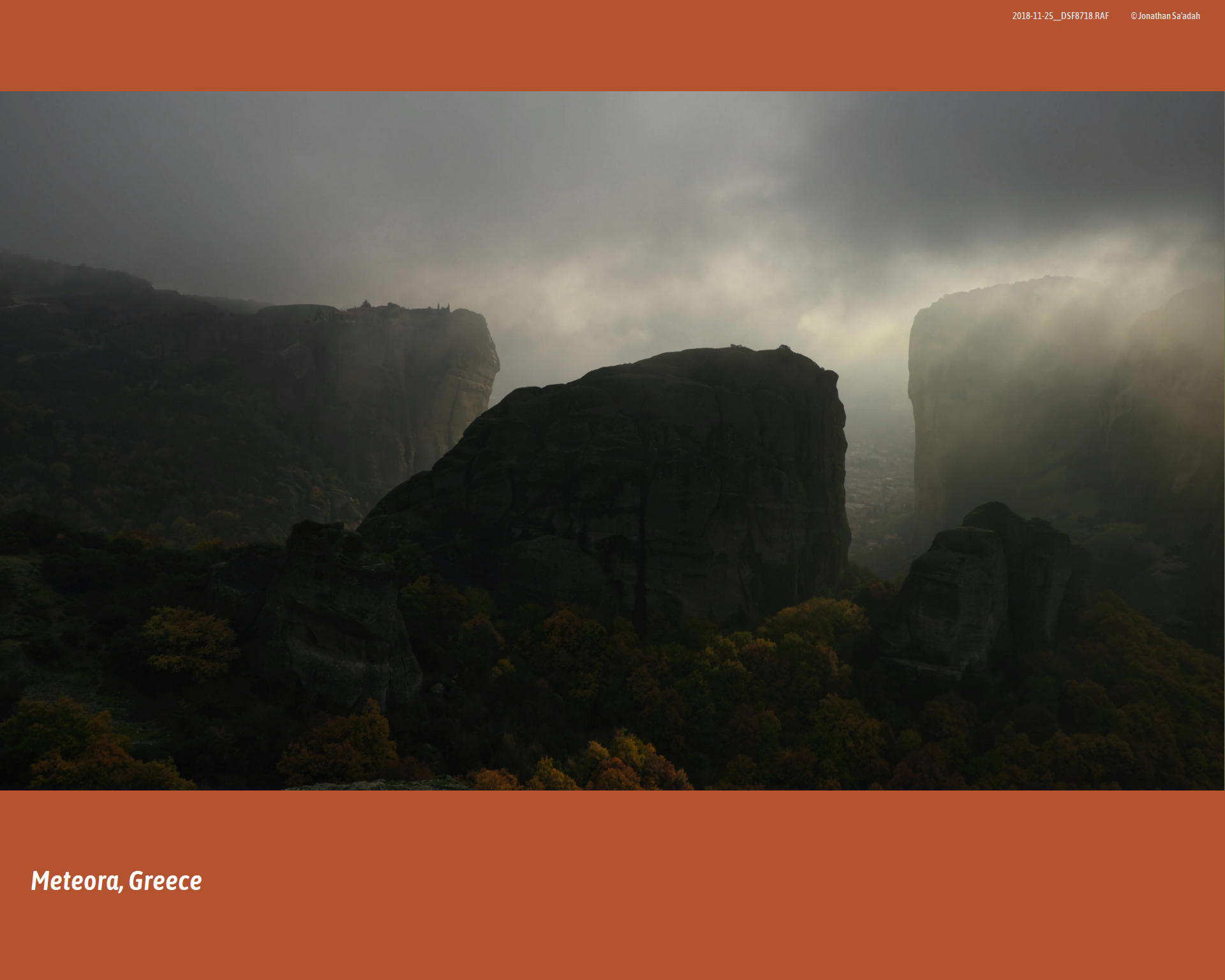
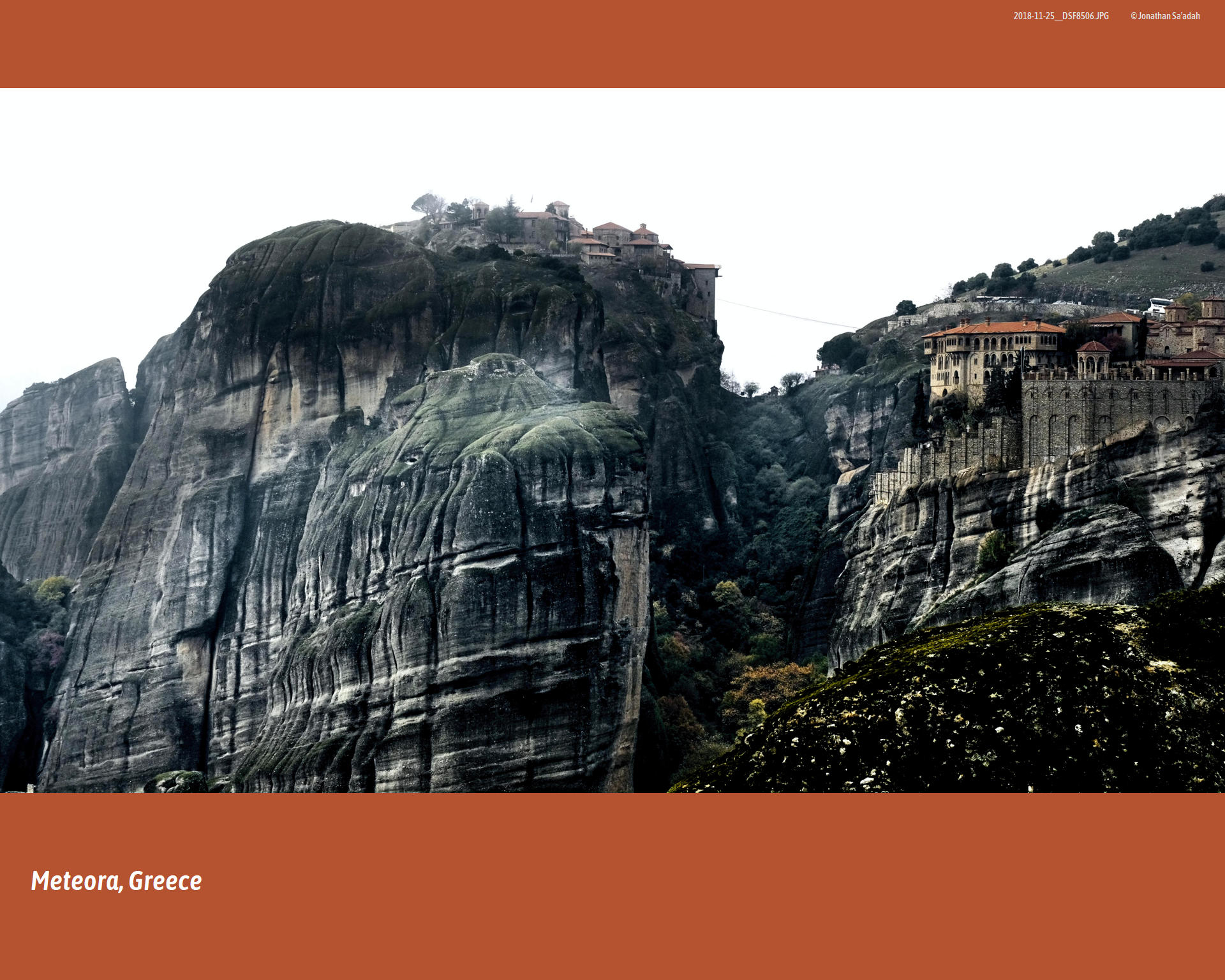
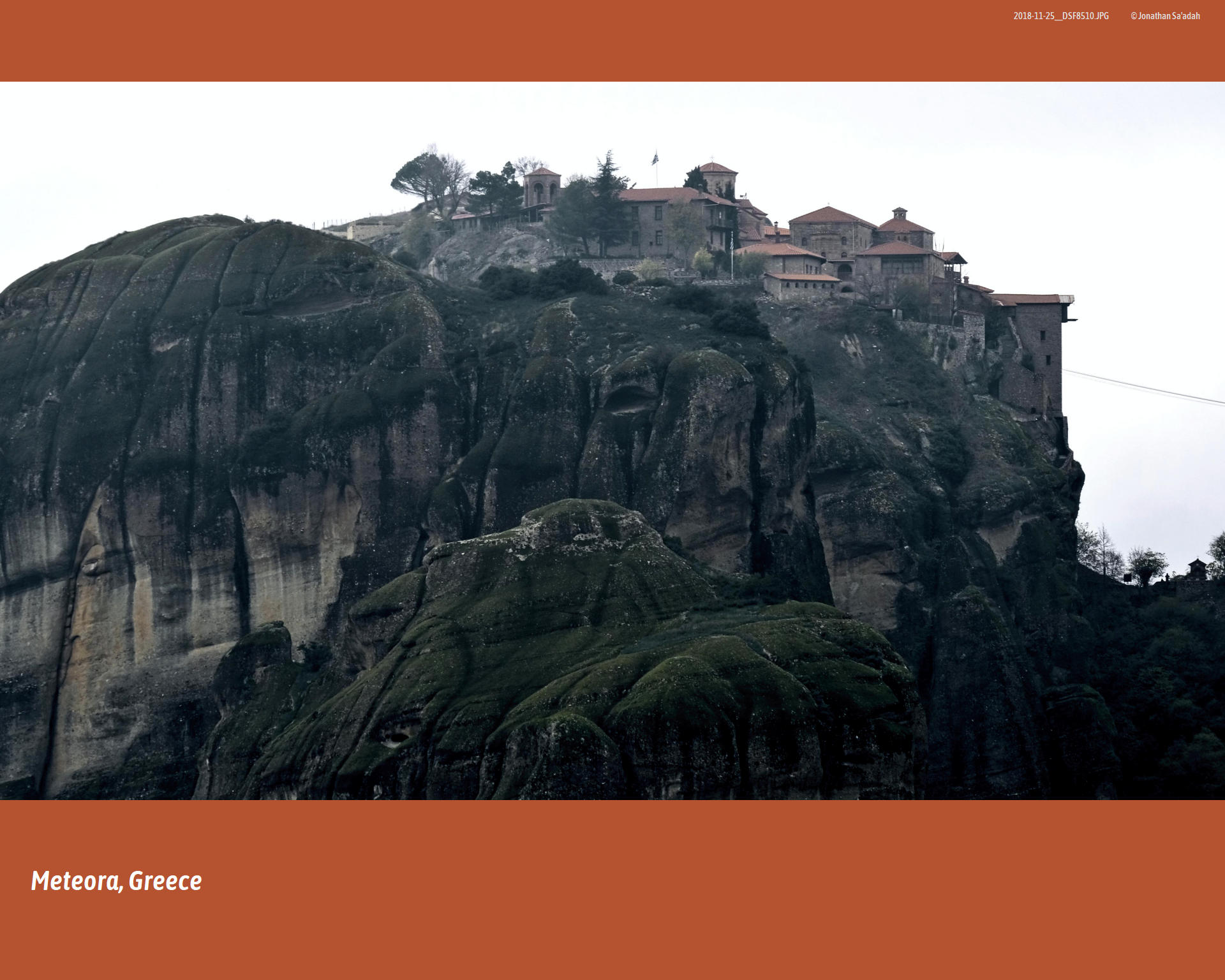
High on the cliffs, a monastery emerged from the mist: a cluster of ochre walls and red-tile roofs clinging to the summit as if it had grown from the stone. In the 14th century, Athanasios Koinovitis, later known as Athanasios the Meteorite, chose one of these broad rock platforms to found the Great Meteoron, hauling every beam and stone up the sheer face by rope and ladder. The isolation offered protection in that age of raids and political upheaval; access once depended on nets and retractable stairways, a deliberate barrier between the cloistered world above and the dangerous valley below.
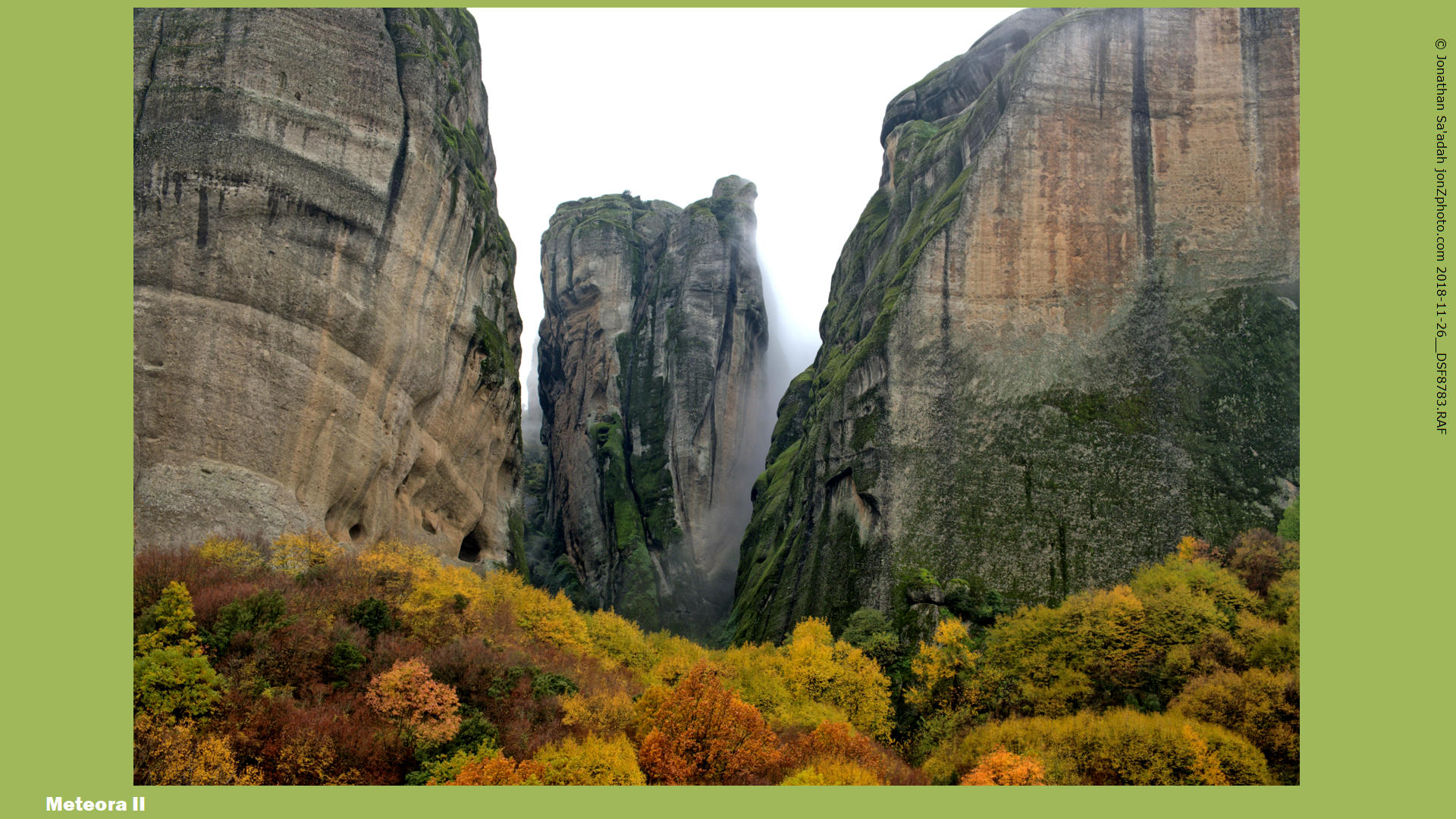
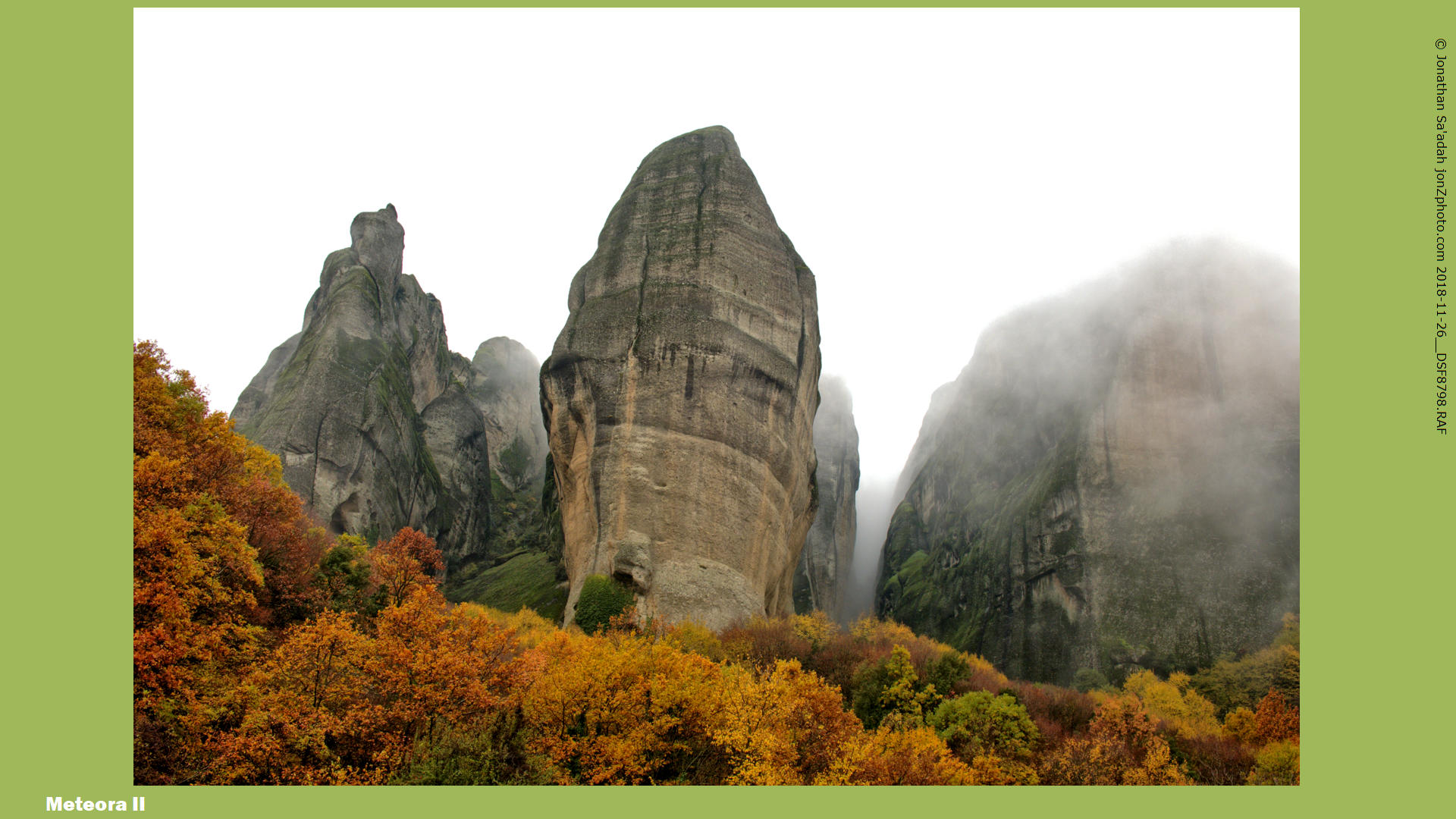
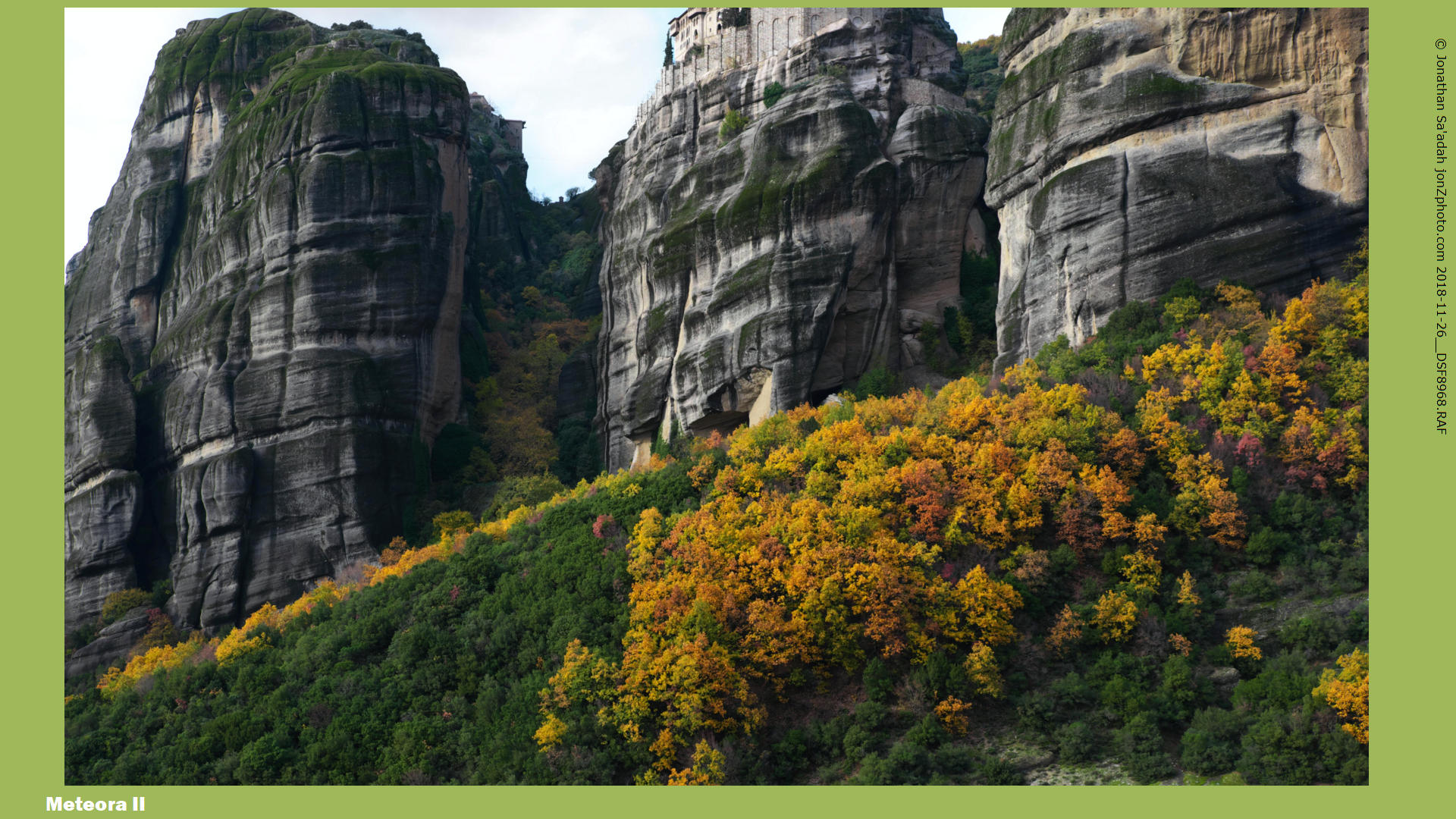
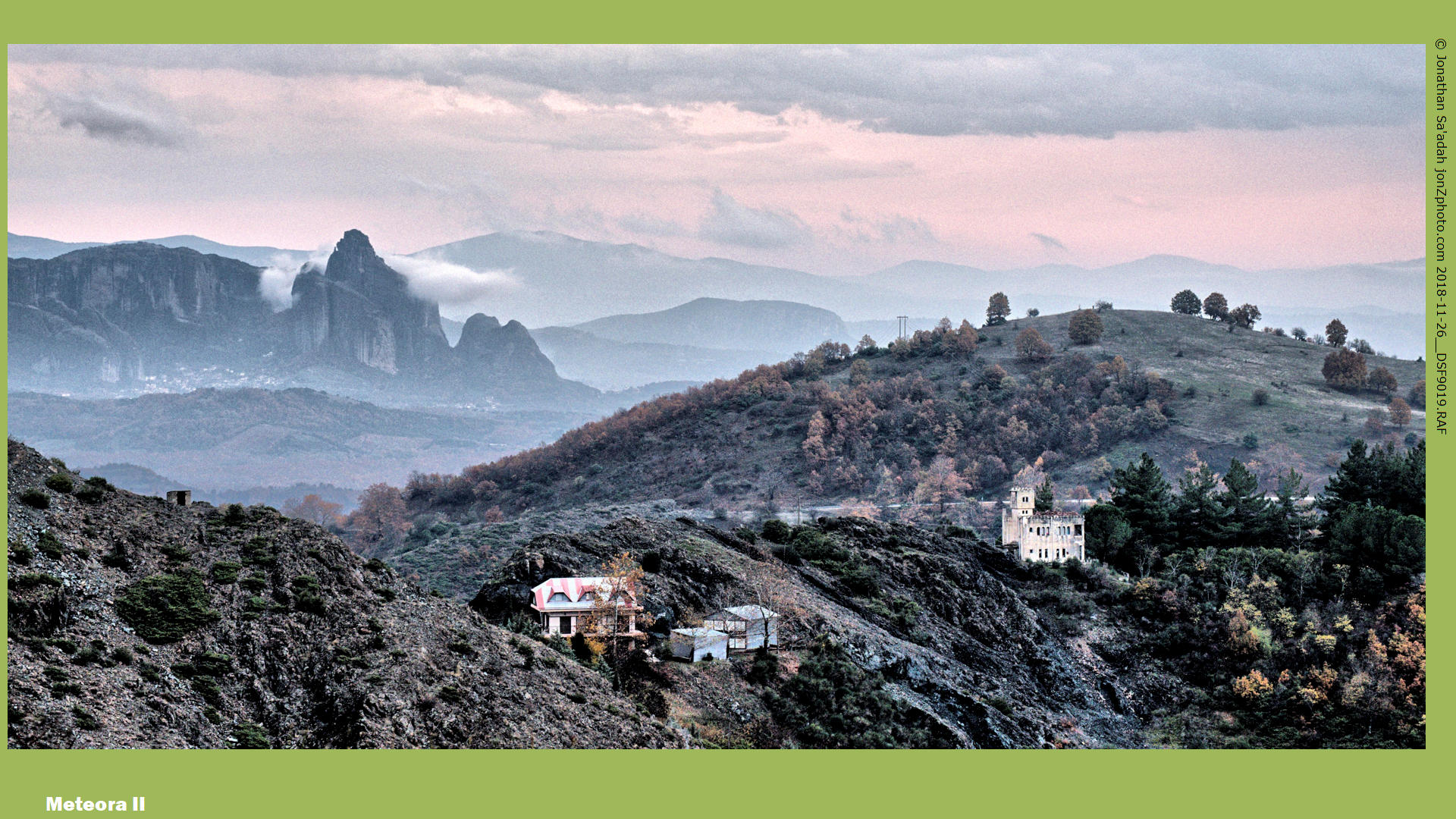
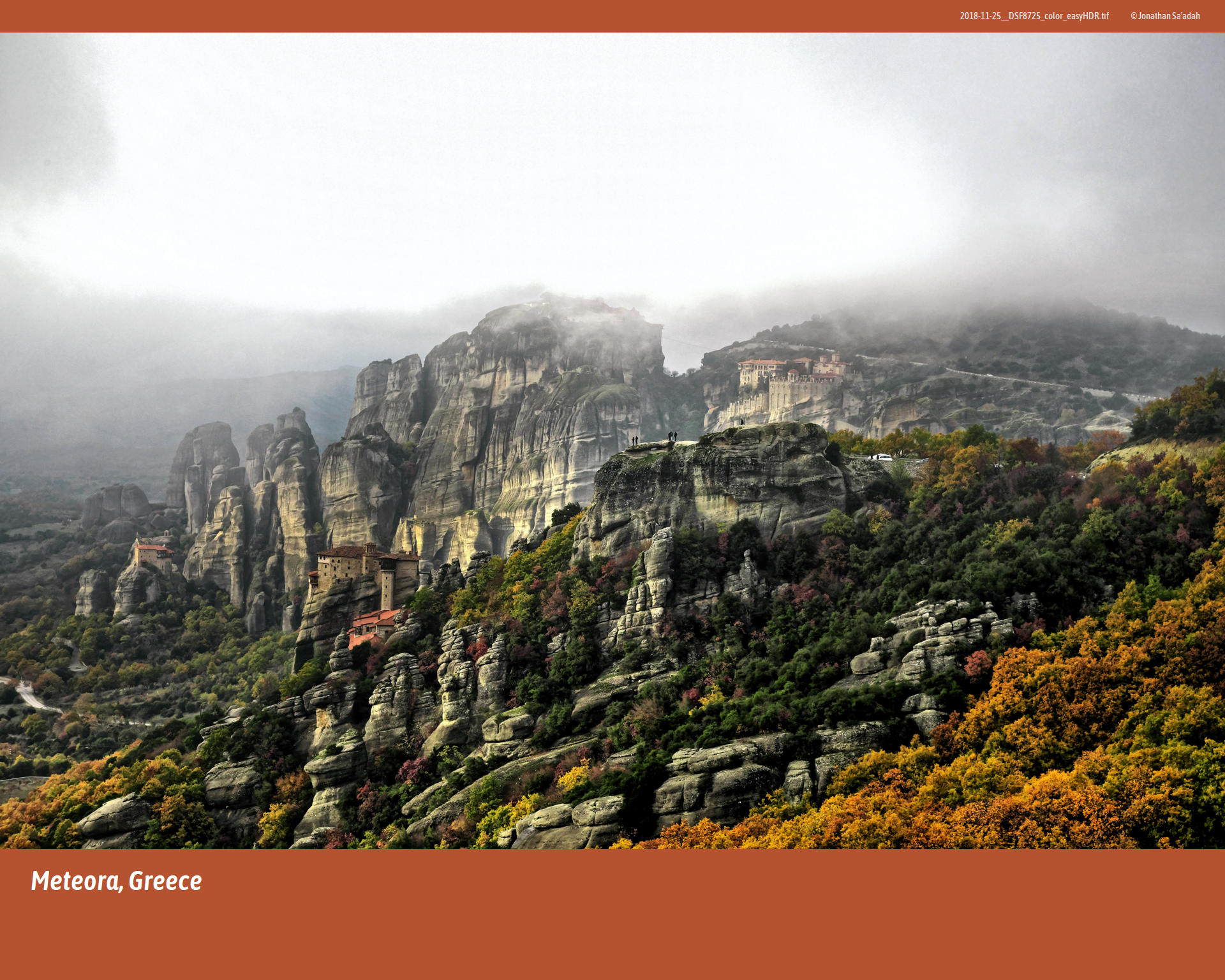
By the time the sun finally broke through, the valley below had turned into a tapestry of autumn color: rust-red oaks, yellowing plane trees, and dark green pines pooling at the bases of the rocks. In the era of Ottoman rule, when these monasteries flourished under sultans who left Orthodox institutions largely intact, the same slopes hid rebels and sheltered refugees; in the 19th and 20th centuries, walls that once enclosed prayer were scarred by shells and mortars.
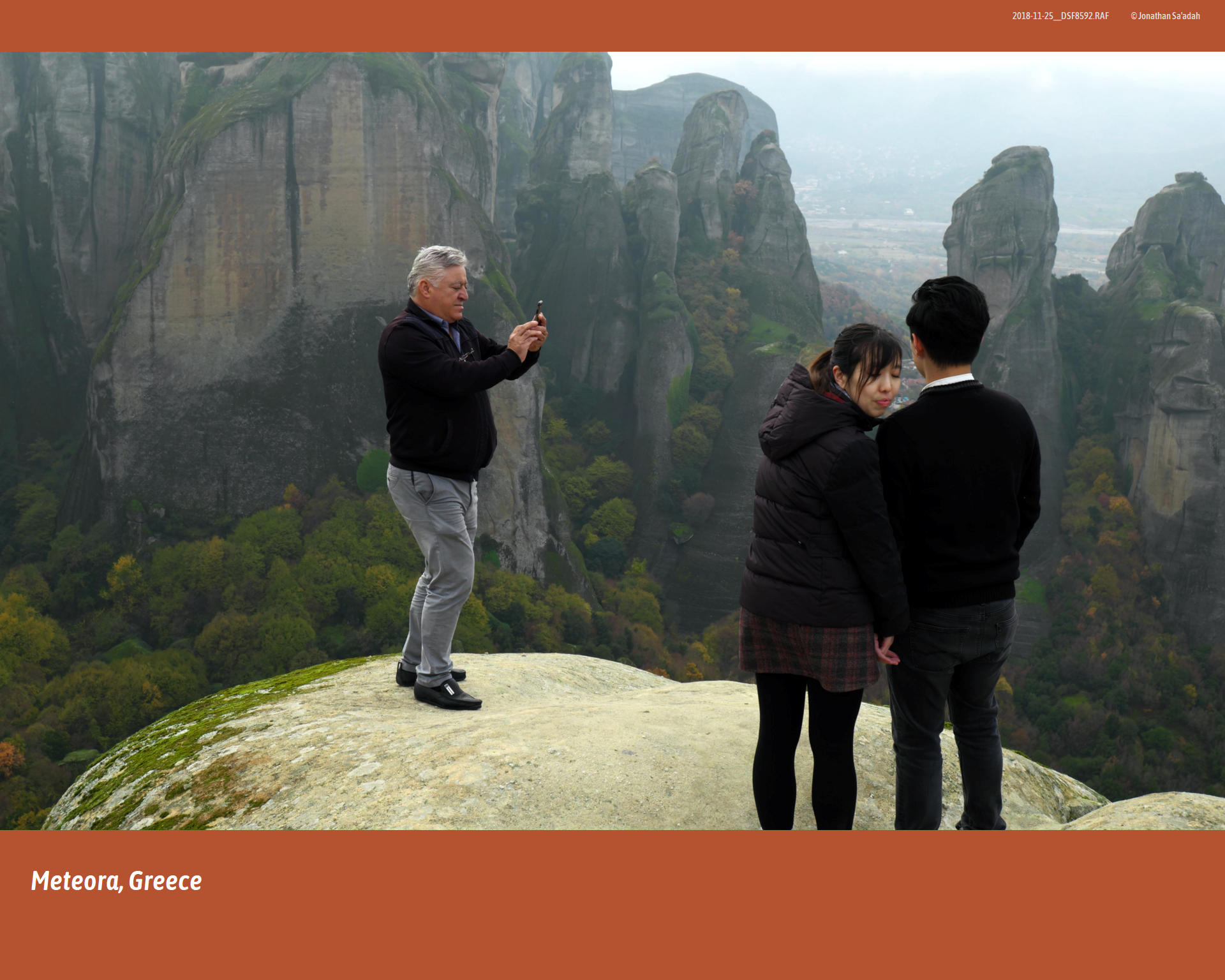
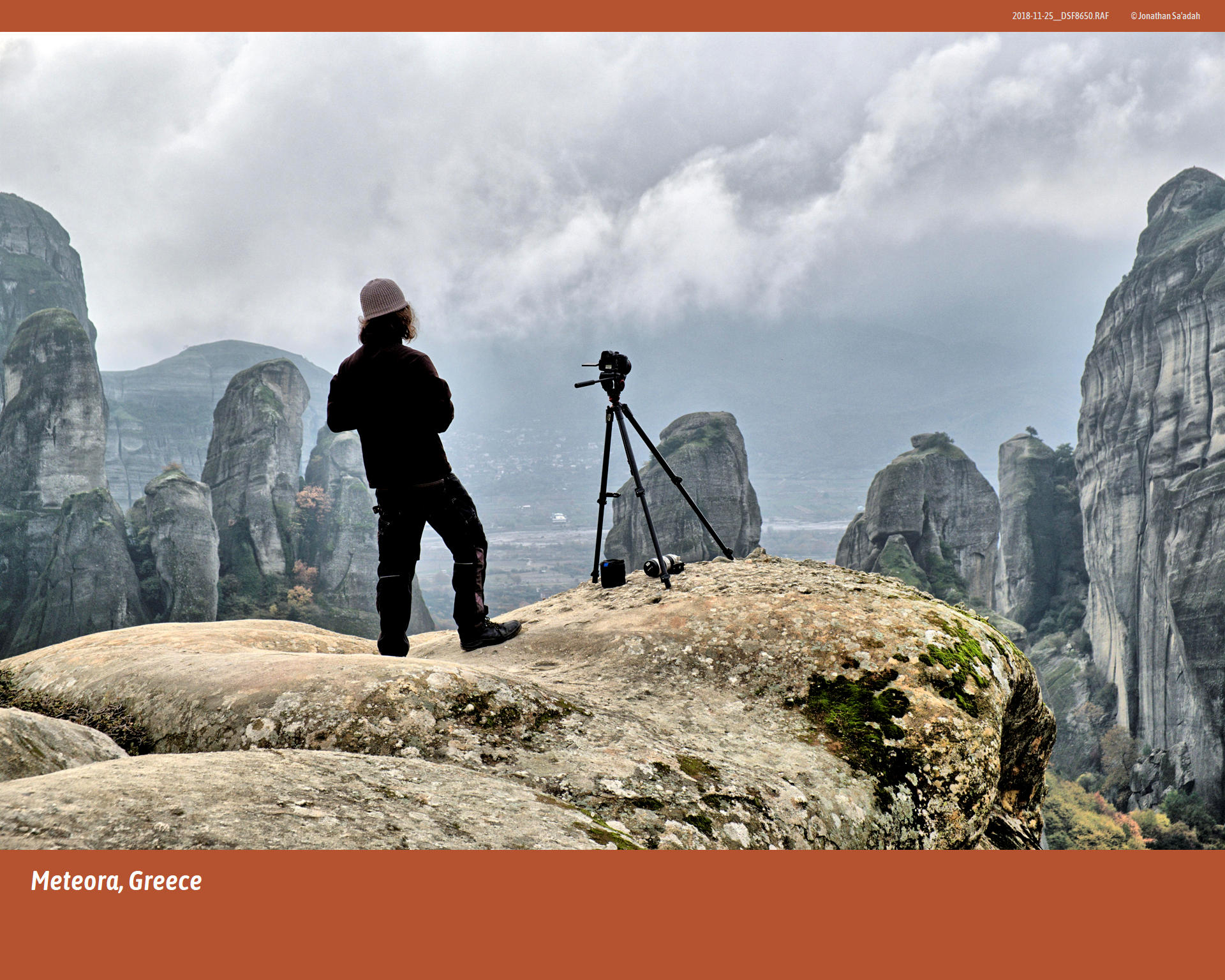
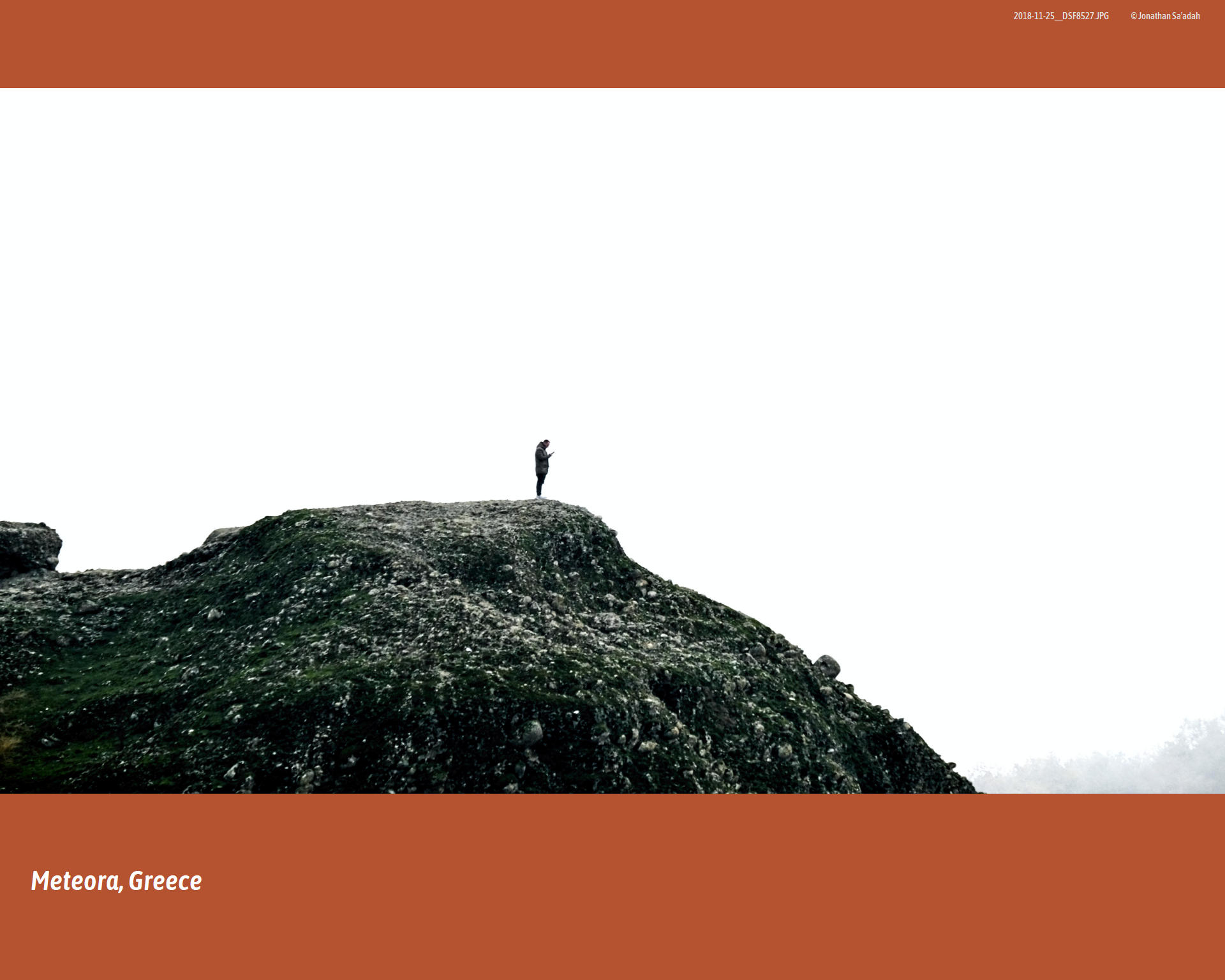
As we moved along the viewpoints that early morning, each gap in the fog offered a new alignment of rock, monastery, and forest, a sequence of tableaux that seemed staged by the weather itself. Looking out across the chasm to another monastery perched on its own pillar, it was possible to imagine the first hermits edging out of their caves at dawn, watching mist lift from this same plain and reading it as a sign – of judgment, of mercy, of simple passing time – in a landscape that felt charged with meaning. Today, buses replace mules and carved stairways replace rope ladders, but the choreography of fog and light still resists domestication; for a few minutes on that November day, the cliffs and their glowing trees belonged less to the age of mass tourism than to the long, solitary devotion that first drew human beings to live in the air.
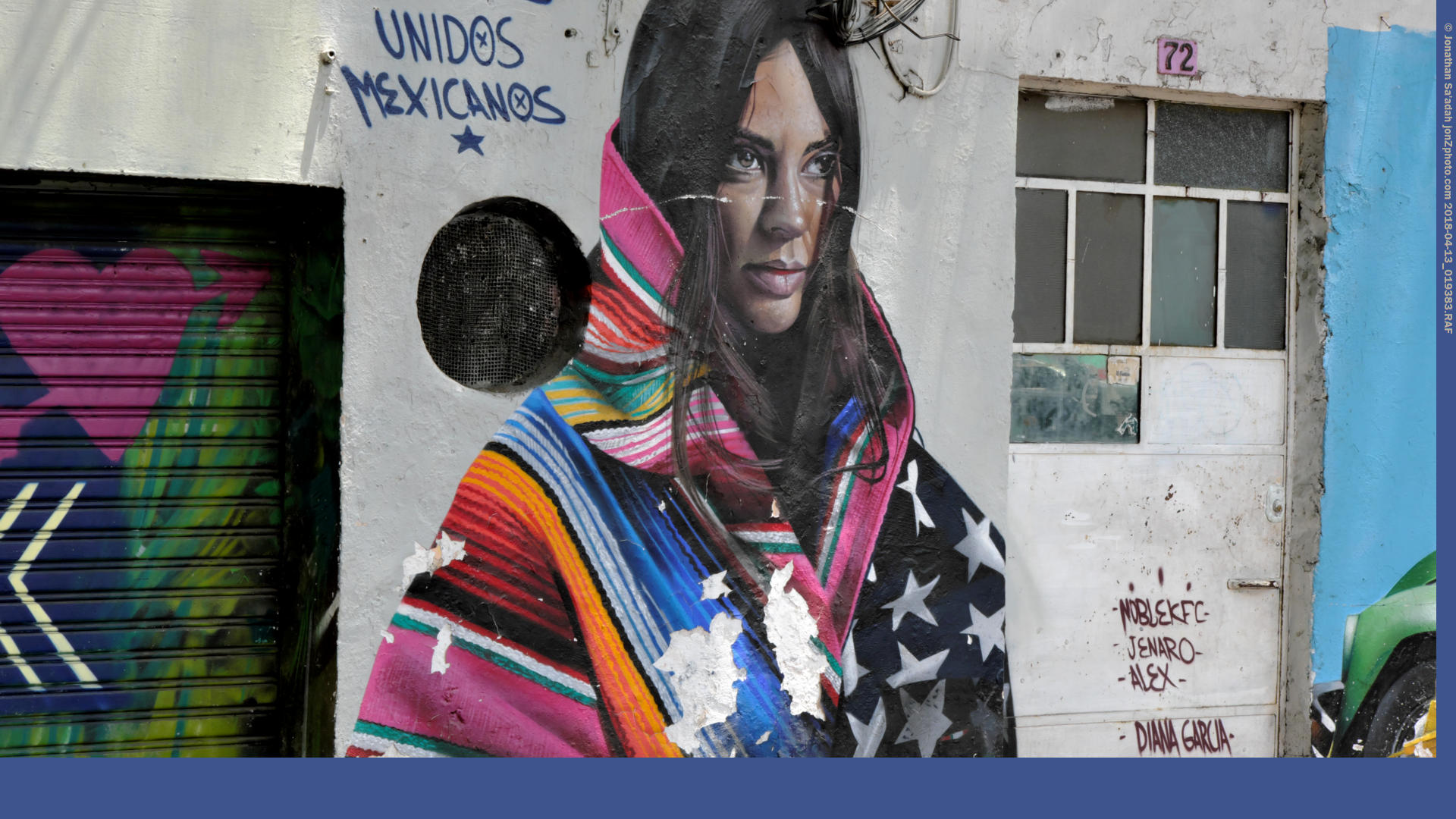
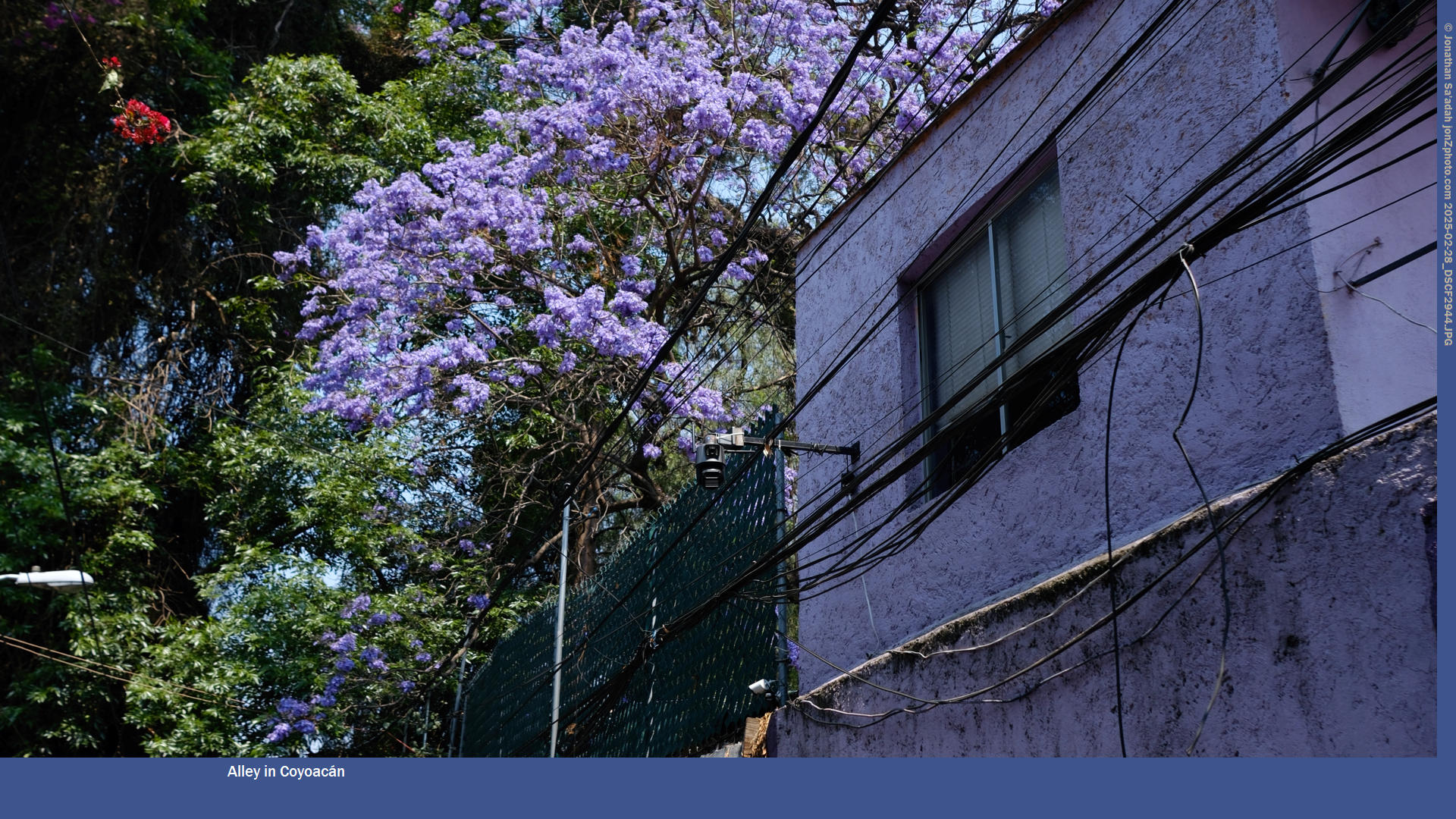
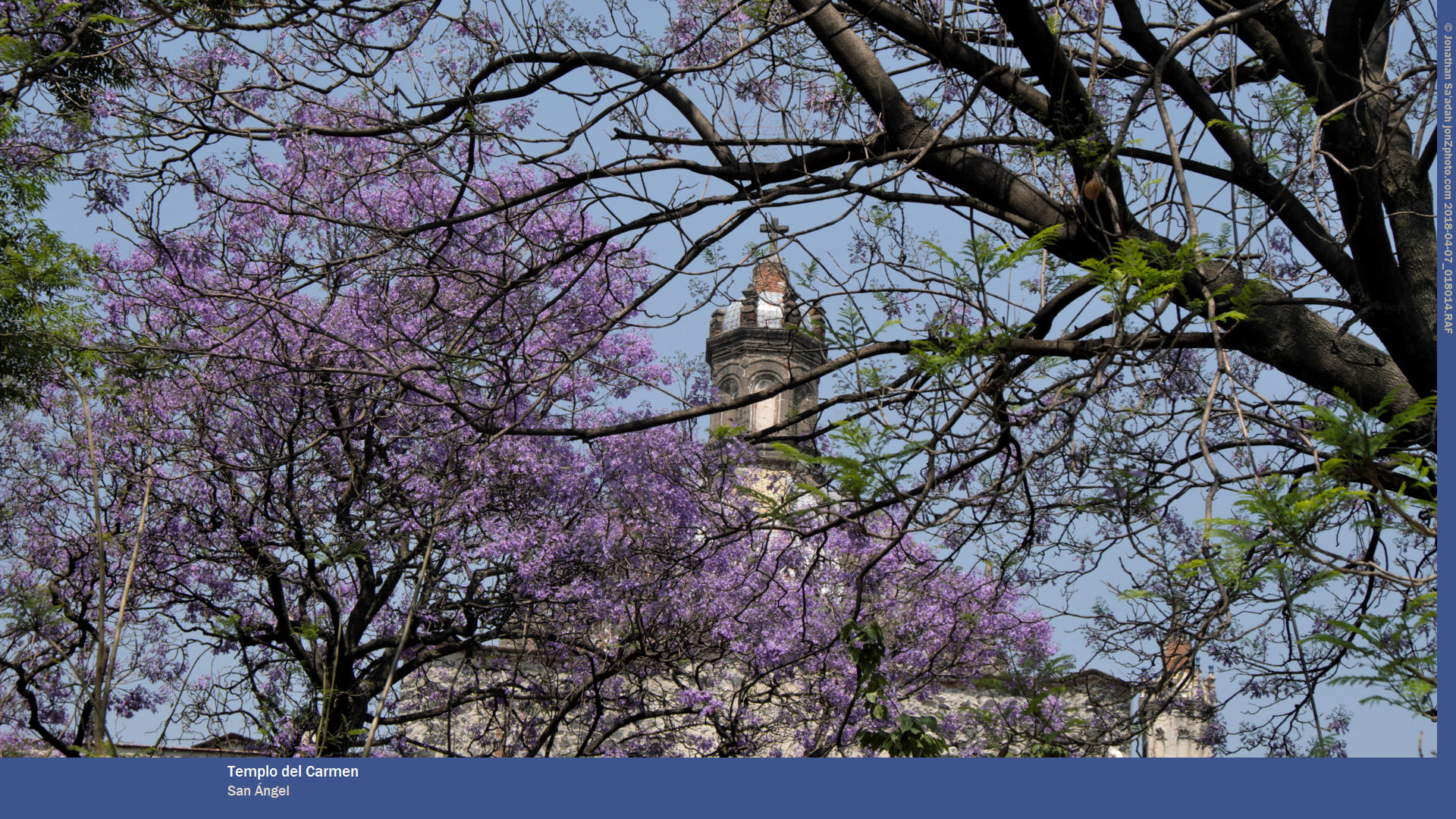
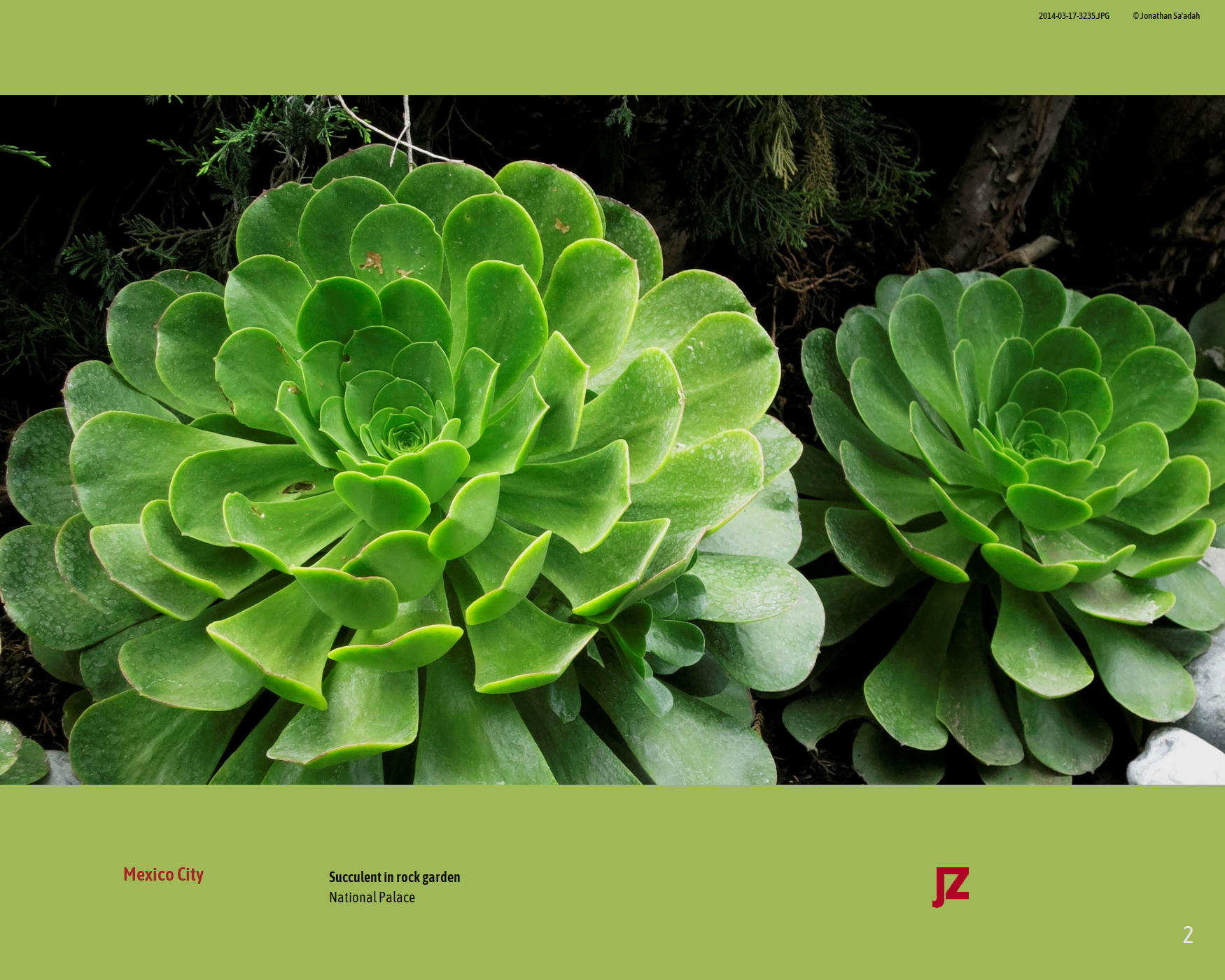
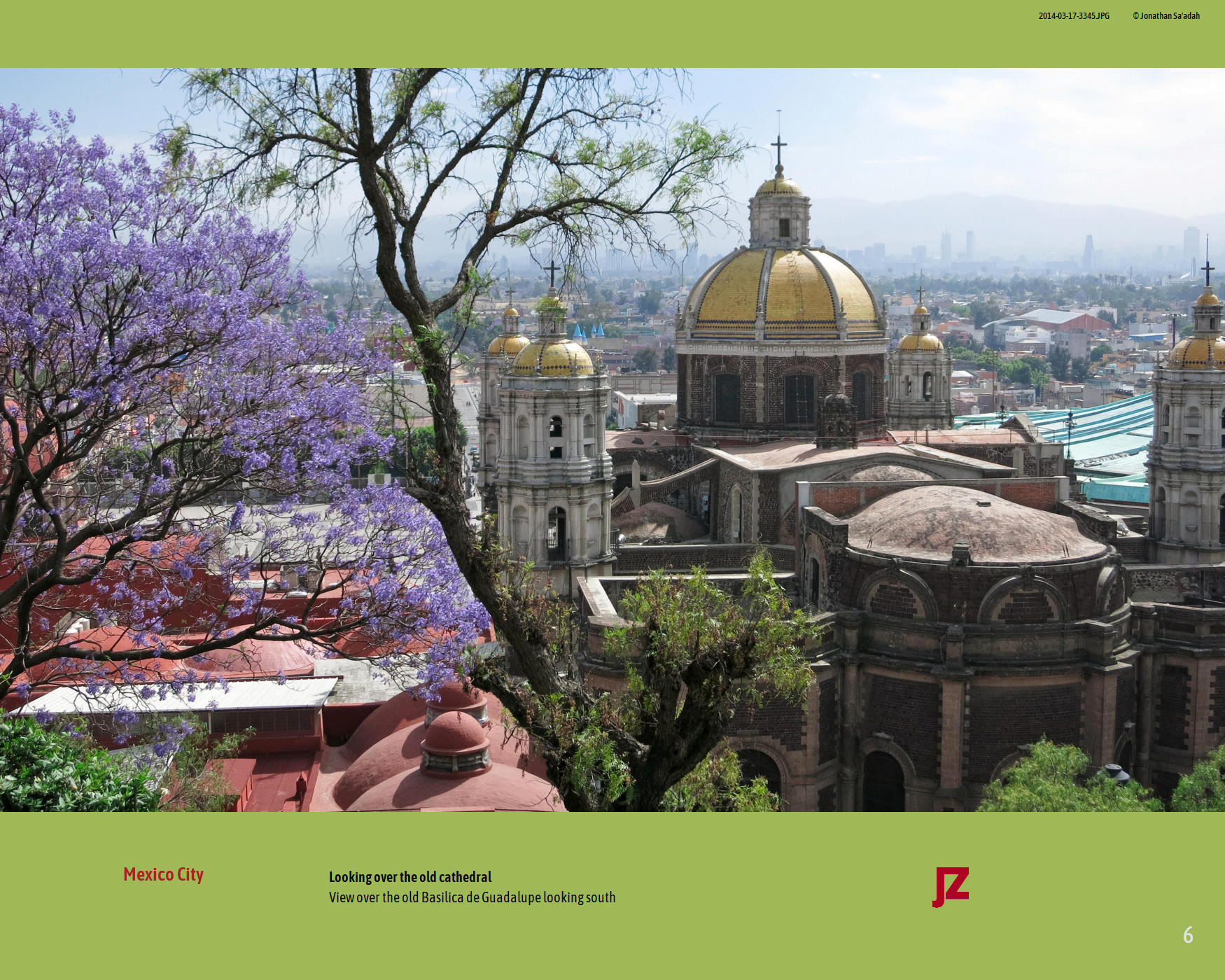
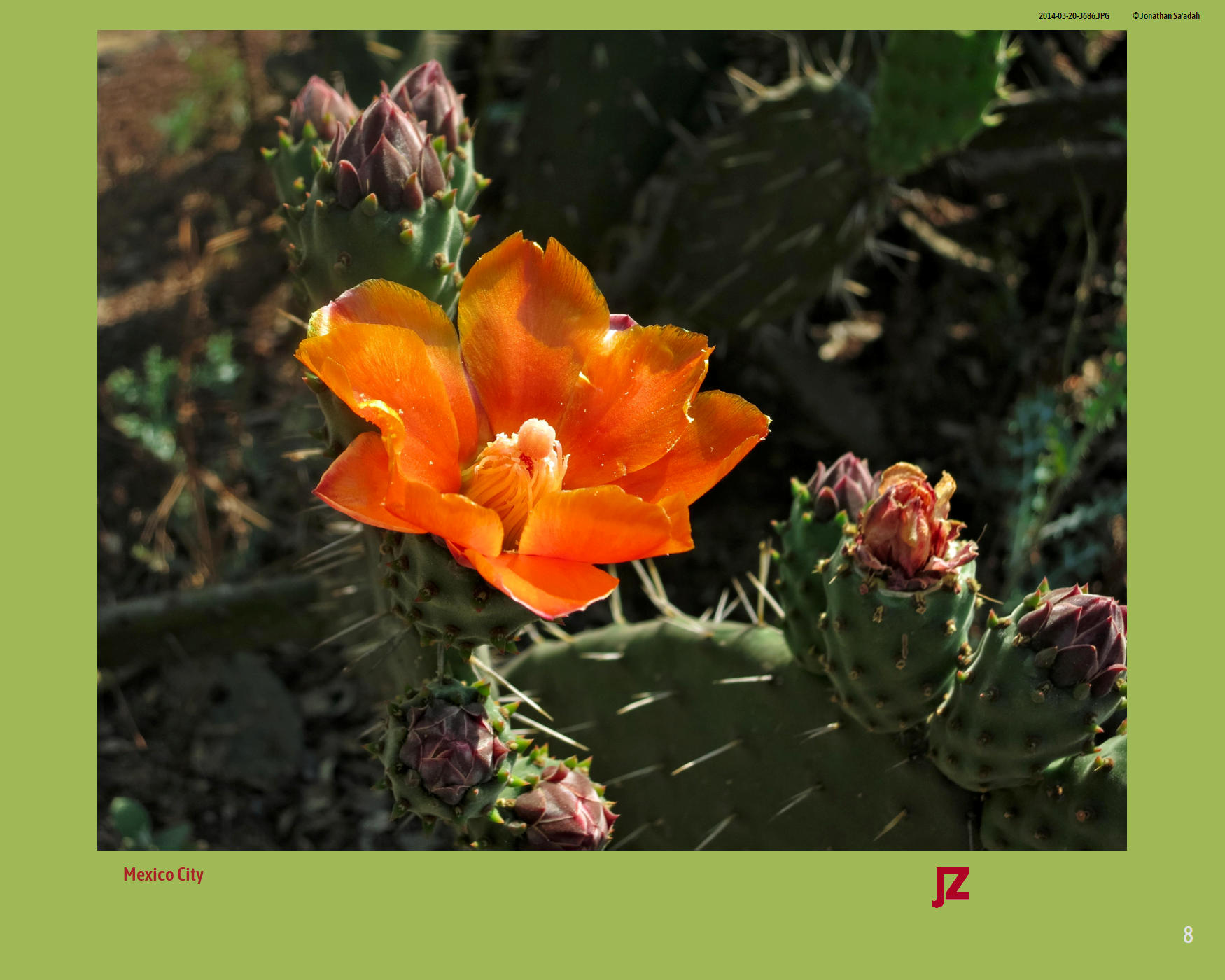
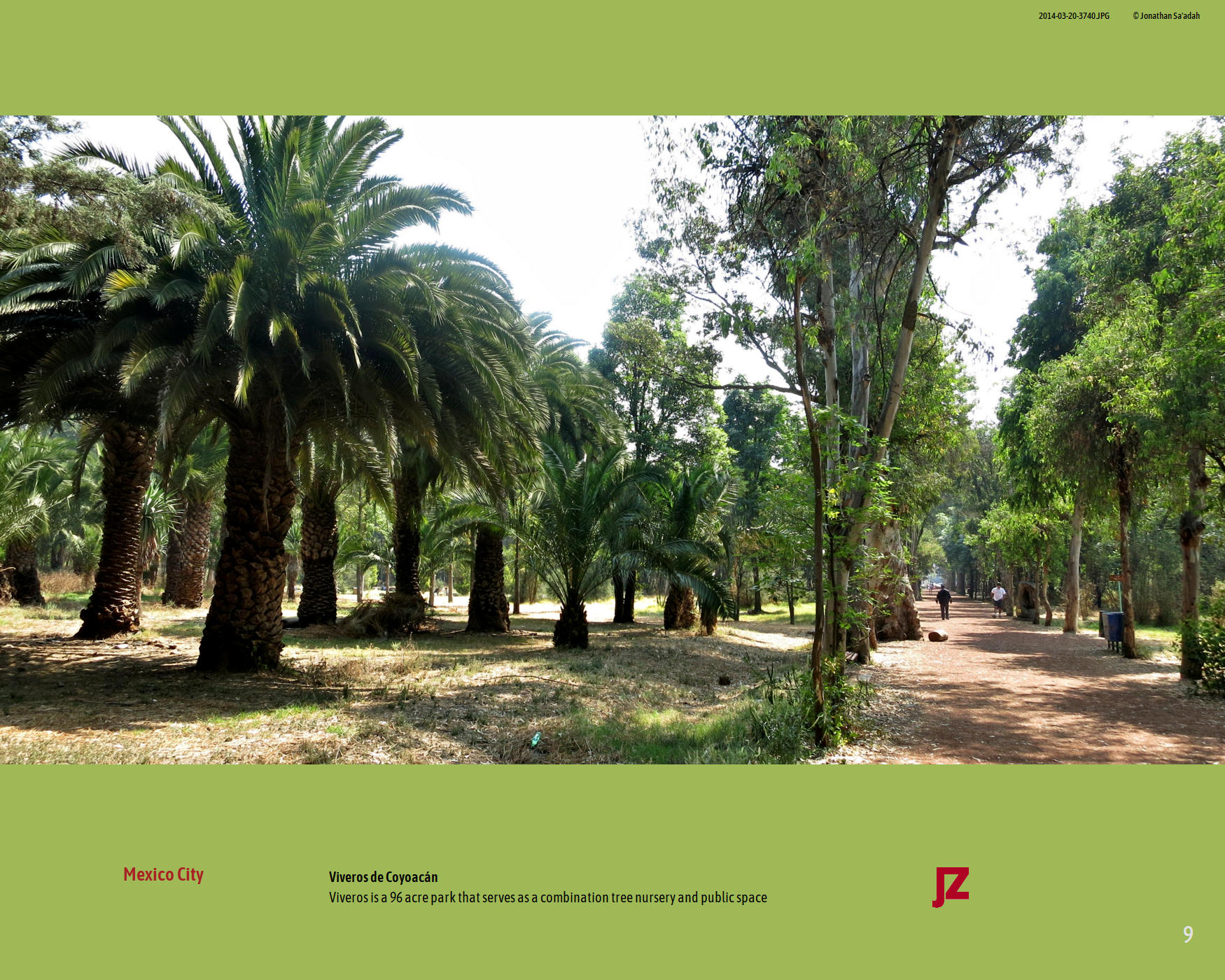
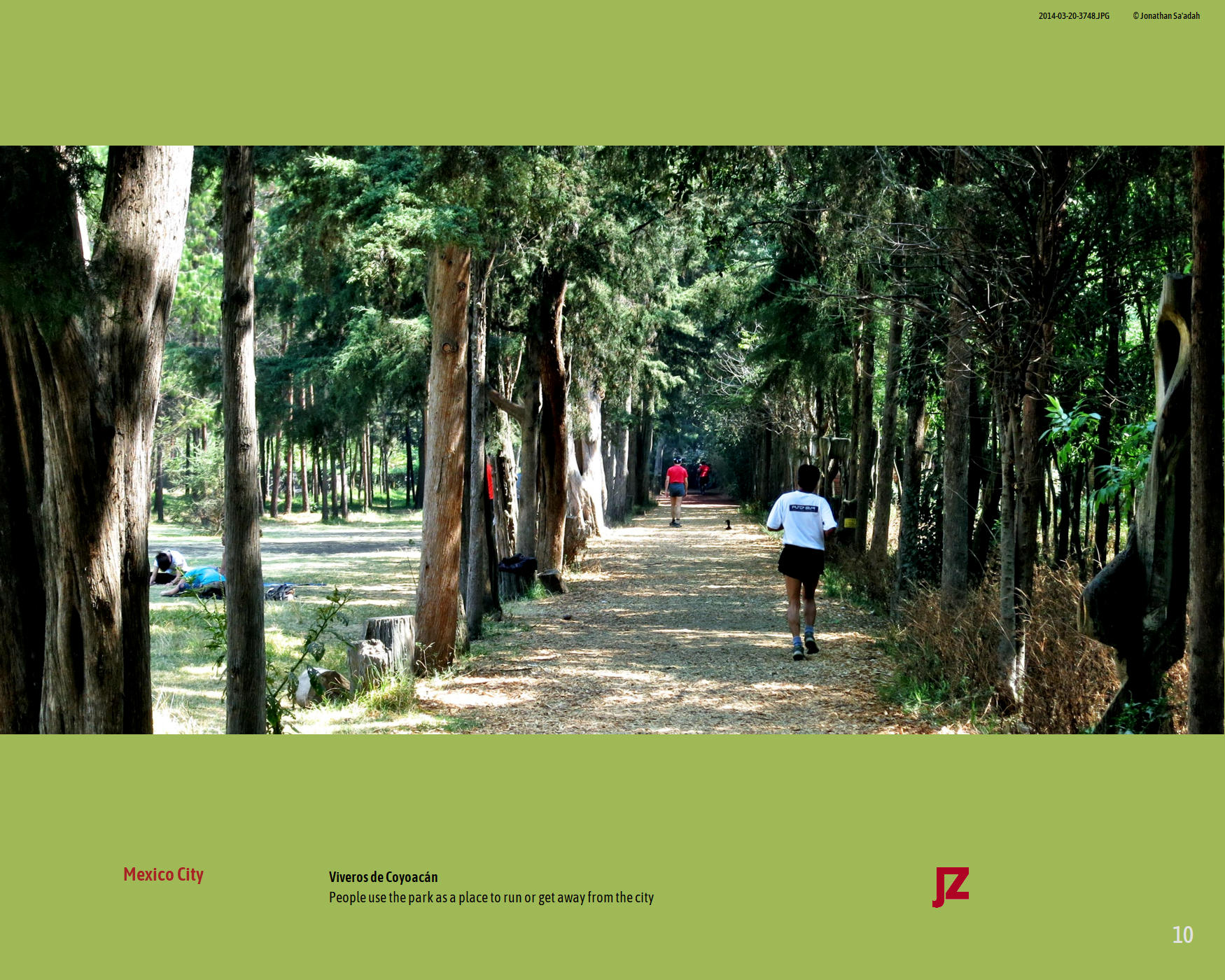
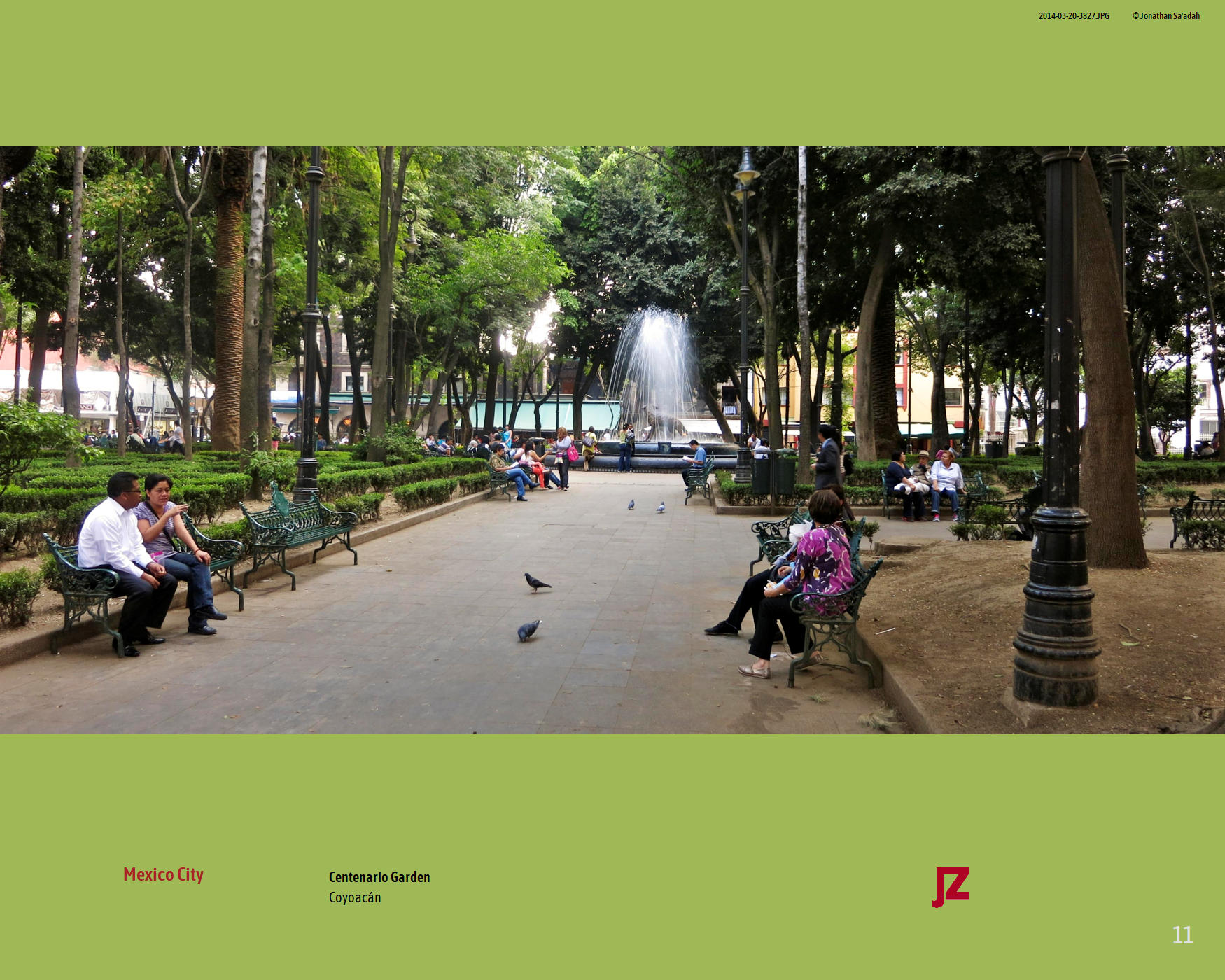
If you wanted to choose a city that’s diametrically opposed to Montreal’s cranky winters, Mexico City would be a good choice. The high altitude brings spring-like weather all year round, with warm days and cool nights. In February the mornings start at 12C warming to 20-25. Only pollution downgrades its perfect ranking.
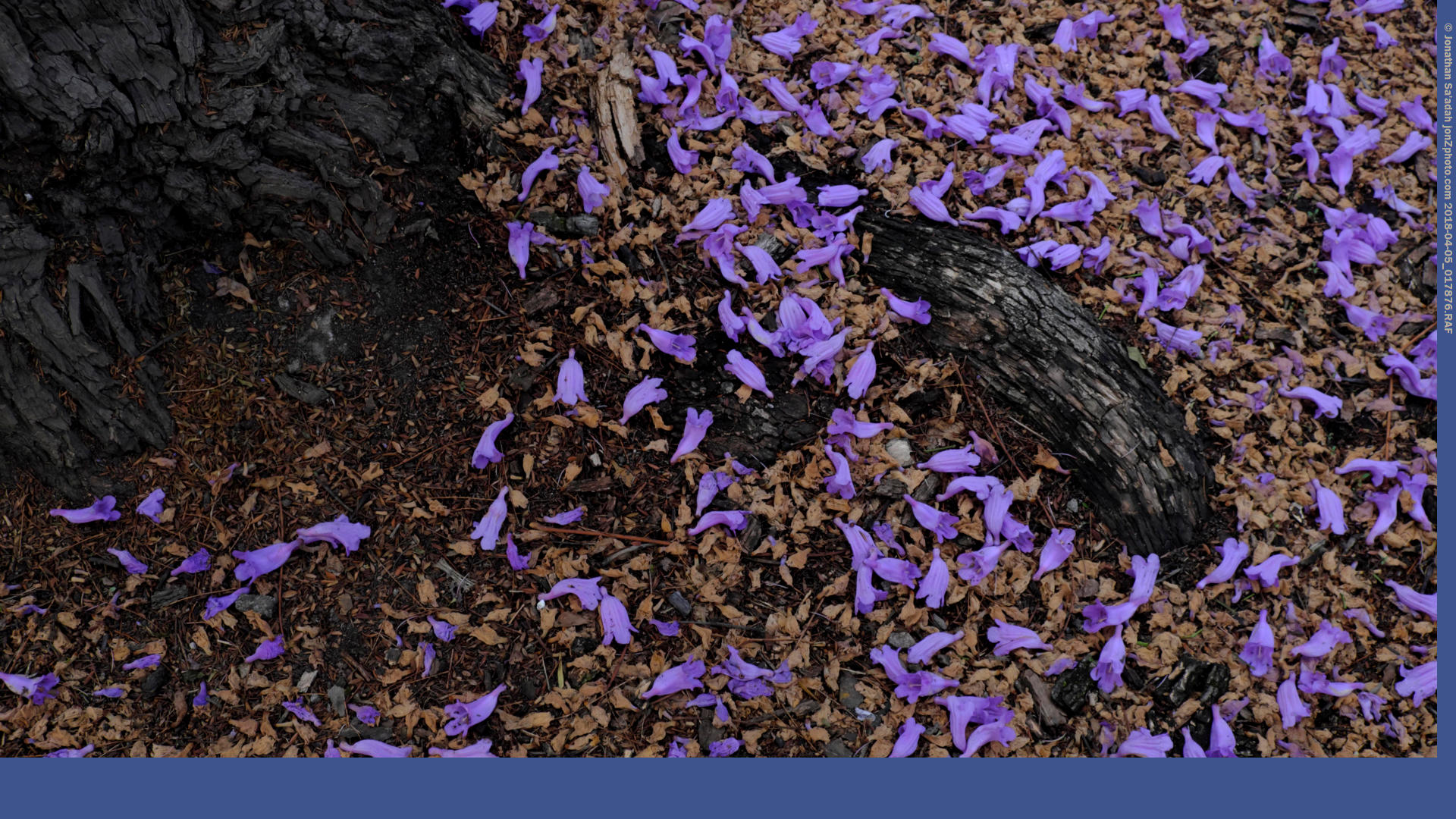
As penance for posting the deep-of-winter photos last week, I offer these to warm you up, or at least make you feel better.
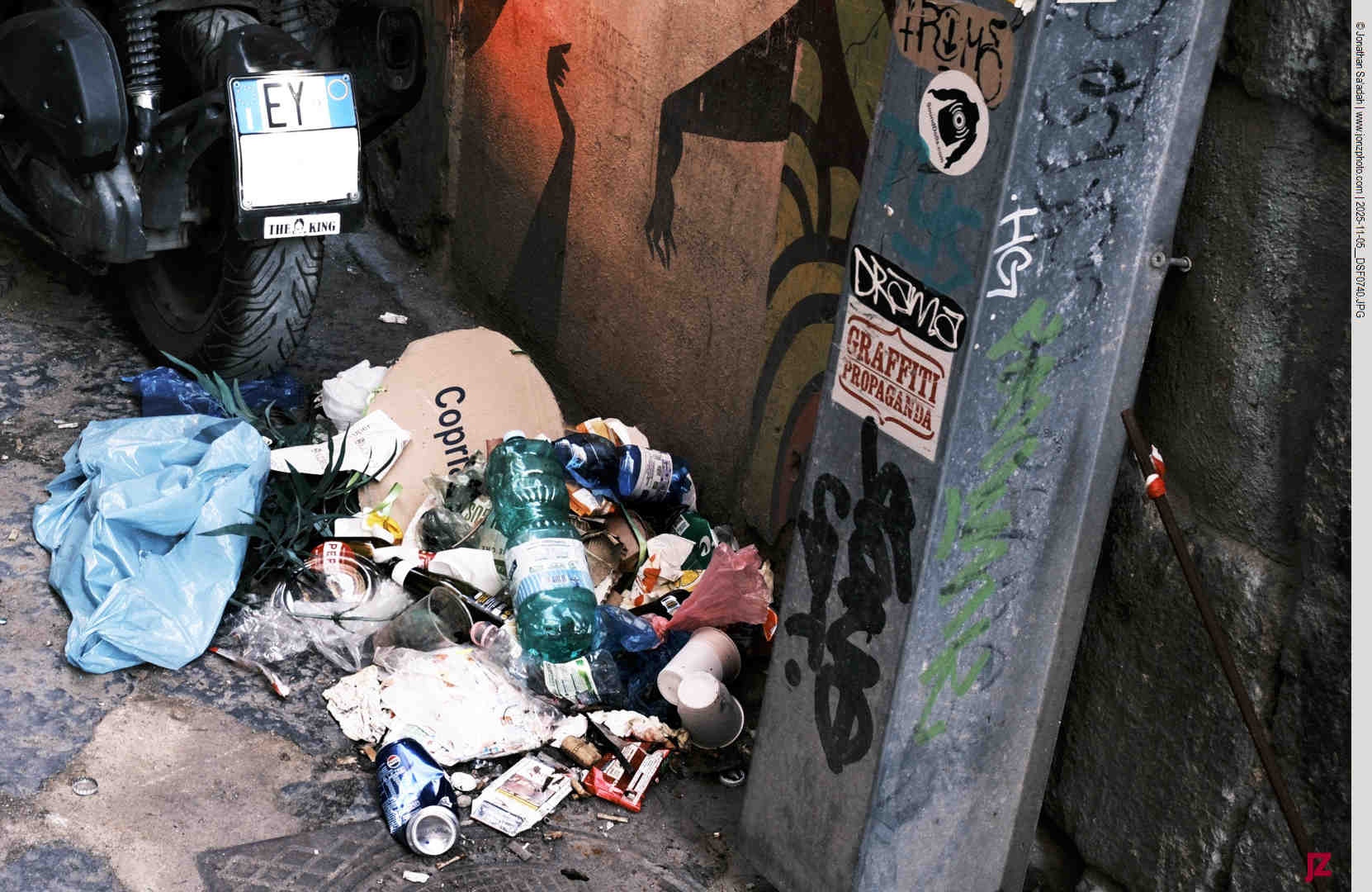
When we arrived in Naples my first impressions were of physical deterioration, vandalism, and filth. When thrown suddenly into the chaos and traffic just outside the airport the contrast with Montreal felt like too much! A visceral body blow.
Looking back now I can see how wrong I was. Yes, Naples is chaotic, smelly and, in ways, a maddening place but its lifeblood and character transcend its drawbacks. I came away feeling lasting affection and respect.
Disclosure: Alas, I have no blood connection to Italy, so what I write is based on a short period – nine days in the city, though I’ve had other visits to the country. Italy, and Naples especially, inspires strong opinions so chime with your experiences.
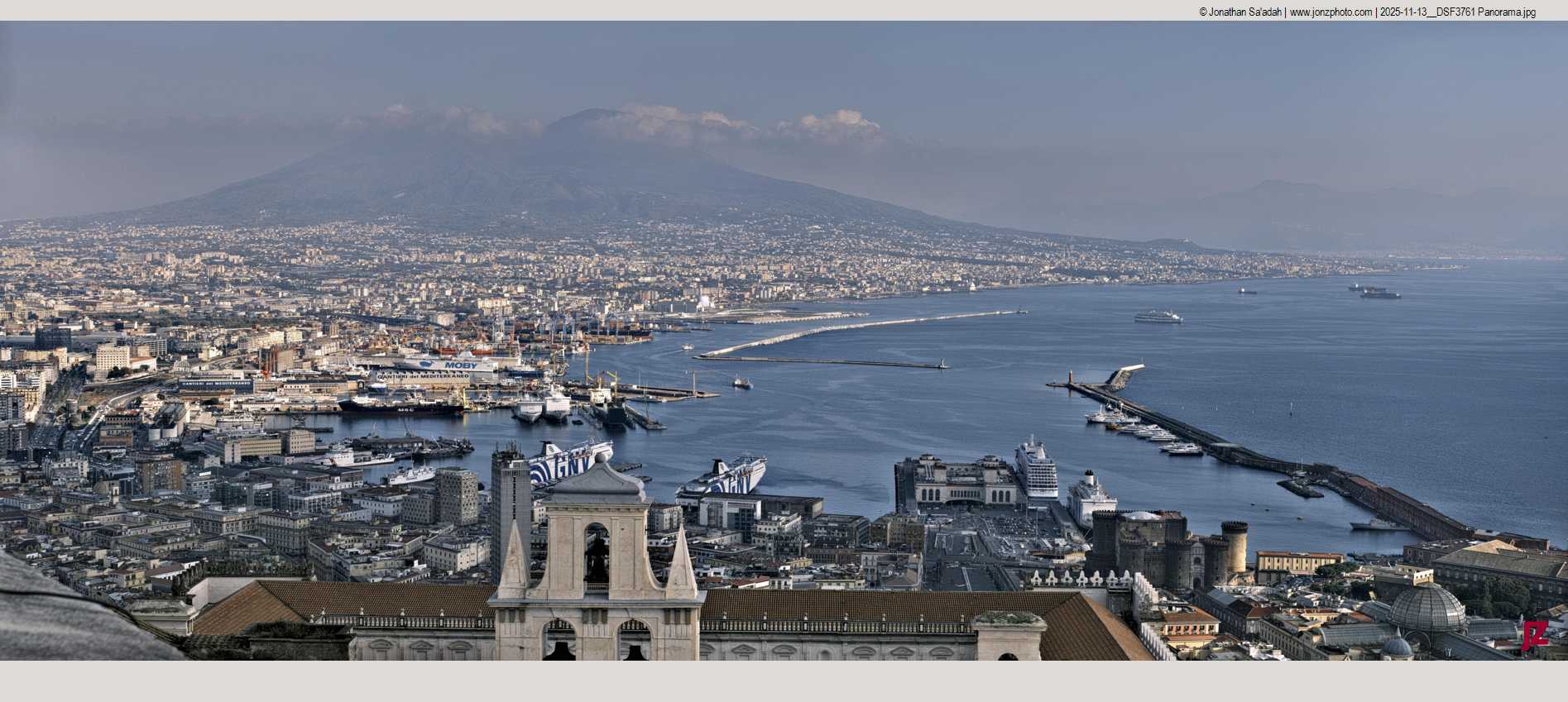
▲ Naples is actually about only a half of Montreal’s population within the metropolitan area, but it clearly wins on location with the Mediterranean and warm climate. Not to be overlooked, there’s always the question of Vesuvius looming above.
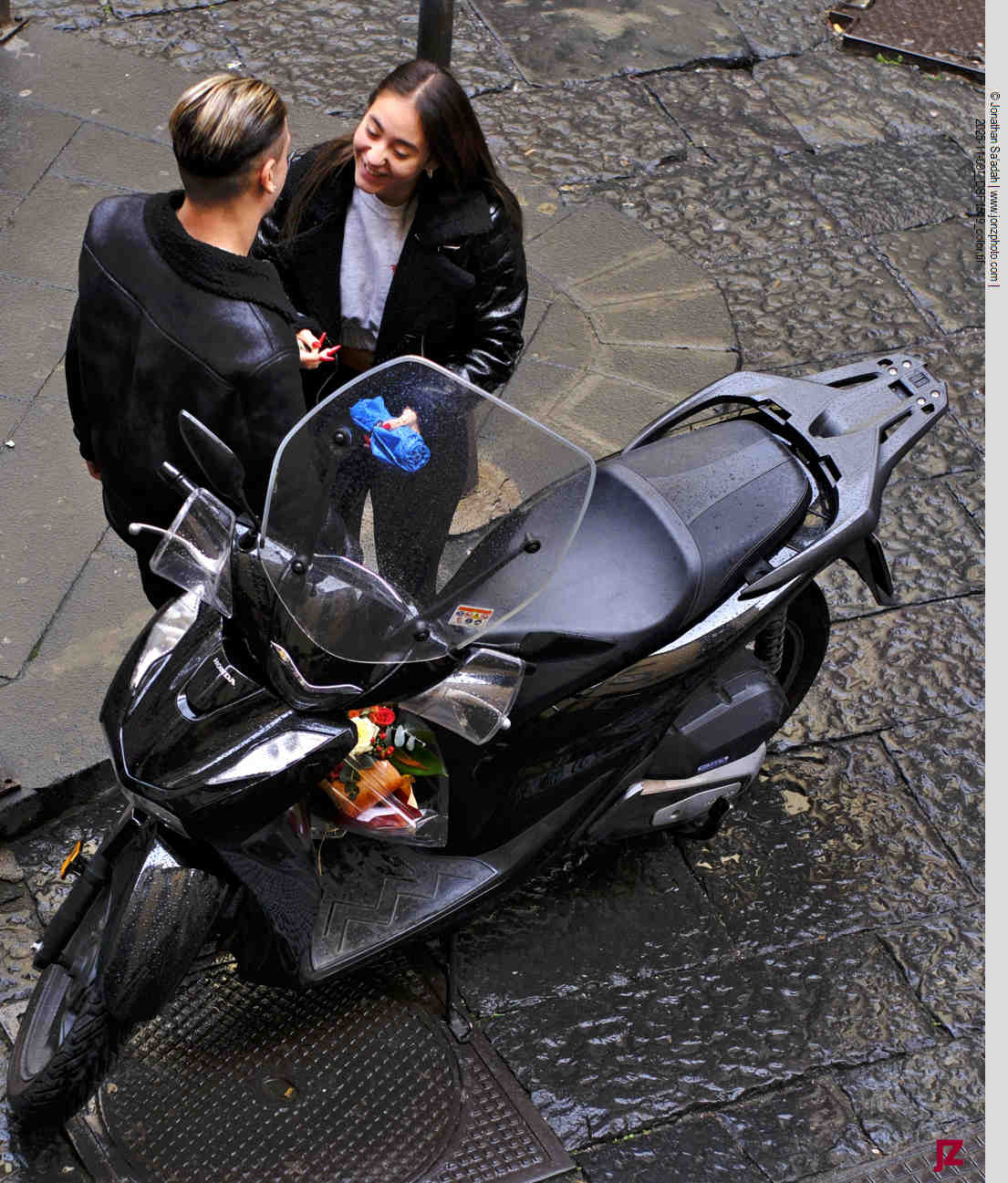
What I saw in Naples and what excited me the most was life unfolding in a continuous present. Damascus had a similar feel, but lacking the lively social give-and-take. History is not a frozen backdrop but a living participant in the present. The city’s streets compress centuries of urban life into a narrow, vertical spaces in which architecture, religion, commerce, and society are densely layered and constantly in motion. Everyday life spills outward from apartments and courtyards onto sidewalks, alleys, and piazzas, turning public spaces into hybrid spaces of living rooms, marketplaces, and theatres. It’s a feeling that I’ve fractionally experienced in other cities, but nothing like what washed over us in Naples.
A city built for the street
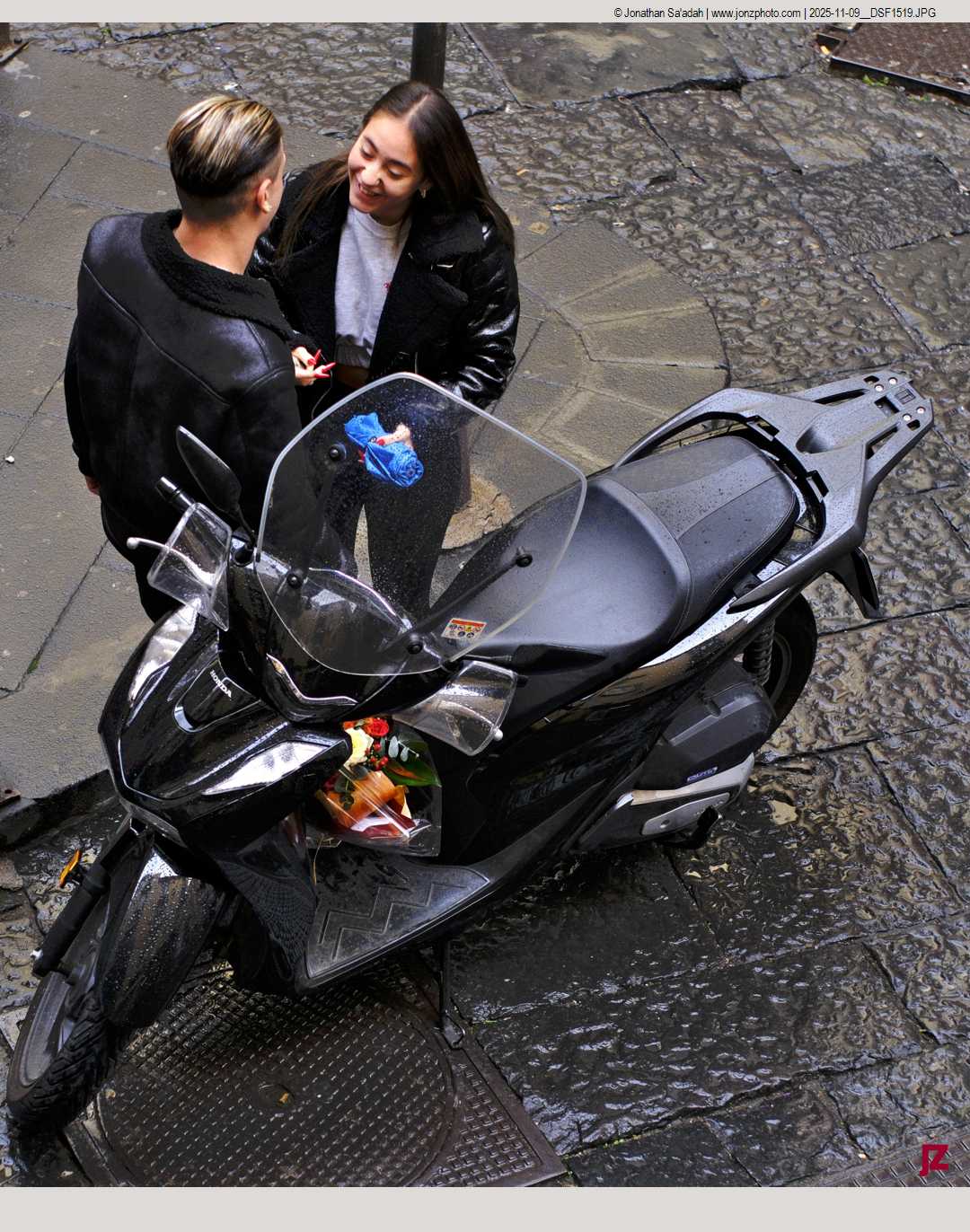
Naples’ street culture is inseparable from its urban fabric, especially in the historic center. Narrow streets and tall palazzi push life outward: balconies overhang the stone alleys, laundry stretches from window to window, and voices carry easily across the void. The result is a public realm where boundaries between inside and outside are porous, and where residents use doorsteps, stoops, and thresholds as extensions of domestic space.
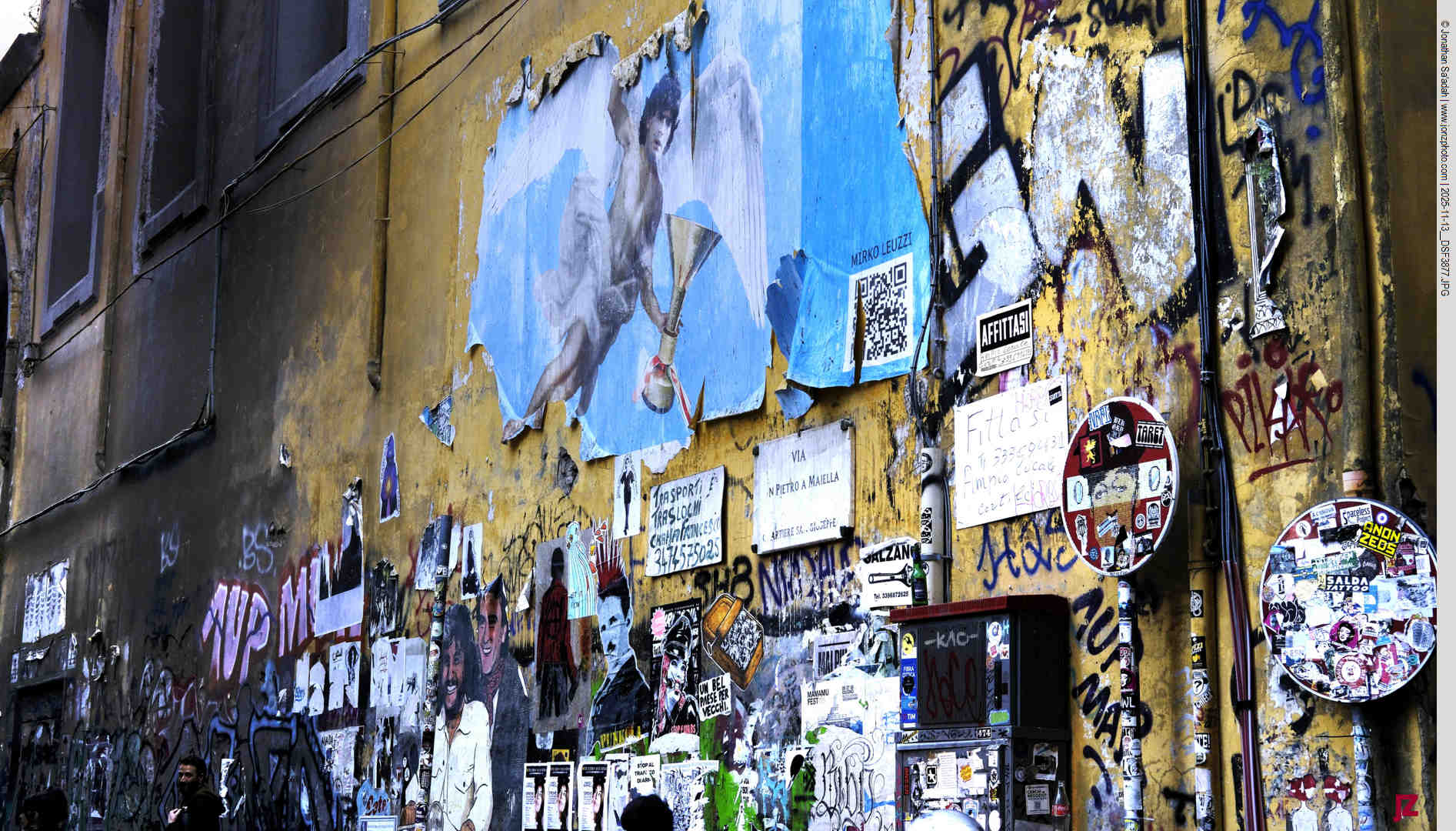
▲ All the Neopolitan elements of street decoration. Diego Maradona hovers above it all.
Rituals, religion, and everyday devotion
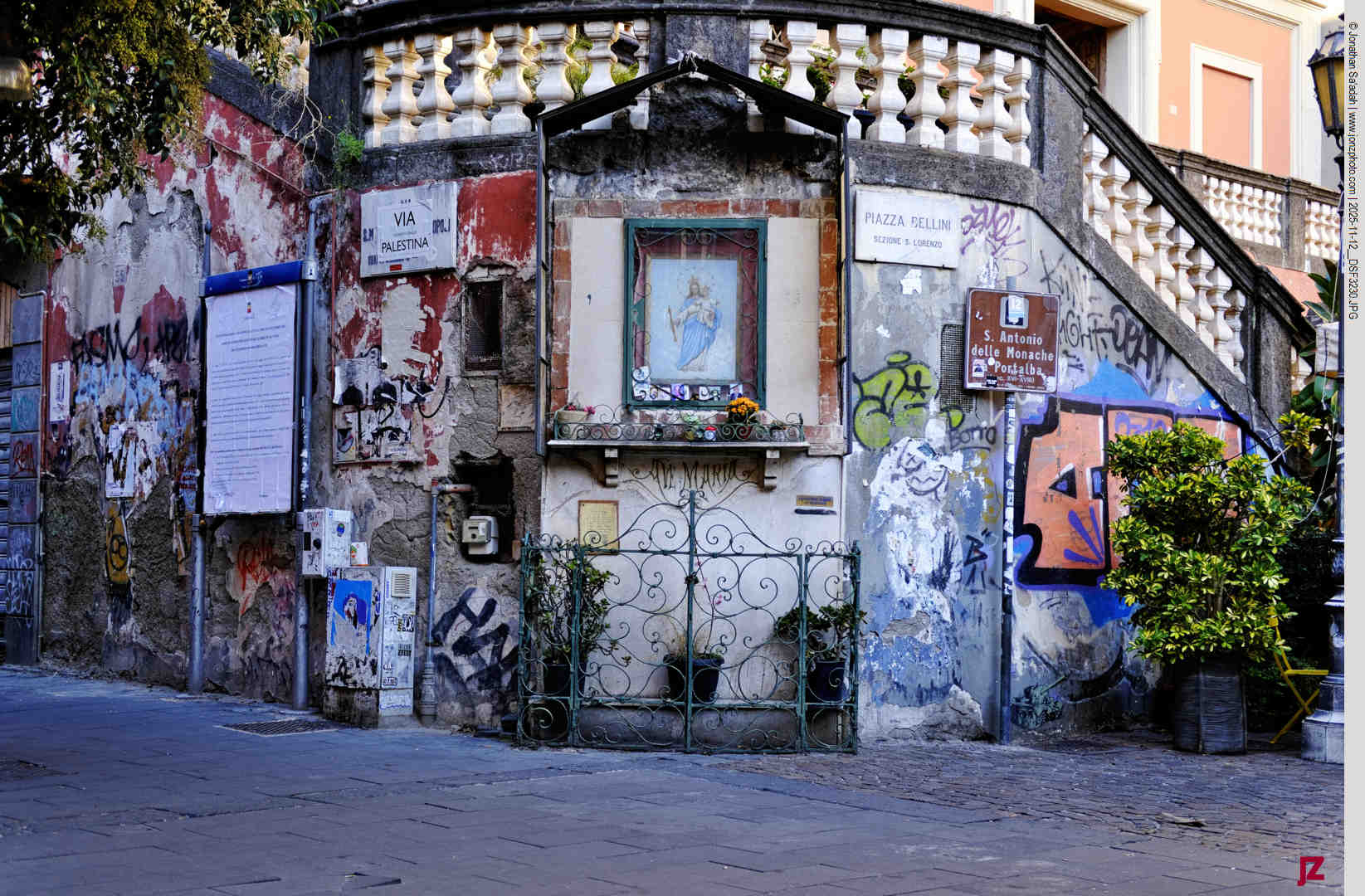
Street shrines – dedicated to the Madonna, local saints, and more recently figures like Diego Maradona – punctuate corners and facades, anchoring a popular religiosity that is both deeply felt and casually integrated into routine. Grief and celebration remain visible rather than privatized. Processions, move through the same streets that serve as commercial arteries, briefly reorganizing traffic and commerce around communal rites.
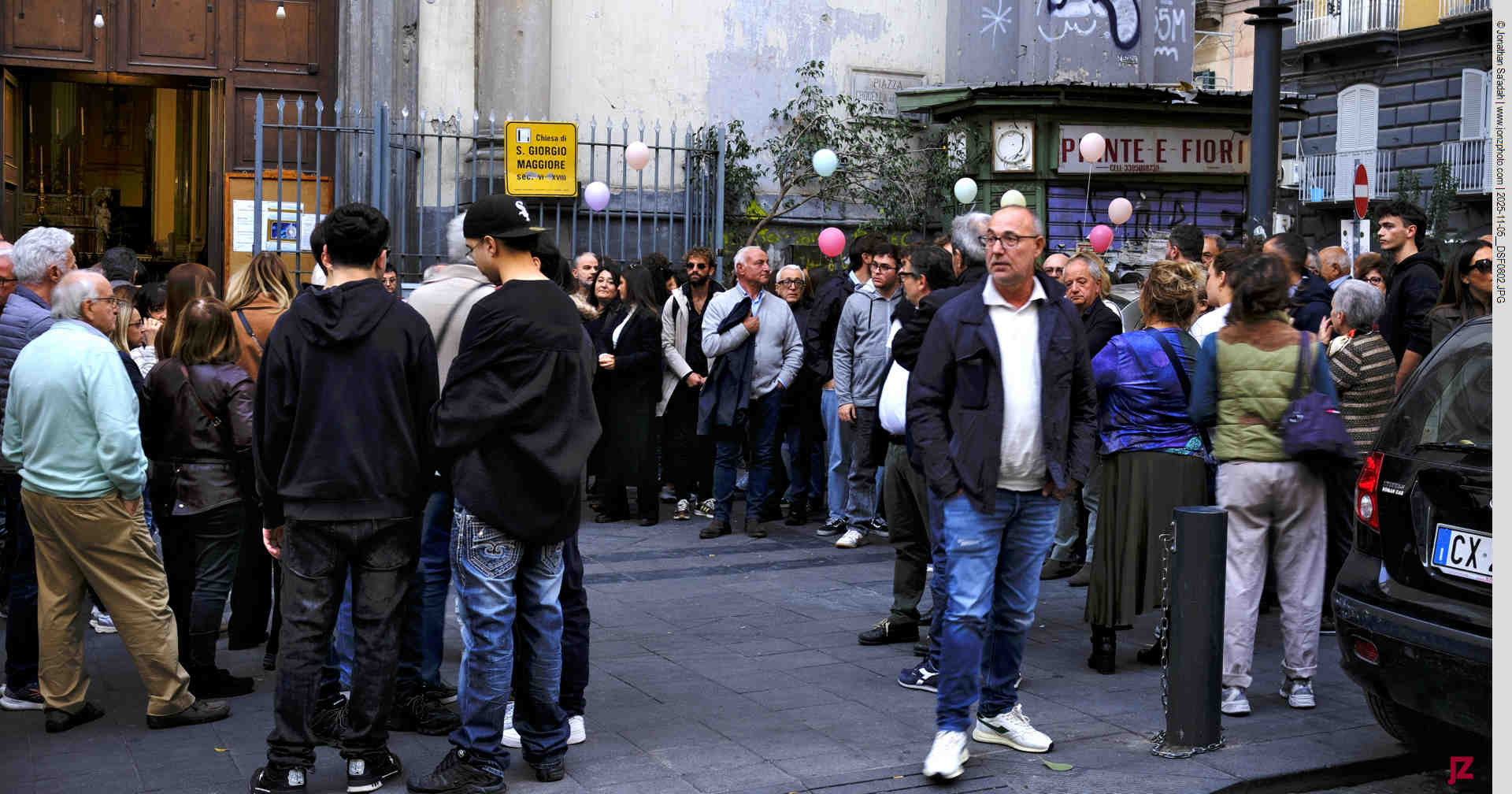
▲ Mourners on the street outside a church waiting for the hearse.
Commerce, food, and the social economy
Street-level culture in Naples is also a culture of commerce, from formal shops along Via Toledo and other main arteries to informal stalls, barrow vendors, and door-front sellers. Food is central: pizza al portafoglio, fried snacks, and pastries are eaten on the move, reinforcing an urban tempo in which eating, talking, and walking blur into a single activity. Small businesses – tailors, repair shops, artisan workshops – often have doors flung wide open, allowing passersby to watch work in progress and which favors a network of long-standing relationships.
Noise, performance, and conflict
Sound is one of the principal mediums of Neapolitan street life: motor scooters, shouts, arguments, laughter, and music densely fill the acoustic space. Conversation easily becomes performance; the theatricality has roots in a real culture of gestural communication and public argument, where disagreement is aired loudly but does not always imply rupture.
Graffiti, stickers, and visual claims
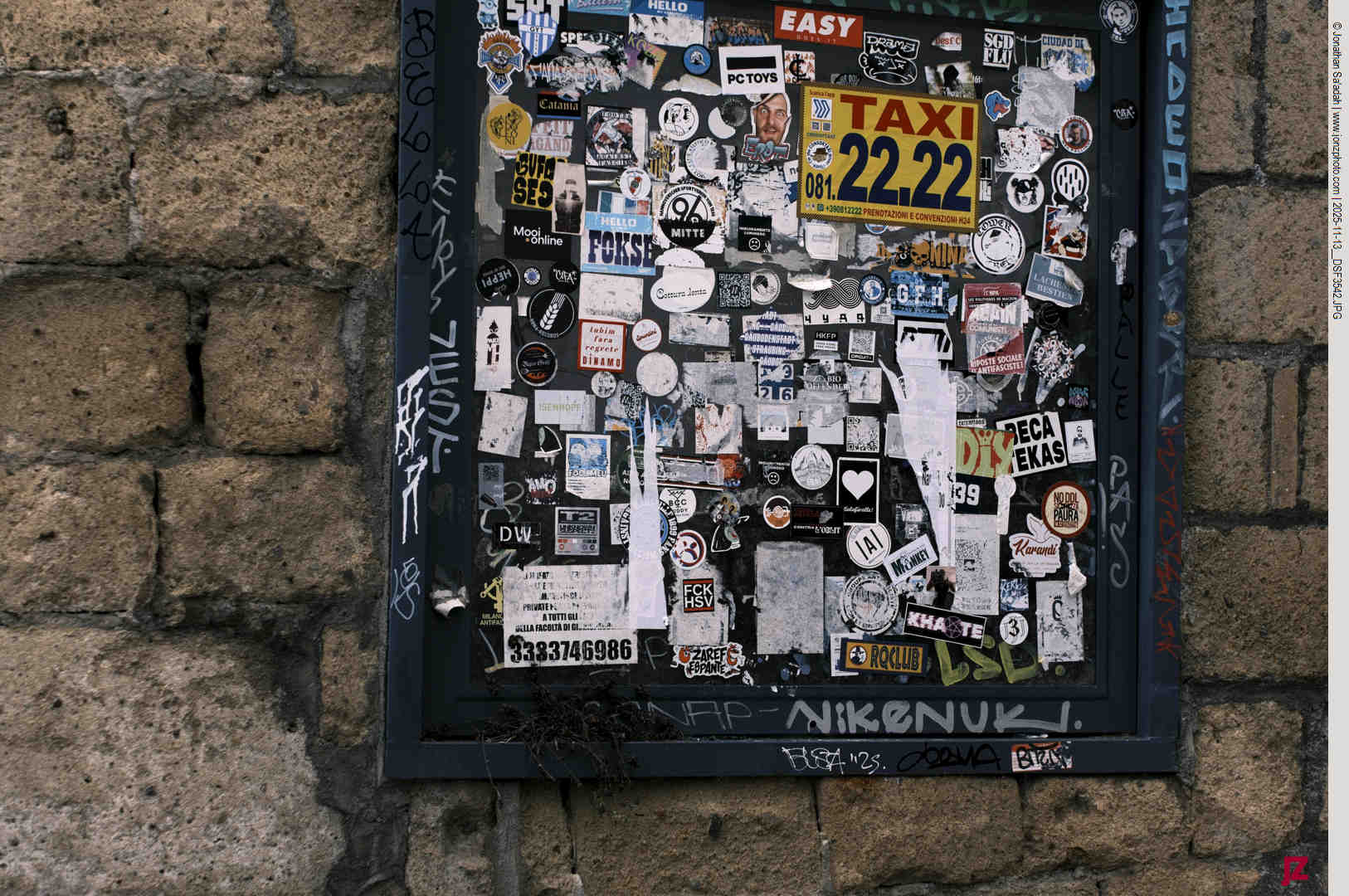
Walls, shutters, and street furniture function as a visual gallery of tags, murals, stickers, posters, and hand-painted signs, through which individuals and groups claim presence and allegiance. Football imagery – especially around Maradona and SSC Napoli – intertwines with political symbolism, memorials, and commercial advertising, producing surfaces that narrate loyalties, losses, and local pride. Municipal regulation and cleanup are uneven, so these layers are rarely erased; instead, they accumulate, reflecting a city in which informal expression is both tolerated and expected as part of the everyday street-level environment.
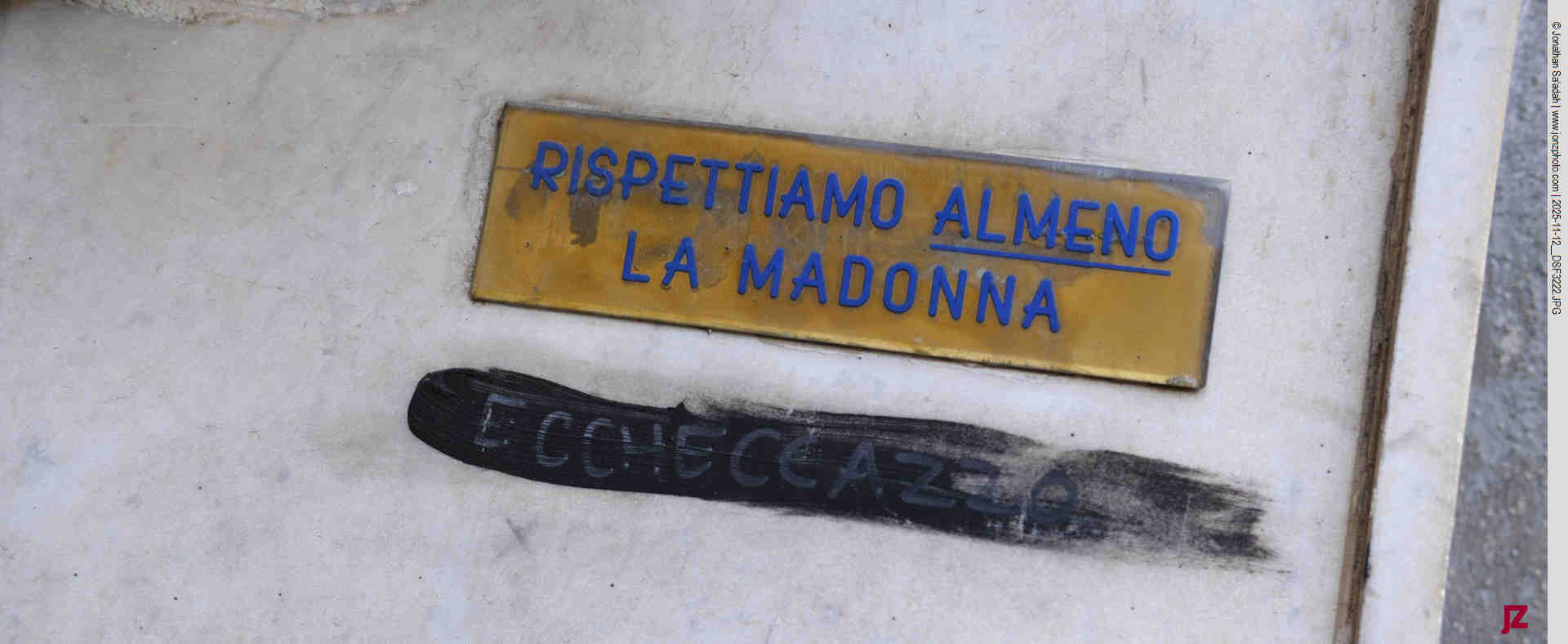
▲ Street Shrine to the Madonna▲ Instructional plaque below the shrine admonishes: “Let’s at least respect the Madonna”. Below it, in answer, but crossed out: “What the Hell?” or “What the fuck?”
Return to North America
There’s almost no obvious overlap between Naples and Montreal. If I pulled my car out into an intersection and acted like a normal Neopolitan driver, I would so shock my fellow Montrealers that counseling teams would be called in by arriving cops, to say nothing of where I’d end up. But even though we sit like silent glum blobs glued to our phones while we ride our public transport, I still ask if we’re not chronically depressed because we don’t have an easy life dealing with northern-latitude weather. There’s no light a lot of the year and grocery stores ask high prices for food that in Naples would be classified as road kill. If we were en masse moved south and fed the foods of Italy I could see us lighting right up – sparking around with high energy collisions off each other and making noise in the metro. We have the spirit, just not the environment. Watch out, dear residents of Naples!