
The history of American federal spending is littered with contradictions — moments when even unlikely leaders championed programs that would have lasting cultural impact. Such was the case with the Comprehensive Employment and Training Act (CETA), signed into law by President Richard Nixon in December 1973, not out of any particular regard for artists, but as part of a broader effort to combat unemployment during an economic downturn.
Yet between 1974 and 1981, CETA would prove to be a transformative lifeline for the American arts community. More than 20,000 artists received full-time employment through the program — the largest federal support initiative for creative workers since the Depression-era Works Progress Administration. What distinguished CETA from its 1930s predecessor was its fundamentally decentralized structure: rather than operating as a centralized federal program, CETA distributed funds through more than 500 local entities, allowing individual communities to shape arts employment according to local needs and priorities.
In Vermont, the state’s Arts Council became one such recipient, directing CETA funds towards organizations across the state for arts-related projects. At its peak, the program supported about 70 (exact number unknown) Vermont artists, paying them $10 per hour as teachers, radio stations producers, arts administrators/programmers embedded in community organizations, and ensemble performers — meaningful work that sustained a generation of creative workers in a state not known for deep pockets in the arts, and helped the organizations they were employed by. It also contributed to a rural ethos where Vermont drew radical artistic organizations and artists, such as the Bread and Puppet Theater, which moved to Glover and became a fixture in the state.
How I Became an Arts Administrator
In February 1977, I was hired to administer a program unique in Vermont and most likely in federal CETA history. The position came my way almost by accident. When Fonda Joy Segal, the renegade CETA administrator who had conceived and pushed through the program, began interviewing candidates, I lived nearby and was the first to walk through the door. Segal, a Brooklyn-born iconoclast who had met her husband while modeling at the School of Visual Arts in Manhattan and later moved to Vermont to open a health food store in Woodstock, saw something in me — or perhaps simply recognized that I was willing to take on the work.
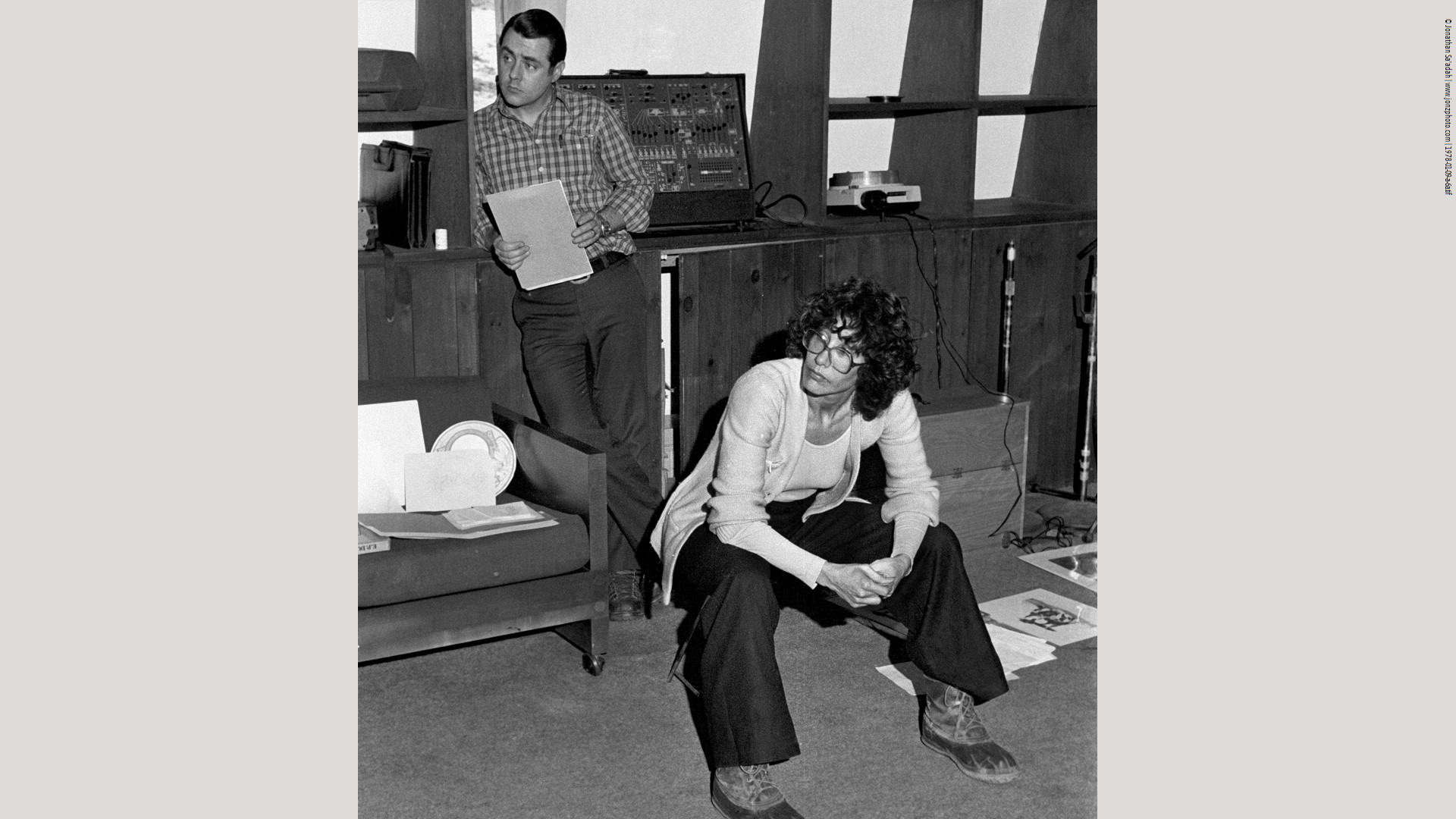
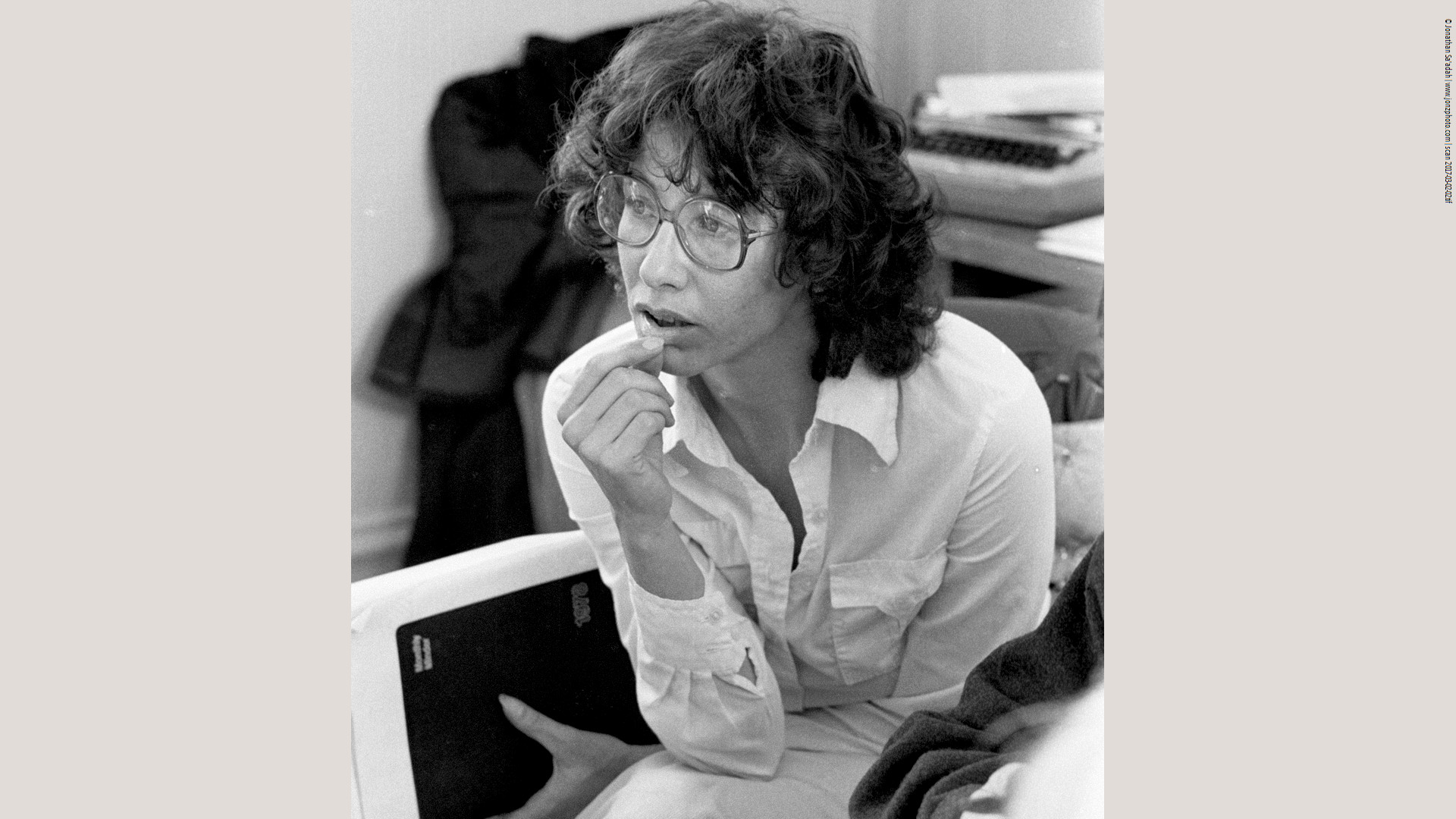
She offered me the job on the spot. I accepted, grateful for the steady income and intrigued with the prospect of traveling across Vermont to meet working artists. I had no way of knowing, in that moment, that this program would be one of the most experimental and short-lived arts programs launched by the arts “establishment” of the state.
“Vermont Images” was Segal’s brainchild, and it represented a radical departure from how CETA funds were typically deployed. While other CETA programs paid artists to teach in schools or participate in cultural organizations, Vermont Images took a different approach entirely: it provided direct financial support to seven selected artists to pursue their own creative work, without any obligation to teach, exhibit, or serve institutional needs. It was unconditional support — a rarity in the bureaucratic world of government arts funding.
My job was to make it work. As administrator, I was responsible for periodically meeting with each of the seven artists, monitoring the program’s progress, and coordinating the logistics of what was, in many ways, an act of faith in artistic practice itself.
A Year Traversing the State
Over the course of the program’s single year of operation, I traveled the length and breadth of the small state of Vermont. I crossed the Green Mountains. I drove through villages and rural hamlets. I found myself in the private creative spaces of serious working artists — people who had committed themselves to their practice despite the economic precarity that typically defines artistic life.
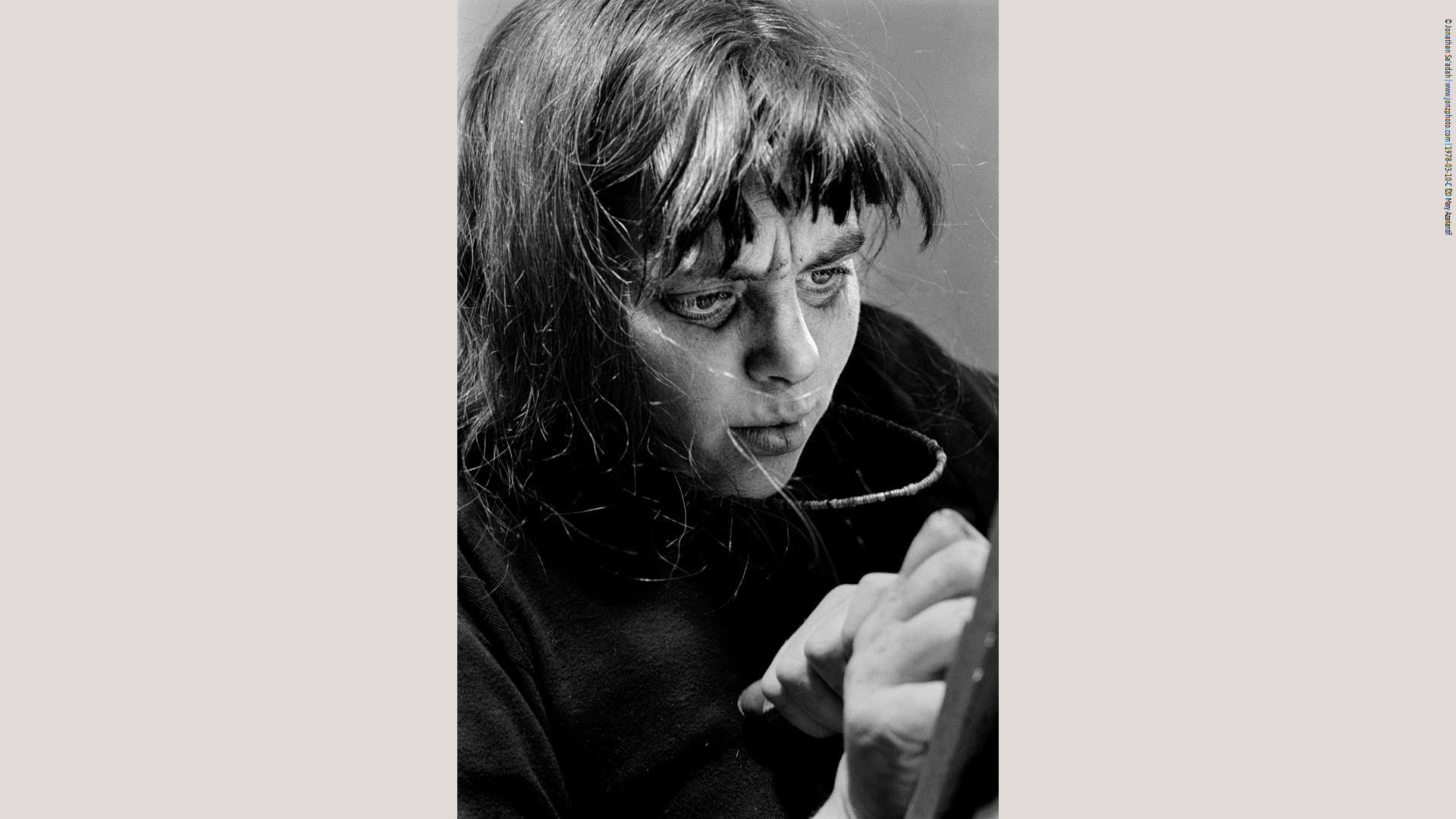
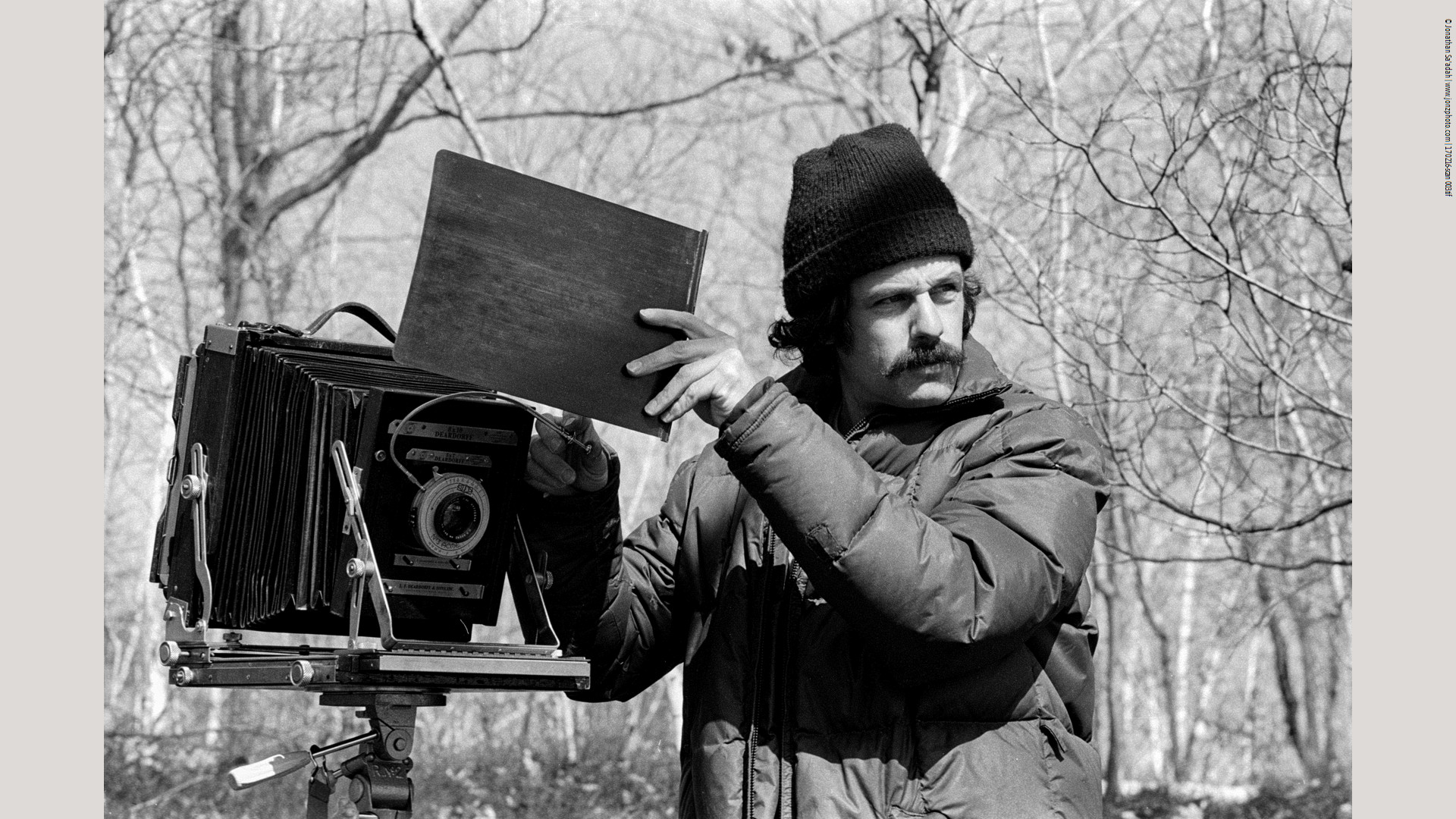
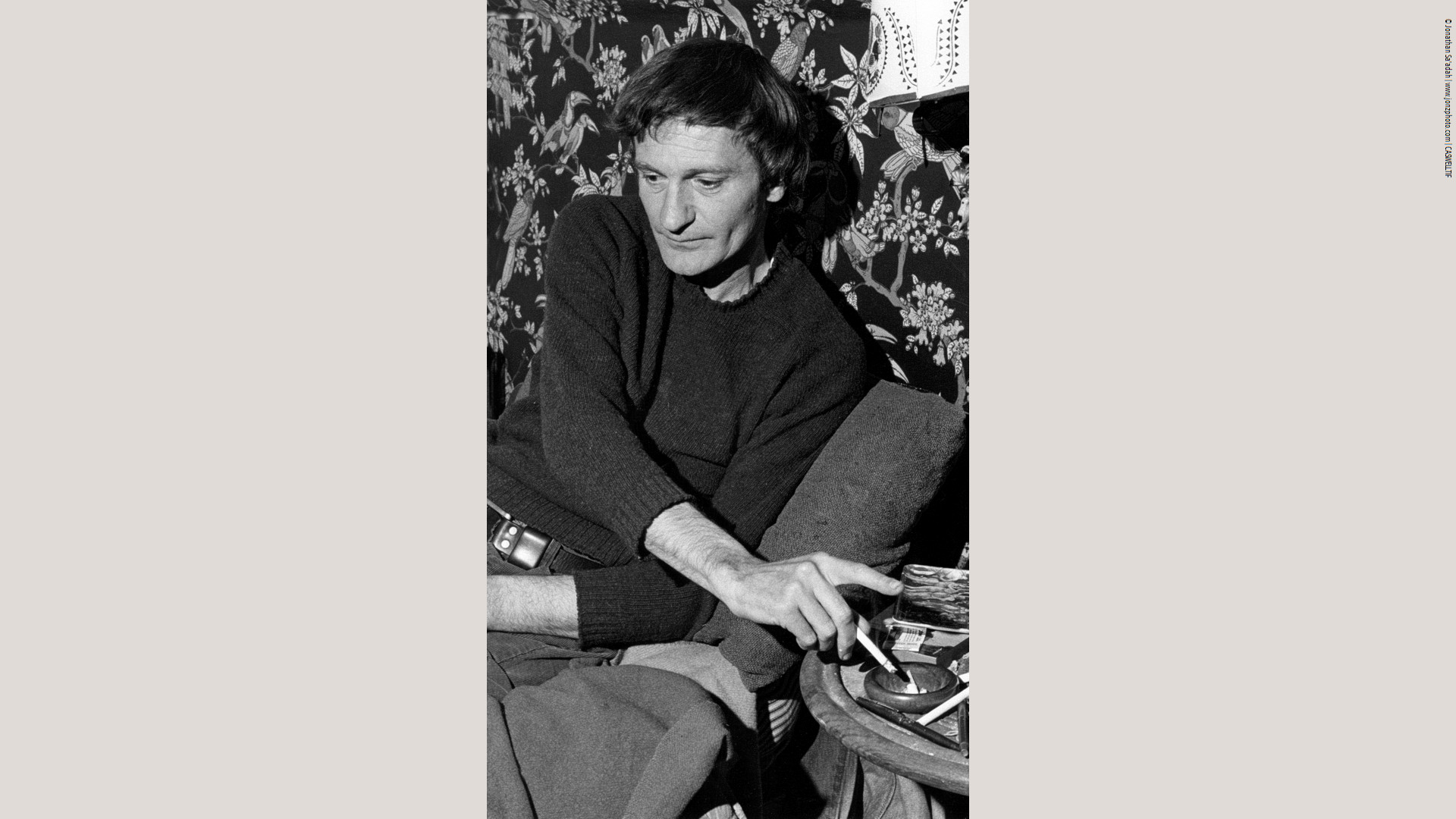
What I witnessed, from studio to studio, was the tangible impact of unconditional support. These seven artists — selected by Segal with an advising committee — represented the kind of working creatives who sustained Vermont’s cultural life but rarely received institutional recognition or steady income. For them, Vermont Images was not a stepping stone or a credential-building opportunity. It was a lifeline. The support I helped administer allowed them to continue their work, to deepen their practice, and to remain in Vermont rather than perhaps migrating to larger cultural centers where opportunities for artists were more abundant.
I learned something during that year that bureaucrats and institutional administrators often miss: the direct correlation between financial security and artistic flourishing. I saw how steady income removed the constant anxiety that forces artists to abandon their studios for survival jobs. I understood, from conversations and studio visits, how meaningful the program’s support had been in these artists’ lives.
The Clash Between Vision and Institution
But Vermont Images existed in tension with the institution that housed it. The Vermont Arts Council itself was run by Ellen McCulloch-Lovell, an establishment-oriented administrator more at home navigating institutional relations and political support than thorny artist questions. McCulloch-Lovell deserves credit for building up Vermont’s arts infrastructure and contributing substantially to the state’s cultural development. But her orientation was fundamentally different from Segal’s — and mine, by extension.
Where McCulloch-Lovell thought in terms of institutions, infrastructure, and sustainability, Segal thought in terms of artists and creative need. Vermont Images represented that artist-centered philosophy taken to its logical conclusion: direct support, no strings attached, no institutional mediation.
It was too free-form for the Vermont Arts Council. The program was not renewed.
In any case, nationally the CETA program was winding down. When Ronald Reagan took office in 1981, he moved quickly to terminate CETA altogether, abruptly ending a decade of federal arts employment support. The remaining CETA programs in Vermont, which had continued to support artists working with cultural institutions, were shuttered. The experiment was over.
A Glimpse of What Was Possible
My year as administrator of Vermont Images offered a rare window into what federal arts support could look like when bureaucracy stepped back and trust stepped in. It had a modest budget and seven artists to support — not enough to transform the state’s cultural landscape, but enough to change the lives of those seven people, and myself. I had traversed Vermont’s back roads and witnessed creative practice in its most authentic form, unmediated by institutional necessity.
The program lasted only a year. It never grew. It was deemed too unconventional to continue. But for those seven artists, and for me, it represented something exceedingly rare in American life: a government program designed not to serve the state’s interests, not to build institutions, not to create measurable outcomes — but simply to support artists in doing their work.
That simplicity, that directness, that trust in creative practice itself — these things made Vermont Images worth remembering, even fifty years later.
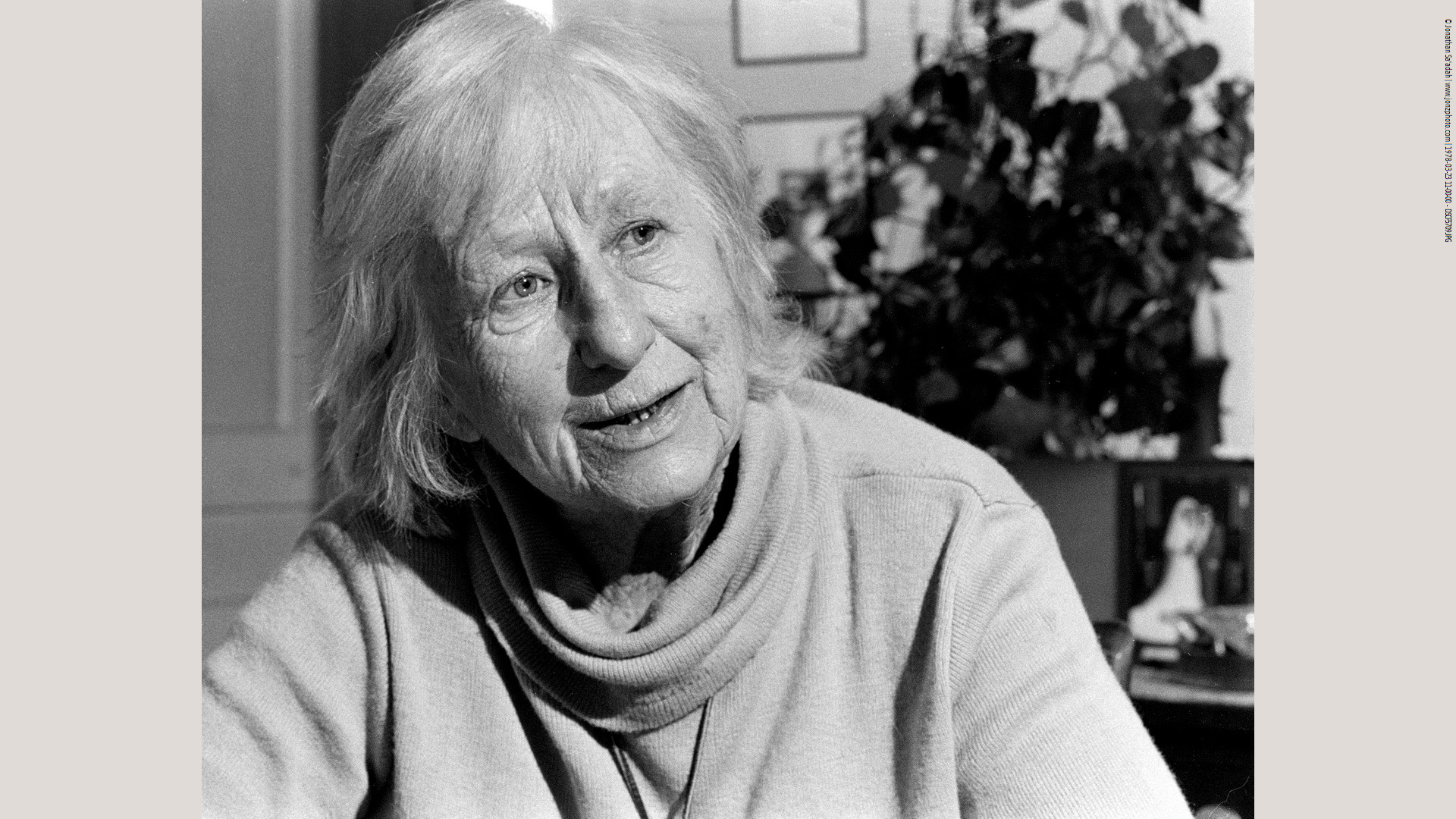
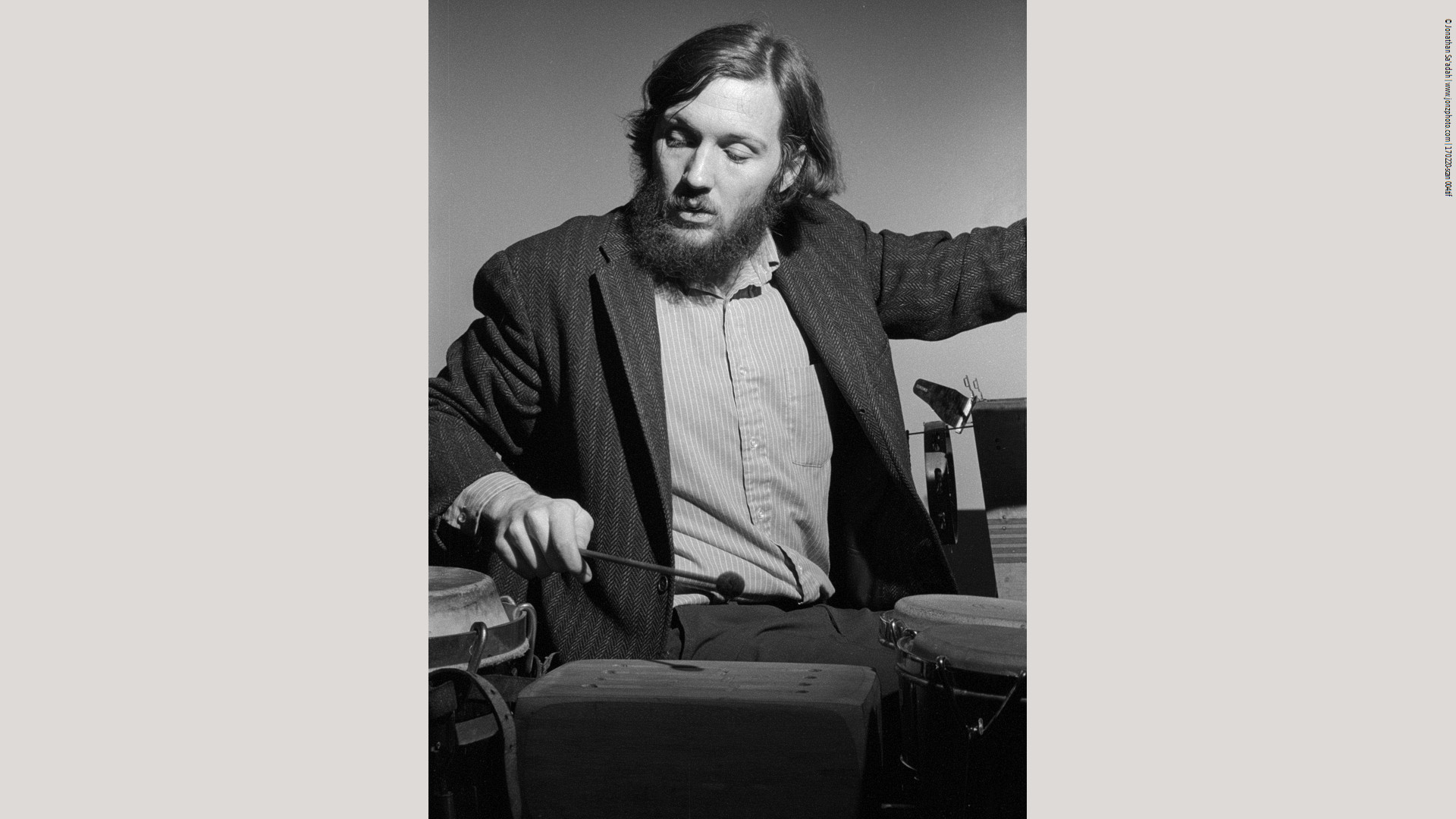
I was part of the CETA program that was not involved with Vermont Images. I was fortunate to be chosen as a Music Producer to be on the startup staff of Vermont Public Radio. I knew little about public radio at the time and was working in New York as a stage hand at the small, yet mighty, American Place Theater. A friend of mine offered me the job because he knew of my dream to write and direct plays. New York was the place to try to make that dream come true. For many years, I was listed on the Vermont Council on the Arts as a playwright or a writer and I think my name came up on a list, but I did not hear about this brand new radio network until a friend saw an ad in the Valley News that simply said, “Radio Producers Wanted”. I applied to that ad and was invited to have an interview. I really didn’t know what I was applying for, but fate intervened and out of the long list of applicants, I prevailed along with the poet Frank Anthony. He was spoken word producer, and I was the music producer. If my memory serves me, Vermont Council on the Arts was to funnel money from the CETA program to Vermont Public Radio (now called Vermont Public when radio merged with TV in 2021) to pay for two positions that the two Franks filled. These were “below entry level” positions that paid very little, but we got a payload of training that helped the station get programs on the air, fulfill their FCC requirements, and generally be the programmers. What a gift! Frank A. had a program called “Legendary” where he featured Vermont writers and poets, and I produced “In Performance” featuring in-studio recordings as well as concert recordings of so many musicians and musical groups. We got together for a program called “Weekend” as well. Jonathan documented this beginning with his wonderful photos which really helped validate the effort to bring public radio to a state that had more chipmunks than listeners…so stated by an early predictor that this project would not fly. The early program guides featured photos of the staff, announcers, and a wonderful array of volunteers. The year was 1977. That’s when I met Jonathan. There was only one station with studios on the third floor of the Windsor House in Windsor, Vermont, the birthplace of the state, and of course VPR. The Windsor House had a direct line of site to the top of Mt. Ascutney where the radio antenna was placed. A microwave dish on the back of the building was directed to the receiver on the mountaintop and a small yet important engineering feat brought public radio to an appreciative audience. But only southern Vermont. The vision was to become statewide…someday. That of course did happen and the network, now separate services of classical music and news, is one of the most listened to networks in the public radio system. My career continued after my seven years at Vermont Public Radio and it has been a wonderful journey. I did my share of reports on National Public Radio and even a full length program on Folk Festival USA about Canadian traditional music. Unforgettable! My early days of broadcasting were so exciting and certainly prepared me for bigger jobs, and my own CPB funding for a couple of years as an independent producer. I have CETA to thank for the opportunity and the memories.
Frank – thank you for adding to the post. CETA was really important to me too. I wish we could gather and share where we went after those years.