
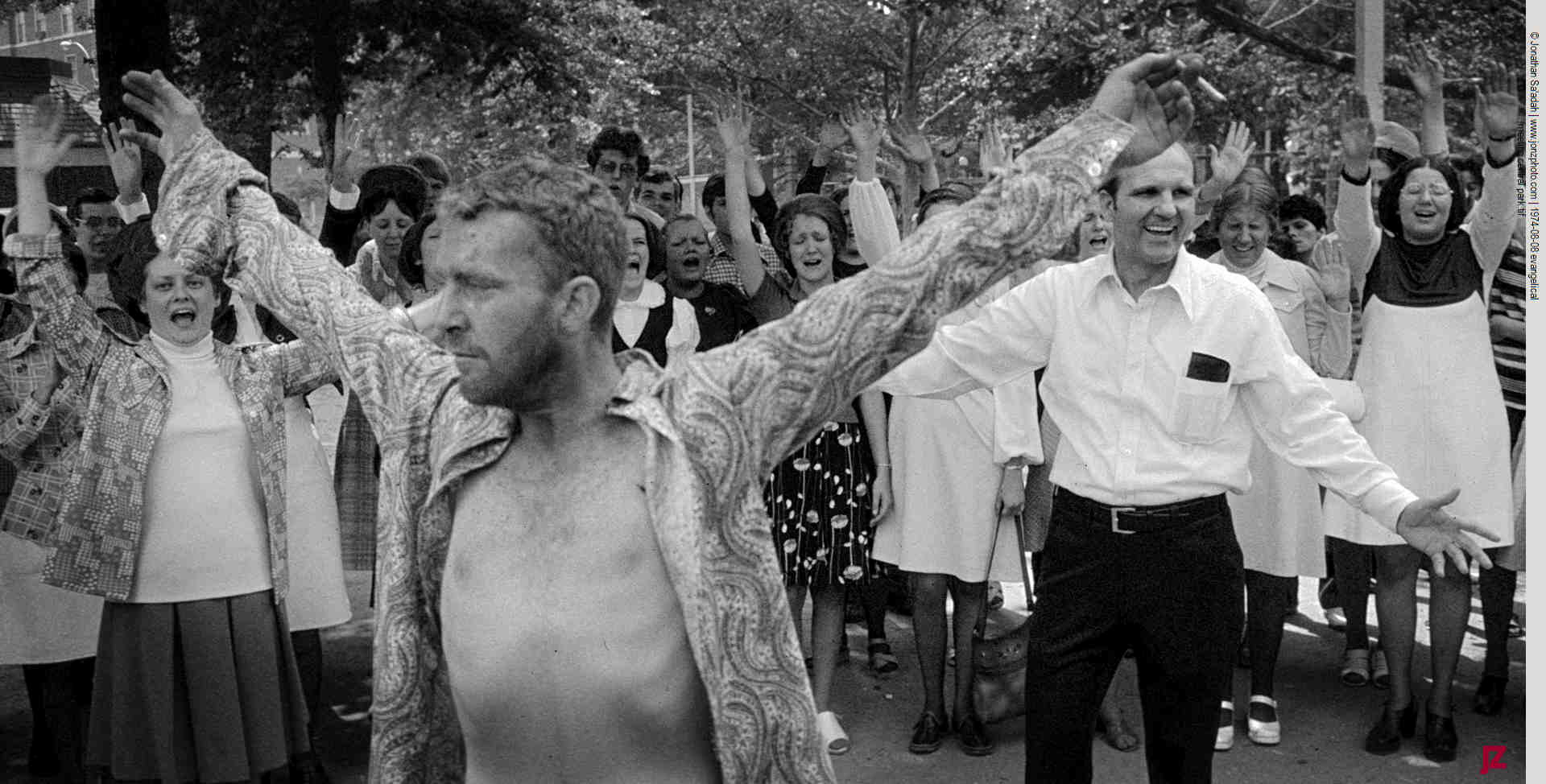
From the time I started using a camera I’ve photographed people. Most of the time I’m completely open about what I’m doing, but I also like swinging the other direction and taking pictures where I’m more surreptitious and people are unaware of the camera. When miniature cameras came into play in the 1930s photographers quickly took advantage of their size to photograph unobtrusively in public spaces. I did too – some of my earliest photographs were street photographs. At the time I didn’t know anything about Walker Evans or Helen Levitt or really any of the history of the medium. To me it was exciting to take un-posed photographs. I liked the serendipity and the interplay with coincidence which lies at the heart of street photography. It shaped both how I shoot and my attraction to the medium’s mystique. Unlike most photographic genres, which often involve contemplation and thought, using my camera on the street unfolds the uncontrolled theatre of everyday life. I photograph in this environment not as a director, but as a responsive observer, being alert to the fleeting alignments that appear without warning and vanish in an instant. For me, serendipity is not just a pleasant surprise; it’s what gives the best photographs lasting meaning.
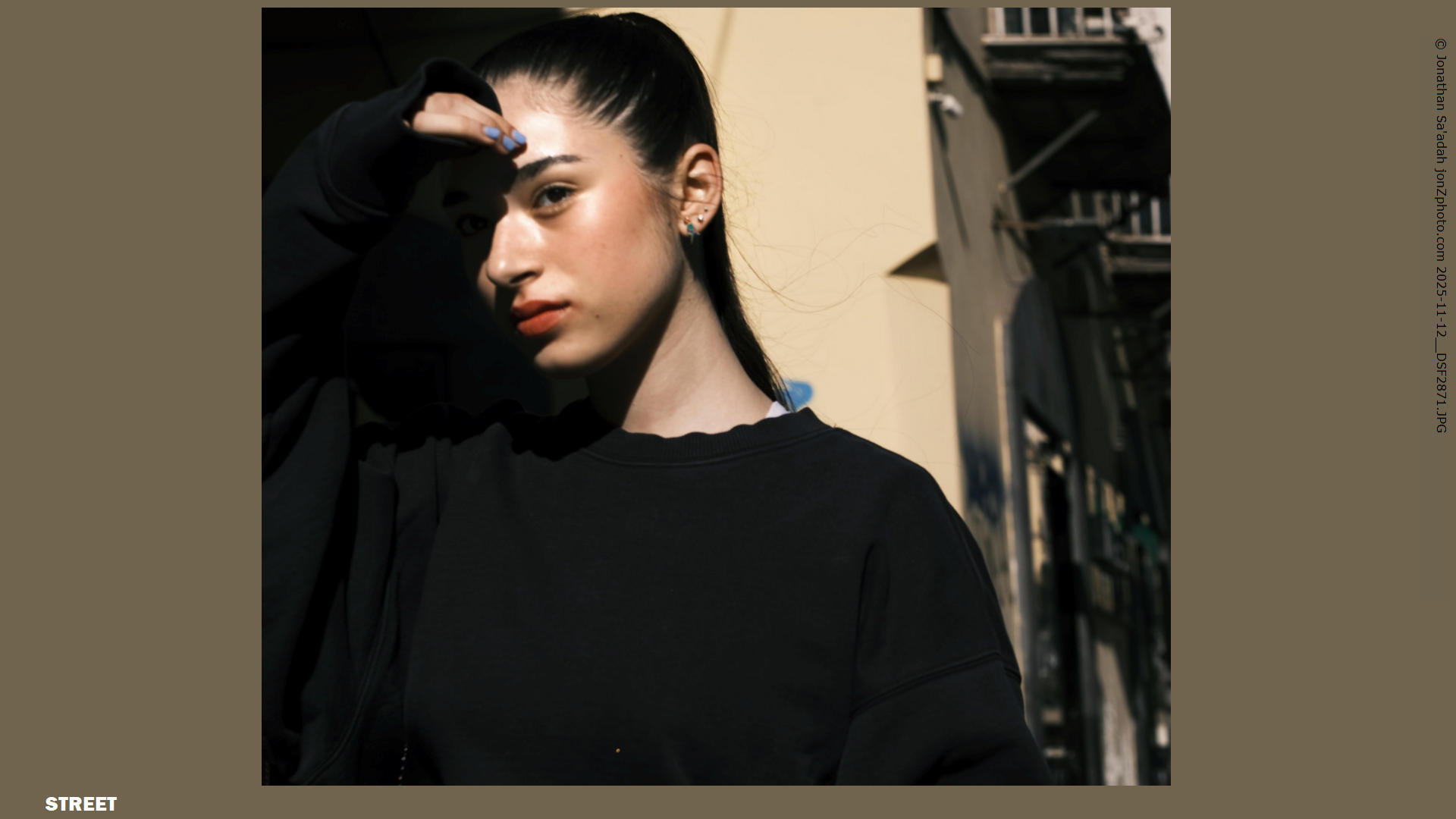
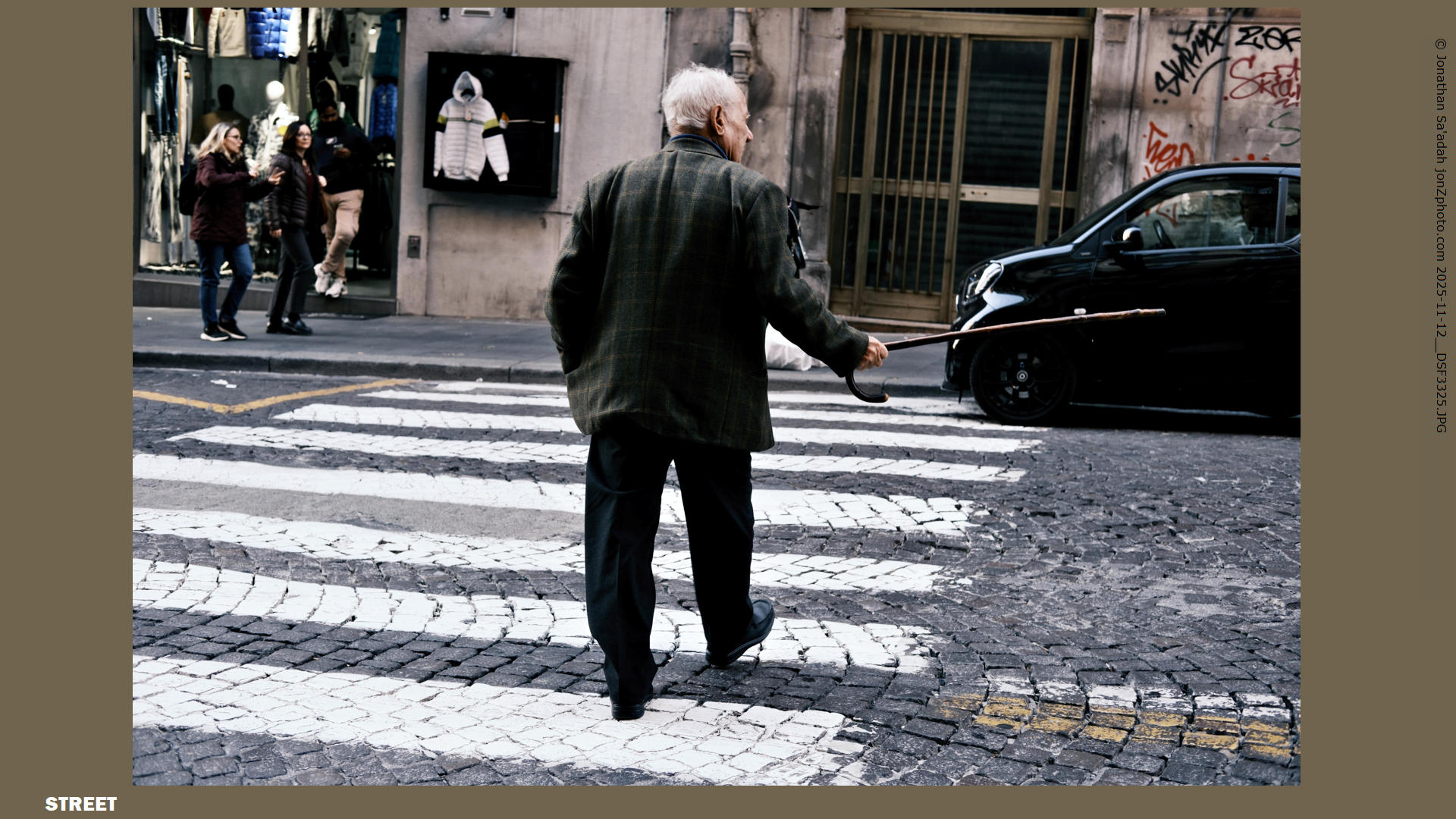
At first glance, it is tempting even for me to describe these moments as “luck.” A person steps into strong light with graffiti in the background that mirrors their fashion, couples march arm in arm lost in the urban landscape, a glance or gesture becomes an unexpected moment. I happen to be present, at precisely the right time. Yet if I stop at luck, I misunderstand my own role. Serendipity is less about random fortune and more about the meeting point between chance and my readiness.
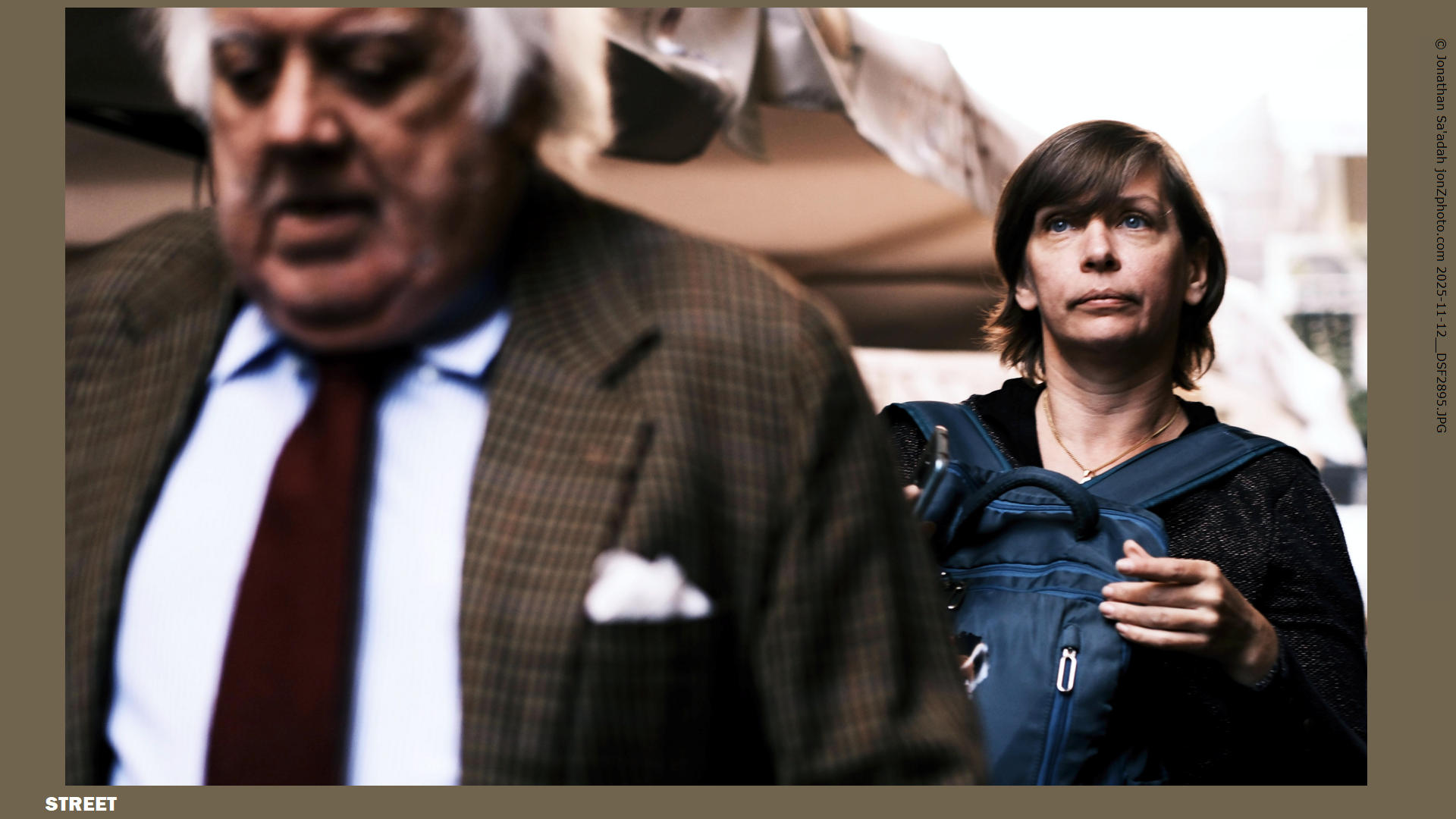
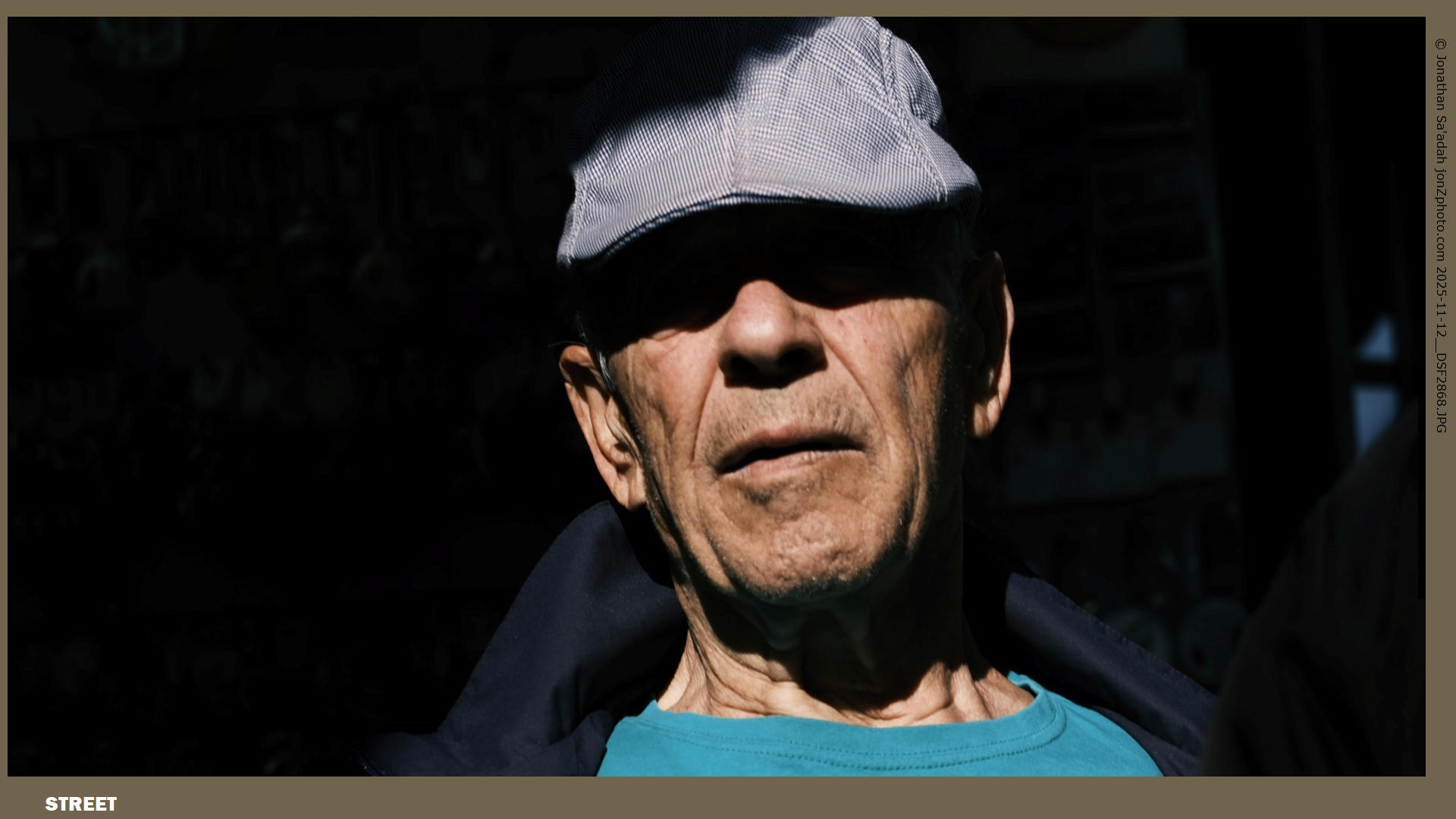
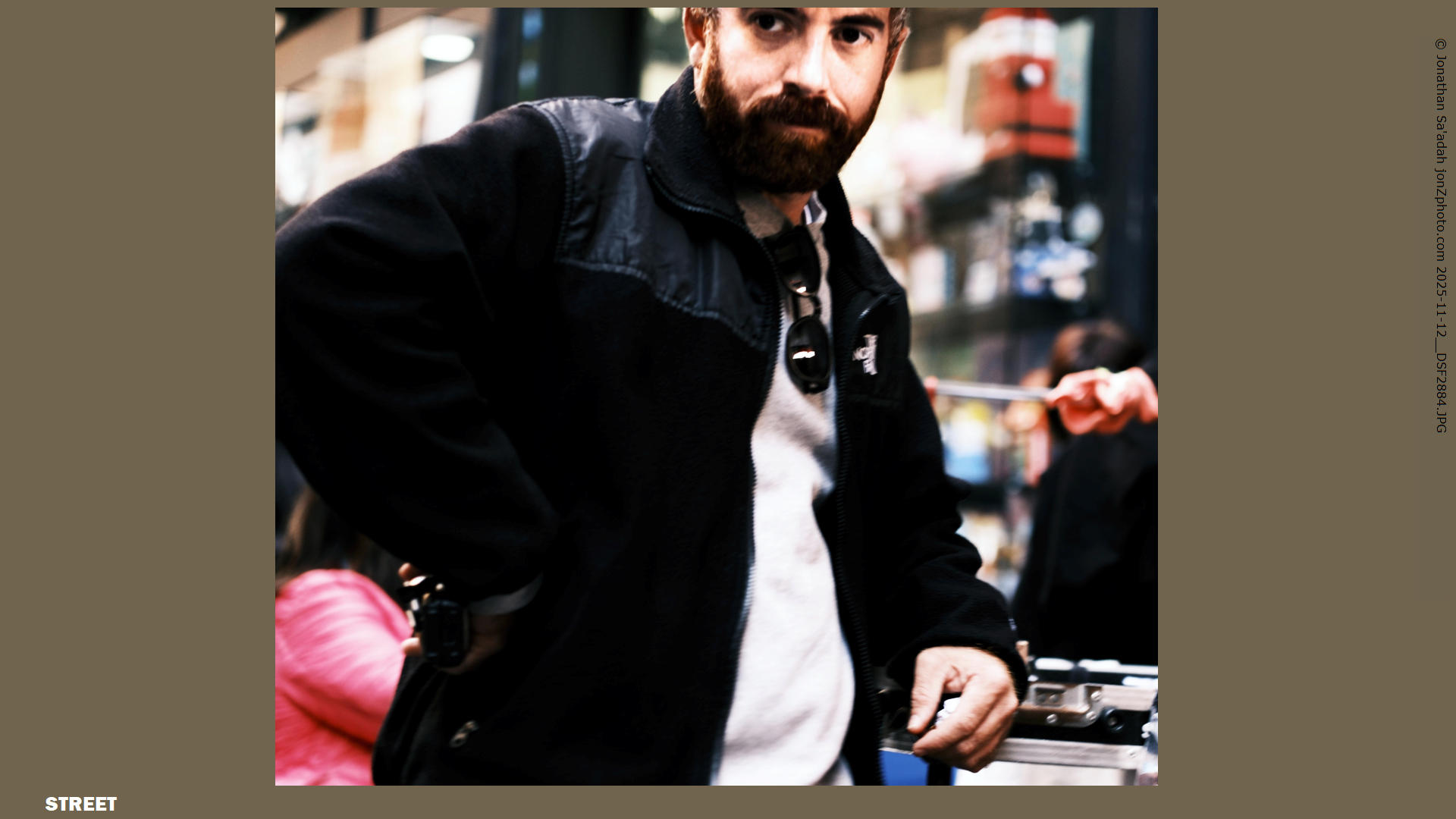
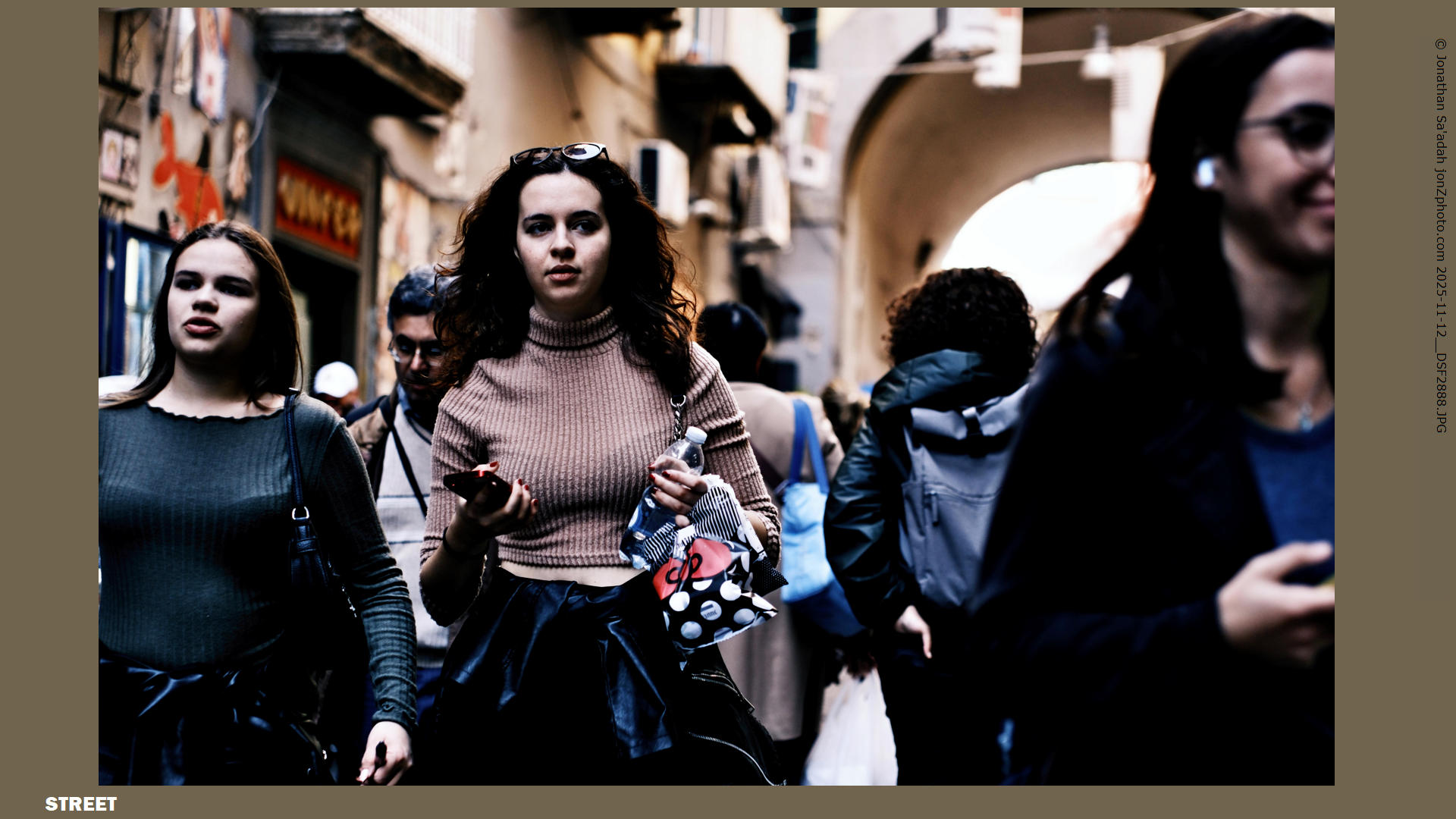
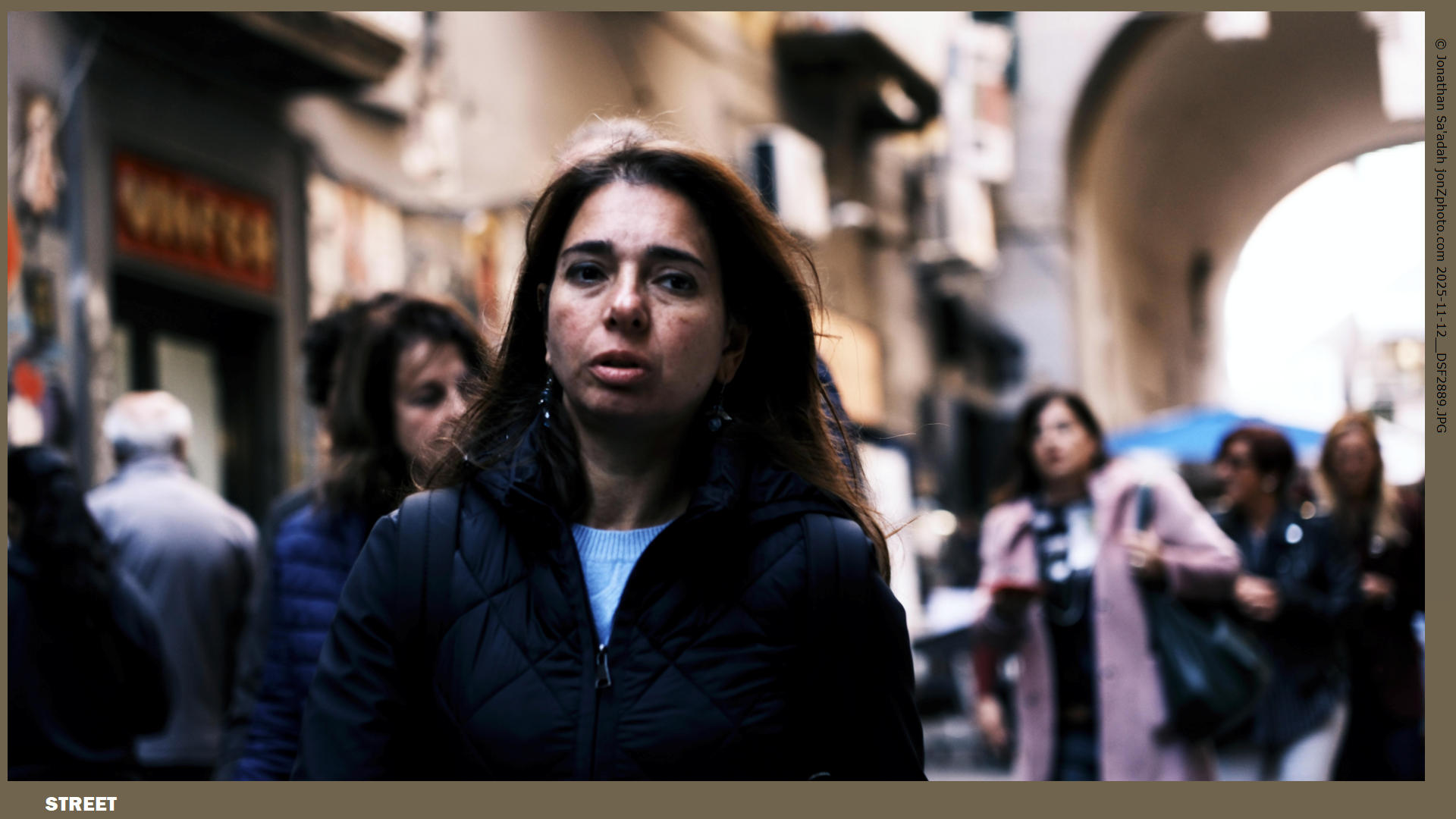
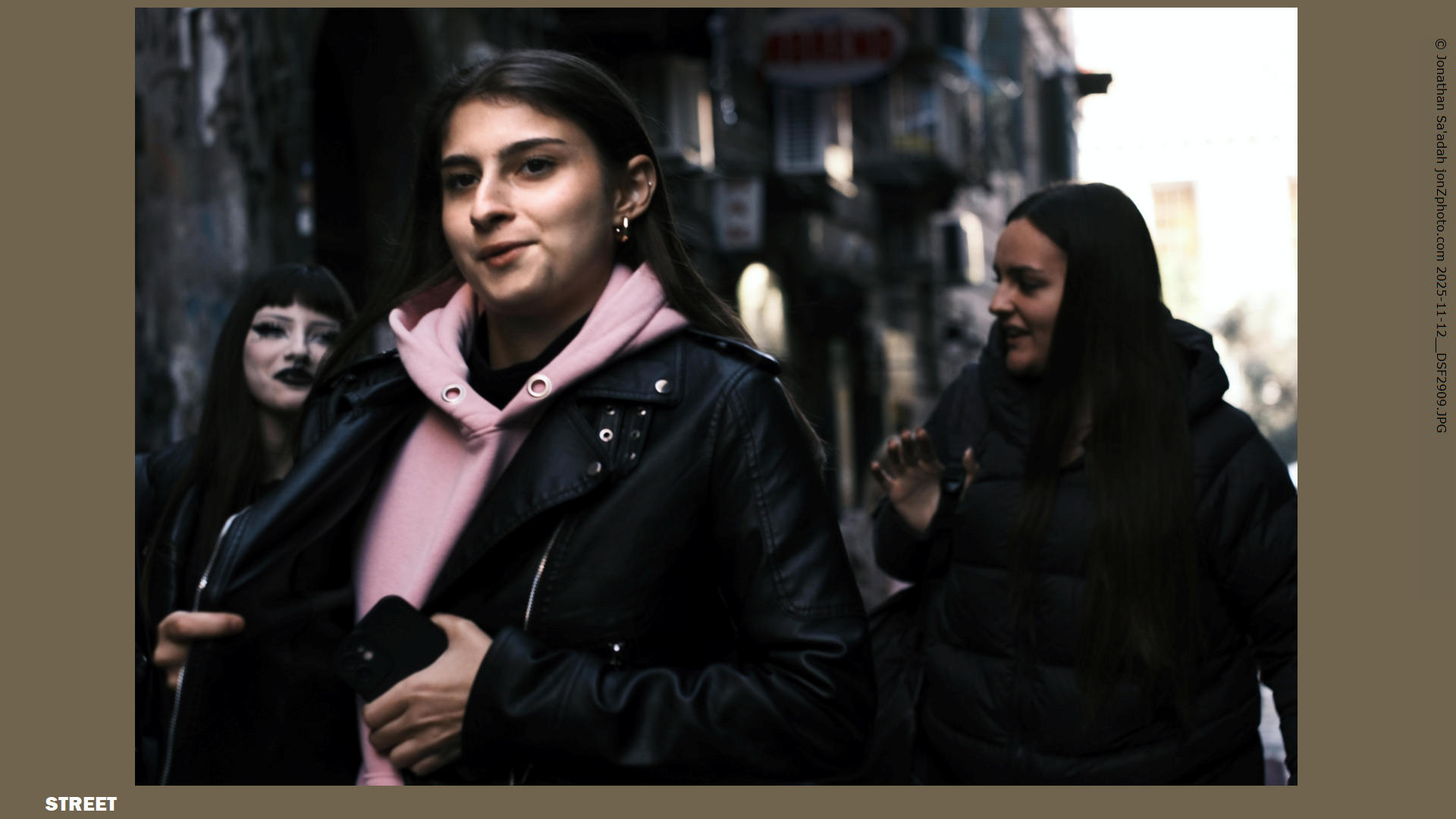
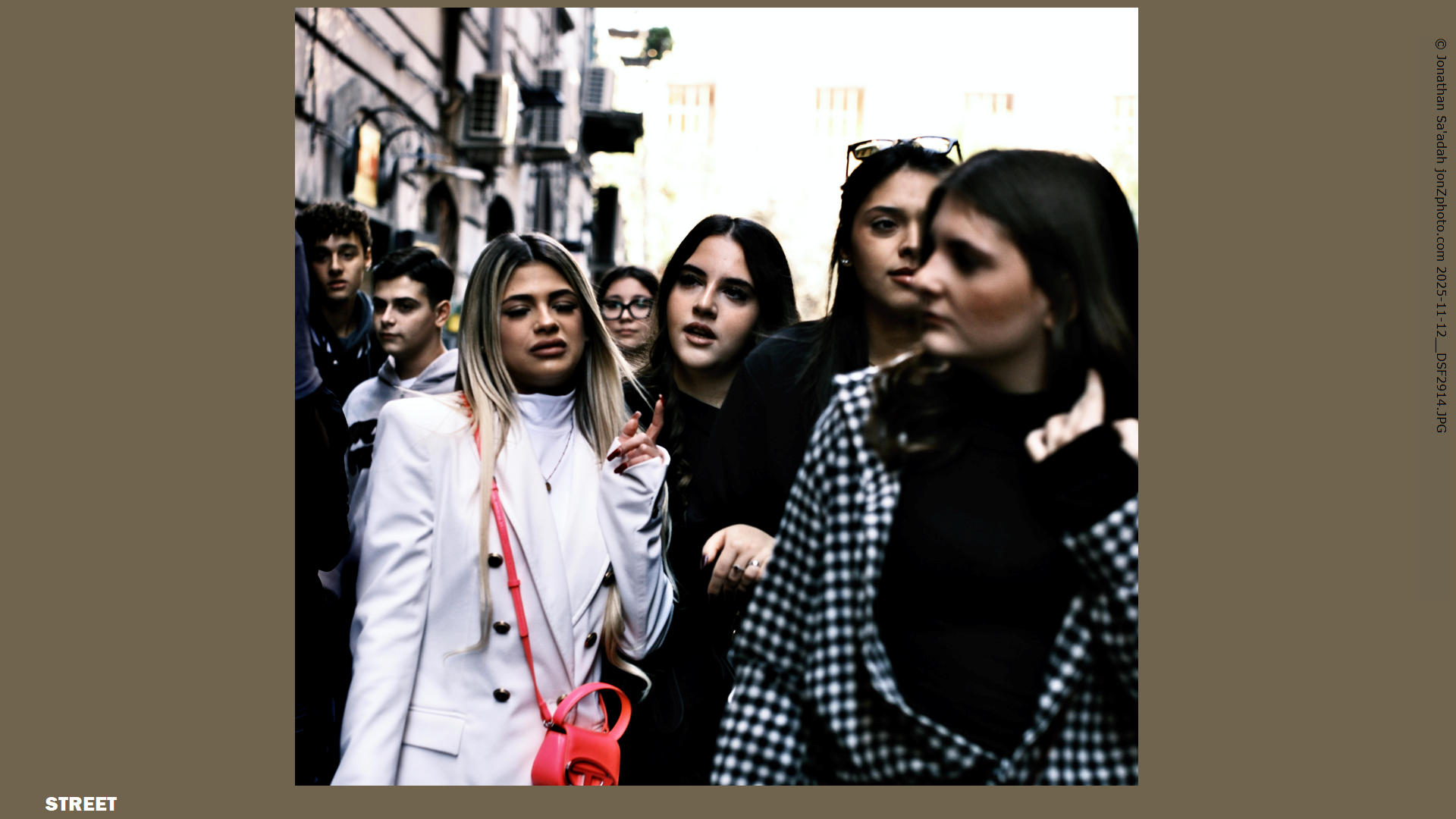
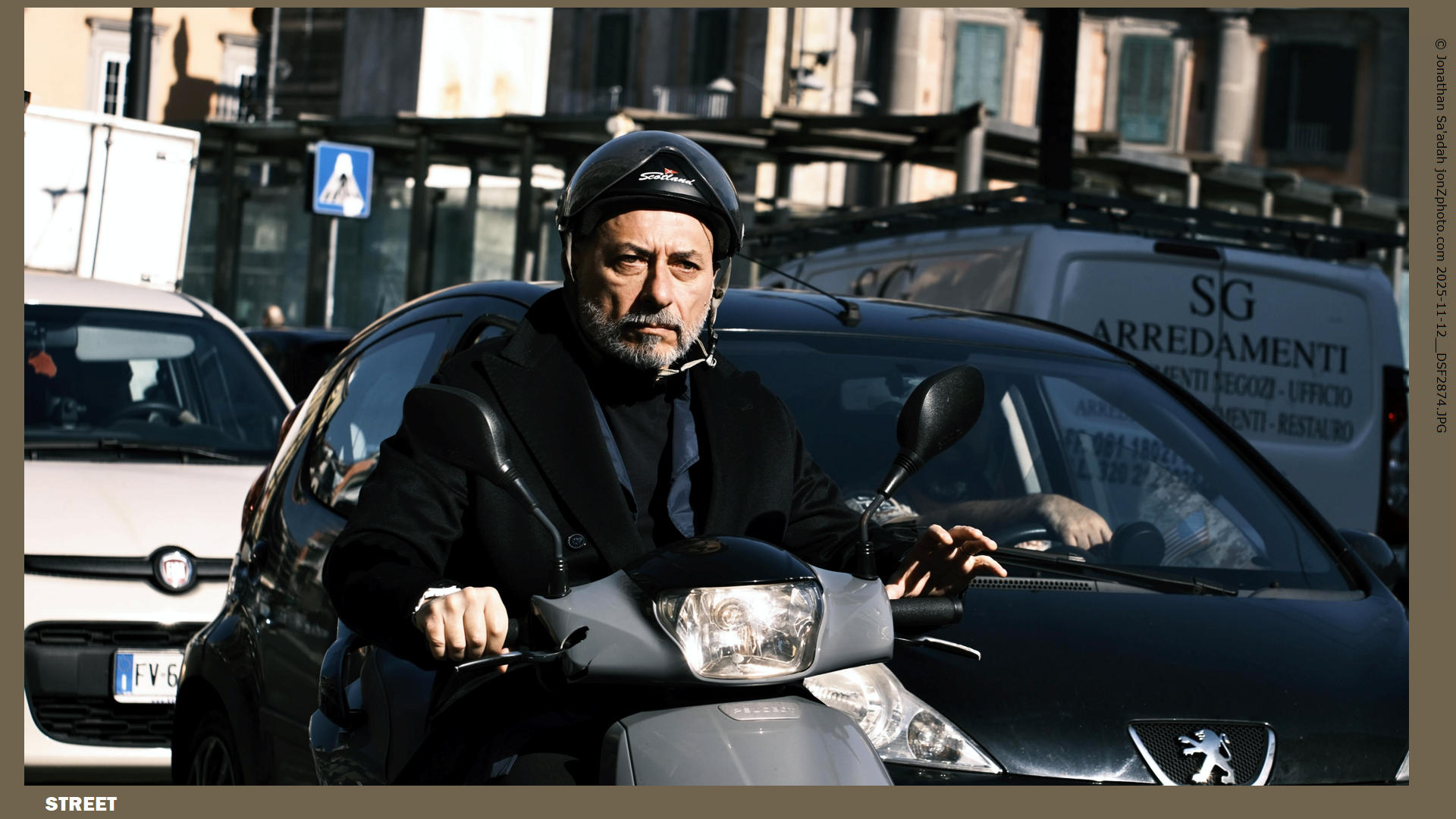
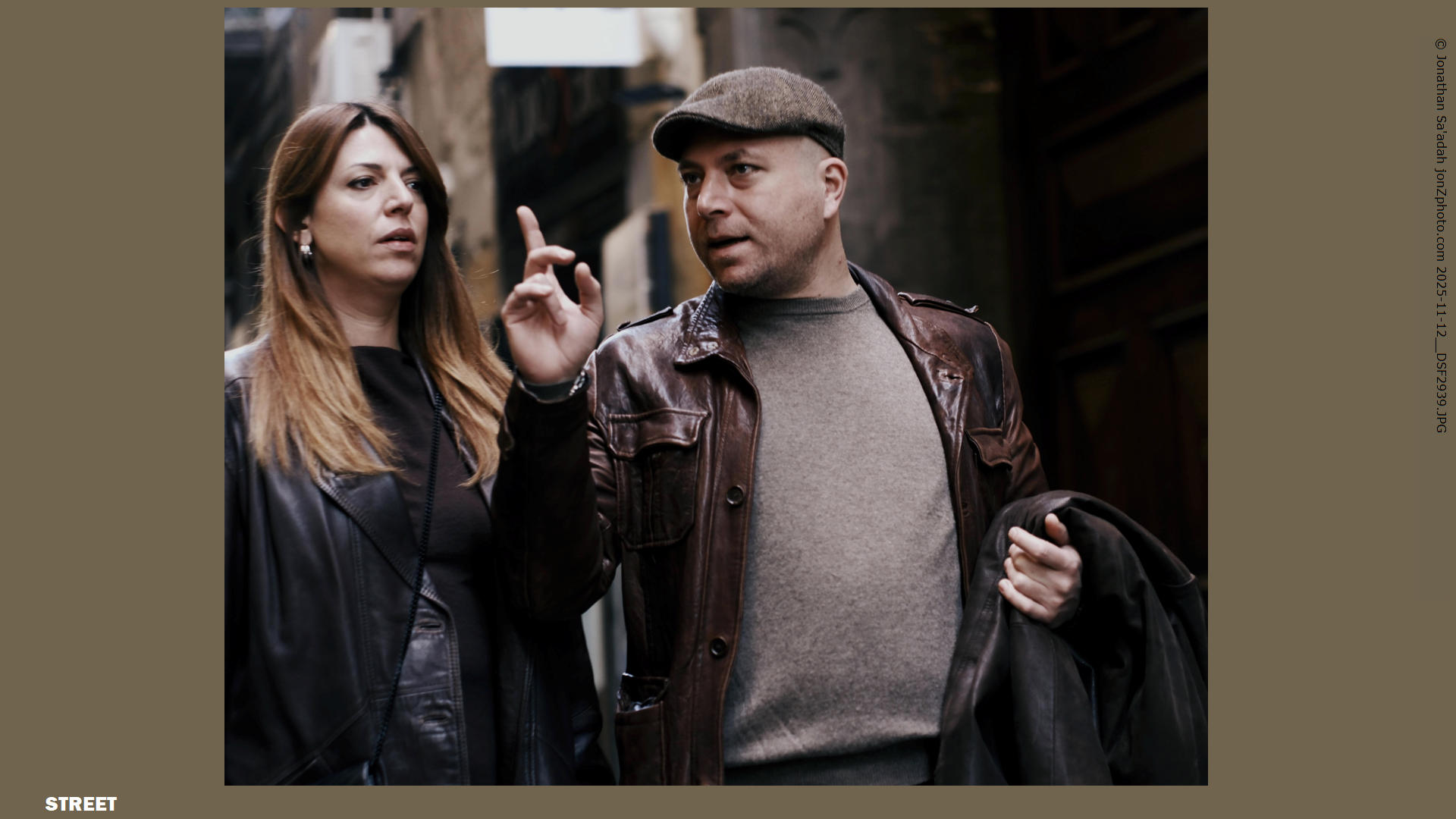
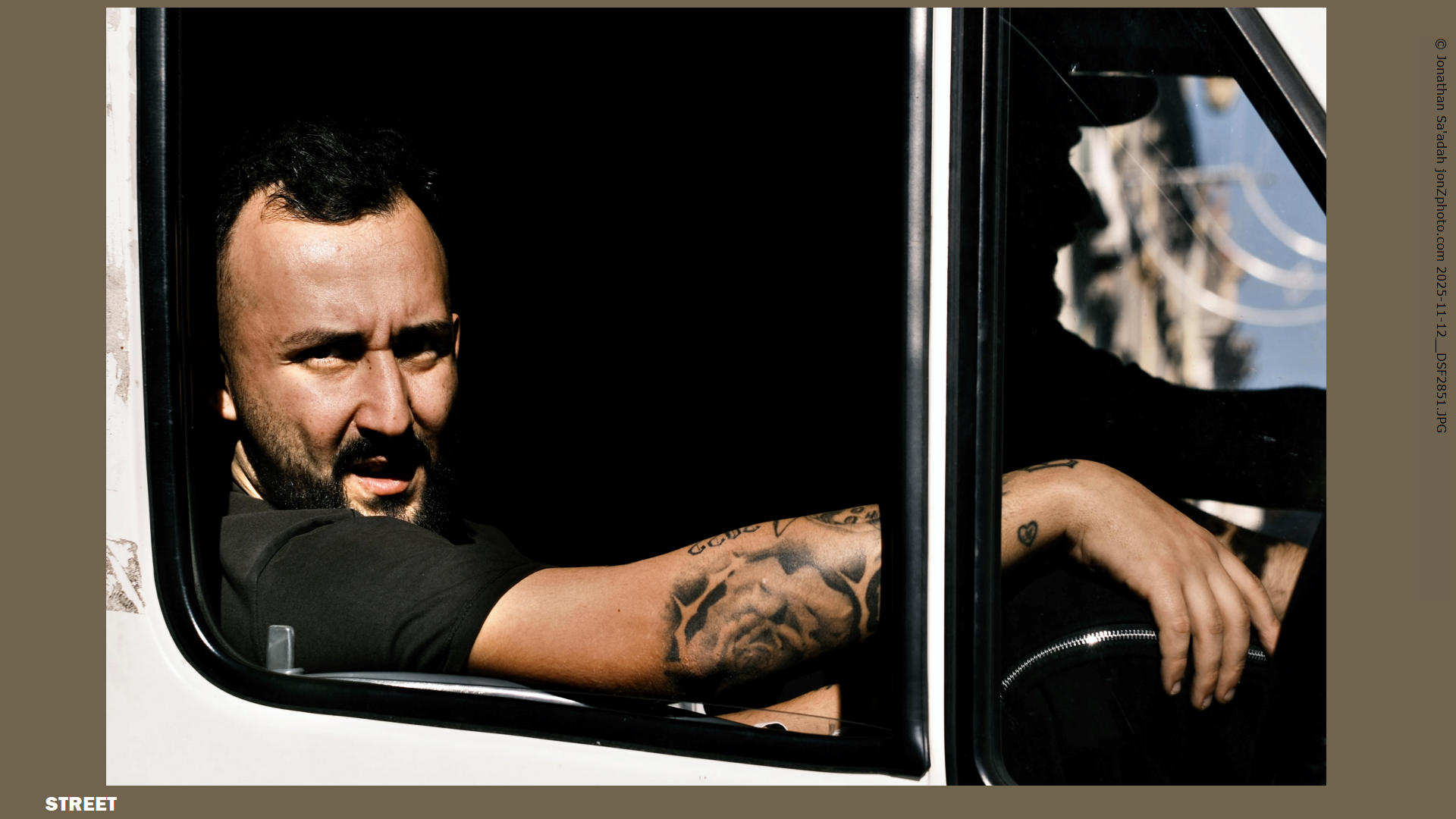
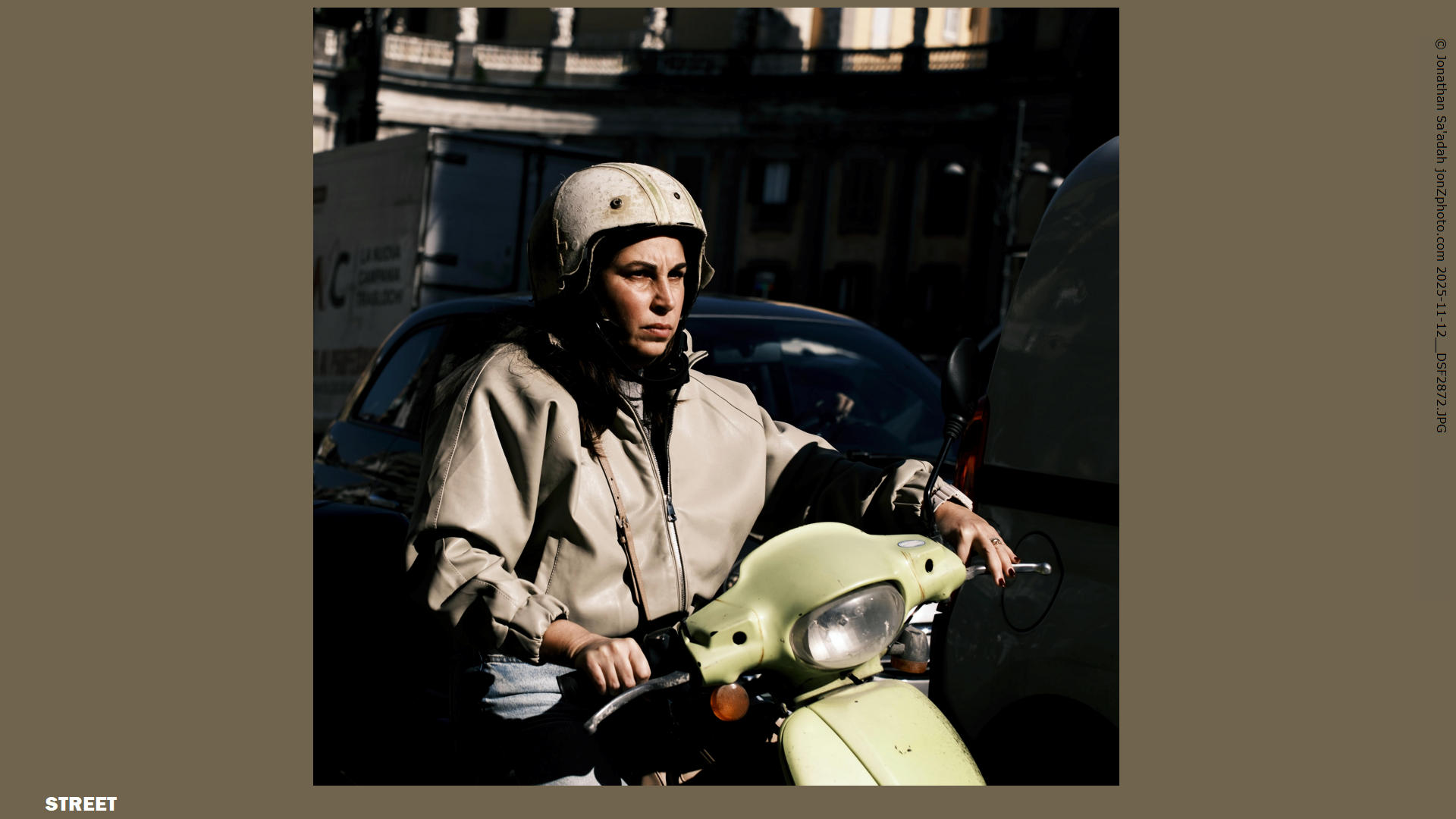
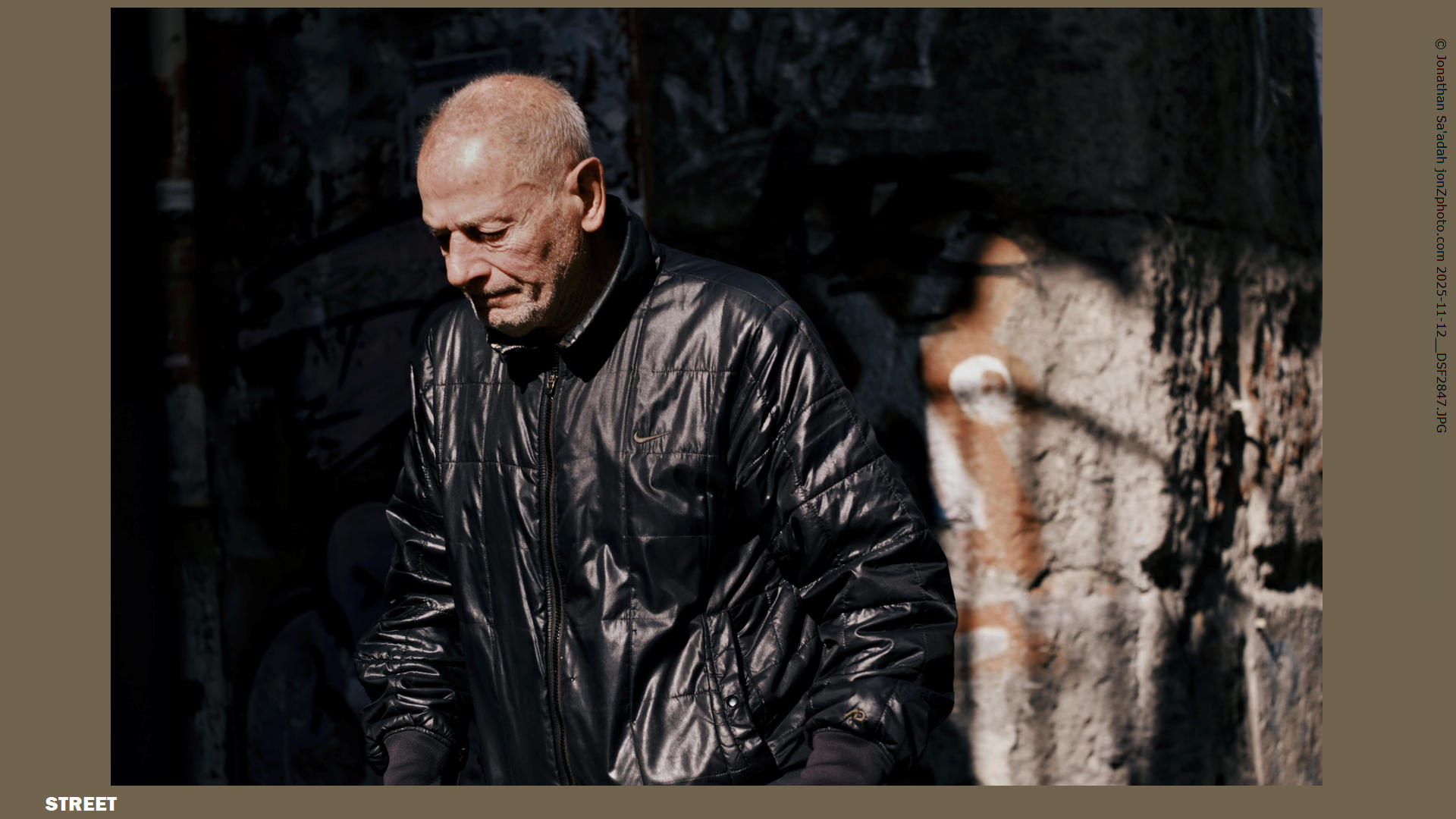
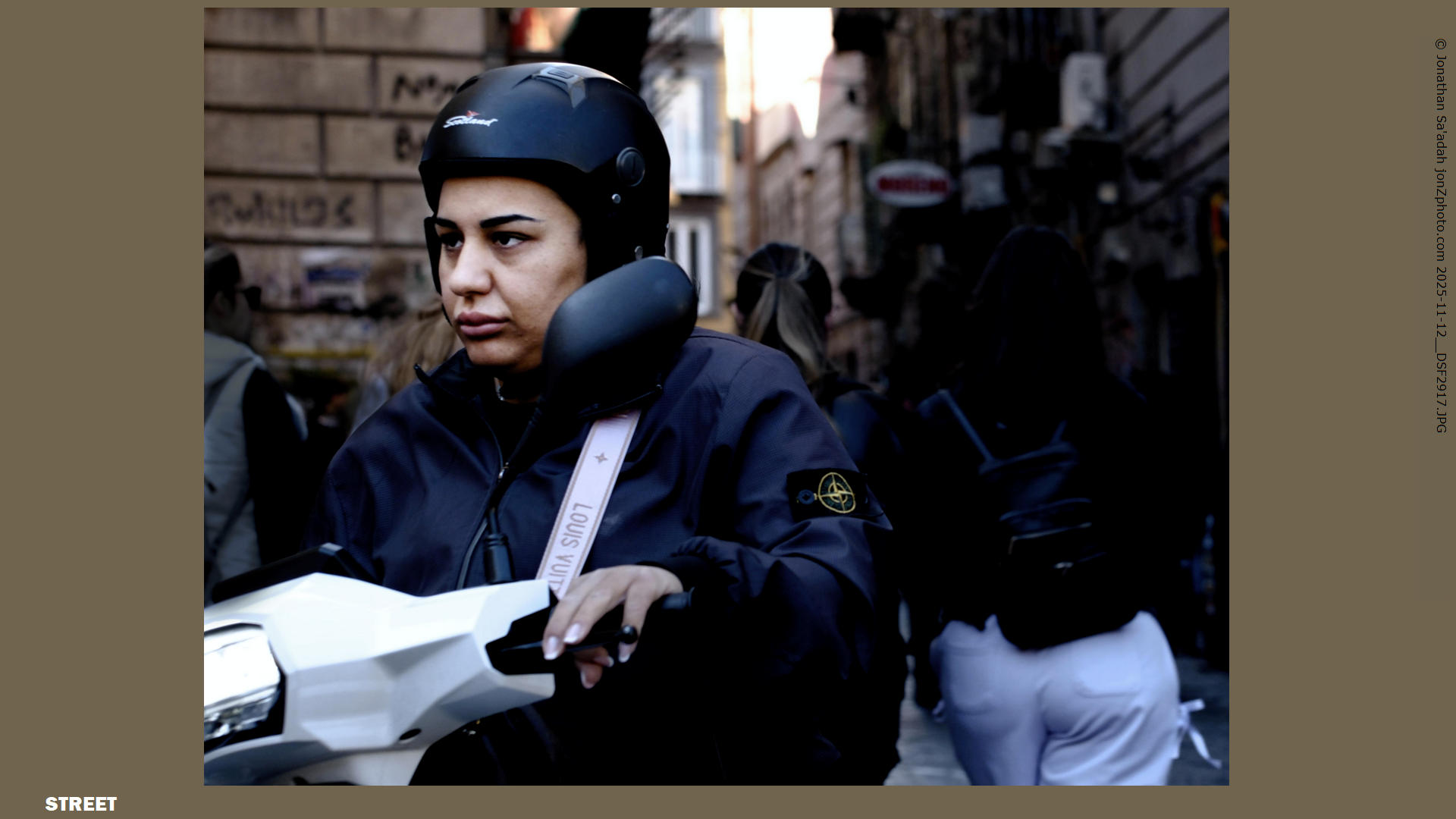
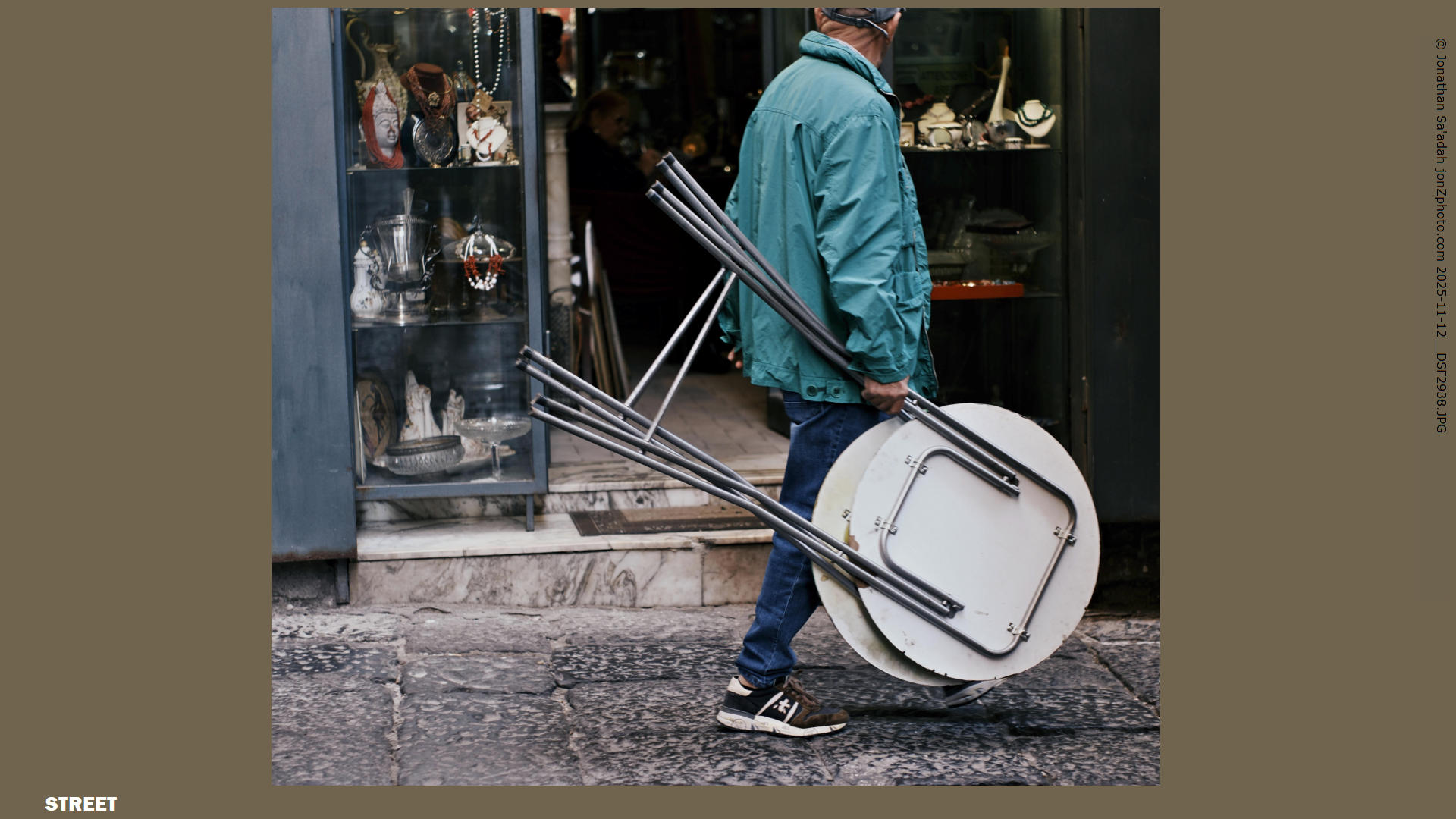
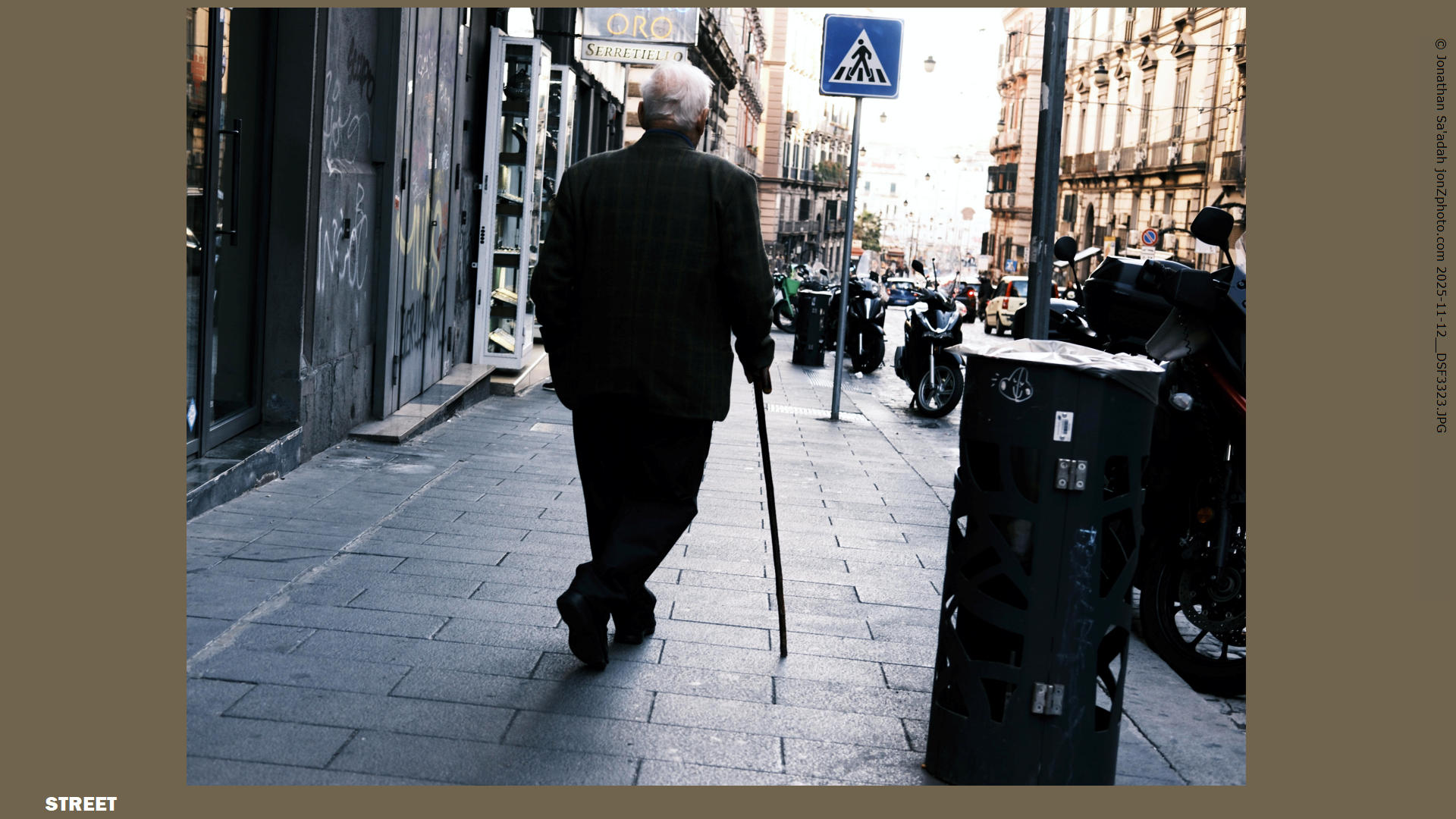
Over time, I’ve cultivated a particular state of attention that invites serendipity. I’ve learned to recognize promising situations—strong light, layered reflections, expressive fast moving crowds, unusual streetscapes—and I linger without knowing exactly what I am waiting for. This patience is not passive; it is a quiet form of anticipation that assumes something might happen. When a convergence does occur, I have to react instinctively, framing and exposing in fractions of a second. Normally I use the traditional wide angle lens of street photography which is forgiving of fast action, but in these photos I chose to use the more difficult short telephoto to concentrate on figures, and to isolate them within the urban environment. The resulting photos may look like pure accident, but actually they rest on familiarity with my camera, a sense of composition, and countless hours spent wandering without any guaranteed payoff.
Serendipity also shapes the way street photographs are interpreted. Viewers often project narrative onto coincidental details: a shadow aligning with a face becomes a metaphor for inner turmoil, a repeated color across strangers suggests hidden connection, a sign’s content appears to comment on the person beneath it. These readings often exceed anything I consciously intended at the moment of exposure. My street photography, then, feels like a collaboration between the chaos of the world, my own alertness, and the imagination of the viewer. Serendipity is the thread running through all three, binding them together.
In a culture saturated with images that are posed, retouched, and optimized, serendipitous street photograph holds a special honesty for me. It acknowledges that the world is richer and stranger than my plans, and that meaning can emerge from chance encounters as powerfully as from deliberate design. When I practice street photography with openness to serendipity, I accept that I am not fully in control—and I discover, again and again, that this lack of control is precisely where some of my most resonant images often arise.
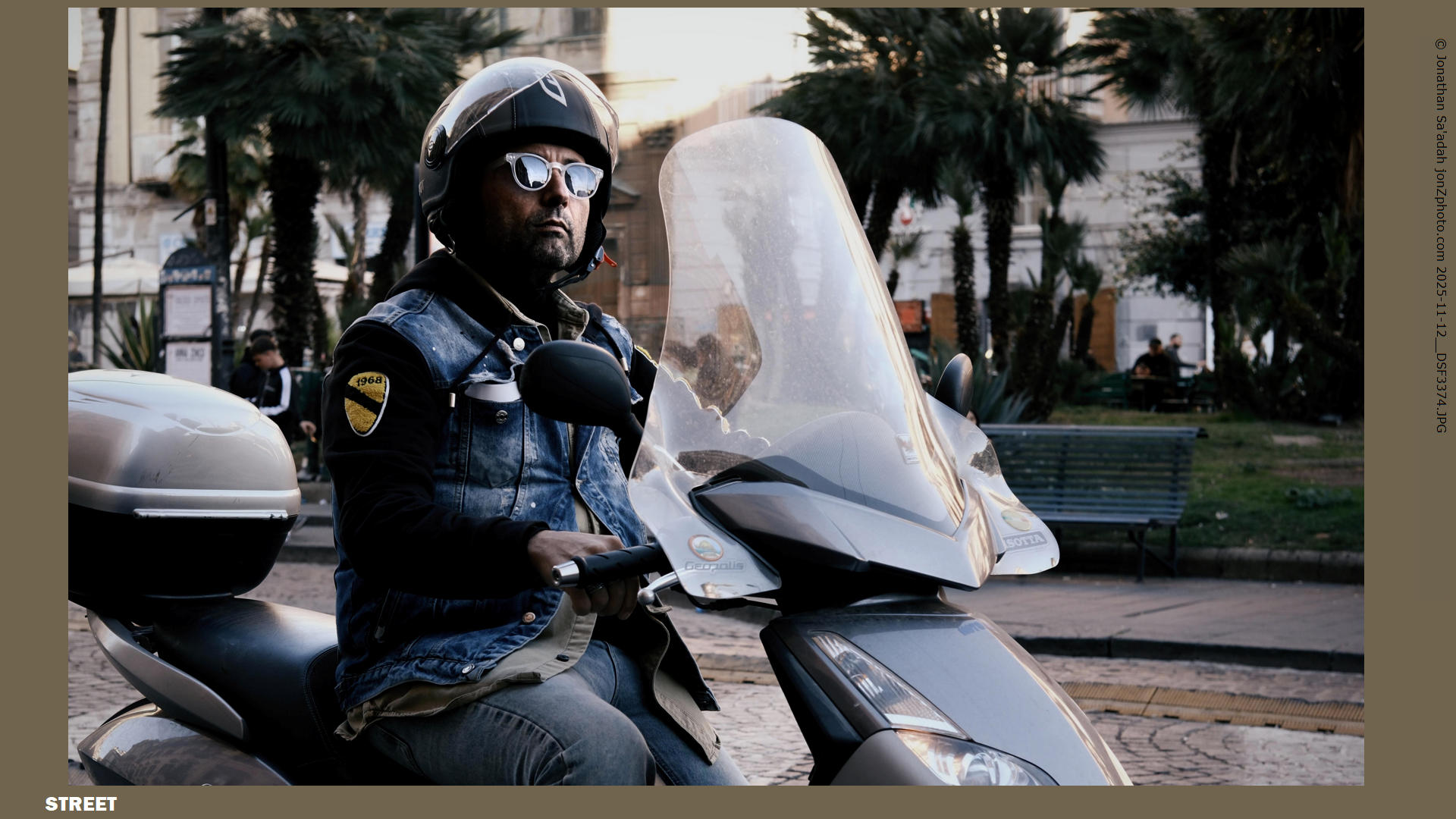
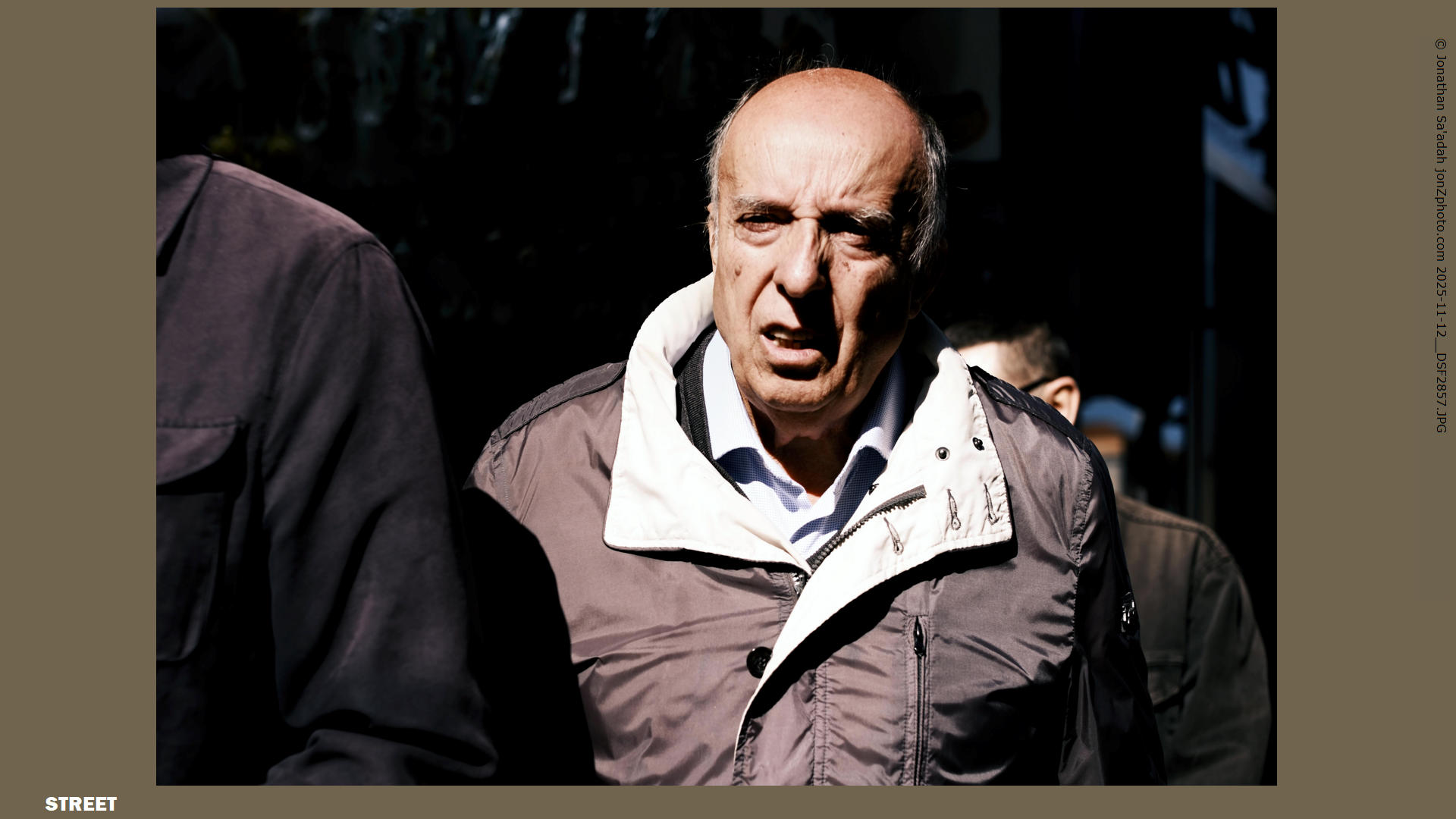
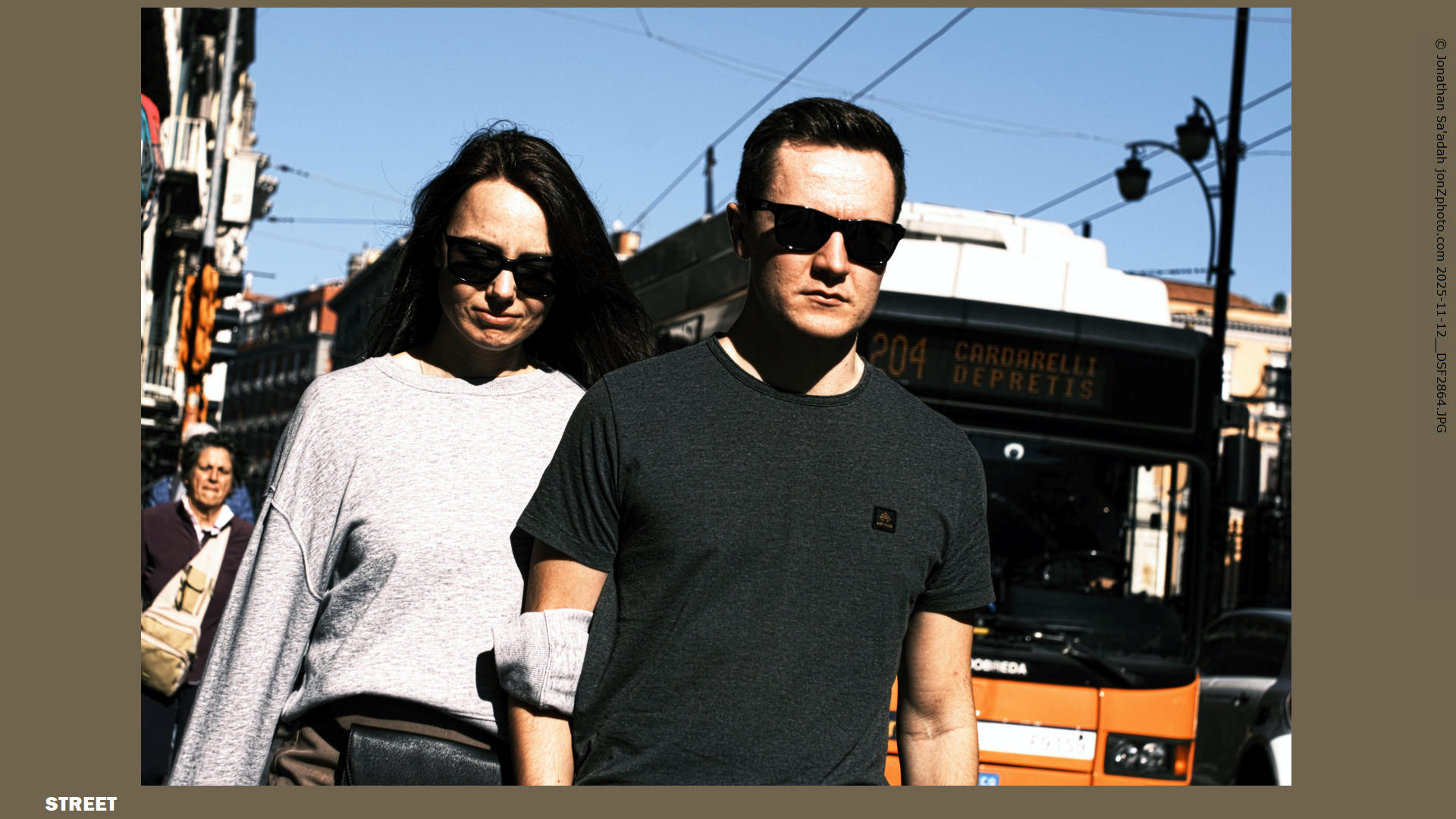
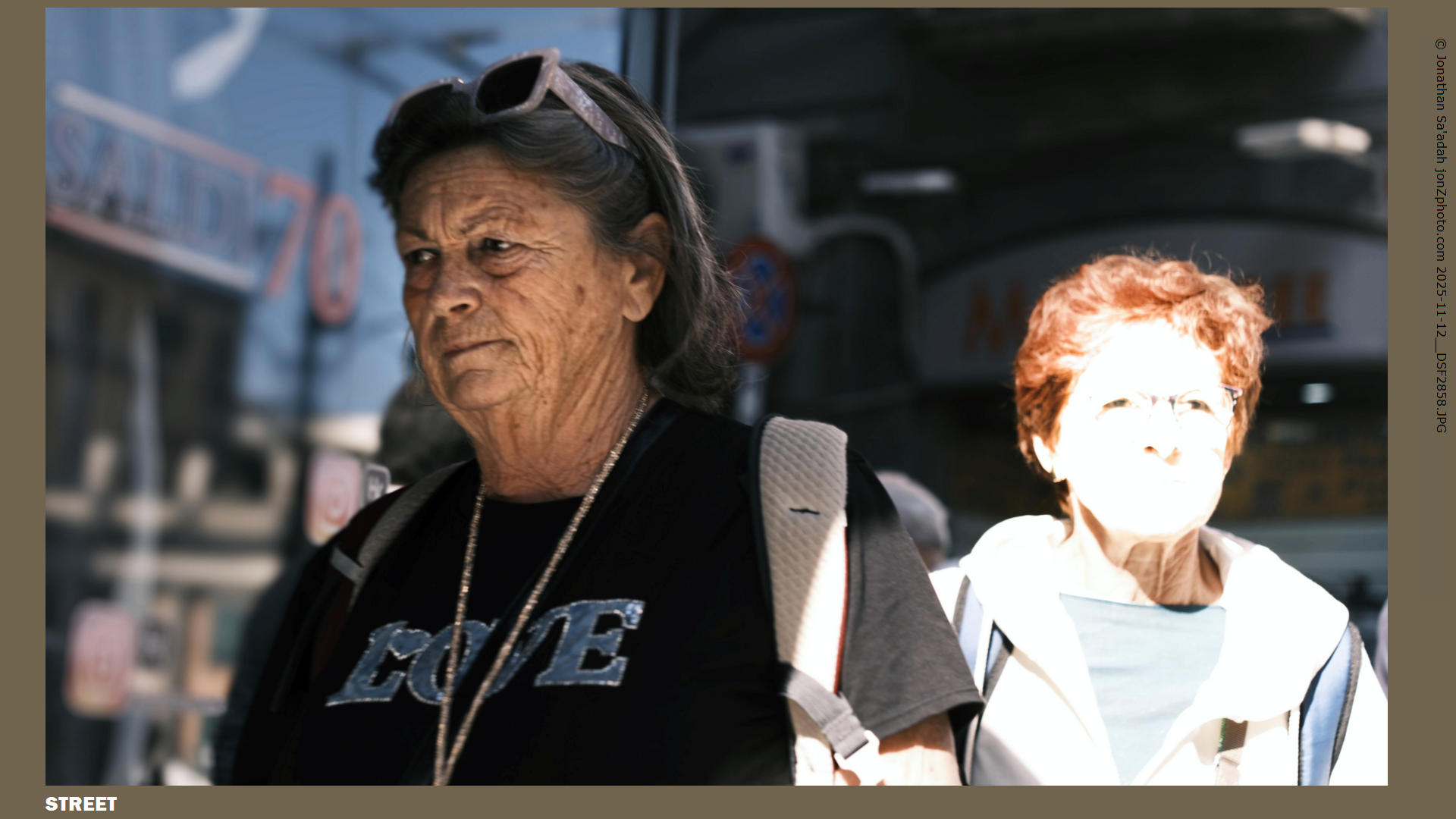
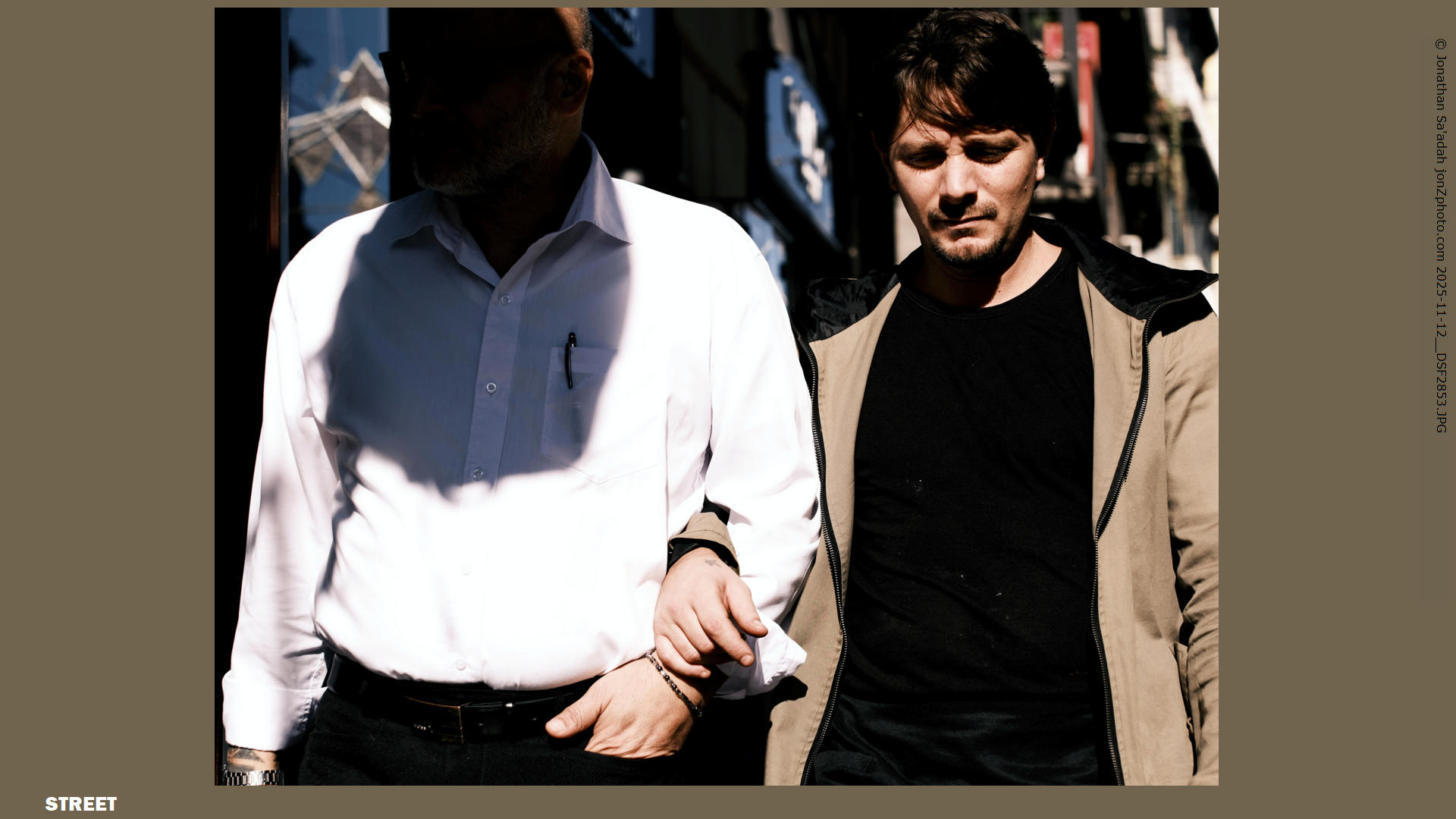
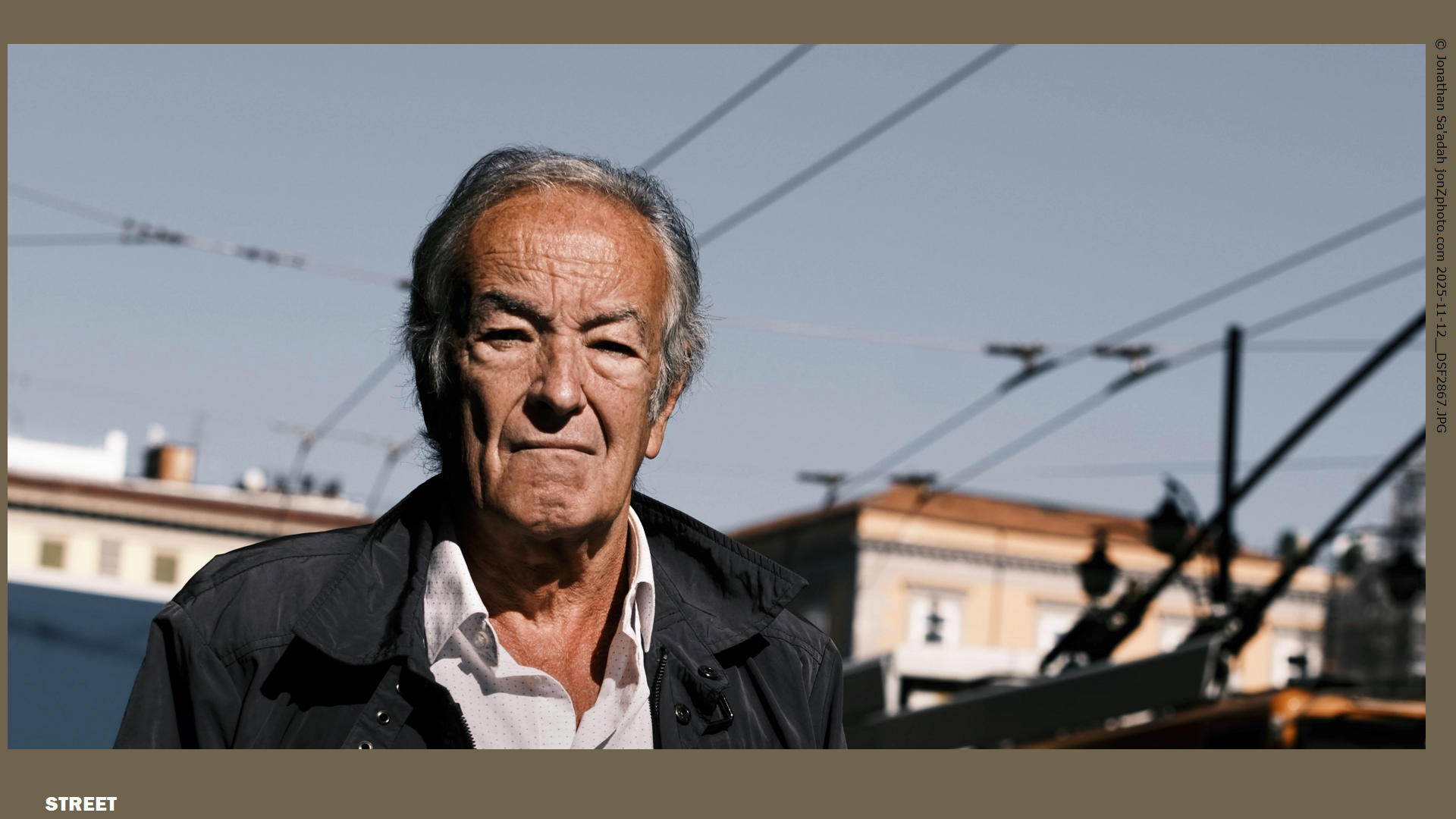
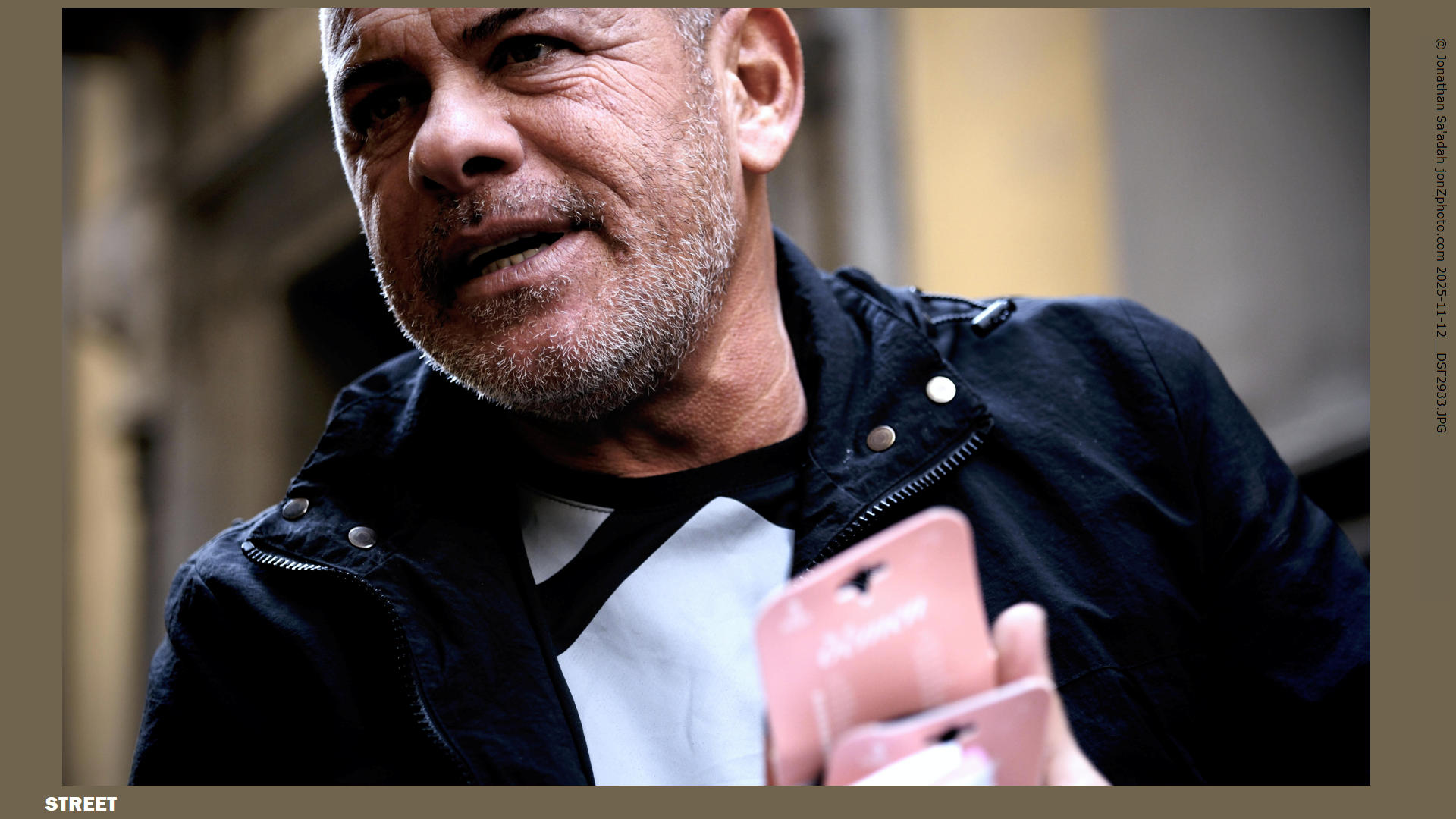
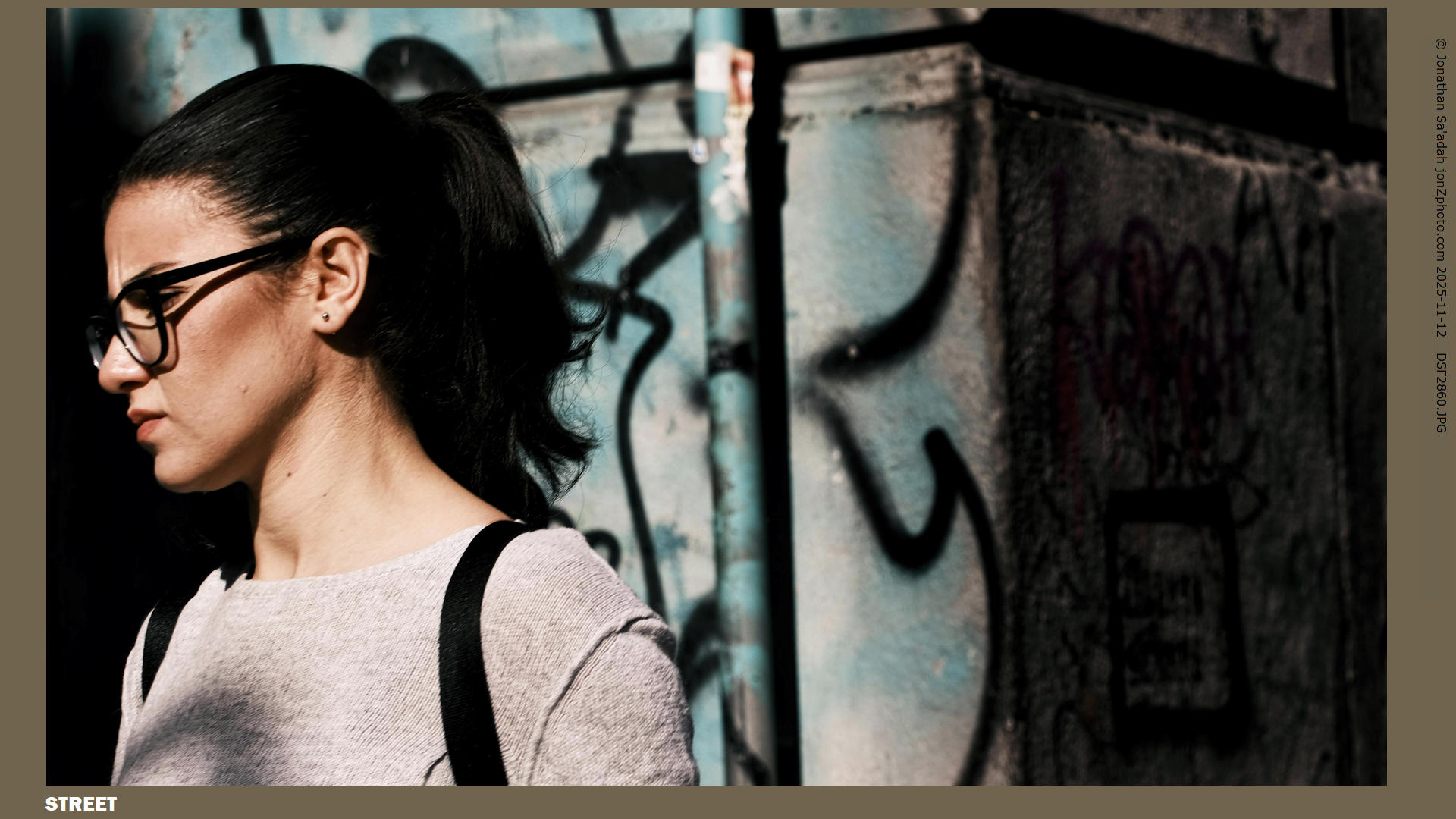
Very nice!
Such striking photos. I’ve done a tiny bit of street photography and a tiny bit of protesting solo in crowded areas. The feeling I had during each was similar. I felt as if part of me was inviting the public to understand itself differently, outside of the private, work or market activities that I guess were motivating most people around me. Your description of busy streets as “the uncontrolled theatre of everyday life” speaks to me: people generally are unaware of their public potential to participate in some version of no-rule.
Love it!