
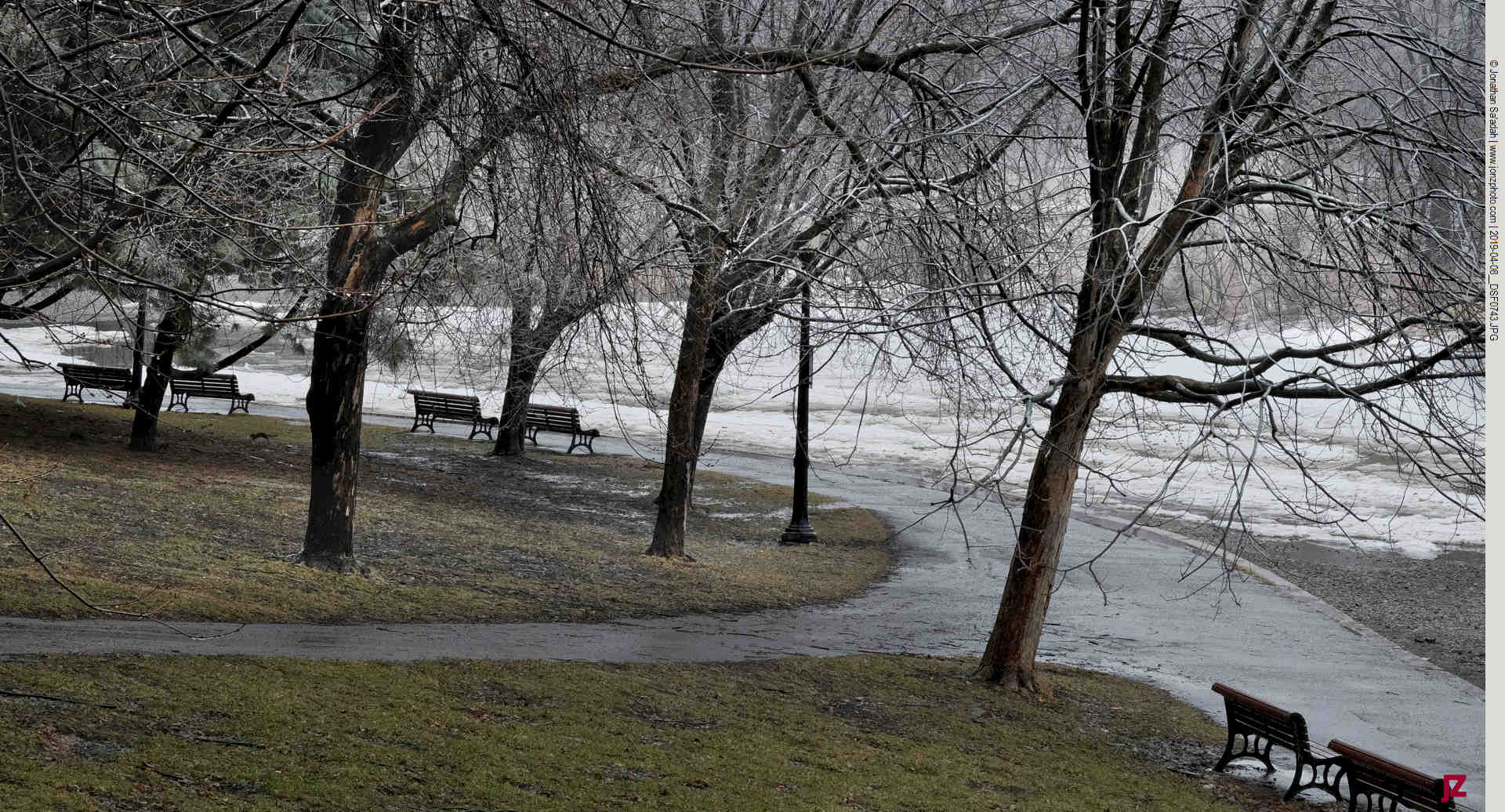
Having been born an American, I grew up thinking of city parks as somewhat sinister places. Manhattan and Boston, the two cities I knew well, have beautiful parks but they generally aren’t places where you ignore danger, and that was especially true in the period when I was in those cities. So coming to Montreal took an adjustment. I remember while still a tourist here asking a policeman if a certain park was safe to walk across at night. He gave me a baleful look and said “you must be an American”. It wasn’t so much that he was being dismissive, just making a sad observation.
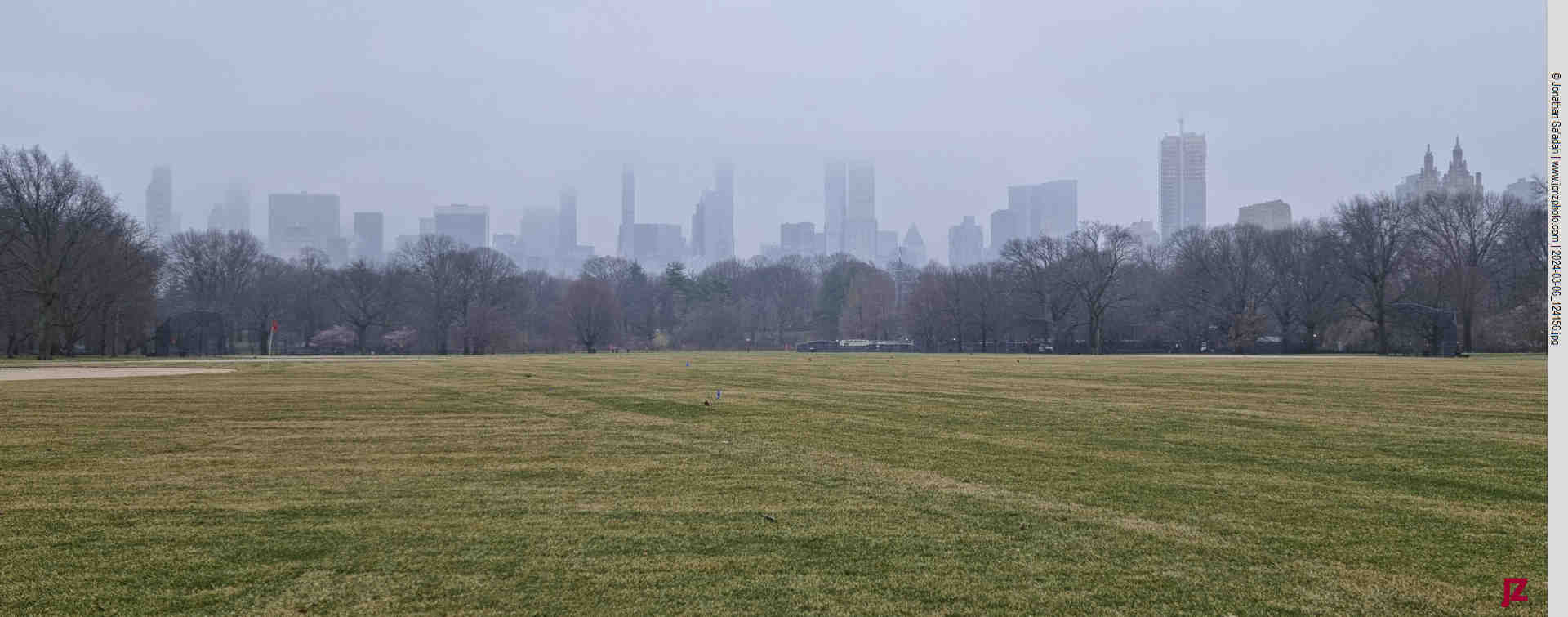
So the idea of a city park being a public space safe to walk in alone late at night, or a place where I could sit on a bank and leave the world behind for a bit, wasn’t something that came naturally. On the other hand, I’ve had no problem learning new behaviors! We were lucky that when we moved to Montreal. Our first home bordered on one of these big parks, Parc Lafontaine, and it was very much part of our daily life for the sixteen years we were its neighbor. I came to know it well; it was like a friend who was always there.
The Park Comes Alive
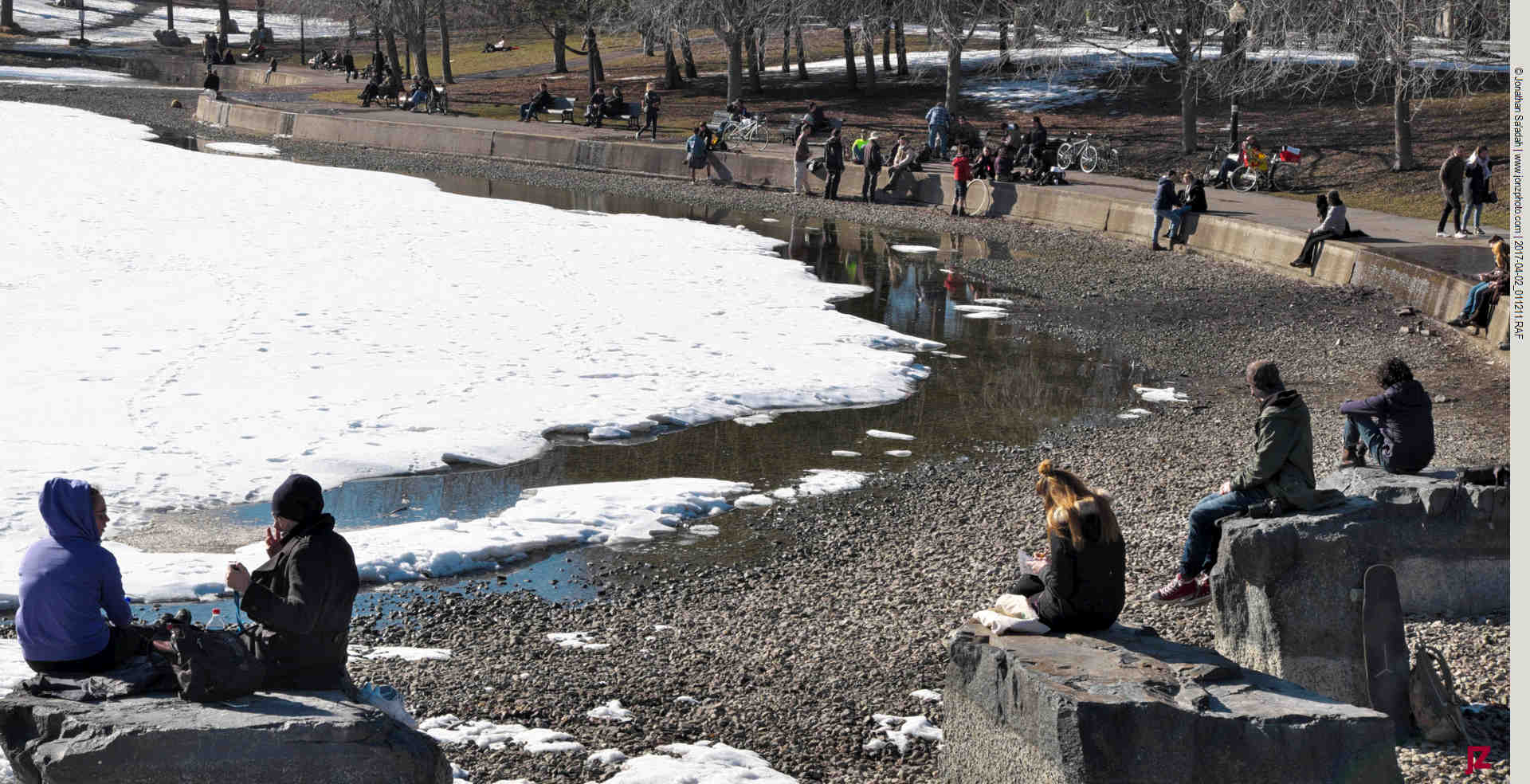
Parc Lafontaine in spring feels less like a sudden transformation and more like a gradual, slow return. In early April, the park is still in transition—patches of snow linger in shaded areas, the ponds are empty and raw, and the trees remain bare. But even then, there’s a visible shift. The light softens, the paths reappear slippery with mud, and the park starts to reclaim its role as one of Montreal’s most lived-in public spaces.
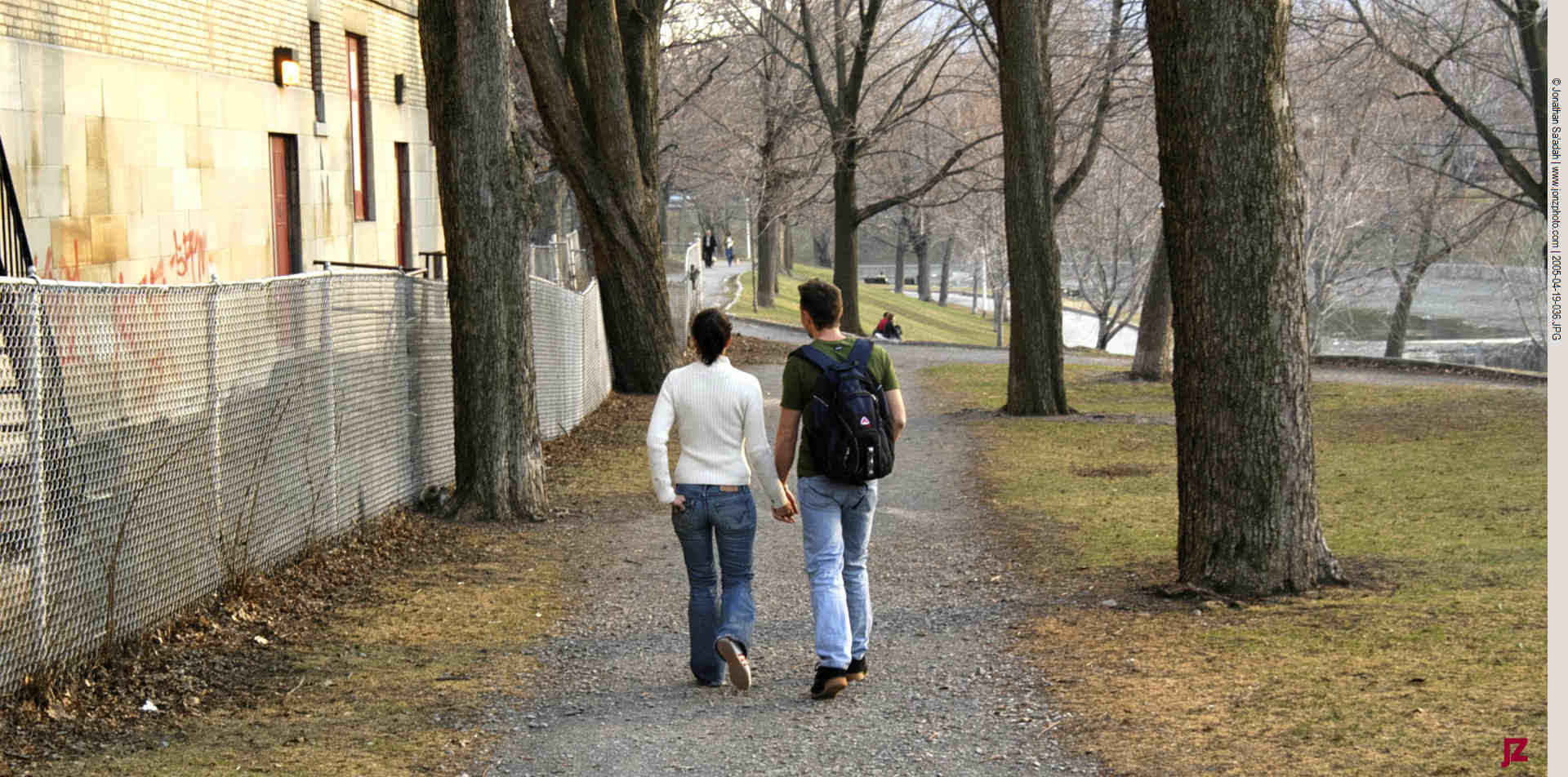
Located in the Plateau, Parc Lafontaine has been part of the city’s fabric since the late 19th century, when Montreal acquired the land and began converting it from farmland into a public park. Before that, it belonged to the Logan family, and its open, cultivated character still echoes in the park’s layout today—broad lawns, structured paths, and a landscape that feels designed to be shared.
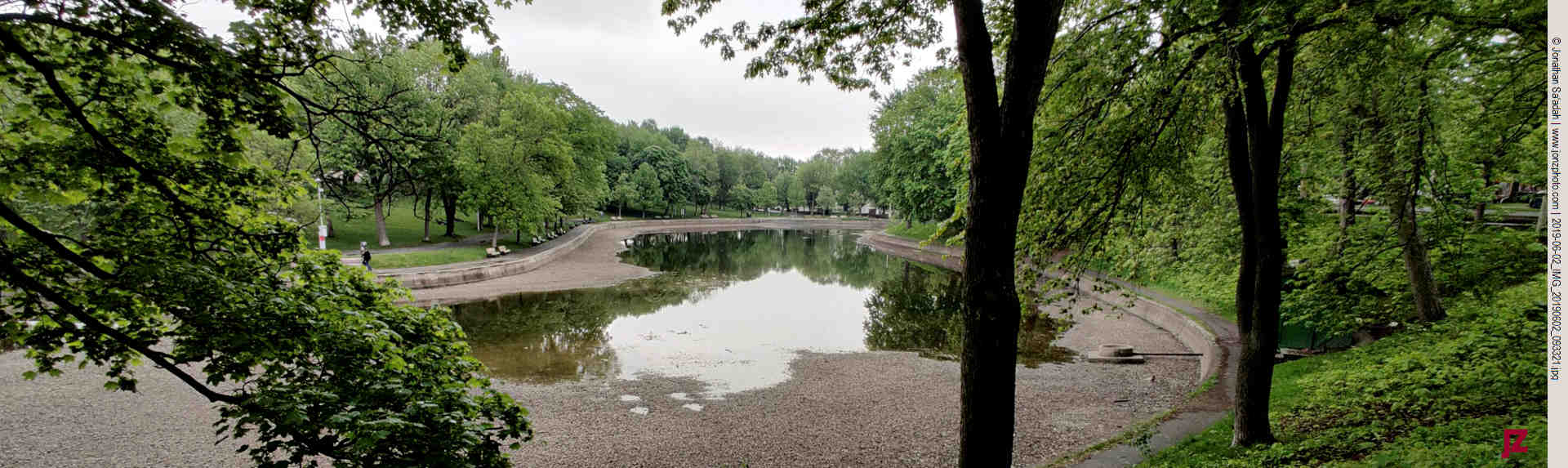
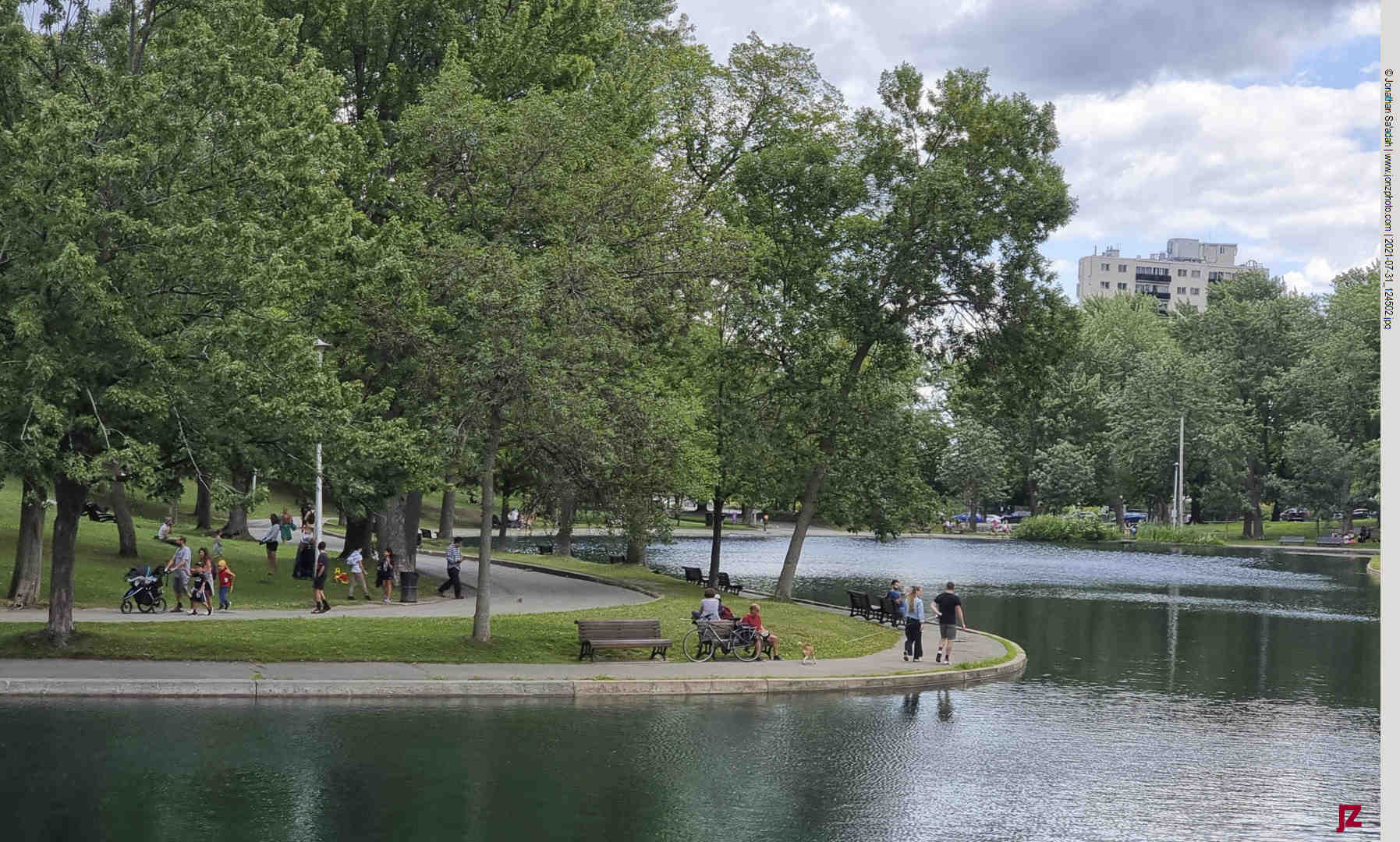
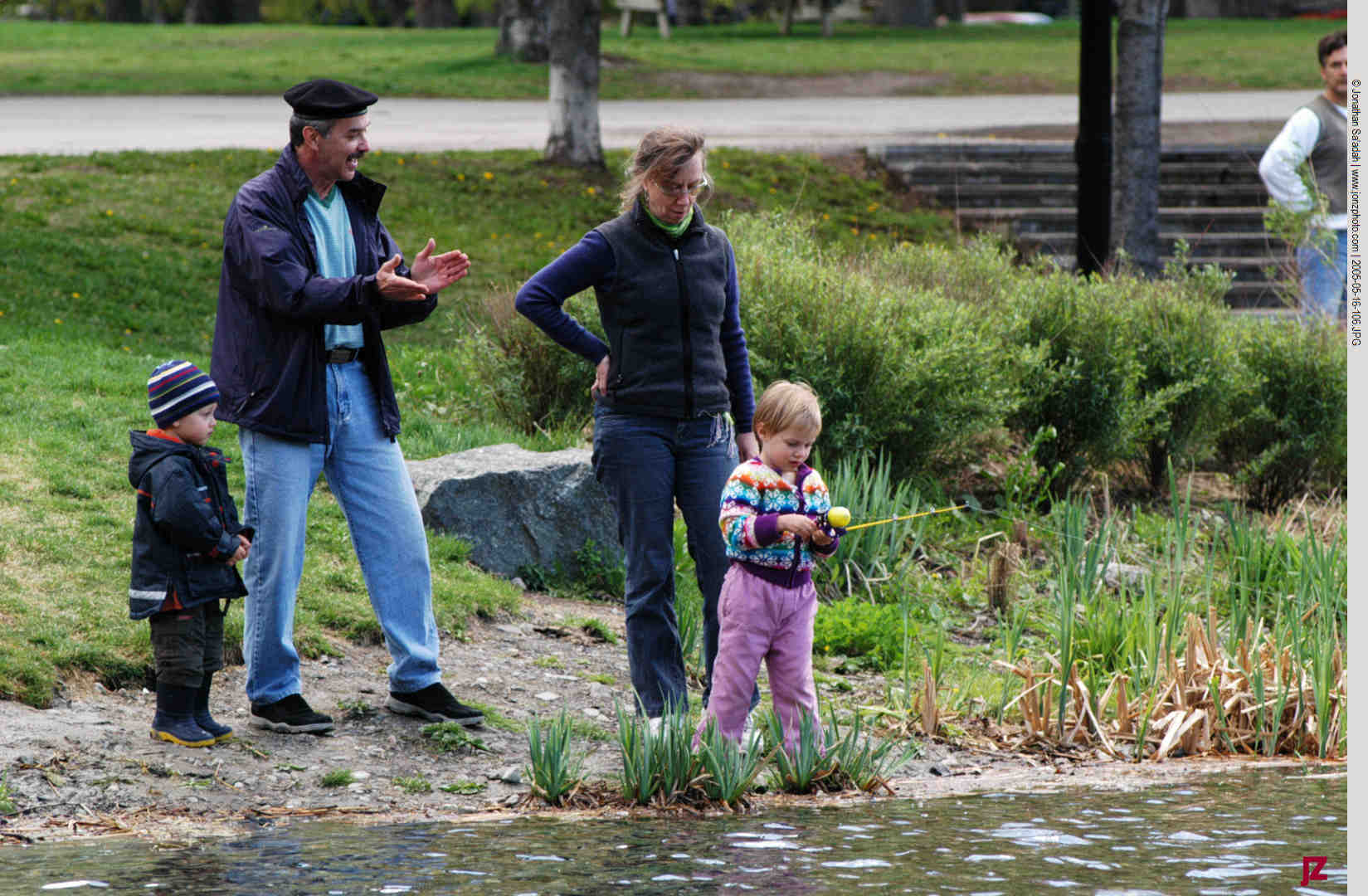
By May, the seasonal change is fully in swing. Trees leaf out in bright green, the two central ponds are refilled, and the park’s paths are coming back to life. Runners, cyclists, and pedestrians fall into familiar patterns, while others settle onto the grass, reclaiming it from snow and ice. The park’s footbridge becomes again a natural gathering and vantage point—especially for photographers and anyone watching the light shift across the surface of the ponds.
Serving Many Purposes
One of the defining features of Parc Lafontaine is how it blends recreation with culture. Near the eastern side of the park sits the newly rebuilt Théâtre de Verdure, an open-air performance space first constructed in the 1950s. It has hosted decades of concerts, plays, and community events, and while its programming has fluctuated over the years, it’s an important cultural landmark in the city.
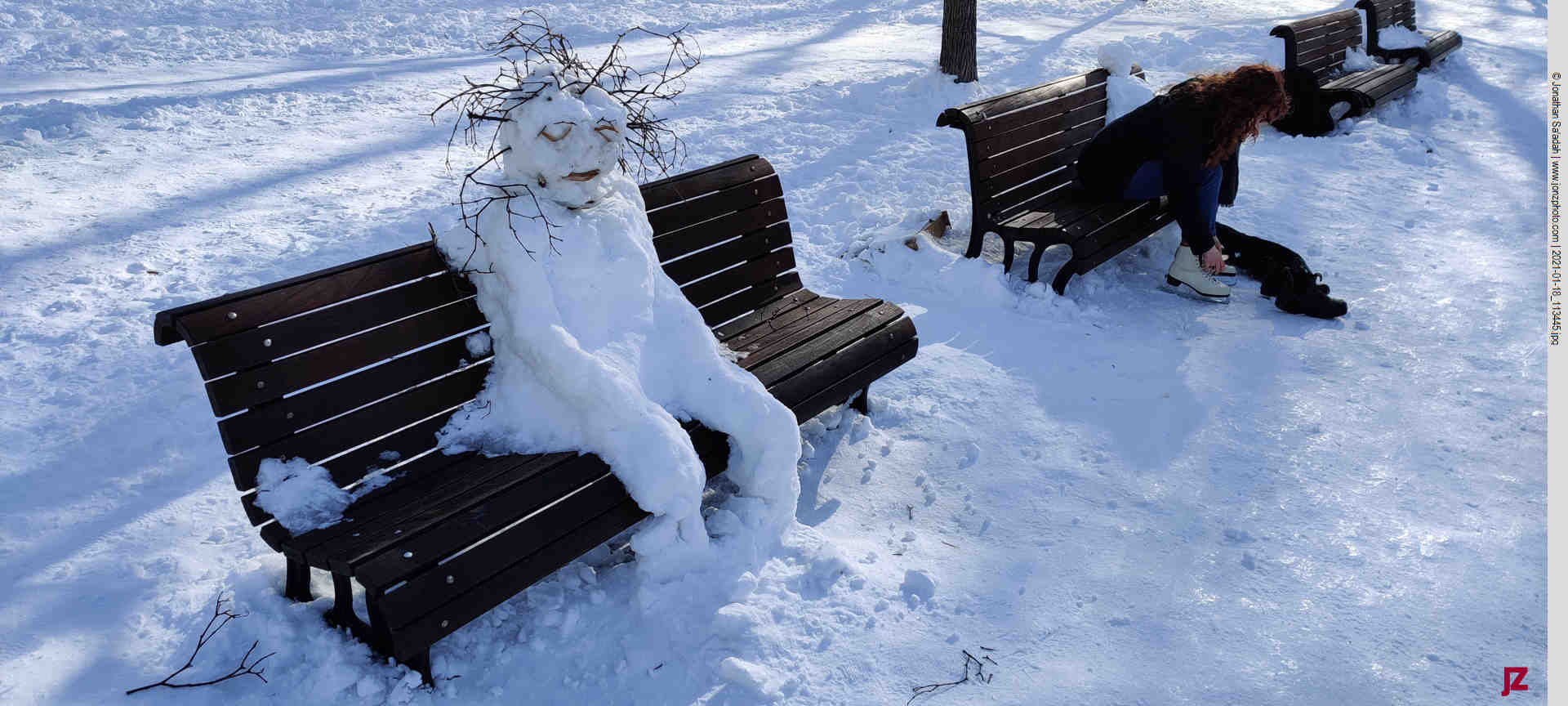
The park serves many functions. During COVID the park rescued me and thousands of other people from enforced confinement. The city maintained wide walking paths through the snow, and a network of groomed trails for cross country skiers. It felt more like Helsinki than Montreal but it helped a lot.
Spring also brings smaller, sensory details that define the experience of the park. Lilacs, pussy willows, and catalpas bloom adding a strong, unmistakable scent to the air. The soundscape shifts as well—less wind, more conversation, music, and the ambient rhythm of daily life. What was quiet and sparse in winter becomes layered and active, without ever feeling overwhelming.
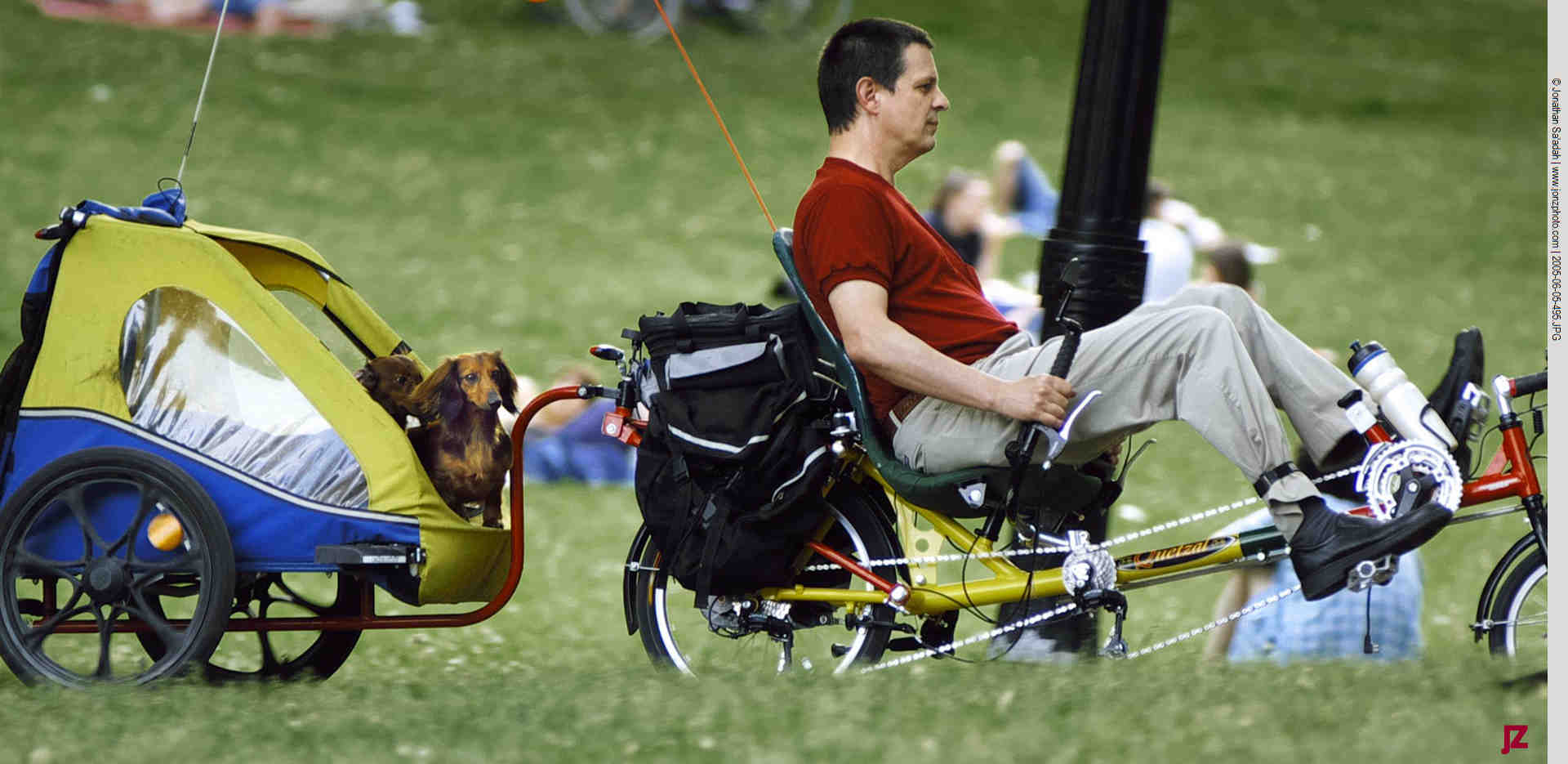
The park’s name itself points not to a fountain, which is what most people think, but to a historical character. It honors Louis-Hippolyte Lafontaine, a central figure in 19th-century Canadian politics and a key advocate for responsible government.
What stands out most in spring is how naturally Parc Lafontaine accommodates different kinds of use. It’s not a park designed around a single activity or identity. Instead, it supports people having a wide range of experiences at once—exercise, socializing, quiet observation, enjoying cultural events—all unfolding within the same space. That flexibility is part of what makes it so attractive.
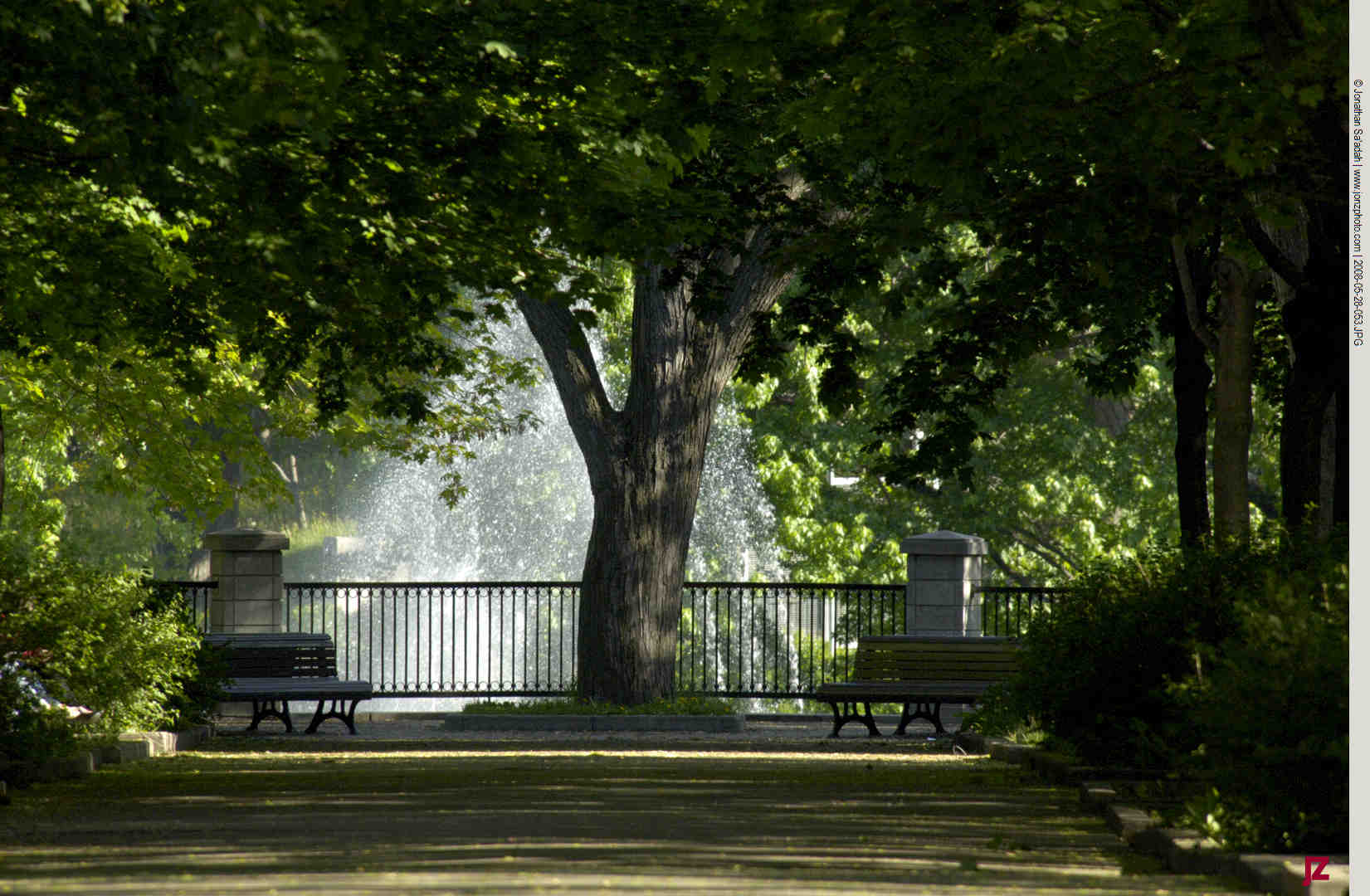
By late afternoon, especially on clear days, the park settles into a rhythm that feels distinctly Montreal. The light warms, the pace slows, and the space fills without feeling crowded. It’s a time when the park is neither empty nor busy, but balanced—fully in use, yet still open enough to move through comfortably.
Spring doesn’t dramatically redefine Parc La Fontaine. Instead, it reveals it—restoring its textures, its patterns, and its role in the daily life of the city.
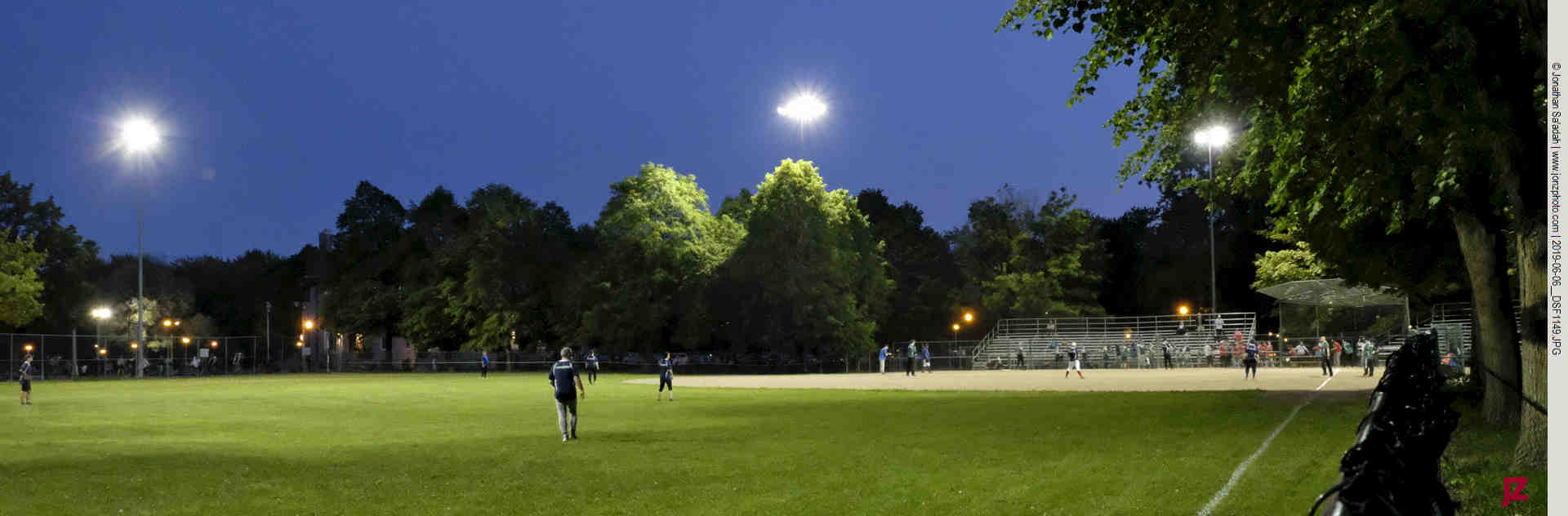
A treat to see your spring-time welcome to a parc I greatly love.
Great photos! Thank God for spring. That snowman on the bench with the twigs firing out of his disgruntled head, that was me during the last snowstorm. I’m so glad it’s over and things are in bloom. We are blessed wit great parks in this city. Also love the photo of Central Park.
So serene and poetic. Thank you for this post. You must miss the park now you’ve moved across the city.