
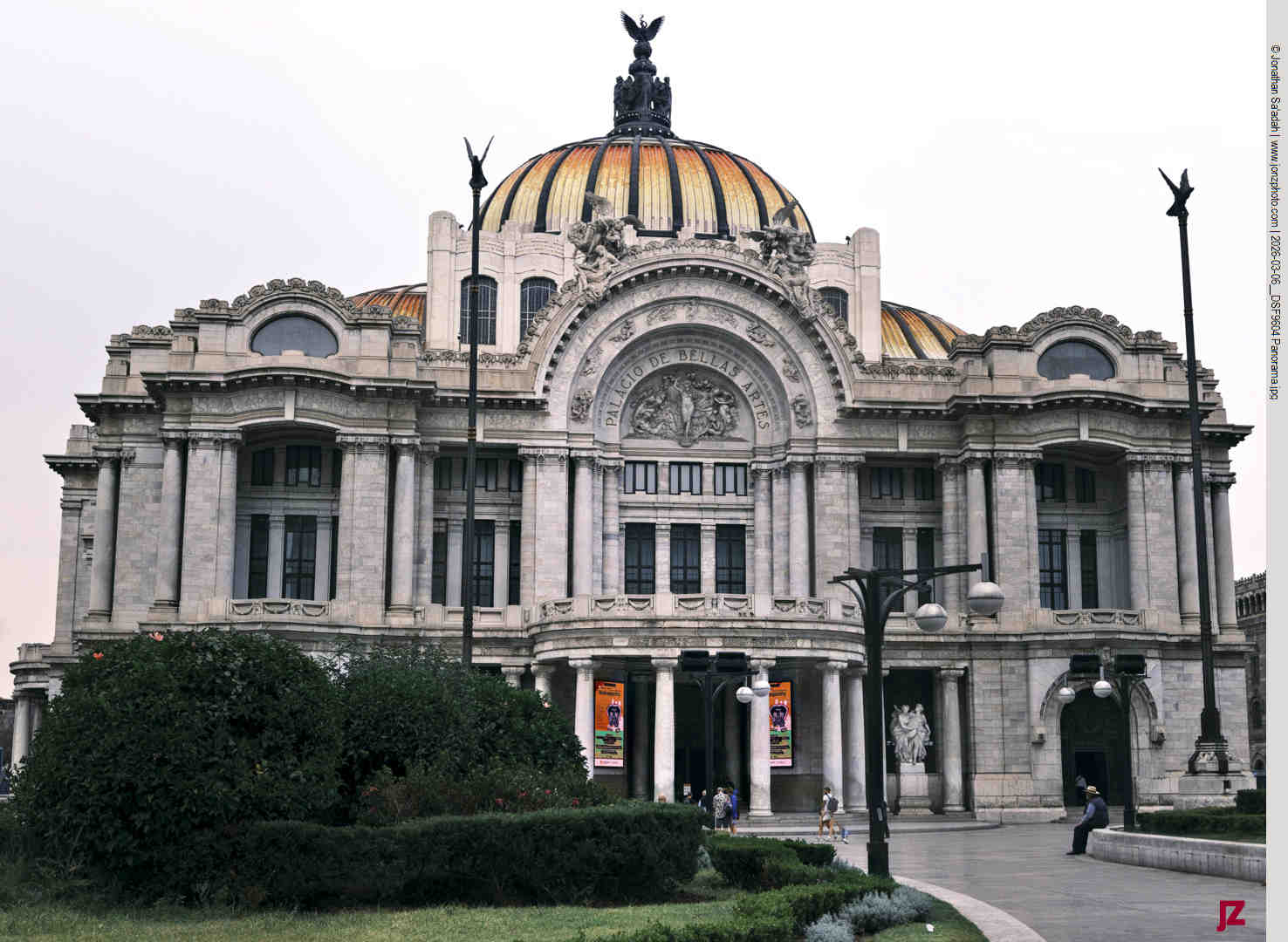
The Palacio de Bellas Artes looks, at first glance, like the kind of building that surely must have arrived in the world fully resolved: a white-marble monument, ceremonious and self-assured, facing Avenida Juárez in the center of Mexico City. Its actual history is the opposite. The building was conceived as a florid last gasp of the Porfirian regime, stalled by bad ground and political upheaval, and completed only after the revolution had transformed the country that it was meant to represent. What stands today is not a pure work from one era but a layered object, half dream of the old Mexican order and half invention of the new Mexico.
The Porfirian Dream
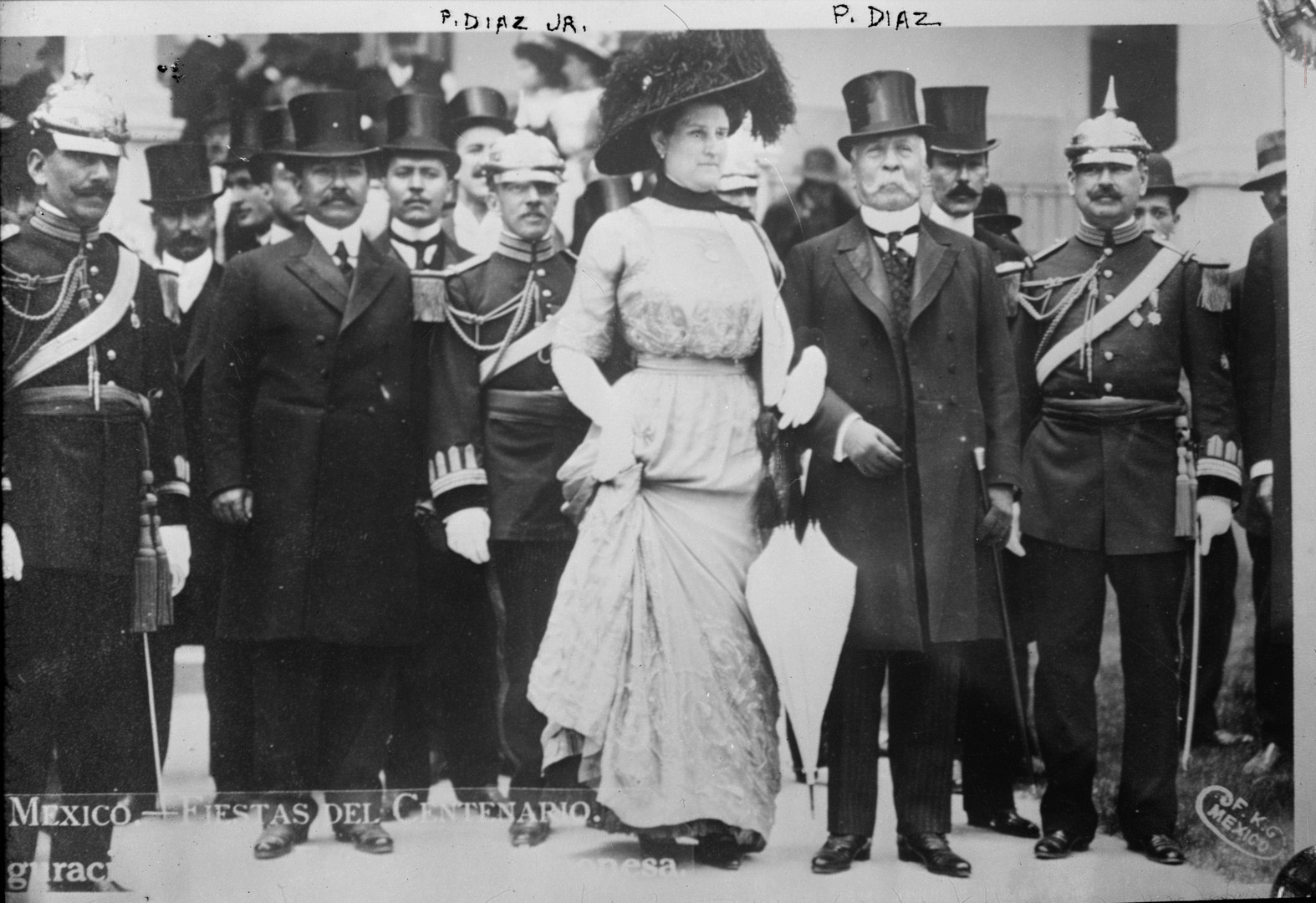
That tension begins with the president who wanted it: President Porfirio Díaz. Díaz governed Mexico for decades, directly and effectively, during the long period known as the Porfiriato, and his rule was marked by centralization, order, technocratic ambition, and an intense desire to present Mexico as a modern nation equal to the great capitals of Europe. Bellas Artes was part of that national self-staging. It was planned as a grand new opera house to replace the old National Theater and to help commemorate the centennial of Mexican independence happening in 1910. Díaz wanted to frame the date with monuments, boulevards, and public architecture that could display progress and shine a positive light on his legacy.
Díaz’s political style helps explain why the project was so grand. He was an authoritarian modernizer: admired by supporters for stability and infrastructure, criticized by opponents for repression, inequality, and the concentration of power. The Palacio fits that mixture of confidence and contradiction. It was meant to signal refinement, control, and cosmopolitan prestige, and Díaz awarded the commission to the Italian architect Adamo Boari, whose European training suited the regime’s cultural aspirations. In that sense the building was never just a building, it was propaganda in the dignified form of architecture.
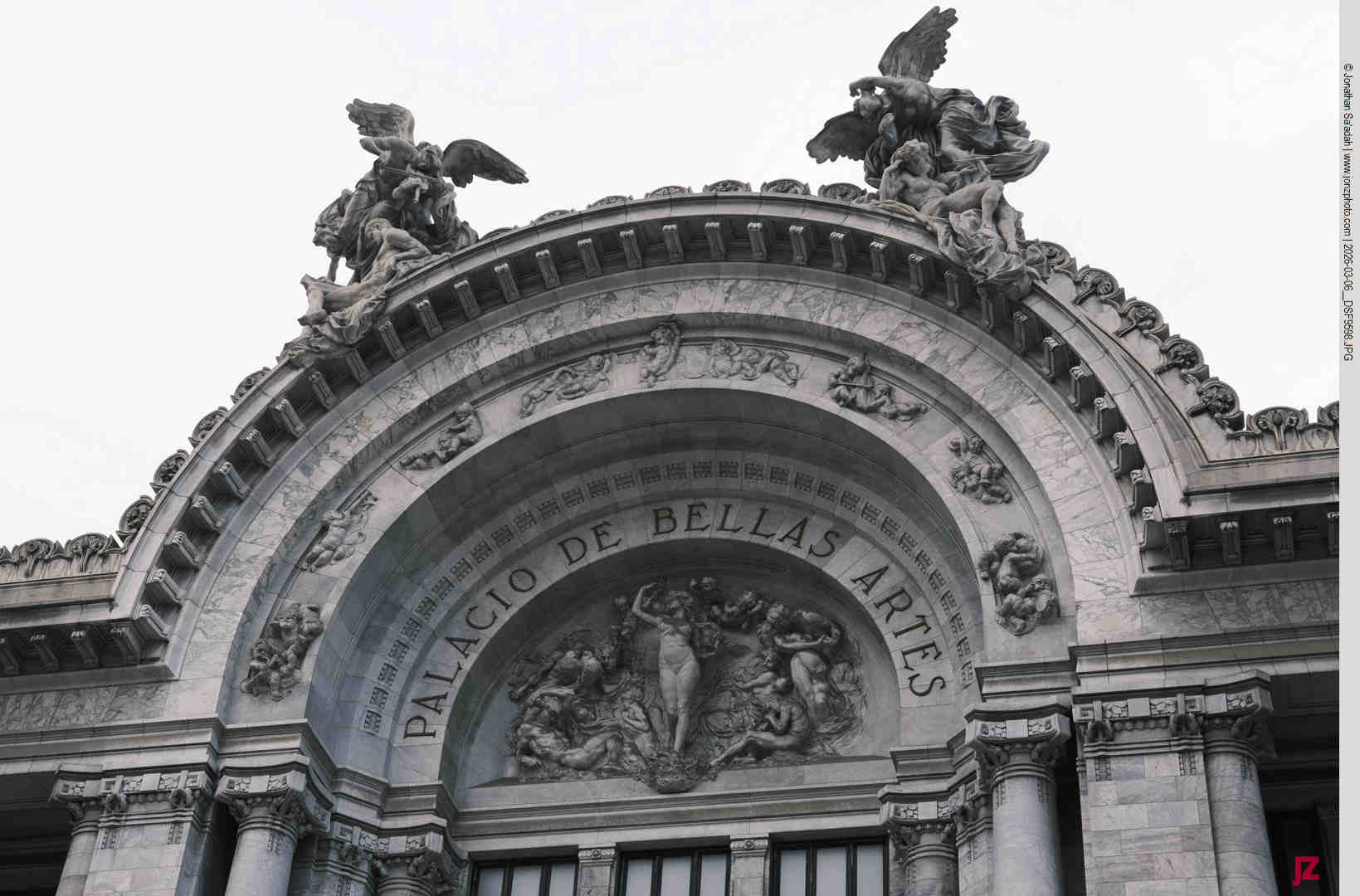
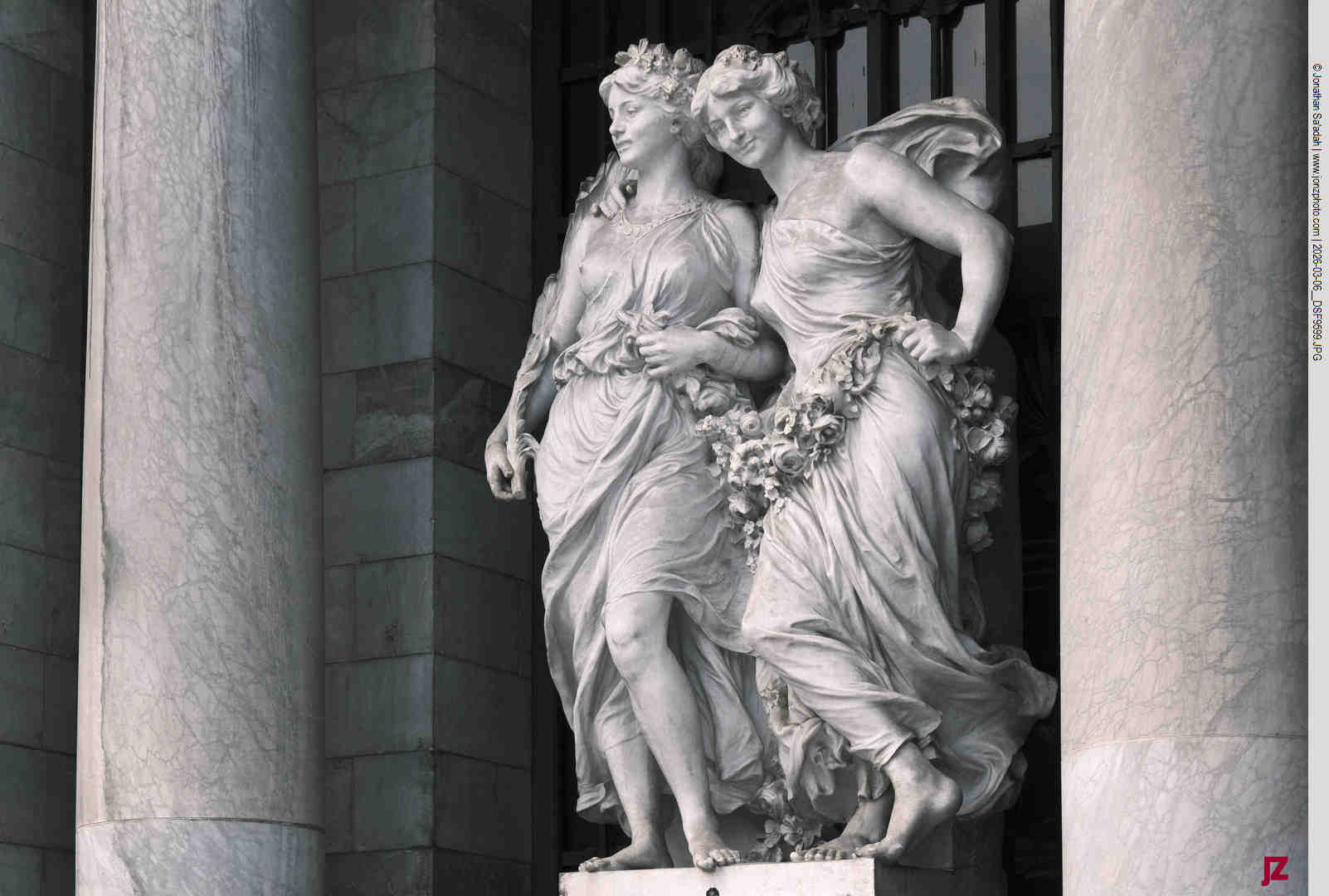
Boari began work in 1904 on the site of the former National Theater, itself part of a changing district along the Alameda. His design used white Carrara marble and combined neoclassical grandeur with the curving ornament of Art Nouveau. The exterior sculpture was international in character as well, with contributions by European artists, and the whole composition played into the Porfirian taste for imported prestige. The palace was expected to open in time for the 1910 centennial celebrations, but almost immediately the site threw up roadblocks to that timetable.
Reality Interferes
The problem was the ground beneath it. Mexico City rests on the old lakebed of Tenochtitlan, and the heavy marble structure began to sink into the soft subsoil even as construction advanced. This was not a cosmetic inconvenience but a structural and logistical problem that slowed the project and complicated its engineering. Then, to make matters more complicated, history intervened violently. The Mexican Revolution, beginning in 1910, disrupted public works, shattered the world that had sponsored the palace, and eventually drove Boari from the country. By 1916 the exterior was essentially finished and the domes were rising, but for years afterward the project lingered in suspension, stranded between regimes and between meanings.
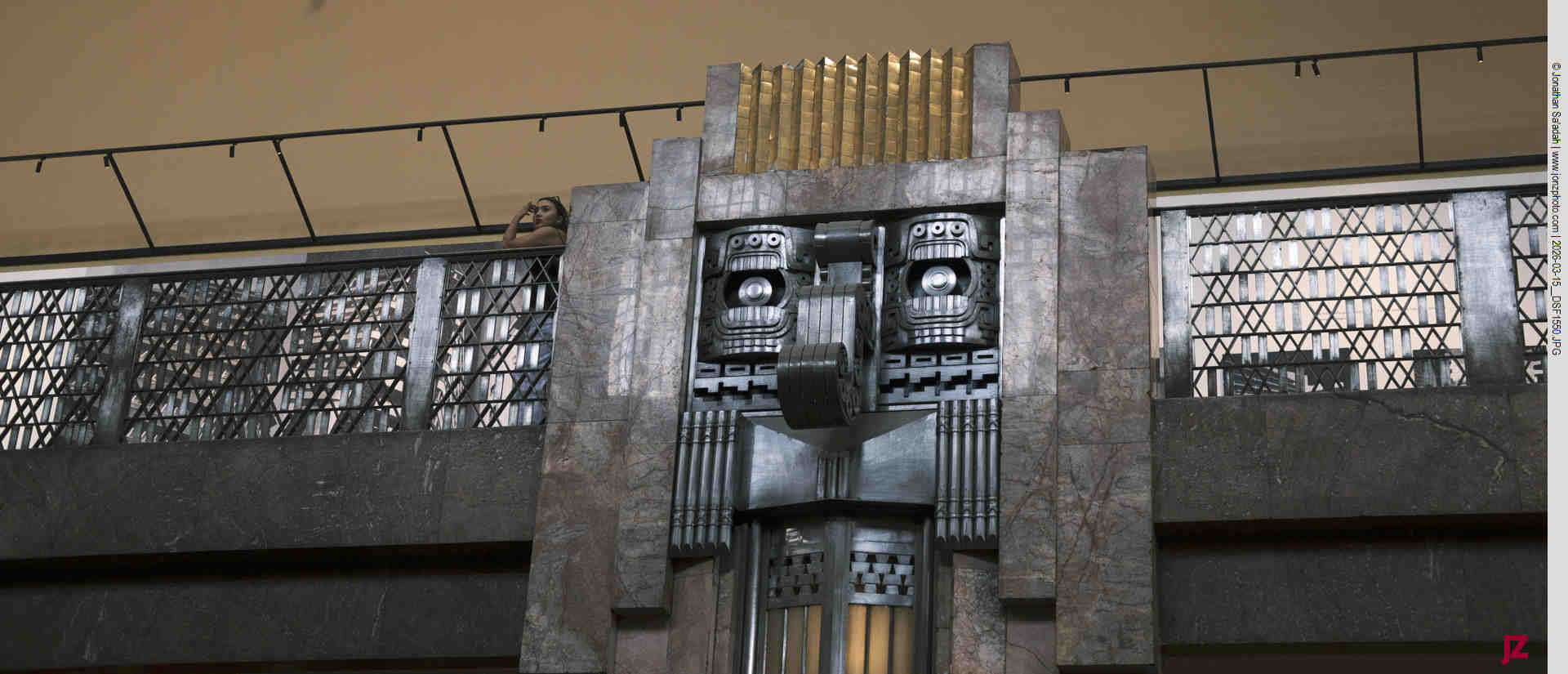
That interruption explains the building’s architectural disjointedness. The exterior belongs to one political and aesthetic moment, while the interior belongs to another. When work resumed in 1930 under the Mexican architect Federico Mariscal, he did not simply complete Boari’s original vision. Instead, he finished the interior largely in Art Deco, incorporating more geometric forms and motifs that reflected both international modern design and a stronger post-revolutionary interest in Mexico’s own ancient past. The result is one of the palace’s great oddities: an outside skin shaped by late Porfirian European elegance and an inside world shaped by the 1930s, by modernism, and by a different national ideology.
Yet the building is not disjointed only in style. It is disjointed in historical mood. Bellas Artes is a palace born from elite aspiration that later became a public temple of national culture. A project first imagined as a grand opera house for an authoritarian regime opened in 1934 as a cultural center for a post-revolutionary state more interested in social identity, civic education, and the arts as national narrative. That transformation gives the building much of its emotional force. It represents the tension between the Porfiriato and the cultural programs of revolutionary Mexico.
Bellas Artes as a Living Home to the Arts
What made Bellas Artes unique was its mixing of conflicting aspirations. Its excessiveness feels like a collaboration among architecture, decorative arts, engineering, and stagecraft on a nearly operatic scale.
The murals came later, and their presence changed the meaning of the building again. After the revolution, muralism became one of the state’s most powerful cultural languages: public, didactic, monumental, and intensely concerned with history, labor, indigeneity, class, and modern Mexico. These paintings did not merely decorate the palace. They turned it into a walk-through argument about Mexican identity, replacing the courtly atmosphere of the original theater conception with a much more contested and democratic visual program.
That is why walking through Bellas Artes can feel so startling. The building’s marble, staircases, and ceremonial spaces suggest European grandeur, yet on the walls appear revolutionary images, anti-capitalist allegories, indigenous references – the modern Mexican mythmaking. Rivera’s remade Man, Controller of the Universe is the best-known example of this collision of worlds, but the broader mural ensemble is just as important because it places the palace within the central story of twentieth-century Mexican art. Bellas Artes became not simply a venue where art was shown but a monumental frame for the state-sponsored visual imagination of modern Mexico.
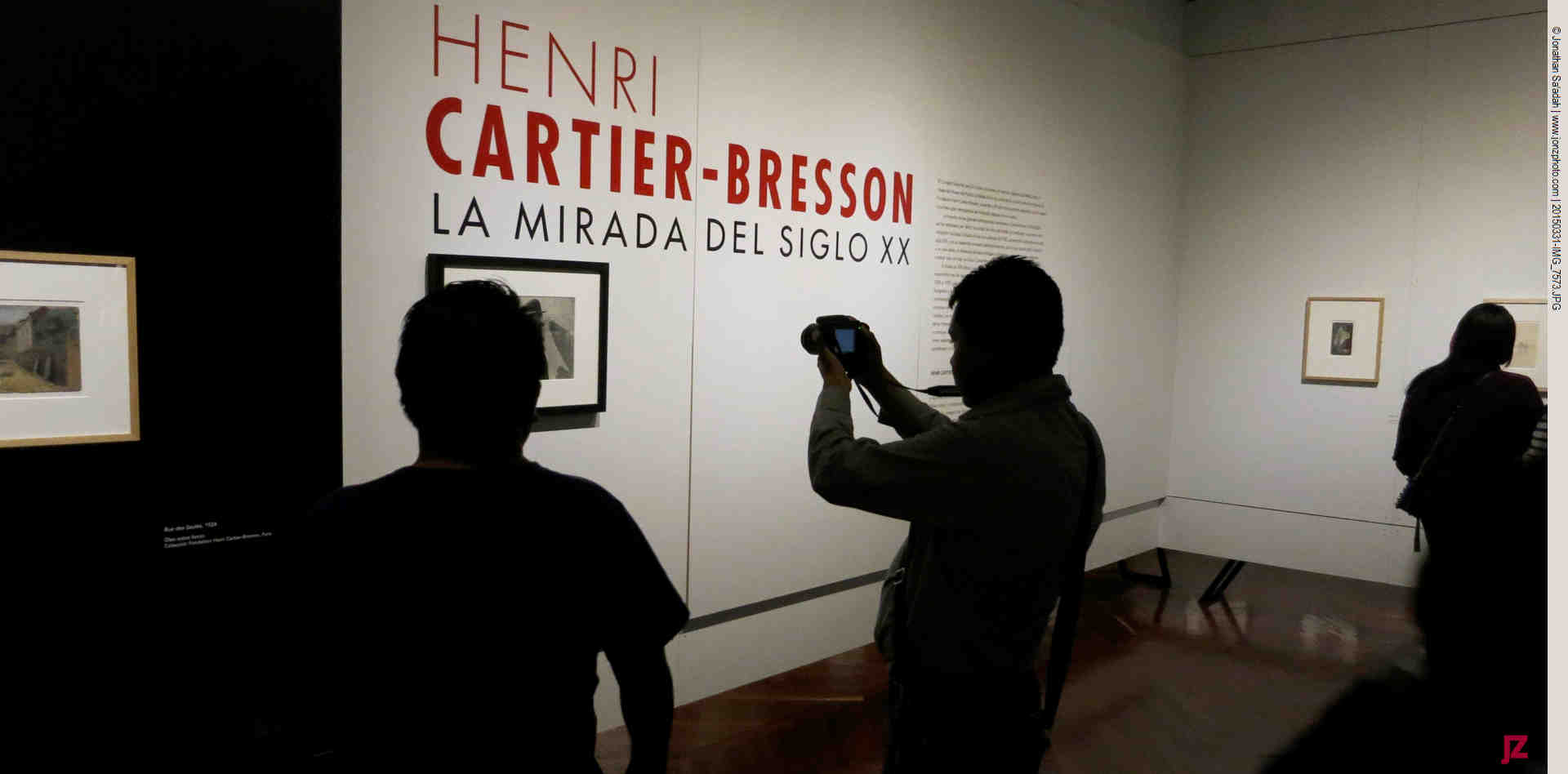
The building has also remained a place for temporary exhibitions, which is one reason visits there can feel personal as well as historical. In 2015 we were lucky to see a remarkable show when the museum presented a Henri Cartier-Bresson exhibition called La mirada del siglo XX (“The View of the 20th Century”), bringing the French photographer back into a building that already had an earlier connection to him. Cartier-Bresson had in fact exhibited work at the Palacio de Bellas Artes as early as March 1935, alongside Manuel Álvarez Bravo, during his first important Mexican period. Bellas Artes is often thought of chiefly as a mural and performance space, but exhibitions like the 2015 Cartier-Bresson show demonstrate how the building also functions as a site where international modernism, photography, and Mexico’s own visual culture meet inside the same institution (LINK in French and Spanish to video about Cartier-Bresson show).
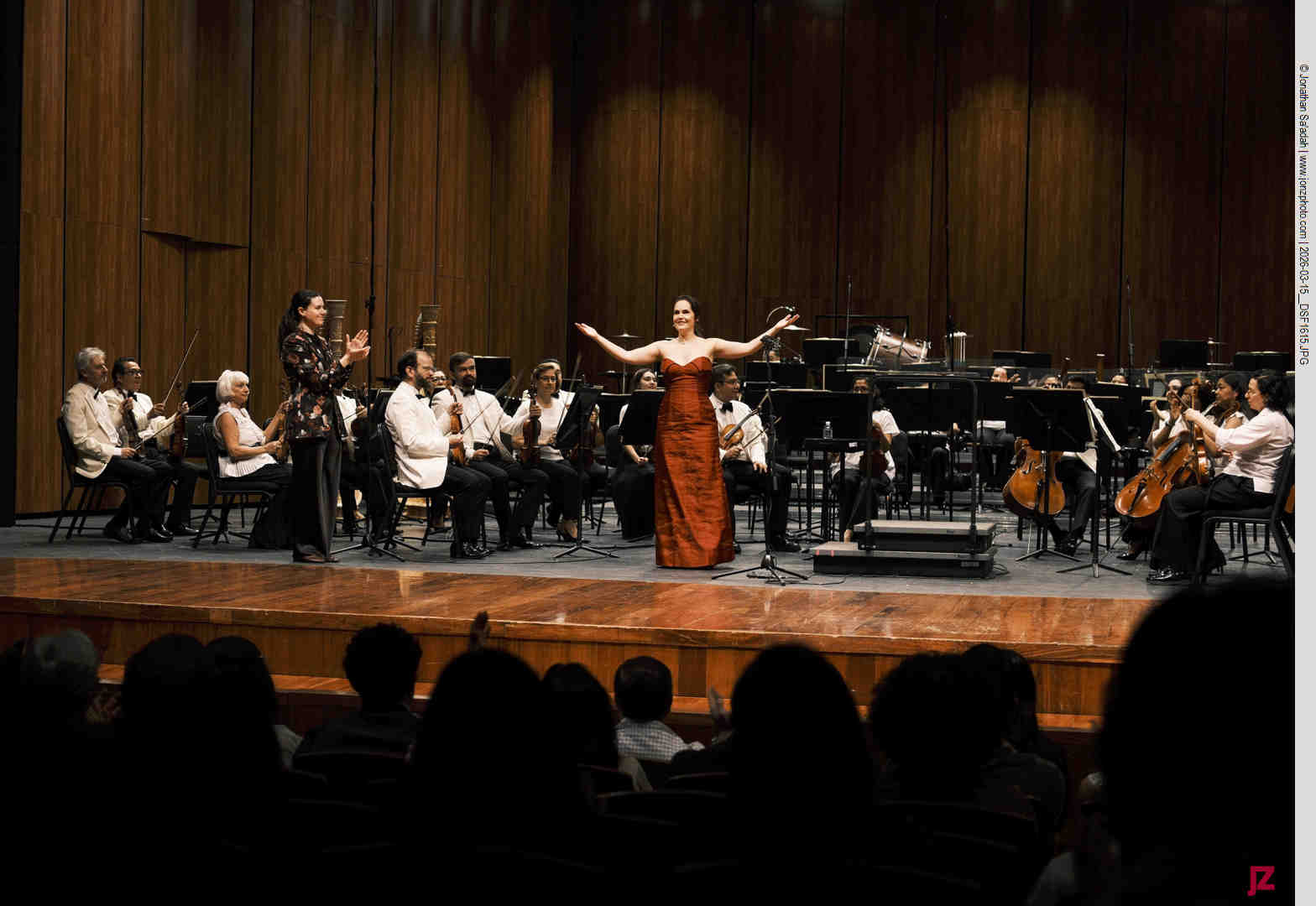
The performance spaces remain central to its identity. Bellas Artes is home to major national companies and institutions, including the National Theater Company, the National Dance Company, the National Symphony Orchestra, the National Opera Company, the Ballet Folklórico de México, and the Fine Arts Chamber Orchestra. Its main hall seats about 1,700 people, and the building also contains recital spaces named for Adamo Boari and Manuel M. Ponce. In practical terms, that means the palace is not a frozen monument but a working cultural machine, used for opera, orchestral concerts, dance, theater, touring performances, state ceremonies, and the Ballet Folklórico presentations that many visitors first associate with it.
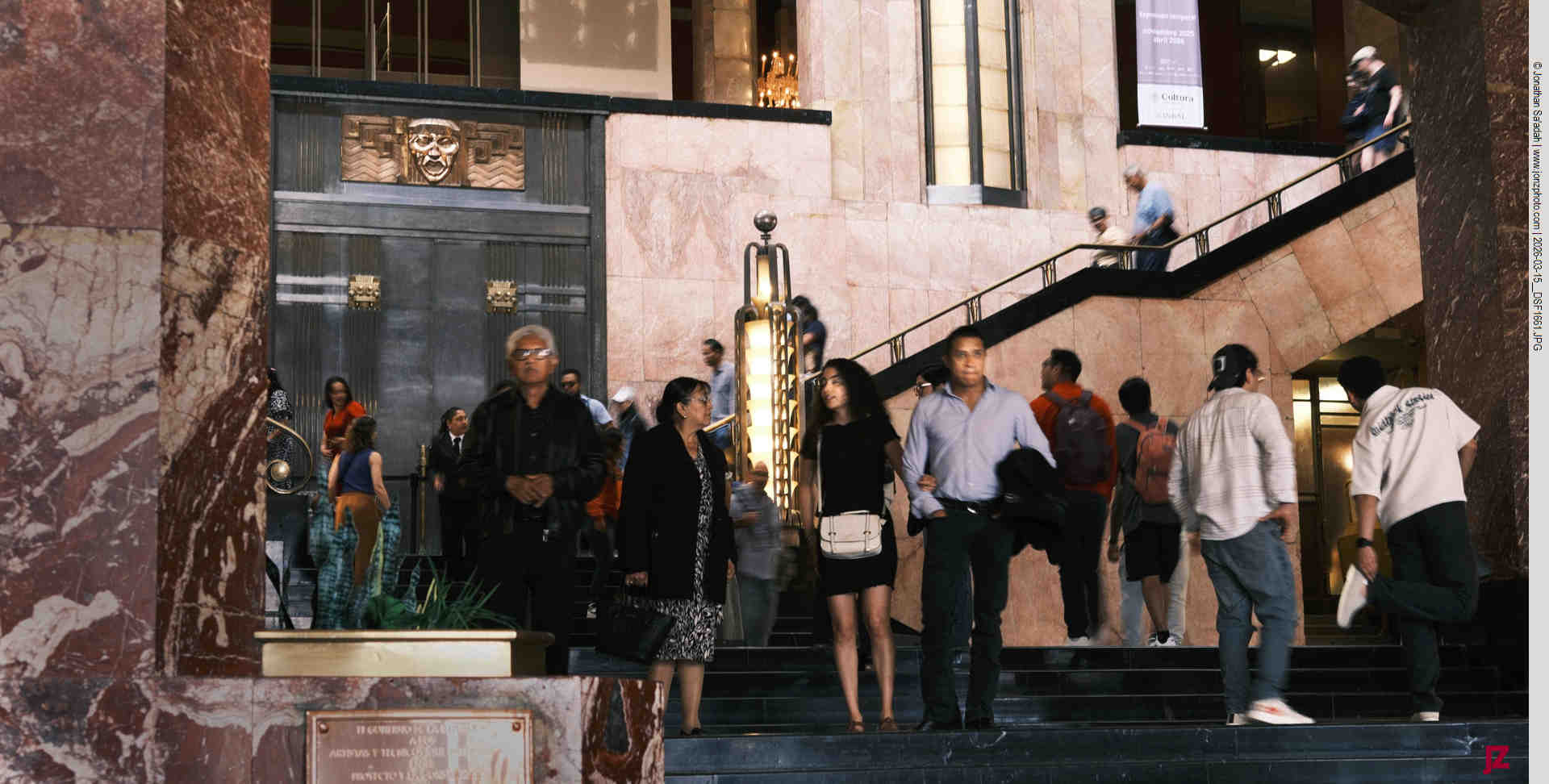
Bellas Artes survives not because it is merely old or photogenic, but because it still performs the civic role that architecture of its scale always hopes to achieve. Audiences enter for a symphony or dance program; museum visitors come for murals, architecture, or exhibitions; students and tourists cross paths in the same stair halls and galleries. The building’s mixed life mirrors its mixed design.
To me the palace’s architectural inconsistency is less a flaw than a record. Its Art Nouveau shell, Art Deco interior, revolutionary murals, and Tiffany curtain do not resolve into one tidy style because Mexico itself did not pass tidily from the Porfiriato into the twentieth century. Bellas Artes preserves that break in political identity in material form. It tells various stories: a ruler who wanted grandeur, a capital built on unstable ground, a revolution that interrupted Días’s dream, and a later nation that reused the same palace to tell a strikingly different narrative about itself. That is why the building still feels alive: not despite its contradictions, but because of them. It’s also what keeps us coming back to it.
A fascinating commentary on Mexico’s history and culture. Thank you for this. You continually broaden my very scanty knowledge of Mexico. Did you attend any musical performances in Bellas Artes? I’m wondering about the acoustics.
A fascination commentary on Mexico’s history and culture. Each of your posts broadens my very scanty knowledge of Mexico. Thank you. Did you attend any musical events in the theatre? I’m wondering about the acoustics.
Wow. They don’t build ’em like that no more.
“…must have arrived in the world fully resolved” indeed. Good way to put. And yet it’s still evolving. What a contrast between the exterior and interior.
I have to say, it’s pretty cool.