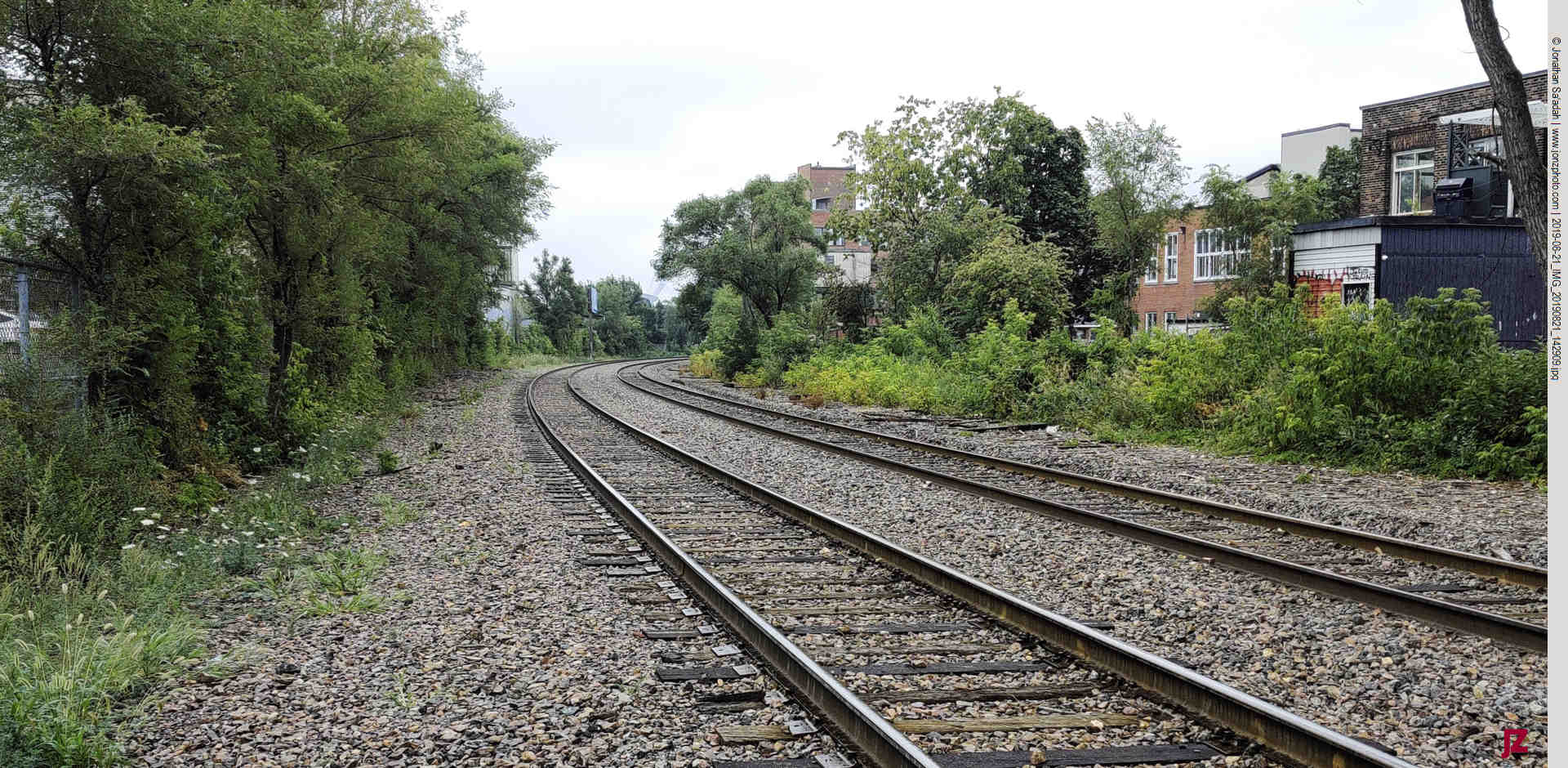
In 2006 we had just been granted permanent residency in Quebec and were looking for an artist’s studio space. It seemed most likely that we’d have success along the northern edge of the Plateau, in one of the semi-abandoned industrial buildings lining the Canadian Pacific railroad tracks. We searched and found several that matched what we wanted. The one we liked the most was on rue Masson, and we were told it had been a chocolate factory. That worked for me. Being in such a space, surrounded by rich, warm, and imaginary smells of cocoa being fashioned into chocolate bars, really struck a chord. Little did we know…
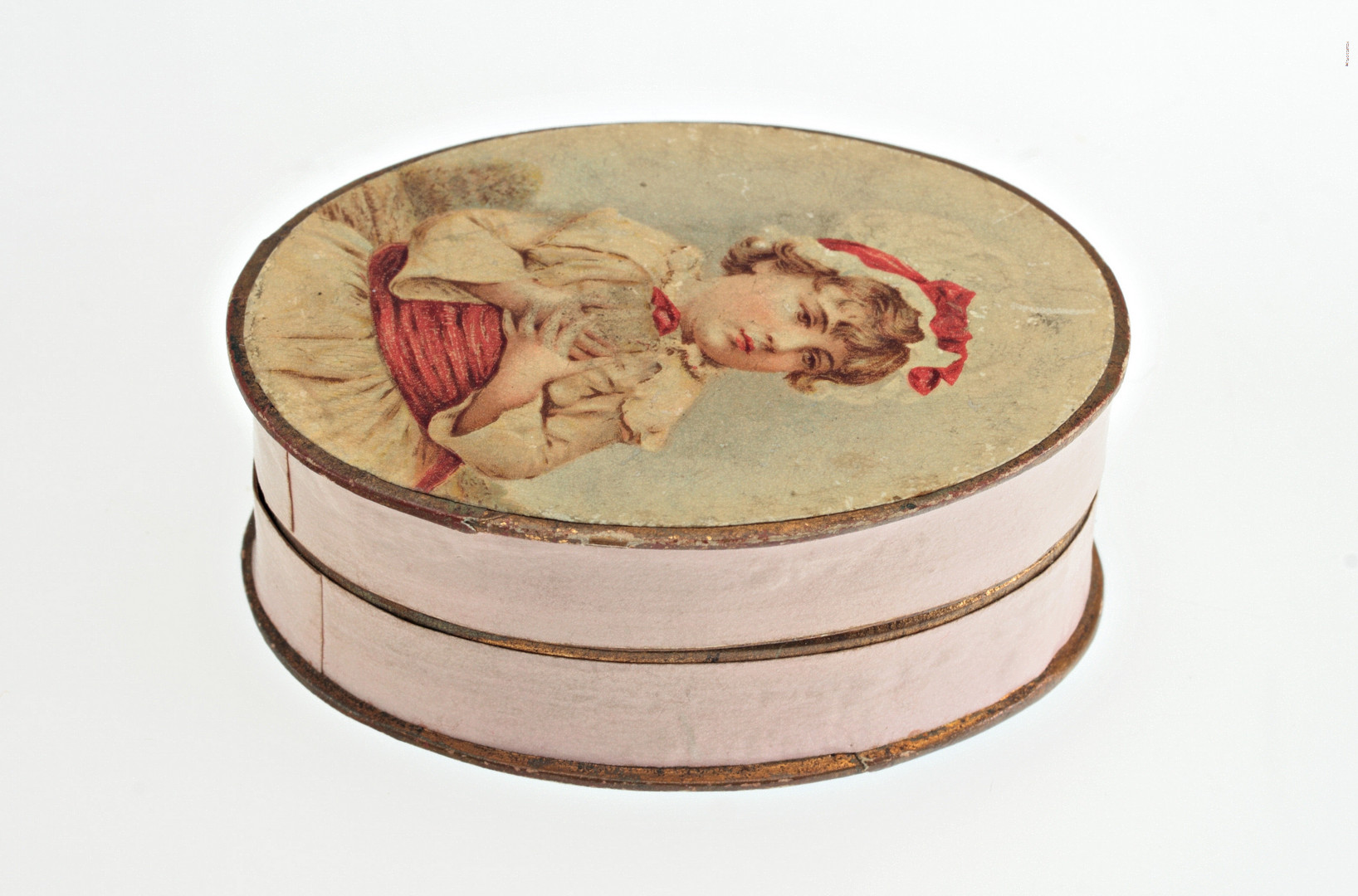
The Cadbury building, as we called it, was built in 1909 by Fry Cadbury Ltd, the Canadian arm of the English company that in 1847 produced the first eating chocolate bar. Cadbury turned chocolate from a bitter drink into a solid confection that could be sold, unwrapped and savoured, making a fortune on its products.
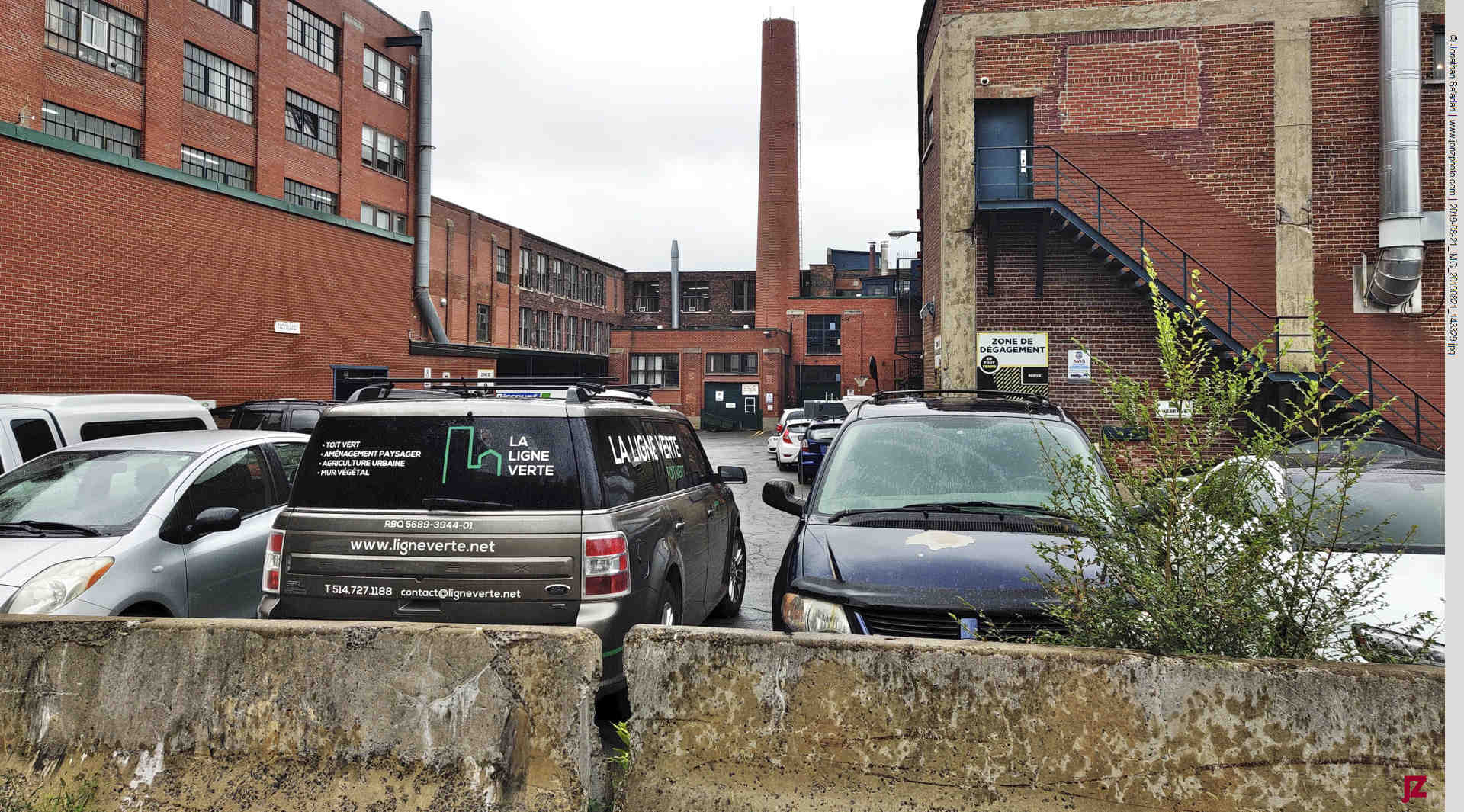
A small part of its operation was a five-story brick industrial building at 2025 rue Masson on the north edge of Montreal’s Plateau-Mont-Royal, solidly built and purposefully designed. Through much of the twentieth century the factory hummed along as a genuine anchor of the community, employing five hundred workers and producing candy bars by the millions: Caramilk, Dairy Milk, Crunchie. The building was part of the community fabric. The English company itself went through several corporate takeovers and transformations, but these changes had little effect on the rue Masson operation. That was to change abruptly.
The 1978 Closure and Its Political Storm
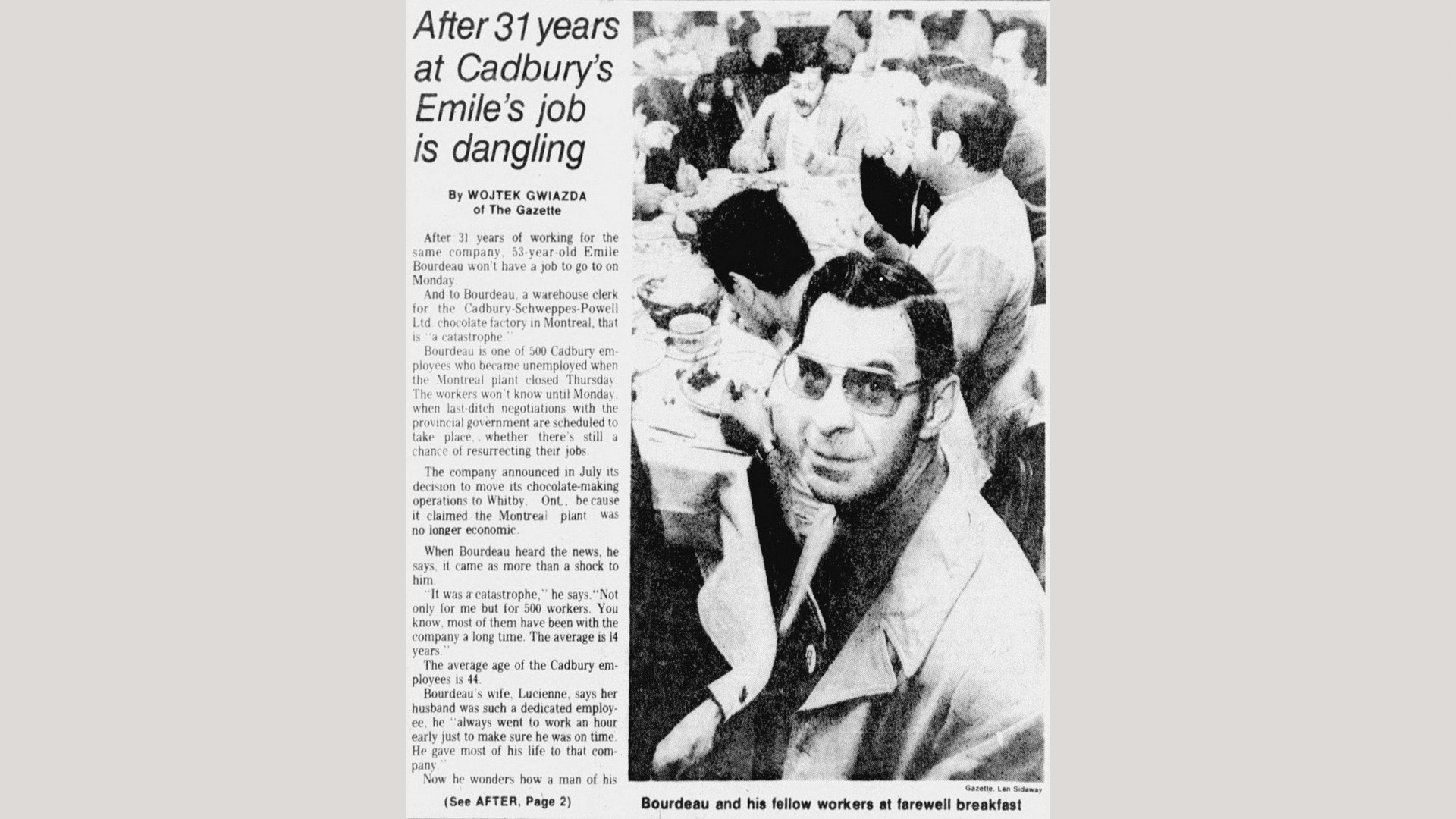
On Thursday evening, November 16, 1978, the Cadbury plant on rue Masson abruptly closed its doors. The company’s stated reason was economic: demand for chocolate bars had declined, and its Whitby, Ontario plant – east of Toronto – was more efficient. Consolidating production there simply made more financial sense, management claimed.
Five Hundred People Lost Their Jobs
The timing was explosive. The closure came almost exactly two years after the election of the Parti Québécois (PQ) under René Lévesque on November 15, 1976 – the vote that had upended the political order in Quebec and stoked deep anxieties about sovereignty among English-Canadian and British-linked businesses. In that charged atmosphere, the Cadbury closure landed like a provocation. It arrived the very same week that Sun Life Assurance announced it was moving five hundred jobs from Montreal to Toronto – part of a broader corporate exodus in which approximately a hundred fifty corporate headquarters departed Montreal in the years following the PQ election.
Many Quebecers did not believe the economic rationale. Cadbury stoked the fight as well. After announcing the closure and the elimination of five hundred jobs, it invited workers to a “closure celebration” at the Queen Elizabeth Hotel in downtown Montreal. The gesture was received as precisely what it was meant to be: an in-your-face insult.
In Quebec a public campaign started to shut down sales of Cadbury products. It was not a fringe effort. The campaign drew support from two hundred fifty organizations across the province: political parties, unions, and community groups joined forces to pull Cadbury products off grocery lists.
And it worked. Retailers across Quebec reported a measurable impact on Cadbury sales. The Cadbury closure became a lasting symbol to the Quebec labour movement, showing Quebec workers how they were “at the mercy of both governments and employers” – a phrase that captured the sense of vulnerability felt by working people caught between distant boardrooms and political upheaval.
We Move On
Cadbury is still in Toronto, though it’s part now of some global snack conglomerate (US) whose name means nothing to most people (Mondelez International). But the rue Masson factory which we experienced is still there – now known as Les Lofts Cadbury – a heritage industrial building converted into artist studios, offices, and flexible workspaces. The name remains, even after the chocolate is long gone. Where workers once wrapped Caramilk, commercial tenants now tend to their work in small chopped-up spaces taken from the original factory workfloors.
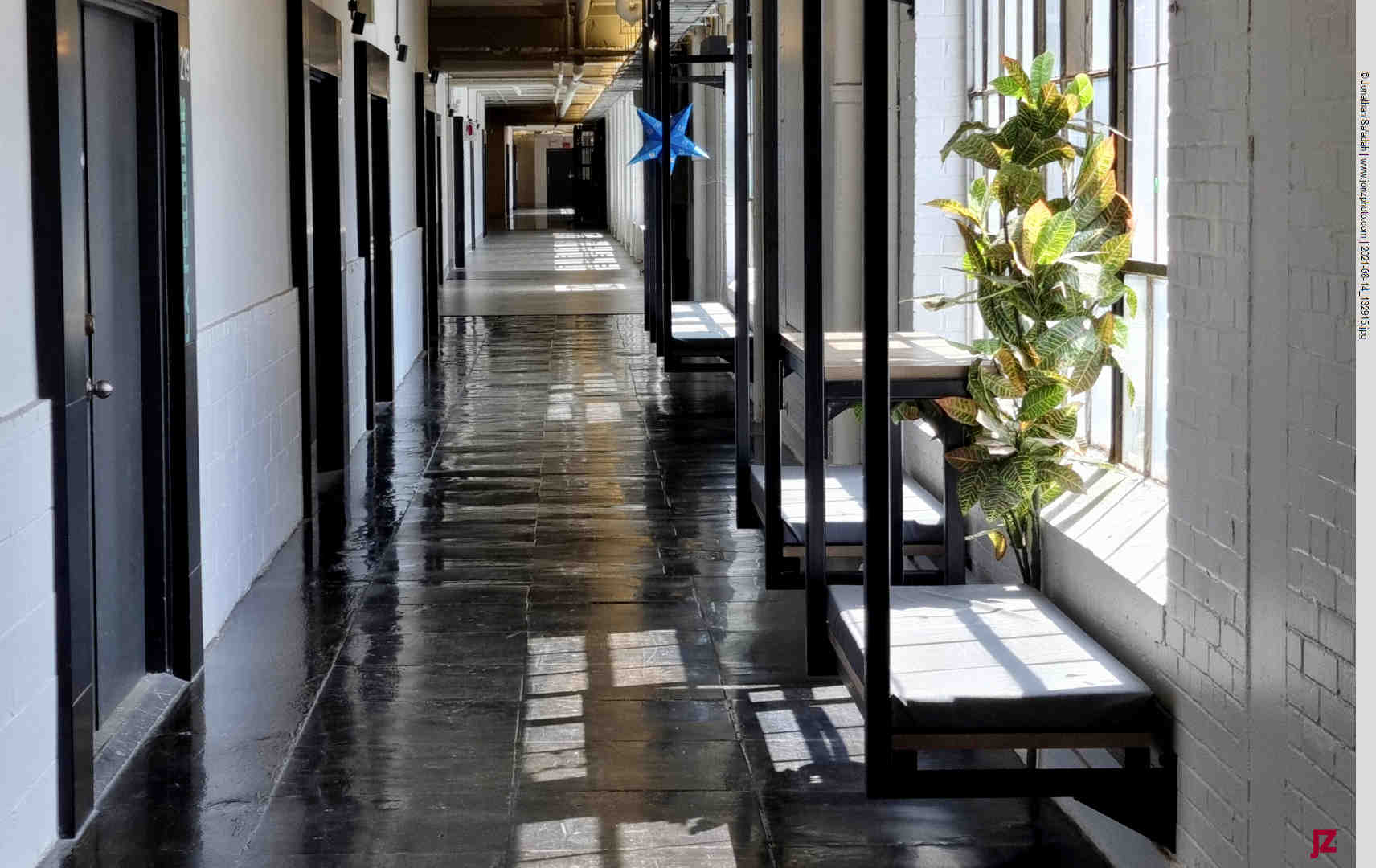
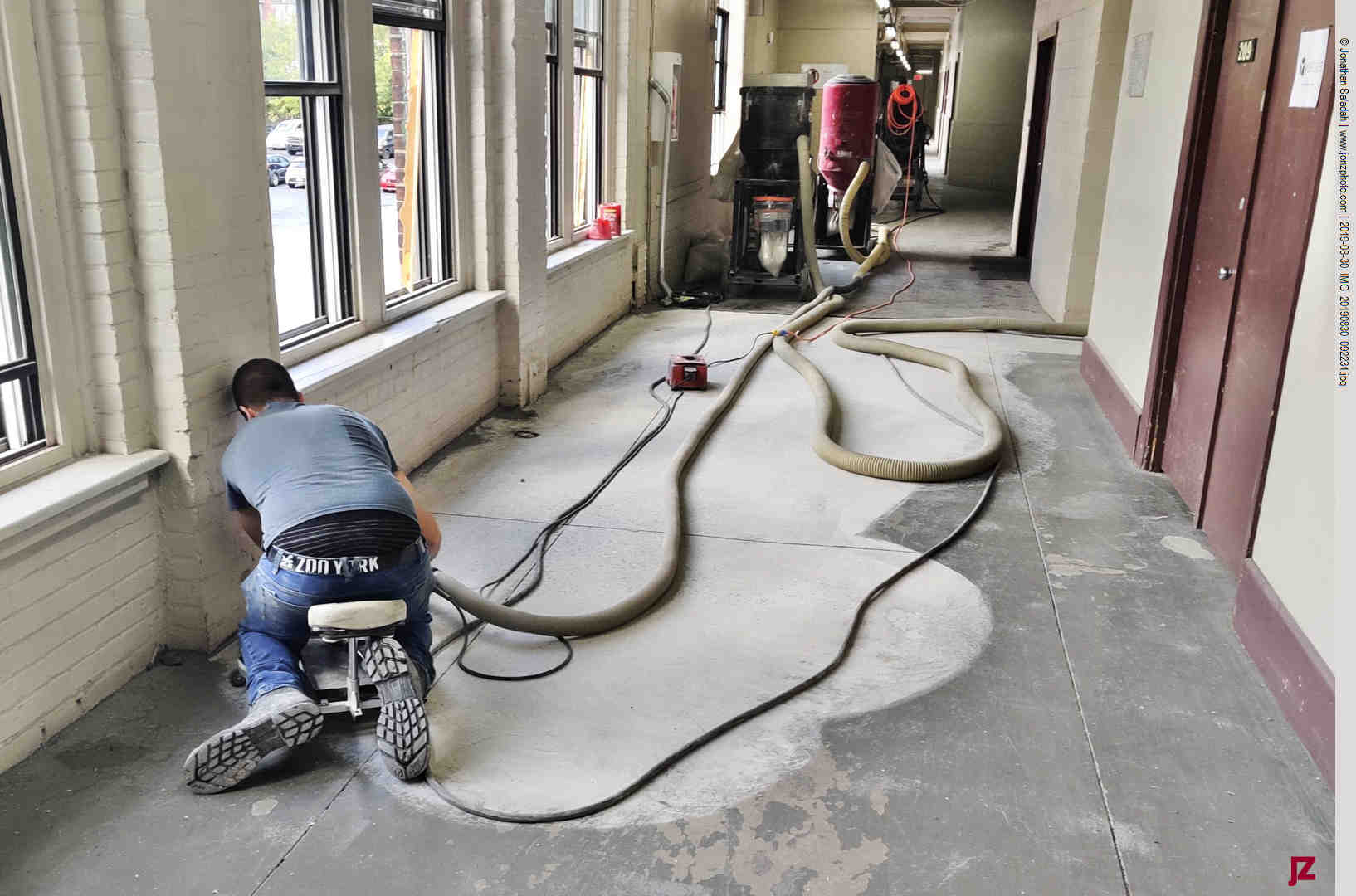
We were a small part of that story. We moved in when the building still offered rough spaces in a questionable neighborhood. During the sixteen years that we rented the surrounding area morphed from shabby declining industrial character to mildly trendy. A street café opened nearby selling expensive avacado sandwiches then near the end of our stay a commercial property investor bought the building from the seedy, cash-under-the-table owner we had known. Huge grinding machines were brought in to polish the concrete floors, which were then painted black. The front office changed from mostly somnambulists to fashion-forward techies. In the hallways small sitting areas were built encouraging one to pause and drink a cappuccino (no, I never saw anyone using them). Rents were also increasing dramatically each year. It was time for us to move on, and we did.


Leave a Reply