People often ask whether I miss analog photography. The simple answer is no, I don’t. I don’t miss the toxic chemicals, the damp, stale air of the darkroom, or the constant sound of dripping water. But there is a more nuanced answer as well.
The picture below was taken in 1979, and it shows only about a third of my darkroom at the time. I had another enlarger for 4×5 film, a large flat-walled sink for the processing trays, and shelved closets for storing bottles, chemicals, and paper. Not shown are the cameras and the complicated lighting equipment that work often required in those days.
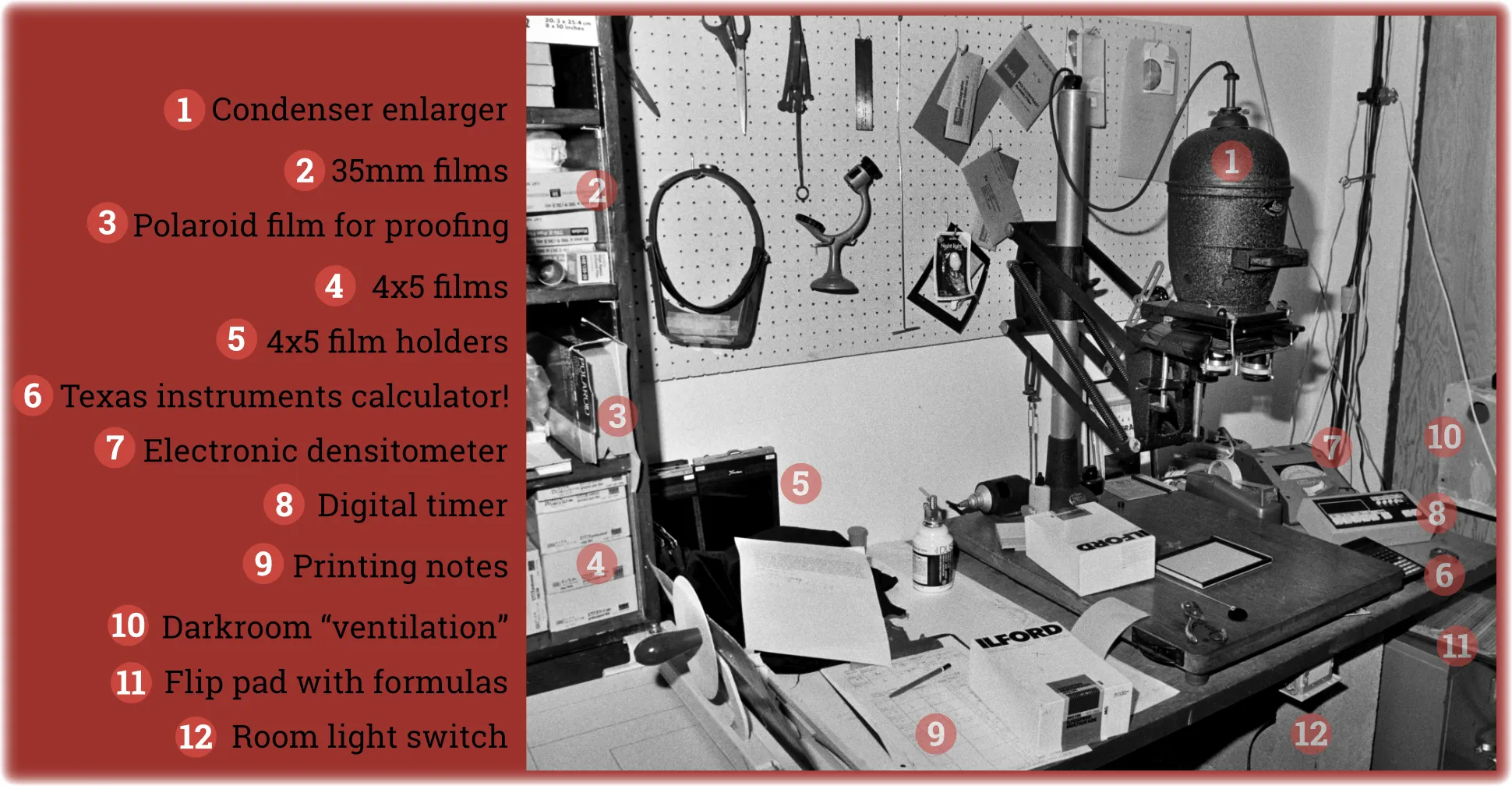
I was just moving into more competitive commercial work, and soon after this my darkroom became even more complex as I added color film processing. There was a great deal of skill involved in being a photographer in those days. If I had lived in a city, I would have hired an assistant; in rural Vermont that was not an option. Now, a good phone camera can handle much of what I was doing then.
Shortly after this photo was taken, Beth and I combined our businesses, knowing we would have more credibility together than as separate freelancers. Two years later we bought our first computer, and five years after that, in 1984, we had software that let us do page layouts graphically on screen. We seized on these technologies to dramatically accelerate the print production cycle. Efficiency and speed were two traits that helped our business a lot.
We worked for startup technology companies, often the brainchildren of people who had chosen to live in Vermont and had a passion they wanted to spread, as a product, on a national or international scale. We were all swimming in the same exciting broth of emerging technologies. One company was pioneering communications based on TCP/IP, which was new at the time but would become the underlying protocols enabling the Internet. Another was inventing a digital music production system that became a worldwide phenomenon before it went bust.
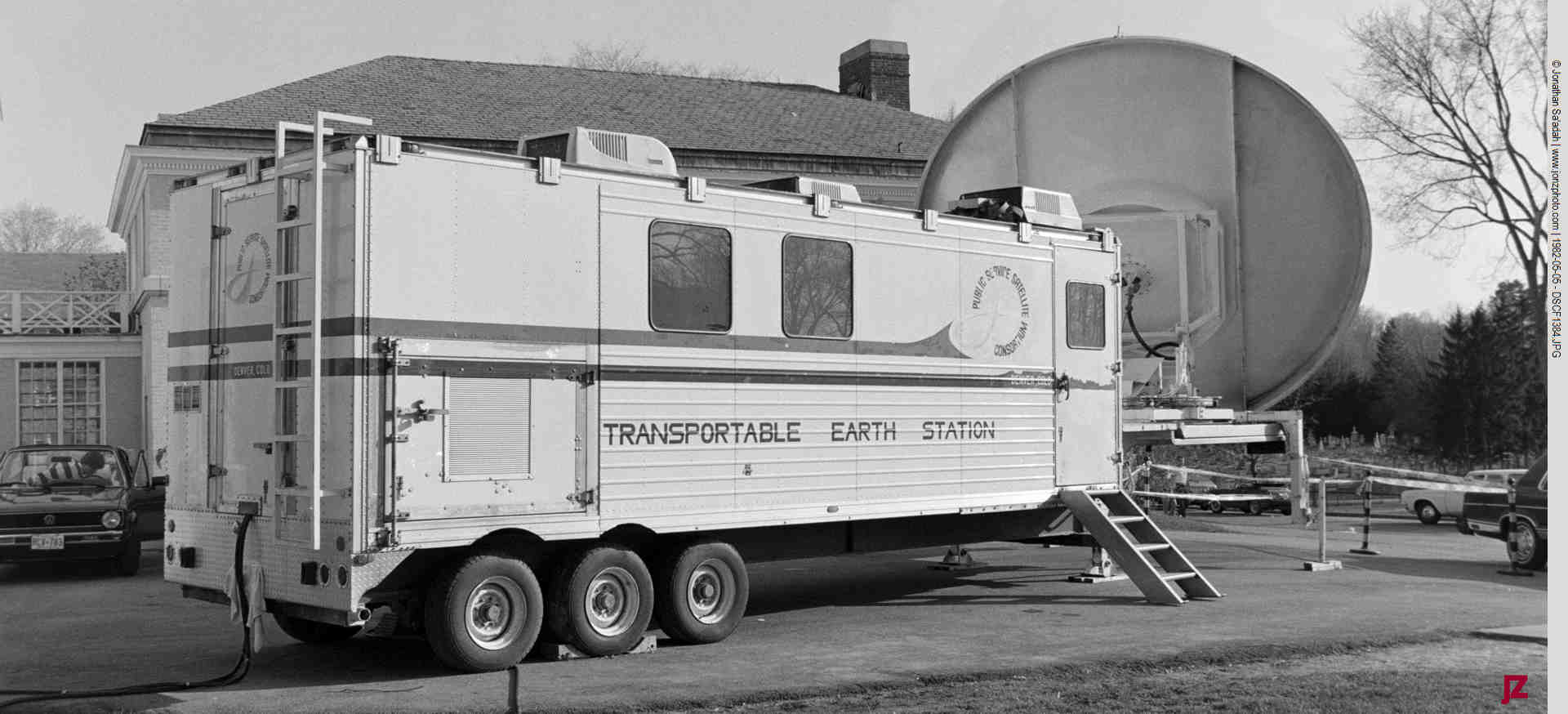
At the same time that we were building, we were helping to dismantle an industry. Adobe released a page-description language called PostScript in 1984, and we adopted it immediately, even as it began to disassemble the graphics industry we worked in. Entire classes of highly trained craftspeople saw their professions vanish almost overnight. Where we had once hired skilled print artisans for dot etching and other now-forgotten techniques, the work shifted to people in black jumpsuits walking through darkened rooms filled with bulky CRT screens.
It was obvious to me that the same forces would move through other professions and would eventually gnaw at photography itself. A few years later, the decay was underway. The first signs were “work-for-hire” agreements, in which companies tried to strong-arm outside “vendors,” claiming all rights to the work without offering employee benefits. Then, in the early 1990s, as investors anticipated new opportunities, stock photo agencies began selling generic images to replace original photography. That was only the beginning of a broader downward spiral that accelerated over time. It was not a new story, and it played out in many other contexts, reshaping the lives and livelihoods of countless people.
AI is the current manifestation of that same dynamic, perhaps in its terminal phase. It is a universal dislocator and is therefore hated by many. To me, it feels familiar: great pain on one side, and great benefits concentrated among a small group on the other. The scale and impact, however, are unprecedented.
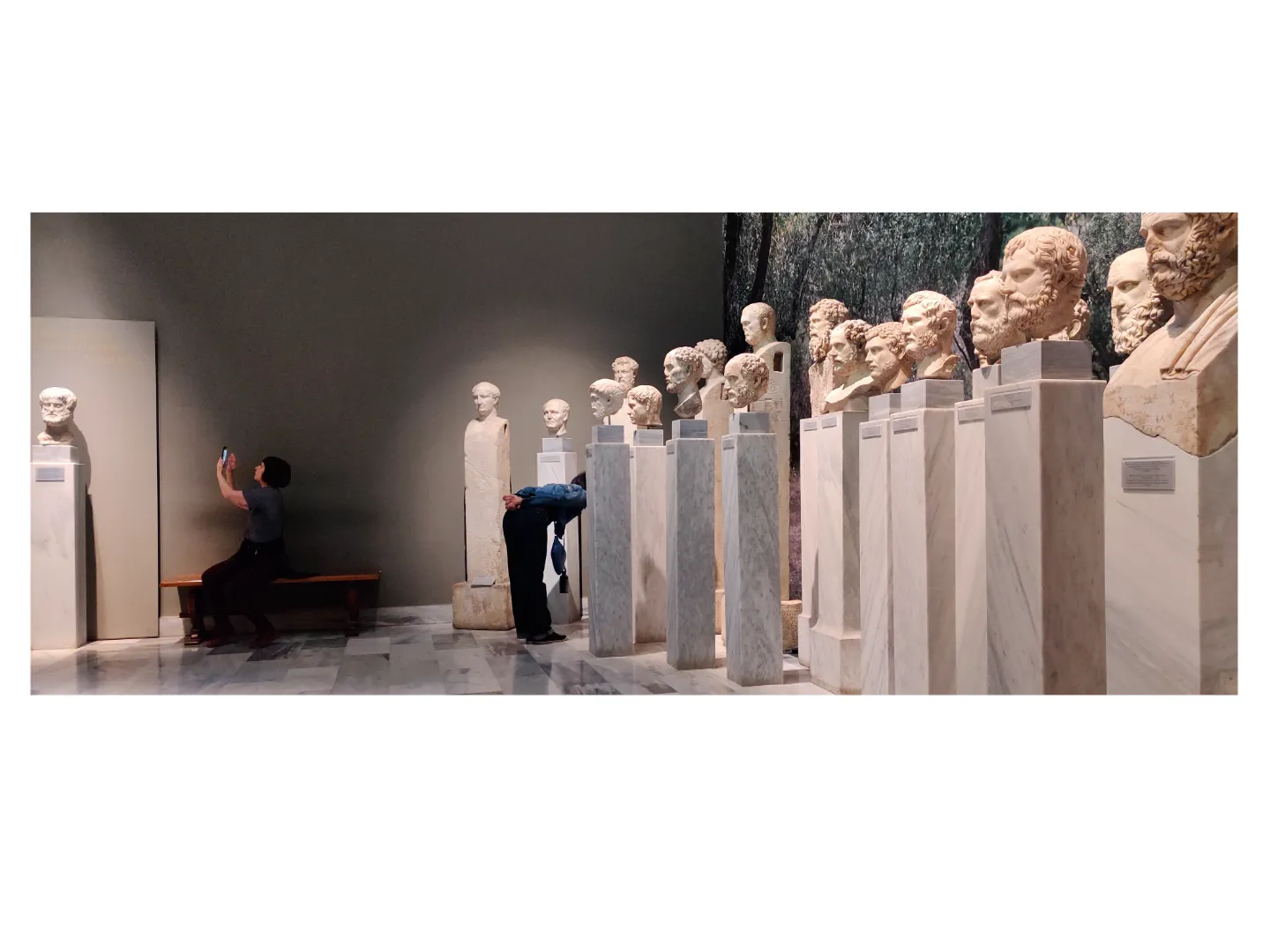
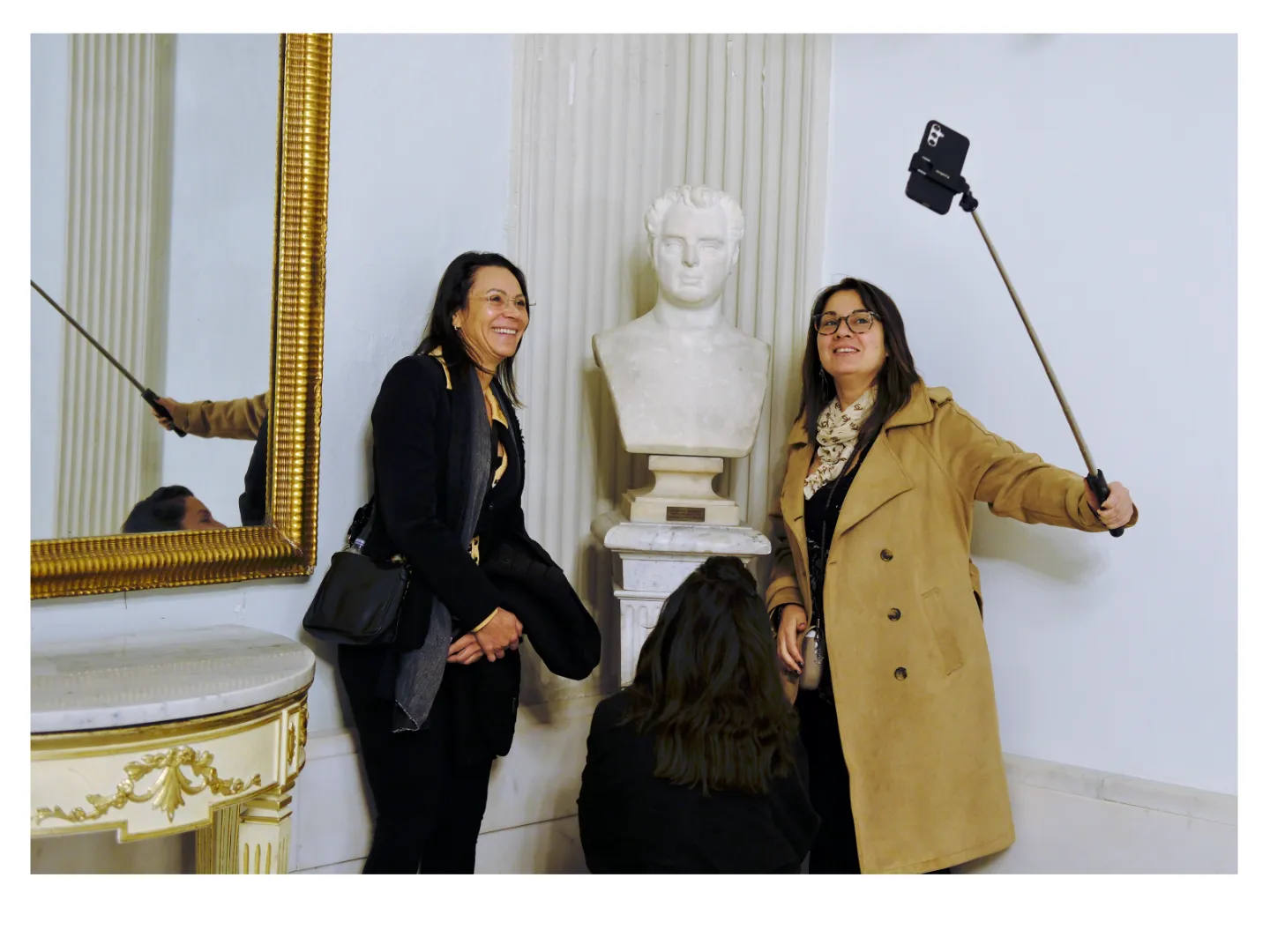
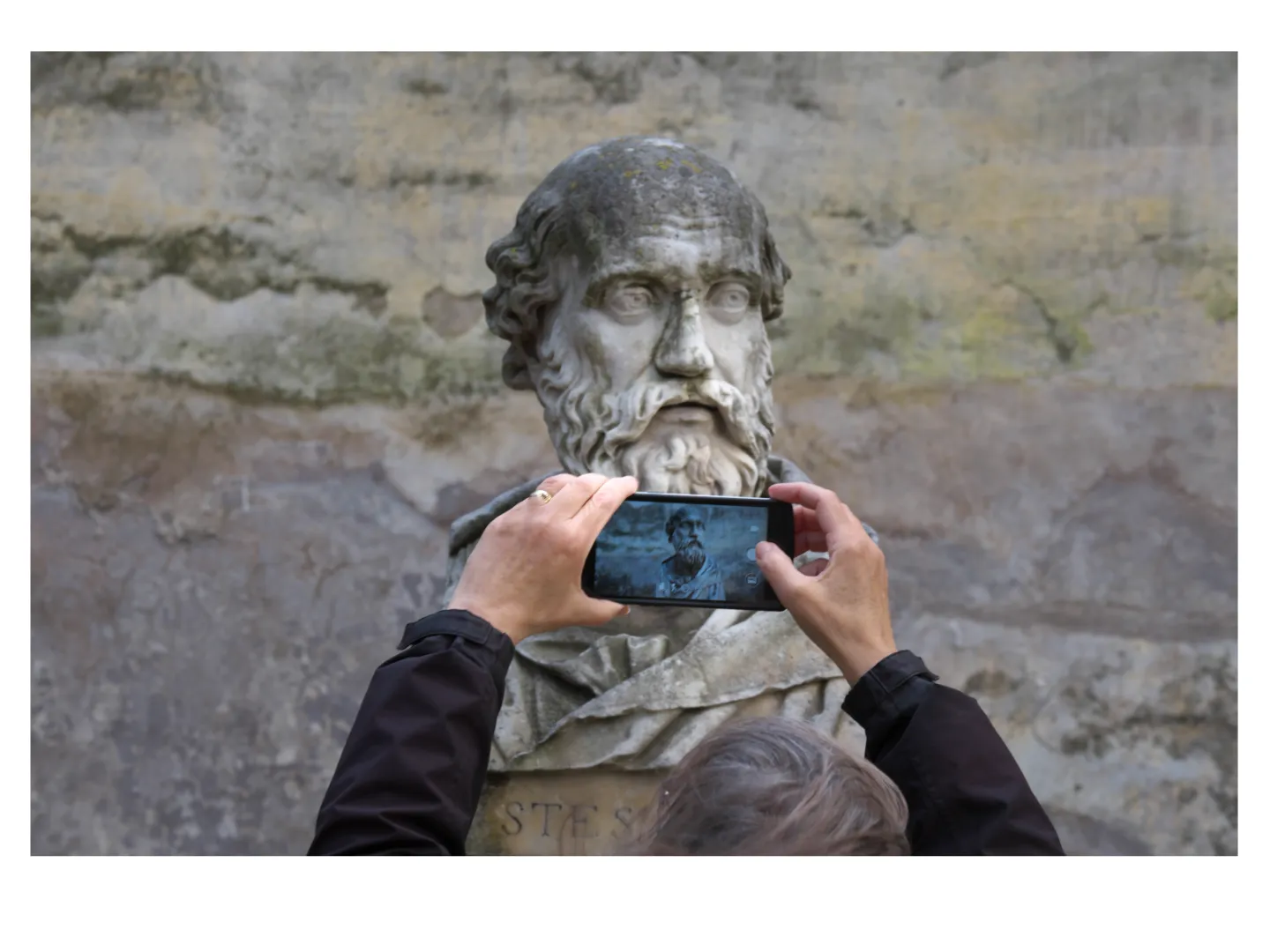
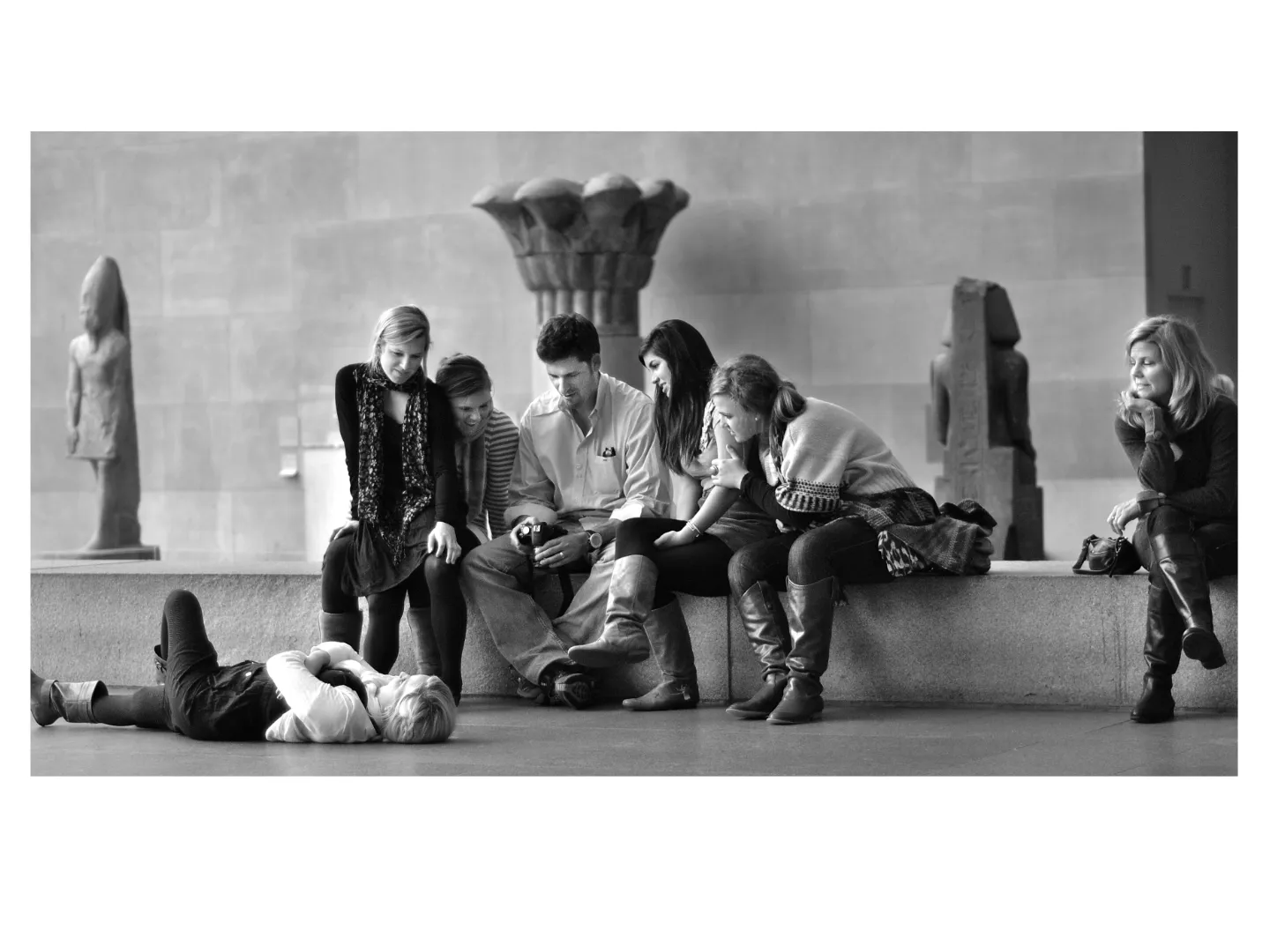
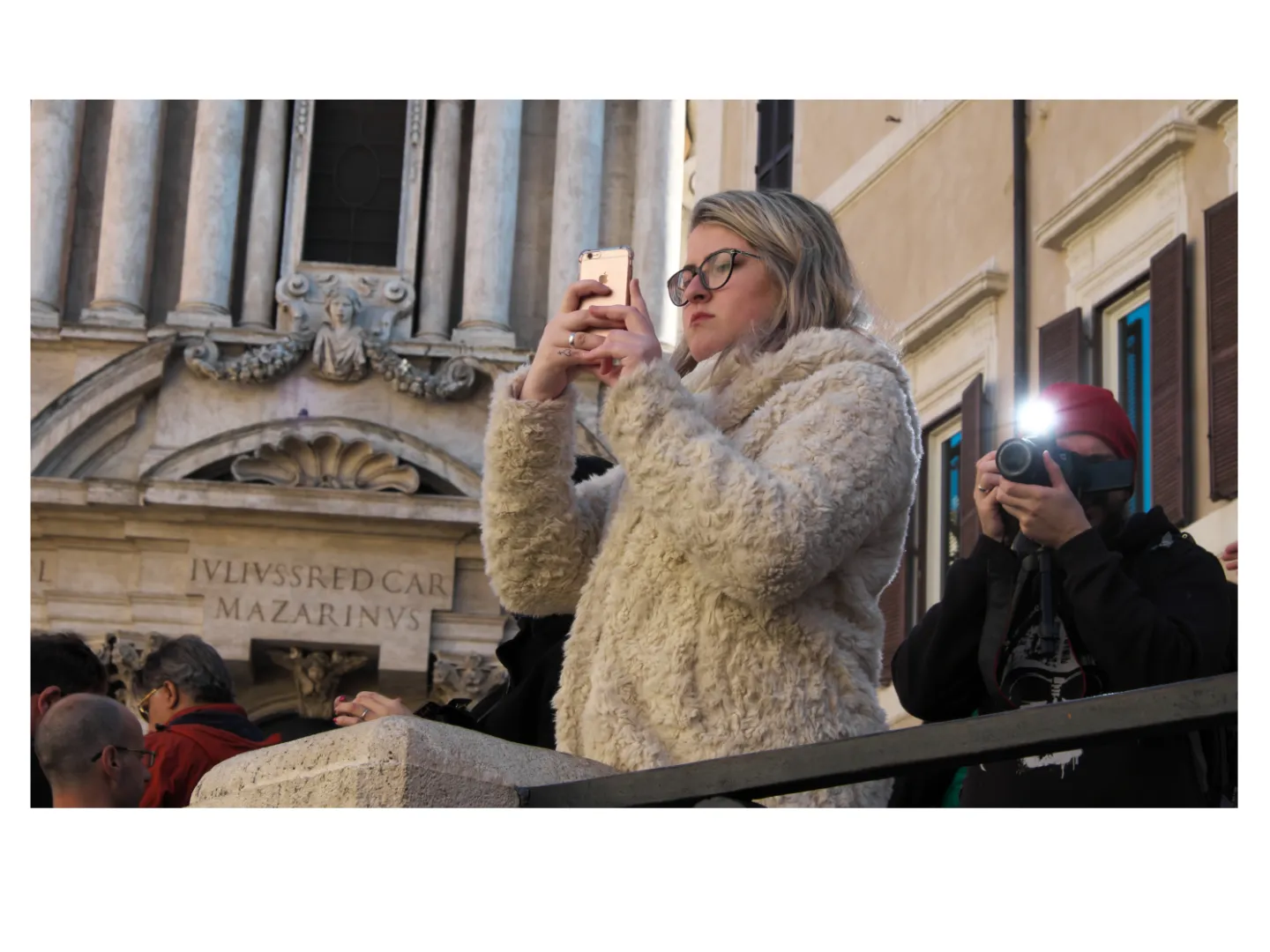
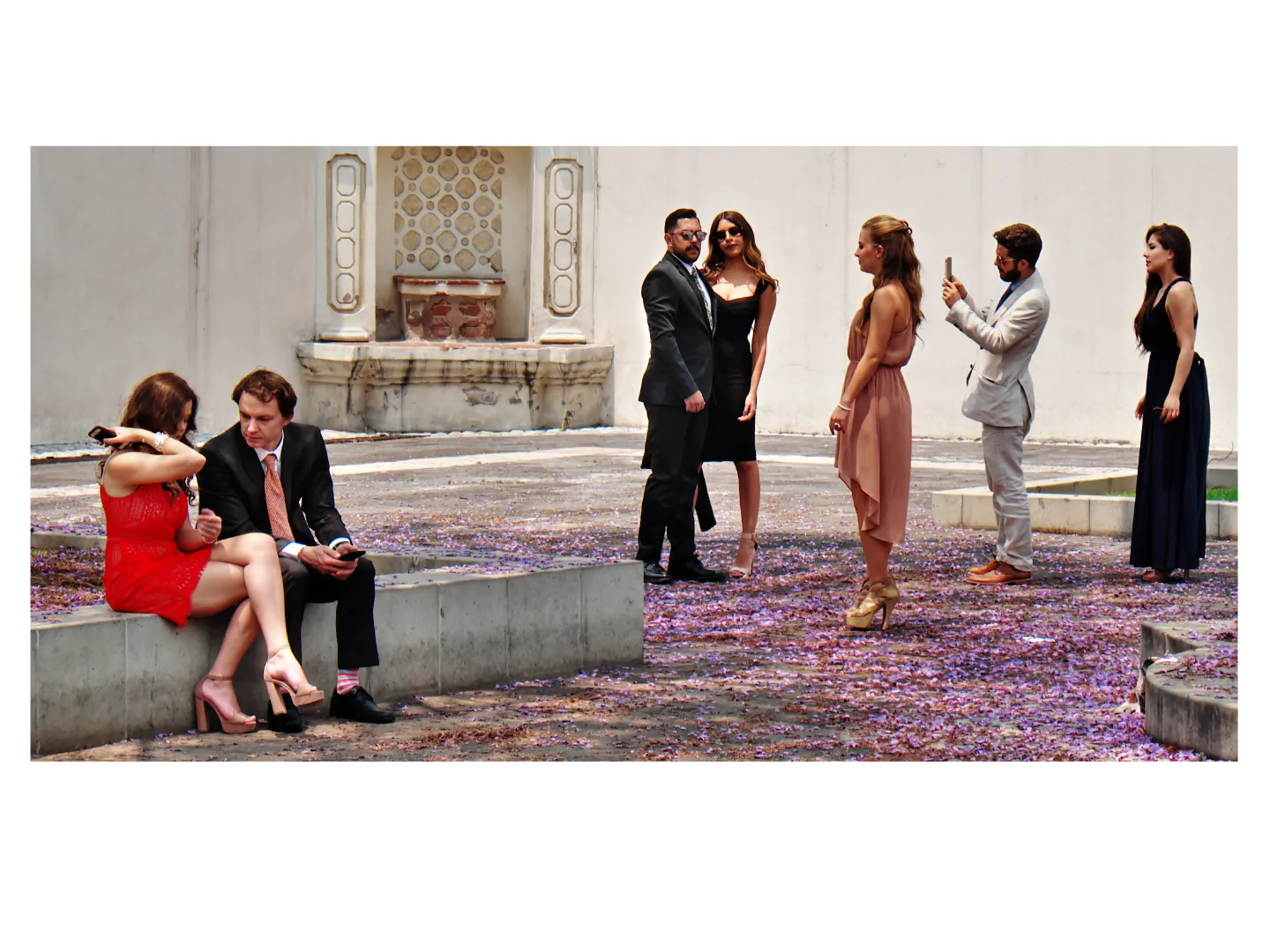
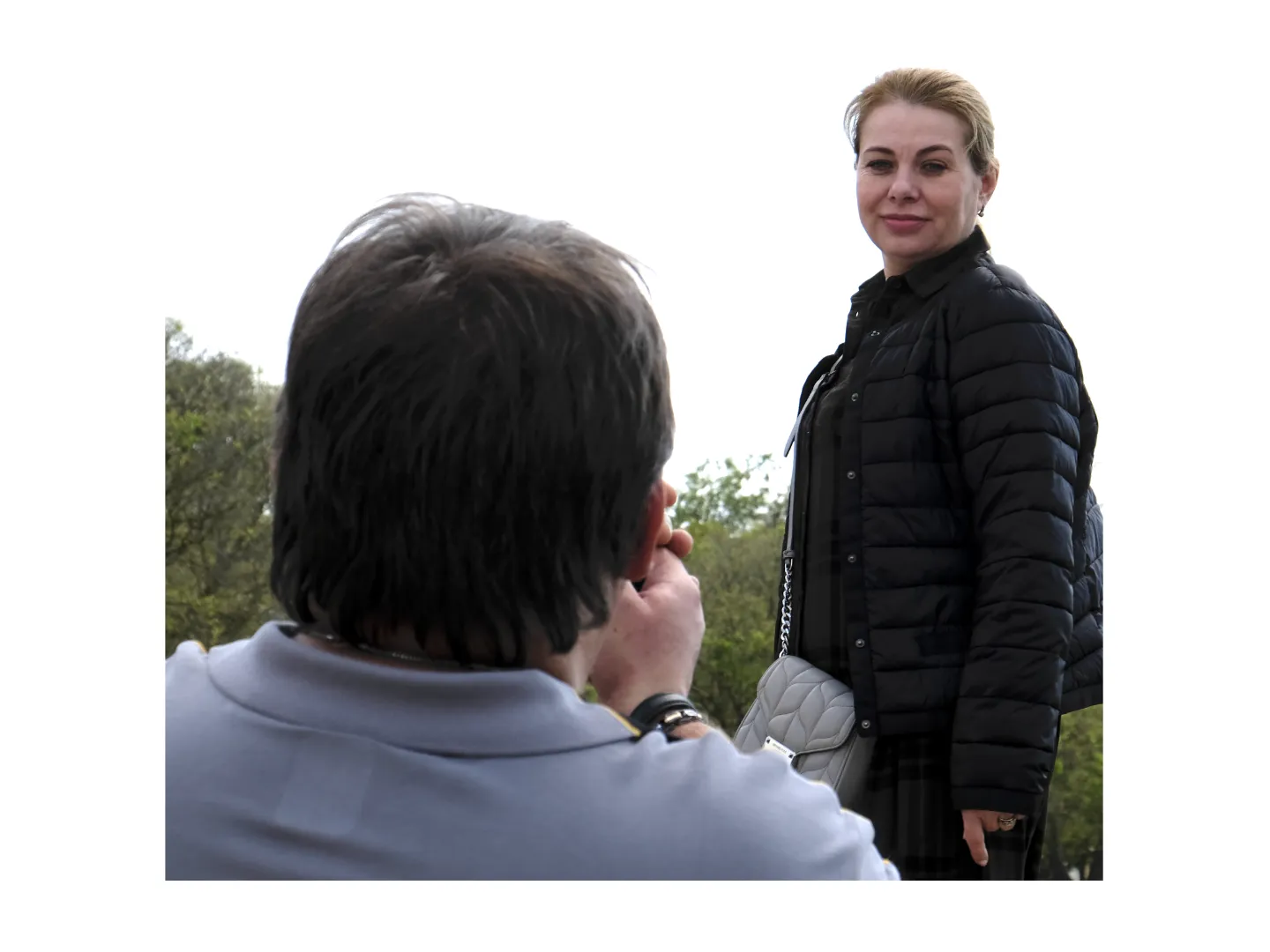
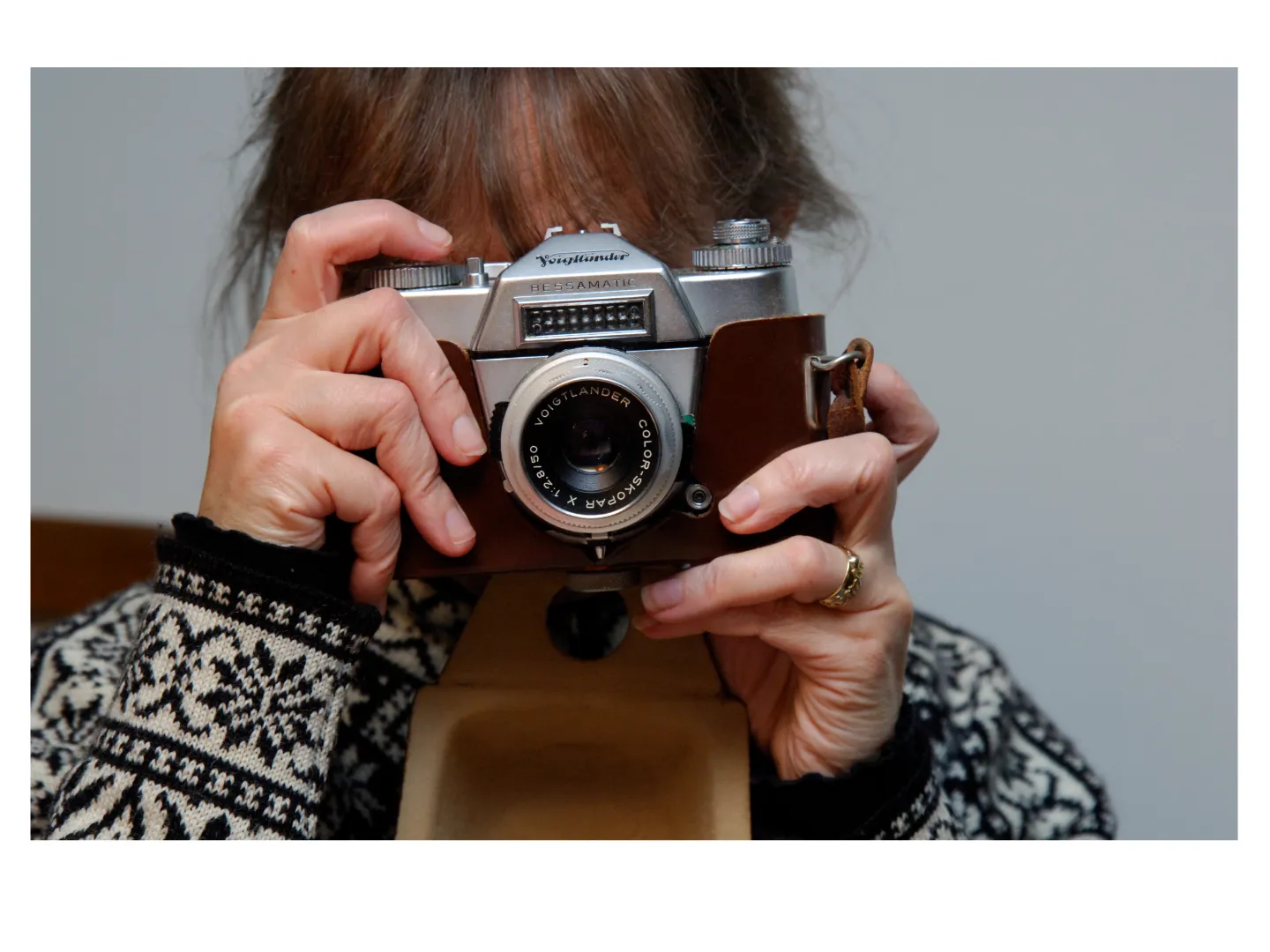
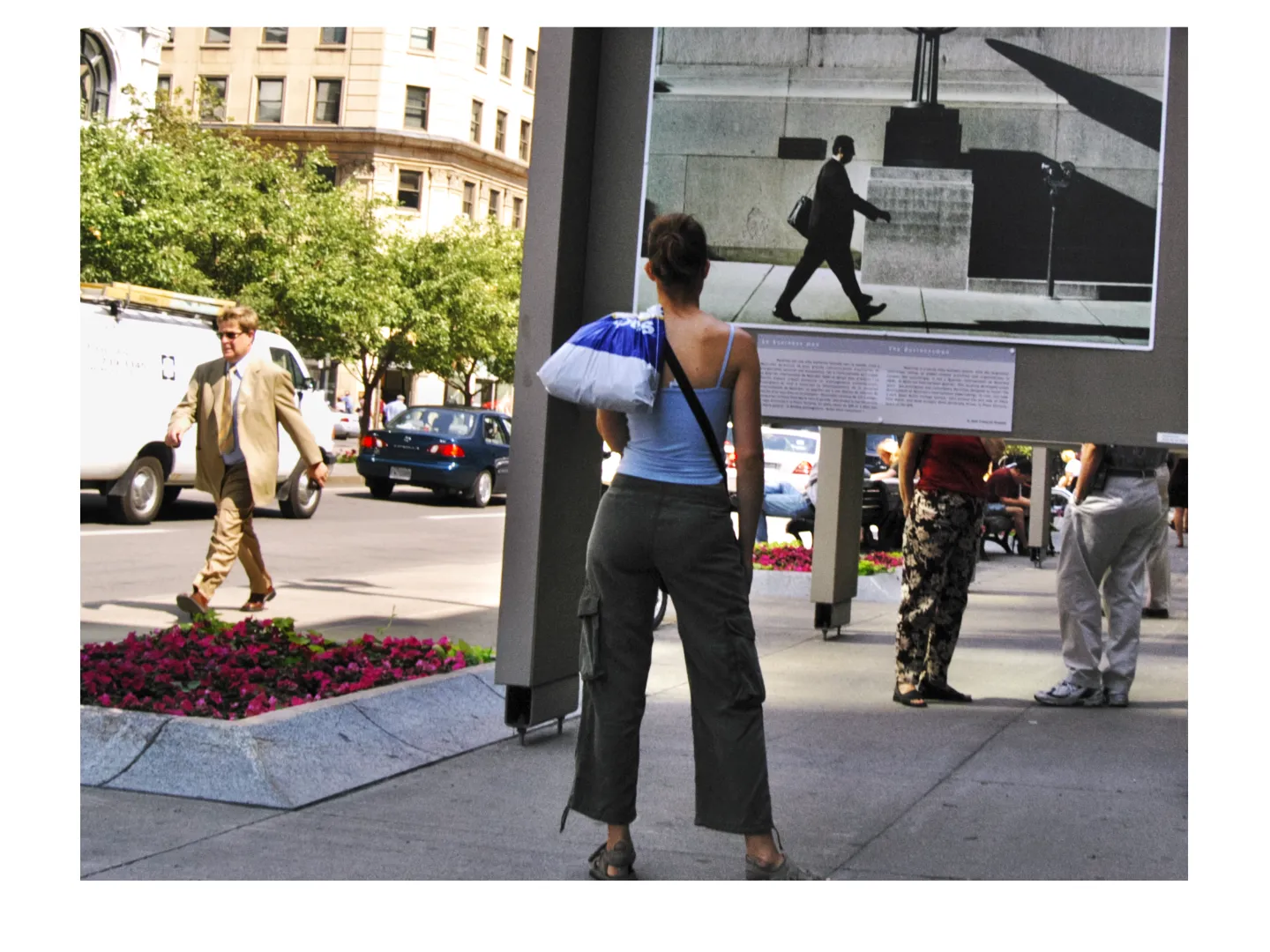
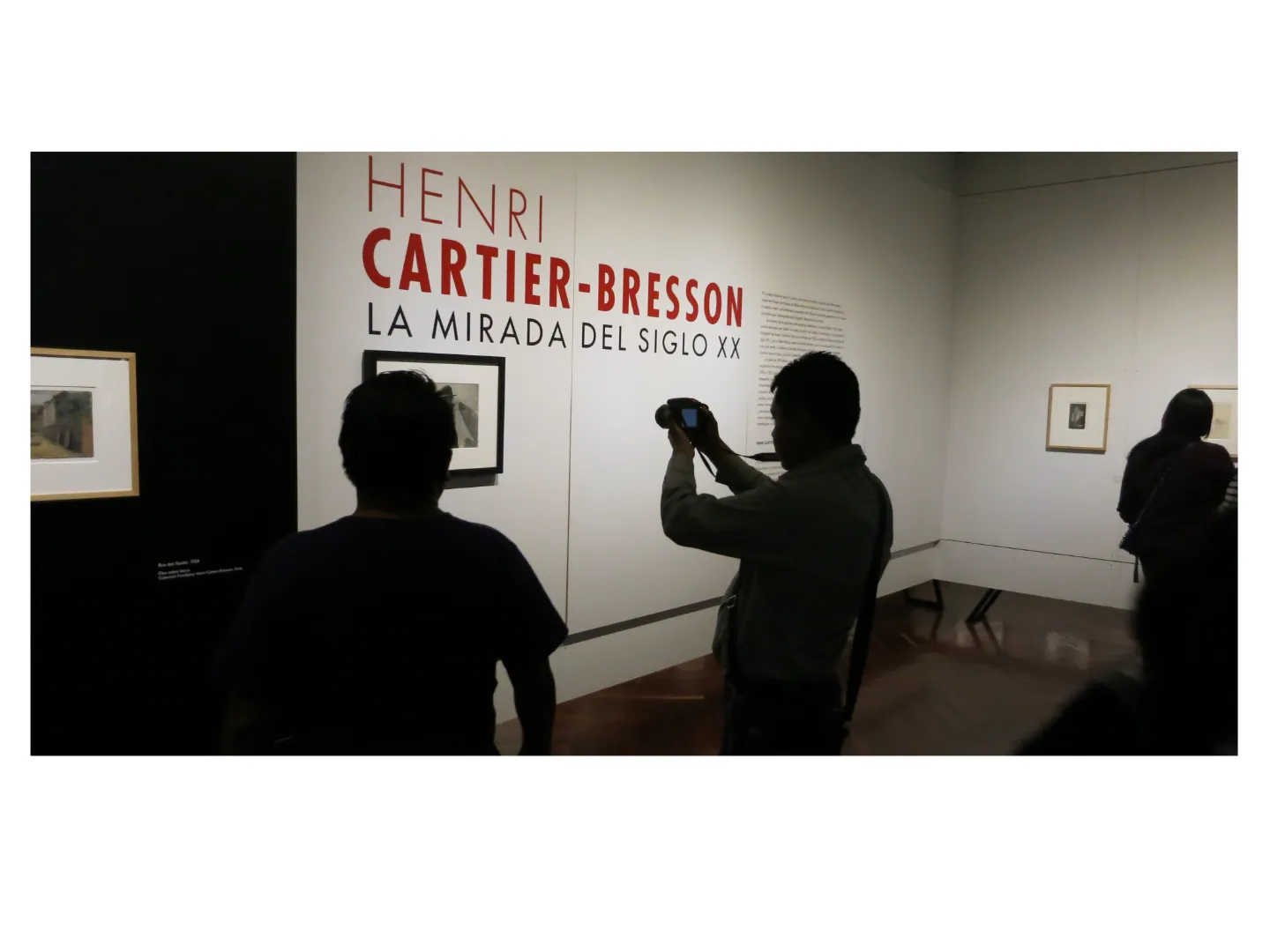
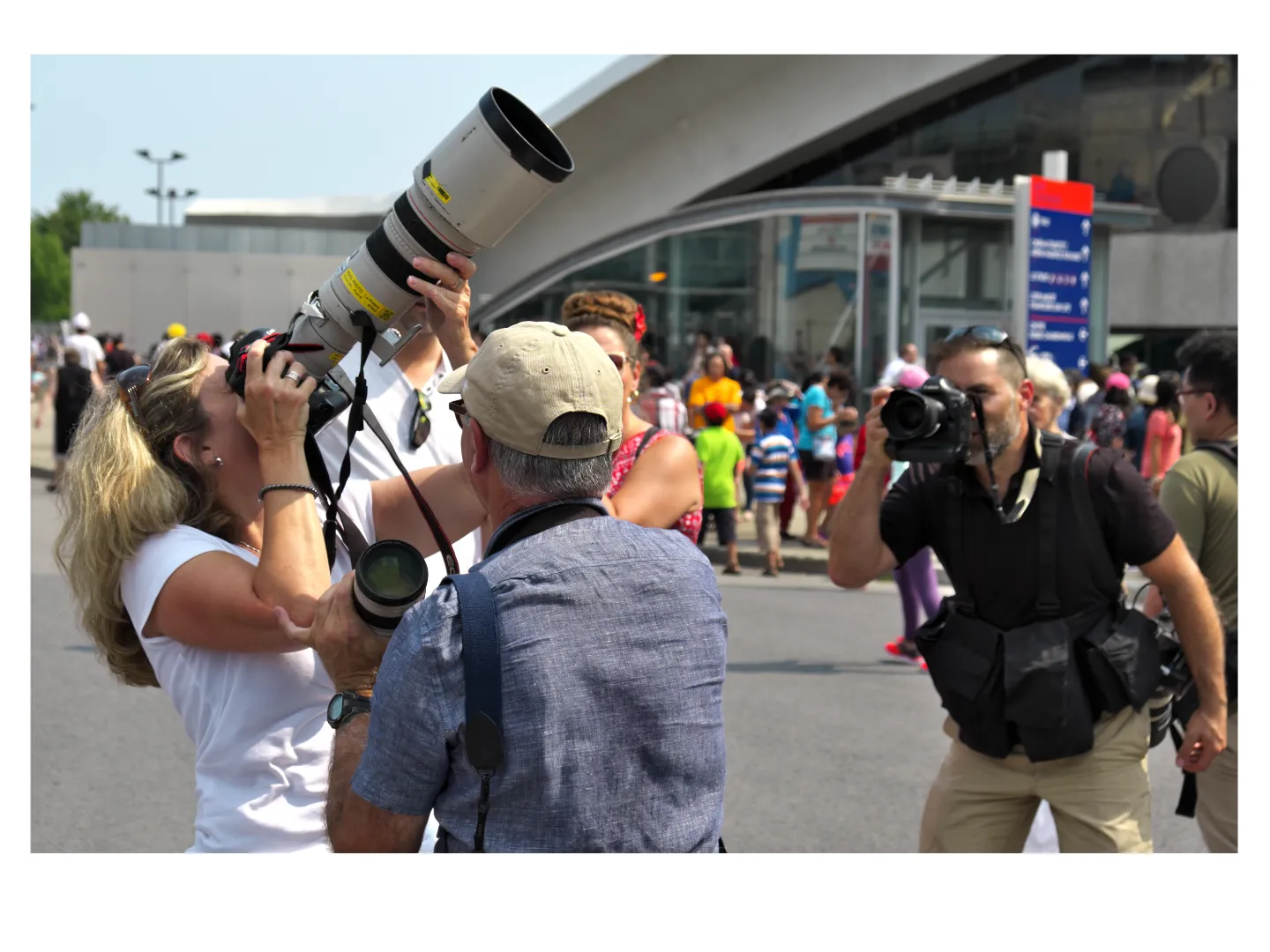
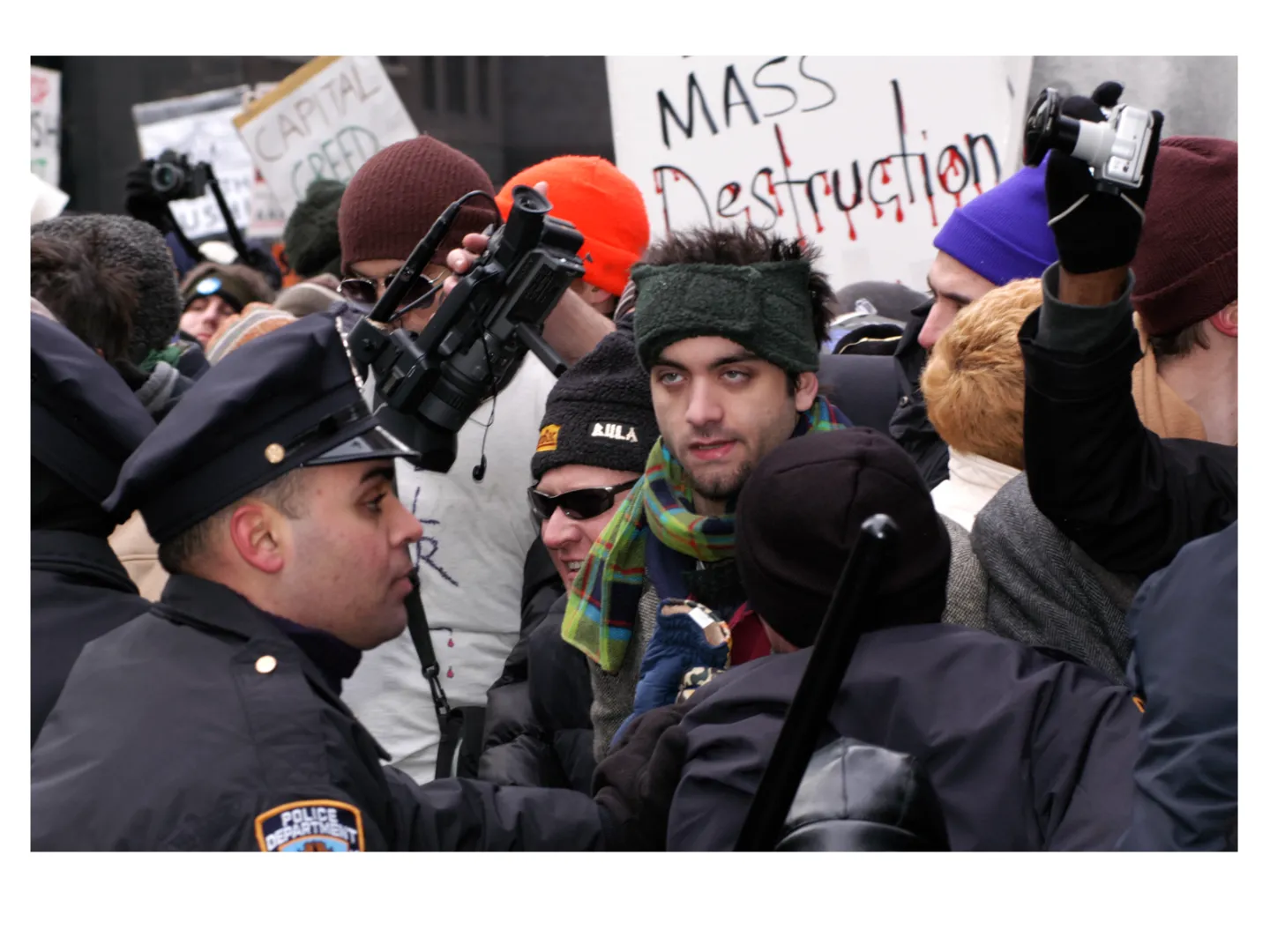
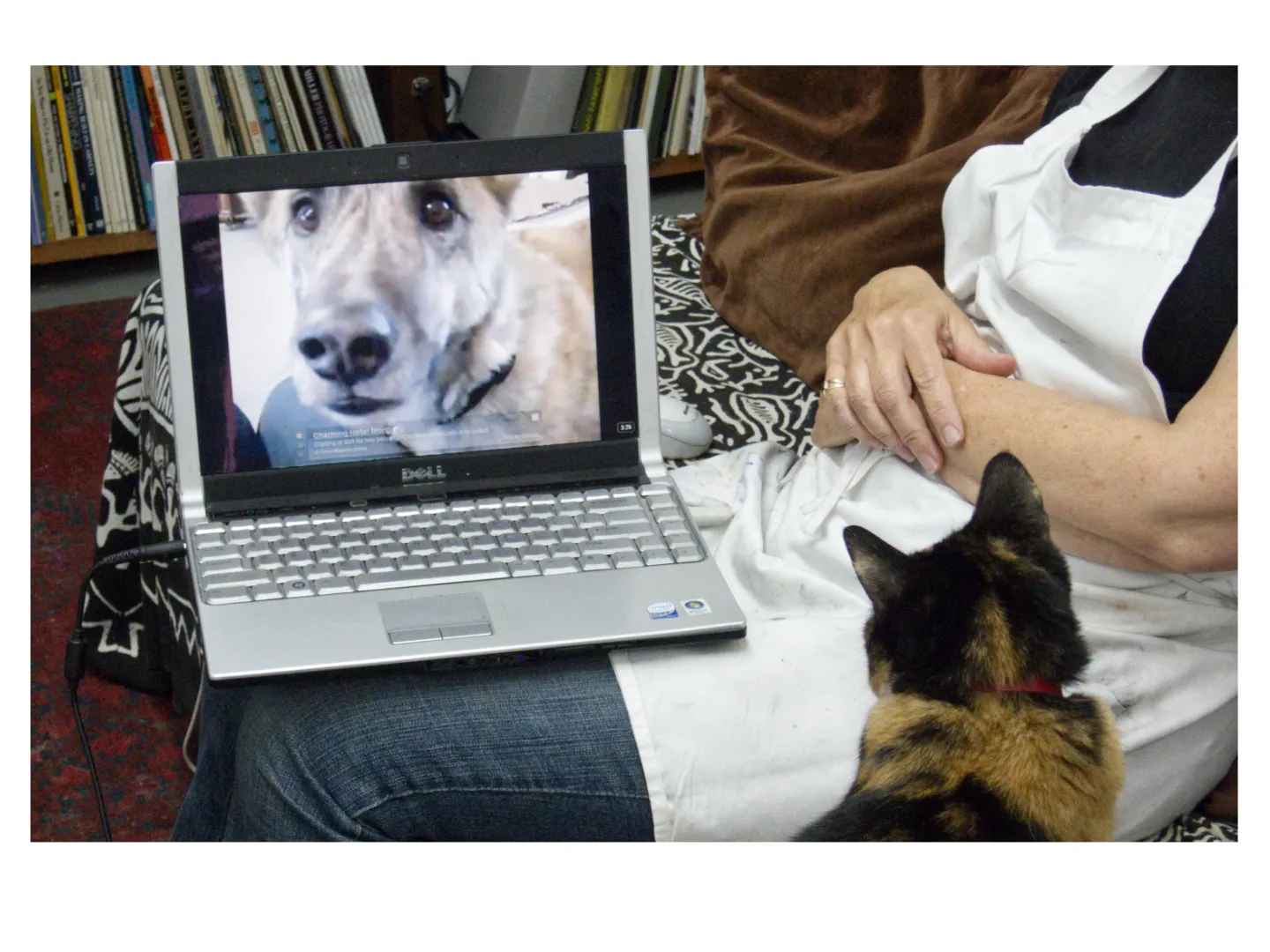
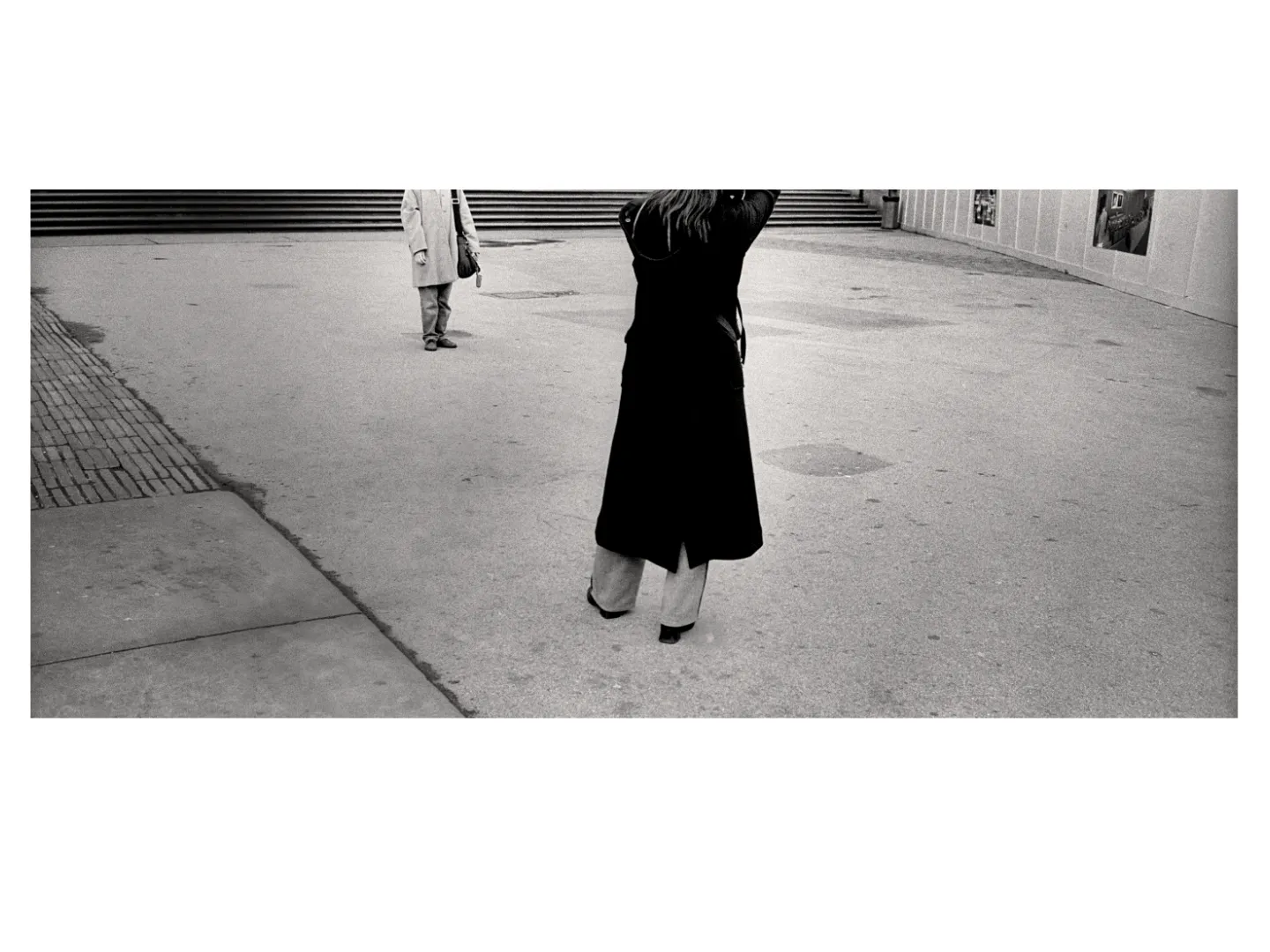
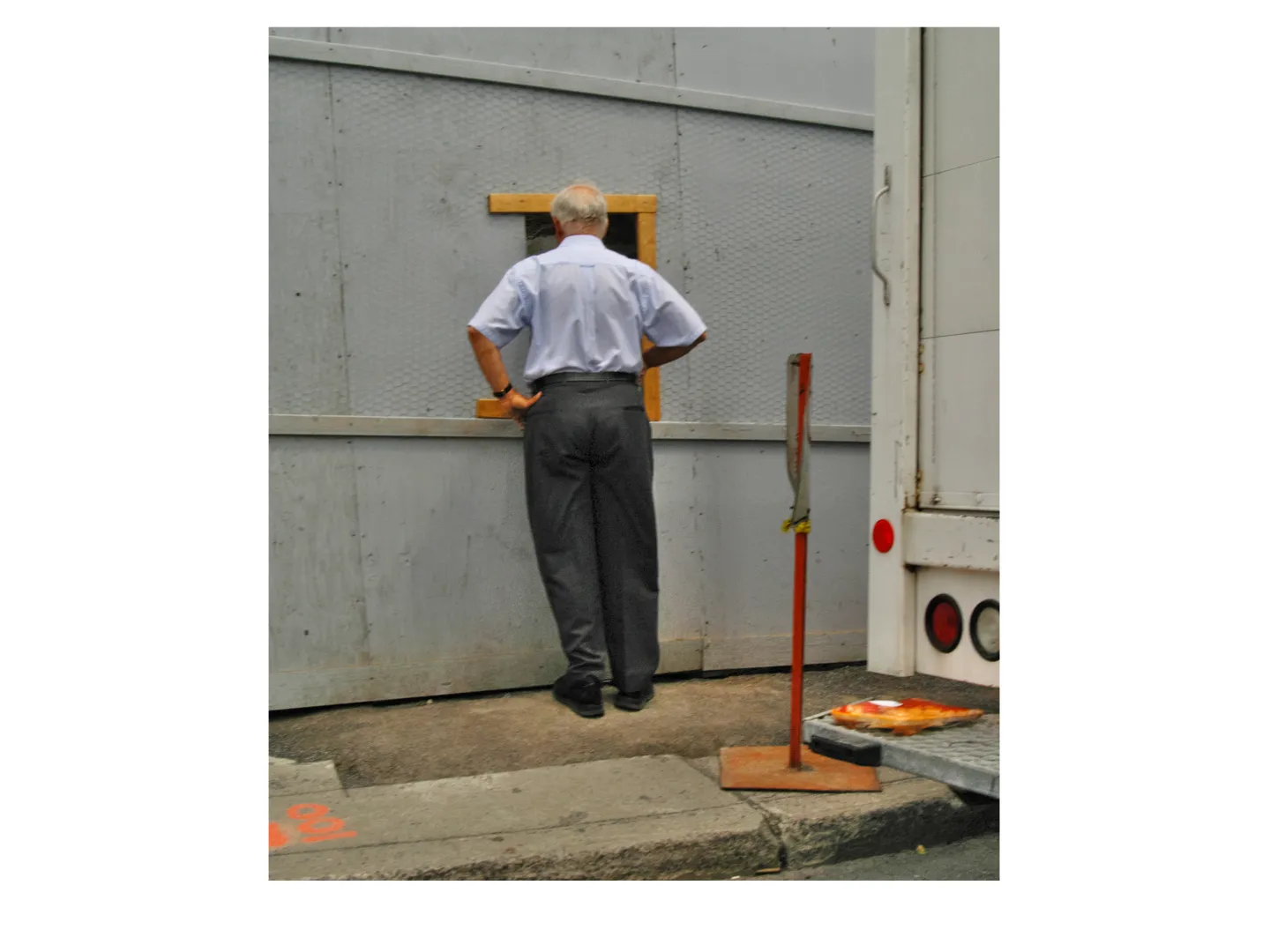
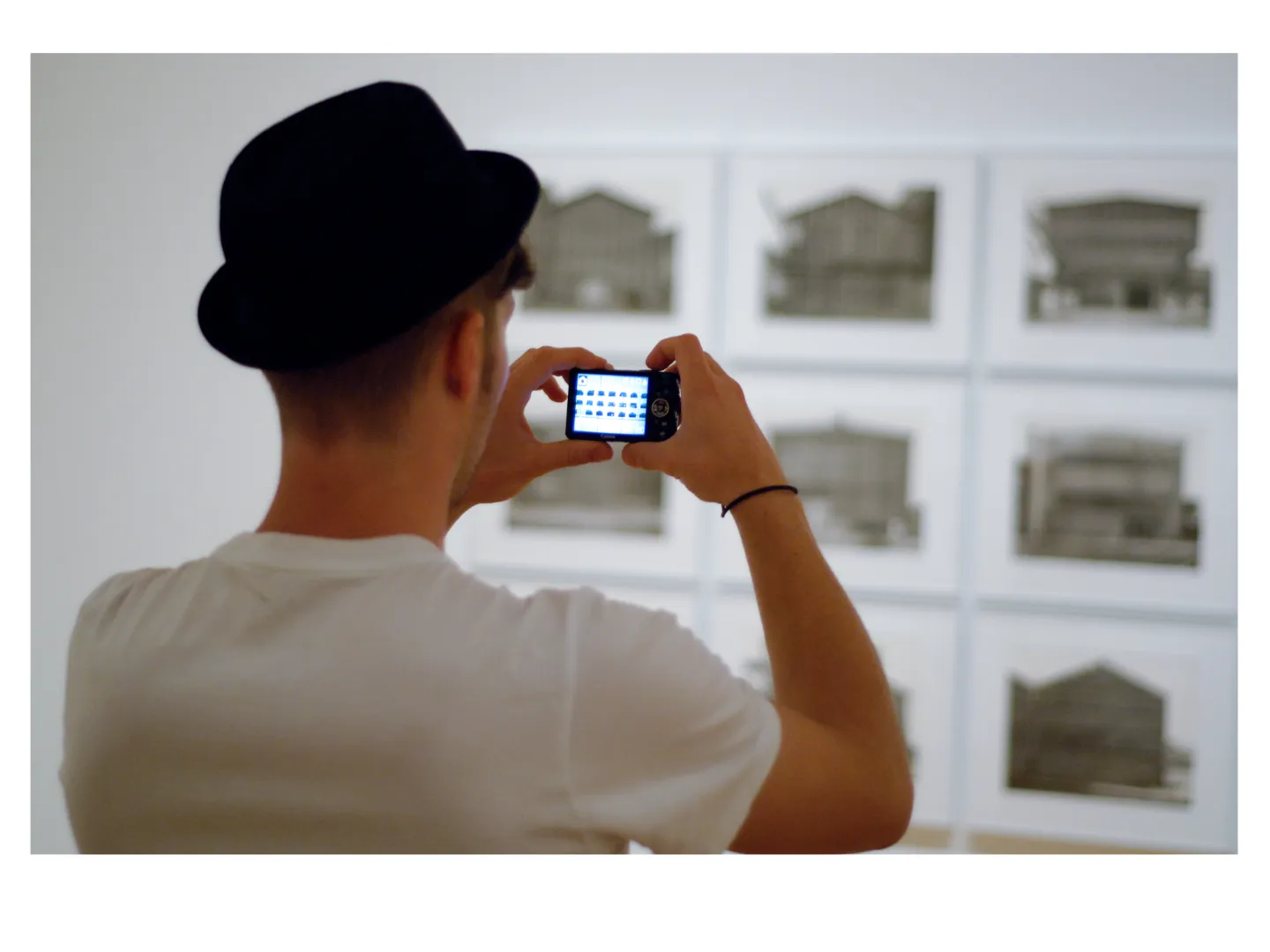
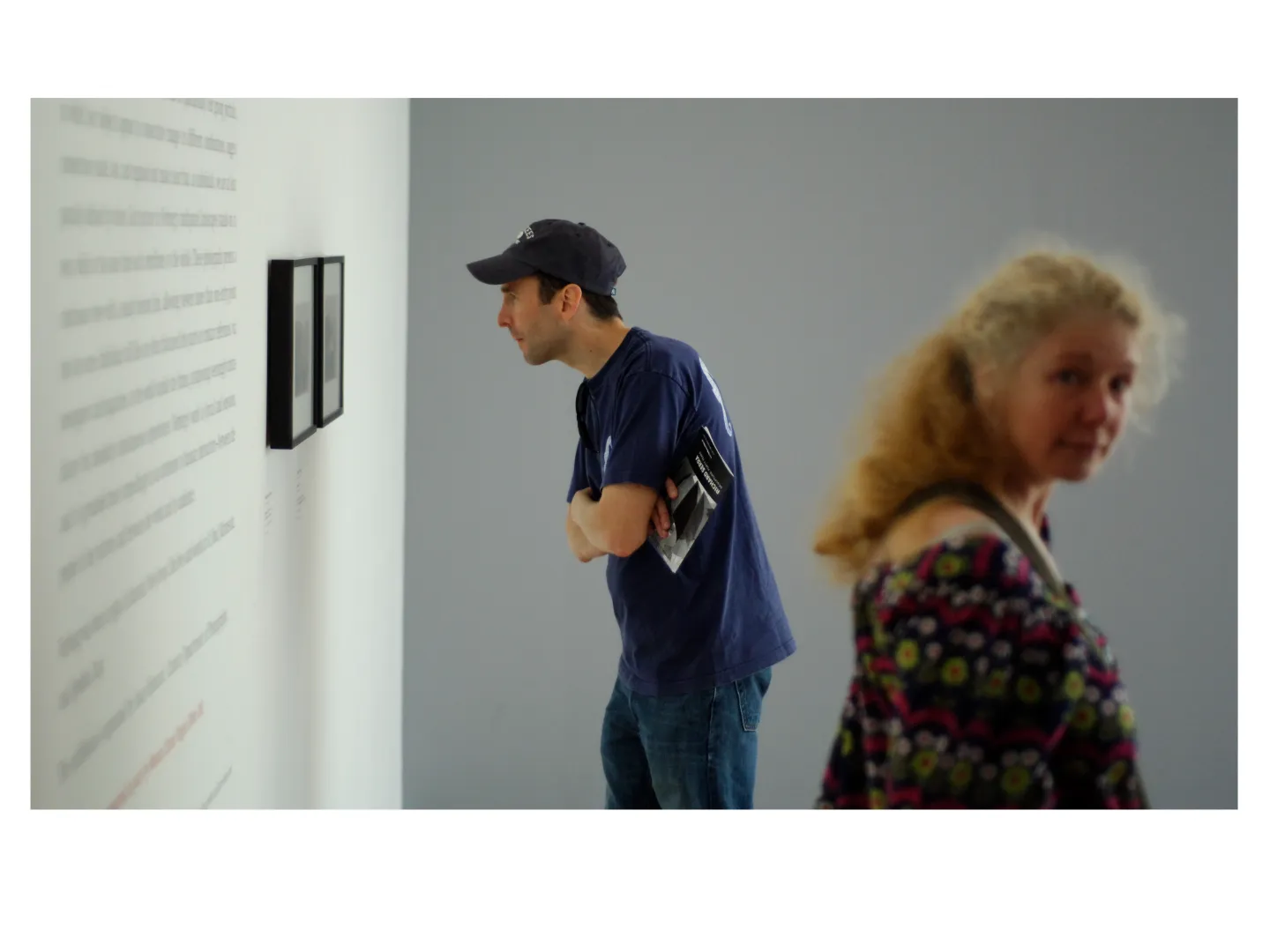
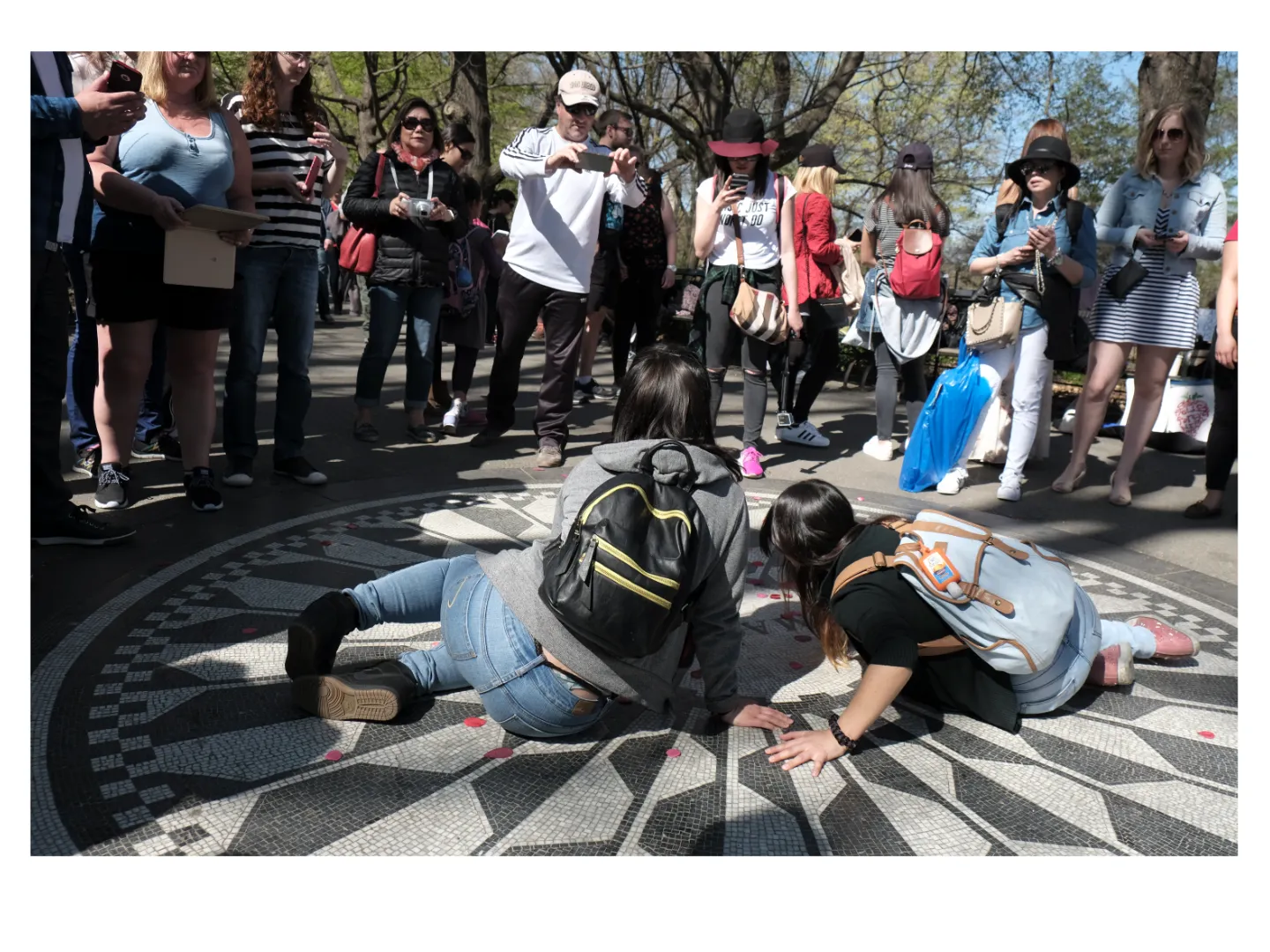
These photos began as an expression of my fascination with photography itself, and over time the subject has shifted and evolved.




Leave a Reply