We first ate at al-Andalus in 2013, on our first visit to Mexico City. A Mexican friend who had moved to Montreal told us it was her favorite restaurant in the city. We took that as a high recommendation and went. We have gone back almost every time since. But with the pandemic there was a big gap, and we skipped it on last year’s trip, so it had been nearly seven years since we’d entered its quiet courtyard and climbed up the worn stone stairs to the dining rooms. In that time al-Andalus has expanded to other locations and become a well-known brand in CDMX. The original, though, is still at Mesones 171, in a seventeenth-century colonial building in the Centro Histórico – a building that was, by local lore, the city’s first officially licensed brothel. To me it’s like a pilgrimage.
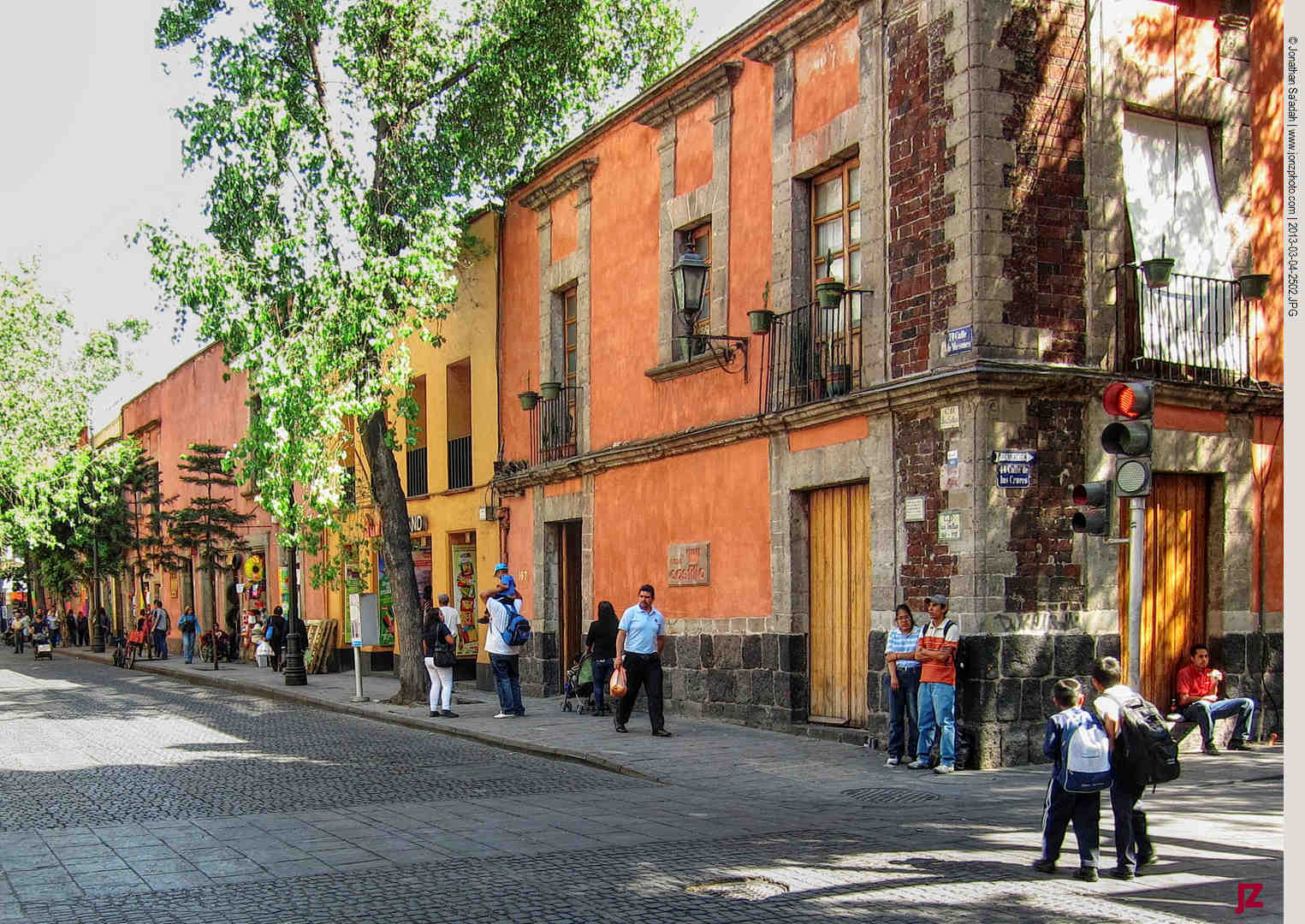
That the restaurant sits on Calle Mesones is no accident. The street’s eastern stretch, running toward the old La Merced market district, has been the center of Arab commercial life in Mexico City for well over a century. Lebanese immigrants began arriving in the second half of the nineteenth century, and many of them set up shop here and on the surrounding streets – Correo Mayor, Jesús María, República del Salvador, Venustiano Carranza – selling textiles, haberdashery, foodstuffs, and dry goods. The Maronite Cathedral of Our Lady of Valvanera, just a few blocks away on República de Uruguay, became the spiritual anchor of the community and remains the seat of the Maronite Catholic Eparchy in Mexico. Its statue of Saint Charbel, draped in colored ribbons bought at the mercerías on the same street, is venerated by Lebanese and Mexican faithful alike, and you can still hear blessings spoken in Aramaic inside (though I haven’t).
The Maronites who came to Mexico were mostly young – more than half were between sixteen and thirty – and they arrived carrying Ottoman passports that marked them simply as Turks. Lebanon did not yet exist as a nation. They were fleeing the same conditions that influenced my family’s history and that I wrote about here. They entered through the Gulf ports of Veracruz, Tampico, and Progreso, and many who had intended to continue to the United States found opportunity enough in Mexico to stay. As was the pattern in other countries, the Lebanese immigrants started as ambulant peddlers, loading a wooden box with tinned goods and walking from town to town. From that box, dynasties were built. Julián Slim ran a dry-goods store on Calle Jesús María, a few steps from the Plaza de Loreto; his son Carlos became the richest man in the world. Antonio Domit started a shoe workshop in the 1920s in La Merced that grew into a national brand. Neguib Simón, a Yucatecan of Lebanese origin, created the Plaza de Toros México and pioneered the shopping arcade.
That the Maronites integrated as deeply as they did owes something to religion. They were already Christians – Eastern-rite Catholics – and in a country where Catholicism was the social fabric, that mattered enormously. They married locally, hispanicized their names, learned Spanish quickly, and sent their children into Mexican schools and churches. But they also kept their own institutions. Although Lebanese immigrants made up less than five percent of Mexico’s foreign-born population in the 1930s, they accounted for roughly half of all immigrant economic activity. Today there are an estimated 400,000 to 600,000 Mexicans of Lebanese descent.
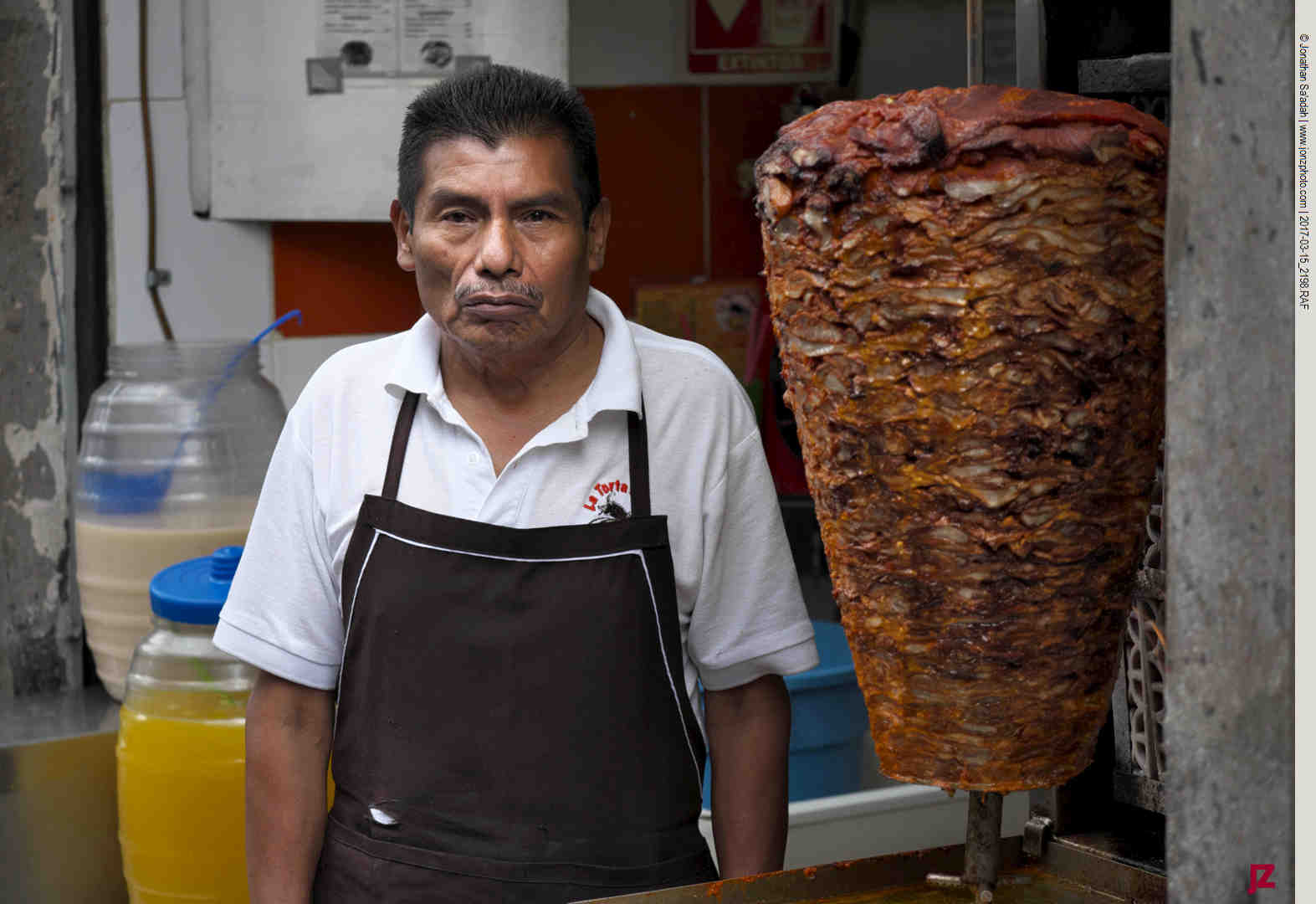
And it runs, unmistakably, through the food. The Lebanese brought shawarma; Puebla turned it into tacos árabes on pan árabe, and Mexico City turned those into tacos al pastor on corn tortillas with pineapple and salsa. It is arguably the most eaten street food in the country, and it began with a vertical spit and a Lebanese cook.
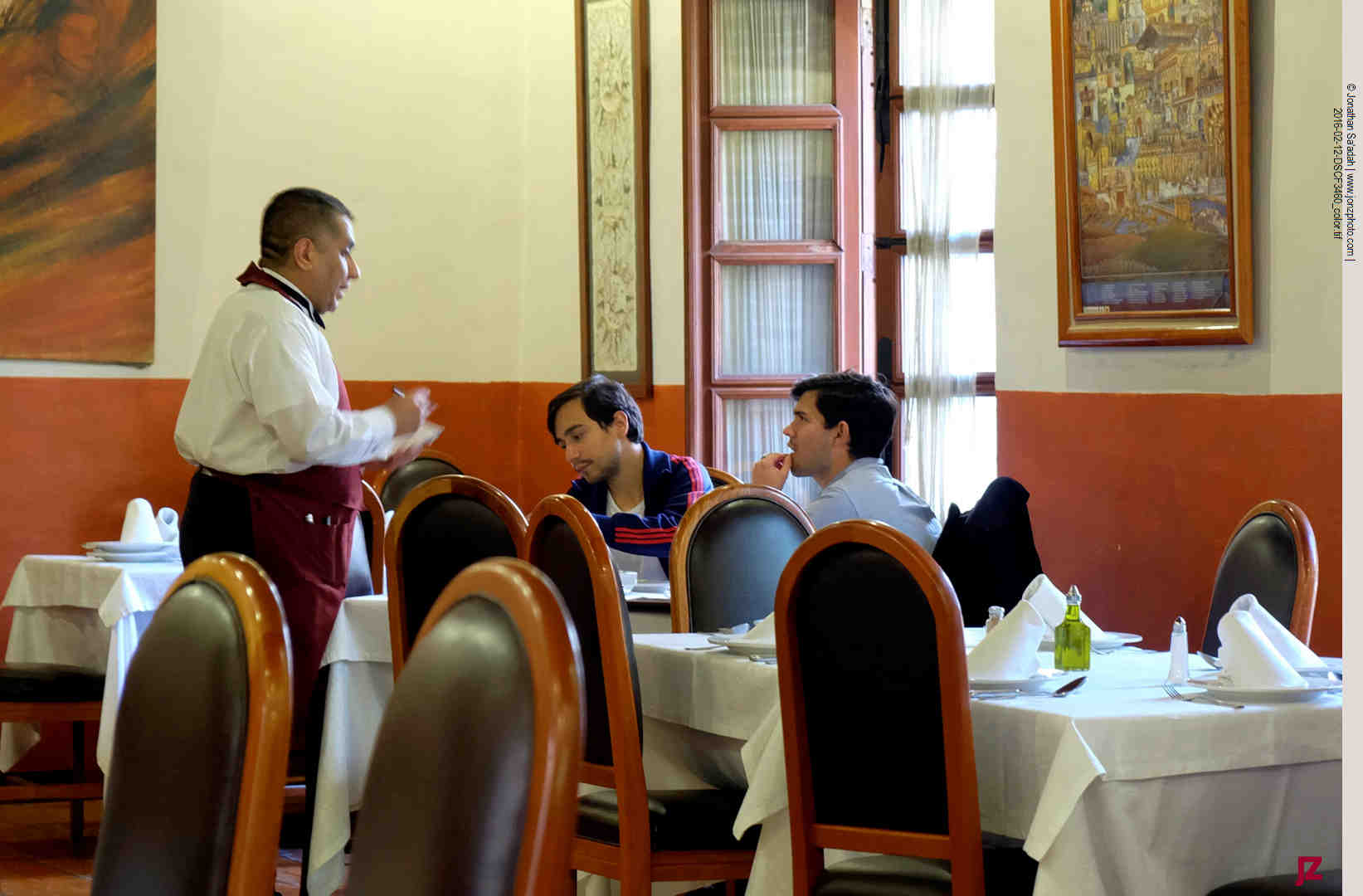
Al-Andalus was opened in 1994 by chef Mohamed Mazeh, who had arrived in Mexico in 1990 and started by selling tacos árabes. The original Mesones location – thick stone walls, high ceilings, white tablecloths, not much decoration – feels more like a family home than a restaurant. It has since expanded to branches in Nápoles, San Ángel, Santa Fe, and inside Palacio de Hierro. But the Mesones original remains the place where I want to eat and feel at home.
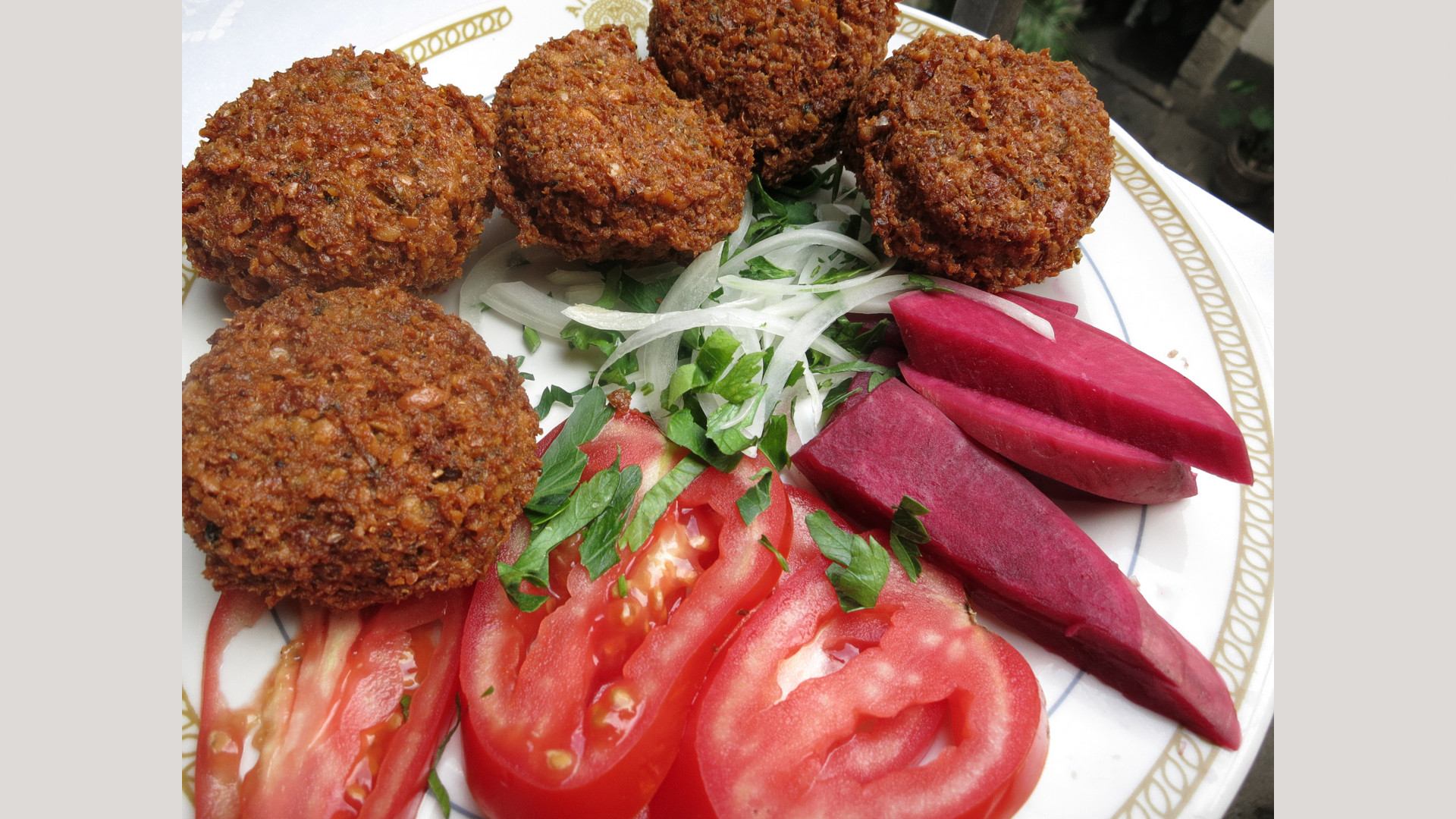
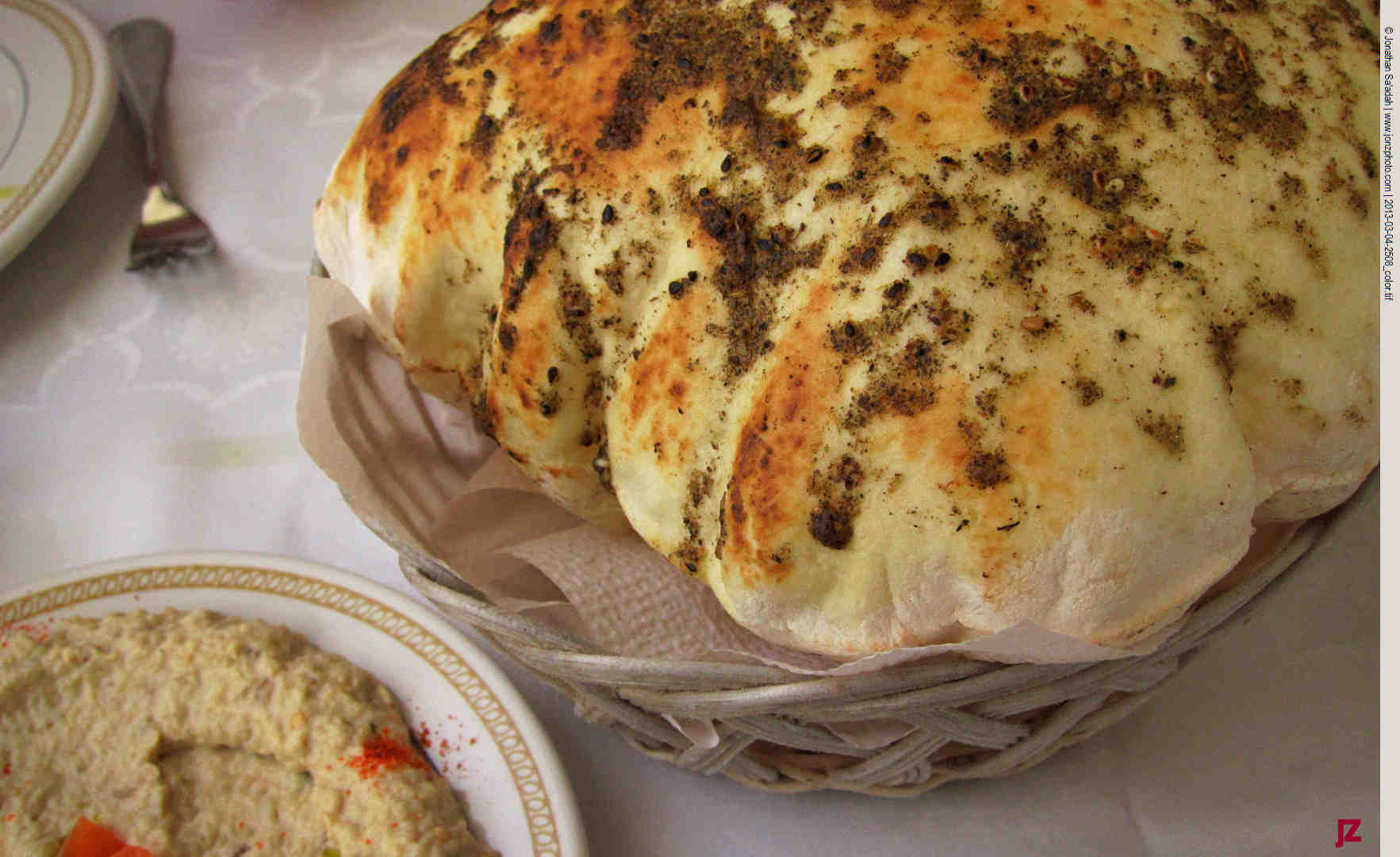
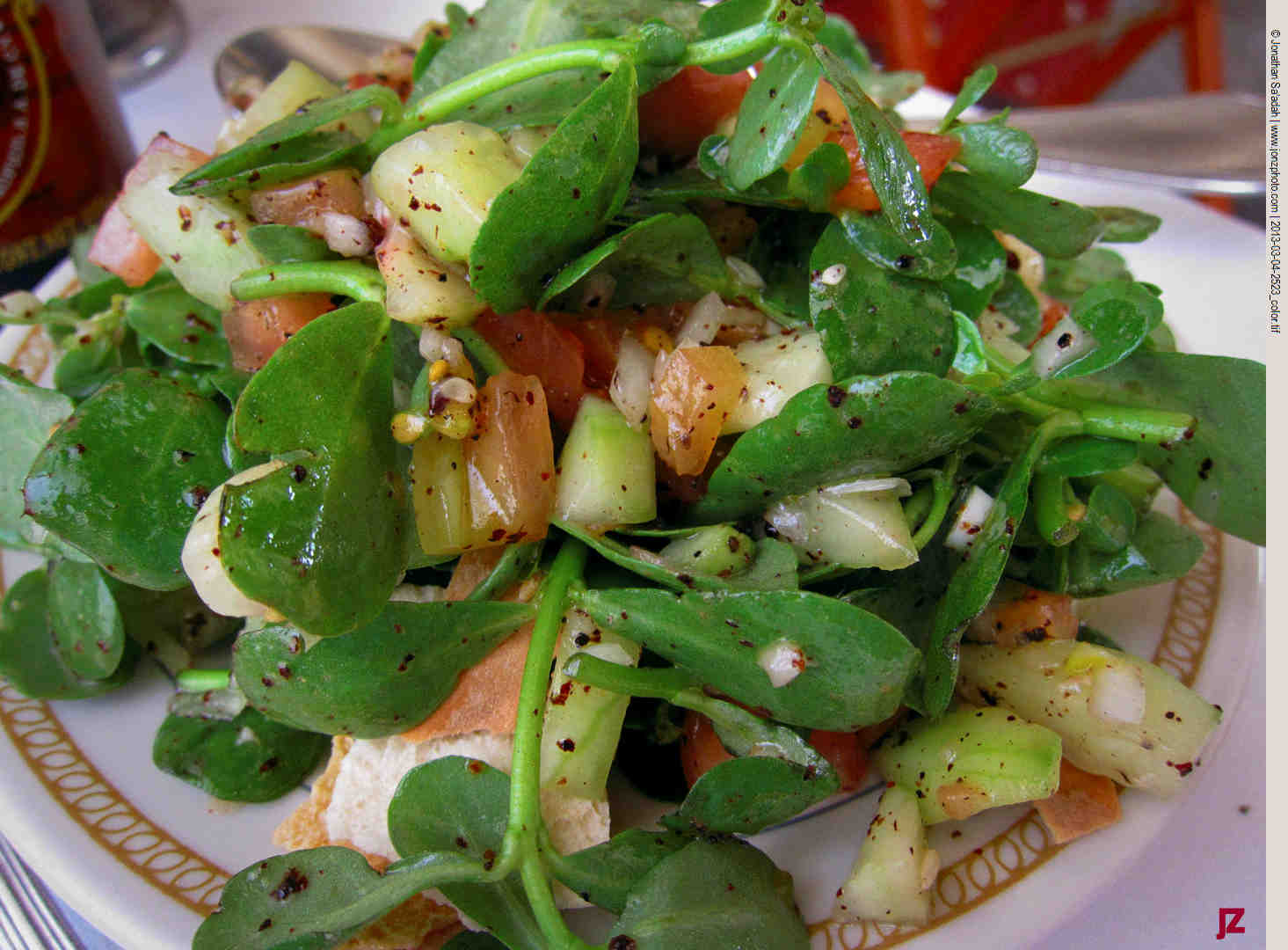
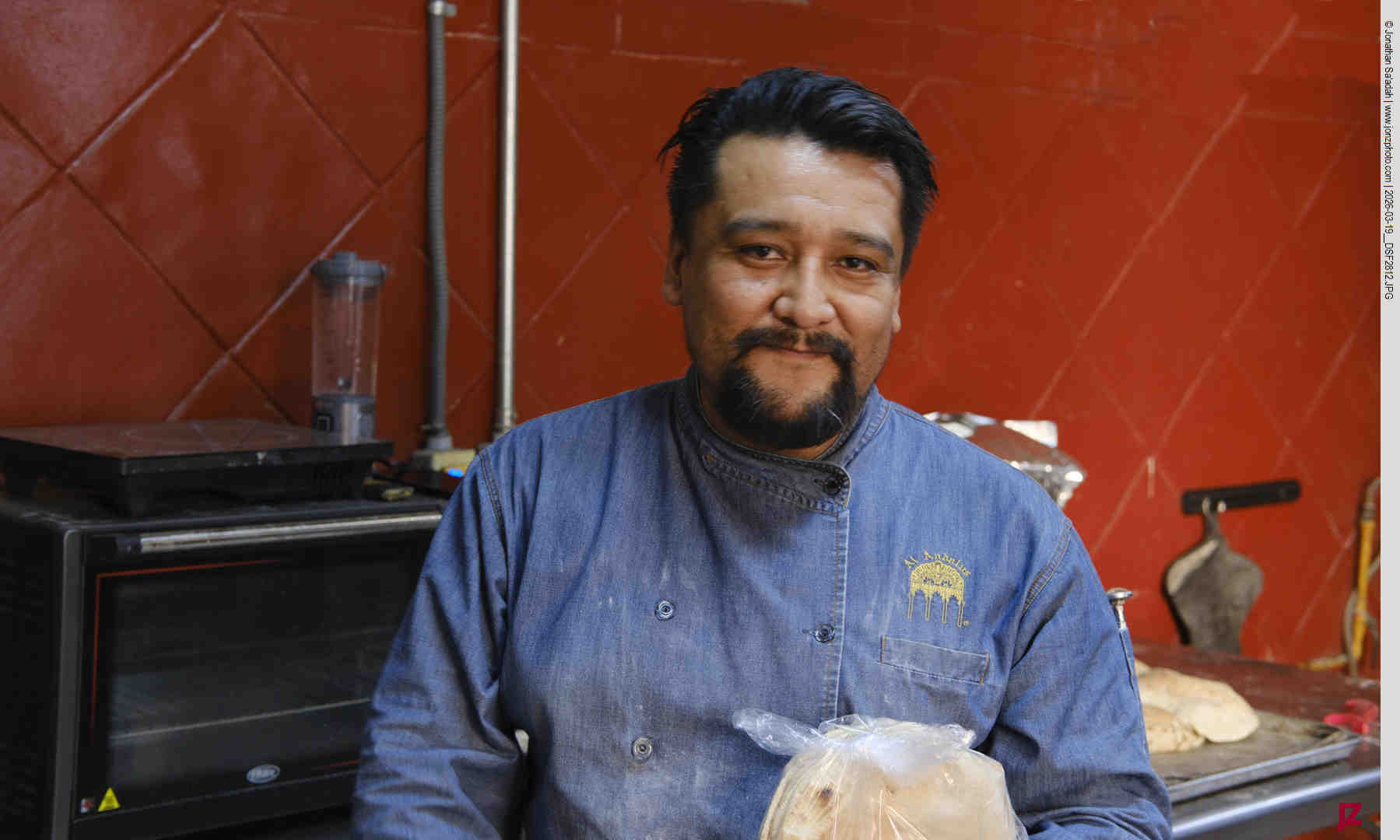
Today we went back. Fresh lemonade. Tabbouleh made primarily with tomatoes and flat-leaf parsley – unlike my mother’s recipe, which was heavy on curly parsley and mint. Hot pita, baked fresh in the massive stone oven, brought to the table still puffing with steam; I photographed the baker afterwards spinning the pita onto the oven floor like frisbees. Roasted lamb chops served sizzling on a cast-iron plate. Yoghurt with cucumbers. Kibbeh in a wedge, delicate as anything, with more tabbouleh on the side. And to finish, small, crispy Lebanese baklava.
Seven years away, and it was exactly as we wanted, our favorite place to eat in the city, by far.


Leave a Reply