I’ve been thinking lately about two seemingly unconnected conversations. The first was with a friend, an immigration lawyer, who said that since Canada passed Law C-3 her business has been overrun with Americans applying for Canadian citizenship (C-3 eliminates the “first-generation limit”). The second conversation was with another friend who is married to a rural-born Quebecer who grew up in a lively farm family. She was observing how his family events were centred around the kitchen, not the living-room or parlor. Meals were served on the kitchen table and after a big feast, like Easter, everyone would push back their chairs to the walls and then the afternoon would be filled with conversation. For me there was a resonance in what she was saying.
In the 1950s, in the hills of central Vermont, I was told I was growing up in “Yankee” country. The word rolled easily off adult tongues, summoning a picture of stone walls, maple sugaring, town meetings, and old leathery New England families who had been there forever. I hadn’t been, but that’s incidental to this story. When I think back, when I really replay what went on in those school corridors, walk into those kitchen-shed entrances, and sit at the kitchen tables in my mind, what I see and hear feels far less purely “Yankee” and much more like a quiet, unacknowledged extension of rural Quebec.
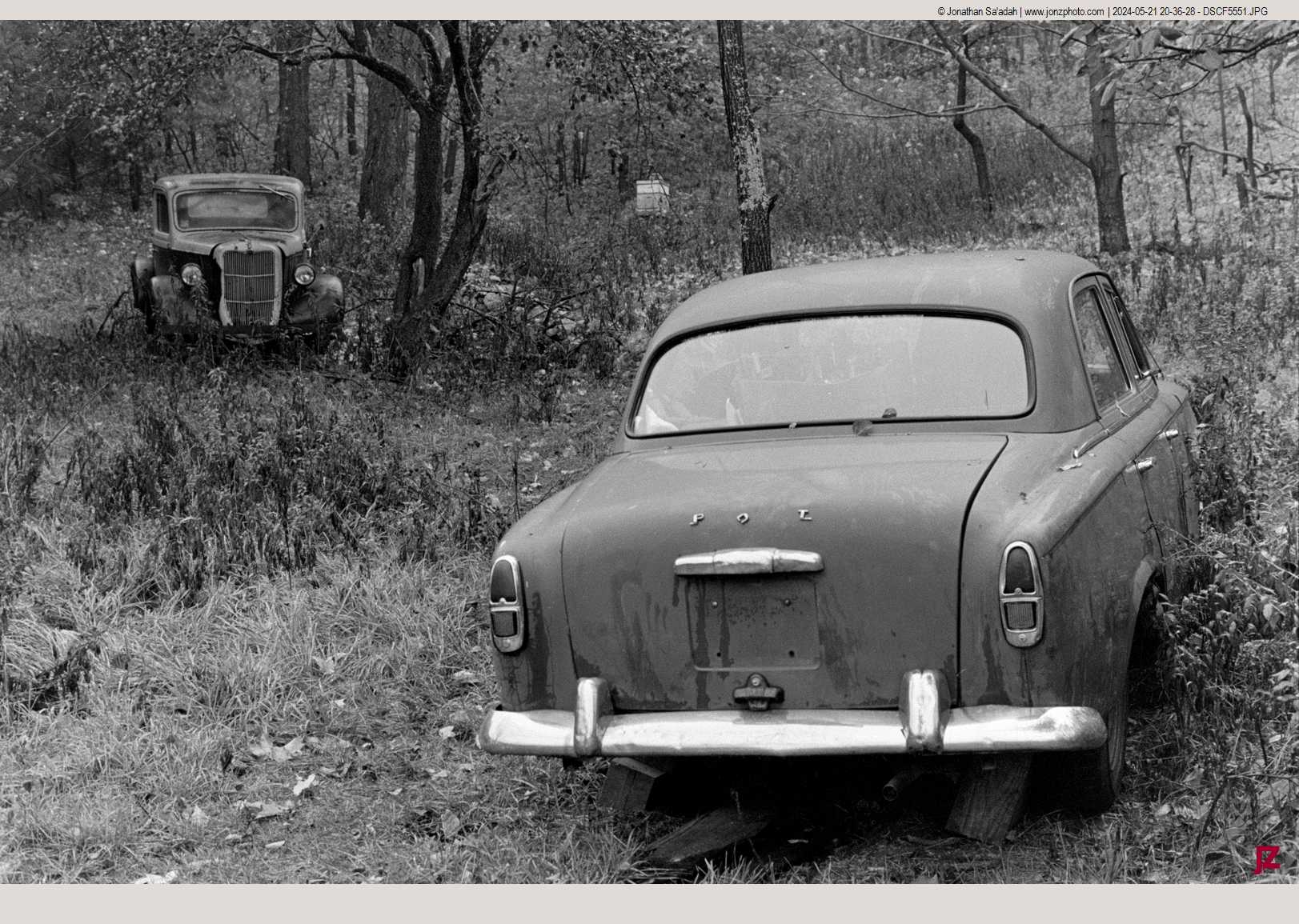
Many of my classmates were not Yankees at all. They were the children of Quebecers, families who had moved south over the border in search of work, trading rocky Quebec farm fields and the poor economy for Vermont’s mills and small factories. Their parents still spoke French at home, still had filet crocheted bible scenes on their walls, still crossed themselves instinctively, still held onto Catholic feast days and family rituals, even as their children sat beside me behind desks reciting the Pledge of Allegiance in English.
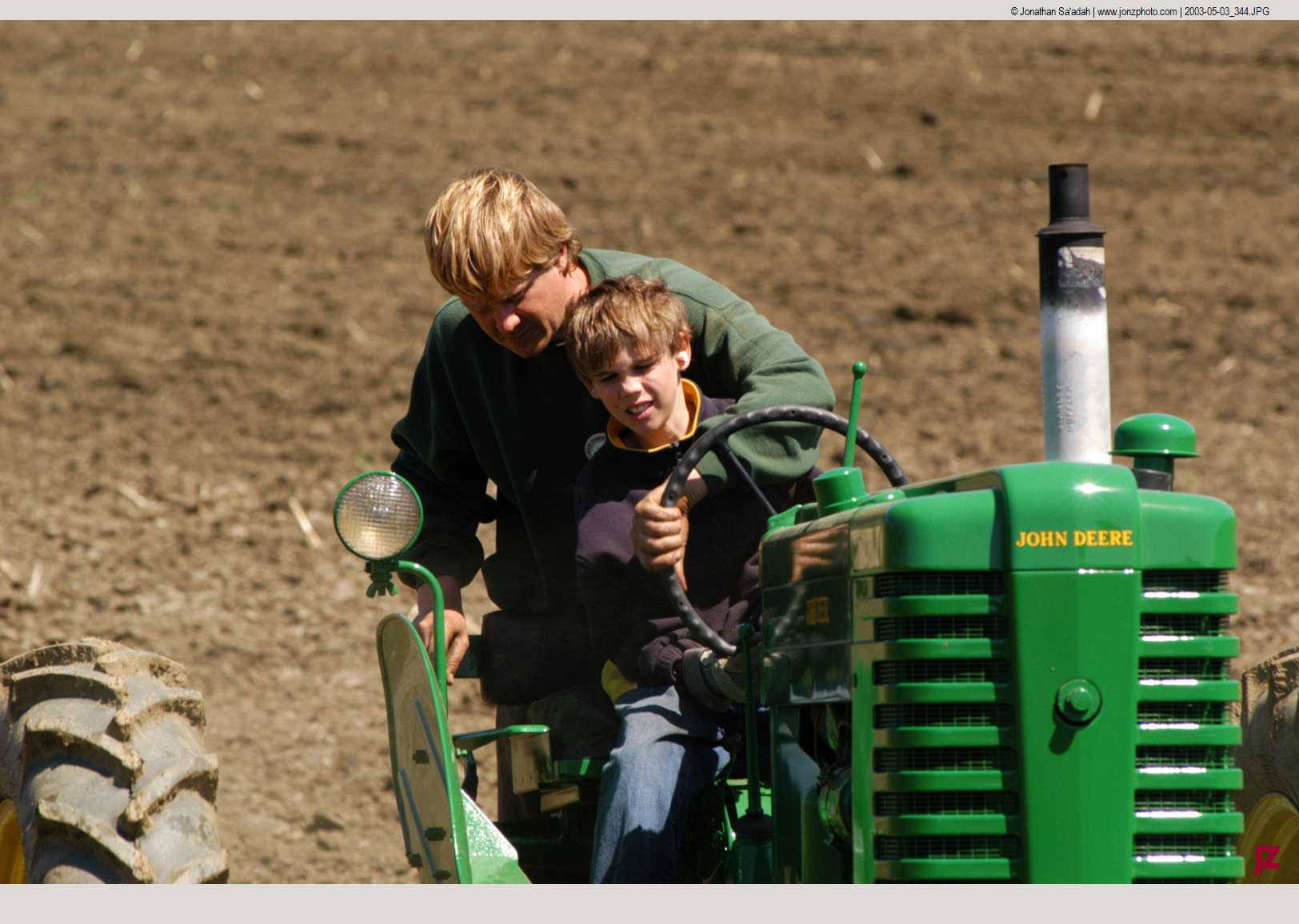
The geography encouraged a kind of illusion. Compared with Quebec, with its broad St. Lawrence valley and wide fields, most of Vermont is hill country. The farms that still existed in those days were small and coughed up a lot of rocks, more a patchwork of cleared land between forests than the sweeping agricultural vistas one imagines when one says “farm.” Yet many of the people working those small farms, or supplying labor for the mills, had roots that ran straight back to Quebec. On paper, in town histories and news-stories, it might have been called “Yankee Vermont.” On the ground, it was something more complicated: a hybrid of old New England and transplanted rural Quebec, stitched together by rivers, roads, and the hum of machinery.
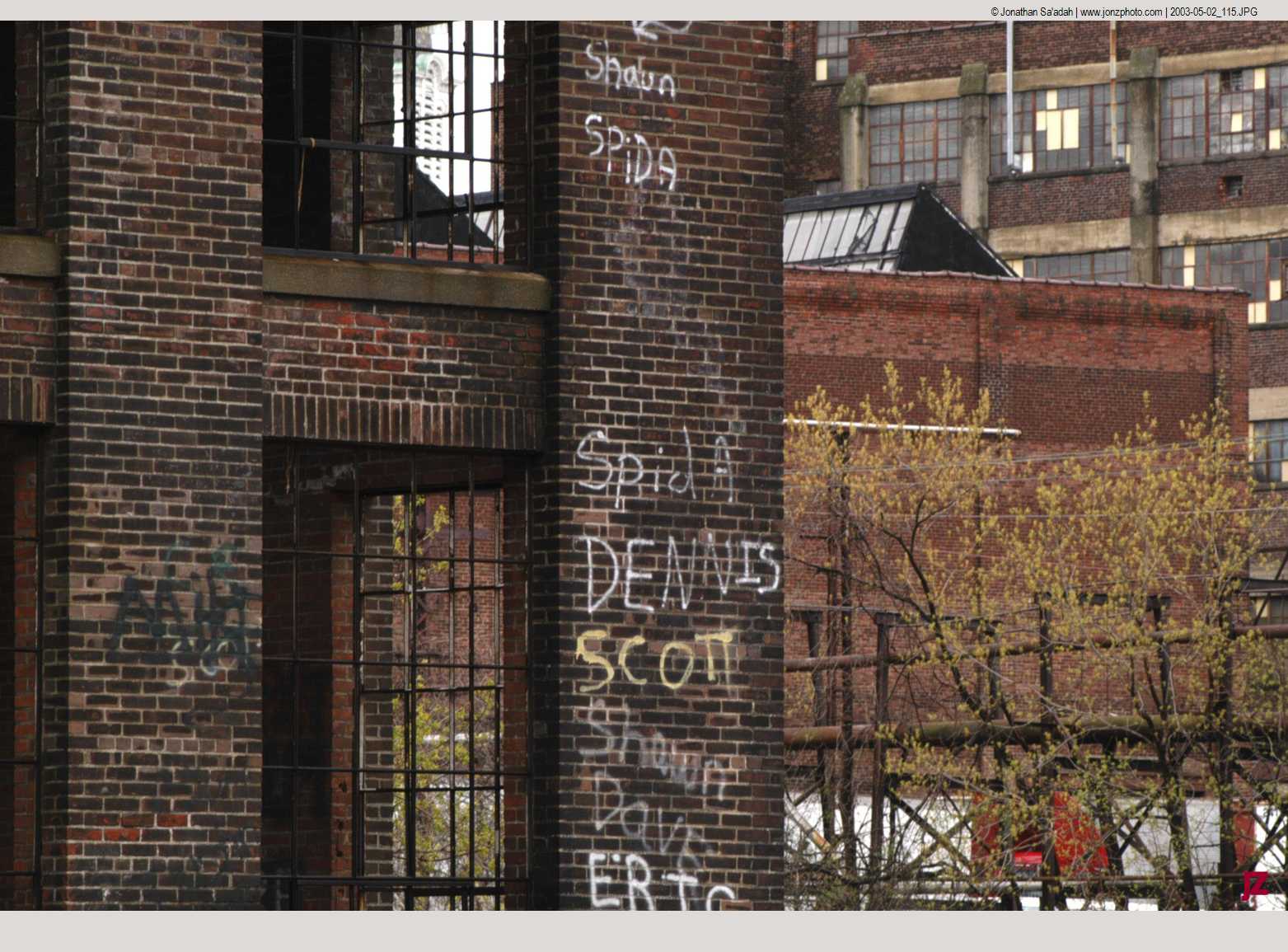
The mills were the real magnets. They were scattered along Vermont’s rivers, some still visibly tied to the old water power era with raceways and old brick, others already retooled and electrified. In those years, they wove cotton and wool cloth, most of it rough, and a little further south (along the larger rivers) manufactured industrial parts. They were not glamorous places, but the work was steady, and they needed hands. Hands came from the hills and from across the border.
So, in my grade school classroom, many of the desks were filled with kids whose grandparents had been farmers in Quebec, whose parents now worked for businesses in the town or the mills that bordered it. Many of them bore names that had been smoothed into English, as if the crossing of the border had required passing through a kind of linguistic customs warp. A “Leblanc” became “White.” Sometimes the change was deliberate. Other times, it seemed to have been imposed by immigration bureaucrats who simply wrote what they could pronounce. It was as if the name itself had to be pushed into shape to fit the idea of America. I knew the drill.
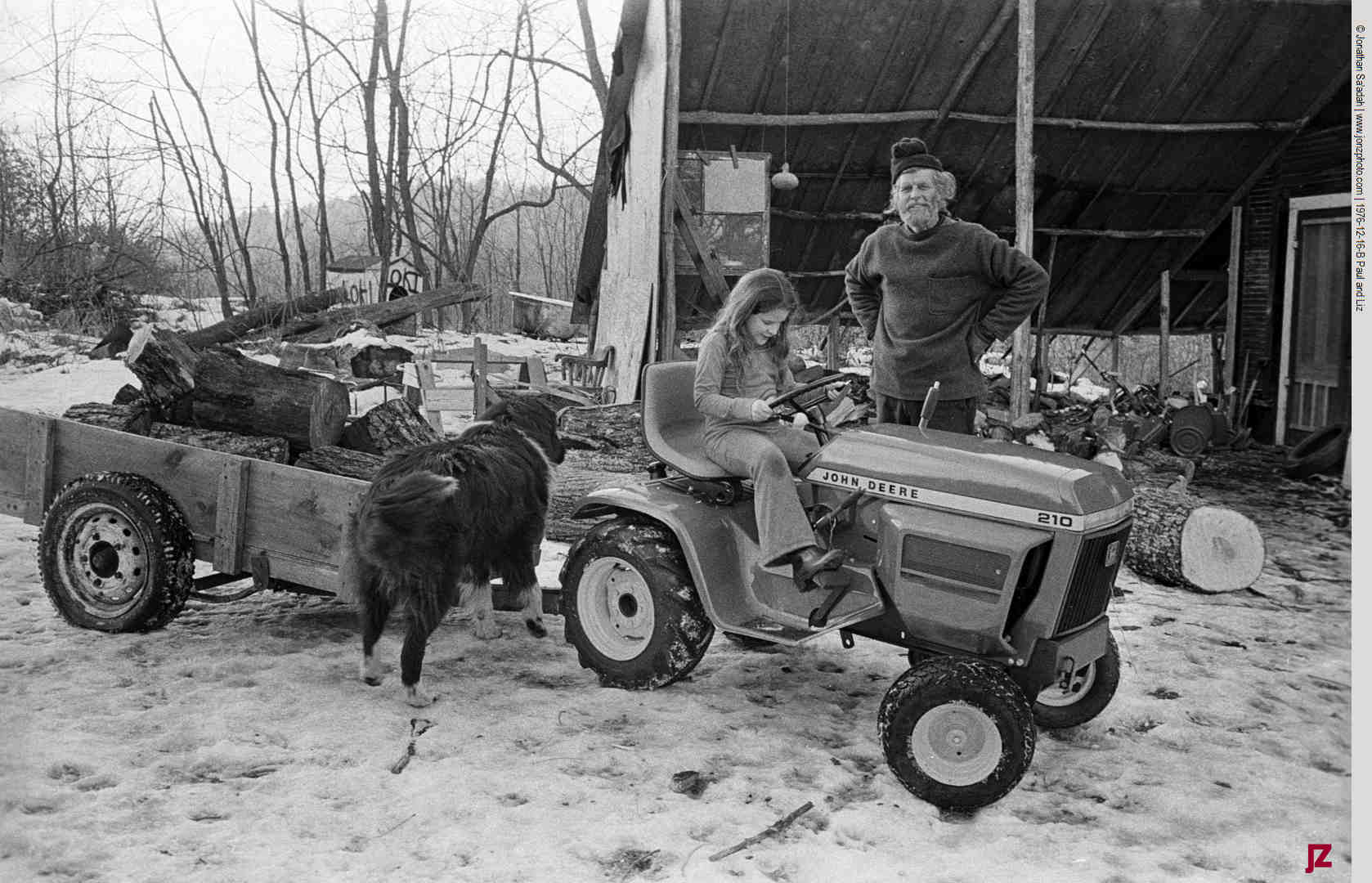
Some of my friends embraced that shaping. They practised their English carefully, and worked hard, as I did, to appear fully “American.” When you’re a child, you are acutely aware of the small signals that mark you as different, and you quickly learn to sand down those edges. When we were older we learned to call it racism. Others, though, held on to more of their ancestral life. They disappeared from play on certain feast days, learned their catechism, and later, in adolescence, you might see them slipping off to the large Catholic church that we never entered. Their houses felt different when you stepped inside: religious images on the walls, perhaps a rosary hanging from a nail, and often a sense that English was something you spoke for the outside world, not in the kitchen.
Coming back to the kitchen and my friend’s description of her husband’s family gatherings. To me it always felt like the kitchen was the next room after the shed. First you went through the shed, a kind of transition area that had the sweet smell of split drying wood, moist earth, and wet wool. Then the was the warm kitchen, with a stove crackling and the smell of food being cooked.
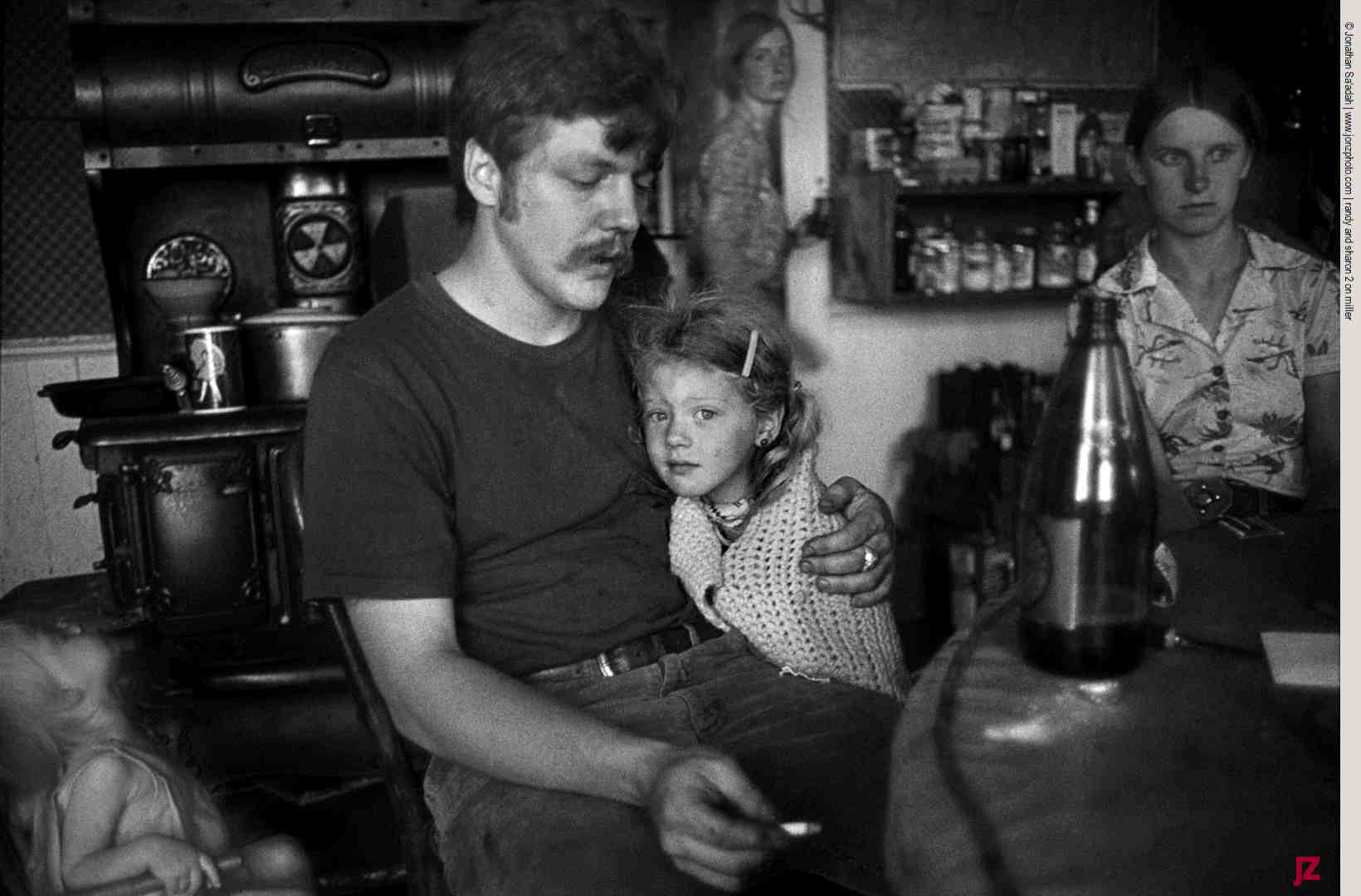
But what really registered with me was pushing the chairs back, making a ring of people rather than a scattered group. I always liked being there. At the time, I understood those families as simply “farm families,” (though that wasn’t the way my parents described them). Only later did I understand how many of them were not just “country people,” but Quebecois by origin, bringing with them patterns of family life shaped north of the border.
Of course, we did not have the language of “Franco-Americans” or “diaspora” for this; the word that floated around instead was “Frenchies,” often used with a derisive and mean edge. It was the sort of racist nickname that passed as normal in those days. The implication was that the “real” Vermonters, the real Americans (which I felt excluded from too), were the Yankees, and the “Frenchies” were a kind of tolerated, but alien, presence. Yet, in reality, Quebec immigrants made up a large portion of the local population – fifteen to twenty-five percent, by some estimates – and their influence seeped into the “Yankee” culture.
As a child, I absorbed both the prejudice and the intimacy without fully understanding either. I heard the jokes and the slurs, but I also knew that the kid sitting next to me with a “funny name” (like mine!) was the one I skied with after school, or the one whose mother handed me a plate of food when I was a visitor. The contradiction was simply part of the air we breathed. We were caught between the received story – Vermont as a bastion of old Yankee stock – and the lived reality of a mixed, evolving community where Quebec was a silent but important part of the mix.
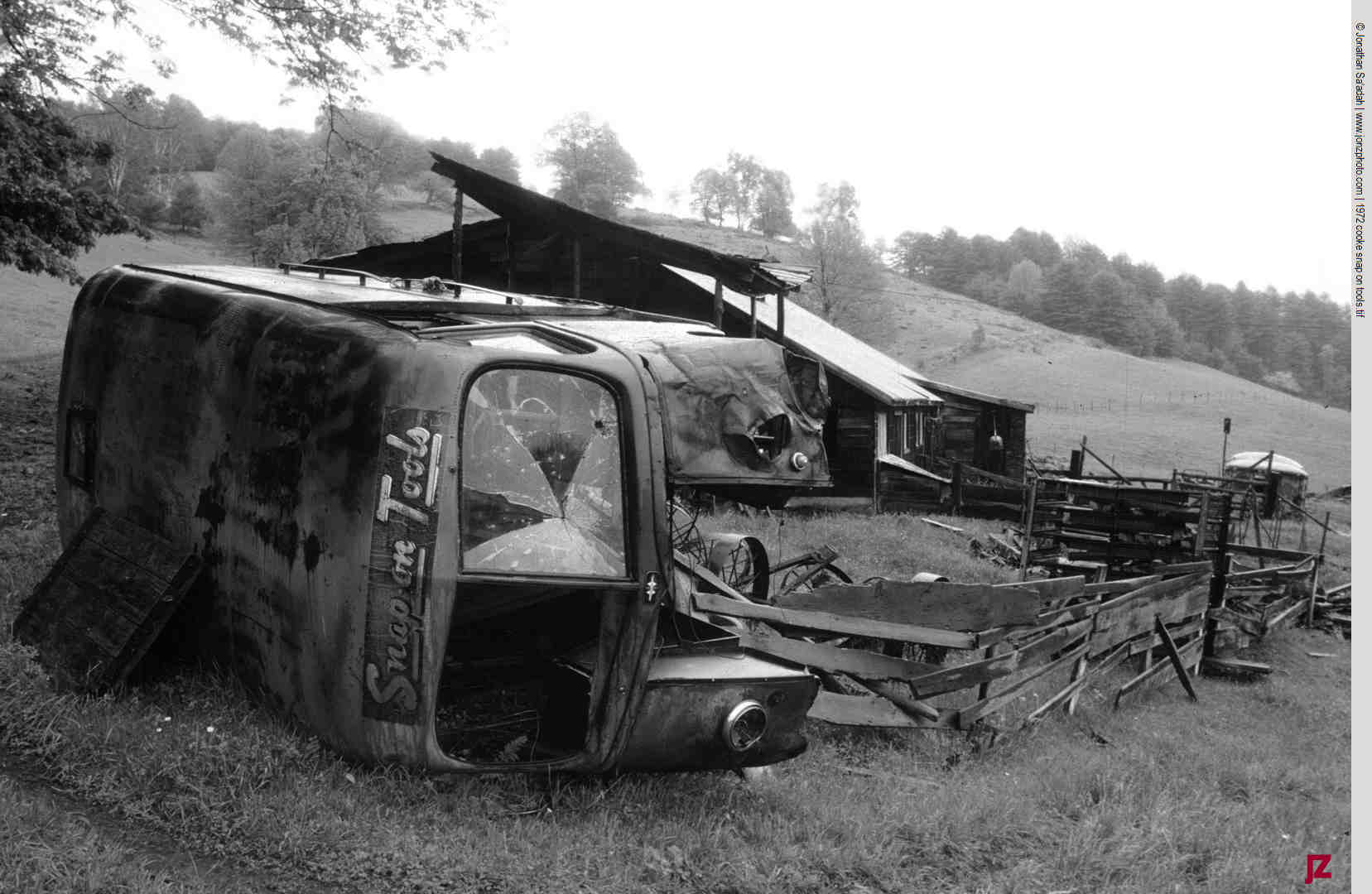
Lately, hearing about law C‑3 and how it has opened the door for Americans with a Canadian parent or grandparent (or even further back) to claim Canadian citizenship, I find myself thinking about those classmates and their families. Many of them, I suspect, would now qualify to move back up here with little trouble. What strikes me is how, in the 1950s, the direction of movement was almost entirely one way: people came from Quebec to Vermont to work, to be American, to give their children a future “down south.” The border itself felt more like a one-way bridge than a shared threshold. Now, that’s changed.
With C‑3, the current is running the other way. Americans are trying to reclaim or confirm a Canadian identity they only vaguely knew they had before, or even tried to conceal. Underneath the legal arguments – who qualifies, what documents are needed, how far back descent can run – I sense an echo from my childhood days. The law is new, but the story is old: families shifting across the invisible line that cuts through the hills and fields, children caught between languages and loyalties, names bending to fit whichever side of the border they find themselves on.
For me I’m much more aware now that the most striking realization is not just that Vermont in the 1950s was more French Canadian than anyone wanted to admit, but that the ways people tried to appear “American” were often layered on top of habits and values that remained stubbornly, quietly Quebecois. The kitchen as the centre of family life. The chairs pushed back to make room for talk. The insistence on gathering everyone around a table, not just for the meal, but for the hours afterwards, when stories and teasing and small arguments stitched a family and friends together.
In retrospect, that gesture of pushing back the chairs feels almost like a metaphor for the whole period. Publicly, the chairs of identity were lined up neatly: Yankee, American, English-speaking. Privately, inside the kitchens, they were rearranged, pushed back to the walls, making space for another way of being together – more communal, more rooted in the rhythms of Quebec than the official story would allow. I grew up in that in-between space, in some ways wanting to believe I was part of “Yankee Vermont” while actually feeling more comfortable sitting in kitchens surrounded by people whose lives had been shaped by the culture of where is my home now.
Now, as Americans look north for citizenship rights and legal recognition, I find myself looking back instead – back to those kitchens and classrooms full of children with anglicized names and hidden bilingual homes. The border that seemed so definitive on maps was far more porous than we were taught. We didn’t then have the words or the awareness to describe it.