
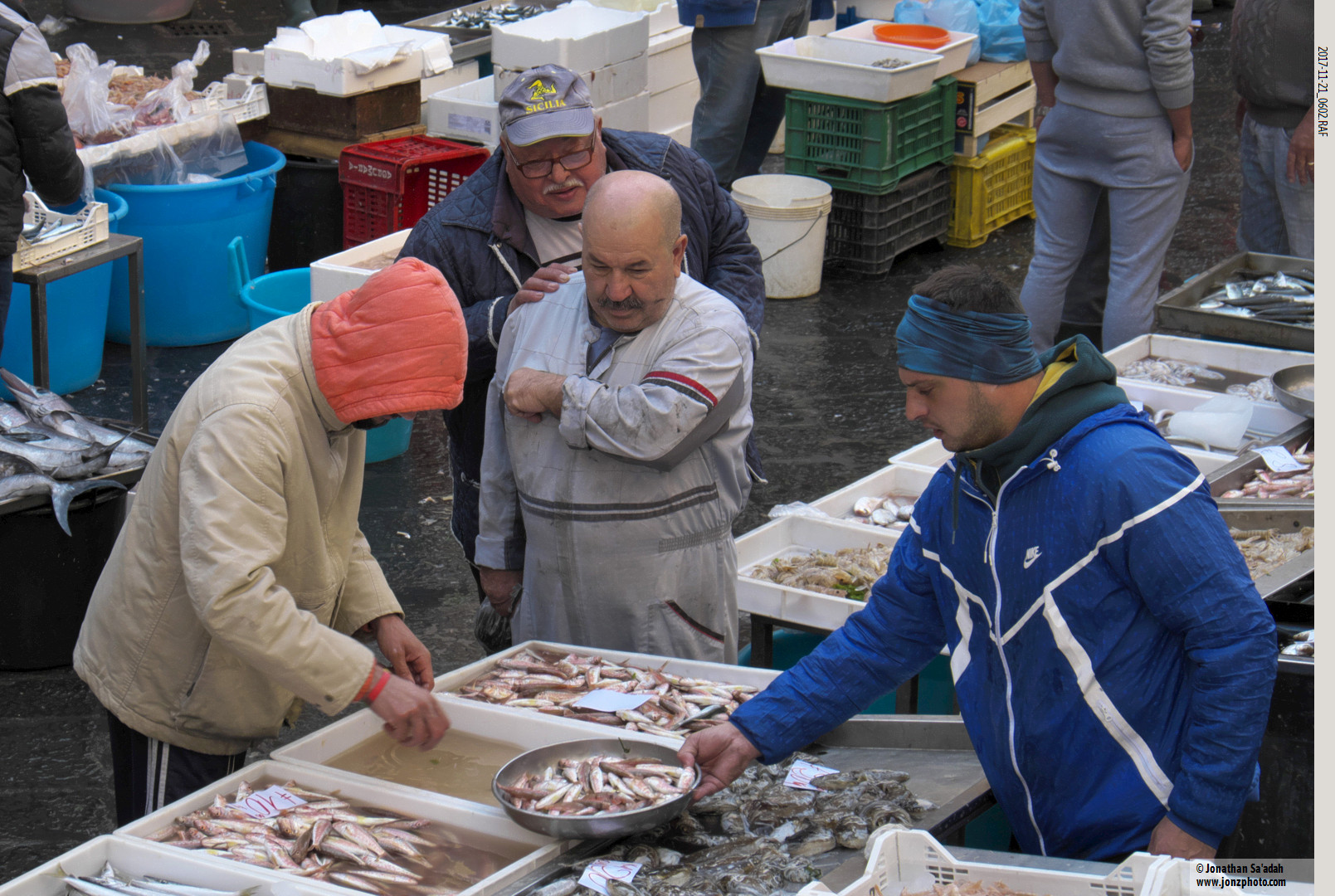
The Irresistible Pull of Gritty Cities: Understanding Why We Love What We’re Missing
Part II
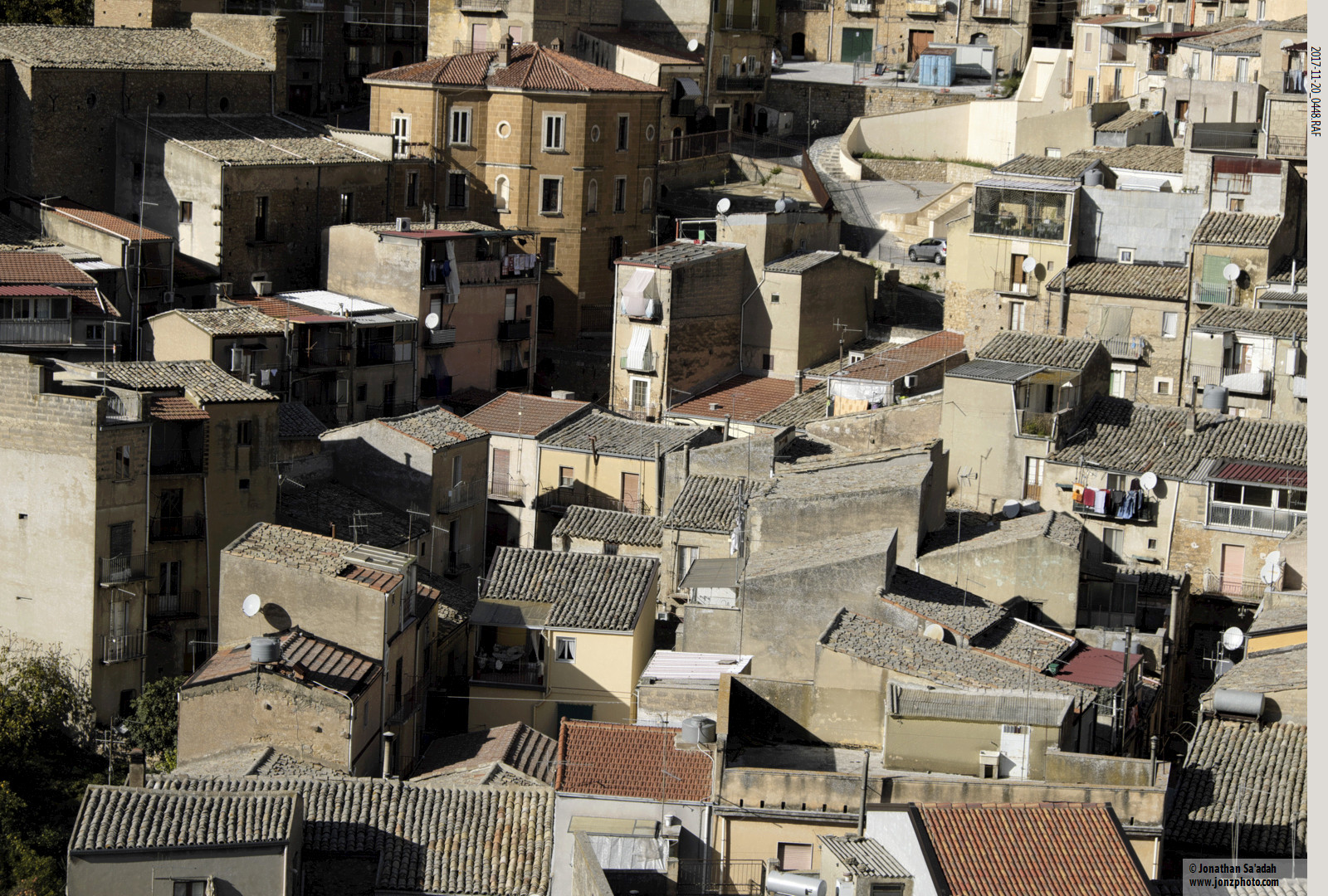
One of the most striking features of these older cities is their incredible diversity of housing types and price points, often within the same neighbourhood. In Damascus, you might find a restored 17th-century merchant’s house next to modest apartments that house working families, with both sharing the same narrow street and the same access to local amenities. Palermo’s neighbourhoods mix recently built condos (often retaining traditional facades) with affordable housing apartments, creating the kind of economic integration that many newer developments actively prevent. To give Montreal credit, some neighbourhoods share this diversity, but it’s often frowned on as “gentrification”.
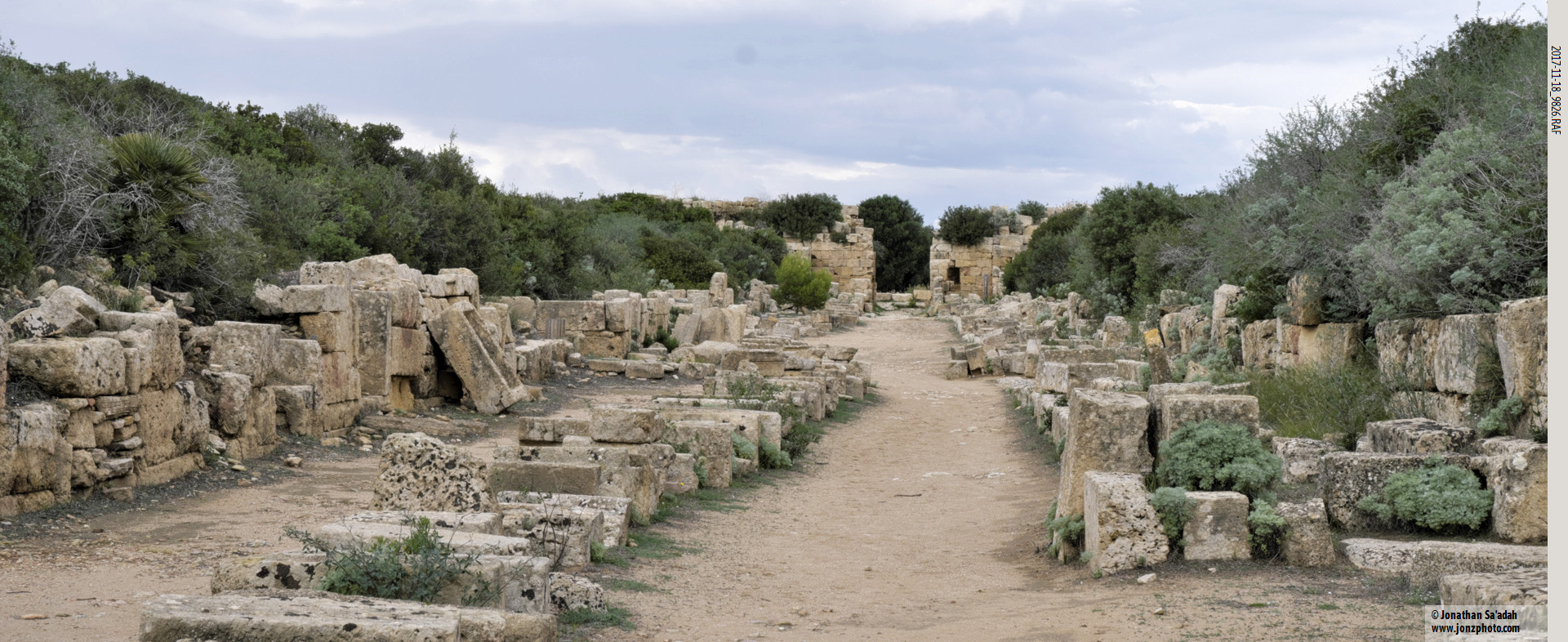
This mixing isn’t just socially beneficial – to me it’s economically essential for urban vitality. It’s what helps create a local economy with non-chain, locally owned businesses. Diverse housing types create diverse local economies, supporting the small-scale entrepreneurship that makes a neighbourhood interesting and economically resilient.
The housing diversity in these cities also reflects their adaptability over time. Buildings that were constructed as grand single-family homes can be subdivided into apartments when economic conditions deteriorate, or combined back into larger units when gentrification pressures increase. We’re often critical of this, but it ‘s a flexibility built into the architectural DNA of older cities that allows them to respond to changing demographics and economic conditions without wholesale demolition and reconstruction.
The Art of Adaptation and Resilience
Perhaps the most remarkable quality of these beloved gritty cities is their capacity to adapt and evolve while maintaining their essential character. They’ve survived empires, wars, economic collapses, and social upheavals not by standing still, but by continuously adapting their built environment to new needs while preserving the underlying urban logic that makes them work.
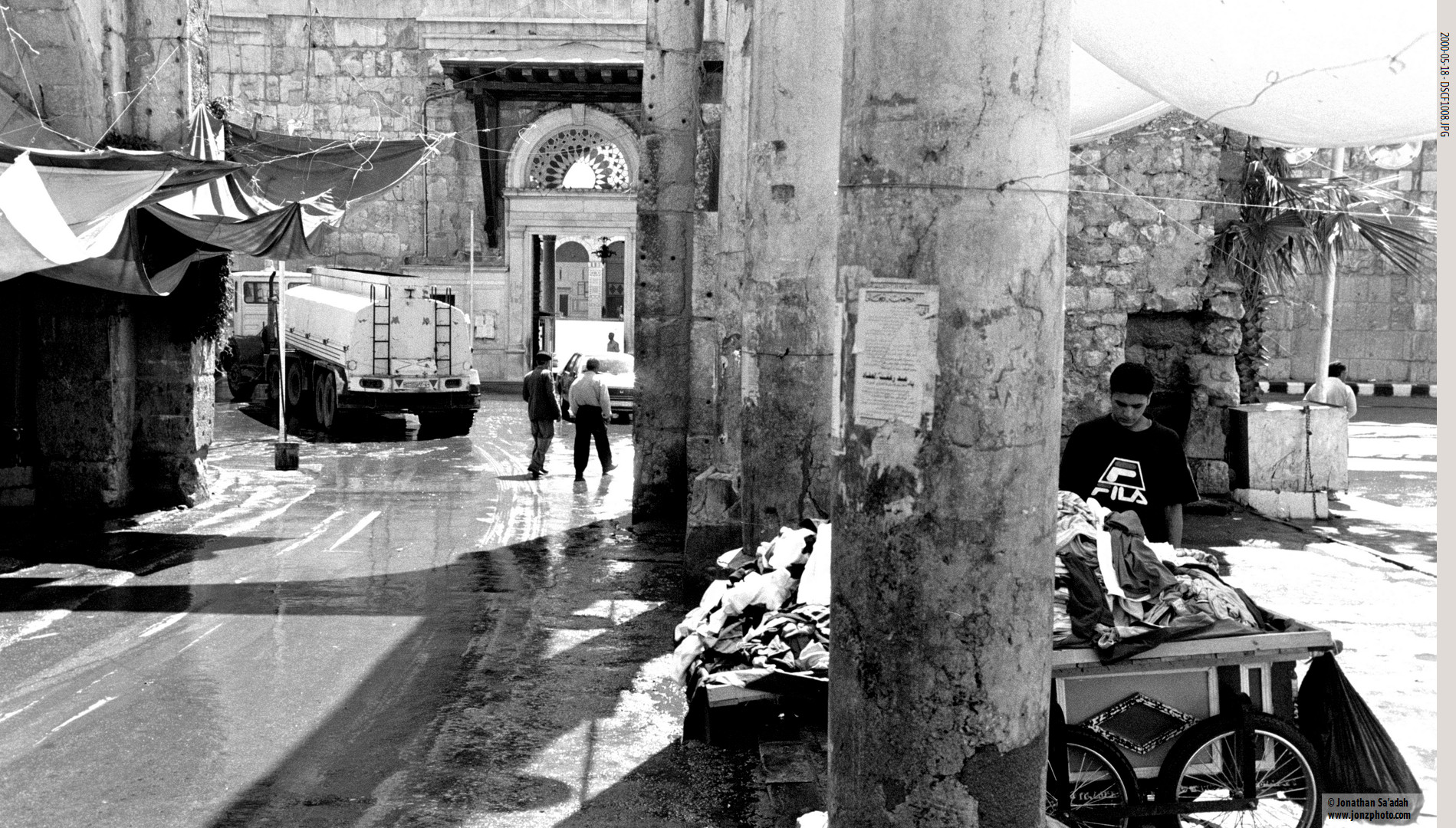
Damascus offers perhaps the most dramatic example of this adaptability. The old city has continuously evolved over millennia, with Roman columns supporting Islamic arches, Byzantine churches converted to mosques, Ottoman palaces repurposed as museums, and traditional courtyard houses transformed into restaurants and cultural centres. Each layer of history adds to rather than erases the previous ones, creating the rich texture that makes the city so compelling.
The Integration That Creates Magic
What makes these cities truly special isn’t any single characteristic but how all these elements work together to create something greater than the sum of their parts. The human scale enables walkability, which supports diverse public spaces, which creates markets for diverse housing types, which generates the economic activity that supports adaptation and renewal. It’s a virtuous cycle that has been refined over centuries of urban living.
What We’re Missing at Home
Standing in my ordered, well-regulated neighbourhood in Montreal, I often think about what we’ve traded away in our pursuit of efficient, predictable urban environments. Our streets are wider and cleaner, our building codes more rigorous, our public spaces more carefully maintained. These aren’t bad things – they reflect genuine improvements in public health, safety, and accessibility.
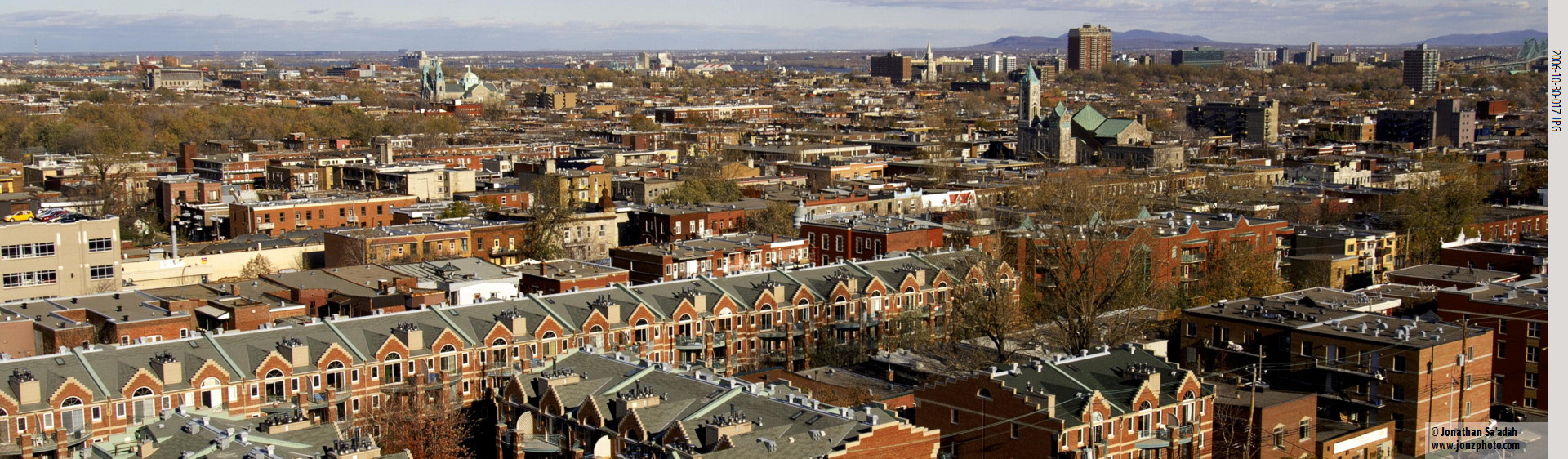
But in our effort to eliminate the inefficiencies and unpredictabilities of older urban forms, we may have eliminated some of their essential vitality as well. Our zoning codes separate uses that these older cities mix naturally. Our building standards favor large-scale development over the small-scale, incremental growth that creates diverse, affordable neighbourhoods. Our traffic engineering prioritizes movement over lingering, getting through rather than being in.
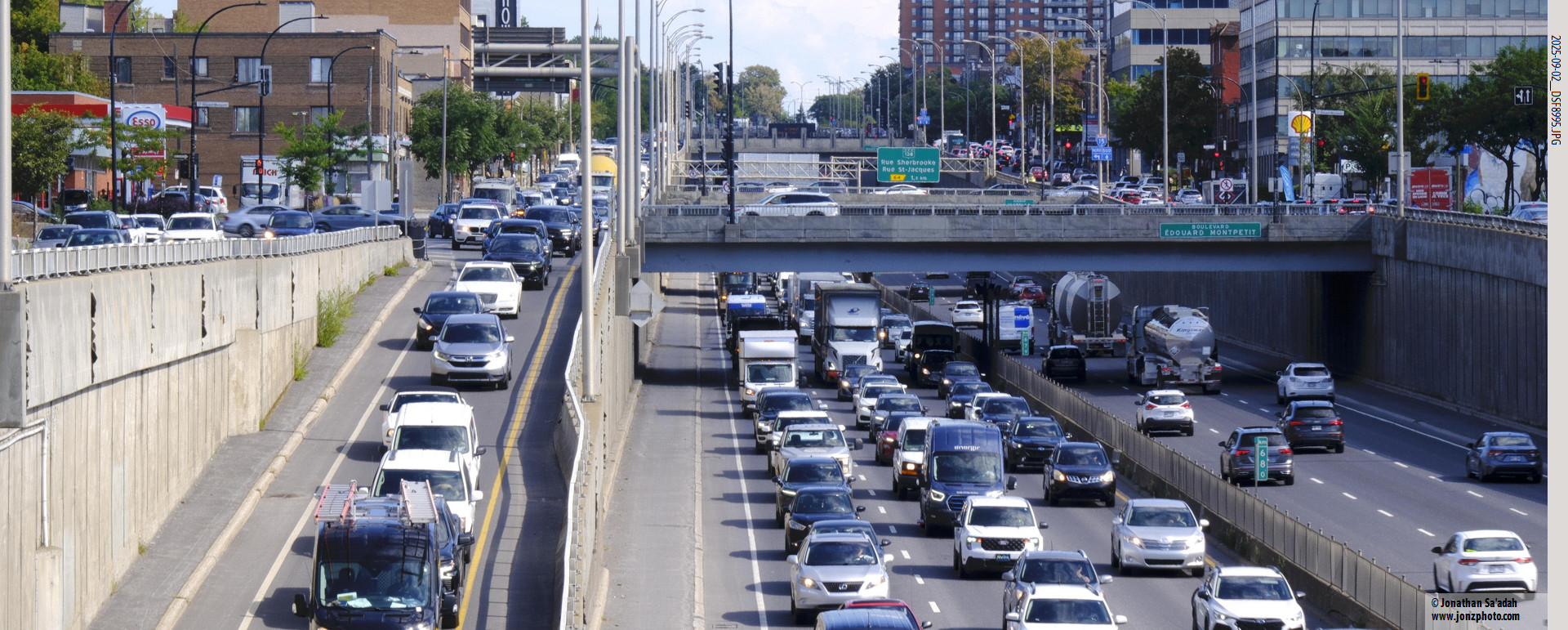
The question isn’t whether we should abandon our standards and return to some romanticized past, but whether we can learn from what these older cities do well while maintaining the genuine improvements of contemporary urban planning. Montreal offers some lessons in this direction. The city’s pedestrianization of portions of Ste-Catherine Street shows how even established cities can evolve toward more human-centred design.
Living in the Tension
Perhaps what I’m really drawn to in these places isn’t their grittiness per se, but their willingness to live in productive tension between competing values. They’re not trying to optimize for a single goal but rather to balance multiple, sometimes contradictory objectives: old and new, local and global, efficient and experiential, ordered and spontaneous.
The cities I love aren’t perfect, and I certainly wouldn’t want to eliminate building codes or return to pre-modern public health standards. But they offer something that our more regulated urban environments often lack: they feel like places where humans have lived, adapted, and created something together over time. They feel like home not because they’re comfortable or convenient, but because they’re complex and alive.
The narrow streets of Damascus, the piazzas of Palermo, the pedestrian rhythms of Thessaloniki – these aren’t just tourist attractions or nostalgic throwbacks. They’re working examples of urban principles that we ignore at our peril. As cities around the world grapple with climate change, housing affordability, and social isolation, these older urban forms offer tested strategies for creating places that are not just efficient but truly livable. The question is whether we’re wise enough to learn from them.
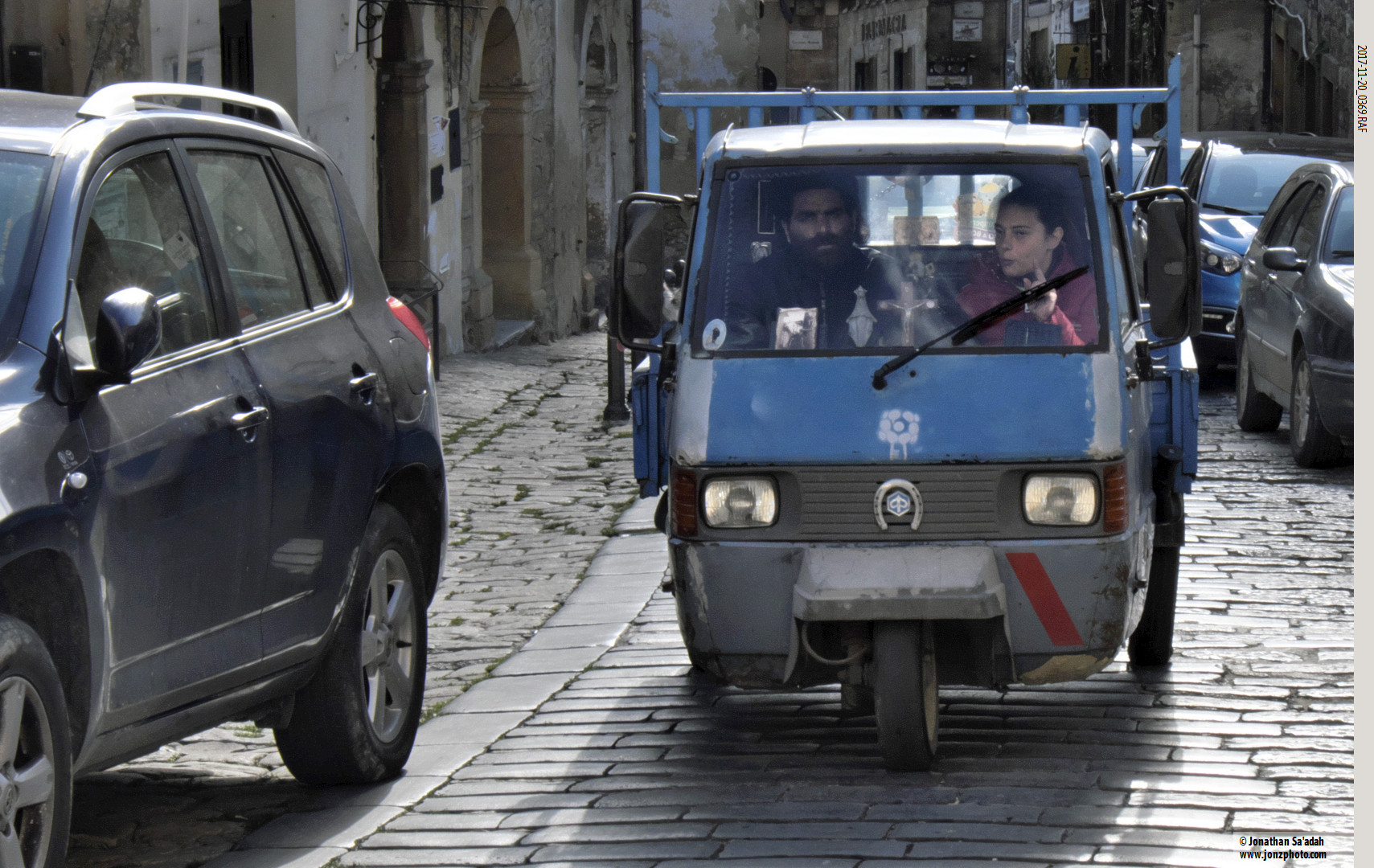
The Damascus photograph in this post is taken from a book I’m just finishing (Return to Damascus: A Personal Journey) on the experience I had in returning to where my father had been born.
I love these urban posts, and I wish every urban planner everywhere would read and discuss them. The prose and photos are so rich. The part of the story still untold here, but that I think matters, is what has happened and is happening *around* these cities: urban sprawl in the “developed” world (or the developed corners of it), rural exodus (still) in places like Syria and Italy. I think that broader context shapes how urban space is conceived, built, lived, etc.
I wonder if any city anywhere has successfully updated physical infrastructure (not just transportation, but sewers, electricity, internet…) without profoundly disrupting social infrastructure.
Please keep adding to this series of posts!!
This has me thinking about cities. And our city, which looks boring in comparison to all this ancient, dilapidated and ever-evolving grit. We just ain’t got we they got across the pond. The photos, the history, and the grittiness appeal to me. I’m a city guy who likes to visit the country and I couldn’t have it the other way around. It was said of Duke Ellington that he needed to always be in a city, so much so that he hated grass. It made him nervous. By the looks of things, he wouldn’t have that problem in some of these ancient towns!