
The Irresistible Pull of Gritty Cities: Understanding Why We Love What We’re Missing
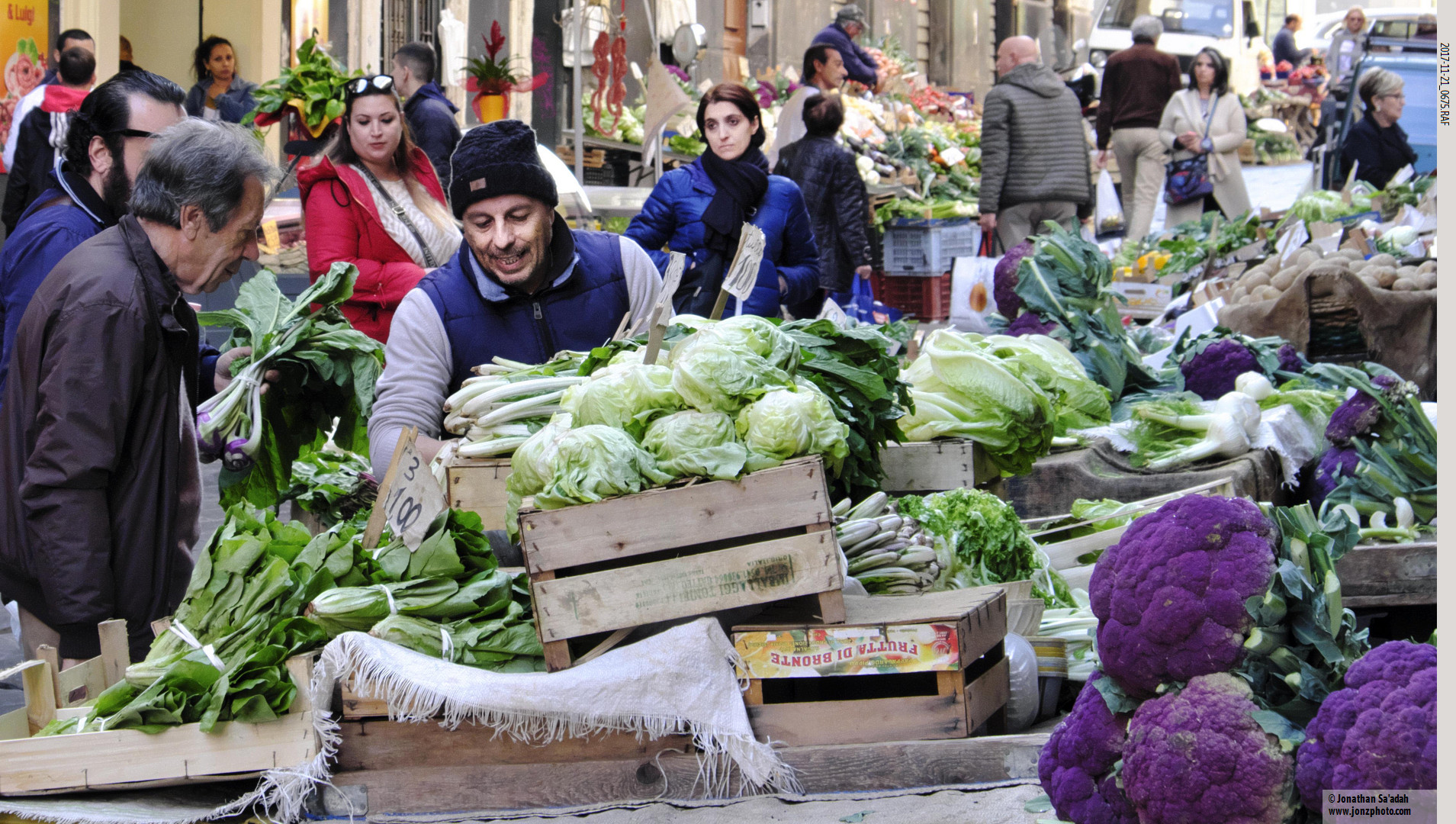
I’ve always found myself drawn to certain cities with an almost magnetic pull – places that feel lived-in, weathered, and wonderfully imperfect. From the narrow stone alleys of Damascus to the chaotic vitality of Mexico City, from Palermo’s winding streets to the crumbling decadence of Thessaloniki, these are cities that seem to embrace their contradictions. They’re places where modernity coexists awkwardly but beautifully with centuries of accumulated history, where every street corner tells multiple stories, and where the urban fabric feels genuinely human in scale.
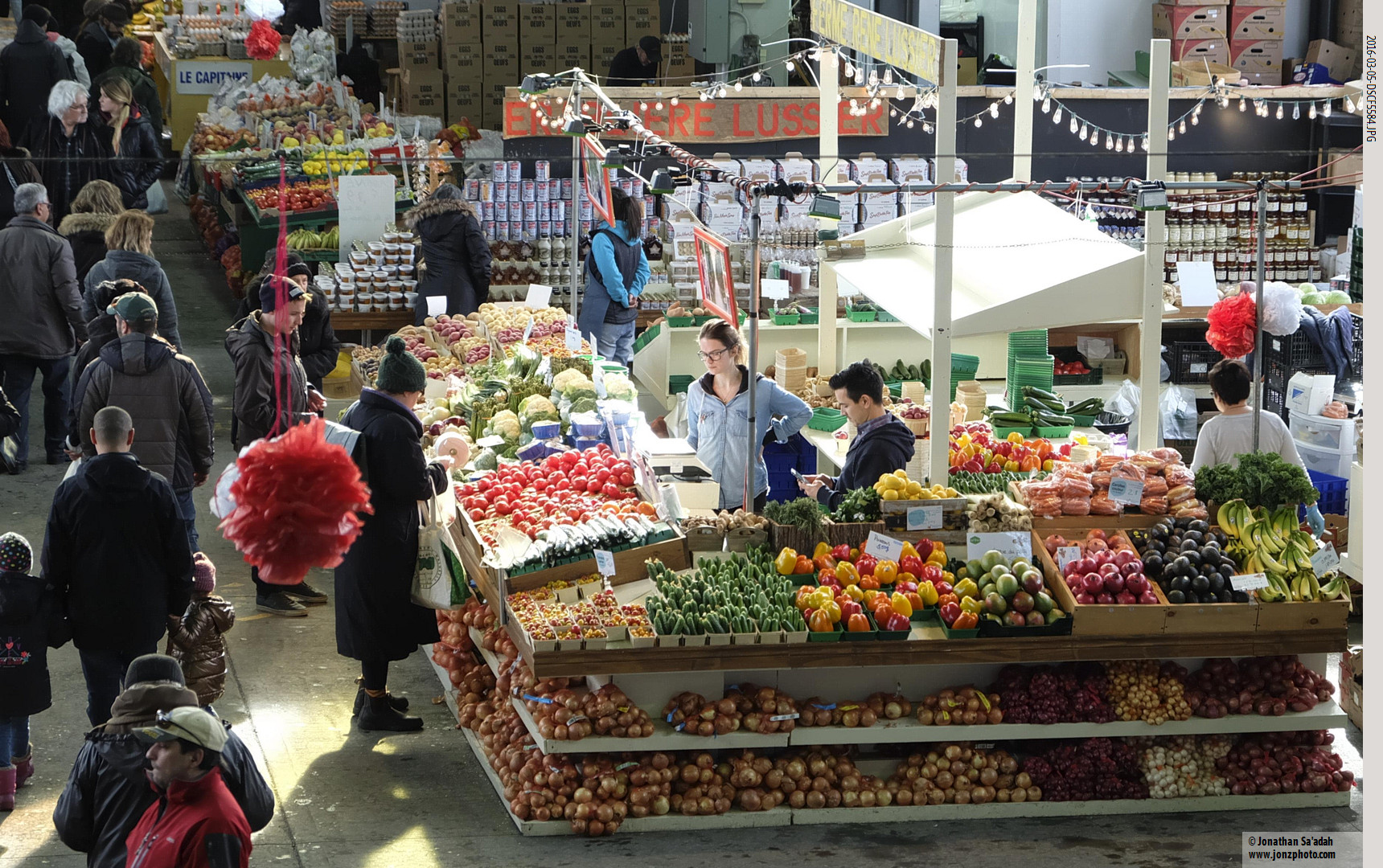
As someone who calls Montreal home – a city that sits comfortably between order and character – I often wonder what it is about these grittier places that captivates me so deeply. Is it simply the allure of the tourist’s gaze, romanticizing what locals might find frustrating? Or is there something more fundamental about how these cities are designed and how they’ve evolved that creates genuinely superior urban experiences?
I believe it’s the latter. These cities embody qualities that many of our more regulated, sanitized urban environments have systematically designed out – and in doing so, we’ve lost something essential about what makes a city truly livable.
The Human Scale That We’ve Forgotten
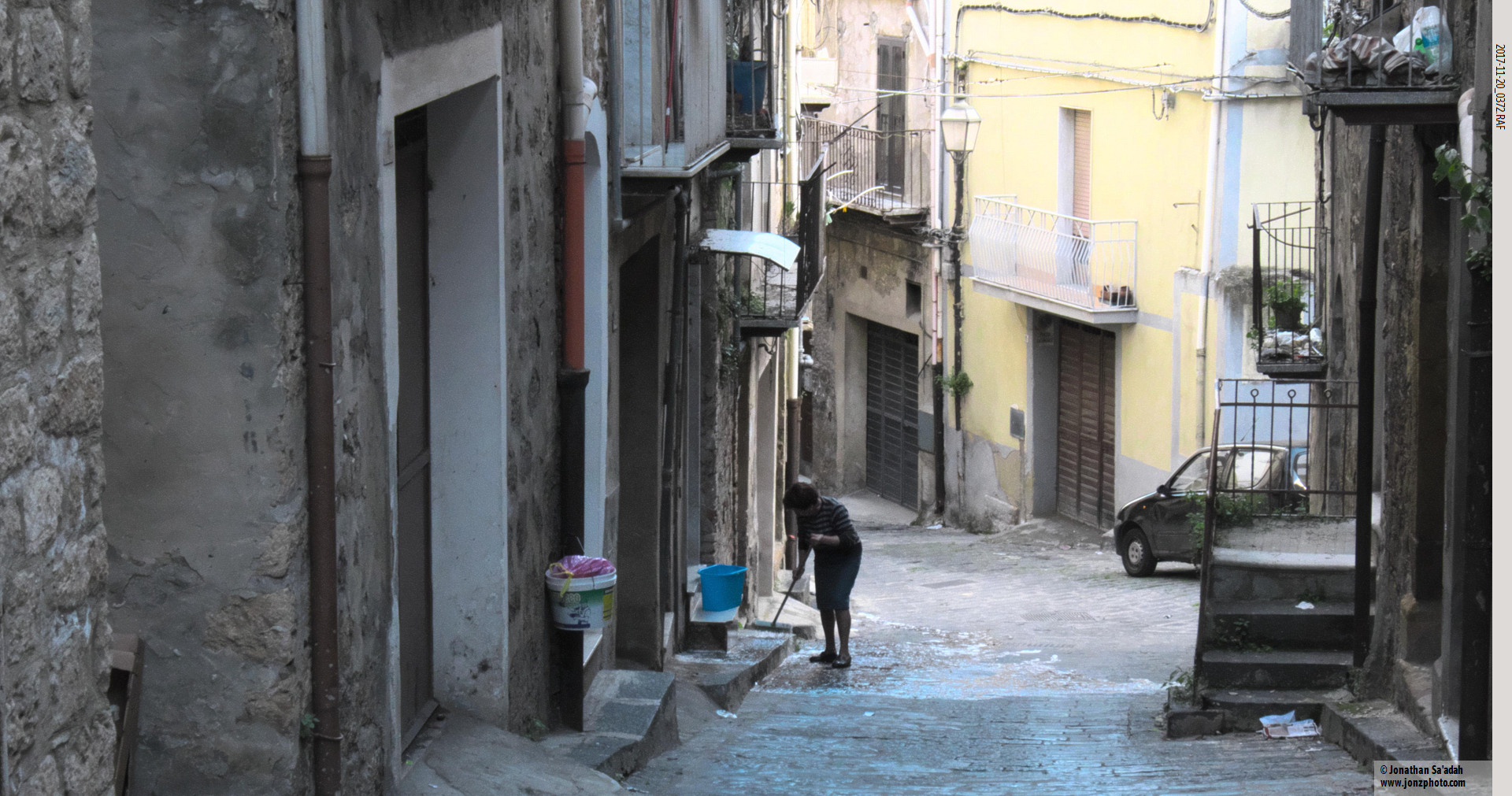
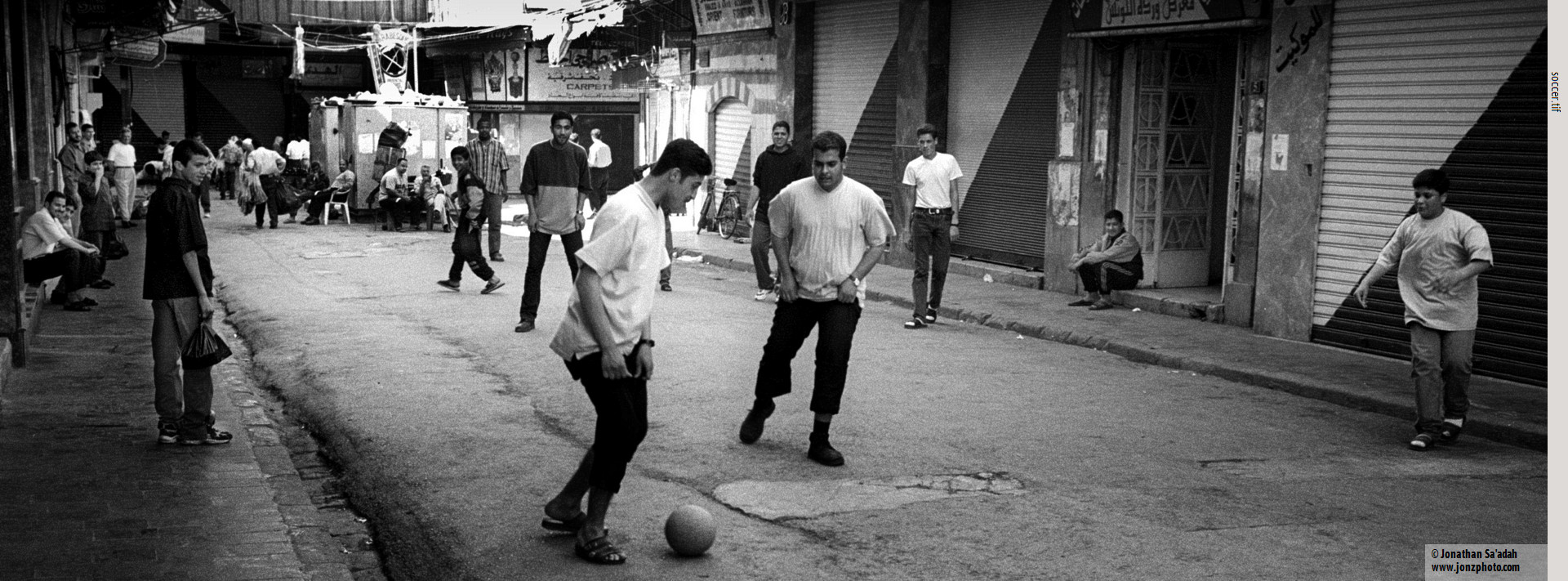
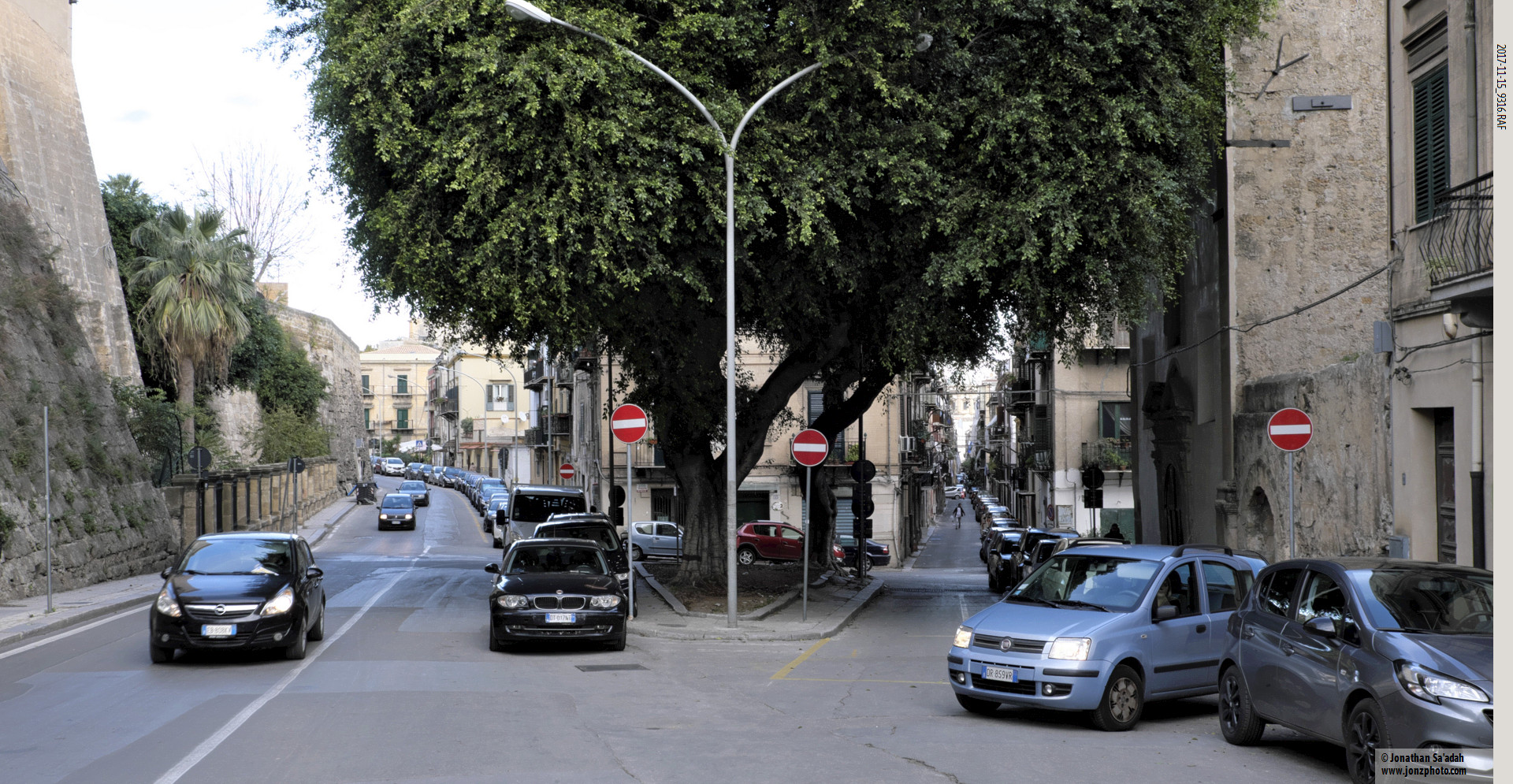
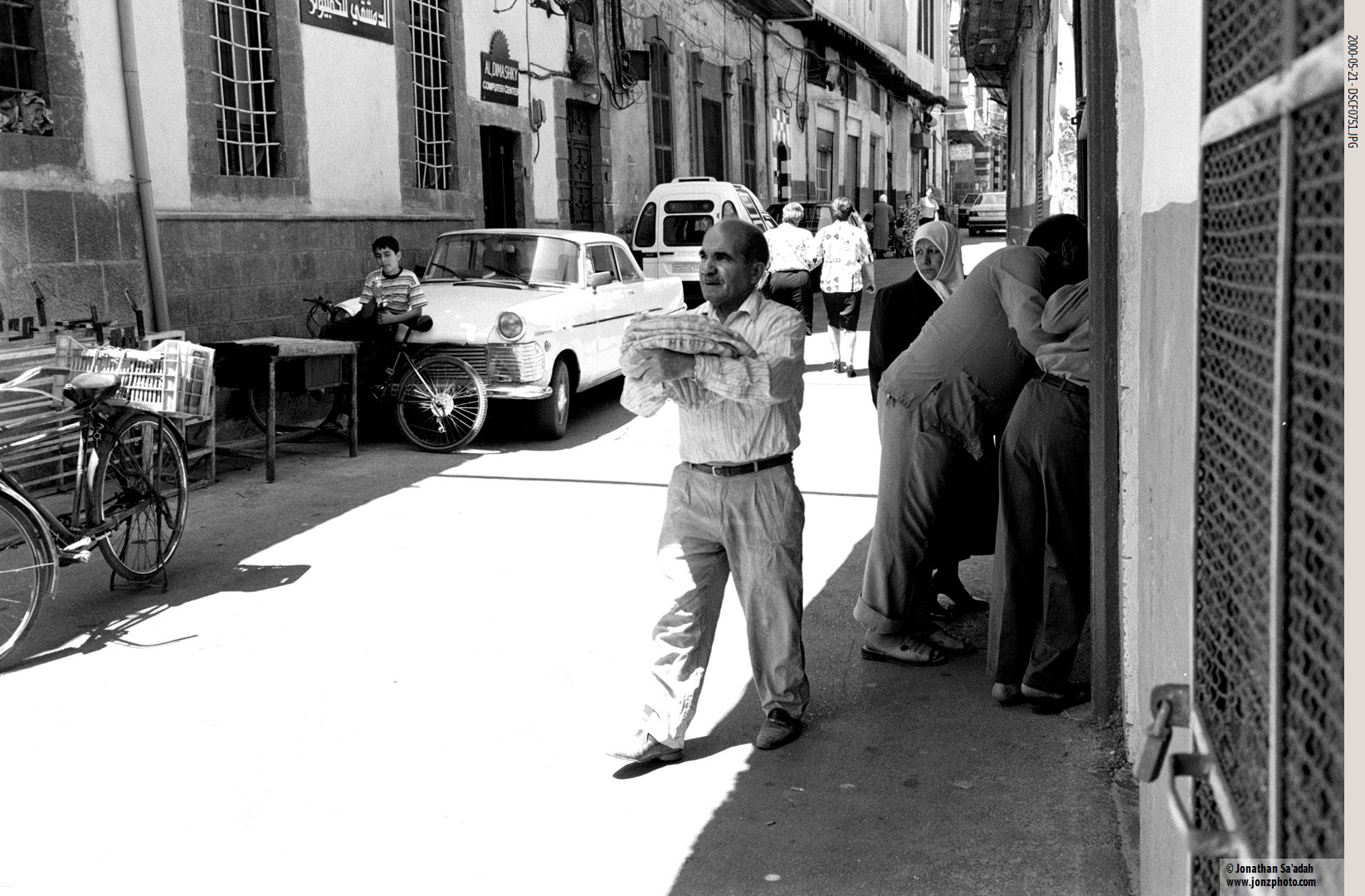
Walk through the old quarters of Damascus or wander the residential streets of Palermo, and you’re immediately struck by how perfectly sized everything feels for human beings. Buildings rise to four or five stories – tall enough to create urban passageways but low enough that you can still make eye contact with someone leaning out a third-floor window. Streets are narrow enough that neighbours can converse across them but wide enough for the essential choreography of urban life: children playing, vendors selling, neighbours meeting, deliveries being made, life happening.
This isn’t accidental. It’s the result of centuries of organic development where buildings were constructed at the pace and scale that individual families and small communities could manage. In Thessaloniki, the traditional urban fabric prioritizes pedestrian comfort over vehicular efficiency. The narrow streets that might frustrate a traffic planner become perfect corridors for social interaction, where the pace naturally slows and encounters become inevitable.
Contrast this with our modern approach to urban development, where efficiency and standardization trump human experience. Even in Montreal, our newer developments tend towards what we define as modern experience – wider streets, taller buildings, larger blocks that prioritize movement over lingering. We’ve optimized for cars and commerce rather than for the casual encounters and spontaneous connections that actually make urban life rich.
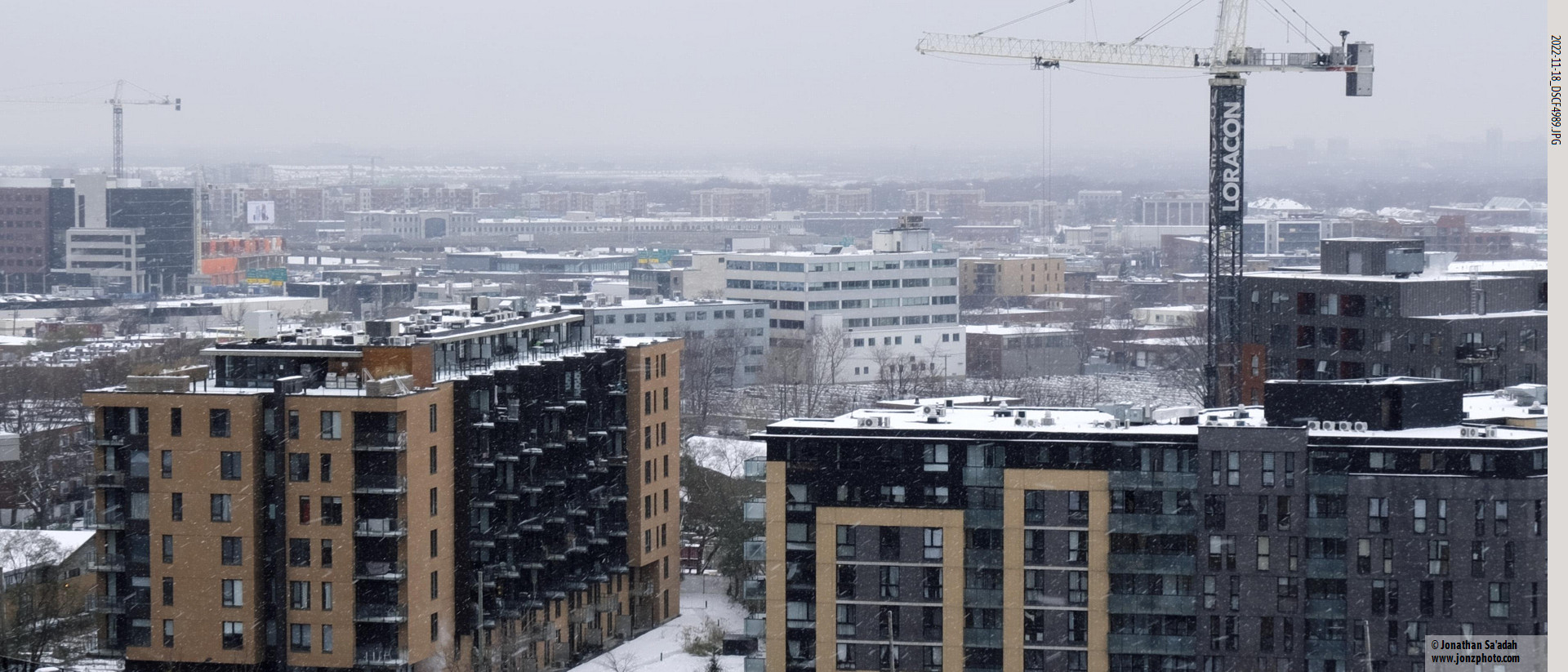
The smaller scale of these older cities creates what seems to me the conditions necessary for urban vitality. Even though they may look to be museum pieces, they aren’t. They are living examples of urban design that puts human experience first.
Public Spaces as the City’s Living Rooms
Perhaps nothing distinguishes these gritty, beloved cities more than the quality and accessibility of their public spaces. Not just parks or grand plazas, but the everyday spaces where public life unfolds: the stepped streets of Damascus that become impromptu gathering places, the piazzas of Palermo that serve as outdoor living rooms for entire neighbourhoods, the casual sidewalk life of Mexico City where sidewalks and public spaces encourage people to meet and relax”.
These cities understand something fundamental: public space isn’t just about recreation, it’s about democracy. It’s where different social classes, ages, and backgrounds encounter each other naturally. When public space works well, it becomes the foundation for social cohesion and civic engagement.
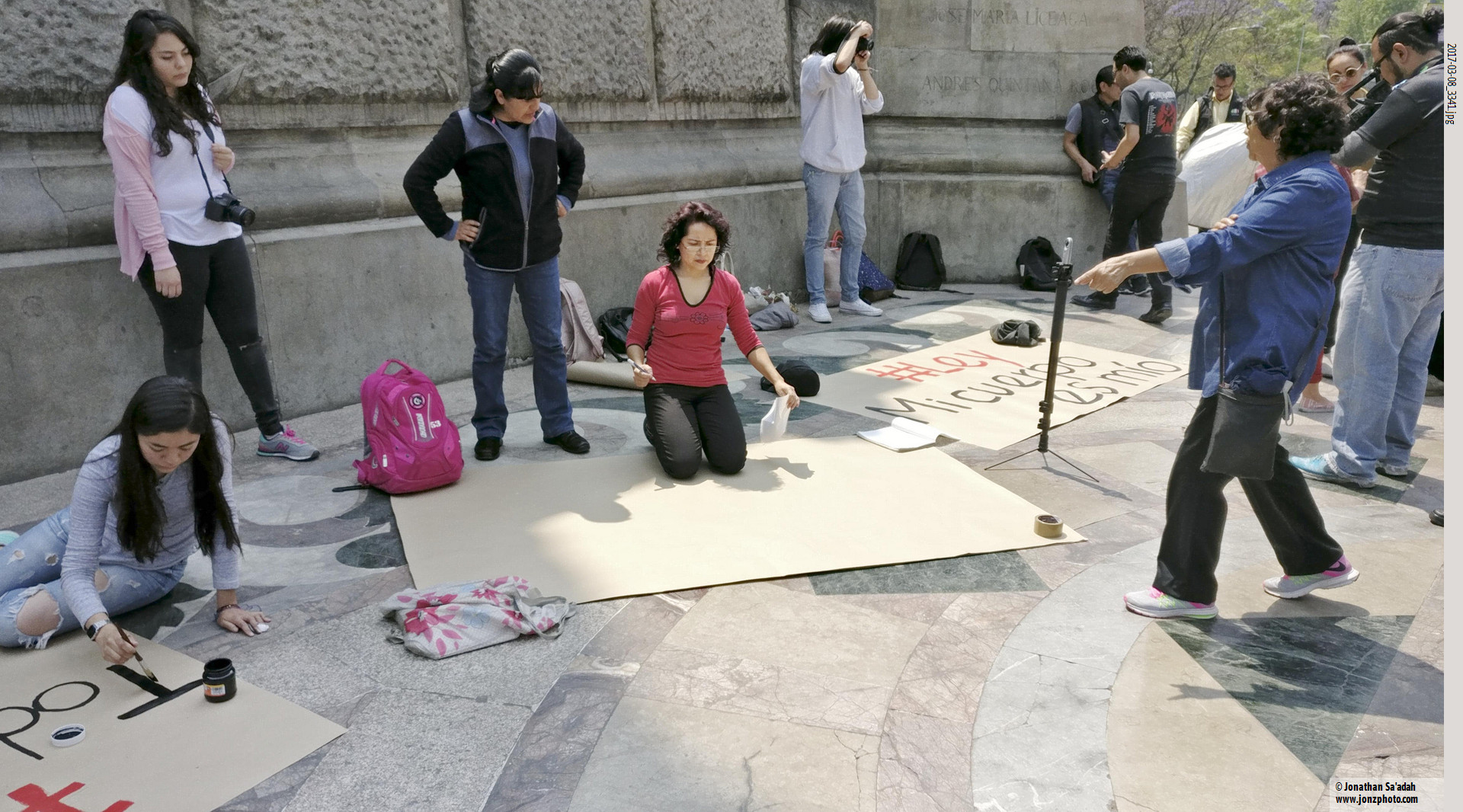
Mexico City is often dismissed as sprawling and car-dependent, but alongside that reality I see a lot more going on. The city’s downtown areas have spacious parks and sidewalks, accommodating an unending ballet of commuters, tourists, and street vendors. On Sundays, major arteries like Paseo de la Reforma are closed to cars and opened to pedestrians and cyclists, temporarily transforming the large parts of the city into one enormous public space.
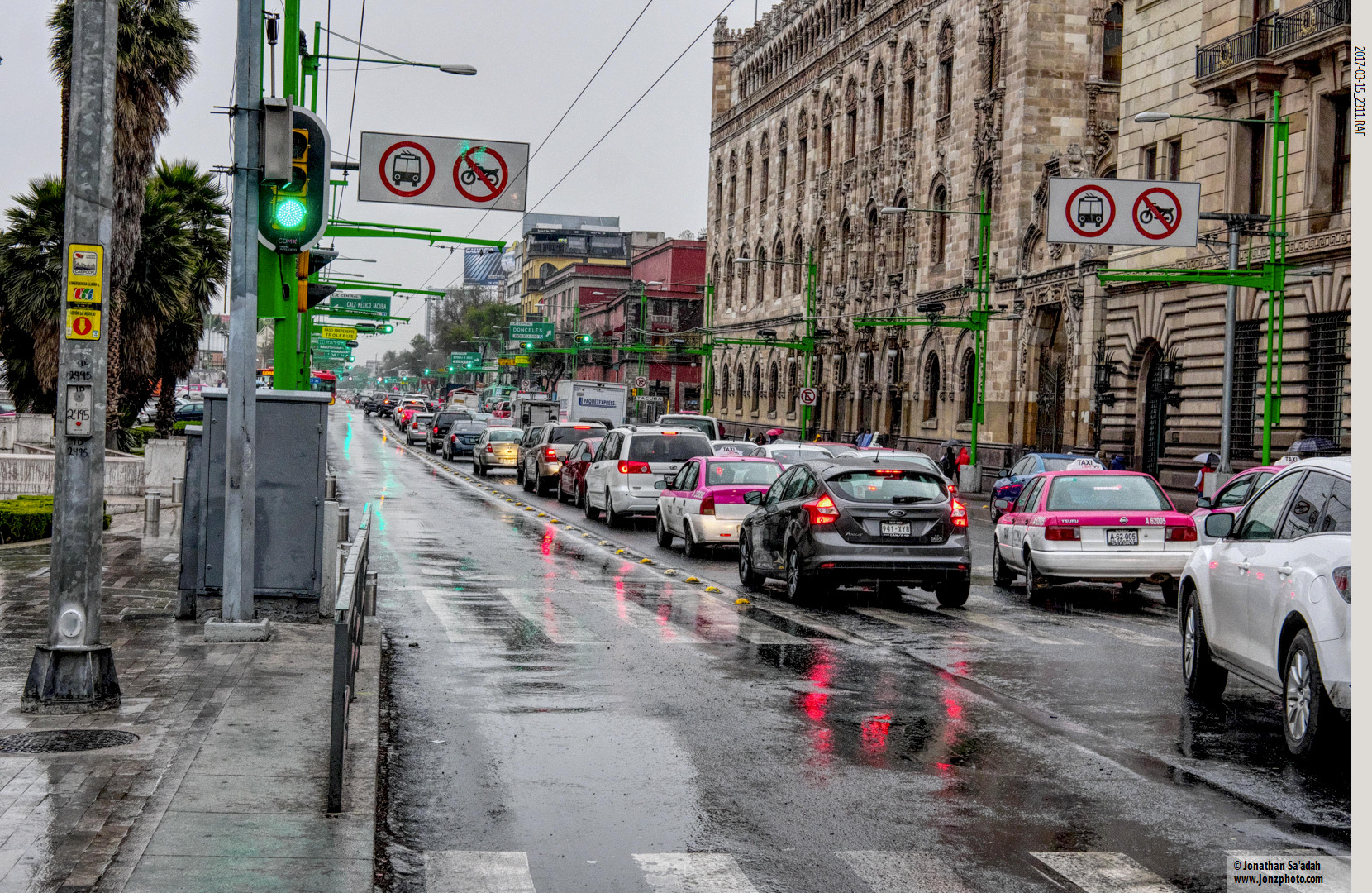
What these cities understand is that public space isn’t a luxury – it’s infrastructure. Just as essential as water pipes or electrical grids, public space is the network that allows urban society to function, providing the venues for the informal encounters and casual sociability that bind communities together.
Walkability as a Way of Life
In these cities, walking isn’t exercise or a lifestyle choice – it’s simply how you get around. This creates a fundamentally different relationship between residents and their urban environment. When you walk regularly, you notice things: the quality of surfaces, the presence or absence of shade, the rhythm of street life, the small businesses tucked into ground floors.
Thessaloniki, despite its challenges with broken pavements and sidewalks, illegally parked cars and motorcycles, kiosks and coffee tables, has a vibrant street culture. I look forward to going back soon to see how the city has adapted to its newly-opened metro system, which hopefully will reduce the perpetual gridlock many of its streets experience during the day. Hopefully the ongoing integration of walking and public transit has created an even more layered urban experience.
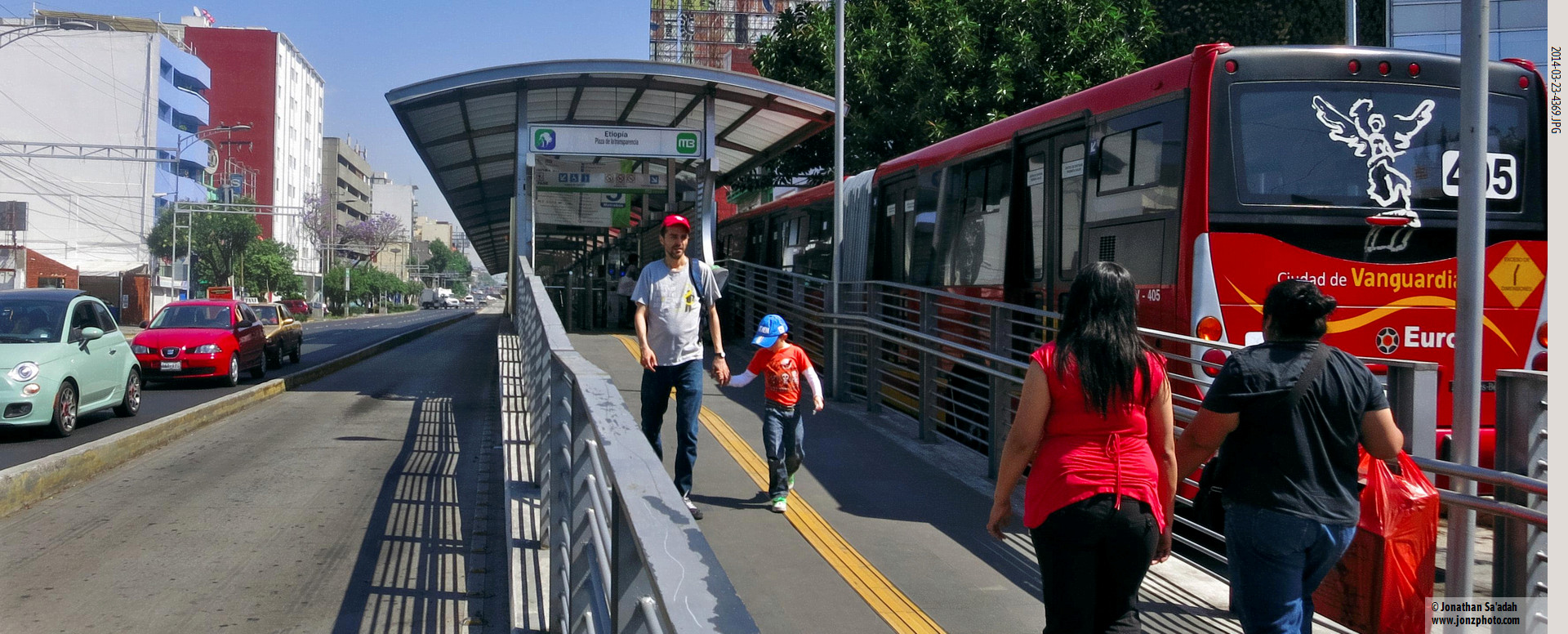
Mexico City exemplifies this integration beautifully. Despite its size and complexity, the city maintains an impressive pedestrian culture. Under the leadership of mayor Claudia Sheinbaum (who has a background in environmental engineering) the city dramatically expanded its network of public transit, bolstering its generous public spaces with wide sidewalks and creative public squares.
Next week: Housing.
The Damascus photographs in this post are taken from a book I’m just finishing on an experience I had with my father, returning to where he was born.
One thing I think these cities have in common is that most of their historical buildings are still preserved and integrated into the more modern fabric. Even in Mexico City, towering skyscrapers co-exist with 16th and 17th-century buildings from the Spanish colonial era: there are few areas where absolutely everything is younger than, say, the last 50 years. In most of North America, not only do we lack historical buildings that are this old, we’re constantly obliterating the past and building new stuff that then gets abandoned in turn. When space itself is at a premium, and history is valued, different choices are made.
This sounds like an Open Door Subject that I’d love to hear…
Great photos–and I agree with the sentiment. I can easily wax nostalgic about New York before the Disneyfication of Times Square. I lived there as it was being transformed, and though I like the cleanliness, I also miss the grunge–and the way the city was in all the 70’s cop shows. At war with myself about it, I suppose. Also have a soft spot in my heart for Baltimore, and I think that also has to do with how gritty it is. Yes, Montreal has a nice balance between chaos and order. Looking forward to part 2.