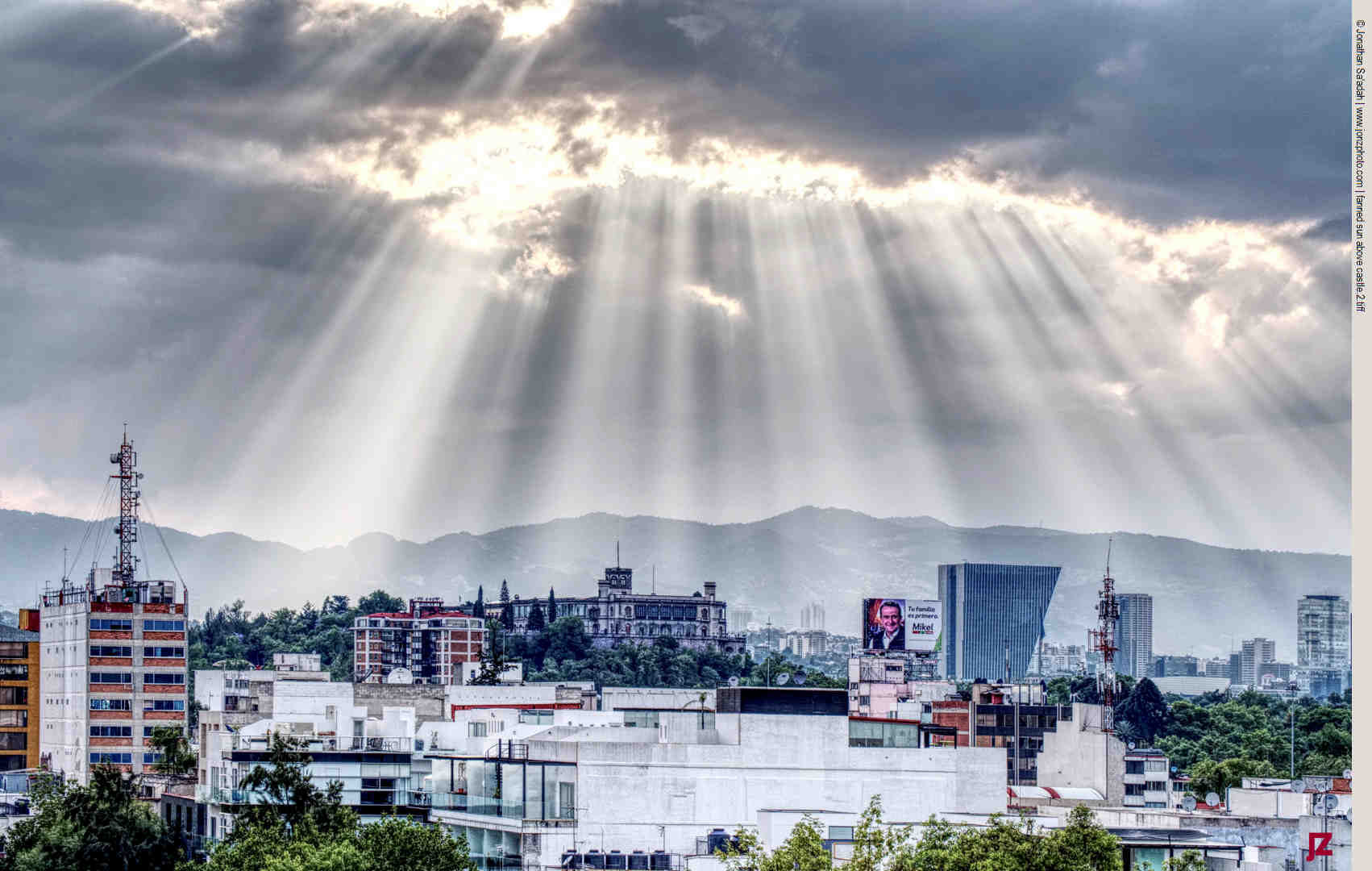
Each time we’ve visited Mexico City we’ve moved between different neighborhoods. This trip we settled down in a decidedly affluent section, called Polanco, which borders on Chapultepec Park. The park is a huge, mostly forested space, which occupies an important position in the city. Physically it’s roughly in the center of the metropolis, but historically it has a long narrative that is hidden from the casual eye.
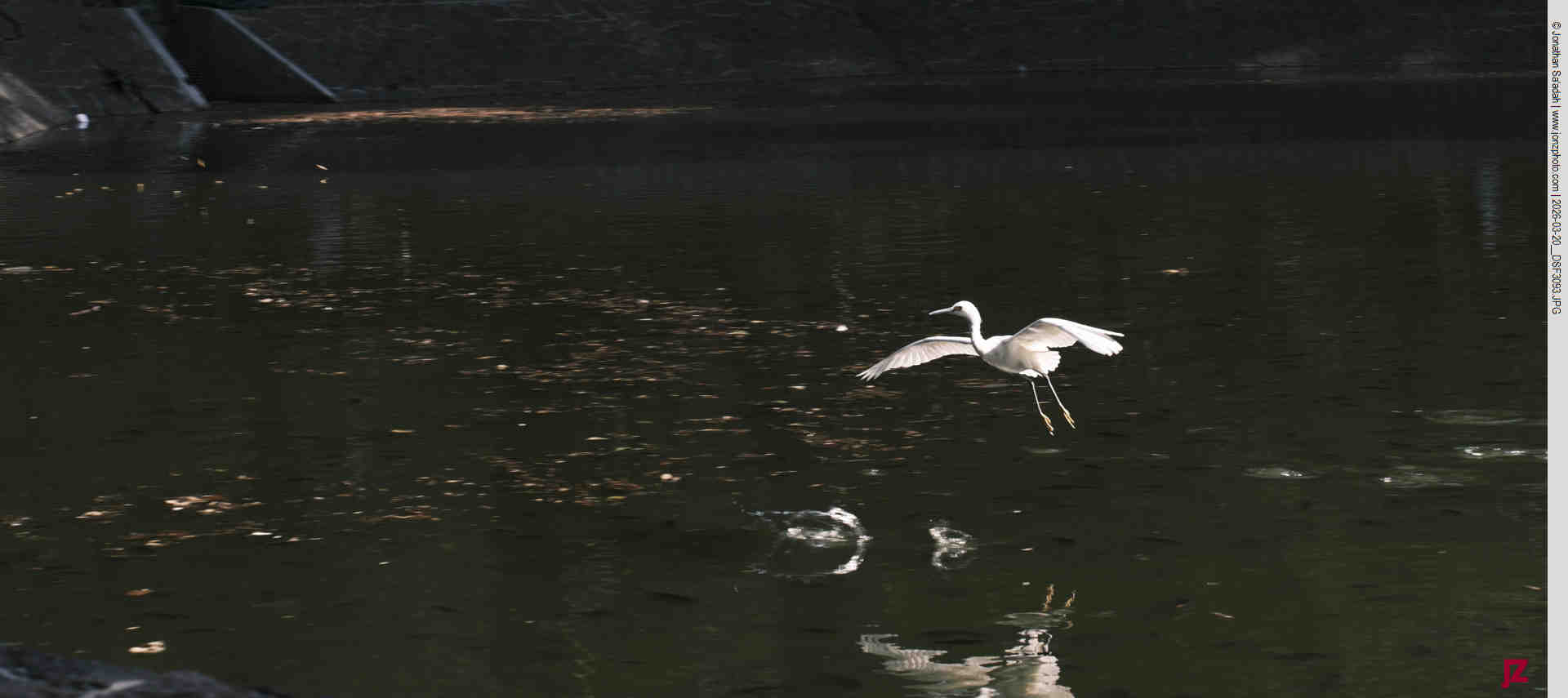
Walking through it has an eerie feeling. Yes, it’s inhabited by a lot of public buildings and institutions, but lurking under the surface there’s more to it. Walking under the tall trees of Chapultepec, there’s a feeling of ghosts watching you. Today it’s full of families, street vendors, and paddle boats, but the paths weave through a landscape shaped by invasion, survival, and resistance. The Spanish conquest is there, written into the stones, hills, and trees,
A sacred hill turned seat of power
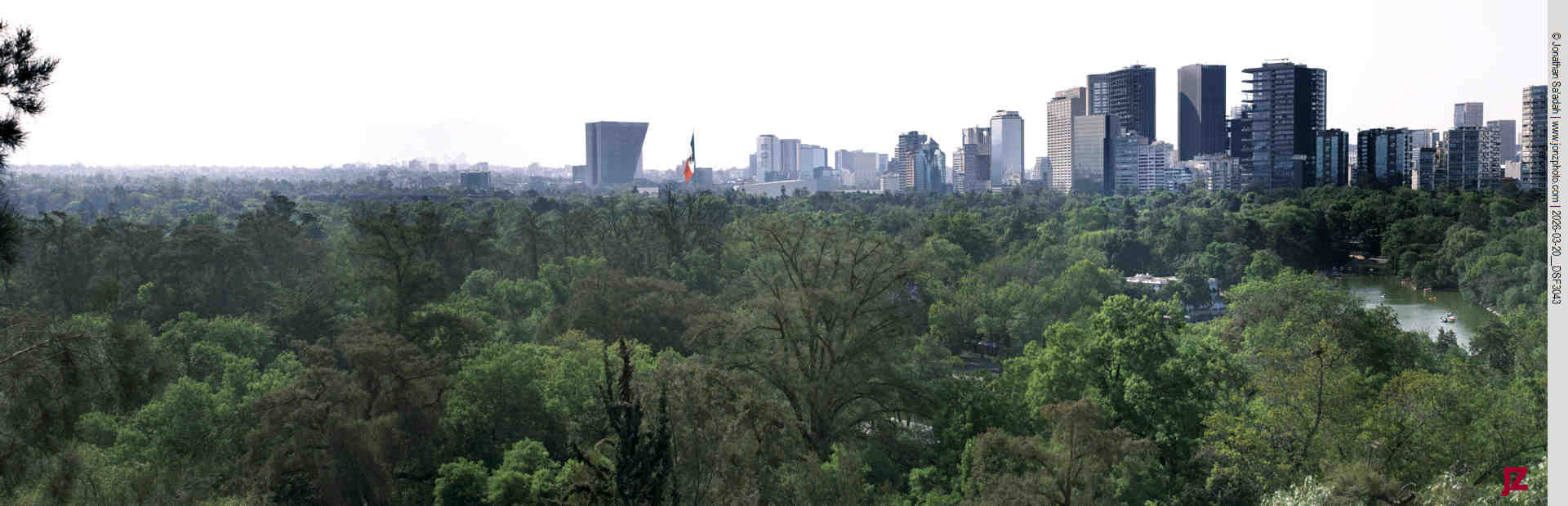
Long before the first Spanish soldiers saw the Valley of Mexico, Chapultepec Hill was sacred ground for the Mexica (Aztec). It was a royal retreat, a place of springs and ahuehuete trees (a type of cypress) where rulers came to rest and perform ceremonies. When the Spanish invaded, this forested hill became part of the battlefield of 1521, and later, the perfect lookout from which to control a conquered city.
Chapultepec Castle, which now crowns the hill, was built in the 18th century as a symbol of colonial and later national power. Seen from below, the fortress on the skyline is a reminder of how Spanish rule tried to place itself above the world the Mexica had built. Yet the forest at its feet, still filled with life, recalls a much older relationship to this land – one rooted in water, trees, and ceremony rather than walls and cannons.
A new city on top of an old one
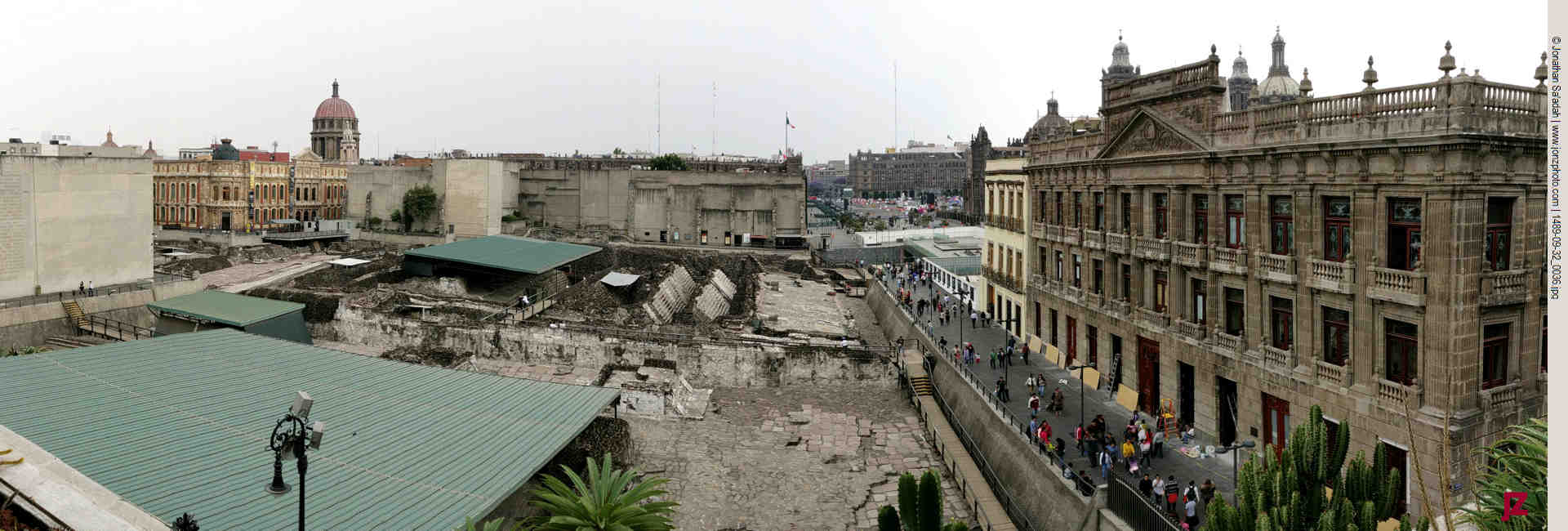
A short metro ride from the park, the Centro Histórico makes the violence of conquest visible in stone. After the fall of Tenochtitlan, the Spanish tore down much of the Mexica capital and used its stones to build their own city. The massive cathedral that dominates the Zócalo stands where important sacred buildings once rose, its walls literally made from the ruins of temples it replaced.
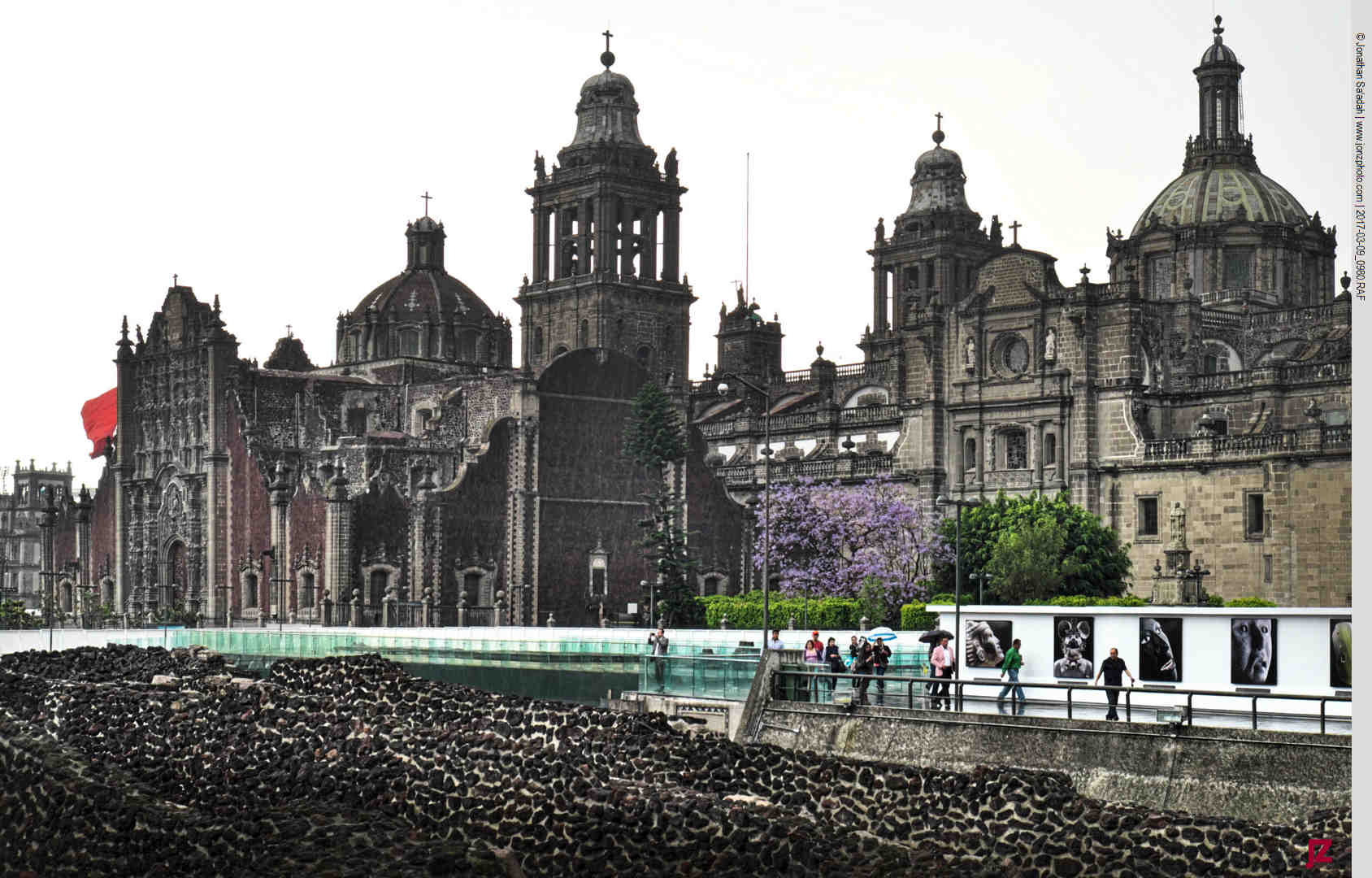
Standing in the plaza, you can see two worlds at once. On one side, the cathedral bell towers and the presidential palace represent the institutions Spain introduced – Christianity, monarchy, and European law. On the other, just behind a low fence, the excavated ruins of the Templo Mayor reveal the foundations of Mexica religious and political life. The two sites almost touch, but they do not blend; that gap between them holds centuries of conflict, forced conversion, and survival.
Epidemics, forced labor, and broken worlds
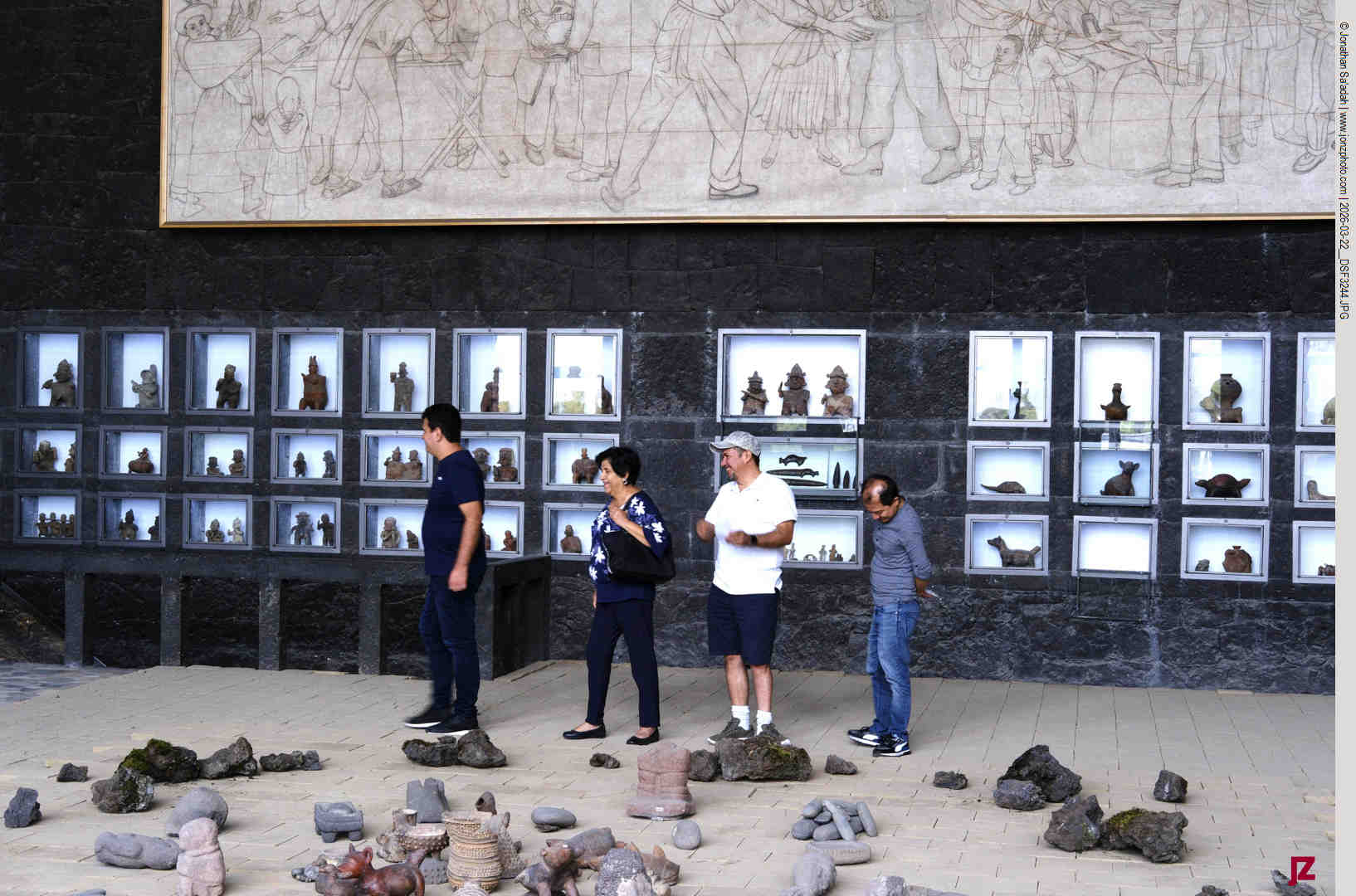
The Spanish invasion hit indigenous communities with more than swords and cannons. Within a century of first contact, up to 90 percent of the population in central Mexico died (plunging the indigenous population from 20-25 million people, to 1-3 million), mostly from epidemic diseases like smallpox and cocoliztli (a particularly lethal viral or mixed-cause hemorrhagic disease), made worse by famine and war. Survivors were pulled into the encomienda and later hacienda systems, where their labor and tribute supported Spanish landowners and the colonial state.
Land that had been held and worked communally before the conquest was carved up, privatized, or simply seized. Indigenous religions were suppressed, temples demolished, and a racial hierarchy put in place that unsurprising pushed indigenous people to the bottom of society. These structures didn’t disappear with independence; they laid the groundwork for inequalities that still shape Mexico today.
Everyday resistance in the present tense
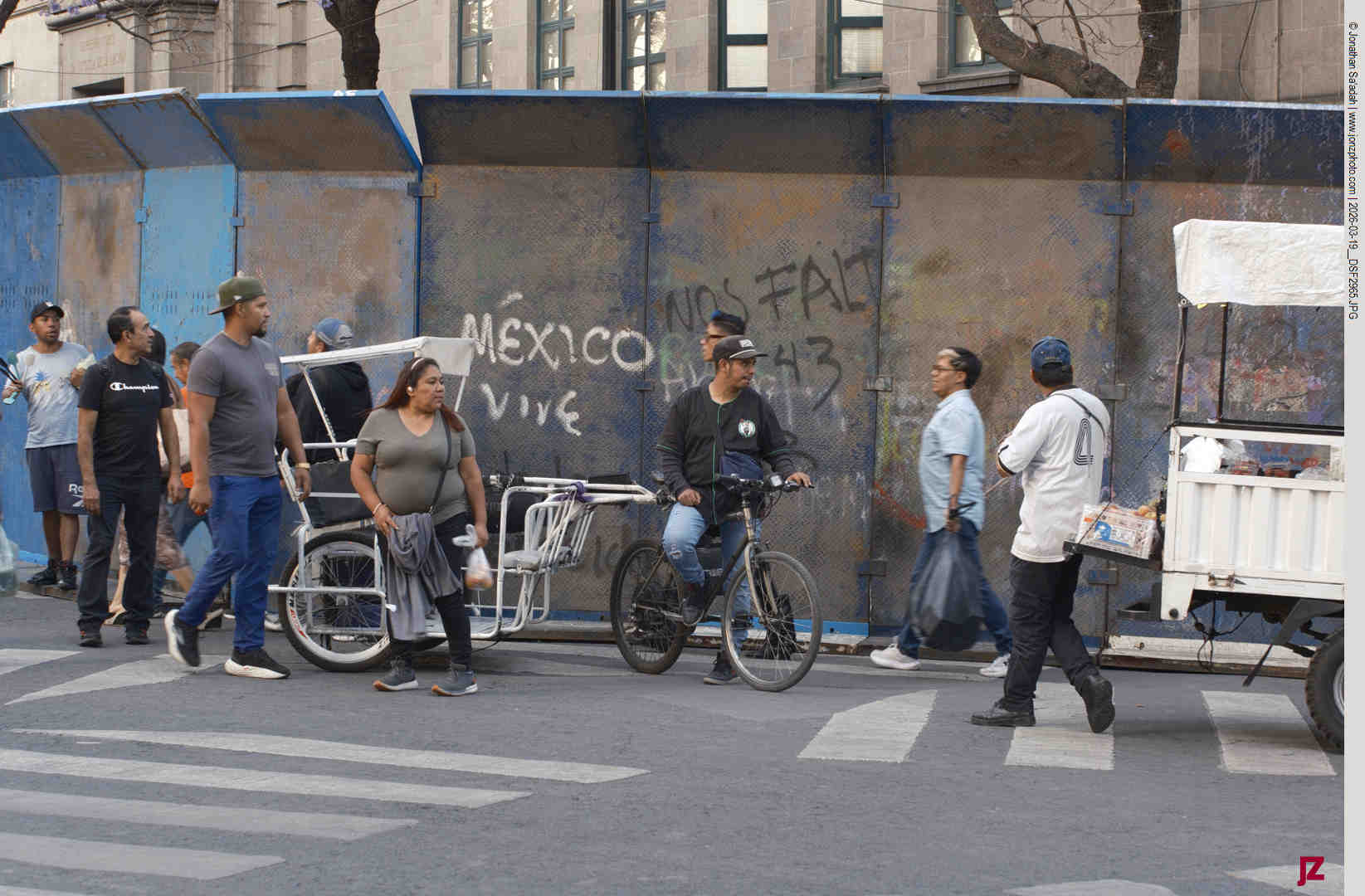
And yet, every time you walk through Chapultepec on a Sunday or cross the Zócalo on a busy afternoon, you’re seeing another side of this history. Despite centuries of pressure, many indigenous communities have kept their spirit, languages, festivals, and communal ways of organizing land and life. People from Oaxaca, Guerrero, and beyond come to the capital to for many reasons – to work, protest, study, and sell food and crafts – at the same time bringing their cultures into the city’s plazas and parks.
The woman taking care of her child near the National Palace, the family resting under an ahuehuete in Chapultepec, the musician playing traditional melodies in the Zócalo – each of them have survived conquest, epidemics, and attempts at erasure. Their presence is a reminder that the impact of the Spanish invasion is not just a tragic past, but exists in the present.
This is what makes photography so meaningful to me here, it’s not just capturing pretty views. I see a city built on another city, a sacred hill turned fortress and subject to different battles, a people who move through streets laid out to control their ancestors that they now claim as their own through relentless protest. Five centuries after the first Spanish soldiers crossed into this valley, the story continues and is visible. I’m almost an irrelevant part of it, but still there’s a quiet remembering whose land this has always been, and the observant viewer will see it.


Leave a Reply