Iztapalapa
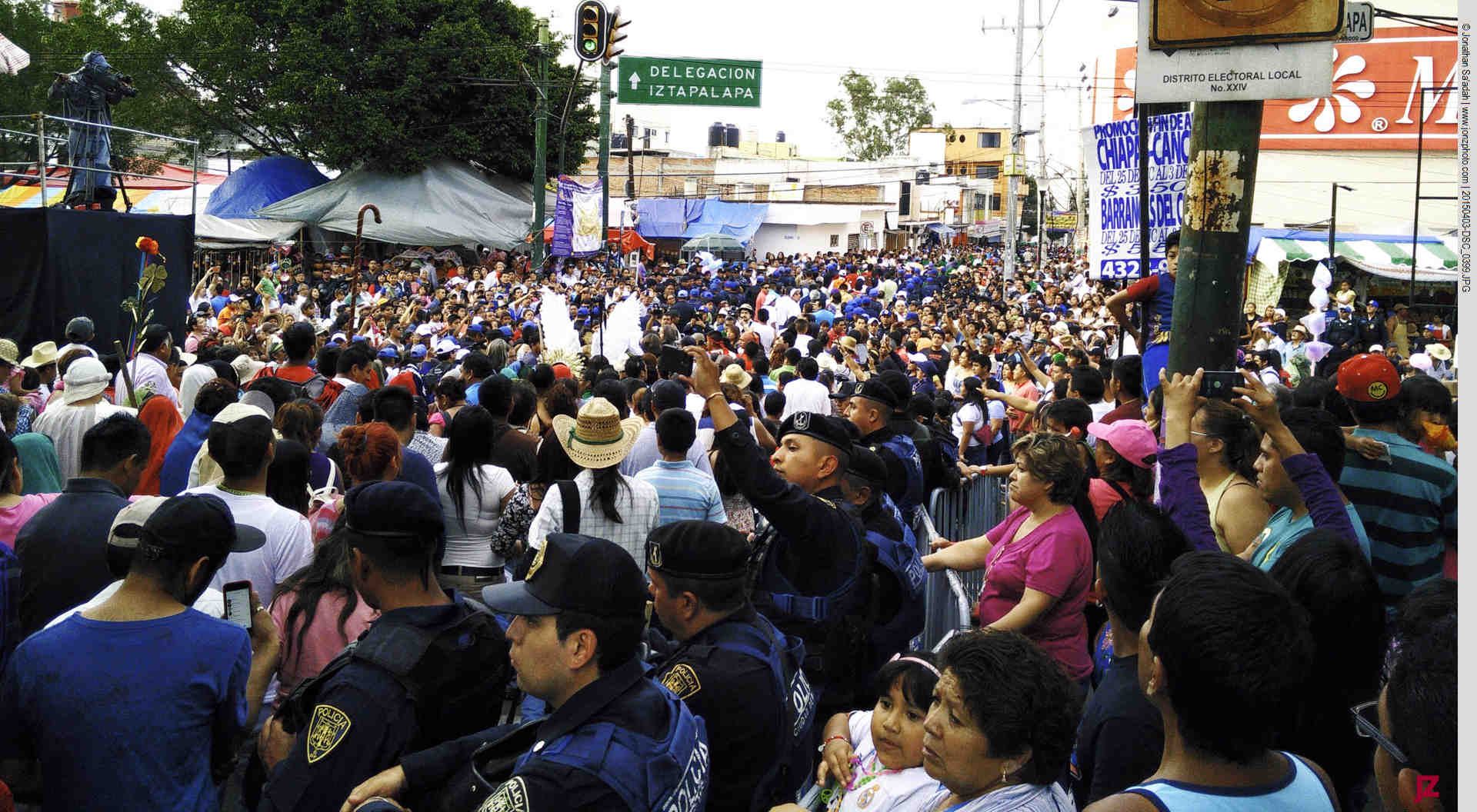
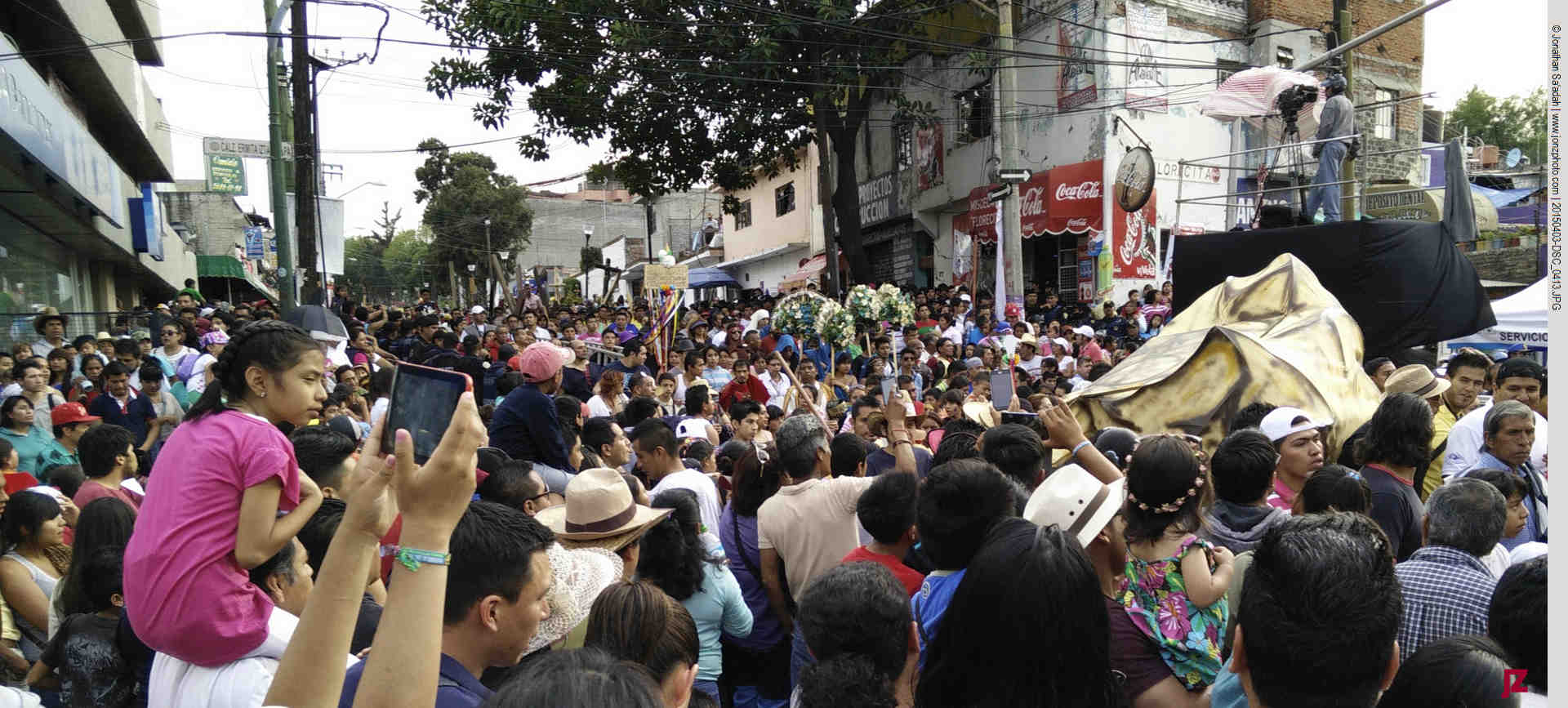
Iztapalapa is one of the poorest and most densely populated areas of the Mexico City, with high levels of marginalization and crime but also intense community organization. I felt that the borough was off limits to me except for one exception: during Holy Week. I guessed that then I would probably be safe visiting because I would be a guest. So I decided to go to the borough on the eastern side of Mexico City for the 2015 Iztapalapa Passion Play. I wanted to see for myself what this part of Mexico City was like. With the Good Friday parade I knew I was stepping into something big, but I didn’t yet grasp how far back the story went. I arrived by metro, carried along by the crowd, as if the entire east side of Mexico City were flowing uphill toward Cerro de la Estrella. I didn’t know it at the time, but somewhere under the loudspeakers, plastic stools, and street food a promise that was made almost two centuries ago was being fulfilled.
Back in 1833, Iztapalapa wasn’t a massive borough of Mexico City, just a town on the edge of the capital facing a terrifying cholera epidemic. People were dying in huge numbers, and children were left without parents. In the middle of that fear, the community turned to a local image of Christ known as the Señor de la Cuevita, kept in a small sanctuary near a cave, and made a vow: if they were spared, they would honor him every year with a special act of devotion. When the epidemic finally subsided, they kept their word. A simple thanksgiving procession took shape, the seed of the Passion Play I walked into many years later.
From Procession to Drama
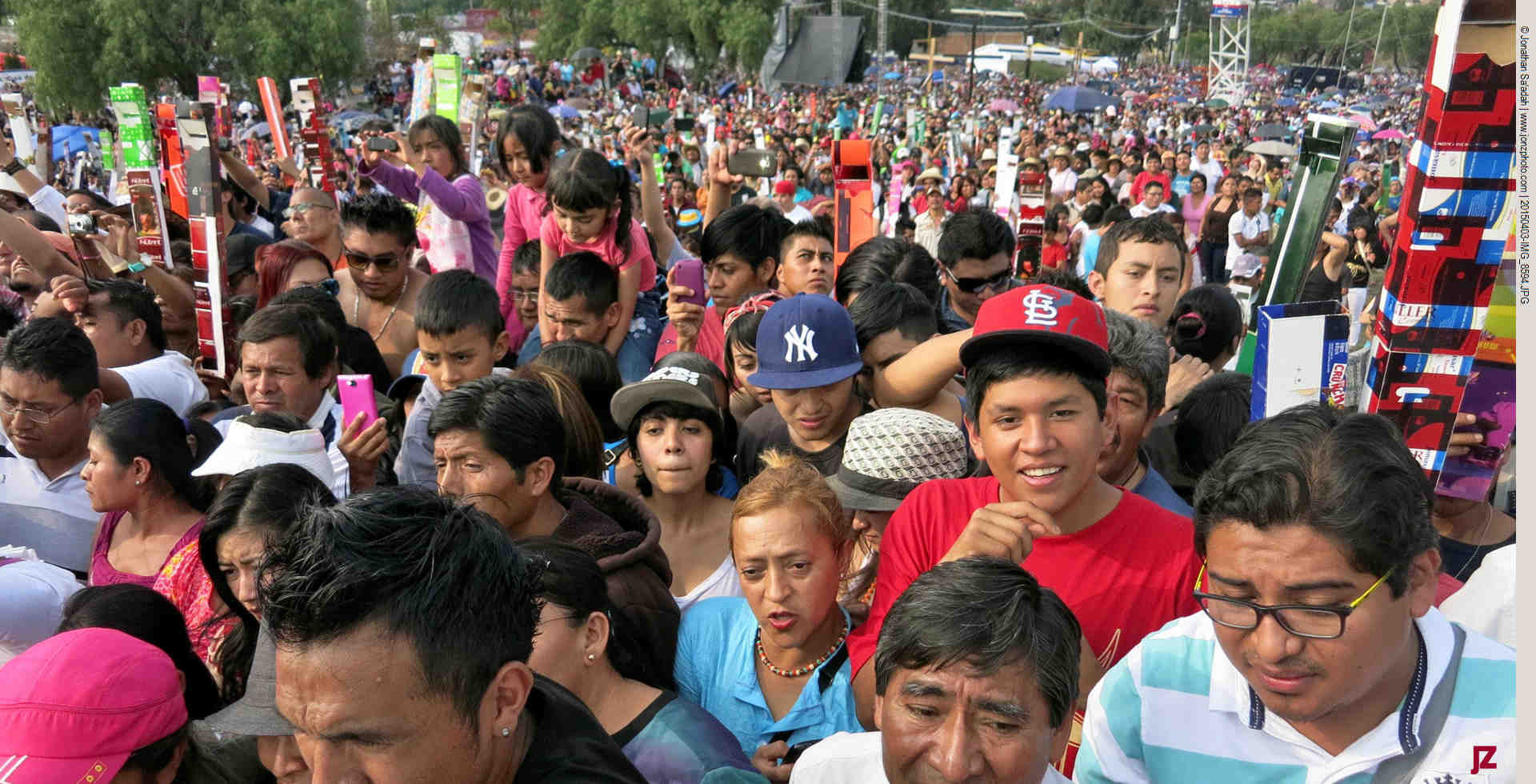
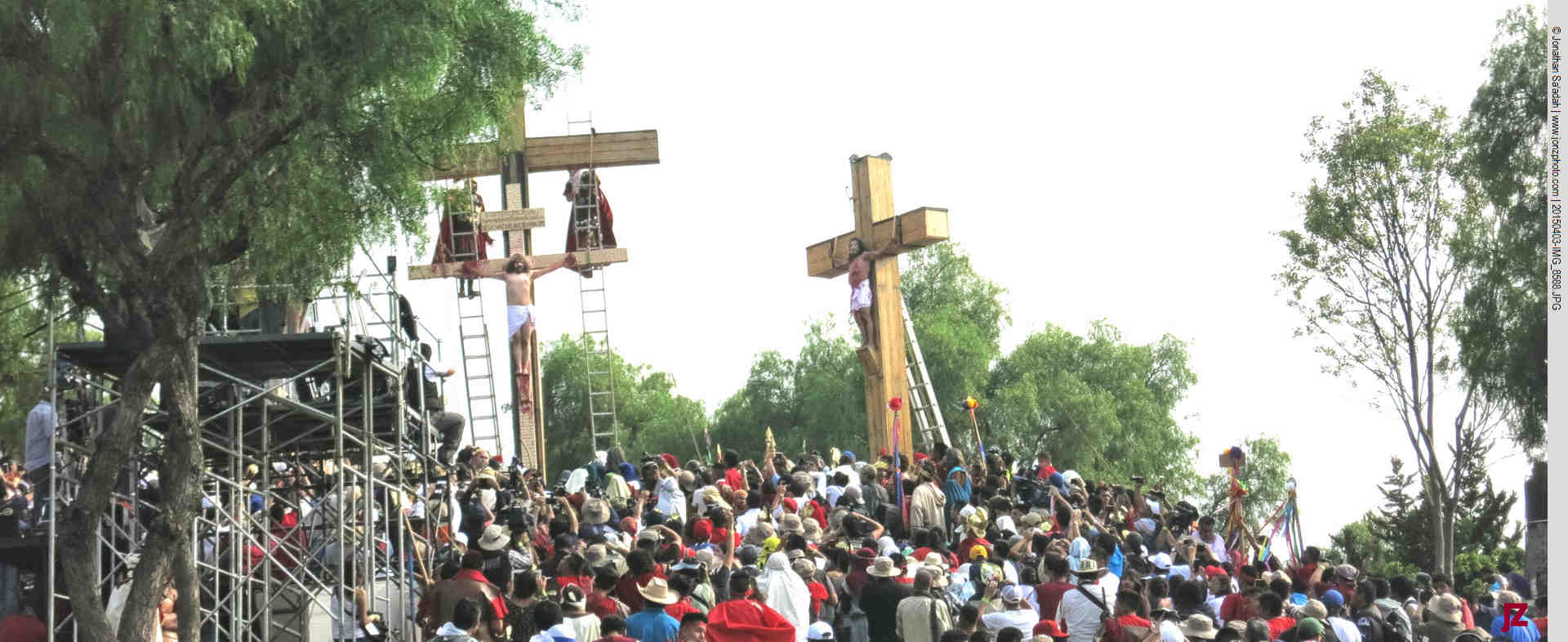
Standing in the crowd in 2015, squeezed between families, food vendors, police lines, and steel fences, I watched the actor playing Jesus ride into “Jerusalem” on a donkey. It was easy to imagine the play had always looked like this. In reality, the enactment has changed a lot, while keeping the borough’s vow to the Señor de la Cuevita.
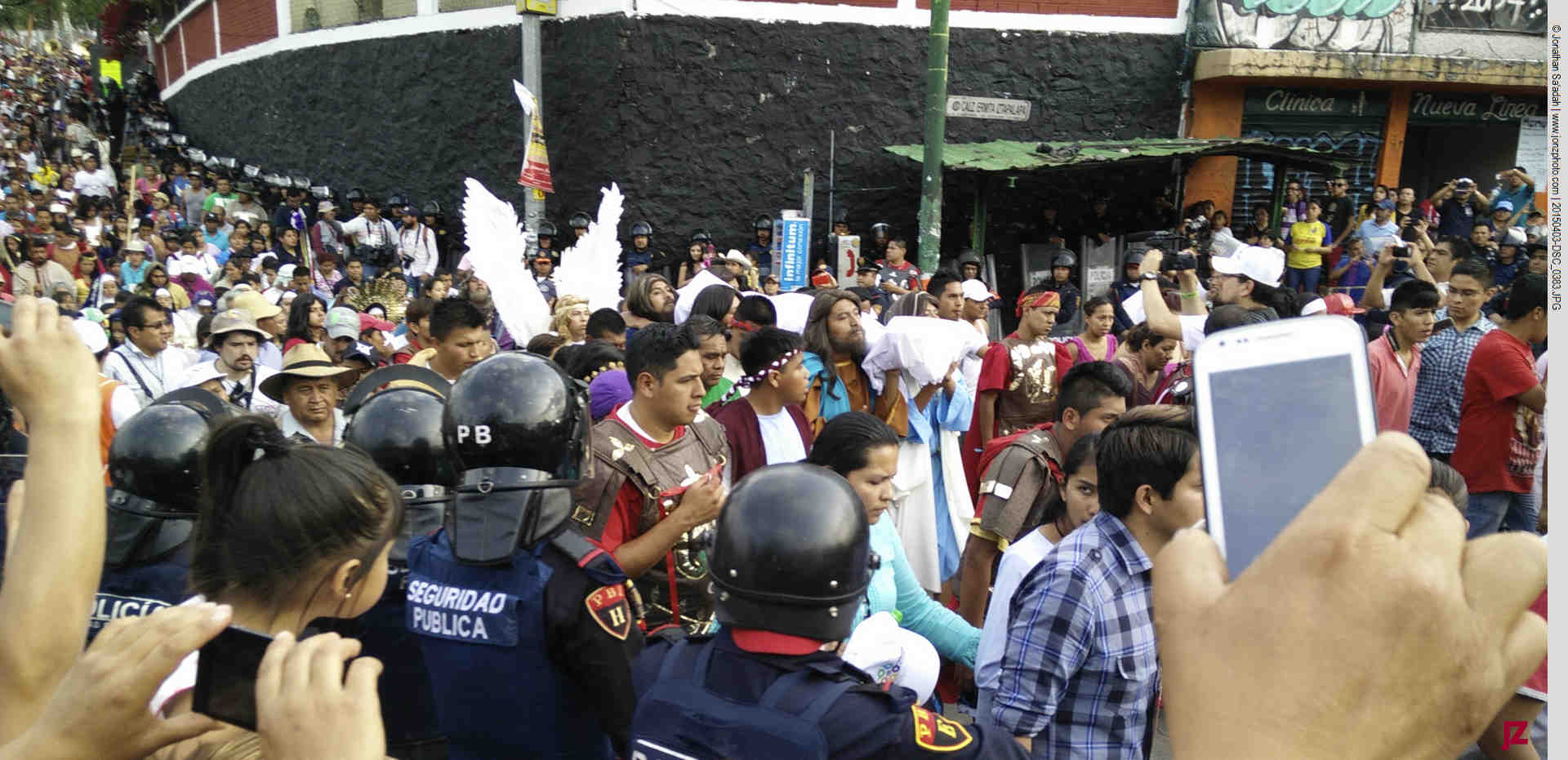
Early in its history the procession began to absorb scenes from the Gospel story. Mexico already had a long tradition of religious dramas used to teach the faith, and Iztapalapa slowly made that tradition its own. By the mid‑1800s, locals were no longer just walking; they were acting out the Passion. At first the focus was Good Friday and the crucifixion, but the script expanded: Palm Sunday, the Last Supper, the trial, the Via Crucis. By the time I watched the Good Friday climb in 2015, the result was a fully formed Passion narrative spread across days and locations.
The Eight Barrios Behind the Scenes
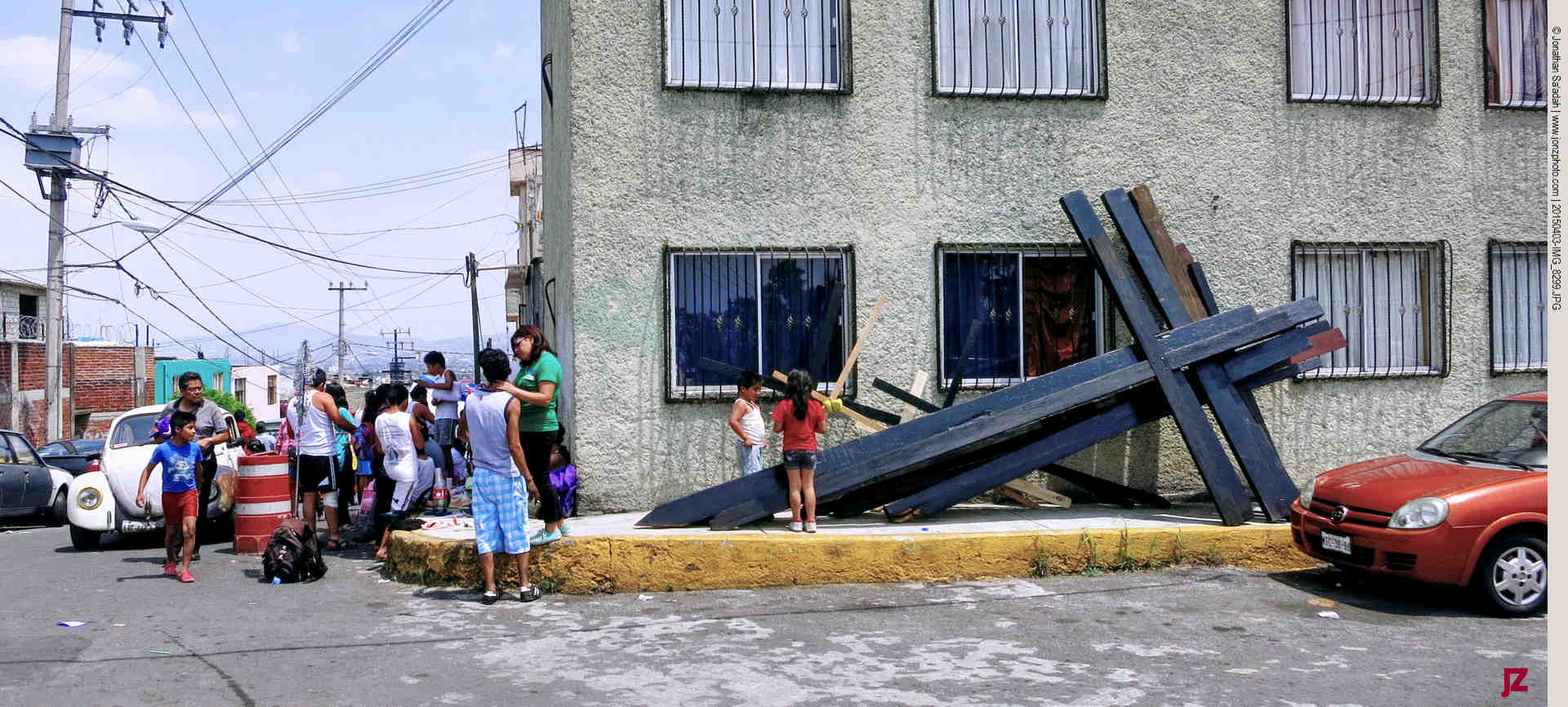
One of the things that struck me that year was how deeply the local neighborhoods own this tradition. Iztapalapa’s eight original barrios still form the backbone of the organization. Committees choose the actors, coordinate rehearsals, handle logistics, and even resolve disputes. The people on stage are not professionals parachuted in for Holy Week; they’re neighbors, and I could feel it.
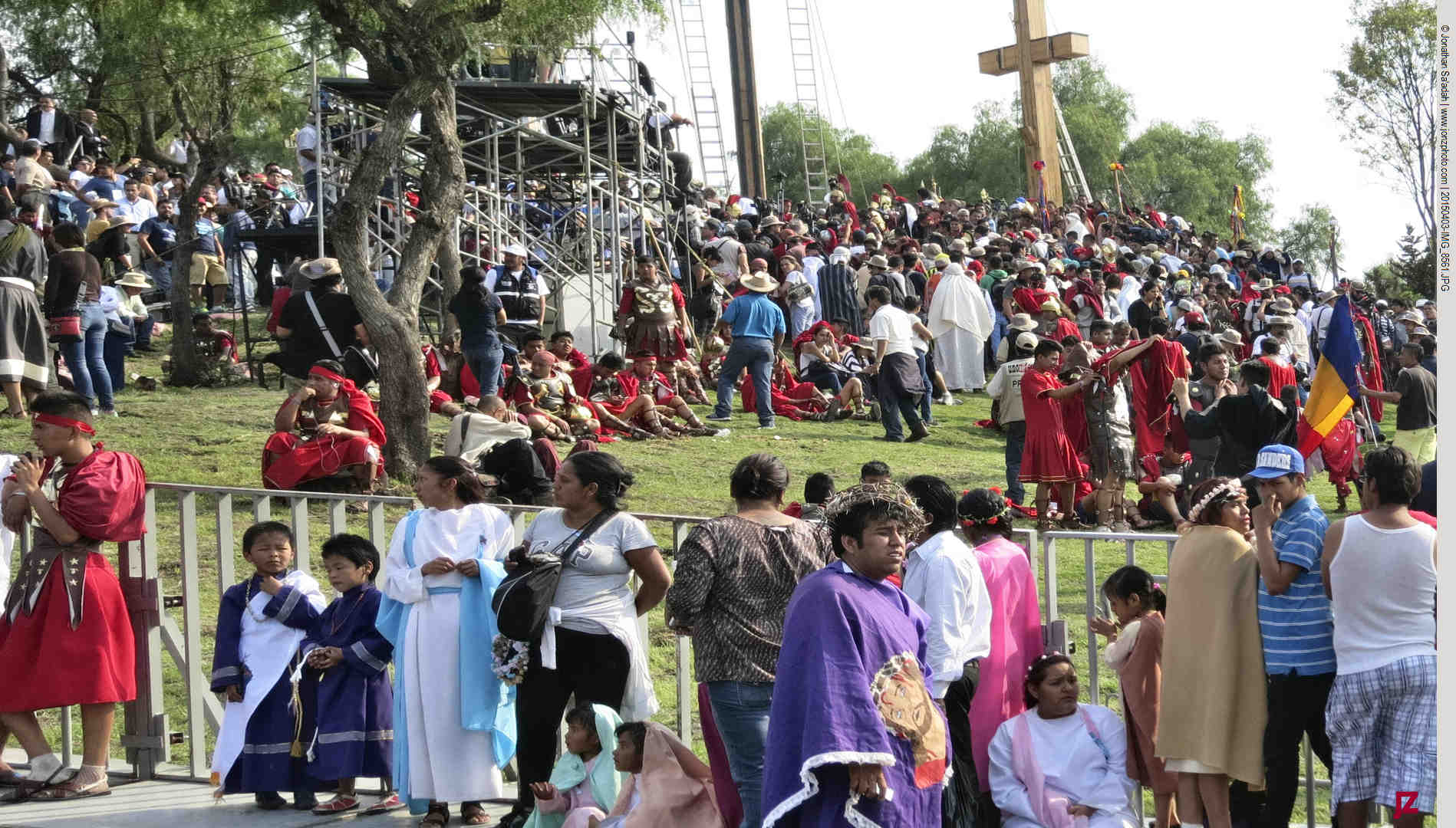
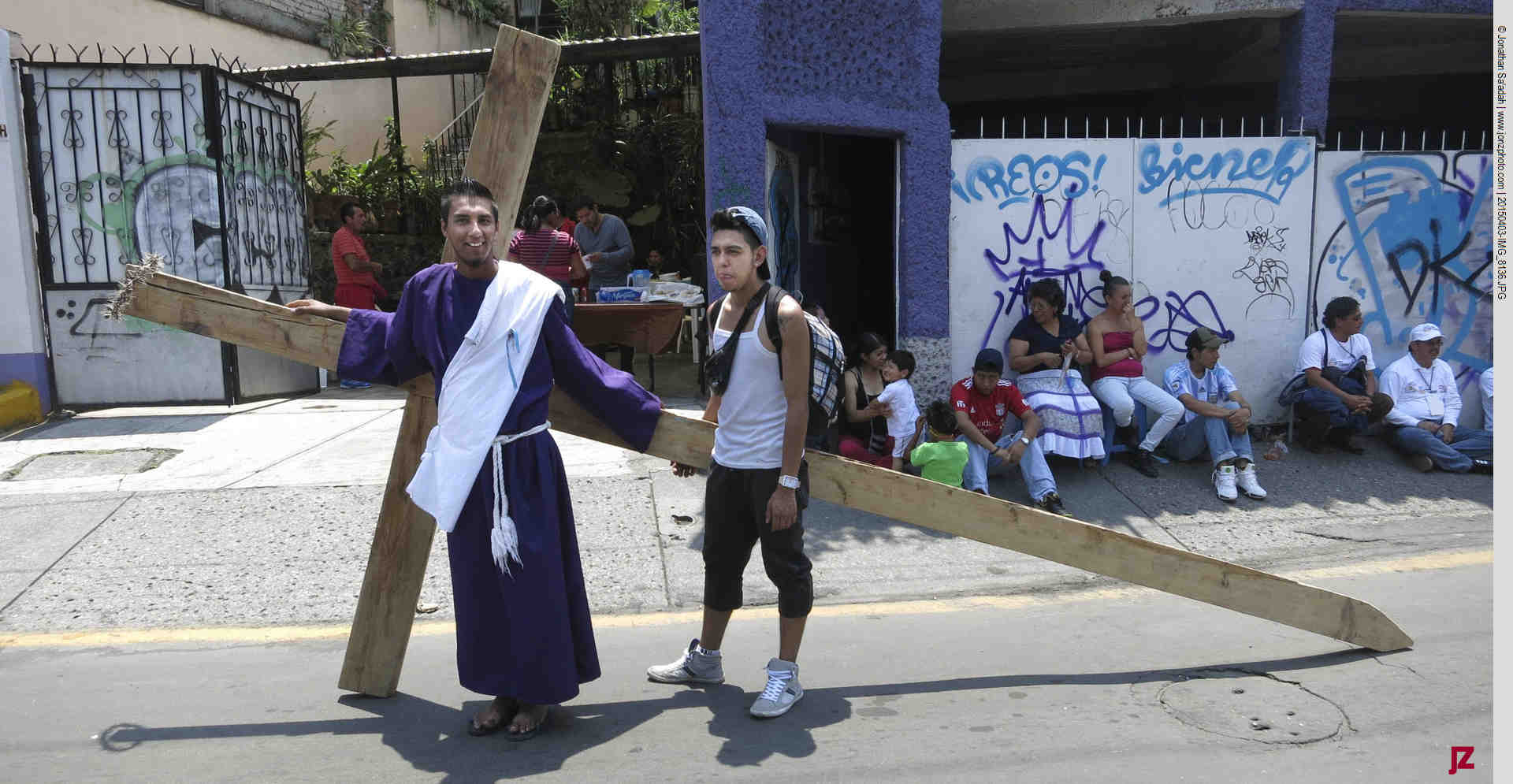
The role of Jesus goes to a young man who meets strict requirements of moral conduct, physical endurance, and community involvement. Months before Holy Week, he and the rest of the cast are already rehearsing in parish courtyards and streets, while families cut fabric and paint props in their homes. By the time the first scenes play out, the borough has effectively turned itself into a giant backstage. Watching in 2015, I realized the real performance wasn’t just on the hill. It was in every alley where someone had spent evenings sewing a tunic or reinforcing a cross.
From Cuevita to Cerro de la Estrella
The geography of the Passion Play has shifted over the years, even as the underlying commitment remains the same. Originally, the focus was the sanctuary of the Señor de la Cuevita and its immediate surroundings. Flooding and difficult conditions eventually pushed organizers to move the climactic scenes to the slopes of nearby Cerro de la Estrella in the early 20th century.
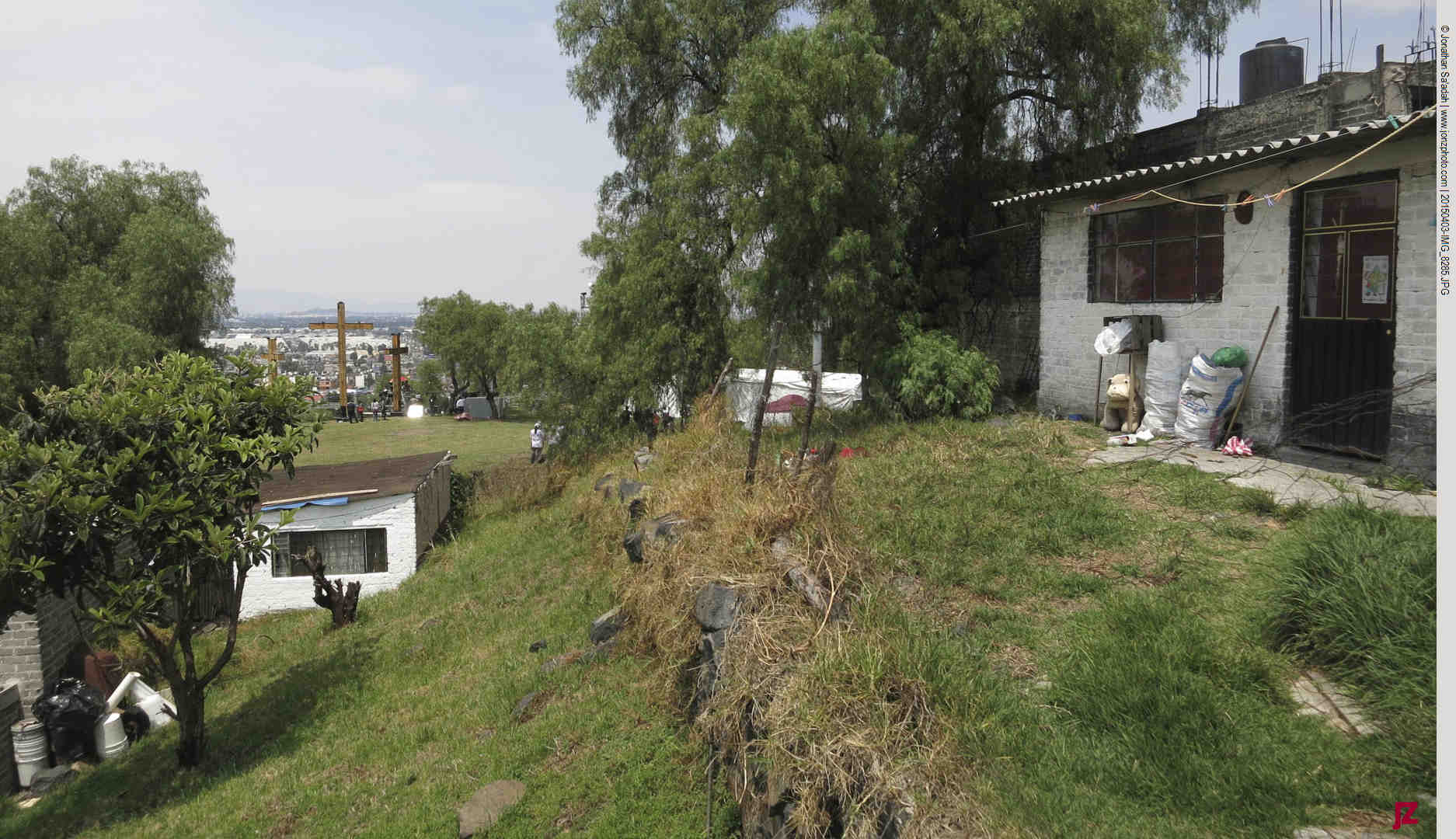
That hill wasn’t chosen at random. Long before Christianity arrived, Cerro de la Estrella was a sacred site, famous as the place where the Aztec New Fire ceremony was held every 52 years. Today’s Passion Play climbs the same hill. As I followed the Via Crucis up the hill in 2015, dusty and sweating alongside thousands of others, I felt those layers under my feet: pre‑Hispanic rites, colonial processions, and nearly two centuries of Passion Plays.
You can hear that layered history in the sounds of the day. Drums, flutes, and other sounds blend indigenous traditions with Catholic imagery. The result isn’t a museum piece; it’s a living example of how older traditions don’t disappear but get woven into newer ones.
A Local Vow on a Global Stage
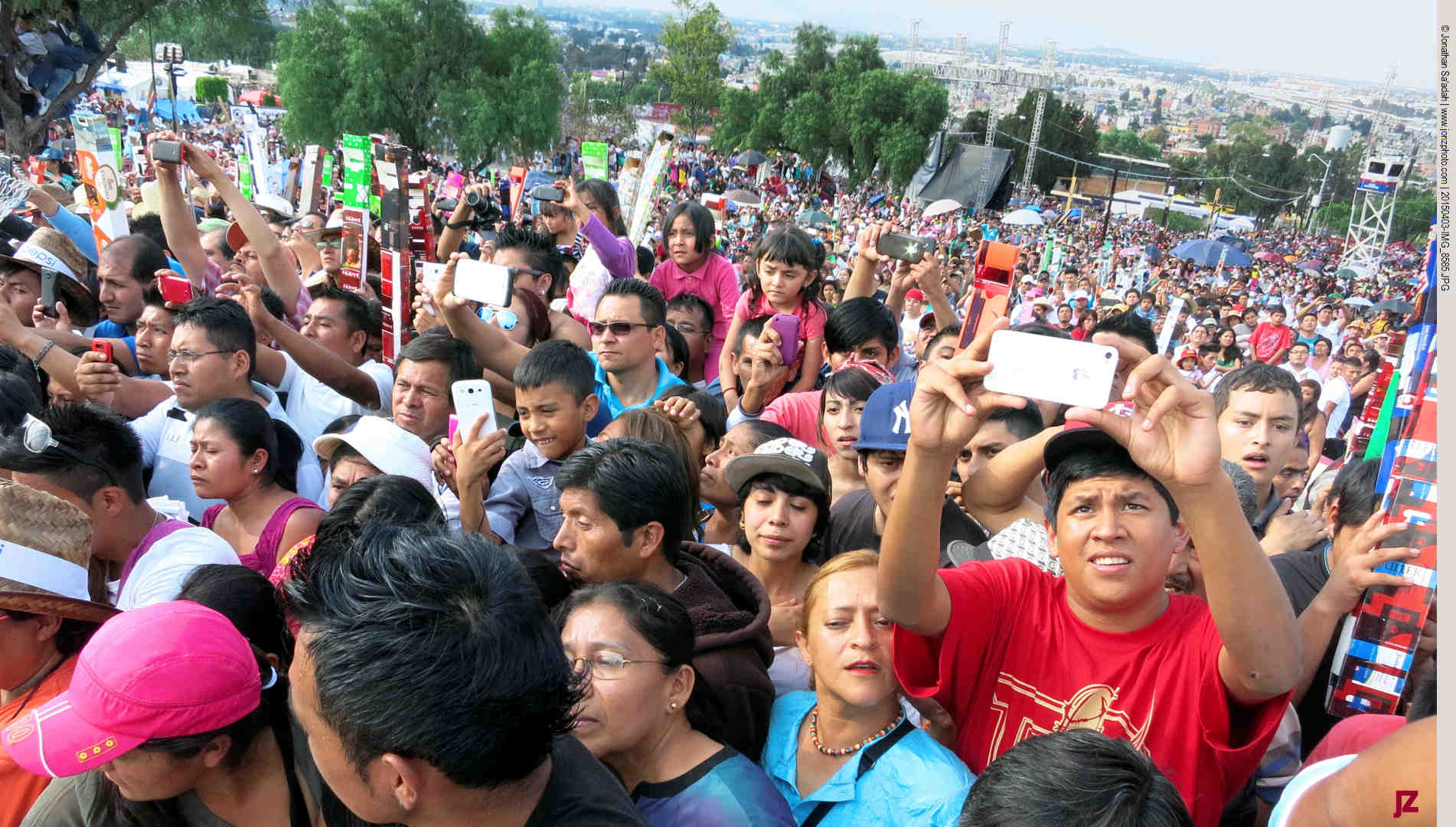
By the time I showed up with my camera, the Iztapalapa Passion Play was already one of the largest Holy Week events on the planet. Loudspeakers hung from poles. Big screens helped people in distant streets follow the action. Television crews, helicopters, and rudimentary news drones turned the Via Crucis into a national broadcast. What began as a small-town show had grown into a massive urban ritual that could draw millions over Holy Week.
Yet, amid the scale and the cables, some principles have remained non‑negotiable. The cast is still drawn from local residents. The event is coordinated by neighborhood committees, not a commercial production company. The story remains anchored in the same episodes of the Passion that have been staged here for generations. Even as the city and the media landscape changed around it, Iztapalapa held on to the idea that this is a community promise, not a show for hire.
Remembering 2015 With New Eyes
Looking back on my visit now, I see more than the scenes I watched and photographed. I see the shadow of the 1833 epidemic that gave birth to the vow, the gradual evolution from simple procession to full Passion Play, and the eight barrios that have carried the story forward. I see Cerro de la Estrella both as a pre‑Hispanic altar and a modern stage, and every cross carried up its slopes as part of an unbroken chain.
The Iztapalapa Passion Play reenacts the last days of Christ, but it also reenacts Iztapalapa’s own history: its fears, its faith, and its determination to keep a promise made in the face of death. Every Holy Week I think of being there and of the people renewing their vow. Would I go back? I’m not sure, but probably not. I felt too much like a privileged gringo with a camera, even though my intentions were benign. But what I remember besides the spectacle are the small acts of kindness: the family that shared their umbrella with me in the scalding sun, and the man who gave me a bottle of water. On a person-to-person level, people were friendly. It was more me, and how I felt. I felt out of place even though I was correct that I had protection as a guest. It just didn’t feel right, but still I did it.


Leave a Reply