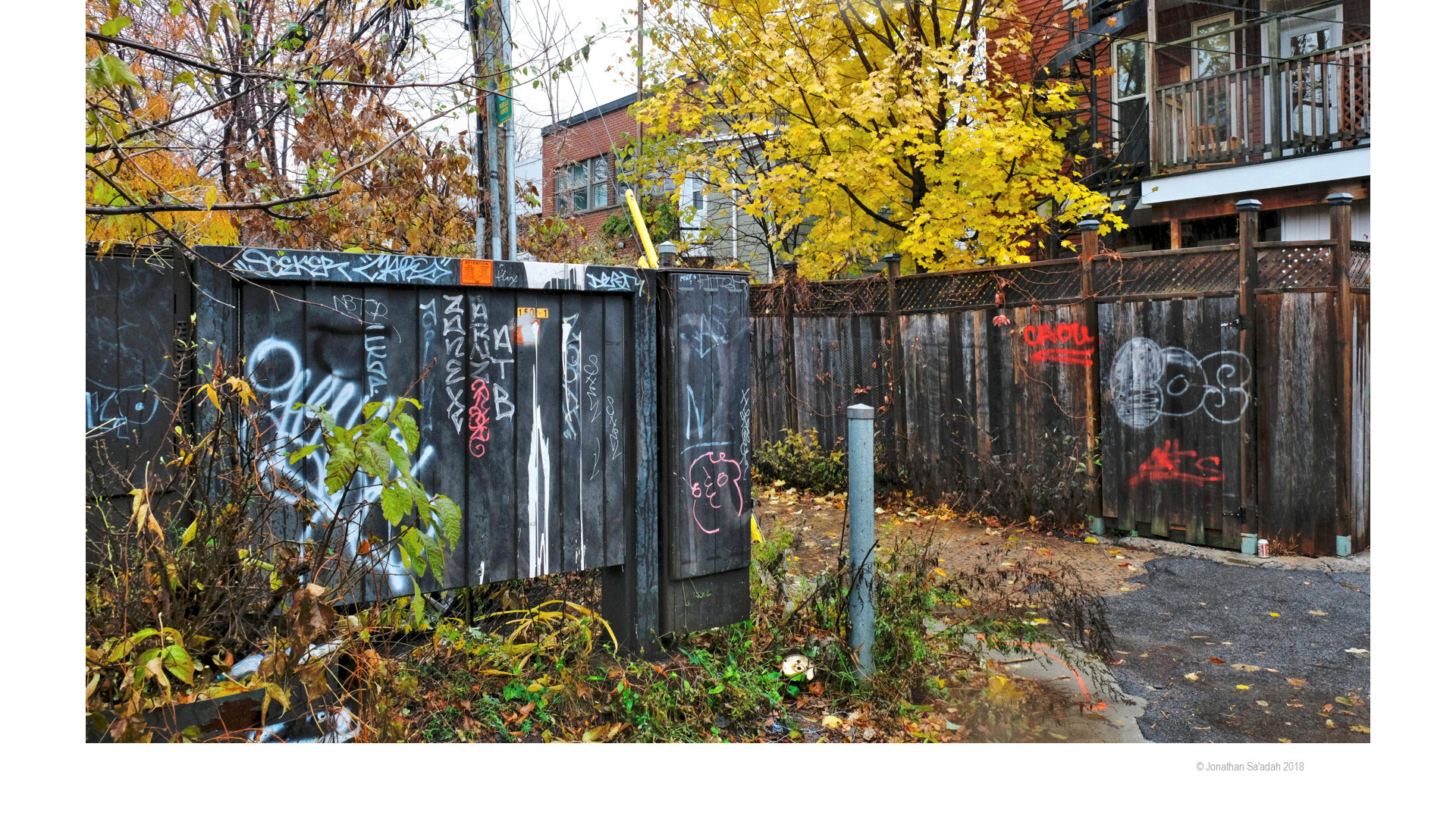
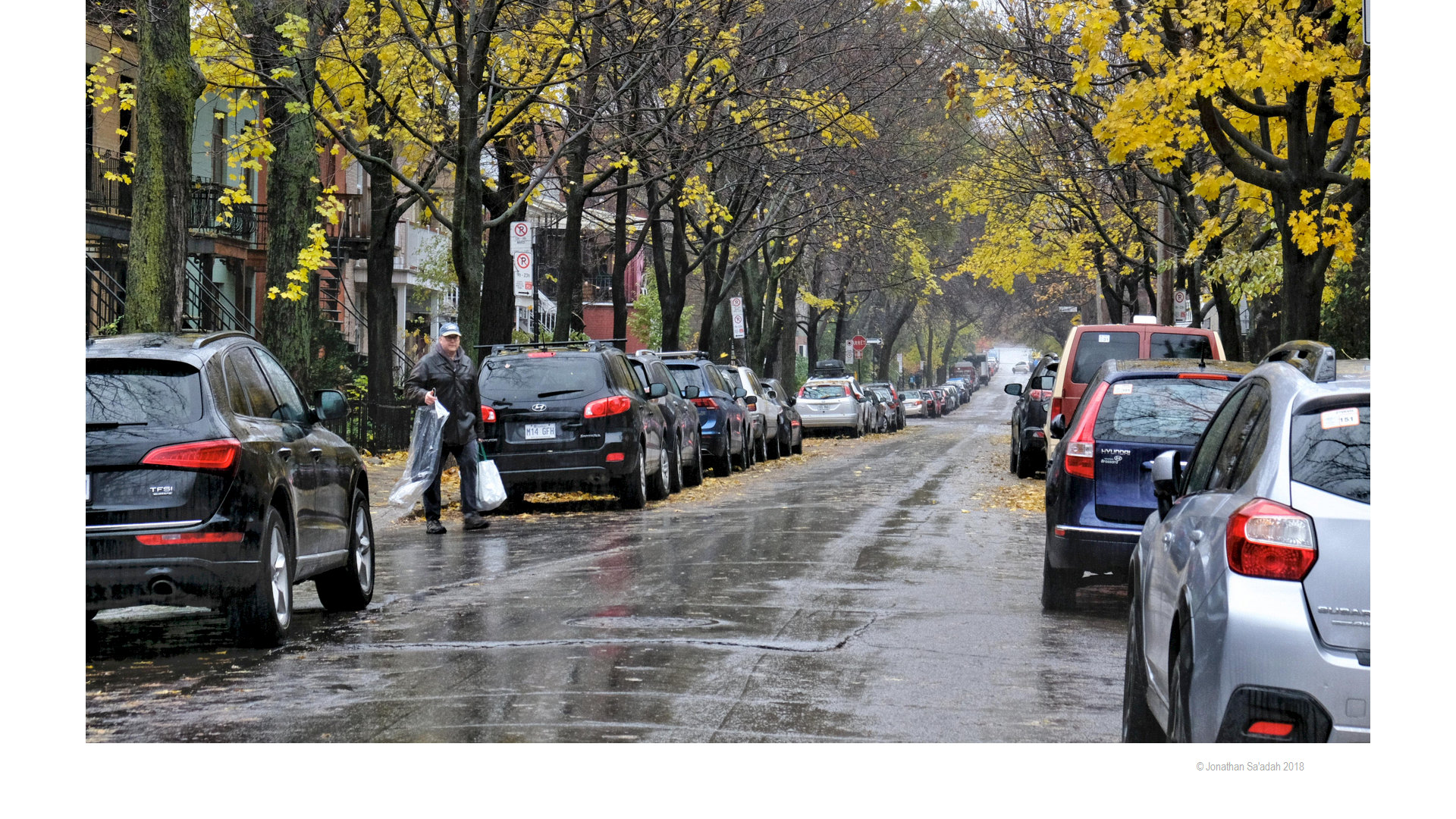
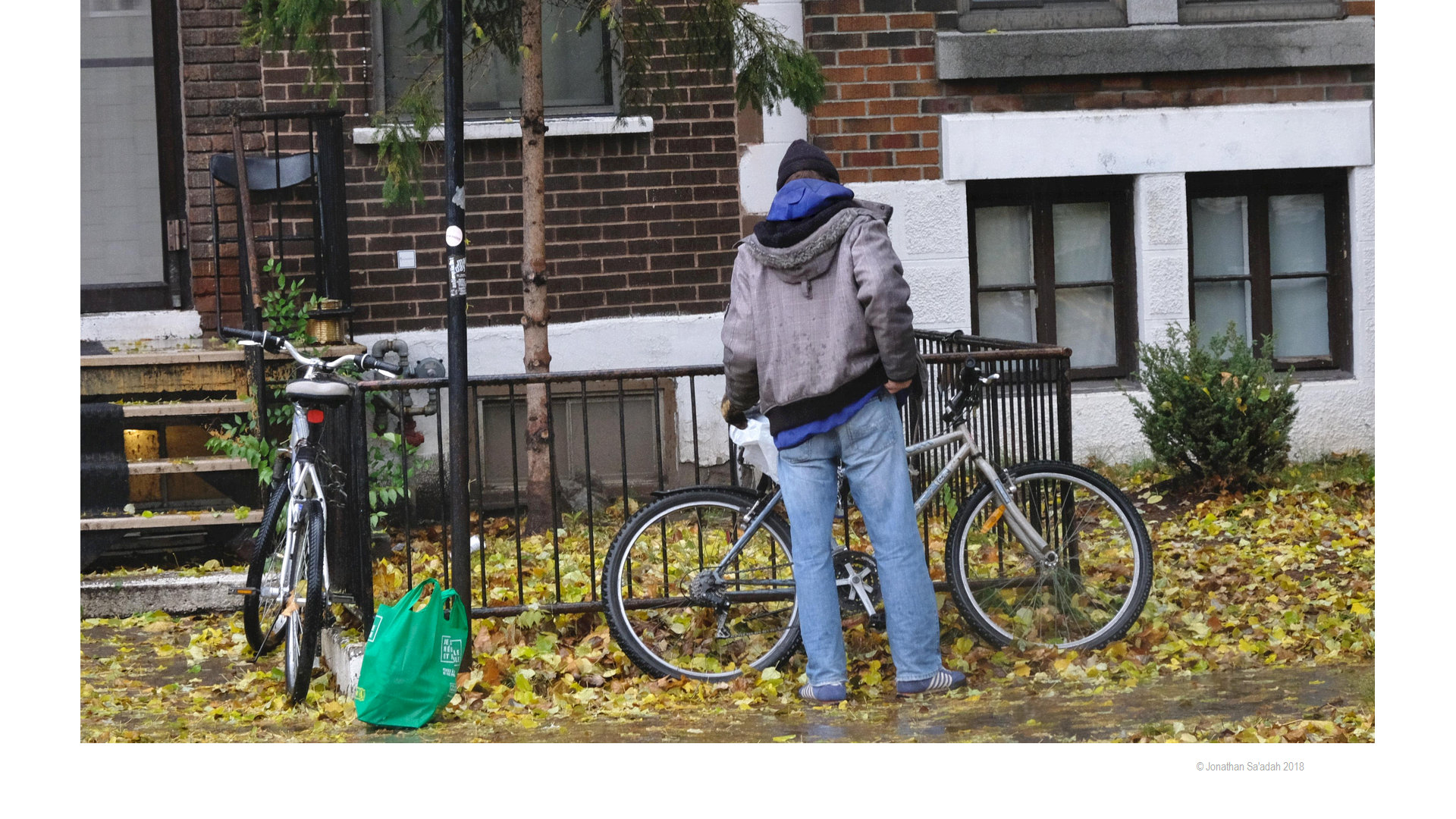
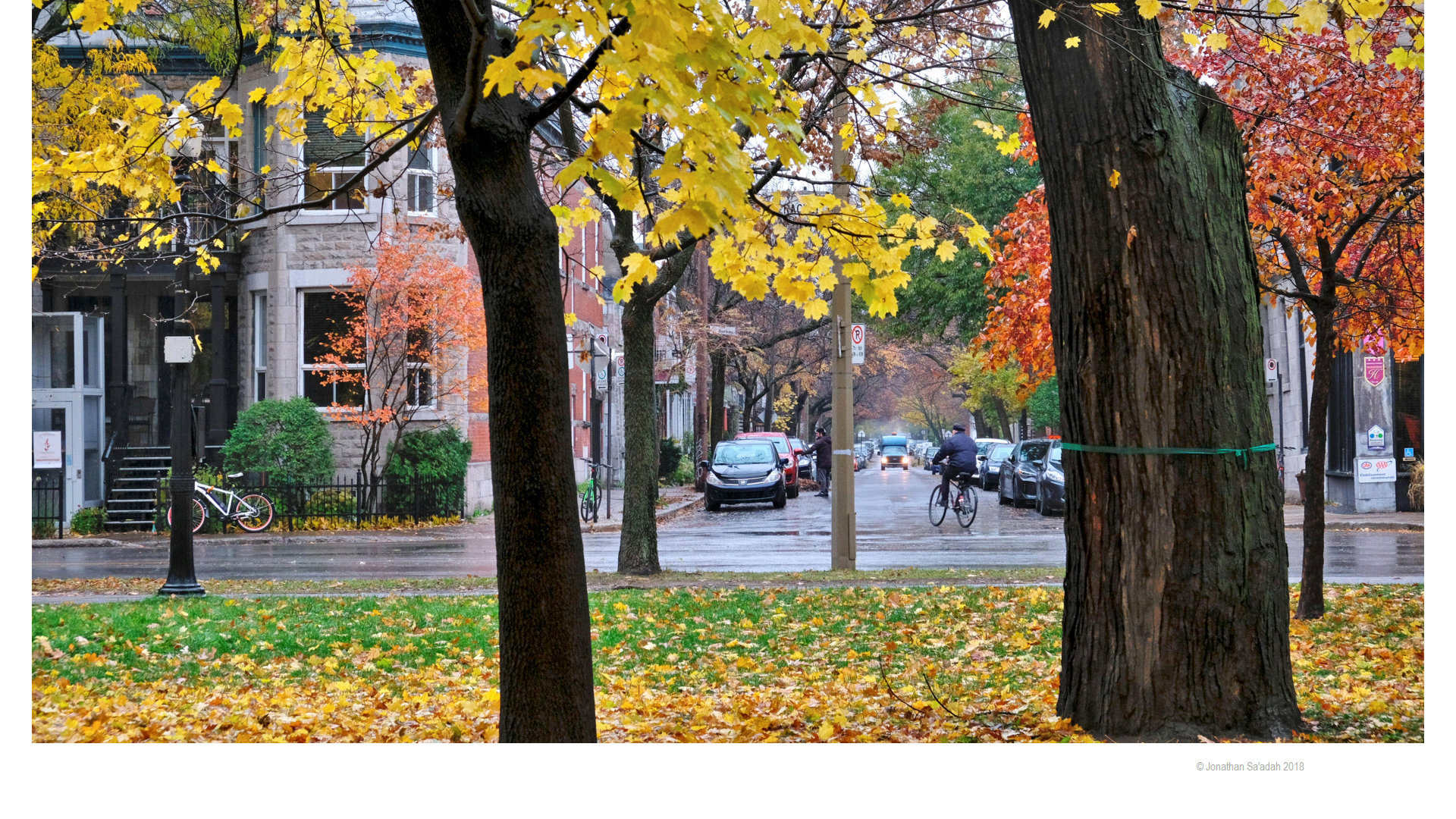
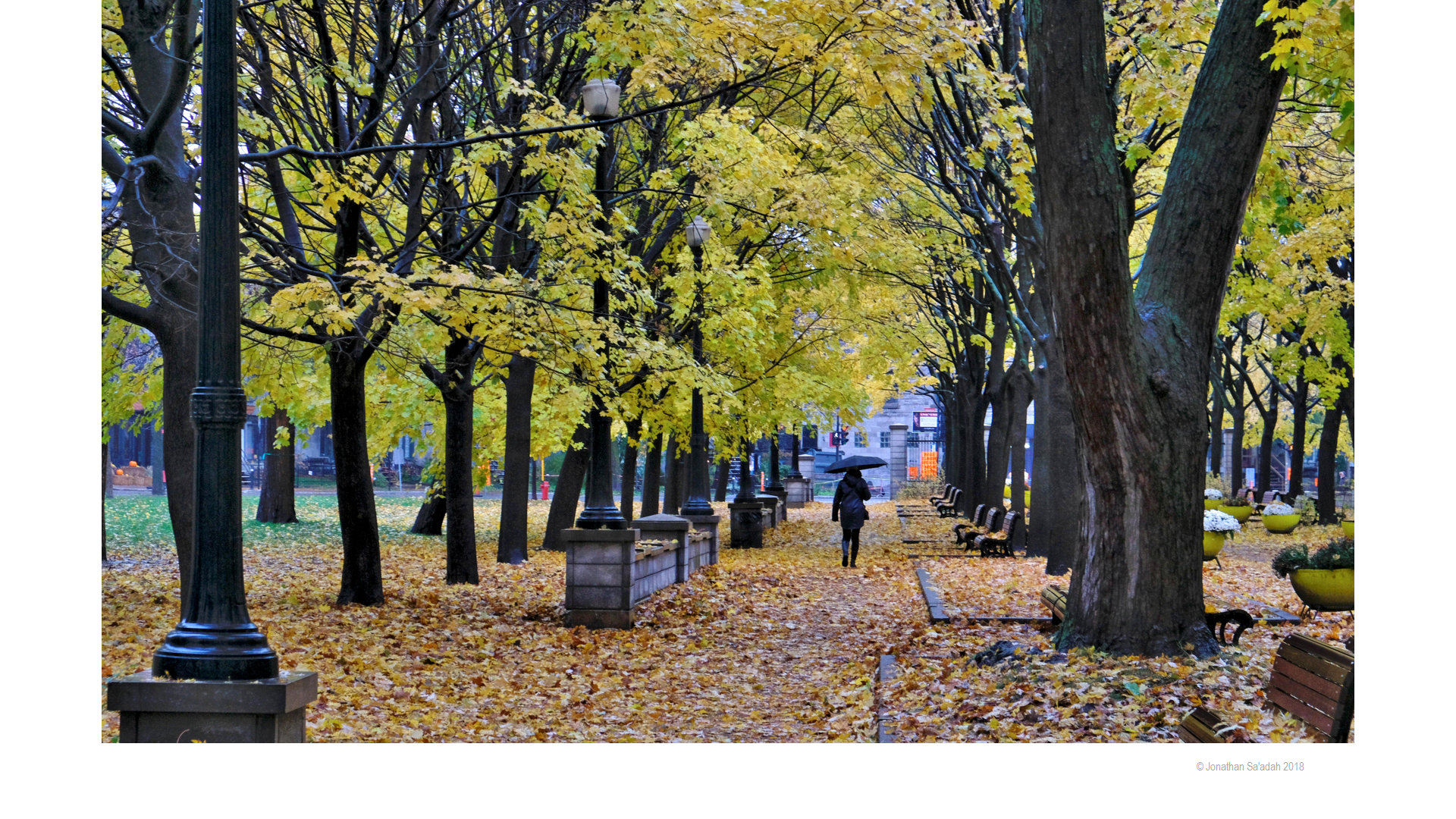
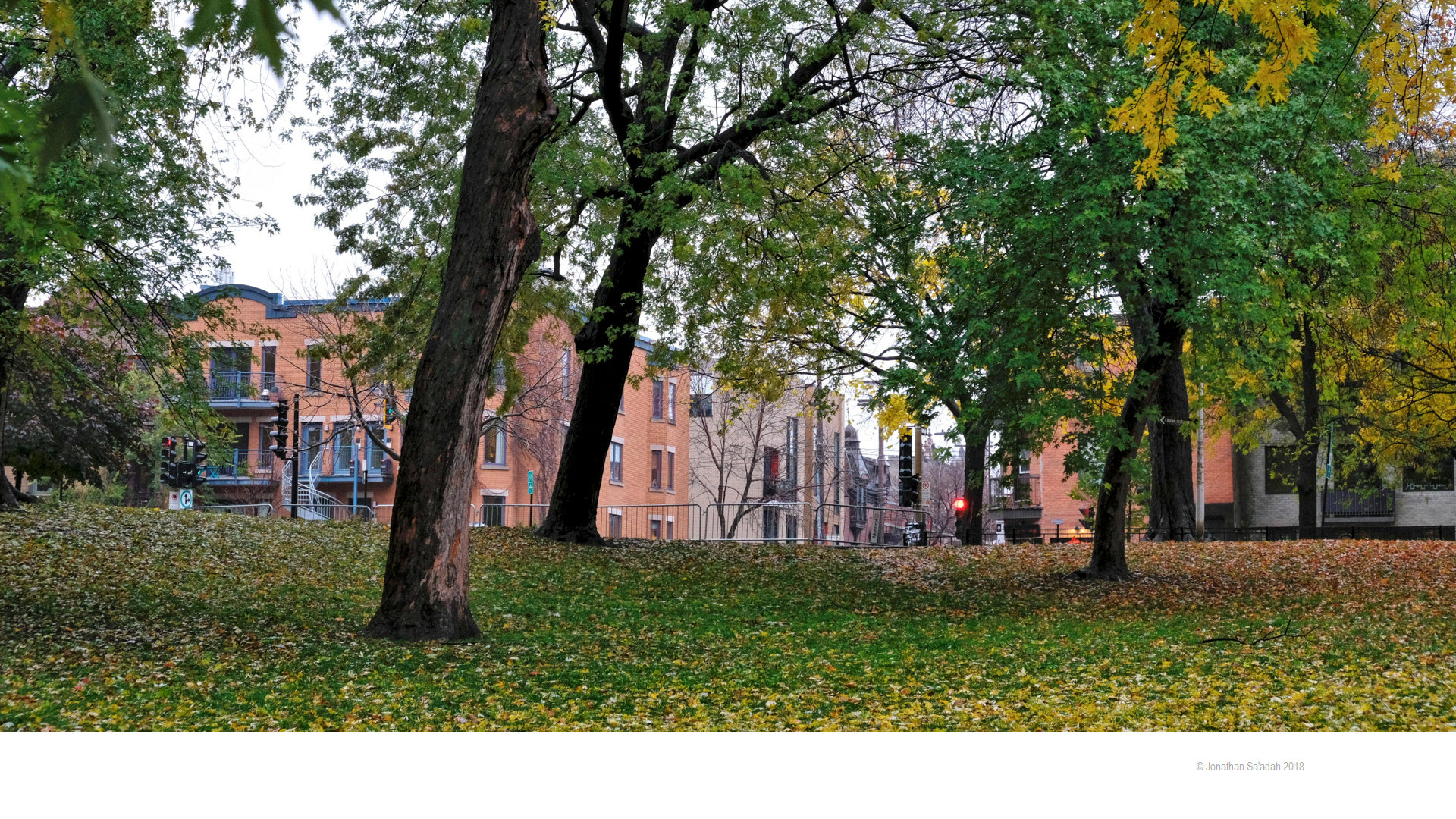
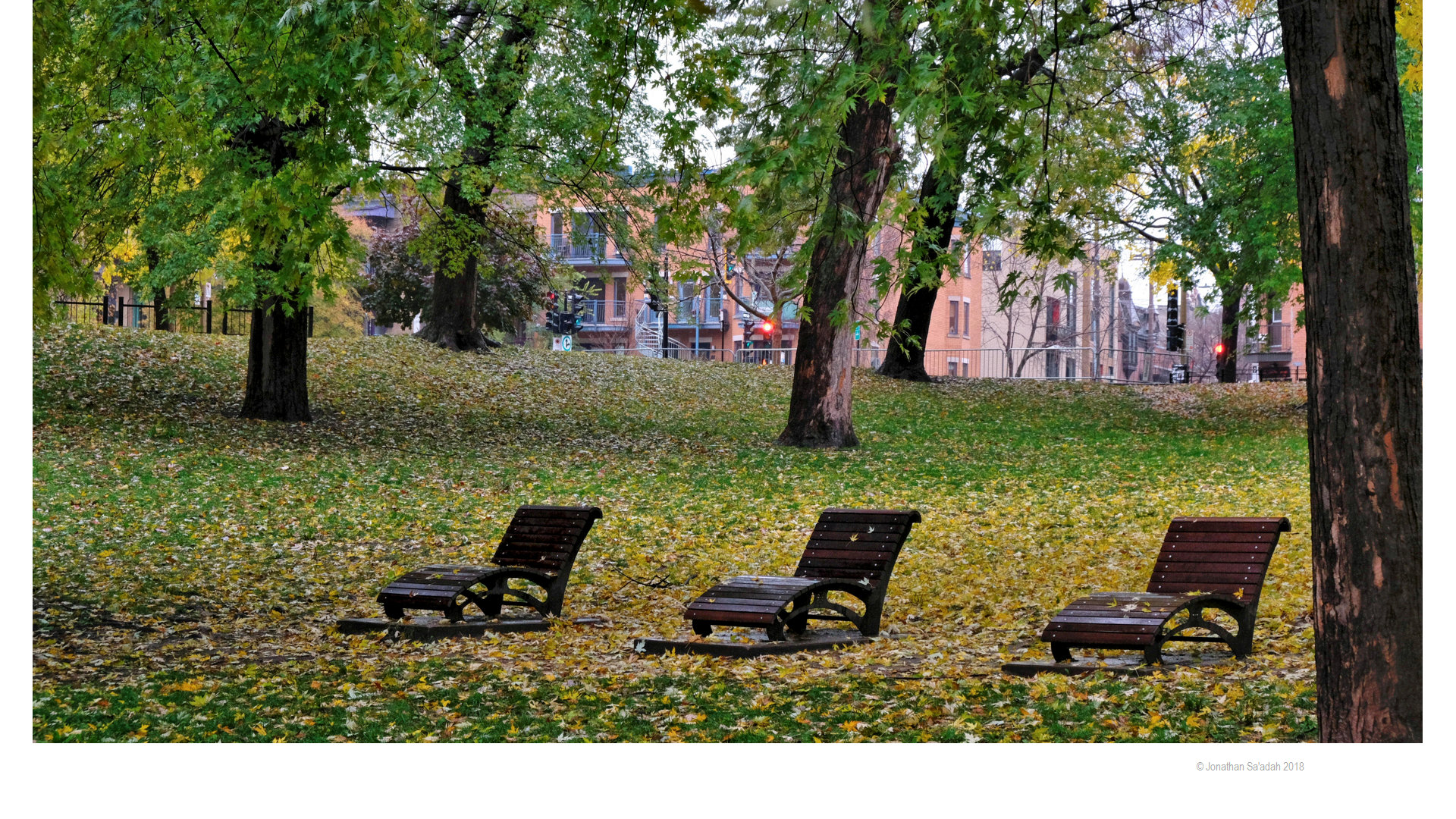
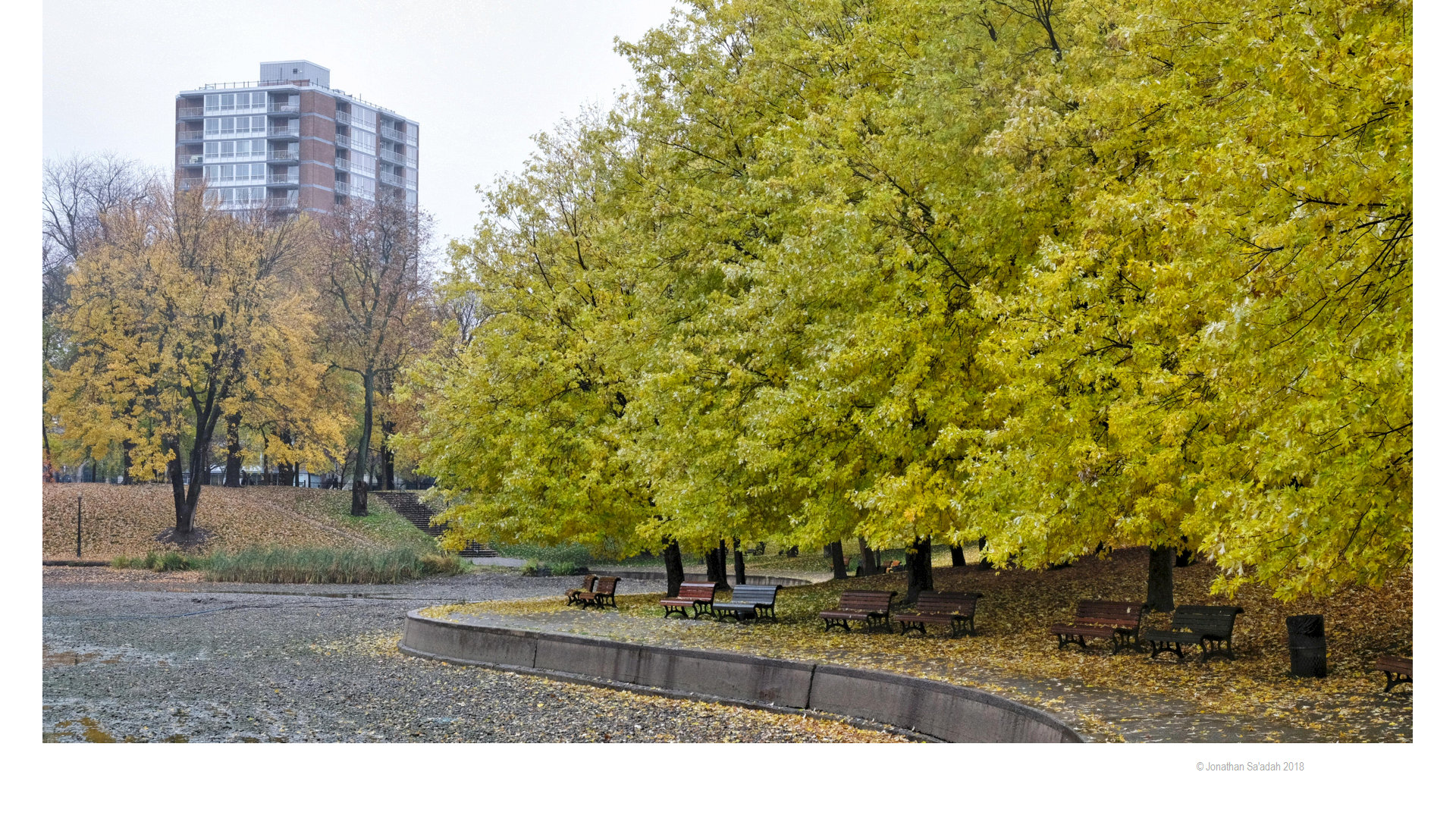
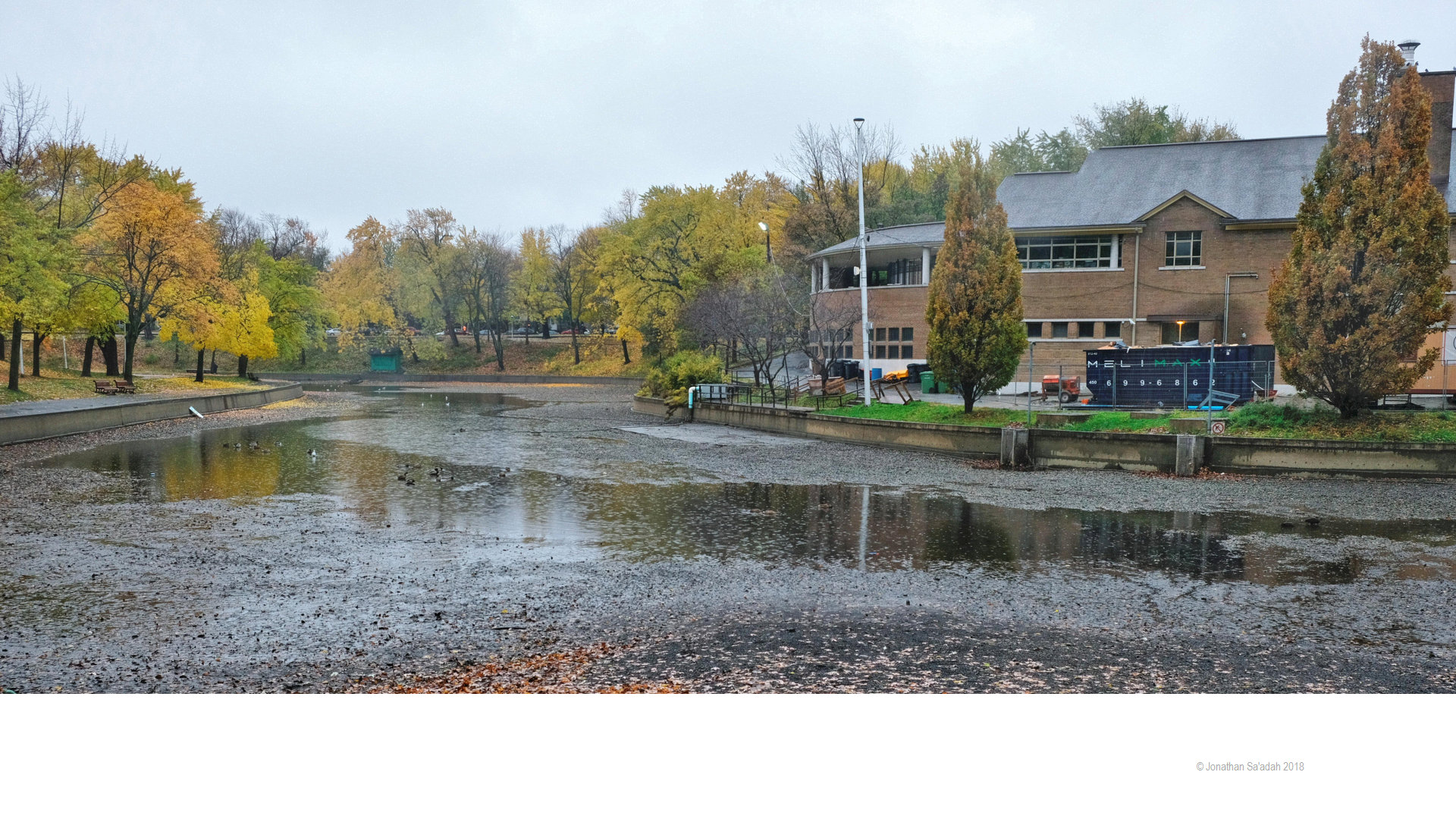
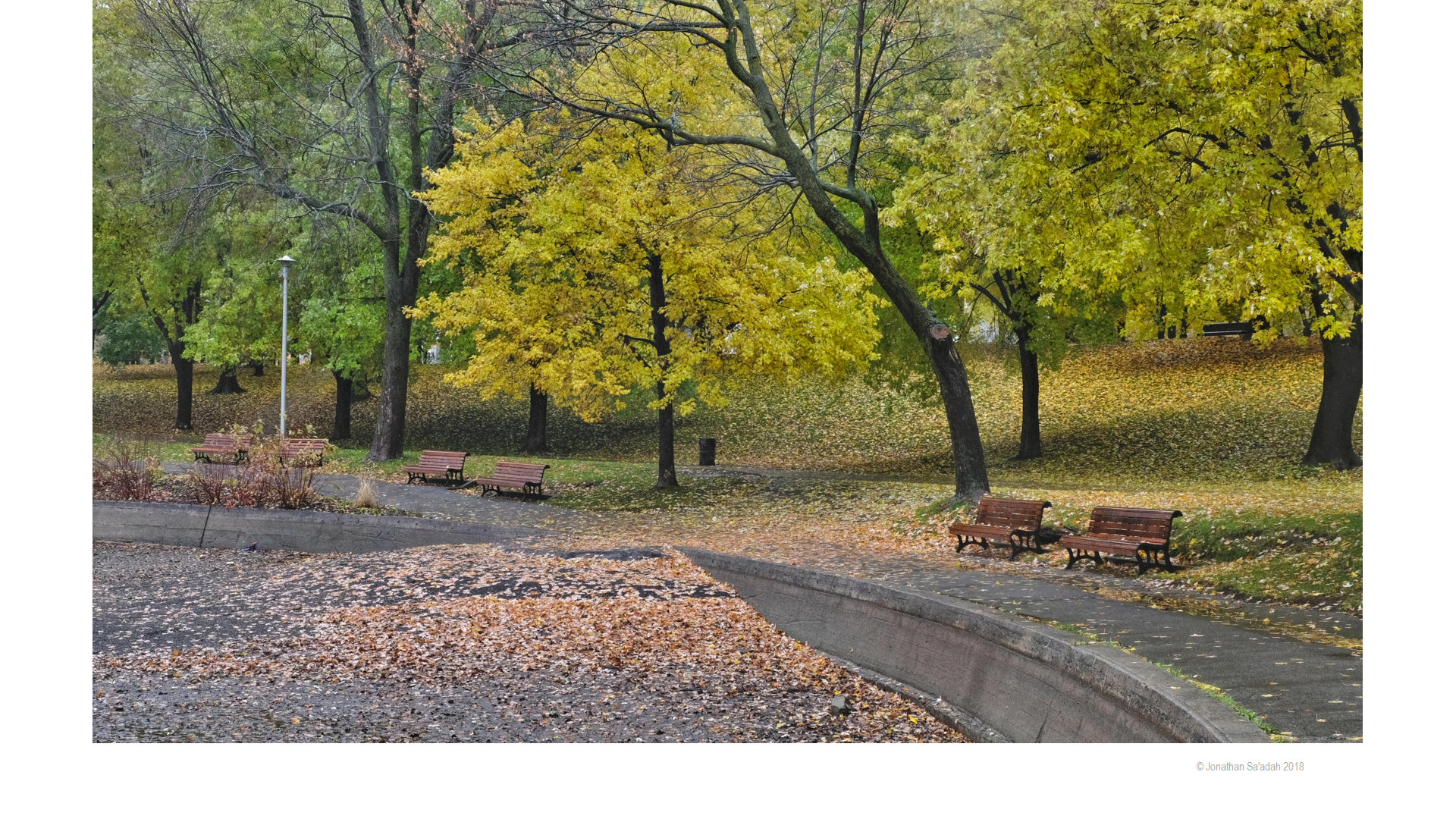
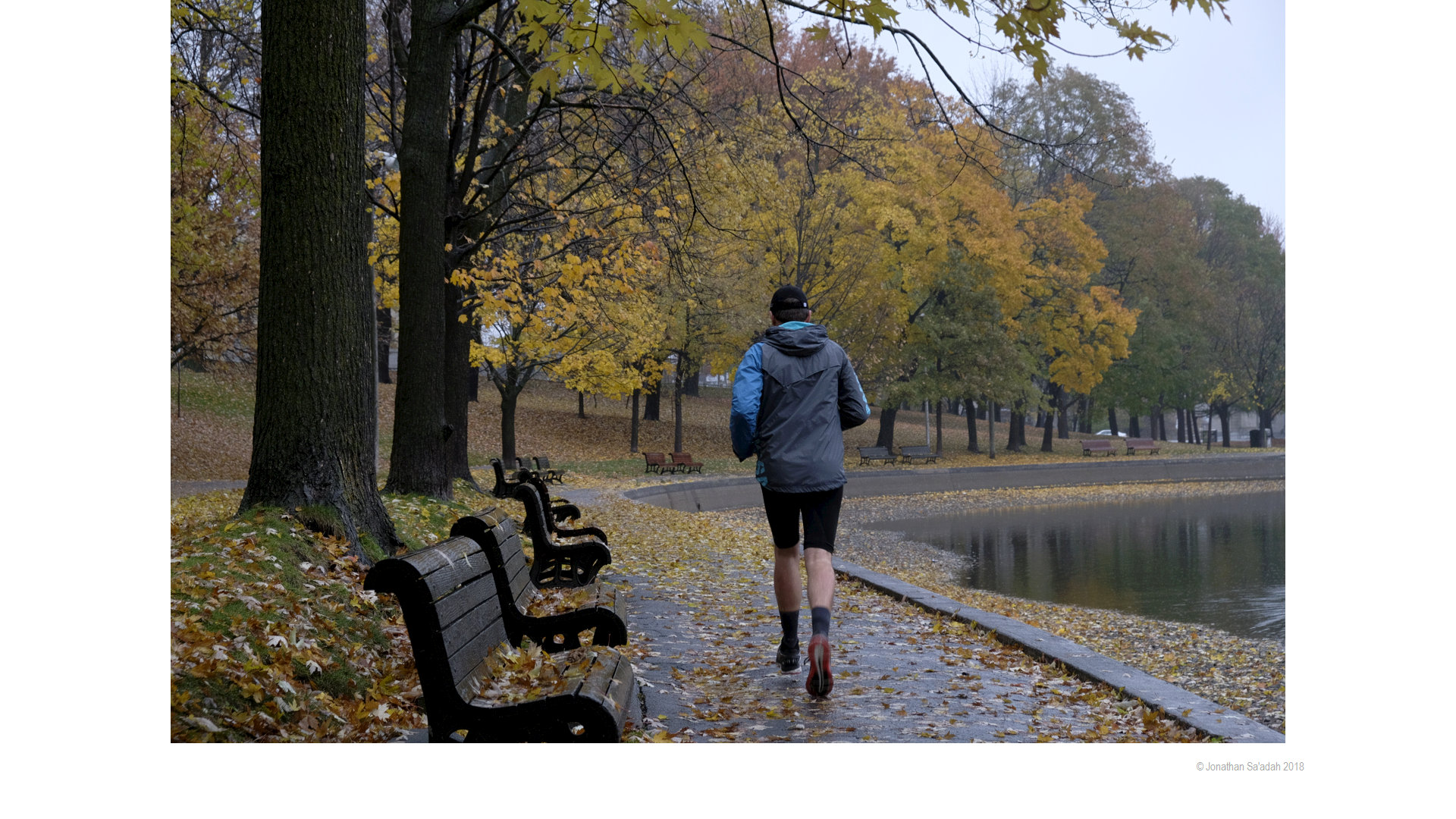
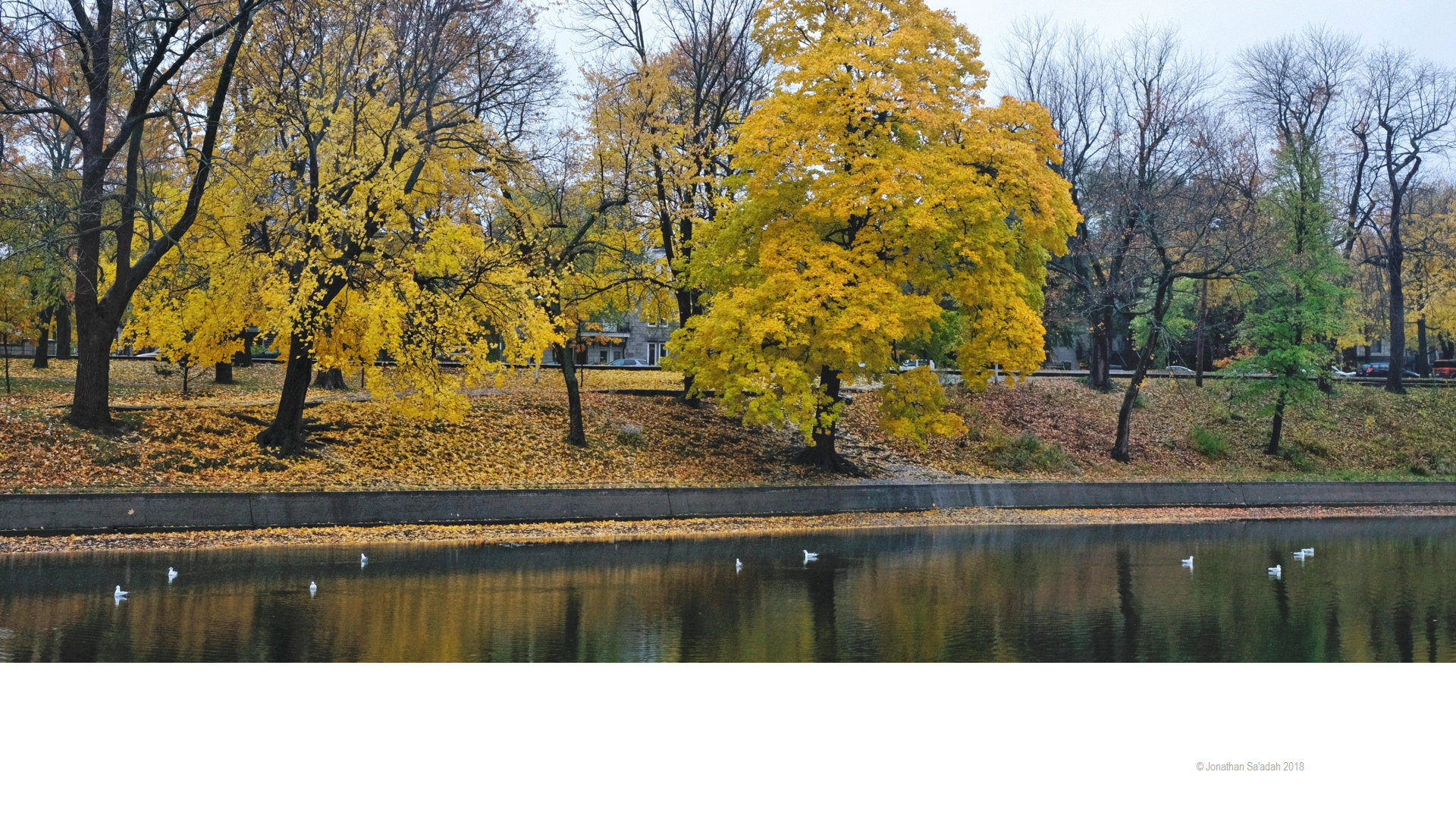
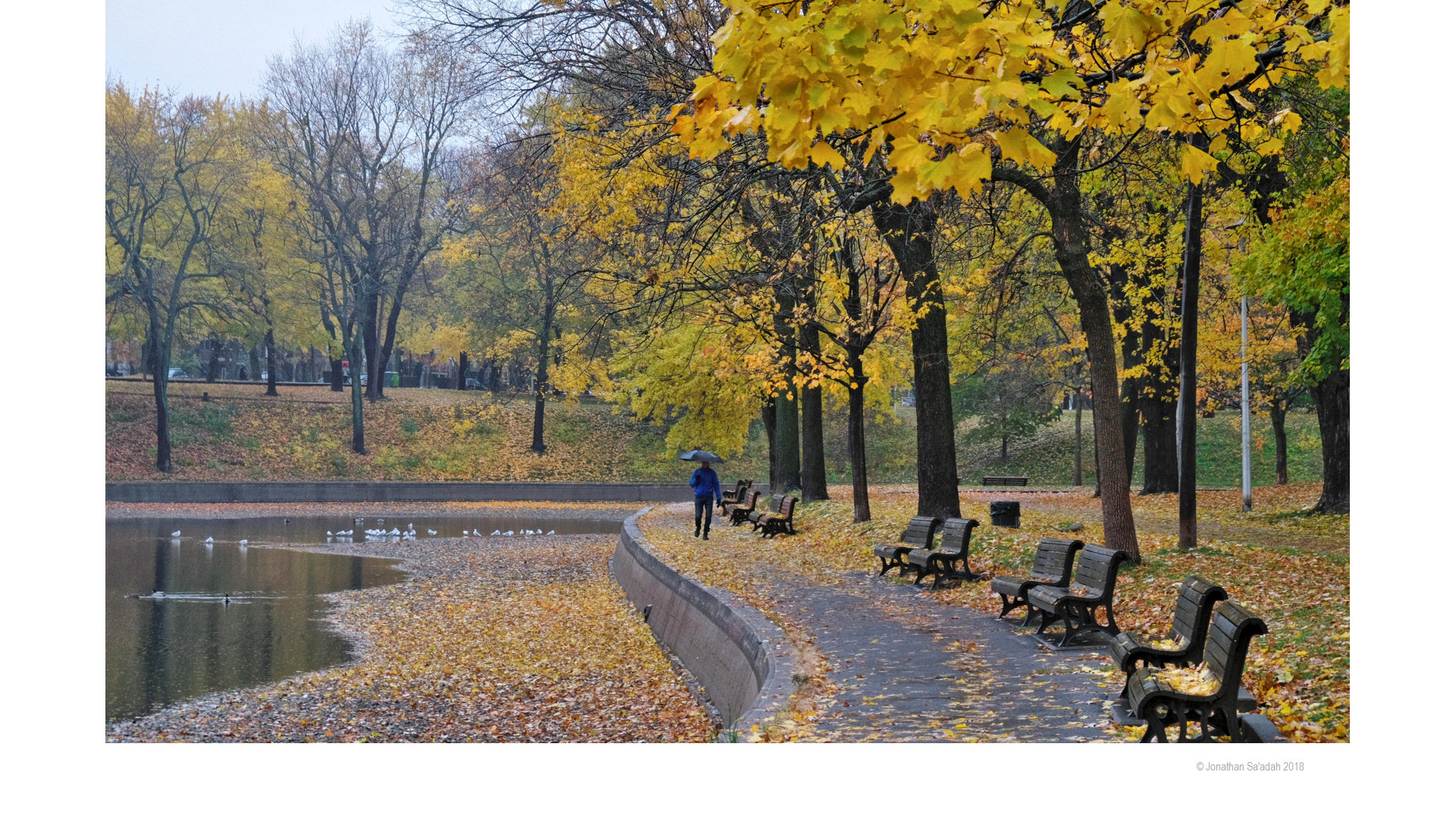
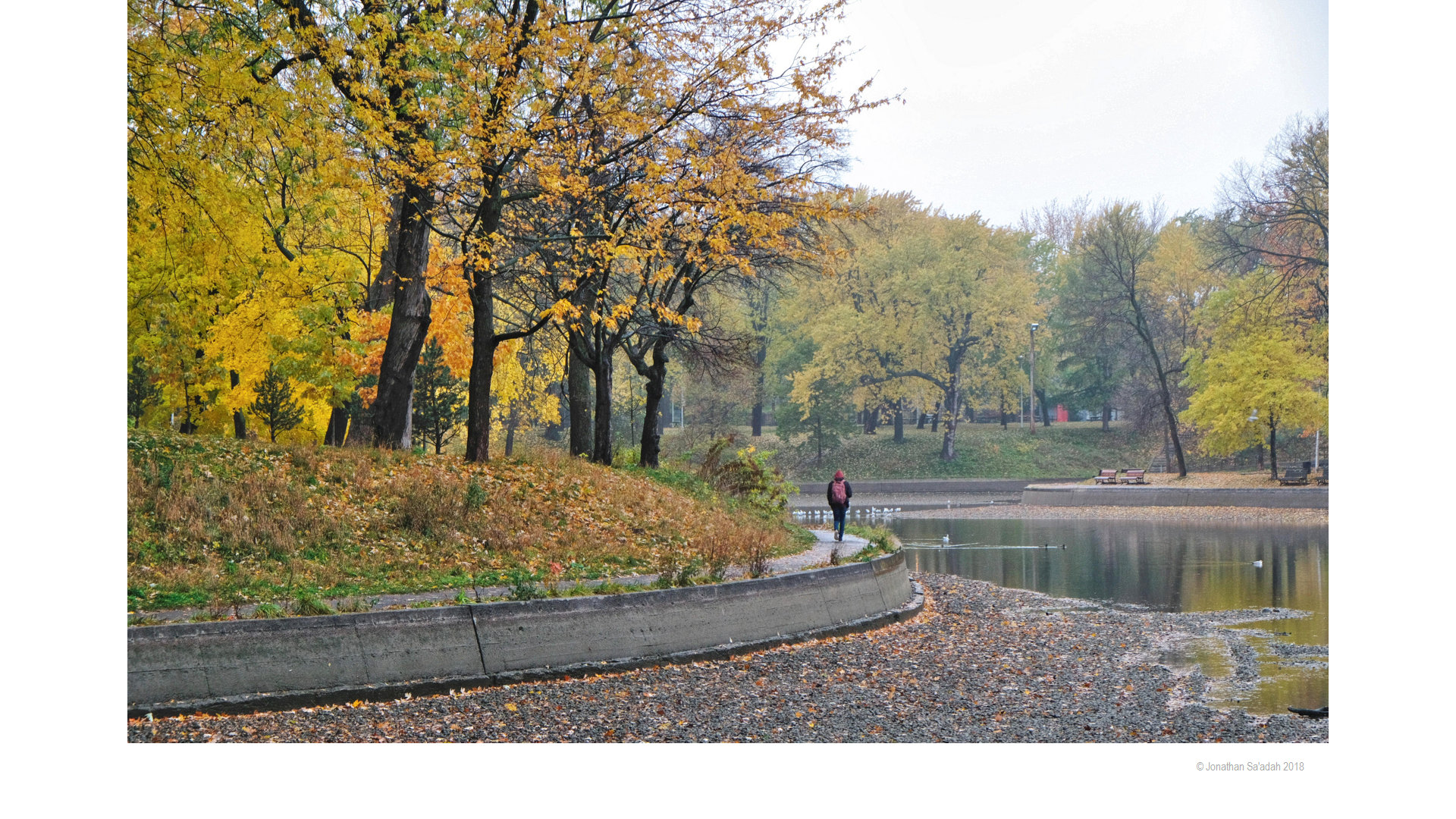
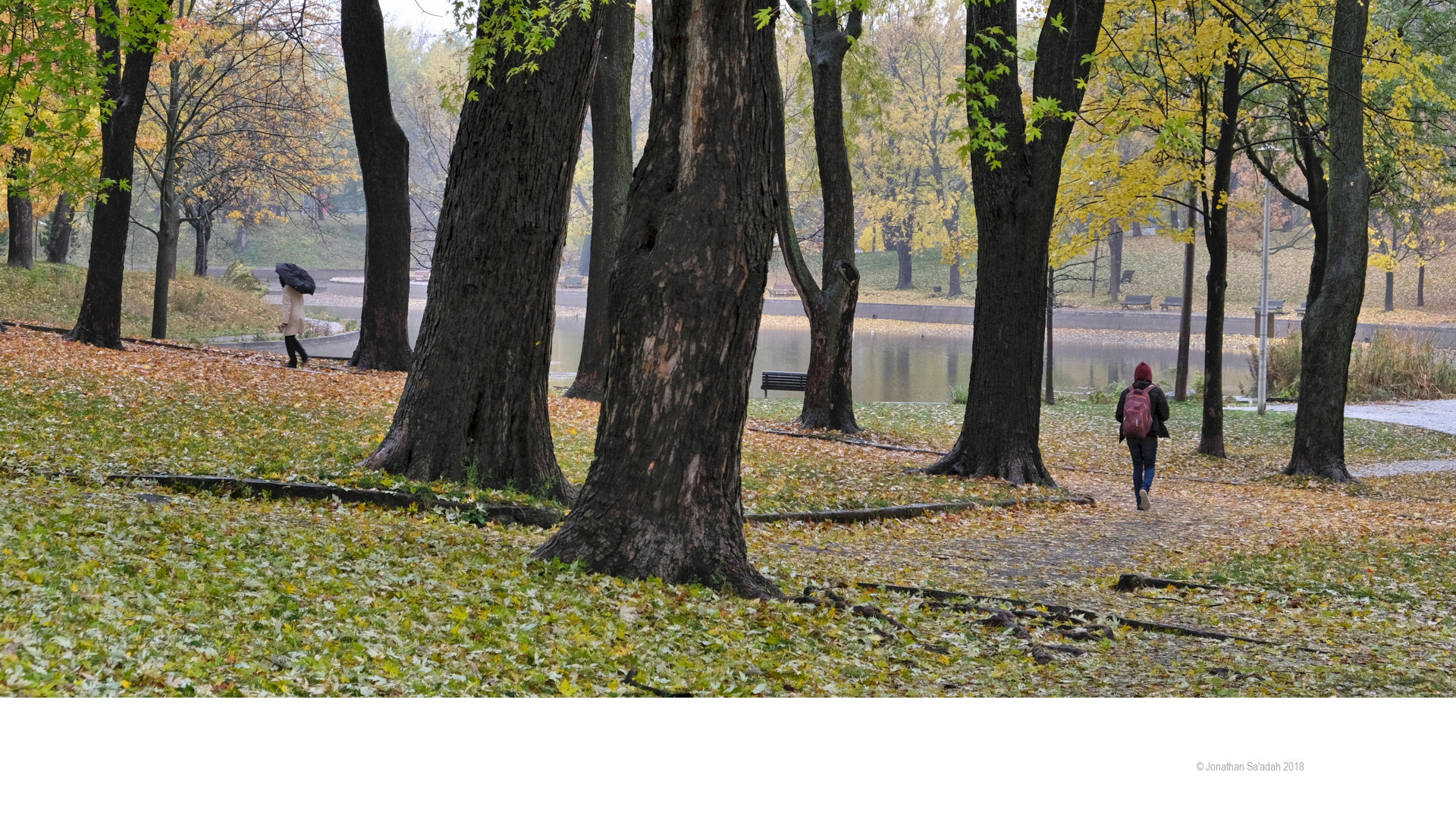
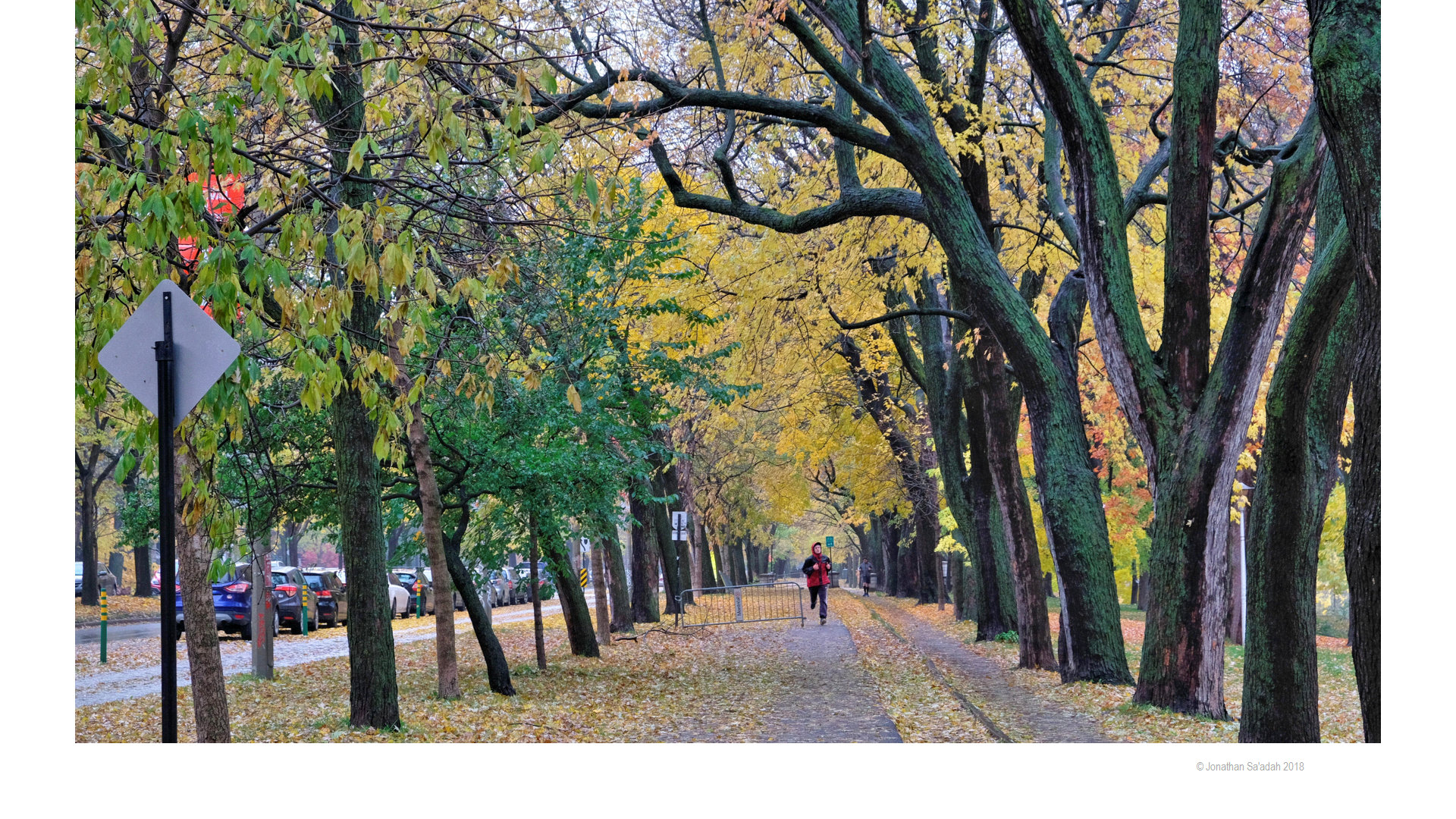
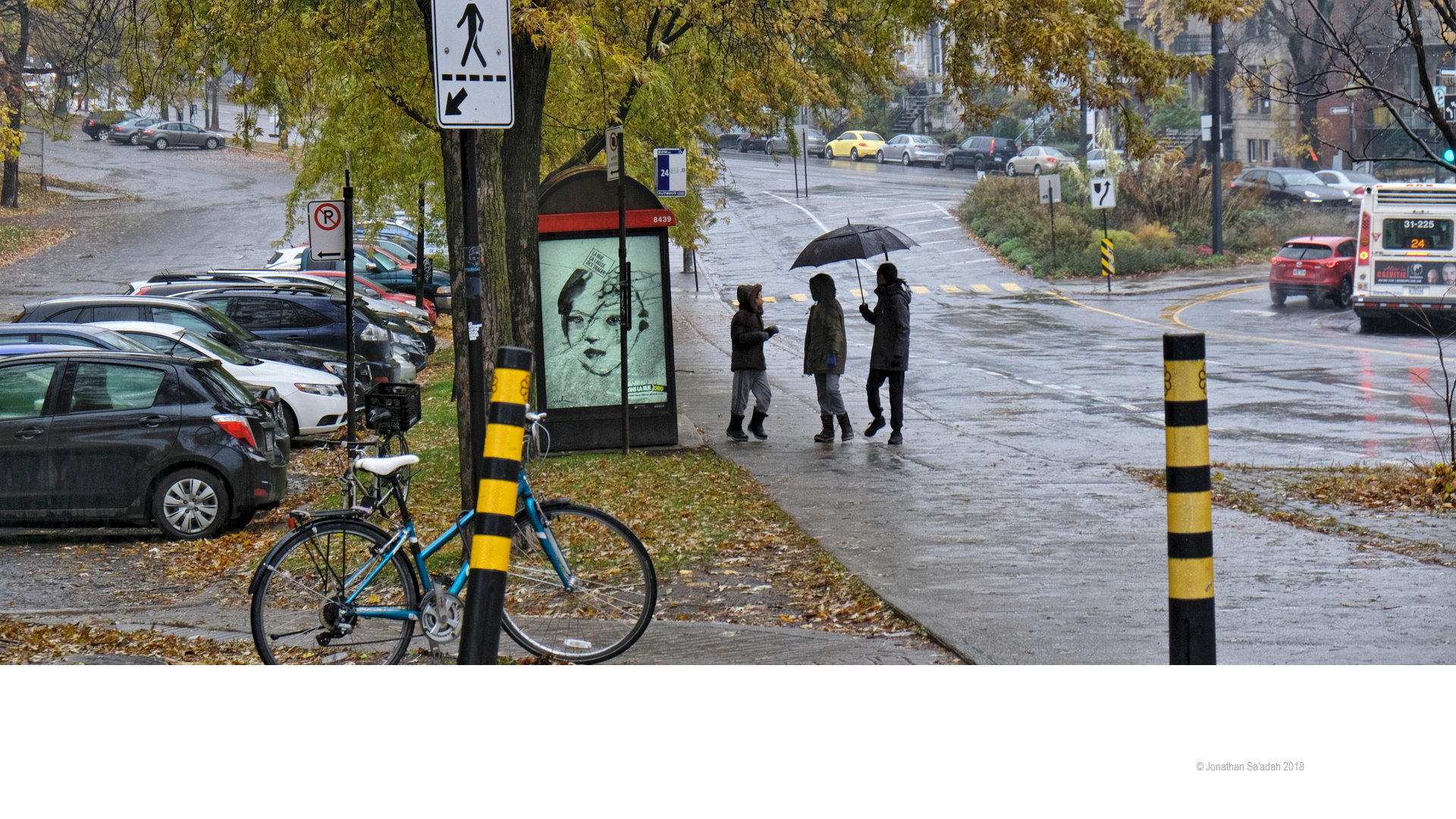
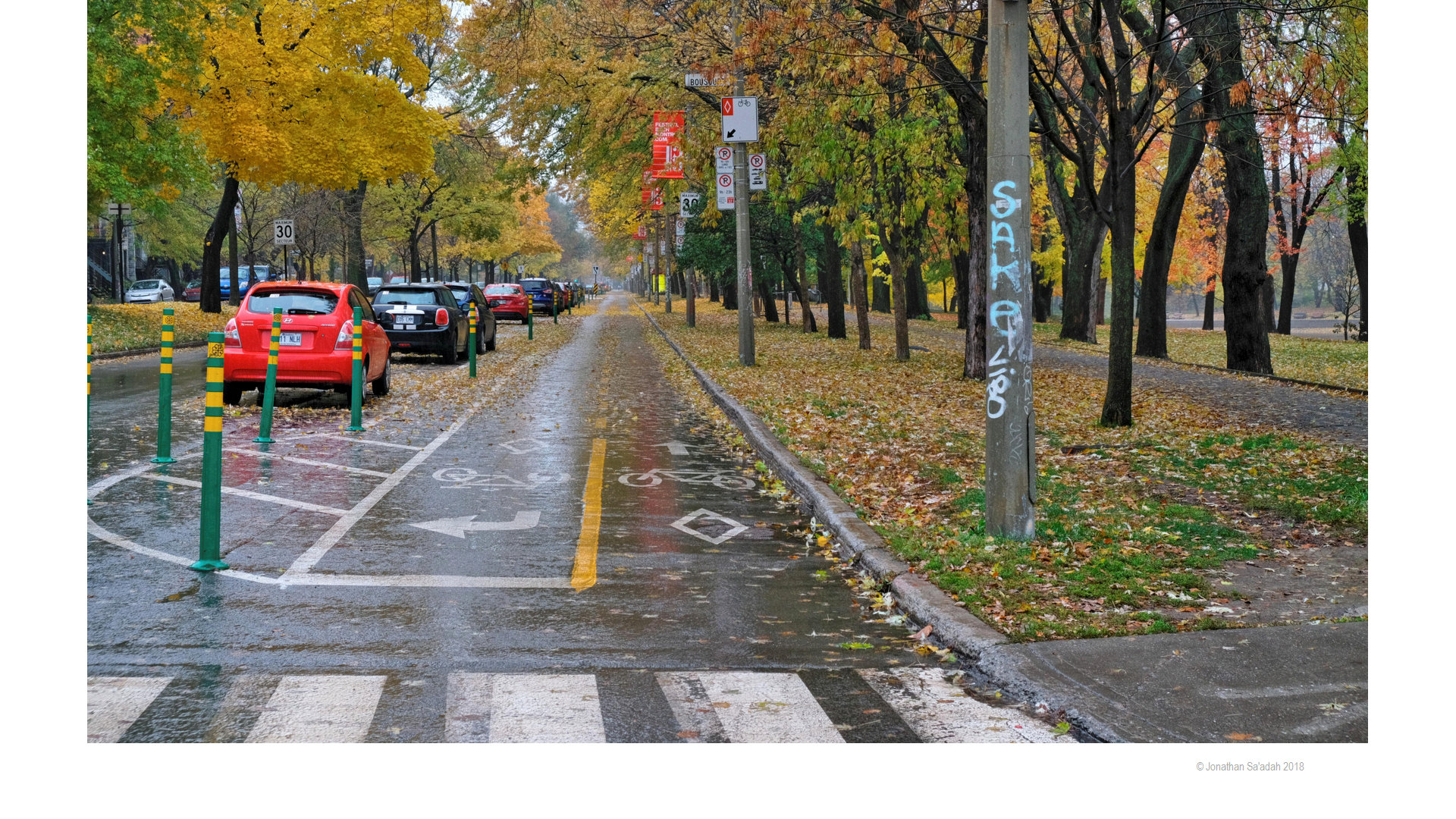
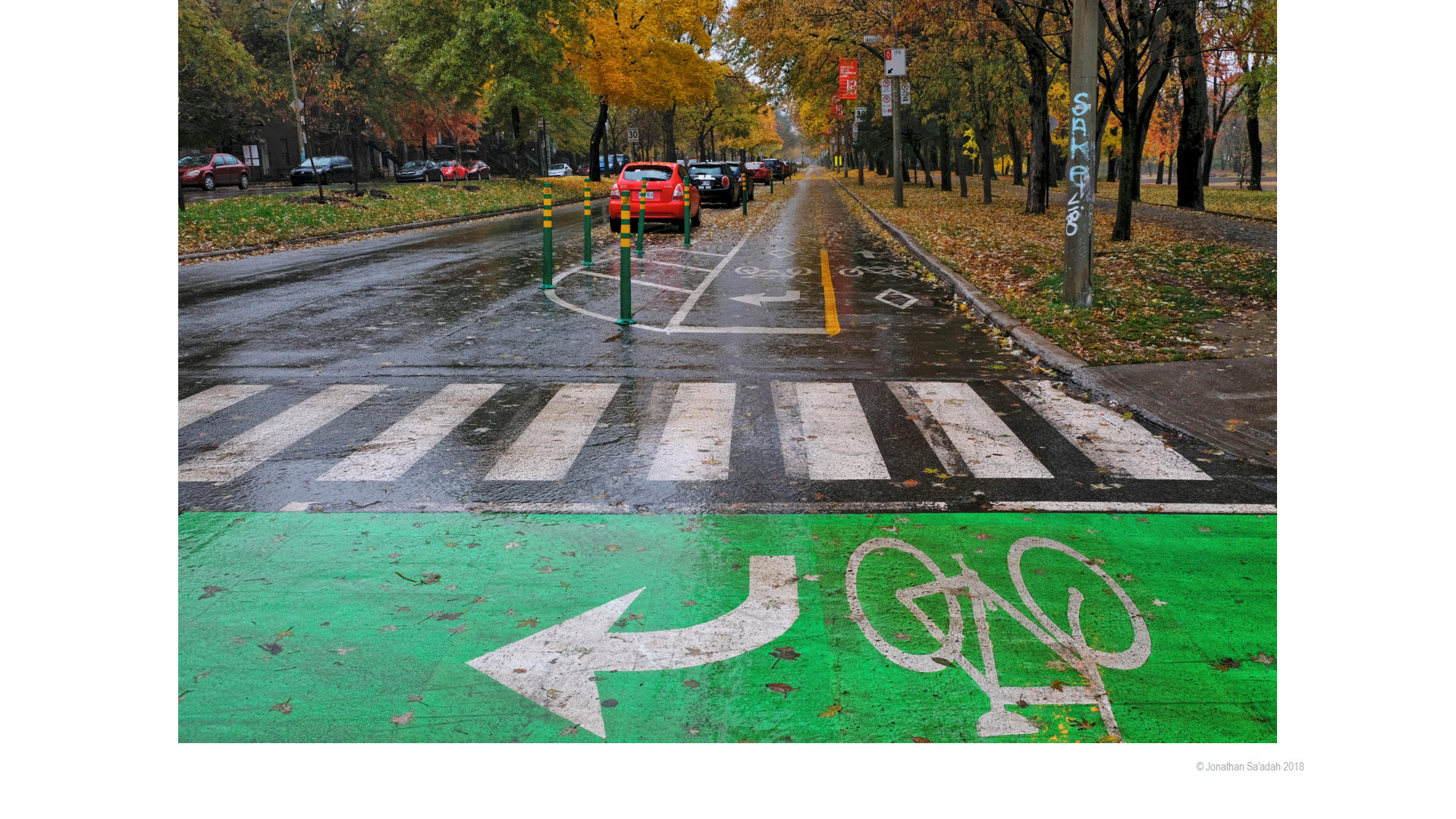
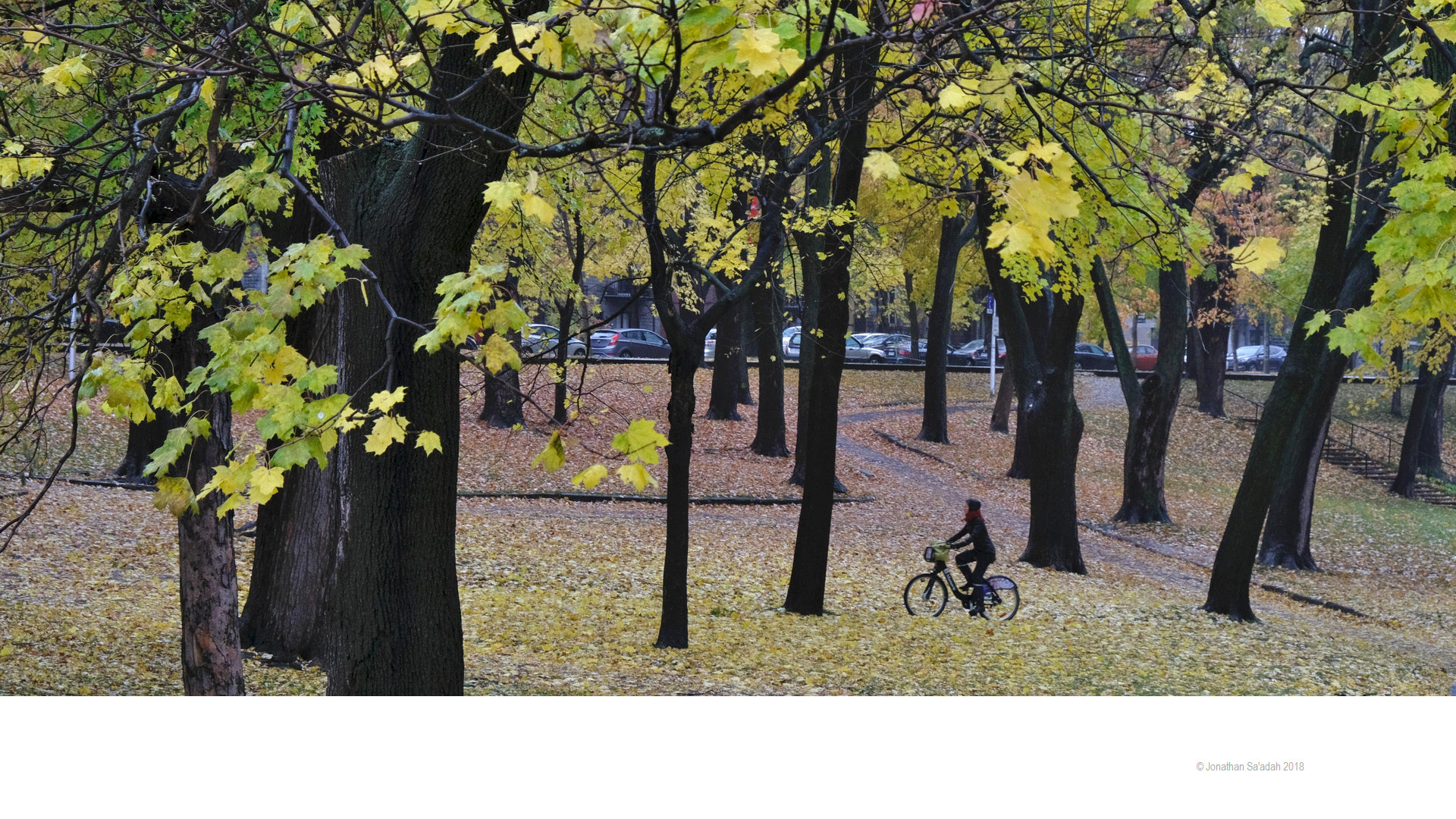
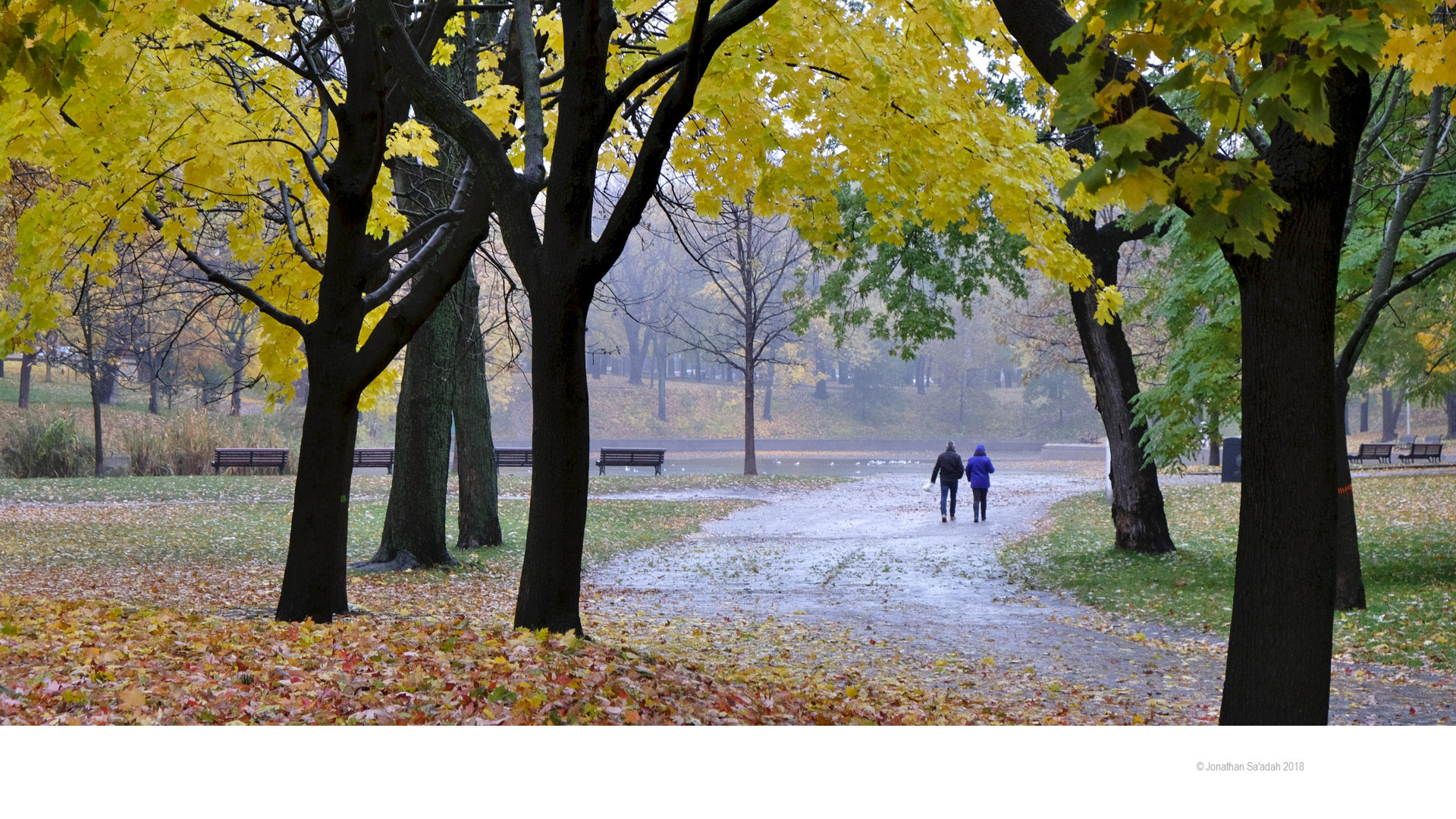
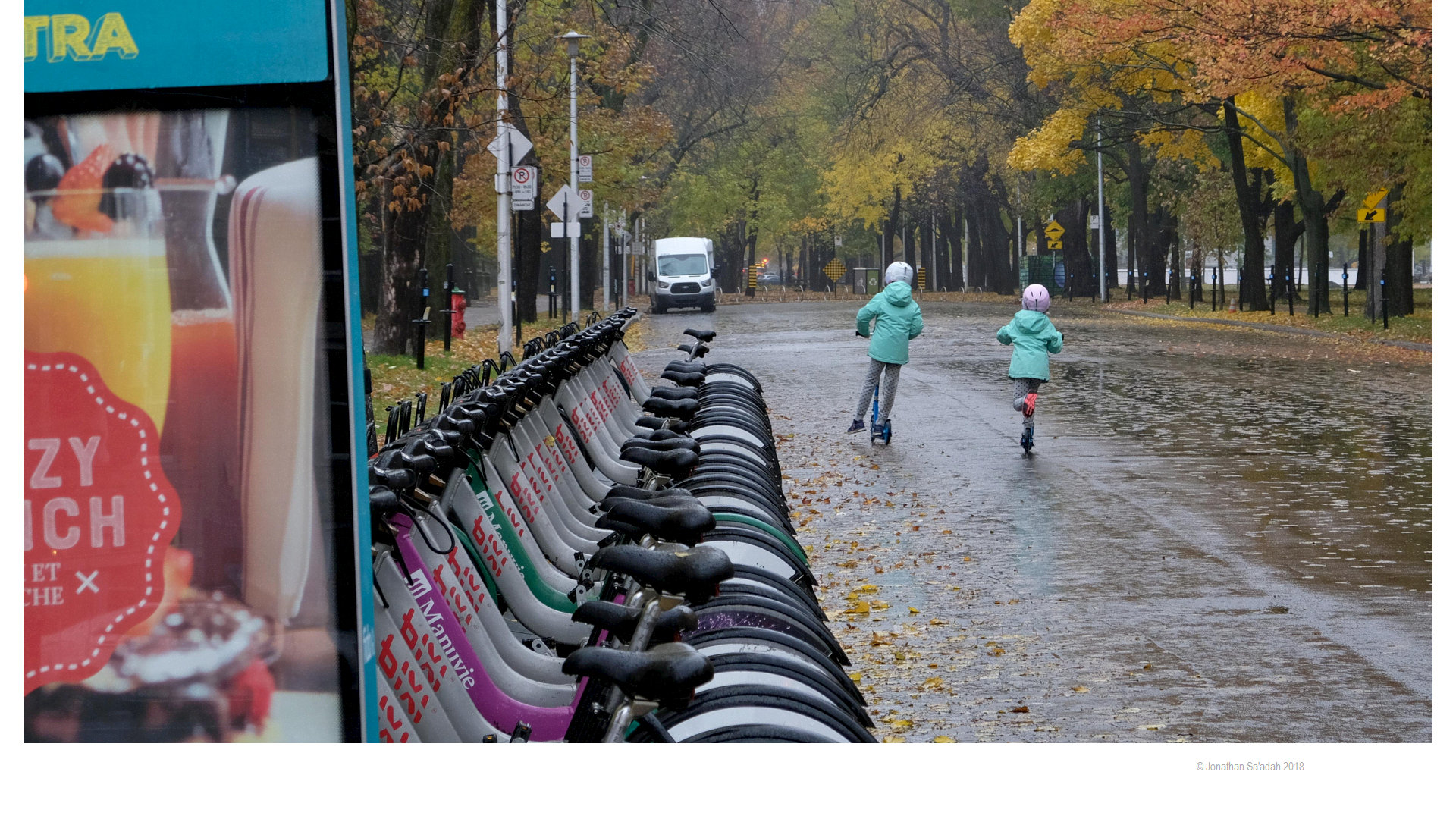
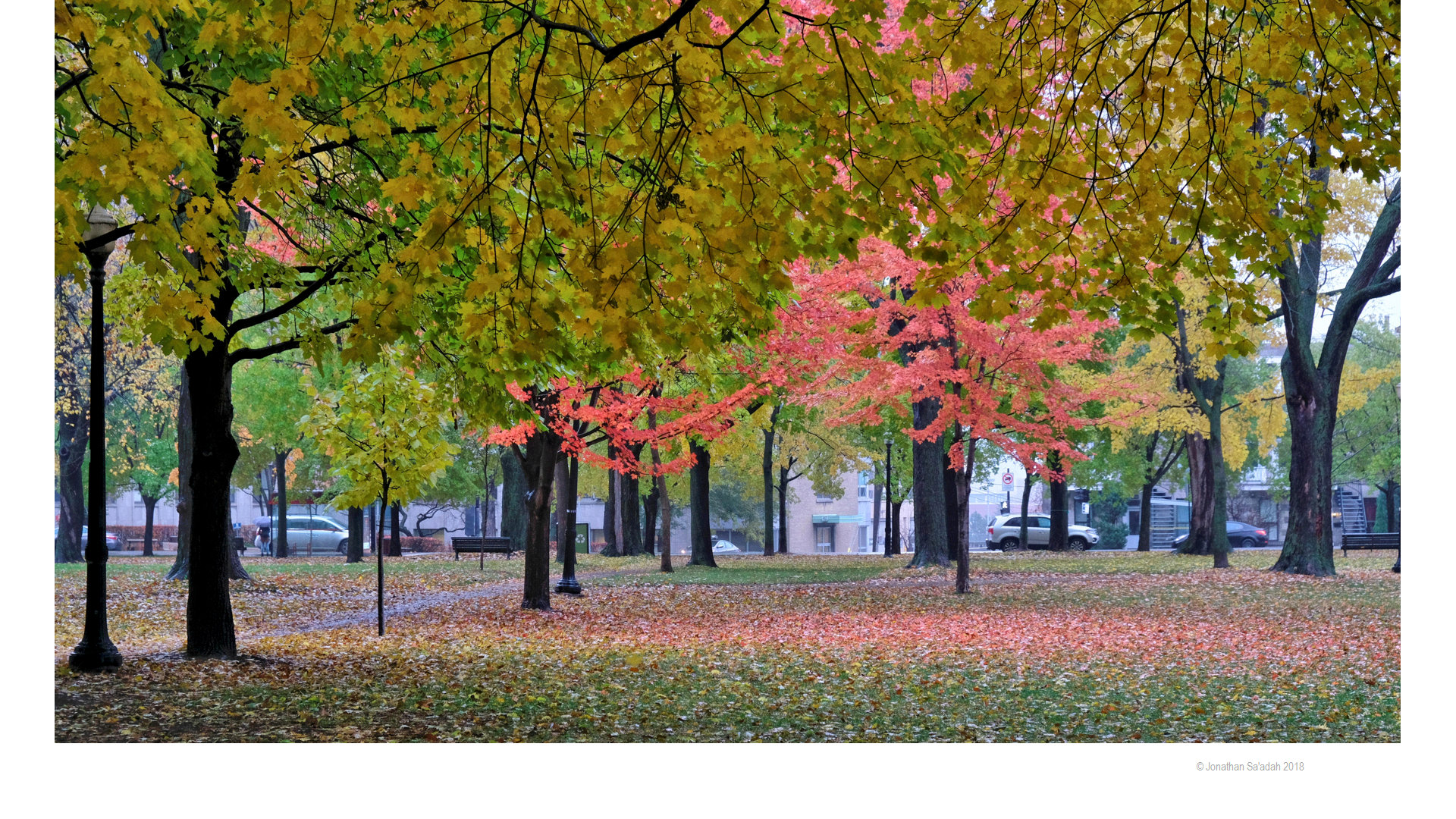
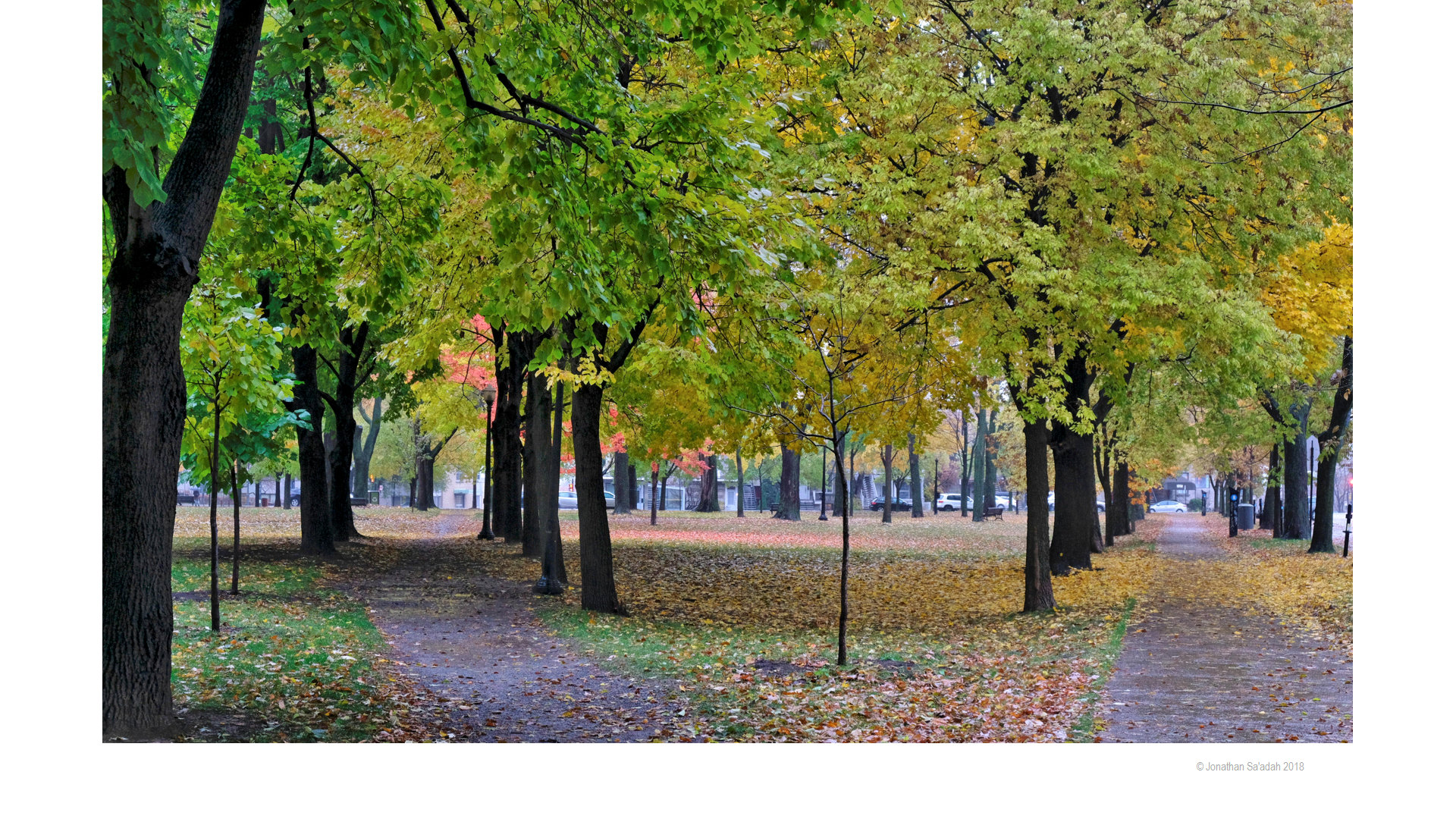
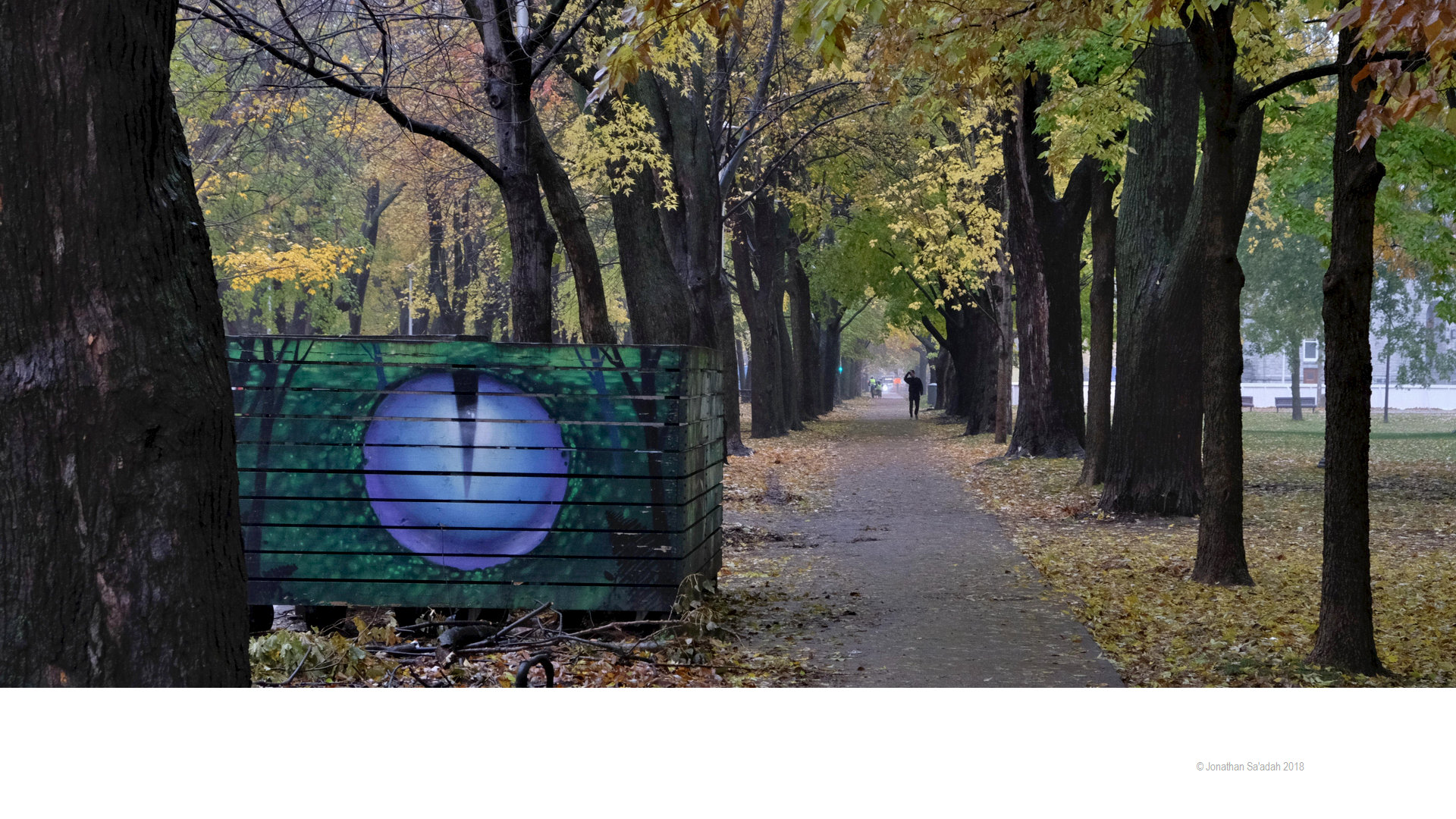
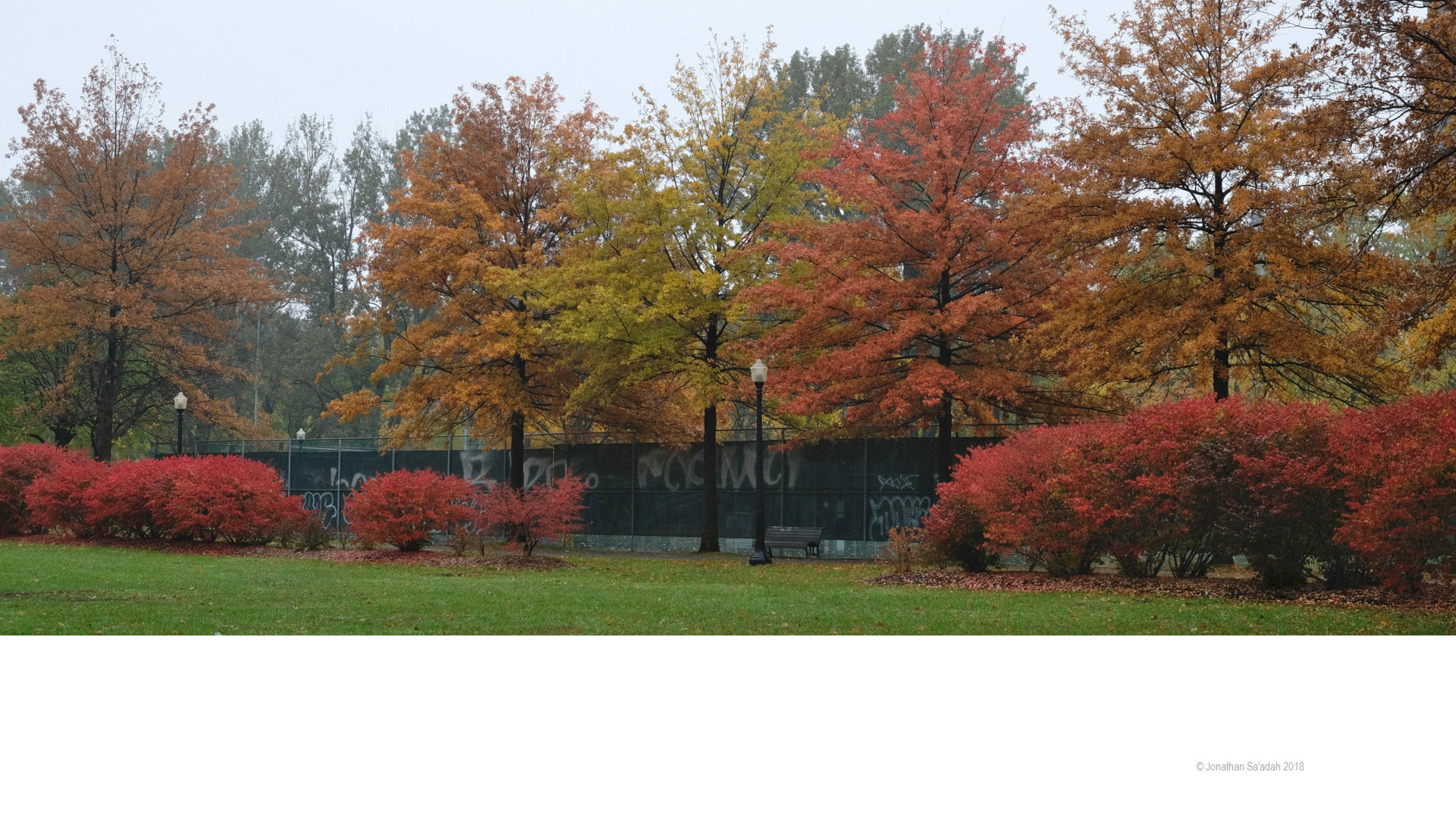
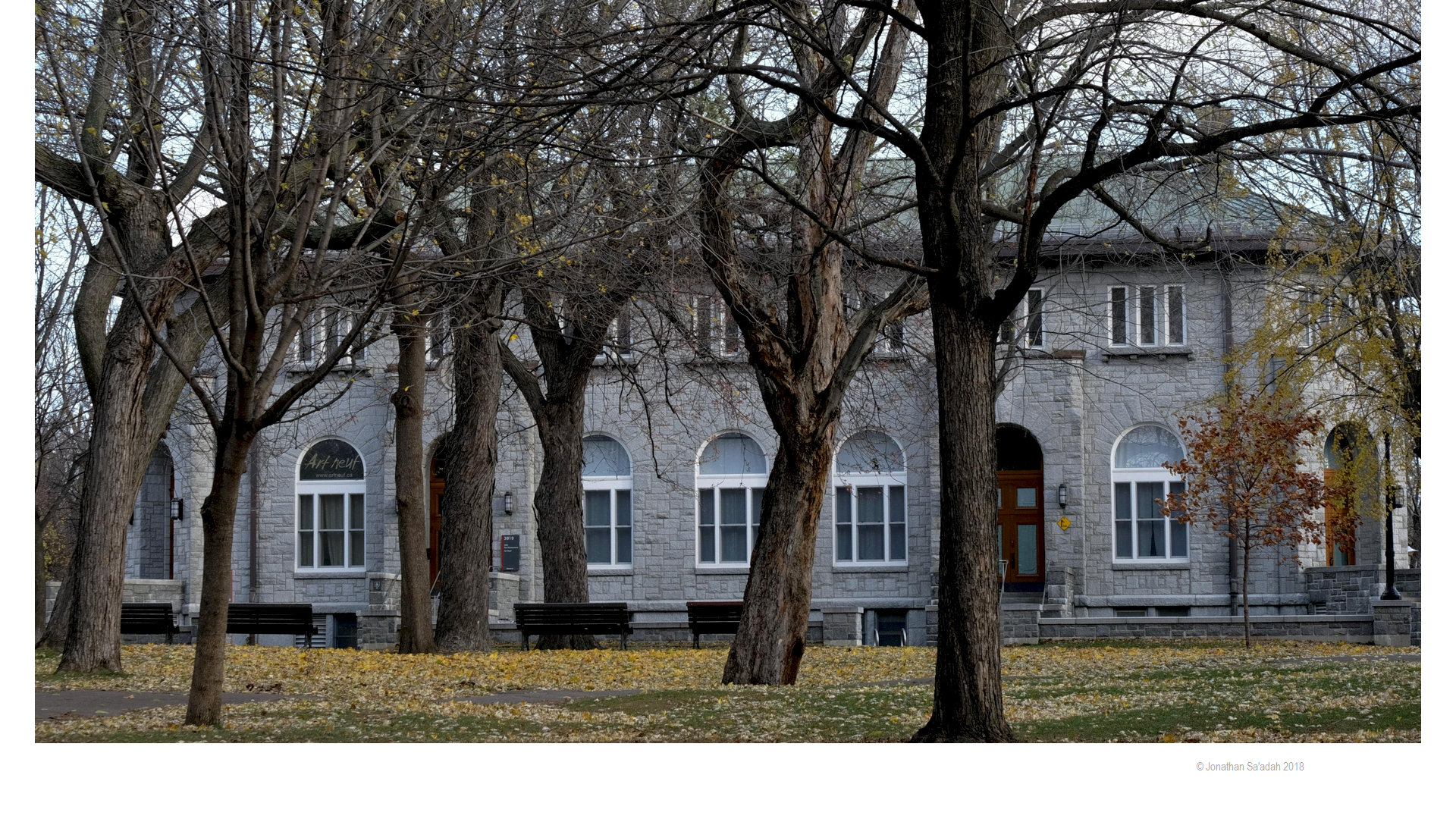
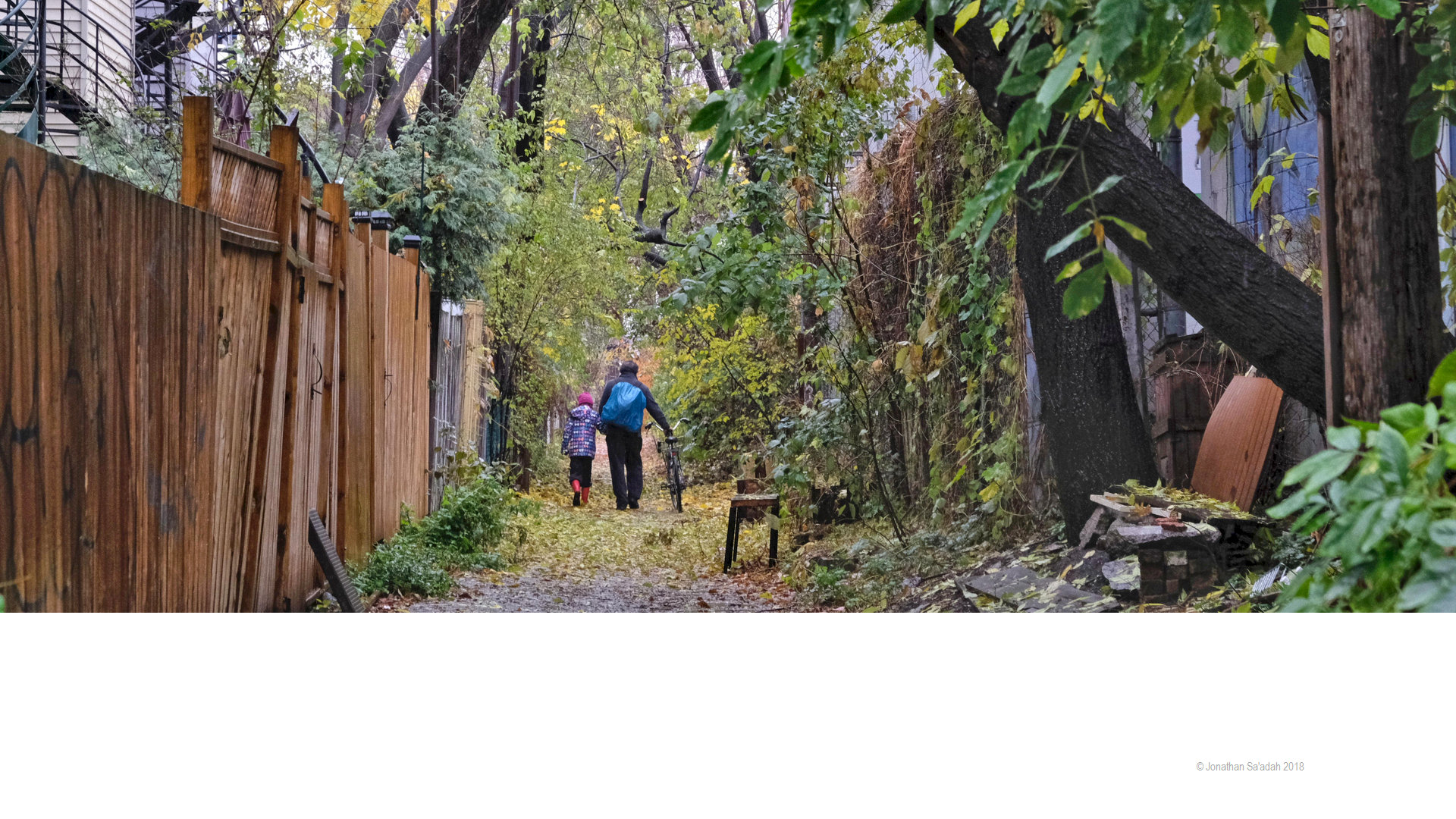
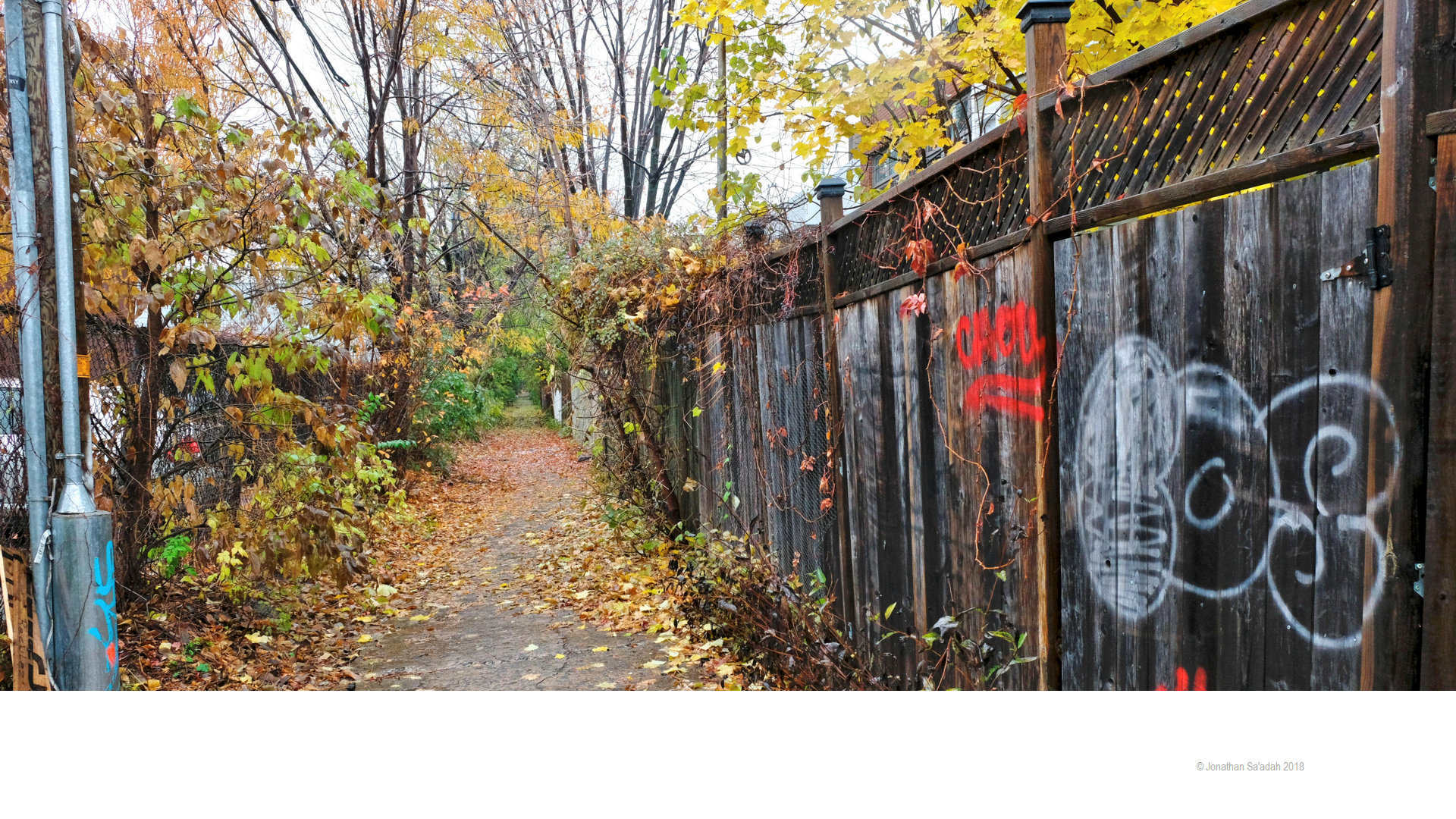
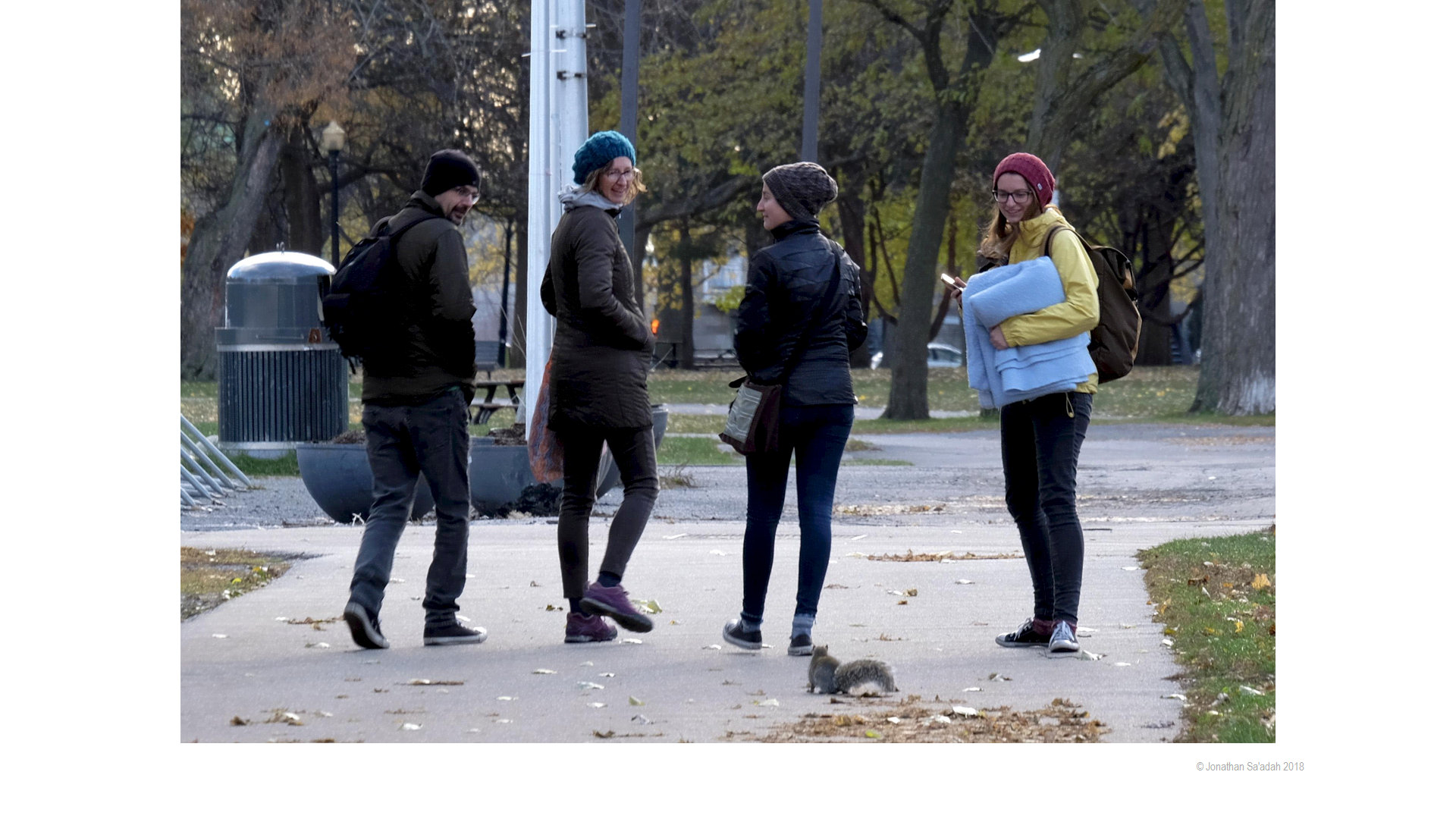
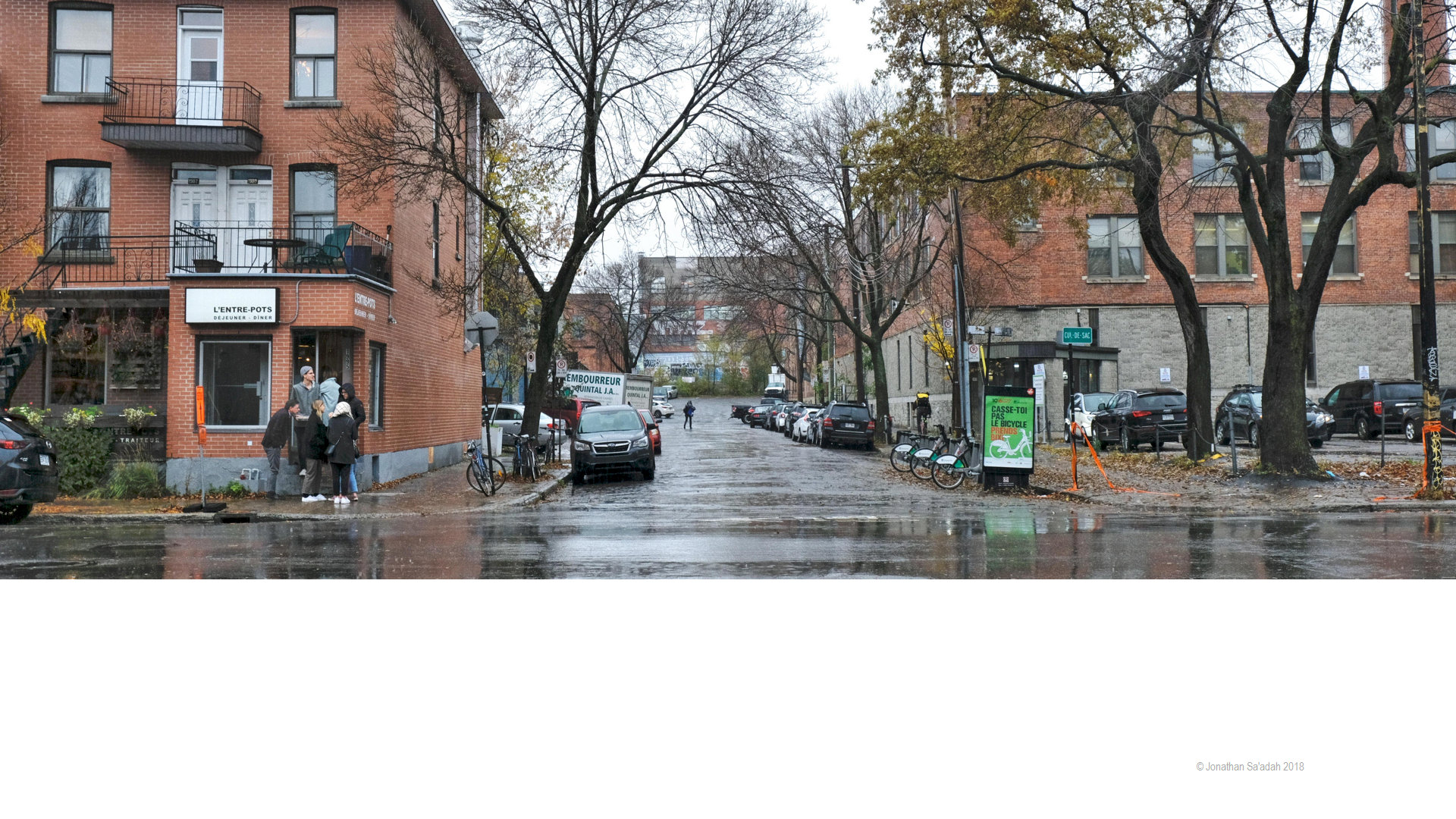
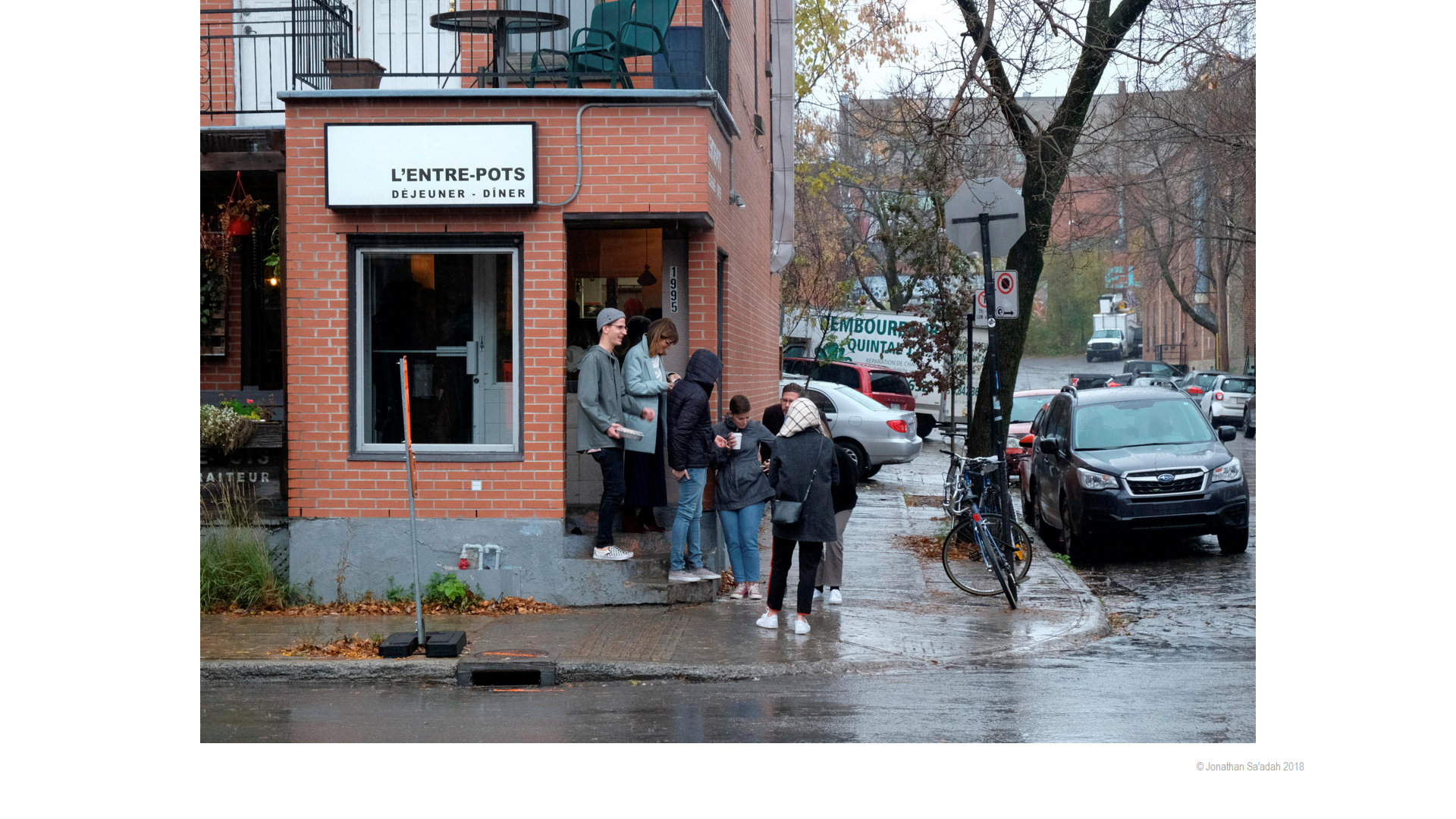
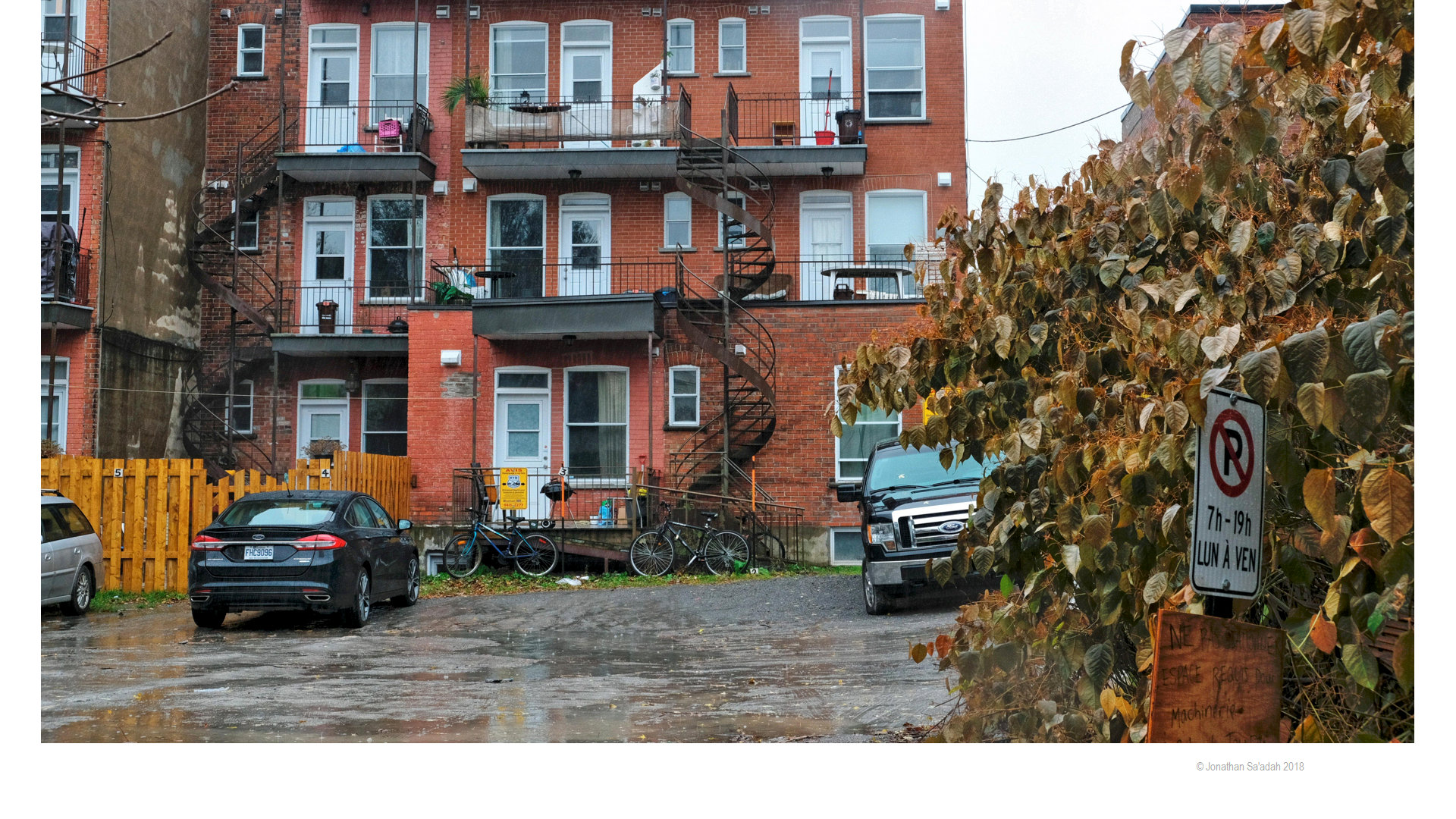
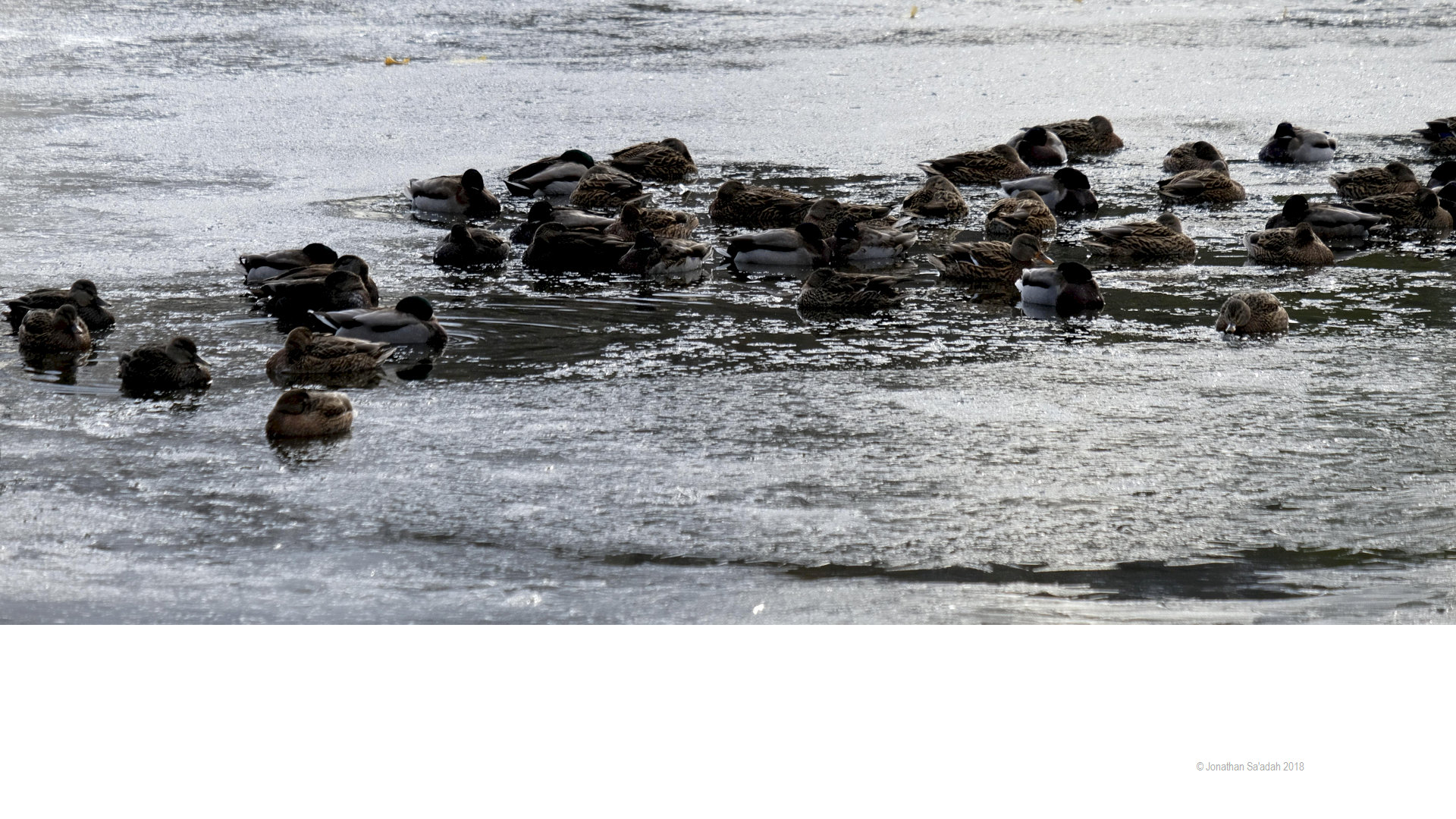
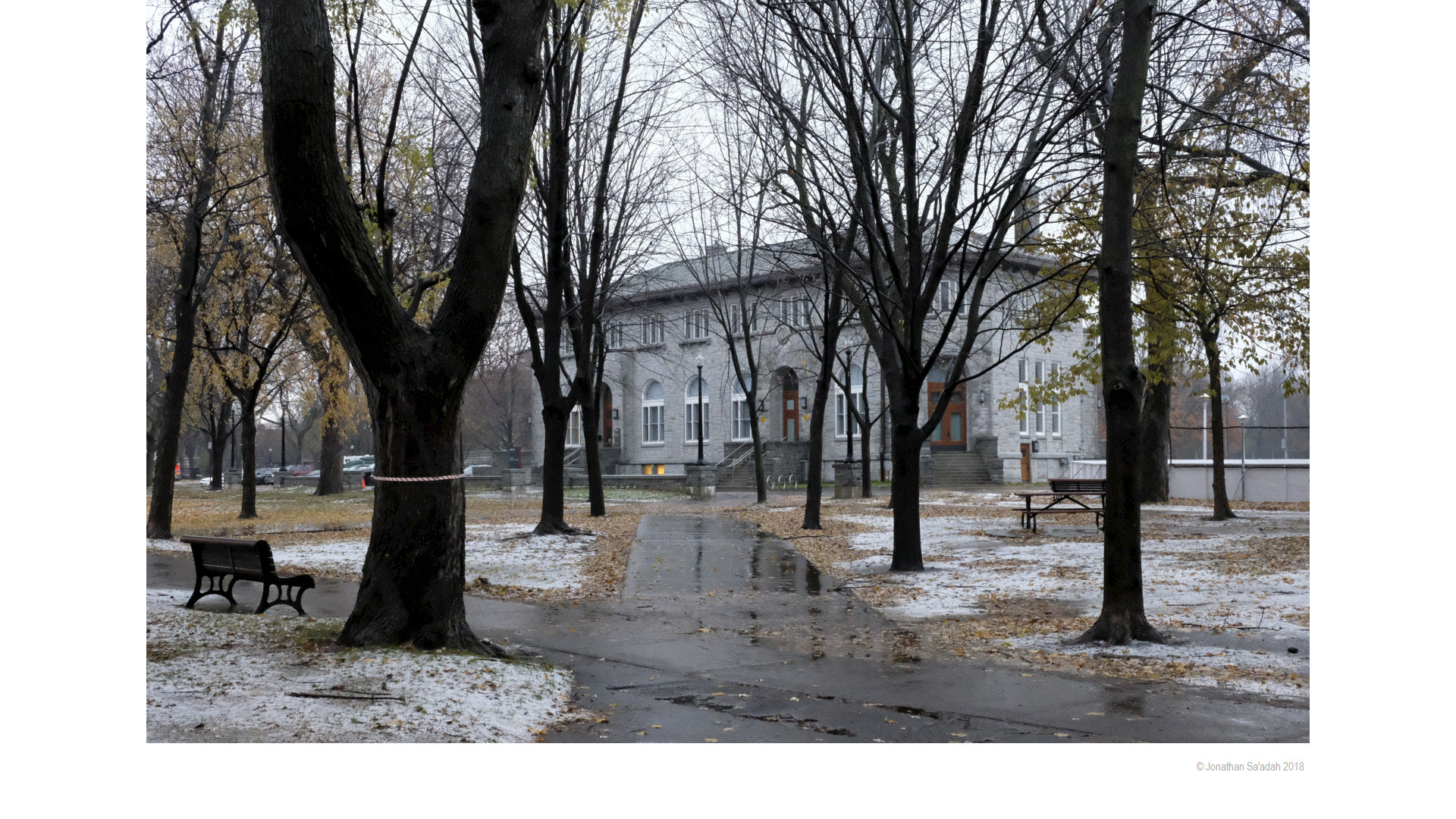
Much of Montreal’s architectural character is shaped by its past as an industrial port city, with its massive grain elevators and sprawling warehouses. Even abandoned, a grain elevator remains an imposing presence. Yet smaller details slip past us, our sense of wonder dulled by familiarity. These images focus on details that are traces of the historical city, beyond its commercial core.
This gallery is not published.Category: Montreal
-
The Sweetest Block in Montreal: A Short History of the Cadbury Chocolate Factory
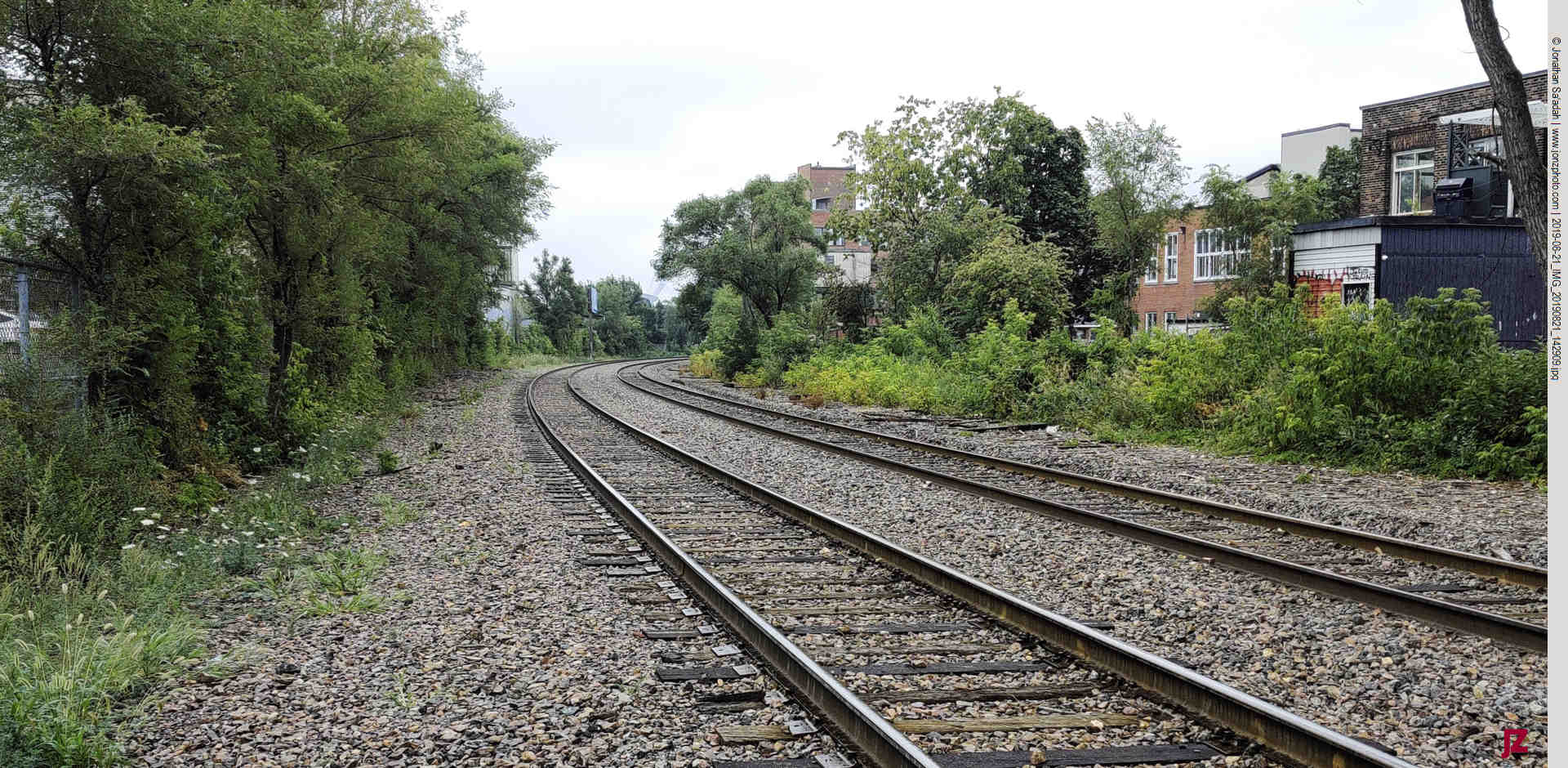
The Canadian Pacific tracks run in a arc across the northern edge of the Plateau-Mont-Royal, lined with old sidings and industrial buildings. The Cadbury building is in the center, visible between the trees. In 2006 we had just been granted permanent residency in Quebec and were looking for an artist’s studio space. It seemed most likely that we’d have success along the northern edge of the Plateau, in one of the semi-abandoned industrial buildings lining the Canadian Pacific railroad tracks. We searched and found several that matched what we wanted. The one we liked the most was on rue Masson, and we were told it had been a chocolate factory. That worked for me. Being in such a space, surrounded by rich, warm, and imaginary smells of cocoa being fashioned into chocolate bars, really struck a chord. Little did we know…
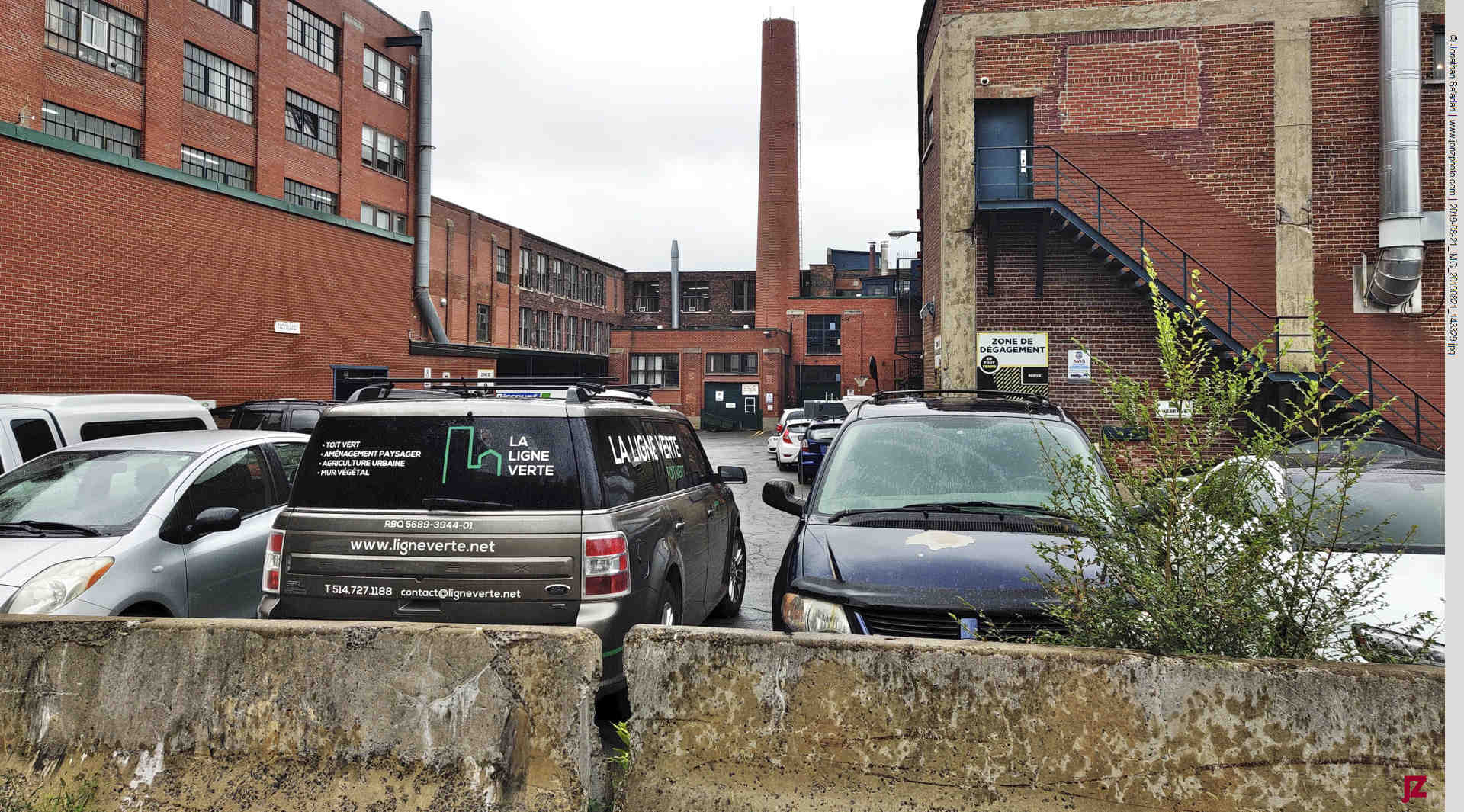
The Cadbury building, as we called it, was built in 1909 by Fry Cadbury Ltd, the Canadian arm of the English company that in 1847 produced the first eating chocolate bar. Cadbury turned chocolate from a bitter drink into a solid confection that could be sold, unwrapped and savoured, making a fortune on its products.
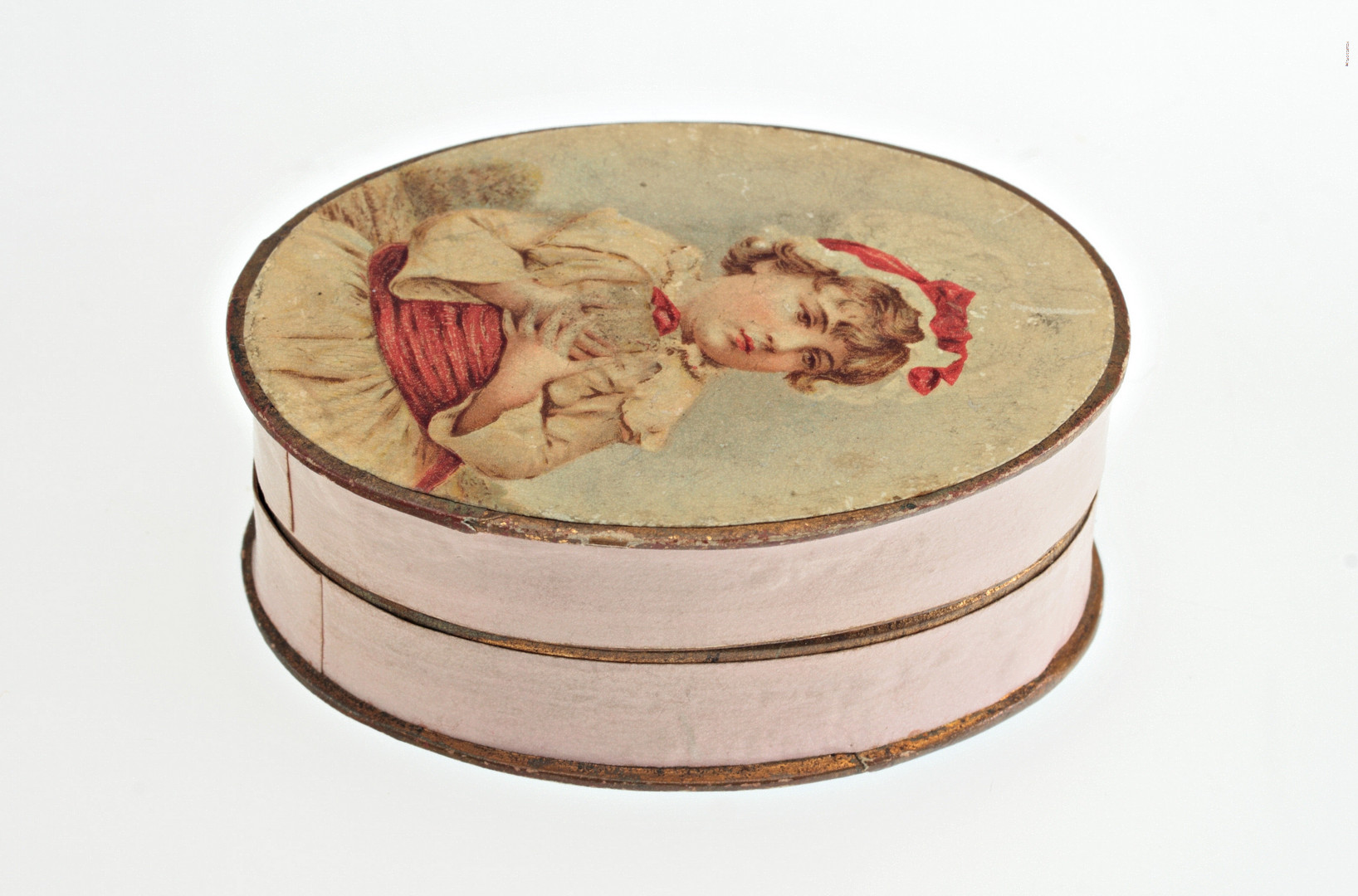
A sampler of Cadbury chocolates, from about 1900. Photo: McCord Museum A small part of its operation was a five-story brick industrial building at 2025 rue Masson on the north edge of Montreal’s Plateau-Mont-Royal, solidly built and purposefully designed. Through much of the twentieth century the factory hummed along as a genuine anchor of the community, employing five hundred workers and producing candy bars by the millions: Caramilk, Dairy Milk, Crunchie. The building was part of the community fabric. The English company itself went through several corporate takeovers and transformations, but these changes had little effect on the rue Masson operation. That was to change abruptly.
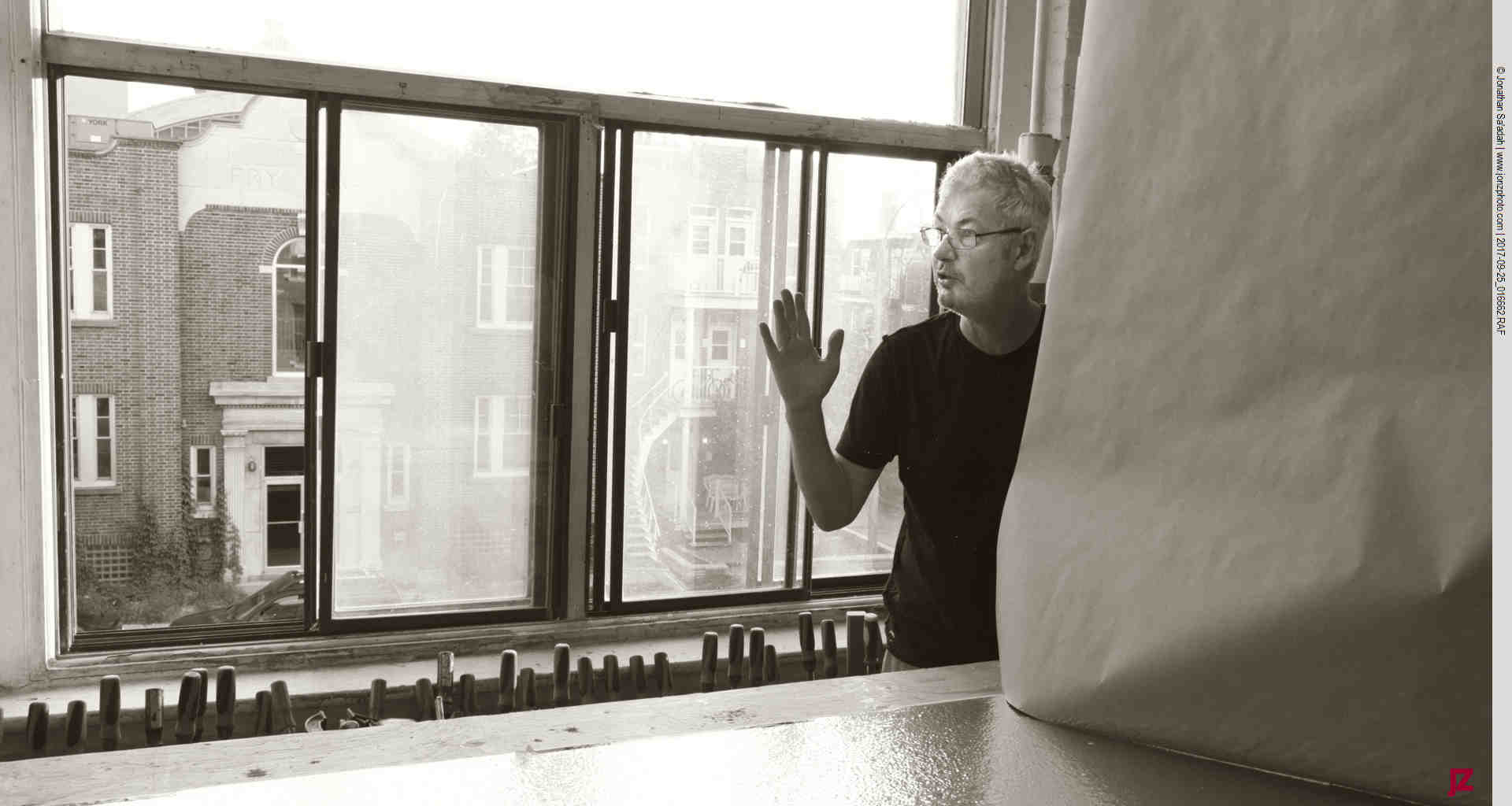
Fellow Cadbury tenant Gildas Berthelot working in his studio. I did a book about his unique wooden creations link. The 1978 Closure and Its Political Storm
On Thursday evening, November 16, 1978, the Cadbury plant on rue Masson abruptly closed its doors. The company’s stated reason was economic: demand for chocolate bars had declined, and its Whitby, Ontario plant – east of Toronto – was more efficient. Consolidating production there simply made more financial sense, management claimed.
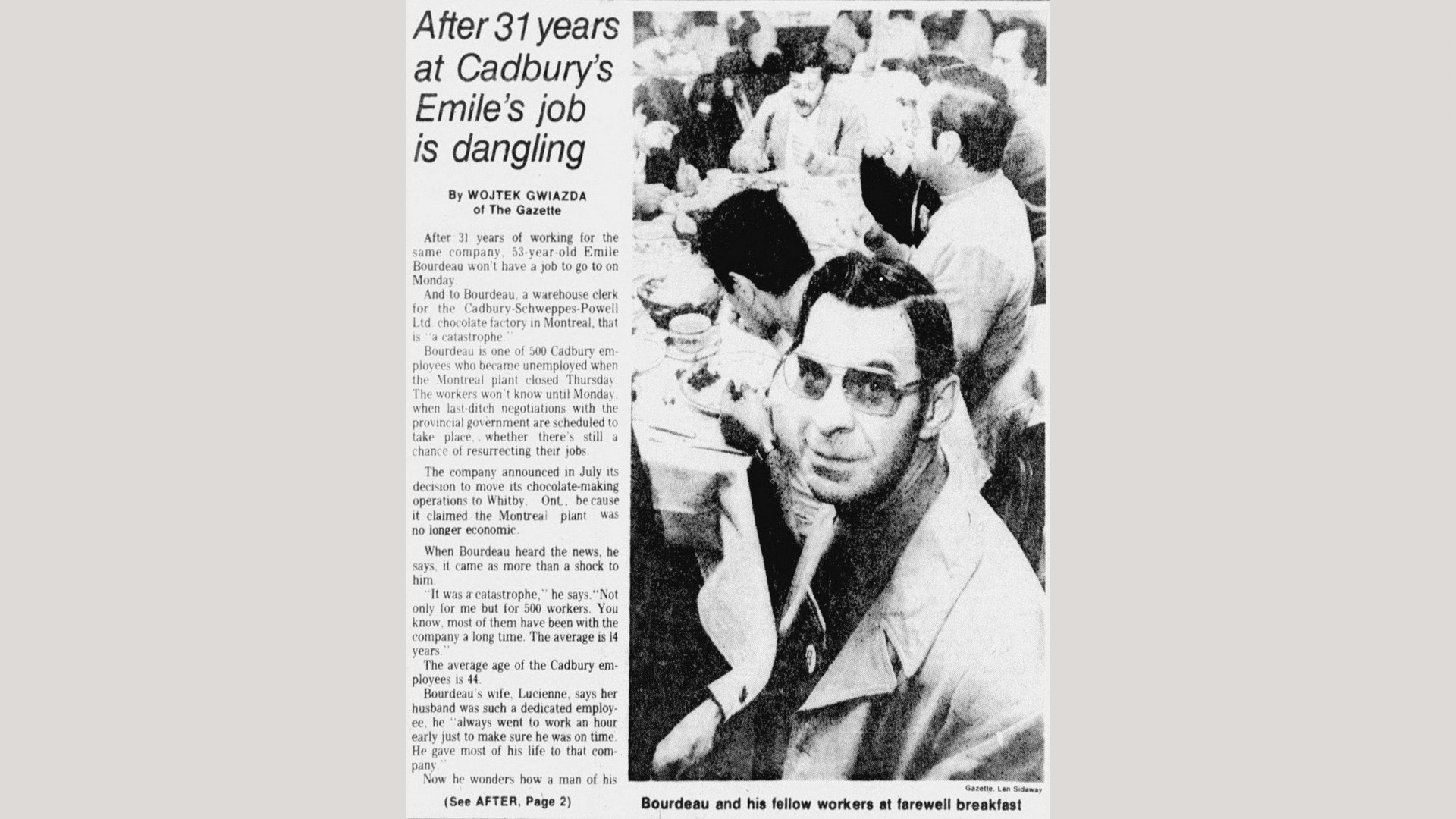
Front page article from the Montreal Gazette, November 17, 1978. Five Hundred People Lost Their Jobs
The timing was explosive. The closure came almost exactly two years after the election of the Parti Québécois (PQ) under René Lévesque on November 15, 1976 – the vote that had upended the political order in Quebec and stoked deep anxieties about sovereignty among English-Canadian and British-linked businesses. In that charged atmosphere, the Cadbury closure landed like a provocation. It arrived the very same week that Sun Life Assurance announced it was moving five hundred jobs from Montreal to Toronto – part of a broader corporate exodus in which approximately a hundred fifty corporate headquarters departed Montreal in the years following the PQ election.
Many Quebecers did not believe the economic rationale. Cadbury stoked the fight as well. After announcing the closure and the elimination of five hundred jobs, it invited workers to a “closure celebration” at the Queen Elizabeth Hotel in downtown Montreal. The gesture was received as precisely what it was meant to be: an in-your-face insult.
In Quebec a public campaign started to shut down sales of Cadbury products. It was not a fringe effort. The campaign drew support from two hundred fifty organizations across the province: political parties, unions, and community groups joined forces to pull Cadbury products off grocery lists.
And it worked. Retailers across Quebec reported a measurable impact on Cadbury sales. The Cadbury closure became a lasting symbol to the Quebec labour movement, showing Quebec workers how they were “at the mercy of both governments and employers” – a phrase that captured the sense of vulnerability felt by working people caught between distant boardrooms and political upheaval.
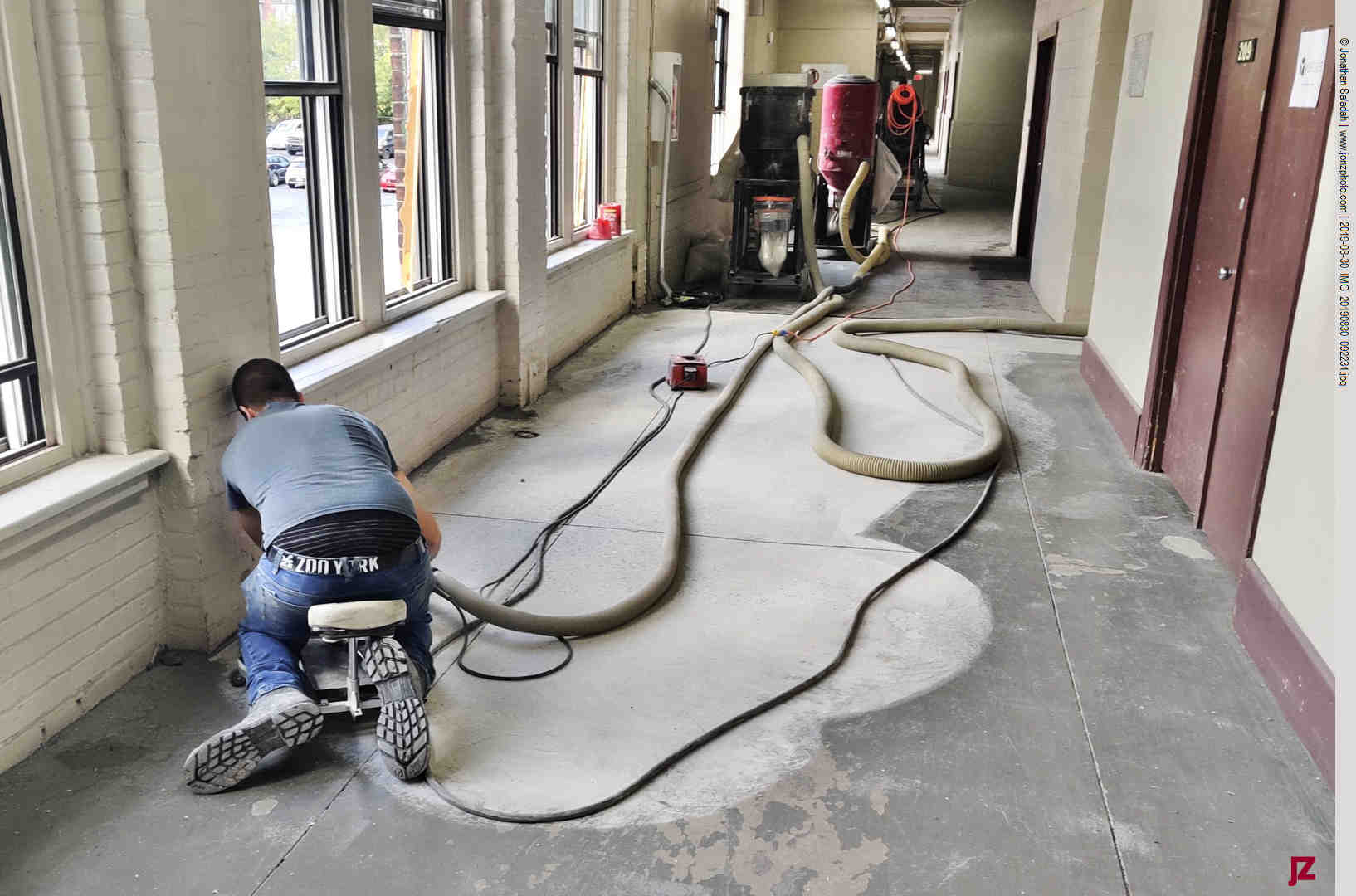
We knew the end of our tenancy was near when the new owners started “polishing” the concrete floors. They were well worn for good reason: it was possible to easily sled heavy objects down the corridor and onto the freight elevator (at the end of the hallway). We Move On
Cadbury is still in Toronto, though it’s part now of some global snack conglomerate (US) whose name means nothing to most people (Mondelez International). But the rue Masson factory which we experienced is still there – now known as Les Lofts Cadbury – a heritage industrial building converted into artist studios, offices, and flexible workspaces. The name remains, even after the chocolate is long gone. Where workers once wrapped Caramilk, commercial tenants now tend to their work in small chopped-up spaces taken from the original factory workfloors.
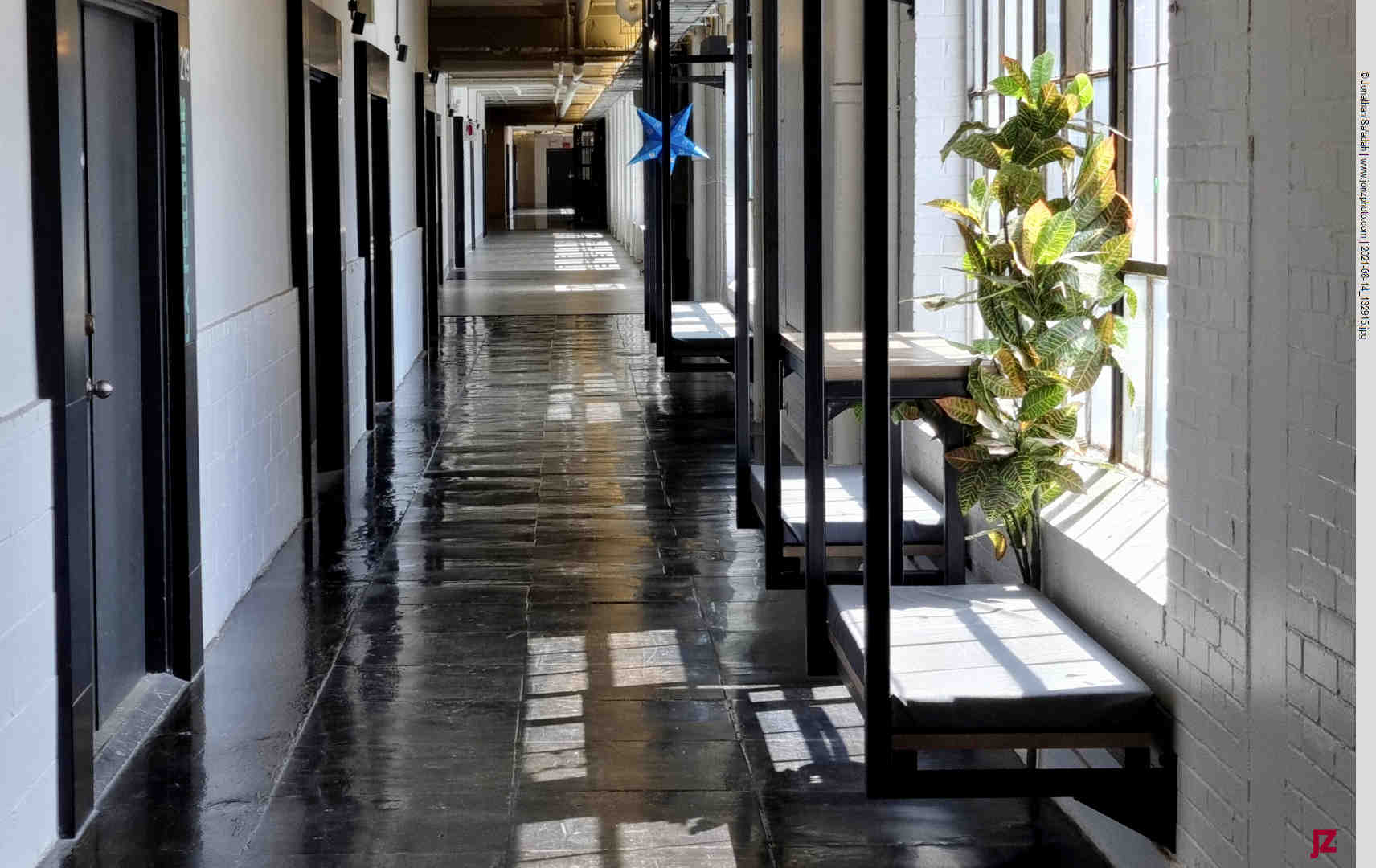
After the floors were “polished” by the new owners they were painted black, more as a statement of style rather than of practicality. The benches were an attempt at sophisticated leisure, as was the sickly croton. We were a small part of that story. We moved in when the building still offered rough spaces in a questionable neighborhood. During the sixteen years that we rented the surrounding area morphed from shabby declining industrial character to mildly trendy. A street café opened nearby selling expensive avacado sandwiches then near the end of our stay a commercial property investor bought the building from the seedy, cash-under-the-table owner we had known. Huge grinding machines were brought in to polish the concrete floors, which were then painted black. The front office changed from mostly somnambulists to fashion-forward techies. In the hallways small sitting areas were built encouraging one to pause and drink a cappuccino (no, I never saw anyone using them). Rents were also increasing dramatically each year. It was time for us to move on, and we did.
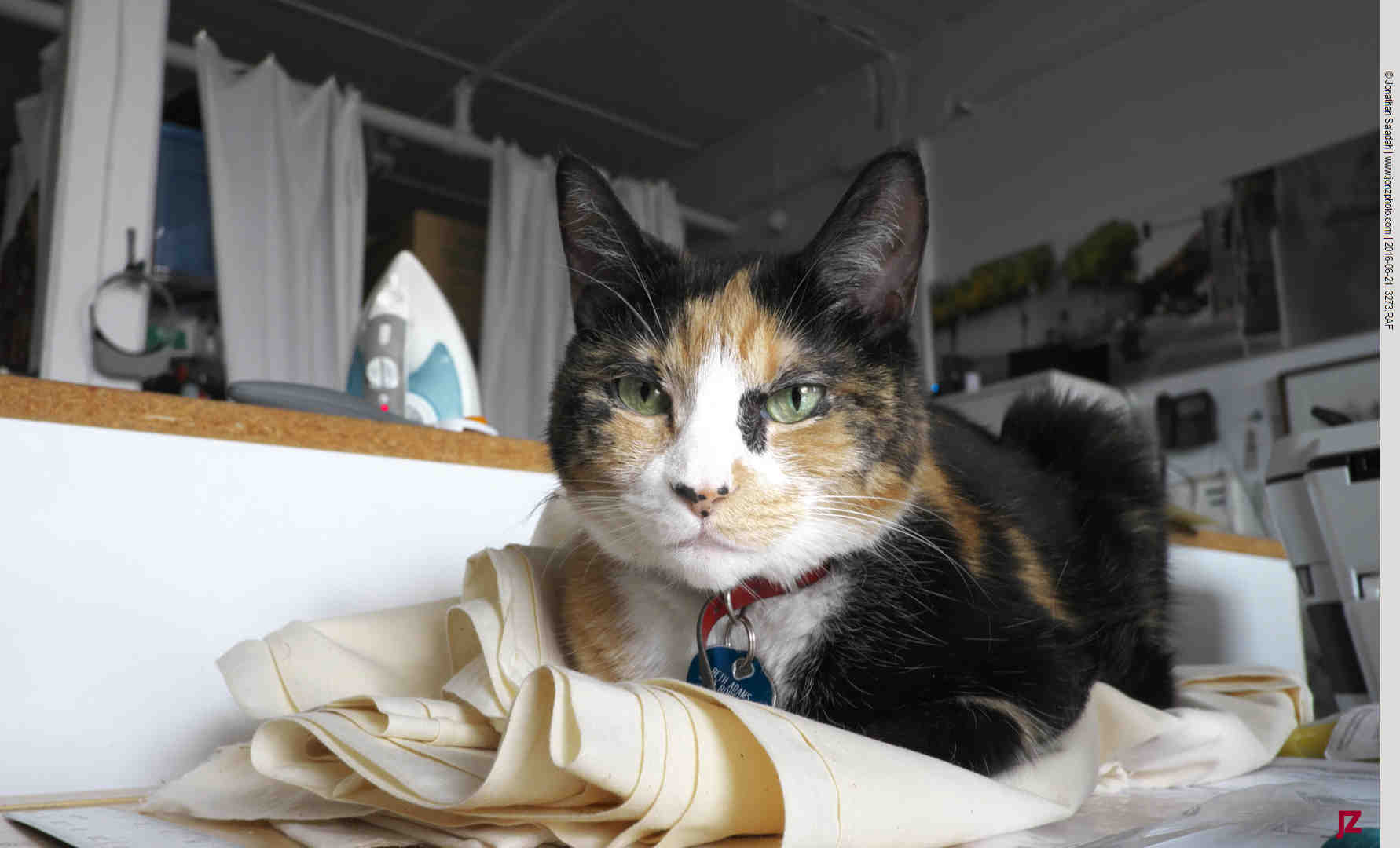
Manon always kept close tabs on us while we worked. -
Spring in Parc Lafontaine
Having been born an American, I grew up thinking of city parks as somewhat sinister places. Manhattan and Boston, the two cities I knew well, have beautiful parks but they generally aren’t places where you ignore danger, and that was especially true in the period when I was in those cities. So coming to Montreal took an adjustment. I remember while still a tourist here asking a policeman if a certain park was safe to walk across at night. He gave me a baleful look and said “you must be an American”. It wasn’t so much that he was being dismissive, just making a sad observation.
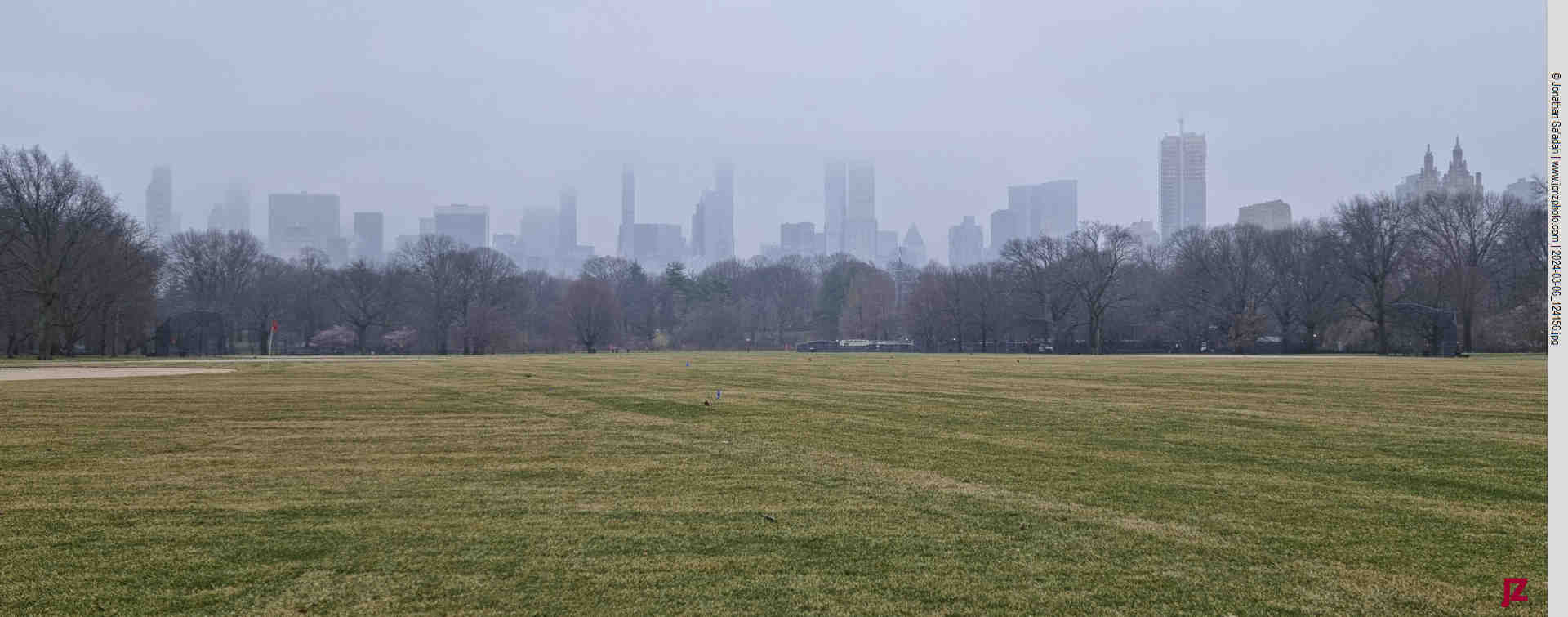
A different, more American vibe – Central Park in Manhattan on a March day. So the idea of a city park being a public space safe to walk in alone late at night, or a place where I could sit on a bank and leave the world behind for a bit, wasn’t something that came naturally. On the other hand, I’ve had no problem learning new behaviors! We were lucky that when we moved to Montreal. Our first home bordered on one of these big parks, Parc Lafontaine, and it was very much part of our daily life for the sixteen years we were its neighbor. I came to know it well; it was like a friend who was always there.
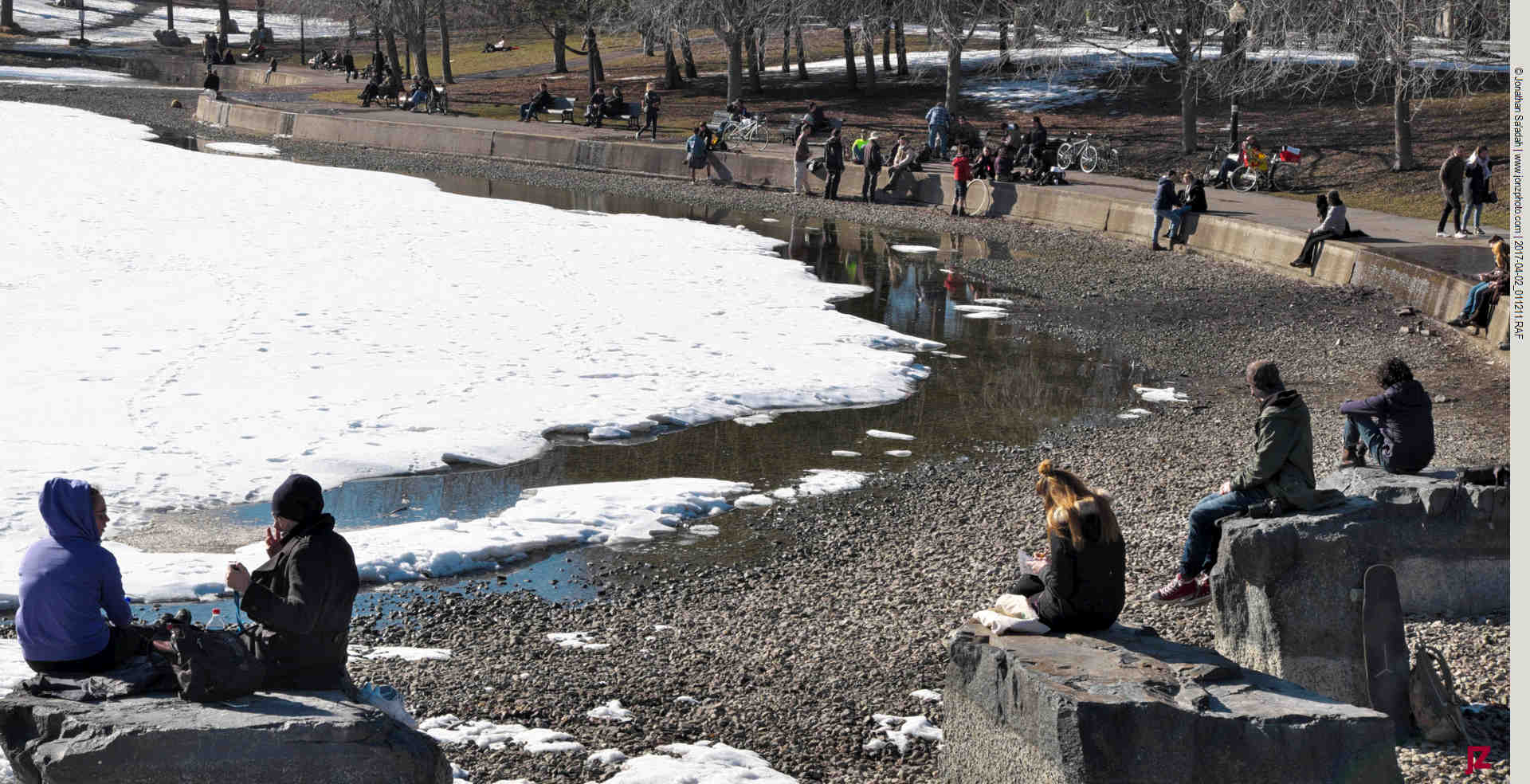
The Park Comes Alive
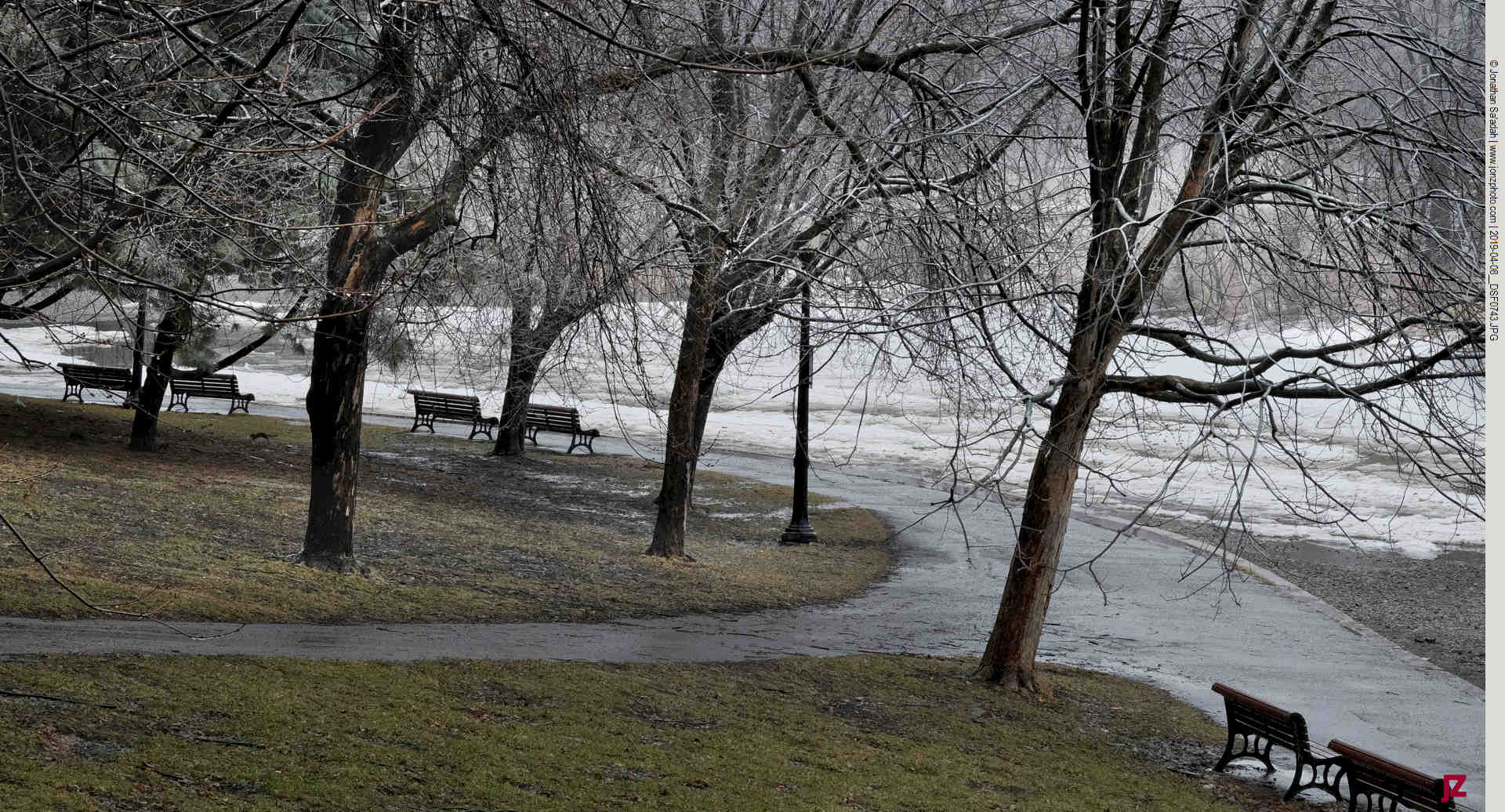
Parc Lafontaine in spring feels less like a sudden transformation and more like a gradual, slow return. In early April, the park is still in transition—patches of snow linger in shaded areas, the ponds are empty and raw, and the trees remain bare. But even then, there’s a visible shift. The light softens, the paths reappear slippery with mud, and the park starts to reclaim its role as one of Montreal’s most lived-in public spaces.
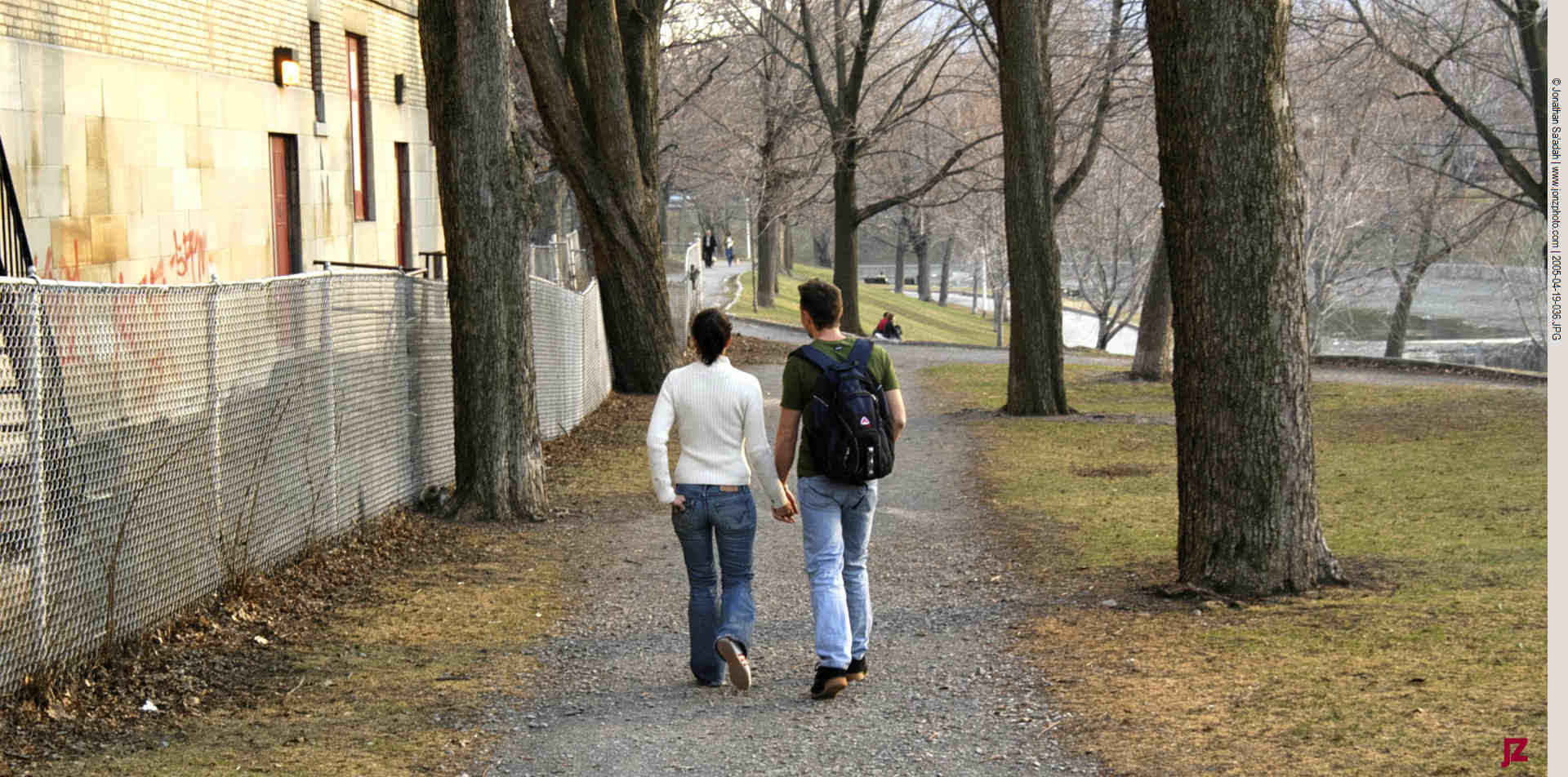
Located in the Plateau, Parc Lafontaine has been part of the city’s fabric since the late 19th century, when Montreal acquired the land and began converting it from farmland into a public park. Before that, it belonged to the Logan family, and its open, cultivated character still echoes in the park’s layout today—broad lawns, structured paths, and a landscape that feels designed to be shared.
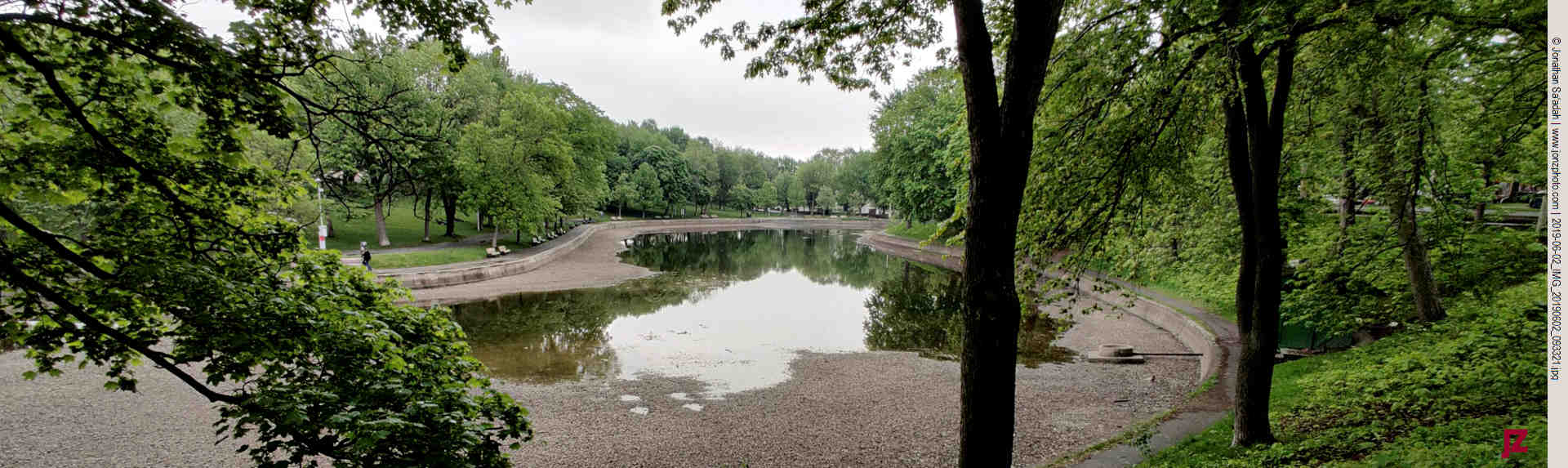
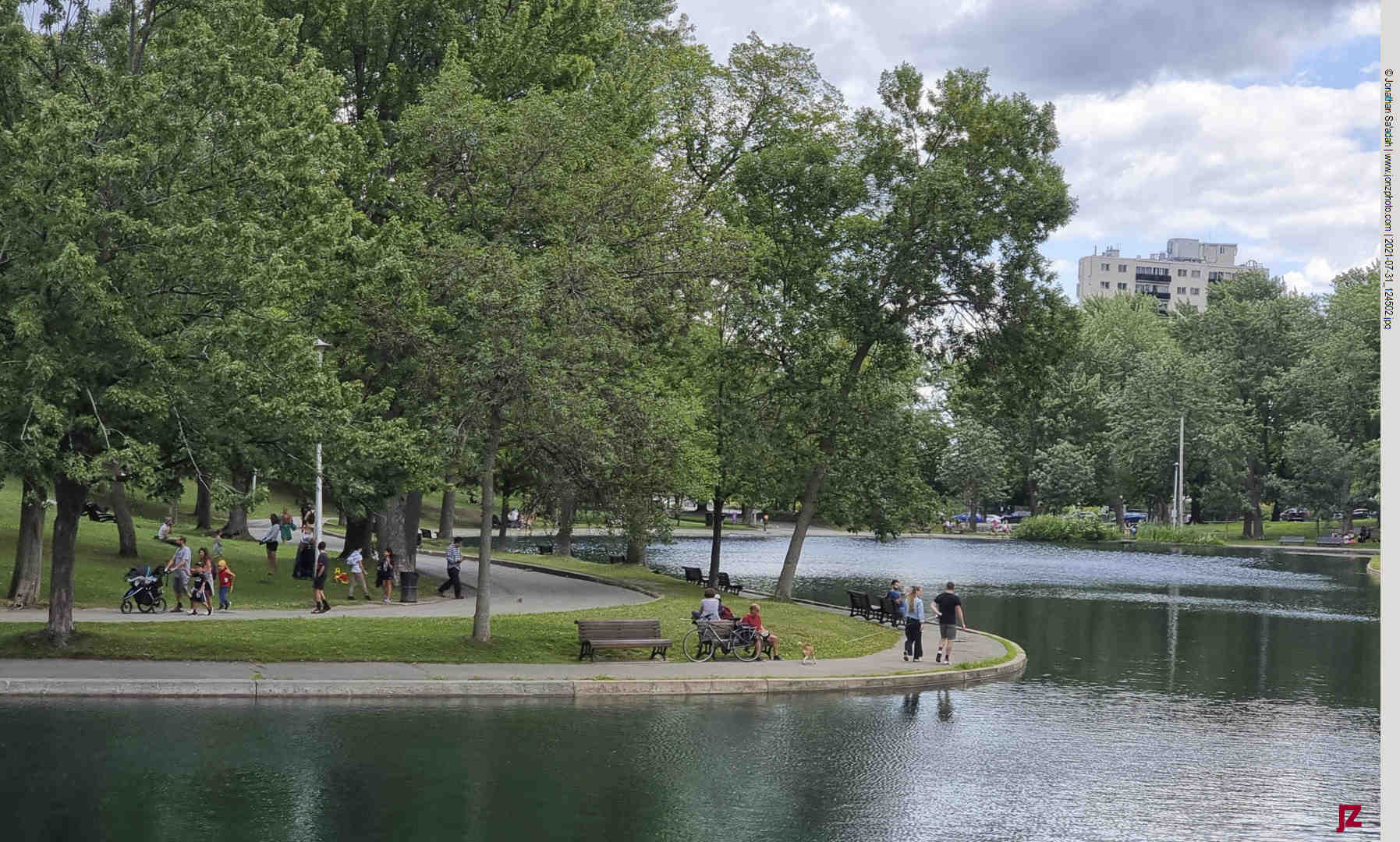
By May, the seasonal change is fully in swing. Trees leaf out in bright green, the two central ponds are refilled, and the park’s paths are coming back to life. Runners, cyclists, and pedestrians fall into familiar patterns, while others settle onto the grass, reclaiming it from snow and ice. The park’s footbridge becomes again a natural gathering and vantage point—especially for photographers and anyone watching the light shift across the surface of the ponds.
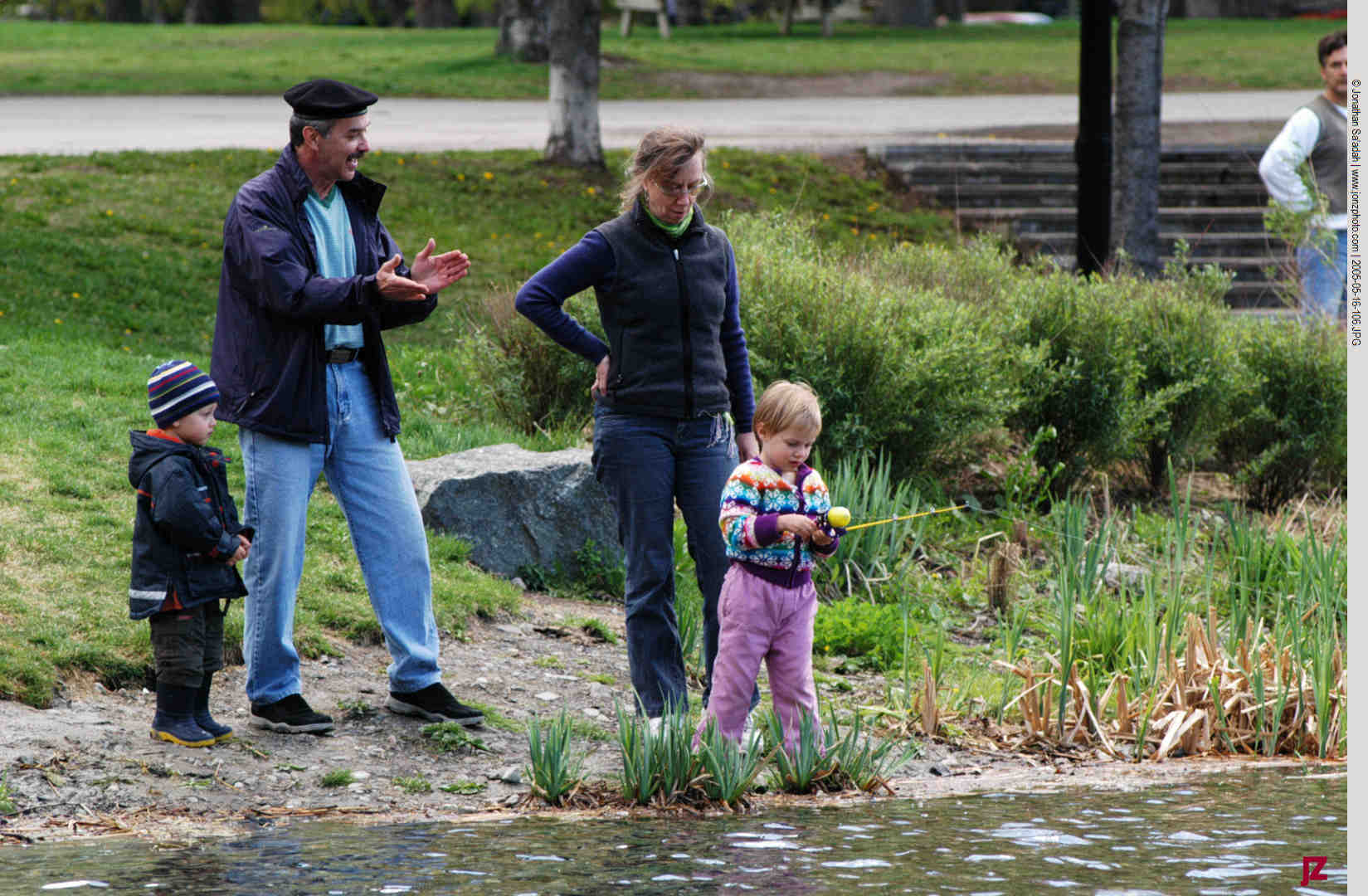
Serving Many Purposes
One of the defining features of Parc Lafontaine is how it blends recreation with culture. Near the eastern side of the park sits the newly rebuilt Théâtre de Verdure, an open-air performance space first constructed in the 1950s. It has hosted decades of concerts, plays, and community events, and while its programming has fluctuated over the years, it’s an important cultural landmark in the city.
The park serves many functions. During COVID the park rescued me and thousands of other people from enforced confinement. The city maintained wide walking paths through the snow, and a network of groomed trails for cross country skiers. It felt more like Helsinki than Montreal but it helped a lot.
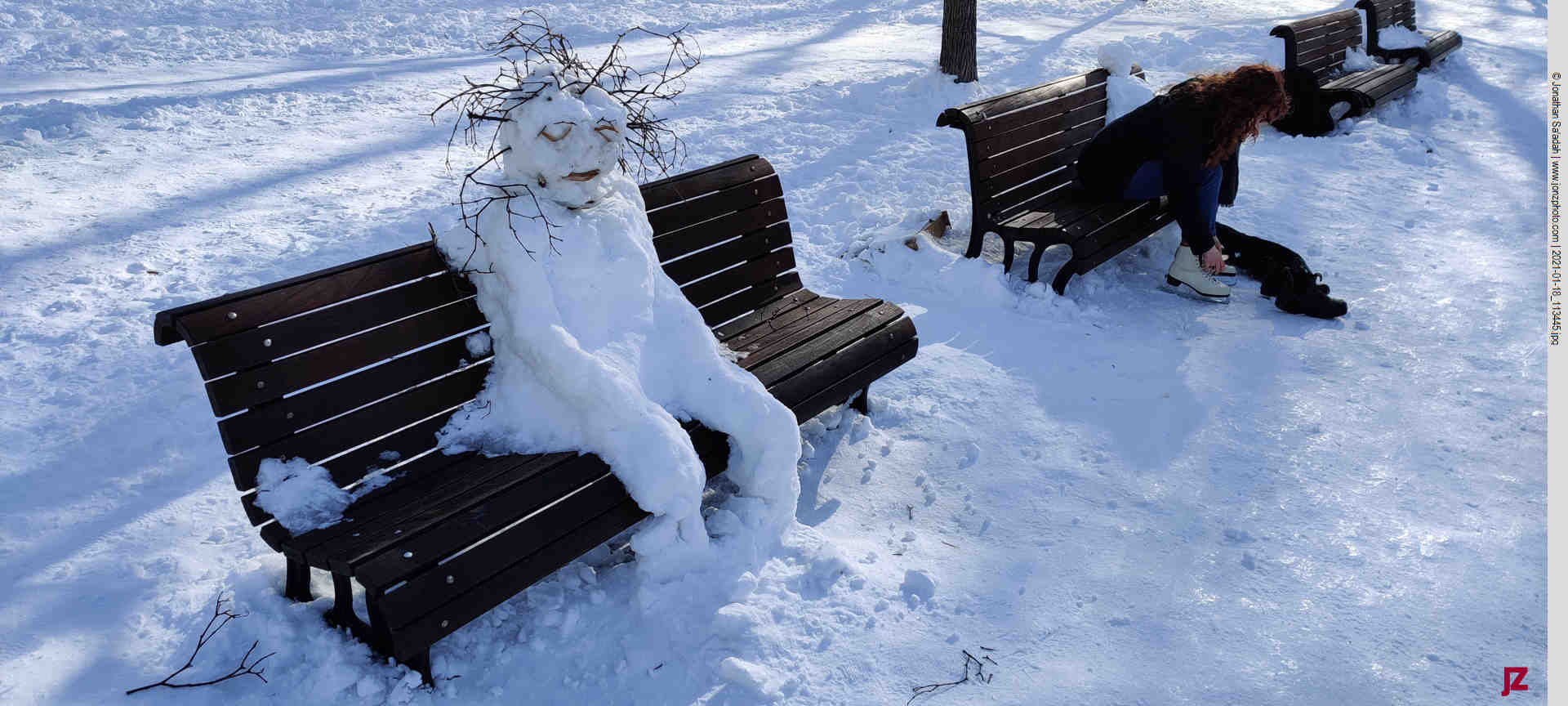
Spring also brings smaller, sensory details that define the experience of the park. Lilacs, pussy willows, and catalpas bloom adding a strong, unmistakable scent to the air. The soundscape shifts as well—less wind, more conversation, music, and the ambient rhythm of daily life. What was quiet and sparse in winter becomes layered and active, without ever feeling overwhelming.
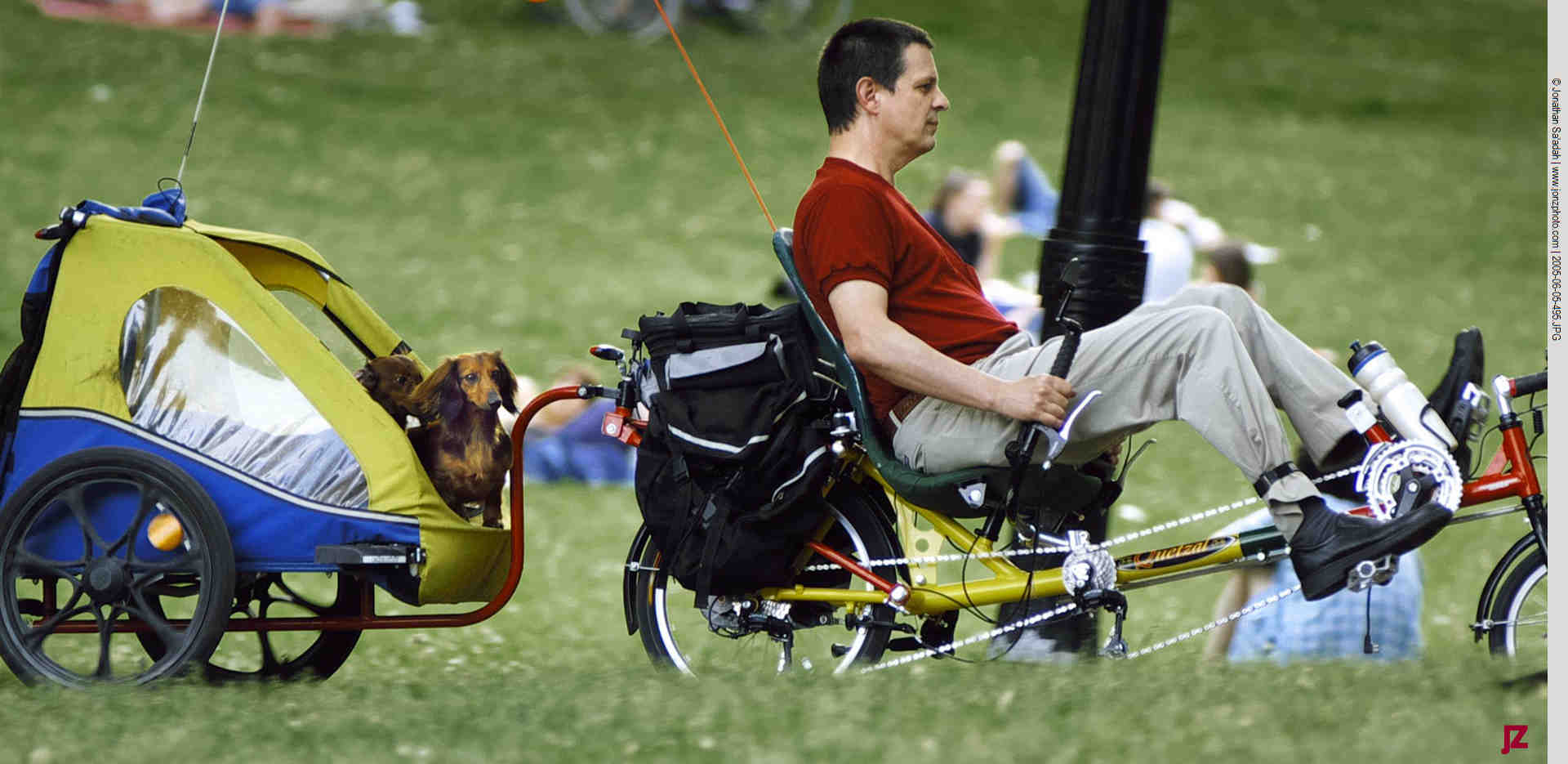
The park’s name itself points not to a fountain, which is what most people think, but to a historical character. It honors Louis-Hippolyte Lafontaine, a central figure in 19th-century Canadian politics and a key advocate for responsible government.
What stands out most in spring is how naturally Parc Lafontaine accommodates different kinds of use. It’s not a park designed around a single activity or identity. Instead, it supports people having a wide range of experiences at once—exercise, socializing, quiet observation, enjoying cultural events—all unfolding within the same space. That flexibility is part of what makes it so attractive.
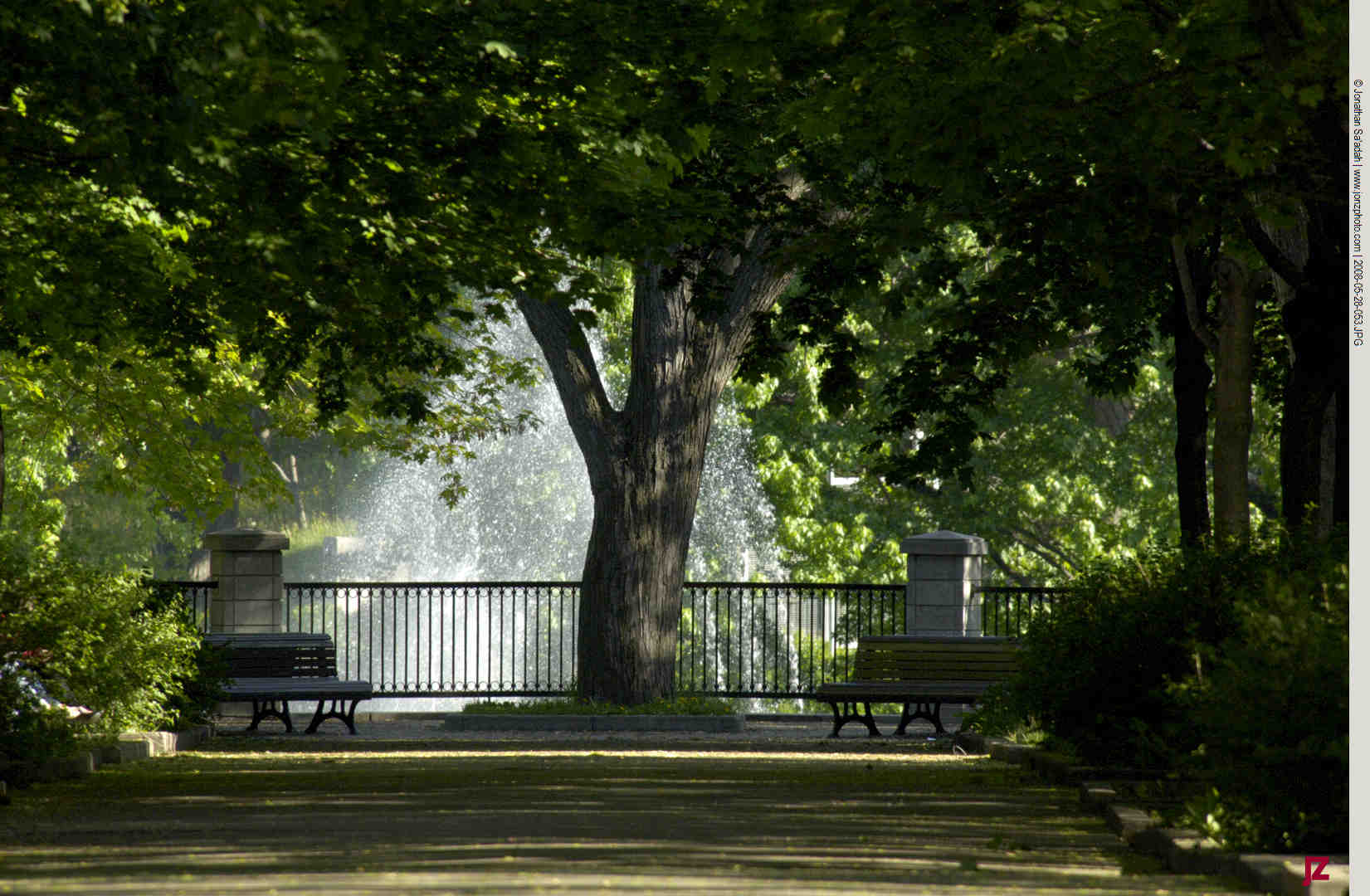
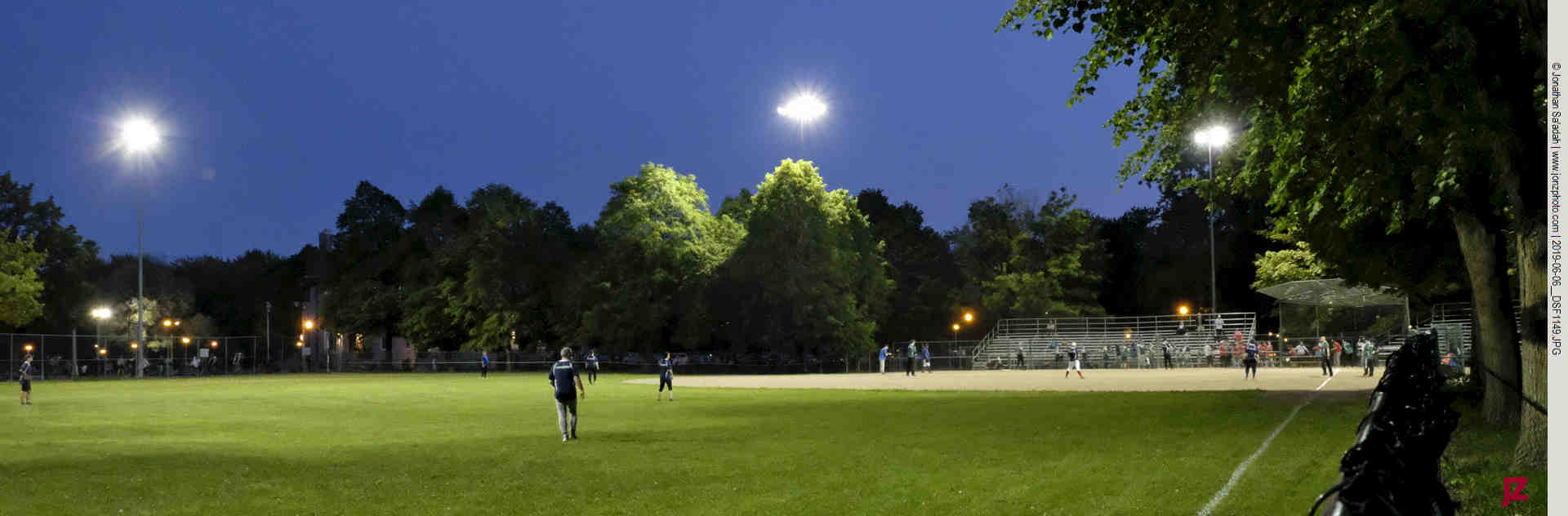
By late afternoon, especially on clear days, the park settles into a rhythm that feels distinctly Montreal. The light warms, the pace slows, and the space fills without feeling crowded. It’s a time when the park is neither empty nor busy, but balanced—fully in use, yet still open enough to move through comfortably.
Spring doesn’t dramatically redefine Parc La Fontaine. Instead, it reveals it—restoring its textures, its patterns, and its role in the daily life of the city.
-
The Bittersweet Story of Syria’s Christians
The first in a series introducing my new photo book “Return to Damascus: A Personal Journey.” This post is about my family’s long-term history in Syria and at least some of the story of how we ended up in America.
“He saved us with a single act of mercy.”
These words, spoken by my father, referred to Abd el-Qadir al-Jaza’iri’s heroic intervention in Damascus in 1860 – a moment that shaped my family’s destiny and countless others.
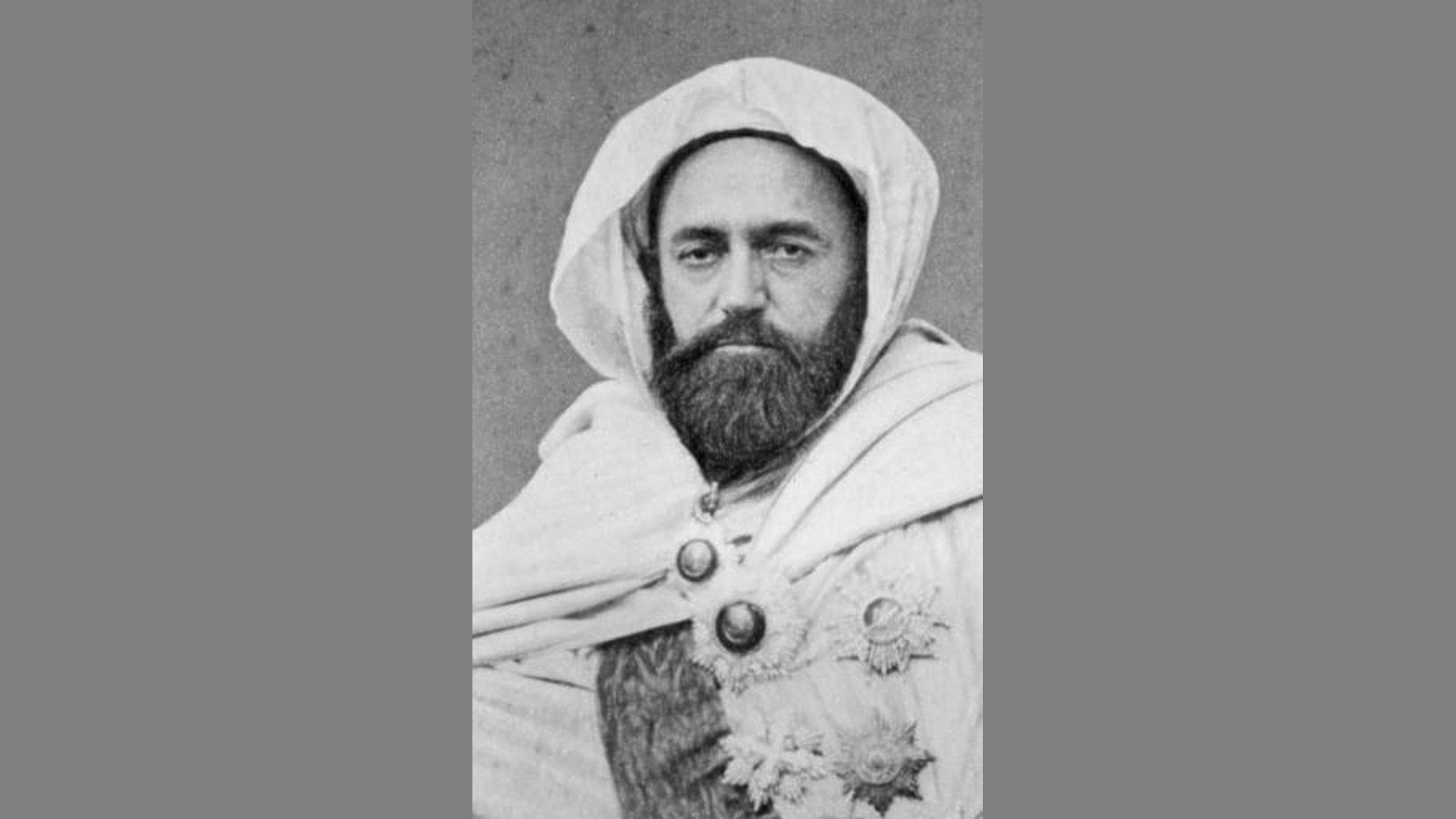
▲ Abd el-Qadir (1808-1883) was trained as a religious scholar but for 15 years (1832-1847) he led the Algerian resistance against French colonization. After his surrender in 1847 he was imprisoned in France for five years before being released by Napoleon III and moving to Damascus. He lived in the city as a respected figure with a retinue of Algerian followers, so he was uniquely positioned to intervene in the anti-Christian violence of 1860. (US Library of Congress) When I set out to understand my family’s roots, I discovered that the story of Levantine Christian migration is both a tale of lucky survival and and stubborn resilience. It stretches from the violence that erupted in Mount Lebanon and Damascus in 1860 to the streets of Montreal, Brooklyn, Detroit-Dearborne, Brazil, Argentina, and many other places today. Syrian Christians have forged new communities across the globe, carrying traditions, languages, and memories with them.
The 1860 Watershed
In the spring of 1860, centuries of relative coexistence between Christians and Muslims in the Ottoman Empire shattered. Economic tensions, administrative reforms, and armed conflicts in Mount Lebanon spilled into Damascus, where Druze militias and local mobs attacked Christian neighborhoods. Thousands were killed, and homes and churches were destroyed. It was a catastrophe that reverberated across the Mediterranean world.
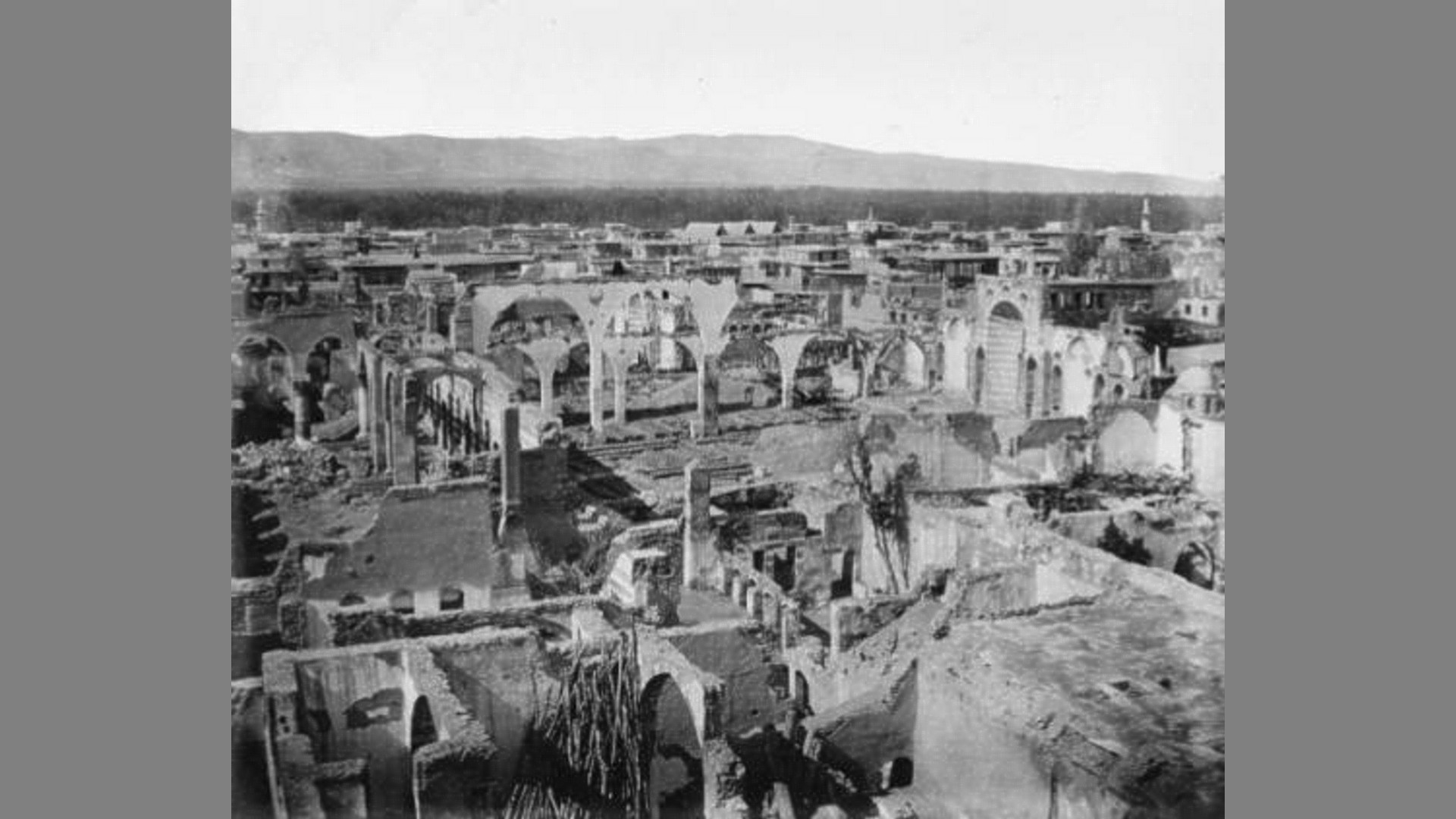
▲ The Christian quarter of the Old City in Damascus after the 1860 violence In spite of Abd el-Qadir’s intervention an estimated 2,500 Christians died in Damascus alone, with 1,500 homes burned and 270 houses destroyed by looters. (US Library of Congress) Amid the chaos, one leader stood out: the Algerian-born Emir Abd el-Qadir. Living nearby, he intervened to protect Christian refugees – placing his family and followers between the mobs and Christians and personally leading women and children to safety.
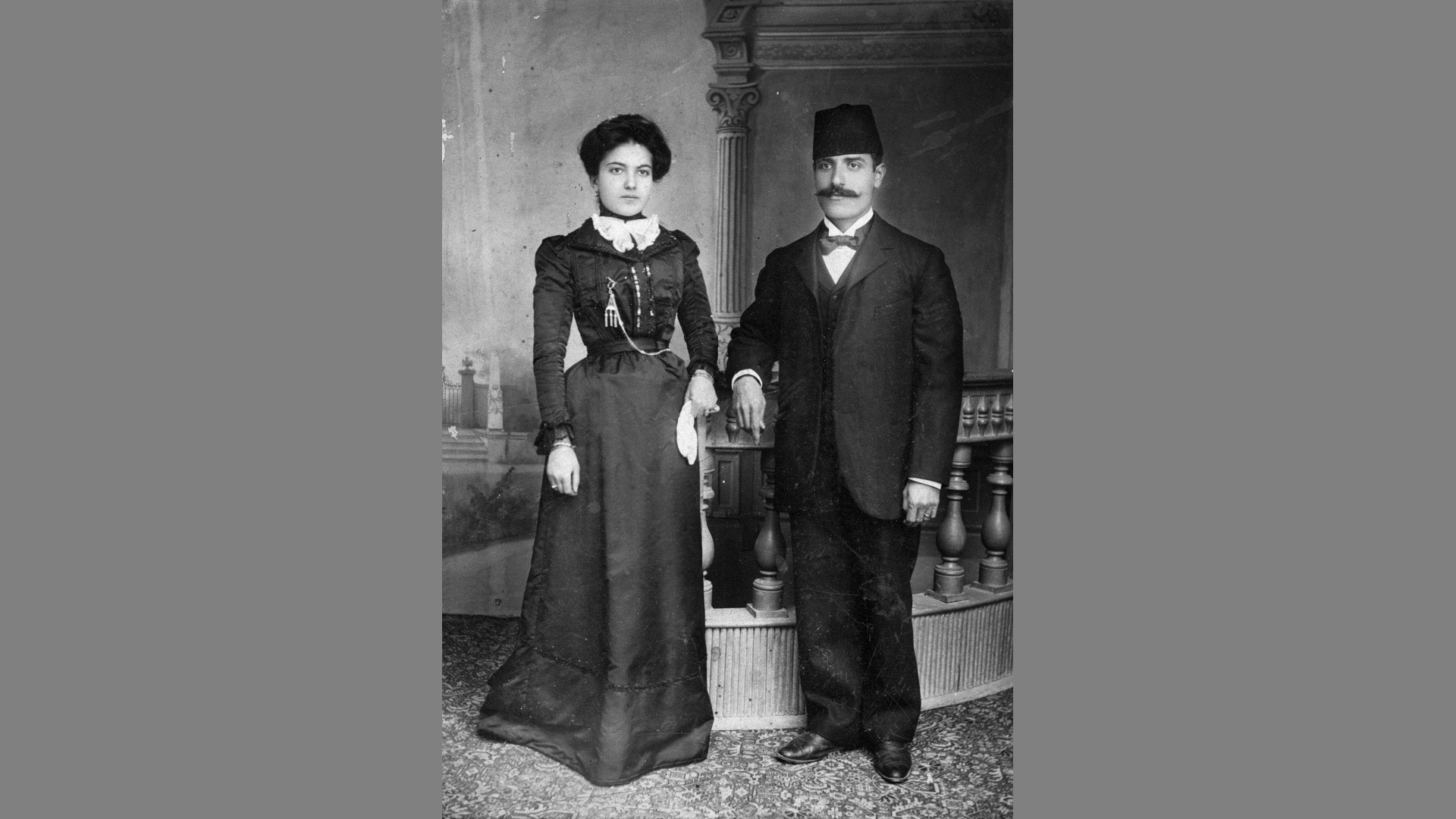
▲ My paternal grandparent’s wedding photo My grandfather is wearing a fez because under Ottoman rule Arab Christians were required to show subservience. My grandmother was not born in Damascus but came from the nearby Christian village of Yabrud. This 1860 violence triggered the first large wave of Christian emigration. Families, traumatized by the massacres and fearful of a repeat, turned their eyes westward.
Pioneers to Canada
The earliest Levantine Christian settlers in Canada arrived in New Brunswick in 1879. Unlike the later urban enclaves in Montreal and Toronto, these pioneers ventured into small towns – opening general stores and peddling goods across rural routes. They etched their names into local histories as hardworking merchants who bridged cultural divides. Many never expected to settle permanently. They did though, building homes, marrying local partners, and raising children who knew their Syrian history only through photographs and stories passed down at the dinner table.
America’s Mass Migration
Simultaneously, a much larger exodus was underway to the United States. Steamship companies marketed opportunities in Philadelphia, Chicago, and New York – highlighting factories hungry for labor and the potential for a better life. Between 1860 and 1914, nearly half of Mount Lebanon’s Christian population emigrated, with Syrians joining the ranks of what was referred to at the time as “the new Americans.”
In Philadelphia, Syrian entrepreneurs opened fruit stands and textile shops. In Chicago, they staffed steel mills during the city’s rapid expansion. My father, who left Damascus in the 1920s for Beirut and later America, found work in a Vermont school teaching Arabic and in a couple of nearby churches as an Universalist minister. Like many, he sent letters back home – describing snowdrifts blocking roads and the smell of pine forests in ways that made our family’s memories of olive orchards and souks feel like distant dreams.
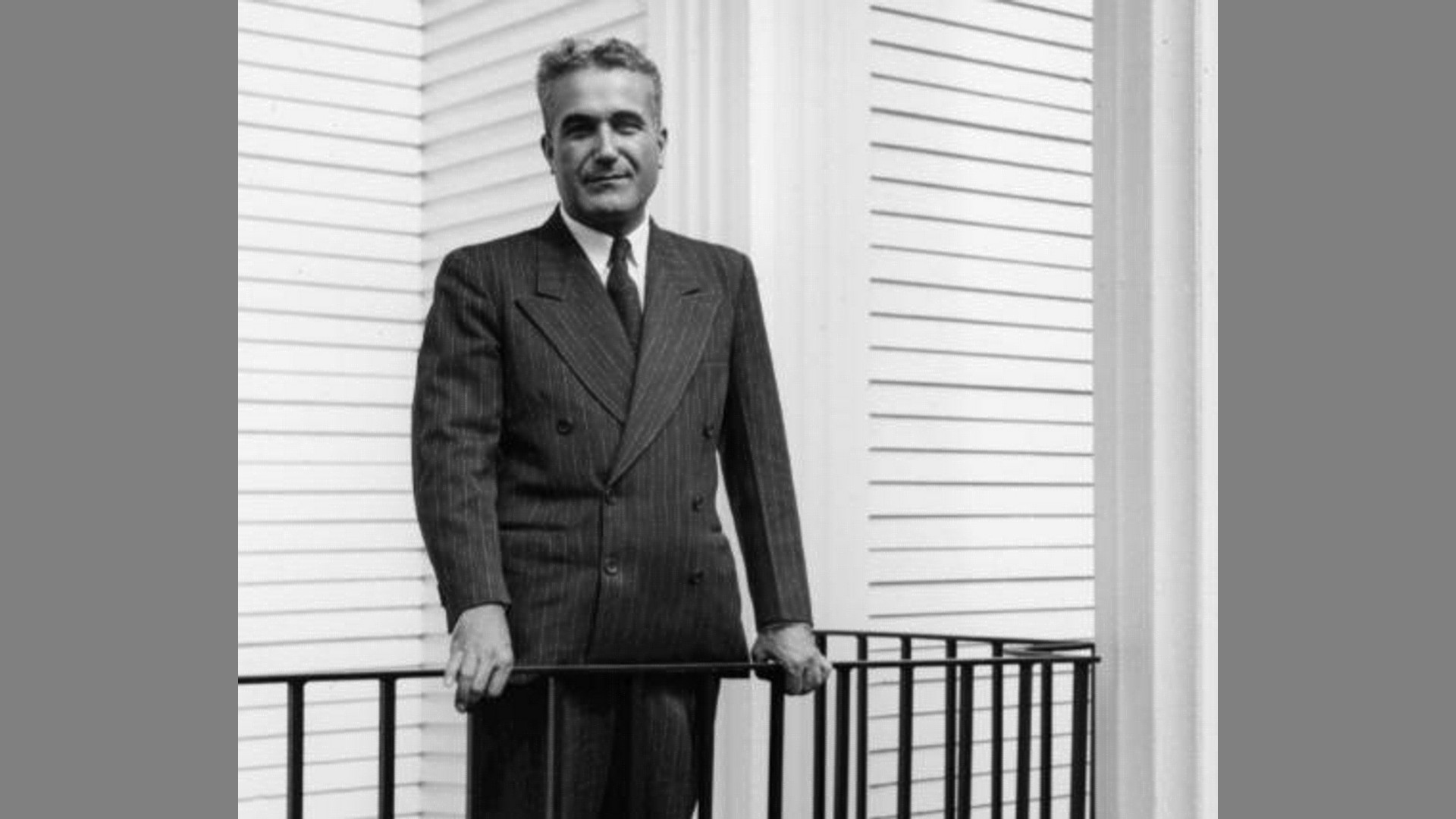
▲ Mounir Sa’adah, my father, on the porch of the Universalist Church in Woodstock, Vermont, where he served as minister from 1946-1964. (Ken Miner, Photographer) A Special Bond with France
Across the Atlantic, France held a unique allure for Levantine Christians. The French “Protectorate” over Lebanon and Syria (1920-1946) created educational, linguistic, and administrative ties, making Paris a natural destination for students and professionals. Catholic missions in Beirut and Aleppo funneled promising young Christians into French universities, where they studied law, medicine, and literature.
After graduation, some returned home; others remained in France, blending into Parisian neighborhoods. Their emigration differed from North America’s because they often enjoyed closer political ties and shared religious networks – and yet, they encountered challenges of assimilation and identity that echoed those of their North American counterparts.
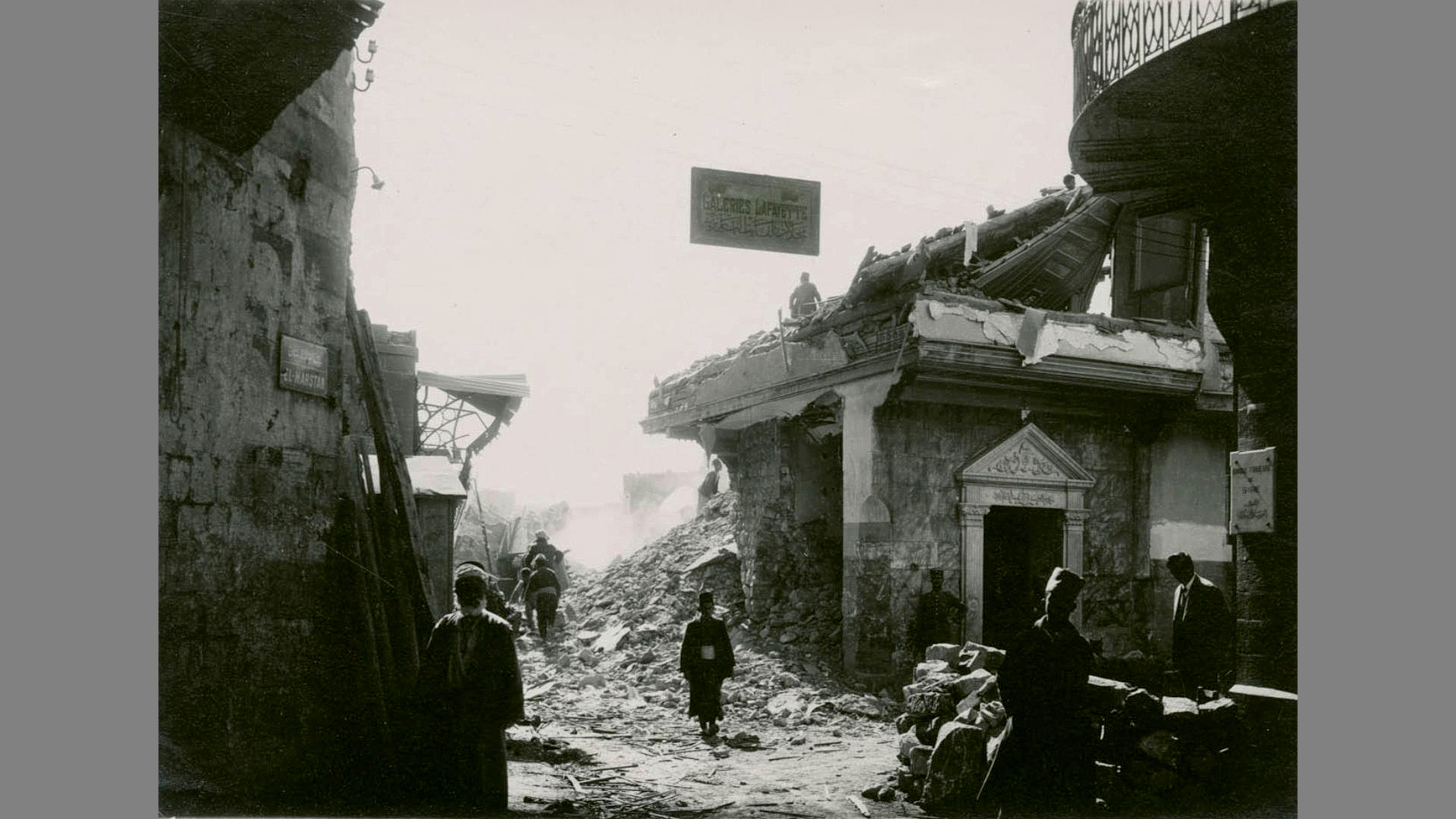
▲ Syria’s complicated history with France In the text I put “Protectorate” in quotes because the reality is that France forcibly prevented Syrians from forming their own independent nation. These are buildings bombed by the French in 1920, at the same time the roof of the main souk was shot up. (US Library of Congress) Economic and Social Drivers
These early migrants were motivated by more than fear. Steamship agents sold tales of golden opportunities, churches organized sponsorships, and community letters home detailed business successes. Young men also sought to avoid Ottoman military conscription, which often meant years of service under harsh conditions.
This “emigration fever” spread quickly. Prosperity stories – of peddlers returning with wagons full of cash – encouraged others to risk the voyage. Similar stories were repeated by migrants to Mexico and South America. Families pooled savings to buy single tickets, hoping to reunite later. Missionaries and diaspora societies provided lodgings, language lessons, and job placement assistance.
Preserving Culture in the Diaspora
Diaspora communities across Canada, the United States, and France worked hard to preserve their culture. Churches taught Arabic and Aramaic liturgies; social clubs hosted dance nights; local grocers sold za’atar and ma’amoul; newspapers in Arabic bridged generations. Families celebrated Christmas with mezze spreads, blending Levantine recipes with North American traditions.
Through these practices, they maintained a strong sense of identity – one that connected them to the villages of Mount Lebanon, the courtyards of Damascus, and the stone village of Ma’lula. Yet, each new homeland shaped them in turn, creating unique hybrid cultures that were neither fully Syrian nor completely Western.
Weaving Family and Diaspora
My own family’s journey followed these patterns. My paternal grandparents remained in Damascus where my father was born in 1909, later attending the American University in Beirut. In 1946, he and my mother traveled to Vermont. After departing the Middle East, he never returned for any extended period, yet It remained a strong part of him.
My mother, who was not Syrian but Armenian, had three children with my father, of which I was in the middle. The book “Return to Damascus” is loosely about my father’s own pilgrimage to Damascus in 2000 when he was ninety years old and where he retraced his arc: from the United States back to the streets he had grown up on.
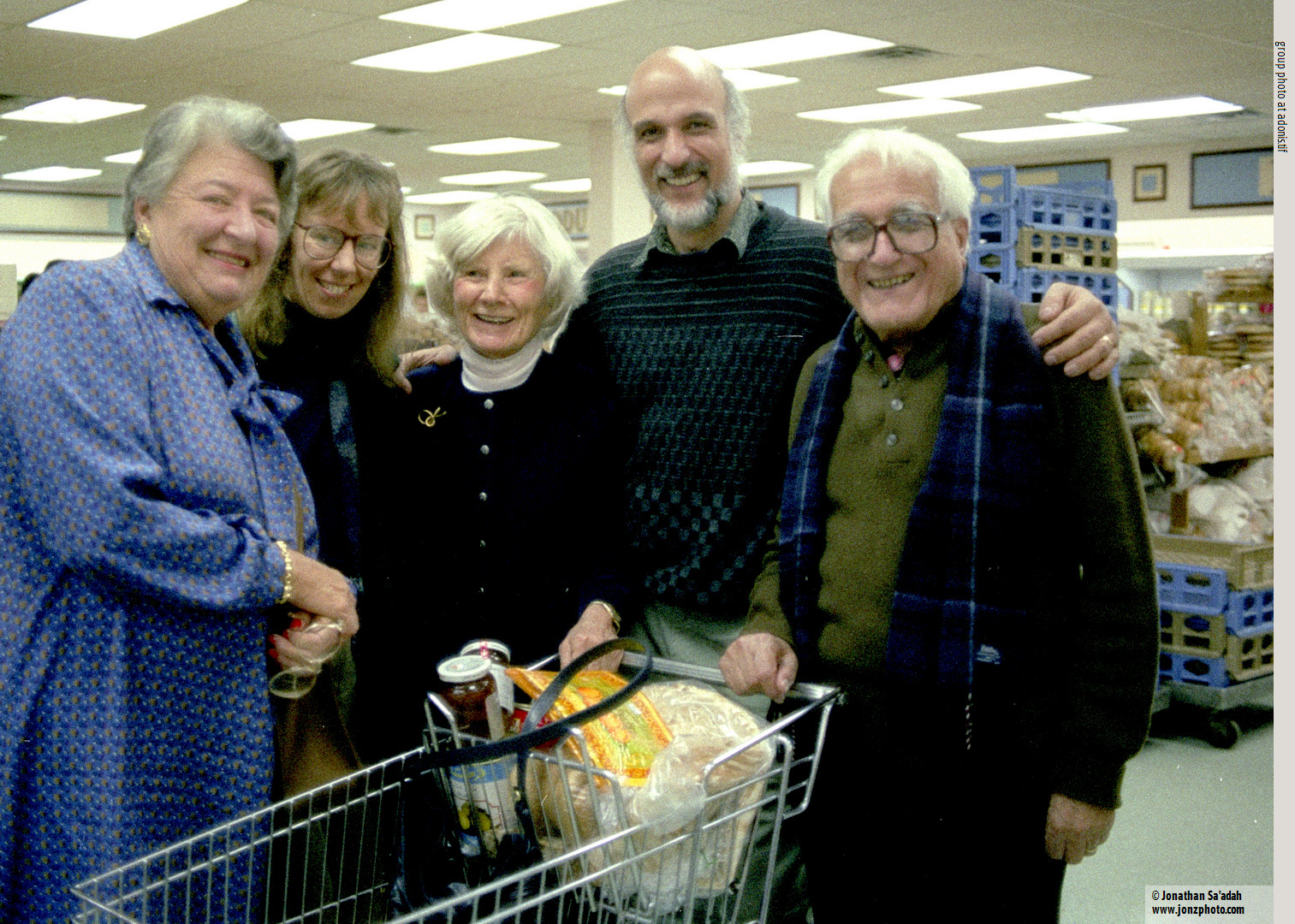
▲ Early 1990s family trip to Montreal to purchase Syrian groceries We drove up from Vermont on a day trip to shop in a small Syrian grocery store. I have my arms around my parents and the woman on the left (next to my wife, Beth) is Abbe Sawabini, who married into a Palestinian family and lived in Burlington, Vermont. Setting the Stage for Cultural Preservation
History plays an important role in my photography book. The images of Ma’lula, the candid portraits along with the streets and places of Damascus, carry deeper meaning for me because of the family diaspora story. But our stories are by no means unique. My family’s history reminds me that many family photo albums hold stories of departure and return, of belonging and loss. But for me the journey from Damascus to Montreal is not just geographical – it is a testament to the enduring spirit of Levantine Christians who carried their heritage across oceans and generations.
“Return to Damascus: A Personal Journey” can be pre-ordered from Phoenicia Publishing at a discount for delivery in November.