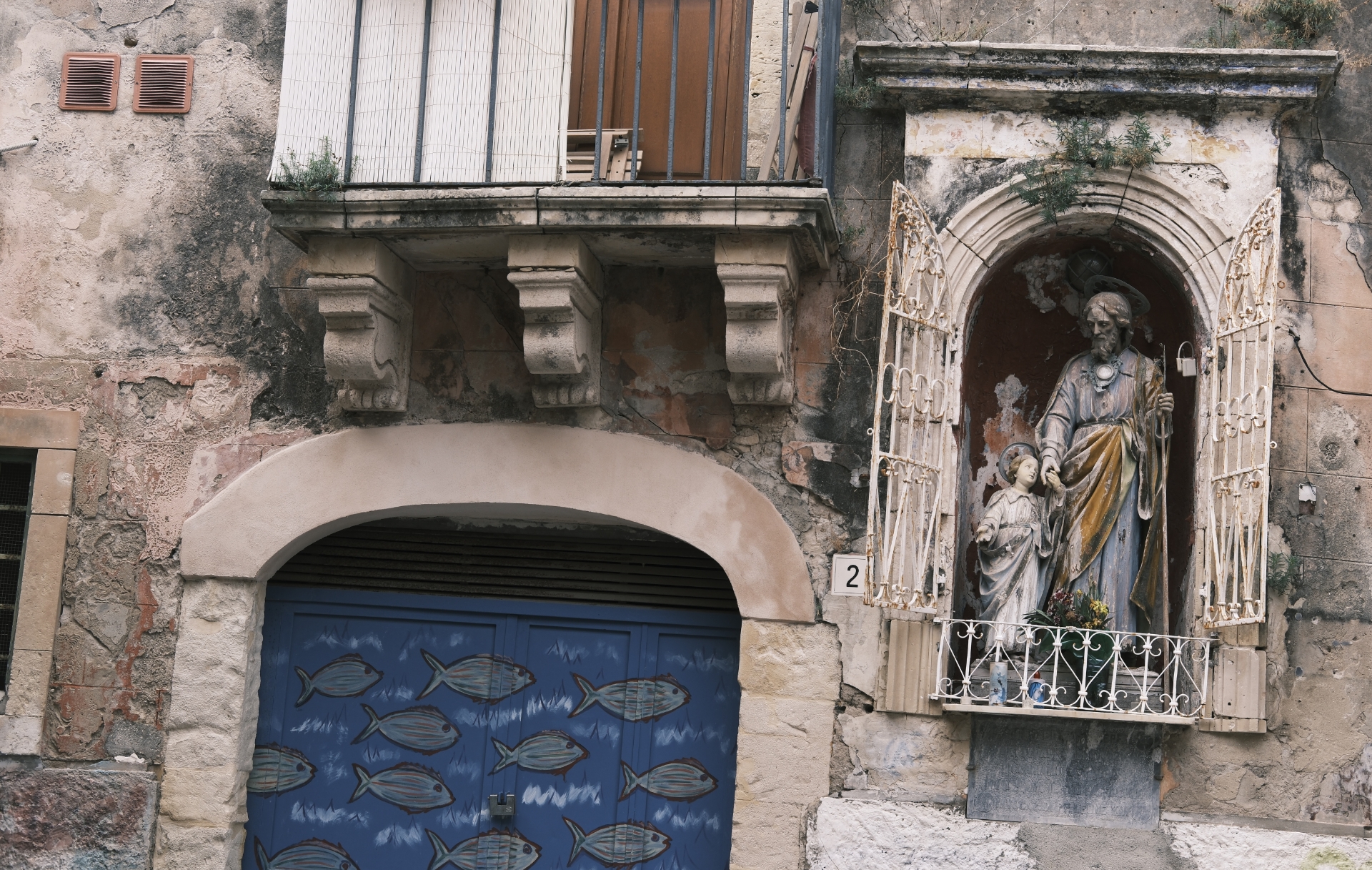
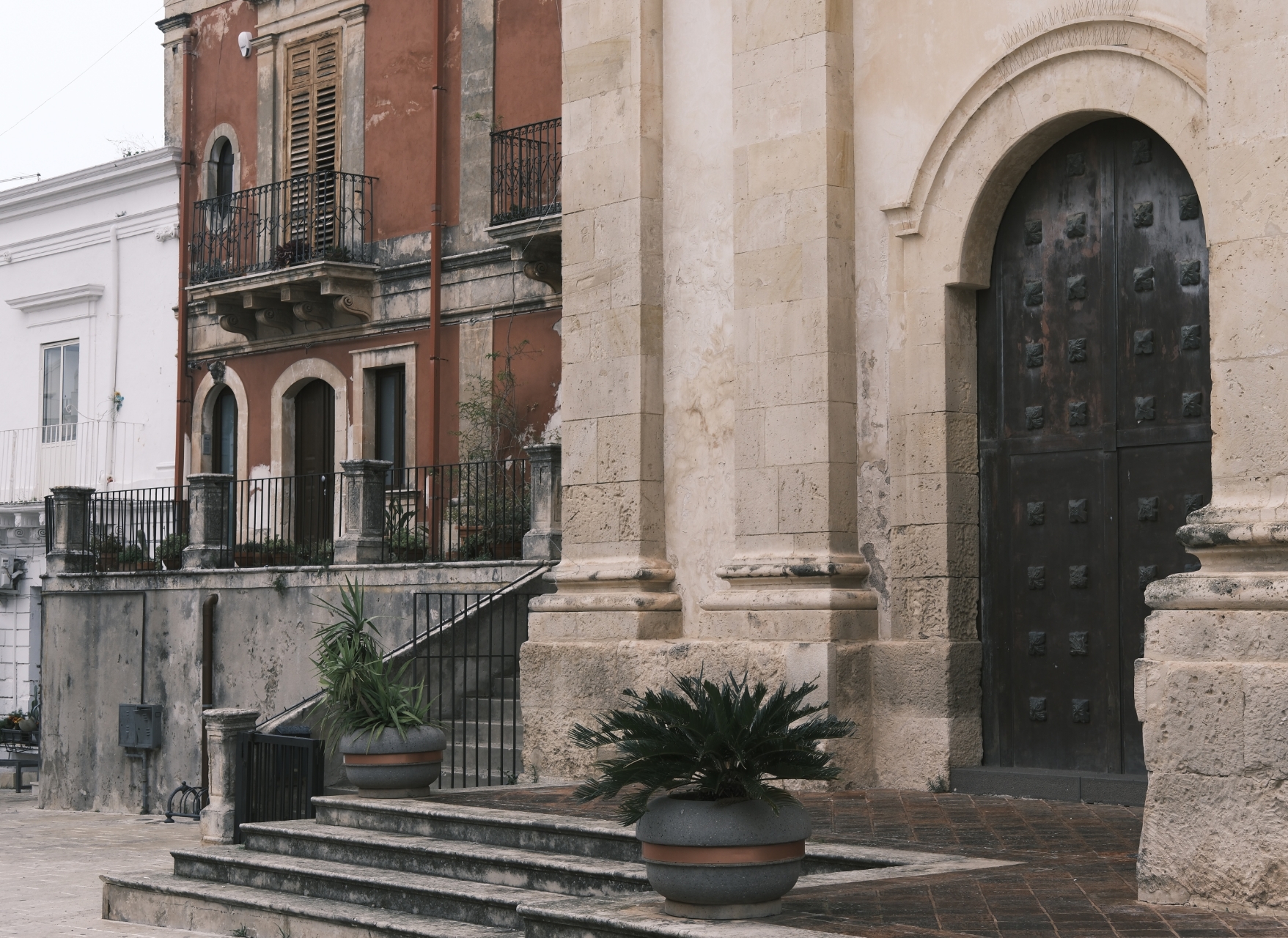
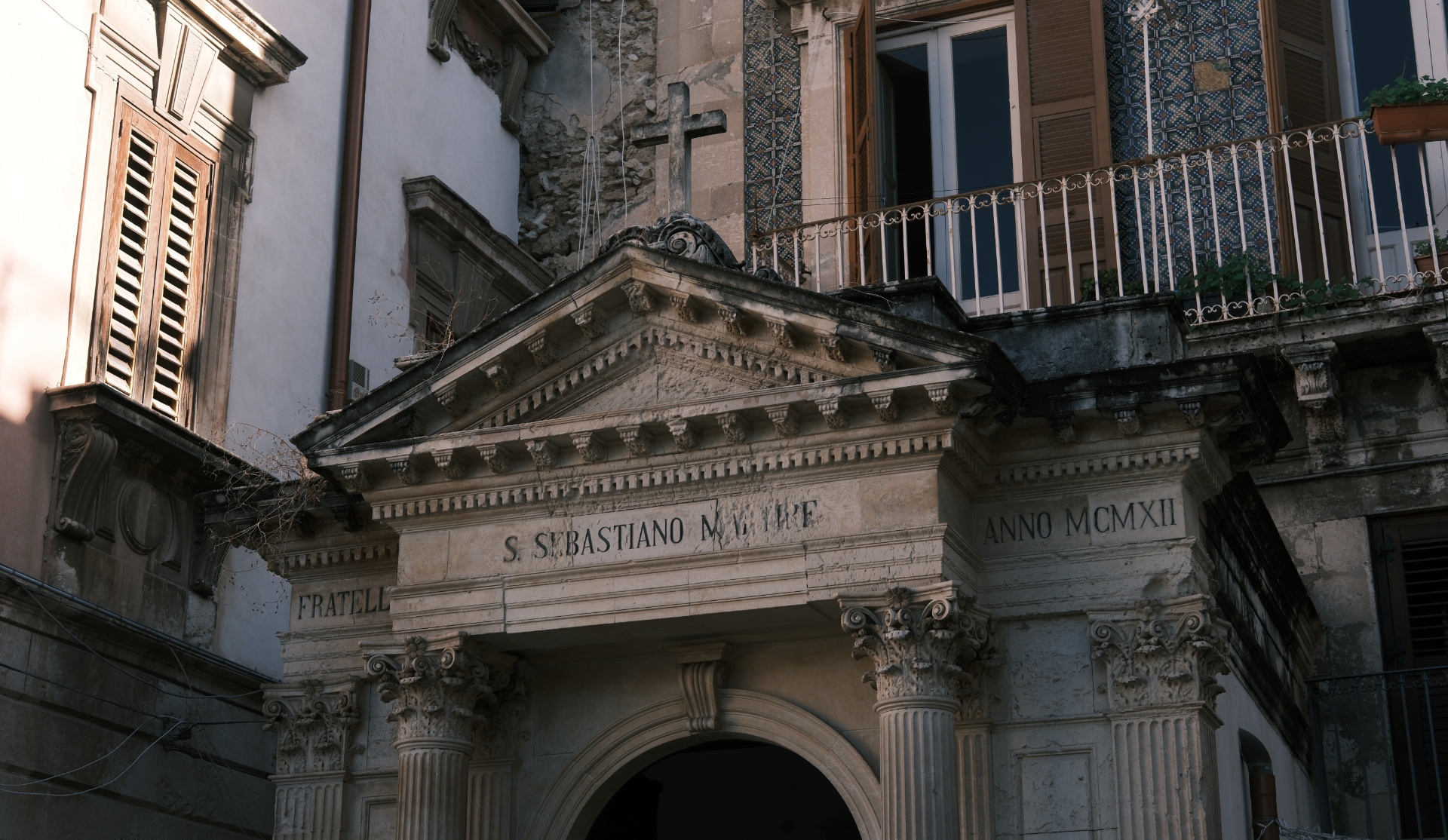
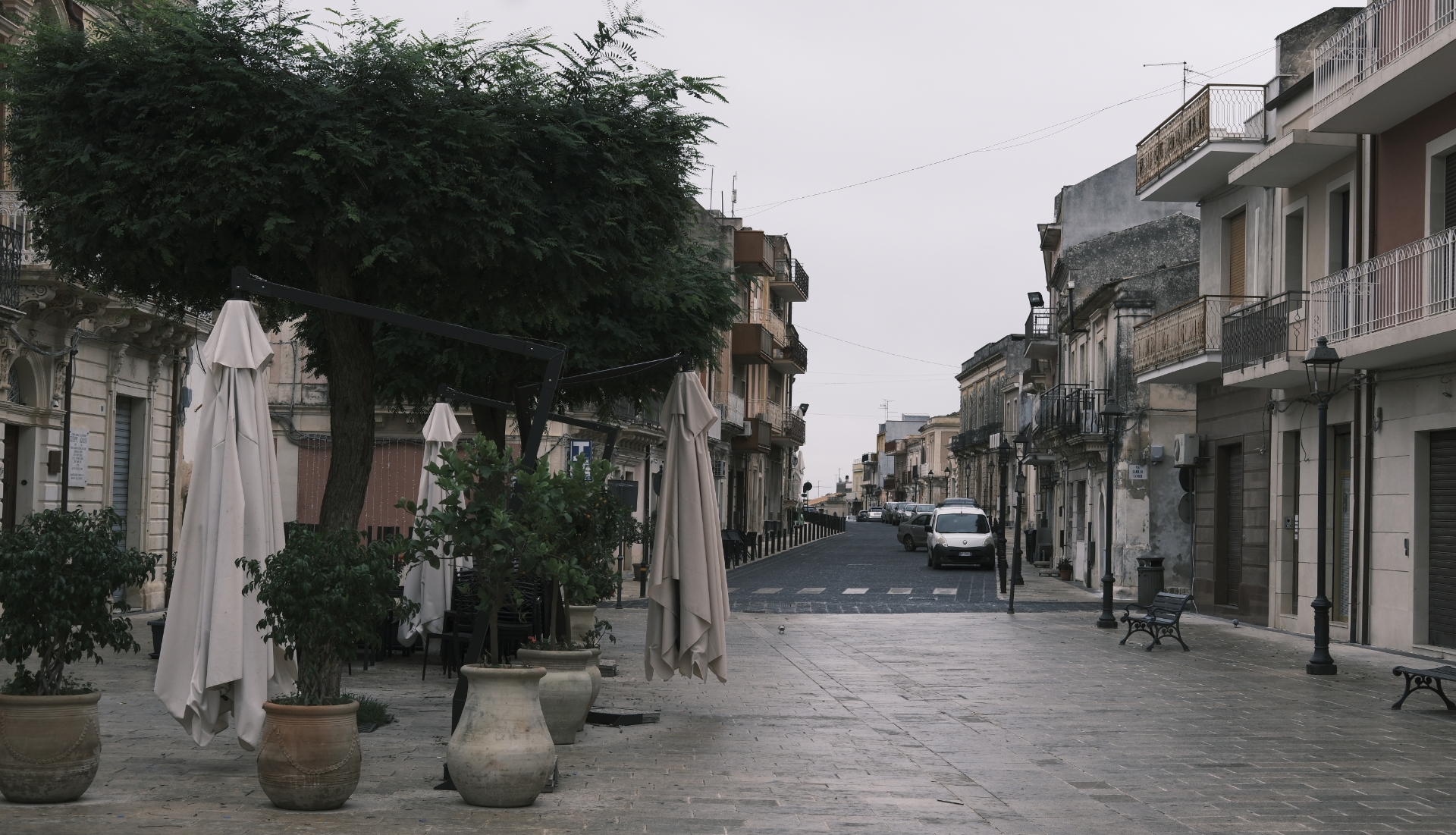
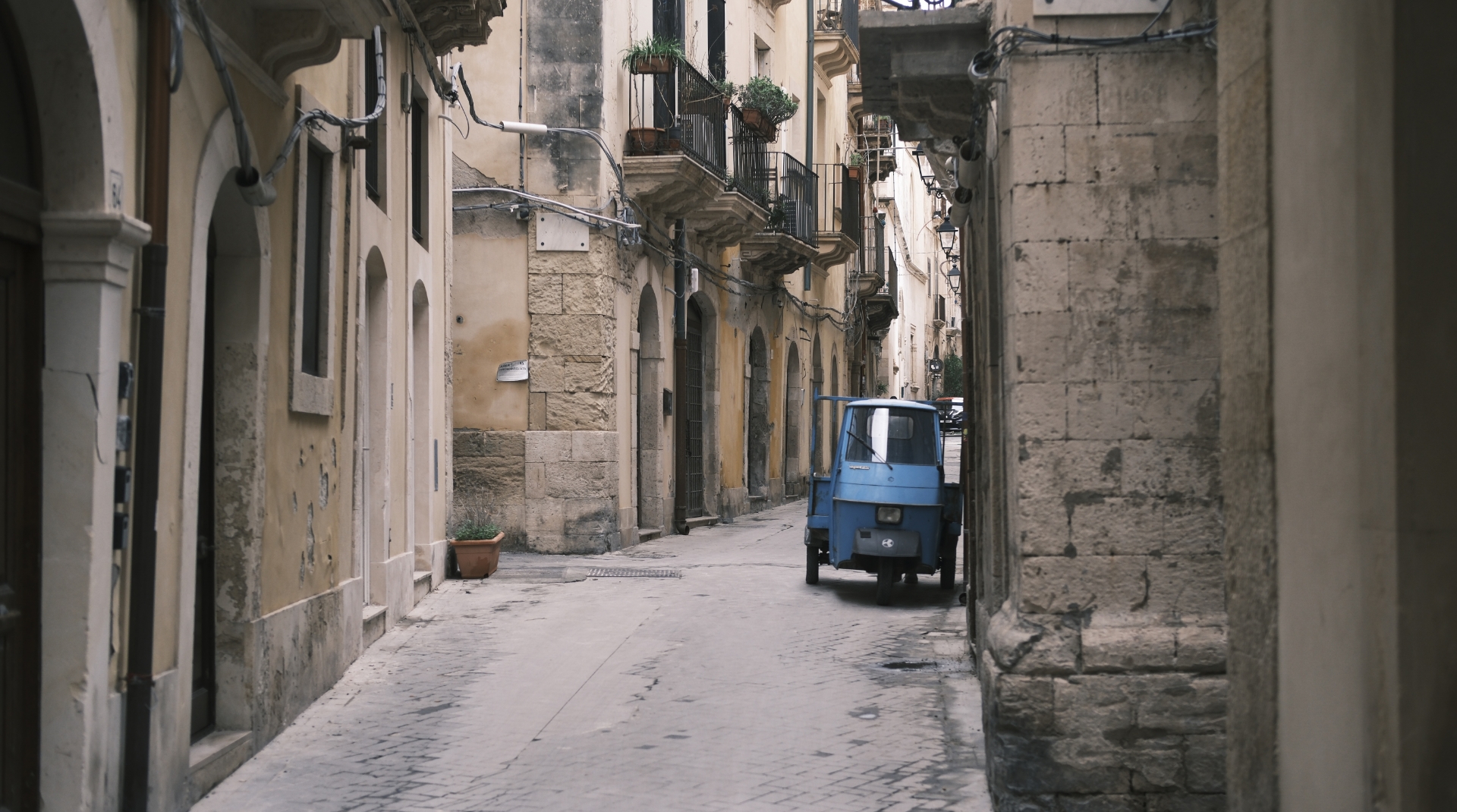
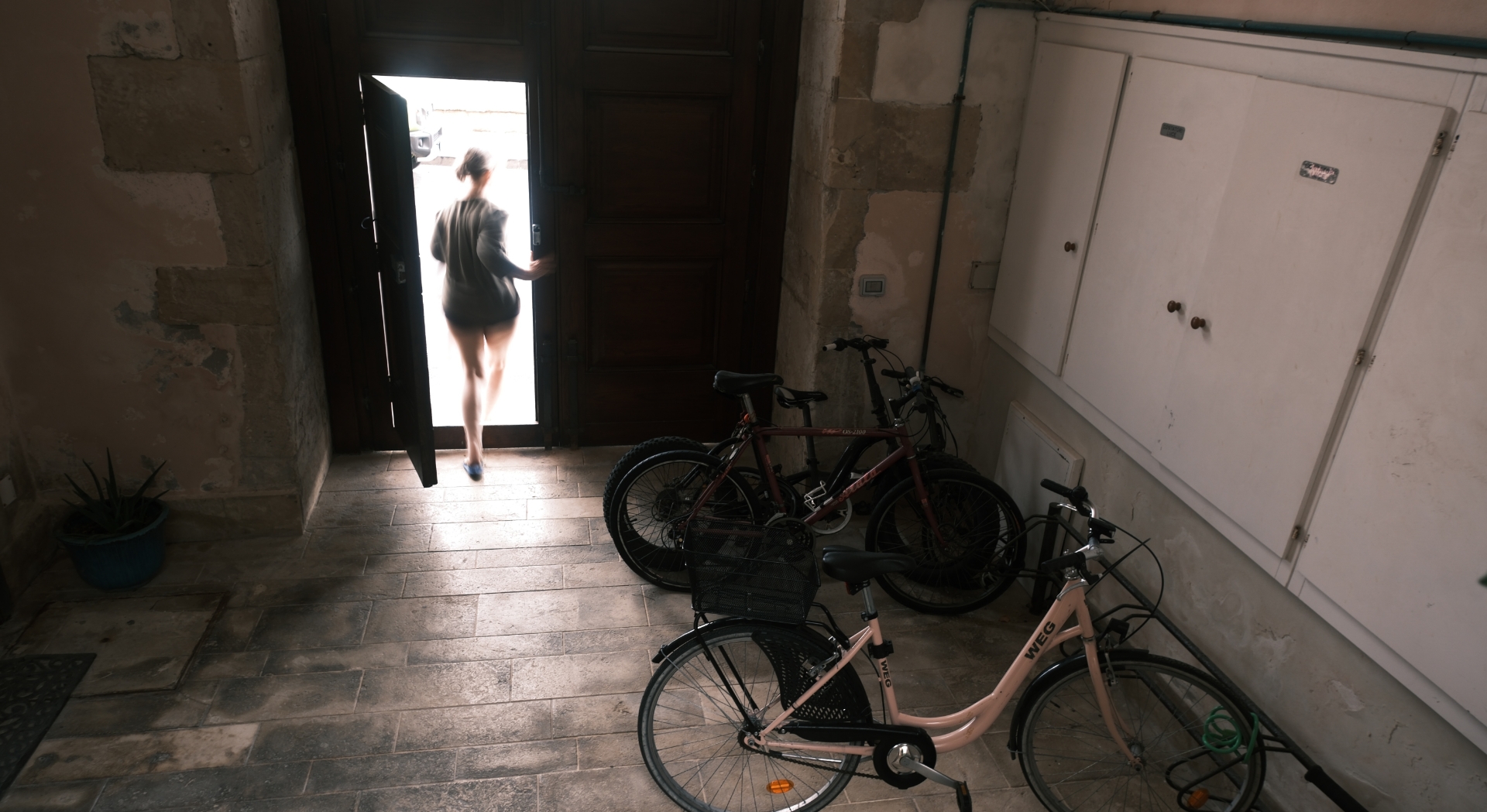
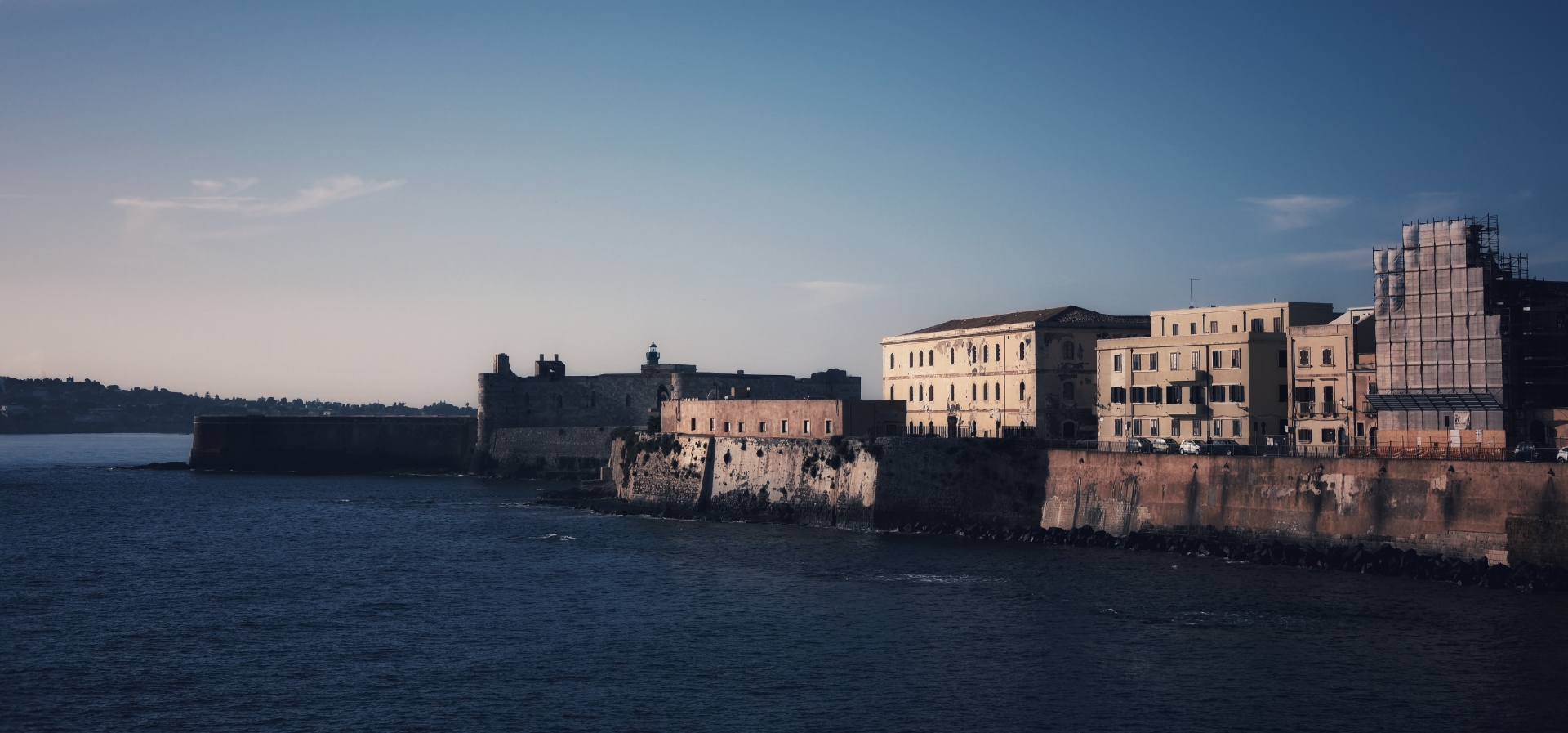
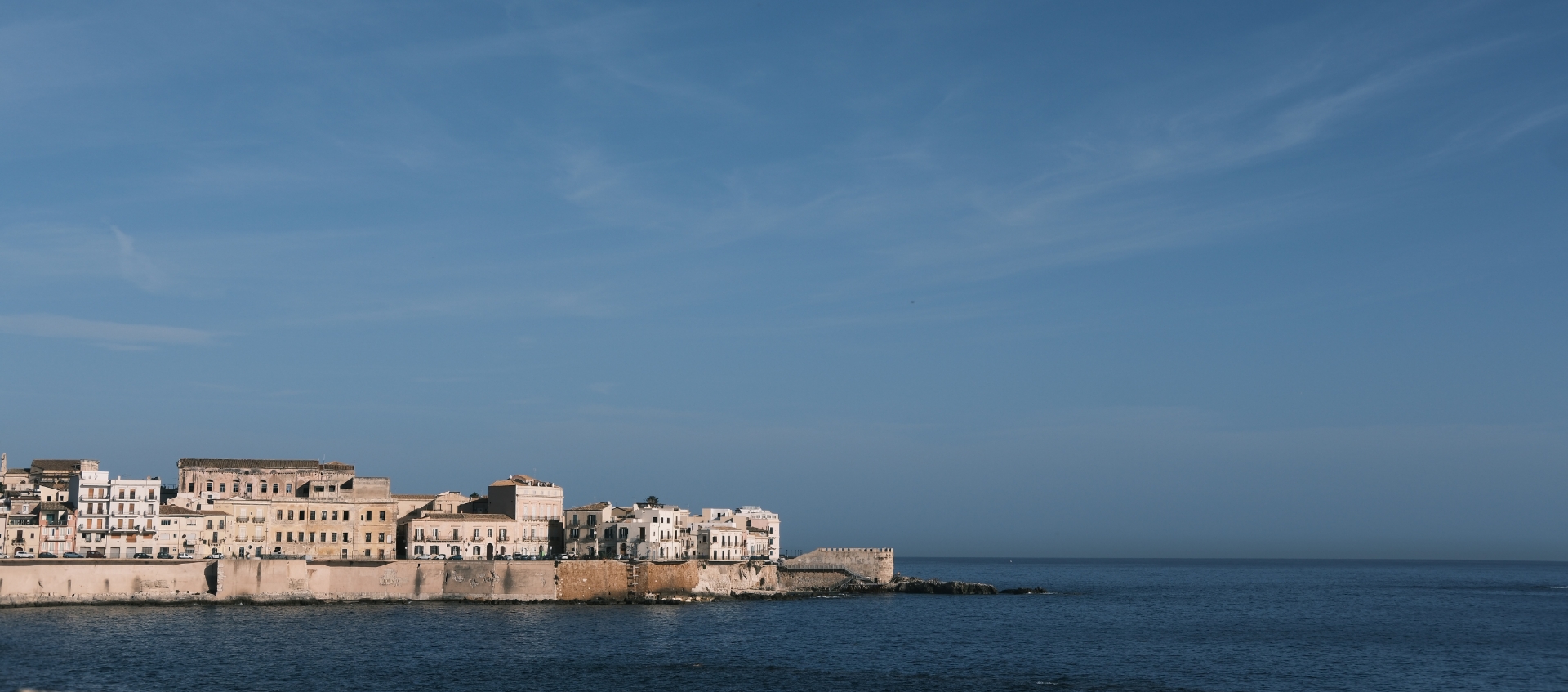
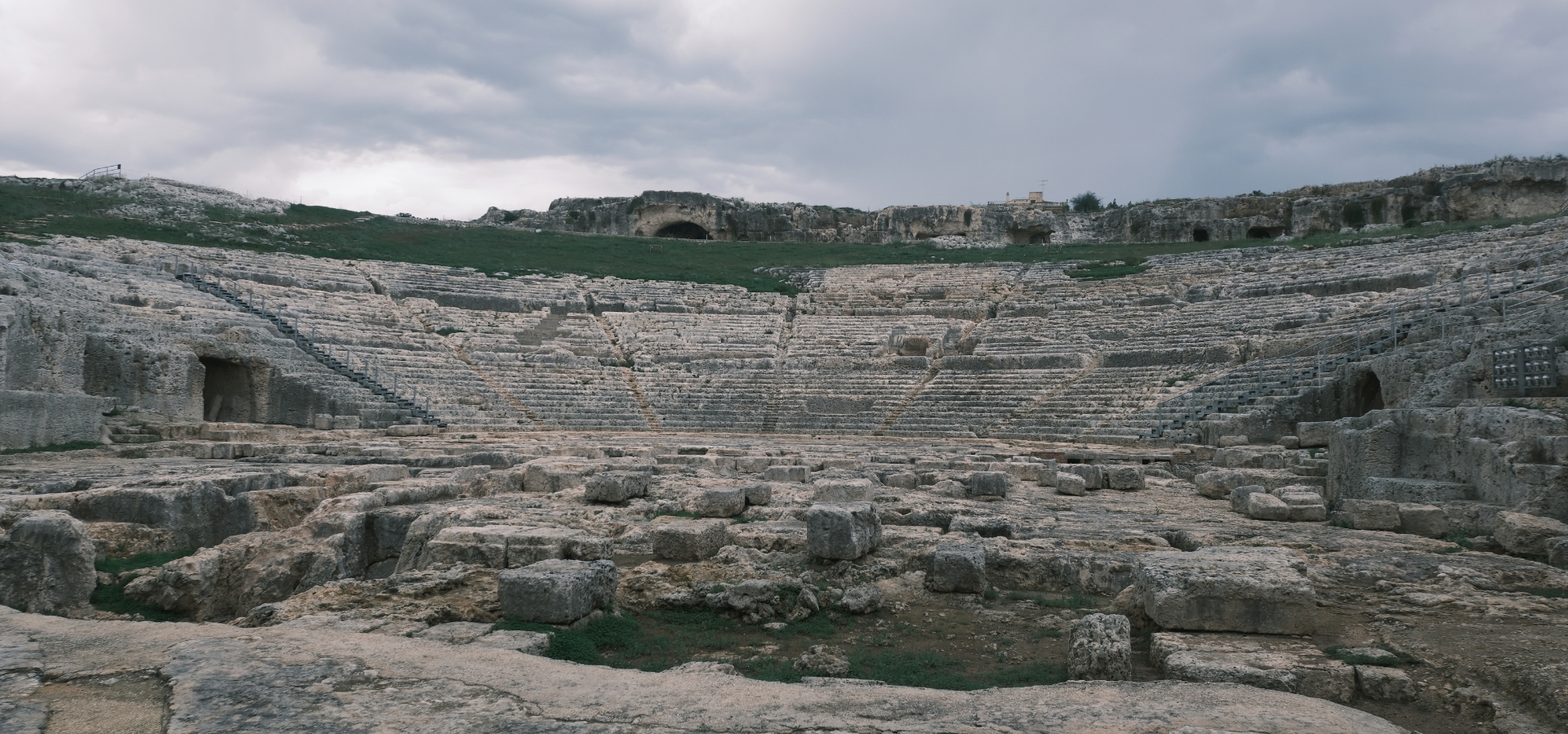
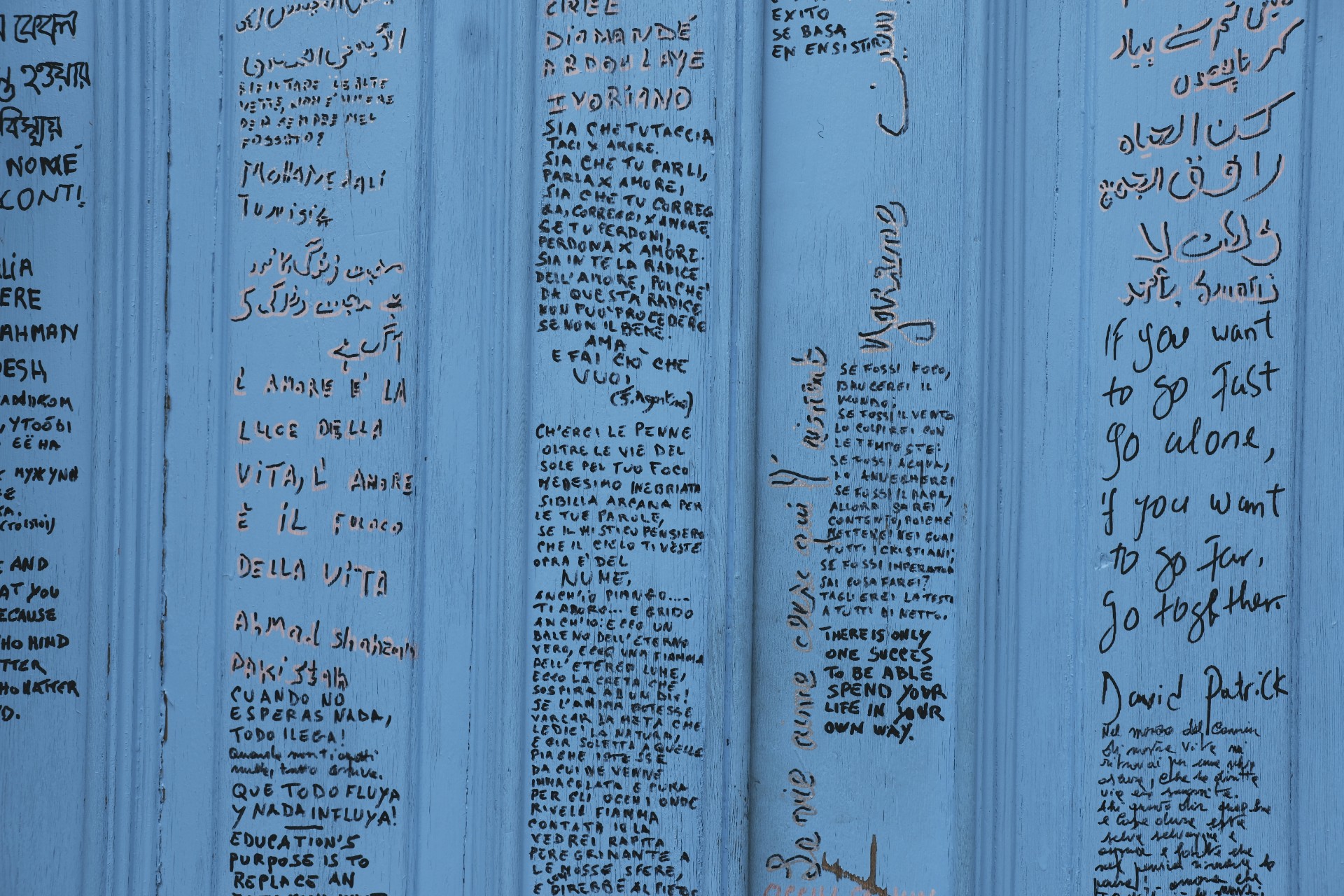
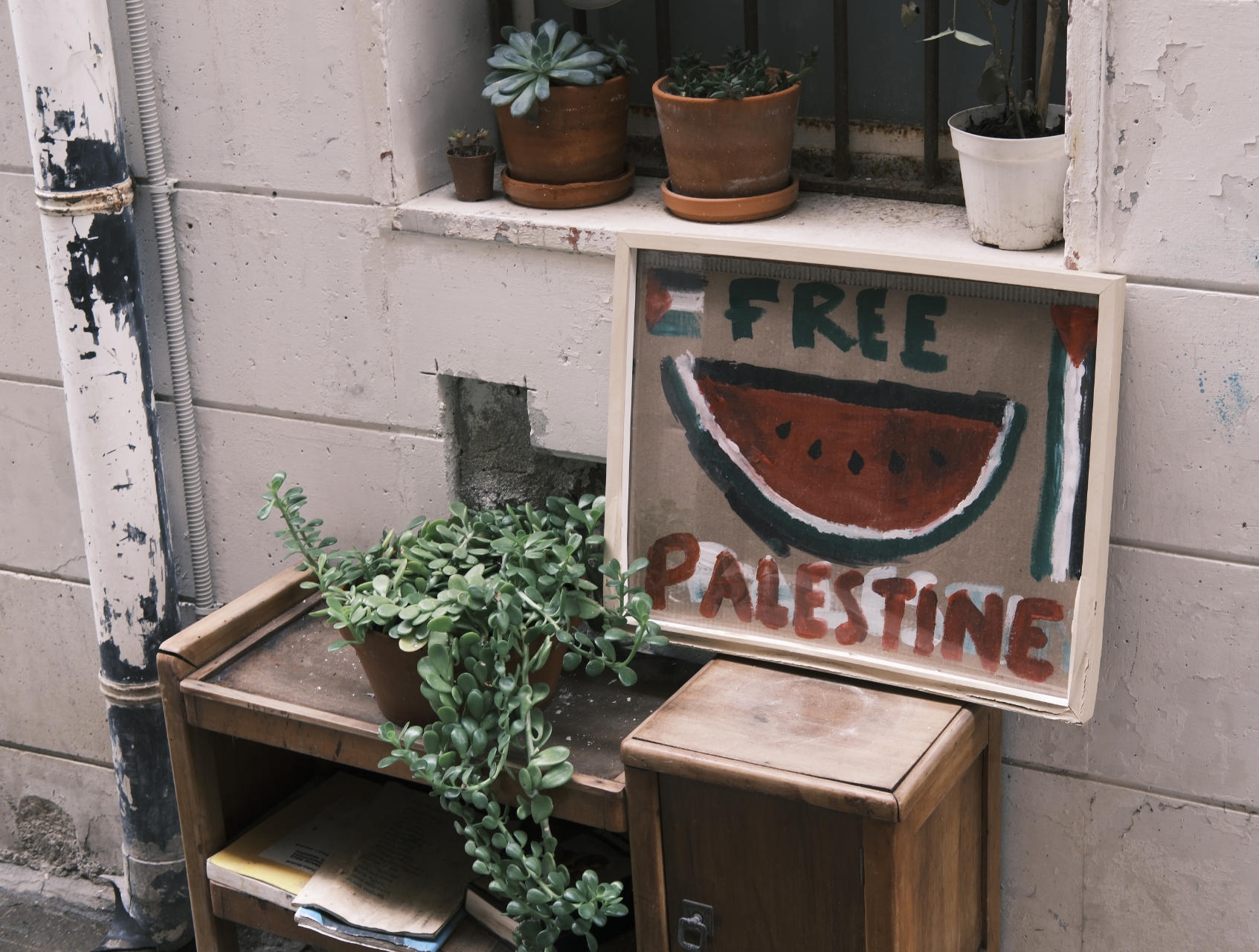
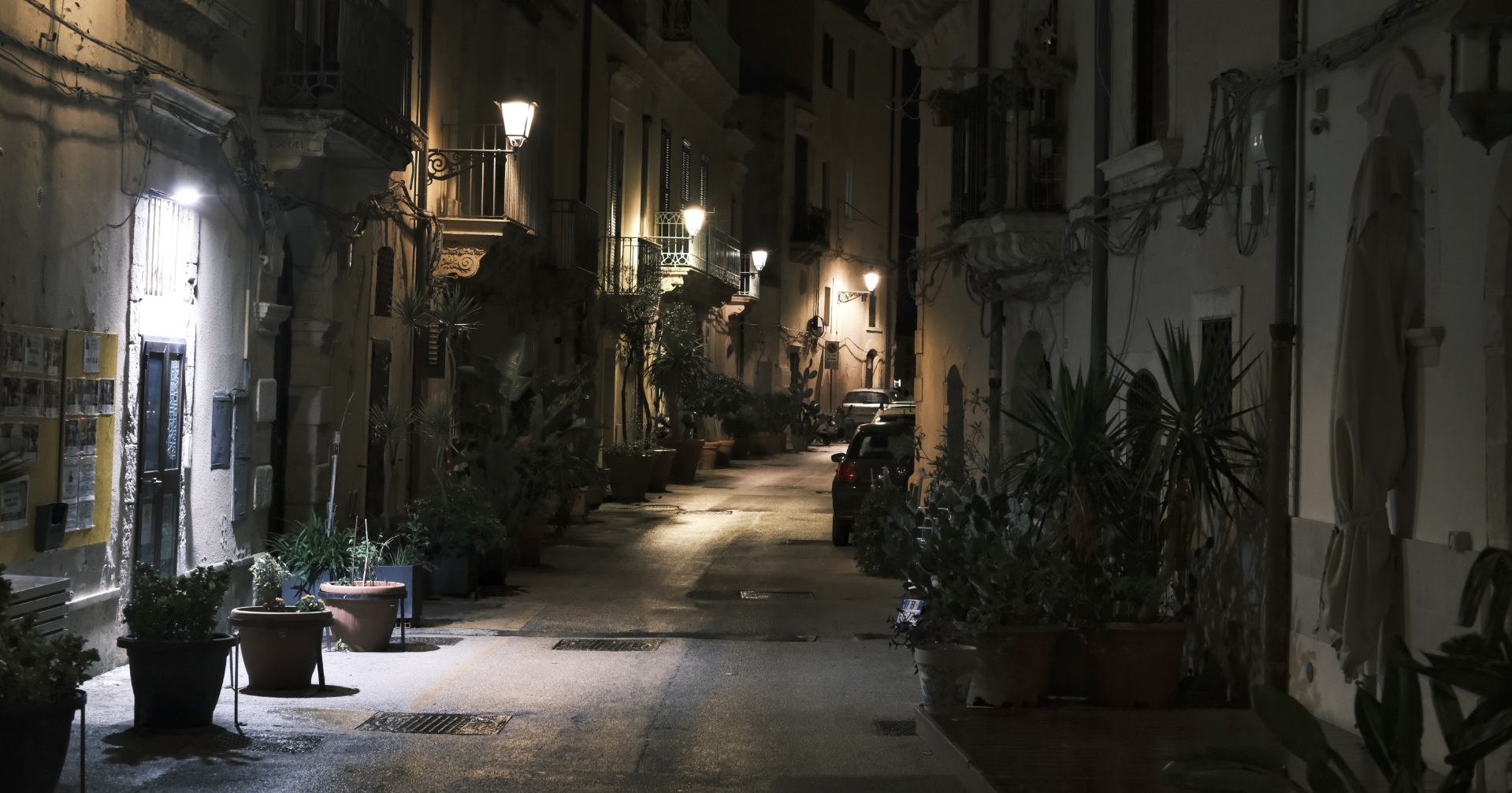
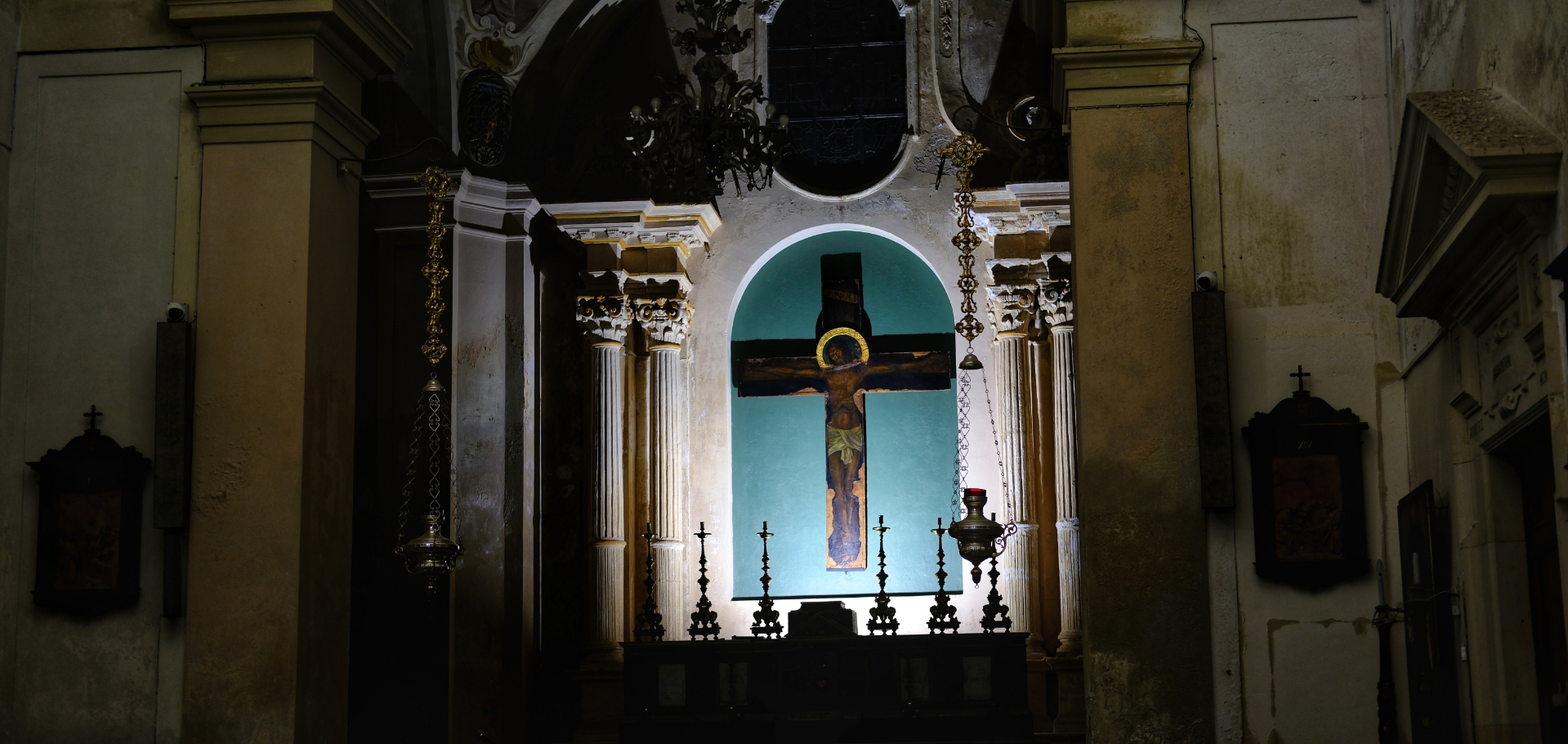
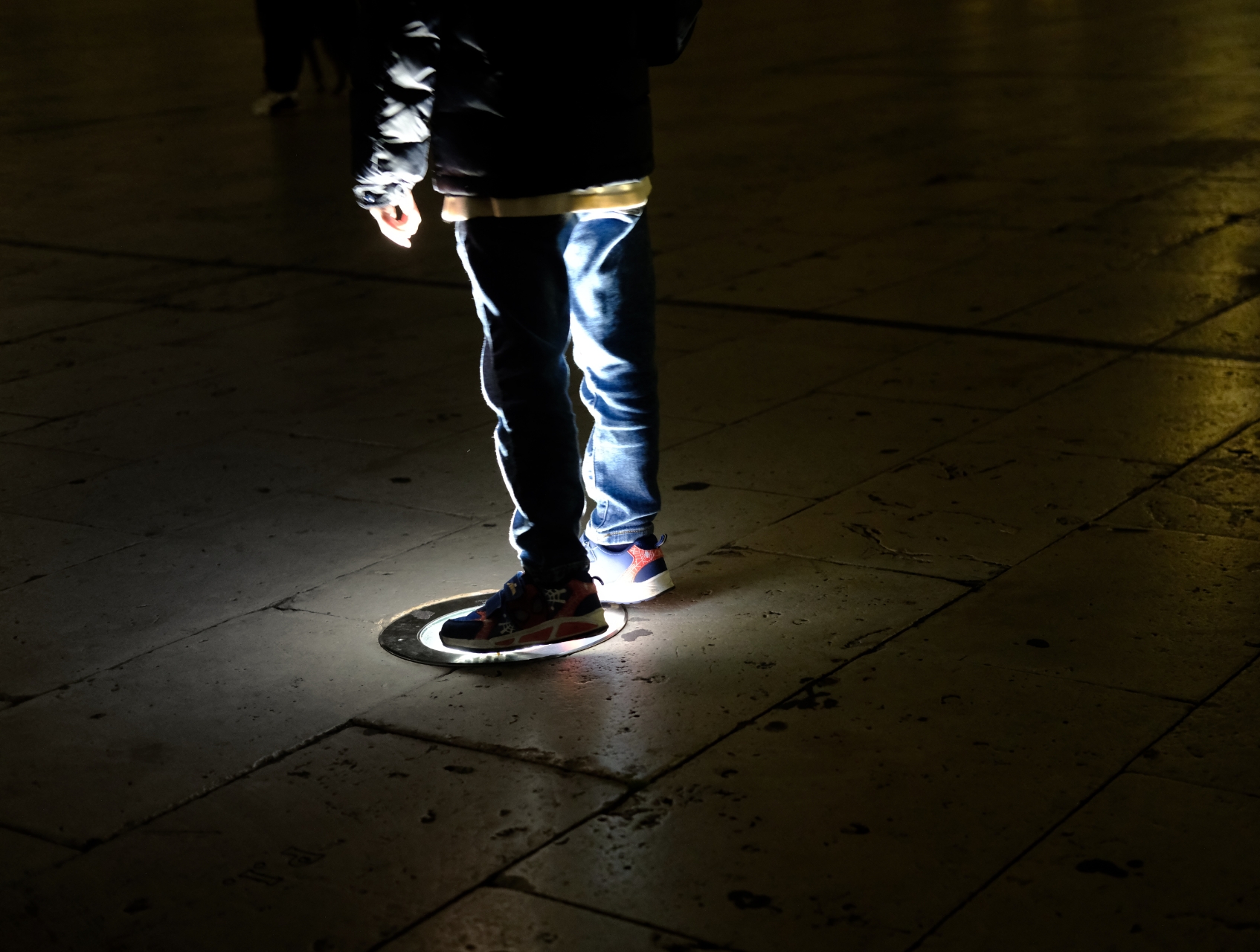
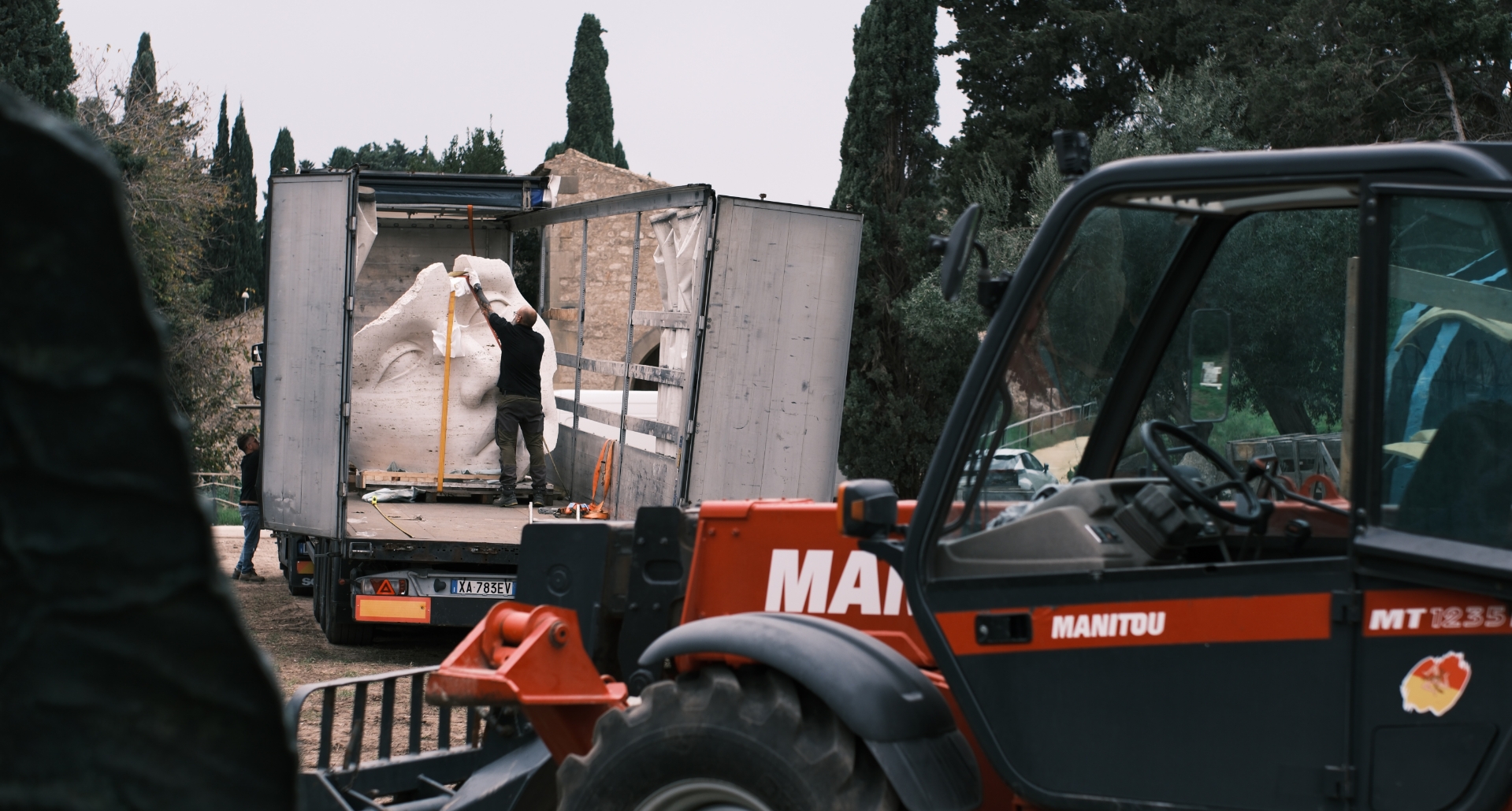
To me Sicily feels related to southern Italy but contrasted with Naples where we were before everyone seems quite relaxed and the pace of life less frenetic. At least on the eastern side of the island.
Yesterday in Syracuse we had rented a car and were just pulling out of the parking lot. The streets are tight so to get out of the parking space I needed to nose out into traffic and then back in again to get angled ok, but once I pulled into traffic I couldn’t get the Renault into reverse gear. So there I was, blocking traffic. I figured great, now I’m really going to get it! But no one seemed preturbed. Five or six cars backed up waiting patiently for me to get my act together. Beth went back into the rental agency to find someone to help. Meanwhile, an older man jumped into the passenger seat next to me and showed me the ring on the stick shift that needed to be pulled up to get the car in reverse. By then it had probably been 2-3 minutes (it felt like an eternity!) and finally someone got impatient and honked. My friendly helper looked startled, crossing his eyes in mock disgust, and interrupted our learning session to jump outside the car and yell at the guy honking.
OK, I thought, it’s not that different from Naples!
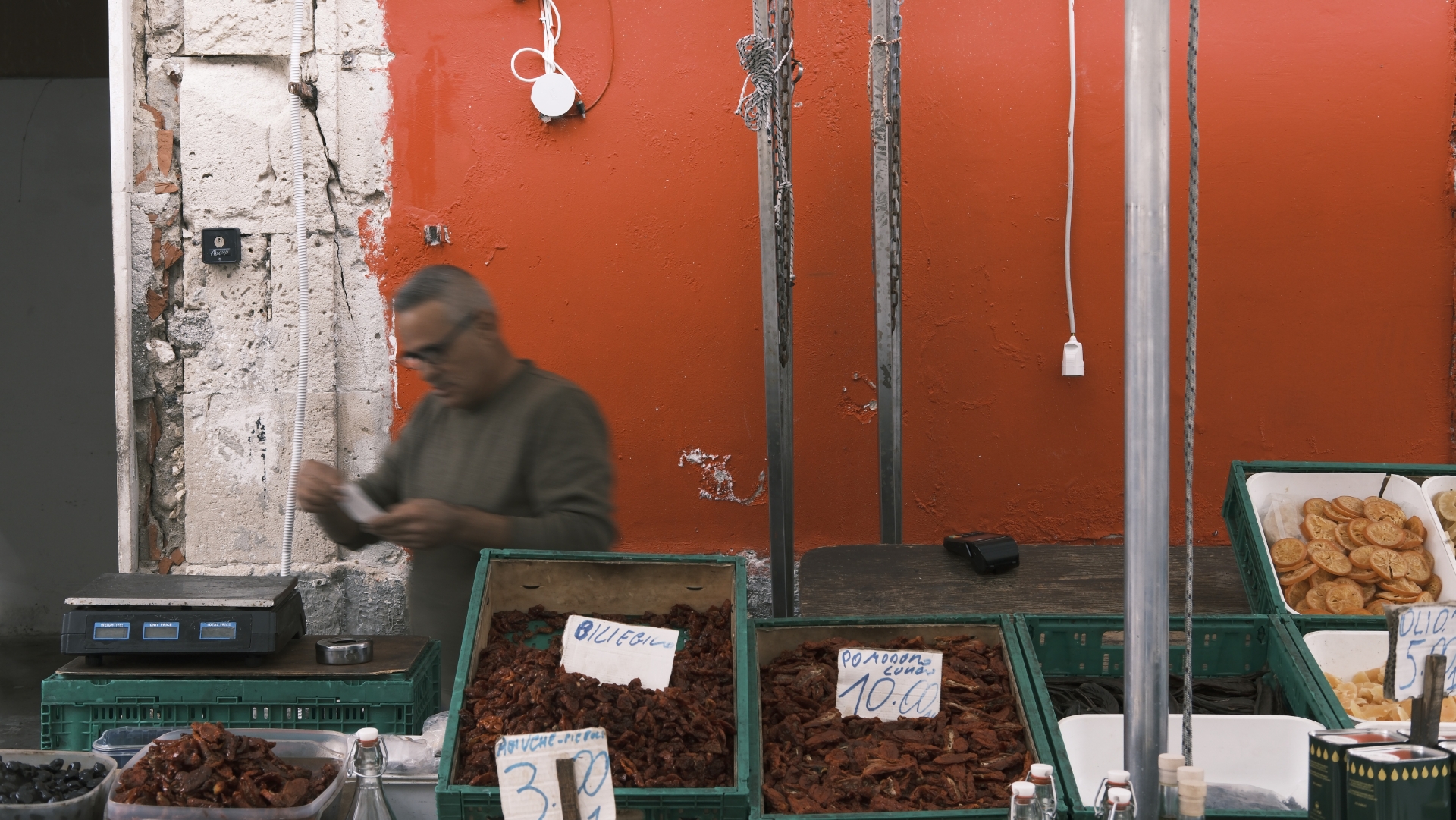
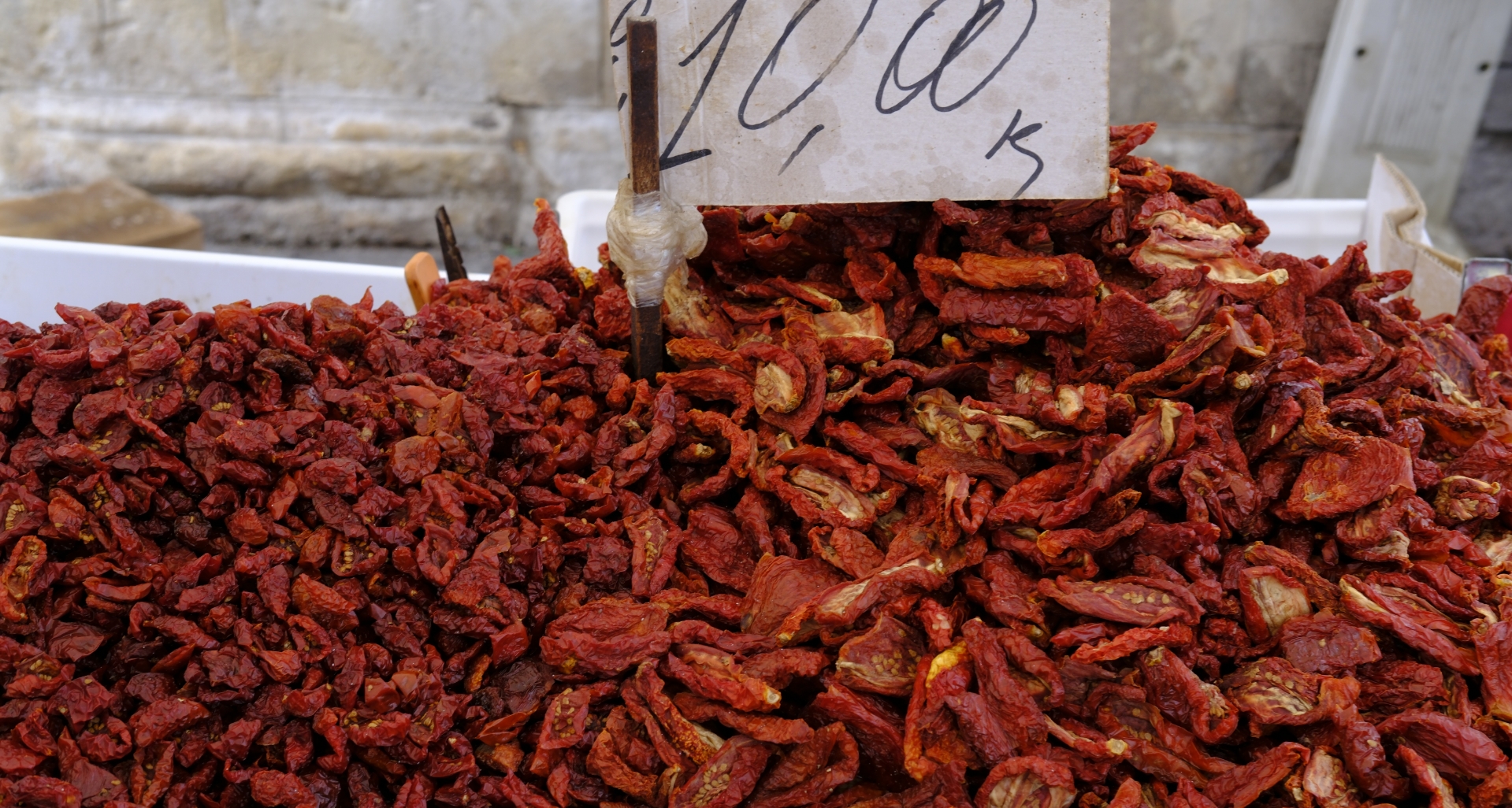
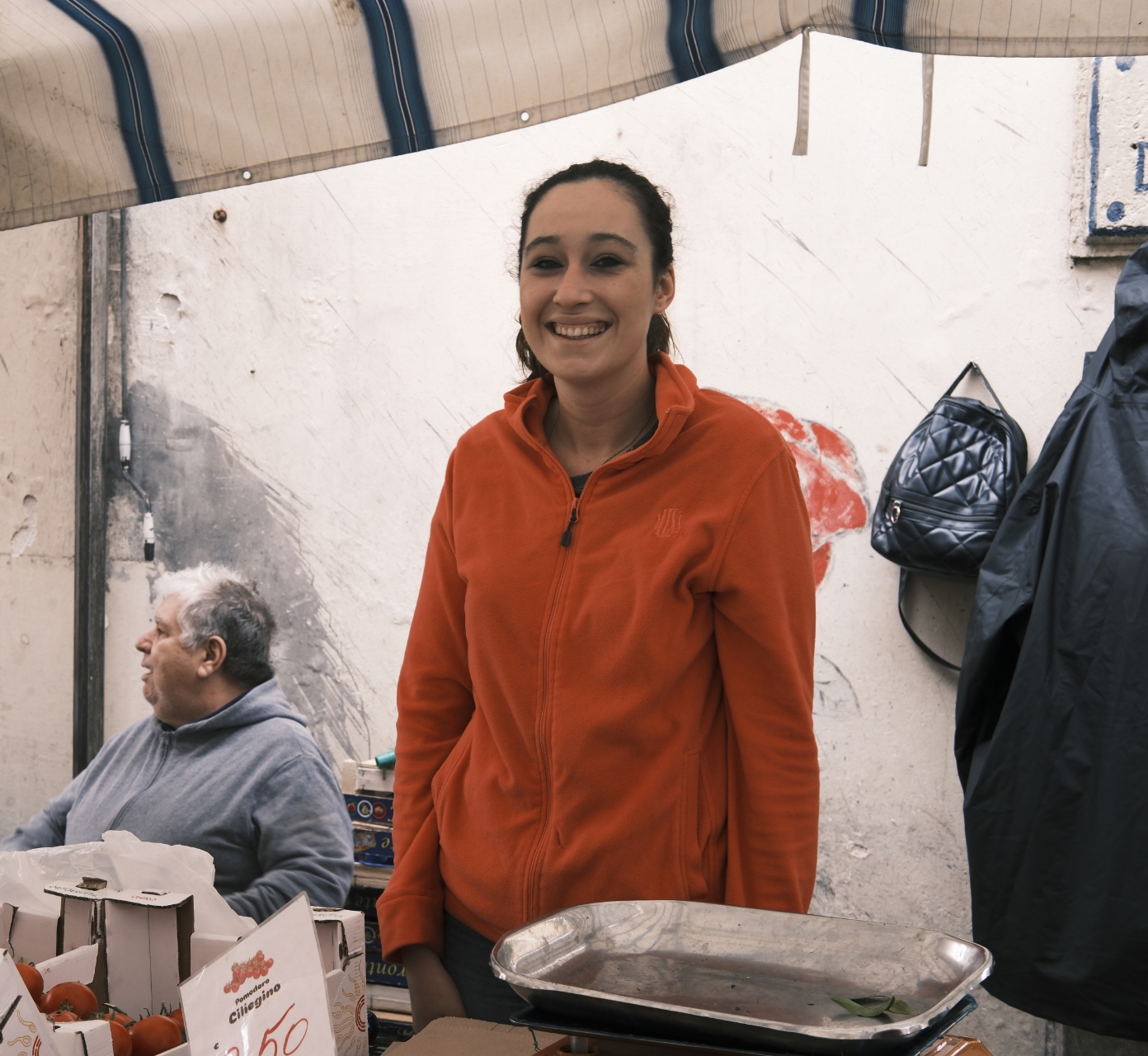
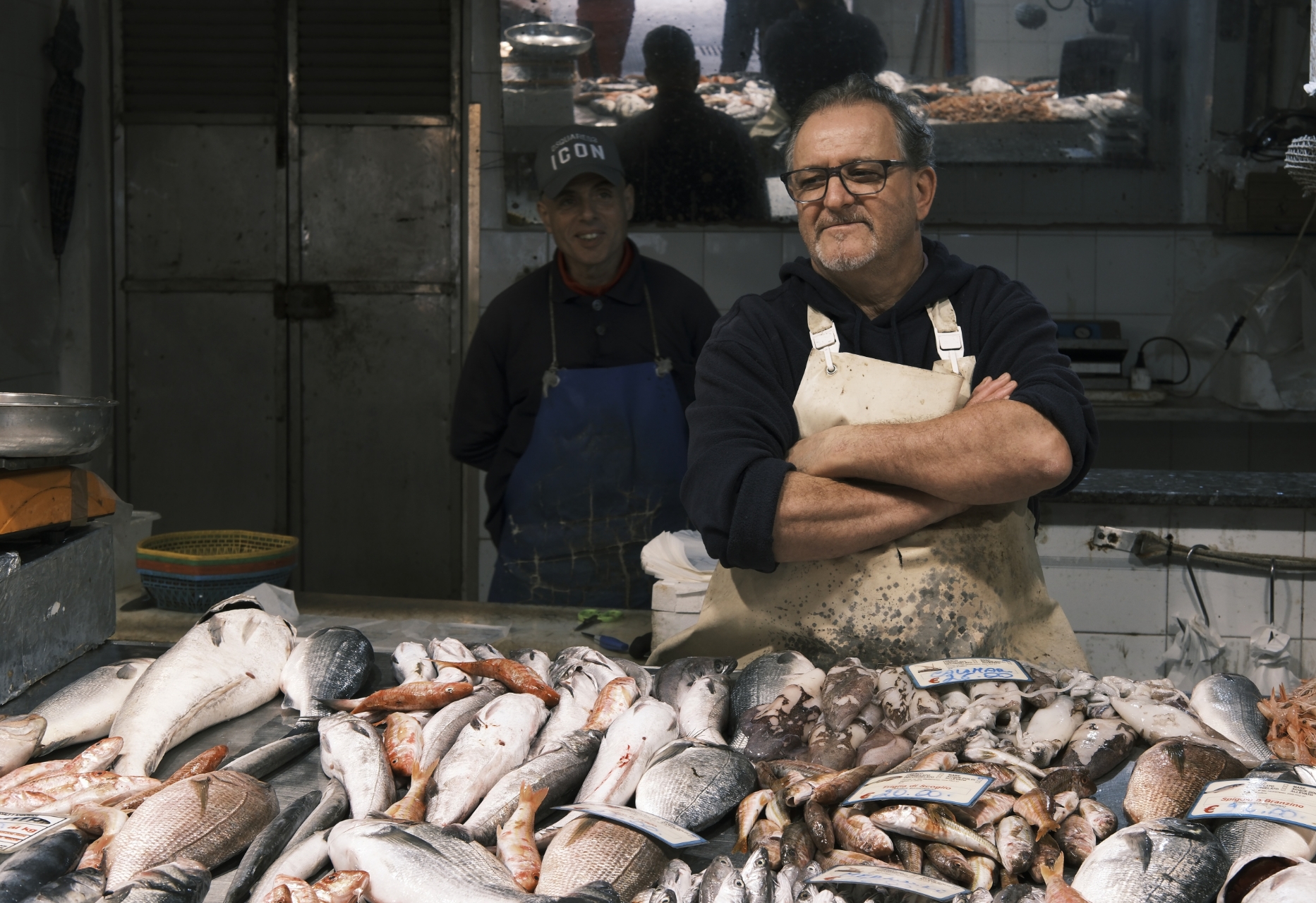
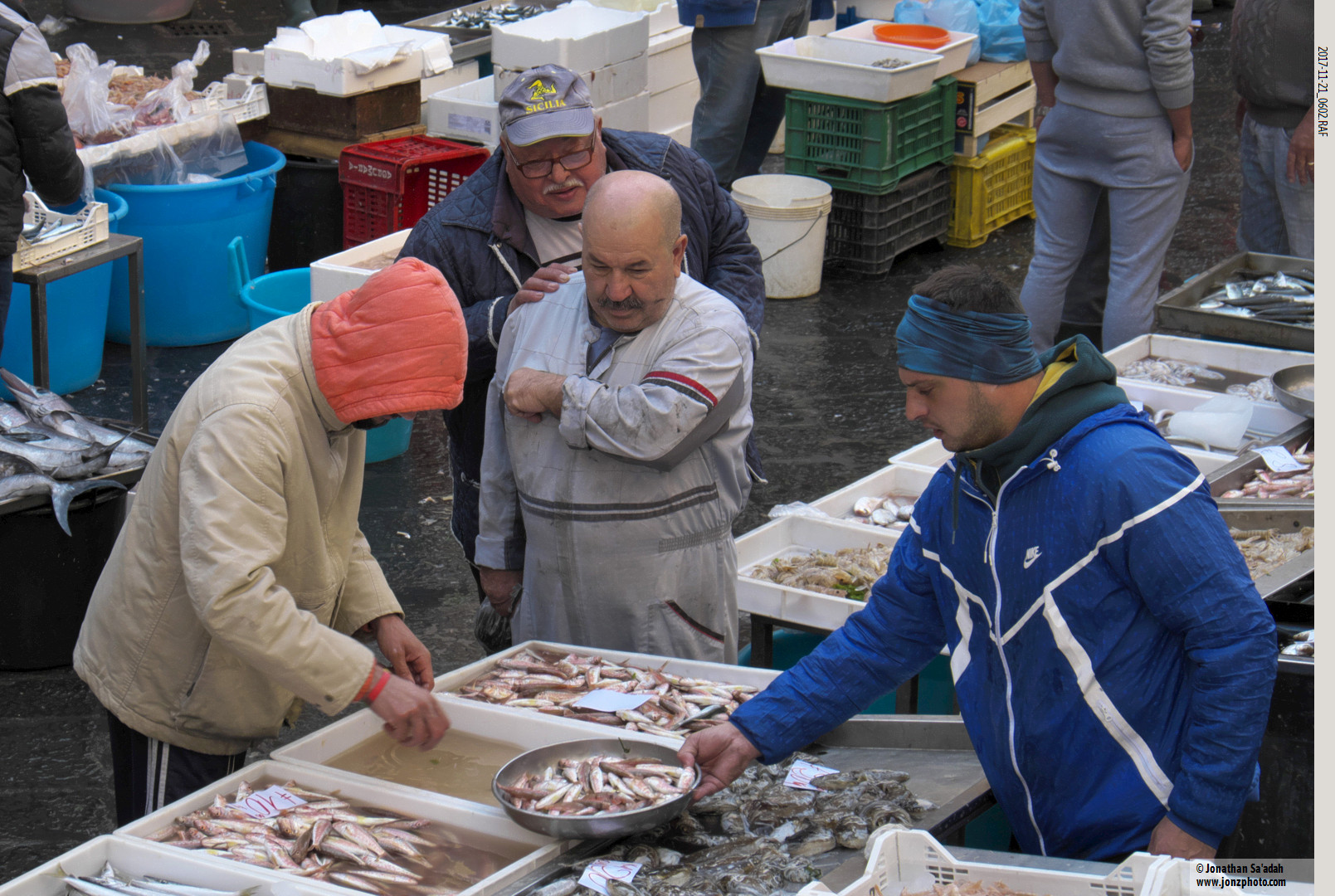
▲ Catania Fish Market The star of this market is the swordfish, but even the sardines are unusual. It’s true that plastic crates and digital scales abound, but still there’s a feeling of the market being enmeshed in long-running traditions, which gets reflected in the city’s approach to urban planning as well.
The Irresistible Pull of Gritty Cities: Understanding Why We Love What We’re Missing Part II
One of the most striking features of these older cities is their incredible diversity of housing types and price points, often within the same neighbourhood. In Damascus, you might find a restored 17th-century merchant’s house next to modest apartments that house working families, with both sharing the same narrow street and the same access to local amenities. Palermo’s neighbourhoods mix recently built condos (often retaining traditional facades) with affordable housing apartments, creating the kind of economic integration that many newer developments actively prevent. To give Montreal credit, some neighbourhoods share this diversity, but it’s often frowned on as “gentrification”.
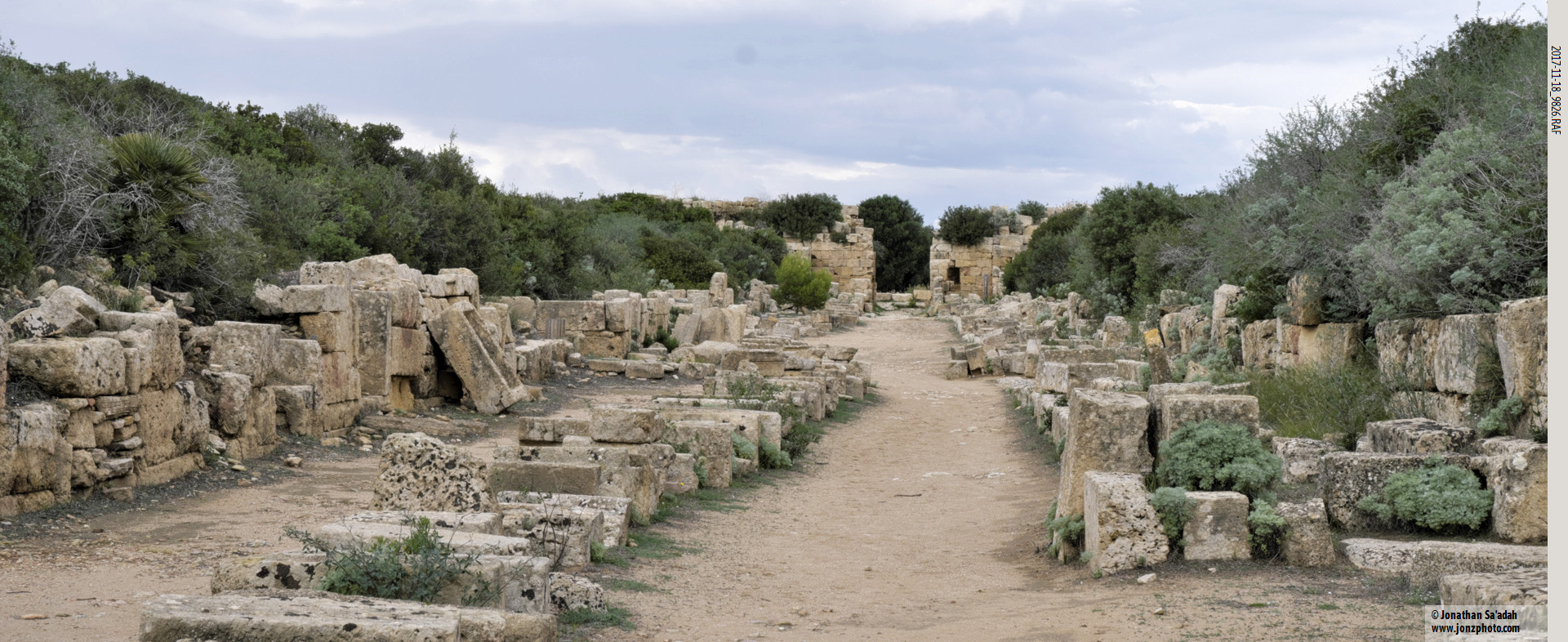
▲ No problem with gentrification here This street was founded by Greek colonists in Agrigento, on the southern coast of Sicily, probably around 580 BCE. I would surmise that the Greeks used slaves to haul the blocks used in the construction.
This mixing isn’t just socially beneficial – to me it’s economically essential for urban vitality. It’s what helps create a local economy with non-chain, locally owned businesses. Diverse housing types create diverse local economies, supporting the small-scale entrepreneurship that makes a neighbourhood interesting and economically resilient.
The housing diversity in these cities also reflects their adaptability over time. Buildings that were constructed as grand single-family homes can be subdivided into apartments when economic conditions deteriorate, or combined back into larger units when gentrification pressures increase. We’re often critical of this, but it ‘s a flexibility built into the architectural DNA of older cities that allows them to respond to changing demographics and economic conditions without wholesale demolition and reconstruction.
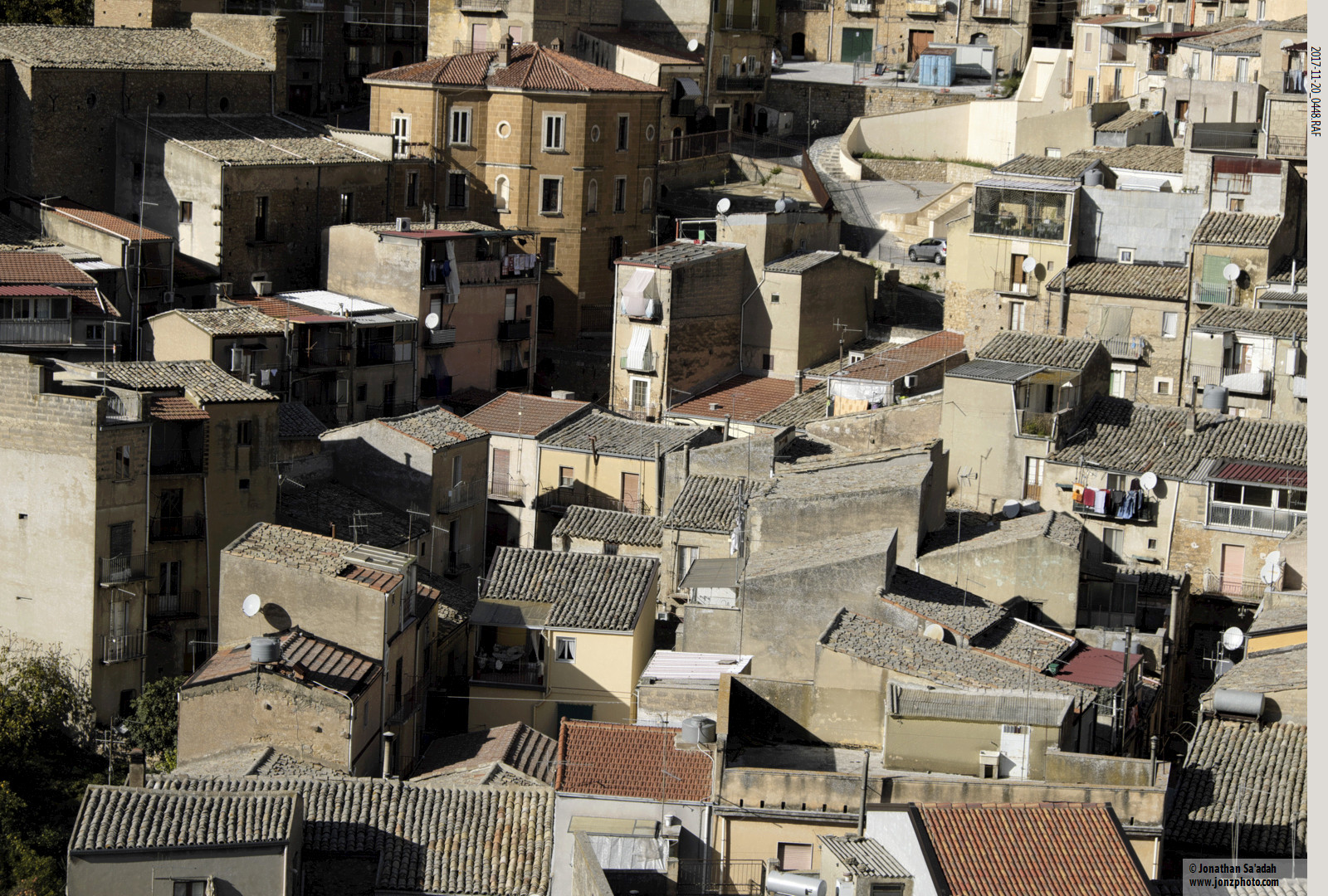
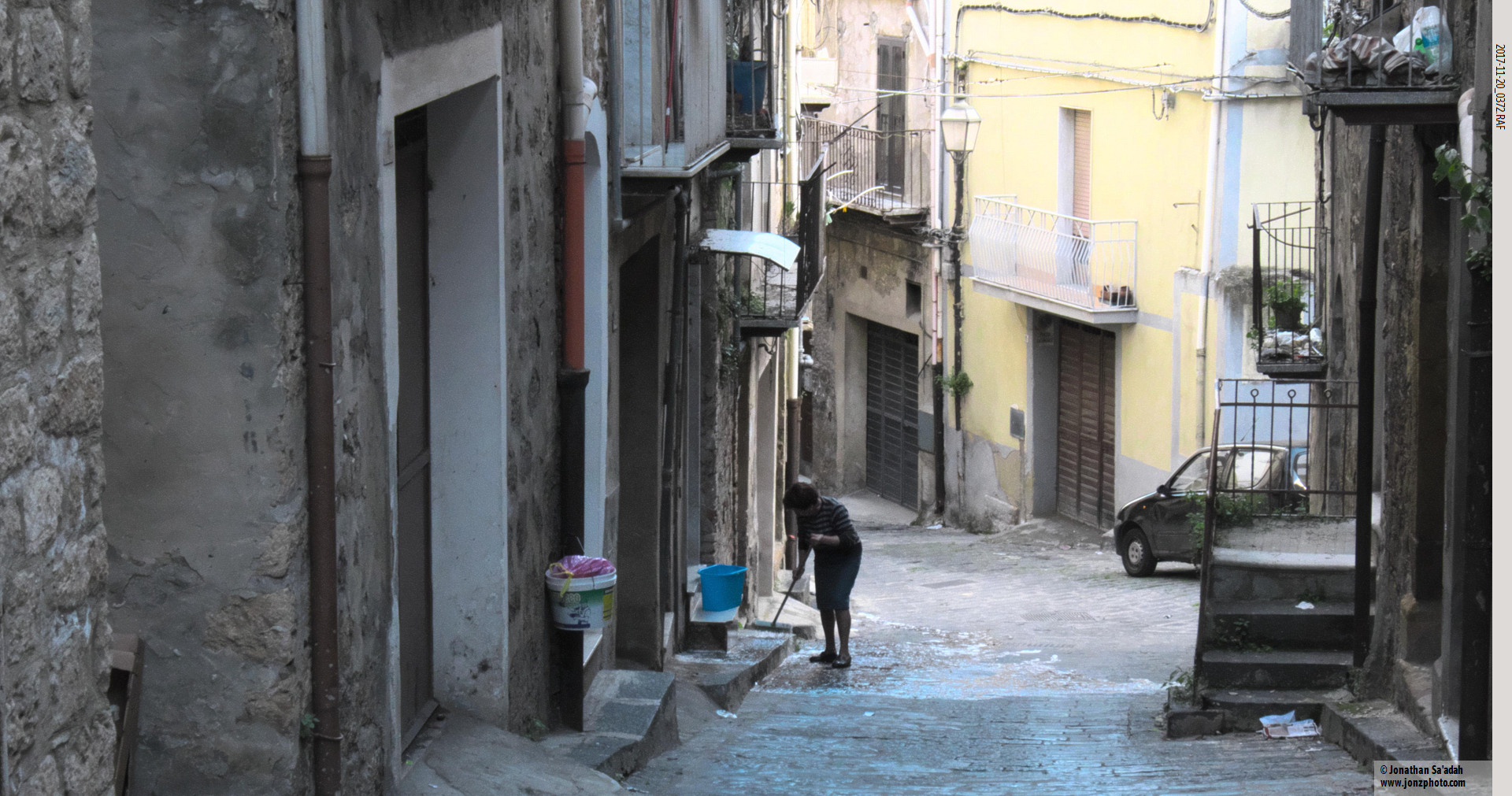
▲ Even in ancient neighbourhoods like this one in the Sicilian hill town of Piazza Armerina you can differentiate the renovated houses by window style and roofing.
The Art of Adaptation and Resilience
Perhaps the most remarkable quality of these beloved gritty cities is their capacity to adapt and evolve while maintaining their essential character. They’ve survived empires, wars, economic collapses, and social upheavals not by standing still, but by continuously adapting their built environment to new needs while preserving the underlying urban logic that makes them work.
Damascus offers perhaps the most dramatic example of this adaptability. The old city has continuously evolved over millennia, with Roman columns supporting Islamic arches, Byzantine churches converted to mosques, Ottoman palaces repurposed as museums, and traditional courtyard houses transformed into restaurants and cultural centres. Each layer of history adds to rather than erases the previous ones, creating the rich texture that makes the city so compelling.
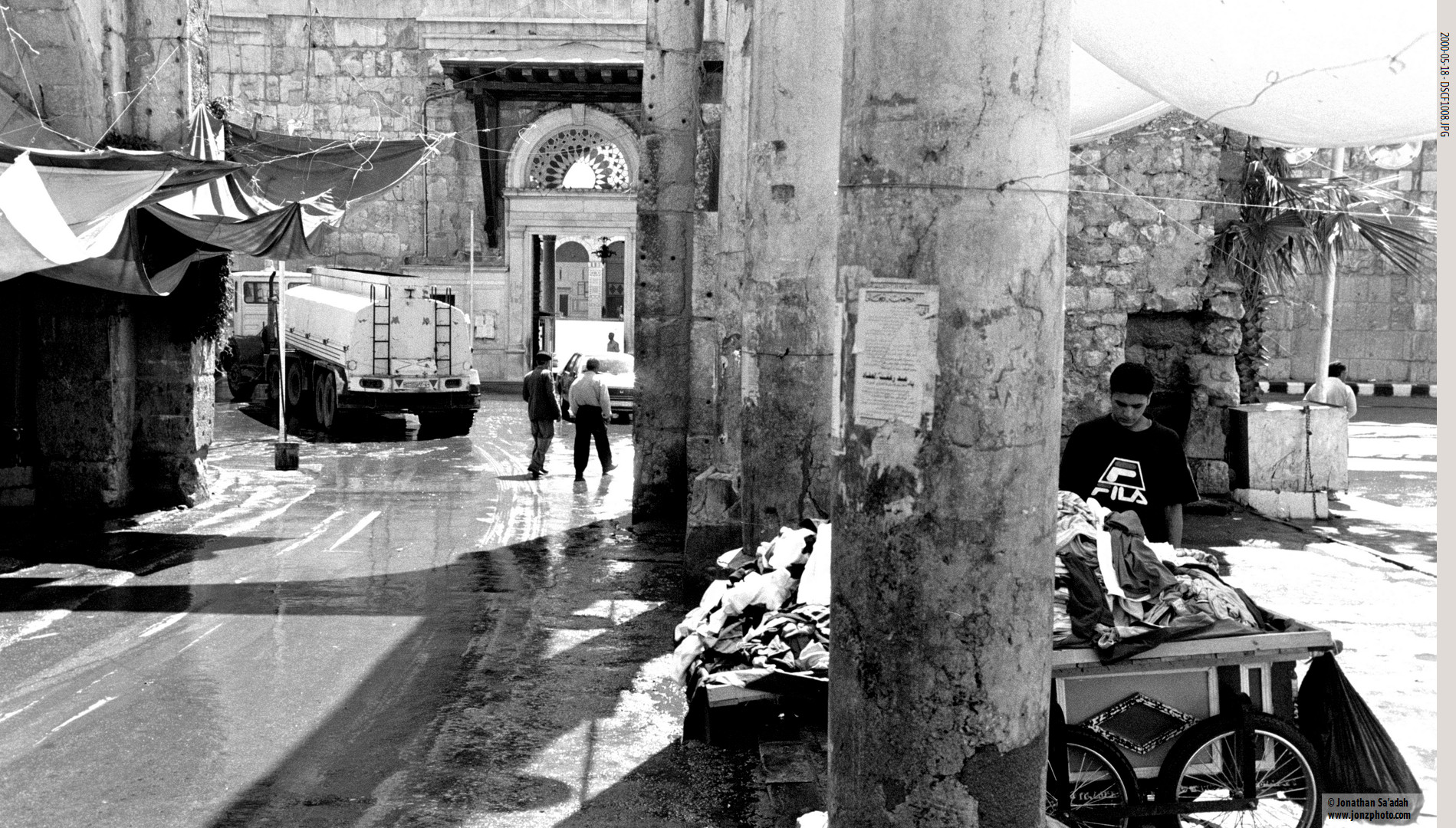
▲ Damascus is probably the best example of a living city, with Roman, Ottoman, and “contemporary” structures all sharing space in this photo.
The Integration That Creates Magic
What makes these cities truly special isn’t any single characteristic but how all these elements work together to create something greater than the sum of their parts. The human scale enables walkability, which supports diverse public spaces, which creates markets for diverse housing types, which generates the economic activity that supports adaptation and renewal. It’s a virtuous cycle that has been refined over centuries of urban living.
What We’re Missing at Home
Standing in my ordered, well-regulated neighbourhood in Montreal, I often think about what we’ve traded away in our pursuit of efficient, predictable urban environments. Our streets are wider and cleaner, our building codes more rigorous, our public spaces more carefully maintained. These aren’t bad things – they reflect genuine improvements in public health, safety, and accessibility.
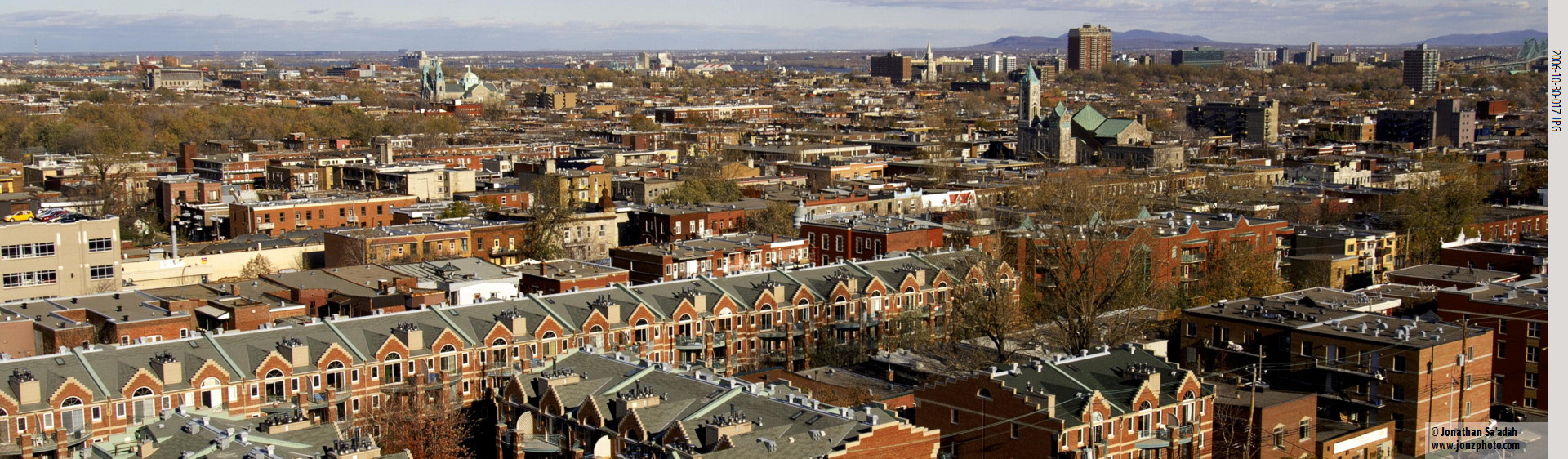
▲ The Montreal Plateau is relatively flat as its name implies, with spikes of church spires and an occasional out-of-place apartment tower. The visually boring cookie-cutter buildings in the foreground enforce a visual style, but their predictability saps vitality.
But in our effort to eliminate the inefficiencies and unpredictabilities of older urban forms, we may have eliminated some of their essential vitality as well. Our zoning codes separate uses that these older cities mix naturally. Our building standards favor large-scale development over the small-scale, incremental growth that creates diverse, affordable neighbourhoods. Our traffic engineering prioritizes movement over lingering, getting through rather than being in.
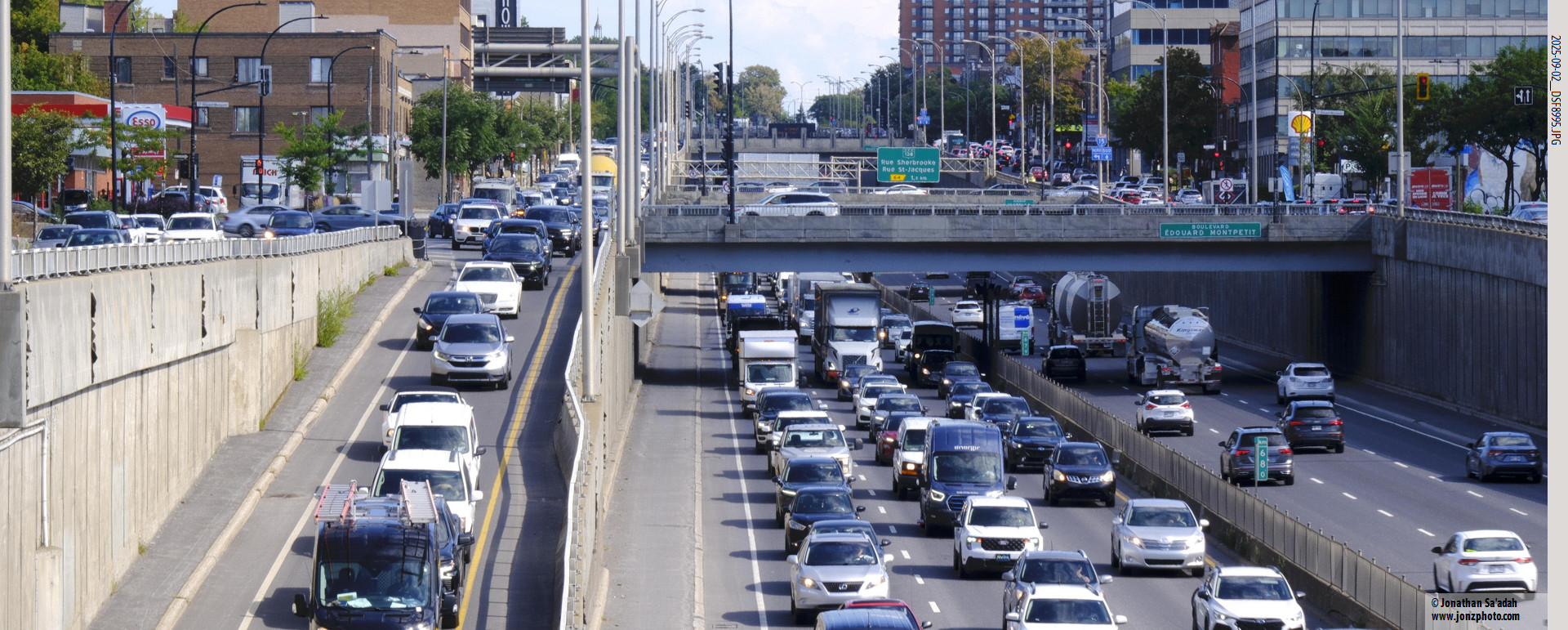
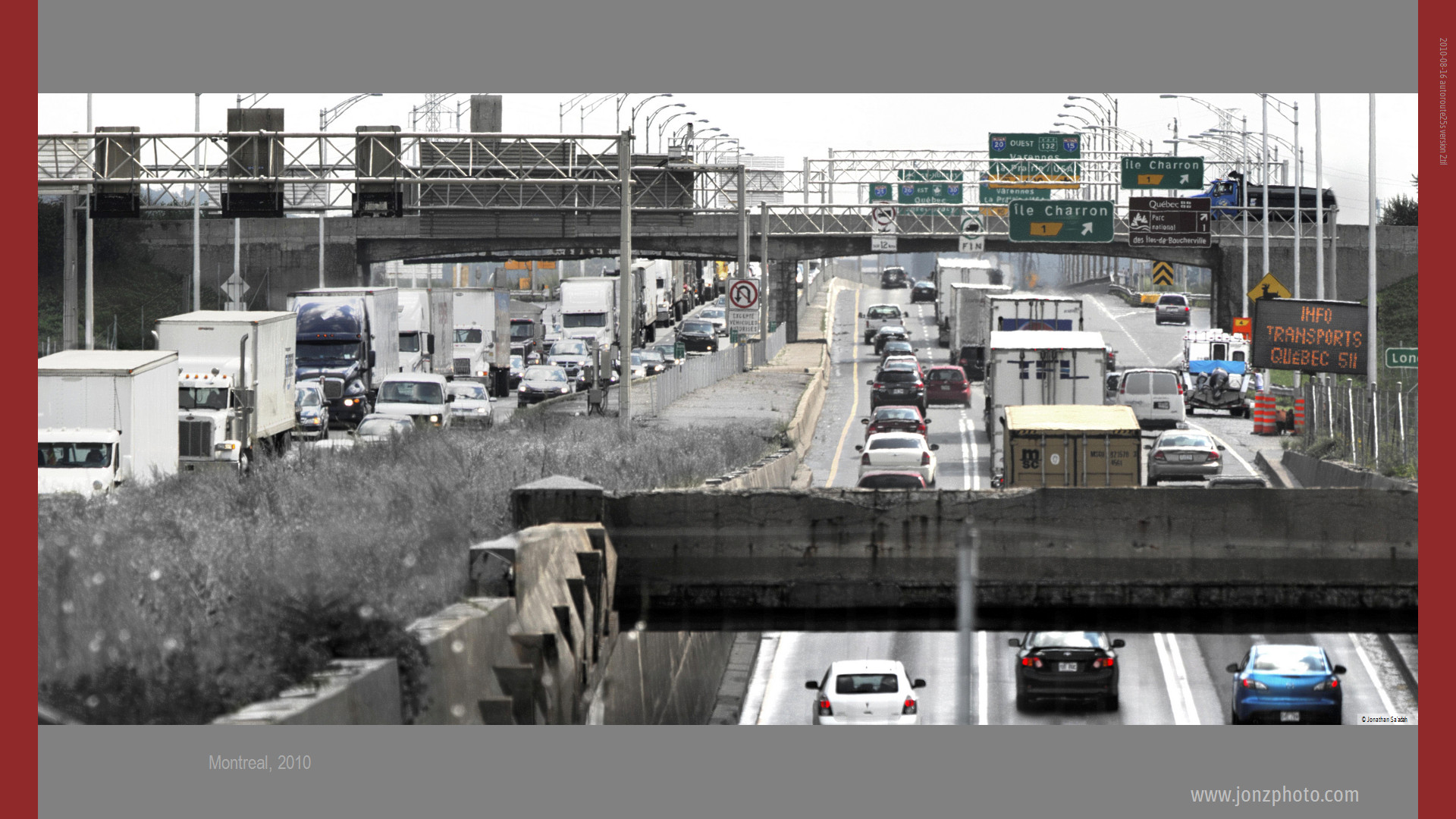
▲ Exceding all predictions The Décarie autoroute as it was designed in the early 1960’s was supposed to max out at 90,000 cars per day. It now handles an average of almost double that.
The question isn’t whether we should abandon our standards and return to some romanticized past, but whether we can learn from what these older cities do well while maintaining the genuine improvements of contemporary urban planning. Montreal offers some lessons in this direction. The city’s pedestrianization of portions of Ste-Catherine Street shows how even established cities can evolve toward more human-centred design.
Living in the Tension
Perhaps what I’m really drawn to in these places isn’t their grittiness per se, but their willingness to live in productive tension between competing values. They’re not trying to optimize for a single goal but rather to balance multiple, sometimes contradictory objectives: old and new, local and global, efficient and experiential, ordered and spontaneous.
The cities I love aren’t perfect, and I certainly wouldn’t want to eliminate building codes or return to pre-modern public health standards. But they offer something that our more regulated urban environments often lack: they feel like places where humans have lived, adapted, and created something together over time. They feel like home not because they’re comfortable or convenient, but because they’re complex and alive.
The narrow streets of Damascus, the piazzas of Palermo, the pedestrian rhythms of Thessaloniki – these aren’t just tourist attractions or nostalgic throwbacks. They’re working examples of urban principles that we ignore at our peril. As cities around the world grapple with climate change, housing affordability, and social isolation, these older urban forms offer tested strategies for creating places that are not just efficient but truly livable. The question is whether we’re wise enough to learn from them.
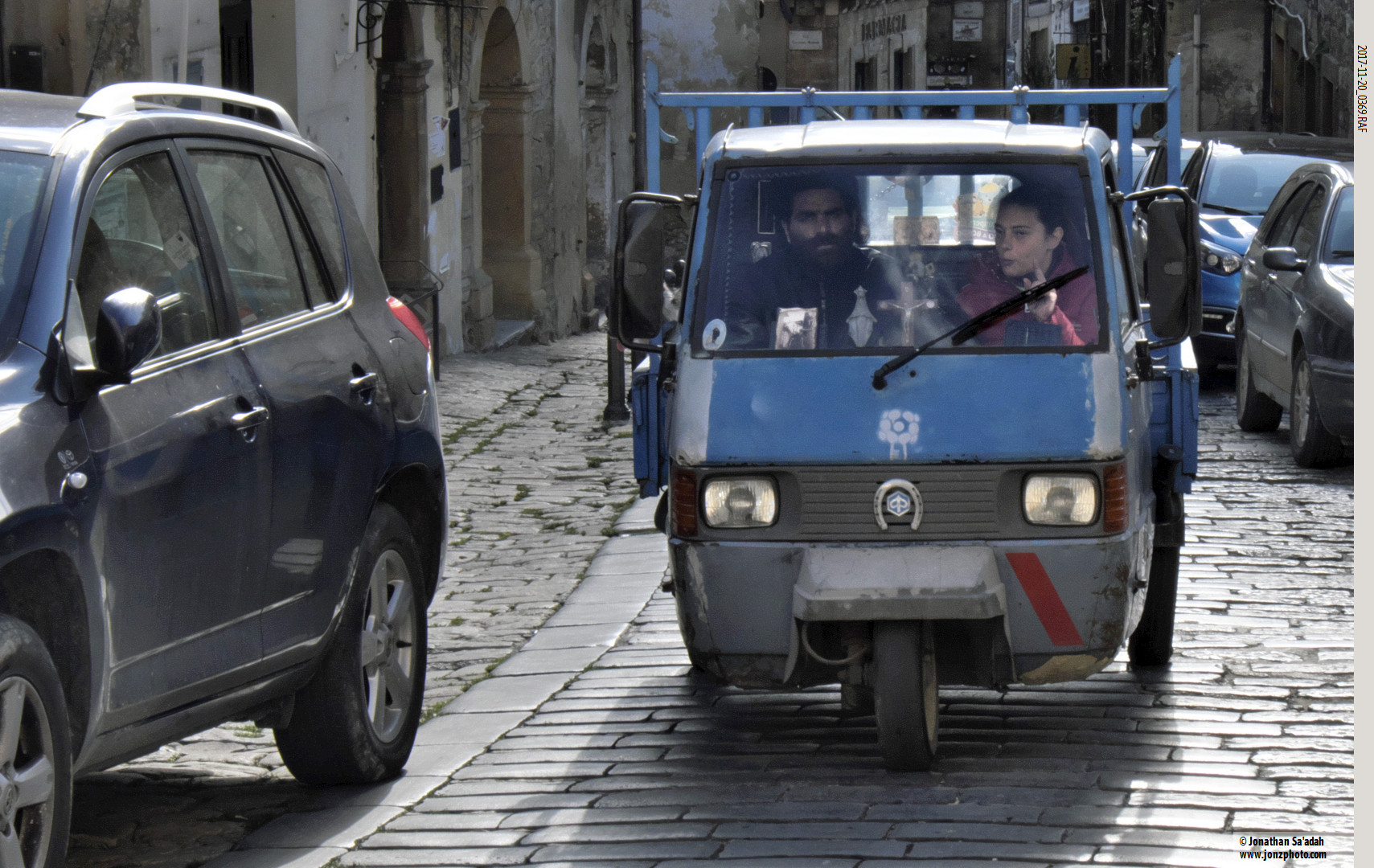
▲ A couple in a Piaggio Ape, a vehicle nimble enough to navigate easily through town, and displaying the icons of their traditions. Piazza Armerina, Sicily.
The Damascus photograph in this post is taken from a book I’m just finishing (Return to Damascus: A Personal Journey) on the experience I had in returning to where my father had been born.
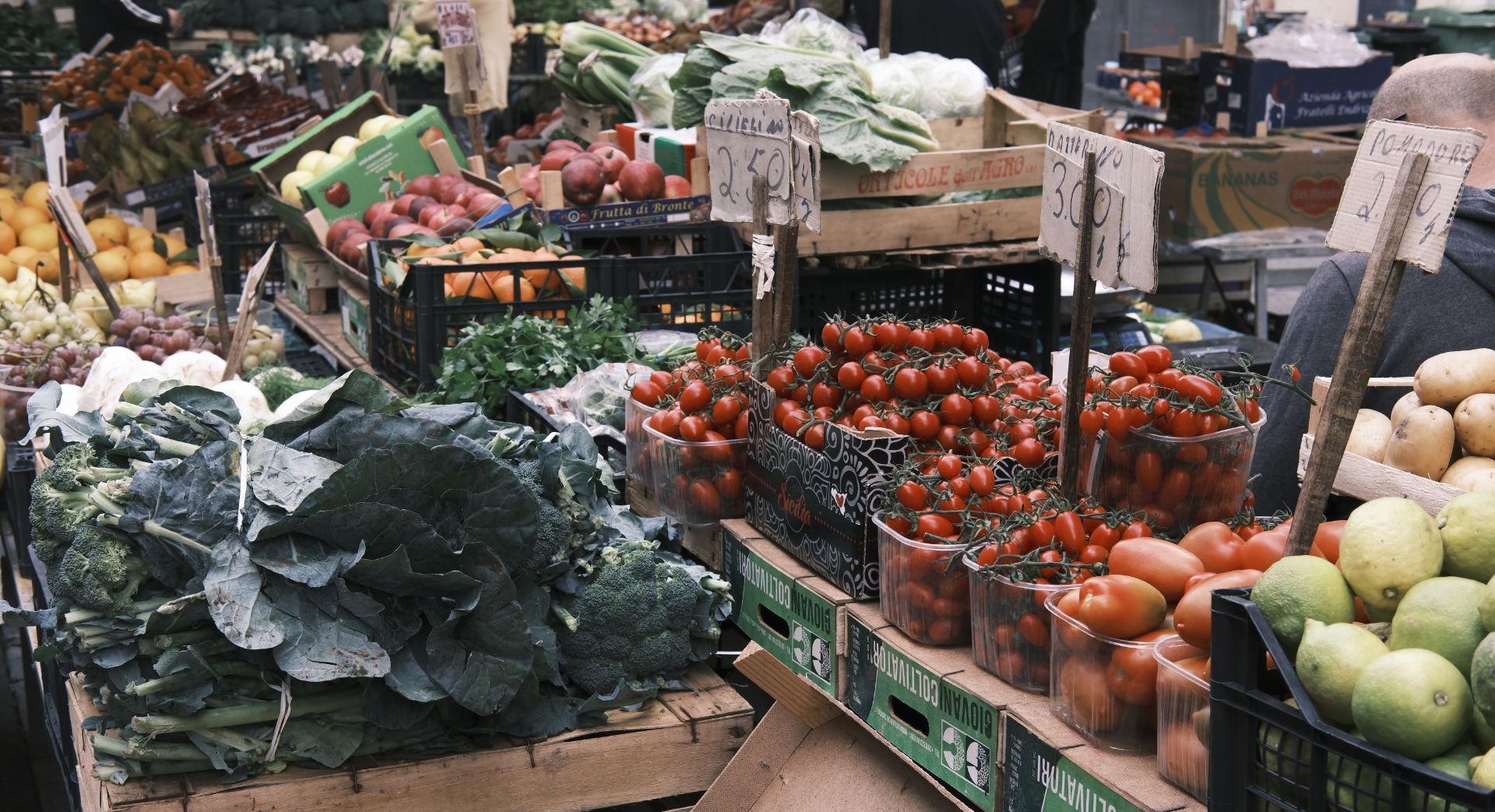
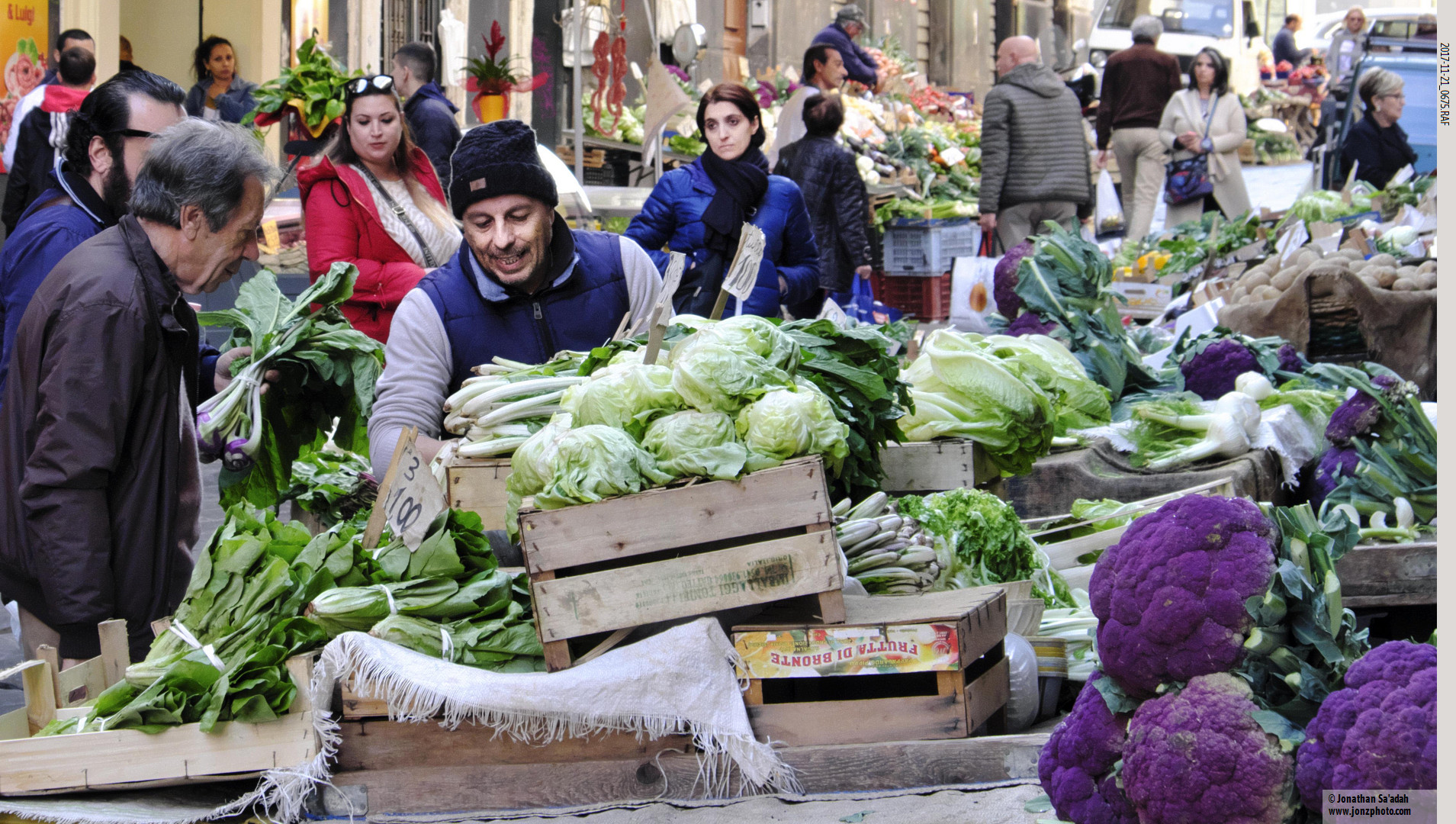
▲ Catania Open Market I envy the Sicilians and their abundant produce, even at the end of November. Their markets are noisy and colorful. The produce feels close to the farm, which it is.
The Irresistible Pull of Gritty Cities: Understanding Why We Love What We’re Missing
I’ve always found myself drawn to certain cities with an almost magnetic pull – places that feel lived-in, weathered, and wonderfully imperfect. From the narrow stone alleys of Damascus to the chaotic vitality of Mexico City, from Palermo’s winding streets to the crumbling decadence of Thessaloniki, these are cities that seem to embrace their contradictions. They’re places where modernity coexists awkwardly but beautifully with centuries of accumulated history, where every street corner tells multiple stories, and where the urban fabric feels genuinely human in scale.
▲ Thessaloniki Old City We drove our car through these streets and it was definitely a social experience, since traffic was both directions and each encounter was a negotiation. The stairs on the right definitely would not satisfy Montreal’s setback regulations.
As someone who calls Montreal home – a city that sits comfortably between order and character – I often wonder what it is about these grittier places that captivates me so deeply. Is it simply the allure of the tourist’s gaze, romanticizing what locals might find frustrating? Or is there something more fundamental about how these cities are designed and how they’ve evolved that creates genuinely superior urban experiences?
I believe it’s the latter. These cities embody qualities that many of our more regulated, sanitized urban environments have systematically designed out – and in doing so, we’ve lost something essential about what makes a city truly livable.
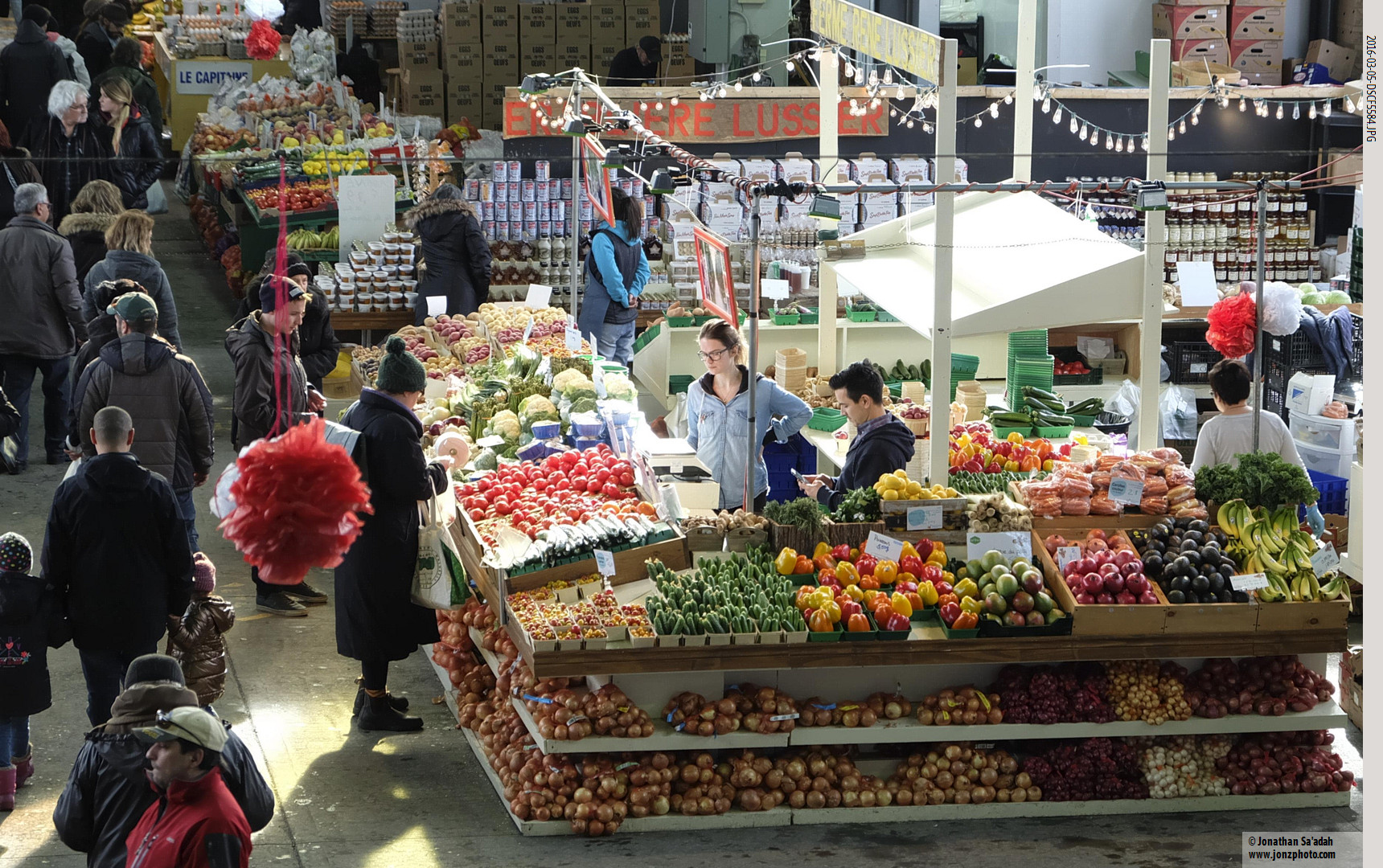
▲ Jean-Talon Market Montreal Our winter markets are abundant but everything is quite orderly, and (sadly!) imported from afar, especially when compared to Catania.
The Human Scale That We’ve Forgotten
Walk through the old quarters of Damascus or wander the residential streets of Palermo, and you’re immediately struck by how perfectly sized everything feels for human beings. Buildings rise to four or five stories – tall enough to create urban passageways but low enough that you can still make eye contact with someone leaning out a third-floor window. Streets are narrow enough that neighbours can converse across them but wide enough for the essential choreography of urban life: children playing, vendors selling, neighbours meeting, deliveries being made, life happening.
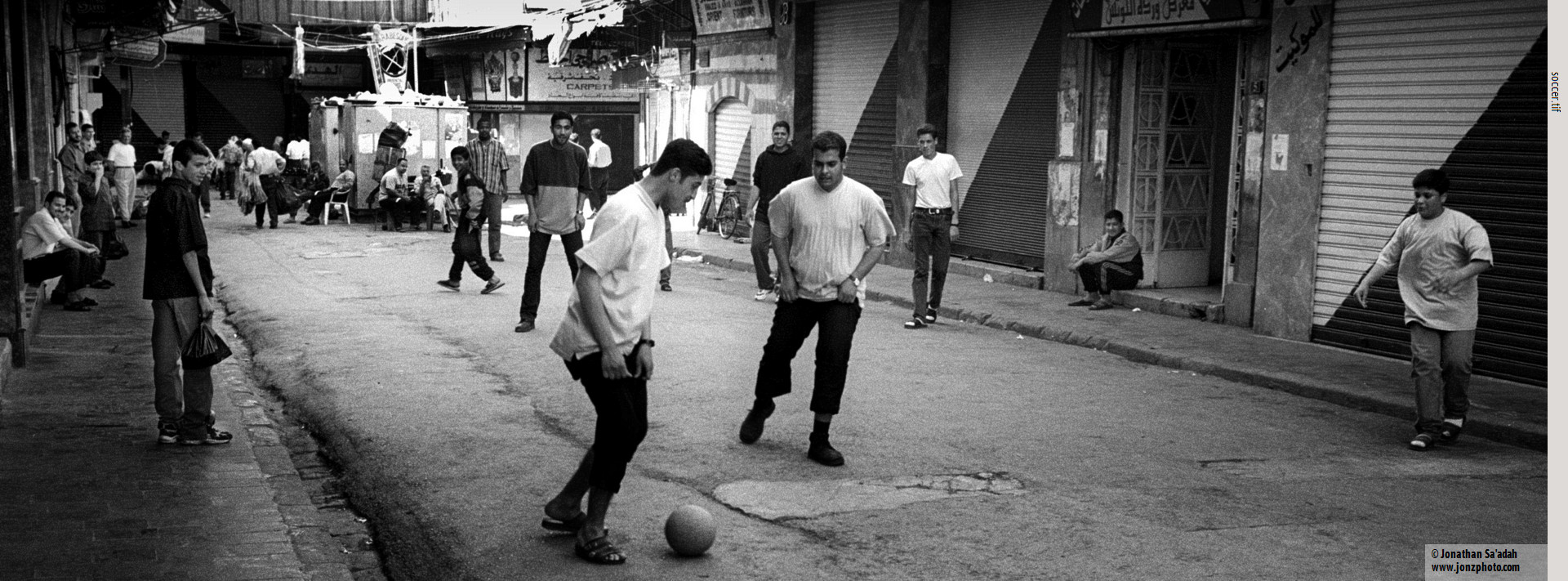
▲ Damascus Street Football Other than there not being any women in this photograph, a lot is happening on the street. This was in the Old City.
This isn’t accidental. It’s the result of centuries of organic development where buildings were constructed at the pace and scale that individual families and small communities could manage. In Thessaloniki, the traditional urban fabric prioritizes pedestrian comfort over vehicular efficiency. The narrow streets that might frustrate a traffic planner become perfect corridors for social interaction, where the pace naturally slows and encounters become inevitable.
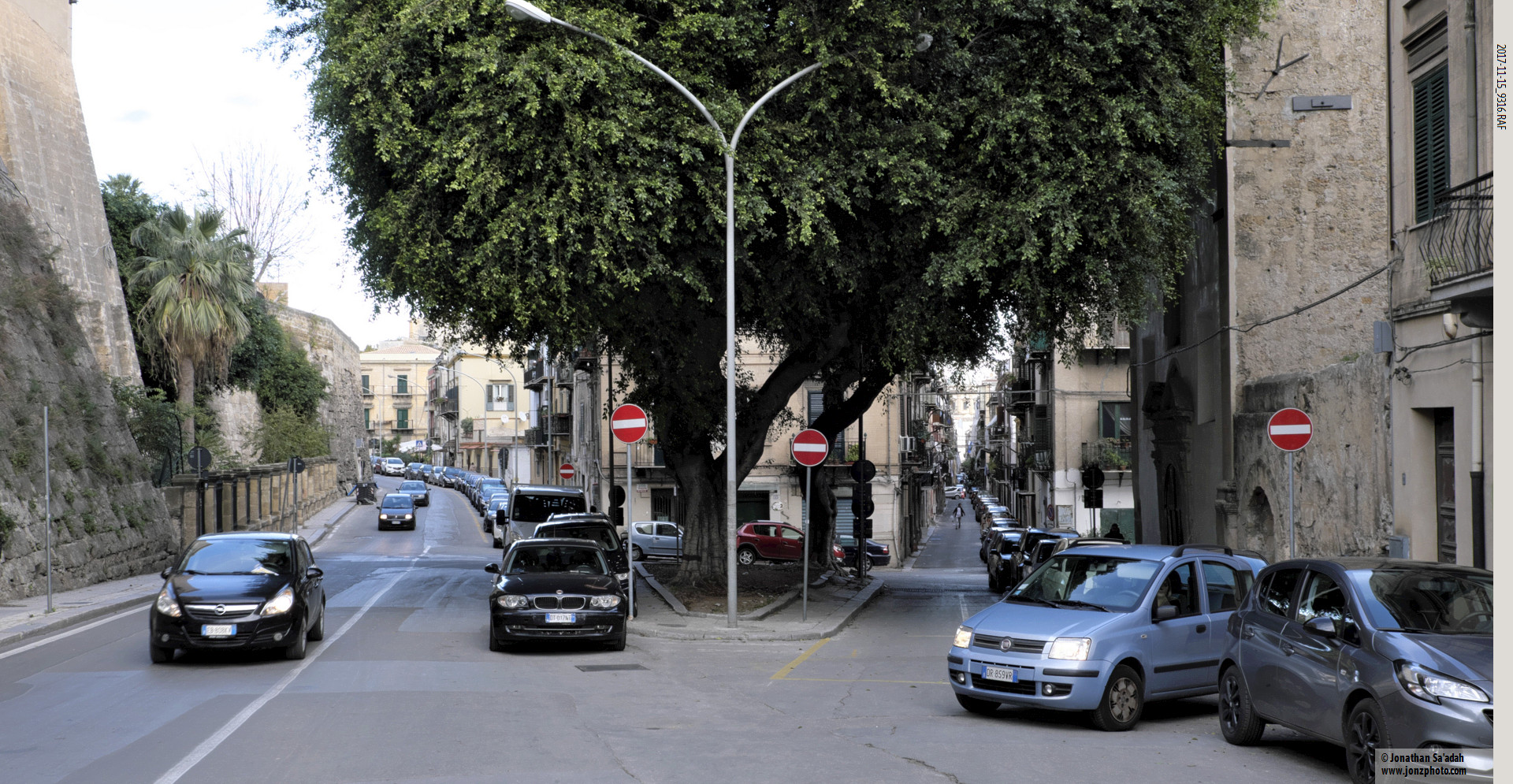
▲ Palermo’s streets pick up on the city’s ancient layout, with automobiles present but taking a backseat.
Contrast this with our modern approach to urban development, where efficiency and standardization trump human experience. Even in Montreal, our newer developments tend towards what we define as modern experience – wider streets, taller buildings, larger blocks that prioritize movement over lingering. We’ve optimized for cars and commerce rather than for the casual encounters and spontaneous connections that actually make urban life rich.
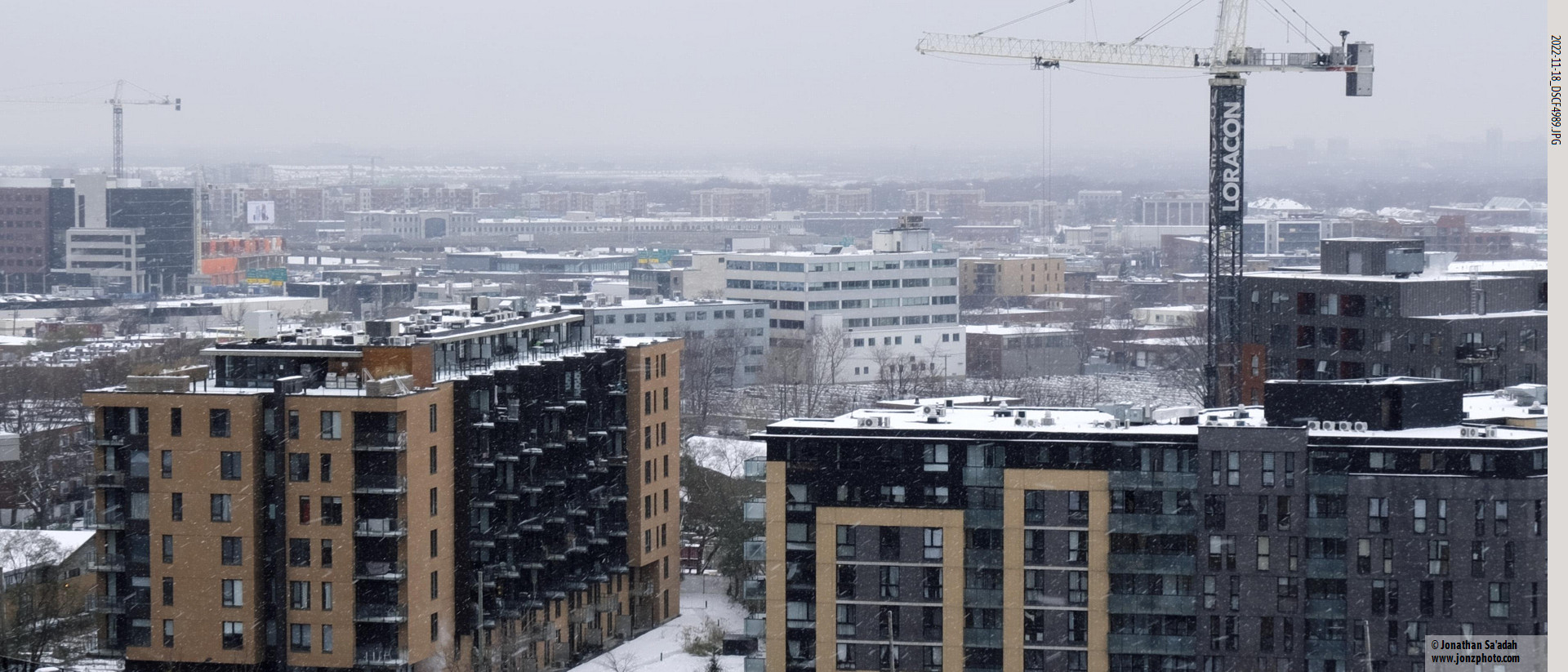
▲ Looking north in Montreal from Côte-des-neiges at residential and commercial buildings in one of the fastest expanding parts of the city.
The smaller scale of these older cities creates what seems to me the conditions necessary for urban vitality. Even though they may look to be museum pieces, they aren’t. They are living examples of urban design that puts human experience first.
Public Spaces as the City’s Living Rooms
Perhaps nothing distinguishes these gritty, beloved cities more than the quality and accessibility of their public spaces. Not just parks or grand plazas, but the everyday spaces where public life unfolds: the stepped streets of Damascus that become impromptu gathering places, the piazzas of Palermo that serve as outdoor living rooms for entire neighbourhoods, the casual sidewalk life of Mexico City where sidewalks and public spaces encourage people to meet and relax”.
These cities understand something fundamental: public space isn’t just about recreation, it’s about democracy. It’s where different social classes, ages, and backgrounds encounter each other naturally. When public space works well, it becomes the foundation for social cohesion and civic engagement.
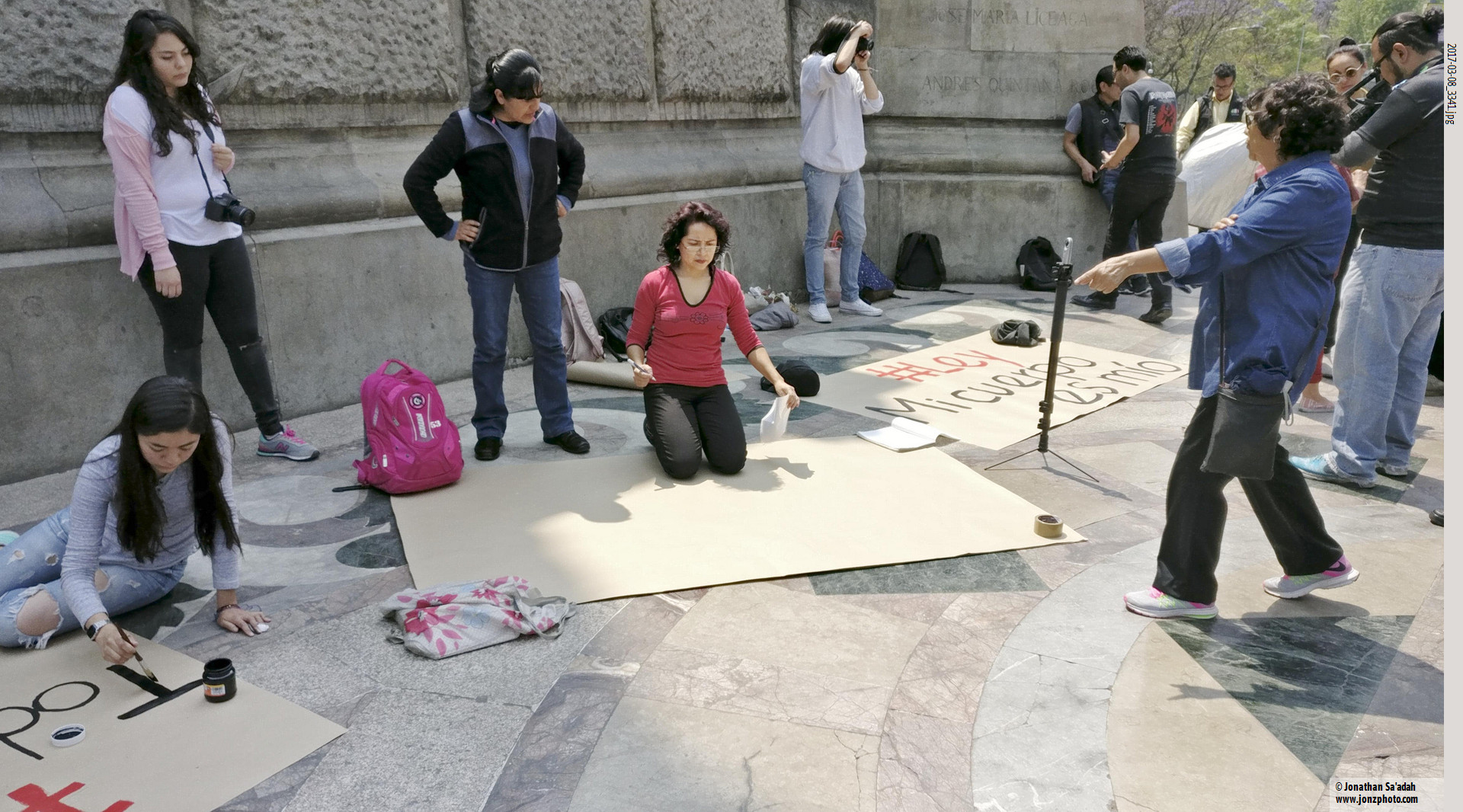
▲ Preparation for Women’s Day March International Women’s Day has been commemorated in Mexico City since the 1930s, but the massive street mobilizations began gaining momentum in more recent decades as a response to Mexico’s epidemic of gender-based violence.
Mexico City is often dismissed as sprawling and car-dependent, but alongside that reality I see a lot more going on. The city’s downtown areas have spacious parks and sidewalks, accommodating an unending ballet of commuters, tourists, and street vendors. On Sundays, major arteries like Paseo de la Reforma are closed to cars and opened to pedestrians and cyclists, temporarily transforming the large parts of the city into one enormous public space.
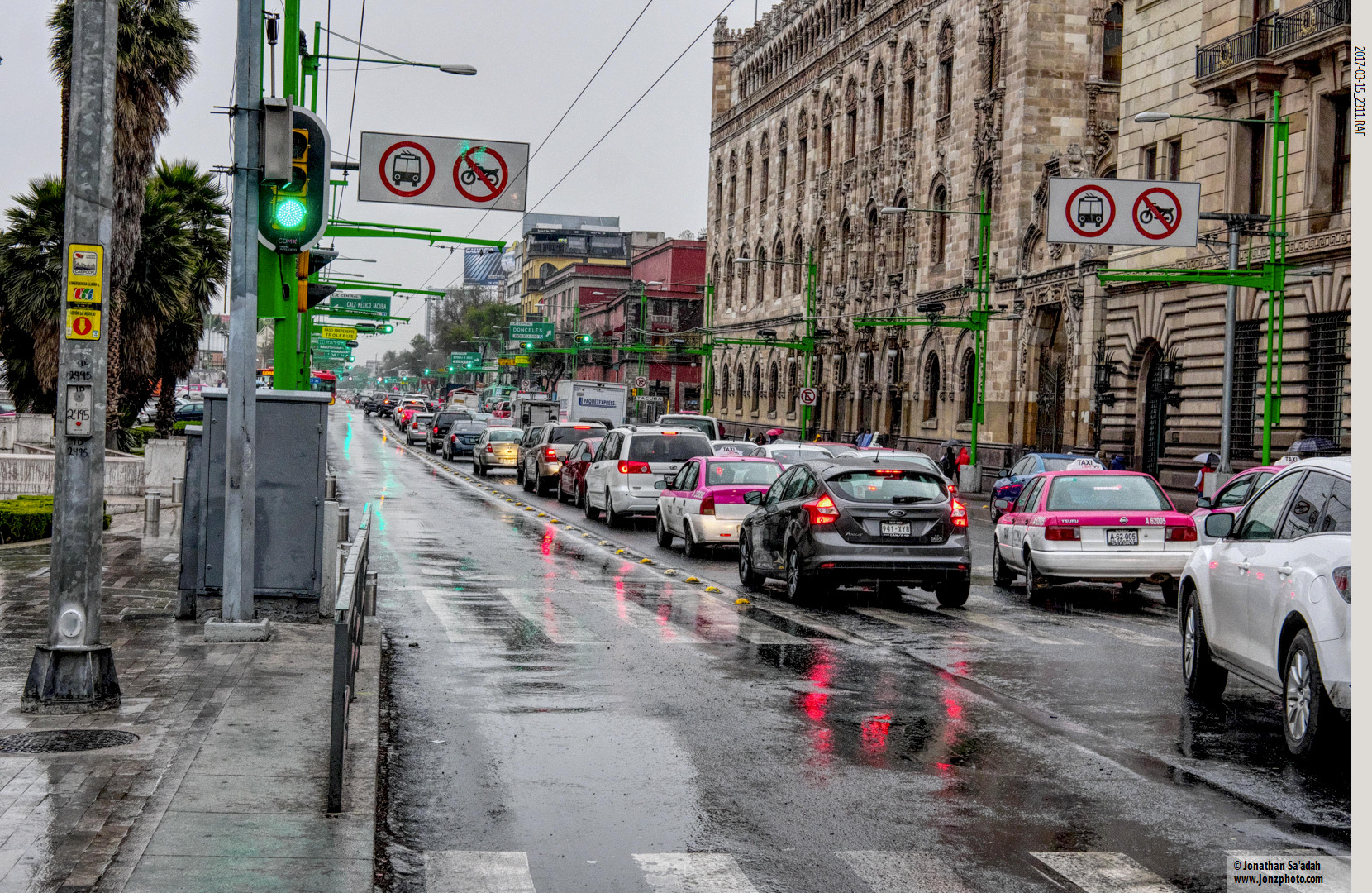
▲ Mexico City’s less romantic side The city government has tried different approaches at reducing car traffic, all with little success. Nevertheless, there is an inexpensive and well-used public transport system used by 14 million people a day. The open lane is a reverse direction lane for buses.
What these cities understand is that public space isn’t a luxury – it’s infrastructure. Just as essential as water pipes or electrical grids, public space is the network that allows urban society to function, providing the venues for the informal encounters and casual sociability that bind communities together.
Walkability as a Way of Life
In these cities, walking isn’t exercise or a lifestyle choice – it’s simply how you get around. This creates a fundamentally different relationship between residents and their urban environment. When you walk regularly, you notice things: the quality of surfaces, the presence or absence of shade, the rhythm of street life, the small businesses tucked into ground floors.
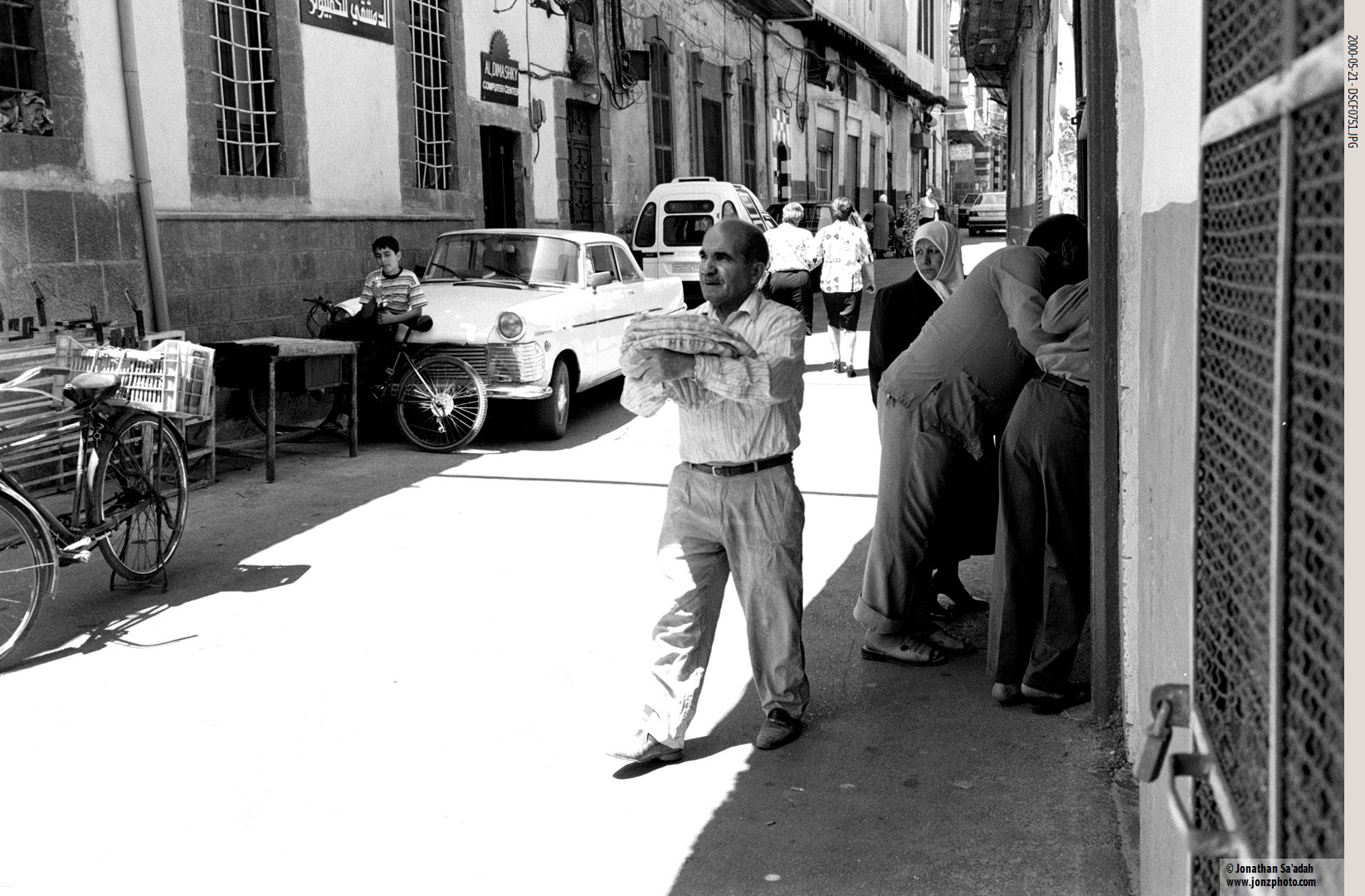
▲ Damascus Old City Bakery Man carries away hot bread purchased from a small bakery.
Thessaloniki, despite its challenges with broken pavements and sidewalks, illegally parked cars and motorcycles, kiosks and coffee tables, has a vibrant street culture. I look forward to going back soon to see how the city has adapted to its newly-opened metro system, which hopefully will reduce the perpetual gridlock many of its streets experience during the day. Hopefully the ongoing integration of walking and public transit has created an even more layered urban experience.
Mexico City exemplifies this integration beautifully. Despite its size and complexity, the city maintains an impressive pedestrian culture. Under the leadership of mayor Claudia Sheinbaum (who has a background in environmental engineering) the city dramatically expanded its network of public transit, bolstering its generous public spaces with wide sidewalks and creative public squares.
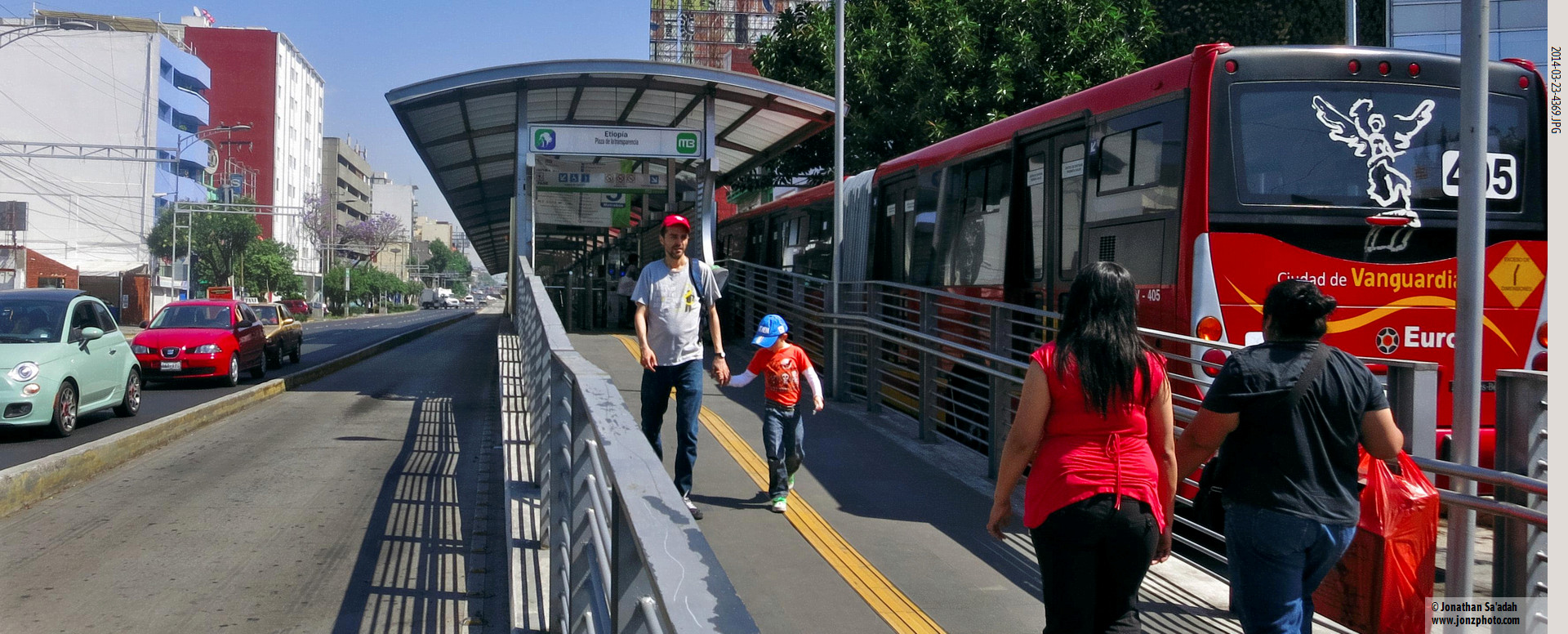
▲ Mexico City’s Metrobus System provides rapid transit with a two dedicated lane system. Multi-unit buses (some all electric) load in stations much like a metro line. Claudi Sheinbaum was instrumental in launching the system as Secretary of the Environment (2000-2006) under then-mayor Andrés Manuel López Obrador, who went on to be President, as she has too.
Next week: Housing. The Damascus photographs in this post are taken from a book I’m just finishing on an experience I had with my father, returning to where he was born.
There’s something beautifully absurd about dreaming of Formula One glory while religiously using the metro and my bike in the city. It’s like being a vegetarian who fantasizes about winning hot dog eating contests – technically possible, but requiring some serious mental gymnastics to reconcile the contradiction.
The Making of a 36-Horsepower Speed Demon
My personal journey to Formula One dreams began in the most modest way possible: behind the wheel of my parent’s 1958 Volkswagen Beetle. While other kids were playing touch football or watching TV, I was sitting in our family’s parked Beetle, gripping the steering wheel with white knuckles, shifting through imaginary gears with the precision of someone who was still more than ten years away from having a driver’s license.
It was an ironic situation even then. Here I was, fantasizing about joining the ranks of Stirling Moss – while my automotive reality consisted of a parked car that even when running took roughly the same time to reach highway speed as it takes to get from Lionel-Groux to Snowdon (stops on our metro).
Those BBC radio reports crackling through our family’s shortwave radio painted vivid pictures of Monaco’s glamour, but they somehow missed mentioning the modern issues of environmental rape and pillage tied to petro use. They certainly didn’t prepare me for the cognitive dissonance I’d experience many decades later as a Montreal resident torn between childhood racing fantasies and an adult commitment to sustainable transportation.
Montreal’s Great Transportation Transformation
Moving to Montreal in 2003 was like stepping into a city caught between two realities. The Montreal public transit system was already one of North America’s most heavily used systems. Yet Montreal remained (and remains) a city where cars dominate the landscape. There’s a dream of urban sustainability but even in me there’s a conflict with secret Formula One fantasies.
The Annual Montreal Contradiction
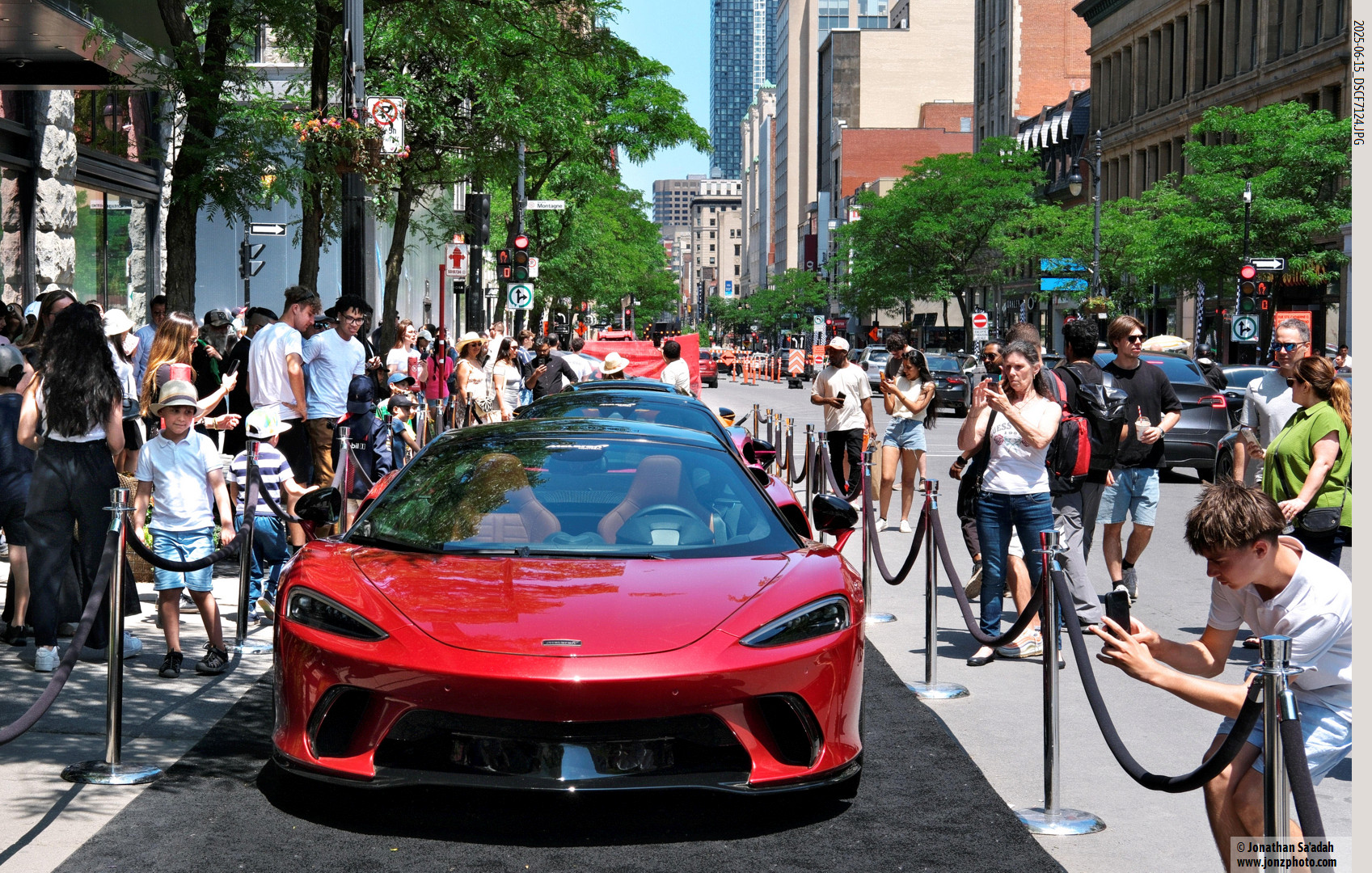
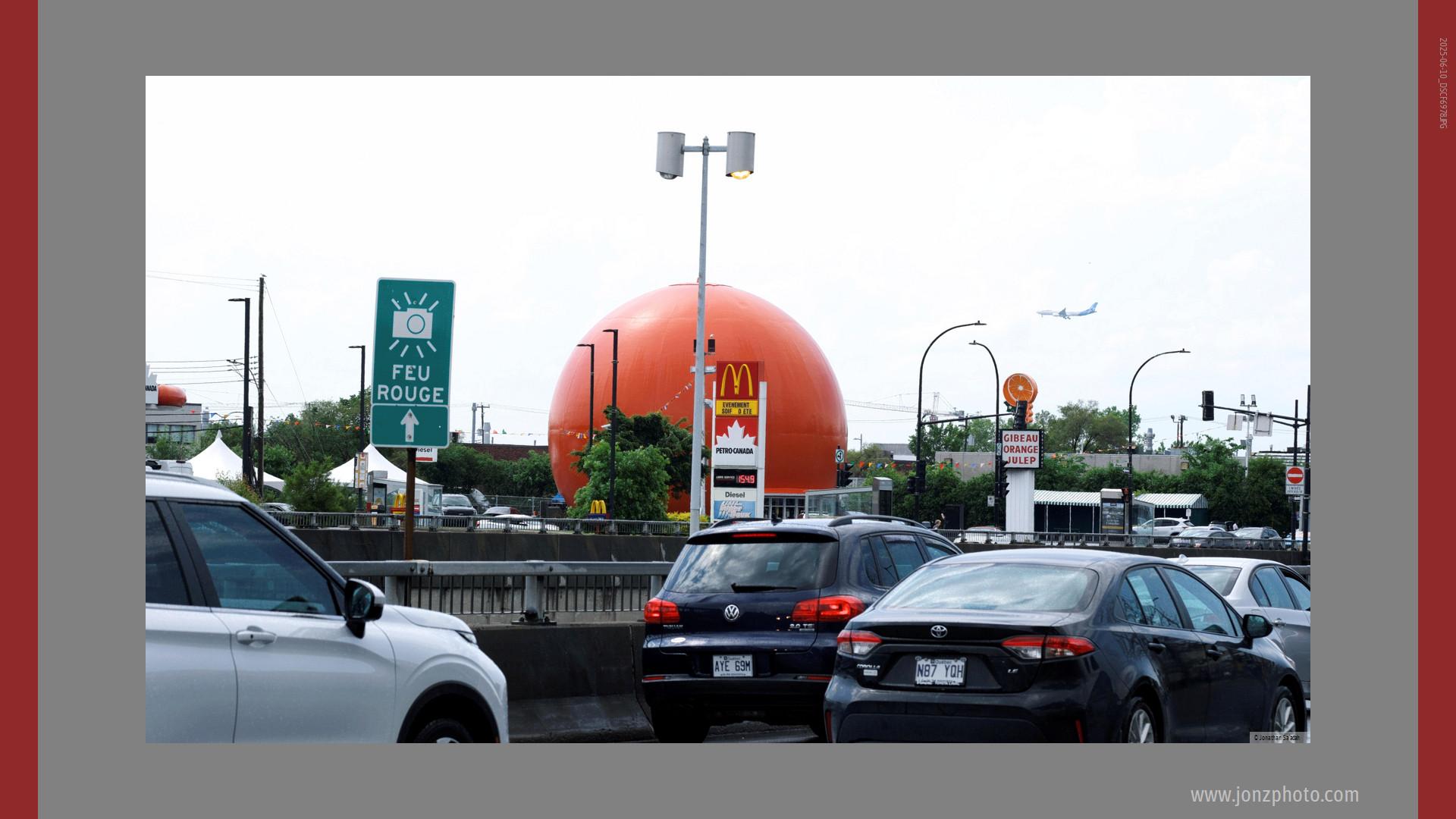
Every June, when Formula One descends upon Circuit Gilles Villeneuve, Montreal experiences a total ethical meltdown. The small island in the Saint Lawrence that hosts our Grand Prix was originally created for Expo 67, then re-purposed into a racing circuit that celebrates everything Montreal’s current transportation policies are trying to discourage.
The race circuit itself embodies this paradox perfectly. The city lavishly hosts a sport that burns fossil fuels at obscene rates while promoting electric vehicles and public transit.
The Netflix Effect and Modern Racing Culture
The popularity of Netflix’s “Drive to Survive” has created a new generation of Formula One fans who, like me, experience the sport primarily through screens rather than exhaust fumes. It’s not exactly socially acceptable to be interested in a sport that represents everything we’re supposed to be moving away from, but secretly I am.
When my wife mentioned to a very close friend that we’d watched all seven seasons, the look of bewilderment that crossed her face was eloquent. Even if it was brief before she masked it. It was the expression of someone trying to reconcile how two people who take public transit everywhere and enthusiastically support biking could simultaneously be enthralled by the world’s most environmentally questionable sport.
Living with the Paradox
Montreal’s approach to transportation politics reflects a city that deals in nuance. We promote walkability through indices that measure access to employment and amenities while simultaneously maintaining one of Formula One’s most visible venues. Somehow, both realities coexist in the same metropolitan area without the universe completely collapsing from the contradiction.
Embracing the Contradiction
Perhaps the real wisdom lies in accepting that humans are complicated creatures capable of holding multiple truths simultaneously. I can genuinely believe that Montreal’s future depends on reducing car dependency while still hoping Lewis Hamilton will win as I hear the obnoxious bellowing of Formula One engines echoing across the St. Lawrence River.
There’s no doubt though that Montreal’s approach to transportation doesn’t adhere to ideological purity. The city that gives us extensive bike networks also gives us a yearly walk on the dark side. It’s an approach that acknowledges that progress is perhaps served by not abandoning everything from our past in our quest for purity.
After all, even as a committed environmentalist I can still appreciate the engineering marvel of a Formula One car, just as I hope the most dedicated tourist racing fan can get on our fancy new metro trains and wish they had them in their city. Montreal has figured out how to celebrate both, and maybe that’s the a sophisticated approach for where we are now.
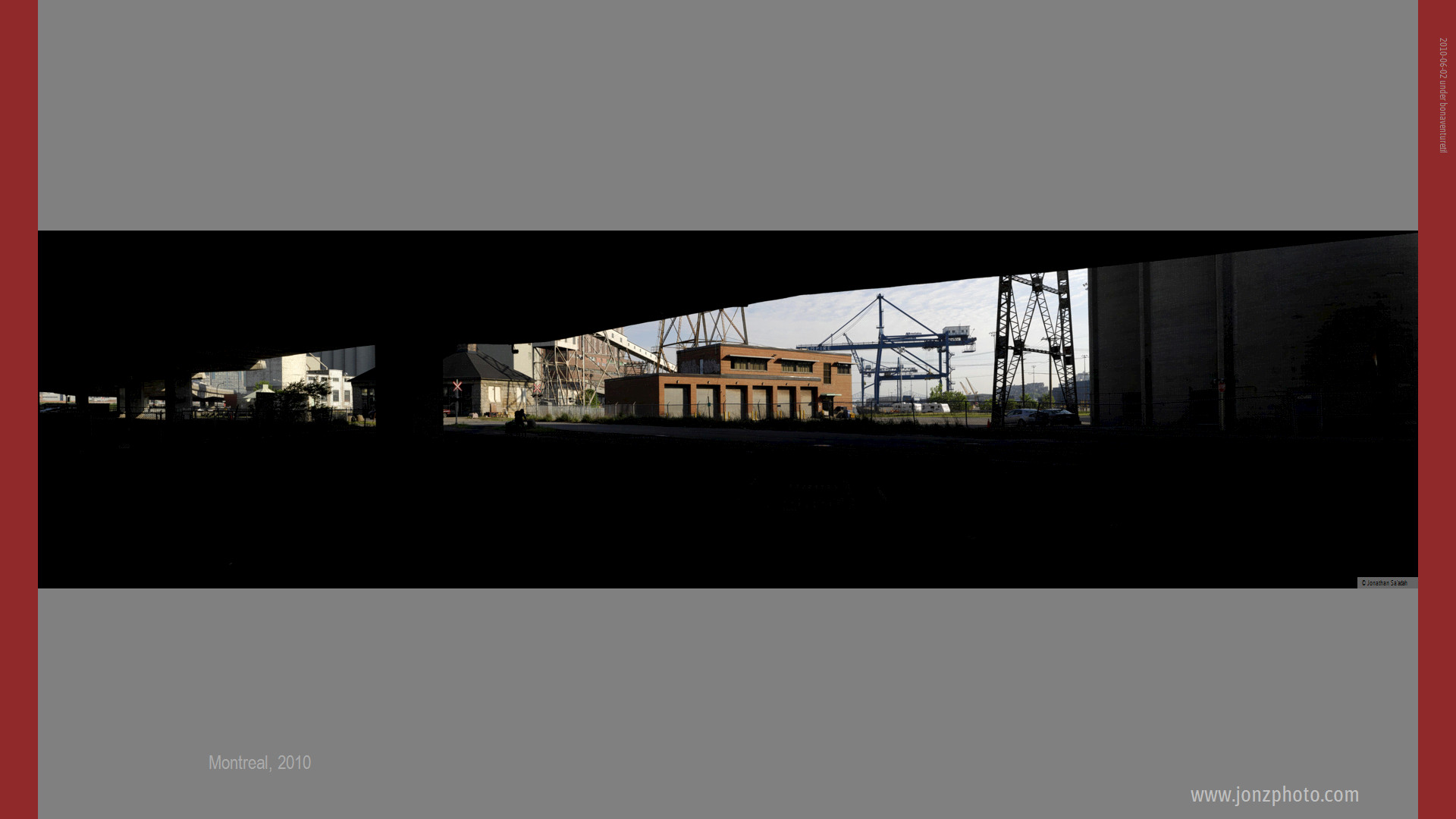
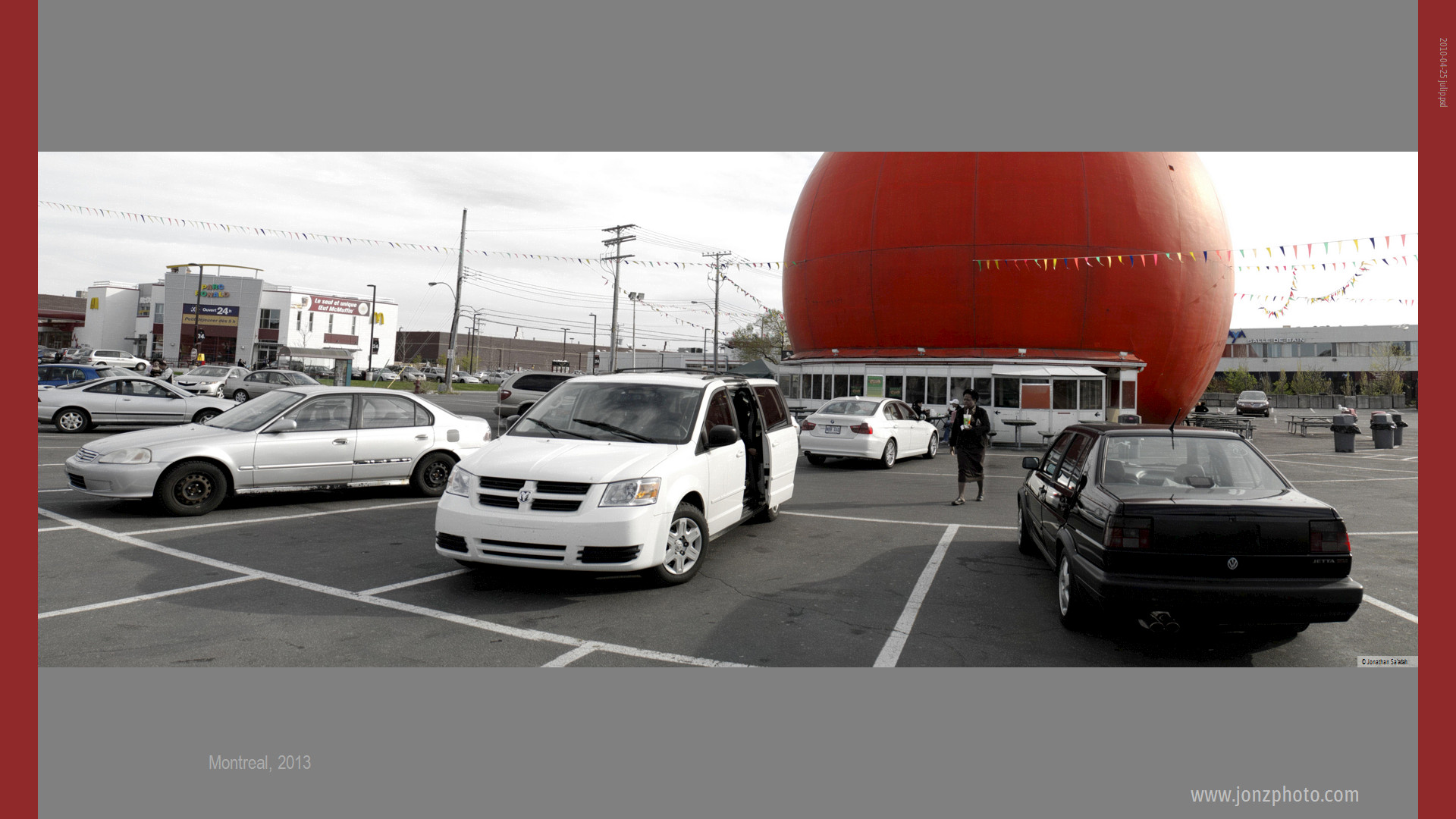
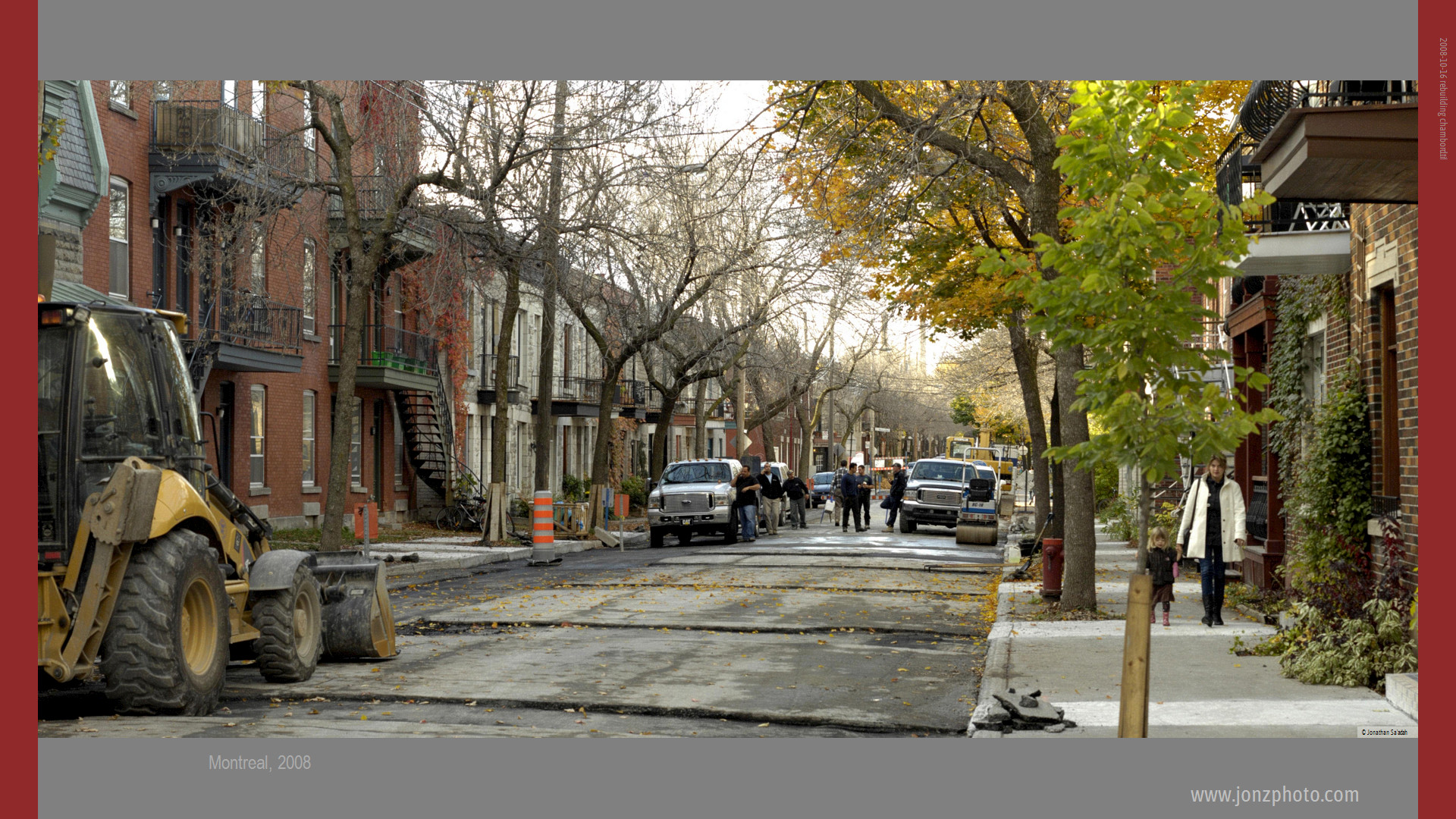
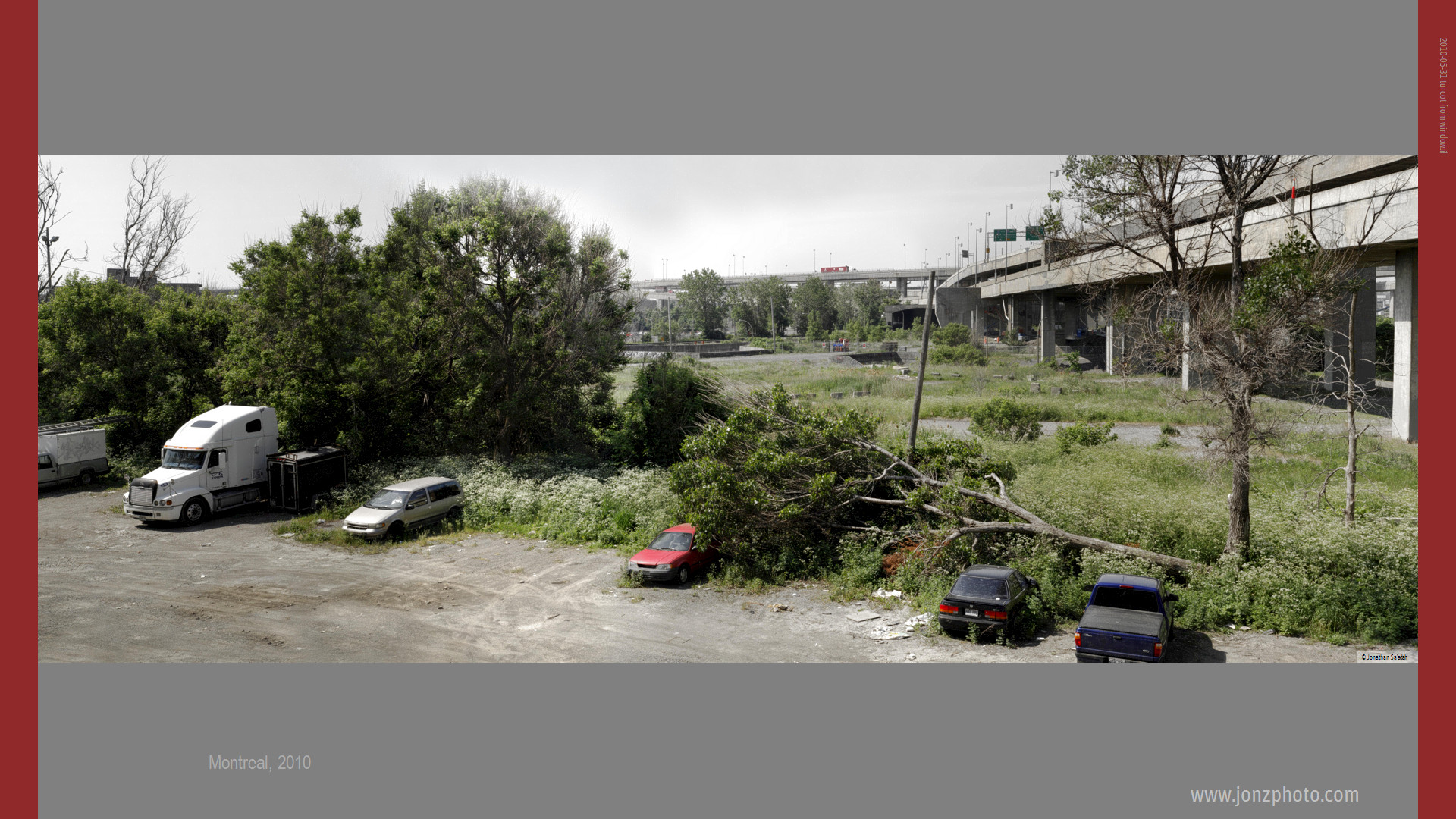
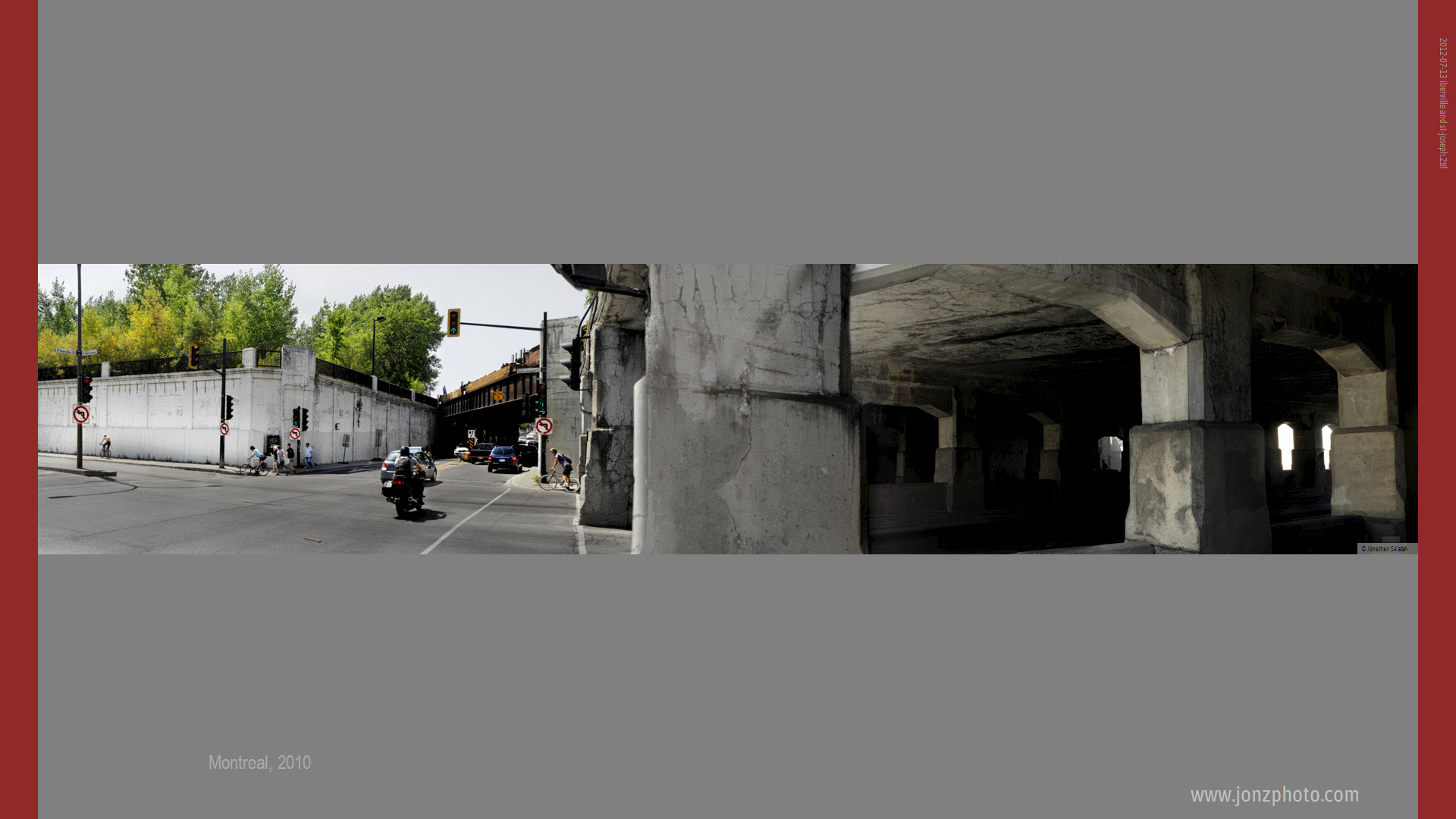
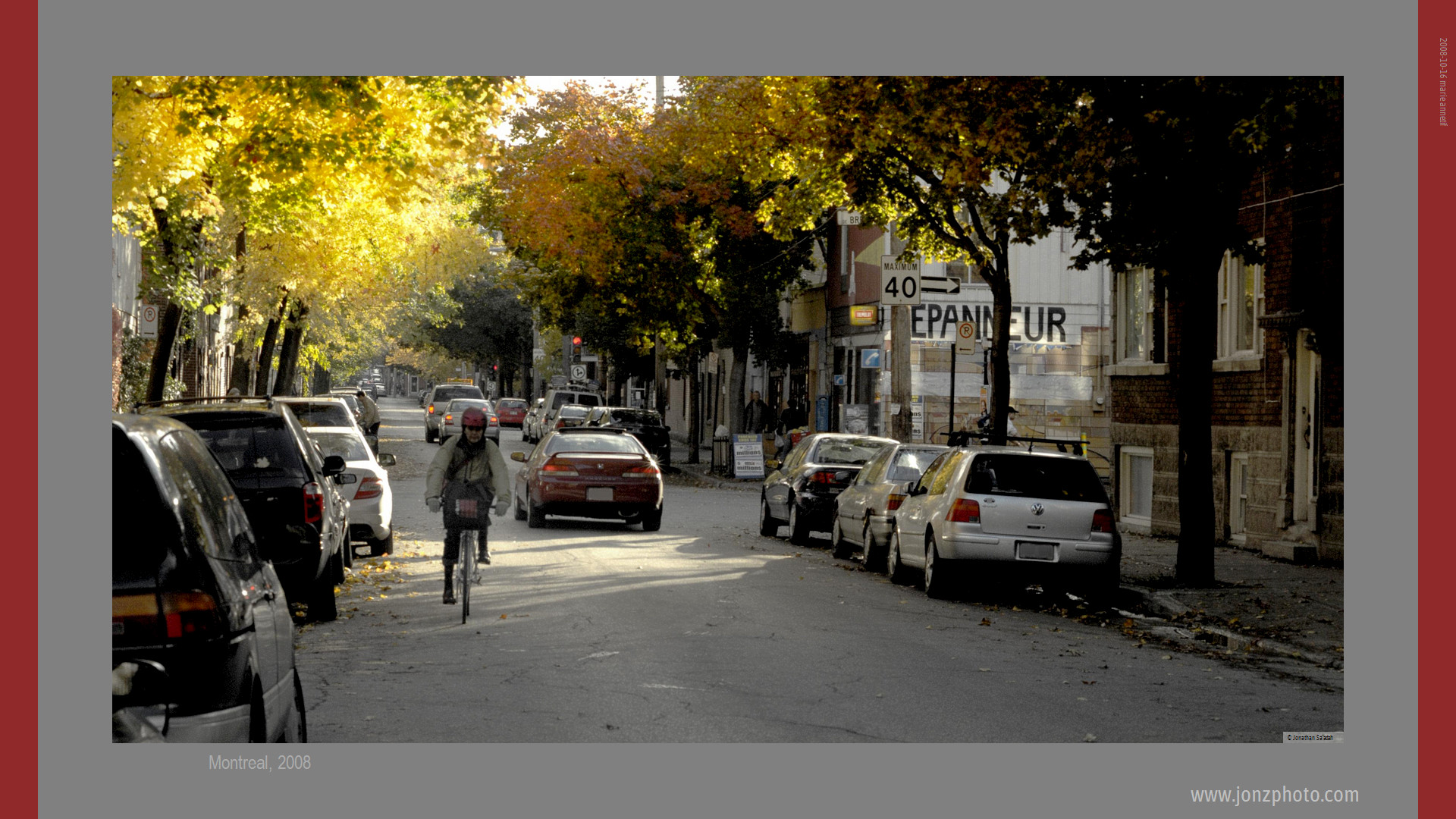
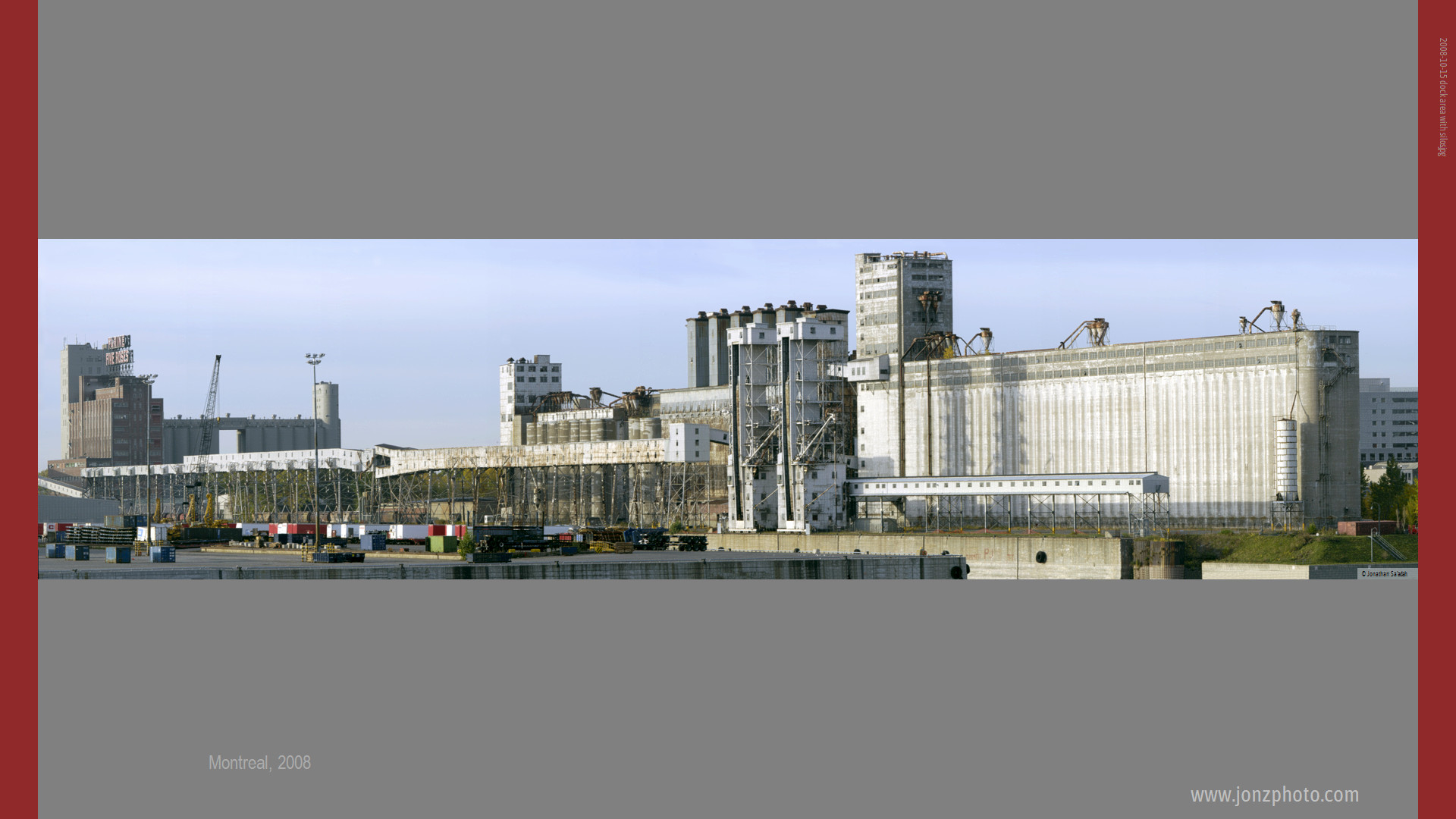
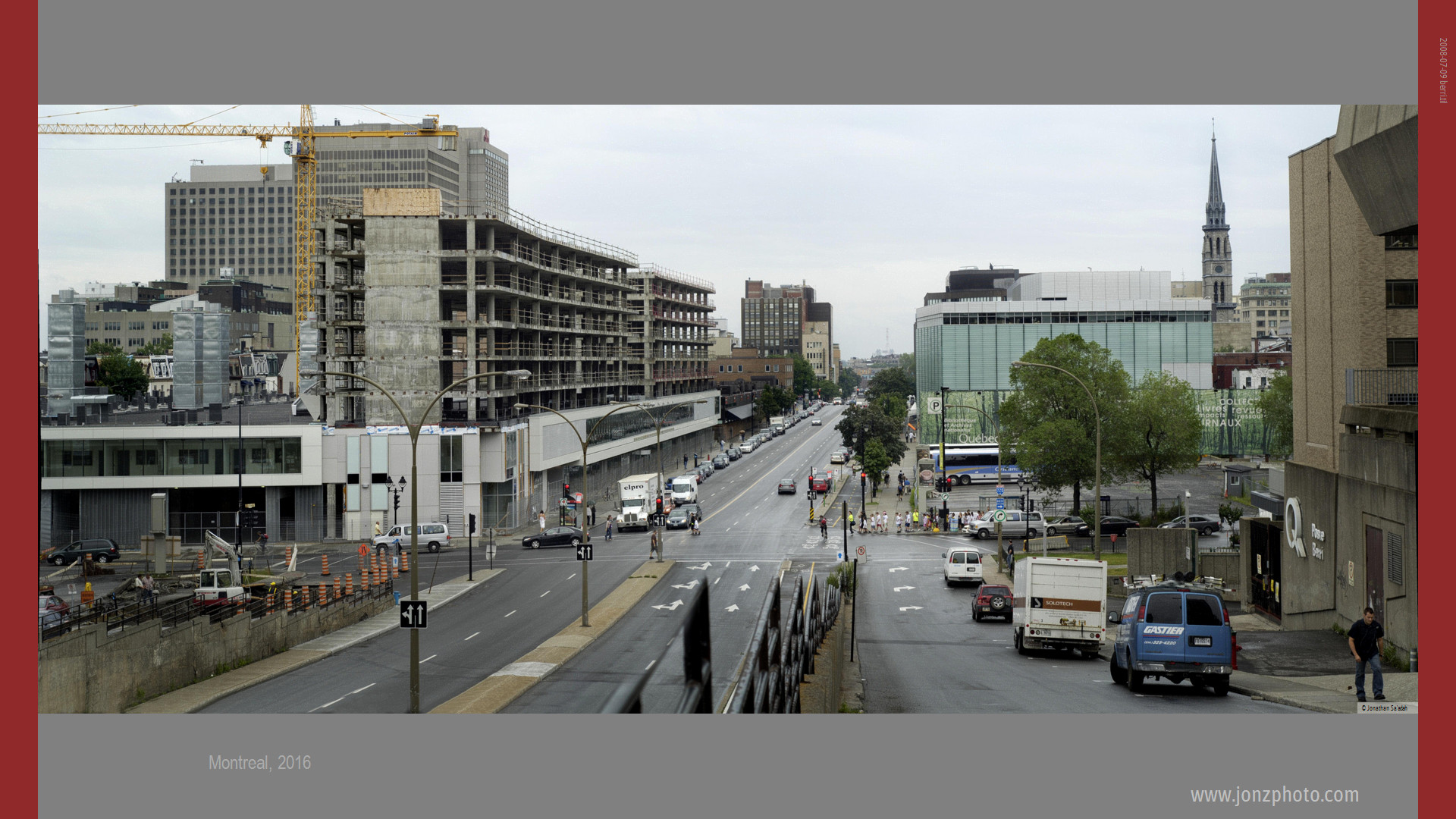
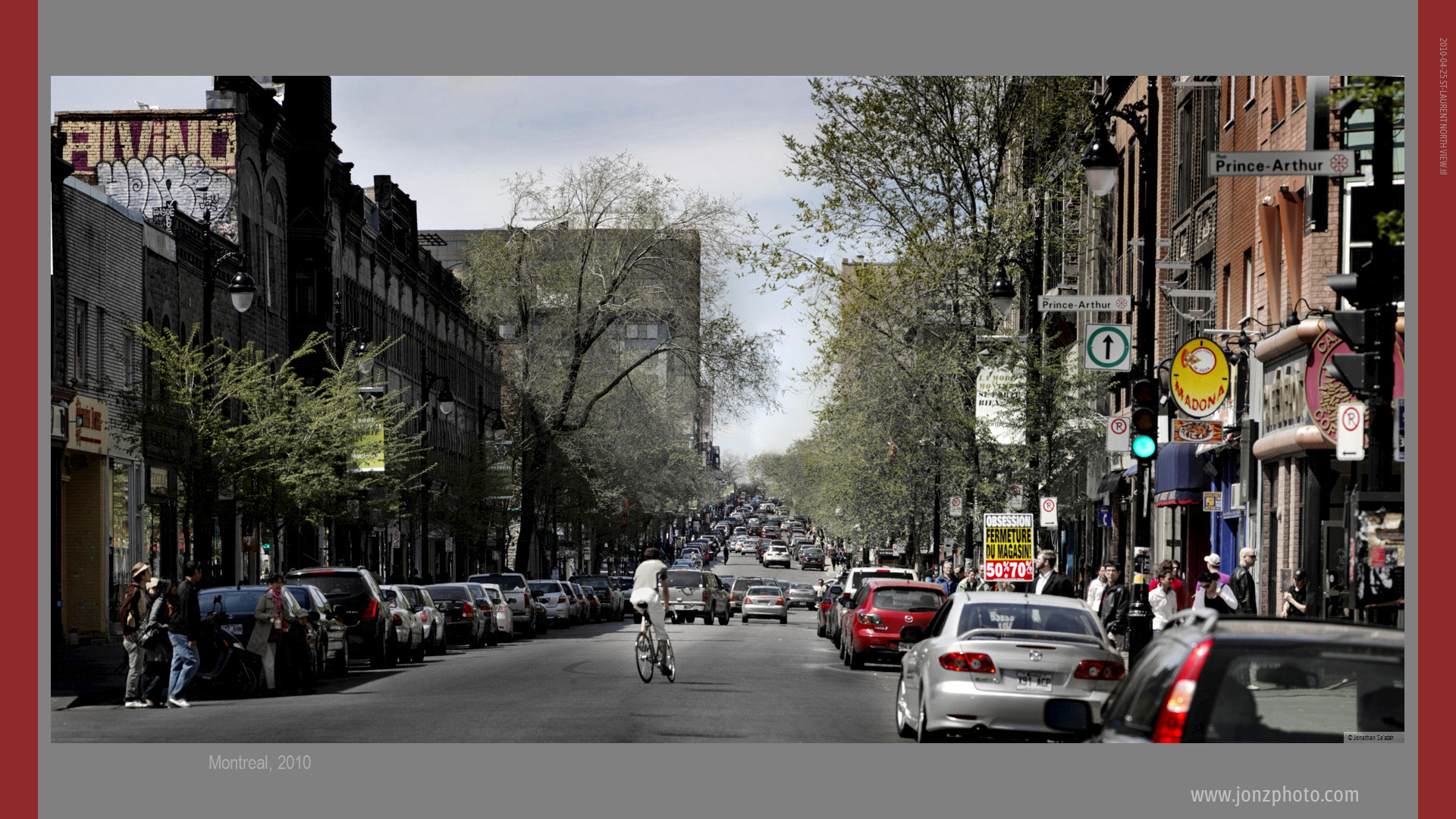
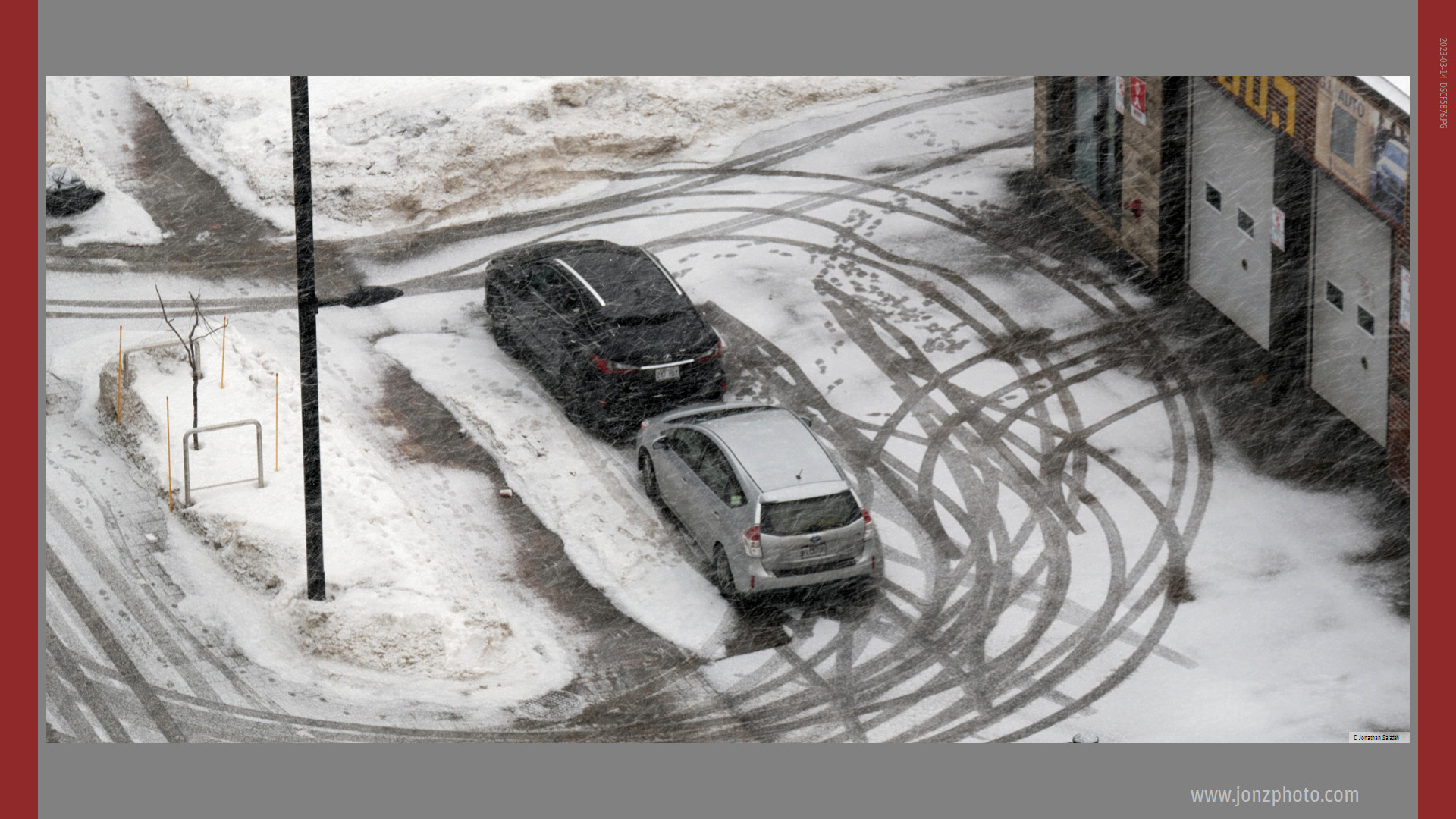
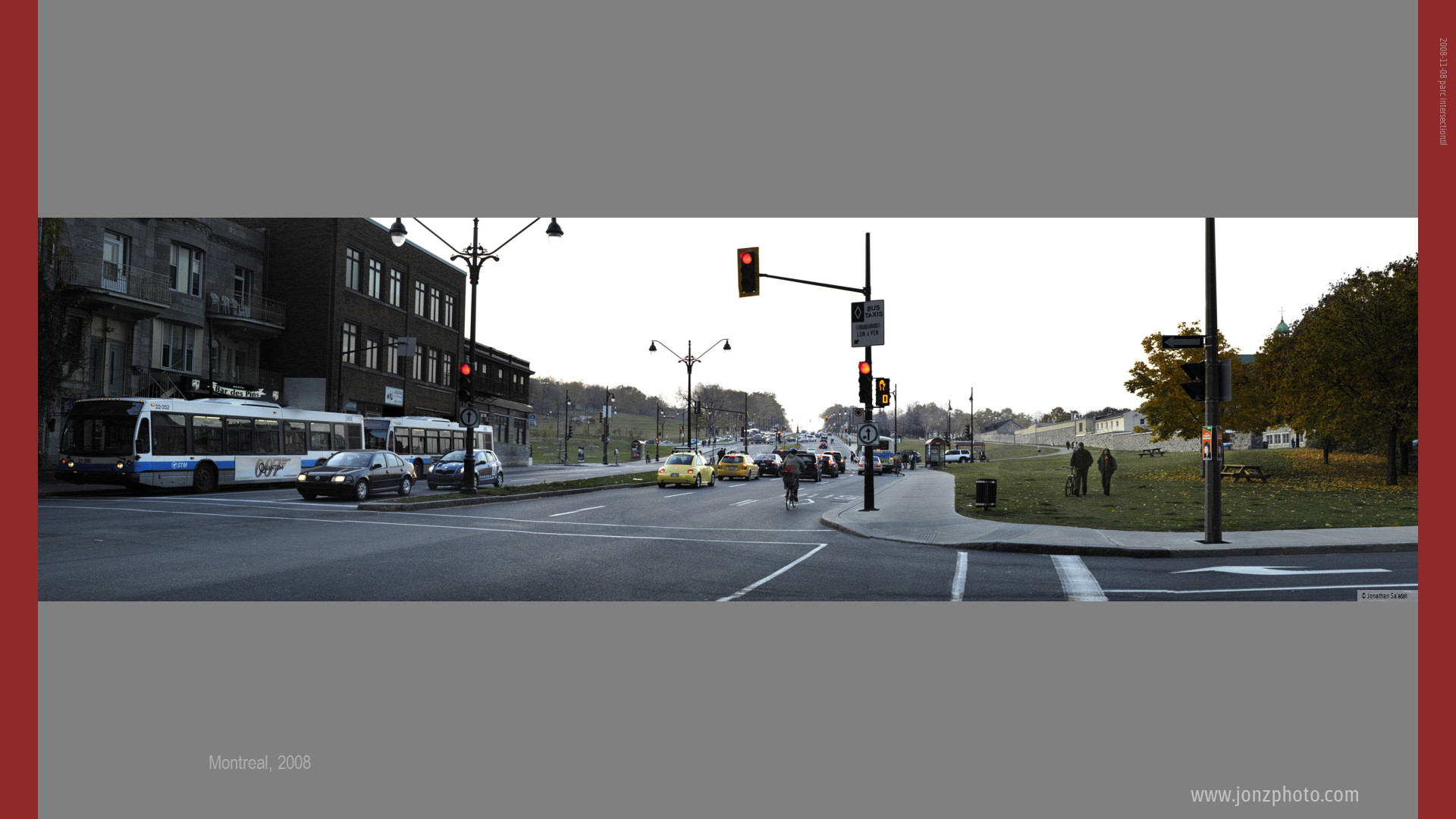
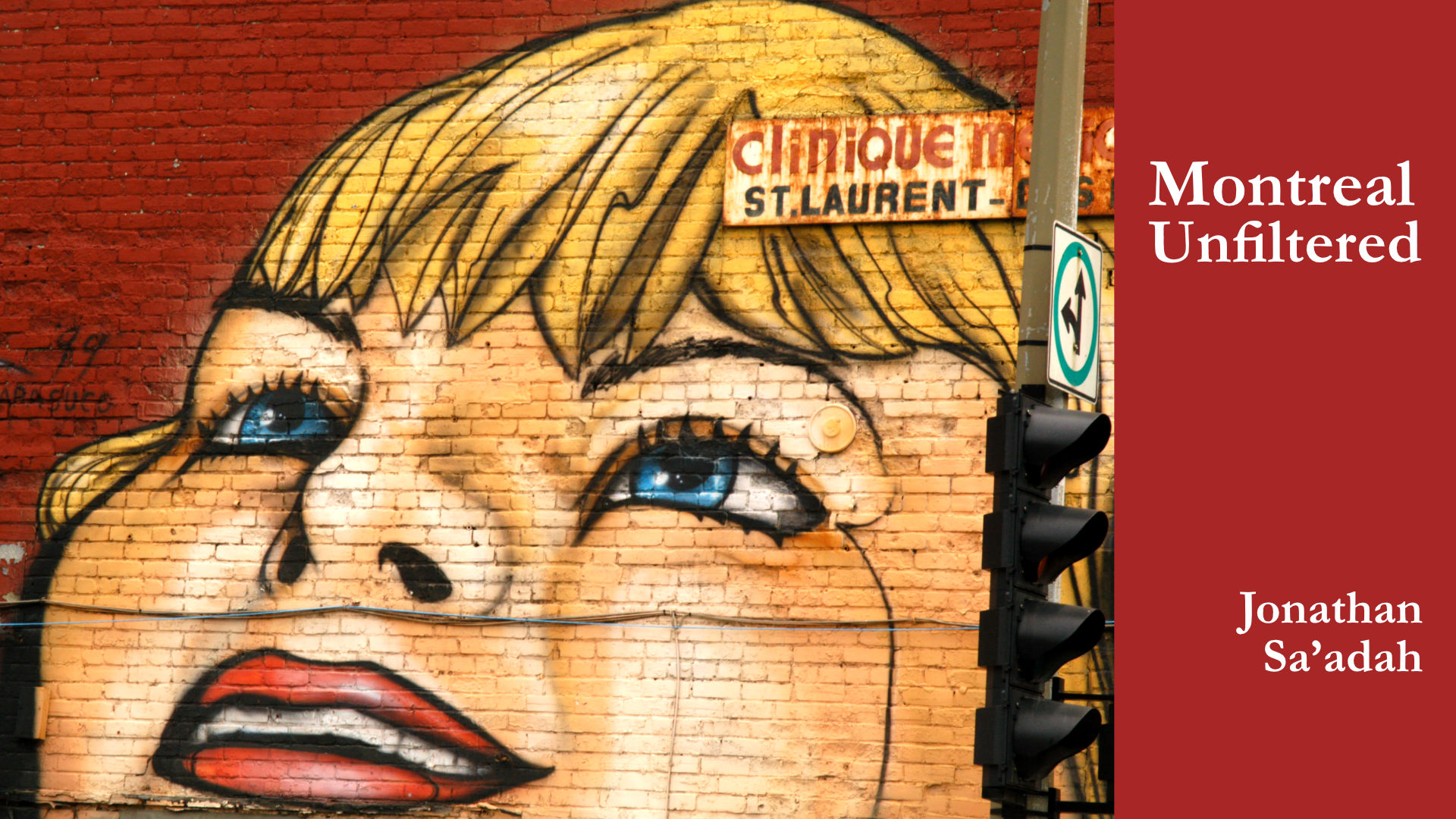
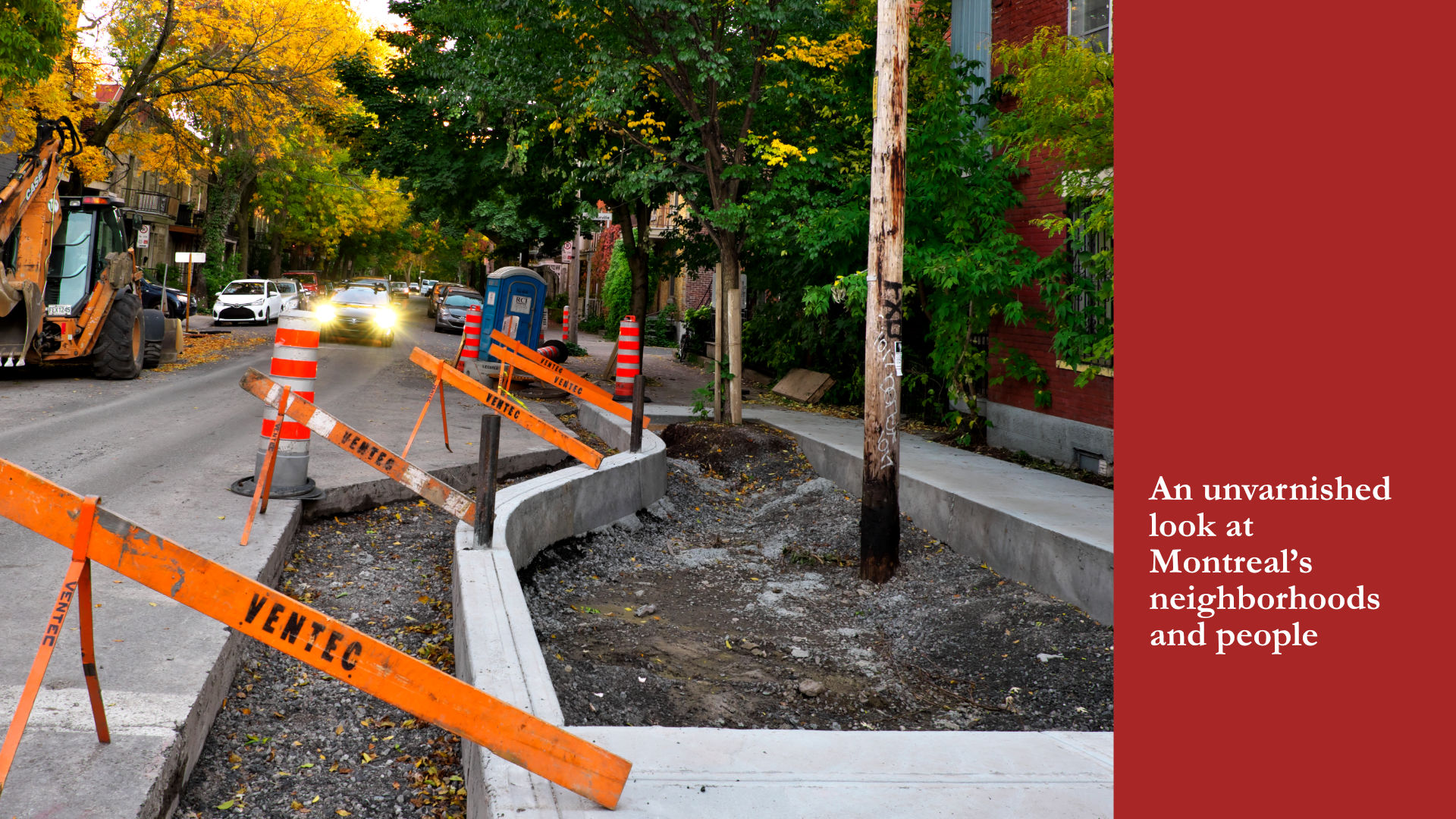
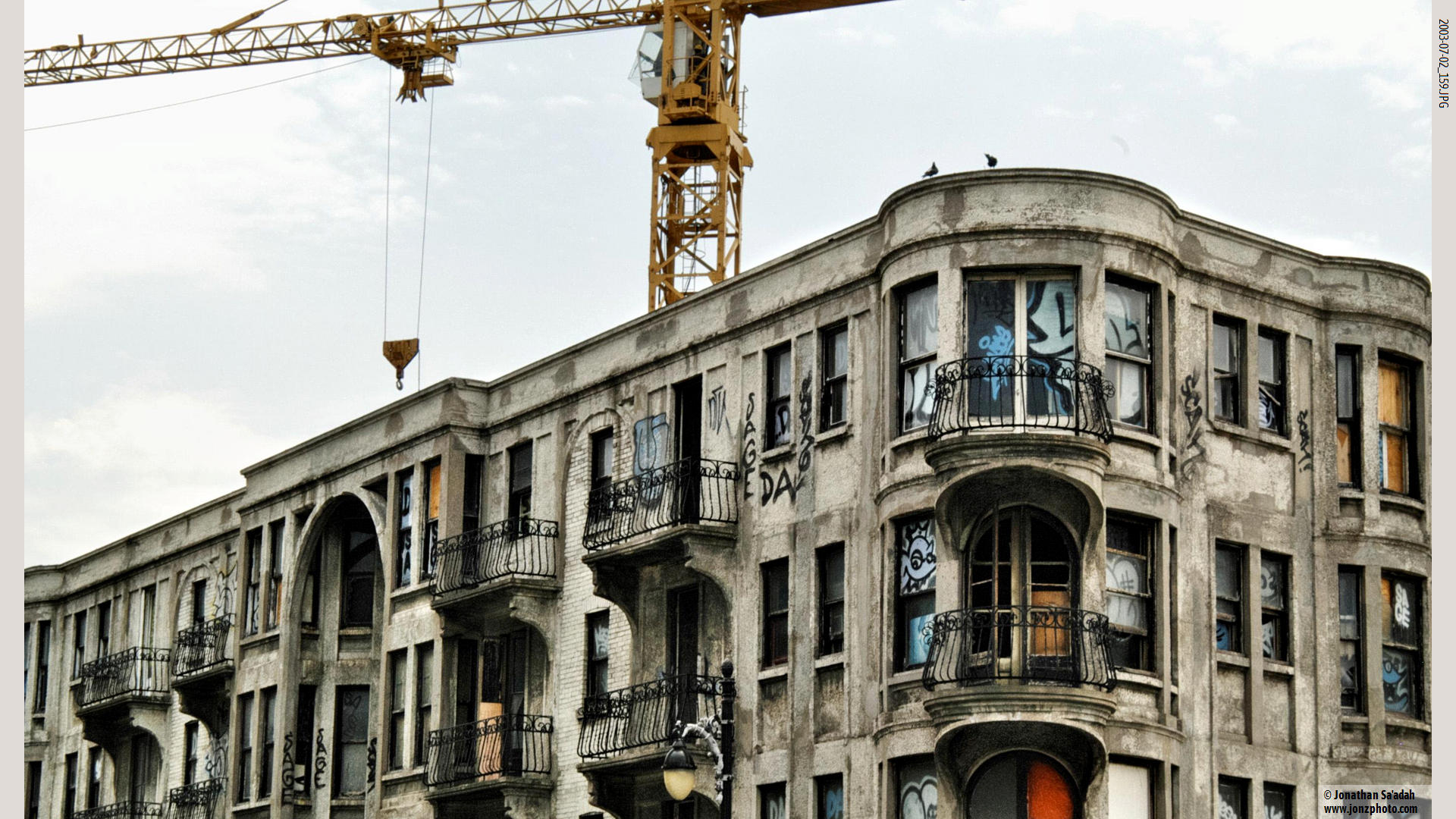
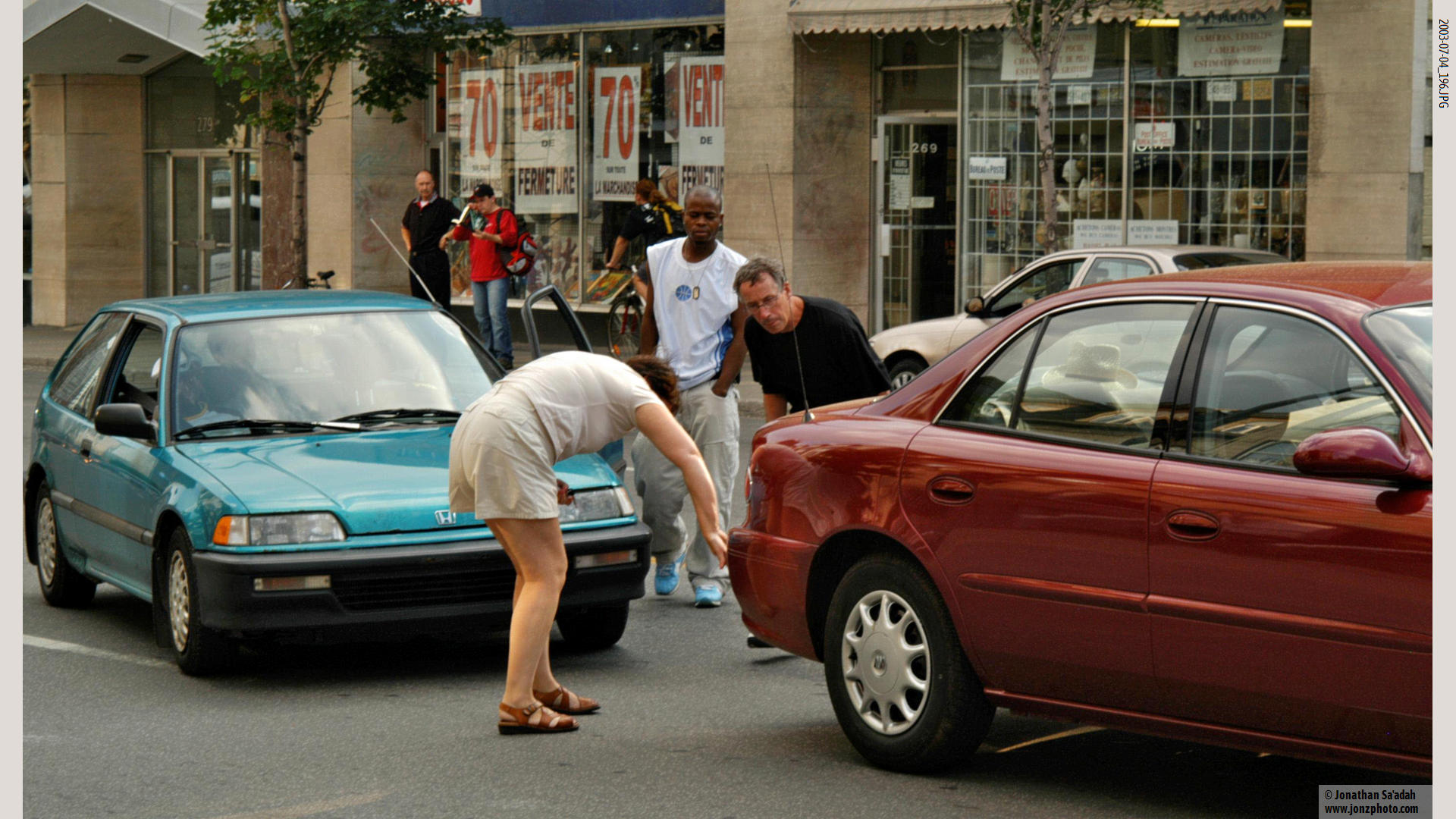
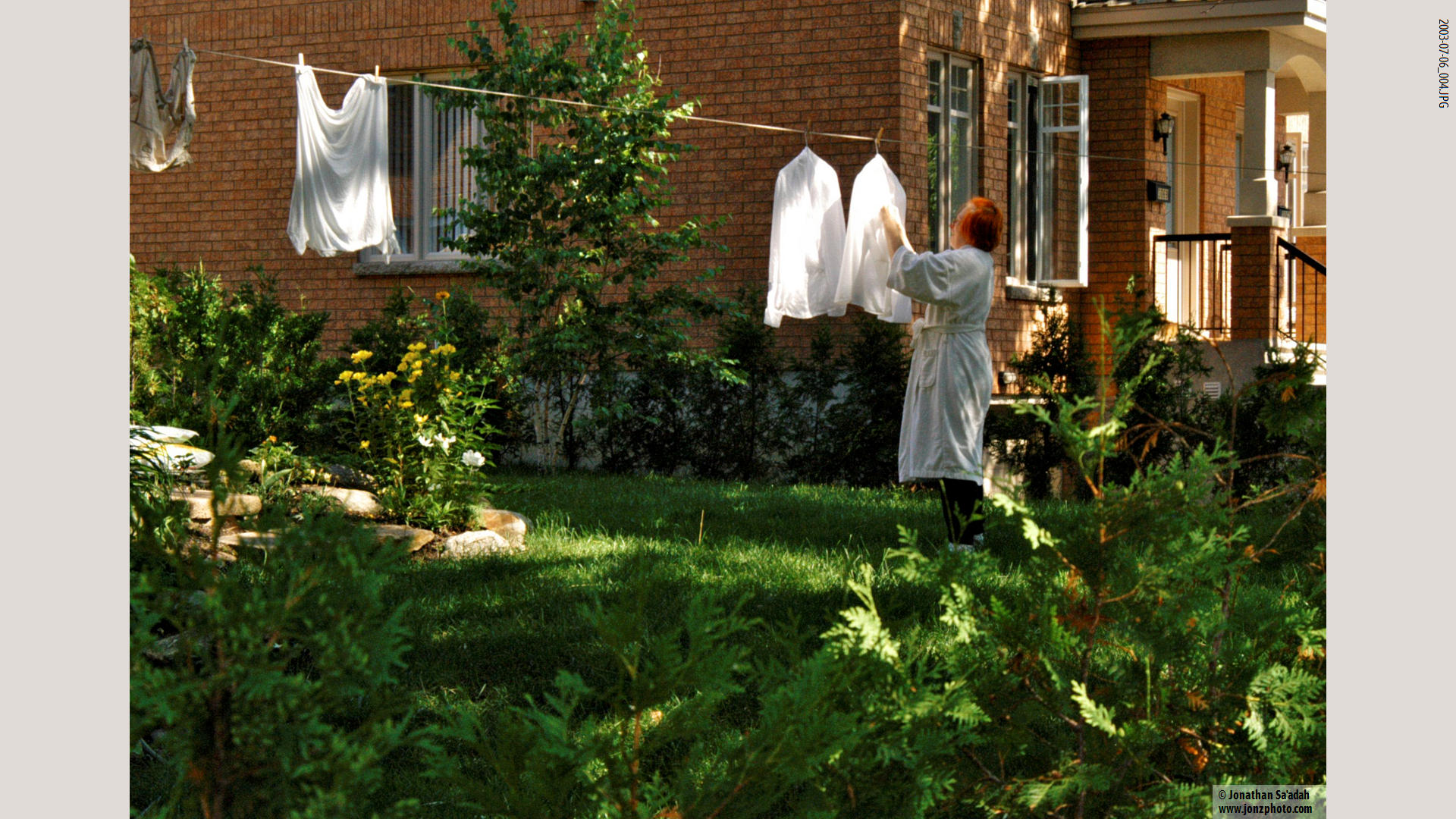
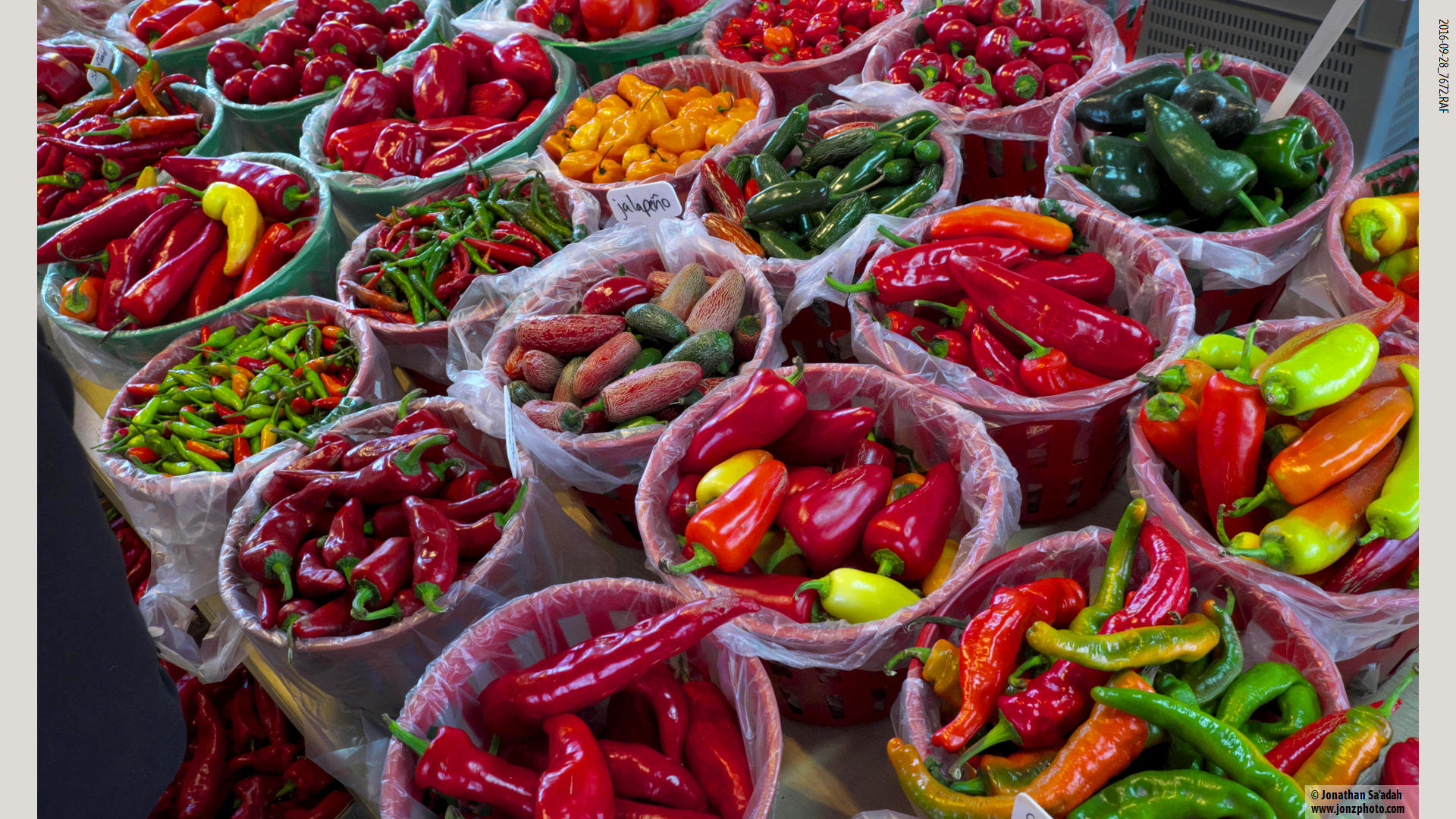
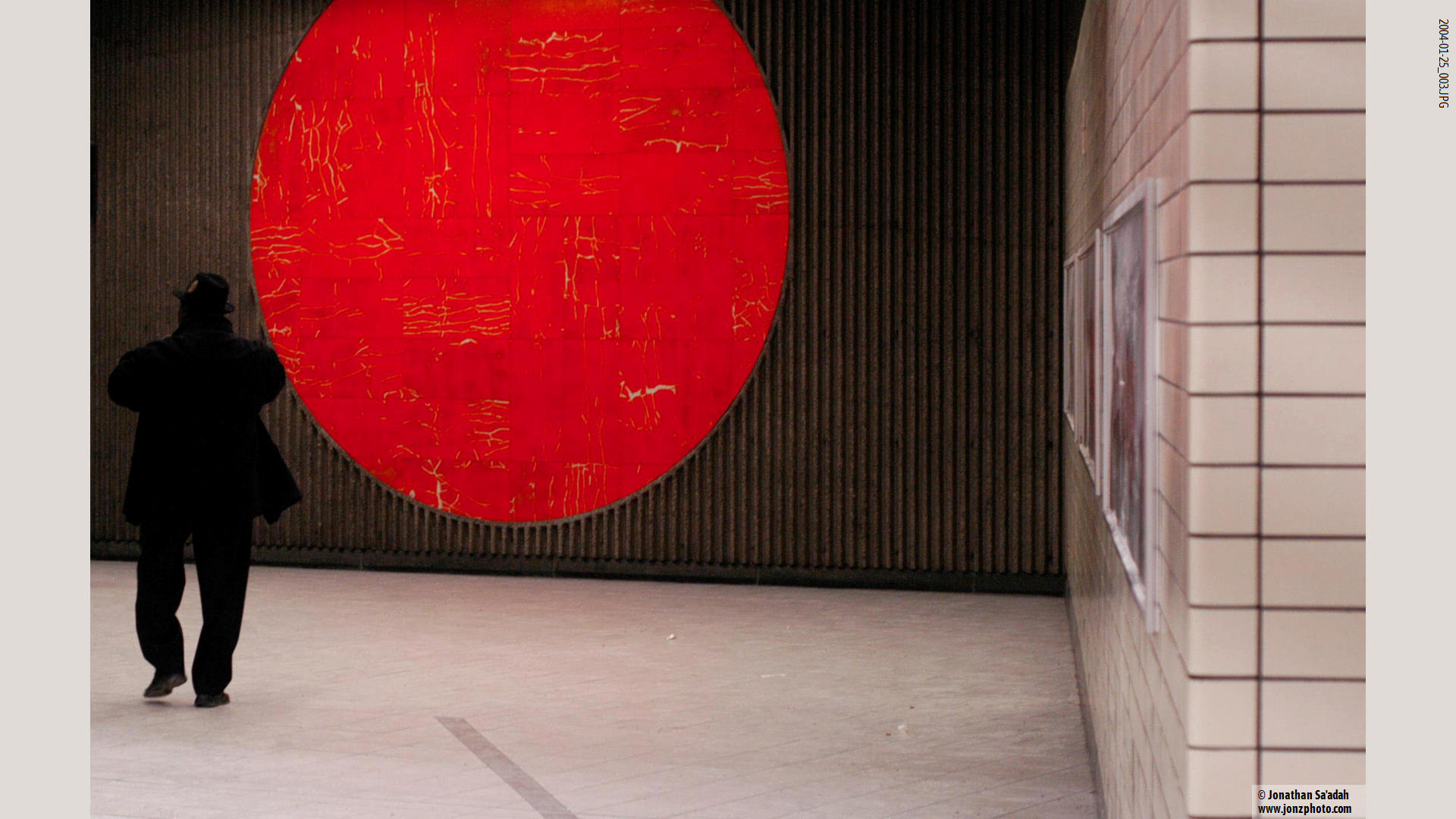
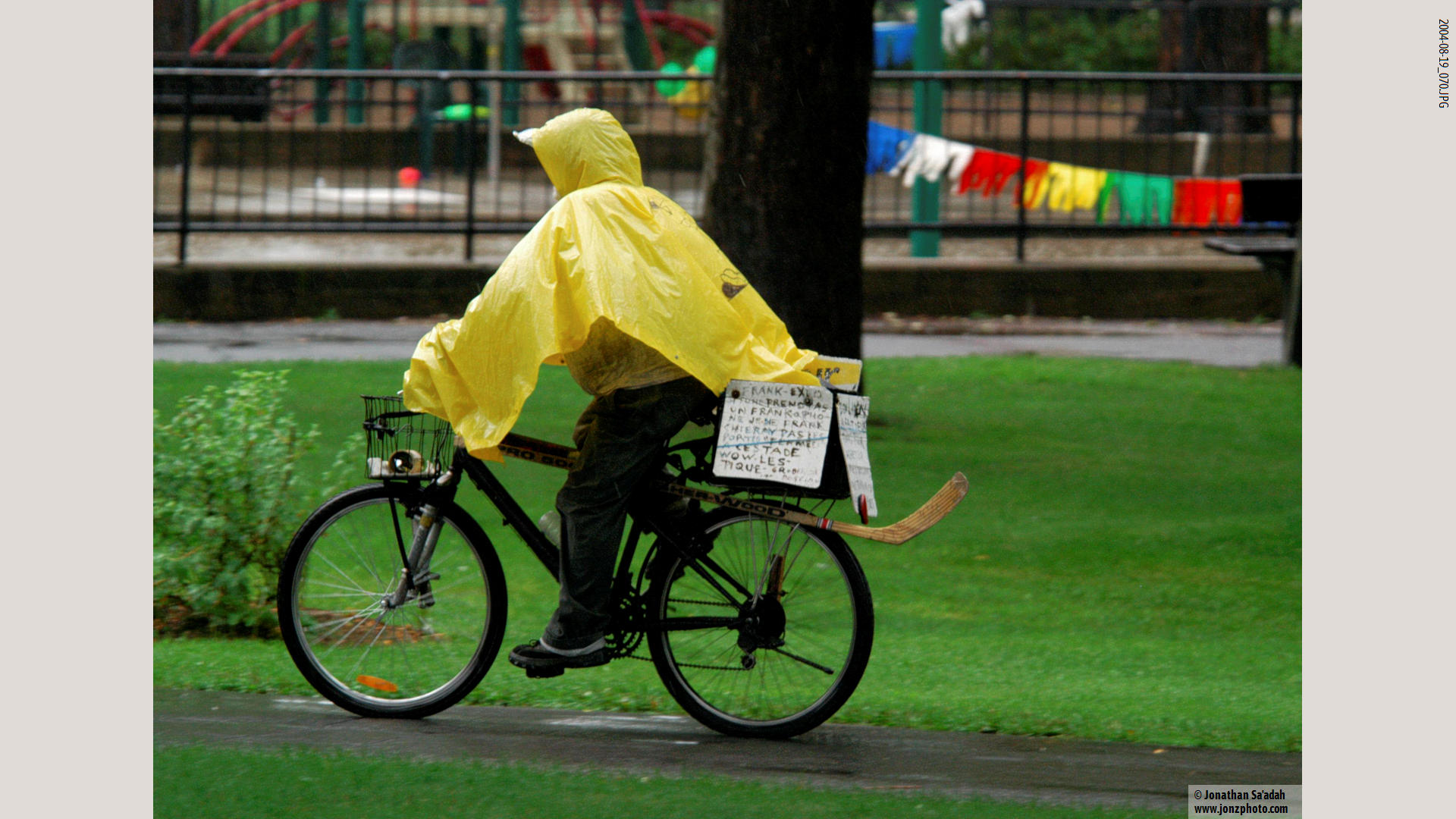
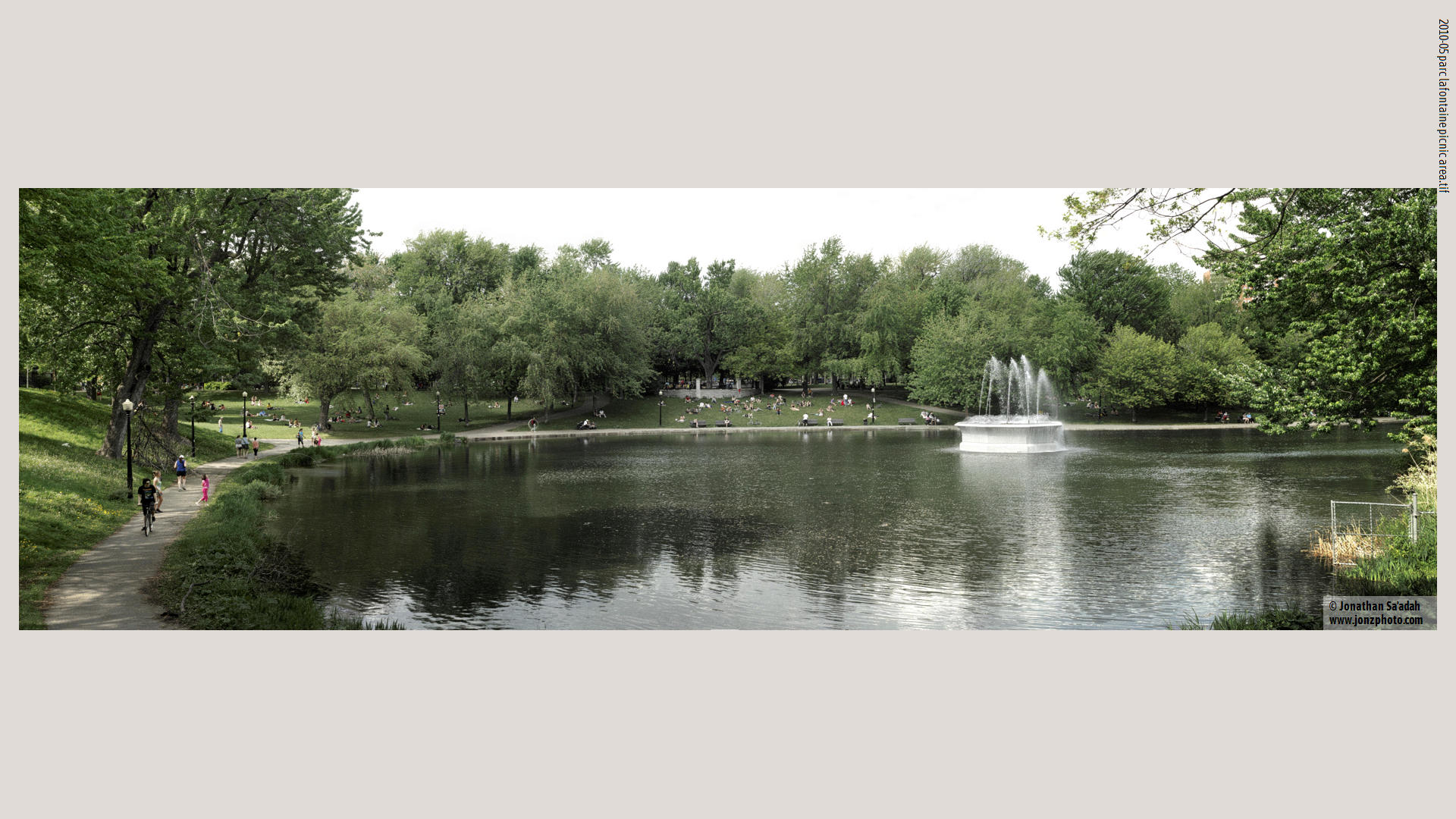
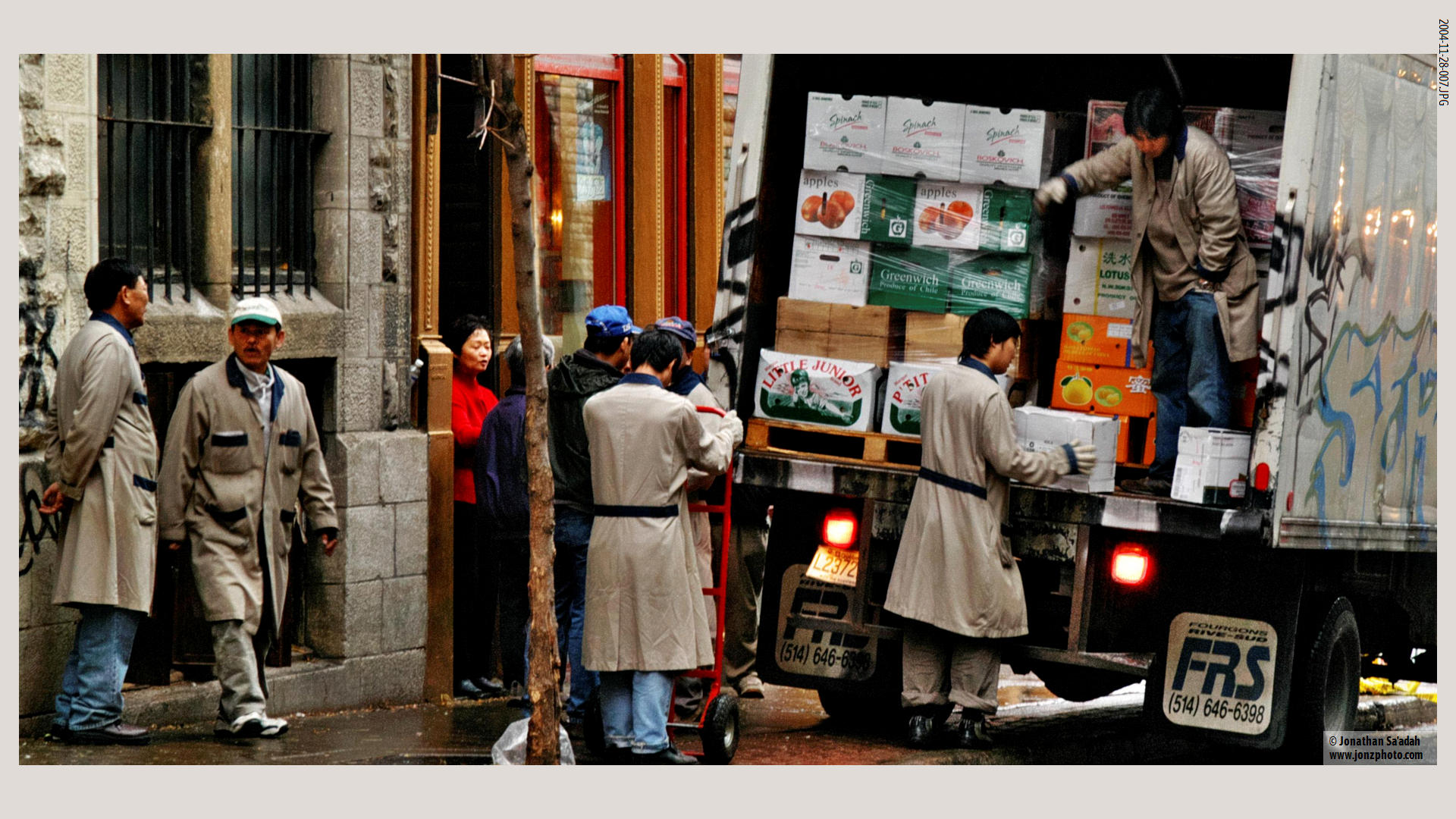
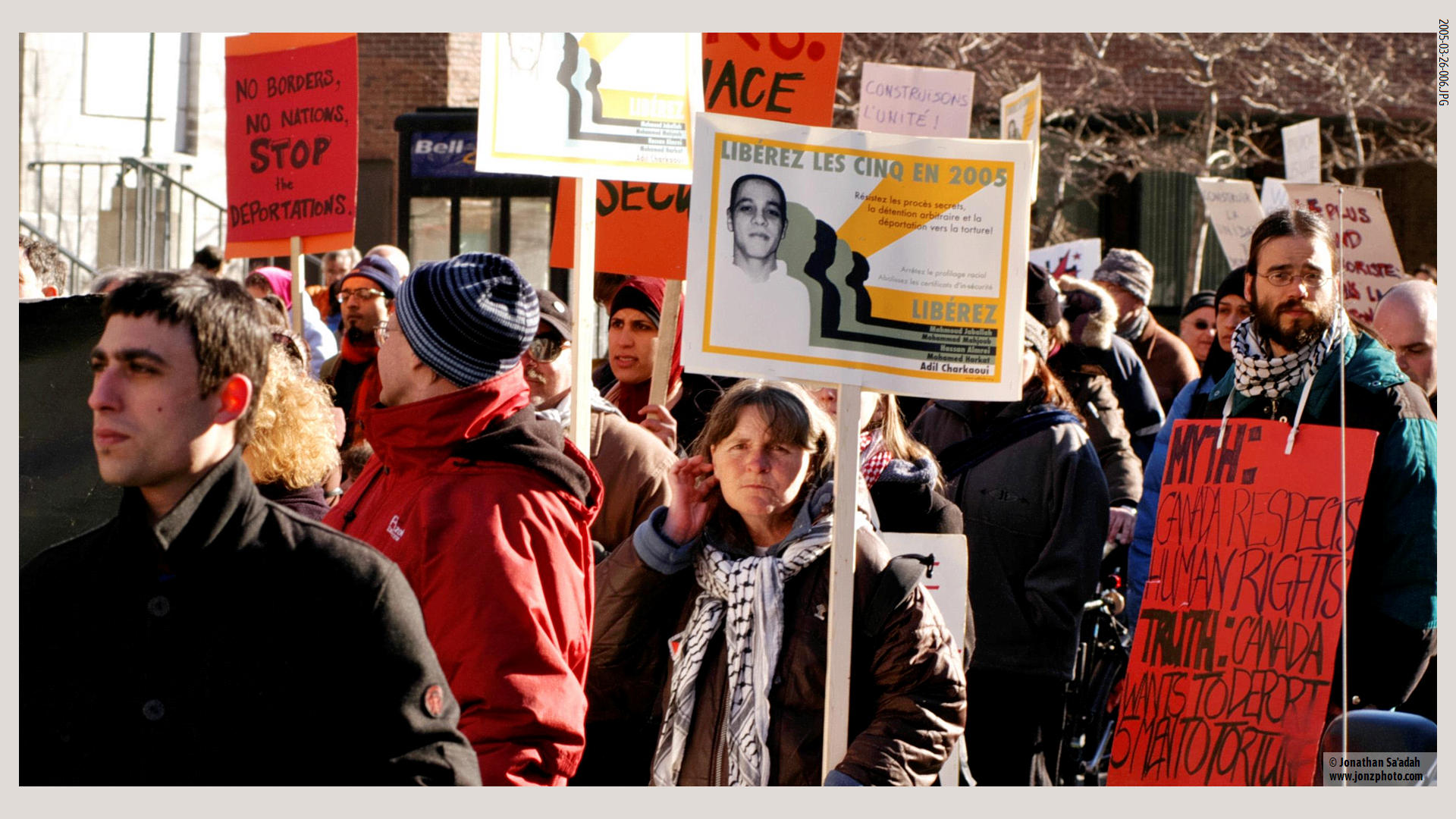
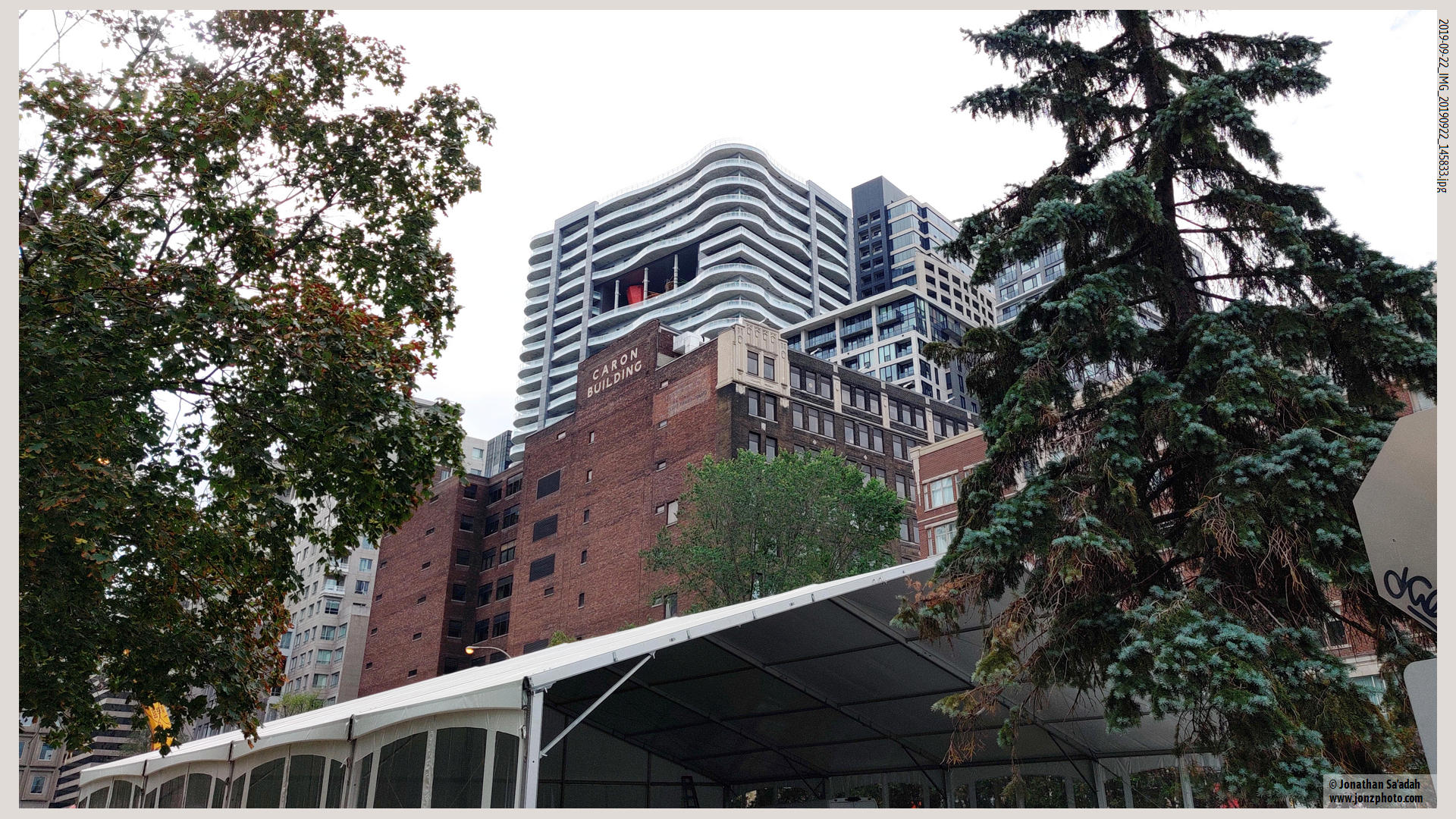
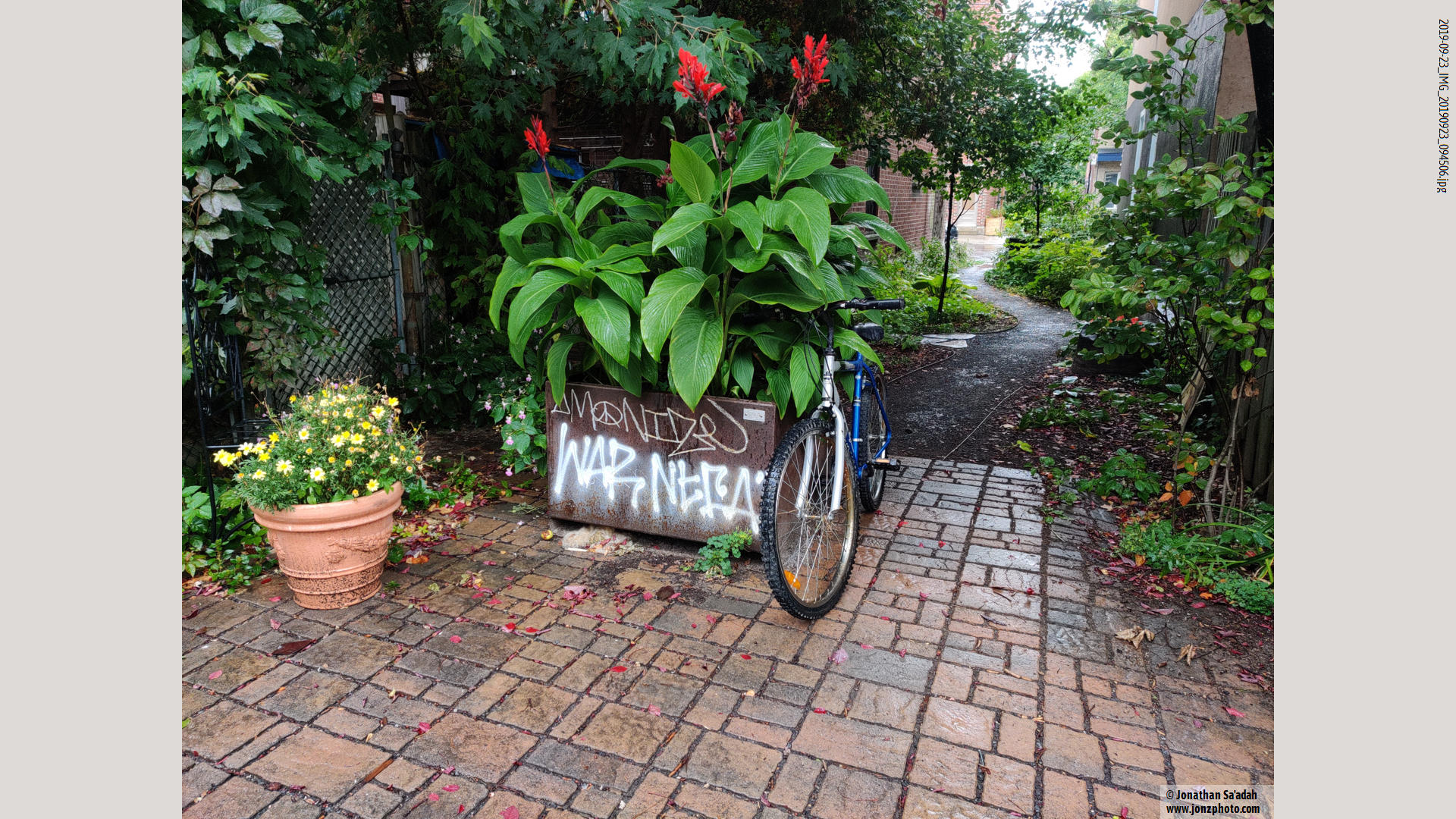
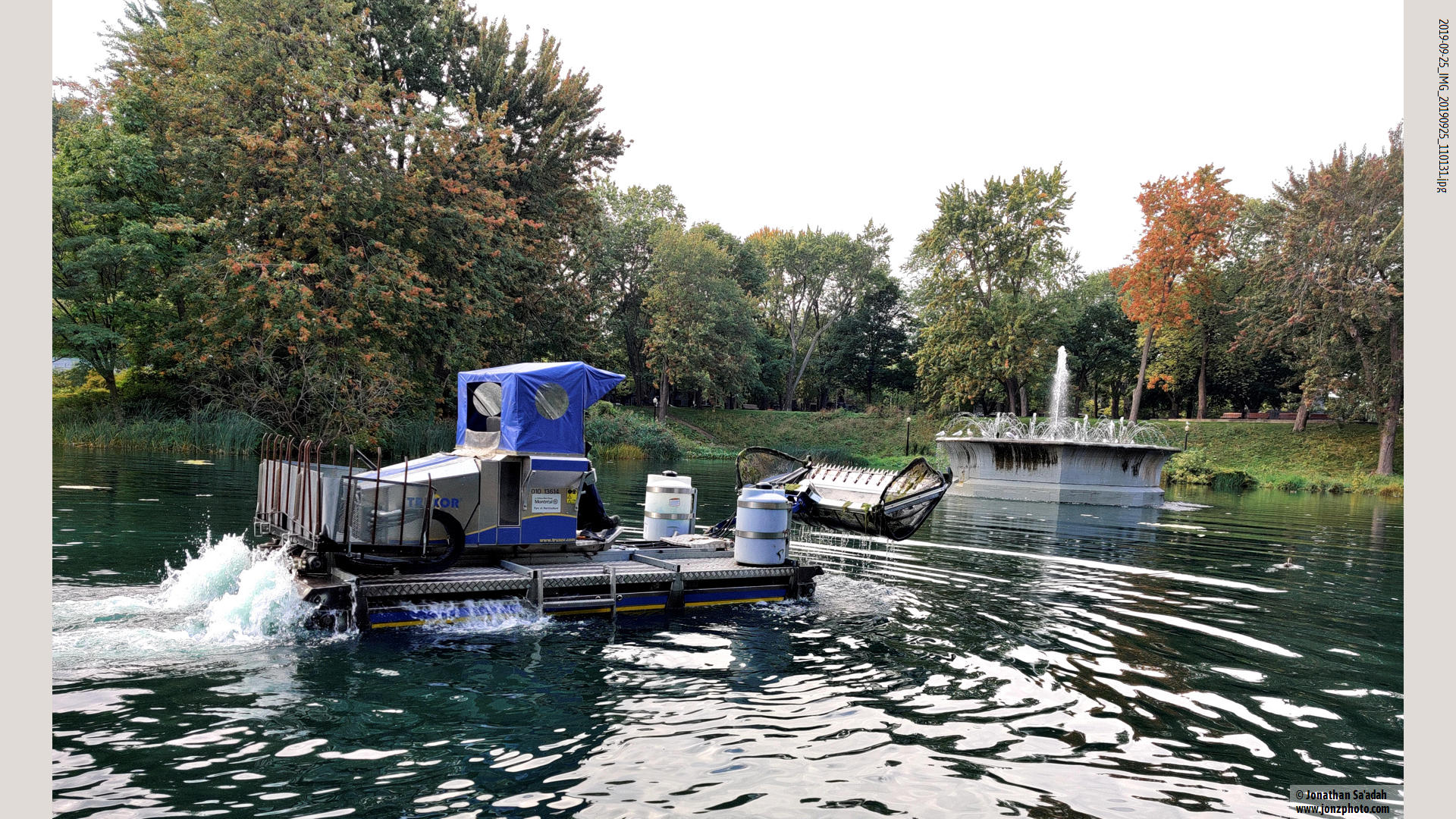
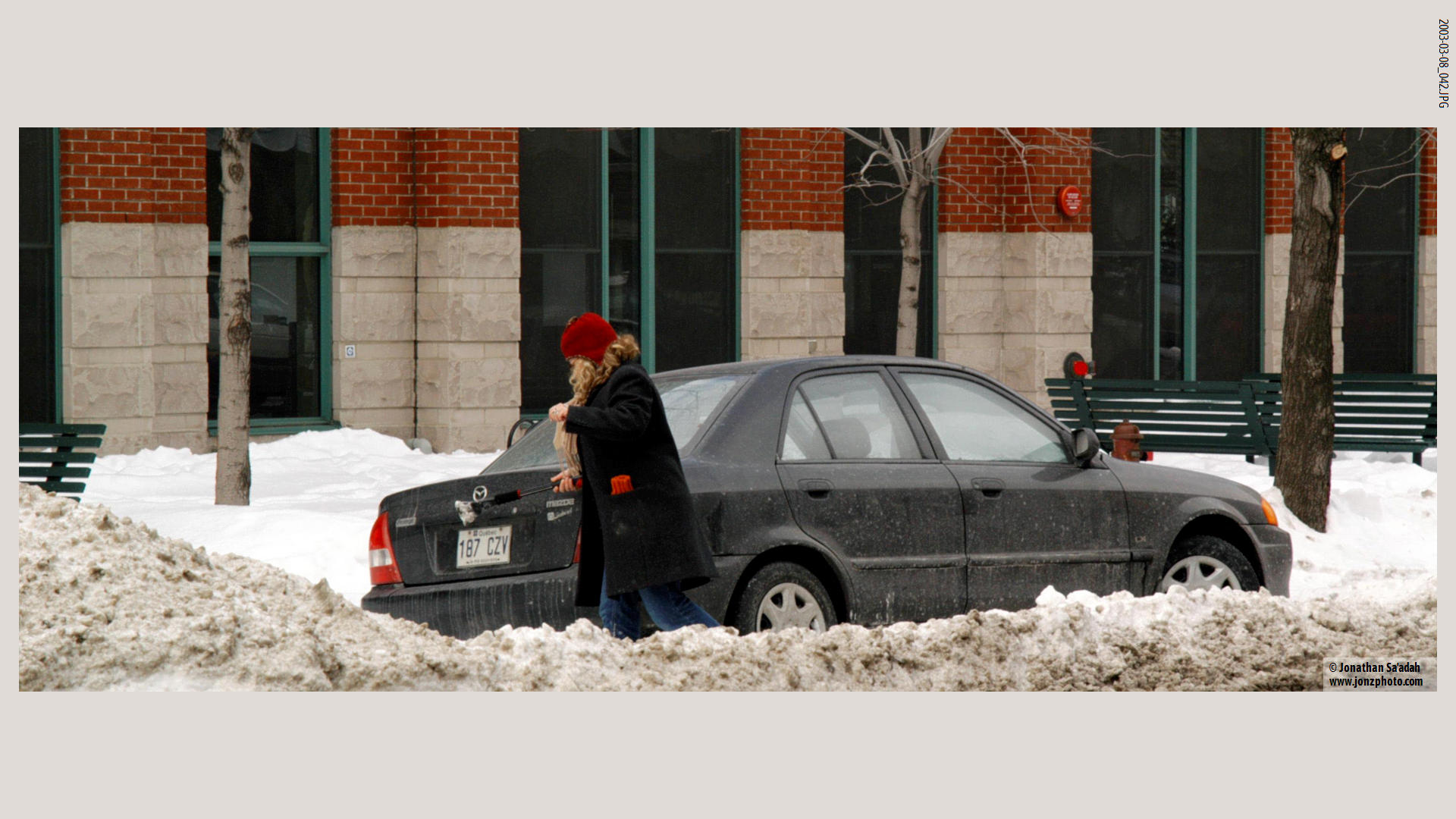
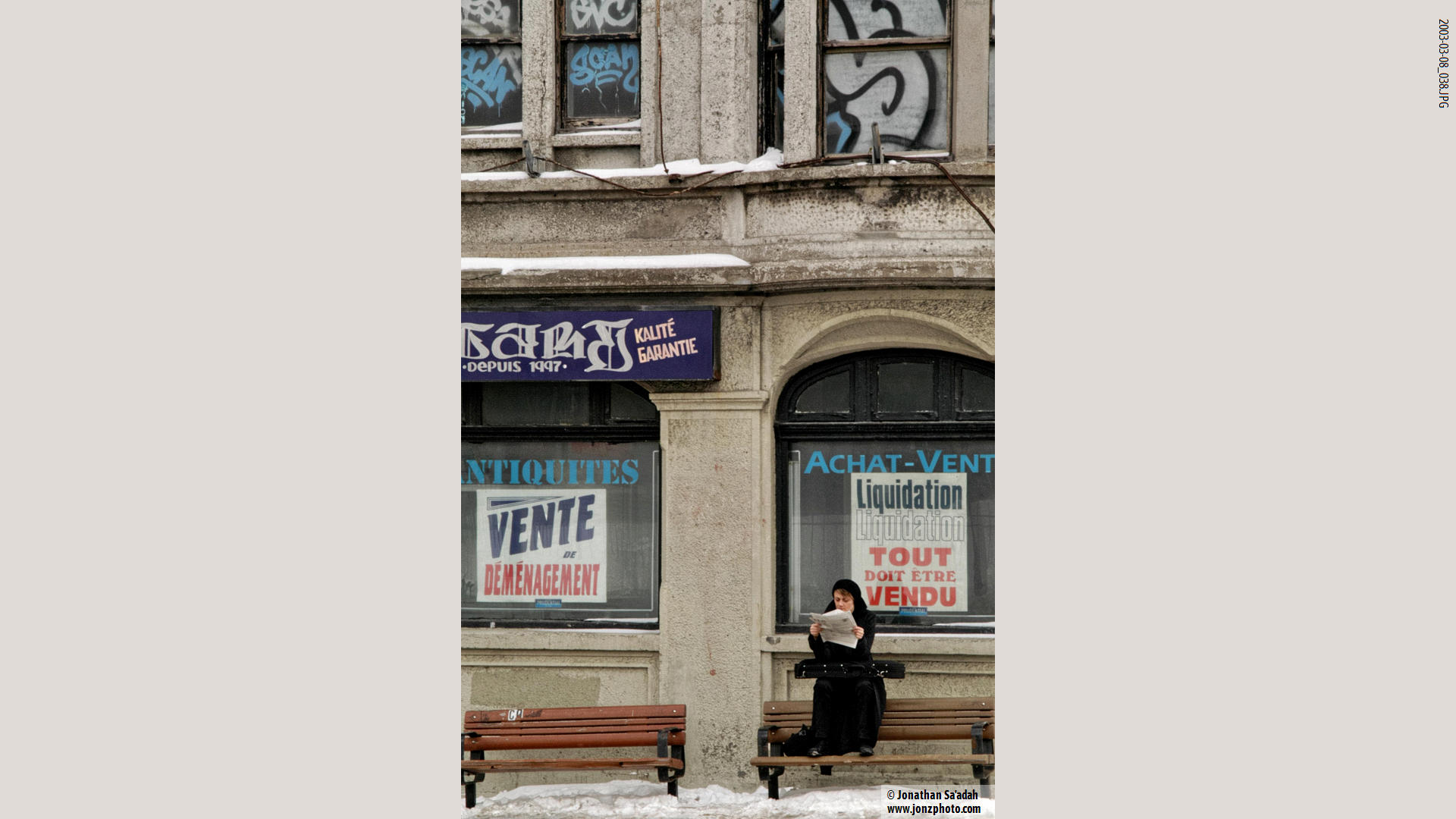
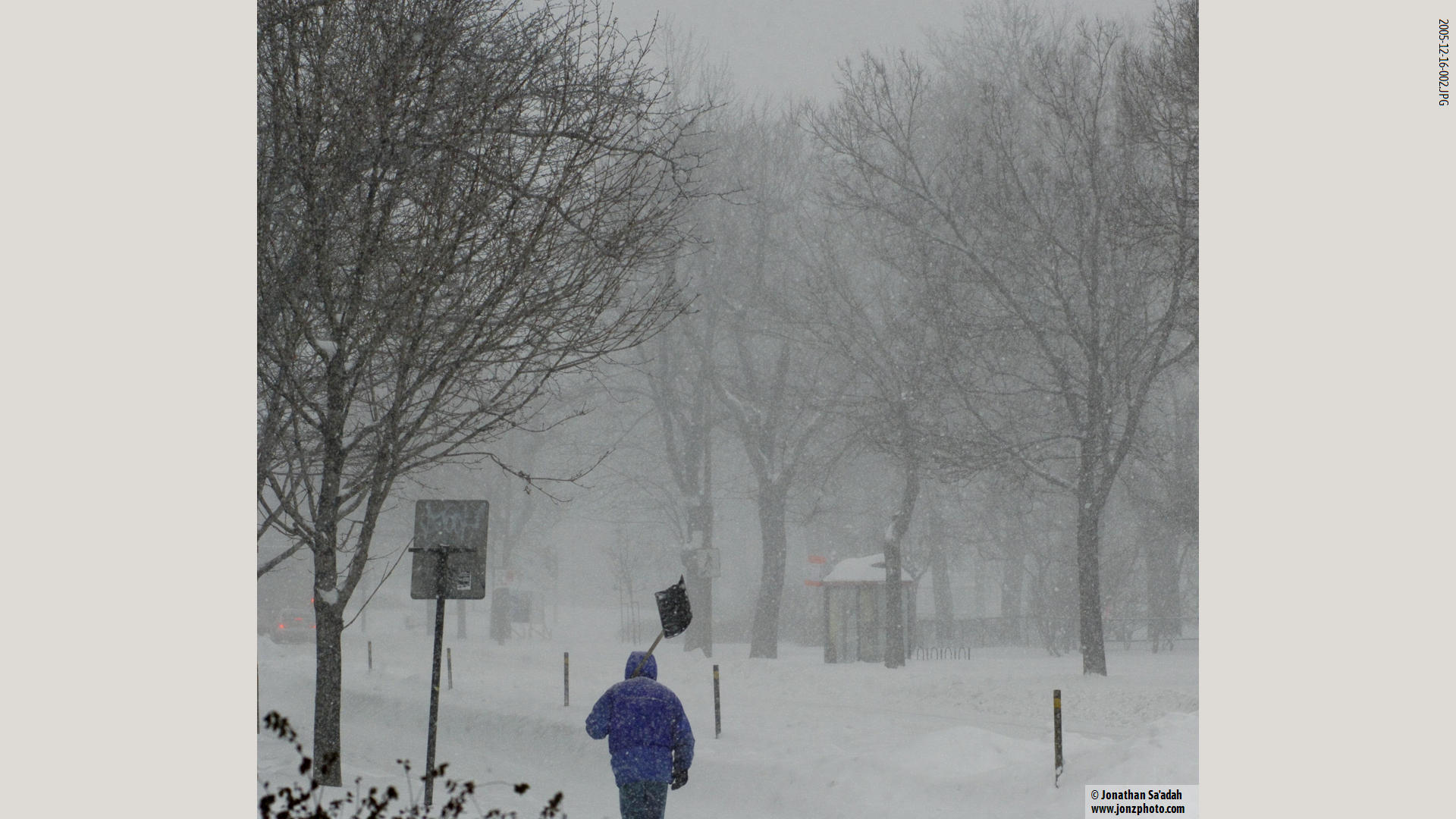
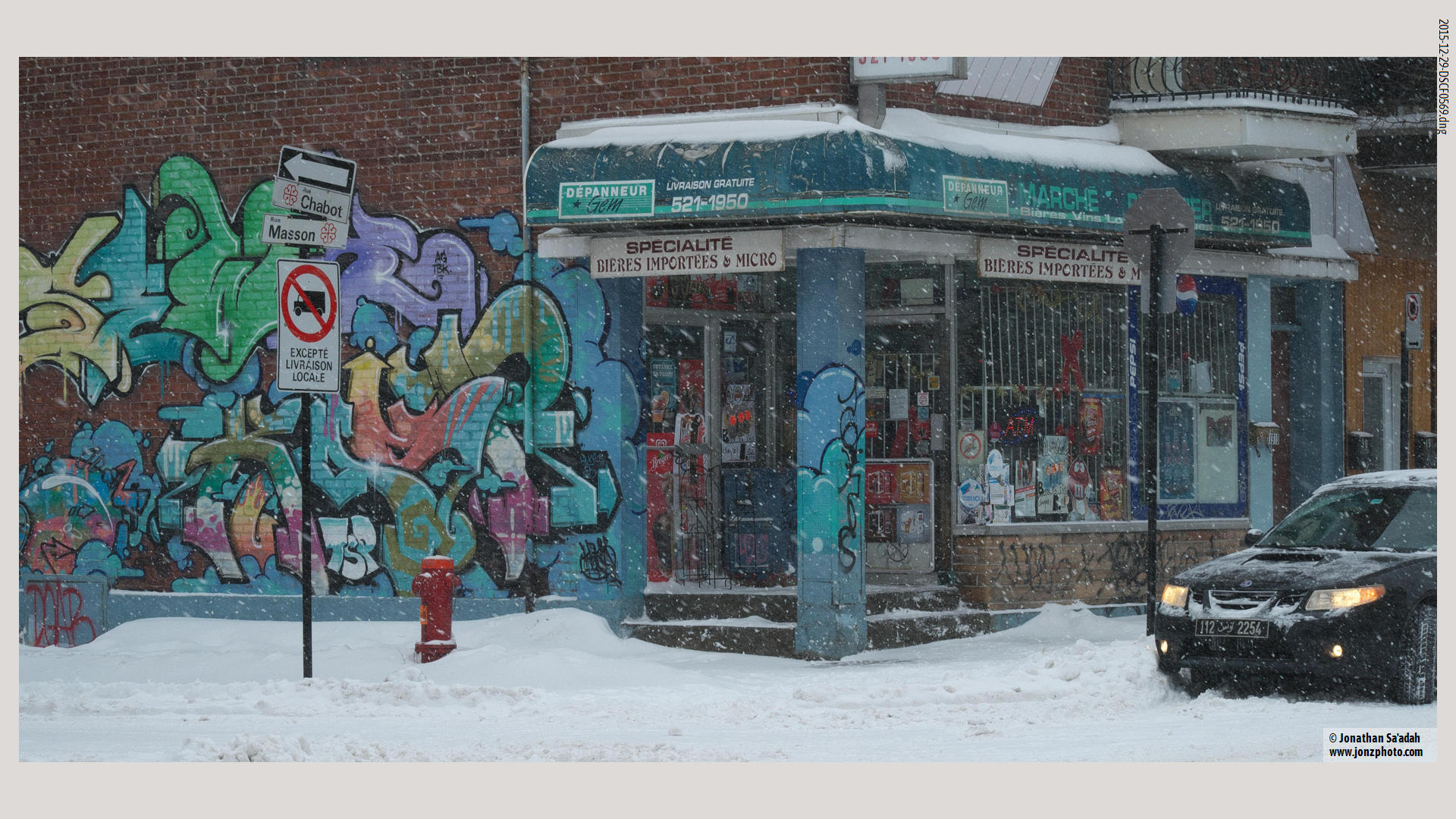
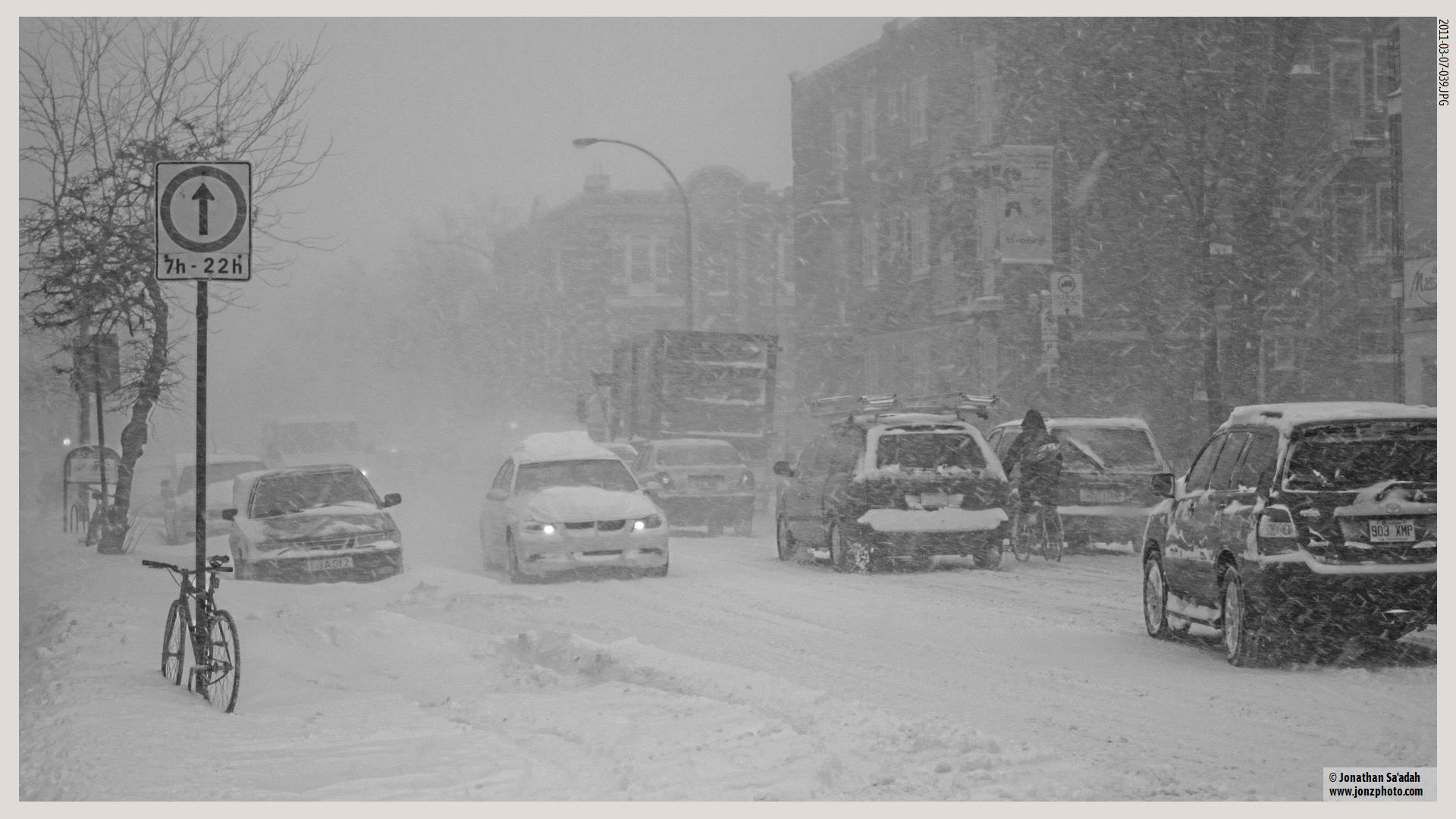
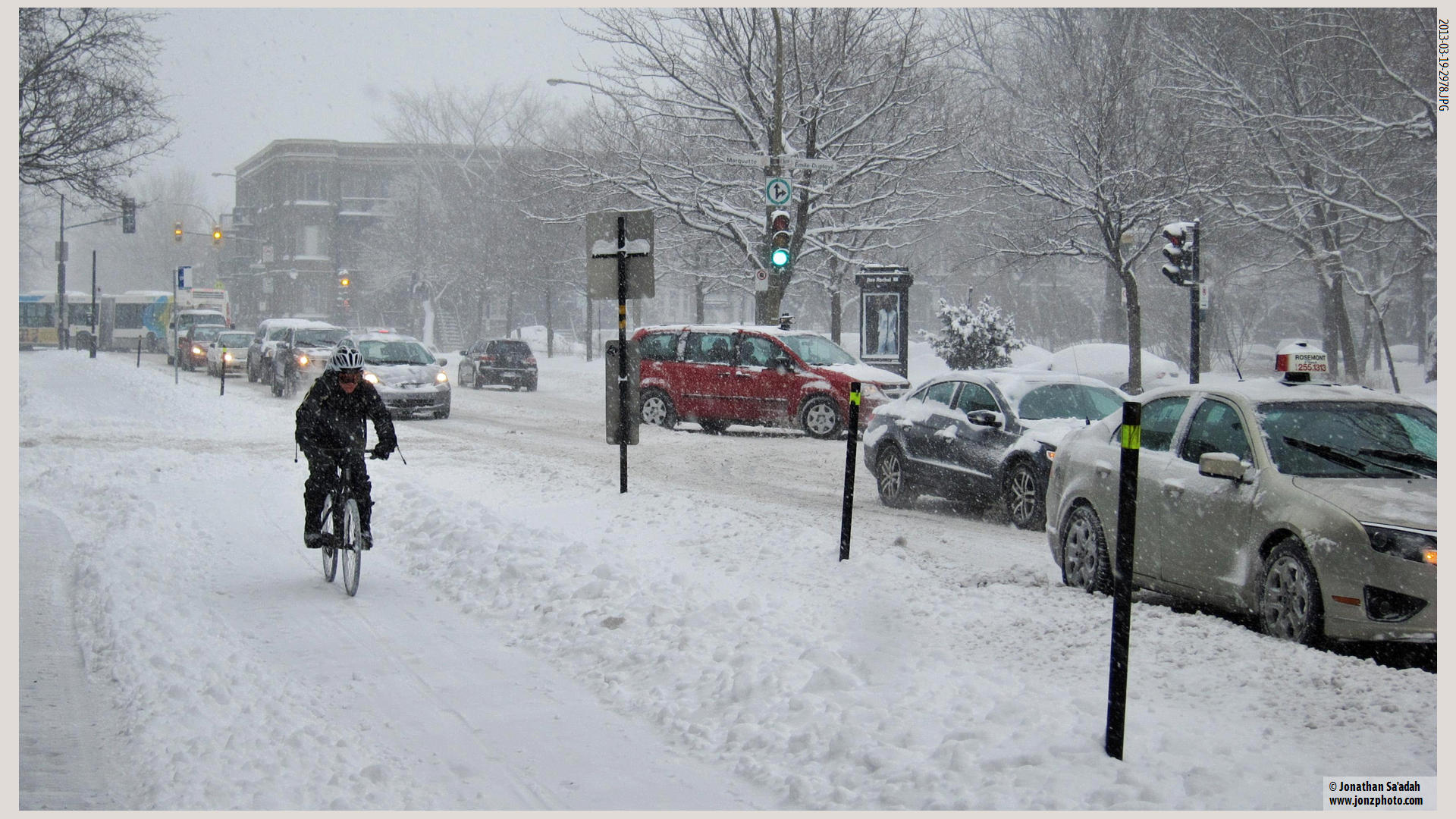
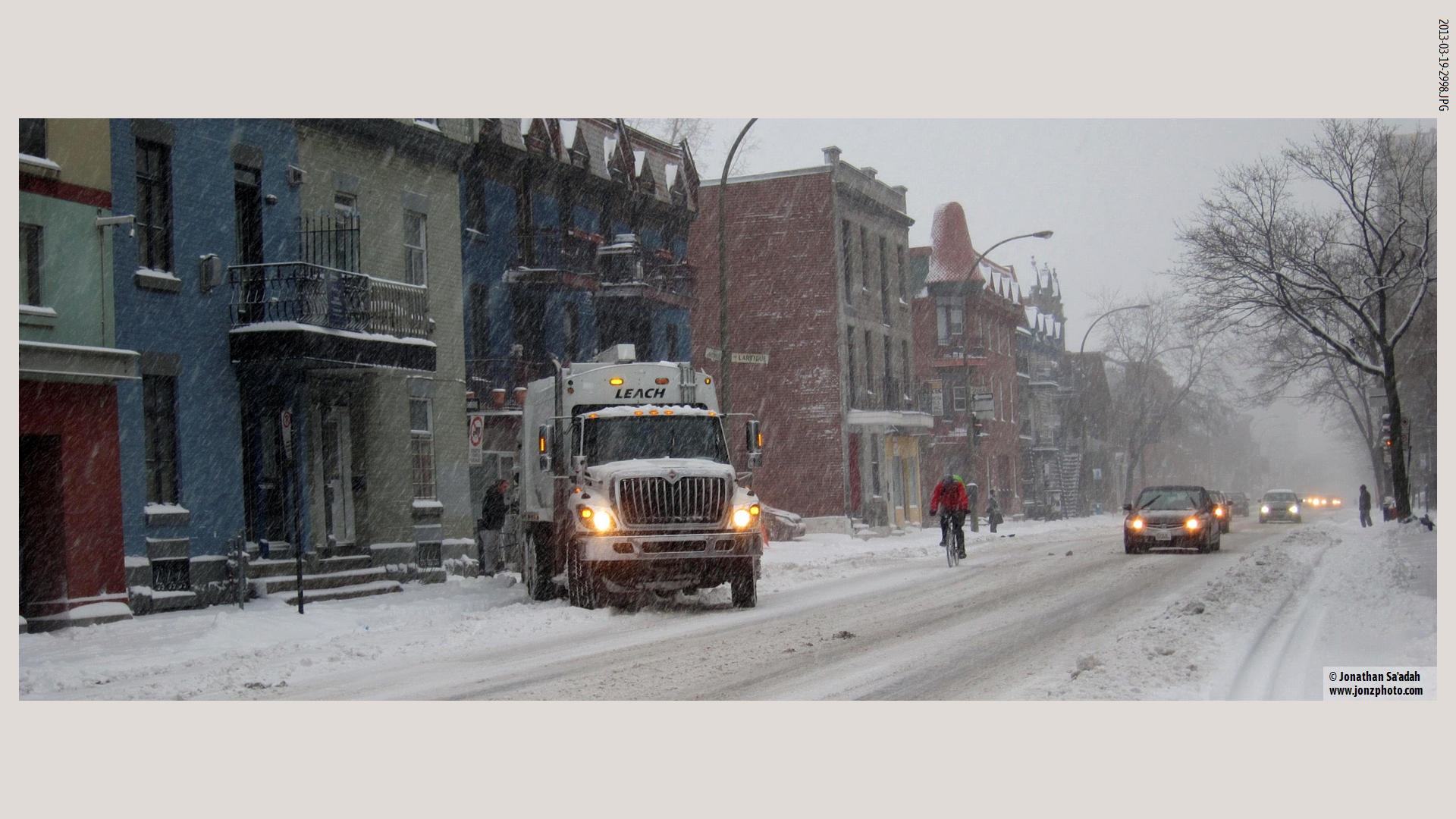
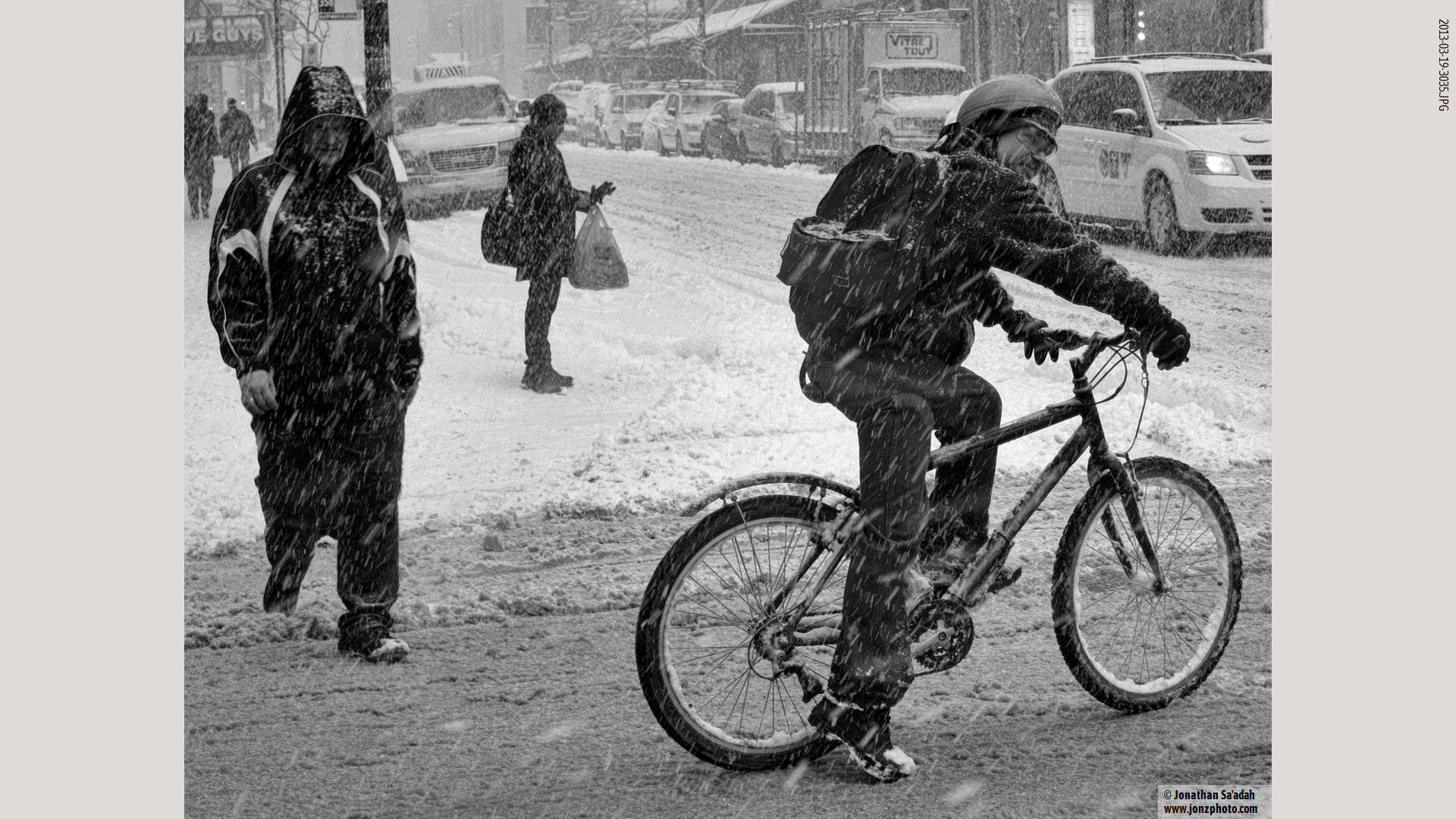
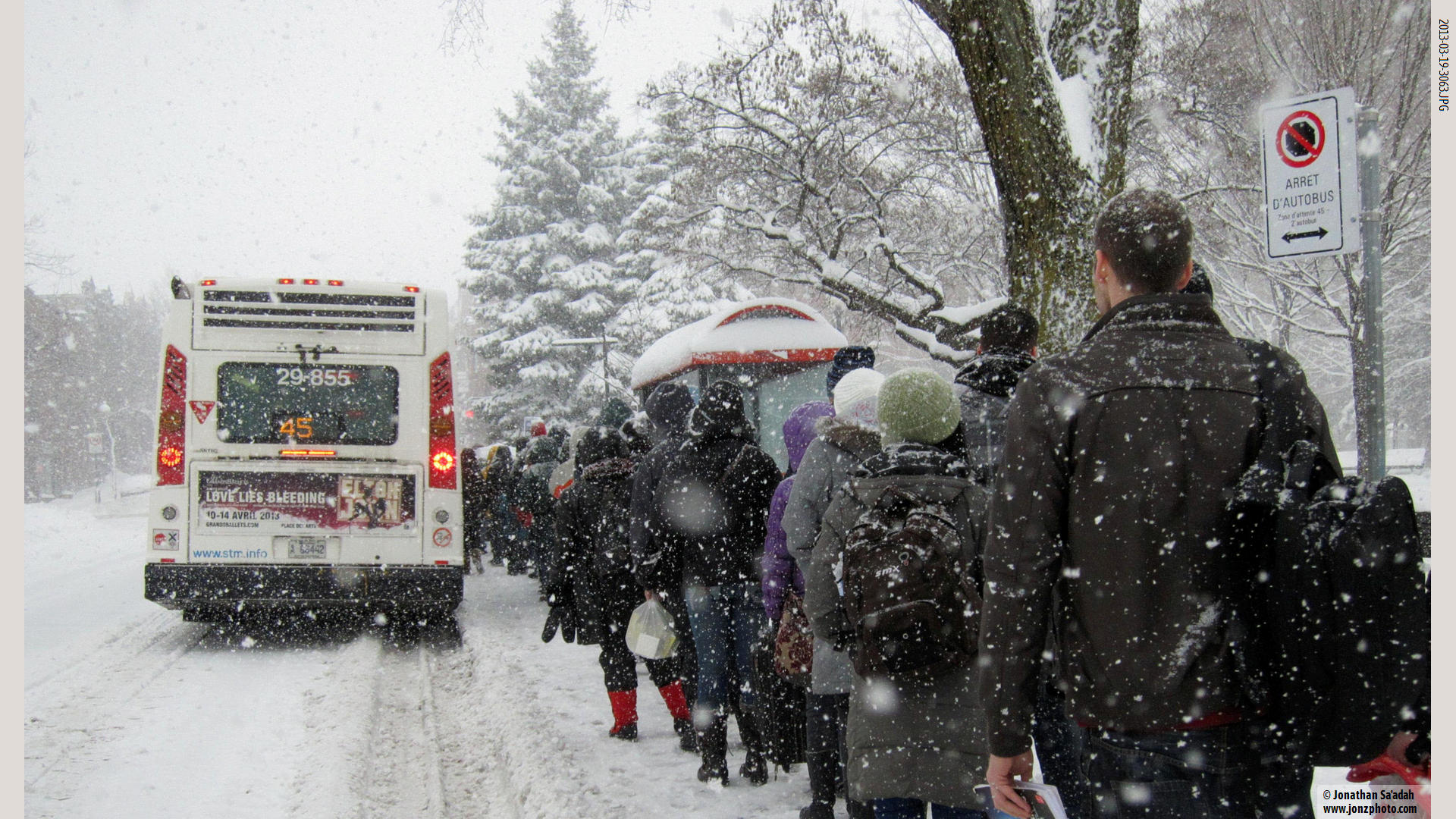
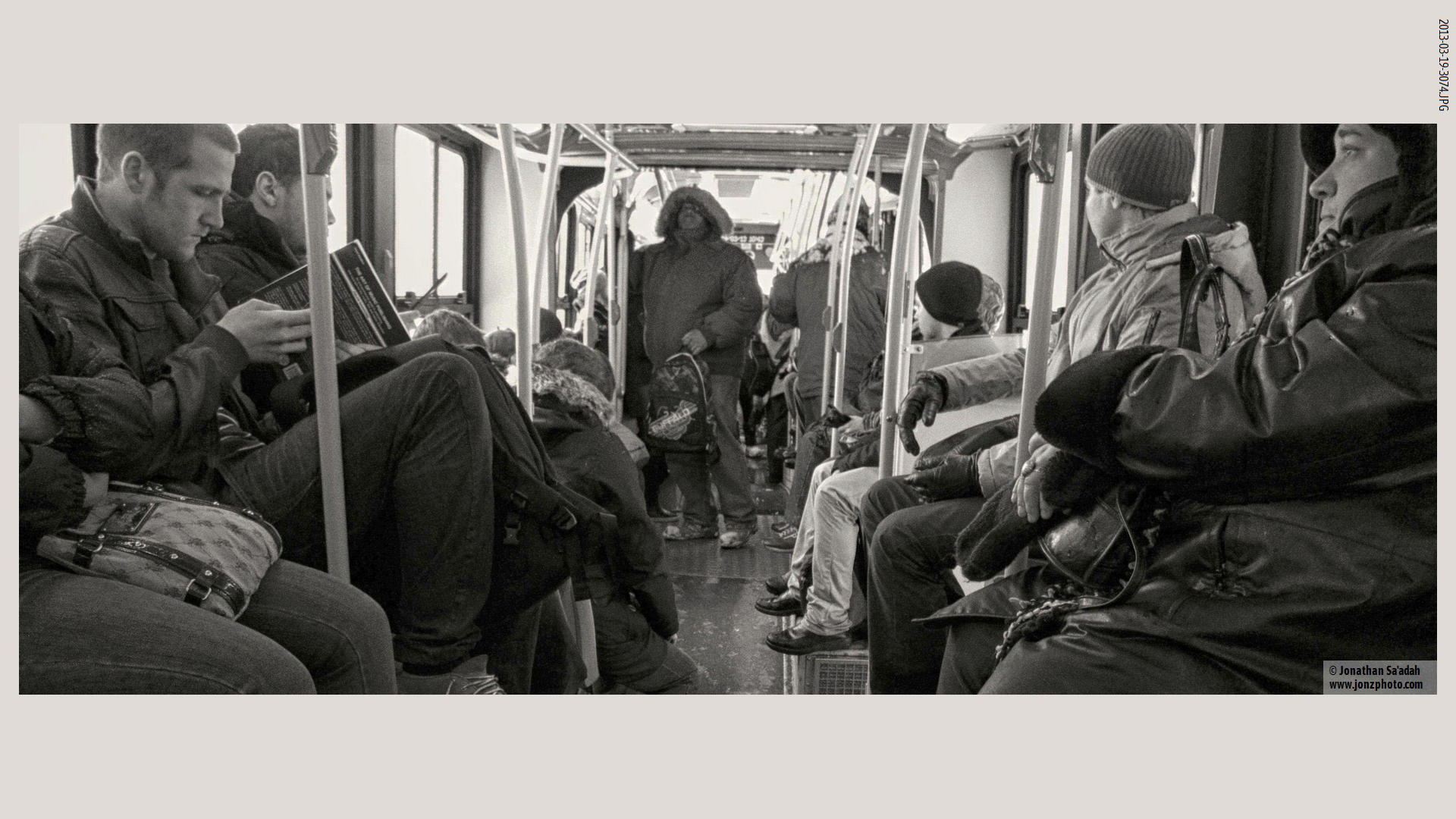
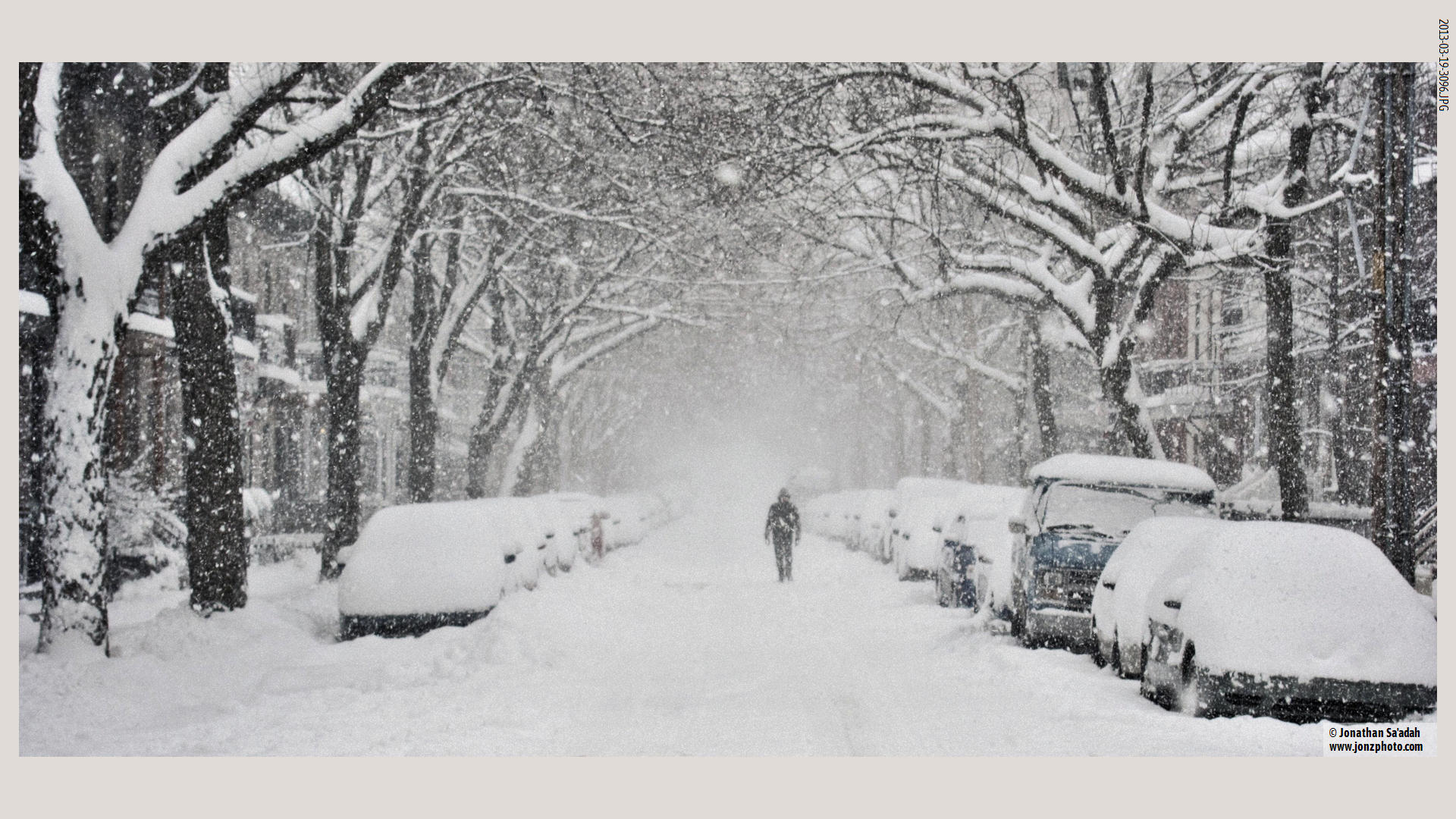
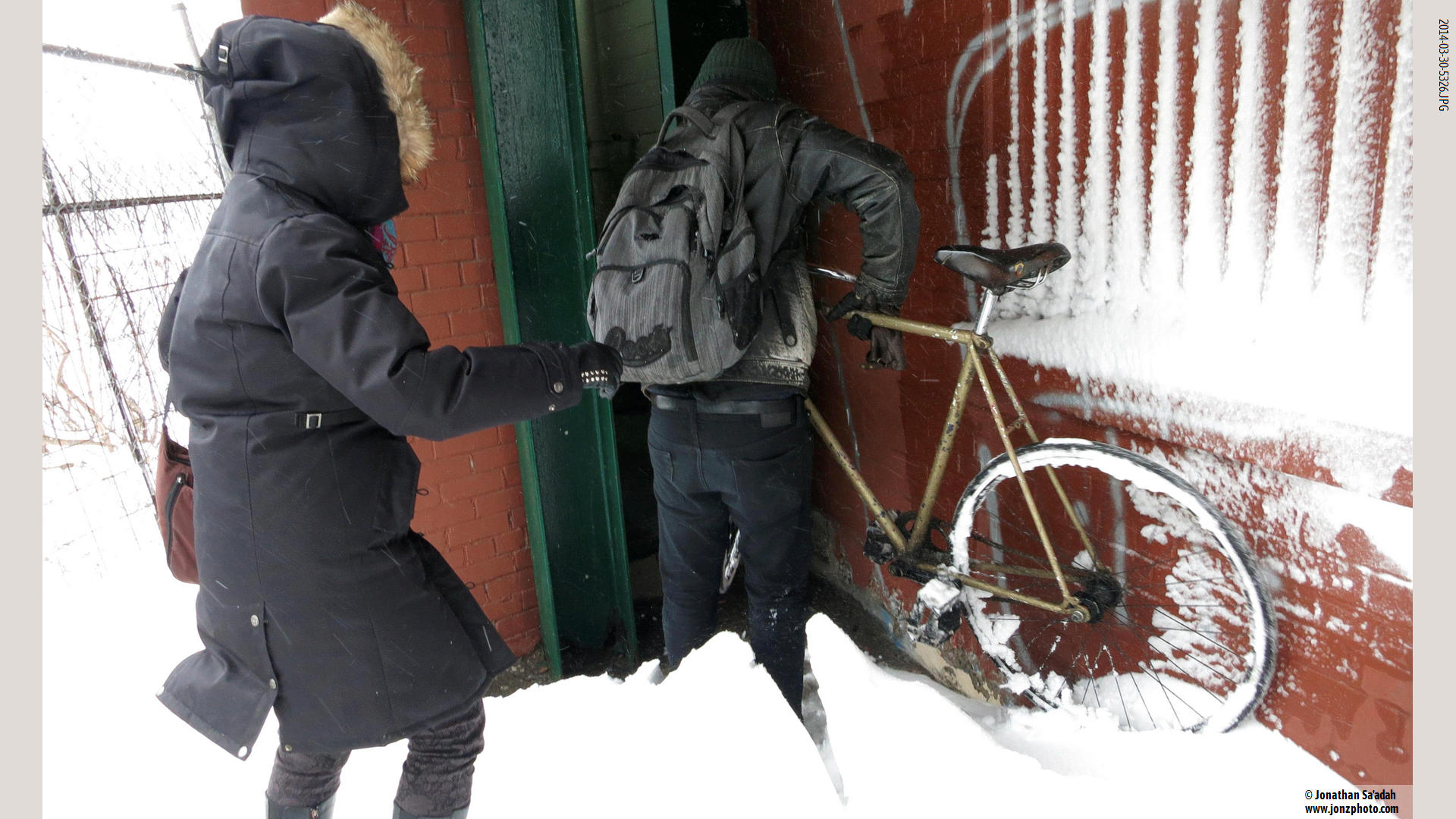
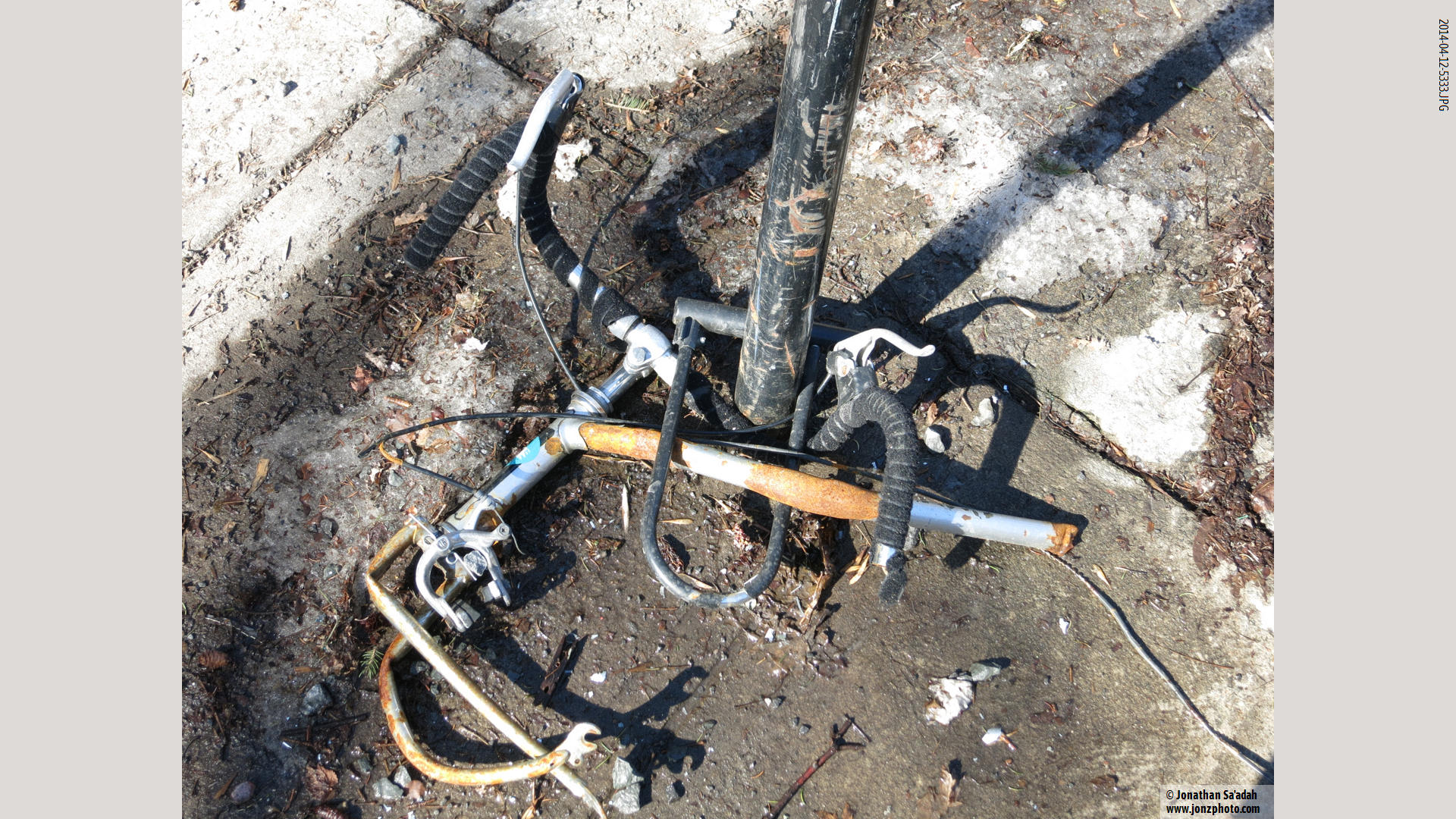
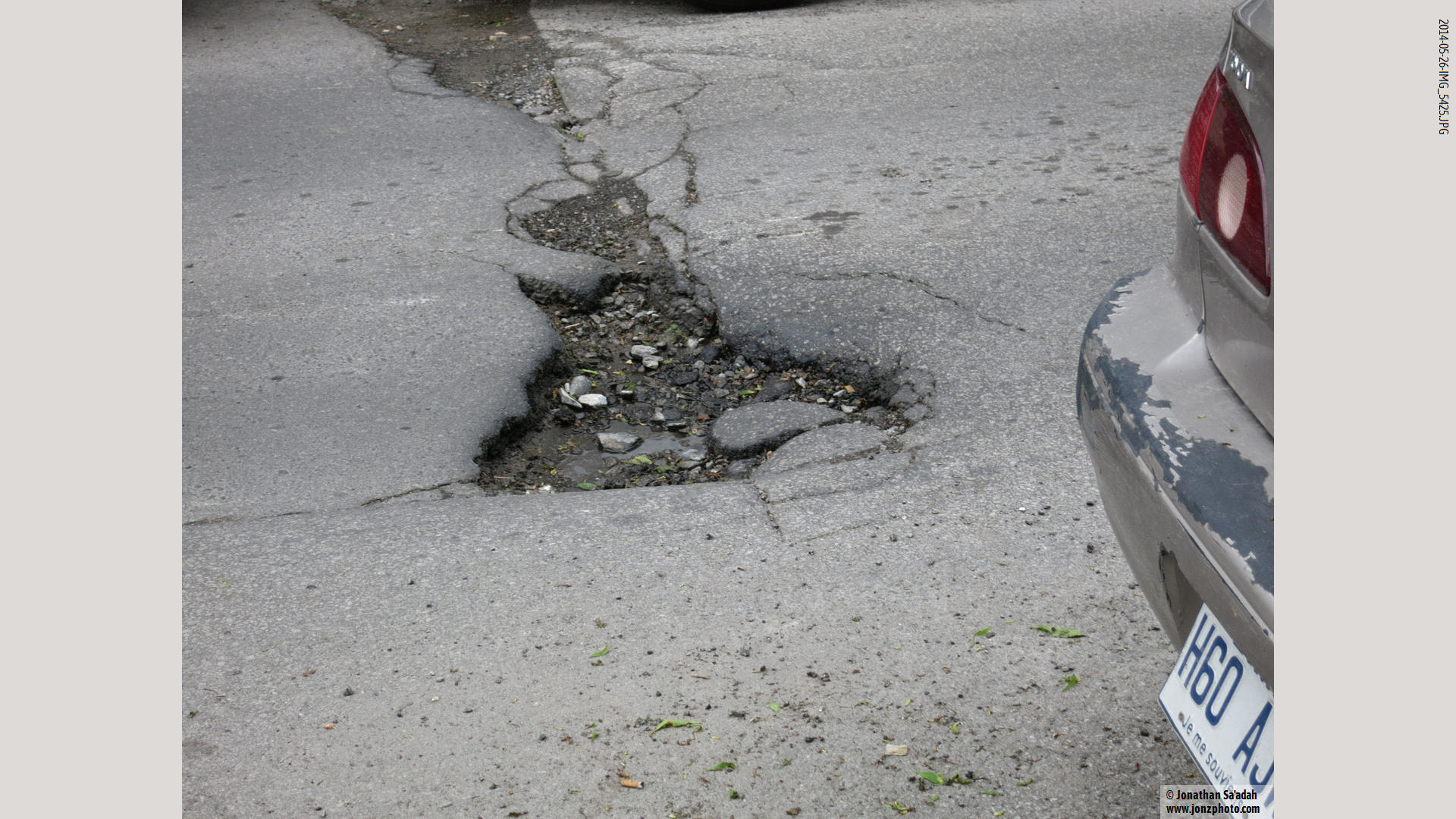
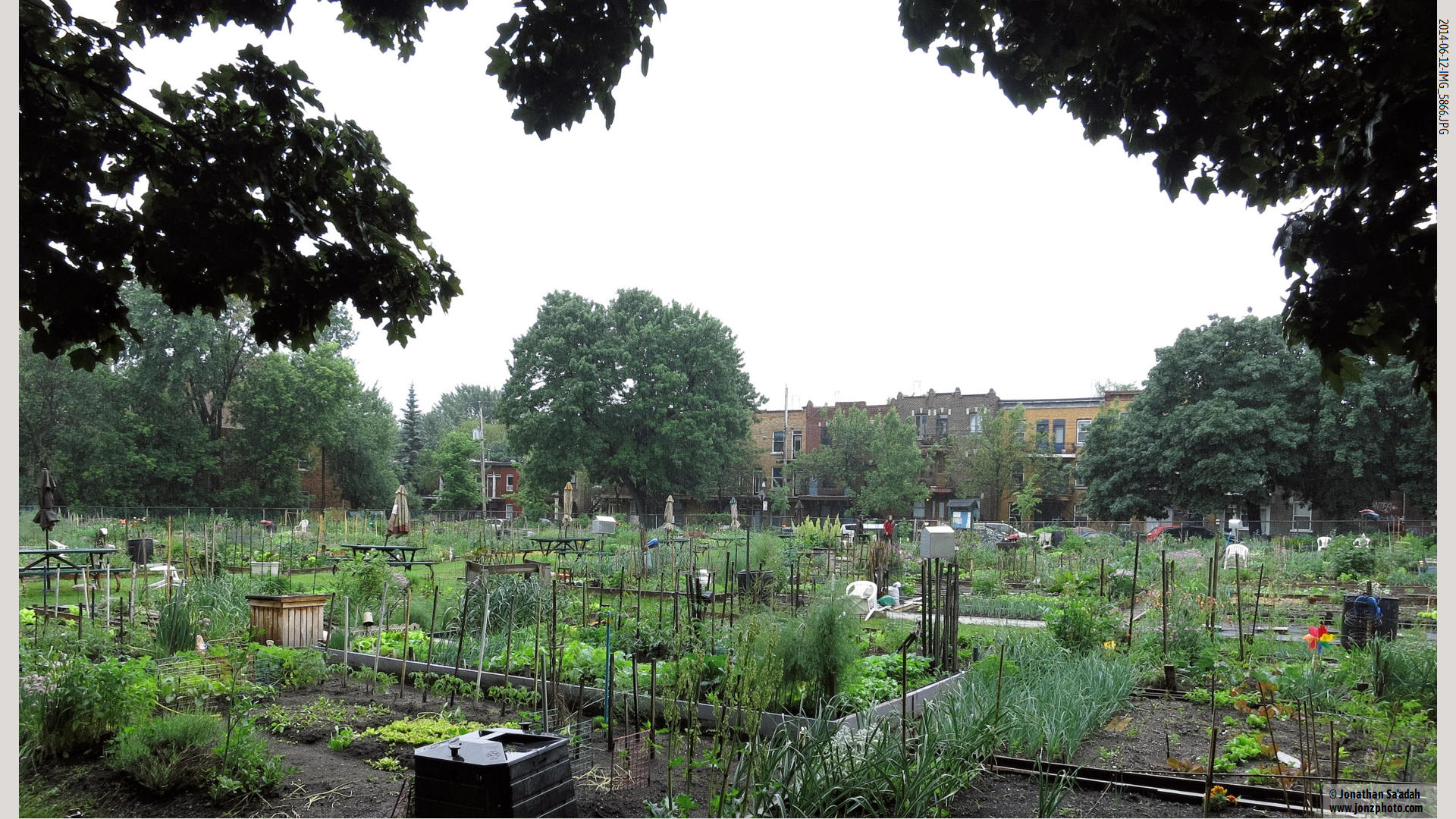
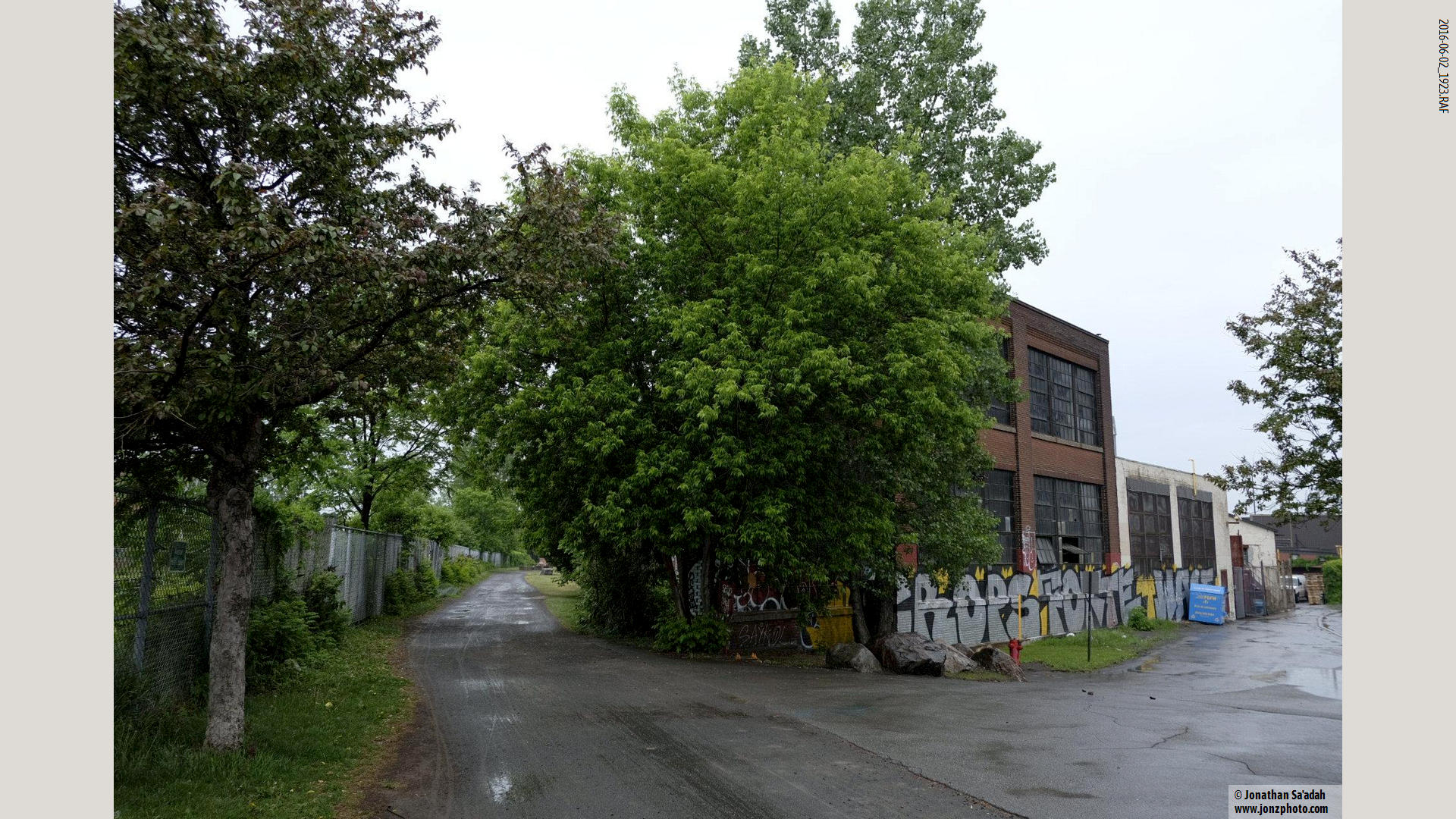
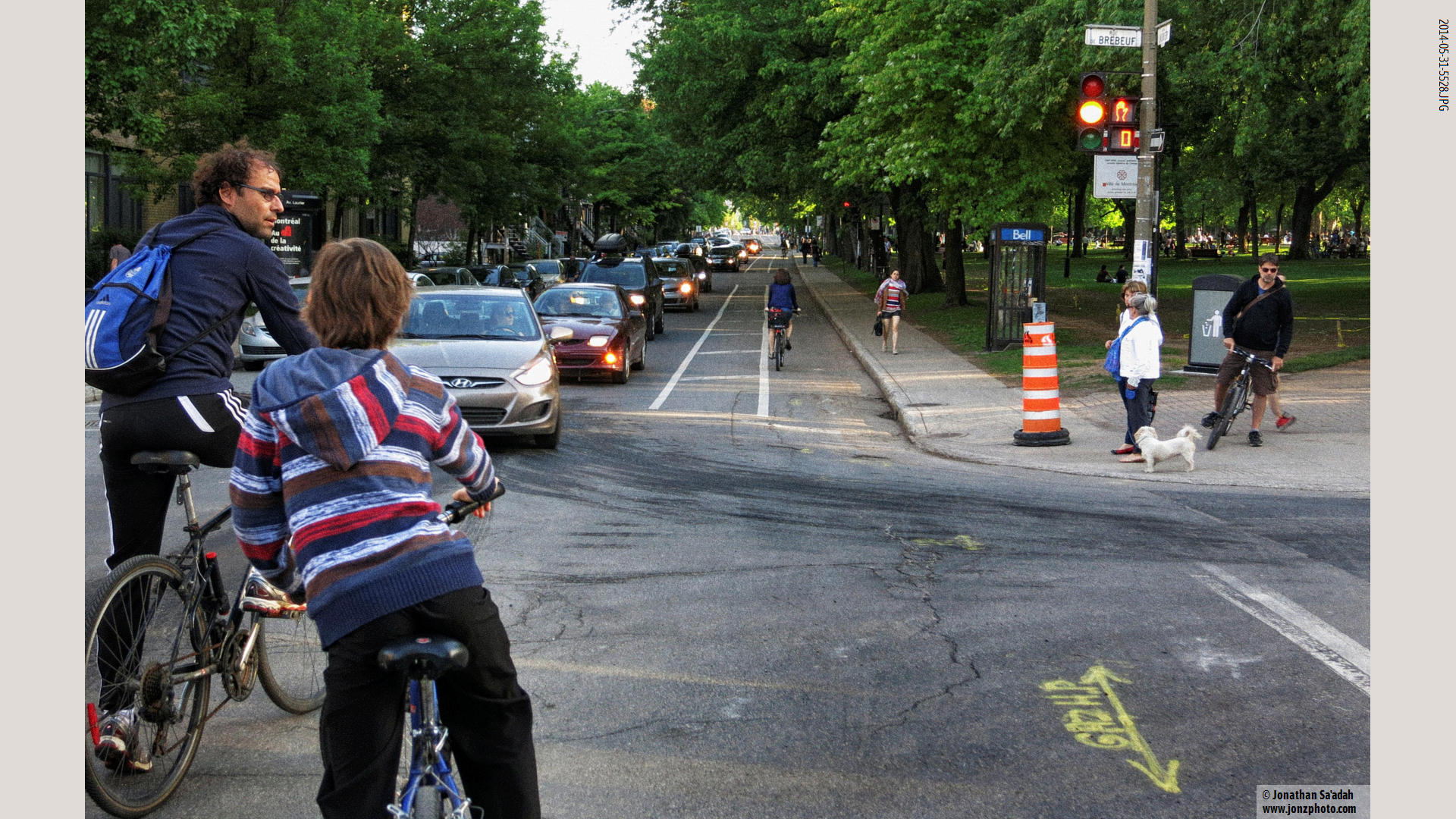
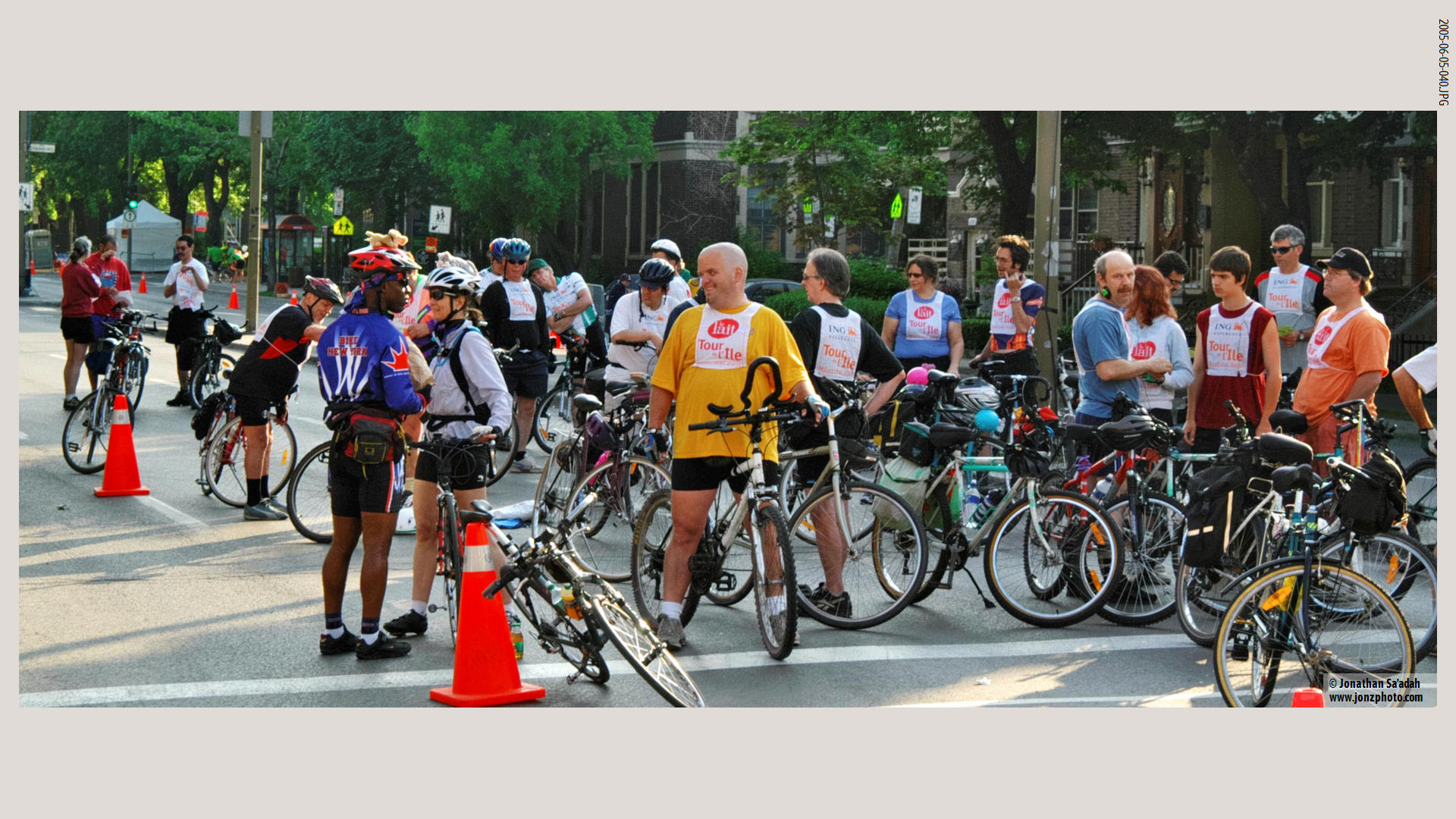
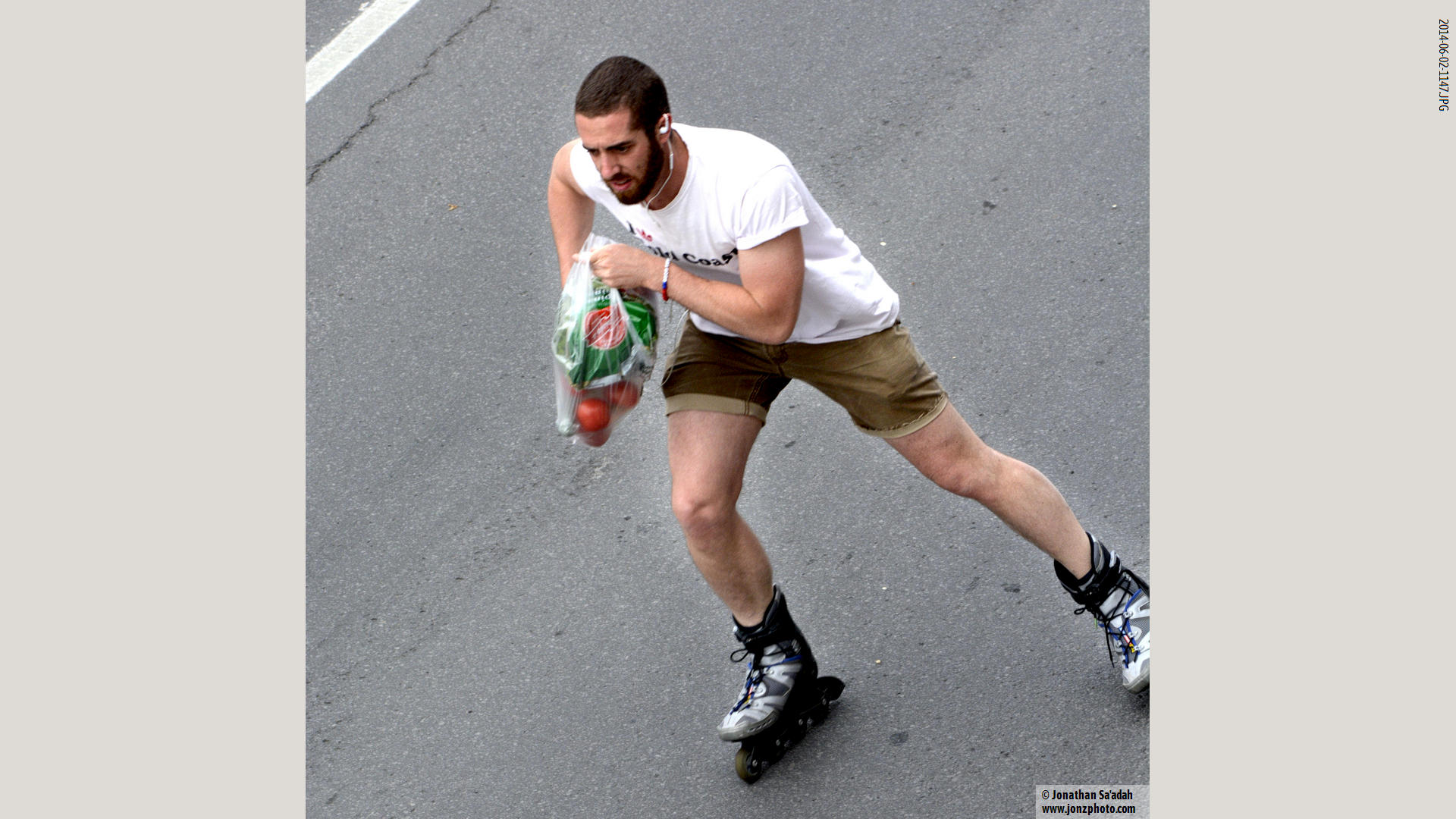
Montreal is a city that refuses to be reduced to picture postcard clichés. Here, the gritty dep and styled food-market, the narrow ruelles and the wide boulevards, the laughter and longing, all exist side by side, unposed and unrehearsed. Montreal Unfiltered is an invitation to witness the city as it truly breathes: raw, restless, and radiant in its imperfection. These photographs trace the pulse beneath the surface, capturing moments where the city’s true spirit flickers – in the crunch of a cyclist powering through snow at night, in the quiet dignity of a solitary reader, in the small sidewalk flower plots and community gardens. This is a city of contradictions: winter’s hush and the noisy summers, solitary figures and crowded streets, languages colliding and coexisting. Let these images draw you into Montreal’s daily poetry – its grit and grace, its shadows and sudden bursts of color. Here, nothing is staged, nothing is concealed. This is Montreal, seen not through a filter, but through the honest lens of life itself.