A 23-year streak, broken

Exceptionalism exists in Canada too

Last weekend I was at a friend’s party in Montreal and sitting next to a man I had never met. It was noisy, a lot of people speaking excitedly and simultaneously, so the man leaned over towards me and asked me my name. I told him and he looked me straight in the eyes with narrowed pupils while still leaning forward, and let loose The Question: “what kind of a name is that”? I almost fell off my chair. I’ve been living in Canada now for twenty three years and I’ve never been asked that question. When I lived in the United States it was common follow-on to an introduction, but not here. He seemed kindly enough so I explained that my father was Syrian blah blah blah but I was pretty shocked, and I was (and I am) sorry that my multi-decade string of non-exceptionalist Canadian behavior has ended.
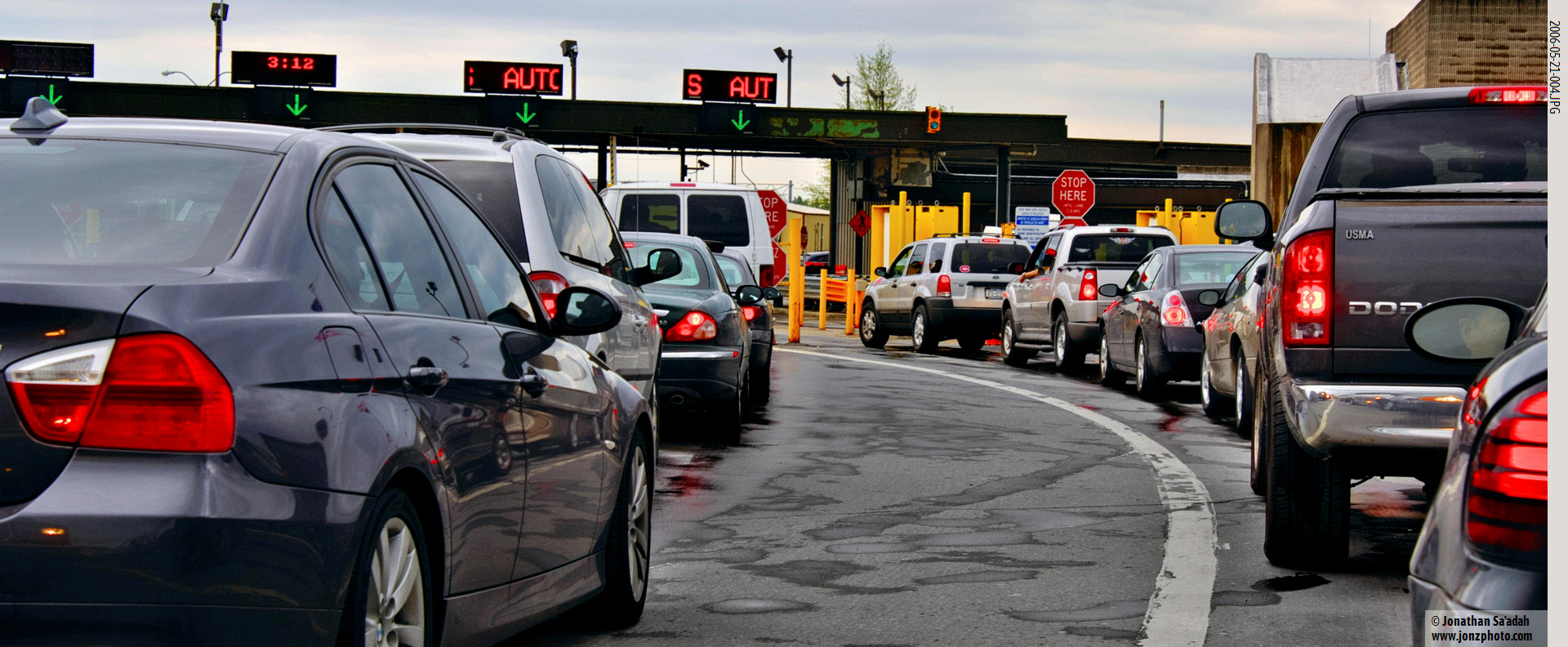
Canadian-US border crossing in different times.

Crossing the border

Yesterday my wife drove down to the Canadian/US border. We hadn’t gone across it since the new US president’s inauguration but she needed to have a paper notarized. Faced with the choice of either driving to Ottawa (183km) and presenting herself at the US embassy (50USD fee) or going across the border (100km) to the always-friendly town clerk in Champlain NY (∅USD), it was a no-brainer.

She found the main border crossing a desolate place, not a single other car waiting. There’s been a lot of talk in Canada about phones being searched and hostile border control guards, but she had no problem entering the US. Returning to Canada she was asked to roll down her back window and given a one-over, so it’s pretty obvious that Canada is not encouraging its citizens to enter the US. And why should it? Things have happened quickly since January 6, on both sides of the border, and a lot has changed.

A different view

As a dual Canadian-US citizen I get to see things from an unusual vantage point, having lived in the US until I was fifty, and then having lived more than two decades in Quebec. It’s only been during the Vietnam War, and now more recently, when some few Americans have looked seriously to Canada as an alternative place. We left earlier than the current wave, but for similar reasons – we saw what was coming, and thought that the move north to a saner country would be a good idea – even if we didn’t know quite what we were getting into.
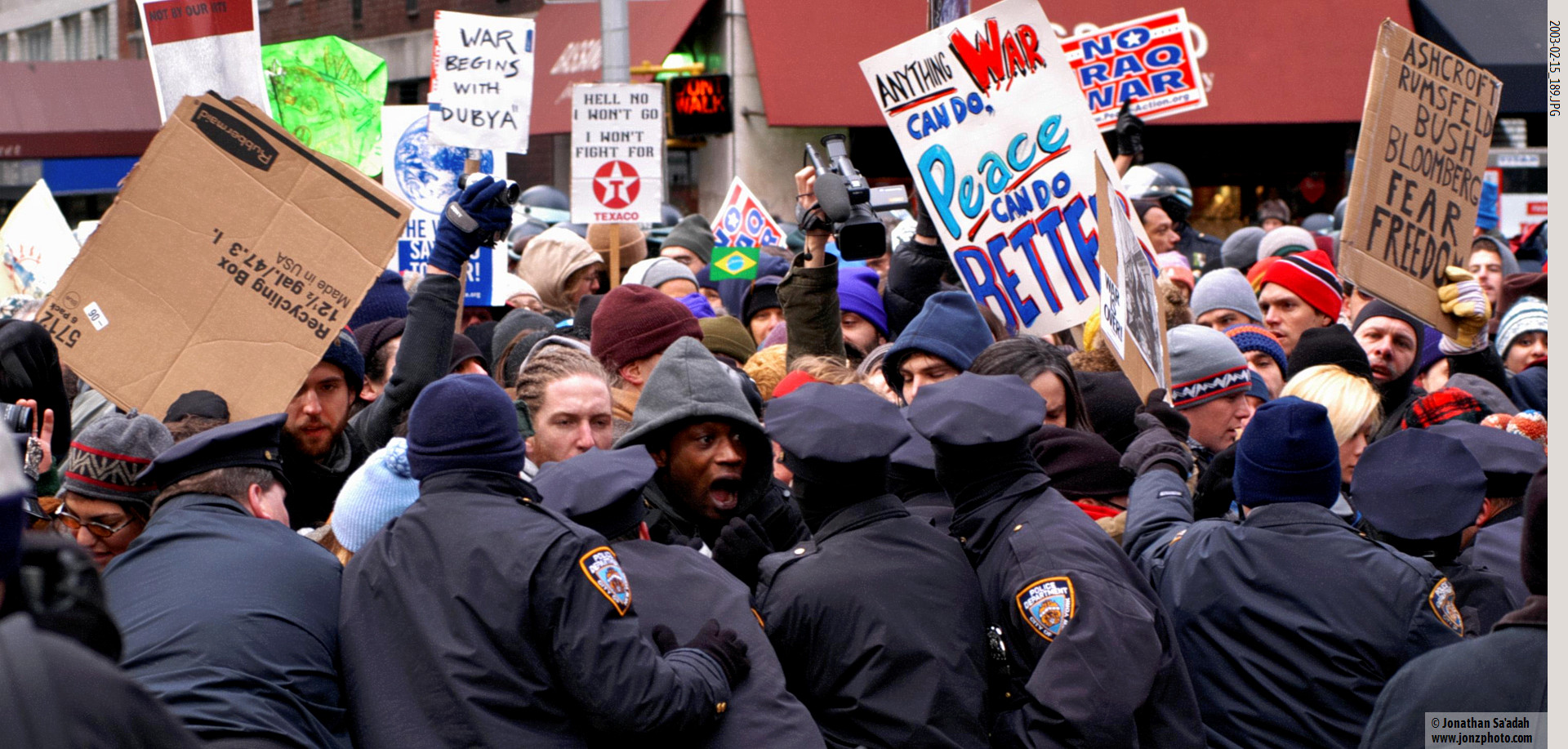
The lead-in to the second Iraq war, New York City demonstration February 2003. The names change, but the issues remain.

The federal election this week, where Mark Carney was elected the new Canadian Prime Minister, has capped a rude Canadian awakening to the dangers of sharing a border with a rogue elephant of a state. It’s been a revealing election. Nothing has done more to make me feel Canadian than this period, and the election results reinforced our choice (though we were pretty blind) in making Quebec our home province. The election vote stripped away the weepy rhetoric that often prevails in Quebec, and what was revealed was a province that supported Carney and the Liberal government (43%) versus the American-Elon-Musk inspired Conservative party of Pierre Poilievre (23.4%) by a margin not even closely matched in any of the other provinces. In December of last year you would have been hard pressed to find anyone in the province who would call themselves a Liberal. That’s an exaggeration, but not much. So it’s been quite a change. I don’t see Carney quite as positively as I’d like to, but I was still pleased.

Prior to Trump II many Canadians possessed a romantically foggy view when looking south. So the last few months have been like the breakup of a formerly “idyllic” marriage: first disbelief, then anger. Trump’s ascendancy this time has only been lightly garbed in reality show politics. His second ascent represents an amplified and aggressively threatening continuation of the bullying conservatism that, over the years, has shown its face in many guises – from the blatant McCarthyism of the Forties and Fifties, through the filth and duplicity of Nixon, morphing into the smoothly front-facing corporate faces of Reagan and the Bush family. That’s not even getting into the Democratic side, which has had its share of failings too. The toxicity has always been around, either in the foreground or just below the surface. The difference now is that it’s fully out and fully vengeful, with a clear road map driving its behavior. Whether Trump II will “succeed” in its destructive course is no longer in question, the damage has already been widespread and generational in scope. The question for us in Canada is how to minimize its effect while steering a way through the geo-political/economic storm. Even if the US courts reign in the Executive branch, and Congress reasserts itself instead of playing dead, trust has been broken. Canada has largely been able to avoid the militarization of society and social breakdown that’s been happening in the United States for decades. However, even though the economic consequences of tariffs have been enough to dramatically accelerate political change here, dealing with them is nothing compared to prospect of having to deal with an increasingly aggressive and politically fragmented country thrashing around to the south. That’s the scary prospect. Let’s hope a path can be found, both internally in the US as well as for us and others.
Posted in Social Documentary, Canada, Montreal
Tags: ,

The impossible miracle of Biblioteca Vasconcelos

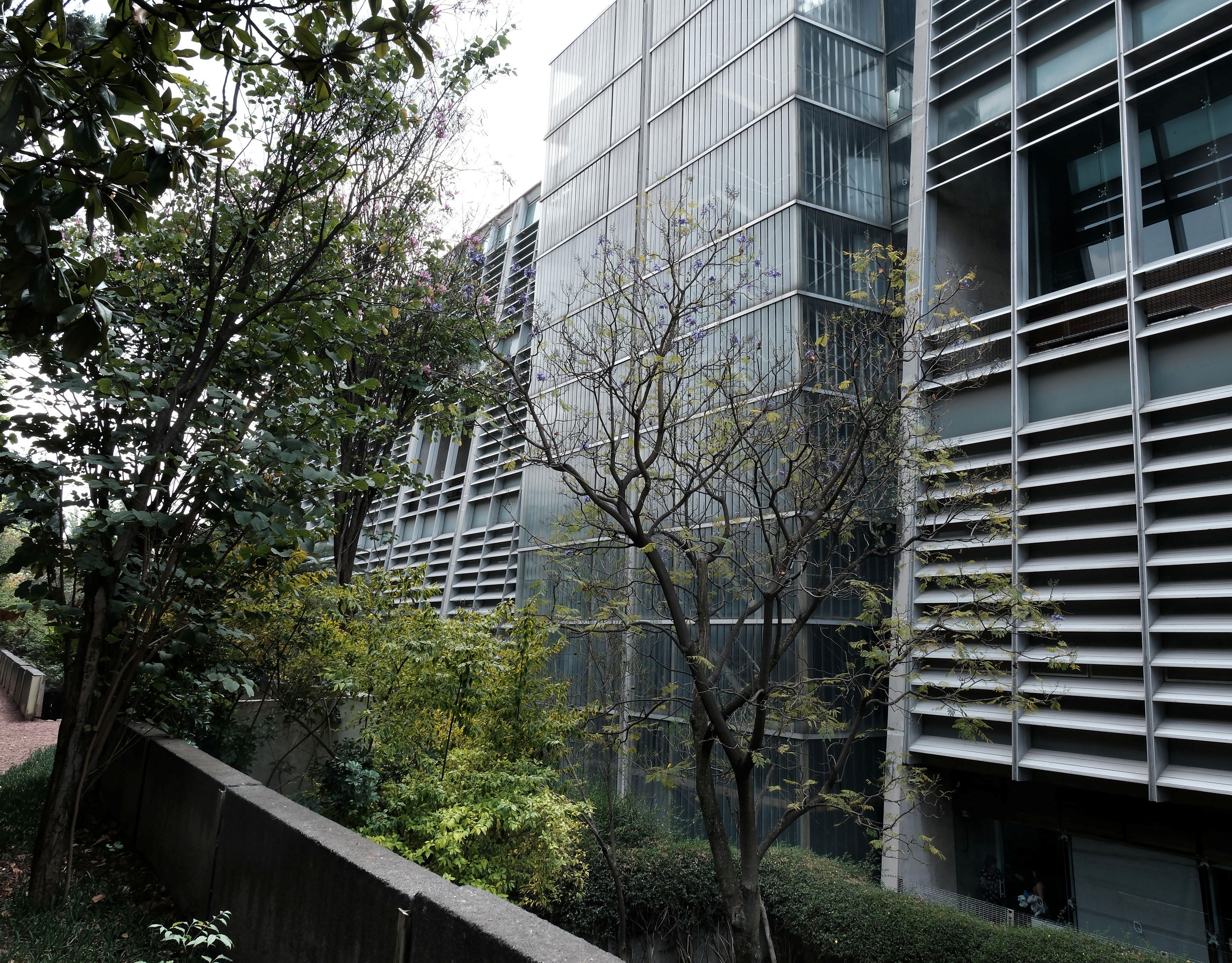
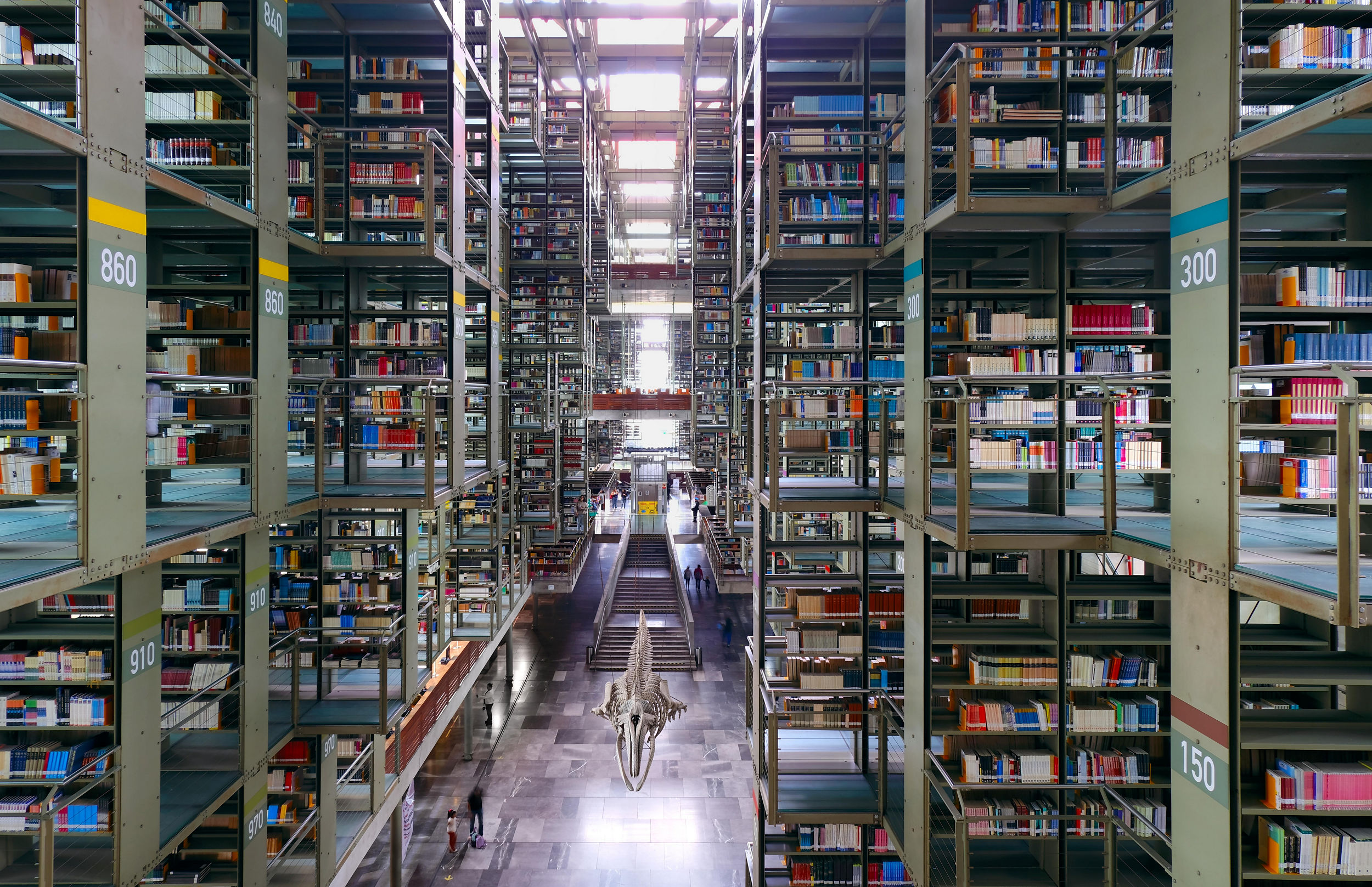
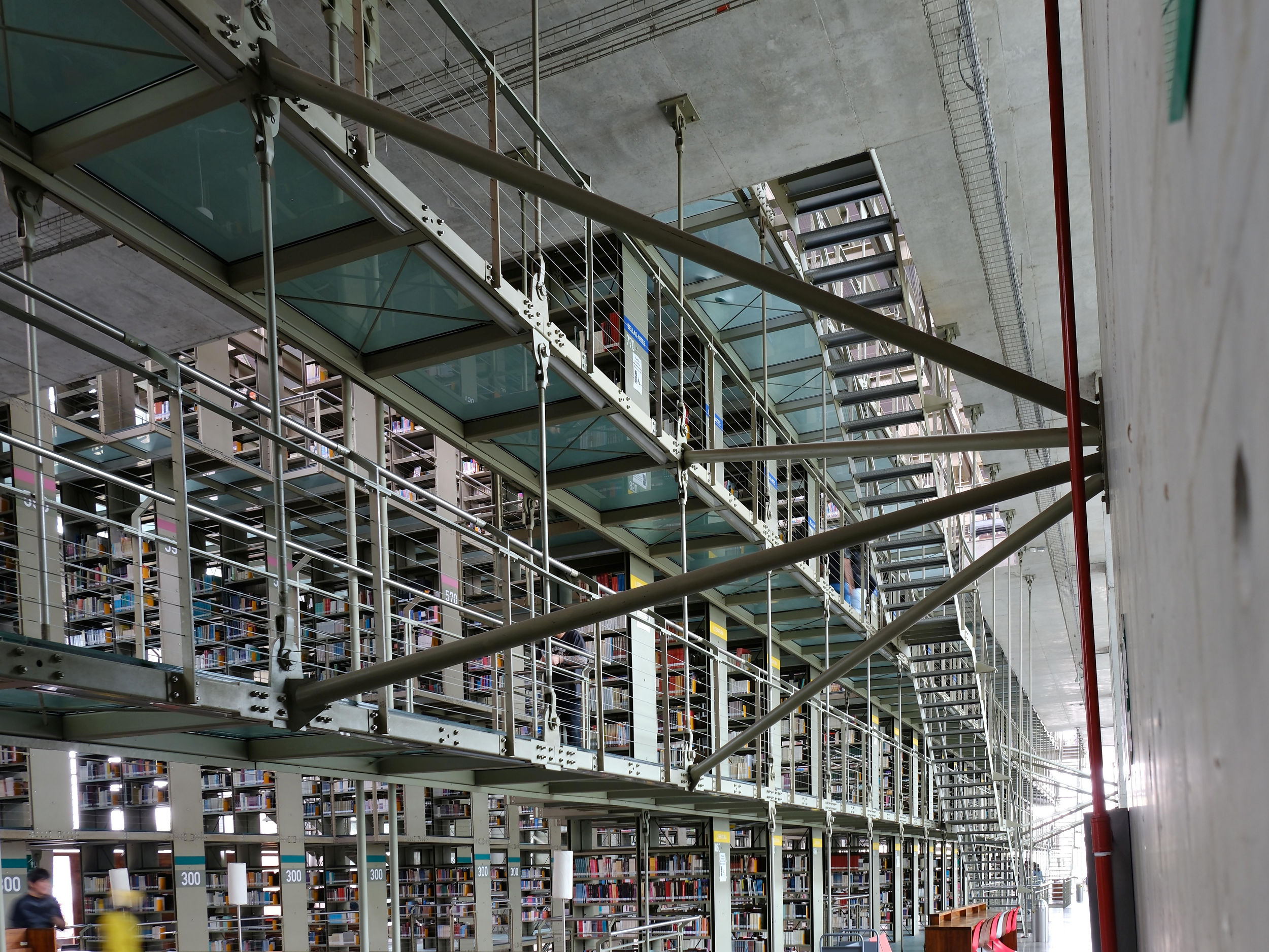
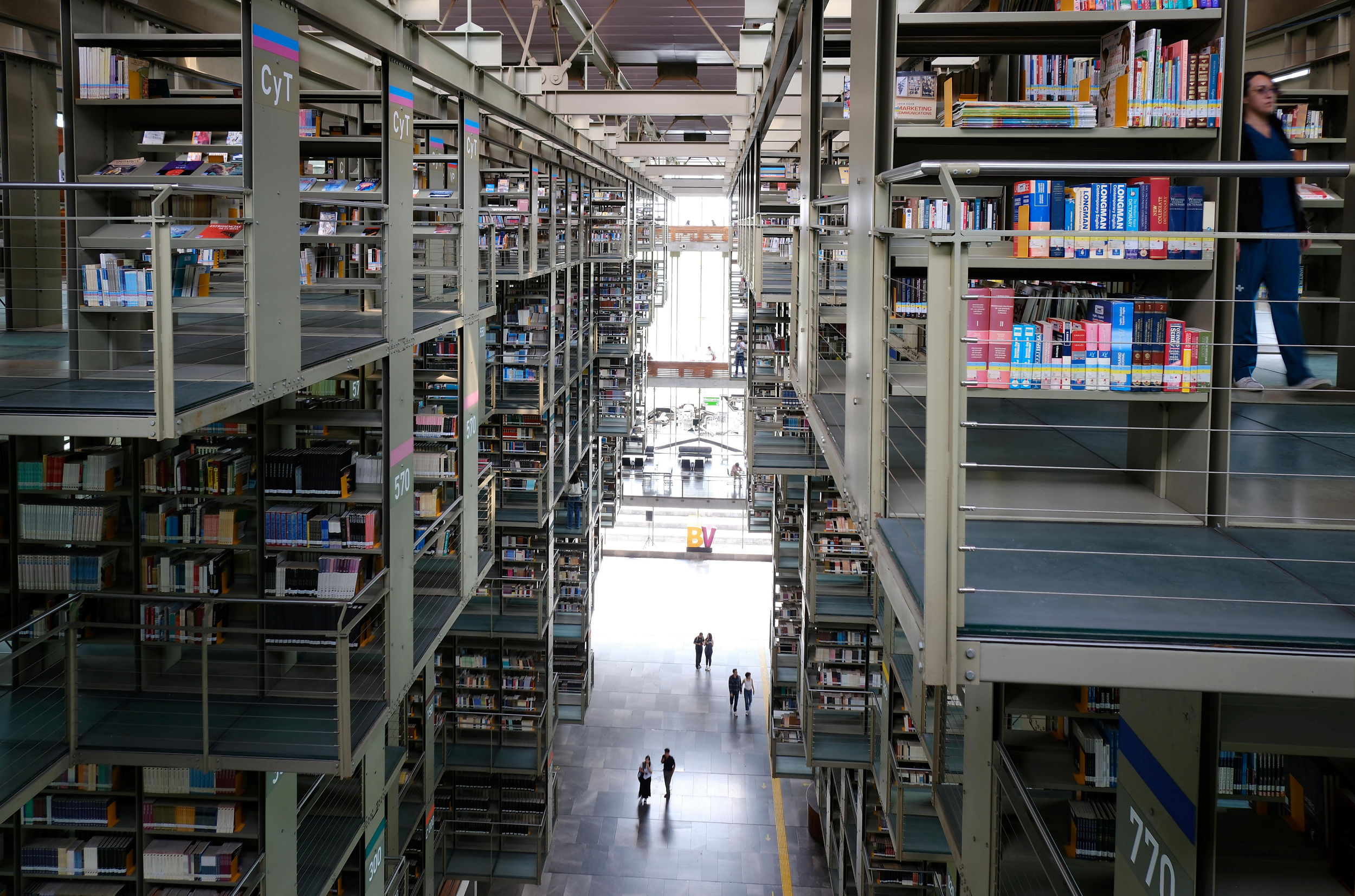
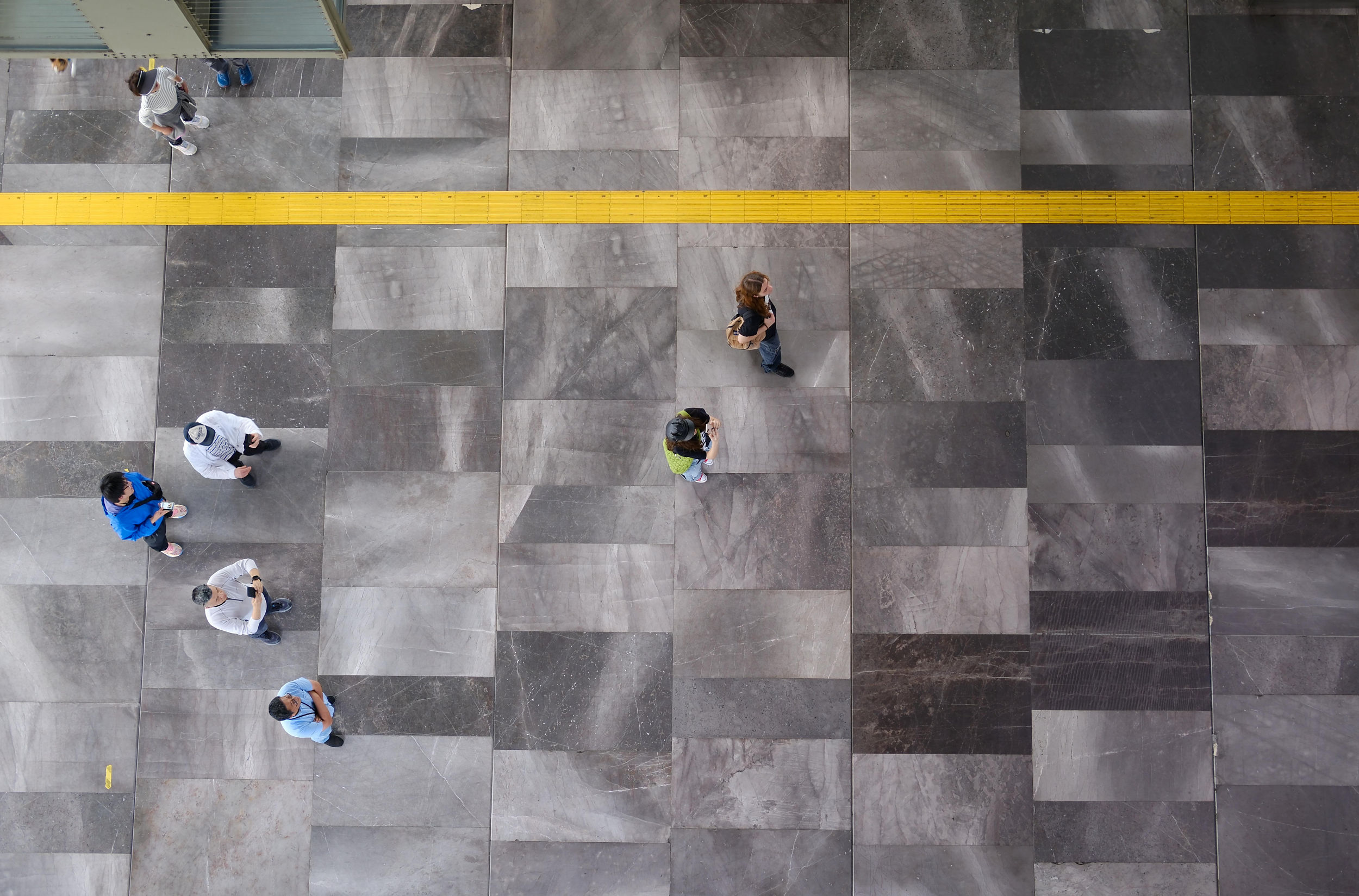
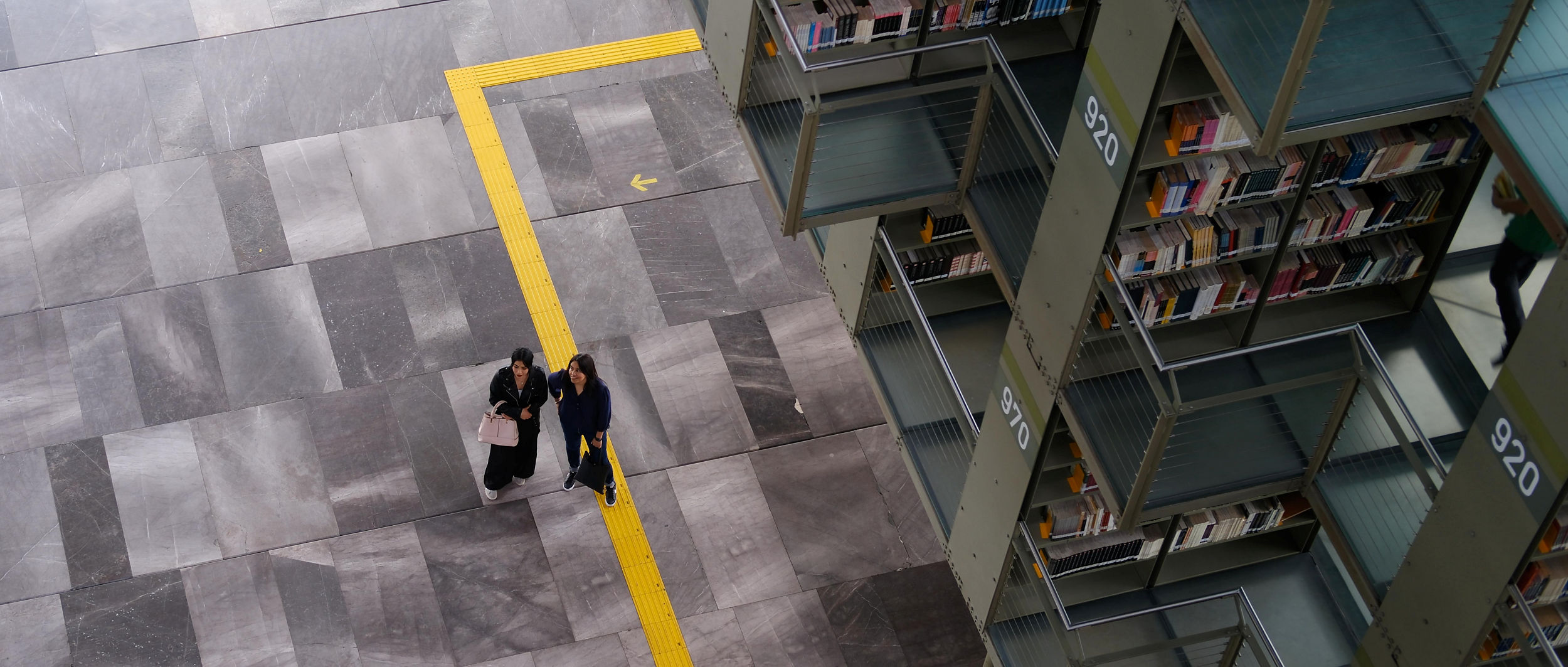
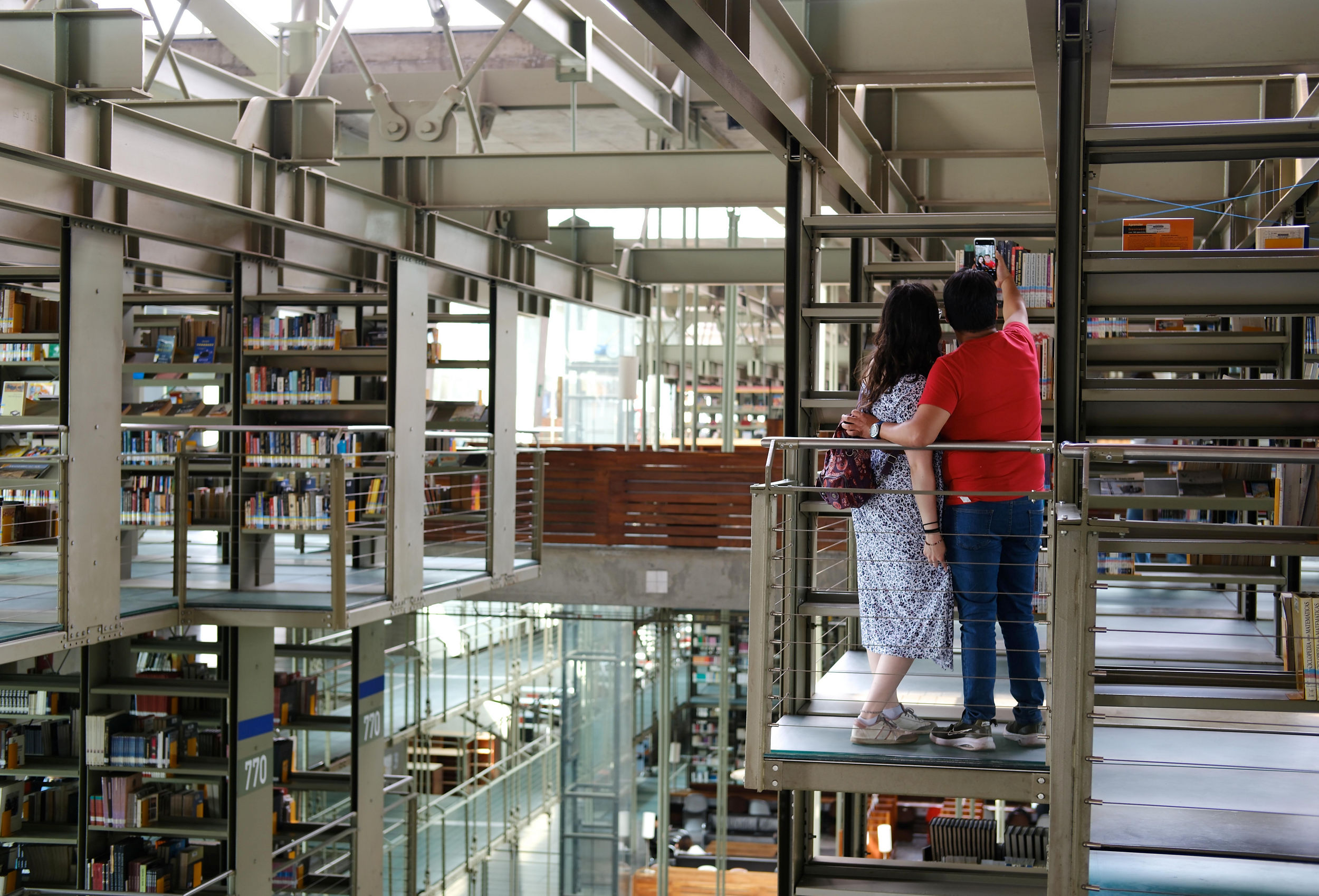
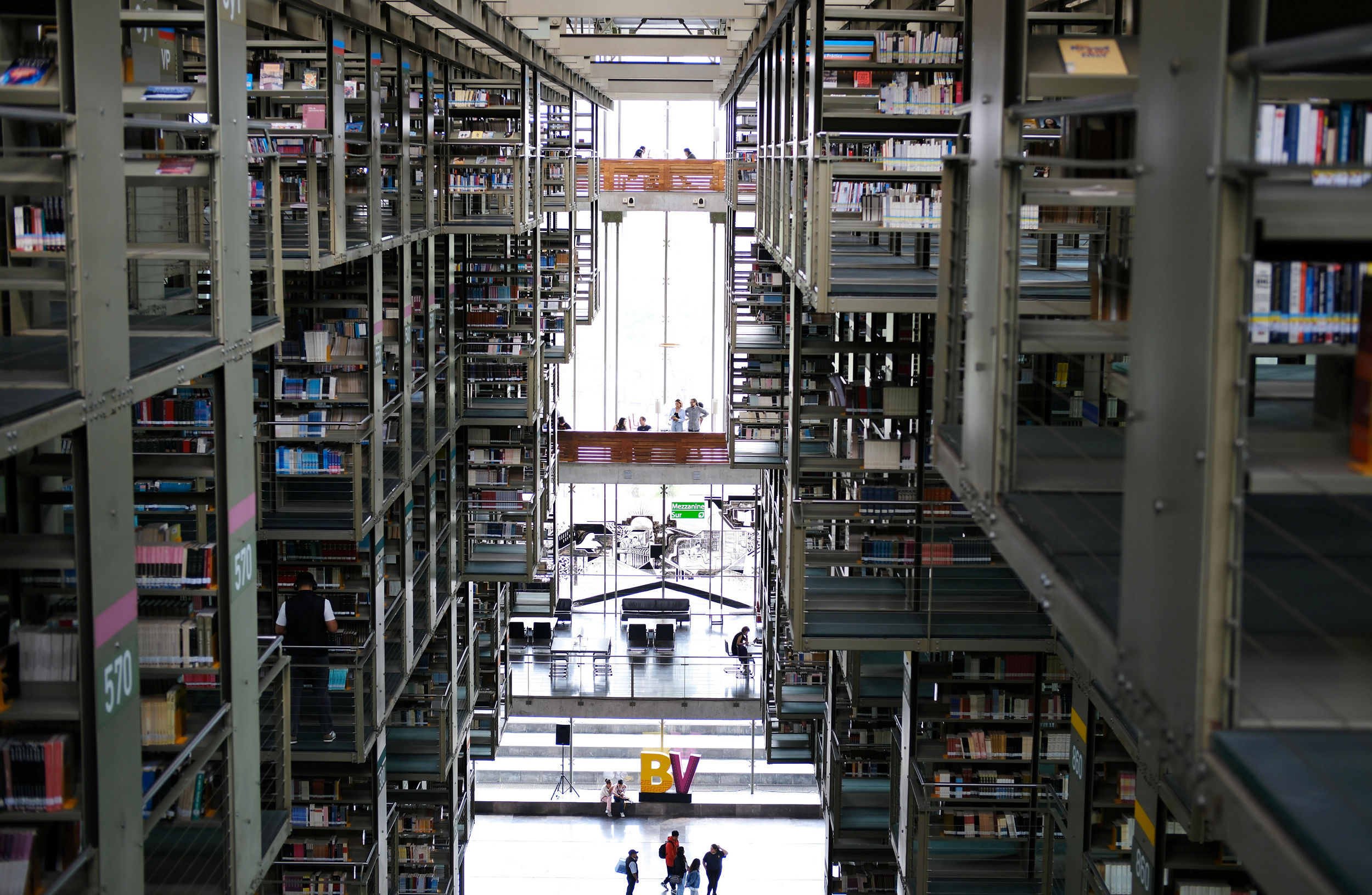
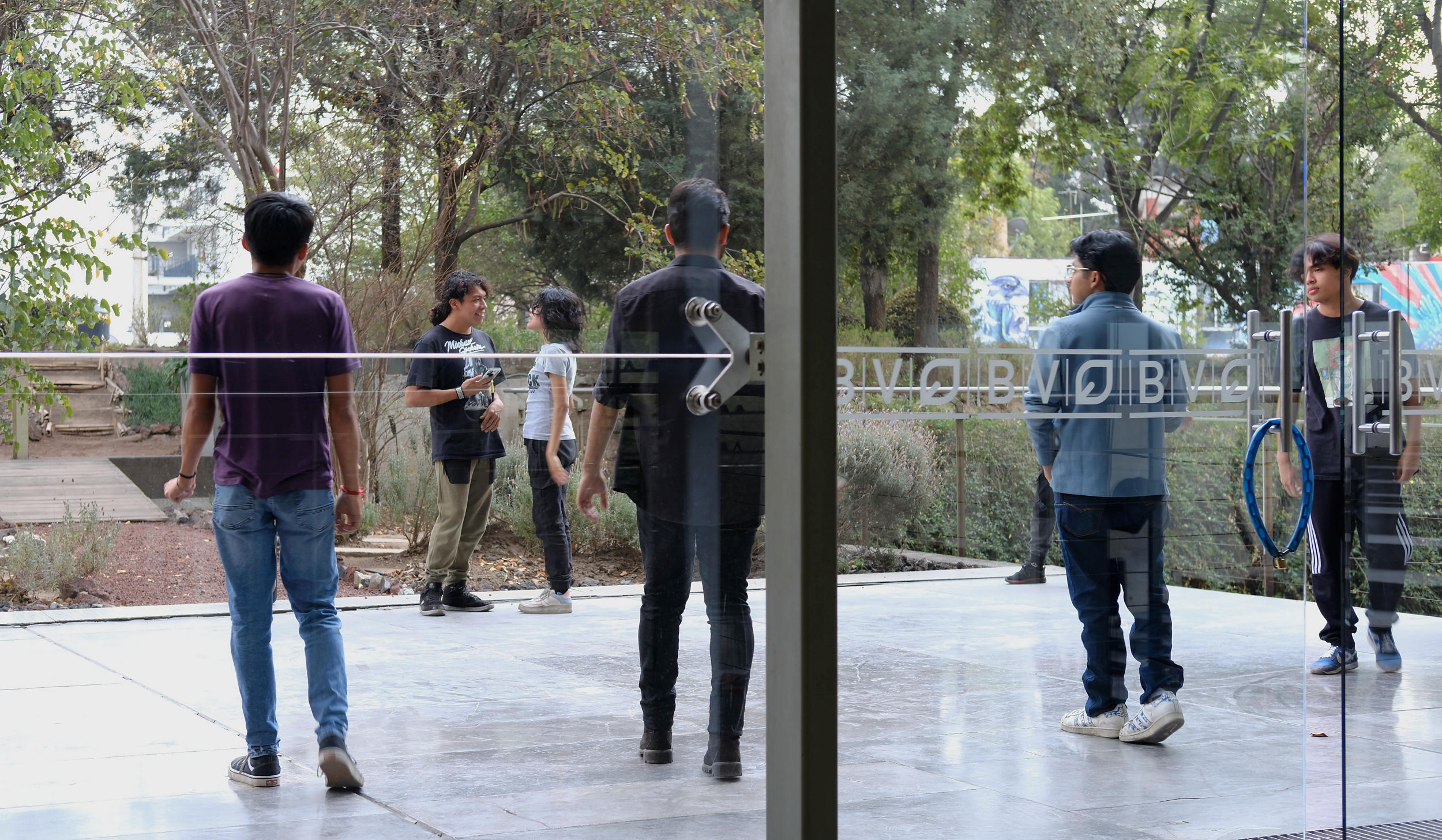
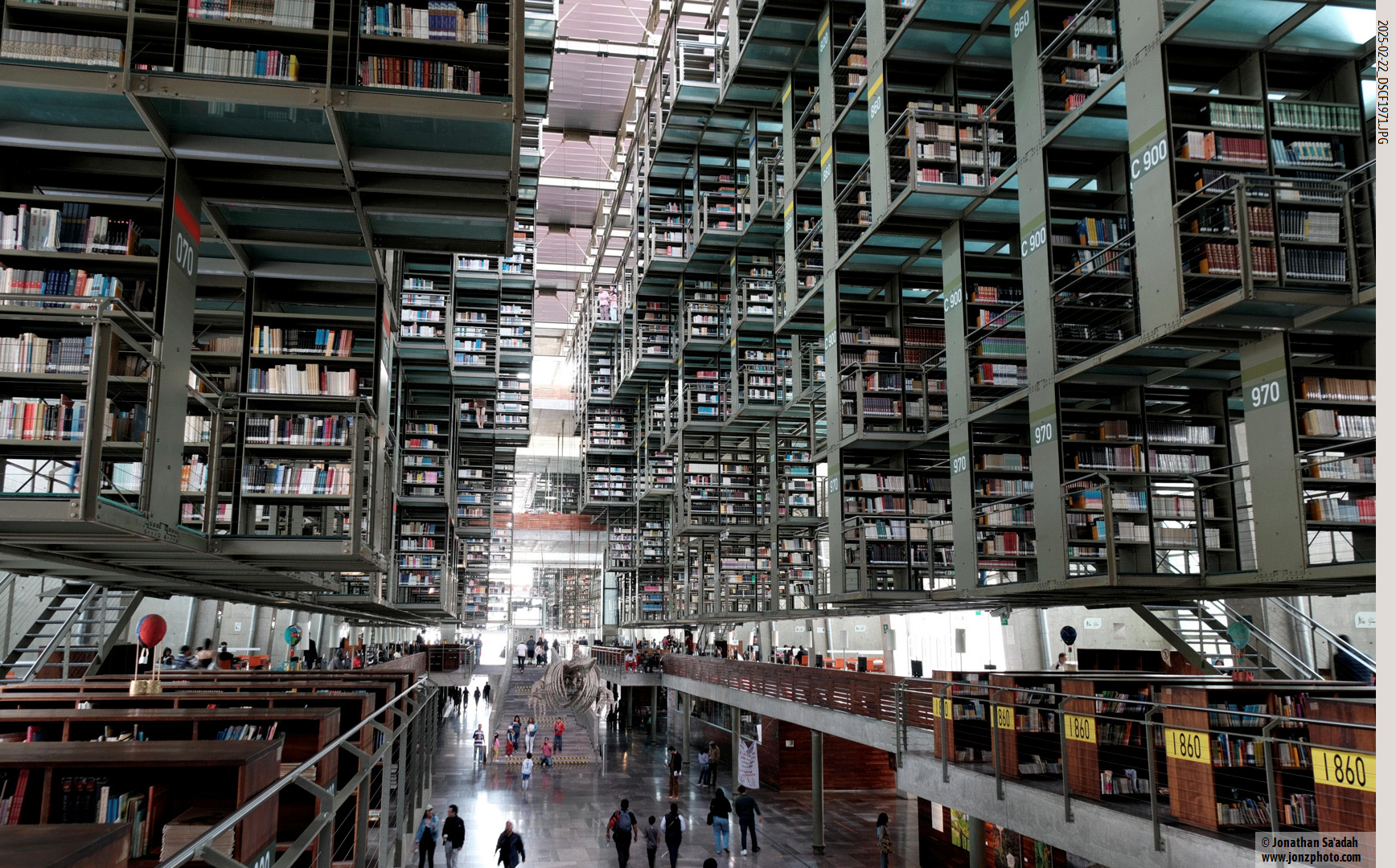
Anyone who has moved boxes of books around knows how heavy they are. To have 600,000 volumes suspended in space is close to a miracle! Biblioteca Vasconcelos in Mexico City achieves this remarkable feat, extending the creative practice of Mexico City architecture by floating its stacks in the air. This unique architectural marvel not only serves as a library but also as a cultural hub, attracting visitors who are eager to experience its stunning design.

Biblioteca Vasconcelos Mexico City Architecture at its best!
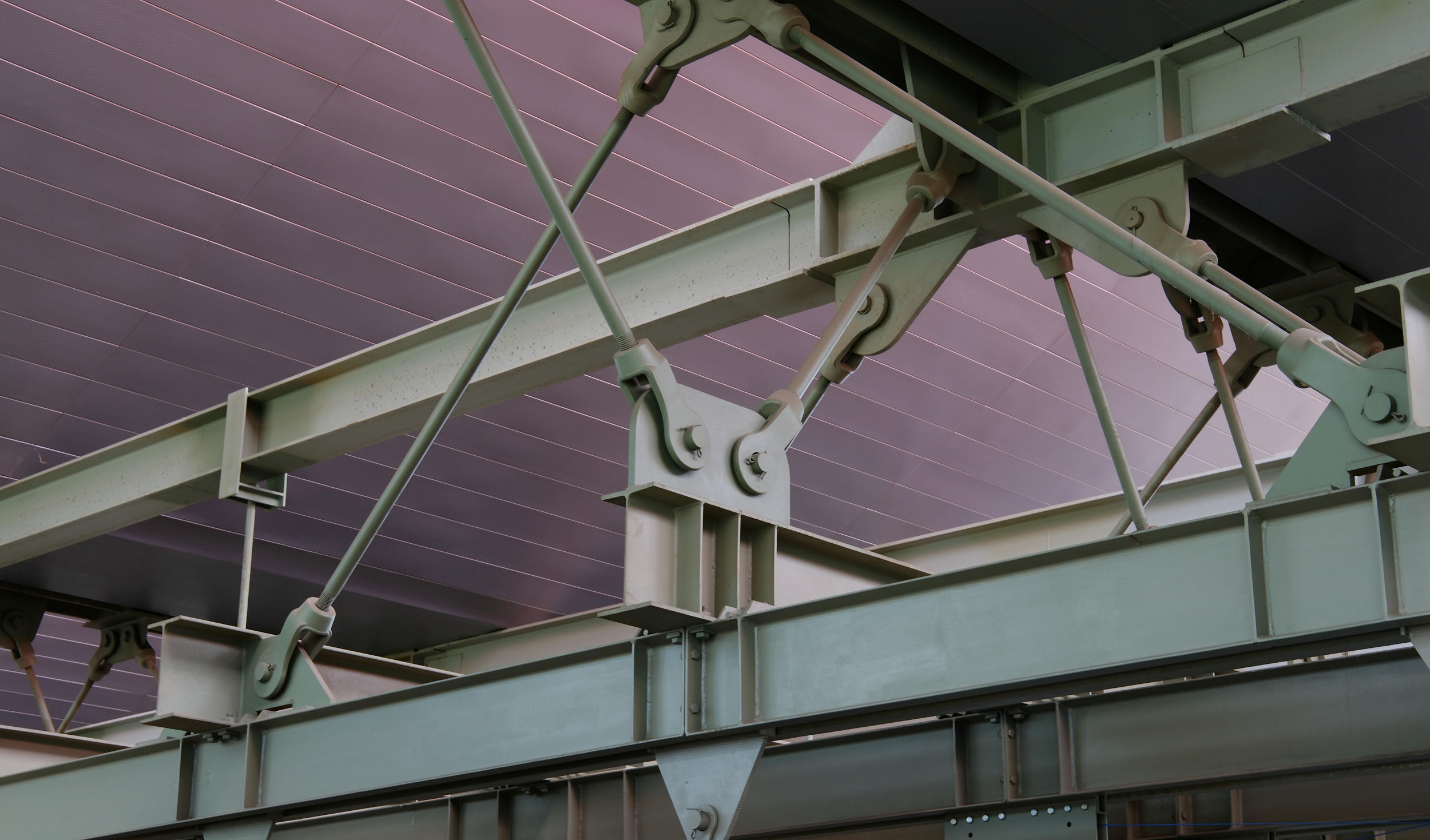
Architect Alberto Kalach made a significant contribution to Mexico City architecture with his daring design – suspending the stacks from the ceiling of the building.

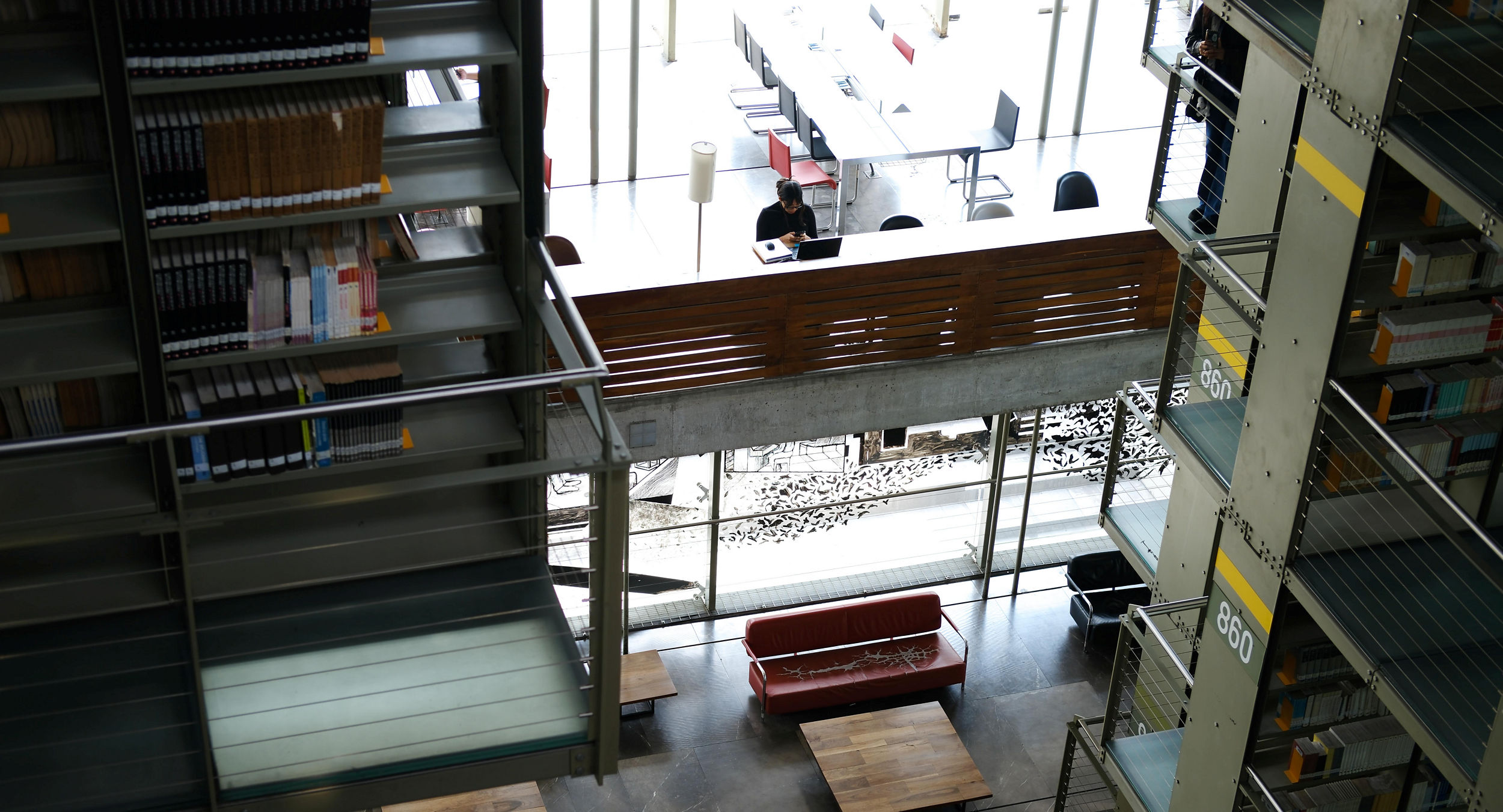
The architectural design of Biblioteca Vasconcelos is an example of modern creative ingenuity. The building’s side windows allow natural light to flood the interior, creating a serene reading environment that inspires contemplation and study. The stacks, suspended from the ceiling, give the impression of books floating in mid-air, challenging conventional library design and offering a visually striking experience. This innovative concept encourages visitors to engage with the space in a more dynamic way, as they navigate through the airy layout.

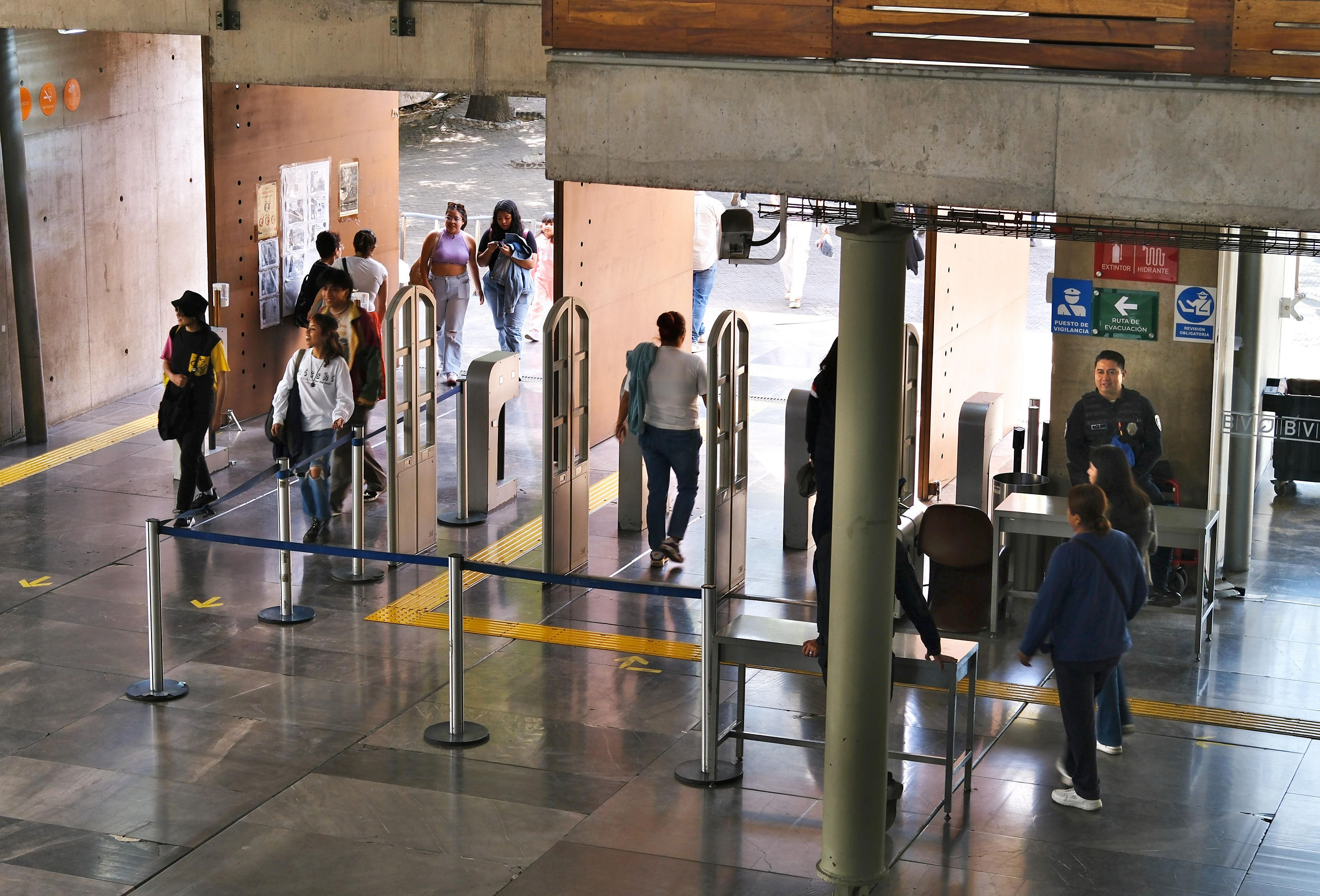
I’ve always photographed in libraries. I enjoy books and the spaces designed for their use. This time there was a problem though. A woman in a semi-official uniform approached me, informing me in Spanish that photography was not allowed. To be honest, it seemed quite permitted, given the number of people snapping pictures on their phones. Unfortunately, a “Real Camera” is viewed differently. There was a loophole: I could apply for a permit at a specific office, allowing me to capture the stunning Mexico City architecture within. I was determined to document this unique space, since to me its beauty and functionality was worth sharing with a wider audience.

As I filled out the form for the photography permit, I couldn’t help but admire the intricate details of the library’s design. The open spaces were filled with the soft sounds of pages turning and quiet whispers. The atmosphere felt filled warmed by the shared love of literature, making it an inspiring environment for both photographers and bibliophiles alike!

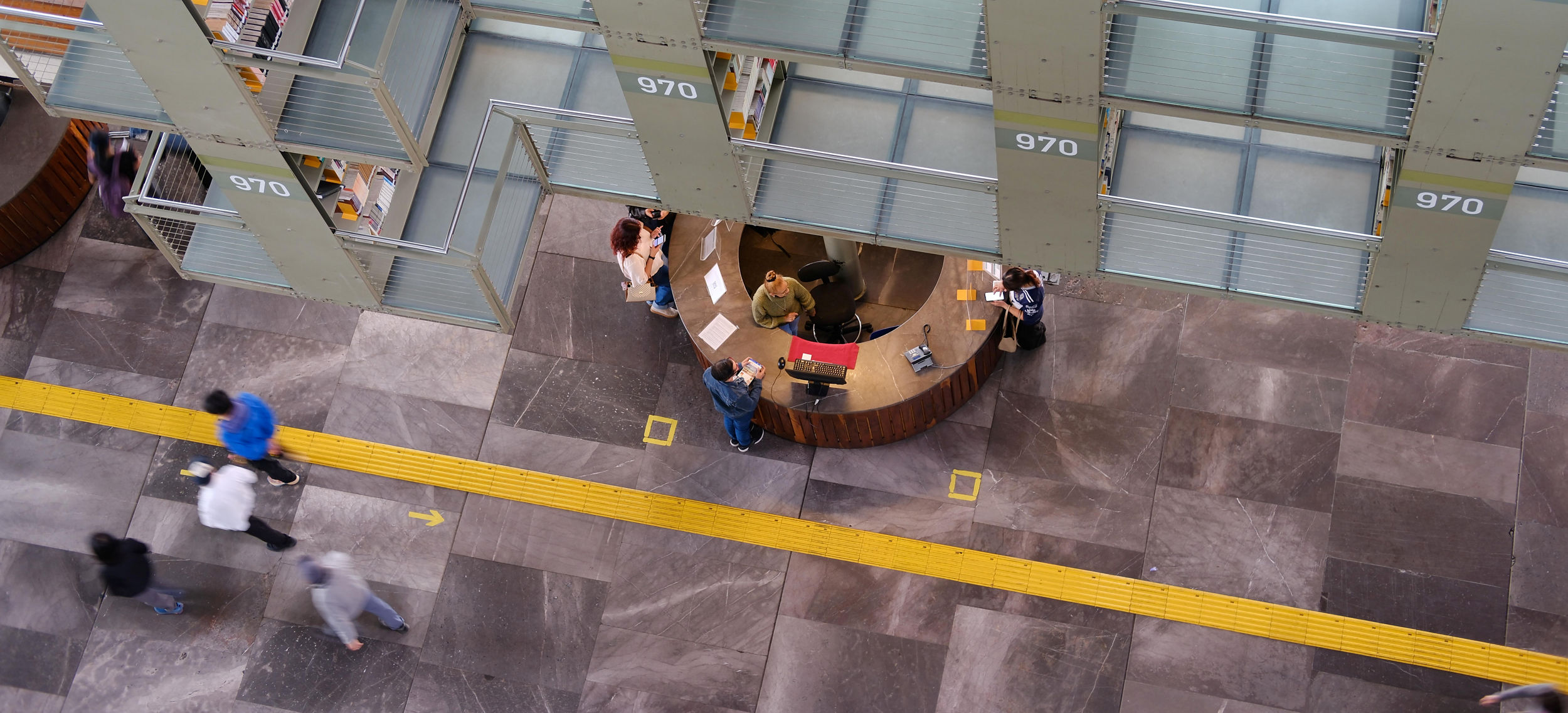
The office I had been directed to was in the back of the library. I faced another woman, this one sitting at a crowded L-shaped desk near one of the doors that opened out onto the gardens. I asked if I could take pictures and was given a form to fill out. That, coupled with a Quebec driver’s license, and soon I received a plastic tag on a lanyard which gave me Official Status. Hooray, okay to use a camera!

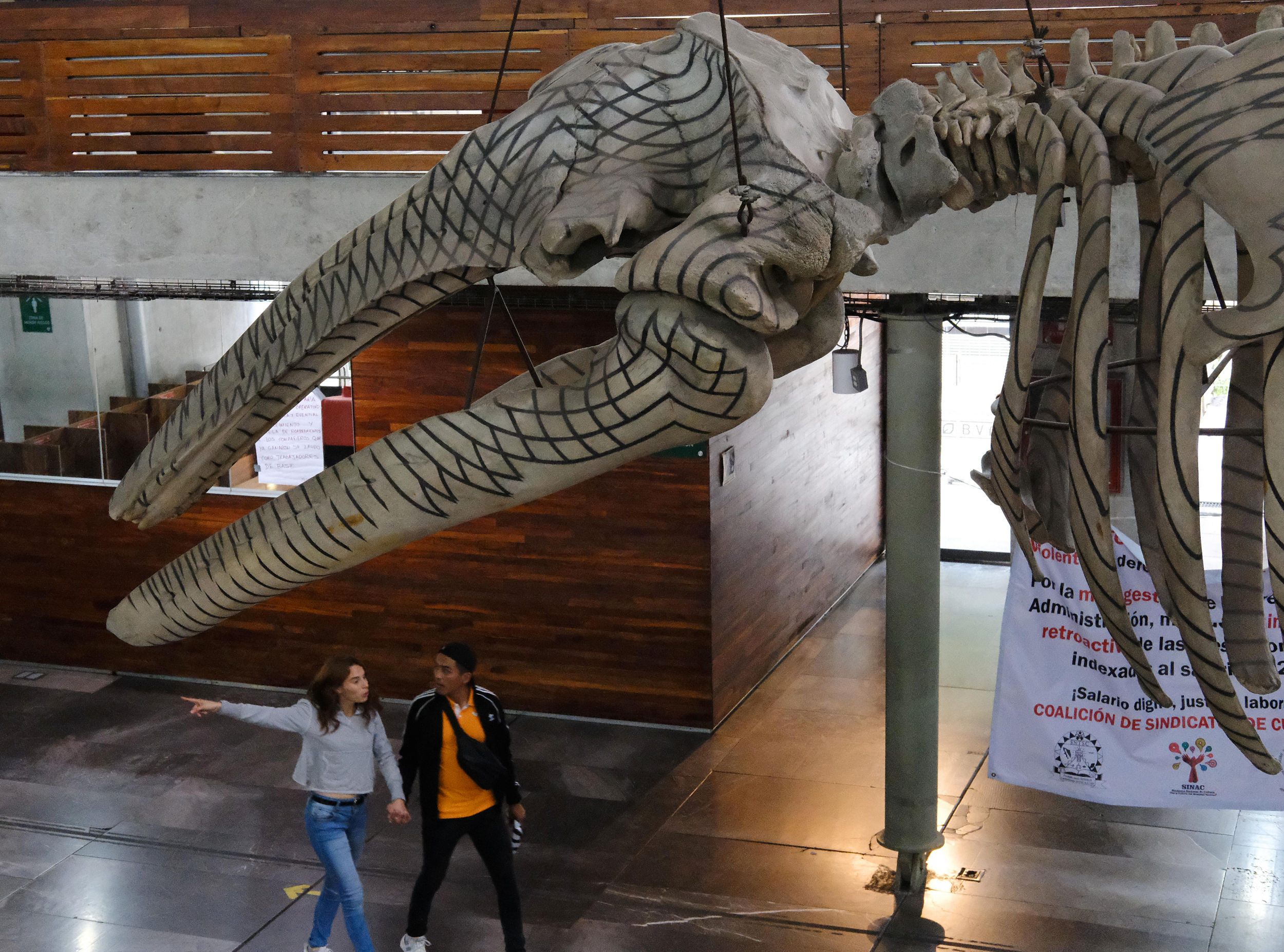
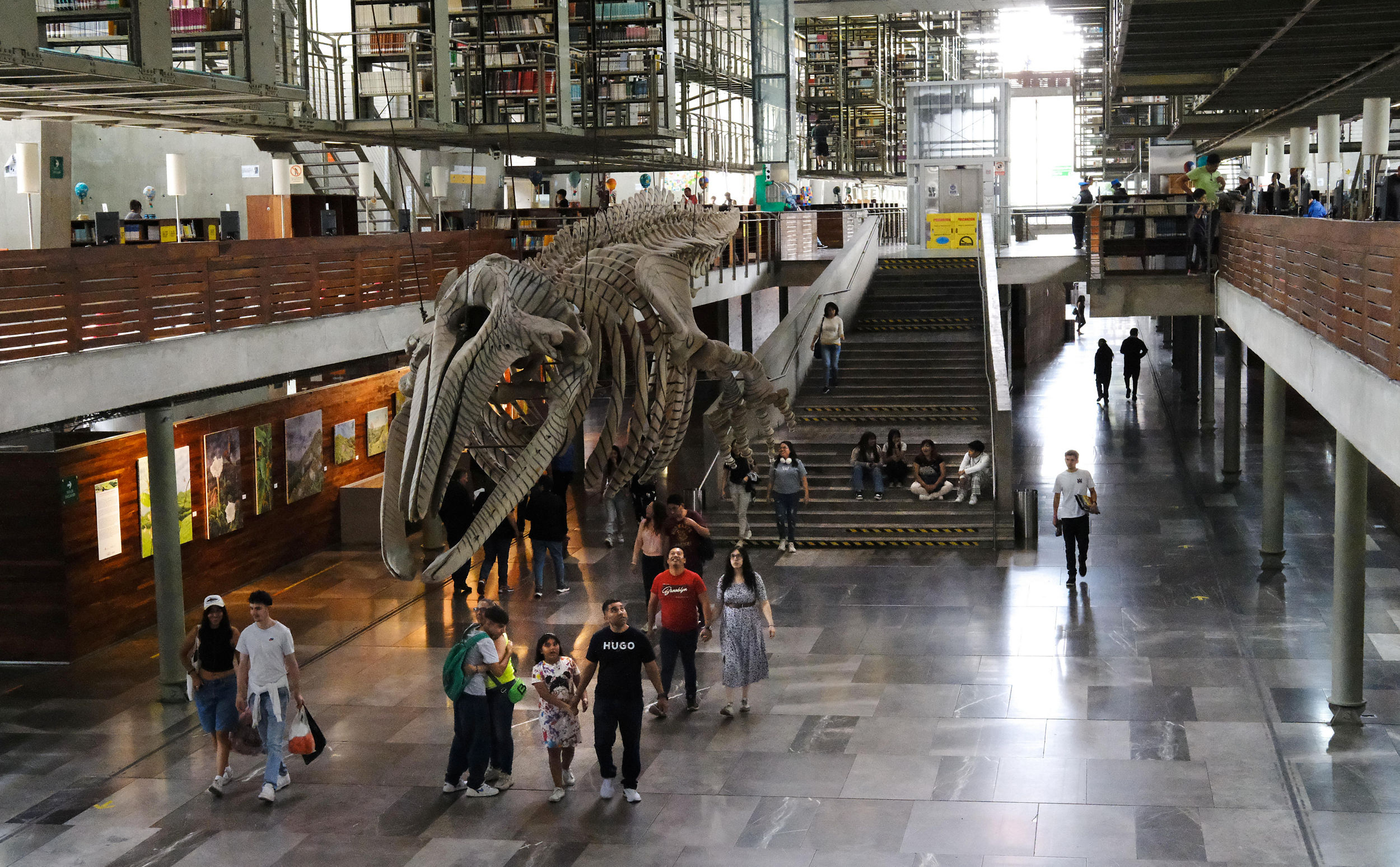
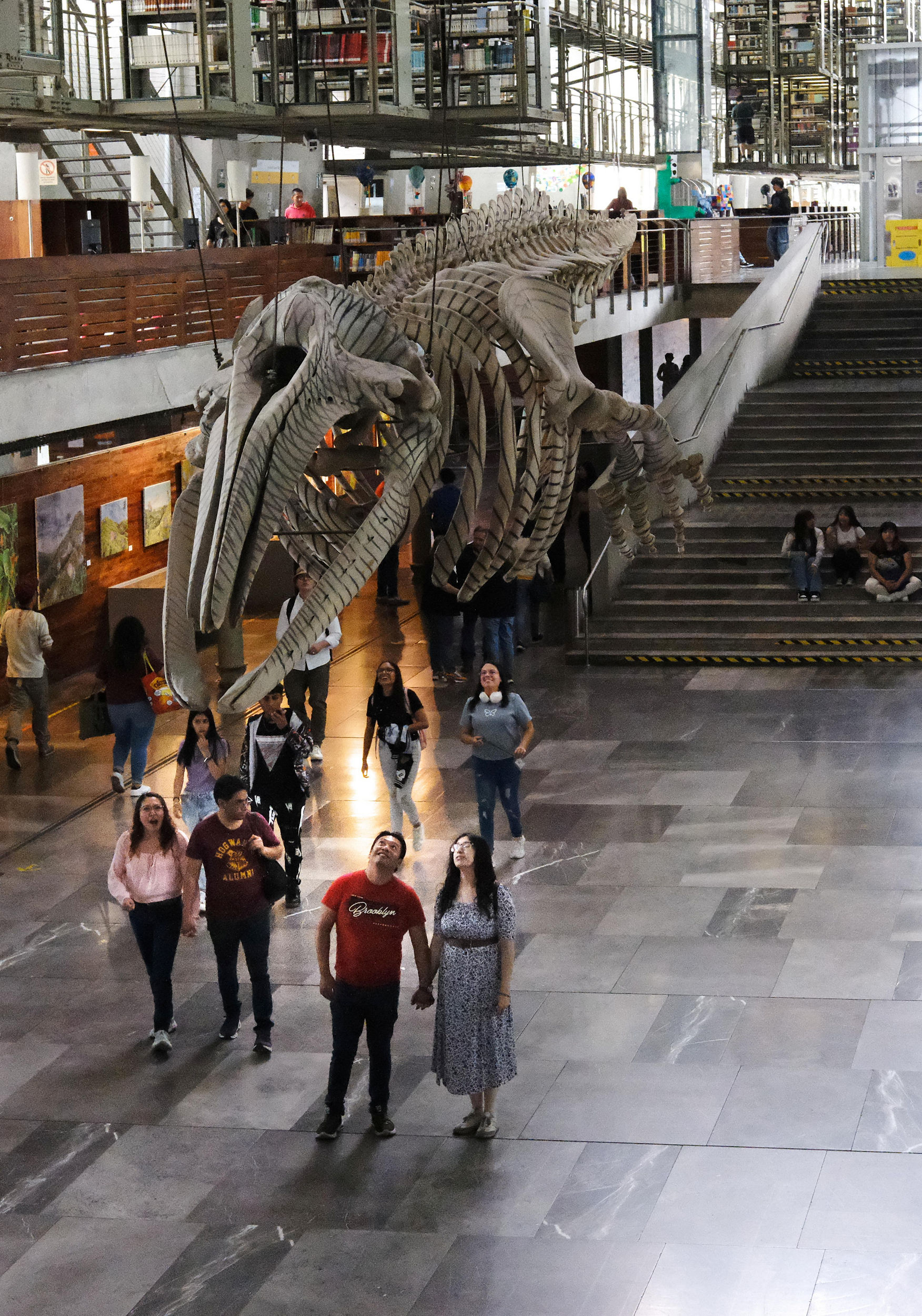
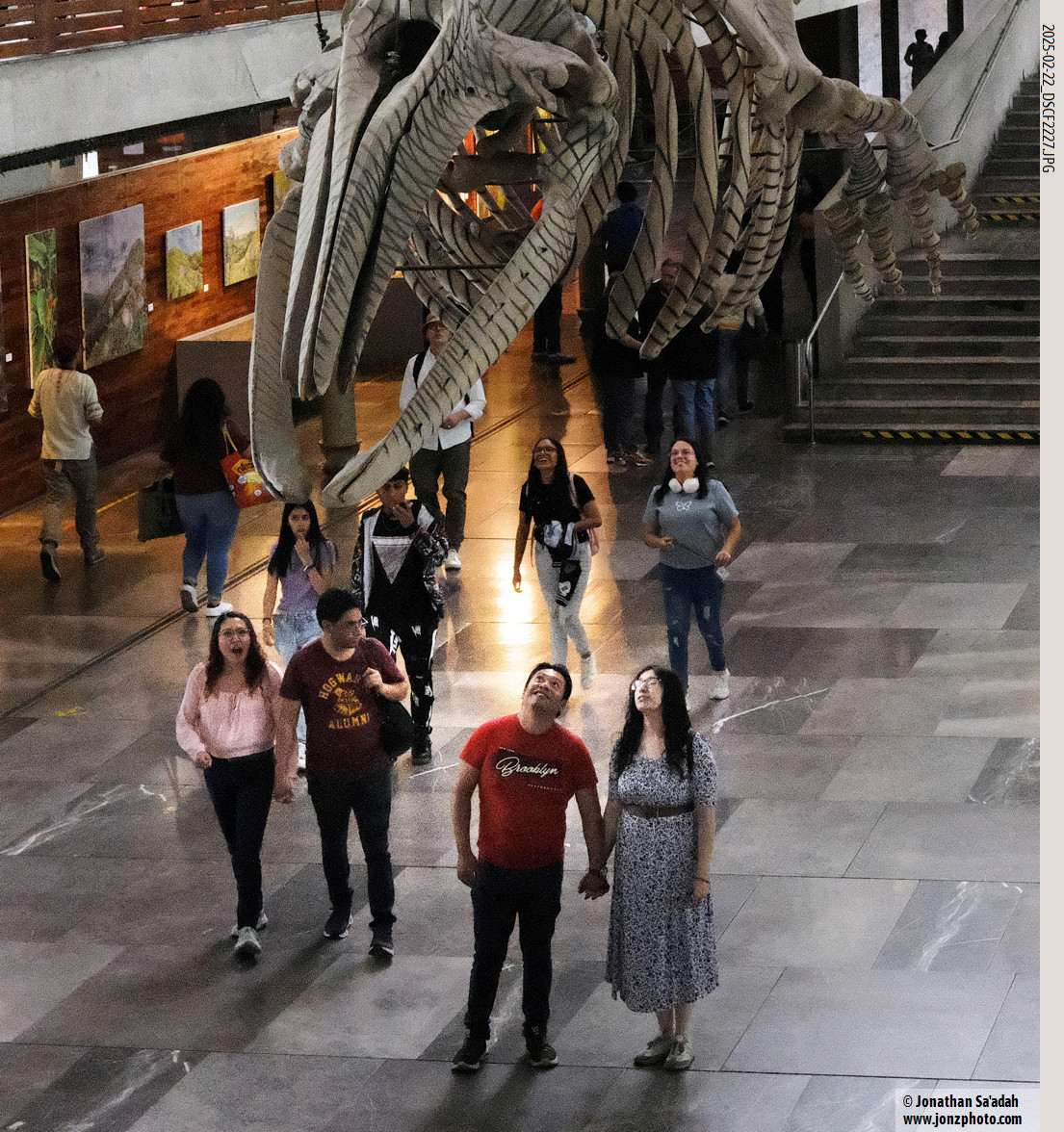
Visitors reacting to the reworked white whale skeleton by Mexican-born artist Gabriel Orozco at Biblioteca Vasconcelos.
Visitors reacting to the reworked white whale skeleton by Mexican-born artist Gabriel Orozco, which adds a unique artistic element to the library’s ambiance.

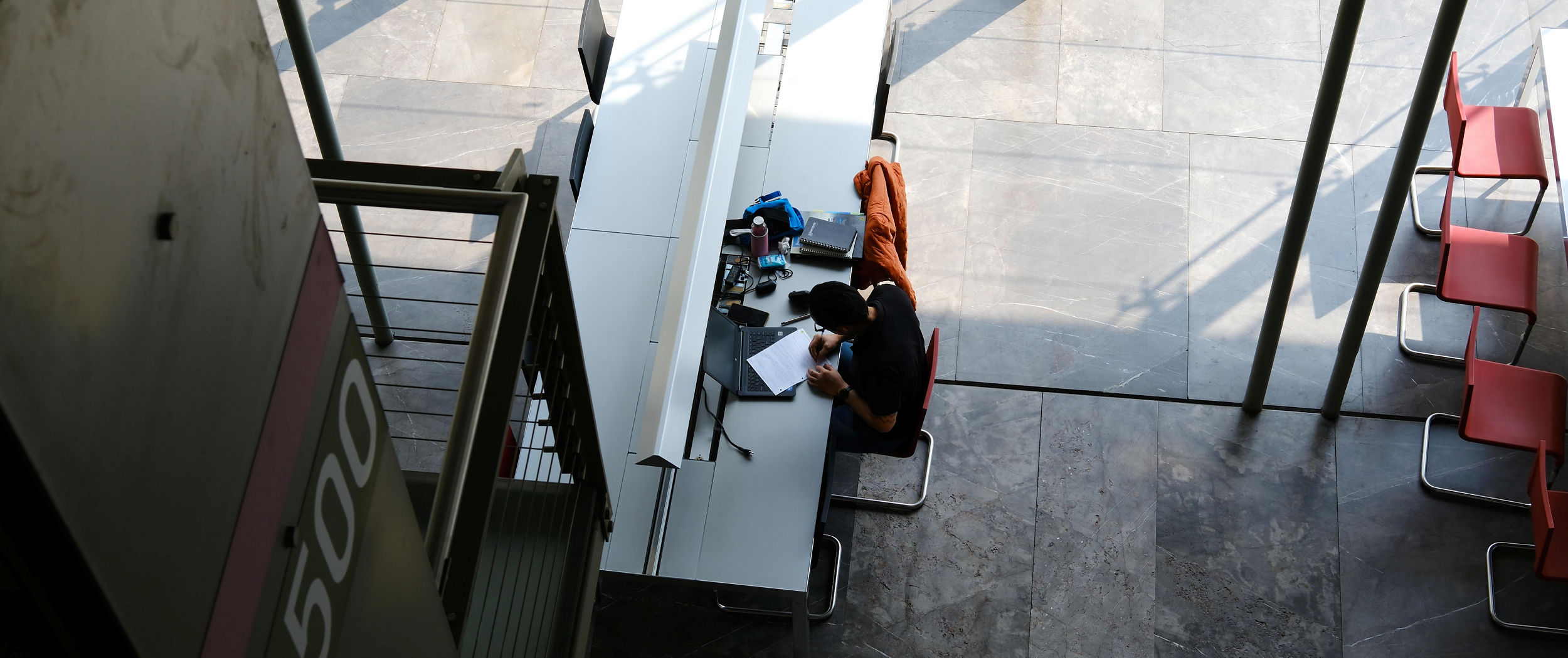
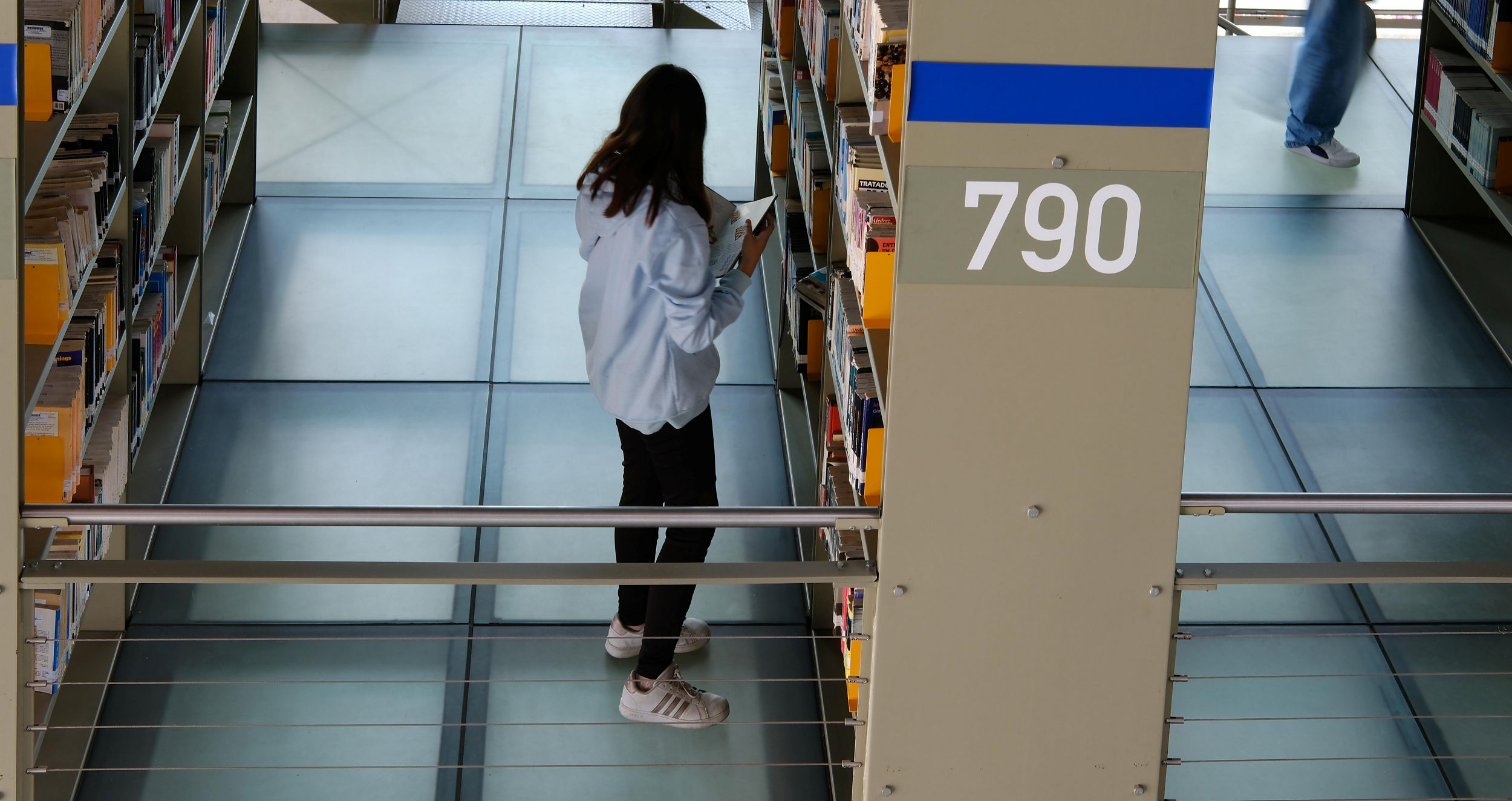
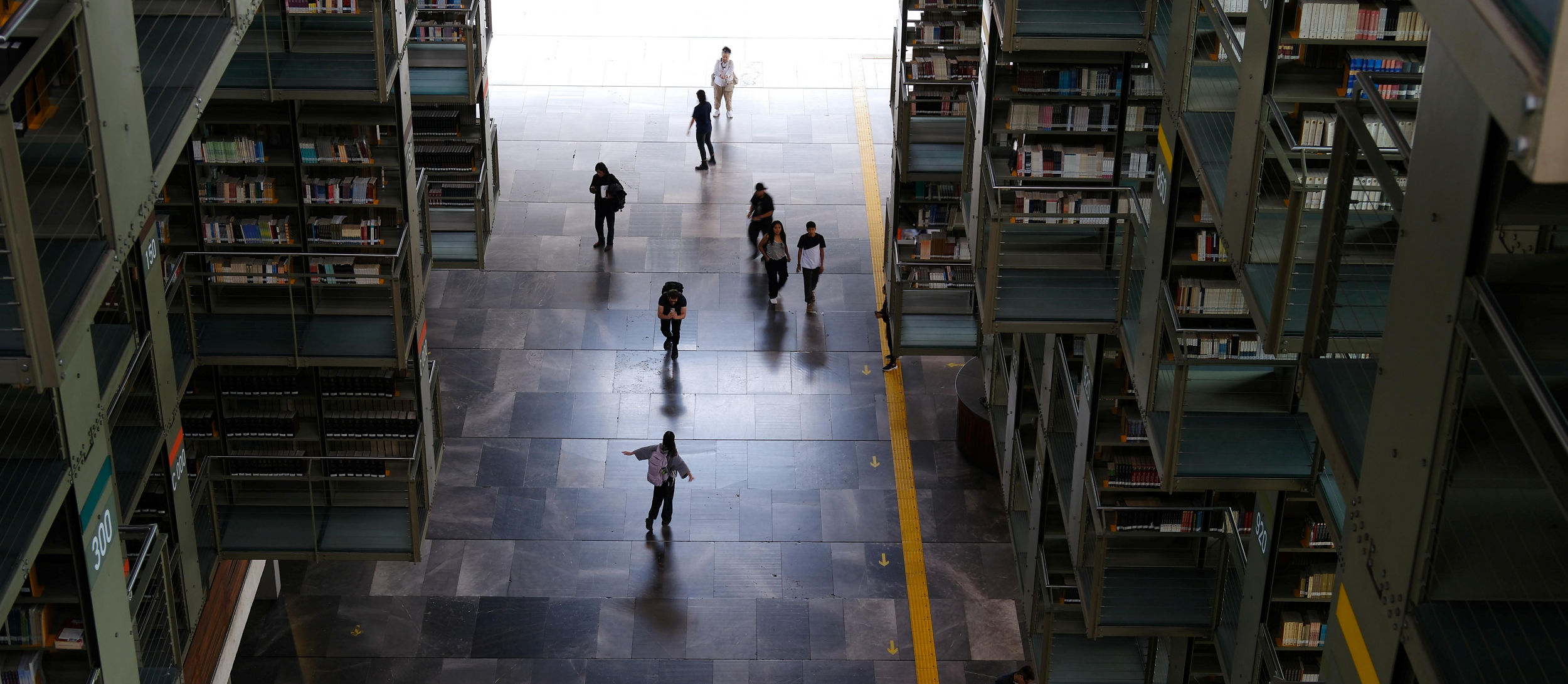
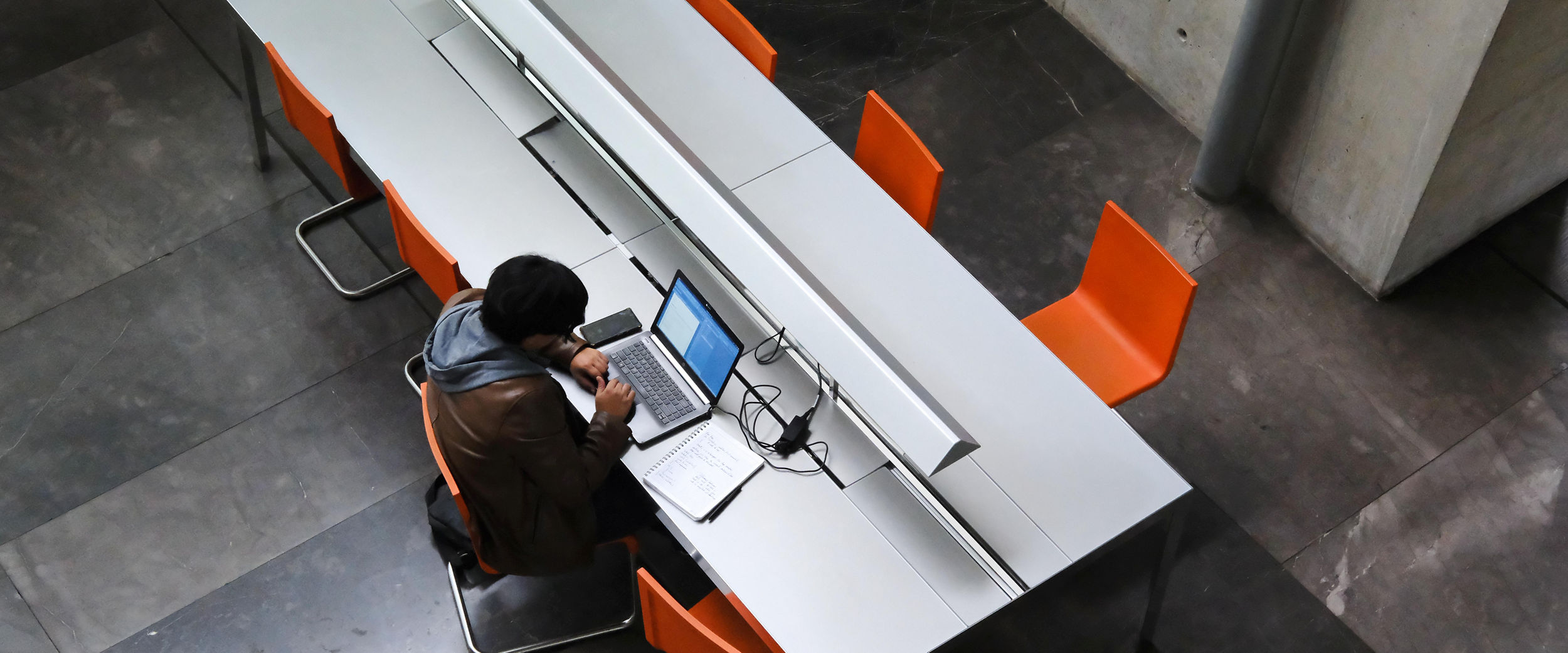
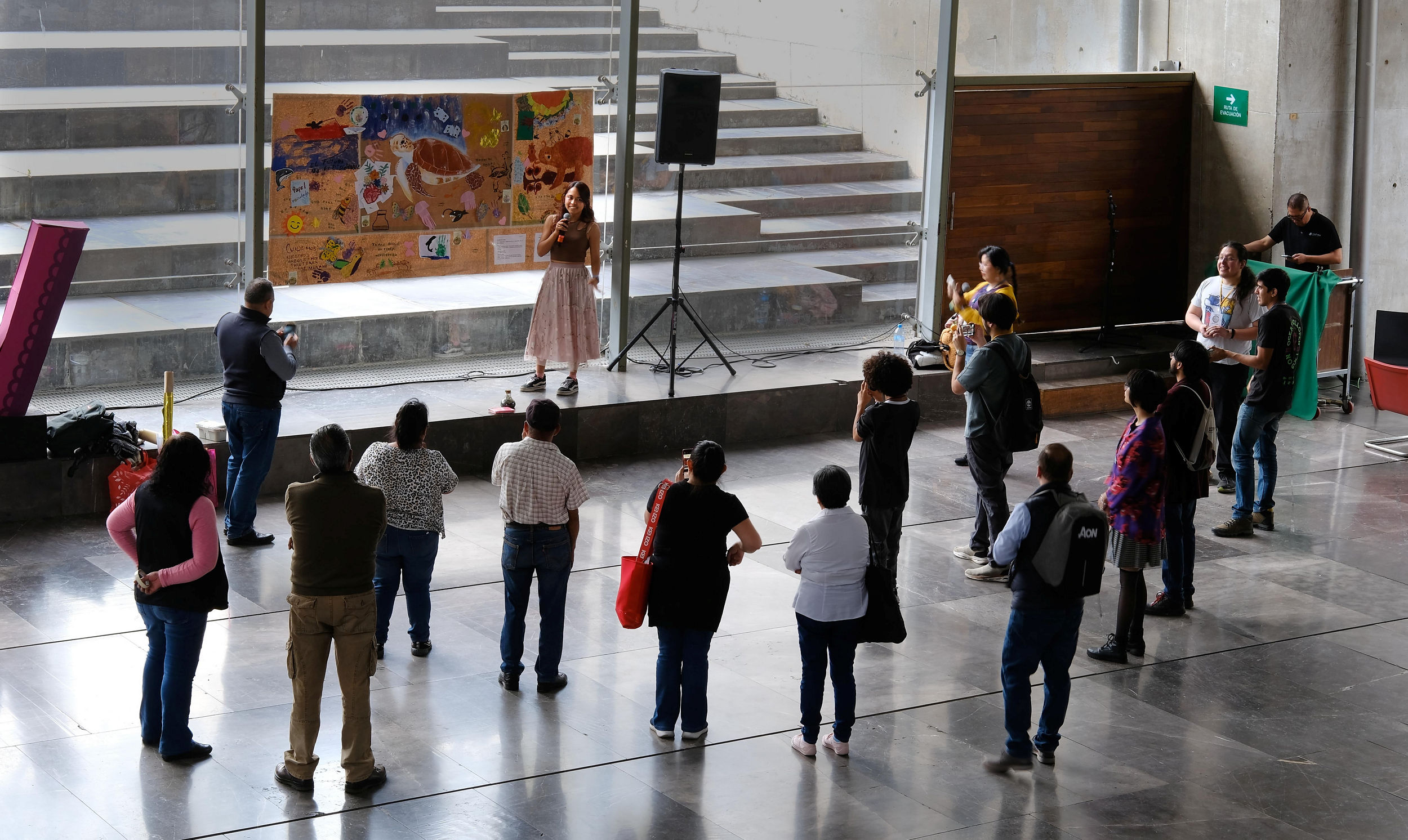
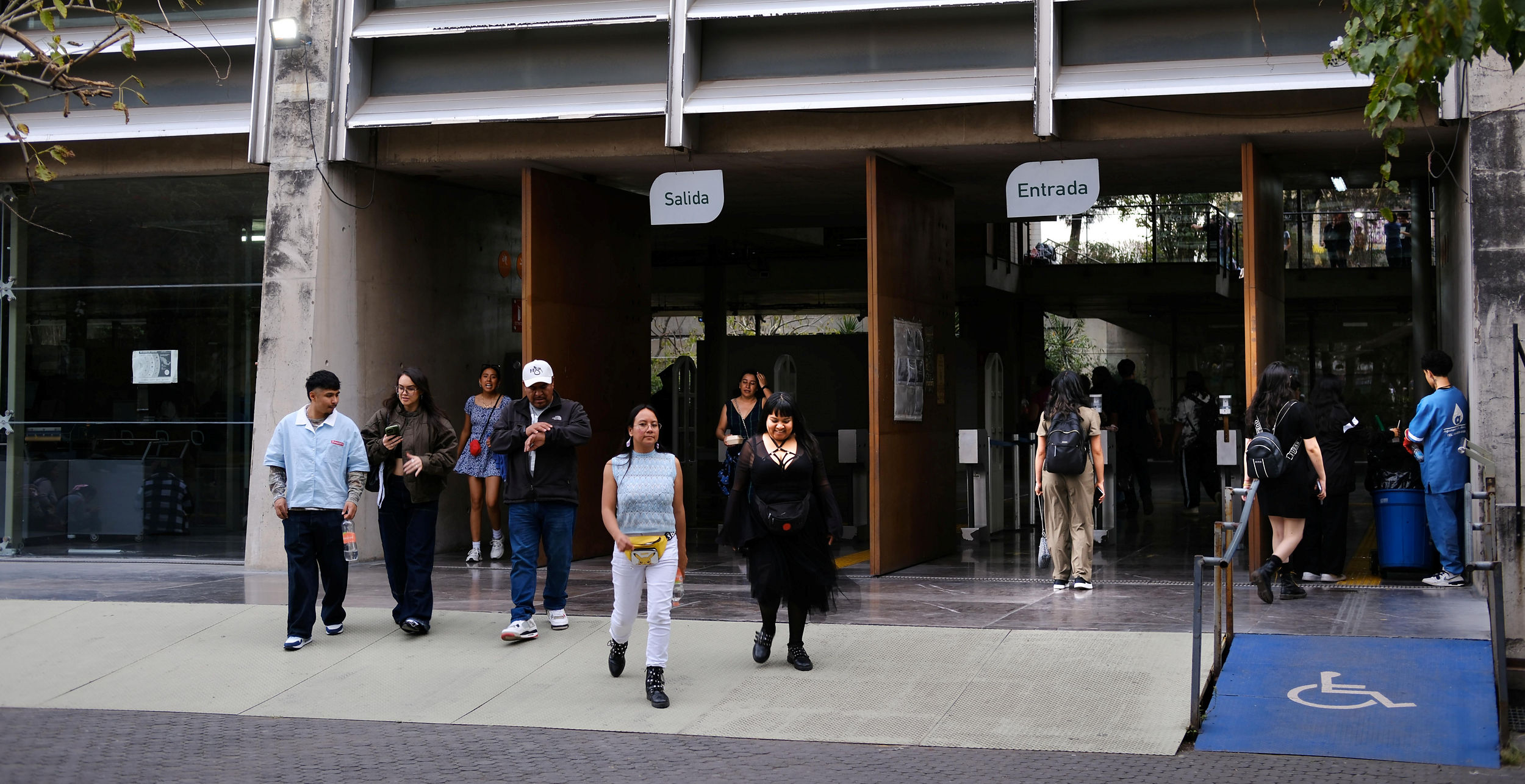
Mexico City’s Biblioteca Vasconcelos is such an unusual space – one can see the surprise and glee on the faces of people entering for the first time. Any resident can use the library, and many people do. The manner in which the stacks are suspended in mid-air creates a faceted and irregular space, playing with light and transparency. It’s a brilliantly imaginative way to design a library, and brave too in a city prone to powerful earthquakes. The library not only serves its primary purpose but also acts as a community gathering space, hosting events, workshops, and exhibitions that engage the public and foster a love for reading and learning. I don’t know if perhaps a part of what I was sensing was the public pride in the hard-fought win to break away from the book-banning controls of the Catholic Church – but it seems possible that this space embodies some of that pride too.

The library opened in May of 2006, designed by the architect Alberto Kalach and built next to the old Buenavista railway station, north of the city center. Housing a collection of 600,000 books (using the Dewey Decimal System!), it also features the hanging skeleton of a large gray whale decorated by the artist Gabriel Orozco called “Matrix Móvil”. I saw a retrospective of Orozco’s work in the Museo Jumex (March, 2025) which I’ll describe in a later post. The whale creation is well traveled, having been shown at the Museum of Modern Art in New York in 2009.

Biblioteca Vasconcelos stands as a beacon of modern architecture and culture in Mexico City. Its unique design honors the communities, reading public, artists, and scholars that use it. The library exemplifies how architecture can inspire a love for literature and create a sense of belonging among its visitors. Whether you are an avid reader, a photography enthusiast, or simply curious about innovative design, a visit to Biblioteca Vasconcelos is sure to leave a lasting impression. If you are in Mexico City it’s a must. It’s a short Metrobus ride north of the city center, and there’s a metro stop (Buenavista) nearby. The combination of literature, art, and innovative design makes Biblioteca Vasconcelos an essential stop for anyone visiting the city.
Posted in Mexico, Architecture, Travel
Tags: , ,

All roads? Perhaps not …

I’ve never been totally comfortable with Rome. To be honest, I’ve always had problems with authority and authority figures, and there’s no city more populated with both than the old Roman capital. And that’s not even saying anything about the Vatican. I can be relatively sure that my ancestors paid a price to the Romans, and it makes the hair on the back of my neck stand on end when I walk down the present-day beautiful and elegantly-appointed streets and see the wealth and power that’s the product of that price.

On the other hand, the world has moved on, and I have too. I’ve always been attracted to temperate zone cultures, and Italy is no exception. But all my previous experiences were in the northern tier of the country, especially in the Veneto (Padua, Vicenza, Venice).

So Rome was a new experience for me. I’ve posted a ⊕portfolio of photographs of the city. The old part of Rome is really set up to be a tourist magnet. As such, it certainly doesn’t let one down. There is a casual, un-curated feeling that makes being there a pleasure. Overlaying the old is the modern jumble of chaos that passes for Italy, complete with savory and unsavory overtones. I am always trying to scratch under the surface and see what I find, and I found a lot.  I have no blood history with Italy but it’s easy to see the racism, the governmental chaos, and excesses along with the society’s appreciation for living life and the long and real investments in art and culture. In short, it’s a fun place to be as a person and a photographer who doesn’t have to live there, and has the privilege of being able to dip in and out.


Posted in Europe, Photography, Travel


In search of Auxilio Lacouture

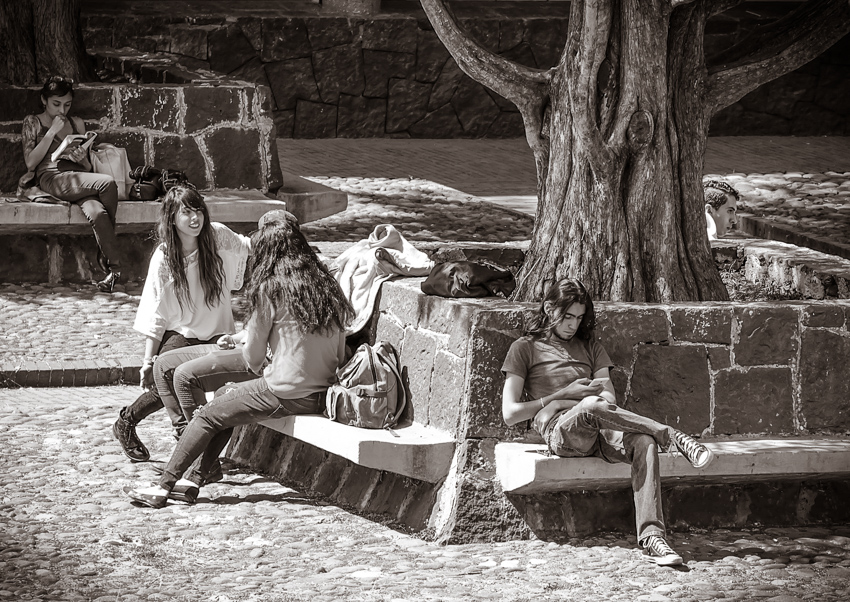
Students reading and talking  In the southern part of Mexico City, the Universidad Nacional Autónoma de México (UNAM) is a 425,000 student campus with many departments. Its graduates form a backbone of recent Mexican history. The current campus replaced a metropolitan location in the 1950s, but the school traces its lineage back to 1551.

I’m not as big a recreational reader as I’d like to be. I’m not that fast a reader and I feel like after I’ve waded through all the web and print articles and news reports I’m interested in there isn’t a lot of extra time left over. But before going to Mexico City I set a goal of reading several books about the city and Mexico, and one of them was Savage Detectives by Roberto Bolaño. I have a hard time understanding why this book isn’t generally known and acknowledged to be one of the great novels of the 20th century. Bolaño, a Chilean who lived mostly in Mexico City and Barcelona, was an enfant terrible of the literary world and a complicated, evocative writer. I haven’t read his masterpiece 2666 yet, but I’m looking forward to it.

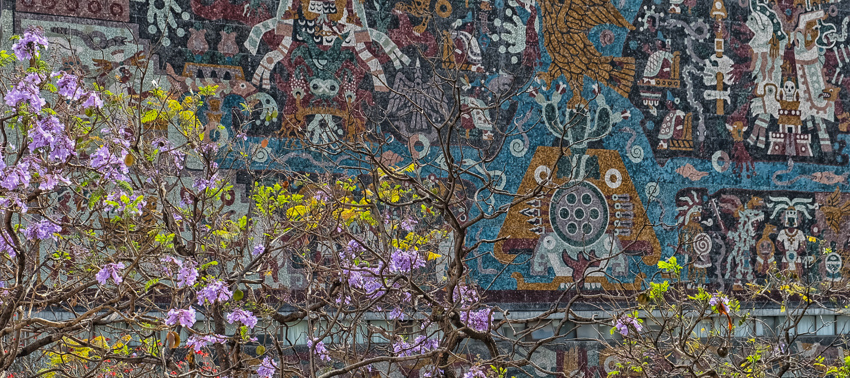
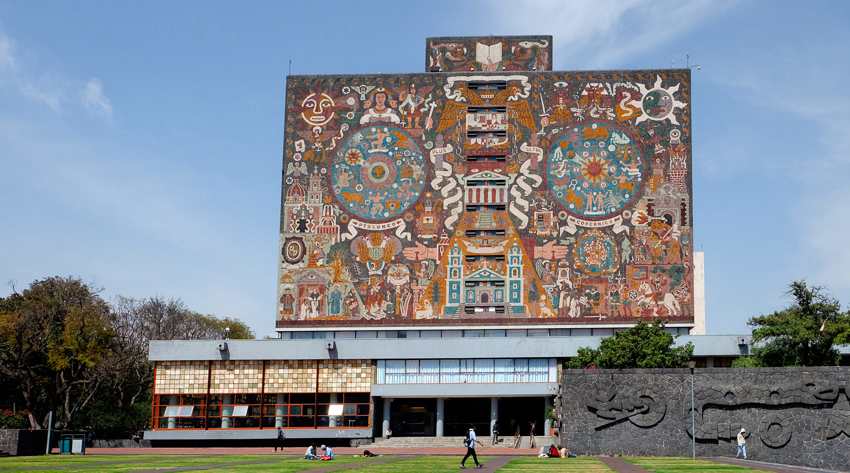
The outside surfaces of the university library are covered with a wrap-around mural by Juan O’Gorman depicting different periods of Mexican history. The generally huge scale of the campus is home to other building-sized murals.

Savage Detectives is mostly set in Mexico City and strings together a story of a group of young scruffy Mexican poets searching for a woman (Cesárea Tinajero) who had disappeared from the city several decades before. They considered her to be the mother of Visceral Realism, their faction of the Mexican poetry world. In a complex weave the story line touches many subplots, and one of them involves a character who is a Uruguayan female poet and teacher named Auxilio Lacouture.

Auxilio Lacouture taught at the Universidad Nacional Autónoma de México (UNAM) for several years. According to her own narrative, she was not quite sure what those years were, but one event fixes her as being there in 1968. That event was the Mexican army and riot police killing an unknown number of students in Tlatelolco, a section of Mexico City. A sadly familiar story having a contemporary ring.

UNAM students on lunch break.

Subsequently, the Army occupied UNAM.

Auxilio Lacouture had the distinction of spending thirteen days in September of 1968 shut up in the women’s bathroom on the fourth floor of the Faculty of Philosophy and Literature as a protest against the Army’s occupation of the campus. She had been reading a book of poetry of Pedro Garfías in a toilet stall and simply stayed there undiscovered – alone and stubborn – standing up (or sitting down!) against tanks and militarism until they left thirteen days later.

I thought it would be interesting to go to UNAM and see if I could find the her fourth floor perch. I was also interested because our friend, Magda, had gone to Medical School there and I wanted to see where she had spent that time.

A more conventional look at the unconventional exterior of the central university library. The mural wraps around all four sides.

UNAM is a huge campus – there are almost 400,000 students. To be a student there involves a lot of competition and carries prestige. UNAM reflects both a tradition of academic freedom and social activism that seems part of Mexico.

The feeling on campus was not especially comfortable for me. It was obvious that I was an outsider, as well as being several decades older than almost everyone we saw.

We tracked down the building and floor that Auxilio had been in. A narrow staircase led to the fourth floor. A small – almost claustrophobic – hallway formed a central corridor with many closed wooden doors. The interesting fact was that no one save one student had heard of Roberto Bolaño, and on the subject of Auxilio Lacouture – a complete blank. We found a locked women’s bathroom, but the closest we got to Auxilio’s memory were raised eyebrows as an adult staff member and secretary Googled her. A picture of me outside the bathroom was on the phone stolen later in the day on the Metrobus. It really doesn’t matter to me that Auxilio Lacouture never actually existed. She was fashioned after a real person who was at UNAM (Alcira Soust Scaffo), herself a Uruguayan poet. Considering the position of both Bolaño as a writer and Savages as a book, there should have been no hesitation recognizing him as a writer and Lacouture as a character …

I’m not sure what all of this says. A friend in Montreal who is from South America said it’s typical in Columbia, where she grew up, for the government to eradicate memory. This may be an example of that same phenomena in Mexico.

Sometimes, I have to admit, I feel the same way about the 1960s here.


Posted in Artists, Mexico
Tags: ,

Who said you have to smile for photos?

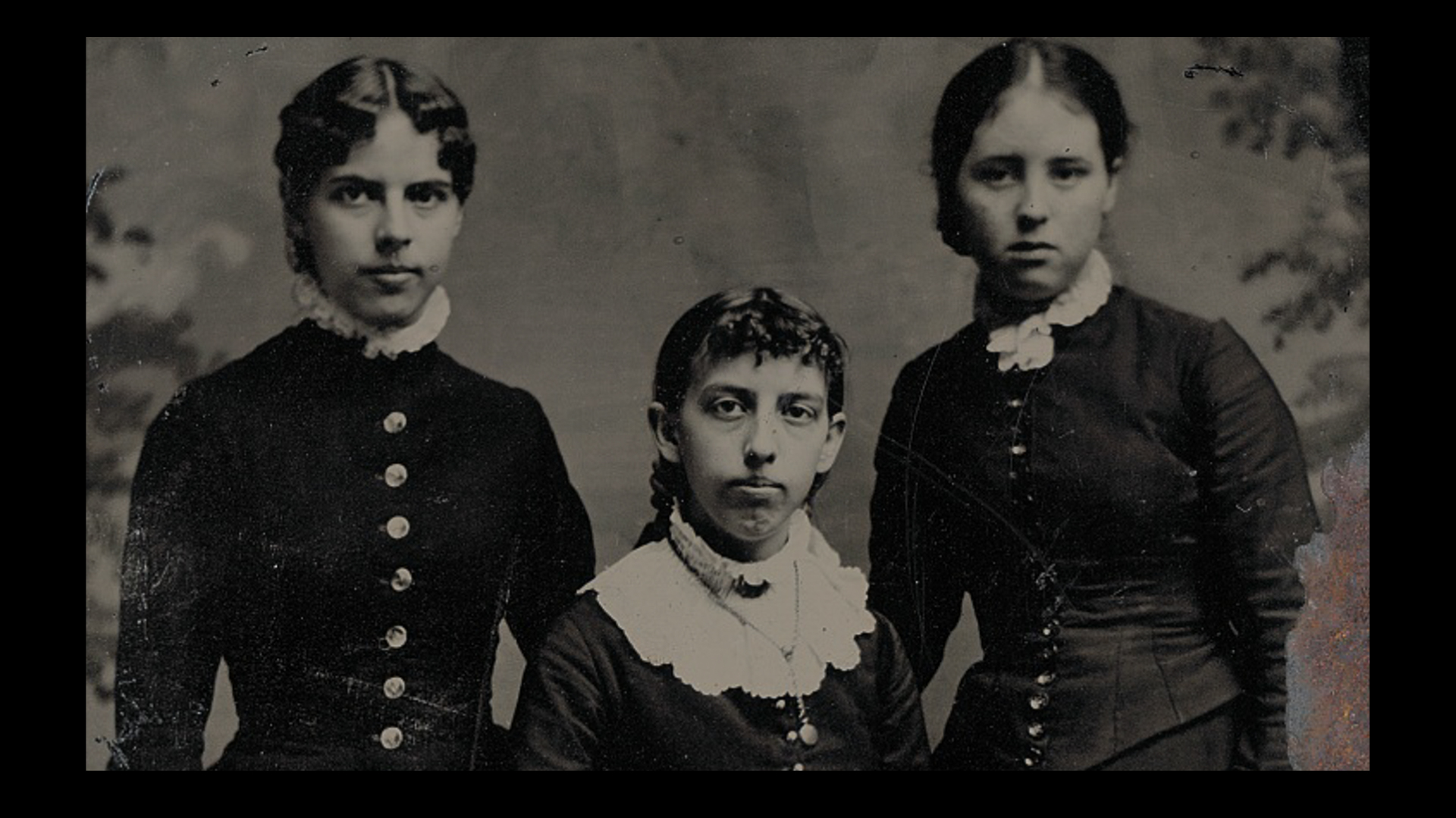
Not a smile to be seen anywhere  Three sisters, about 1885. Cropped tintype from US Library of Congress.

Lena Dunham (of the TV show Girls fame) has been having a public spat with a Spanish magazine, accusing the publishers of using Photoshop to improve her thigh. Usually, being “improved” is something people like. Objecting is a twist. Dunham says her problem is the result of a recent change that leaves her against the retouching of photos – even to her benefit. Never one to miss good dialogue, she put it crisply: “I want to be able to pick my own thigh out of a lineup.”

From a personal point of view, I smell a publicity stunt – she’s a master of that sort of thing. But a large part of me hopes that she’s actually being honest.

I’ve photographed people a lot and I know that everyone has some part of their body that they’d rather be without – or at least not reminded of. For me it’s the back of my head. For others their nose, their chin.

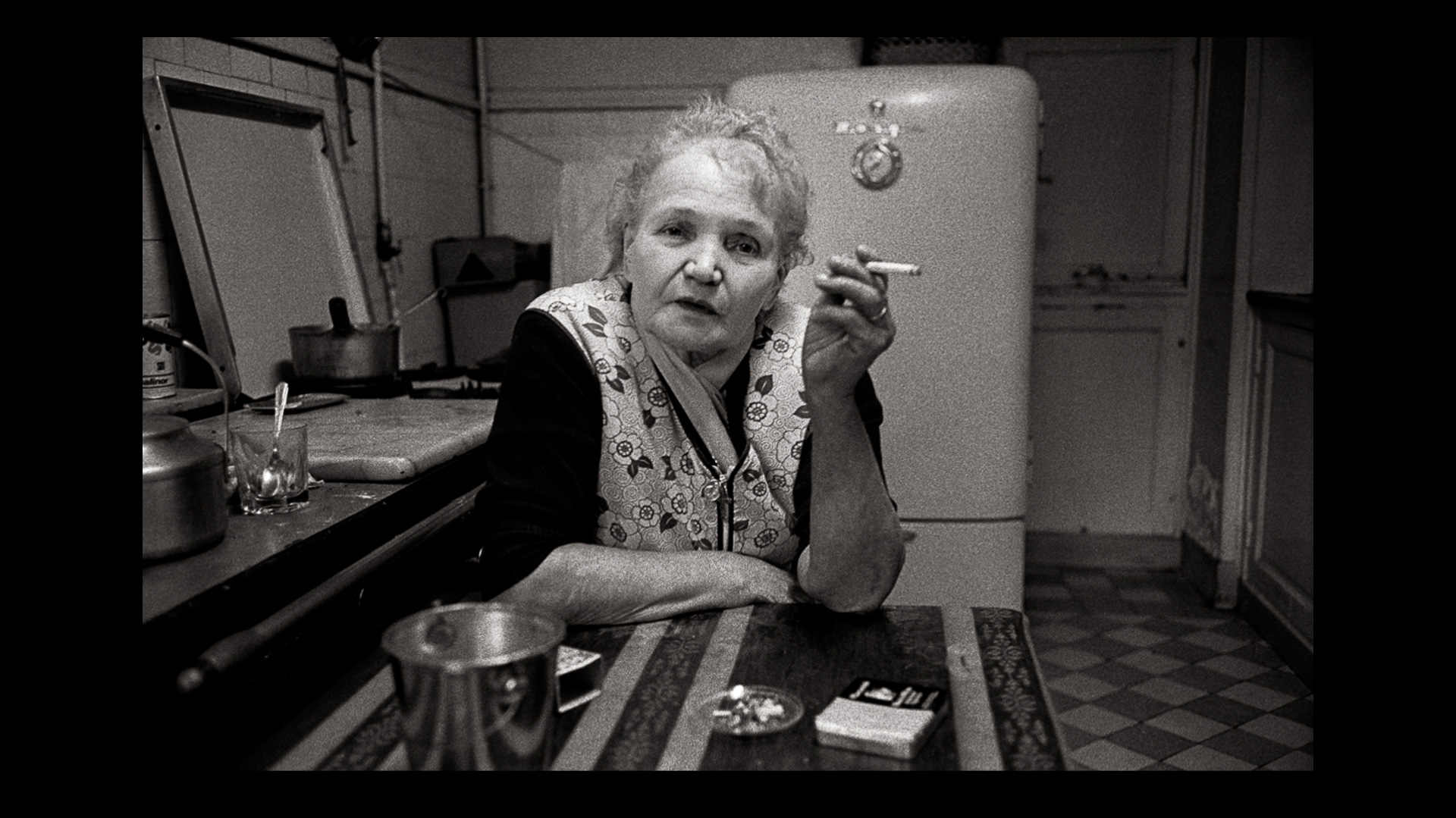
Catherine Natoli, rue Gruze, Paris, 1976.

The way this insecurity often manifests itself is in heavy breathing that ensues after a photo portrait. I’m not surprised about it, it seems normal. The common refrain goes like this: “It isn’t that the photos are bad, I just can’t stand the way my [fill in the blank] looks.”

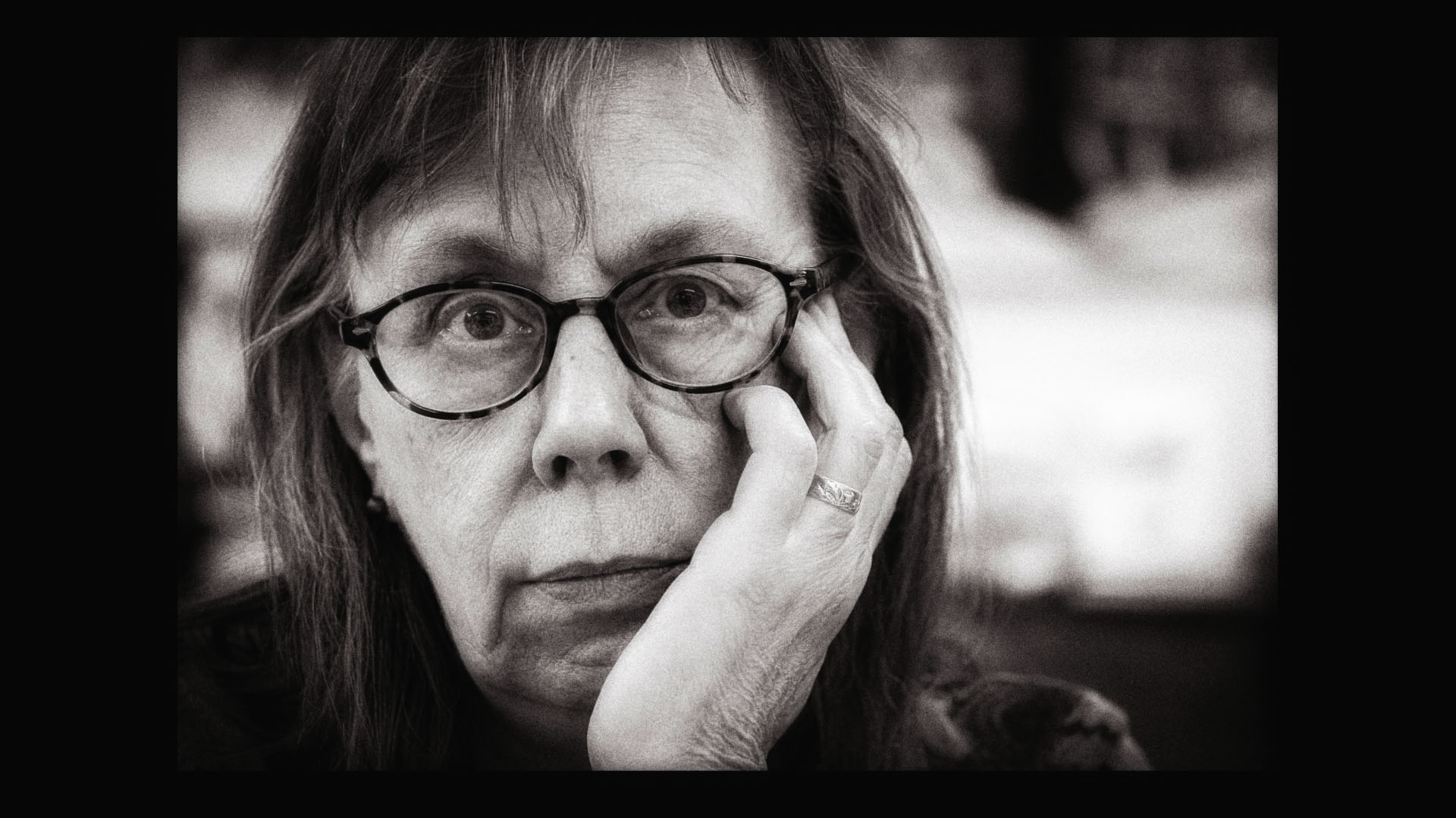
Beth Adams, Montreal, 2016.

This insecurity seems almost an universal attribute, at least in our culture. Probably, as a photographer, the kindest approach would be to sit down and interview each person about to be photographed. Usually there’s an unstated tension around portraiture, and it would be easier (and kinder) to have it out in the open. But it’s not like I haven’t experimented. I have one close friend who’s always complained about the way she looked in my photos. Finally, out of some frustration, I let her determine all the variables. What she wanted was a Vogue-style experience, complete with fancy makeup and hair, rim lighting, and styled clothes. I did it. She liked it – I didn’t.

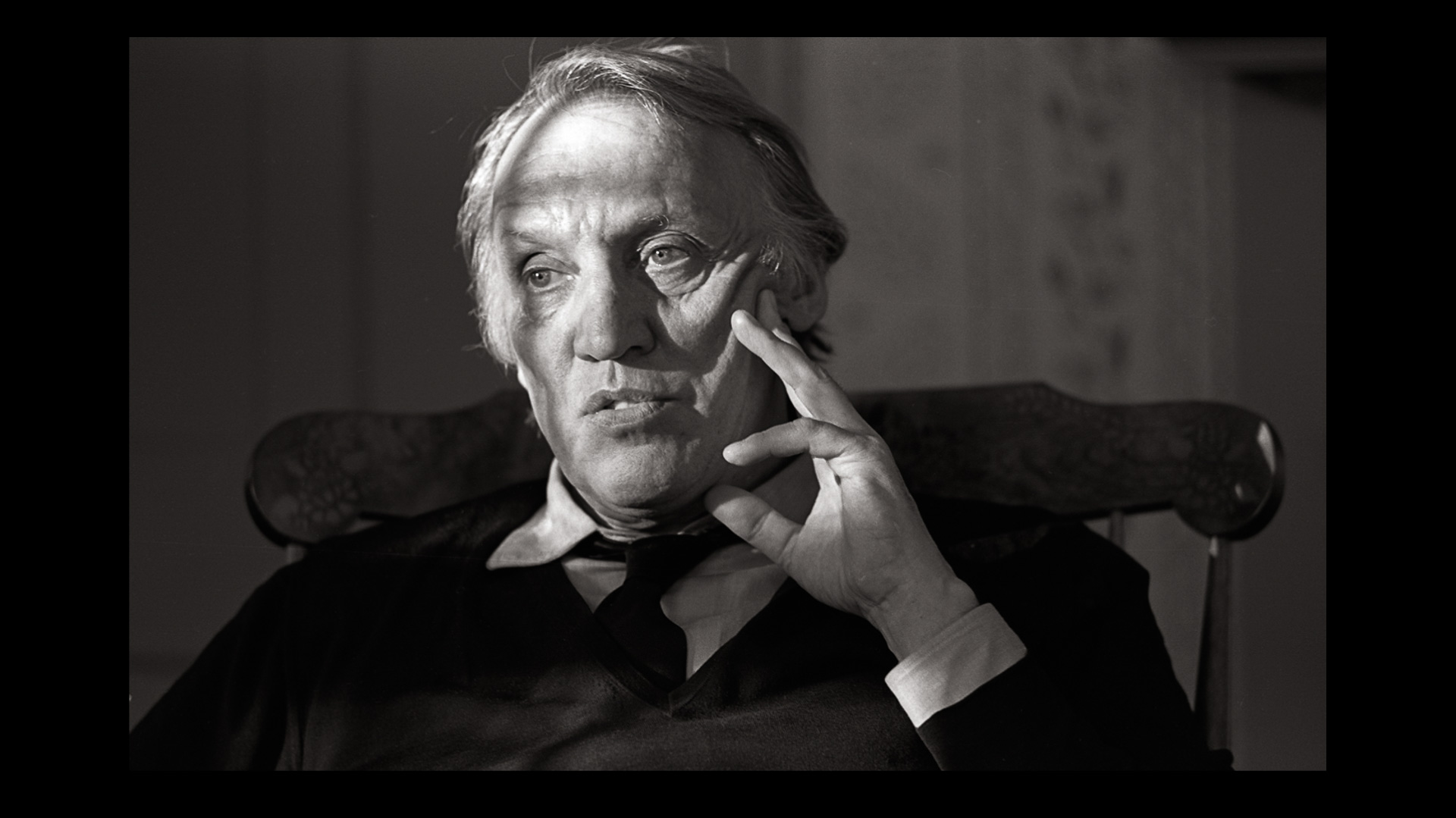
Joseph Losey, Hanover, New Hampshire, 1971.

I’ve always been attracted to portraits that say something about the person. It can be a relatively unadorned physical representation of that person – how they looked in a specific period of time in their lives – or it can dig deeper down. I like both. It’s not that I want to make people look bad, and I hope I don’t do that. That’s not my intention, of course, it’s just that I think being human means a lot besides a smiley face.

So I do want to applaud Lena Dunham. She’s a good enough artist and show-person that I’m sure she’ll be in the public eye for a long time, and it will be interesting to see if she adheres to her current position. But for now, she seems on the right track. I will be following her and hope her new-found conversion will include pictures with more than a pretty smile.

Posted in Portraits


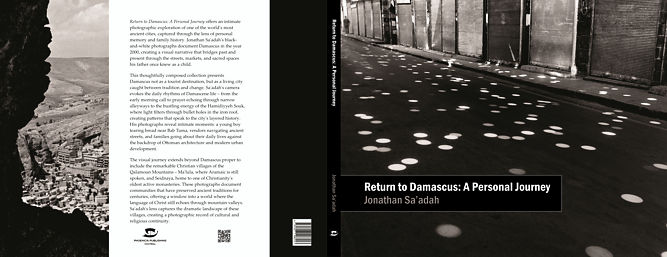
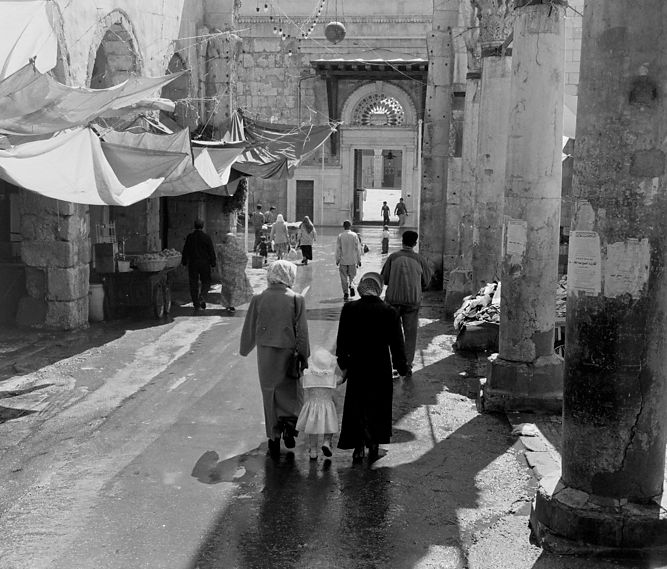
Return to Damascus is my new book of photographs, available for order, that preserves fleeting impressions and the spirit of a place through the lens. Accompanied by brief reflections and memories, the photographs offer a tribute to the place and its people, focusing on enduring character and the subtle interplay of light, architecture, and tradition. Return to Damascus is a quiet celebration of observation and memory, inviting viewers to participate.

Recent Comments

custom styled page
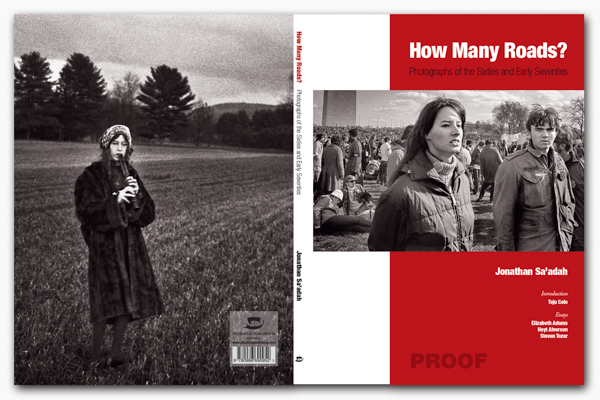
How Many Roads? is a book of photographs by Jonathan Sa'adah, available for order, offering an unglossy but deeply human view of the period from 1968 to 1975 in richly detailed, observant images that have poignant resonance with the present. Ninety-one sepia photographs reproduced with an introduction by Teju Cole, essays by Beth Adams, Hoyt Alverson, and Steven Tozer, and a preface by the photographer.
If you'd like more information, please have a look at this page.
Jonathan's photo blog

Sign up to receive an email
each time I post new content

Please check your email for a confirming link to click on.

No spam! Read my privacy policy for more info.

To see more work
To visit my blog

Contact information

All material © Jonathan Sa'adah no use without written permission