The Iztapalapa Passion Play: Walking Into 200 Years of History

Iztapalapa

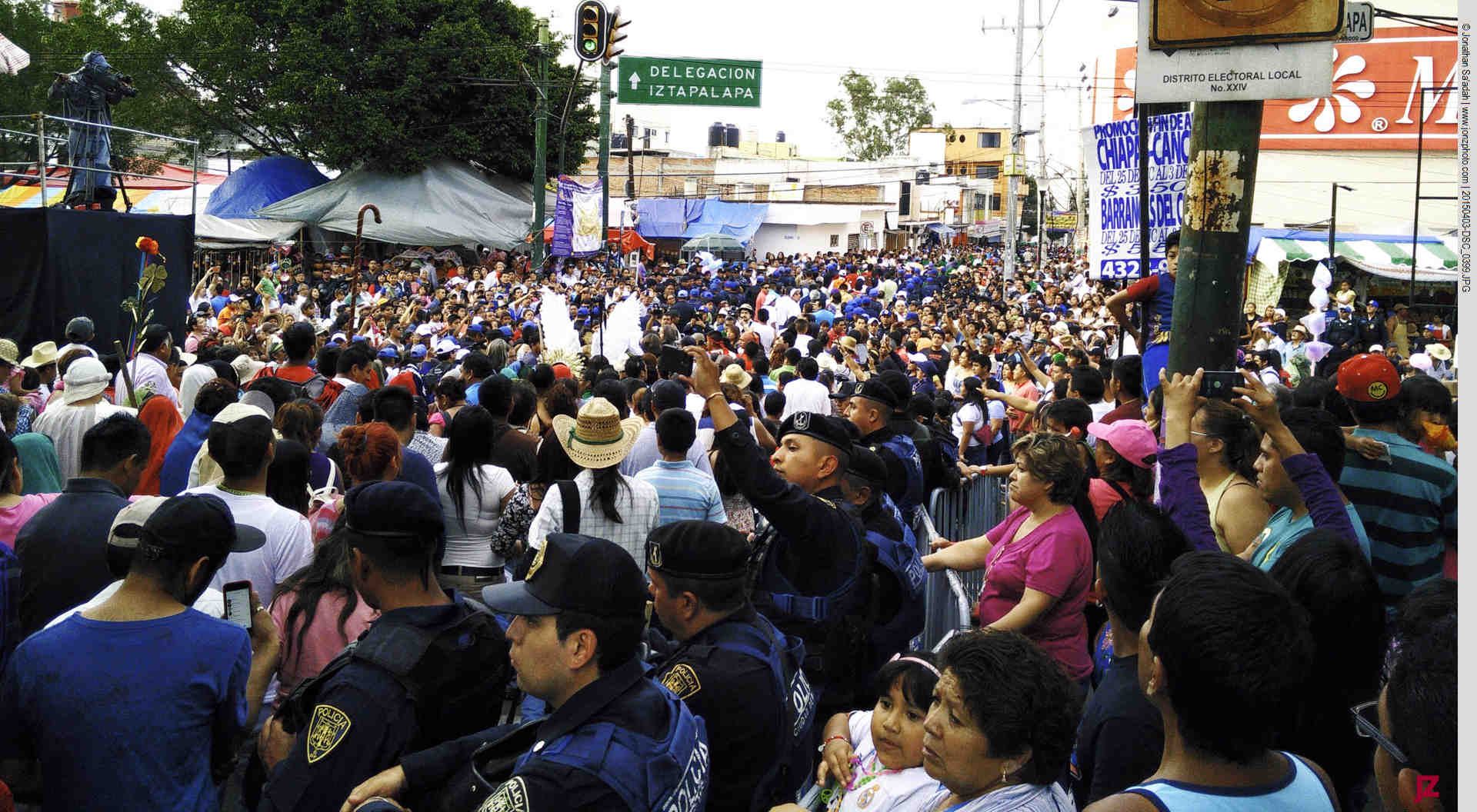
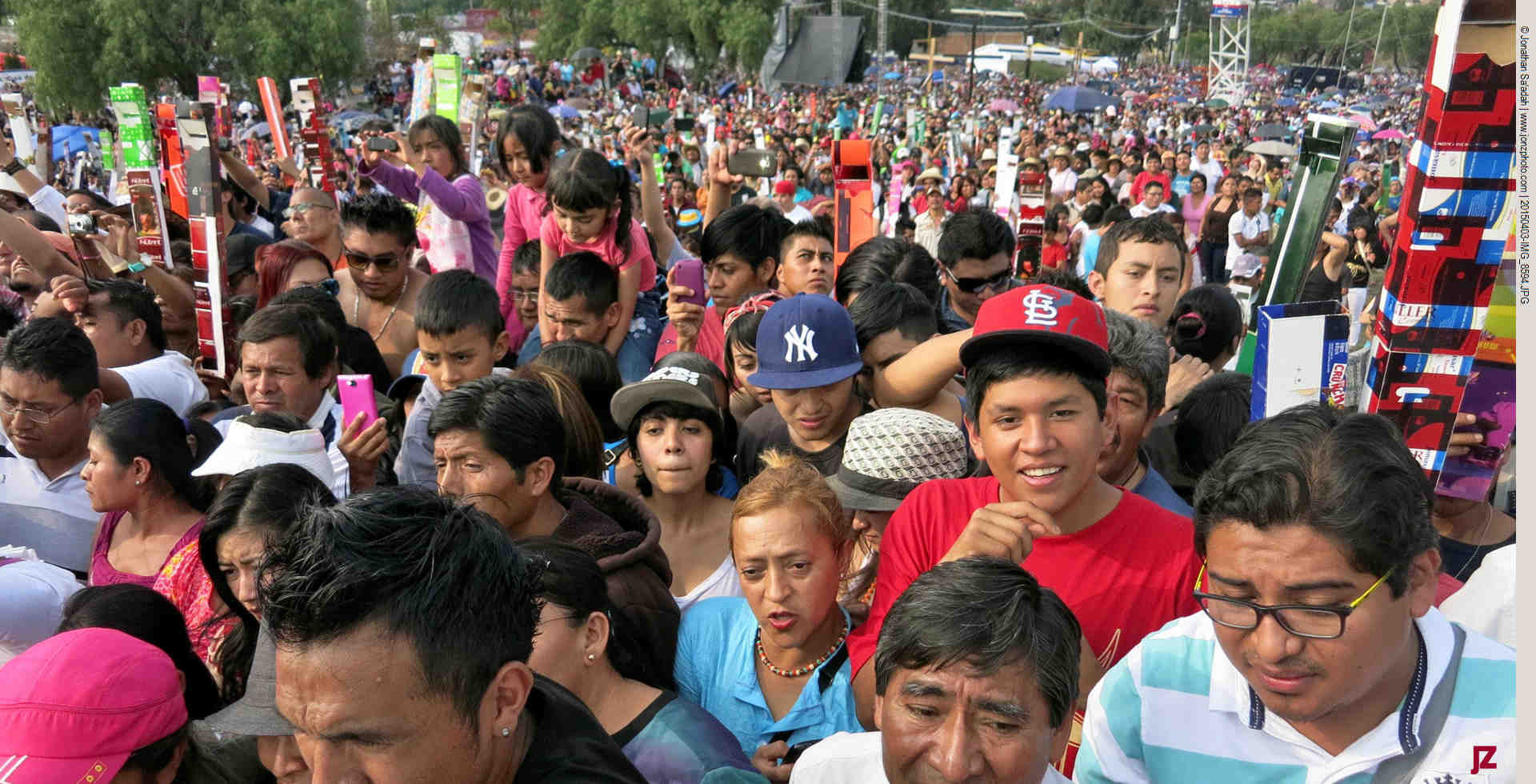
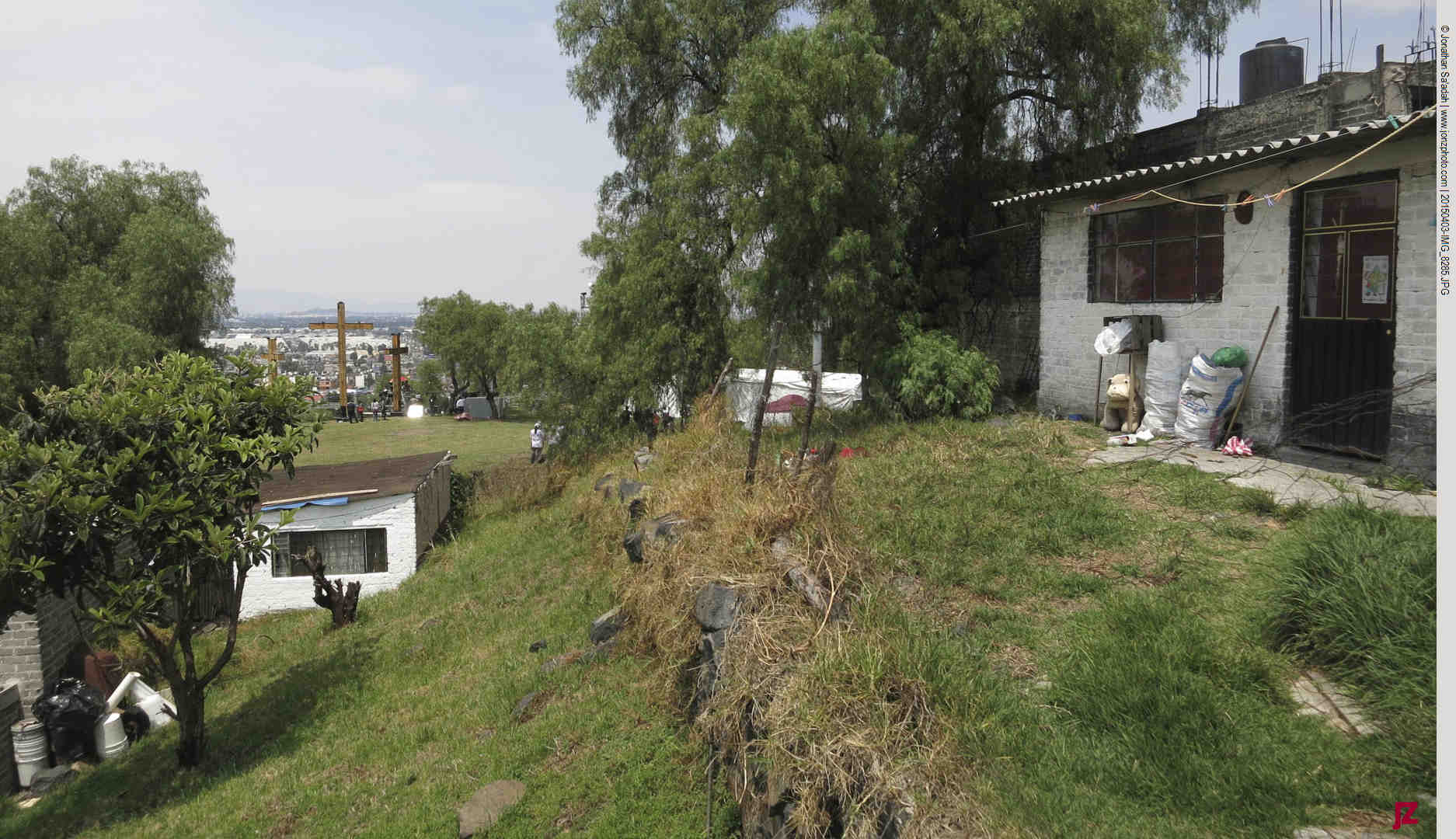
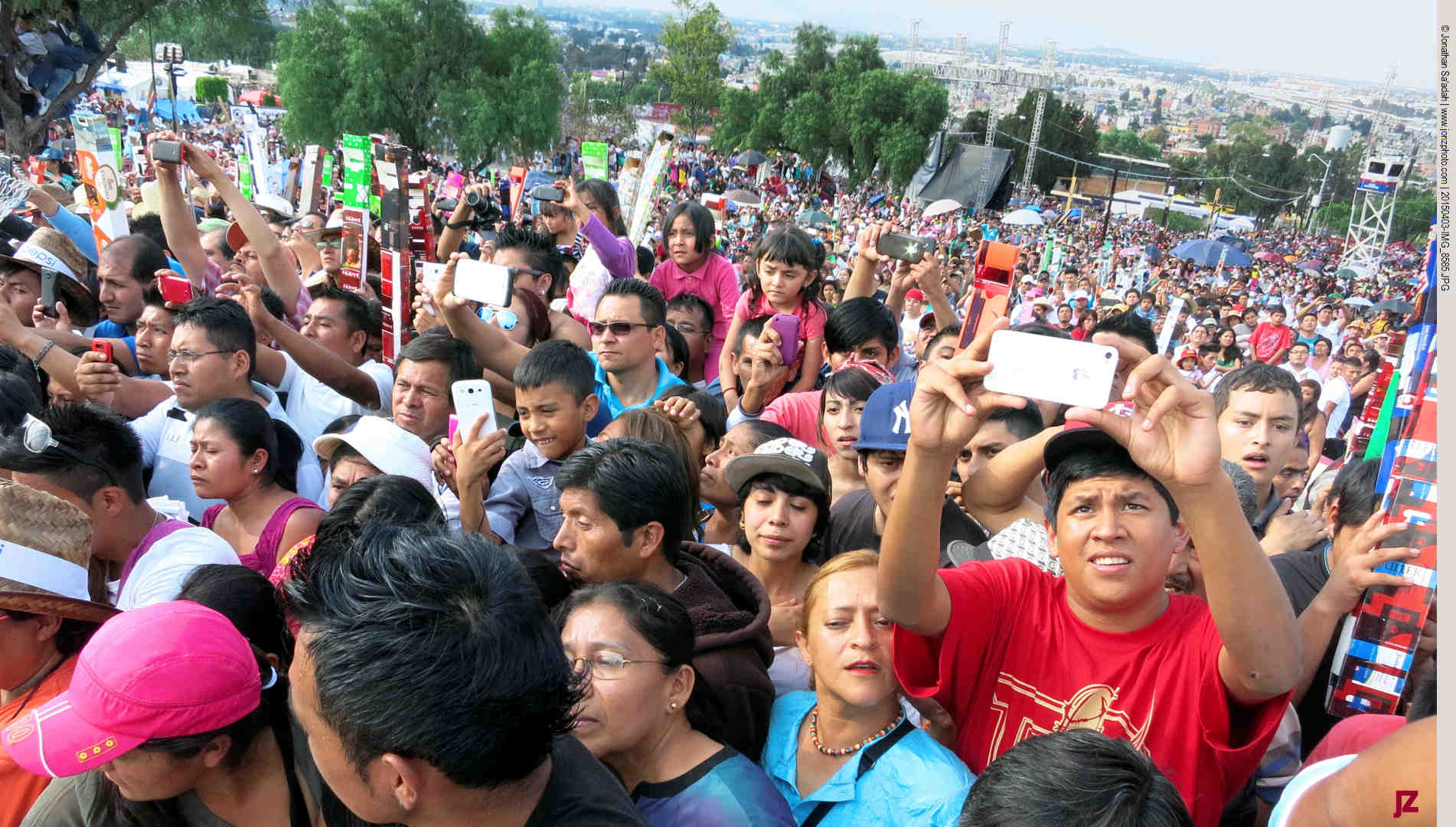
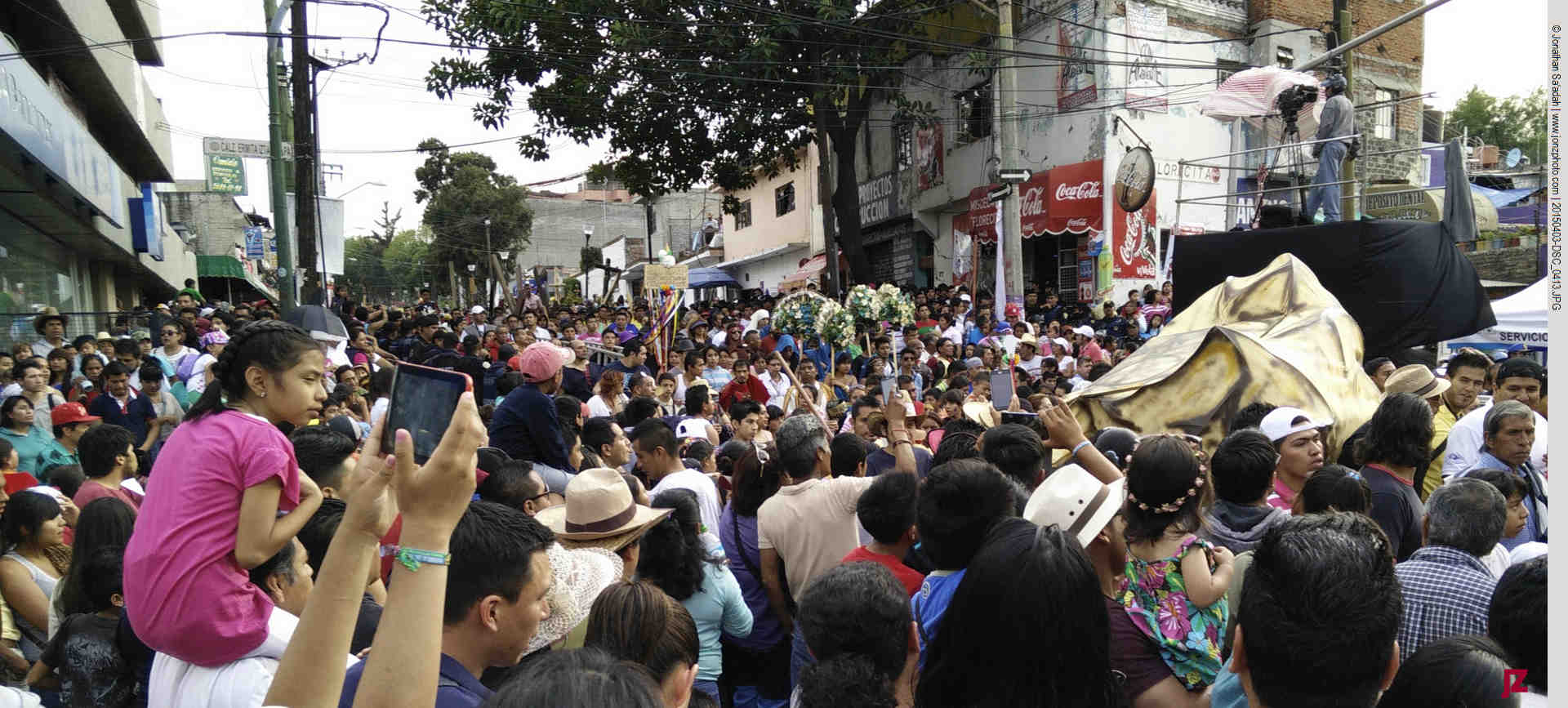
Iztapalapa is one of the poorest and most densely populated areas of the Mexico City, with high levels of marginalization and crime but also intense community organization. I felt that the borough was off limits to me except for one exception: during Holy Week. I guessed that then I would probably be safe visiting because I would be a guest. So I decided to go to the borough on the eastern side of Mexico City for the 2015 Iztapalapa Passion Play. I wanted to see for myself what this part of Mexico City was like. With the Good Friday parade I knew I was stepping into something big, but I didn’t yet grasp how far back the story went. I arrived by metro, carried along by the crowd, as if the entire east side of Mexico City were flowing uphill toward Cerro de la Estrella. I didn’t know it at the time, but somewhere under the loudspeakers, plastic stools, and street food a promise that was made almost two centuries ago was being fulfilled.

Back in 1833, Iztapalapa wasn’t a massive borough of Mexico City, just a town on the edge of the capital facing a terrifying cholera epidemic. People were dying in huge numbers, and children were left without parents. In the middle of that fear, the community turned to a local image of Christ known as the Señor de la Cuevita, kept in a small sanctuary near a cave, and made a vow: if they were spared, they would honor him every year with a special act of devotion. When the epidemic finally subsided, they kept their word. A simple thanksgiving procession took shape, the seed of the Passion Play I walked into many years later.

From Procession to Drama

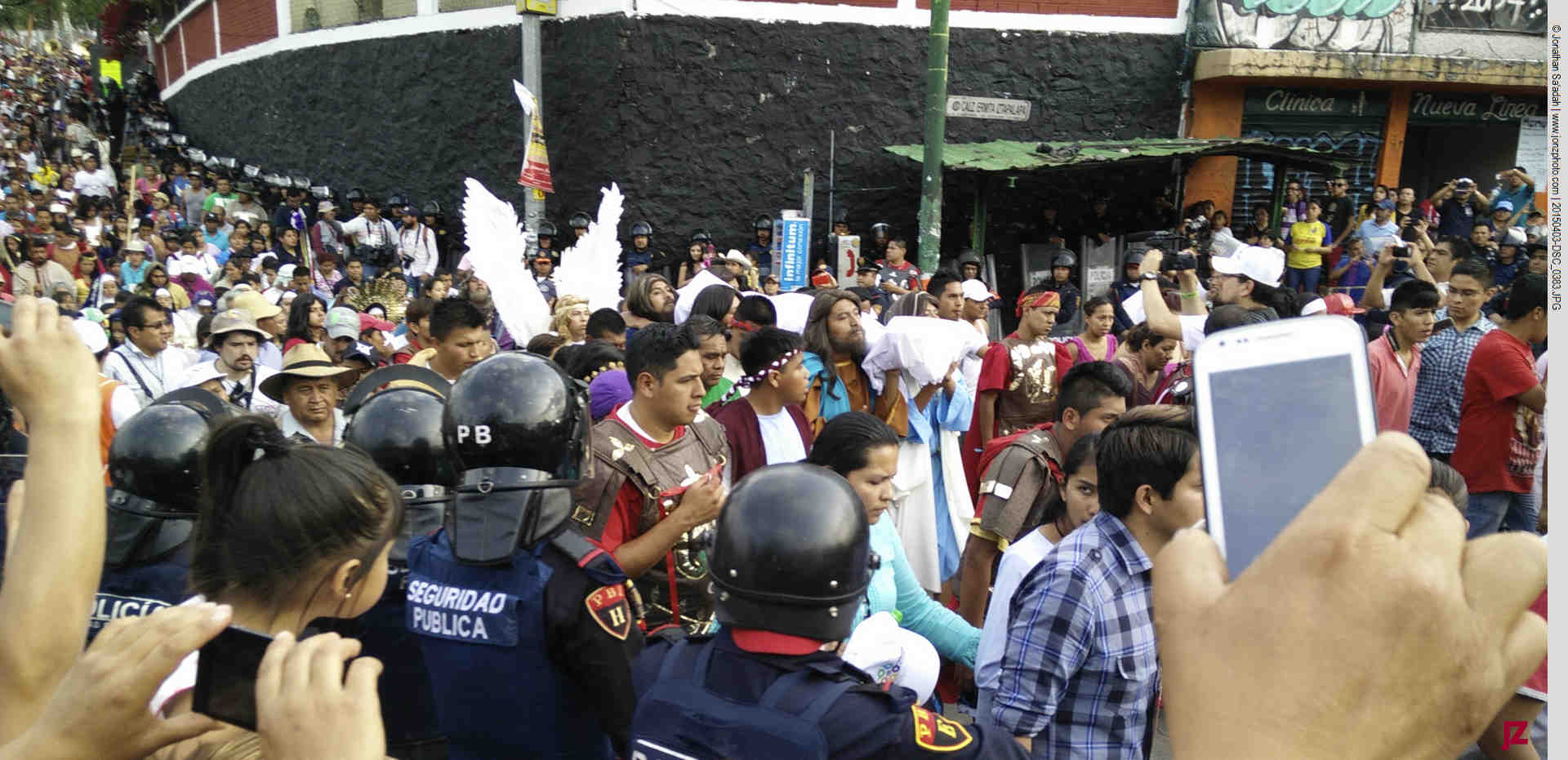
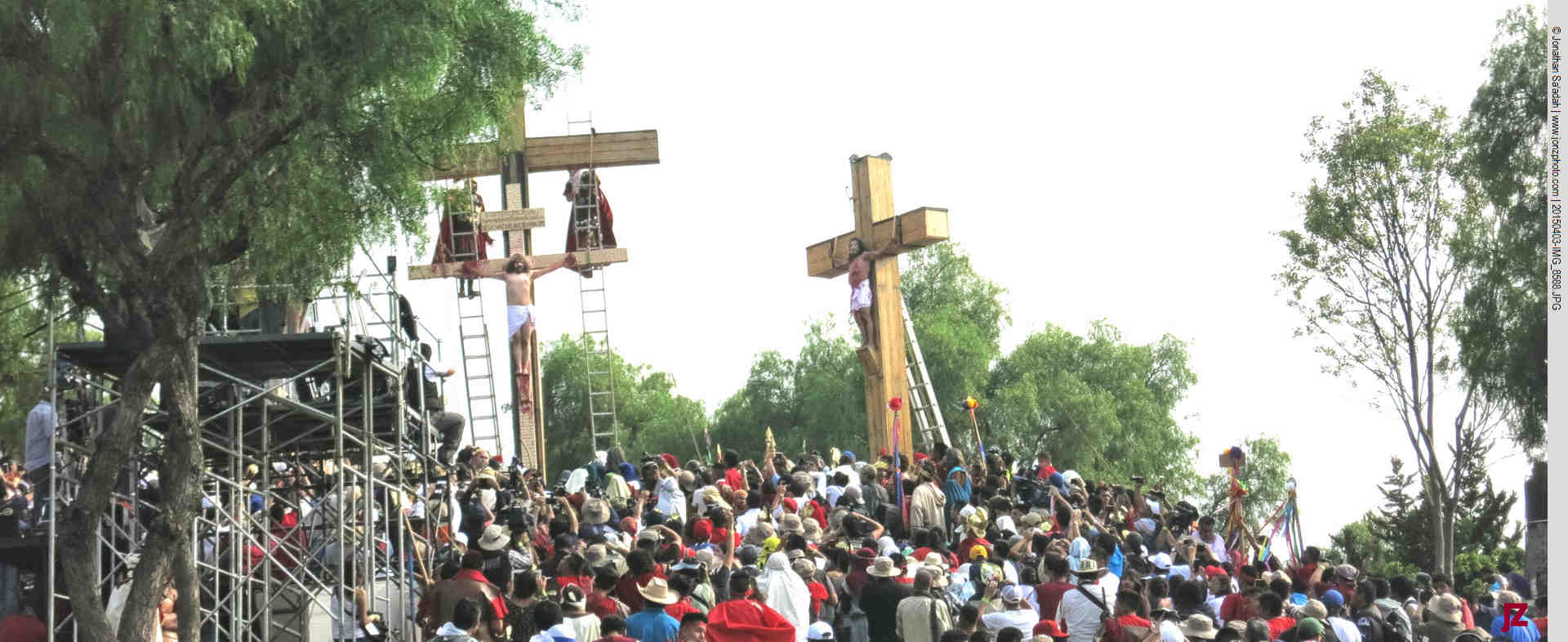
Standing in the crowd in 2015, squeezed between families, food vendors, police lines, and steel fences, I watched the actor playing Jesus ride into “Jerusalem” on a donkey. It was easy to imagine the play had always looked like this. In reality, the enactment has changed a lot, while keeping the borough’s vow to the Señor de la Cuevita.

Early in its history the procession began to absorb scenes from the Gospel story. Mexico already had a long tradition of religious dramas used to teach the faith, and Iztapalapa slowly made that tradition its own. By the mid‑1800s, locals were no longer just walking; they were acting out the Passion. At first the focus was Good Friday and the crucifixion, but the script expanded: Palm Sunday, the Last Supper, the trial, the Via Crucis. By the time I watched the Good Friday climb in 2015, the result was a fully formed Passion narrative spread across days and locations.

The Eight Barrios Behind the Scenes

One of the things that struck me that year was how deeply the local neighborhoods own this tradition. Iztapalapa’s eight original barrios still form the backbone of the organization. Committees choose the actors, coordinate rehearsals, handle logistics, and even resolve disputes. The people on stage are not professionals parachuted in for Holy Week; they’re neighbors, and I could feel it.

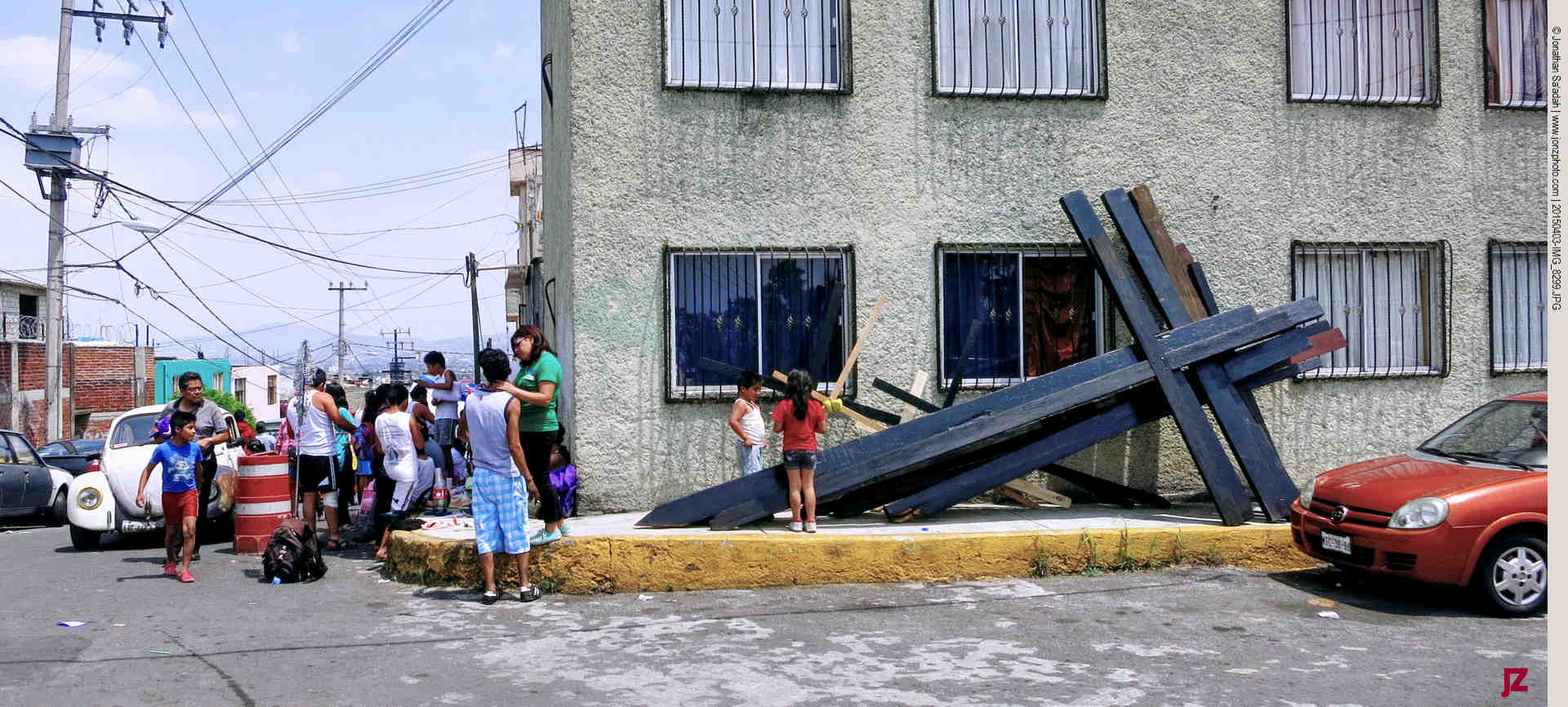
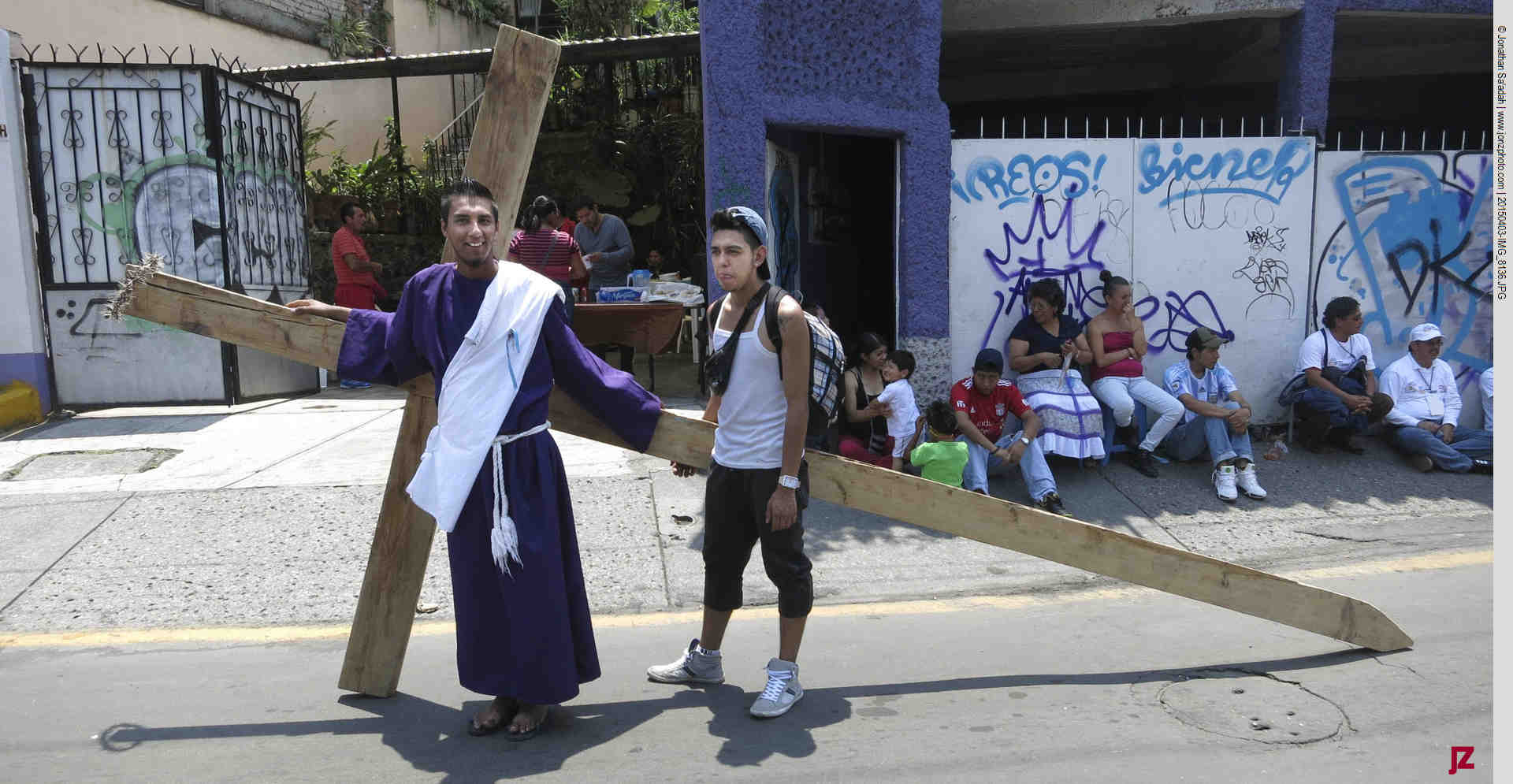
The role of Jesus goes to a young man who meets strict requirements of moral conduct, physical endurance, and community involvement. Months before Holy Week, he and the rest of the cast are already rehearsing in parish courtyards and streets, while families cut fabric and paint props in their homes. By the time the first scenes play out, the borough has effectively turned itself into a giant backstage. Watching in 2015, I realized the real performance wasn’t just on the hill. It was in every alley where someone had spent evenings sewing a tunic or reinforcing a cross.

From Cuevita to Cerro de la Estrella

The geography of the Passion Play has shifted over the years, even as the underlying commitment remains the same. Originally, the focus was the sanctuary of the Señor de la Cuevita and its immediate surroundings. Flooding and difficult conditions eventually pushed organizers to move the climactic scenes to the slopes of nearby Cerro de la Estrella in the early 20th century.

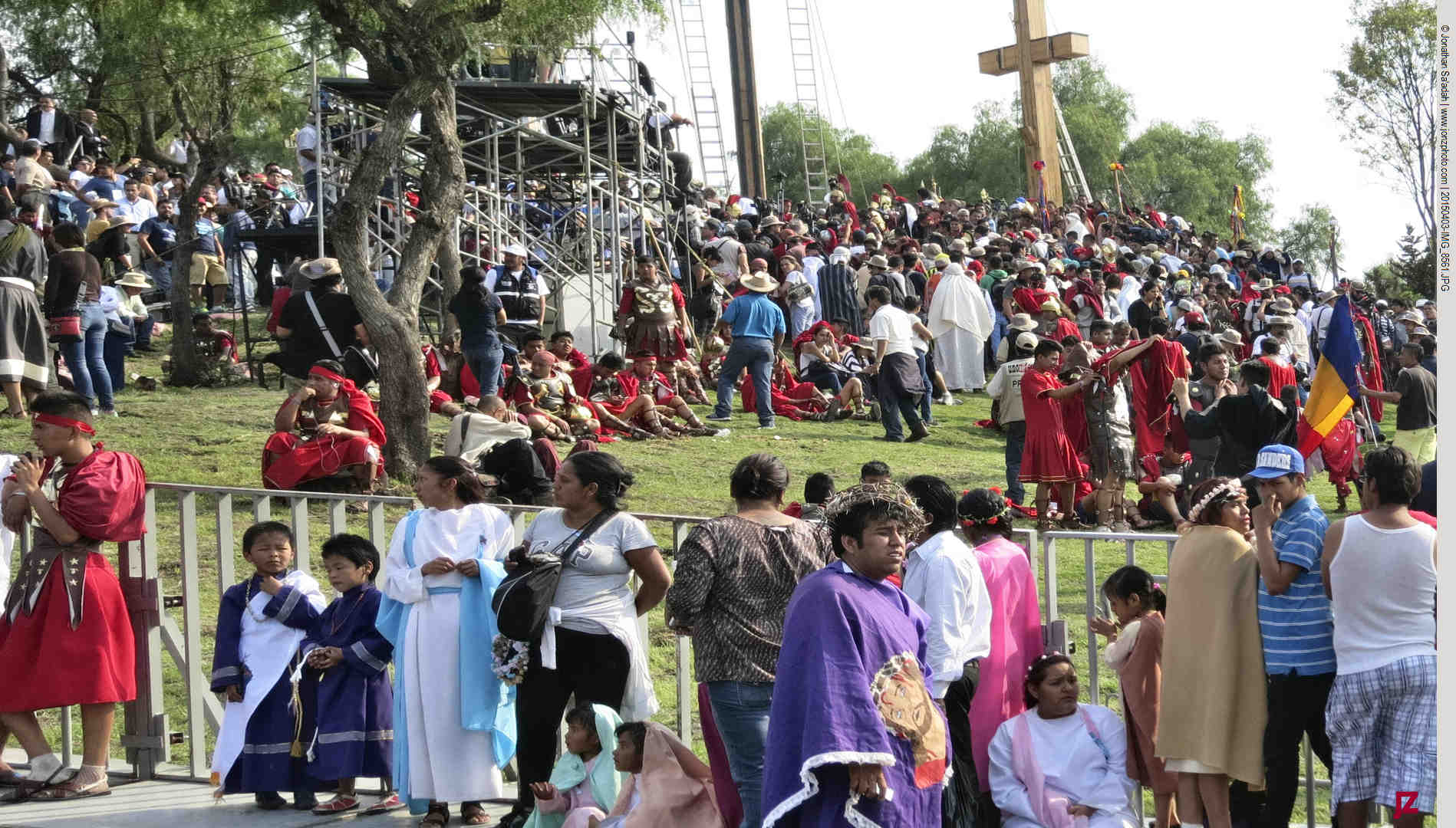
That hill wasn’t chosen at random. Long before Christianity arrived, Cerro de la Estrella was a sacred site, famous as the place where the Aztec New Fire ceremony was held every 52 years. Today’s Passion Play climbs the same hill. As I followed the Via Crucis up the hill in 2015, dusty and sweating alongside thousands of others, I felt those layers under my feet: pre‑Hispanic rites, colonial processions, and nearly two centuries of Passion Plays.

You can hear that layered history in the sounds of the day. Drums, flutes, and other sounds blend indigenous traditions with Catholic imagery. The result isn’t a museum piece; it’s a living example of how older traditions don’t disappear but get woven into newer ones.

A Local Vow on a Global Stage

By the time I showed up with my camera, the Iztapalapa Passion Play was already one of the largest Holy Week events on the planet. Loudspeakers hung from poles. Big screens helped people in distant streets follow the action. Television crews, helicopters, and rudimentary news drones turned the Via Crucis into a national broadcast. What began as a small-town show had grown into a massive urban ritual that could draw millions over Holy Week.

Yet, amid the scale and the cables, some principles have remained non‑negotiable. The cast is still drawn from local residents. The event is coordinated by neighborhood committees, not a commercial production company. The story remains anchored in the same episodes of the Passion that have been staged here for generations. Even as the city and the media landscape changed around it, Iztapalapa held on to the idea that this is a community promise, not a show for hire.

Remembering 2015 With New Eyes

Looking back on my visit now, I see more than the scenes I watched and photographed. I see the shadow of the 1833 epidemic that gave birth to the vow, the gradual evolution from simple procession to full Passion Play, and the eight barrios that have carried the story forward. I see Cerro de la Estrella both as a pre‑Hispanic altar and a modern stage, and every cross carried up its slopes as part of an unbroken chain.

The Iztapalapa Passion Play reenacts the last days of Christ, but it also reenacts Iztapalapa’s own history: its fears, its faith, and its determination to keep a promise made in the face of death. Every Holy Week I think of being there and of the people renewing their vow. Would I go back? I’m not sure, but probably not. I felt too much like a privileged gringo with a camera, even though my intentions were benign. But what I remember besides the spectacle are the small acts of kindness: the family that shared their umbrella with me in the scalding sun, and the man who gave me a bottle of water. On a person-to-person level, people were friendly. It was more me, and how I felt. I felt out of place even though I was correct that I had protection as a guest. It just didn’t feel right, but still I did it.

Posted in Mexico
Tags:

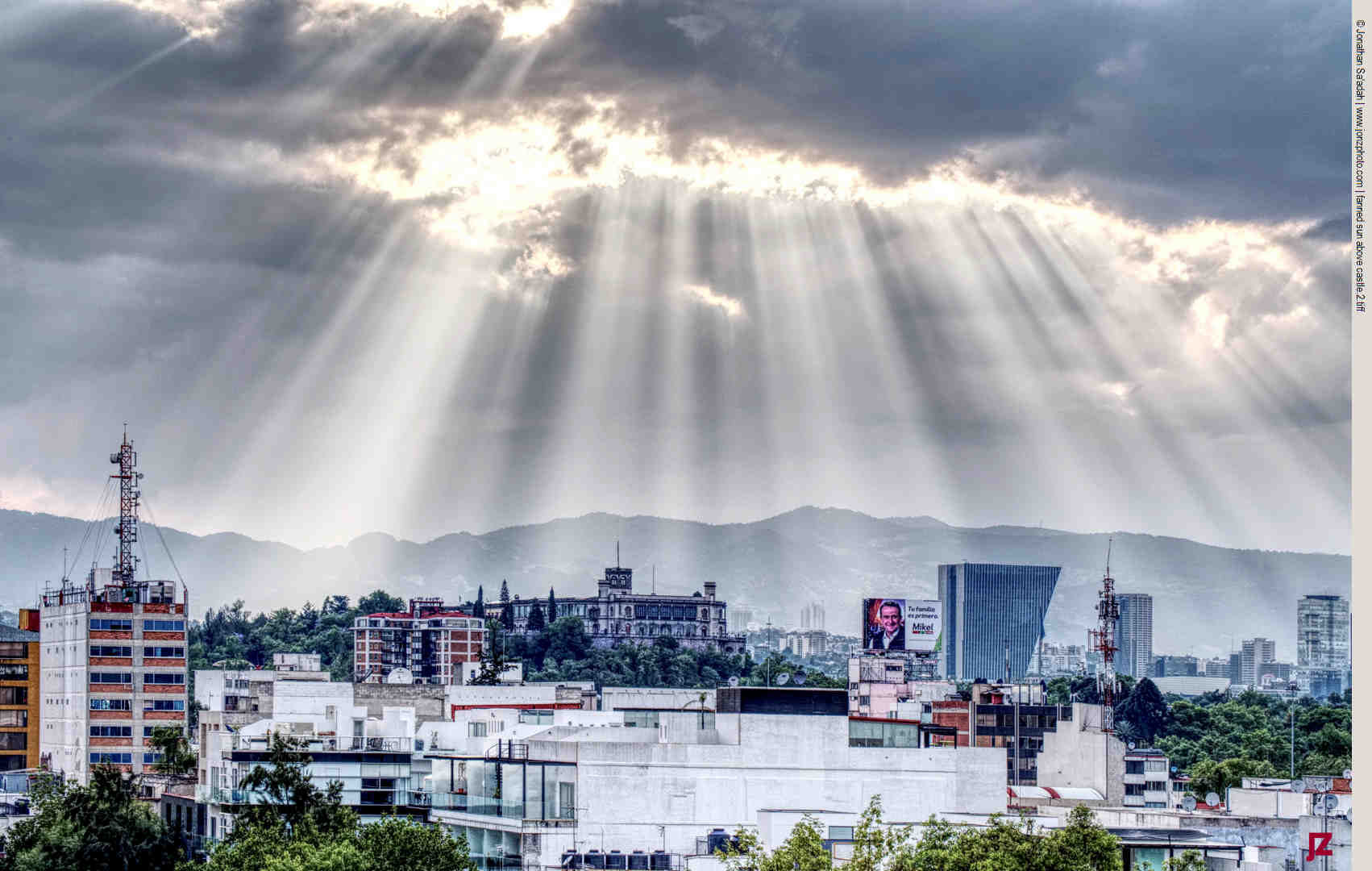
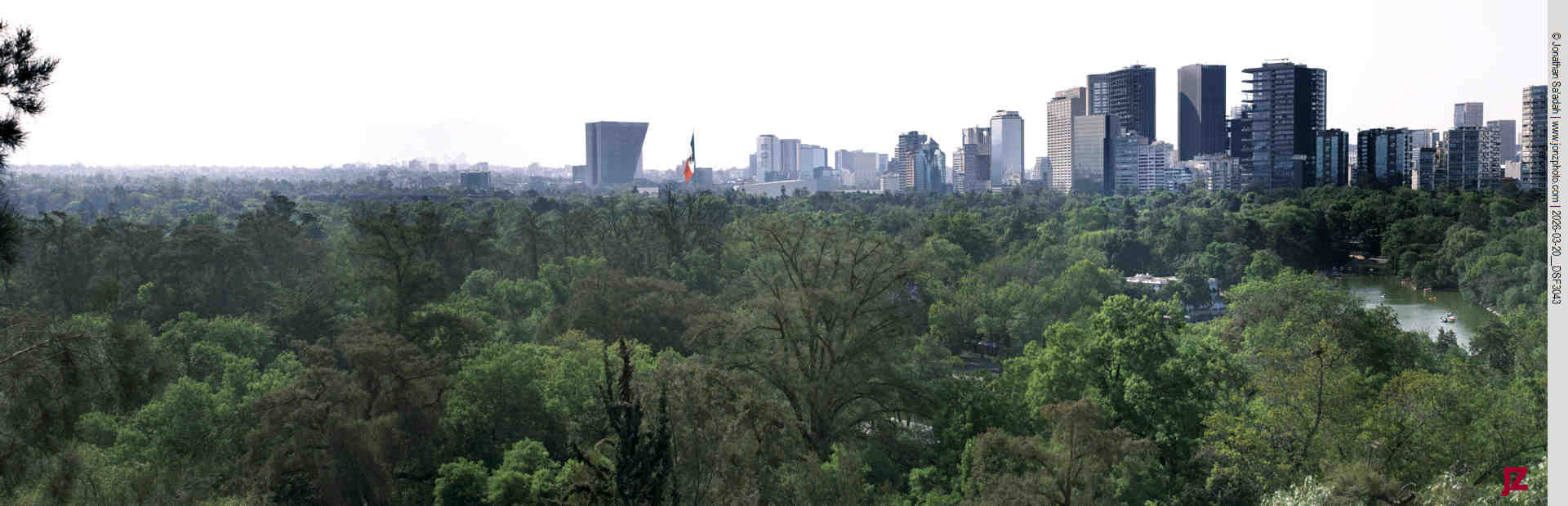
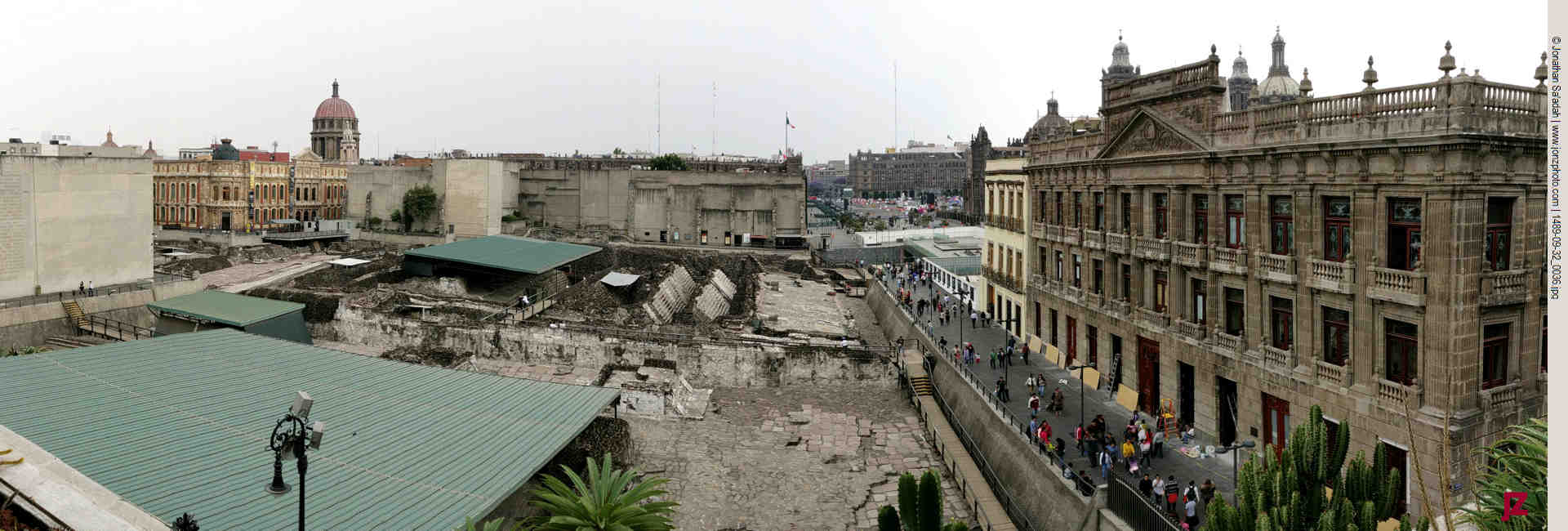
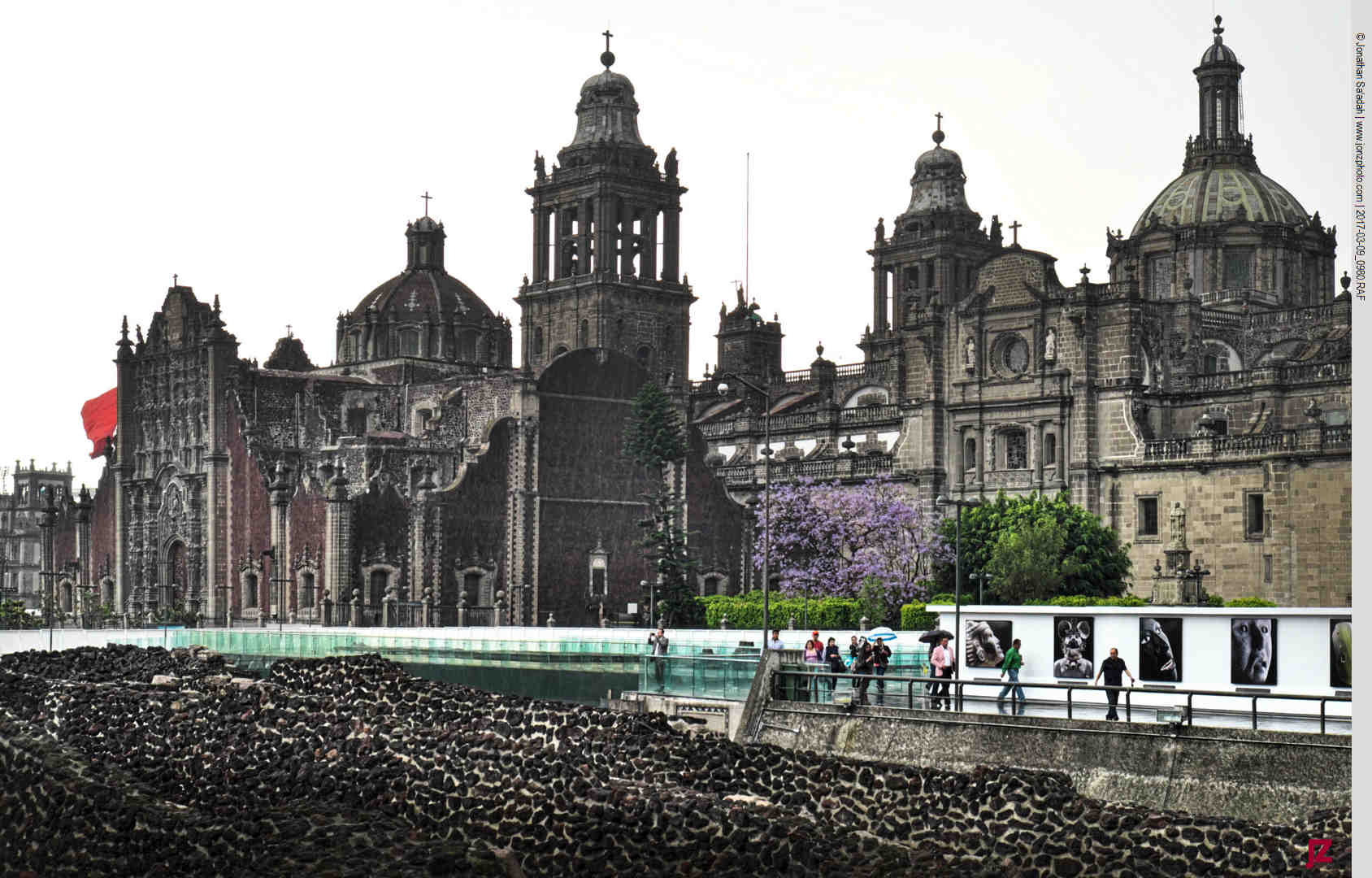
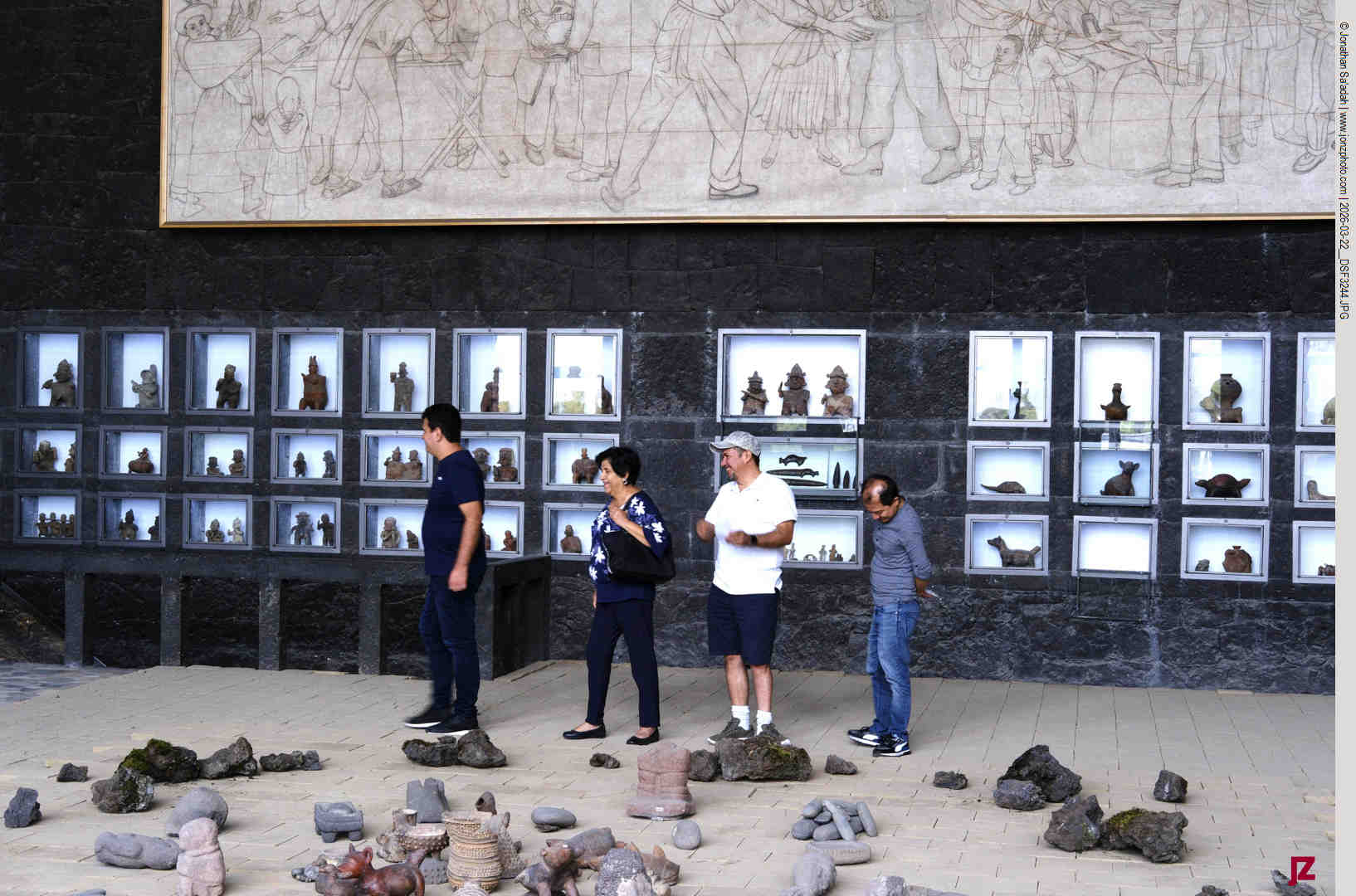
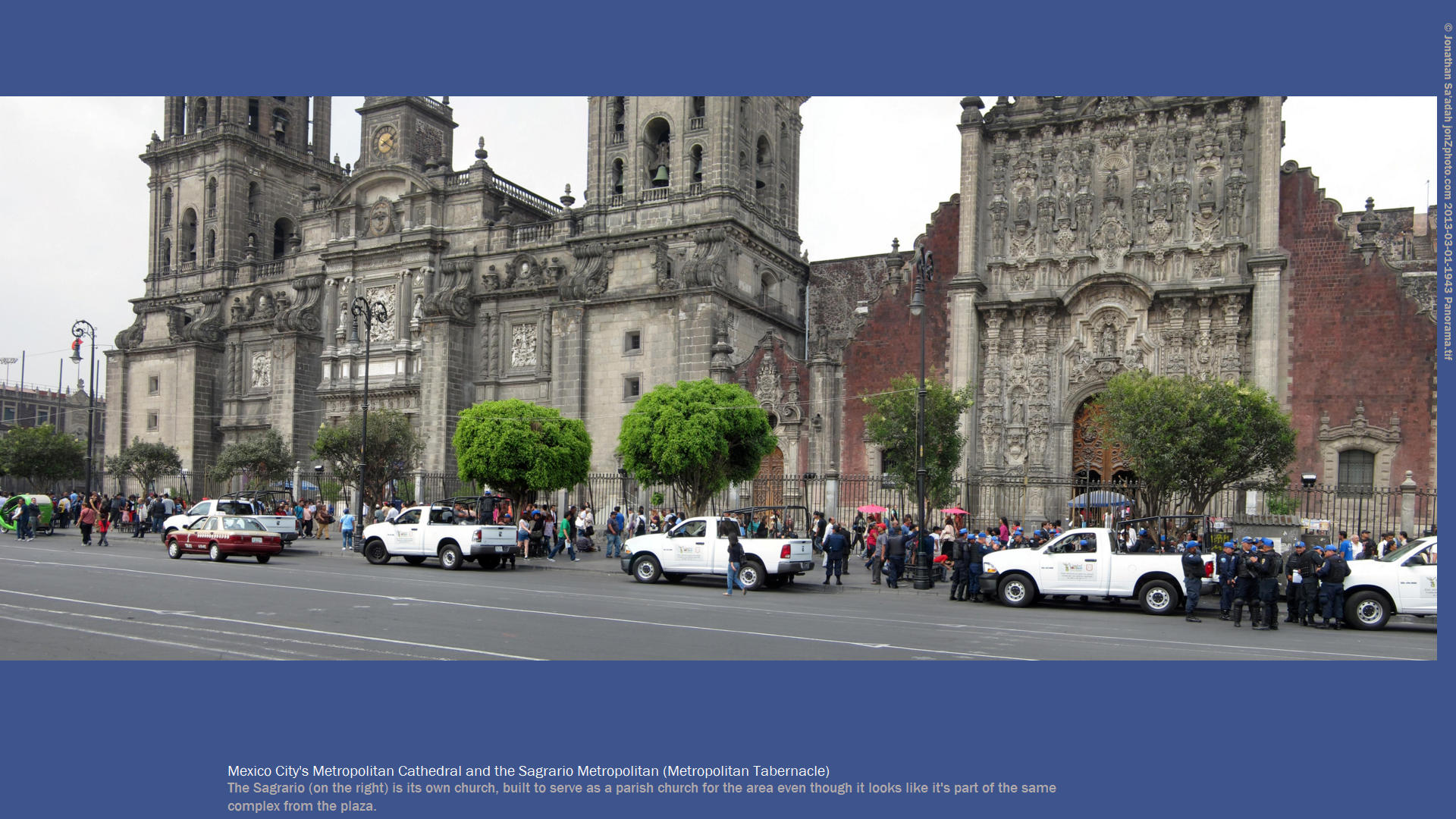
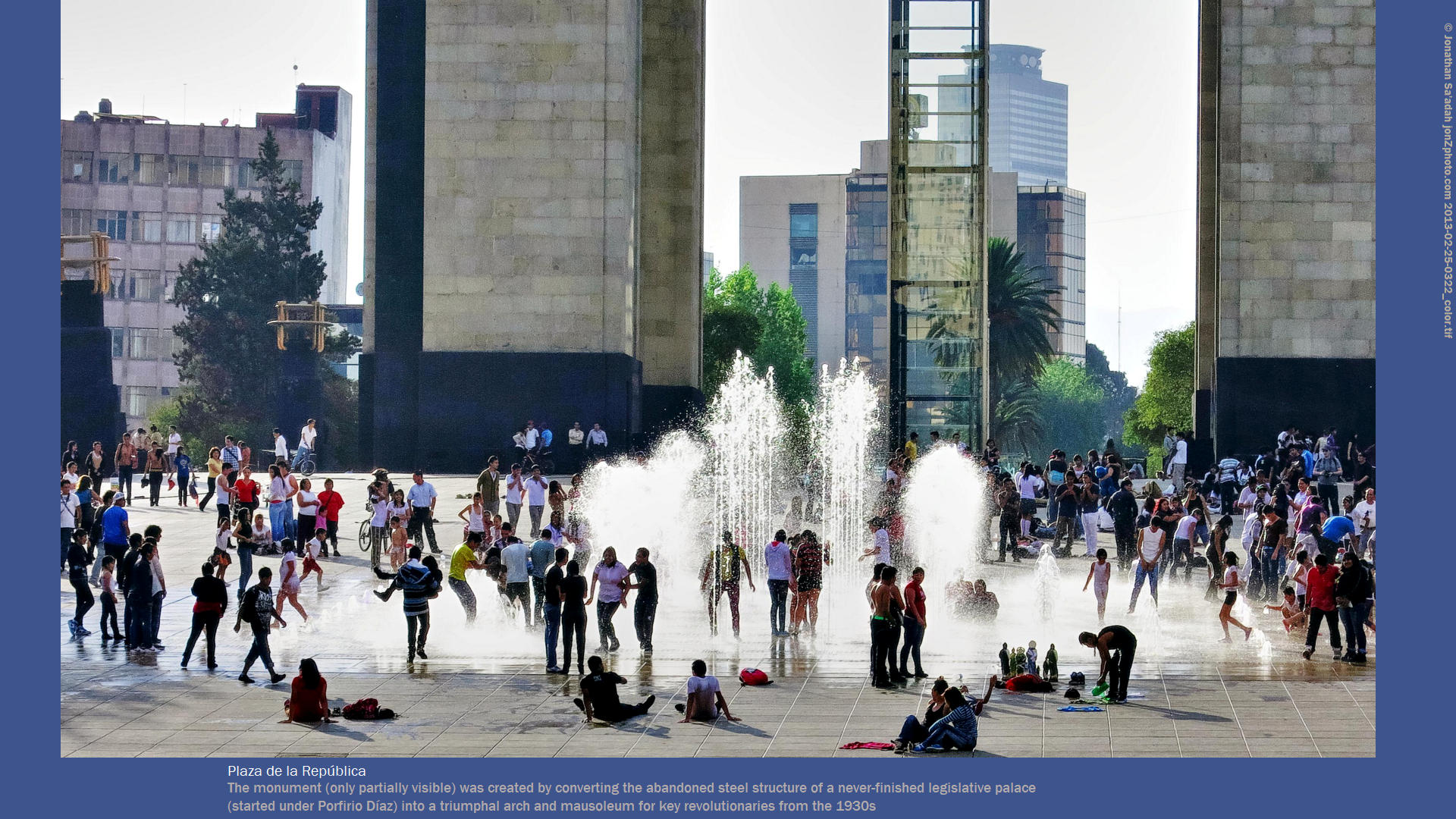
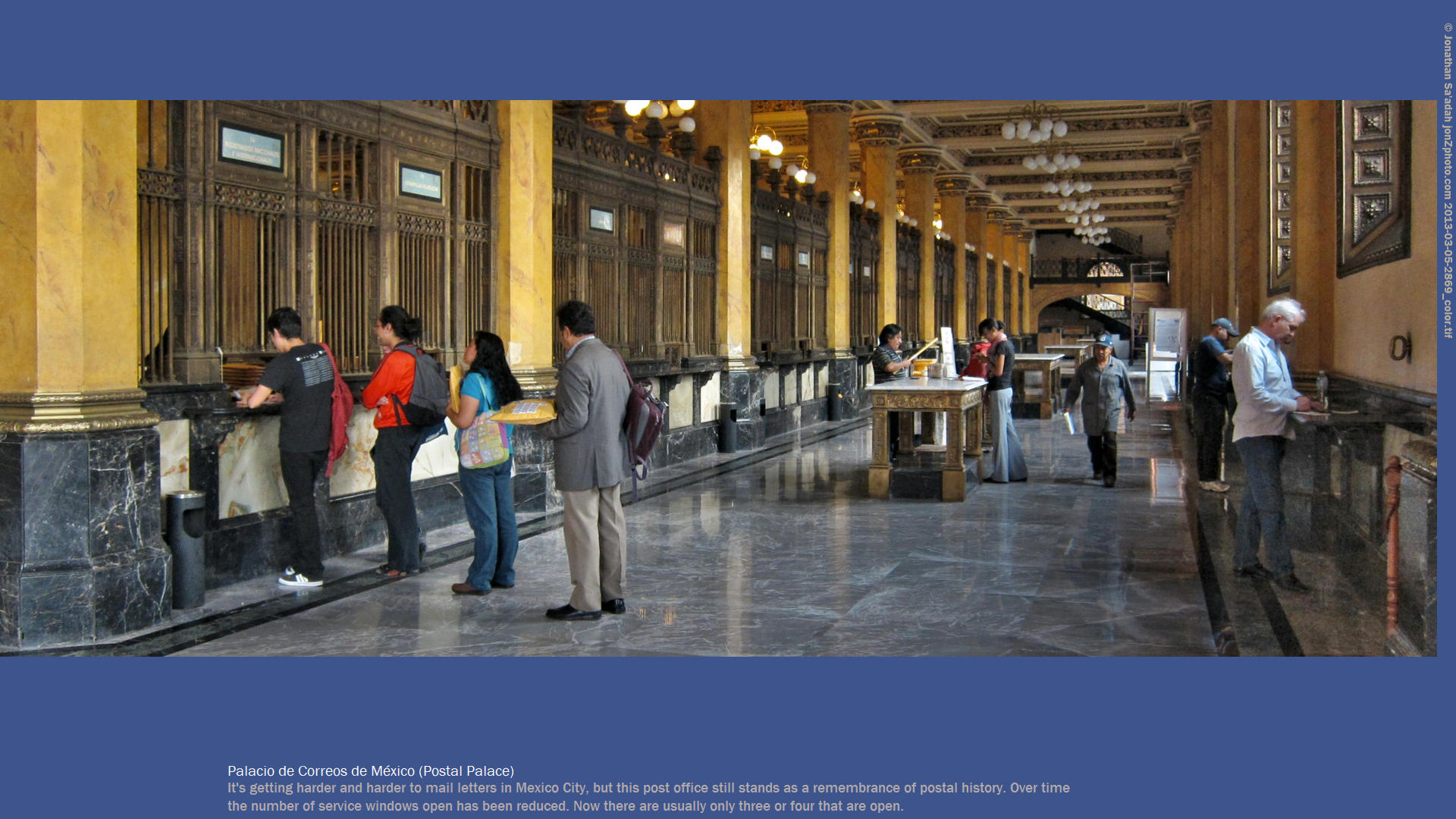
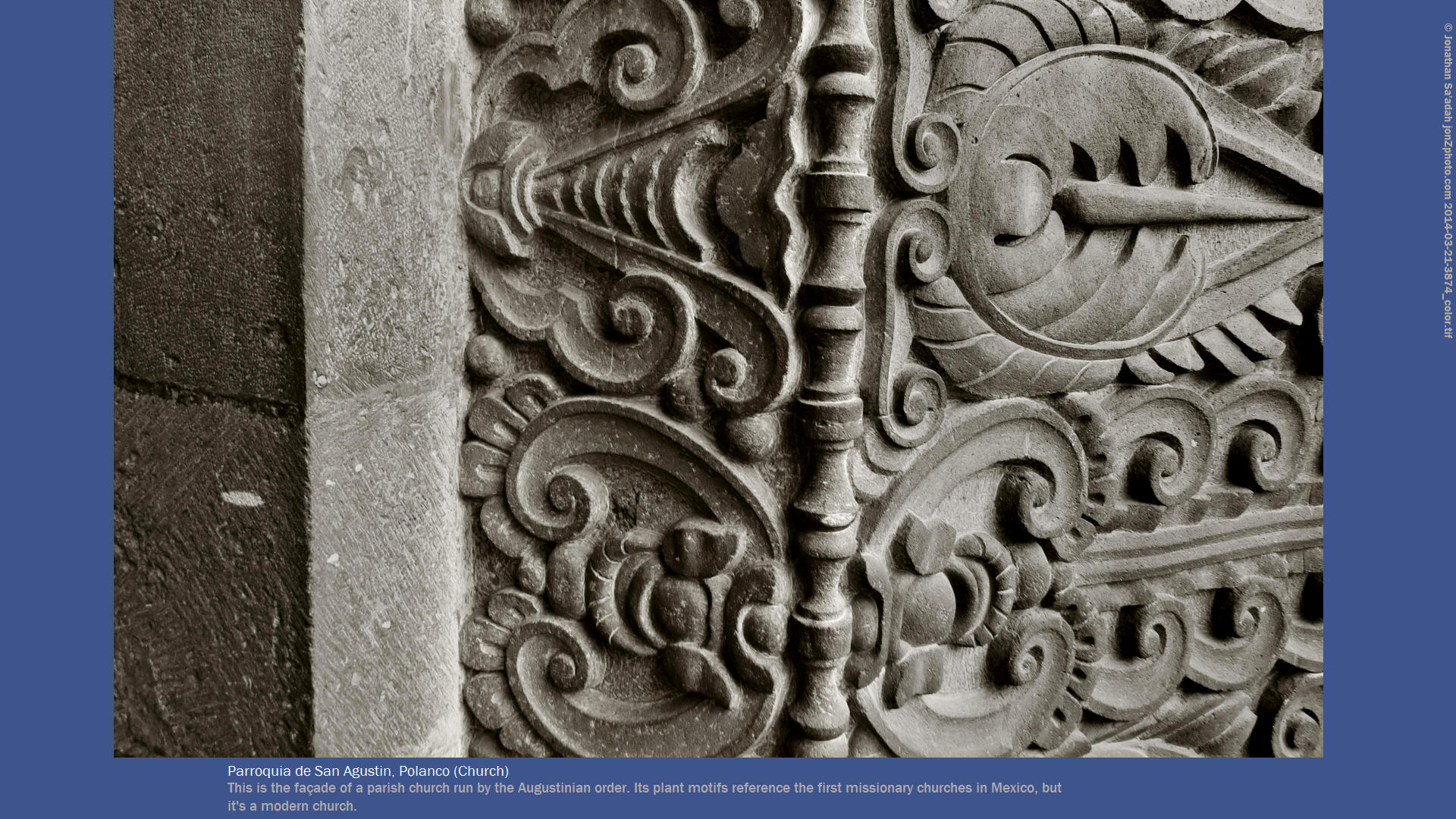
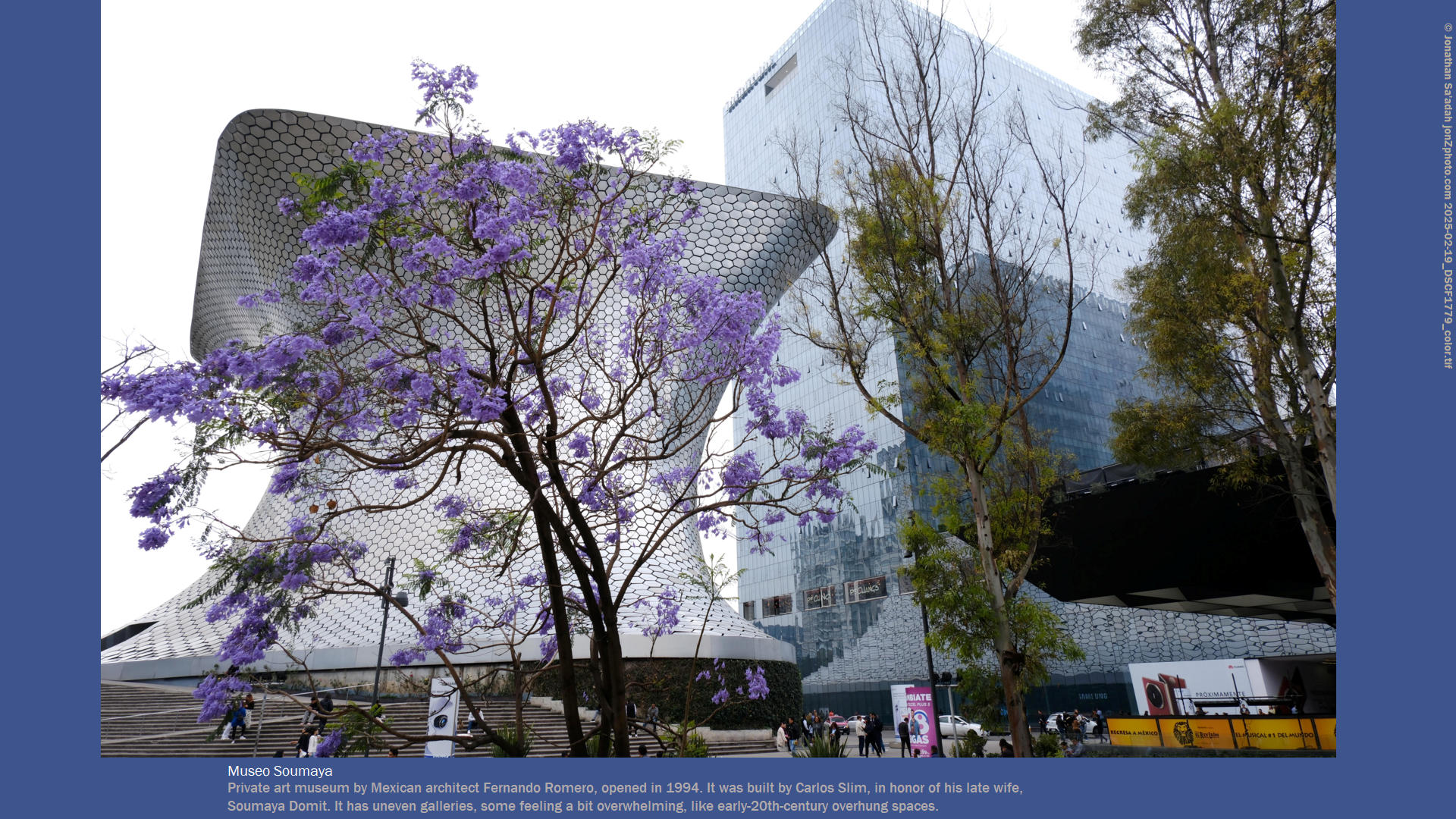
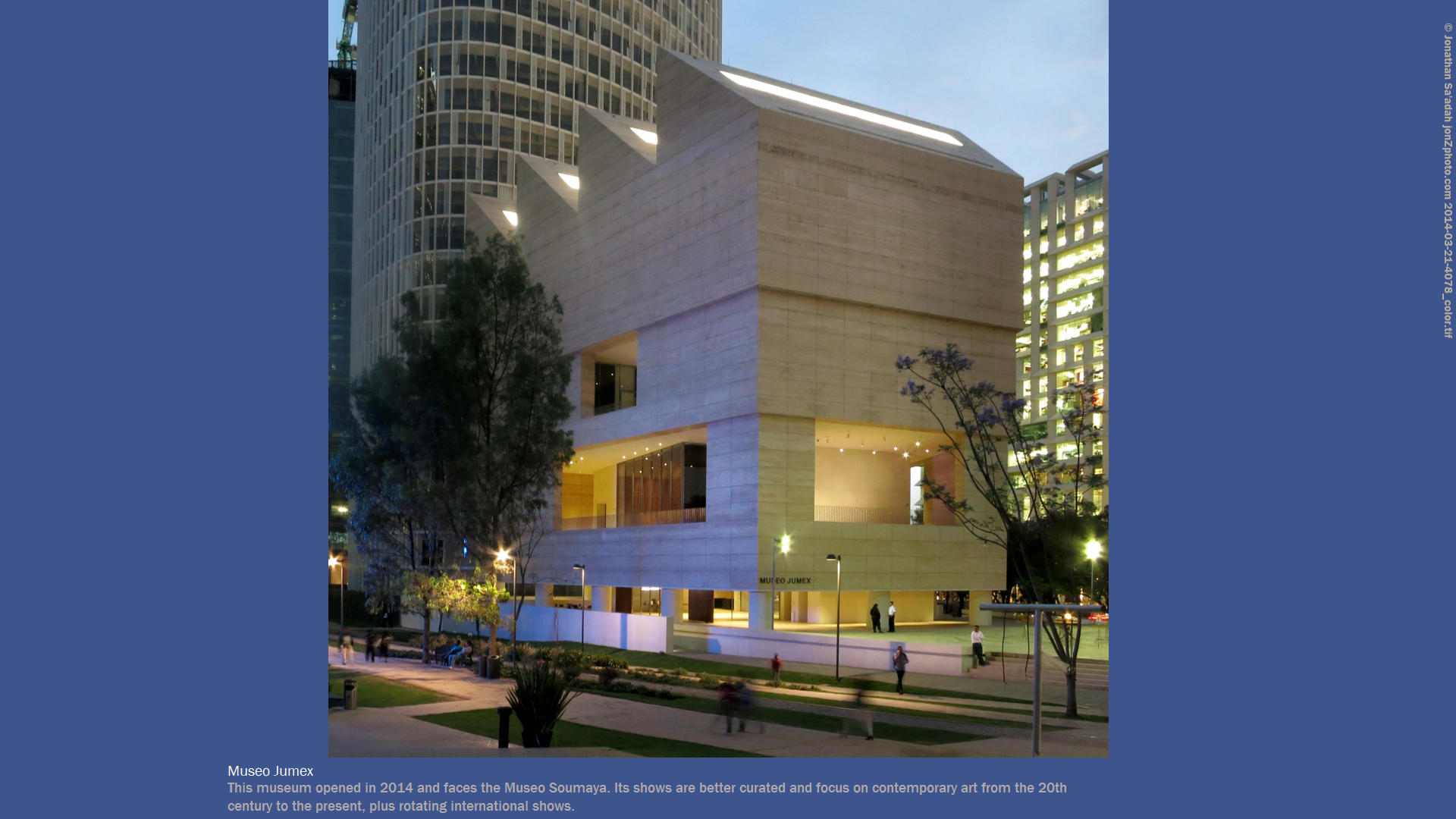
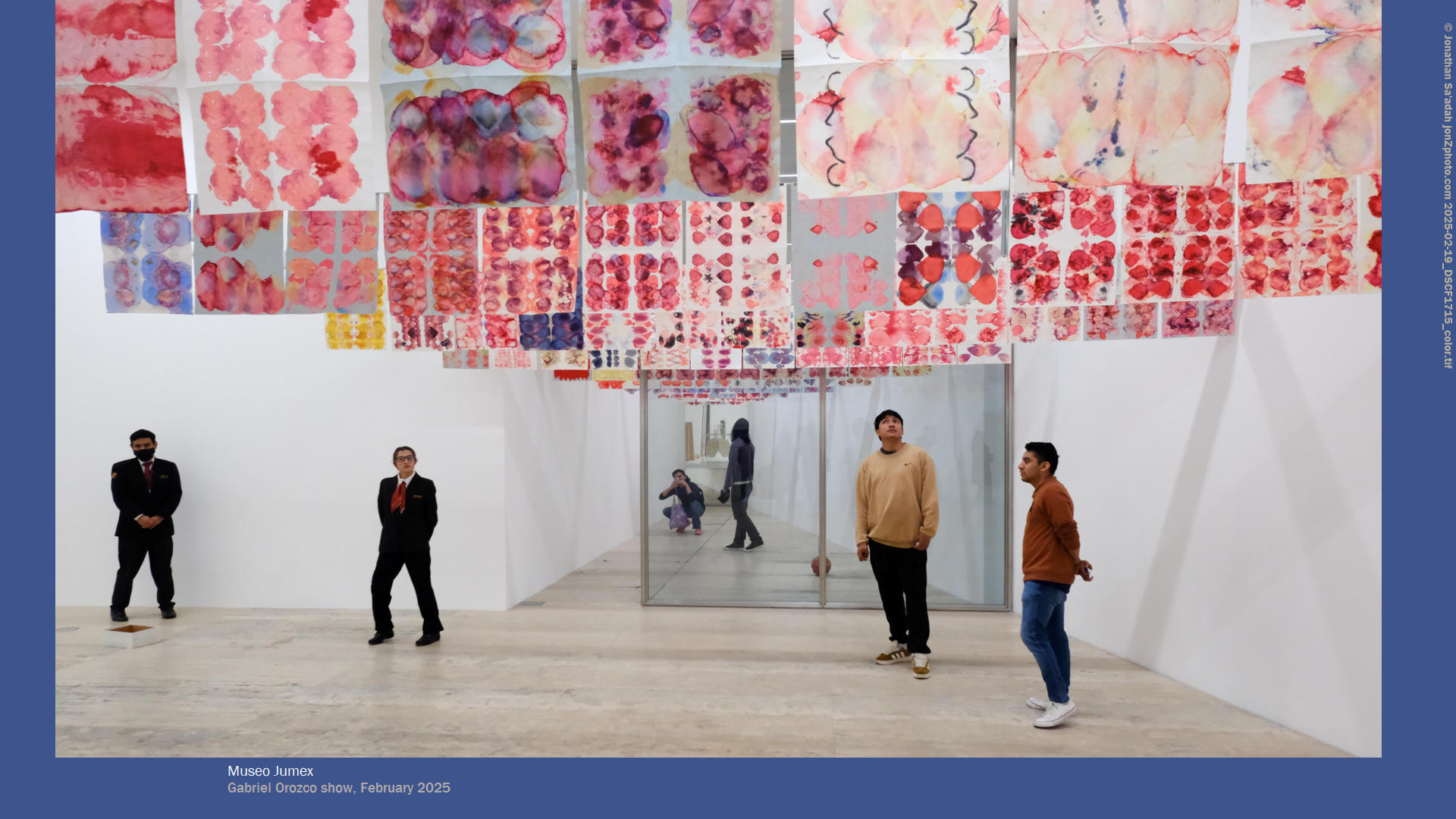
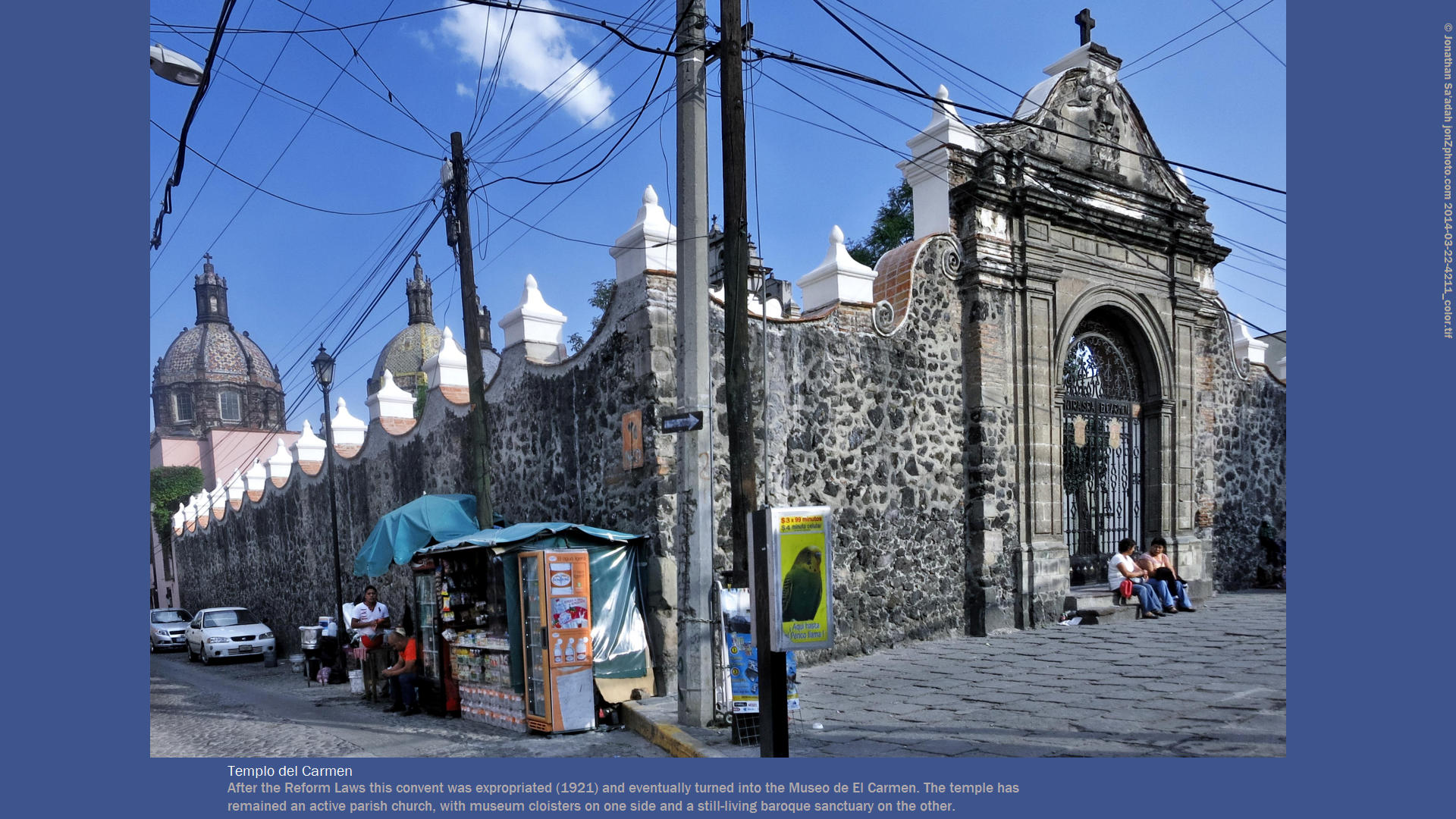
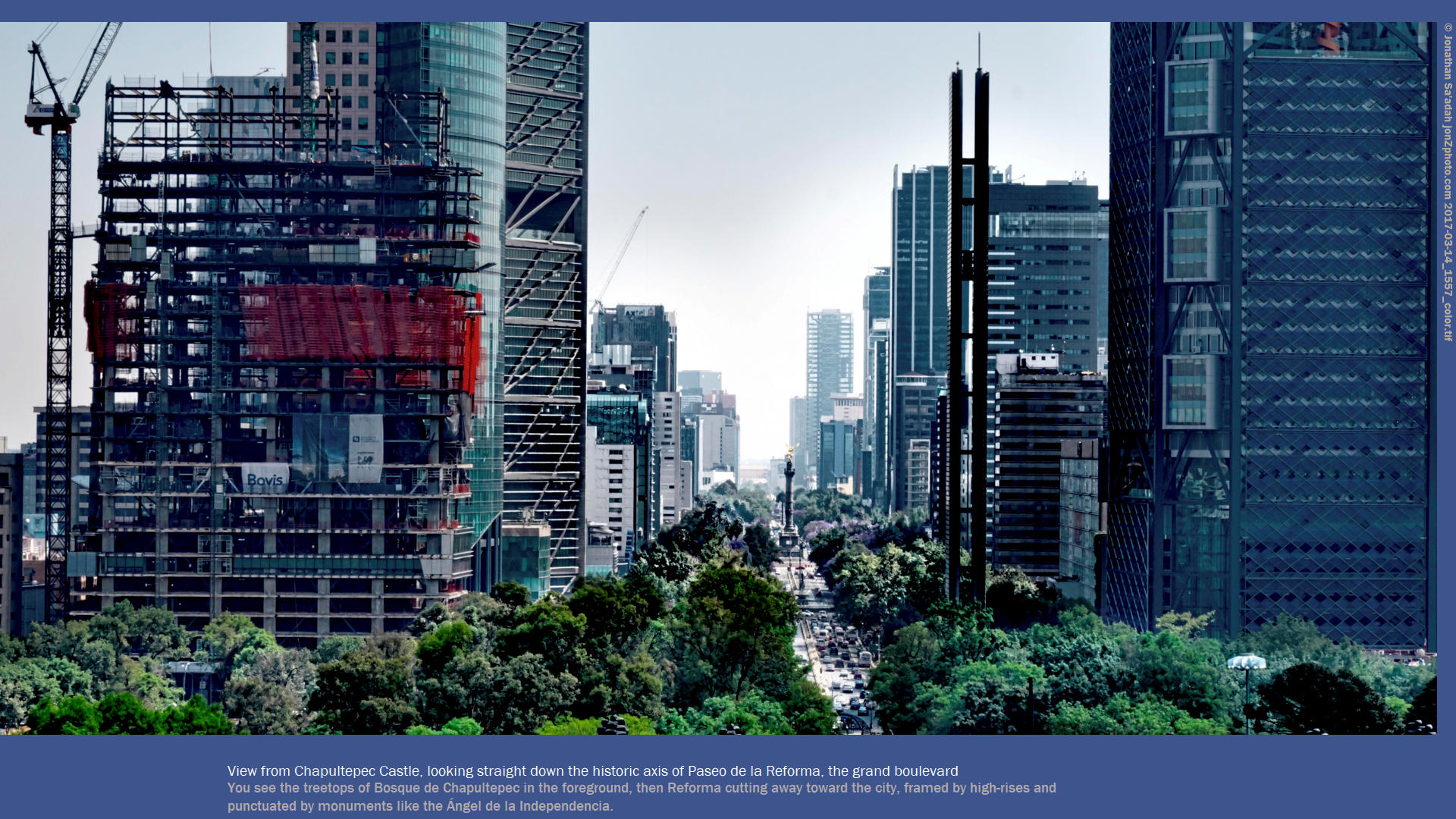
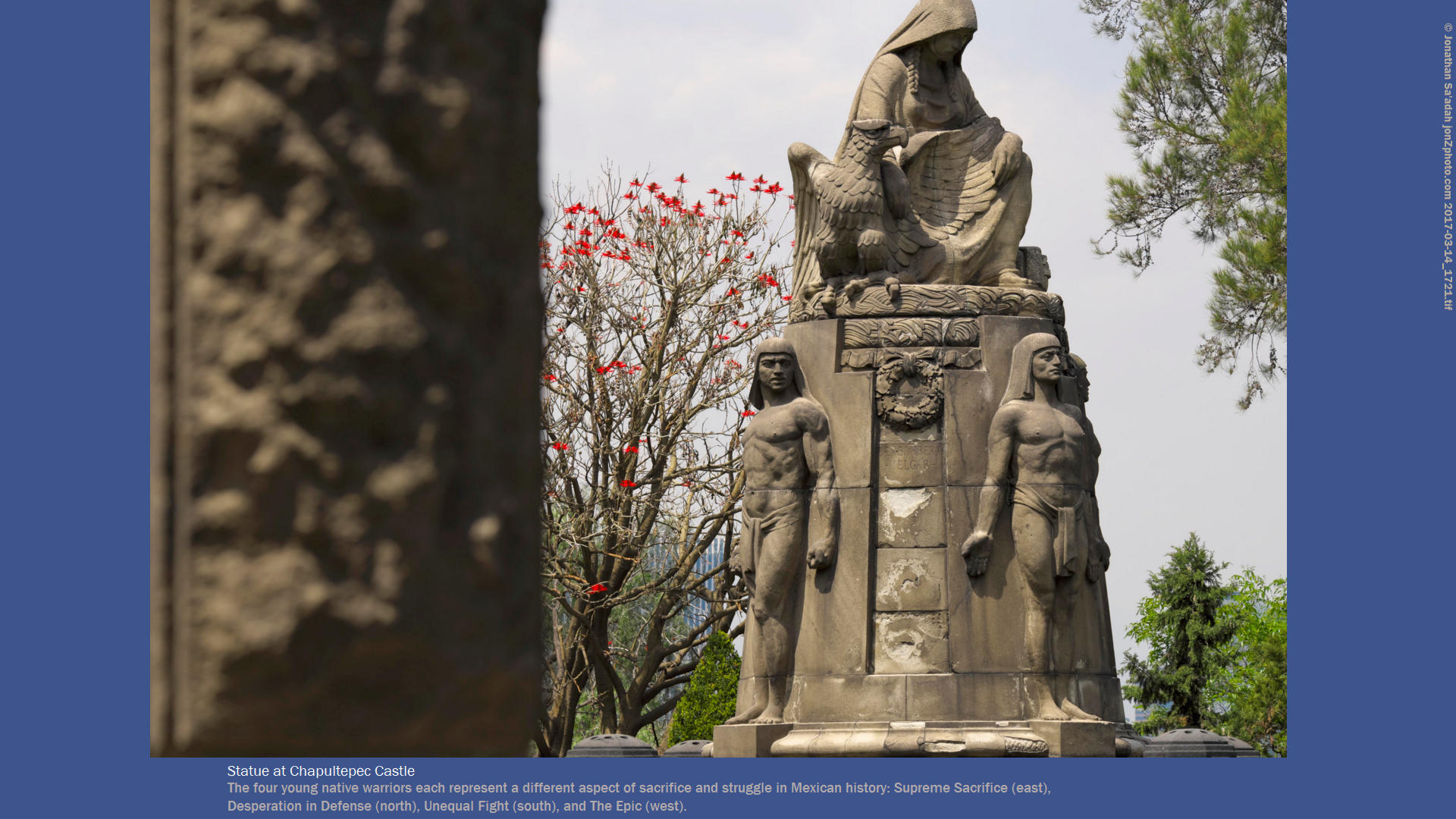
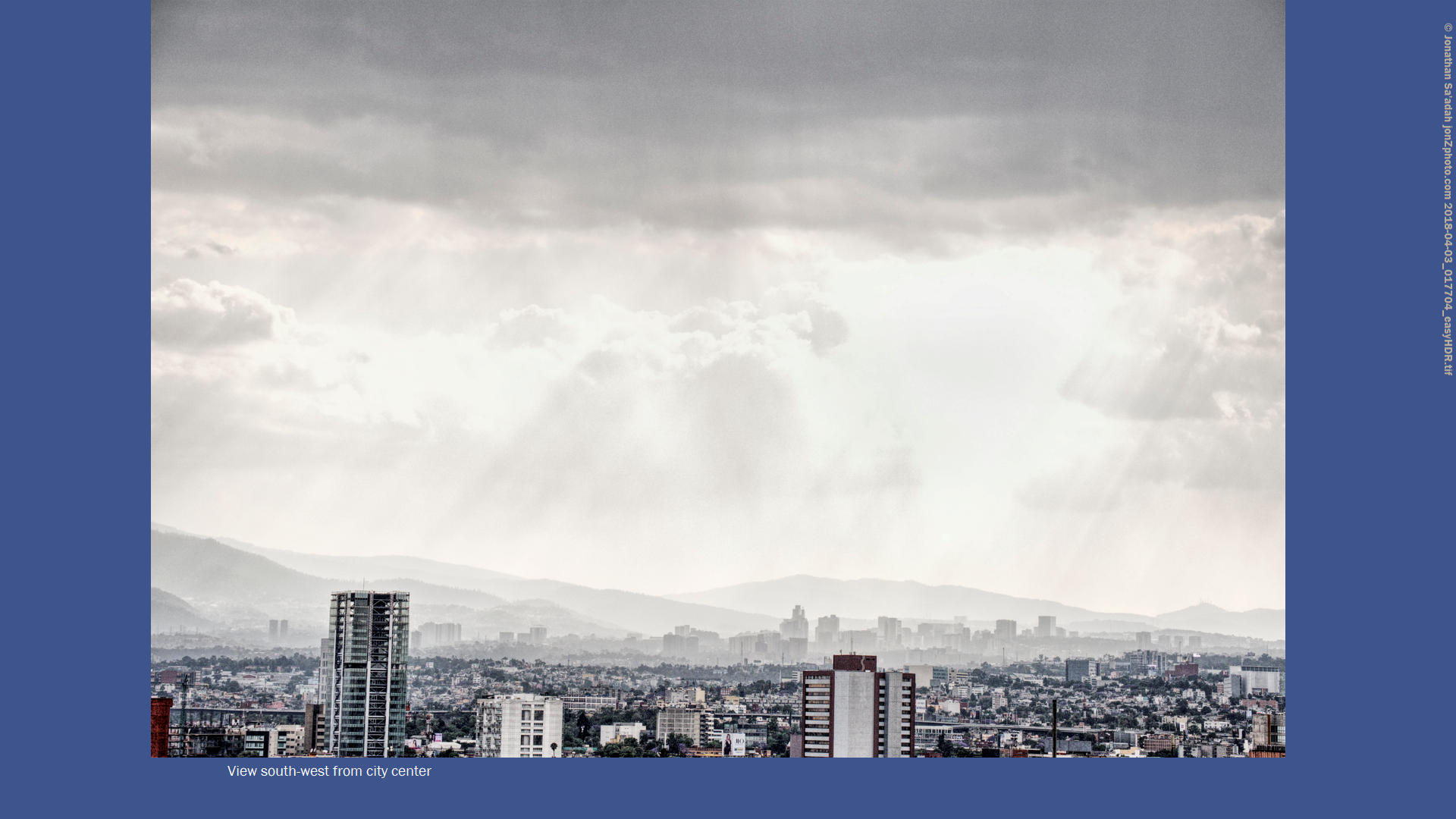
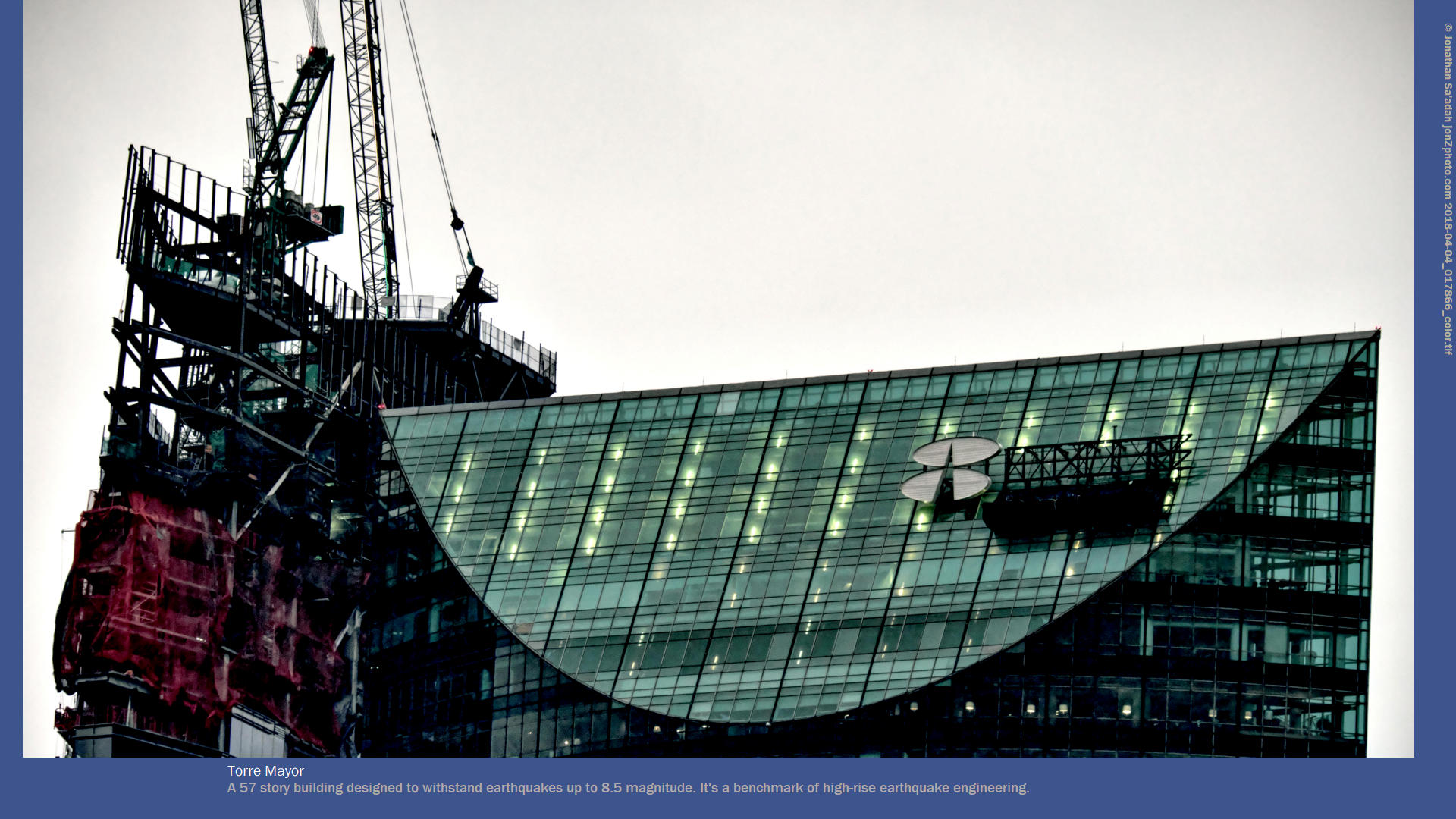
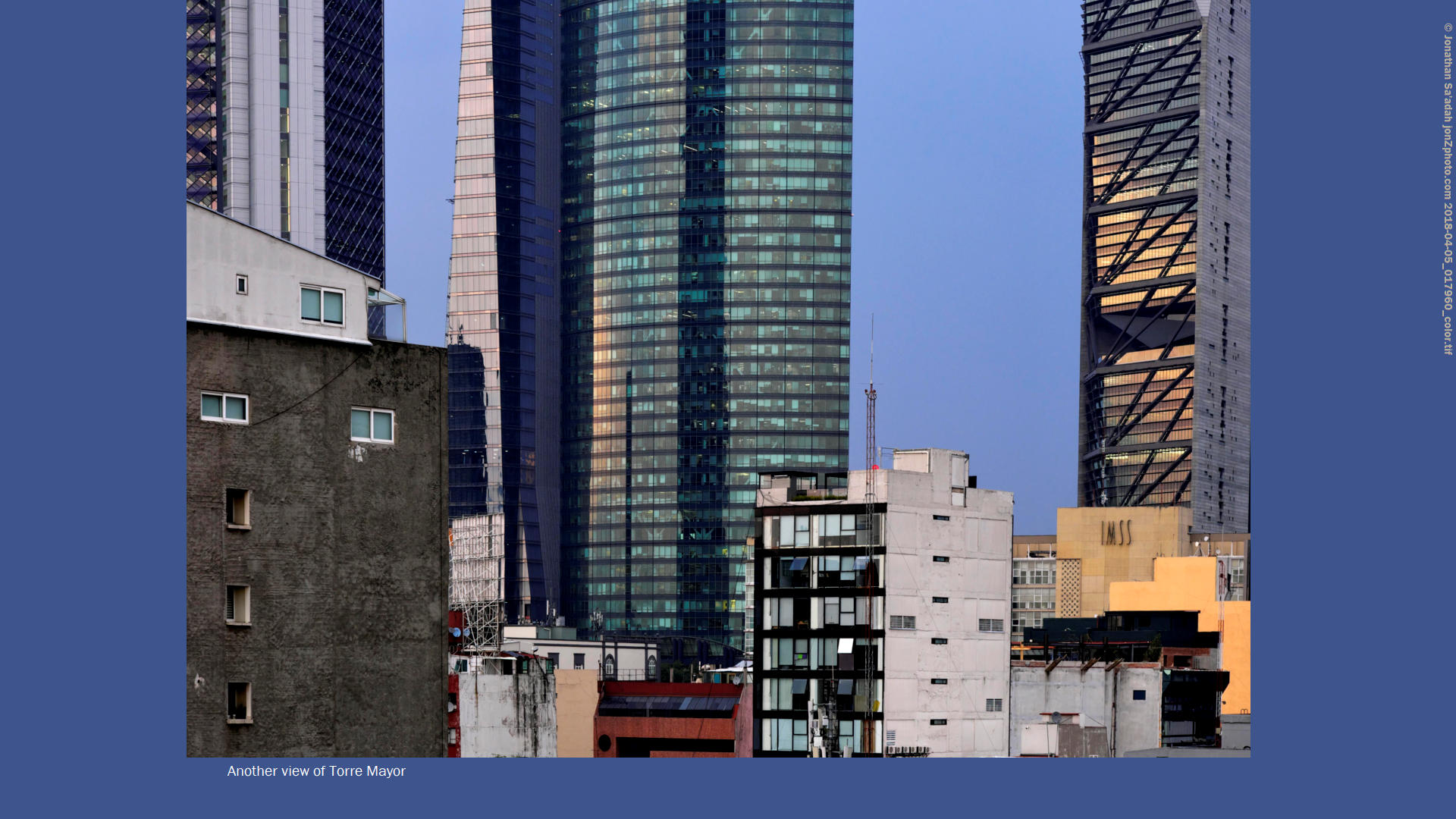
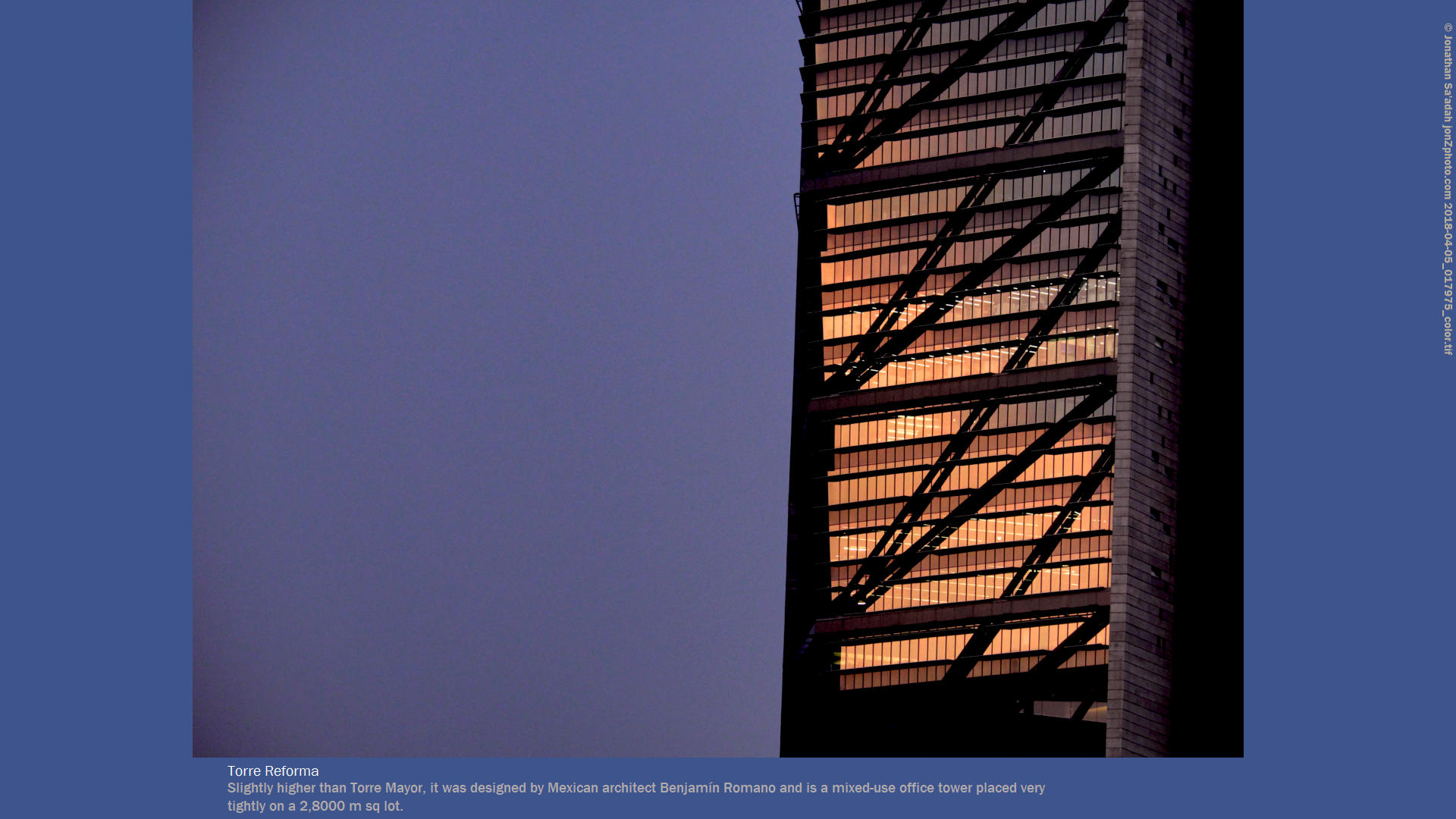
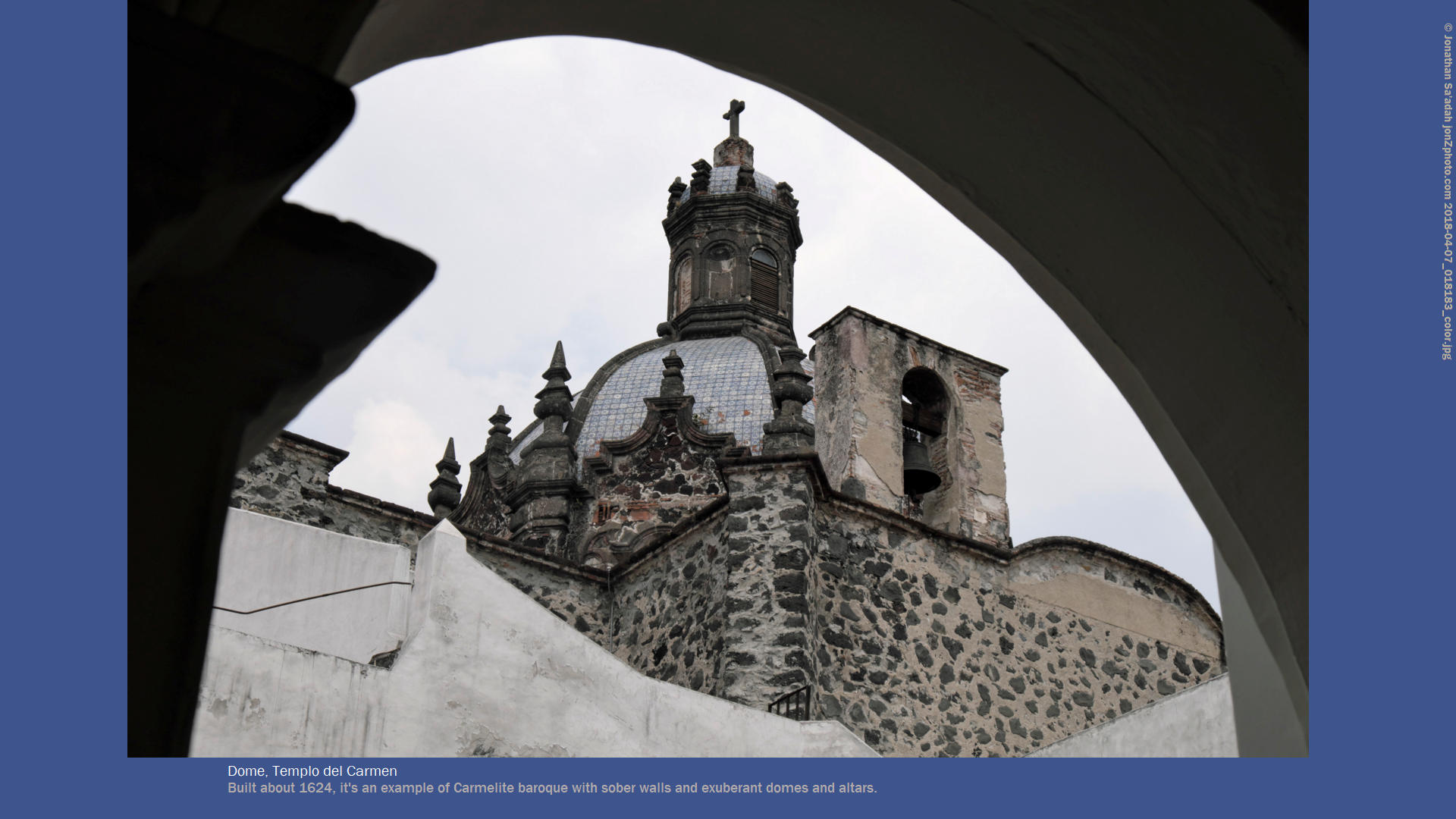
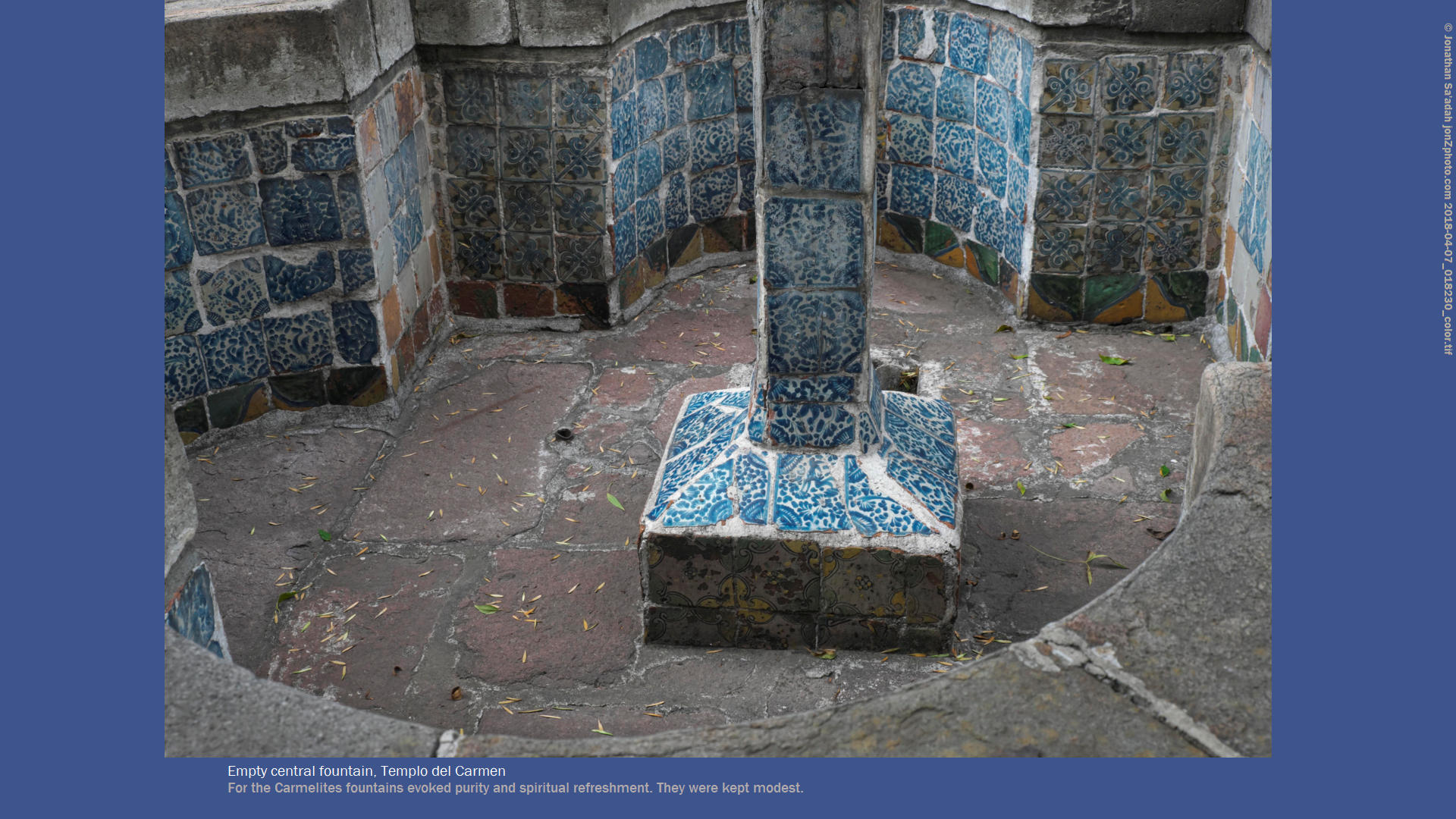
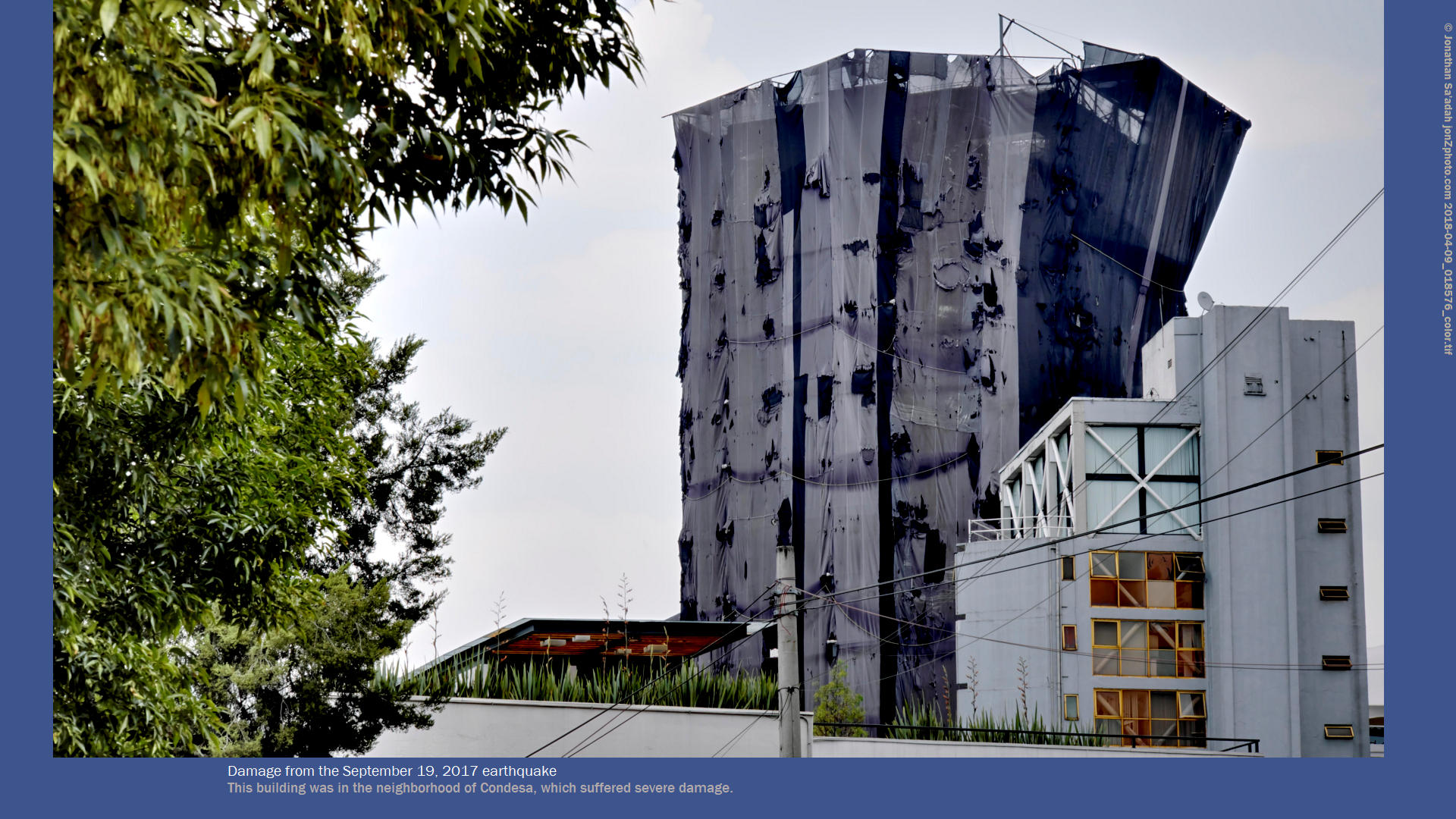
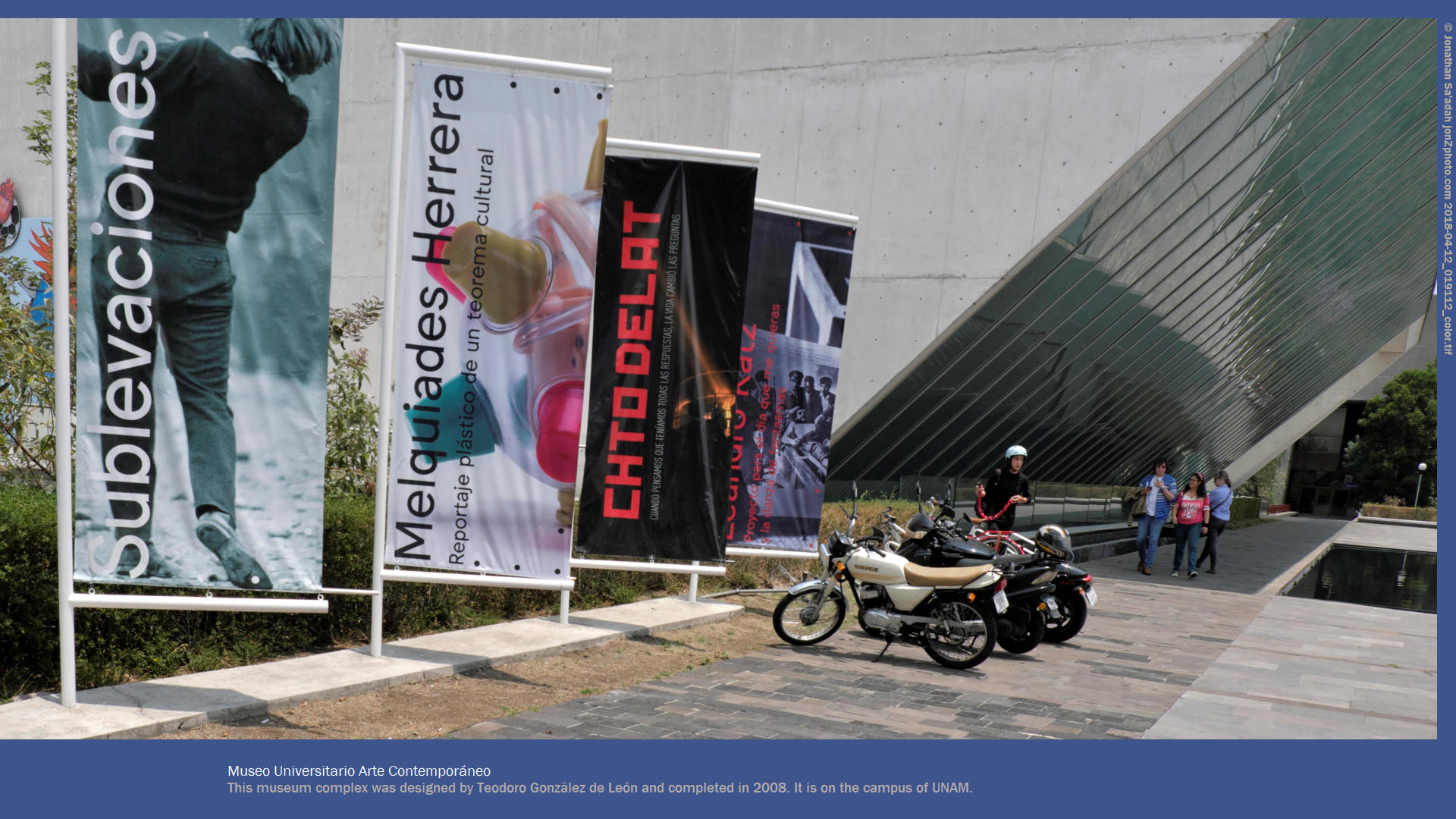
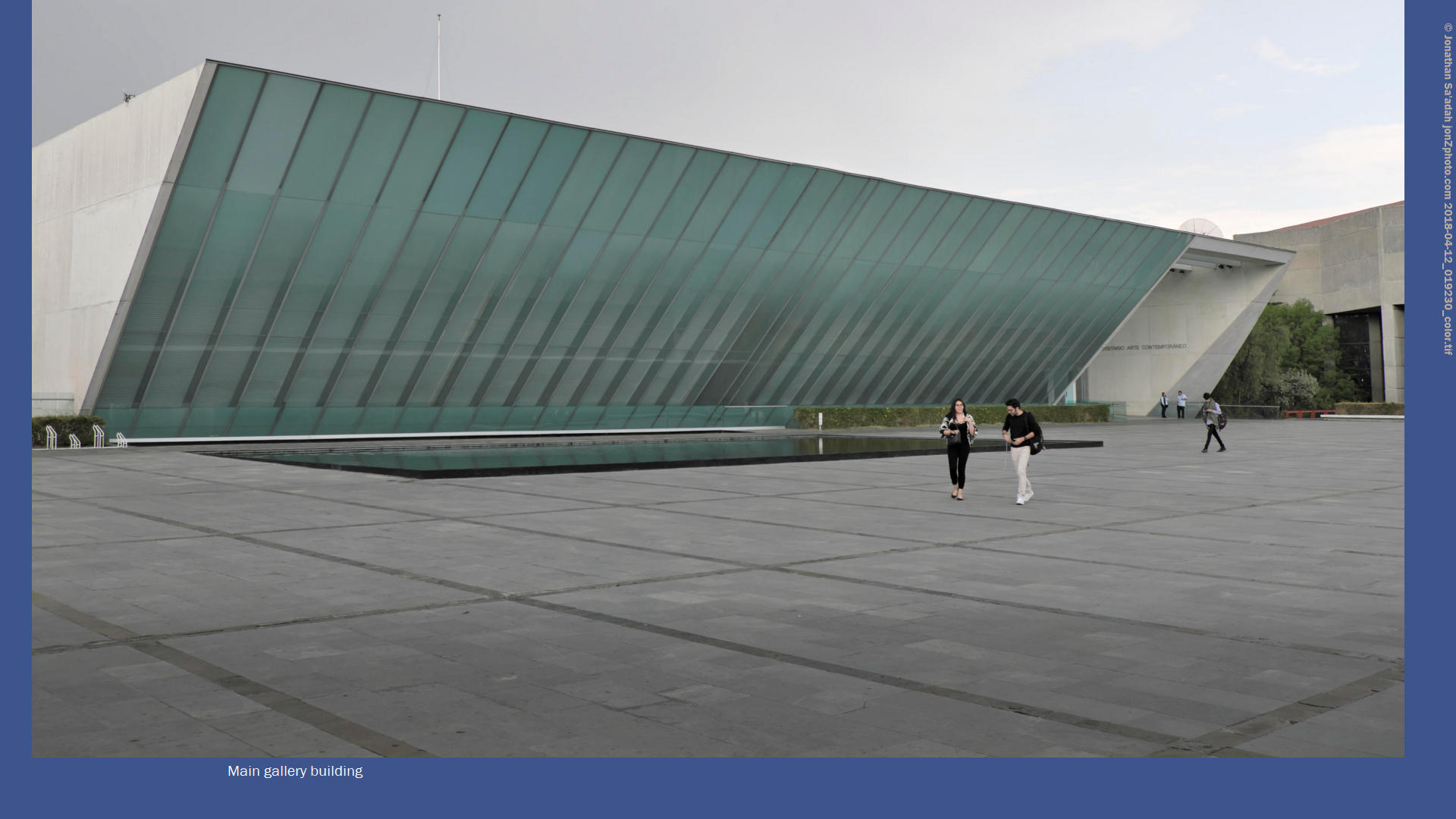
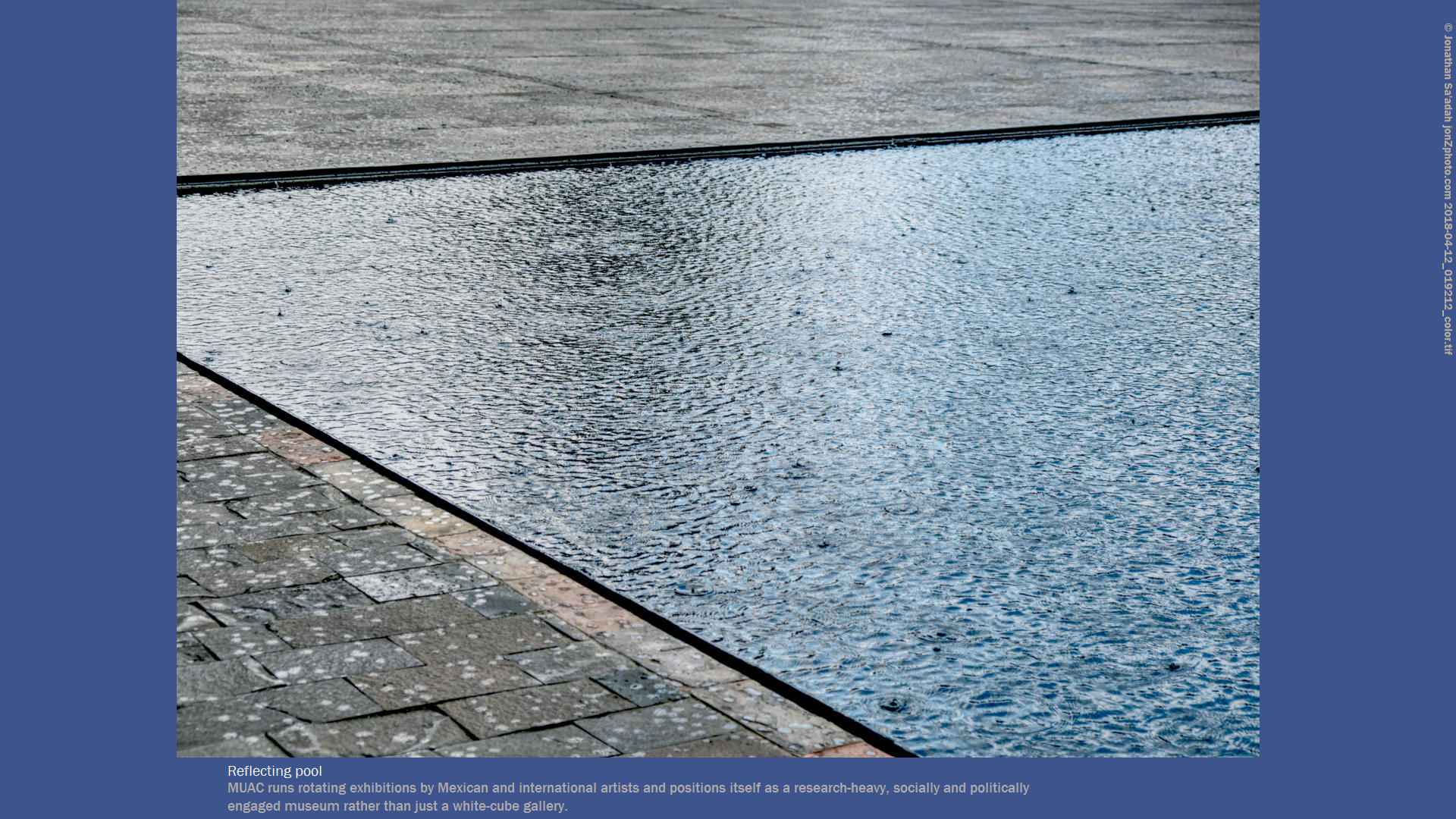
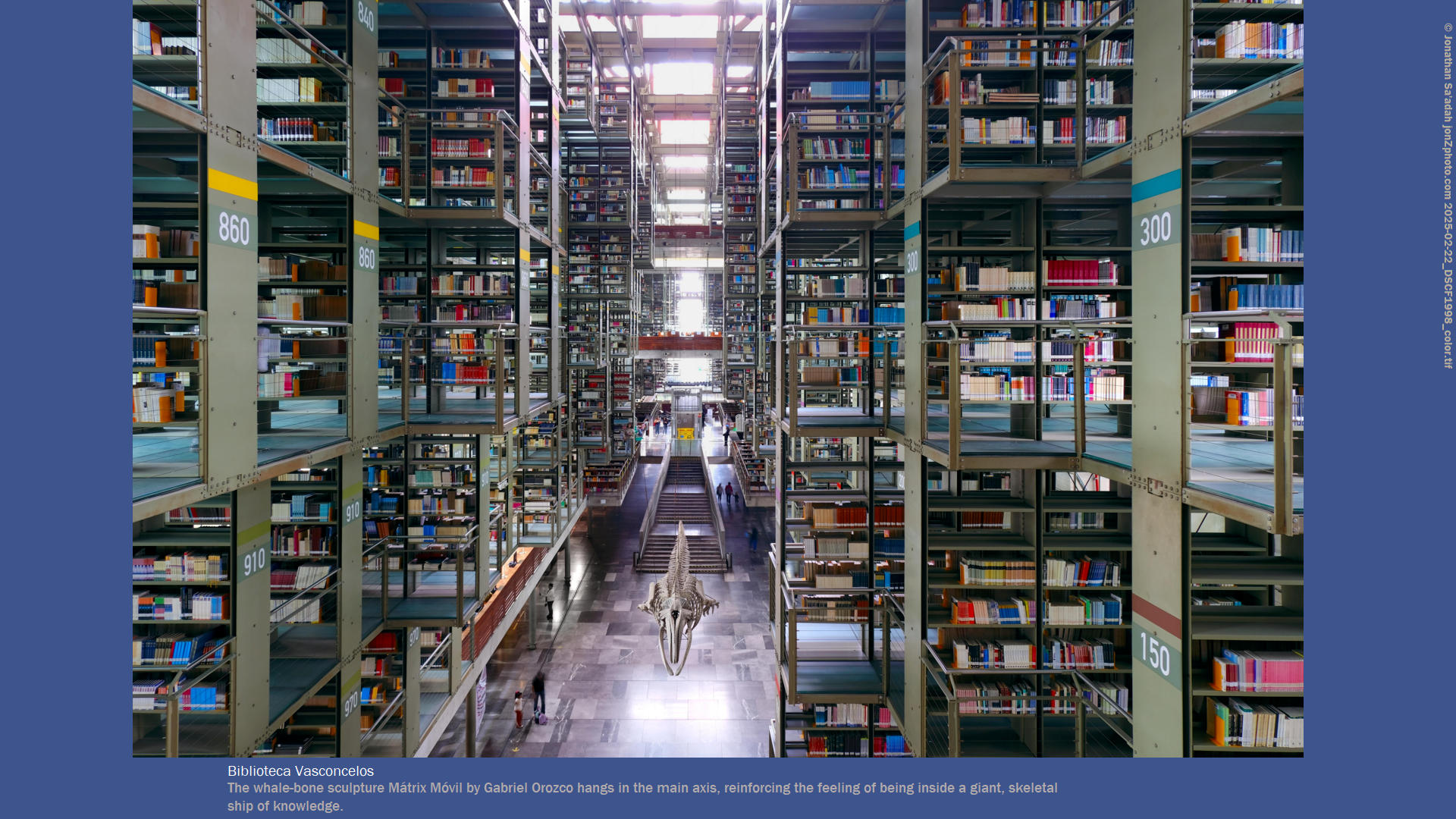
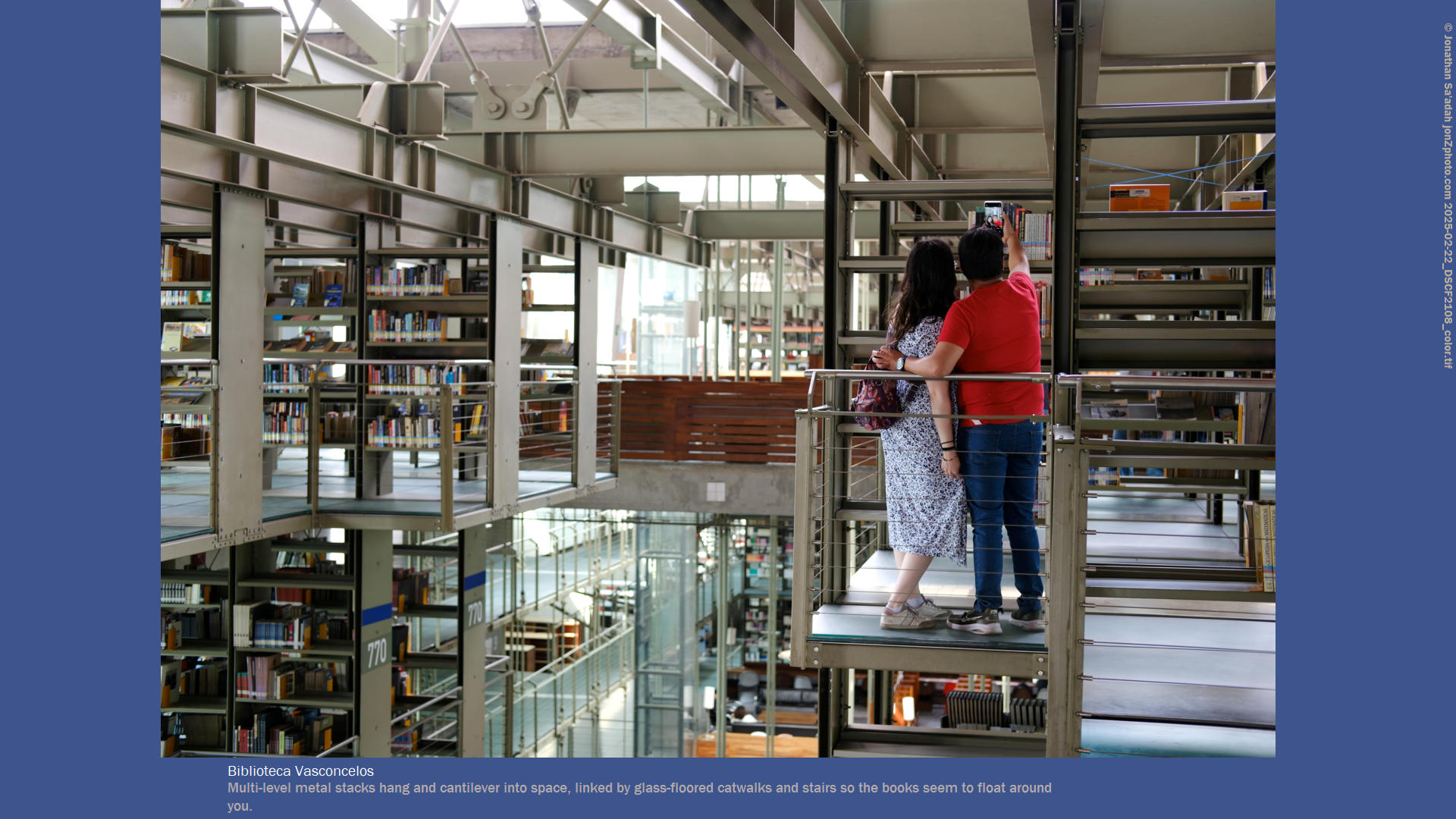
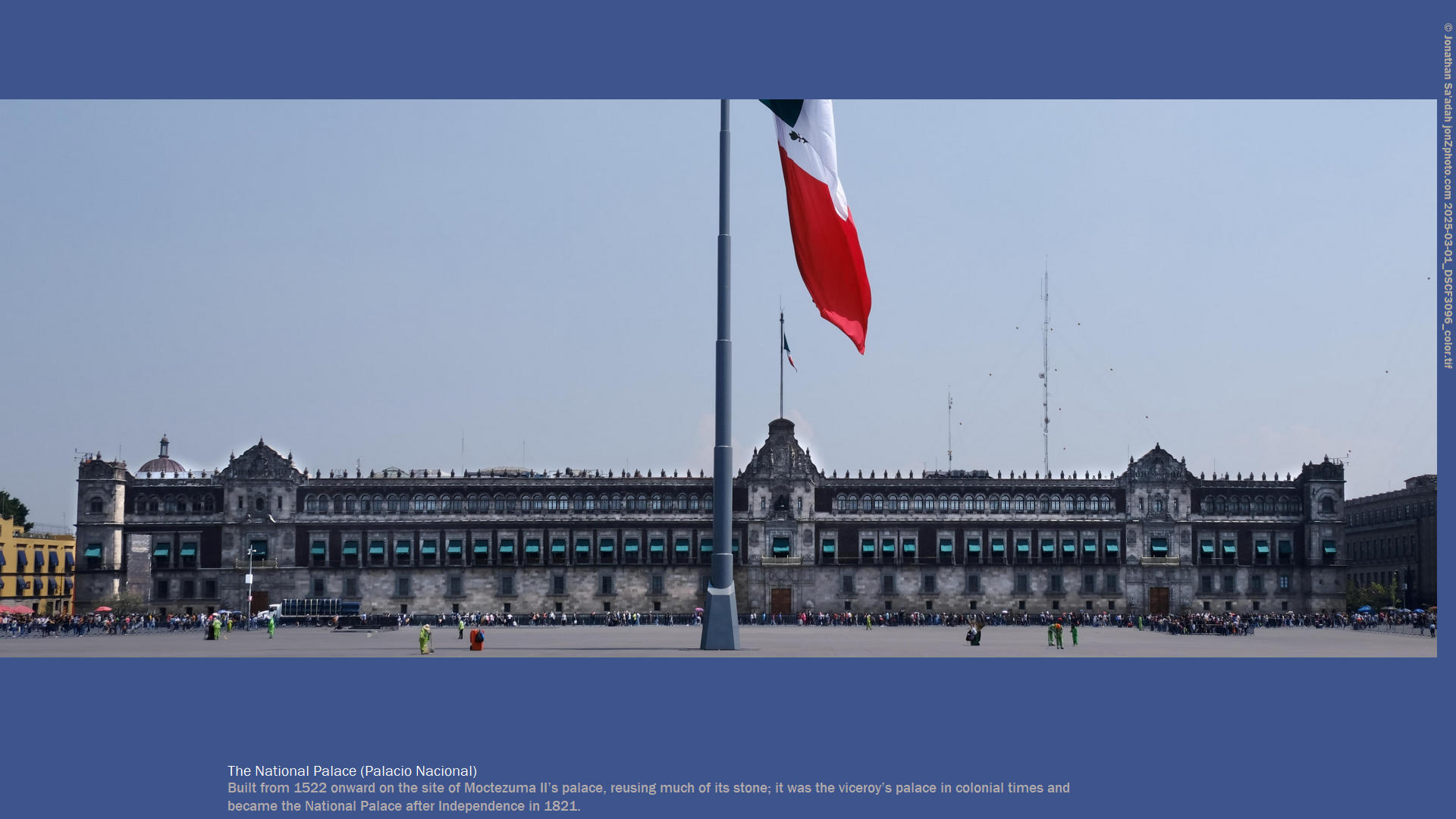
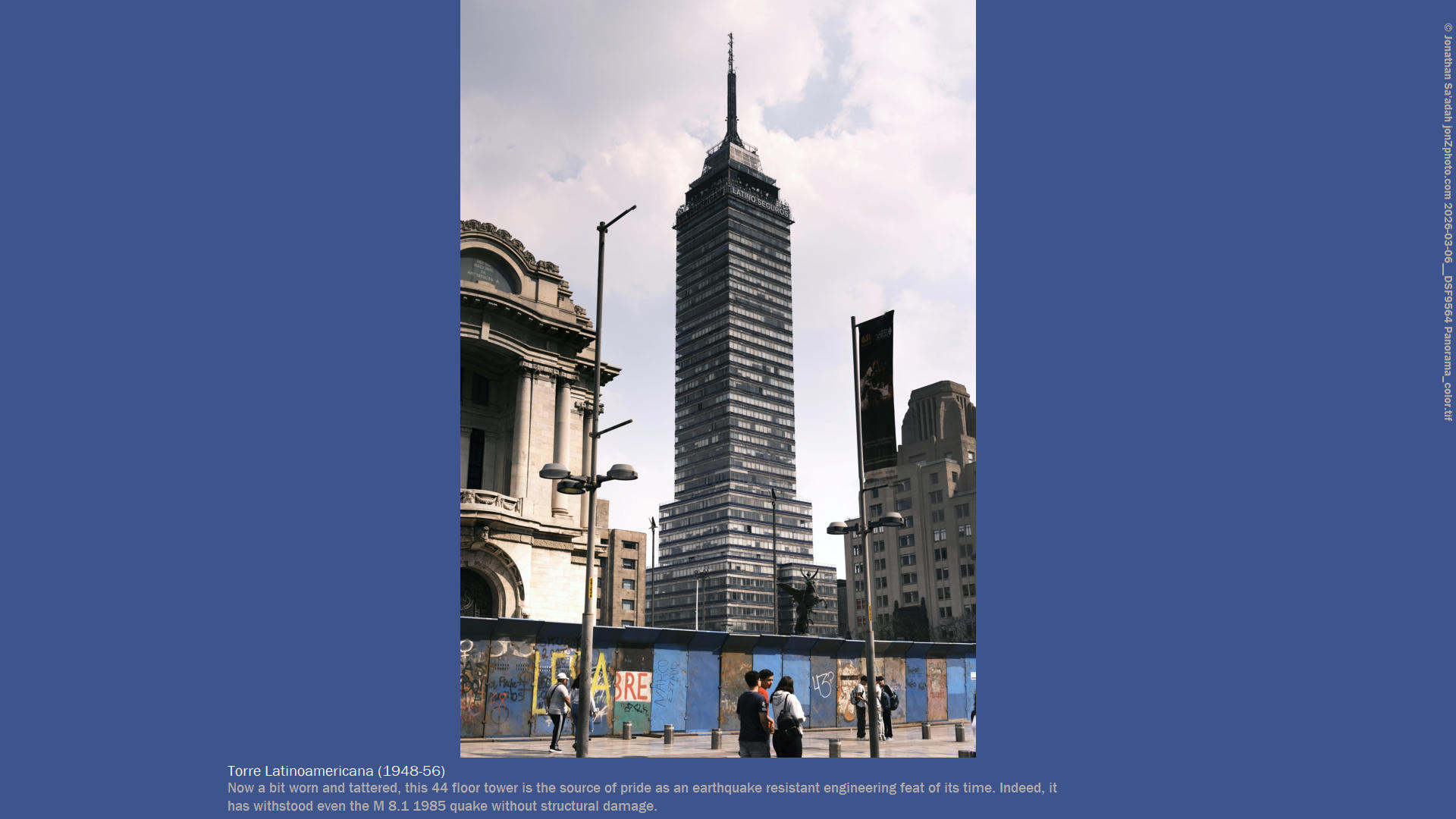
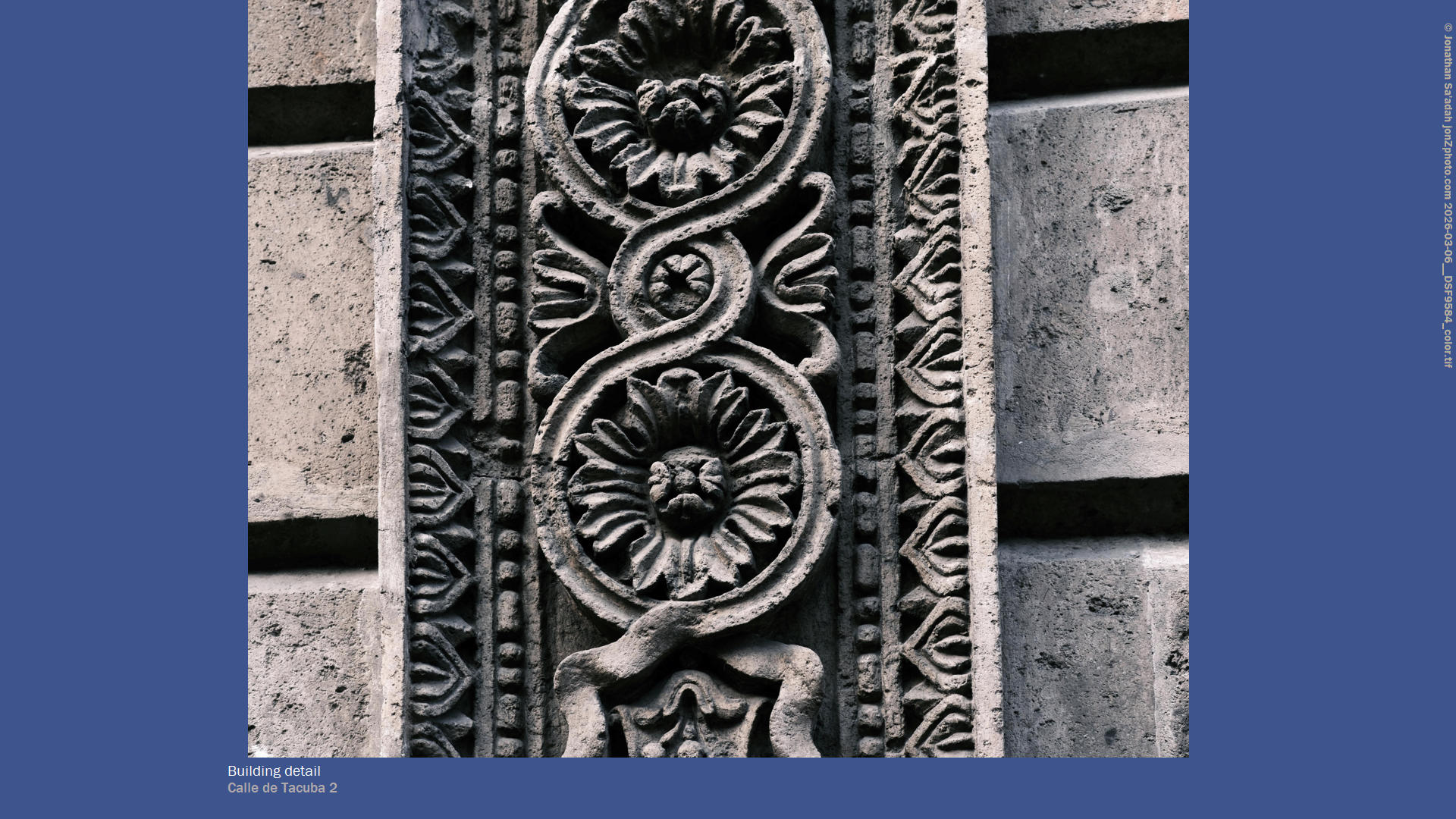
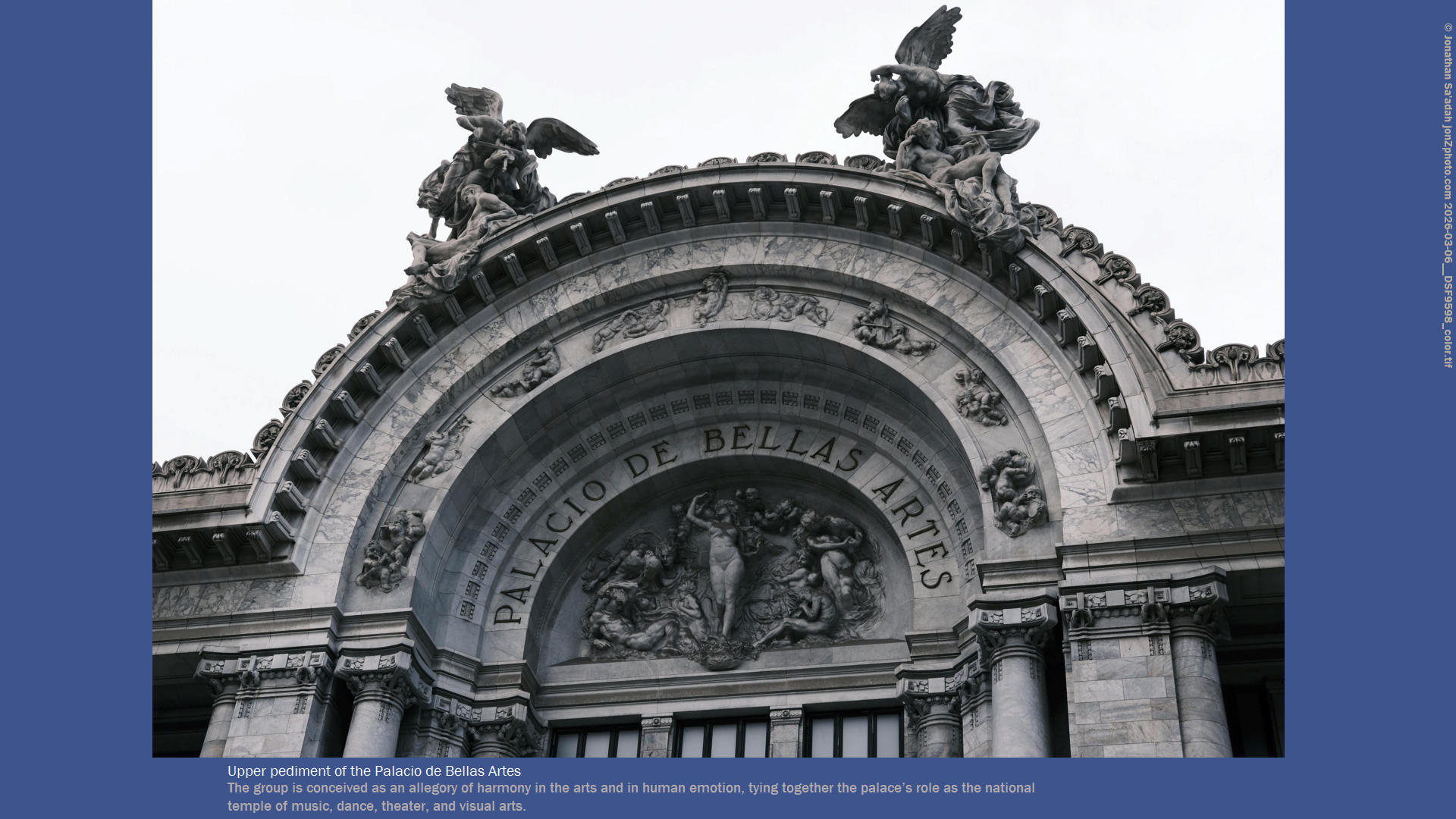
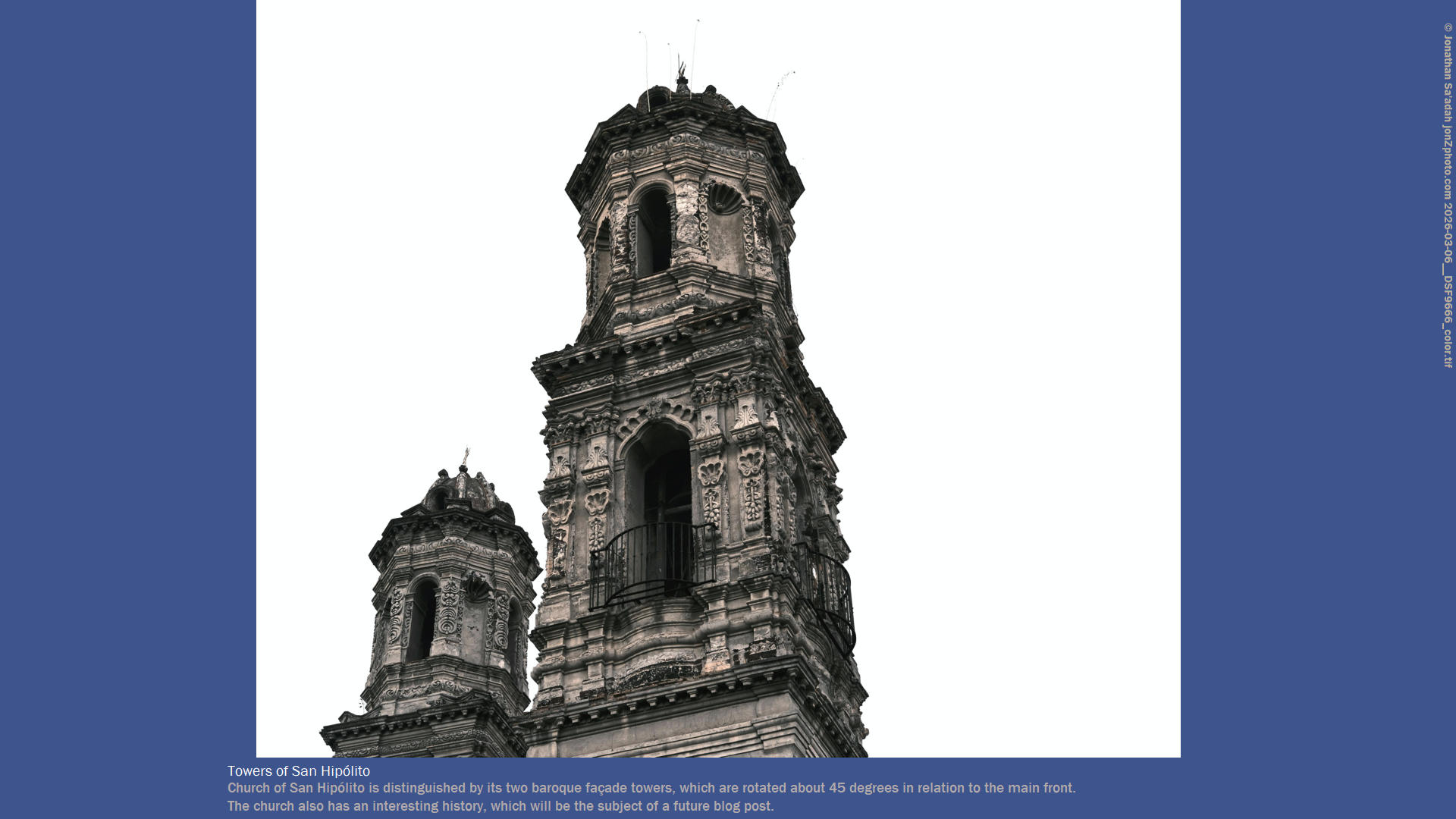
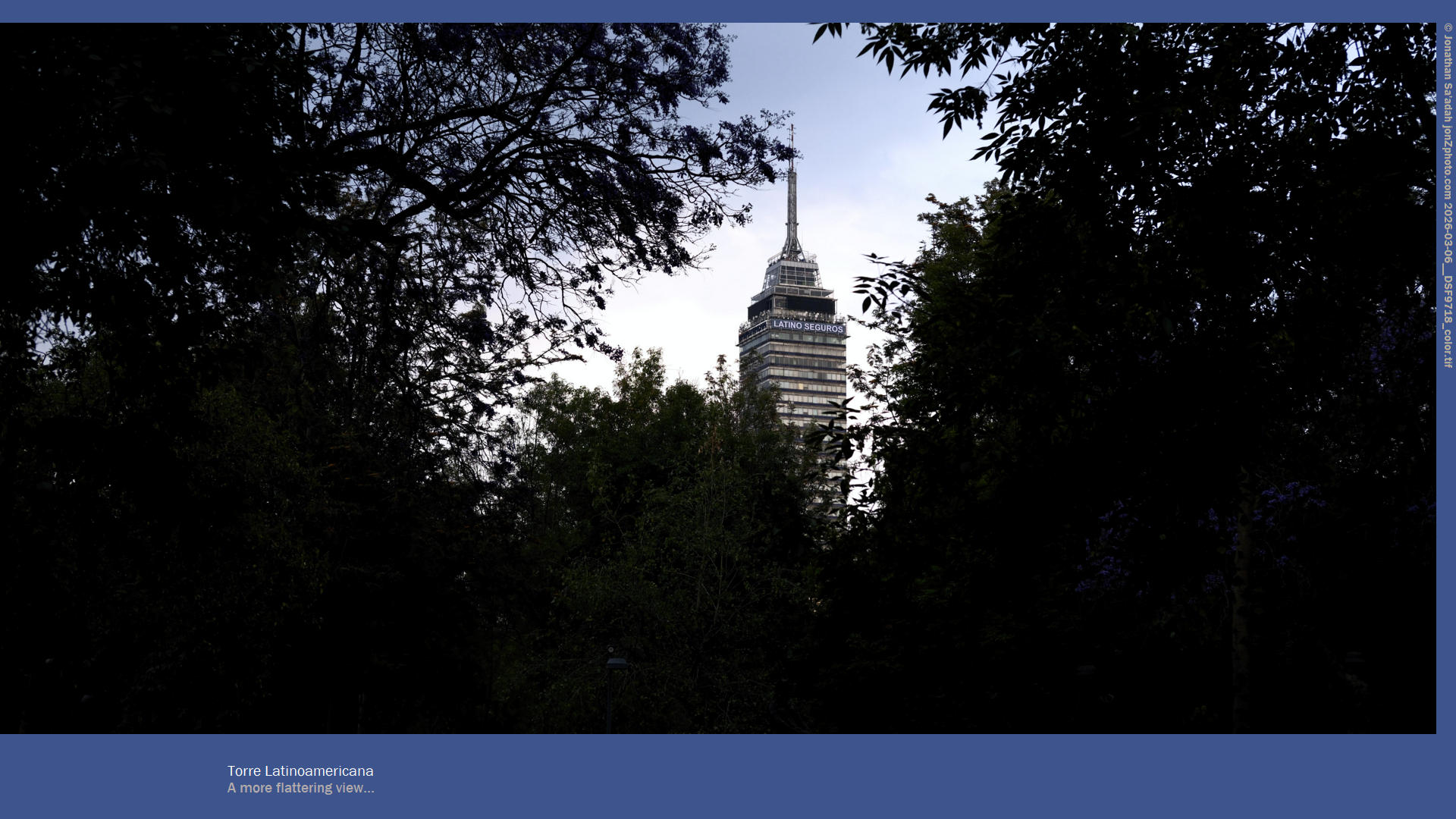
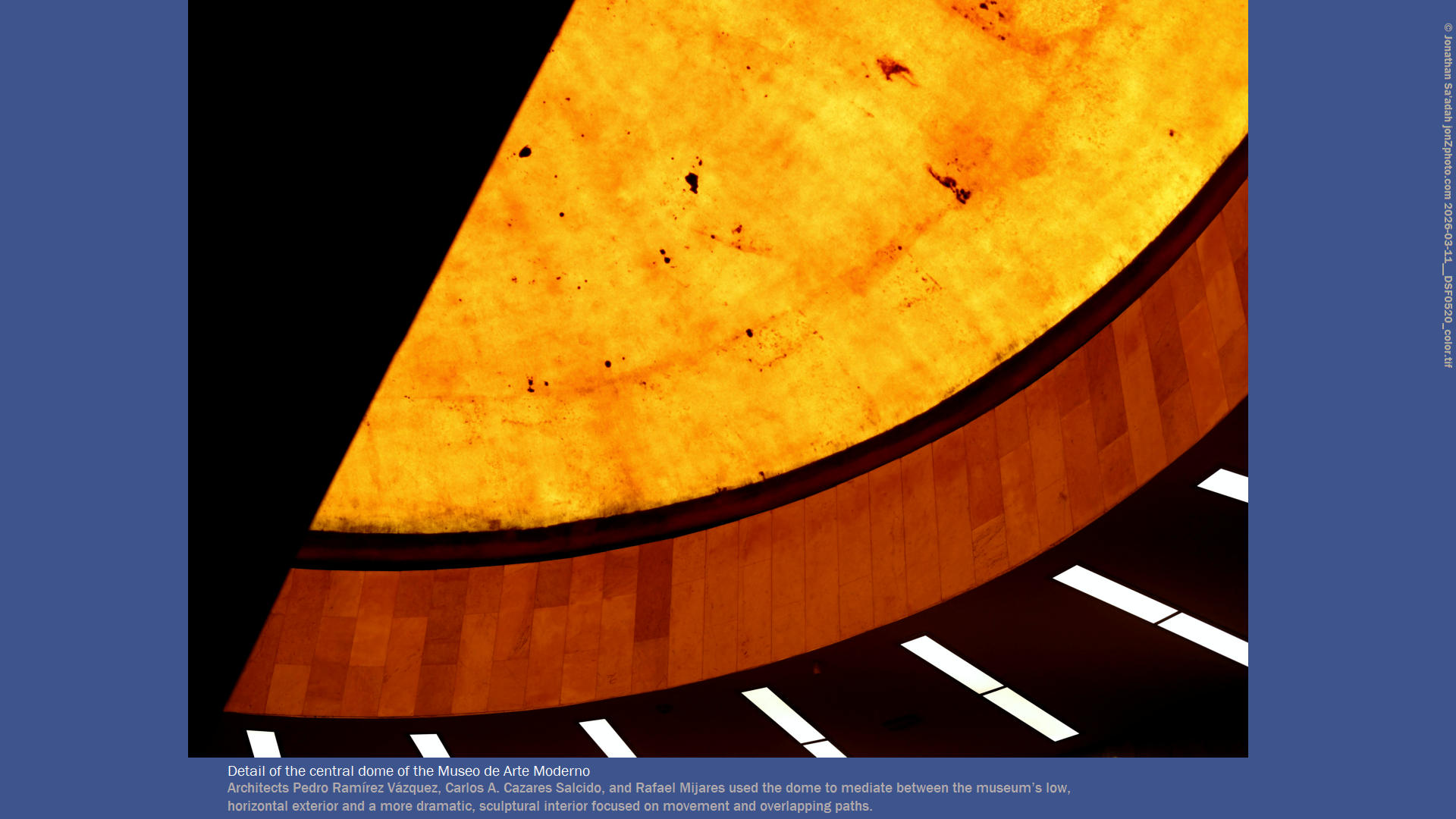
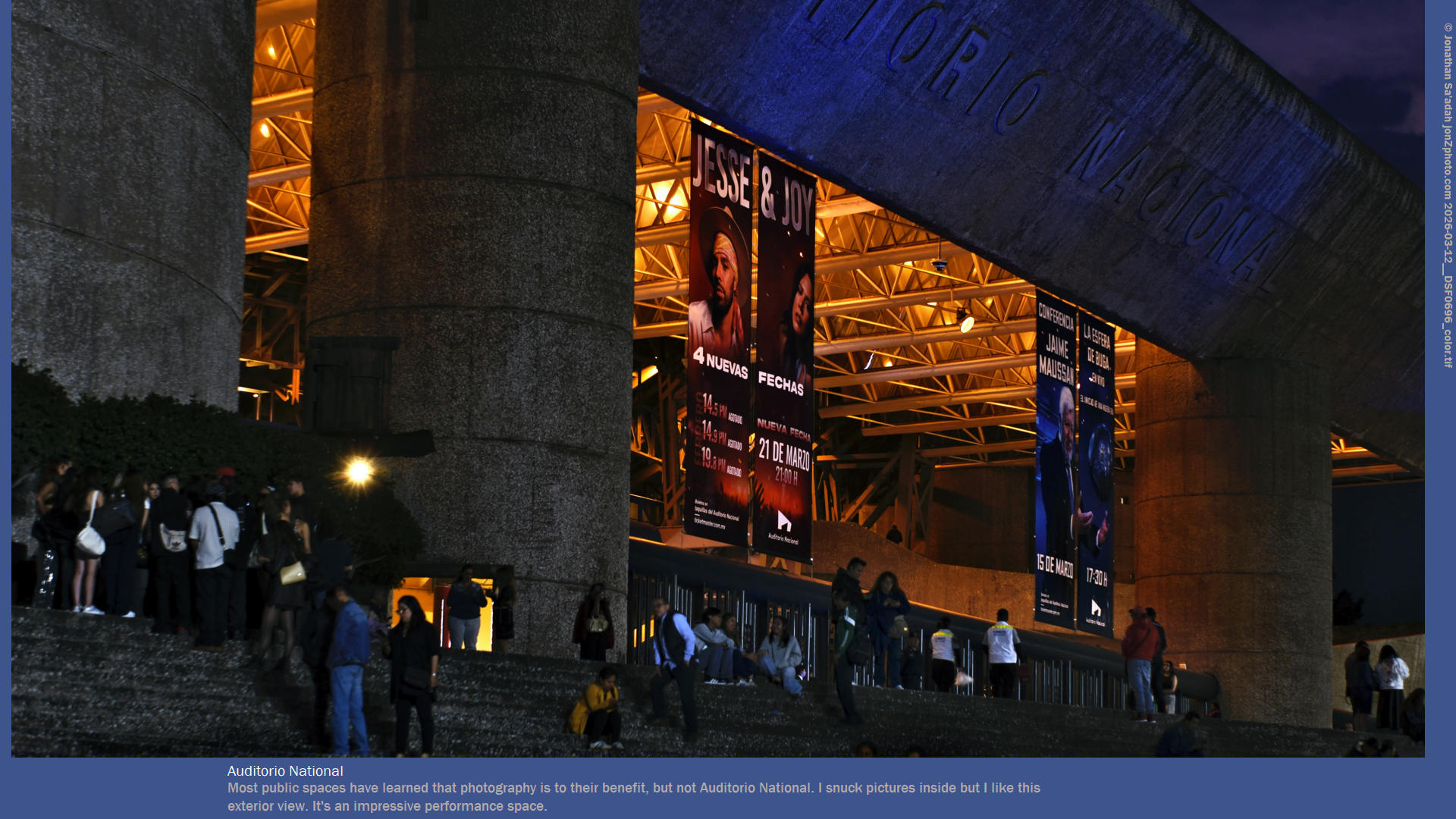
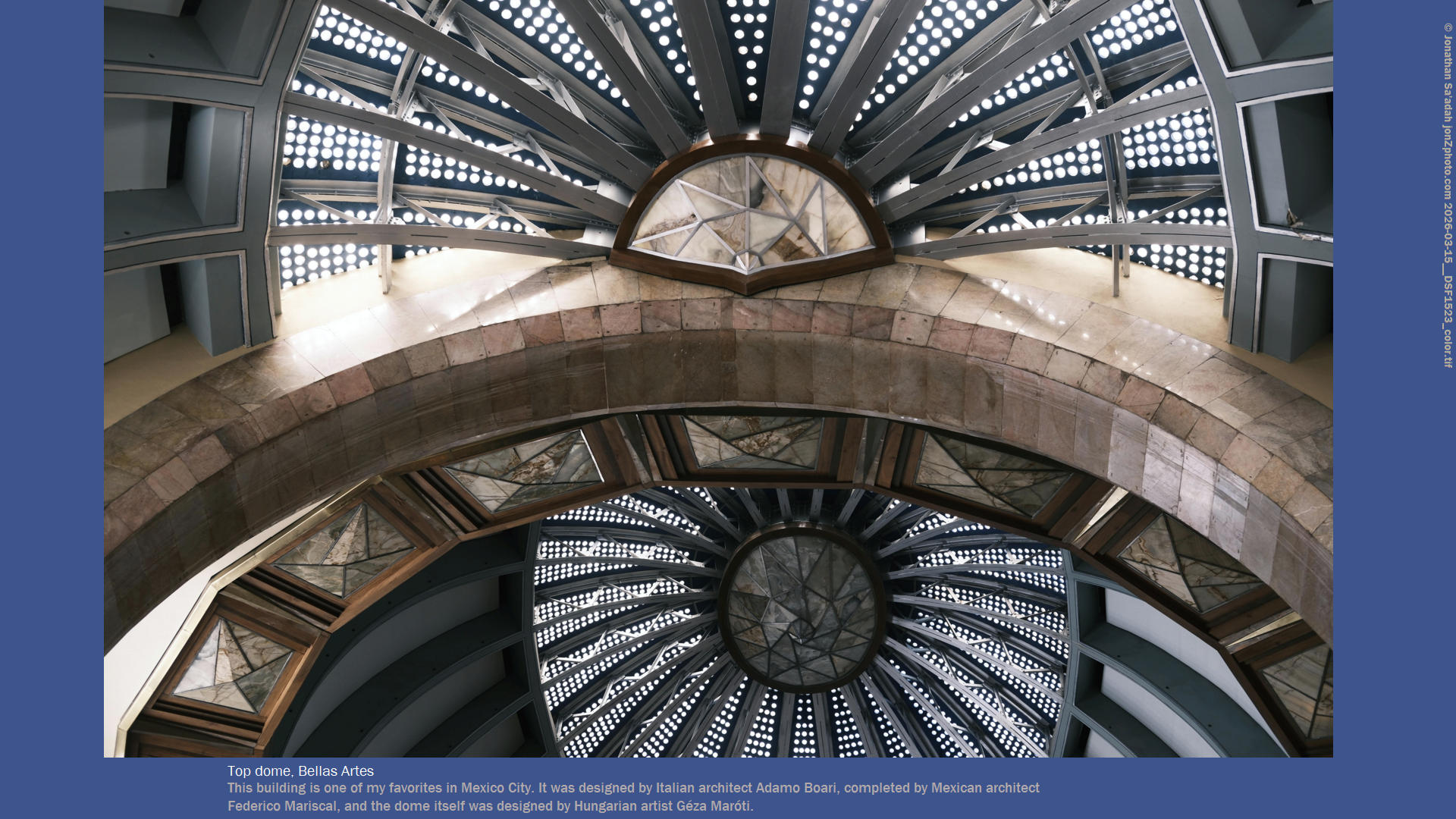
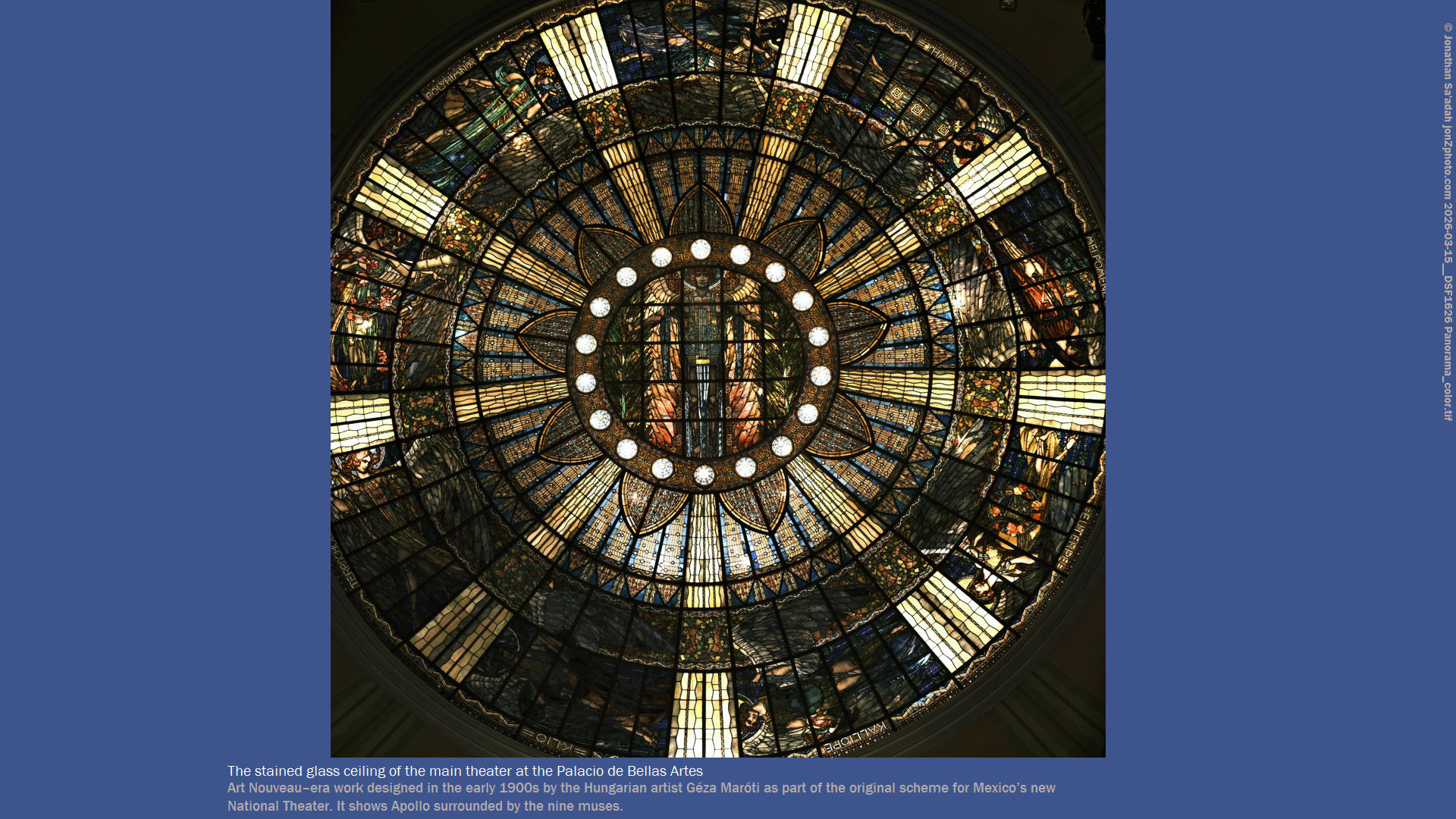
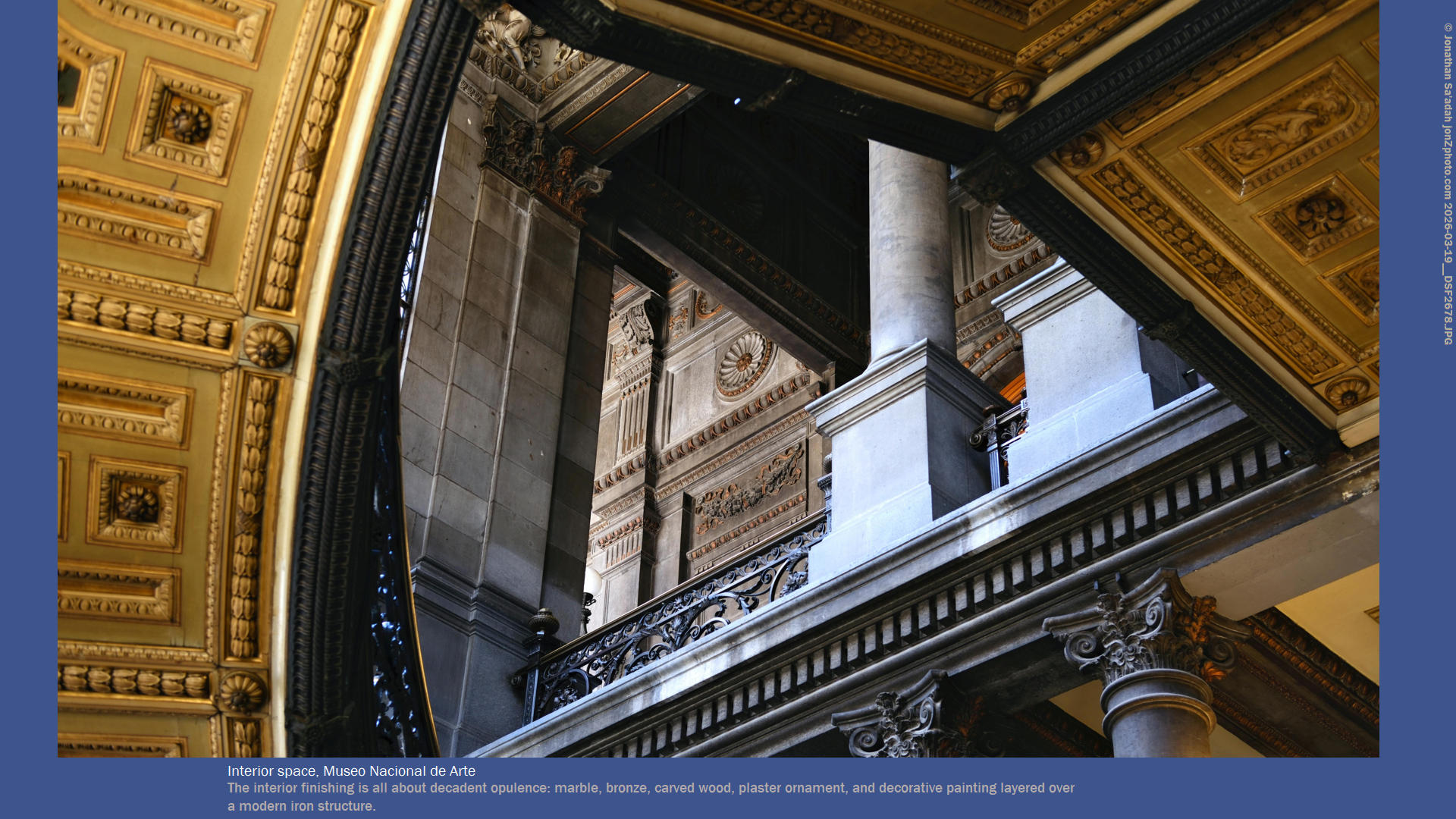
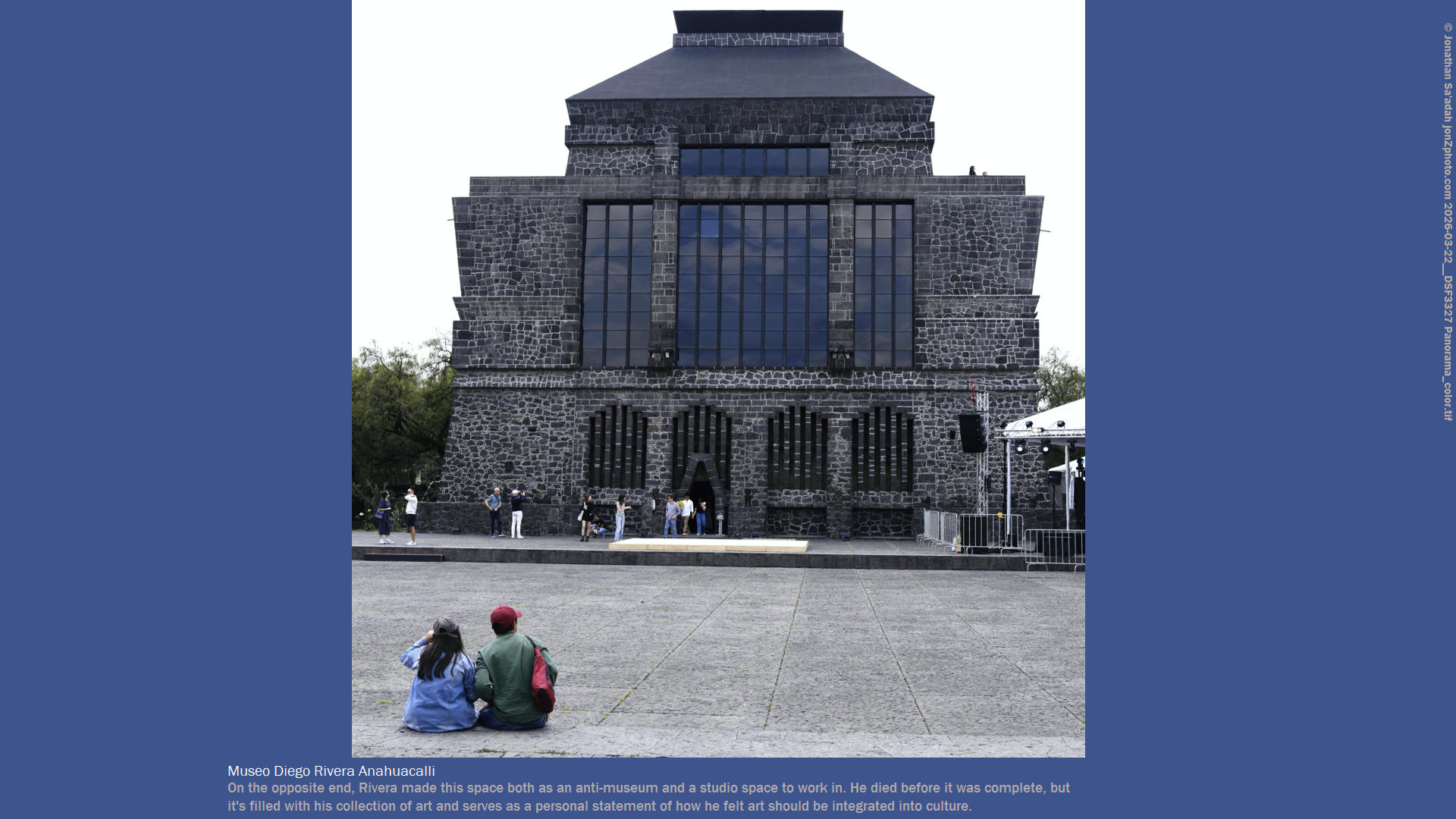
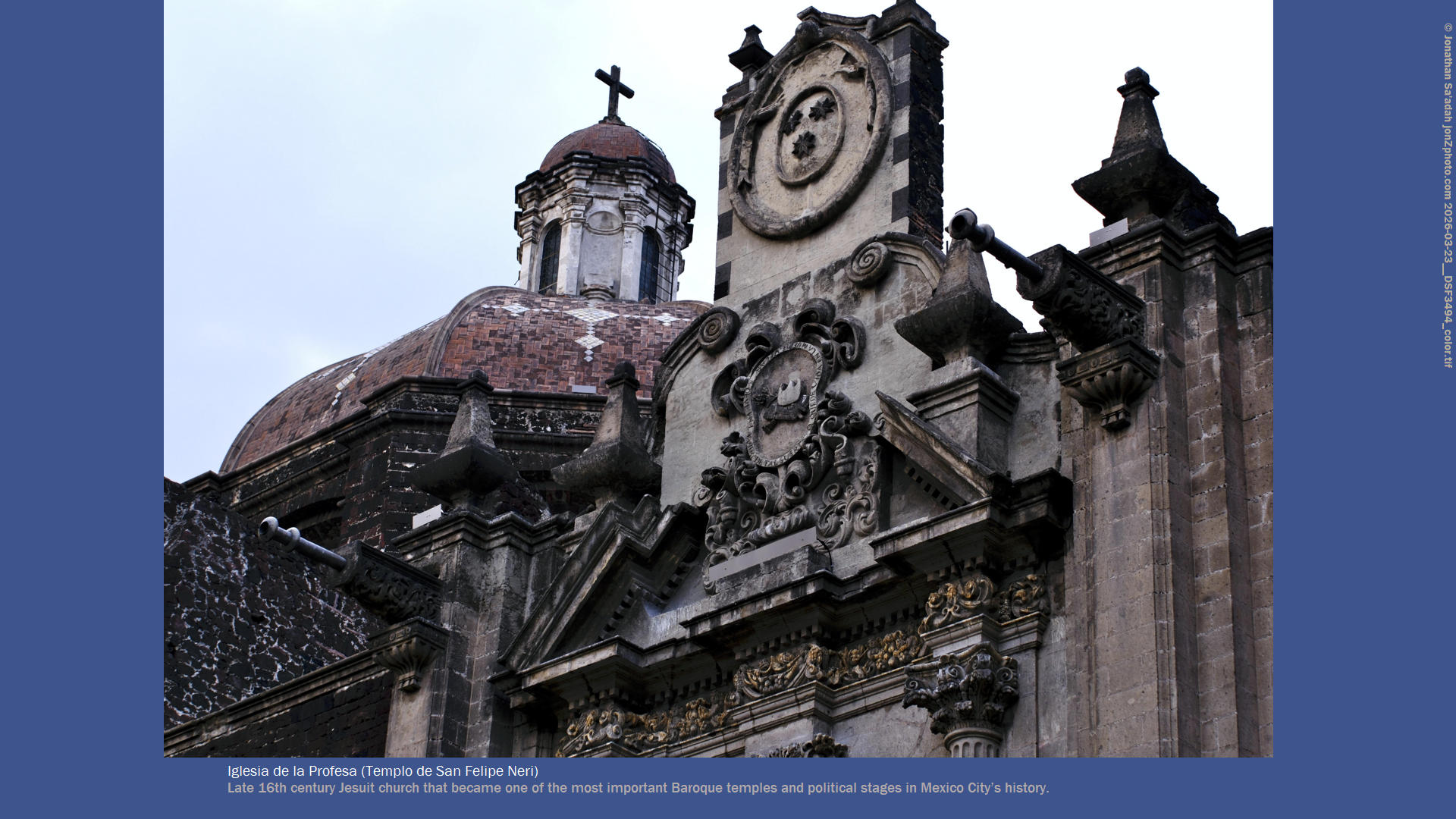
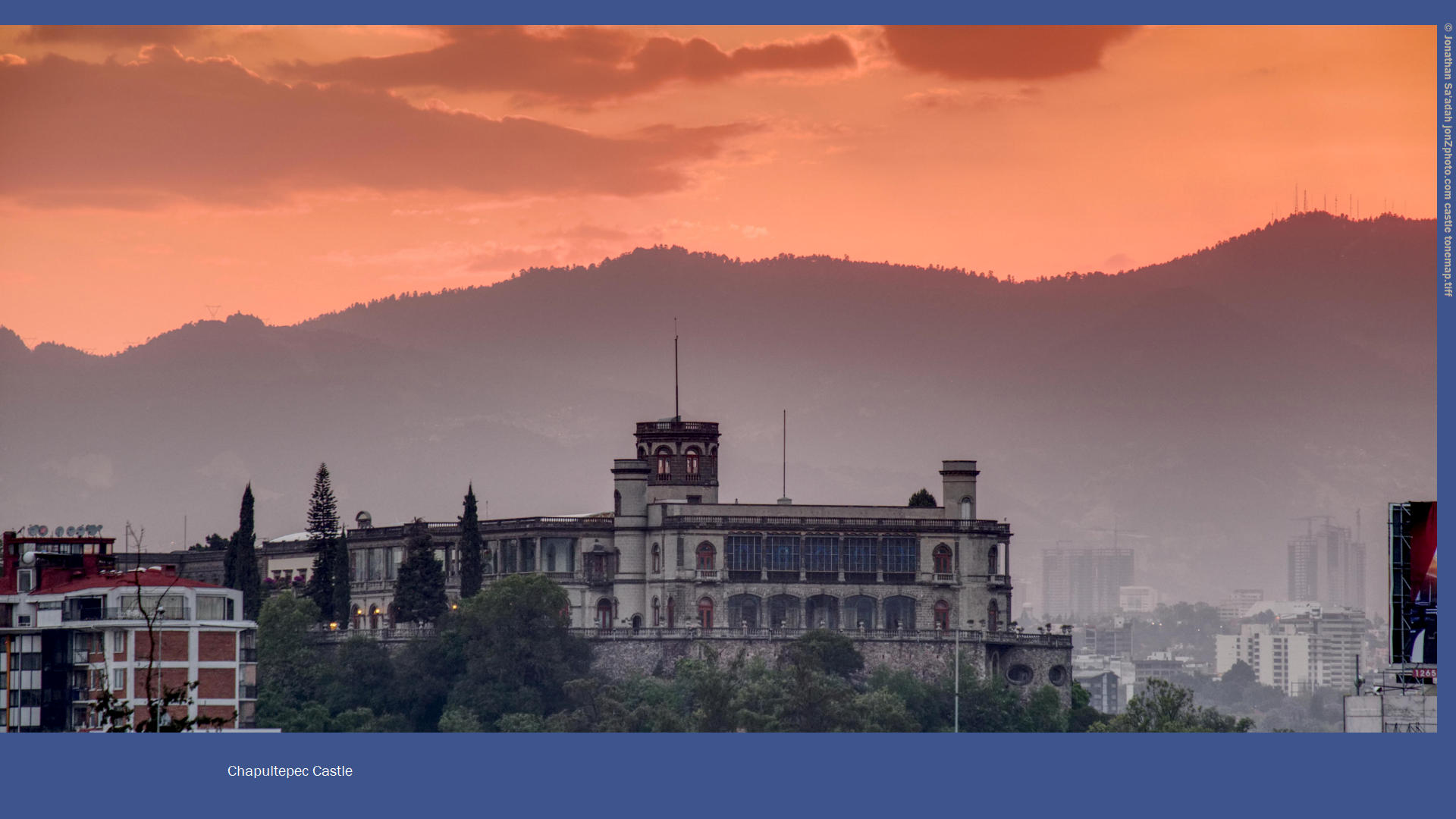
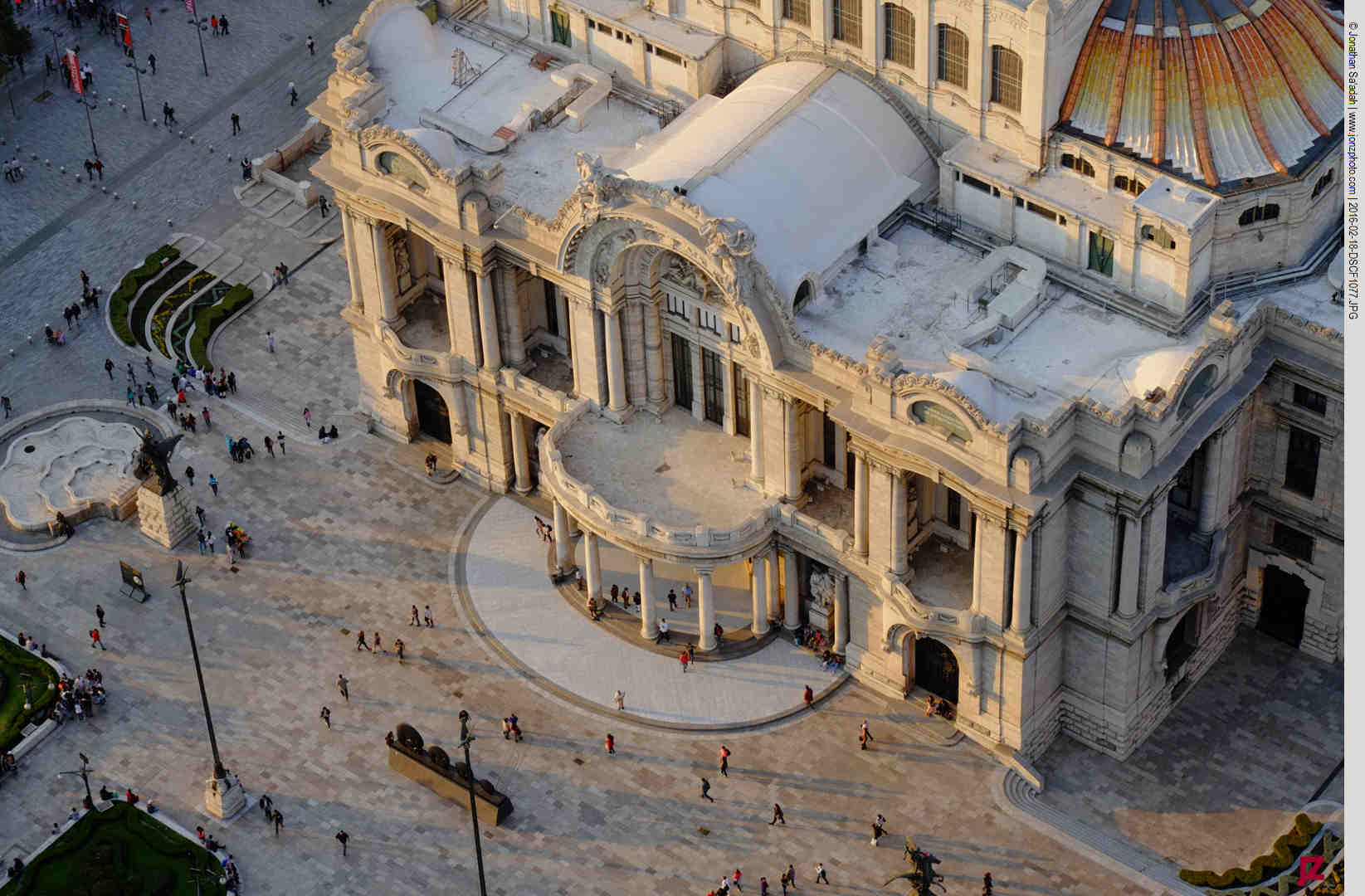
Skylines and Saints: Mexico City

If you have a choice, please view on a screen large enough that you can read the captions.

Posted in Architecture, Mexico
Tags:

Returning to an old friend: al-Andalus

We first ate at al-Andalus in 2013, on our first visit to Mexico City. A Mexican friend who had moved to Montreal told us it was her favorite restaurant in the city. We took that as a high recommendation and went. We have gone back almost every time since. But with the pandemic there was a big gap, and we skipped it on last year’s trip, so it had been nearly seven years since we’d entered its quiet courtyard and climbed up the worn stone stairs to the dining rooms. In that time al-Andalus has expanded to other locations and become a well-known brand in CDMX. The original, though, is still at Mesones 171, in a seventeenth-century colonial building in the Centro Histórico – a building that was, by local lore, the city’s first officially licensed brothel. To me it’s like a pilgrimage.

The open entrance in the center of the photo is where you enter al-Andalus.

That the restaurant sits on Calle Mesones is no accident. The street’s eastern stretch, running toward the old La Merced market district, has been the center of Arab commercial life in Mexico City for well over a century. Lebanese immigrants began arriving in the second half of the nineteenth century, and many of them set up shop here and on the surrounding streets – Correo Mayor, Jesús María, República del Salvador, Venustiano Carranza – selling textiles, haberdashery, foodstuffs, and dry goods. The Maronite Cathedral of Our Lady of Valvanera, just a few blocks away on República de Uruguay, became the spiritual anchor of the community and remains the seat of the Maronite Catholic Eparchy in Mexico. Its statue of Saint Charbel, draped in colored ribbons bought at the mercerías on the same street, is venerated by Lebanese and Mexican faithful alike, and you can still hear blessings spoken in Aramaic inside (though I haven’t).

The Maronites who came to Mexico were mostly young – more than half were between sixteen and thirty – and they arrived carrying Ottoman passports that marked them simply as Turks. Lebanon did not yet exist as a nation. They were fleeing the same conditions that influenced my family’s history and that I wrote about here. They entered through the Gulf ports of Veracruz, Tampico, and Progreso, and many who had intended to continue to the United States found opportunity enough in Mexico to stay. As was the pattern in other countries, the Lebanese immigrants started as ambulant peddlers, loading a wooden box with tinned goods and walking from town to town. From that box, dynasties were built. Julián Slim ran a dry-goods store on Calle Jesús María, a few steps from the Plaza de Loreto; his son Carlos became the richest man in the world. Antonio Domit started a shoe workshop in the 1920s in La Merced that grew into a national brand. Neguib Simón, a Yucatecan of Lebanese origin, created the Plaza de Toros México and pioneered the shopping arcade.

Carlos Slim, the second generation immigrant from Lebanon, has had a huge impact on Mexico City. He donated this plaza next to the Basilica of Our Lady of Guadalupe, built the Museo Soumaya and filled it with artwork, and owns dozens of buildings in the Centro Histórico of the city where he is a key player. Through his construction company he was the main promoter for a new airport that was opposed and canceled by the Morena government.

That the Maronites integrated as deeply as they did owes something to religion. They were already Christians – Eastern-rite Catholics – and in a country where Catholicism was the social fabric, that mattered enormously. They married locally, hispanicized their names, learned Spanish quickly, and sent their children into Mexican schools and churches. But they also kept their own institutions. Although Lebanese immigrants made up less than five percent of Mexico’s foreign-born population in the 1930s, they accounted for roughly half of all immigrant economic activity. Today there are an estimated 400,000 to 600,000 Mexicans of Lebanese descent.

And it runs, unmistakably, through the food. The Lebanese brought shawarma; Puebla turned it into tacos árabes on pan árabe, and Mexico City turned those into tacos al pastor on corn tortillas with pineapple and salsa. It is arguably the most eaten street food in the country, and it began with a vertical spit and a Lebanese cook.

A CDMX street vendor selling shawarma, not connected to al-Andalus.

Al-Andalus was opened in 1994 by chef Mohamed Mazeh, who had arrived in Mexico in 1990 and started by selling tacos árabes. The original Mesones location – thick stone walls, high ceilings, white tablecloths, not much decoration – feels more like a family home than a restaurant. It has since expanded to branches in Nápoles, San Ángel, Santa Fe, and inside Palacio de Hierro. But the Mesones original remains the place where I want to eat and feel at home.

Today we went back. Fresh lemonade. Tabbouleh made primarily with tomatoes and flat-leaf parsley – unlike my mother’s recipe, which was heavy on curly parsley and mint. Hot pita, baked fresh in the massive stone oven, brought to the table still puffing with steam; I photographed the baker afterwards spinning the pita onto the oven floor like frisbees. Roasted lamb chops served sizzling on a cast-iron plate. Yoghurt with cucumbers. Kibbeh in a wedge, delicate as anything, with more tabbouleh on the side. And to finish, small, crispy Lebanese baklava.

Seven years away, and it was exactly as we wanted, our favorite place to eat in the city, by far.

Baking pita at al-Andalus.

Posted in Mexico, Middle East, Travel
Tags:

Being Somewhere Different

When I was in my twenties I used to ride the metro there with a good friend who was French, and she always was annoyed (“Why do you care?”) with my habit of choosing which car of the train to board so I’d be lined up with where I was going. I still do it, and I’d say honestly that it’s probably a marker of a certain type of obsessive personality which I now understand and confess to.

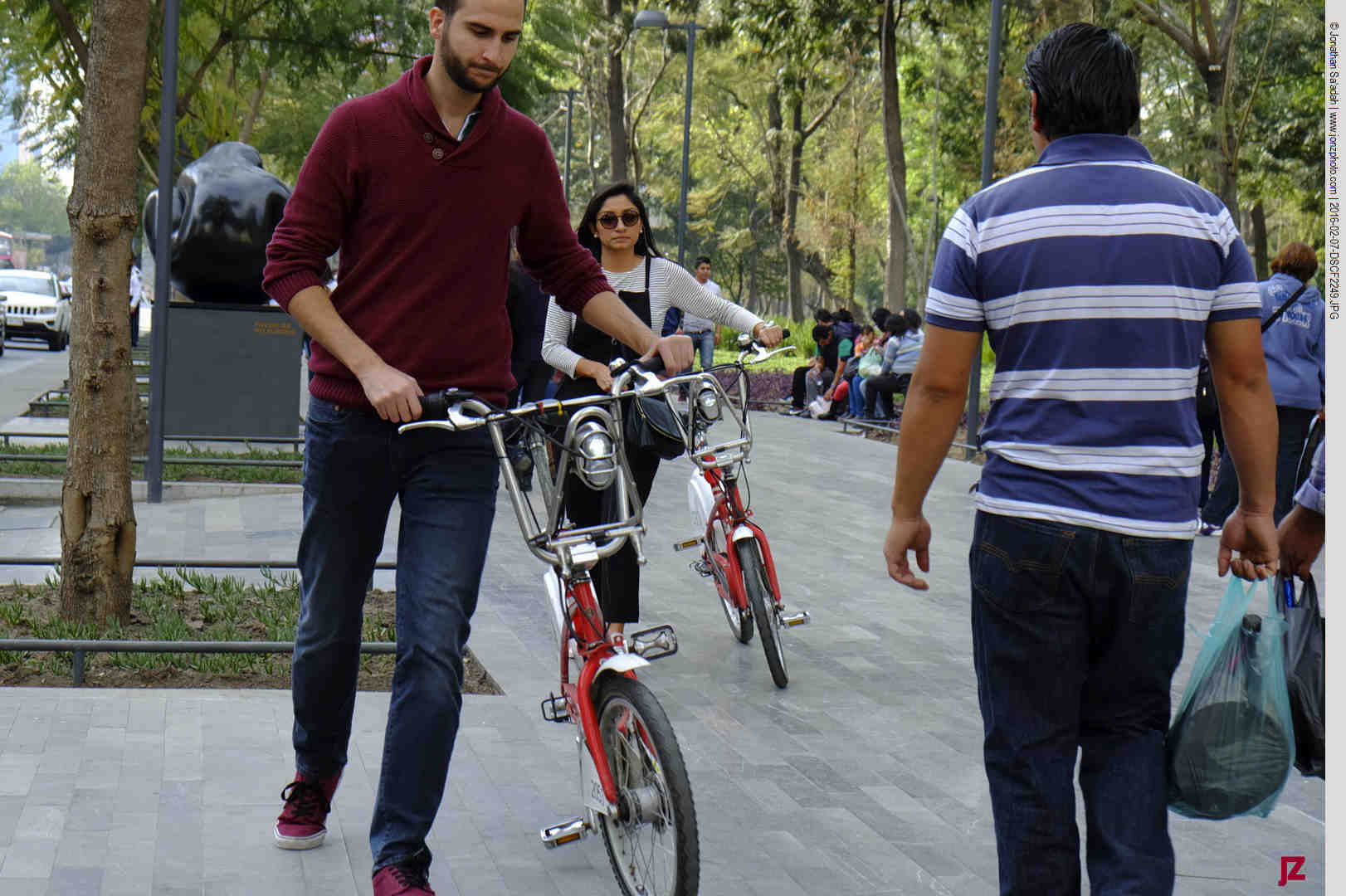
Like my friend, Mexico too is the opposite of that personality. A few nights ago I rode the metro back to our rental and across from me was a family, three generations riding together. A couple with what looked like the woman’s mother, and her two children. Her husband held an oversized girl (probably about five) in his arms as she slept and the mother read her other younger daughter from a paperback book. I almost stayed on the train past Tacuba (where I needed to transfer) just because I was enjoying watching them. If I really knew how to live slow I probably would have stayed on the train.

A couple of days ago I received a screed from a good friend asking “Why should it be more difficult to turn on a TV today than it was 50 years ago?” I think that’s a good question. I’ve spent several days trying to craft a workaround so I can import captions into the picture galleries on this blog, almost a complete waste of time since I never got it working. I still position myself on trains, and am still hyper-aware of timings that most people hardly pay attention to.

Sometimes it’s good to be in a place that’s just the opposite of who you are. I’d like to think I share some characteristics with the people in Mexico City – and that’s true – but there’s certainly a lot of foreign territory.

Sadly, I’m not still friends with the woman from my twenties. Her email address hides behind multiple layers of verification codes, and I’ve never been willing to jump through the hoops. But I actually would like to compare notes and see where she ended up too.

Posted in Mexico, Travel
Tags:

Beaming Color

I feel it’s my compassionate duty to beam back warmth and color to my northern friends enduring the gnarly part of winter. As we took off from the Montreal airport the landscape was a frozen monochrome white. Beautiful, in a graphic way, once you got off the ground but still hard ice.

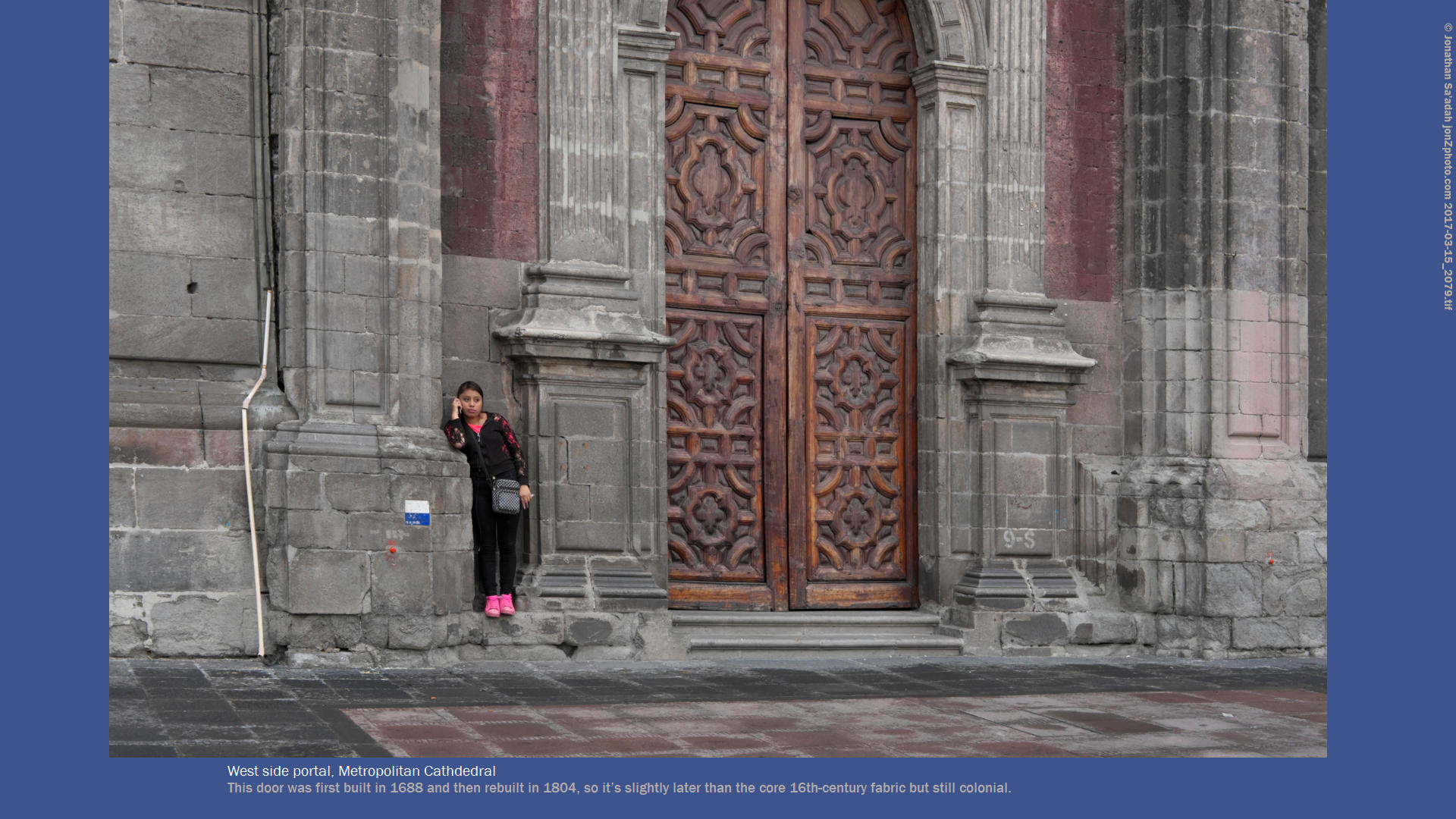
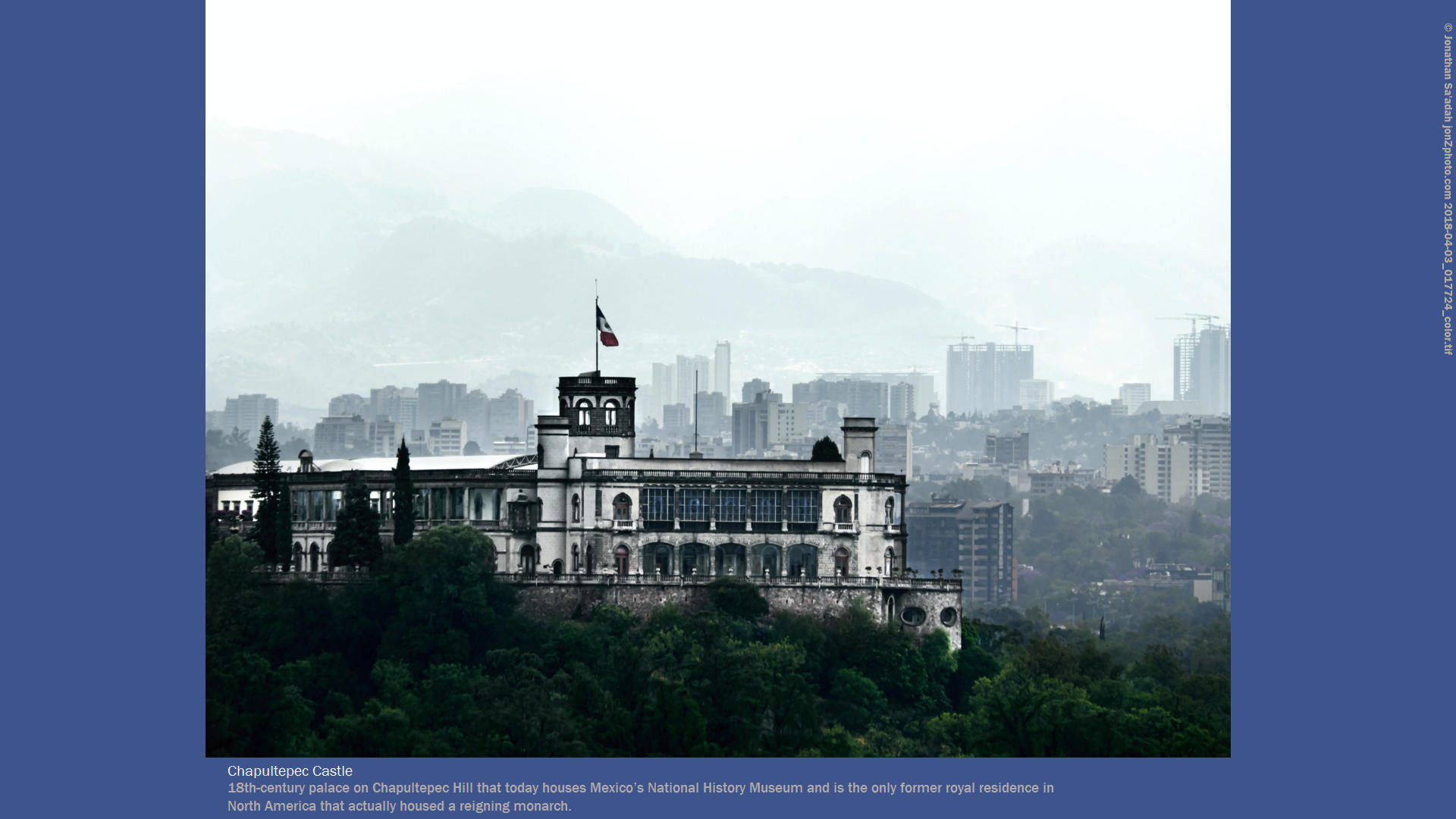
A friend from home has been reminding me almost daily of the countdown to changing our clocks, a small encouragement and marking of spring’s impending arrival. I hope some of these photos will work to warm you. Some are from previous visits to Mexico City, but they are all taken at this time of year, when the city breaking out into spring.
Posted in Architecture, Mexico, Travel
Tags:


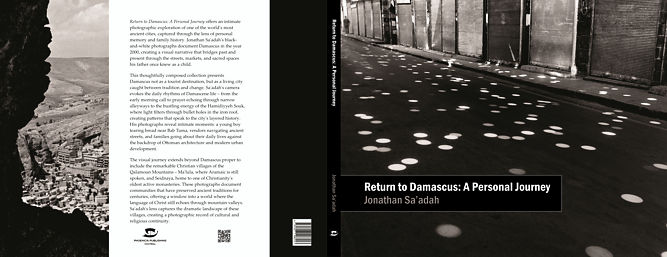
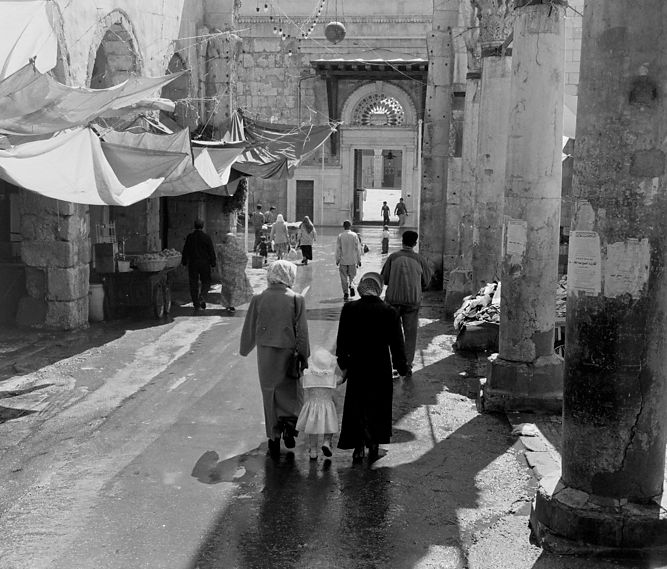
Return to Damascus is my new book of photographs, available for order, that preserves fleeting impressions and the spirit of a place through the lens. Accompanied by brief reflections and memories, the photographs offer a tribute to the place and its people, focusing on enduring character and the subtle interplay of light, architecture, and tradition. Return to Damascus is a quiet celebration of observation and memory, inviting viewers to participate.

custom styled page
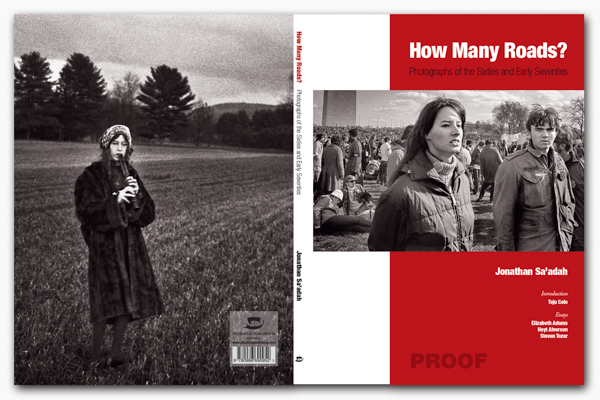
How Many Roads? is a book of photographs by Jonathan Sa'adah, available for order, offering an unglossy but deeply human view of the period from 1968 to 1975 in richly detailed, observant images that have poignant resonance with the present. Ninety-one sepia photographs reproduced with an introduction by Teju Cole, essays by Beth Adams, Hoyt Alverson, and Steven Tozer, and a preface by the photographer.
If you'd like more information, please have a look at this page.
Jonathan's photo blog

Sign up to receive an email
each time I post new content

Please check your email for a confirming link to click on.

No spam! Read my privacy policy for more info.

To see more work
To visit my blog

Contact information

All material © Jonathan Sa'adah no use without written permission