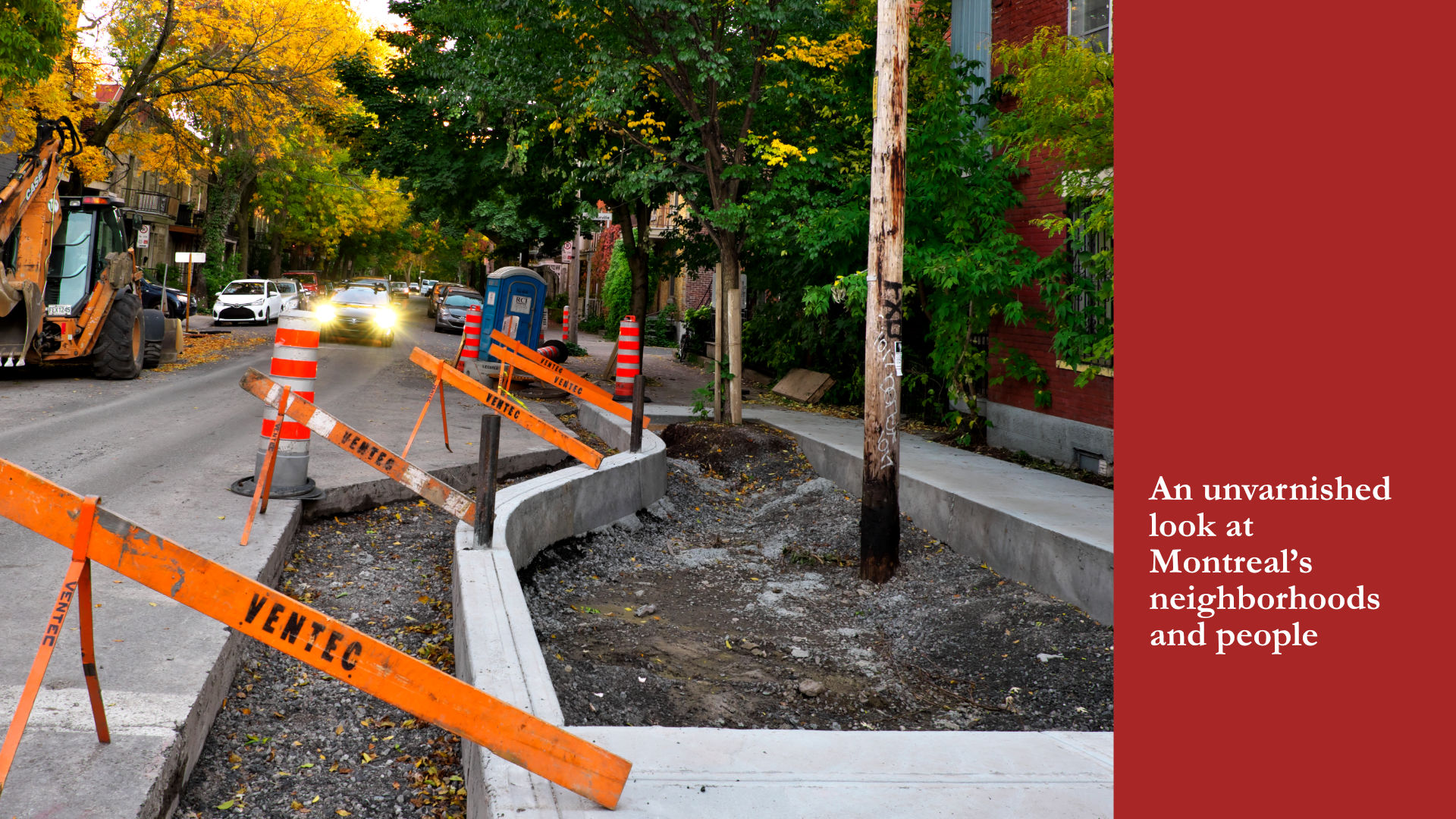
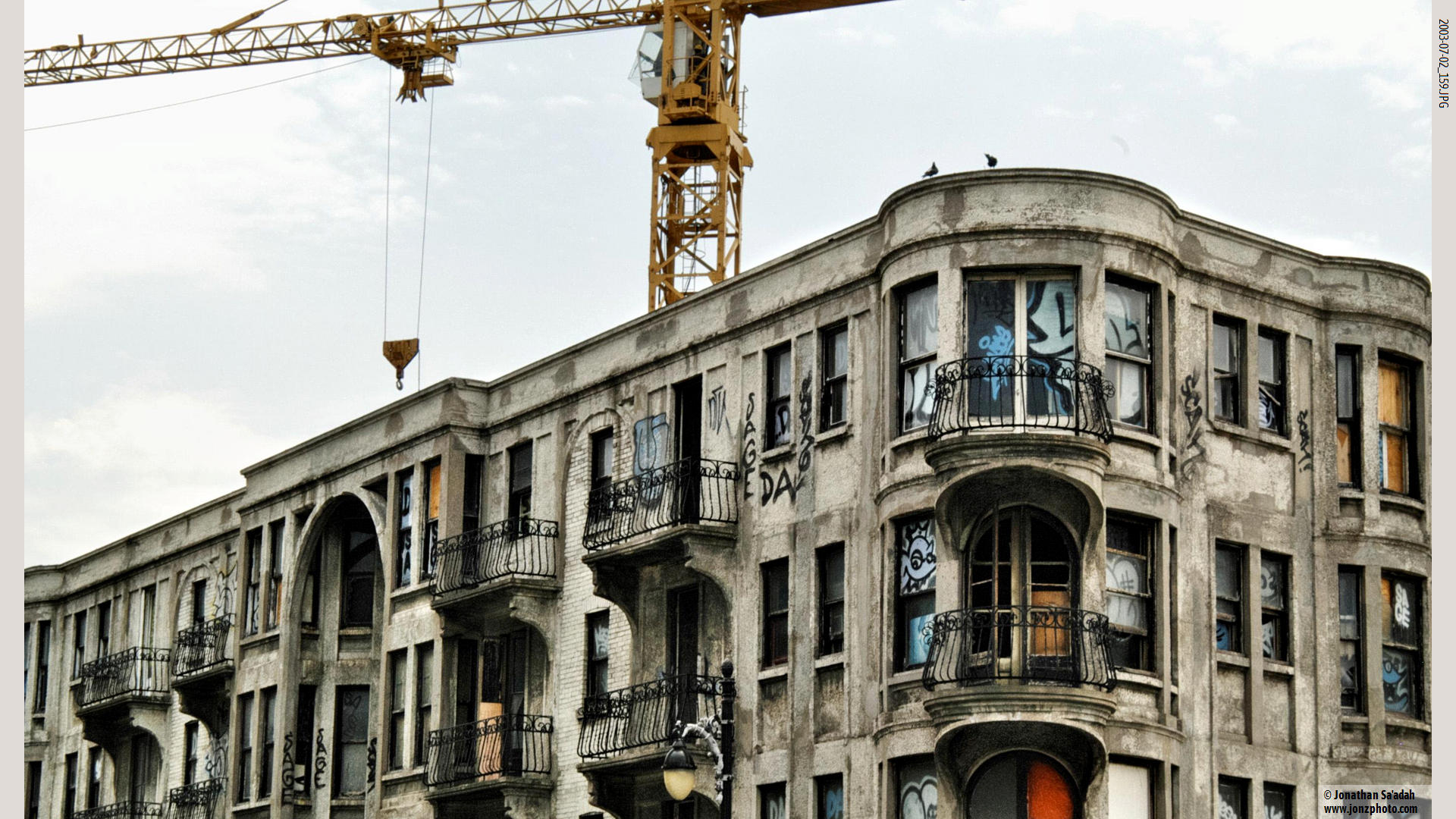
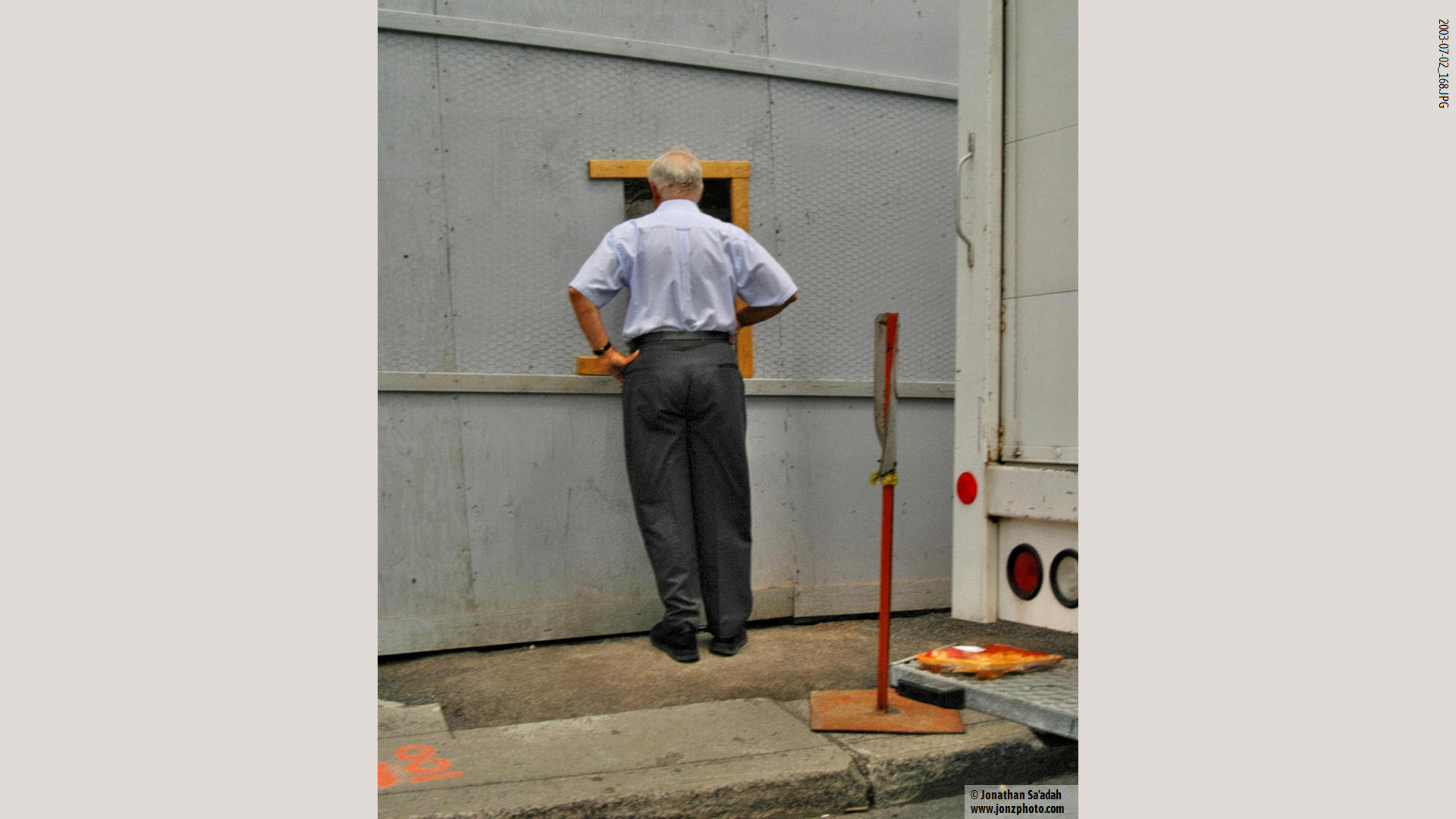
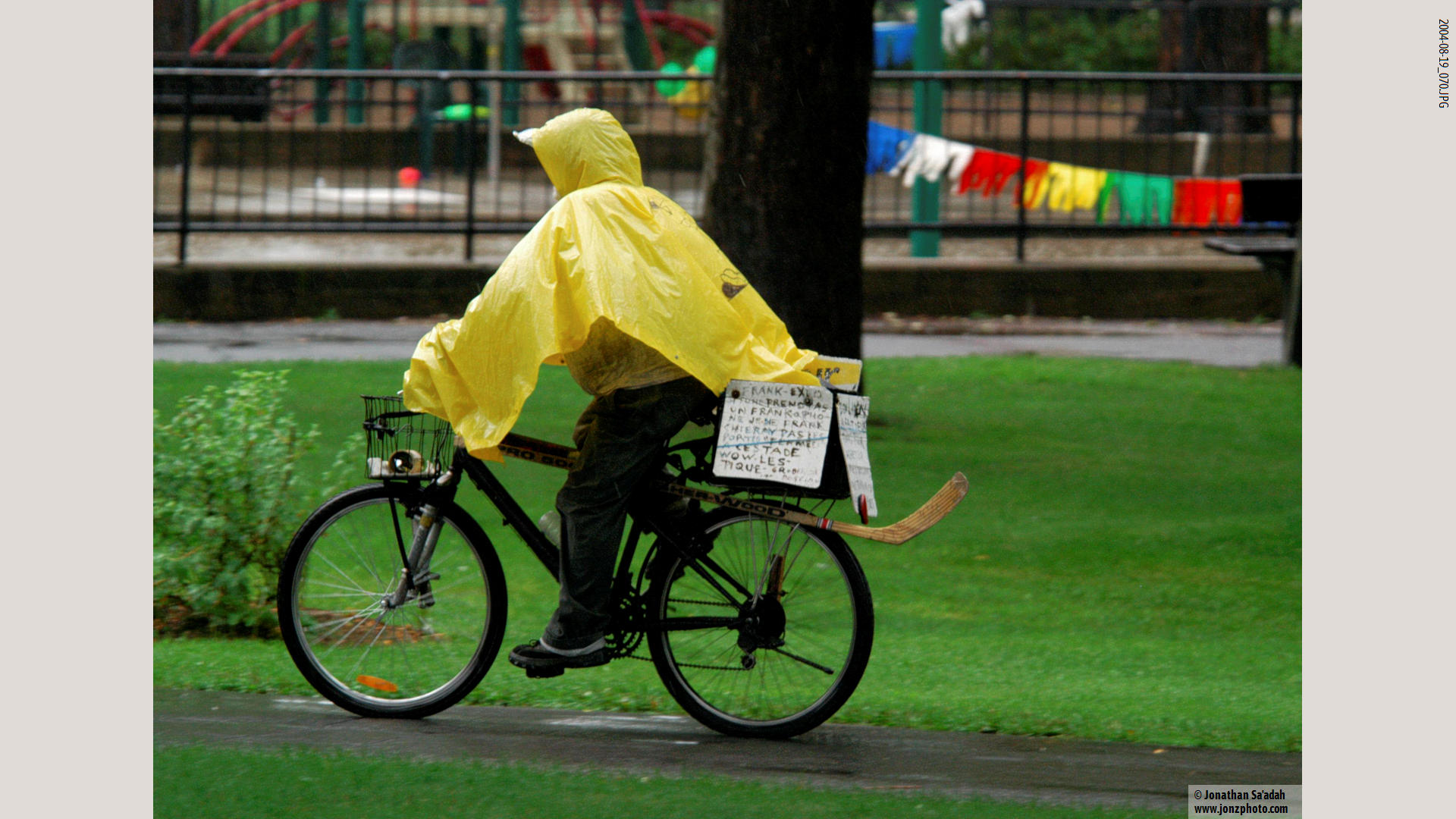
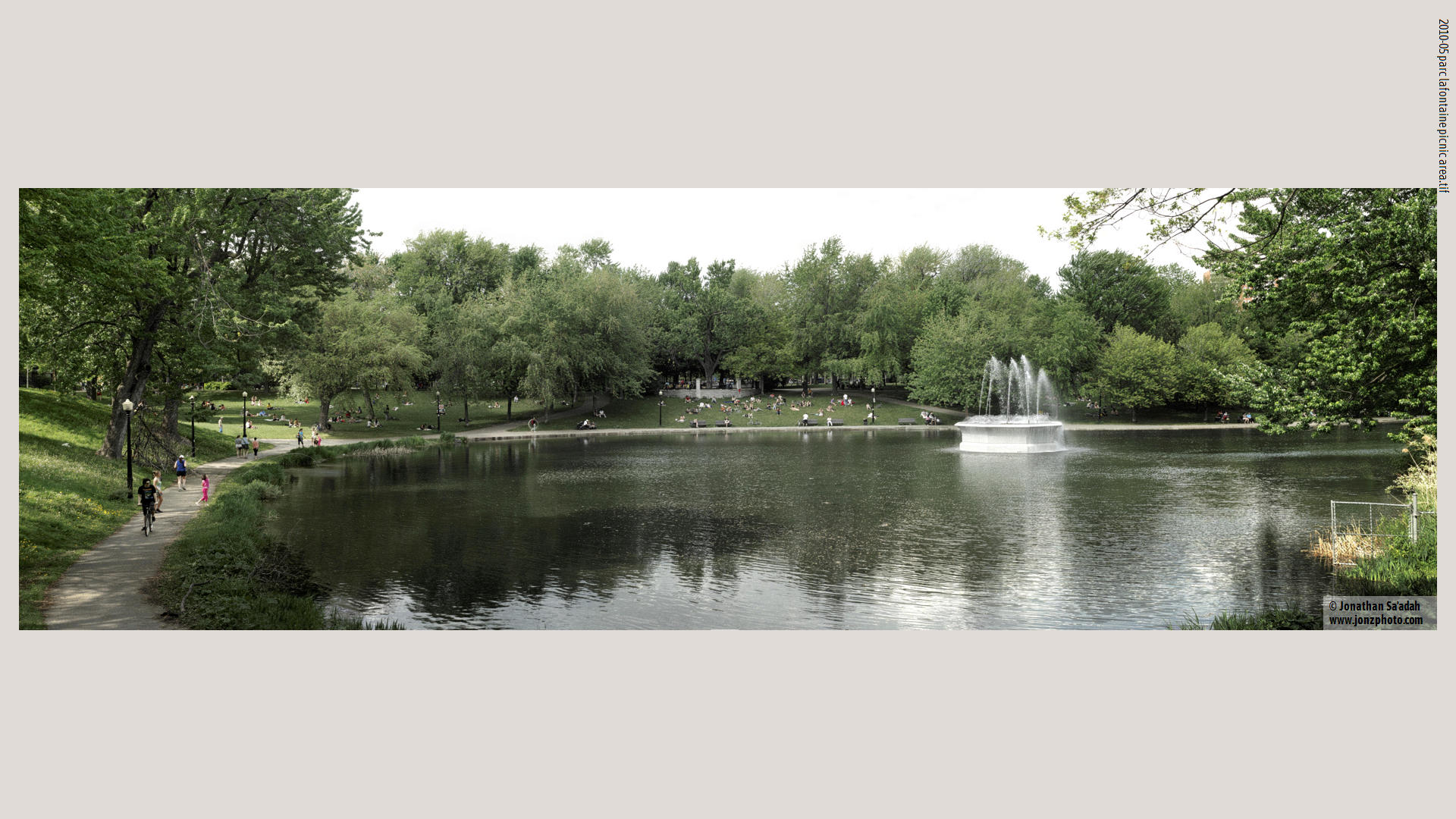
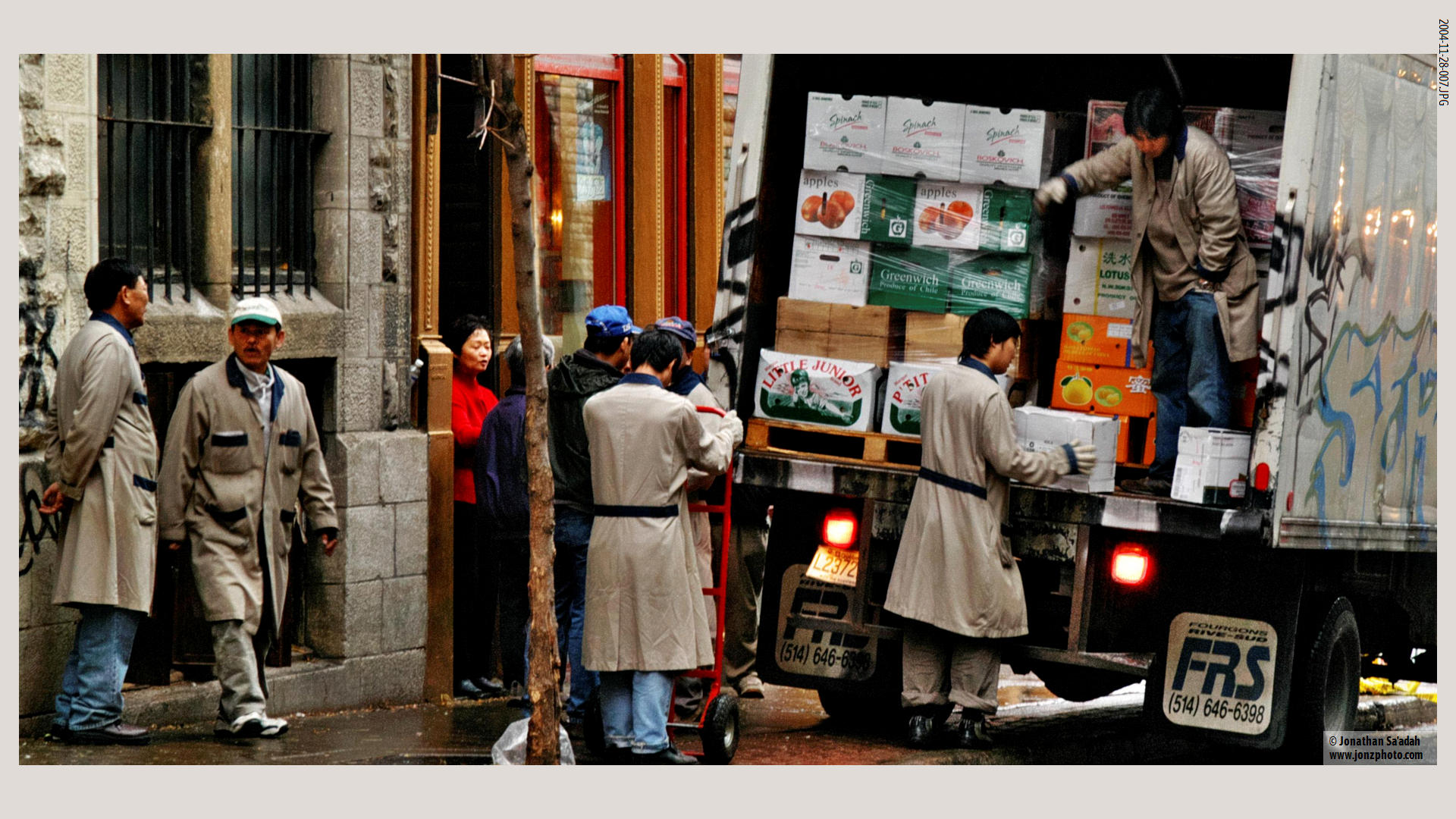
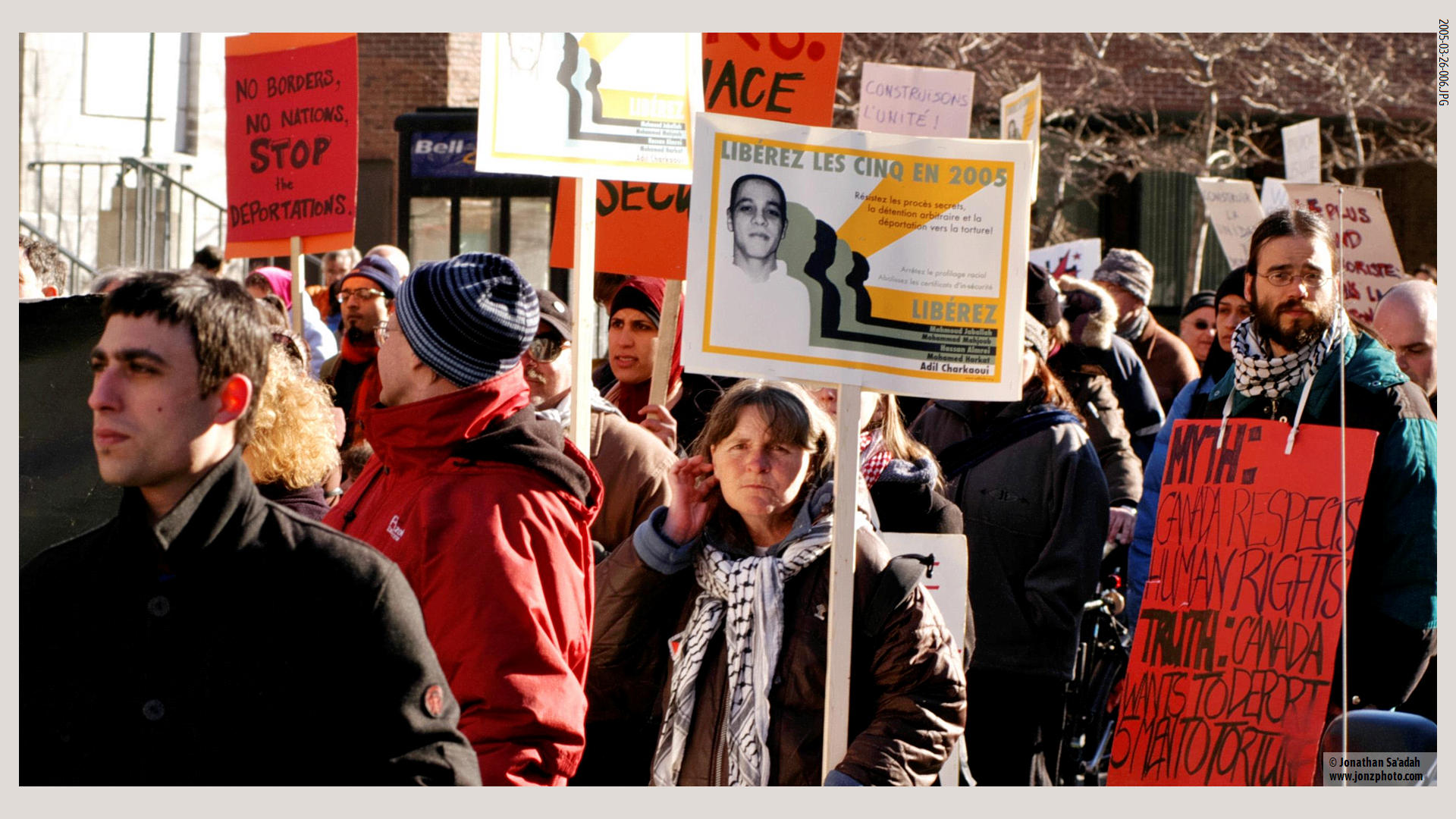
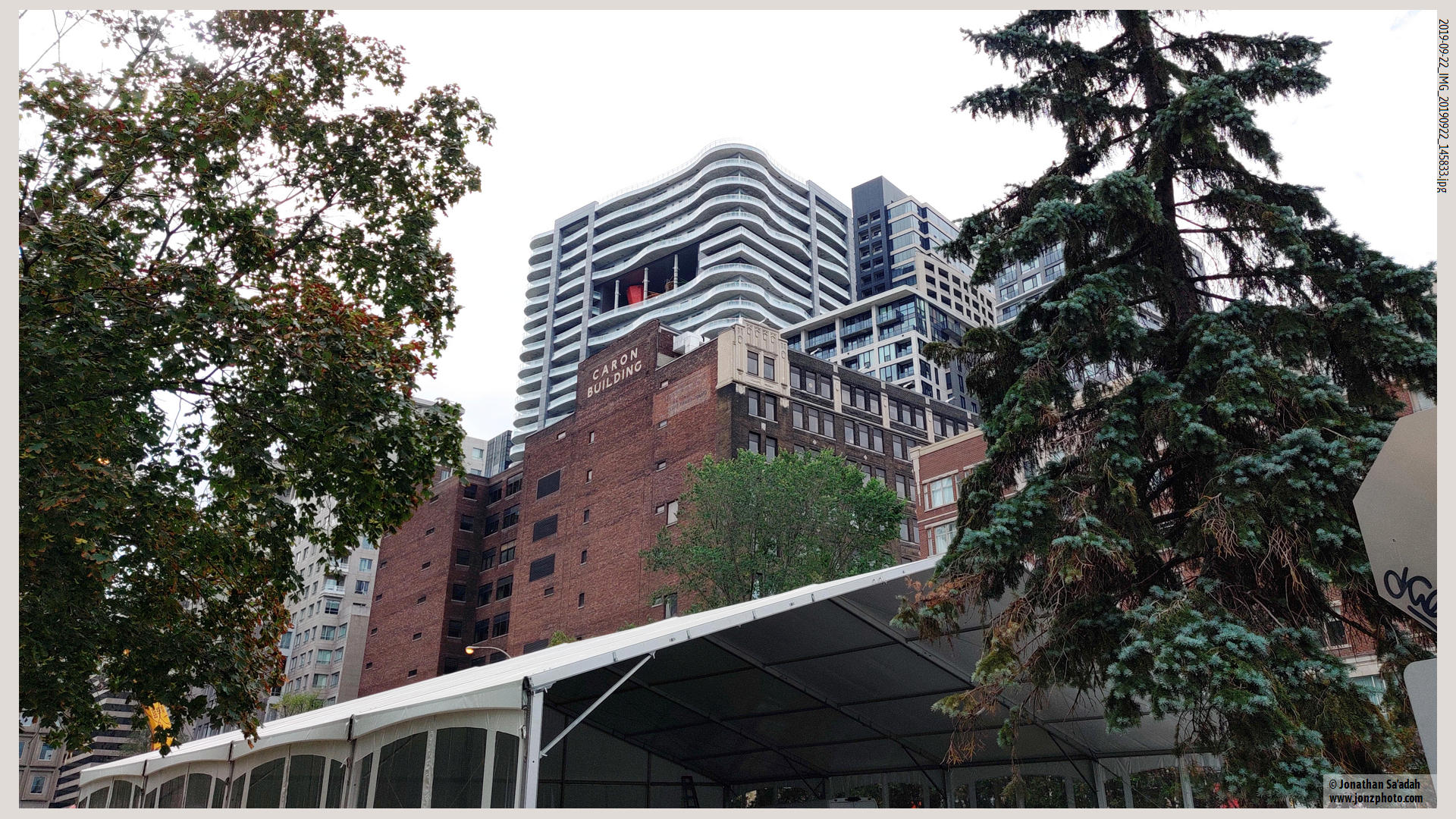
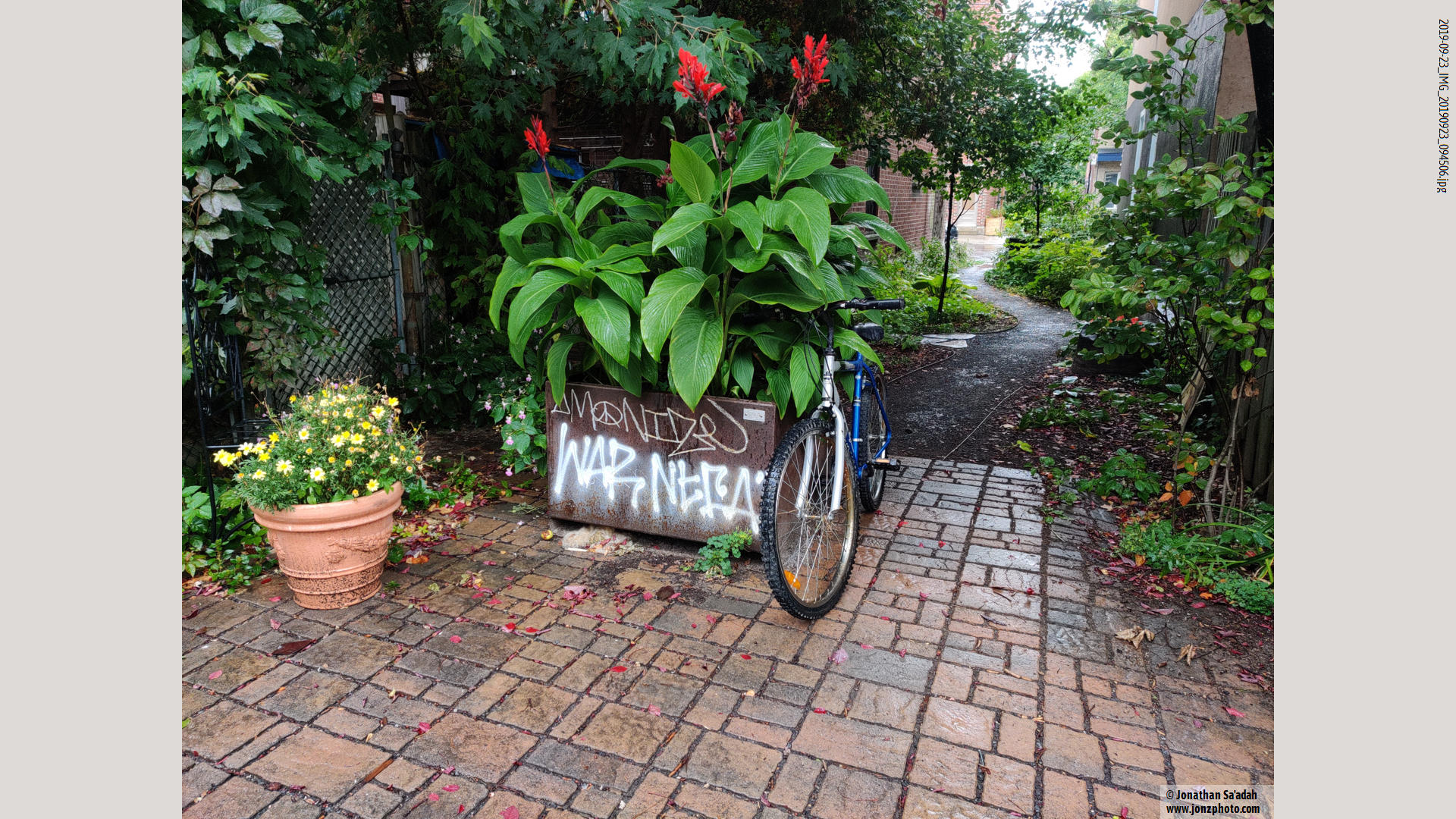
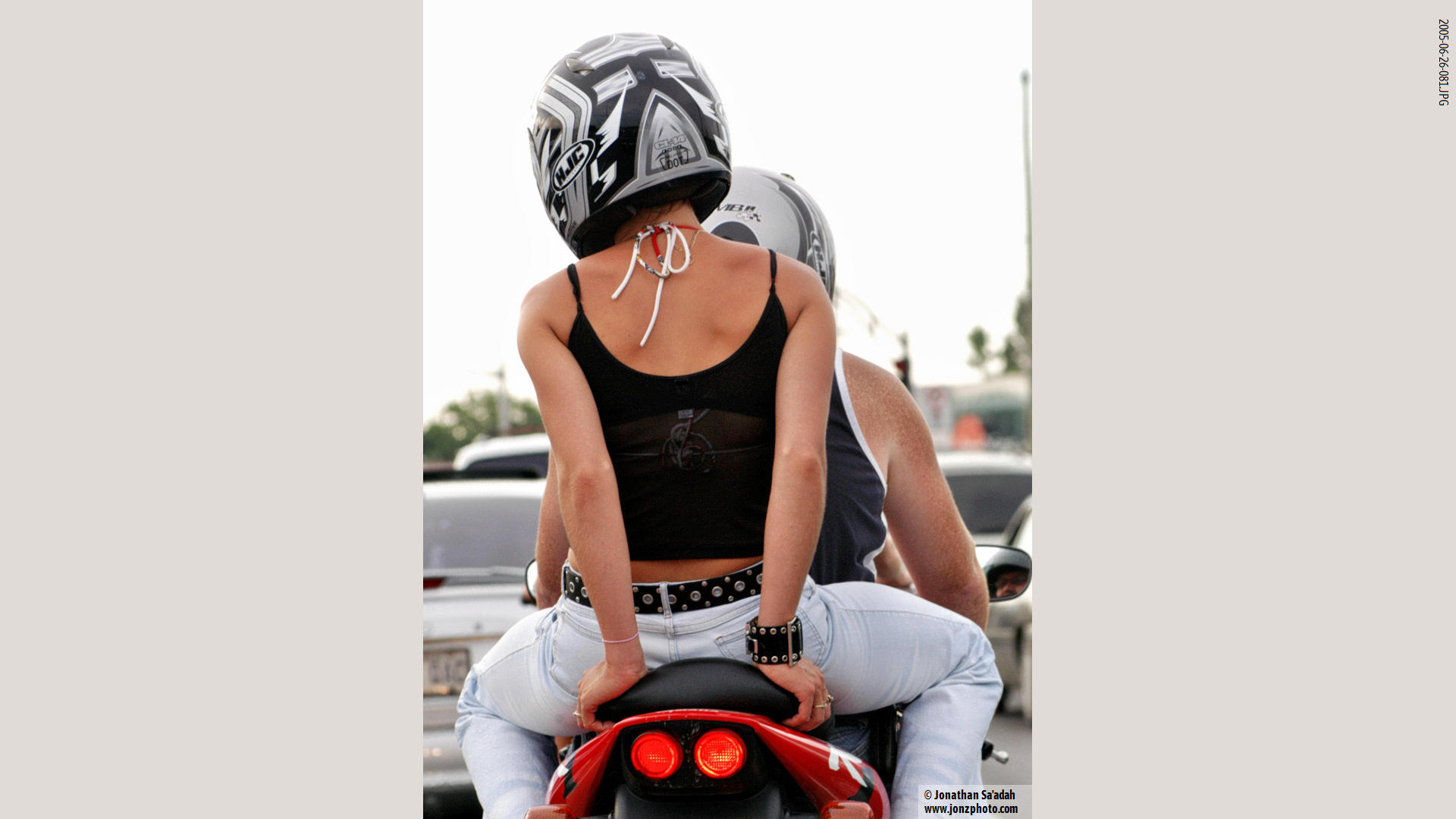
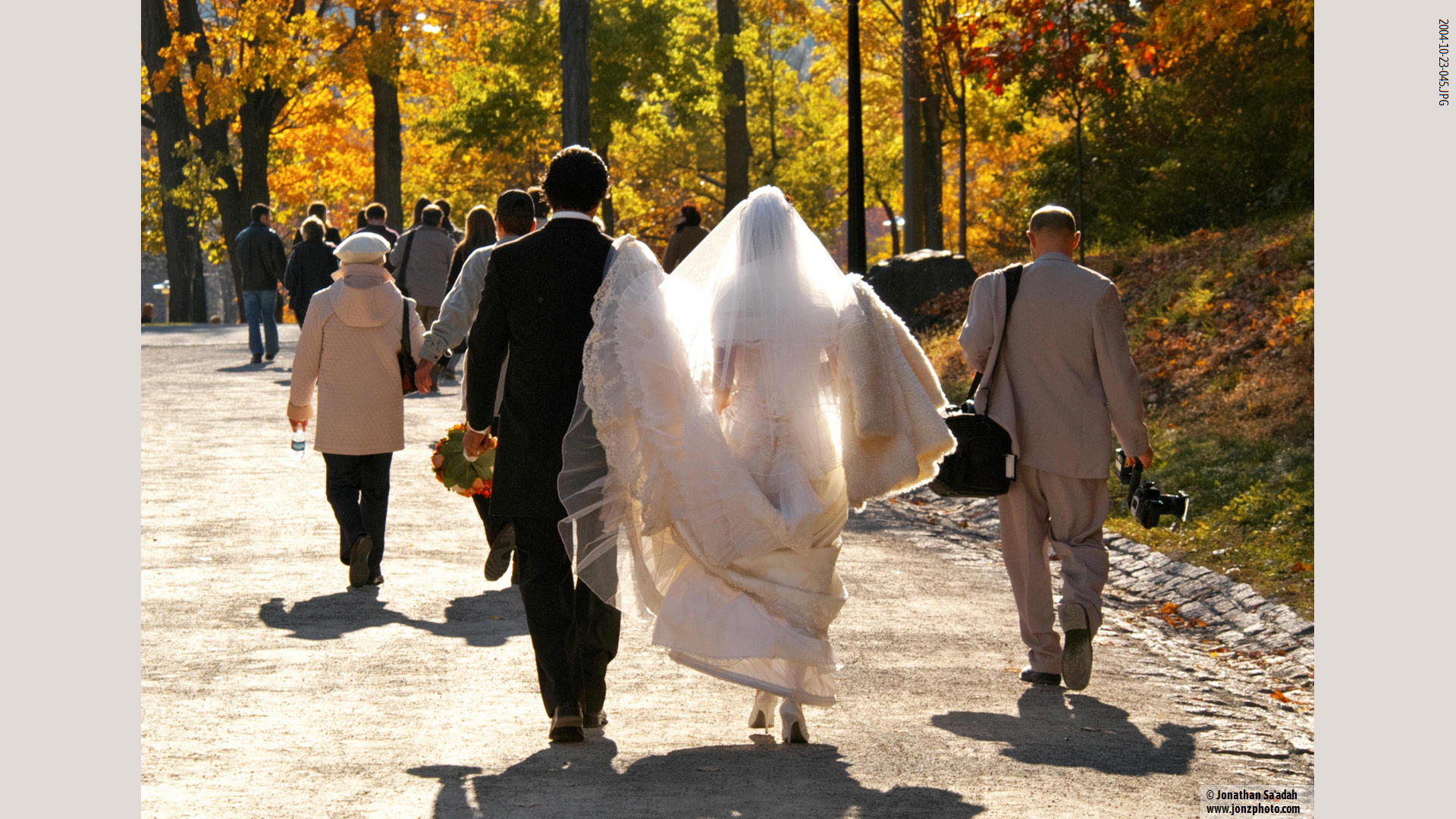
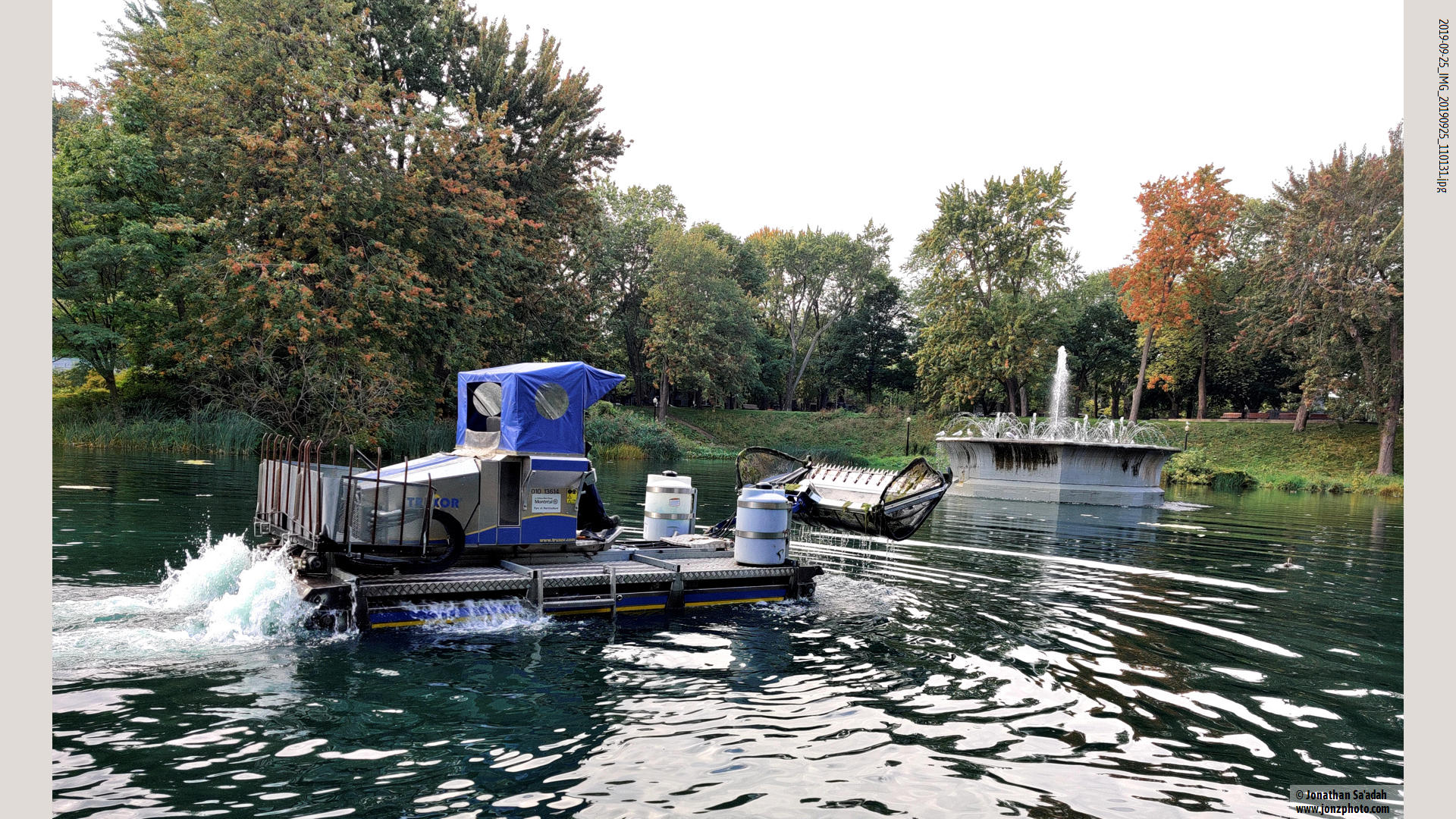
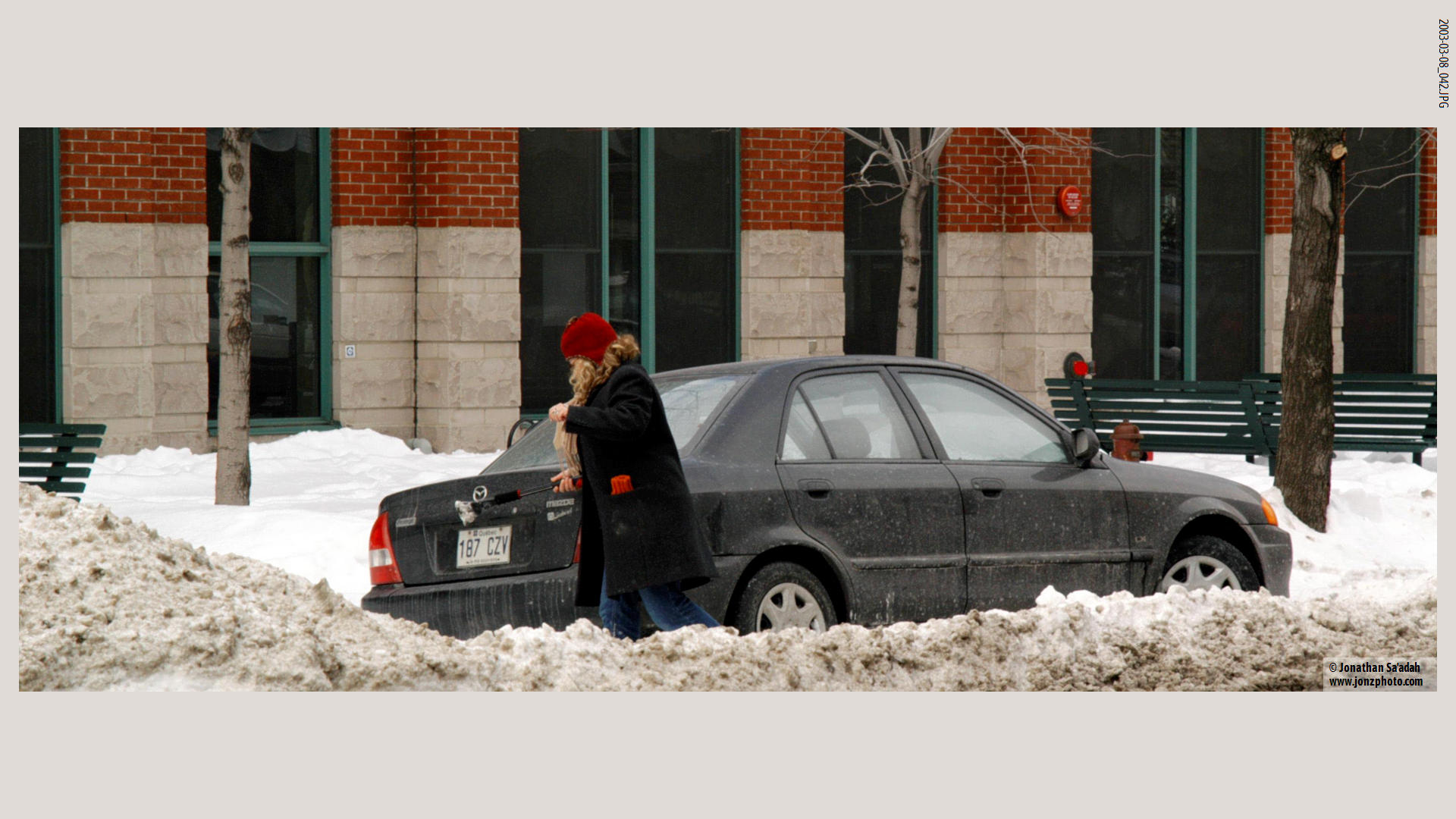
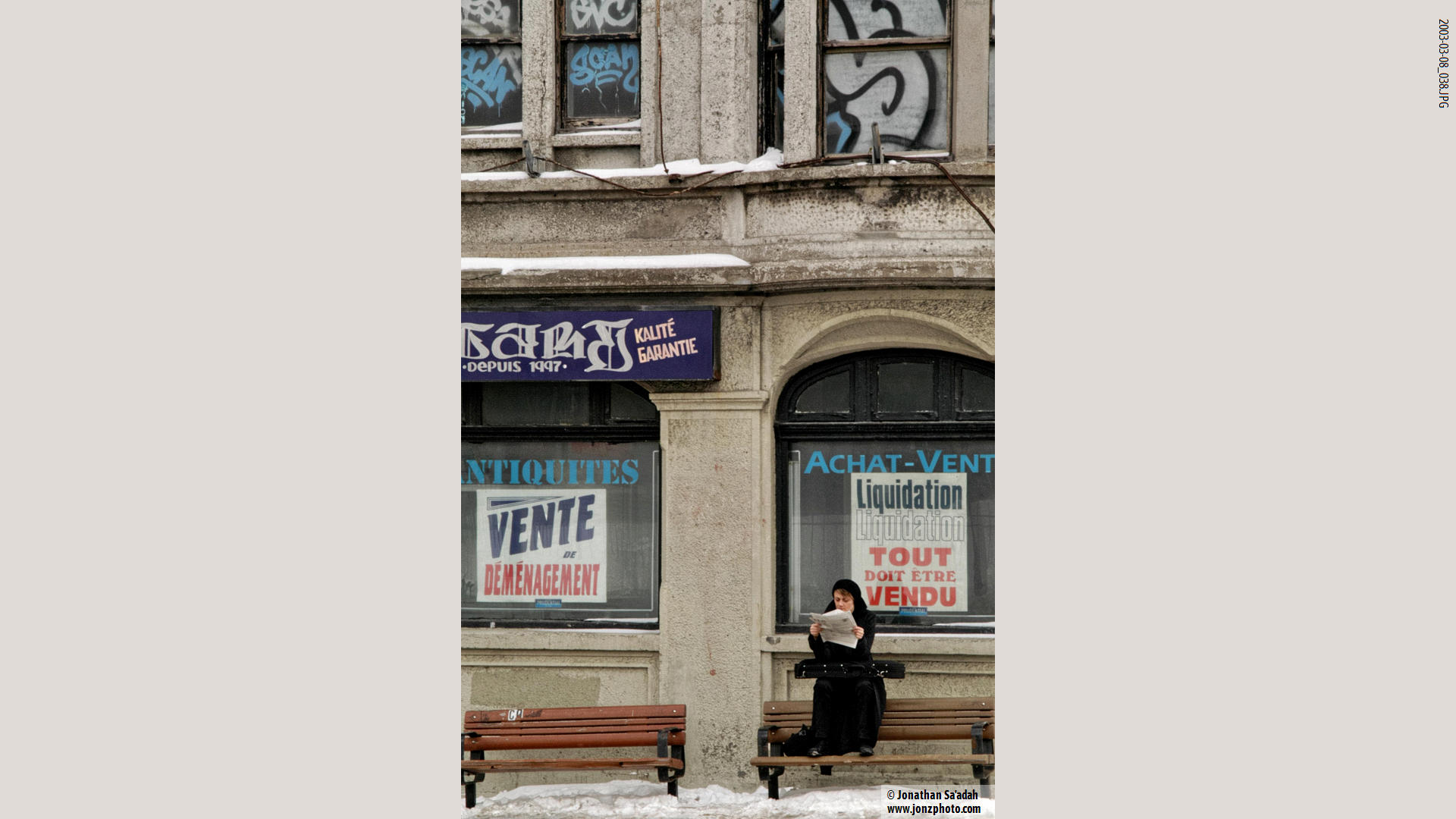
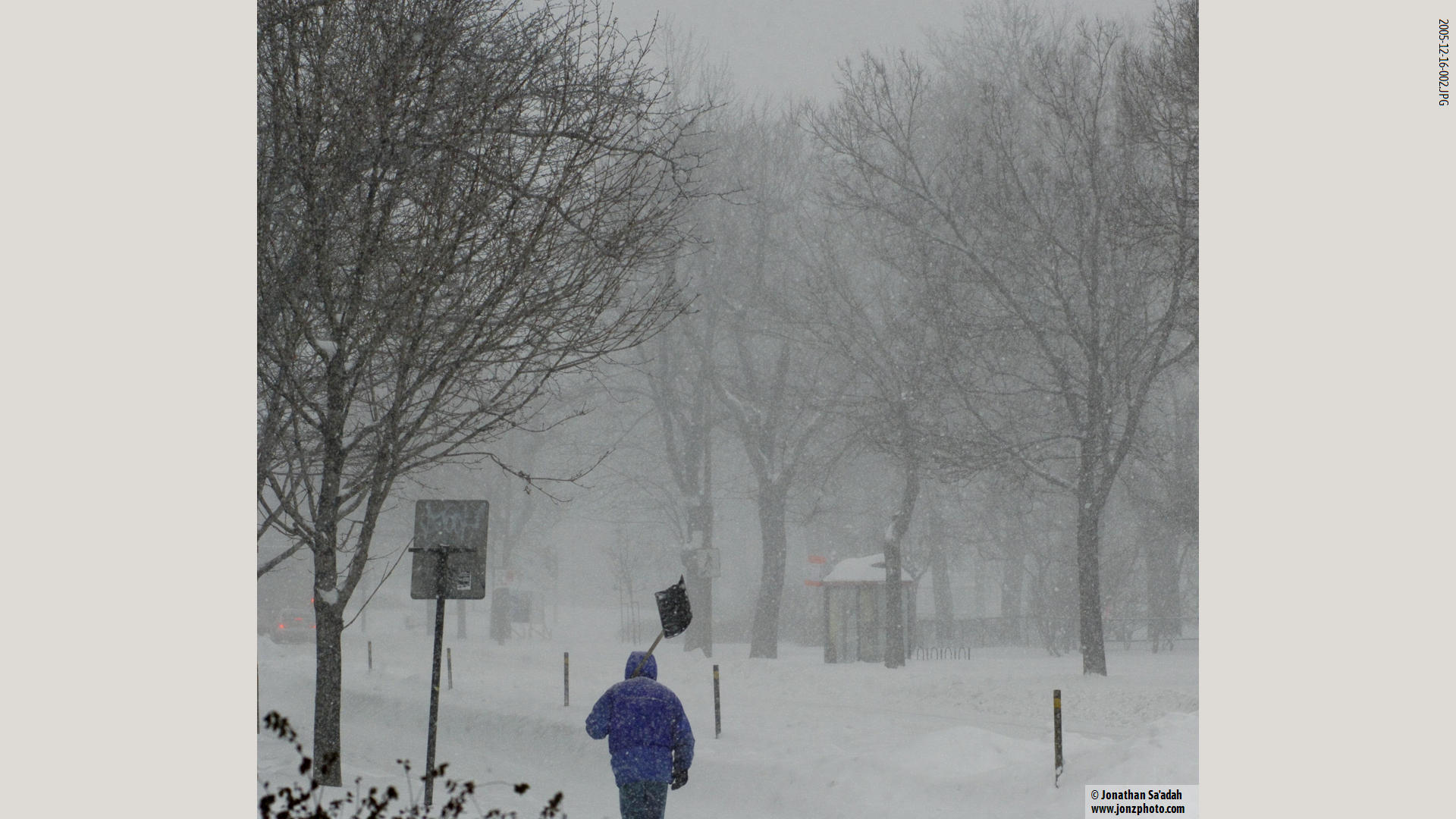
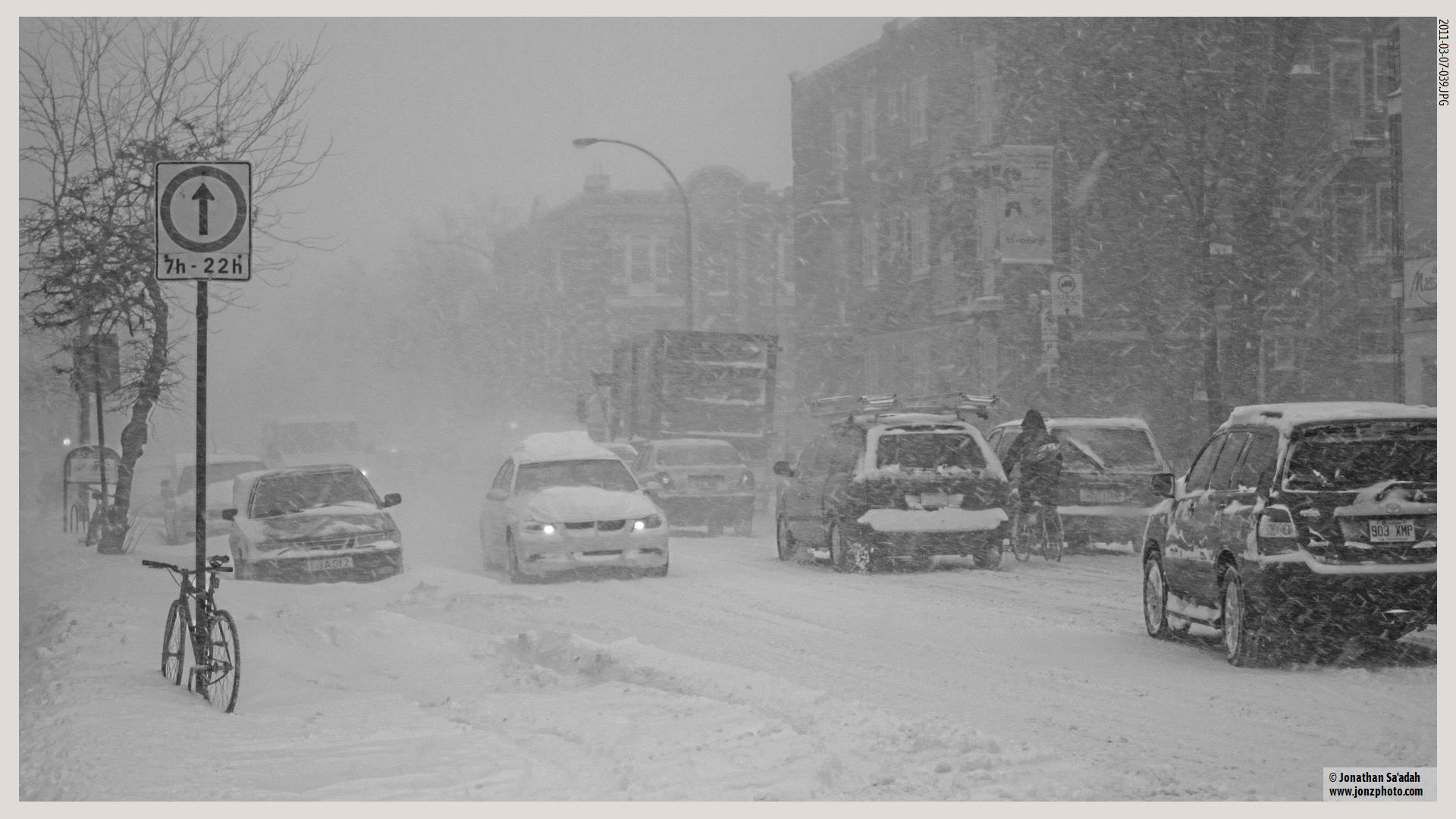
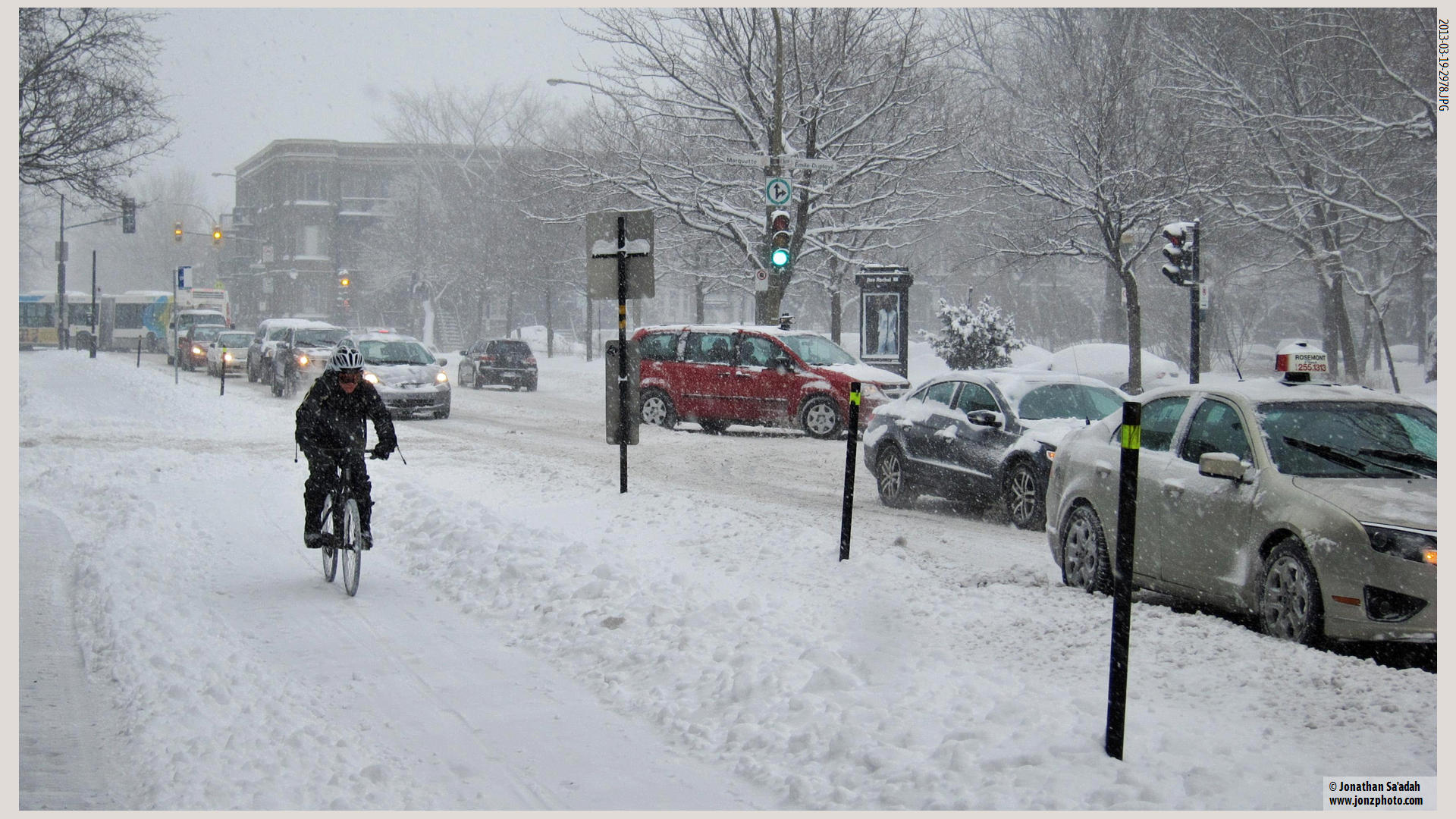
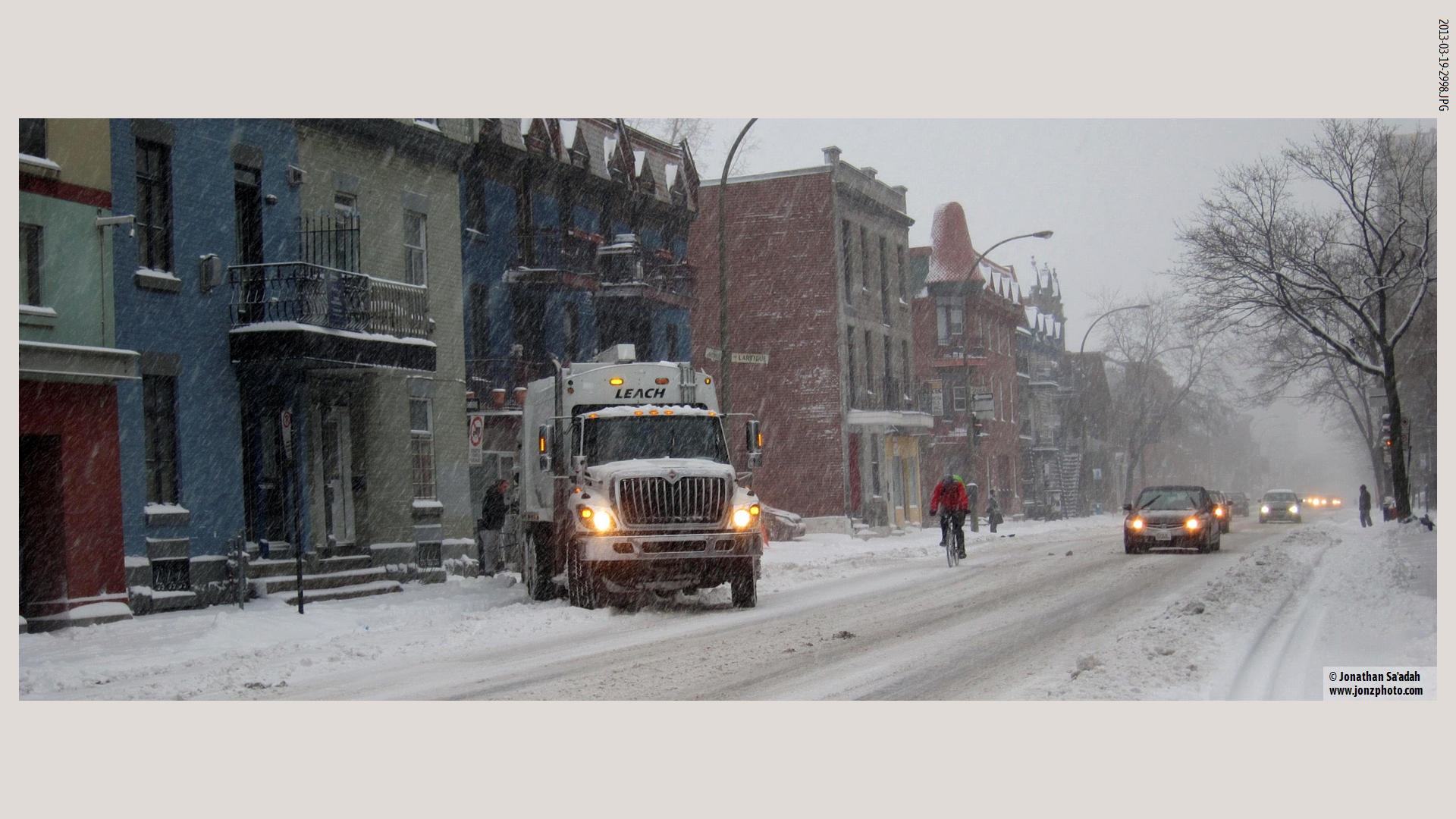
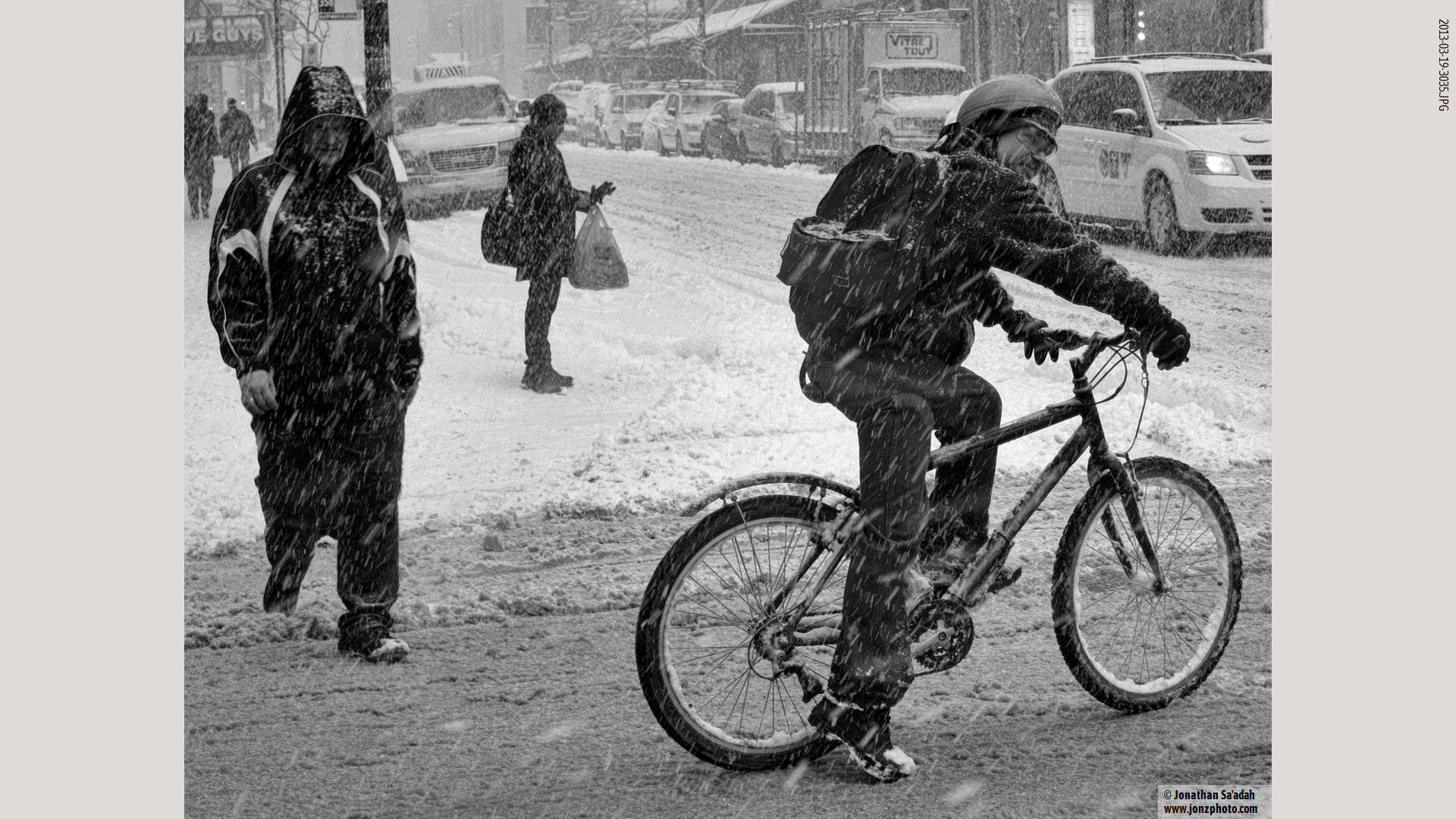
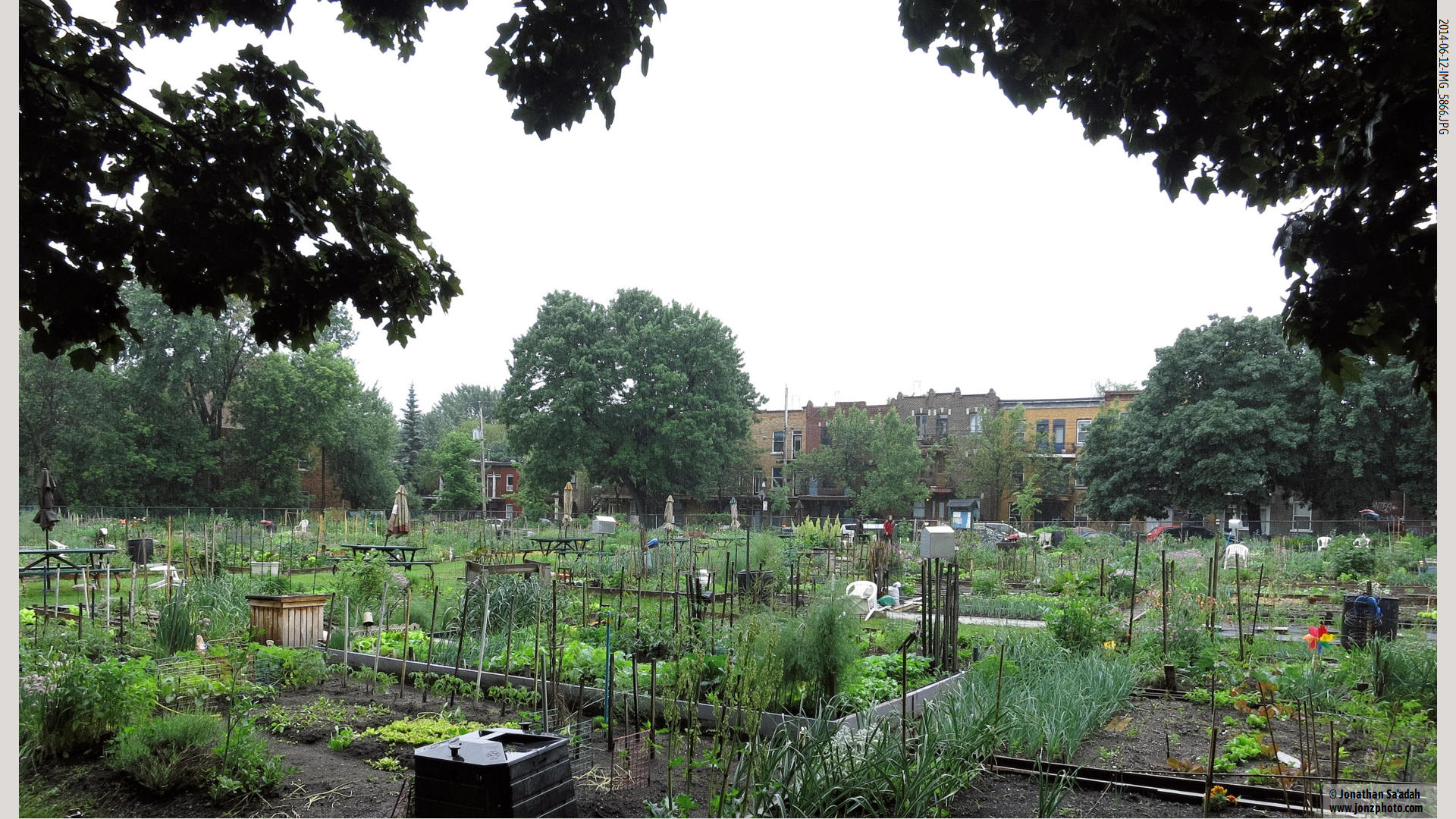
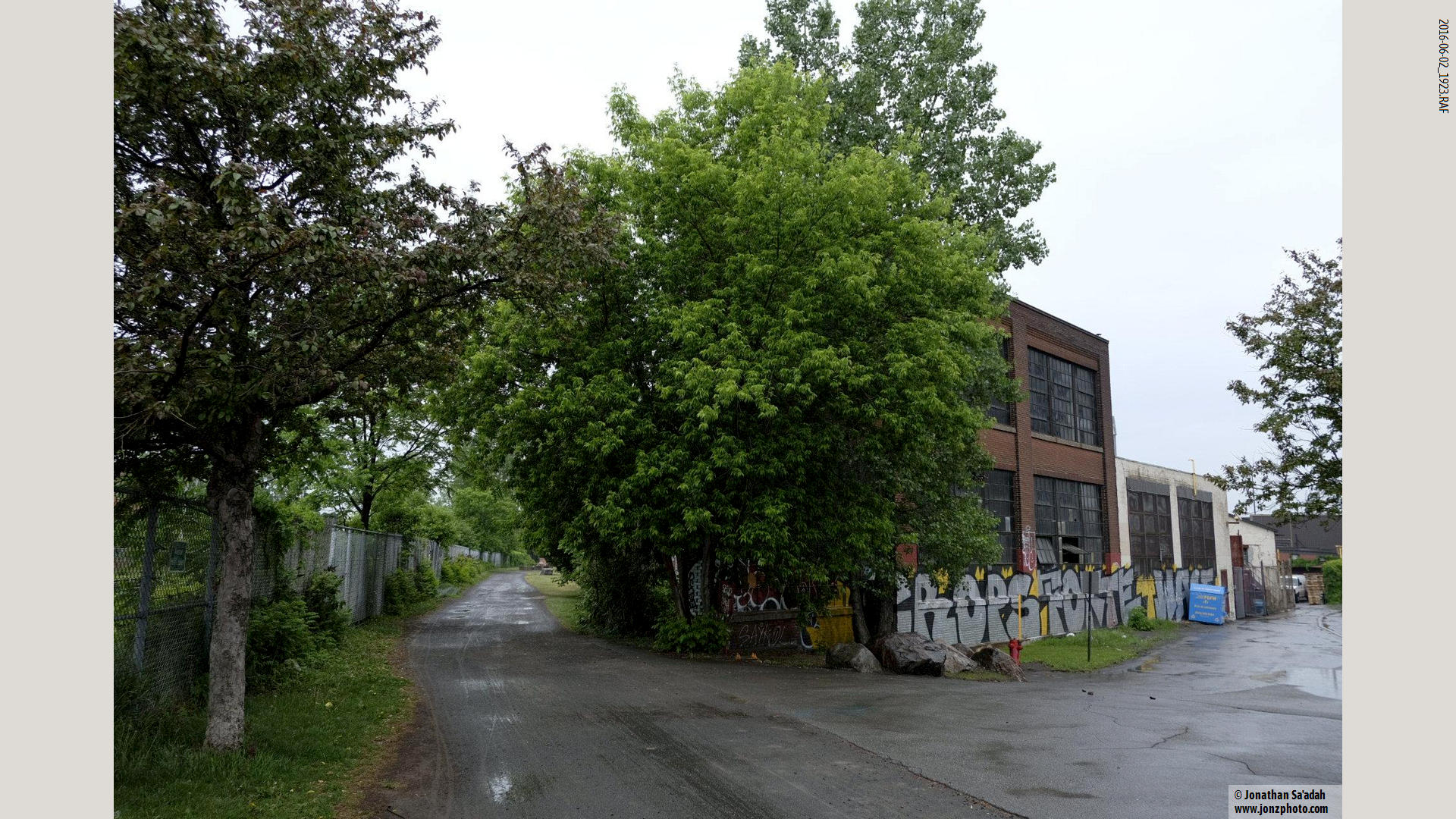
Montreal is a city that refuses to be reduced to picture postcard clichés. Here, the gritty dep and styled food-market, the narrow ruelles and the wide boulevards, the laughter and longing, all exist side by side, unposed and unrehearsed. Montreal Unfiltered is an invitation to witness the city as it truly breathes: raw, restless, and radiant in its imperfection. These photographs trace the pulse beneath the surface, capturing moments where the city’s true spirit flickers – in the crunch of a cyclist powering through snow at night, in the quiet dignity of a solitary reader, in the small sidewalk flower plots and community gardens. This is a city of contradictions: winter’s hush and the noisy summers, solitary figures and crowded streets, languages colliding and coexisting. Let these images draw you into Montreal’s daily poetry – its grit and grace, its shadows and sudden bursts of color. Here, nothing is staged, nothing is concealed. This is Montreal, seen not through a filter, but through the honest lens of life itself.
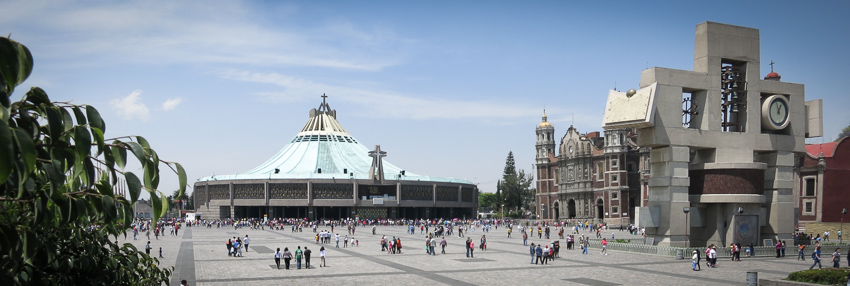
The Basilica de Santa Maria de Guadalupe In the center of the photo, this enormous circular Basilica will be one of the places where Pope Francis celebrates Mass on his trip to Mexico. In Mexico City he will also visit a children’s hospital and celebrate mass further north, in a poor part of the city. The tippy Cathedral right center was built about 1700 and goes every which way – courtesy of the soft soil and multiple earthquakes. It’s odd and a bit exciting to be inside a building that is so askew.
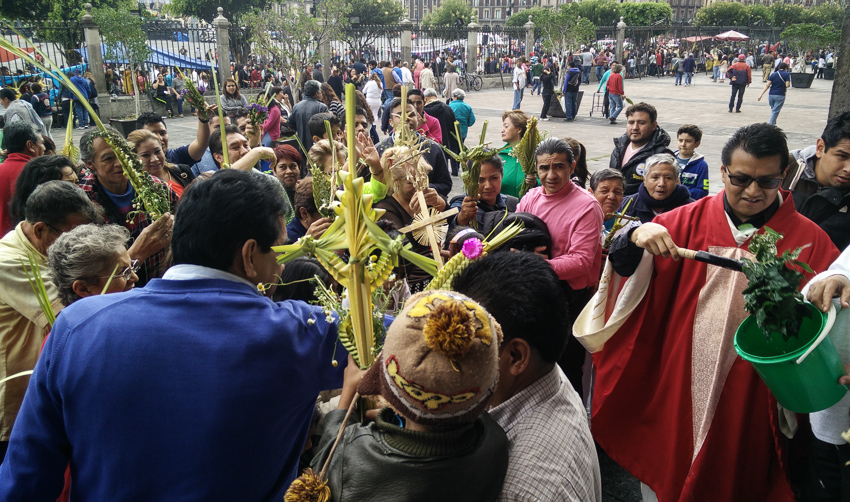
Outside the Metropolitan Cathedral on Palm Sunday, 2015.
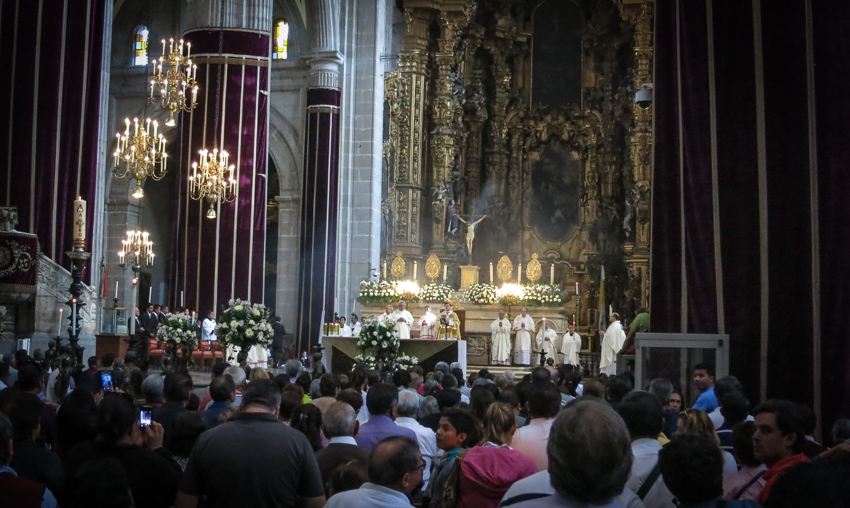
Mass in the Metropolitan Cathedral Taken at Easter Mass in April 2015.
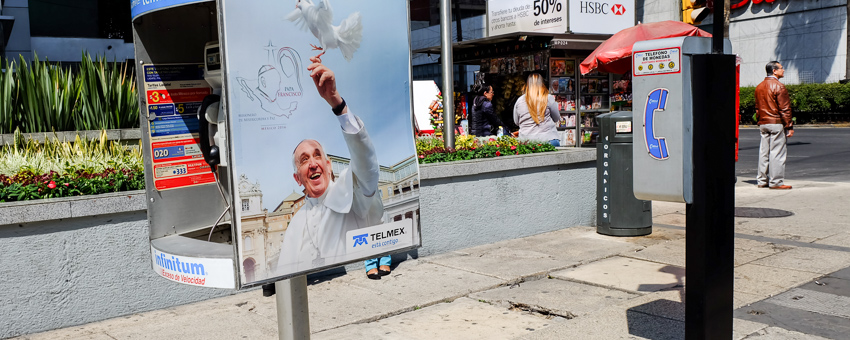
These ads are currently appearing all over the city on telephone booths.
I haven’t seen many images of the Pope defaced, but these were, rather prominently.
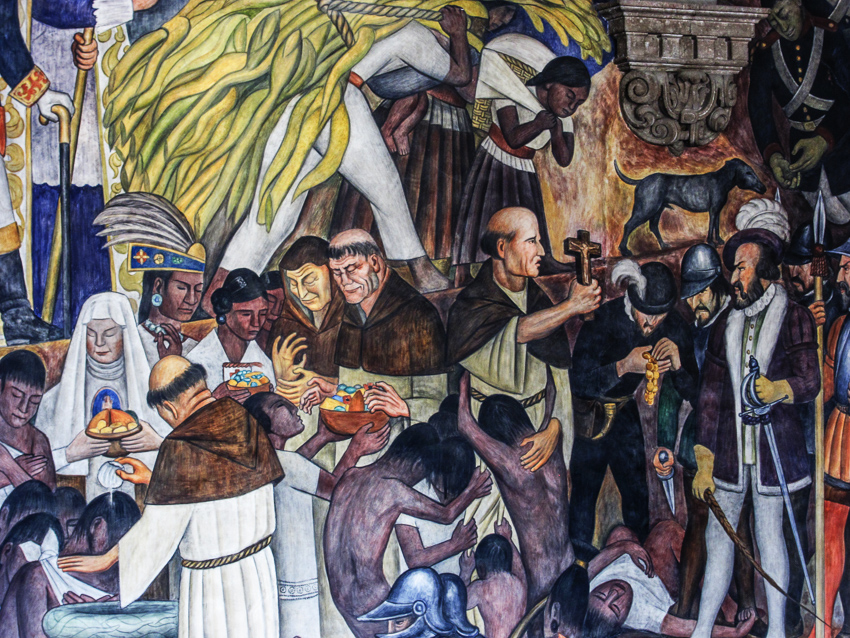
Detail of Diego Rivera Mural Rivera painted a powerful set of murals depicting the history of Mexico between 1929 and 1935 on the walls of the National Palace, where the Pope will be officially greeted.
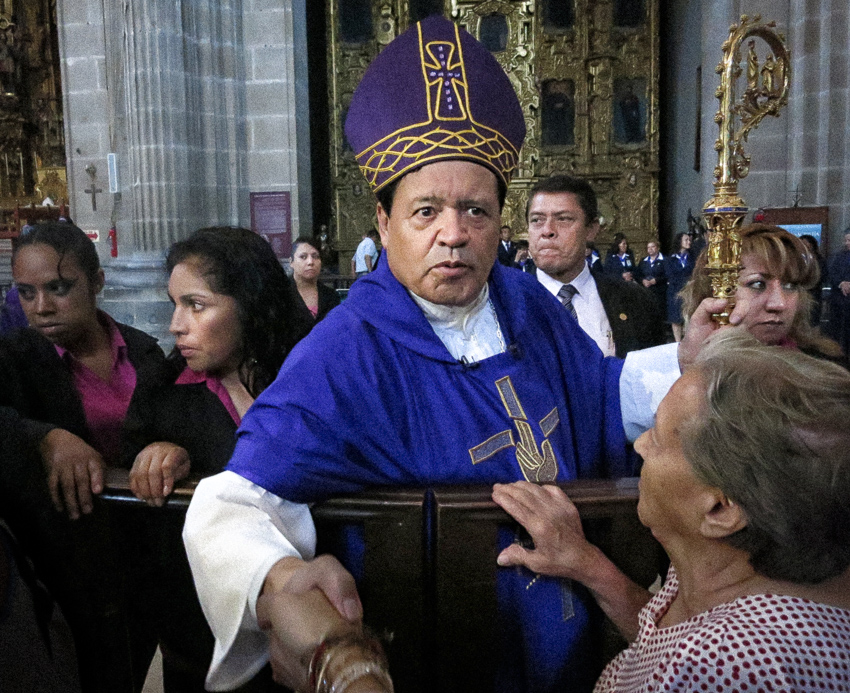
Archbishop Norberto Rivera Carrera after Sunday Mass, Mexico City, 2014. After the Pope is greeted in the National Palace by the Mexican President, he goes across the Zócalo kitty-corner to the Metropolitan Cathedral (where this photo was taken) where he will meet with the Mexican clergy.
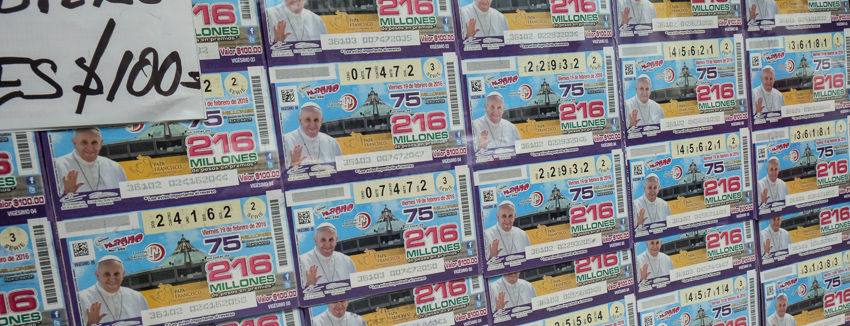
Lottery tickets being sold on the street the week before the Pope’s visit.
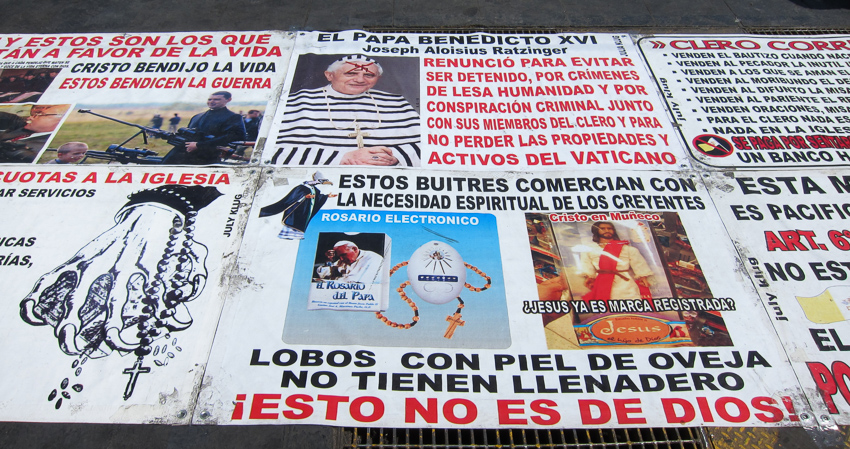
Poster on the street outside the Metropolitan Cathedral This photo was taken in 2013 when Pope Benedict was still alive.
About eight years ago, as part of my application for Canadian residency, I was required to submit my American Social Security card. As a child I remembered having the piece of paper, but hadn’t seen it for about forty years so I had to get a duplicate. It’s not something that an American citizen would have to do too often; most people know their Social Security number by heart and that’s about all that’s required.
Burlington is Vermont’s only true city (small still) and the office I had to go to was there. I was a little shocked at what I saw. Vermont state offices tend to be relatively friendly places. Not exactly small town, but perhaps small state. This was a federal office and not only was it protected by guards, but it had small holes for talking to the “service” representatives and many written rules posted in the small waiting space. And guess what? Most of the people there were immigrants.
I got used to the idea of being an immigrant in the long process of applying for first residency and then citizenship in Canada. The idea that you are special – that you don’t have to go to these types of offices – pretty well melts away. But in the US if you are a born citizen you hardly ever have to notice what happens to people who aren’t. Some of the places to look, if you are interested, are at the larger land border crossings or at traffic stops, where skin color and legal status often become determining factors of how you are treated. Another place it’s in your face is should you take a bus across the border, where people are basically sorted by their appearance, before even the presentation of documents.
Being an immigrant myself in Canada has made me a lot more sensitive when I see people having trouble. I think that if you haven’t been an immigrant it’s difficult to understand what it’s like. What it’s like to learn a whole new culture, to be in a country where perhaps you have no real roots other than being there.
We have been lucky to have a core of people who have become friends, some close friends, by virtue of us having joined an Anglican parish in Montreal. We were drawn to this specific parish originally because of the outstanding music, but in the eleven years we’ve been part of this community there’s been much more than the music holding us there – and that’s not to downplay the music at all. I’ve many other reasons to be there and also what Christianity’s good side is. But it’s not all easy – being a member of a church in Quebec is akin to having leprosy. The Catholic church abused Quebecers, and they returned the favor by abandoning the organized church with a vengeance. Most of the swear words in Quebec are church-derived, and being involved in any sort of church-related activity raises hives for many of our acquaintances and friends.
It might be surprising to note that quite a few of the people in the Anglican community I’m speaking about are Francophones born in Quebec. Obviously they are of a different stripe to be doing what they are doing, but so too are the rest of us. This parish, which is actually housed in the large downtown cathedral, has had a long history of social activism, and early on put up a large rainbow flag. The flag is not quite so controversial now but still periodically some unhappy person comes into the Cathedral and tries to tear it down. But it would be hard to tear down the tolerance and evolving understanding that’s part of why we have belonged to this parish, and why it’s meant so much to me.
I say this by way of introducing what will be happening in the next few days with the visit of the Pope to Mexico City. I don’t know enough to write a long intelligent commentary about the relationship of the Catholic Church to Mexico. I’ve seen so much, and so little. We’ve gone to services at the small parish church in the neighbourhood nearby, we’ve gone to fancy services in the Metropolitan Cathedral, we’ve watched and noted a lot of behavior, we’ve read. But it’s the same as applying for residency – I’m an outsider and will never really understand that much even in the big sense, much less the nuance.
Marie visited a few days ago with her photos place-marked into How Many Roads? Not so many minutes after we started going over them we were laughing so hard we were almost crying. Our parents must have been so proud of us!Here she writes:
Marie in her Québec garden, circa 1971
Pourquoi ai-je été aussi touchée en voyant les photos de Jonathan?
Elles m’ont ramenées directement vers les miennes de la même époque . J’ai eu un irrepressible besoin de fouiller dans mes vielles boîtes pour les retrouver, les comparer, les jumeler…
C’est un moment commun… même si c’est de part et d’autre de la frontière.
Avoir 20 ans dans les années 70, membre d’une cohorte très importante de jeunes en rupture avec un système politique et économique…la contre-culture!
Nous nous distinguions dramatiquement de nos parents qui avaient vécu la crise et la guerre, nous étions plus insouciants, plus libres, plus créatifs, prêts à prendre plus de risques…
Que sont nos amis devenus…que nous avions de si près tenus…et tant aimés… comme dans la complainte de Ruteboeuf
Qu’est-ce qu’on a fait de nos rêves… comme le chantait si justement Sylvain Lelièvre…
How many roads…
On se retrouve aujourd’hui…peut-être moins nombreux…plusieurs ont déserté vers un confort trop douillet…
Mais le désir d’un monde plus juste ne s’éteint pas